
What Is A Normal Breathing Rate For Dogs Understanding The Dog Respiratory System
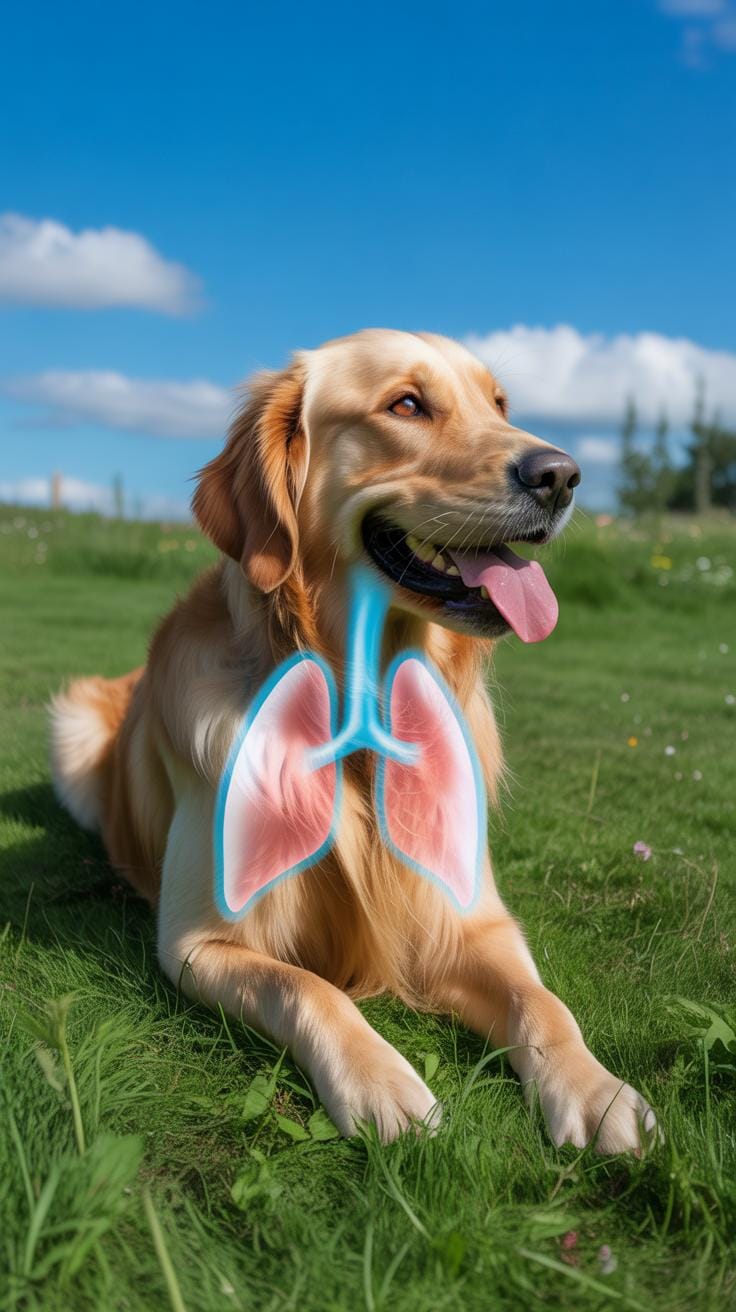
How Many Breaths Per Minute Is Considered Normal For A Resting Dog
A healthy dog takes between fifteen and thirty breaths every minute while resting. This rate applies specifically to a calm state without physical exertion or high heat. You measure this by watching the chest rise and fall. One expansion and one contraction count as a single breath. Smaller breeds often breathe faster than larger breeds. Consistent monitoring establishes a baseline for your specific pet.
Record these numbers while your dog sleeps to get the most accurate data. Any rate consistently exceeding forty breaths per minute during rest signals a medical issue. High counts often indicate pain or respiratory distress. You must distinguish between normal sleep dreaming and pathological heavy breathing. Tracking the resting respiratory rate helps you identify heart or lung problems early. This data provides clear evidence for your veterinarian.
How The Dog Respiratory System Works And Why It Differs From Humans
Dogs use their respiratory system primarily for gas exchange and temperature regulation. Unlike humans, dogs do not have sweat glands across their skin to cool down. They rely on the evaporation of moisture from the tongue and lungs. This process moves hot air out and draws cool air in quickly. The structure includes the nasal cavity, trachea, and lungs. Each part works to filter and humidify air.
Anatomy differs significantly between breeds due to skull shape. Brachycephalic dogs have shortened airways which increase breathing resistance. Humans regulate heat through sweat while dogs use rapid shallow breaths called panting. This mechanism bypasses the primary lung tissue to avoid over oxygenating the blood. Efficiency depends on clear airways and strong lung capacity. Understanding these mechanical differences explains why dogs breathe differently than people under minor stress.

Common Reasons Your Dog Is Breathing Fast While Resting
Heat, Stress, And Excitement As Everyday Triggers Of Dog Breathing Fast
Dogs lack typical sweat glands and rely on panting to regulate body temperature. If your dog is resting in a warm room or after exercise, they will breathe rapidly. This physiological response moves air over the moist surfaces of the tongue and lungs. Evaporation cools the blood circulating through these areas. This mechanism prevents overheating and maintains a stable internal temperature.
Emotional states also trigger rapid breathing. High levels of cortisol and adrenaline enter the bloodstream when a dog feels stress or excitement. These hormones increase the heart rate and demand more oxygen. You might see this after a visitor leaves or during a thunderstorm. The body stays in a high alert state even after the dog lies down. This elevates the respiratory rate temporarily.
How Dreams And REM Sleep Can Cause Rapid Breathing In Dogs
Dogs progress through distinct sleep cycles just like humans. Rapid Eye Movement, or REM sleep, is the stage where most dreaming occurs. During this phase, the brain becomes highly active. This brain activity sends signals that can alter breathing patterns. You will often see quick or irregular breaths while the dog appears to be deeply asleep. This is a normal part of canine neurology.

A dog dreaming of running or playing will display physical signs of that activity. Muscles may twitch and the respiratory rate will climb as the body reacts to the dream. This internal stimulation mimics a real physical workout. The breathing should return to a steady pace once the dog moves into a deeper or lighter sleep stage. Fast breathing in this specific context is rarely a health concern.
Dog Breathing Heavy When Heavy Breathing Signals A Medical Concern
Distinguishing Normal Heavy Breathing From Labored Or Distressed Breathing
Normal heavy breathing usually follows physical exertion or high heat. A healthy dog uses panting to lower body temperature through evaporation. The mouth stays open and the tongue often hangs out. The chest moves rhythmically without excessive force. Recovery happens quickly once the dog rests in a cool environment. You should see a steady return to a quiet and slow respiratory rate.
Labored breathing looks different because the dog exerts visible effort to move air. Look for flared nostrils and a neck stretched forward. The stomach muscles will often contract sharply to help the lungs work. This is called abdominal breathing. Distressed dogs may refuse to lie down or act restless. Watch for blue or pale gums instead of a healthy pink color. This indicates a lack of oxygen.
Medical Conditions Linked To A Dog Breathing Heavily At Rest
Lung and heart issues often cause a dog to breathe fast while resting. Congestive heart failure prevents the heart from pumping blood efficiently. This leads to fluid buildup in the lungs. Pneumonia and asthma also block clear airways. These conditions force the dog to take more breaths to get enough oxygen. Any inflammation in the respiratory tract will cause the breathing rate to spike.

Other internal factors trigger rapid respiration. Anemia reduces the oxygen carrying capacity of the blood. The dog breathes faster to compensate for the deficit. Metabolic issues like Cushing’s disease or certain toxins can also drive this behavior. Pain is another frequent cause. A dog in physical discomfort will often show a high respiratory rate even while lying still. Check for these signs if the environment is cool.
Heart And Lung Conditions That Cause A Dog Breathing Fast While Resting
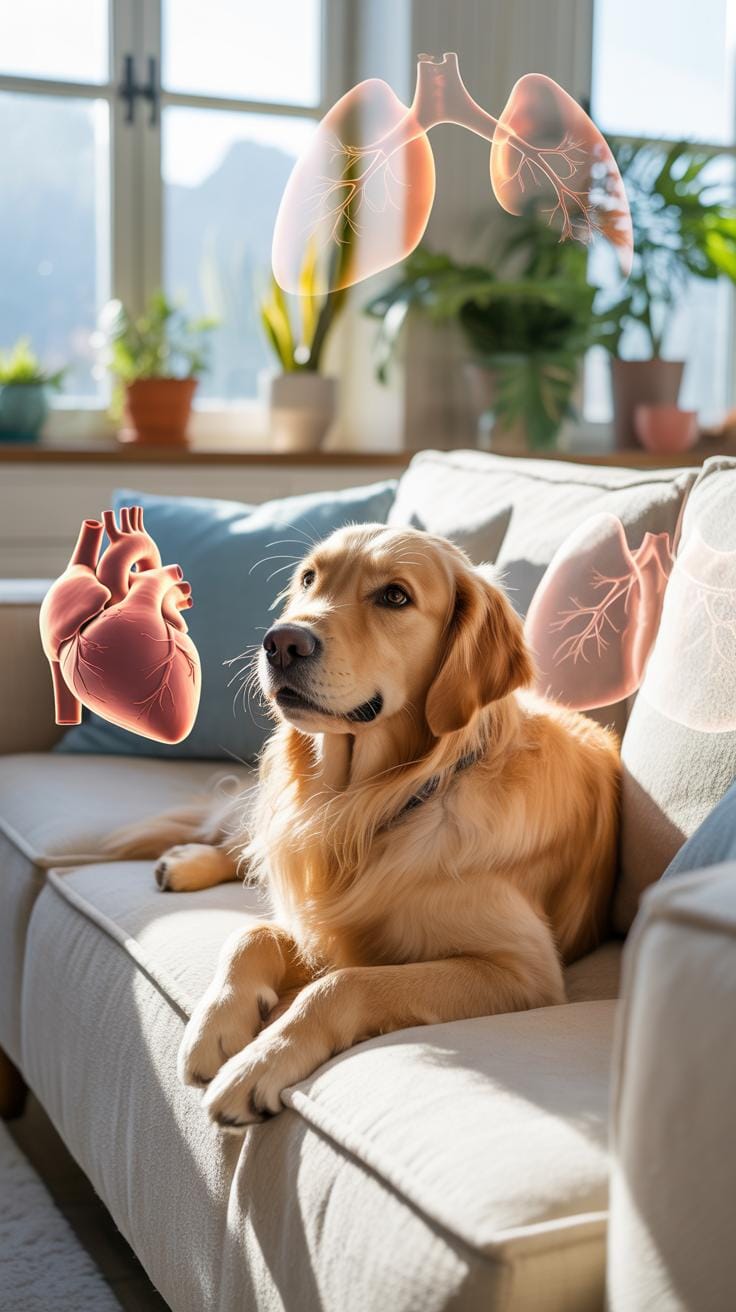
How Congestive Heart Failure Can Lead To Rapid Breathing In Dogs
Congestive heart failure occurs when the heart cannot pump blood efficiently. This failure causes blood to back up in the vessels. Pressure then forces fluid into the lung tissues. This condition is known as pulmonary edema. The fluid prevents oxygen from entering the bloodstream easily. Your dog must breathe faster to compensate for low oxygen levels. These rapid breaths happen even during sleep.
Monitor your dog for a persistent cough or exercise intolerance. These signs often appear before severe breathing shifts. Veterinary doctors use x-rays and ultrasounds to check heart size and fluid levels. Medications like diuretics help remove excess fluid from the body. Reducing fluid buildup eases the workload on the heart. Fast action prevents total respiratory collapse. Specialized care is required to manage this chronic condition effectively.
Pneumonia, Fluid In The Lungs, And Other Respiratory Illnesses To Watch For
Pneumonia involves inflammation and infection within the lungs. This disease fills the air sacs with pus or fluid. Direct causes include bacteria, viruses, or inhaled food particles. Inflamed lungs cannot exchange gases properly. The dog breathes fast to get enough air into the healthy parts of the lungs. High respiratory rates indicate the body is struggling to stay oxygenated. Fever and lethargy often accompany this.

Other illnesses like lung tumors or chest trauma also cause rapid breathing. Pleural effusion occurs when fluid builds up outside the lungs within the chest cavity. This pressure stops the lungs from expanding fully. Every breath becomes shallow and quick. Owners should watch for blue-tinted gums or heavy chest movements. Targeted antibiotics or surgical drainage may be necessary. Immediate medical intervention is the only way to stabilize a struggling dog.
Breed Specific Breathing Issues Labradoodle Breathing Problems And Brachycephalic Breeds
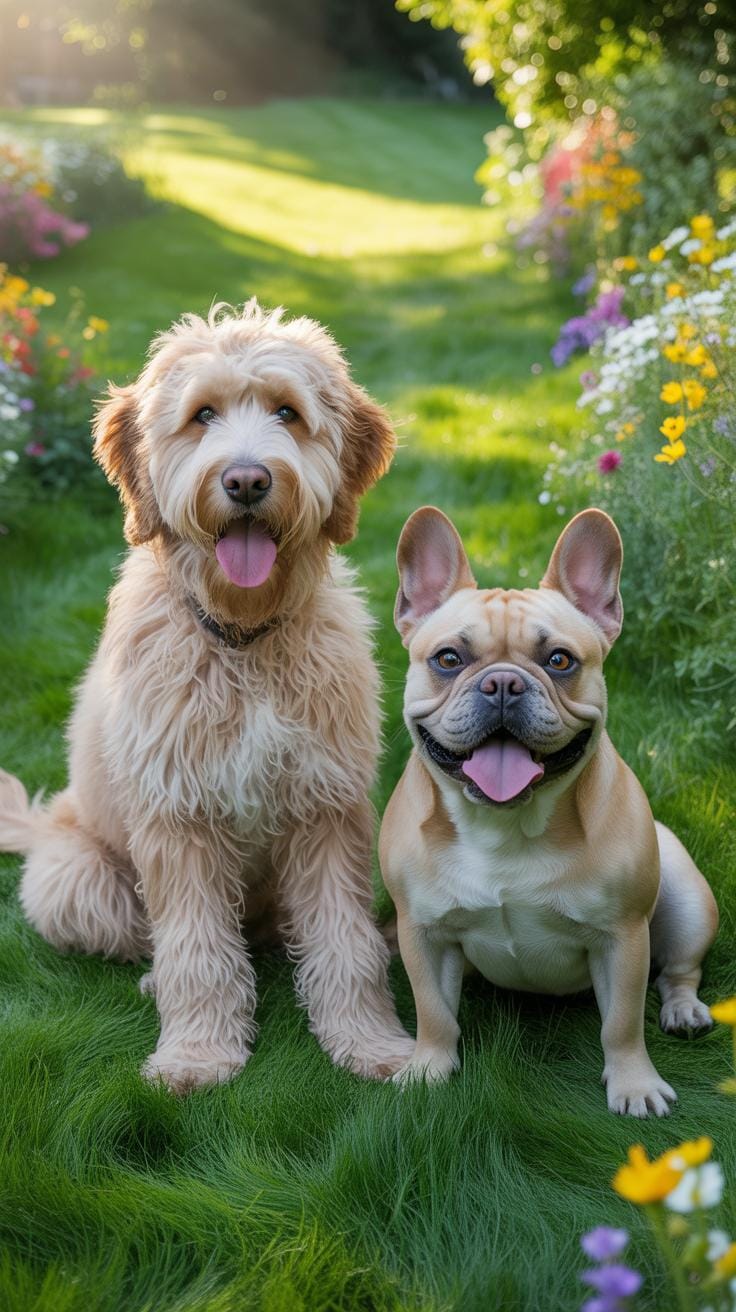
Why Labradoodle Breathing Problems And Flat Faced Breeds Are More Prone To Fast Breathing
Genetics dictate how efficiently a dog moves air. Labradoodles often inherit a high risk for heart conditions like subaortic stenosis or mitral valve disease from their Poodle and Retriever ancestors. These cardiac issues force the lungs to work harder, leading to rapid breathing even at rest. Owners must monitor respiratory rates because breed popularity has increased the prevalence of these inherited traits.
Flat-faced breeds face a different physical struggle. Their skull shape compresses the upper airway into a tiny space. This structural defect makes every breath a high-effort task. These dogs cannot cool themselves effectively through panting. This anatomical failure causes them to breathe faster than longer-nosed dogs. Heat and stress exacerbate these narrow passages, turning normal rest into a period of heavy labor.
Brachycephalic Obstructive Airway Syndrome And What It Means For Your Dog
Brachycephalic Obstructive Airway Syndrome consists of several physical abnormalities in the throat and nose. Most affected dogs have narrow nostrils and an elongated soft palate. These features block the flow of air into the lungs. The dog must use excessive force to pull oxygen past these obstructions. This constant strain creates inflammation and swelling, which further narrows the airway and increases the breathing rate.

This syndrome causes long-term damage to the respiratory system. The increased pressure from forced breathing can lead to laryngeal collapse over time. Dogs with this condition often experience lower blood oxygen levels. They compensate by breathing faster to meet their metabolic needs. Surgery is often the only way to correct these structural defects. Owners should track resting breath counts to identify when the condition is worsening.
Pain Anxiety And Heavy Breathing The Emotional Side Of Dog Breathing Fast
How Chronic Pain Or Injury Can Cause A Dog To Breathe Rapidly While Resting
Pain triggers the sympathetic nervous system. This system controls the fight or flight response in dogs. When a dog feels sharp or chronic pain, its body releases adrenaline and cortisol. These hormones increase heart rate and respiratory speed. A resting dog breathing fast often masks internal discomfort. It cannot vocalize the pain so it pants to manage the physiological stress.
Injuries like joint inflammation or abdominal issues often stay hidden from owners. Dogs instinctively hide weakness to avoid appearing vulnerable. Rapid breathing while lying down serves as a primary clinical sign of distress. You must monitor the breath rate during sleep. If the rate stays high without physical exertion, investigate for underlying trauma. Pain management usually returns the breathing to a normal rhythm quickly.
Anxiety Disorders, Phobias, And Stress Induced Heavy Breathing In Dogs
Anxiety creates physical symptoms that mimic medical emergencies. Psychological triggers cause the brain to signal for more oxygen. The dog breathes fast to prepare for a perceived threat. This happens even if the dog stays in its bed. Common triggers include loud noises or separation from the pack. The rapid breath helps the dog maintain high alertness during emotional turmoil.

Phobias cause immediate respiratory changes. Thunderstorms or fireworks often lead to frantic, shallow breathing while resting. The dog does not need to move to experience this physical strain. Long-term stress keeps the dog in a hyper-metabolic state. Constant fast breathing wears down the dog’s energy reserves. Recognize these patterns to differentiate between a physical lung issue and a psychological response to the environment.
Warning Signs To Watch When Dog Breathing Heavily Requires Immediate Vet Attention

Red Flag Symptoms That Accompany Fast Breathing And Should Never Be Ignored
Fast breathing alone is a signal, but specific secondary symptoms indicate a life-threatening crisis. You must identify these markers immediately to prevent respiratory failure or cardiac arrest. These physical changes show the body can no longer compensate for a lack of oxygen. Watch for shifts in posture and color. Any deviation from normal behavior while the dog struggles for air requires an emergency clinic visit.
- Blue or Pale Gums: Check the mouth for a blue, purple, or grey tint. Healthy gums are bubblegum pink. Discoloration proves the blood lacks enough oxygen to support vital organs. This is a critical medical emergency that demands immediate oxygen therapy from a veterinarian.
- Orthopnea Posture: Watch for a dog standing with elbows out and neck stretched forward. This physical stance helps open the airway and expand the chest cavity more easily. If your dog refuses to sit or lie down while breathing fast, they are fighting to keep their windpipe clear.
- Excessive Drooling: Look for thick saliva or foaming at the mouth without a clear cause. When a dog cannot swallow normally because they are gasping for air, fluid builds up. This often accompanies heatstroke or severe respiratory distress. It indicates the dog has lost control over its basic cooling and breathing mechanisms.
- Abdominal Labored Breathing: Focus on the stomach muscles rather than just the chest. If the abdomen pulls in or pushes out hard with every breath, the dog is using extra effort to move air. This mechanical struggle indicates deep lung issues or fluid buildup in the chest cavity that requires professional drainage.
- Extreme Lethargy: Observe if the dog is too weak to stand or respond to their name. Rapid breathing combined with a collapse or inability to move suggests the heart is failing. The body is diverting all energy to the lungs. This state often precedes a total systemic shut down without rapid medical intervention.
Assess the situation within seconds to determine the level of urgency. Do not wait for symptoms to disappear on their own. If you see foam, blue tissue, or constant gasping, your dog is in active distress. Provide a cool environment and transport the dog to the nearest vet immediately. Faster response times directly correlate with better survival rates for dogs experiencing severe respiratory failure.
How To Monitor Your Dog’S Resting Respiratory Rate At Home Between Vet Visits
Measuring the resting respiratory rate is the most effective way to track heart and lung health. You must perform this check while the dog is in a deep sleep. Do not count breaths while the dog is awake, panting, or dreaming. A normal rate for most dogs is between fifteen and thirty breaths per minute. Consistent tracking helps you catch small changes before they become fatal.

Wait until the dog is completely still and quiet. Count one breath as a single rise and fall of the chest. Use a timer for thirty seconds and multiply the count by two. If the number exceeds forty breaths per minute at rest, call your vet immediately. Keep a written log of these daily numbers. This data helps your veterinarian adjust medications and identify heart failure progression before a crisis occurs.
How To Improve Dog Breath And Overall Respiratory Wellness At Home

Practical Lifestyle Changes That Support Healthy Breathing And Reduce Dogs Breath Stinks Issues
Maintaining a clean environment reduces the workload on your dog’s lungs and keeps the airway clear of irritants. Dust, second-hand smoke, and strong chemical cleaners trigger inflammation in the bronchial tubes. This irritation causes the body to work harder to oxygenate blood, leading to faster resting breaths. Controlling indoor air quality is the first step in managing respiratory efficiency at home.
- Air Filtration: Use High Efficiency Particulate Air filters to remove dander and pollen from the living space. These devices capture microscopic particles that irritate the nose and throat. Cleaner air reduces the frequency of sneezing and reverse sneezing episodes that disrupt normal breathing patterns.
- Weight Management: Prevent excess fat from putting pressure on the chest wall and diaphragm. Obesity forces a dog to take shallow, rapid breaths to compensate for limited lung expansion. Keeping a dog at a lean body condition score improves overall oxygen intake and heart health.
- Hydration Maintenance: Provide constant access to clean water to keep the mucus membranes in the respiratory tract moist. Proper hydration allows the body to clear out inhaled debris and bacteria more effectively. Dry membranes are more prone to infection and inflammation, which can cause foul odors.
- Regular Exercise: Engage in consistent, low-impact physical activity to strengthen the heart and intercostal muscles. A strong cardiovascular system processes oxygen more efficiently, lowering the resting respiratory rate over time. Monitor your dog during exercise to ensure they do not overheat or struggle to catch their breath.
- Stress Reduction: Minimize loud noises and environmental stressors that trigger anxiety-induced panting. Chronic stress keeps the body in a state of high physiological demand, causing the dog to breathe faster even while lying down. A calm environment promotes slow, deep breathing and relaxes the entire respiratory system.
Scented products often contain volatile organic compounds that damage sensitive canine nasal tissues. Essential oils and plug-in air fresheners can cause immediate respiratory distress in certain breeds. Switch to pet-safe, unscented cleaning agents to prevent chemical pneumonia or chronic bronchitis. These simple adjustments protect the lungs and ensure the dog breathes easily without unnecessary strain on their internal systems.
Even when their breath quickens in a restless dream, a dog remains our quietest, most faithful connection to the heartbeat of nature.
The Connection Between Dental Health Dog Breath And Respiratory Comfort
Oral bacteria do not stay confined to the mouth. When a dog has periodontal disease, they inhale bacteria from their teeth and gums directly into their lungs. This process can lead to aspiration pneumonia or secondary respiratory infections. These infections force the dog to breathe at a faster rate to maintain blood oxygen levels despite compromised lung tissue and inflammation.

Chronic dental pain also increases heart rate and resting respiratory frequency. A dog with infected gums lives in a state of constant physiological stress. Proper oral hygiene, including daily brushing and veterinary cleanings, removes the source of these pathogens. Eliminating oral infections reduces the total systemic bacterial load, allowing the respiratory system to function without the burden of inhaled contaminants and pain.
Diagnosis And Treatment What To Expect When You Visit The Vet For Fast Breathing
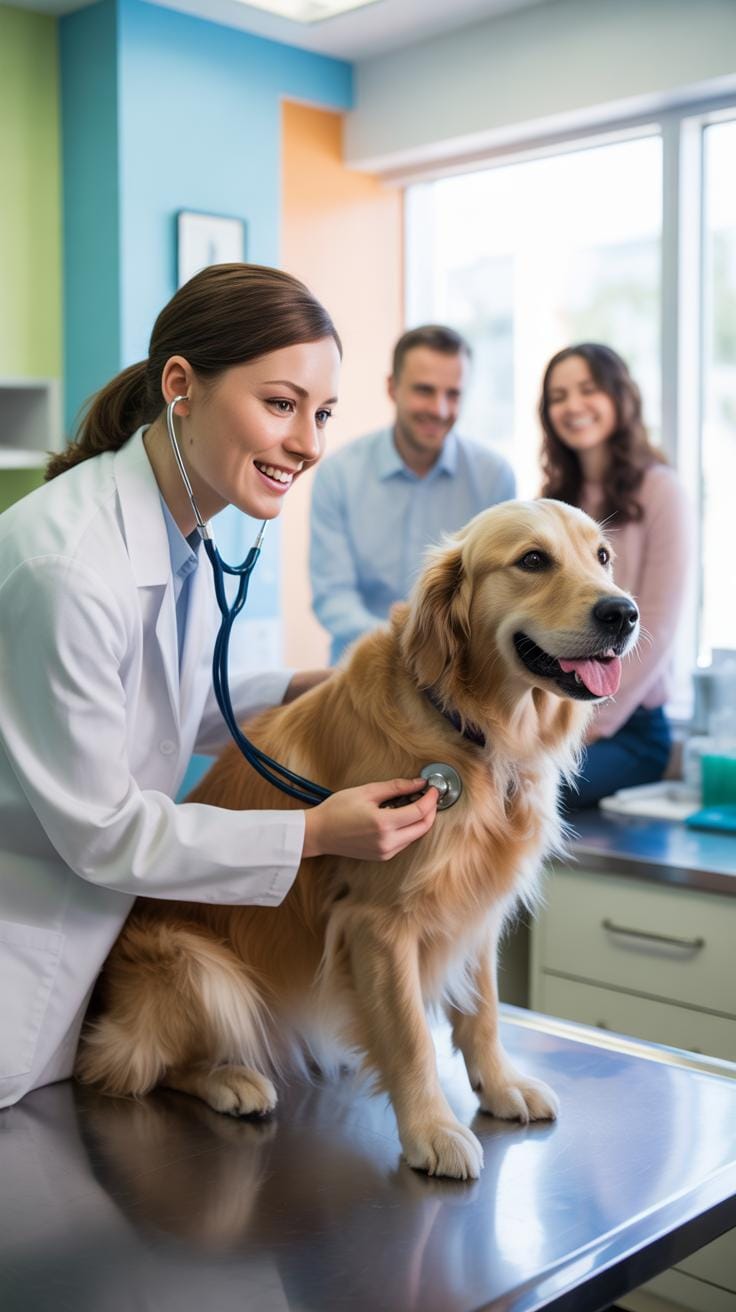
Diagnostic Tests Vets Use To Identify The Cause Of Rapid Breathing In Dogs
Vets start with a physical exam to check gum color and heart rate. They listen to the lungs for fluid or crackling sounds using a stethoscope. This initial step determines if the dog needs immediate oxygen. A pulse oximetry test measures oxygen levels in the blood. Vets then prioritize chest X-rays to see the heart size and lung condition clearly.
Blood tests are the next tactical step to rule out infection or systemic issues. A complete blood count identifies high white blood cell levels which signal pneumonia. Vets also use an echocardiogram if they suspect heart failure is causing the fast breathing. This ultrasound shows how well the heart pumps. These tests provide the data needed to create a targeted treatment plan.
Treatment Options For Dogs Breathing Fast Ranging From Medication To Lifestyle Adjustments
Immediate treatment often involves stabilization through an oxygen cage. This raises oxygen levels in the blood and reduces the work the heart must do. If the dog has congestive heart failure, vets prescribe diuretics like furosemide to remove fluid from the lungs. They also use vasodilators to open up blood vessels. These medications help the dog breathe easier by reducing internal pressure.
Long term management requires strict lifestyle changes and monitoring. You must limit physical exercise to prevent overworking the respiratory system. Weight management is also critical because excess fat makes breathing harder for dogs. Vets frequently recommend environmental changes like keeping the home cool and dust free. Consistent follow up visits allow the vet to adjust the medication dosage based on the dog’s progress.
The Dog Breathing Air Meme Vs Reality Separating Humor From Genuine Health Awareness
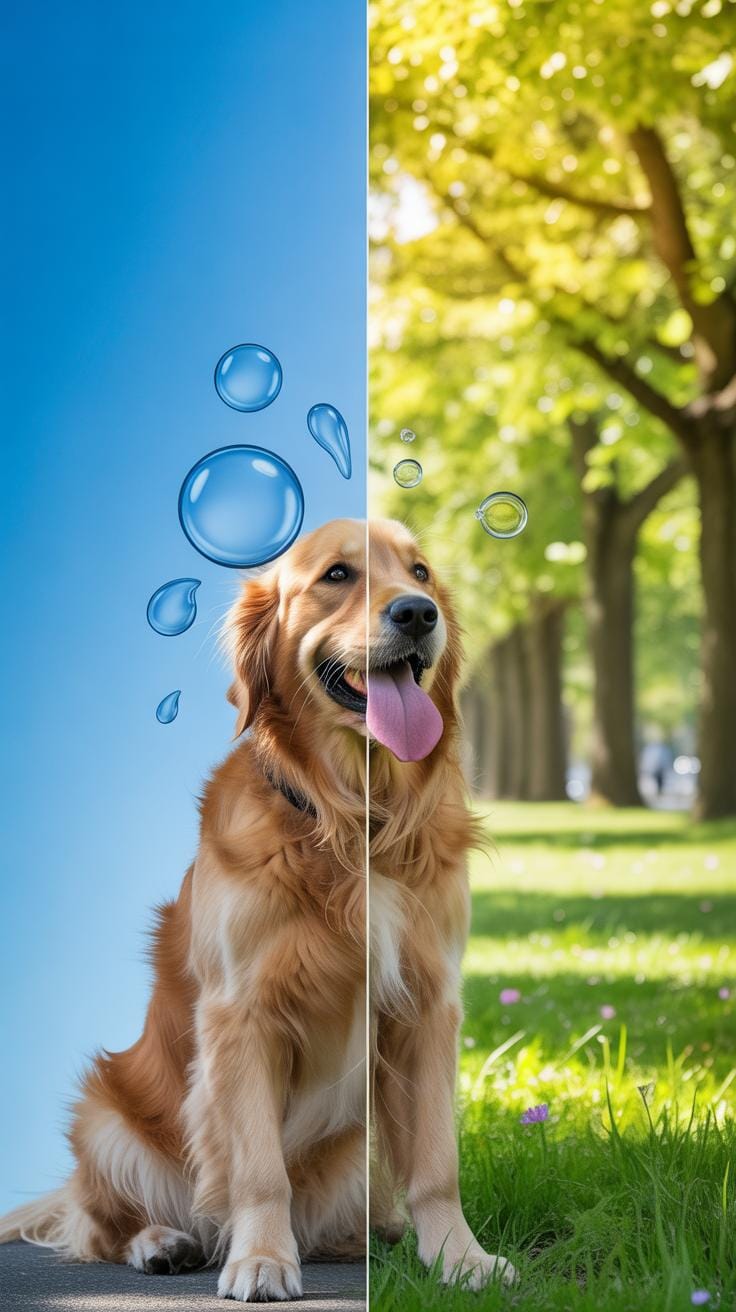
How The Dog Breathing Air Meme Became Popular And What It Actually Depicts
The dog breathing air meme features a Golden Retriever rapidly panting with an exaggerated facial expression. This video clip circulated widely on platforms like TikTok and Instagram. Users often pair the footage with sped-up music or captions about anxiety and excitement. The visual relies on the dog looking intensely focused while air moves its jowls. People find the repetitive motion and wide-eyed stare funny.
The footage actually shows a dog experiencing high arousal or heat regulation. The animal in the video is not just breathing but panting heavily to cool its body. While the internet uses the clip to represent human stress, the biological reality involves canine thermoregulation. The rapid jaw movement and open-mouthed posture are standard physical responses to environmental heat or physical exertion. Viewers often ignore these physiological facts.
Why Recognizing Real Heavy Breathing Symptoms Matters Beyond The Laughs
Digital trends often desensitize owners to serious clinical signs. A dog breathing fast while resting is rarely a laughing matter in a medical context. Excessive panting without exercise or heat can signal heart failure or respiratory distress. Owners who only see these behaviors as memes might miss early warning signs of pain. Rapid breathing requires a tactical assessment of the dog’s surroundings and current physical state.
Veterinary professionals distinguish between normal cooling and pathological tachypnea. You must track the breaths per minute when your dog is calm. If the rate exceeds forty breaths while the dog sleeps, seek professional help immediately. Do not let viral humor dictate your response to your pet’s health. Distinguish between a playful social media clip and a genuine medical emergency. Taking fast breathing seriously saves lives and ensures long-term canine wellness.
Frequently Asked Questions

Is it normal for my dog to breathe quickly while they are sleeping?
It is common to see a dog breathing fast during deep sleep, especially during the REM cycle. If your pet is dreaming, they may exhibit rapid breaths, muffled barks, or twitching paws. However, if their breathing remains fast for restorative periods without dreaming, it could indicate heat exhaustion or an underlying health issue. Always observe if the rapid breathing stops once they wake up and become fully alert.
How can I accurately measure my dog’s respiratory rate at home?
To check if your dog breathing fast is a medical concern, count their breaths while they are calmly resting. Watch the chest rise and fall; one rise and one fall equals one breath. Count how many breaths occur in 30 seconds and multiply by two. A healthy resting rate is typically between 15 and 30 breaths per minute. If the rate consistently exceeds 40 breaths, you should contact your veterinarian.
Are there any low-cost ways to help a dog breathing heavily due to heat?
If your pup is breathing rapidly because of the temperature, you can provide immediate relief without expensive equipment. Move them to a cool, shaded area with a fan and offer small amounts of fresh water. Applying damp, cool towels to their belly and paw pads is a budget-friendly way to lower their core temperature. If these simple cooling measures do not slow their breathing quickly, seek professional veterinary advice to ensure their safety.