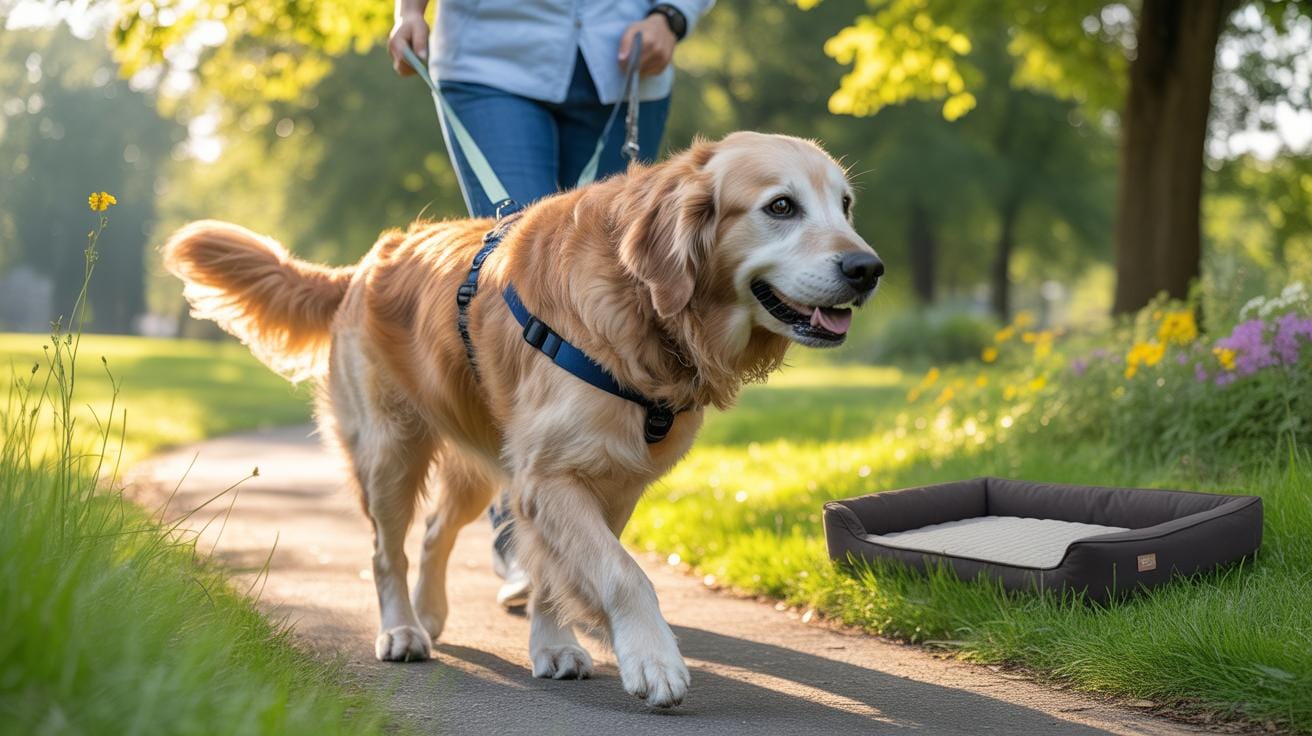
What Is Canine Arthritis And Why It Commonly Affects The Senior Dog
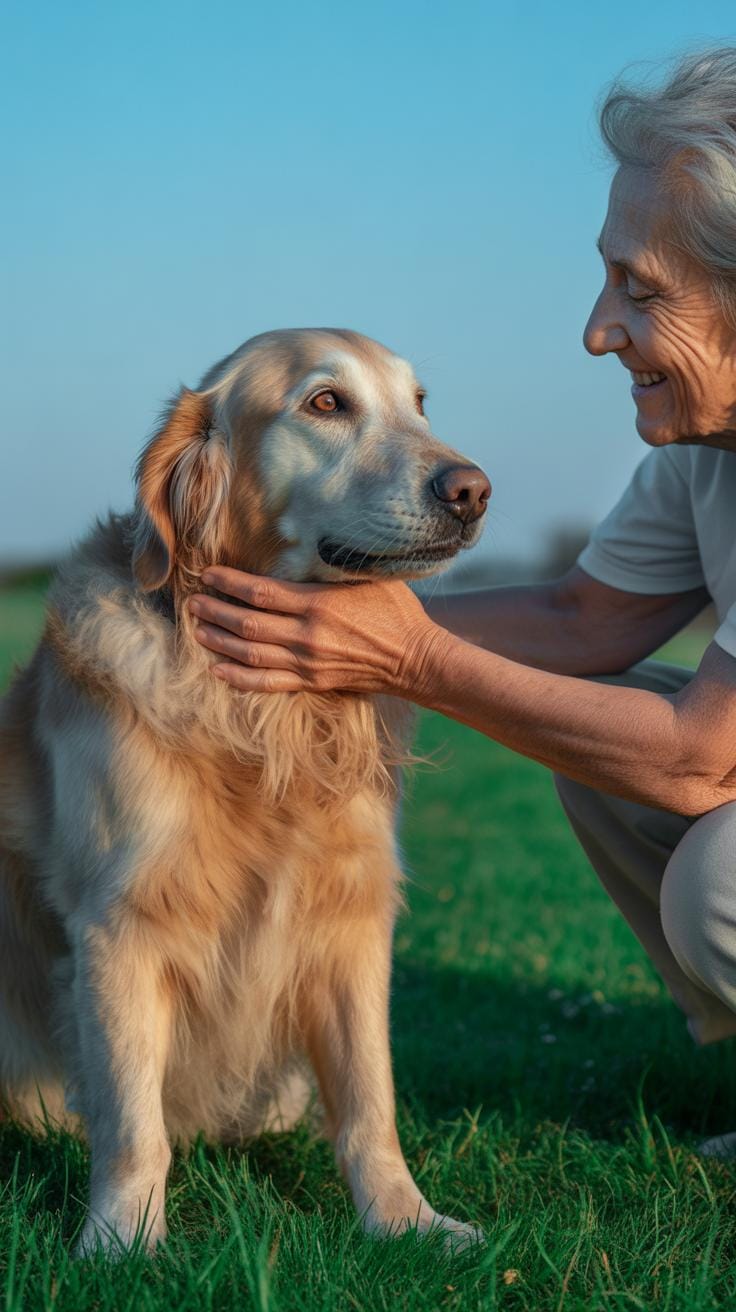
Understanding Osteoarthritis In Dogs: The Basics Of Joint Degeneration
Canine osteoarthritis is a chronic inflammatory condition affecting the joints. It begins when the protective cartilage between bones wears down over time. Healthy cartilage acts as a shock absorber for the skeleton. When this tissue degrades, bone rubs against bone. This friction creates significant pain and structural damage. The body responds by creating bony growths called osteophytes. These growths further restrict movement.
Inflammation plays a central role in this degenerative process. Damaged joint tissues release chemicals that break down synovial fluid. This fluid normally lubricates the joint for smooth motion. Thinner fluid leads to more friction and faster decay. Dogs cannot repair lost cartilage on their own. This makes the condition progressive and irreversible. Early detection helps manage symptoms before the joint loses all functional mobility.
Why Age Is The Biggest Risk Factor And Which Breeds Are Most Vulnerable
Aging is the primary driver of joint wear. Years of physical activity put constant stress on the skeletal system. As dogs age, their bodies produce less collagen and reparative proteins. Muscles also weaken with time, which shifts more weight onto the joints. This combination makes senior dogs the most likely demographic to suffer. Subtle changes in gait often signal the start of this decline.
Genetics and body size dictate the speed of degeneration. Large and giant breeds like German Shepherds and Labradors face the highest risk. Their heavy frames put extreme pressure on hips and elbows. Purebred dogs often inherit structural issues like hip dysplasia. These defects accelerate arthritis significantly. Maintaining a lean body weight remains the most effective way to reduce mechanical strain on these vulnerable animal populations.

Early Dog Arthritis Signs Every Pet Parent Should Recognize
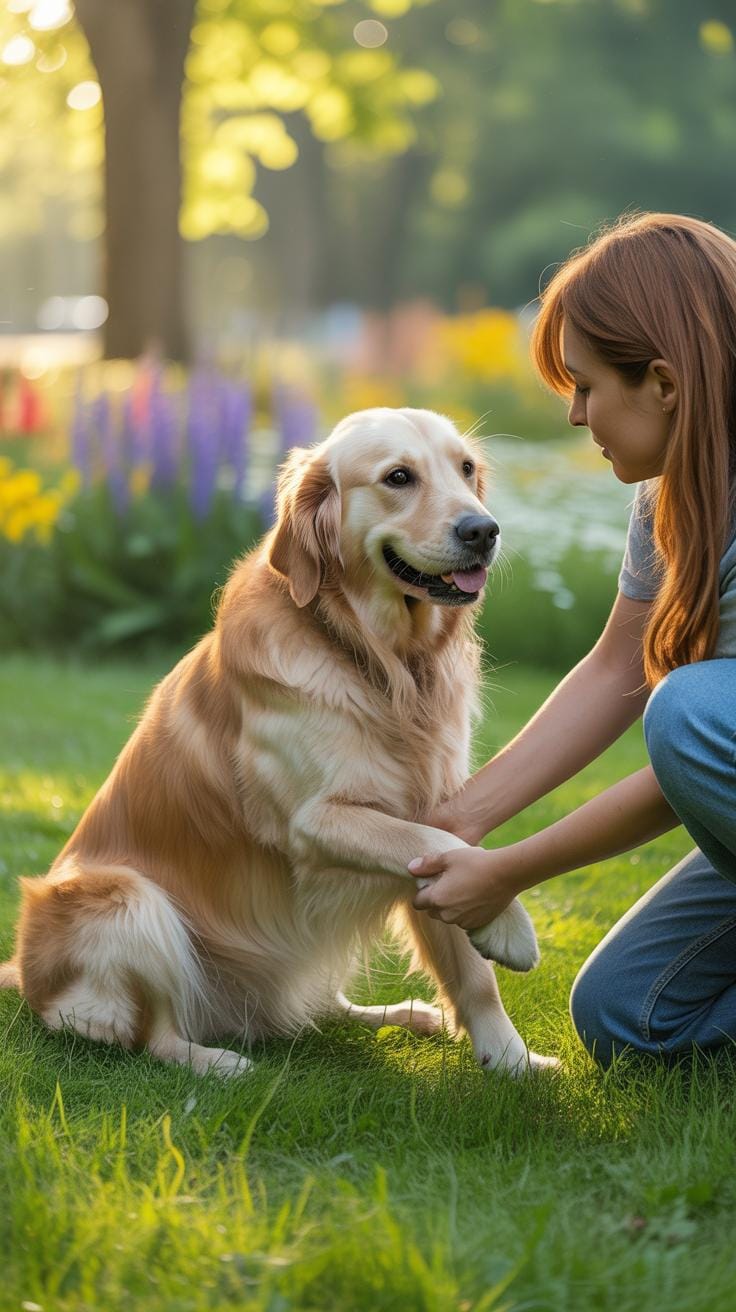
Subtle Behavioral Changes That Signal Joint Discomfort Is Beginning
Dogs hide pain to survive. You will not see a limp in the early stages. Instead, watch for a slower response when you call them. Your dog might take longer to stand up after sleeping. They may stop jumping on the couch or into the car. These small shifts indicate that sudden vertical movements now cause sharp pain in their joints.
Irritability is another major indicator of early joint stress. A dog that used to enjoy grooming might now snap when you touch their hips. They may withdraw from play sooner than usual. You might notice them licking a specific joint repeatedly. This self-soothing behavior points to localized inflammation. Do not ignore these personality changes. They are physical red flags, not just aging.
Why Early Detection Makes A Measurable Difference In Long Term Mobility
Catching arthritis early allows for immediate lifestyle changes. You can adjust their diet to reduce weight and pressure on joints. Starting low-impact exercise keeps the supporting muscles strong. Medical intervention at this stage prevents the rapid breakdown of cartilage. You are not just treating pain now. You are actively slowing the progression of a degenerative disease to extend their active years.

Delaying action leads to permanent bone remodeling and chronic inflammation. Once the joint structure changes, you cannot reverse the damage. Early detection lets you use less aggressive treatments. Fish oil, glucosamine, and controlled movement work best before the joint capsule fails. You save money on surgery and heavy medication later. Proactive care ensures your dog stays mobile and comfortable for a much longer period.
Physical Dog In Pain Signs What Your DogS Body Is Telling You

Limping, Stiffness After Rest, And Difficulty Rising From The Floor
Limping is the most obvious indicator of joint inflammation. Dogs often favor one limb to reduce pressure on a painful joint. You will notice this gait change during walks or when they move quickly. This lameness often shifts depending on which joint feels the worst that day. Do not ignore a subtle head bob. That movement signifies the dog is shifting weight off a painful front leg.
Stiffness occurs most frequently after long periods of inactivity. Your dog might struggle to stand up after sleeping on the floor. Cold floors make this transition harder for their joints. You will see them push up slowly with their front legs while their back legs shake. Once they move for a few minutes, the stiffness usually subsides. This warming up period confirms that the cartilage is wearing down.
Swollen Joints, Audible Clicking, And Changes In Your Dog’S Posture
Articular inflammation causes physical swelling around the joint capsule. You can feel this heat and thickness by comparing one leg to the other. Fluid builds up in the space as a response to bone rubbing on bone. This swelling restricts the range of motion significantly. You might hear a clicking or popping sound when the dog walks. This noise signals that the joint is no longer stable.

Posture changes reflect a dog’s attempt to redistribute their body weight. Dogs with hip arthritis often shift their weight forward onto their front legs. You will see their front paw stance widen to create a more stable base. Some dogs develop a hunched back to protect their lower spine. This physical compensation leads to secondary muscle atrophy in the hindquarters. Monitor their silhouette for any sagging or leaning.
Muscle Atrophy In The Arthritic Dog Why Muscles Waste And What It Looks Like
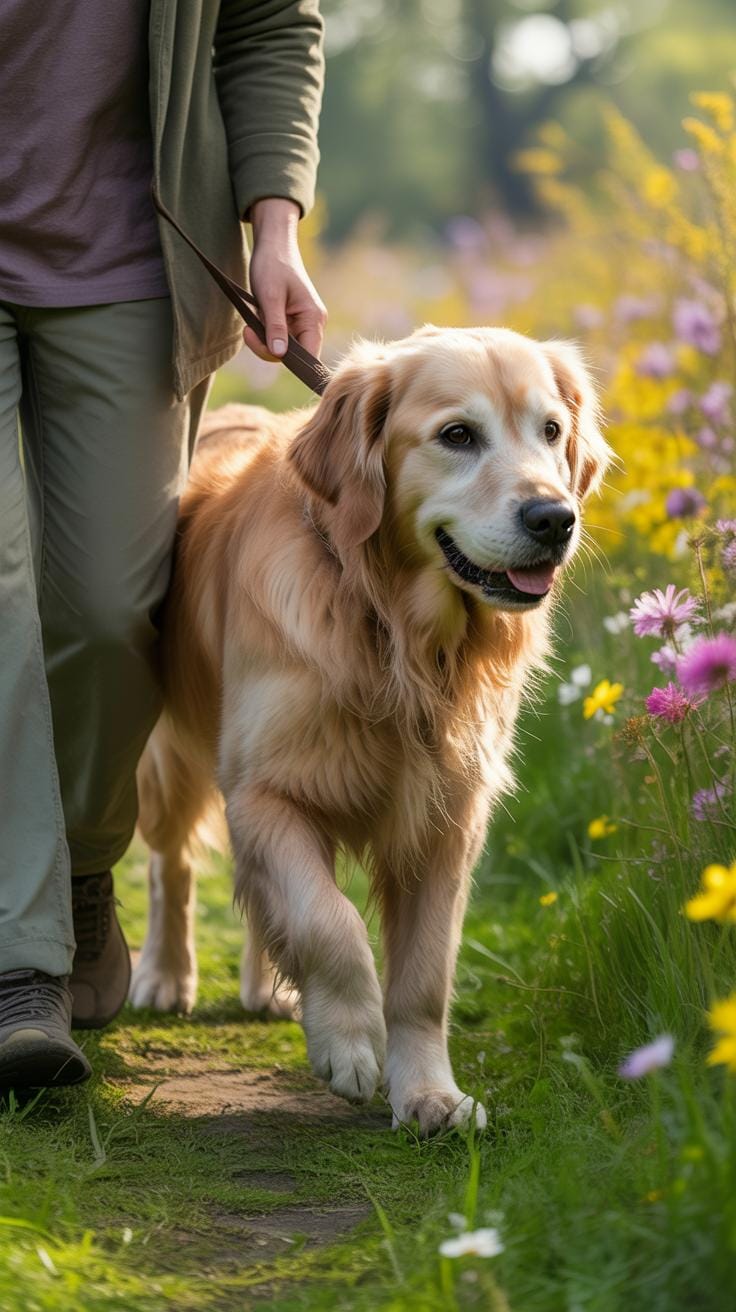
How Reduced Activity And Joint Pain Directly Cause Muscle Loss In Dogs
Arthritis causes chronic inflammation and sharp pain in dog joints. To avoid this pain, dogs change how they move. They shift their weight away from the hurting limb. This process is called disuse atrophy. When a dog stops using a muscle, the body stops sending nutrients to those fibers. The muscle tissue shrinks because it no longer performs work.
This cycle feeds itself and gets worse over time. Weak muscles cannot support the bone structure of the dog. This lack of support puts even more pressure on the damaged joint surfaces. Increased pressure causes more pain and leads to further inactivity. The dog loses strength rapidly without intervention. You must recognize that muscle loss is a direct result of the dog protecting itself.
Even as their steps grow slow and stiff, every grey muzzle tells a story of a lifetime spent by our side. We must now become the strength for the legs that once raced to meet us at the door.
How To Spot Muscle Atrophy At Home Through Visual And Physical Assessment
You can find muscle loss by comparing both sides of your dog. Stand behind your dog and look down at their hips. One side often looks thinner or more sunken than the other. Check the shoulders and thighs especially. In healthy dogs, these areas feel firm and rounded. In arthritic dogs, the bones may stick out more. The skin might feel loose over the wasted area.

Physical touch provides the best evidence of atrophy. Run your hands over the large muscle groups on the back legs. Take note if one leg feels soft or squishy compared to the other. Weak muscles feel like jelly instead of tight rope. Watch how your dog stands at rest. If they constantly lift one paw or lean against furniture, atrophy is likely occurring in the unweighted limb.
Behavioral And Emotional Changes In Older Dogs Living With Arthritis
Irritability, Social Withdrawal, And Reluctance To Be Touched Or Handled
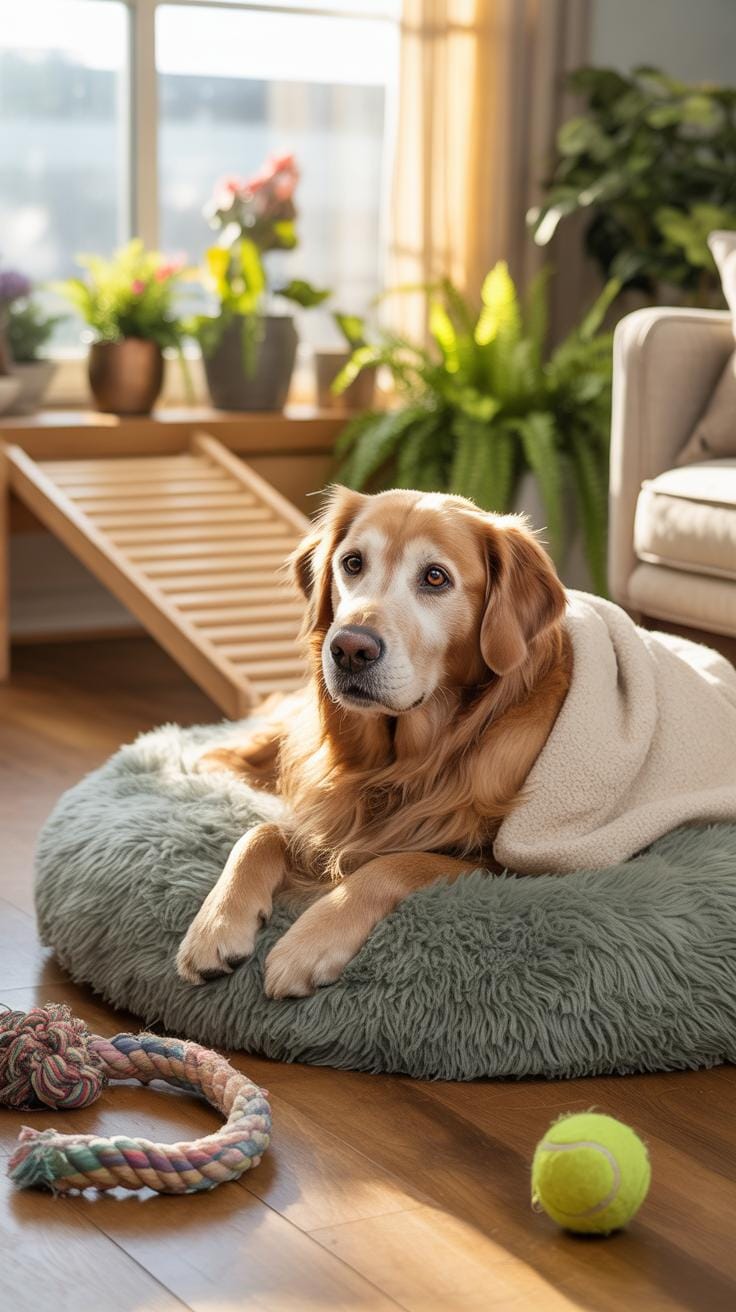
Chronic pain shifts a dog’s personality. Arthritis causes constant physical stress. This stress lowers a dog’s threshold for frustration. You may see sudden snapping or growling when you touch certain spots. The dog is not being mean. It is protecting itself from anticipated pain. This behavior serves as a defense mechanism. Watch for pinned ears or tensed muscles during physical contact.
Pain also drives social isolation. Dogs with sore joints often avoid busy areas of the home. They move to quiet corners to prevent accidental bumps from people or other pets. This withdrawal reduces their risk of sudden movements that cause sharp pain. A dog that previously sought constant attention may now stay in another room. This shift indicates they are prioritizing physical safety over social interaction.
Sleep Disruption, Restlessness, And Changes In Your Dog’S Daily Routine
Arthritic dogs struggle to find a comfortable position. Joint inflammation gets worse after long periods of stillness. This causes the dog to pace or circle repeatedly at night. You will hear them shifting on their bed or clicking across the floor. They cannot enter a deep sleep state because the pressure on their joints causes discomfort. Restlessness is a primary indicator of uncontrolled inflammatory pain.

Routine changes often signal hidden mobility issues. A dog might stop greeting you at the door because the floor is too slippery. They may refuse to climb onto the couch or use the stairs. These are tactical decisions made by the dog to avoid further injury. Pay attention when they skip regular habits. Changes in the daily rhythm prove the physical toll of the disease is increasing.
Getting A Confirmed Diagnosis What To Expect At The Veterinary Clinic
Physical Examinations, X Rays, And Diagnostic Tools Vets Use For Arthritis
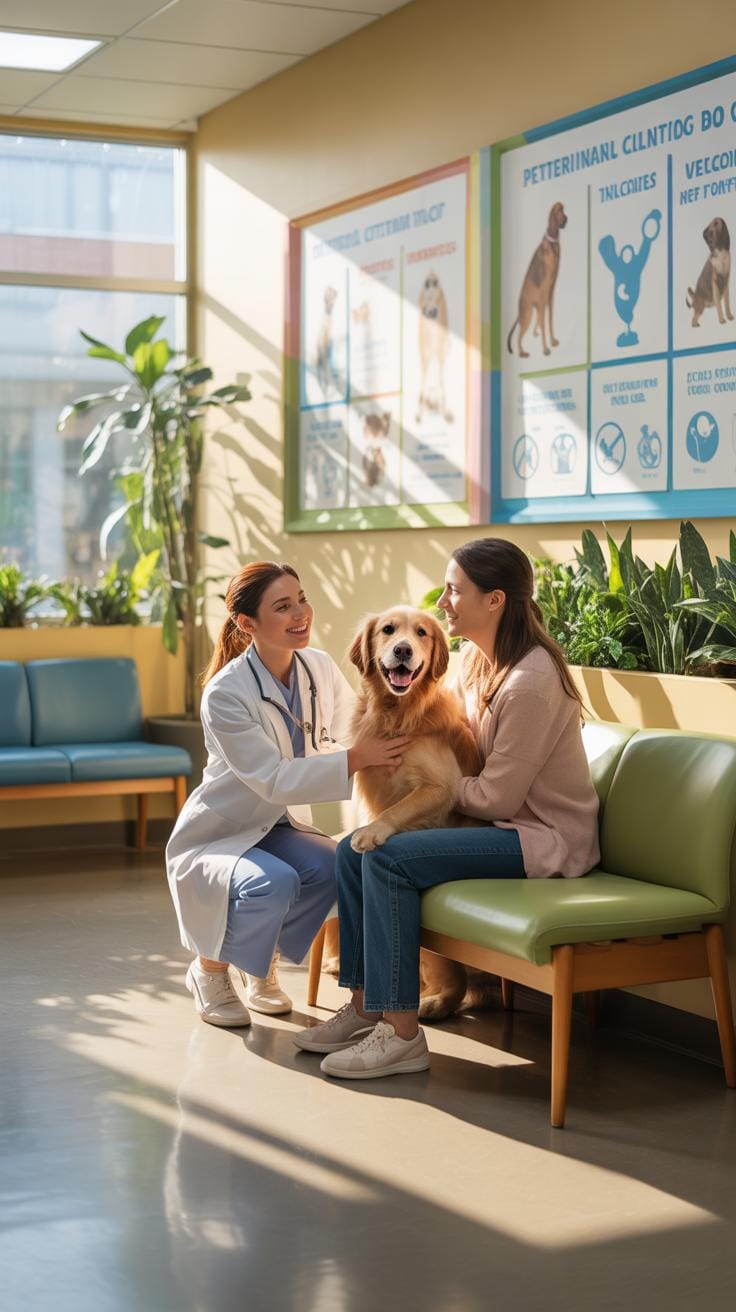
Veterinarians start with a physical exam to locate pain. They manipulate joints to check for heat, swelling, and grinding sounds called crepitus. The doctor watches your dog walk to identify gait abnormalities. They apply pressure to the spine and limbs to find specific trigger points. This hands on approach helps narrow down which joints require deeper imaging or further medical investigation.
Radiographs are the primary tool for confirming arthritis. X-rays reveal bone spurs, joint space narrowing, and fluid buildup inside the joint capsule. Vets may also use blood tests to rule out tick borne diseases or rheumatoid factors. In complex cases, a joint tap allows the vet to analyze synovial fluid for inflammation. These objective tests provide the hard data needed to build a plan.
Understanding Your Dogs Arthritis Severity Score And What It Means For Treatment
Vets use clinical scoring systems to grade arthritis. These scales measure mobility, pain levels, and how the disease impacts daily life. A low score means the dog has mild stiffness but maintains good muscle mass. A high score indicates chronic pain and Significant muscle wasting. This score creates a baseline. It allows the vet to track if the chosen treatment actually works over time.

Treatment intensity scales directly with the severity score. A dog with a low score might only need weight management and fish oil. A high score requires a multimodal approach. This often includes prescription non steroidal anti inflammatory drugs and physical therapy. The score dictates the budget and the effort required from the owner. Accurate scoring ensures you do not undertreat pain or overpay for unnecessary procedures.
Veterinary Remedies For Arthritic Dogs Medications And Prescribed Therapies
NSAIDs, Joint Injections, And Disease Modifying Osteoarthritis Drugs Explained
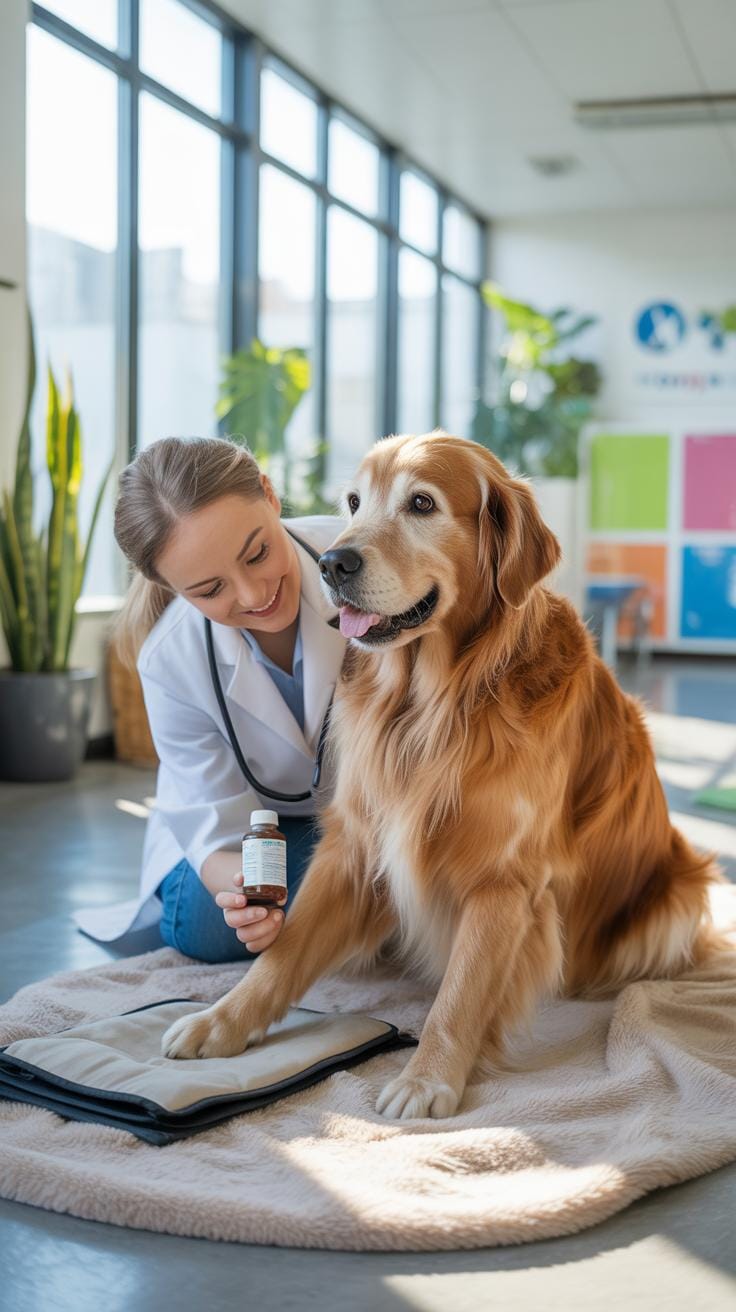
Veterinarians prioritize non-steroidal anti-inflammatory drugs to block pain and reduce tissue swelling. These medications inhibit the enzymes that cause inflammation in the joints. Reliable brands include Carprofen and Meloxicam. You must use these under strict medical supervision. Long-term use requires regular blood work to monitor liver and kidney function. These drugs provide immediate relief and improve daily mobility for most aging dogs.
Disease-modifying osteoarthritis drugs offer a proactive approach to joint health. Polysulfated glycosaminoglycans help repair cartilage and stimulate the production of healthy joint fluid. These involve a series of injections into the muscle or under the skin. Biologic therapies like monoclonal antibodies now target specific pain signals in the nervous system. These advanced treatments slow down the progression of the disease instead of just masking the symptoms for the pet.
Laser Therapy, Acupuncture, And Hydrotherapy As Vet Approved Complementary Treatments
Laser therapy uses specific light wavelengths to stimulate cell regeneration and increase blood circulation. This non-invasive process triggers a biological response that reduces pain and inflammation. Most clinics offer cold laser treatments during routine visits. The procedure is painless and carries no known side effects for the dog. Owners often see improved energy levels and better movement after several sessions. Consistency is the key to clinical success.

Hydrotherapy utilizes the buoyancy of water to build muscle without stressing the joints. Underwater treadmills allow dogs to walk with reduced body weight impact. This resistance training strengthens the limbs and increases the range of motion. Acupuncture provides another tactical layer by targeting nerve centers to release natural endorphins. Professional practitioners use these methods to bridge the gap between heavy medication and total inactivity. These therapies keep the dog moving.
Food For Arthritic Dogs How Nutrition Supports Joint Health And Reduces Inflammation

Anti Inflammatory Ingredients And Key Nutrients That Benefit Arthritic Joints
Dietary intervention manages dog arthritis signs by targeting systemic inflammation. Chronic inflammation degrades cartilage and increases pain levels. Specific nutrients block inflammatory pathways or provide the raw materials for joint repair. Feeding a diet rich in these compounds slows disease progression. You must focus on high-quality ingredients that support synovial fluid health and cartilage integrity. These tactical choices reduce reliance on pharmaceutical painkillers over time.
- Omega-3 Fatty Acids: EPA and DHA from fish oil inhibit the enzymes that destroy joint cartilage. These fats directly reduce inflammation at the cellular level. Consistent supplementation lowers the dosage of anti-inflammatory drugs needed for comfort.
- Glucosamine Hydrochloride: This compound provides the building blocks for new cartilage synthesis. It improves the structural integrity of joints by supporting the connective tissues. Regular intake helps maintain the shock-absorbing properties of the joint surface.
- Chondroitin Sulfate: This substance prevents enzymes from breaking down the cartilage matrix. It draws water into the connective tissues to increase elasticity and resilience. Use this alongside glucosamine for a synergistic effect on joint mobility and health.
- Manganese: This essential mineral acts as a cofactor for enzymes that produce collagen and bone. It supports the structural framework of the entire skeletal system. Deficiencies lead to weak joints and increased susceptibility to arthritis-related injuries.
- Green-Lipped Mussel: This unique source contains glycosaminoglycans and rare fatty acids. It provides a natural method to reduce joint swelling and stiffness. Clinical studies show significant improvement in mobility for dogs consuming this specific marine extract regularly.
Nutrition acts as a foundational therapy for joint disease. You must select foods that contain therapeutic levels of these ingredients. Small amounts found in standard kibble often fail to provide results. Look for concentrated supplements or veterinary diets designed for joint support. High-quality proteins and antioxidants also play a role in maintaining muscle mass. Strong muscles take the physical stress off the arthritic joints and improve stability.
Why Maintaining A Healthy Body Weight Is One Of The Most Powerful Dietary Interventions
Excess body weight acts as the primary driver of joint degeneration. Every extra pound puts mechanical stress on sensitive joints. This physical load accelerates the breakdown of cartilage and causes immediate pain. Obese dogs develop arthritis signs earlier than lean dogs. Fat tissue also produces pro-inflammatory chemicals called adipokines. These chemicals circulate through the body and actively destroy joint tissues regardless of the physical load.

Reducing caloric intake is the most effective way to manage arthritis. Lean dogs live longer and experience less chronic pain. You must monitor the body condition score rather than just the number on the scale. Feed exact portions based on metabolic needs instead of activity levels. Keep your dog at a score of four or five on a nine-point scale. This lean state minimizes the chemical and physical damage to joints.
How To Help Arthritic Dogs At Home Daily Comfort And Lifestyle Adjustments

Home Modifications That Reduce Joint Strain And Improve Your Dog’S Mobility
Arthritis turns a standard home into a series of physical obstacles. Your goal is to eliminate high-impact movements that stress inflamed joints. Focus on traction and access. Hardwood or tile floors cause paws to slip, leading to painful groin pulls or ligament tears. Covering high-traffic areas with non-slip surfaces provides the grip necessary for your dog to stand and walk with confidence.
- Non-slip Area Rugs: Place rubber-backed runners or yoga mats on slick surfaces like hardwood, laminate, or tile. These materials provide immediate traction and prevent the frequent slipping that aggravates joint inflammation and causes secondary muscle strain during daily movement.
- Orthopedic Bedding: Replace standard plush beds with high-density memory foam designed for orthopedic support. These specialized beds distribute body weight evenly and prevent the dog from bottoming out against the hard floor, which reduces morning stiffness and pressure point pain.
- Pet Ramps: Install sturdy ramps with high-traction surfaces over stairs or next to furniture. Ramps eliminate the concussive force of jumping down, which is a primary cause of acute joint pain and accelerated cartilage degradation in arthritic pets.
- Elevated Food Bowls: Raise food and water dishes to the height of the dog’s chest. This adjustment prevents the dog from shifting their weight forward and straining their neck, shoulders, and front elbows during meals, making the eating process significantly more comfortable.
- Toe Grips or Socks: Apply rubberized grips or non-slip socks directly to the dog’s paws. These accessories provide constant traction regardless of where the dog walks in the house, helping those with severe mobility issues maintain stability on surfaces you cannot cover with rugs.
Lighting and temperature also dictate comfort levels. Cold environments increase joint stiffness by reducing local blood flow. Keep sleeping areas warm and away from drafts. Strategic lighting helps older dogs with failing vision navigate obstacles safely. Remove clutter from walkways to prevent tripping. These simple structural changes reduce the daily physical toll on the body and help maintain the dog’s independence.
Gentle Exercise Routines That Keep Arthritic Dogs Active Without Causing Pain
Physical activity is necessary to prevent muscle atrophy, but intensity must remain low. Short and frequent walks are more effective than one long hike. Aim for several ten-minute sessions on flat, soft terrain like grass or sand. Controlled movement lubricates the joints and promotes the production of synovial fluid. Avoid fetch or any games involving sudden stops, jumps, or sharp turns.
Hydrotherapy offers the most effective low-impact workout for dogs with limited mobility. Water provides buoyancy that supports the skeleton while the resistance builds muscle mass without jarring the joints. If professional canine pools are unavailable, slow walks in shallow water provide similar benefits. Monitor your dog closely for signs of fatigue or increased limping. Consistency is the primary factor in maintaining long-term mobility and slowing disease progression.
Quality Of Life Monitoring How Every Pet Parent Can Track Progress Over Time

Using A Canine Quality Of Life Scale To Objectively Assess Your Dog’S Well Being
Subjective observation fails because owners often overlook slow physical decline. Objective scales like the HHHHHMM scale provide a data-driven framework for evaluation. You must grade categories like hurt, hunger, and mobility on a scale from zero to ten. This process removes emotional bias from your daily assessment. It forces you to look at concrete evidence of pain instead of relying on gut feelings.
Consistency determines the success of this strategy. Track these scores in a log once every week. Note how often your dog struggles to stand or refuses food. A falling score indicates that current treatments no longer manage the inflammation effectively. Use this data to determine if the dog still has more good days than bad. This record serves as the primary tool for making difficult medical decisions.
When To Revisit Your Vet And How To Advocate Effectively For Your Arthritic Dog
Schedule a vet visit immediately if you see a sudden drop in mobility or appetite. Arthritis is a progressive disease that requires frequent medication adjustments. Tell the vet exactly which movements cause your dog to yelp or limp. Do not use vague terms like “acting old.” Provide specific examples of missed walks or difficulty on stairs. Clear reporting helps the vet calibrate the treatment plan.
Advocacy requires you to ask for specific diagnostic updates. Request a review of the current pain management protocol at every six-month checkup. Ask if your dog needs blood work to monitor organ health while on long-term anti-inflammatory drugs. Demand a clear explanation of how each new supplement or medication targets the joint tissue. Your role is to ensure the clinical team addresses the actual source of the pain.
Frequently Asked Questions

What are the most common early indicators that my dog might have arthritis?
Identifying dog arthritis signs early is key to maintaining your pet’s quality of life. Look for subtle changes like hesitation before climbing stairs, difficulty rising after a nap, or a general decrease in activity levels. You might also notice your dog licking specific joints or acting unusually irritable. Because dogs often hide their pain, these behavioral shifts are frequently the first clues that their joints require professional veterinary attention and support.
How is dog arthritis typically diagnosed by a veterinarian?
A vet will usually start with a physical exam to check for joint swelling, pain, and reduced range of motion, then may recommend X-rays to assess the extent of joint damage. Blood work can also help rule out other conditions that mimic arthritis symptoms. In some cases, your vet might recommend gait analysis or additional imaging for a more precise diagnosis. Getting a confirmed diagnosis early allows you to start a management plan before the condition progresses further.
What treatment options help manage arthritis pain in dogs?
Management typically combines vet-prescribed anti-inflammatory medication with joint supplements like glucosamine and chondroitin. Weight management and low-impact exercise, such as swimming, help reduce stress on painful joints. Physical therapy and controlled stretching can also improve mobility over time. Your vet can tailor a combination of these approaches to your dog’s specific needs and arthritis severity.