Understanding Joint Problems In Dogs What Every Owner Should Know
Common Joint Conditions That Affect Dogs
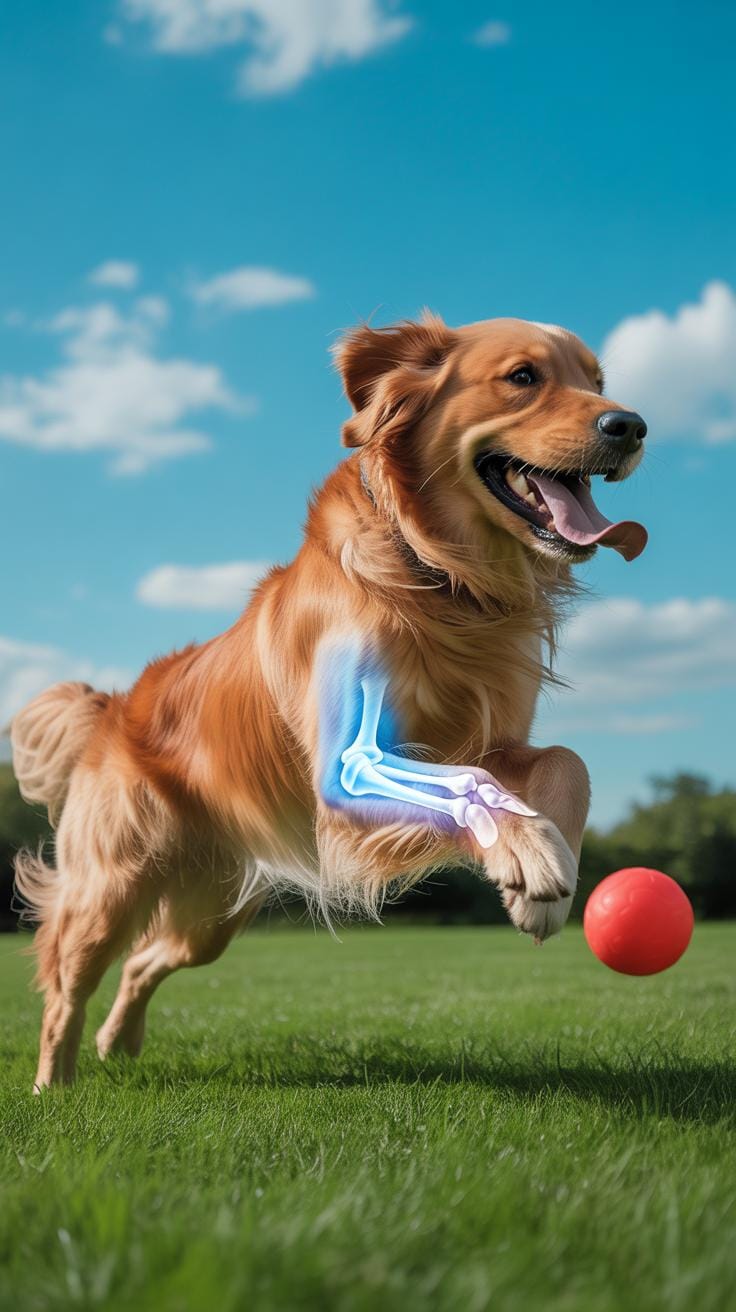
Degenerative Joint Disease, or osteoarthritis, remains the most frequent diagnosis in aging canines. It involves the progressive breakdown of cartilage within the joint capsule. This loss of cushioning leads to bone rubbing against bone. Such friction causes chronic inflammation and new bone growth. These structural changes limit the range of motion. Owners often see these issues first in the hips, elbows, and stifles.
Developmental conditions like hip and elbow dysplasia originate from genetic structural abnormalities. These joints do not fit together perfectly during growth. This misalignment causes uneven wear and instability early in life. Large breeds often face these challenges due to rapid growth spurts. Cruciate ligament tears also contribute significantly to joint instability. Without surgical or therapeutic intervention, these mechanical failures lead to rapid joint degeneration.
How Joint Pain Changes The Way Dogs Move And Behave
Dogs mask pain through survival instincts. Physical changes usually appear as subtle gait alterations or lameness. You might notice your dog shifting weight away from a specific limb. They may adopt a bunny-hop gait when running to reduce individual joint load. Stiffness is most visible immediately after sleep. These physical compensations eventually cause muscle atrophy in the affected limb and strain on healthy joints.
Behavioral shifts serve as primary indicators of joint distress. Dogs often stop jumping onto furniture or climbing stairs. They may lose interest in long walks or vigorous play. Irritability during grooming or physical touch suggests localized sensitivity. Sleep patterns often change as the dog struggles to find a comfortable position. Tracking these reductions in activity levels helps identify early onset joint issues before they cause permanent mobility loss.

Why Dog Exercise For Joints Matters More Than Rest Alone
The Science Behind Movement And Joint Health In Dogs
Cartilage in canine joints lacks a direct blood supply. It relies on a process called imbition to stay healthy. Movement acts as a pump for synovial fluid. This fluid carries vital nutrients into the cartilage and removes metabolic waste. Without regular motion, the joint environment becomes toxic. This lack of circulation causes the cartilage to thin and weaken over time.
Controlled exercise also strengthens the muscles surrounding the joint. Strong muscles act as natural shock absorbers. They take the mechanical load off the bones and ligaments. This stabilization prevents further micro-trauma during daily activities. Active dogs maintain better range of motion because their connective tissues remain elastic. Proper movement patterns keep the joint capsule flexible and functional for a longer period.
Gentle ripples in the water provide a healing embrace that remembers the strength of their youth without the burden of the ground. Every soft step in the pool is a quiet victory for an old friend’s soul.
Why Complete Rest Can Sometimes Worsen Joint Stiffness
Extended periods of inactivity lead to rapid muscle atrophy. When muscles shrink, the joint loses its primary support system. This increases the physical stress on damaged bone surfaces. Total rest also allows synovial fluid to thicken and lose its lubricating properties. Thick fluid creates friction during movement. This friction triggers inflammation and pain when the dog eventually tries to stand or walk.

Compensatory issues arise when a dog remains stationary. The body becomes tight and less coordinated. Stiffness often settles into the soft tissues, making movement even harder. Lack of exercise also leads to weight gain. Every extra pound puts massive pressure on inflamed joints. Managing weight through activity is critical for long-term comfort. Controlled movement prevents the downward spiral of physical decline and chronic pain.
Swimming And Hydrotherapy The Gold Standard Of Dog Exercise Ideas For Sore Joints
How Water Buoyancy Reduces Stress On Canine Joints During Exercise
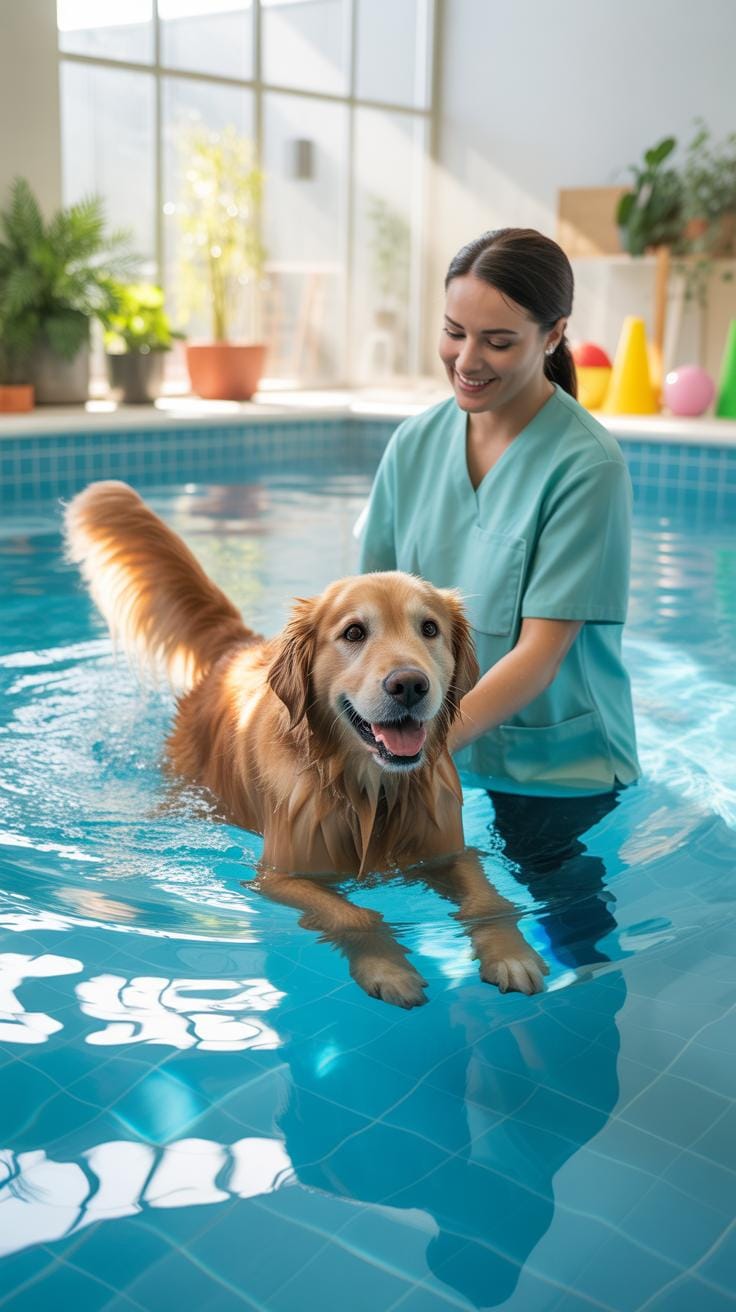
Water provides buoyancy that supports up to ninety percent of a dog’s body weight. This reduction in gravity removes the heavy load from sensitive joints like hips and elbows. Dogs move their limbs through a full range of motion without the painful impact of hard ground. This makes water the most efficient environment for dog exercise for joints.
The natural resistance of water builds muscle mass faster than walking on land. Increased muscle strength stabilizes loose or damaged joints and reduces future injury risks. Hydrostatic pressure also helps reduce swelling in the limbs during the workout. You get a high-intensity cardiovascular session without the wear and tear of traditional running. This balance protects the skeletal system.
What To Expect During A Professional Hydrotherapy Session For Your Dog
A typical professional session begins with a physical assessment and a warm water rinse. Technicians use life jackets or harnesses to control the dog’s movement and provide safety. The water temperature stays between eighty and ninety degrees Fahrenheit to relax tight muscles. Experts monitor the dog’s gait and heart rate to ensure the intensity stays within a safe range.

Most clinics use underwater treadmills or specialized resistance pools for these treatments. Treadmills allow precise control over water depth and belt speed to target specific muscle groups. The therapist stays in the water or reaches in to guide the dog’s paws for correct placement. Each session ends with a cool down and drying process to prevent muscle stiffness after the workout.
Leash Walking As A Canine Conditioning Exercise Technique And Terrain Matter
How To Pace And Structure Leash Walks For Dogs With Joint Problems
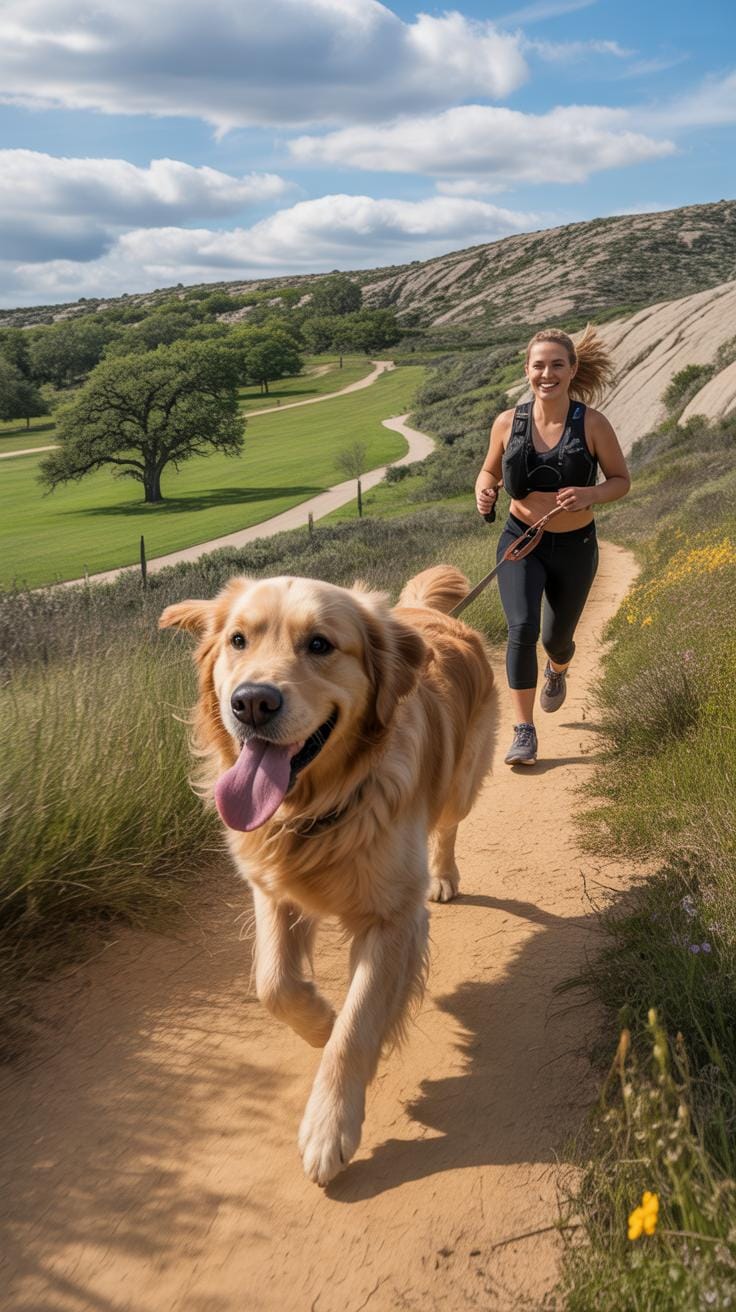
Controlled leash walking serves as the foundation for canine joint rehabilitation. You must prioritize a consistent pace that encourages a formal trot rather than a frantic run. This specific speed forces the dog to use all four limbs equally. It builds stabilizing muscles without the high impact forces found in off-leash play. Stop the walk immediately if the dog begins to lag behind or show signs of limping.
Structure your walks into several short sessions instead of one long trek. Five ten-minute walks provide better therapeutic value than one fifty-minute hike. Frequent movement keeps the synovial fluid flowing within the joint capsule. This lubrication reduces friction and slows down the progression of osteoarthritis. Use a front-clip harness to prevent pulling. Pulling creates uneven weight distribution and puts undue stress on the shoulders and spine.
Best Walking Surfaces For Protecting Your Dog’S Joints
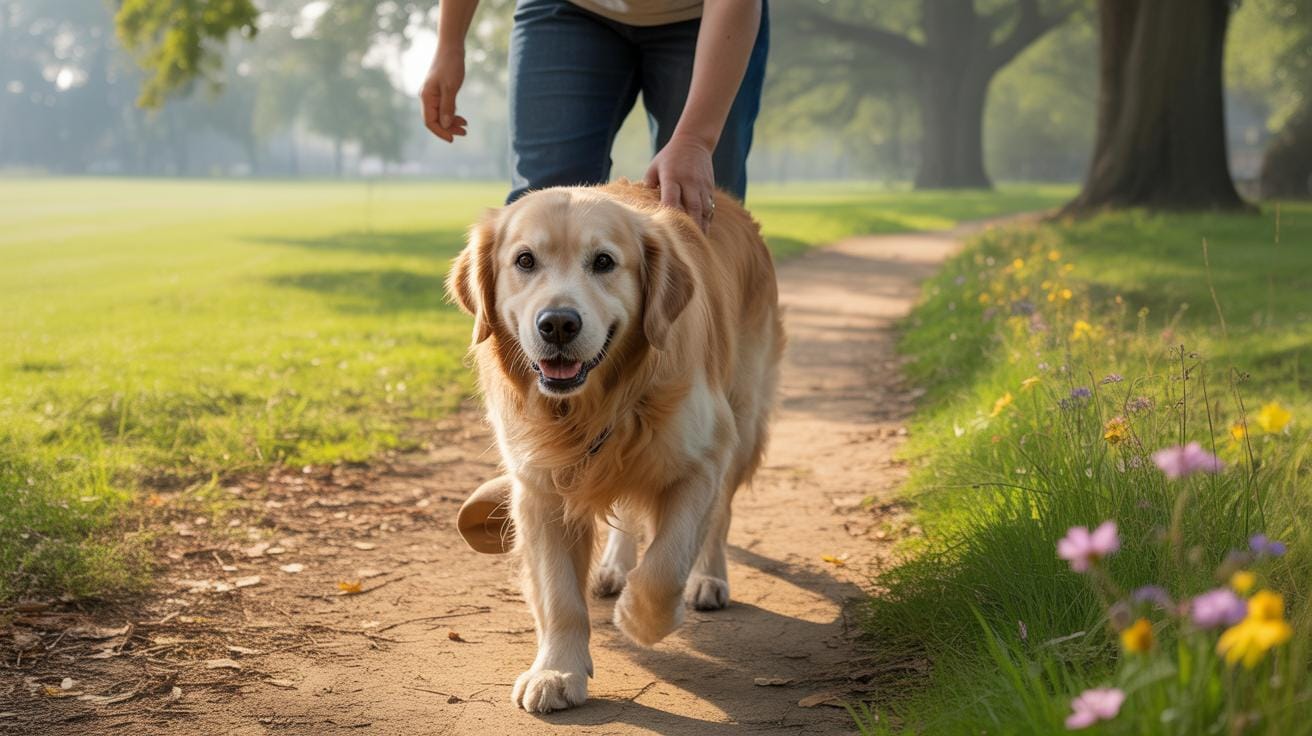
Identify the right terrain to minimize concussive force on your dog’s skeletal system. Asphalt and concrete offer zero shock absorption and cause rapid joint wear. Seek out level grass or packed dirt paths. These natural surfaces provide a slight give under the paw. This cushion reduces the peak force traveling up the limb during every step. Avoid deep sand or thick mud because they cause overextension.

Uniformity is vital for dogs with compromised ligament stability. Avoid rocky trails or uneven forest floors where the dog might roll a joint. Focus on flat or gently sloping grades to maintain steady muscle engagement. If you must walk on hard city sidewalks, keep the duration short. Constant pounding on hard ground leads to inflammation in the cartilage. Proper surface selection directly determines the longevity of your dog’s mobility.
How To Improve Dog Balance Through Gentle Stability Training
Balance Boards And Wobble Cushions: Safe Tools For Joint Friendly Stability Work
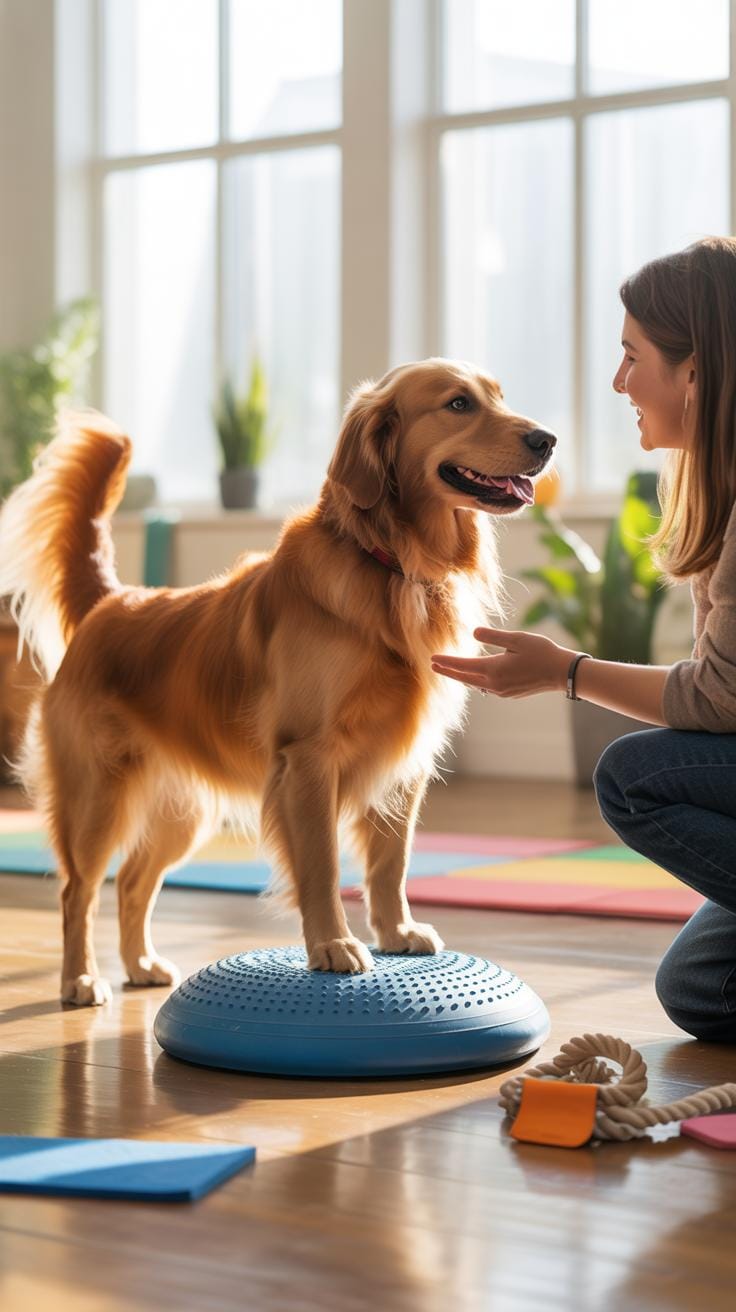
Balance boards and wobble cushions provide controlled instability for dogs with joint issues. These tools force the body to engage small stabilizer muscles around the hips and shoulders. Strengthening these deep muscles provides better structural support for the skeleton. Stable joints reduce the risk of further injury. Using low-profile equipment keeps the center of gravity near the floor for maximum safety.
Proprioception is the ability of the dog to sense where its limbs are in space. Joint damage often degrades this internal mapping system. Targeted training on unstable surfaces rewires the neural pathways between the brain and the legs. This sensory feedback loop is critical for dogs recovering from surgery or managing chronic arthritis. Proper form requires a flat spine and active engagement of the core muscles.
Simple Ground Level Balance Drills Any Dog Owner Can Try At Home
Ground-level drills eliminate the risk of falls while building necessary leg strength. These exercises require no expensive equipment and work by shifting the weight of the dog across different quadrants. You can perform these movements on a non-slip rug or a yoga mat to ensure traction. Consistent repetition builds muscle memory and improves the overall structural integrity of the affected joints.
- Three Legged Stand: Lift one paw an inch off the ground while the dog stands still. This forces the other three legs to compensate and engage the core. Hold this position for five seconds initially to build endurance without overtaxing the connective tissues.
- Slow Motion Walking: Lead your dog at an extremely slow pace over a short distance. Forcing a slow gait eliminates momentum and requires the dog to use muscle power for every step. This technique highlights weakness and builds stability in the rear assembly and front shoulders.
- Targeted Weight Shifting: Gently push against the shoulder or hip while the dog is standing. The dog must resist the pressure to remain upright without moving its feet. This isometric contraction strengthens the stabilizing muscles surrounding the joint capsules without requiring any high-impact movement or jumping.
- Nose To Hip Turns: Use a treat to guide the dog’s nose toward its hip while it stands. The dog bends its torso without moving its paws from the ground. This lateral flexion improves spinal flexibility and balance. It also shifts weight to the opposite side to balance the body.
- Cookie To Ceiling Stretch: Hold a treat above the dog’s head to encourage an upward reach. The dog shifts its weight to the hindquarters to look up. This movement strengthens the lower back and stifles. Ensure the dog keeps all four paws on the floor to prevent unnecessary joint strain.

Balance training requires short sessions to prevent muscle fatigue. Tired muscles cannot support joints effectively and can lead to injury. Watch for signs of trembling or a dropping tail during these drills. Stop the session immediately if the dog shows discomfort. Consistency over several weeks produces better results than one long workout. Focus on quality of movement rather than the duration of the exercise.
Dog Fitness Exercises For Development Strengthening Muscles That Support Joints
Core Strengthening Movements That Reduce Joint Load In Dogs
A strong core acts as a stabilizer for the entire canine frame. Every movement originates from the trunk. Strengthening the abdominal and paraspinal muscles prevents the spine from sagging or twisting poorly. This internal support reduces the weight and impact hitting the limbs. Use a balance disc or peanut to force small muscular adjustments. These movements engage the deep stabilizer muscles without heavy pounding.
Precise balance work develops proprioception. This skill helps a dog know where its feet are in space. Better body awareness prevents slips and sudden jerks that damage arthritic joints. Slow weight shifts on an uneven surface build functional strength. Perform these exercises for short durations to avoid muscle fatigue. Fatigue leads to poor form and potential injury. Maintain a neutral spine throughout every repetition.
Hind Leg And Hip Exercises That Build Support Around Problem Joints
The rear assembly provides the power for canine locomotion. Weak glutes and hamstrings force the hips and hocks to absorb too much force. Build these muscles using controlled sits and stands. This motion mimics a squat and targets the large muscle groups of the pelvic limb. Stronger muscles hold the joint in the correct track. This alignment prevents the grinding of bone on bone.

Incorporate backing up into the daily routine. Walking in reverse engages the hamstrings and glutes differently than forward motion. This specific movement challenges the dog to use muscles often neglected in standard walks. It forces the joints through a full range of motion under tension. Do this on a non-slip surface to ensure safety. Consistent resistance training builds a natural brace of muscle around every sensitive joint.
Unique Dog Exercise Tips For Keeping Joint Compromised Dogs Mentally And Physically Active
Scent Work And Nose Games: Low Impact Mental Exercise That Moves The Body Gently
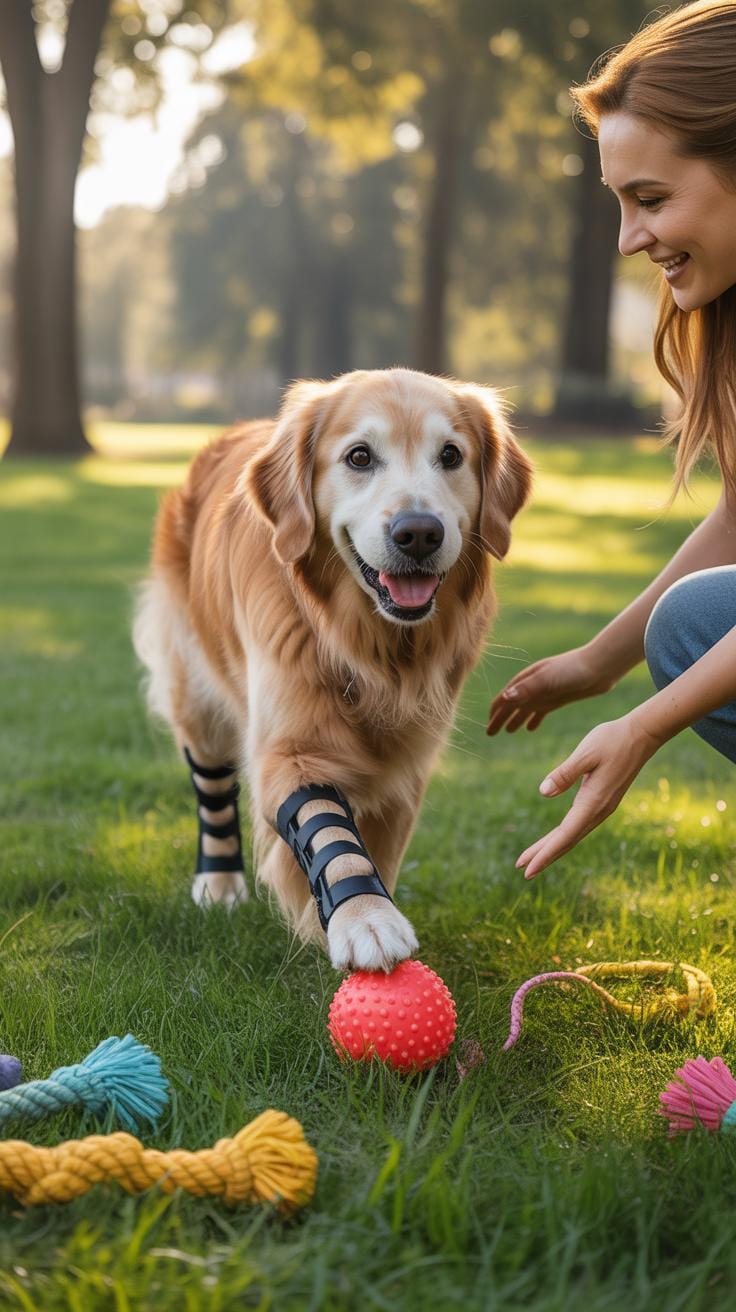
Scent work engages a dog’s natural olfactory system to provide mental stimulation without high impact. This activity requires the dog to move at a slow and controlled pace. It eliminates the need for jumping or sharp turns that damage joints. Small movements help maintain muscle tone and balance. Owners hide high value treats or specific scents around a room to encourage exploration.
Dogs burn significant energy through sniffing because it requires intense cognitive focus. This fatigue happens without the physical strain of running or fetching. You can practice scent work on soft surfaces like carpets to reduce floor impact further. Controlled searching keeps the dog moving rhythmically. This movement promotes synovial fluid flow in the joints. It is a safe way to tire a dog out.
Slow Feeder And Enrichment Activities That Encourage Gentle Physical Engagement
Enrichment tools force a dog to stand and shift their weight during mealtime. This subtle movement strengthens core muscles and stabilizers without the risk of injury. Physical engagement comes from nudging, circling, and reaching for food. These micro movements are essential for maintaining mobility in senior or injured pets. It turns a stationary task into a functional dog exercise for joints.

Using puzzles and snuffle mats prevents the dog from gulping food while keeping them upright. Static standing is often more difficult than walking for dogs with weak joints. These activities build endurance in the legs through consistent low level weight bearing. You should place these tools on non slip mats to ensure safety. This setup provides physical therapy benefits during a standard daily routine.
Dog Agility Exercises Modified For Dogs With Joint Limitations
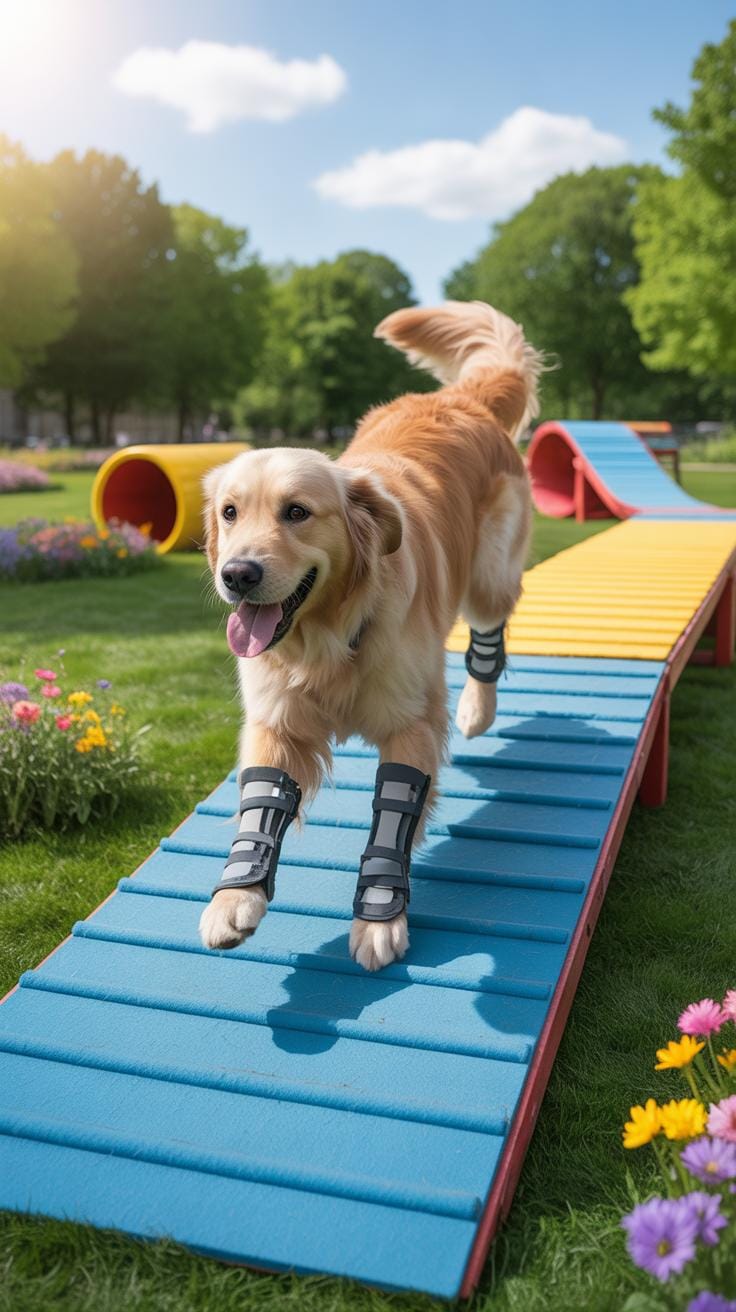
How To Adapt Classic Agility Movements To Be Safe For Arthritic Or Stiff Dogs
Standard agility training relies on explosive power and high-impact landings. These forces destroy cartilage in dogs with existing joint issues. You must remove all verticality from the course to protect the limbs. Modification focuses on steady movement rather than speed. Slowing the pace reduces the kinetic energy transferred through the joints. This shift prevents inflammation while maintaining the mental benefits of the sport.
Strategic adaptation requires replacing tight turns with wide arcs. Sharp pivots put extreme torque on the knees and hips. You should move the guiding hand in broad circles to keep the dog aligned. This technique preserves the range of motion without causing shearing forces on the ligaments. Consistent footing is also mandatory. Always use high-traction mats or grass to prevent slipping during these modified maneuvers.
Low Bar Jumps, Tunnels, And Flat Weaves: Joint Safe Agility Options
Traditional agility equipment requires specific adjustments to ensure safety for stiff dogs. You must prioritize linear movements that do not challenge the structural integrity of the joints. Removing the height element eliminates the landing impact that causes bone-on-bone friction. These modified tools focus on proprioception and flexibility. They keep the dog moving without the risk of acute injury or long-term wear.
- Ground Rails: Place jump bars directly on the turf rather than on uprights. This forces the dog to lift its feet and engage its core muscles. It improves spatial awareness and gait without the impact of a vertical jump or landing.
- Straight Tunnels: Use short and straight tunnel configurations to avoid spinal twisting. This allows the dog to maintain a neutral postural alignment while navigating through the dark space. It provides mental stimulation and builds confidence without stressing the neck or back.
- Spaced Weave Poles: Increase the distance between weave poles to create a gentle serpentine path. Tight weaves cause excessive lateral stress on the spine and hips. Wider spacing ensures the dog moves fluidly through the poles without sharp bending or twisting.
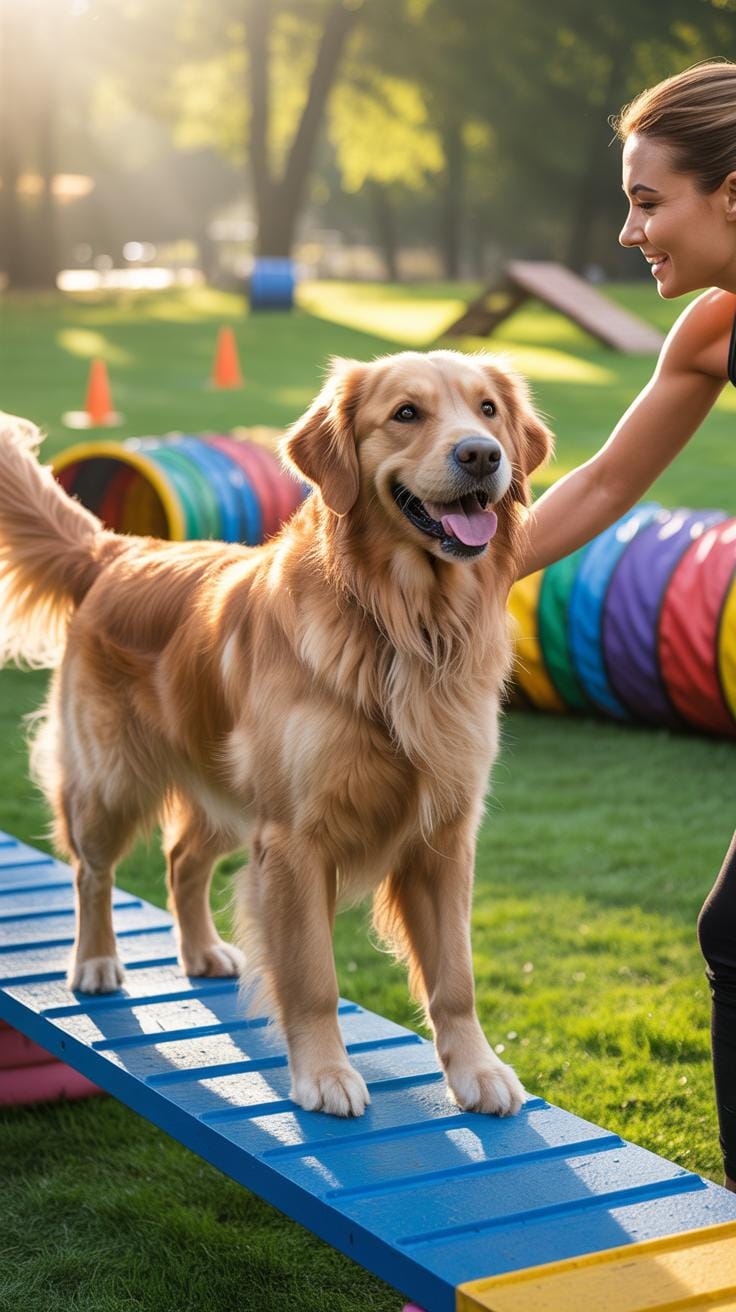
- Contact Planks: Use flat planks or very low ramps instead of steep A-frames. Flat walking surfaces build balance and grip strength. This movement mimics natural terrain and strengthens the small stabilizing muscles around the elbows and shoulders without heavy incline work.
- Target Mats: Place rubber mats at the end of obstacles to define clear stopping points. Teaching a controlled stop prevents the dog from overshooting and sliding on unstable ground. This tactic protects the cranial cruciate ligament from sudden deceleration forces and provides a safe finish.

Tactical application of these tools maintains the spirit of agility while protecting the dog. Consistency matters more than the level of difficulty. Monitor the dog for signs of fatigue or lagging after each repetition. Stop the session before the dog shows signs of limping. Proper execution of these low-impact variants builds muscle mass. Stronger muscles provide better support for damaged joints and slow the progression of stiffness.
Building A Weekly Dog Exercise Routine That Protects And Strengthens Joints Long Term
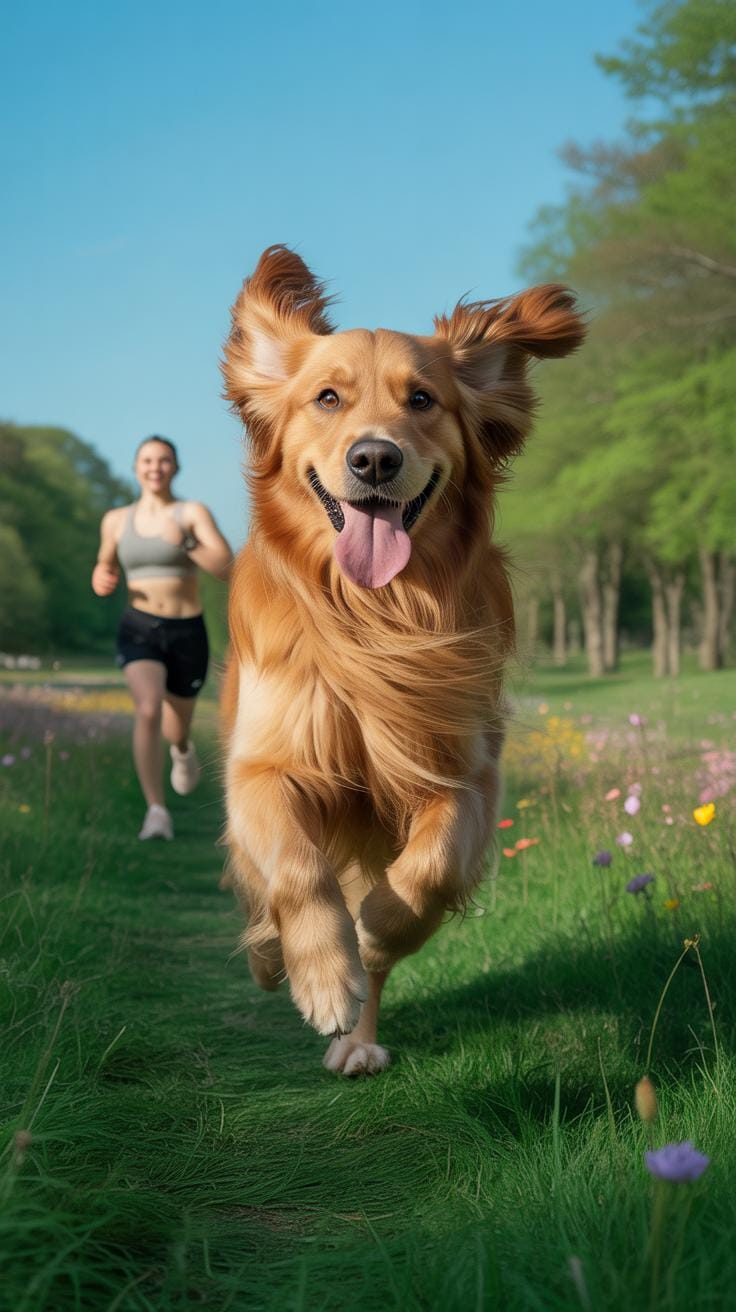
How To Structure A Safe Weekly Exercise Schedule For A Dog With Joint Problems
Consistency dictates the success of a joint-friendly program. You must avoid the weekend warrior syndrome where activity spikes on days off. High-intensity bursts cause inflammation and structural fatigue in compromised joints. Instead, spread activity across seven days. Use short walks of ten to fifteen minutes twice daily. This approach maintains muscle mass and keeps synovial fluid moving without overstressing the cartilage or ligaments.
Prioritize surfaces that offer natural shock absorption. Dirt paths and grass are superior to concrete or asphalt. Start every session with a five-minute slow-paced warm-up to increase blood flow to the muscles. Incorporate low-impact movements like controlled swimming or underwater treadmill sessions twice a week. These activities build strength through resistance while removing gravity from the equation. Always monitor the dog for a steady gait throughout the scheduled time.
Warning Signs That Your Dog’S Exercise Plan Needs To Be Adjusted
Immediate behavioral shifts indicate your plan is too aggressive. Watch for hesitance when starting a walk or a refusal to climb small inclines. If the dog lags behind or sits frequently, stop the session immediately. Physical cues like limping or favoring a specific limb are non-negotiable red flags. These signs mean the current workload is damaging the joint tissues rather than strengthening the supporting muscle groups.
Check for post-exercise stiffness that lasts longer than two hours. Observe how the dog stands up after a nap. If they struggle to rise or show visible tremors in their legs, reduce the duration of the next session by fifty percent. Track these changes in a log to identify patterns. Swelling or heat around a joint requires a mandatory rest day. Adjust the intensity downward until the dog recovers full mobility without discomfort.
Frequently Asked Questions

Why is low-impact exercise important for dogs with stiff or painful joints?
Maintaining mobility is crucial for senior pets or those with arthritis, but high-intensity activities can cause further inflammation. Engaging in the right dog exercise for joints helps strengthen the supporting muscles without putting excessive pressure on the skeletal system. By focusing on controlled, steady movements, you can help your furry friend maintain a healthy weight and improve their overall range of motion while significantly reducing their daily discomfort.
How can I safely start a swimming routine for my dog’s joint health?
Hydrotherapy is an excellent dog exercise for joints because water provides natural buoyancy, taking the weight off aching limbs. Start by introducing your pet to a shallow, heated pool or a calm body of water while using a canine life jacket for safety. Keep sessions short, around five to ten minutes initially, and always monitor their exhaustion levels to ensure they are building strength without overexerting their sensitive connective tissues.
Are there effective ways to exercise my dog indoors without expensive equipment?
You don’t need a fancy canine gym to keep your pet active. Simple indoor activities like “nose work” or slow treat-tracking encourage gentle movement across flat, carpeted surfaces. You can also practice “sit-to-stand” repetitions or slow leash walking down a padded hallway. These low-cost methods provide excellent mental stimulation and physical conditioning, ensuring your dog stays limber and happy without requiring any specialized gear or costly professional memberships.