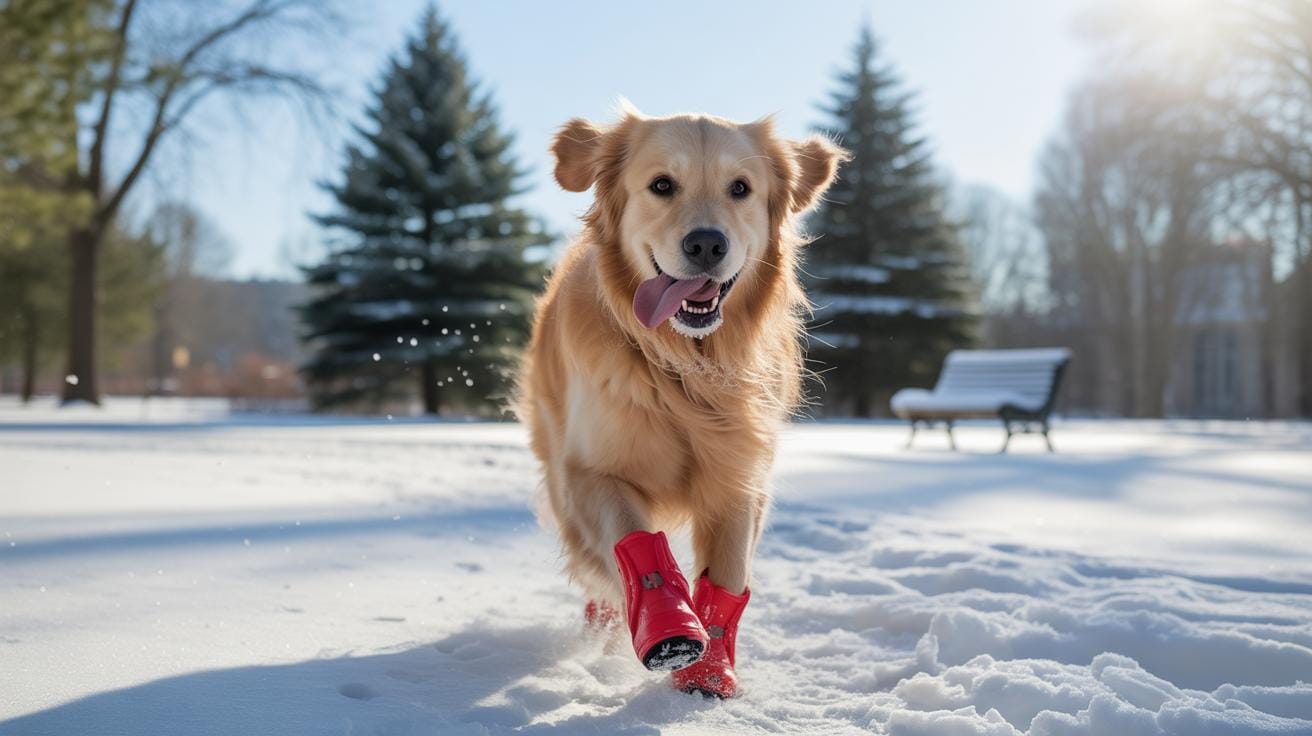
Why Winter Conditions Are Harsh On Dog Paws A Dog Paw Care Guide
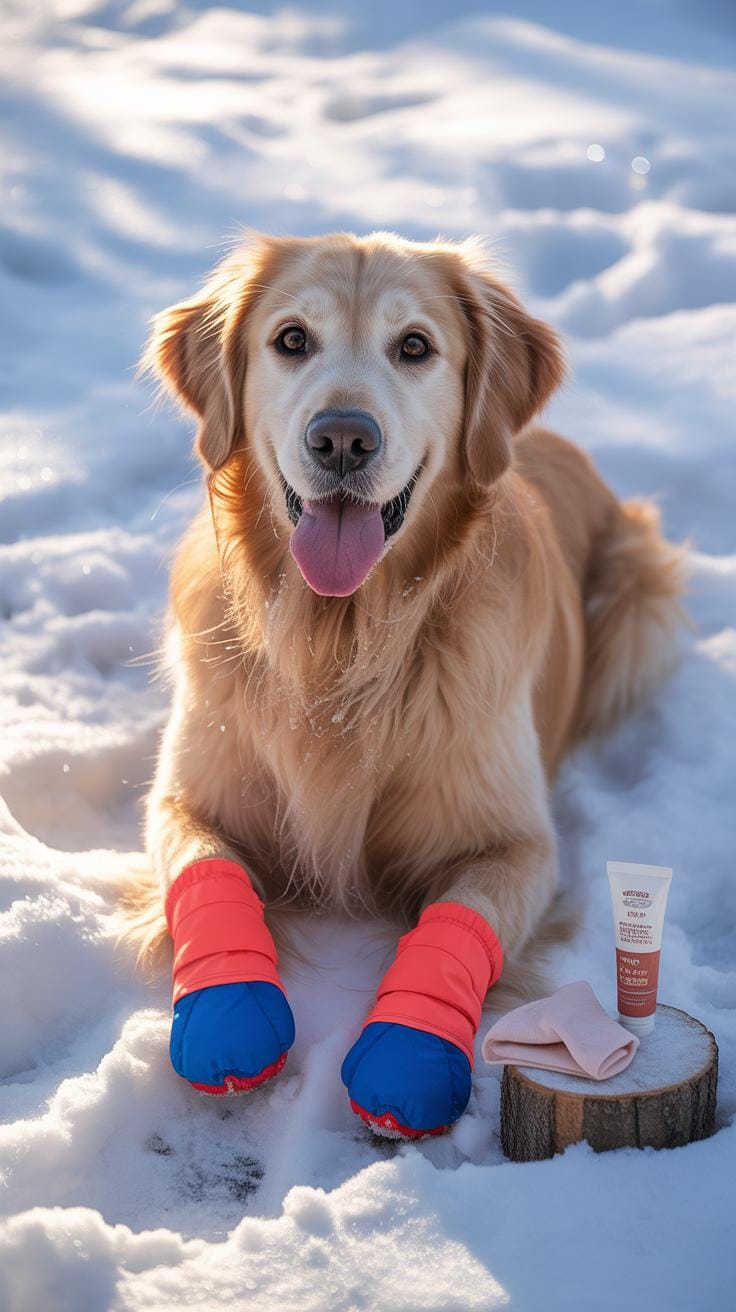
How Cold Pavement, Ice, And Snow Damage Paw Pads
Freezing temperatures rapidly drain moisture from paw pads. Natural skin oils provide a barrier, but prolonged contact with ice breaks this seal. Frozen ground acts like sandpaper on the sensitive skin between toes. Without protection, pads become brittle and lose elasticity. Brittle skin cracks under the pressure of the dog’s weight. These fissures allow bacteria to enter the bloodstream directly.
Snow accumulation creates high-compression ice balls between digital pads. These hardened clumps stretch the skin and cause physical trauma with every step. Constant exposure to low temperatures also causes vasoconstriction in the feet. Reduced blood flow slows down the natural healing process for small cuts. You must realize that a dog’s paw is resilient but not invincible to sub-zero surfaces.
The Hidden Dangers Of Road Salt And De Icing Chemicals
Municipalities and homeowners use rock salt and chemical de-icers to melt ice. These substances are highly hygroscopic and pull water out of the paw pad tissue. This chemical reaction creates an intense drying effect that leads to deep chemical burns. Most standard road salts contain sodium chloride which irritates open wounds. Dogs often lick their paws to soothe the stinging sensation after a walk.
Ingesting these chemicals leads to gastrointestinal distress or severe local toxicity. Calcium chloride and magnesium chloride are common additives that pose significant health risks if swallowed. These agents can also cause inflammation of the soft tissue between the toes. This inflammation leads to redness, swelling, and secondary infections. You must treat these chemical hazards as toxic threats to your dog’s overall health.

Understanding Dog Paw Frostbite Signs Risks And What To Do
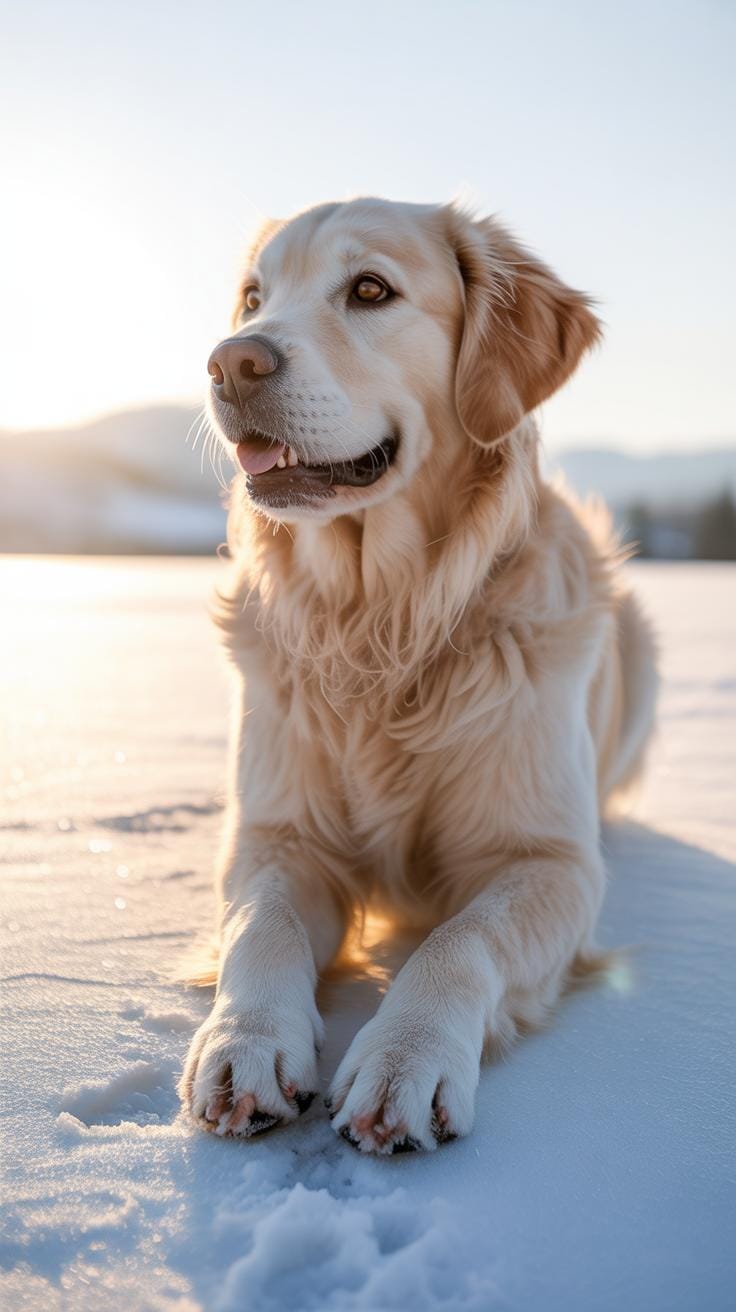
How To Recognize Early And Advanced Signs Of Frostbite On Dog Paws
Early frostbite acts as a warning signal for dog owners. The skin often feels cold to the touch and looks pale or gray. Some dogs will limp or lift their paws to avoid the frozen ground. Redness and swelling occur as the tissue begins to react to the cold. You must check between the toes where ice crystals often form and damage the soft skin.
Advanced frostbite presents a much more serious medical emergency. The affected tissue turns black or dark purple as cells die from lack of blood flow. Blisters may form on the paw pads several hours after the initial exposure. The area will feel hard or brittle instead of soft and pliable. Once the tissue warms up, it becomes extremely painful and may emit a foul odor.
What To Do If You Suspect Your Dog Has Frostbite On Their Paws
Move your dog into a warm environment immediately to stop the cooling process. Wrap their body in warm blankets to stabilize their core temperature first. Do not rub or massage the paws because this causes further tissue damage. Use lukewarm water to gently warm the frozen areas. Avoid using hot water or hair dryers because the skin is numb and burns easily.

Contact a veterinarian as soon as you settle the dog in a safe space. Frostbite damage often takes several days to appear fully on the skin surface. A doctor needs to check for systemic shock and provide pain medication. Keep your dog from licking the affected paws to prevent secondary infections. Professional medical care is the only way to ensure the tissue heals correctly and avoids amputation.
How To Protect Dog Paws In Winter Boots Balms And Barriers
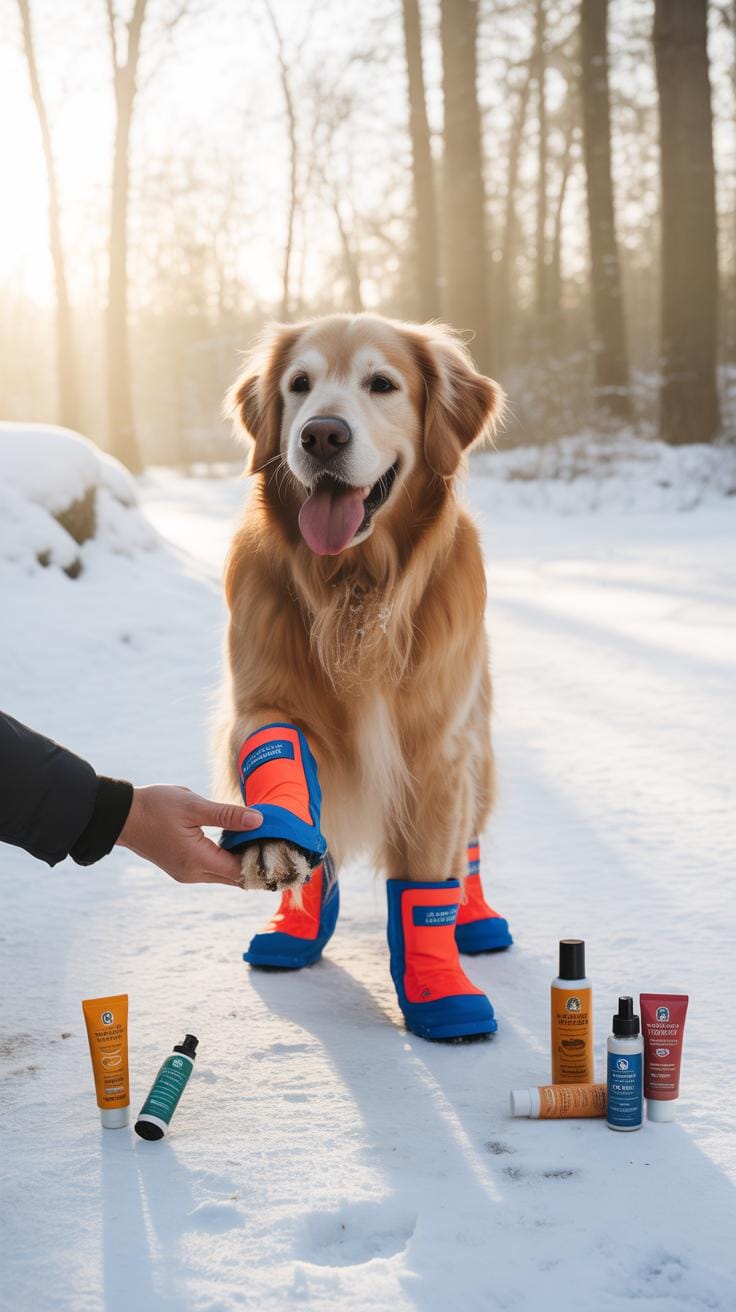
Choosing The Right Dog Boots For Winter Weather Walks
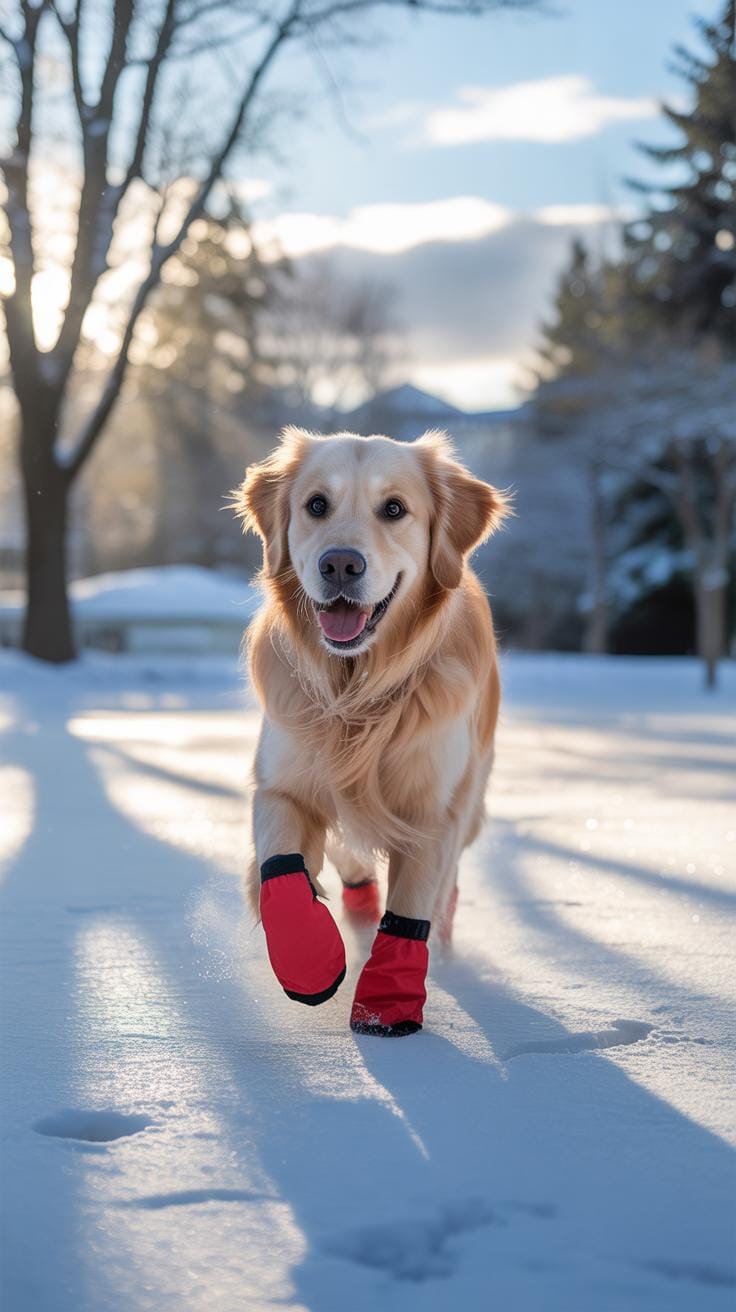
Dog boots provide the most robust defense against extreme cold and chemical deicers. Speed of application and security are the primary metrics for selection. Look for boots with heavy duty rubber outsoles and deep tread patterns to ensure traction on ice. High performance models utilize hook and loop straps to prevent the boot from slipping off during high intensity movement in deep snow.
Correct fit prevents circulation issues and skin chafing. Measure the widest part of the paw while the dog is standing to account for natural splay. Select breathable materials like nylon or neoprene to prevent moisture buildup inside the boot. Avoid cheap plastic alternatives that crack in subzero temperatures. Durable boots must withstand abrasion from frozen crust and sharp ice shards while maintaining a flexible range of motion.
How Paw Wax And Protective Sprays Create A Physical Barrier Against The Cold
Paw waxes serve as a semi permeable shield for dogs that refuse to wear boots. These products use food grade beeswax and natural oils to create a dense layer on the paw pads. This barrier prevents snow from packing between the toes and blocks liquid salt from penetrating the skin. Apply the wax immediately before outdoor exposure to ensure the seal remains intact.

Protective sprays offer a faster application method but generally provide less durability than dense waxes. These formulas dry quickly to form a thin film that repels chemicals and moisture. Reapply these barriers after every walk to maintain protection. While these methods do not provide insulation against low temperatures, they effectively stop chemical burns from road salts. Consistent use prevents the drying and cracking that leads to deep infections.
How To Use Paw Balm To Heal And Protect Your DogS Paws In Winter
What To Look For In A Quality Paw Balm: Ingredients That Actually Work
Quality paw balms require occlusive and humectant ingredients. Occlusives like beeswax or candelilla wax create a physical barrier against snow and ice. This layer prevents salt and chemical deicers from touching the skin directly. Natural waxes stay solid at low temperatures but melt slightly upon contact with skin. This ensures the balm stays on the paw during a walk while providing immediate protection from harsh winter elements.
Effective balms must also contain healing fats and oils. Look for shea butter, coconut oil, or Vitamin E to repair cracks. These ingredients penetrate the skin to restore moisture lost to dry heaters and freezing air. Avoid products containing water or alcohol. Water-based lotions can freeze on the paw or cause further drying. Stick to dense, oil-based formulas that do not contain artificial fragrances or dyes that irritate open wounds.
How And When To Apply Paw Balm For Maximum Winter Protection
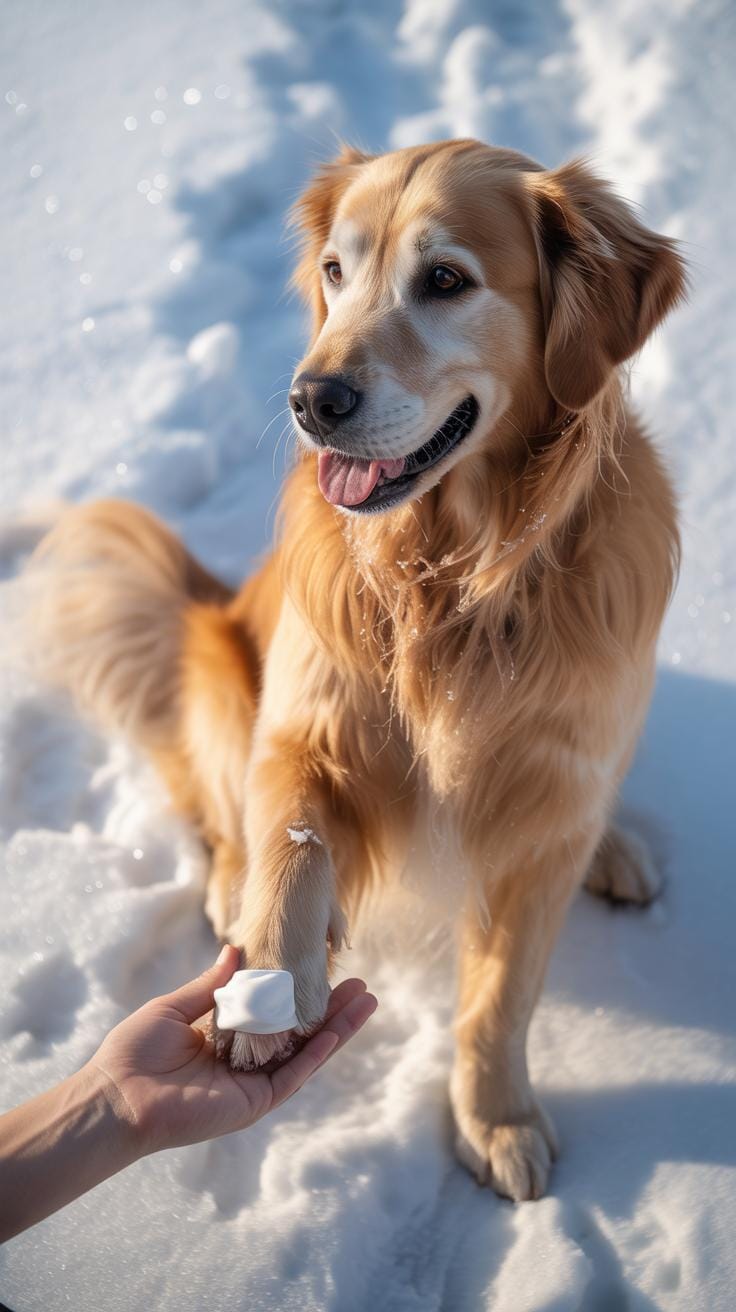
Application timing determines how well the balm protects your dog from salt and ice. You must apply a thick layer to every paw pad before you leave the house. Focus on the areas between the toes where ice balls frequently form. This pre-walk application acts as an invisible boot. It prevents chemical burns from road salt and stops snow from sticking to the fur.
- Pre-Walk Application: Spread a generous coating over the entire bottom of the foot before heading outside. This creates a mechanical shield that blocks salt, sand, and ice from reaching the sensitive skin tissue during your exercise.
- In-Between Toes: Rub the balm into the crevices between the paw pads. This specific area is prone to snow accumulation and painful ice buildup. The grease prevents ice crystals from latching onto the hair and skin.
- Post-Walk Cleanup: Wipe the paws with a warm, damp cloth after every walk to remove ice and salt. Apply a thinner layer of balm after cleaning. This helps soothe any irritation caused by the cold and seals in moisture.
- Nighttime Treatment: Apply balm while the dog is resting at night. This allows the oils to soak in without being wiped off or licked away. Deep penetration during sleep cycles accelerates the healing of dry, cracked, or bleeding paw pads.
- Consistent Routine: Use the balm daily during freezing months even if you do not go for long walks. Forced air heating inside homes dries out skin quickly. Regular application maintains skin elasticity and prevents deep fissures from developing over time.

Consistency is the most important factor for winter paw health. Check the pads daily for signs of redness or peeling. If the skin feels rough like sandpaper, increase the frequency of application. Keep the balm container in a warm spot so it spreads easily. This routine ensures the skin remains supple and resistant to the mechanical stress of walking on frozen, uneven ground.
Essential Winter Dog Care Tips For Healthy Paws All Season Long
Pre Walk And Post Walk Paw Care Routines Every Dog Owner Should Follow
Pre-walk preparation focuses on creating a physical barrier between the skin and harsh external elements. Apply a thin layer of wax-based balm to the pads before leaving the house. This prevents chemical burns from de-icers and limits ice buildup between the toes. Trimming long hair around the paws is essential. Excess fur traps snow and creates painful ice balls.
- Application of Paw Balm: Apply a high-quality wax sealant to the entire bottom of the paw. This specialized barrier helps repel moisture and prevents toxic road salt from making direct contact with the skin. It also seals small cracks to stop debris from entering.
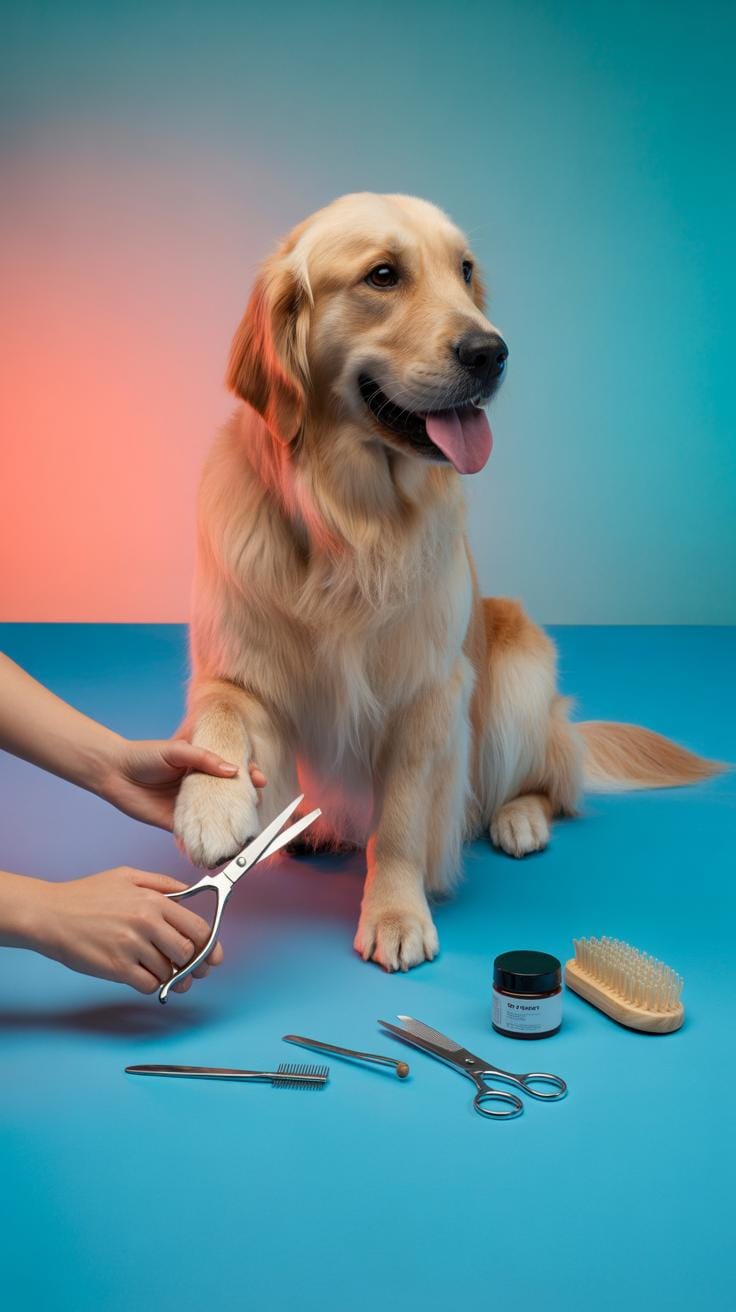
- Trim Excess Interdigital Hair: Use blunt-nosed scissors to cut hair flush with the paw pads. Long hair allows snow to melt and refreeze, forming sharp ice crystals. Removing this hair reduces the surface area where ice and salt can accumulate during a walk.
- Warm Water Paw Rinse: Use a shallow bowl or a specialized paw plunger after every walk. Simply wiping with a dry towel does not remove dissolved chemicals or fine grit. Rinsing ensures all caustic agents are washed away before the dog can lick them.
- Thorough Drying Technique: Pat the paws dry with a clean microfiber towel after the rinse. Focus on the gaps between the toes where moisture lingers. Damp skin becomes soft and prone to infection. Dry skin maintains its structural integrity against the cold.
- Post Walk Inspection for Injury: Check the pads for redness, swelling, or small cuts once the paws are clean. Early detection of chemical irritation or frostbite allows for immediate treatment. Identifying a small crack now prevents a deep fissure from developing into a chronic infection later.
The post-walk routine centers on decontamination and moisture control. Road salt and liquid de-icers are caustic. They can cause chemical burns if left on the skin. You must wash the paws in lukewarm water to remove these toxins. Do not use hot water because it shocks the cold tissue. Dry the paws completely to prevent fungal growth in the damp crevices.
How Often To Inspect Your Dogs Paws During The Winter Months
Perform a visual inspection after every single trip outside. Winter hazards like sharp ice, hidden glass, and corrosive salts work quickly. You cannot rely on a weekly check during freezing temperatures. Physical damage to the pads often goes unnoticed until it becomes severe. Check the pads, the webbing, and the nail beds for signs of irritation or foreign objects.

Check for dryness and cracking at least twice a day. Cold air outside and dry heat inside strip moisture from the skin. If the pads feel like sandpaper, they are at risk of splitting. These fissures are painful and provide an entry point for bacteria. Constant monitoring allows you to adjust your care routine before your dog experiences significant discomfort or mobility issues.
Trimming And Grooming As Part Of A Seasonal Dog Paw Care Routine
Why Keeping Paw Hair Trimmed Reduces Ice Ball Buildup Between The Toes
Long hair between dog toes acts as a magnet for snow and moisture. Body heat melts the snow into water. The cold ground then freezes that water into hard ice balls. These ice chunks stretch the skin and pull on the hair. This causes pain and makes walking difficult for the dog. Trimming this hair flush with the paw pads prevents snow from clinging.
Cleanly trimmed paws allow moisture to evaporate rather than freeze. You must use safety shears or electric clippers with a guard. Focus on the hair growing in the deep crevices between the pads. Removing this excess fur eliminates the physical structure that supports ice formation. A flat paw surface also makes it easier to apply protective waxes or wipes after a walk.
Nail Length And Paw Pad Maintenance: What Every Winter Dog Owner Should Know
Short nails are a safety requirement in winter conditions. Long nails force a dog to shift its weight backward. This reduces the surface area contact between the paw pad and the ground. This shift creates less traction on icy surfaces and increases the risk of slips. Owners must maintain nail lengths that do not touch the floor while the dog stands on a flat surface.

Check paw pads daily for cracks or dryness during the winter months. Cold air and indoor heating strip moisture from the skin. Cracked pads allow salt and chemical de-icers to enter the bloodstream or cause localized infections. Keep pads supple with dog-specific balms rather than human lotions. Healthy pads provide the natural grip necessary for navigating frozen terrain without causing long-term structural damage.
Adjusting Outdoor Time And Walking Habits For Safe Winter Dog Care
How Temperature And Wind Chill Affect How Long Your Dog Should Walk Outside
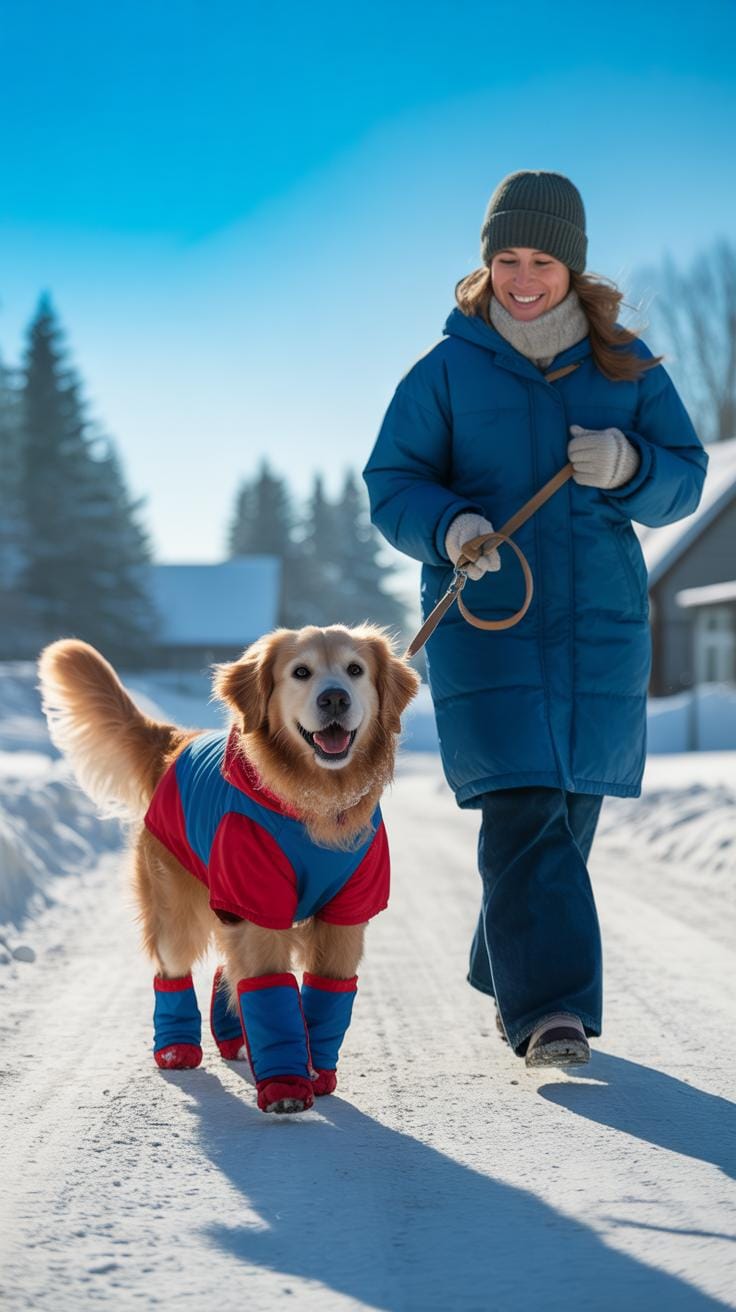
Ambient temperature alone does not determine safety. Wind chill accelerates heat loss from paw pads and ears. When temperatures drop below freezing, keep most walks under twenty minutes. Small breeds and short-haired dogs lose body heat faster than large breeds. Watch for lifting paws or shivering. These signs indicate that the cold has already compromised the dog limb circulation.
Limit exposure during extreme cold snaps. Cold air pulls moisture from the skin and causes paw pads to crack. Monitor the weather for high wind alerts. Strong winds increase the risk of frostbite on exposed tissue. Heavy dogs sink deeper into snow, which increases contact time with frozen surfaces. Adjust your schedule to walk during daylight hours. Sun provides natural warmth and improves visibility.
There is no faith which has never yet been broken, except that of a truly faithful dog. We must cherish those loyal paws by keeping them warm and shielded against the biting frost.
Choosing Safer Walking Routes And Surfaces To Minimize Paw Damage In Winter
Select walking paths carefully to avoid chemical burns. Stick to packed snow rather than icy sidewalks treated with rock salt. Most municipal de-icers contain calcium chloride or sodium chloride. These chemicals irritate the skin and cause stinging. Avoid deep snow banks where hidden debris or sharp ice crusts can cut the paw pads. Grassy areas often stay safer than paved concrete.

Prioritize shoveled paths to reduce direct contact with frozen slush. Slush traps moisture against the fur between the toes. This moisture freezes into ice balls that stretch the skin and cause pain. Avoid puddles at all costs. These often contain concentrated runoff from industrial snow melt products. Walk on the sunny side of the street. Solar heat keeps these surfaces slightly warmer and reduces ice buildup.
Indoor Paw Care Practices To Support Your DogS Recovery After Winter Walks
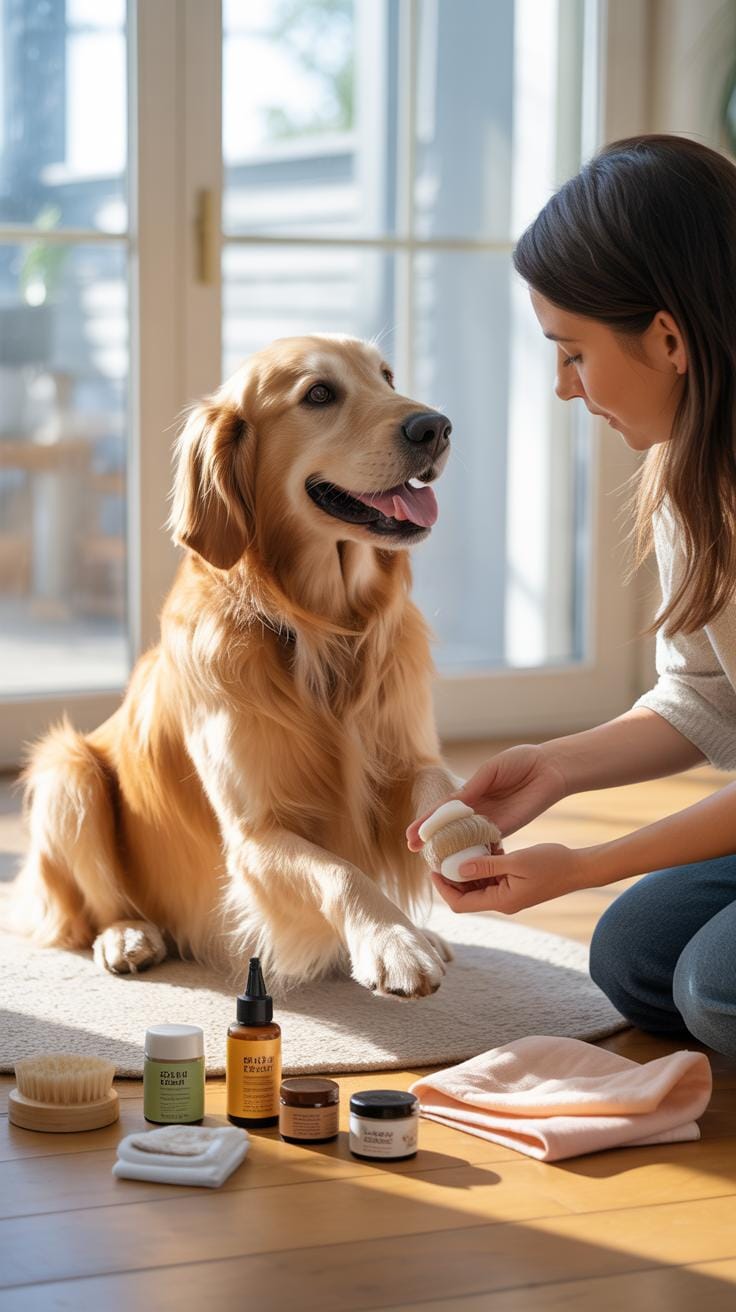
How To Properly Clean And Dry Your Dog’S Paws After Coming In From The Cold
Immediate cleaning prevents chemical burns from road salt and deicers. Use a basin of lukewarm water to submerge each paw. This temperature shift must be gradual to avoid thermal shock to the skin tissues. Focus on the crevices between the toes and the webbing where ice shards and salt crystals accumulate. Thorough rinsing removes corrosive agents that dogs often lick off later.
Dry the paws immediately using a clean microfiber towel. Moisture trapped between the toes promotes fungal growth and bacterial infections in sheltered indoor environments. Press the towel firmly into the pads to absorb all liquid. Check for hidden debris like gravel or frozen slush. Completely dry paws maintain better skin integrity and prevent the dog from slipping on hard indoor flooring surfaces during recovery.
When To Visit The Vet: Cracks, Bleeding, And Paw Injuries That Need Professional Dog Care
Monitor paw pads for deep fissures or persistent bleeding that does not stop with pressure. Chemical burns from ice melt products often appear as redness, swelling, or blistering on the skin. If the dog limps or licks one specific area constantly, an underlying injury likely exists. Owners must identify these signs early to prevent secondary infections. Professional medical intervention is necessary when the pad tissue shows deep tissue loss.

Vets address extreme dryness that leads to structural cracking of the keratinized skin. Do not apply human lotions as they soften pads excessively and increase injury risk. A professional will provide medical grade balms or antibiotics if an infection starts. Seek help if you notice pus, a foul odor, or heat radiating from the paw. Swift action prevents a minor cold weather scrape from becoming a systemic health issue.
Frequently Asked Questions

Why do I need to worry about my dog’s paws during the winter?
Cold temperatures are only part of the risk. Snow, ice, and salt can cause painful cracking, chemical burns, or dryness on sensitive pads. Implementing a regular dog winter paw care routine is essential because your pet’s feet are their only contact point with freezing surfaces. Without protection, they can suffer from frostbite or ingest toxic de-icing chemicals when licking their paws after a walk, making proactive prevention vital for their safety.
How can I properly clean my dog’s paws after a walk in the snow?
When you return indoors, immediately use a soft, damp towel or a dedicated paw plunger to remove ice and salt crystals trapped between the toes. This is a critical step in dog winter paw care to ensure no irritating chemicals remain on the skin. After cleaning, thoroughly dry the area and apply a soothing paw balm to lock in moisture and prevent the pads from chapping or bleeding in the harsh air.
What are some low-cost ways to protect my dog’s feet if I don’t have boots?
If your dog refuses boots or you are on a budget, simple petroleum jelly or a thin layer of coconut oil acts as a great barrier against snow and salt. You can also trim the long fur between their pads to prevent uncomfortable “ice balls” from forming. These DIY methods are highly effective for short walks, ensuring your pet stays comfortable and protected without needing to invest in expensive professional gear or designer footwear.