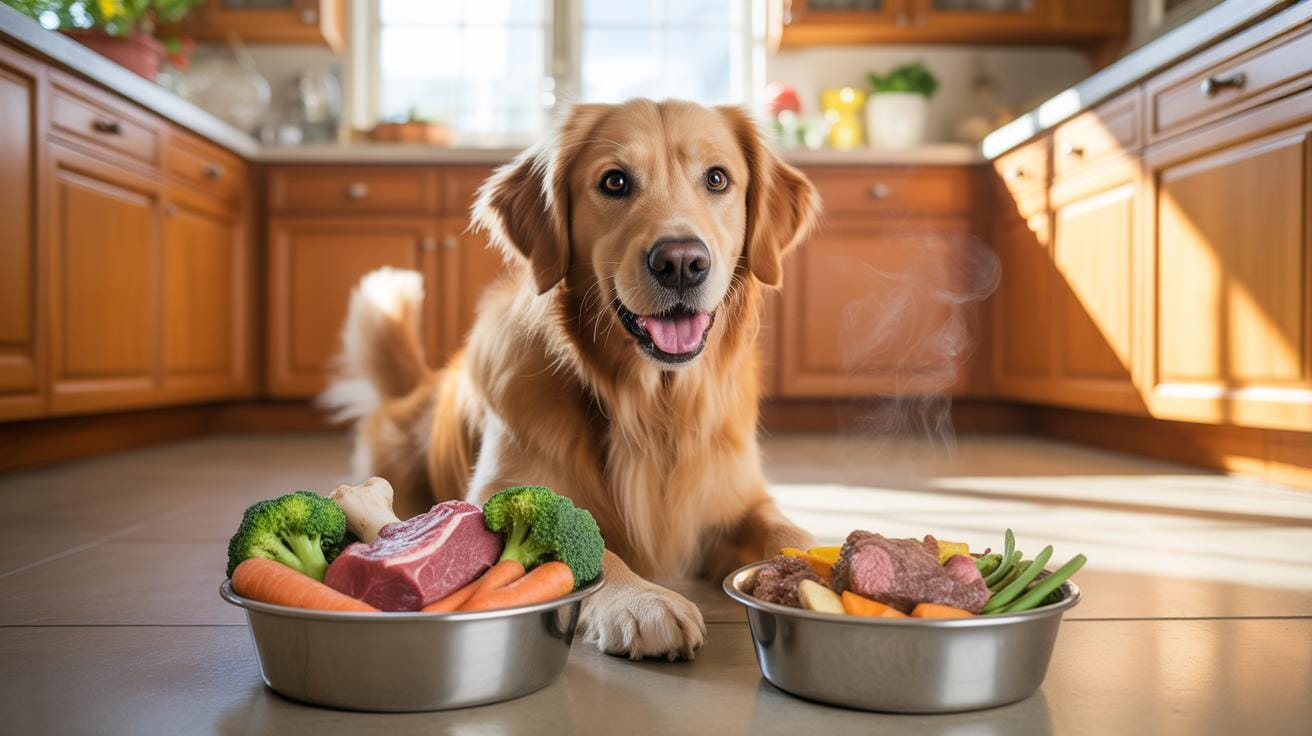
Understanding Dog Nutrition The Foundation Of A Healthy Diet

What Dogs Need Nutritionally To Thrive At Every Life Stage
Dogs require a specific balance of proteins, fats, carbohydrates, vitamins, and minerals. High-quality animal protein provides essential amino acids for muscle repair and growth. Puppies need more protein and calcium for bone development. Adult dogs require maintenance levels to support organ function. Senior dogs often need leaner proteins to protect their kidneys while maintaining muscle mass. Constant access to clean water is also mandatory for metabolic processes and temperature regulation.
Fat serves as the primary energy source for canines. It supports cell structure and hormone production. Omega-3 and Omega-6 fatty acids remain vital for skin health and brain function. Vitamins like A, D, and E must stay in balance to avoid toxicity or deficiency. Minerals such as phosphorus and calcium must maintain a strict ratio. Imbalances in these nutrients lead to skeletal issues or chronic disease as the dog ages.
How Diet Impacts A Dog’S Long Term Health, Energy, And Immunity
Diet dictates the strength of a dog’s immune system. Proper nutrition fuels white blood cells that fight off infections and diseases. Poor quality fillers often cause inflammation in the gut and joints. This inflammation leads to lethargy and chronic pain over time. A balanced diet ensures the body handles daily stress without breaking down. High-quality fuel results in consistent energy levels and a faster recovery from physical activity.
Bioavailable nutrients directly influence the condition of the skin and coat. A dull coat usually signals a nutritional gap or poor absorption. Strategic feeding prevents obesity, which is the leading cause of early death in dogs. Excess weight puts pressure on the heart and lungs. It also causes rapid joint degeneration. Accurate caloric intake and nutrient density extend the lifespan. Correct feeding habits shield the dog from preventable metabolic disorders and systemic failures.

What Is Raw Dog Food A Complete Raw Dog Food Guide

The Origins And Philosophy Behind Raw Feeding For Dogs
Raw feeding focuses on the biological history of canines. Proponents argue that dogs share DNA with grey wolves. This philosophy suggests that dogs should eat what their ancestors ate in the wild. This movement gained traction in the late twentieth century. It directly challenged the dominance of grain-based kibble. The goal is to provide nutrients in their most natural and unaltered state.
The core belief centers on digestive efficiency. Raw advocates claim that heat processing destroys essential enzymes and proteins. They argue that high temperatures change the molecular structure of food. This makes it harder for dogs to process nutrients. Modern raw diets prioritize metabolic health by removing synthetic fillers and artificial preservatives. This approach mimics a carnivorous predatory diet to optimize a dog’s overall physical performance.
Common Ingredients Found In A Raw Dog Food Diet
A standard raw diet relies on a specific ratio of animal parts. Muscle meat forms the foundation of every meal. It provides the protein required for tissue repair and growth. Organ meats like liver and kidney provide vital vitamins and minerals. These nutrients are often missing from muscle meat alone. Raw bones offer a natural source of calcium and phosphorus for skeletal strength.

Precision is critical when selecting these ingredients to prevent nutritional gaps. Many owners include small amounts of vegetables for fiber and antioxidants. Raw eggs and oily fish like sardines provide fatty acids for skin health. Some diets follow the Biologically Appropriate Raw Food model. Others follow the Prey Model Raw guidelines. Both methods exclude grains and soy. They focus strictly on high-quality animal fats and proteins.
Raw Feeding Guide For Dogs How To Get Started Safely

Transitioning Your Dog From Commercial Food To A Raw Diet
Stop feeding kibble immediately or phase it out over seven days. Most healthy dogs handle a cold turkey switch best. Mixing raw meat with high-carbohydrate kibble can cause digestive upset due to differing gastric pH requirements. Start with a single protein source like chicken or turkey. Monitor stool consistency closely during this initial phase to ensure the digestive system adapts to raw enzymes.
Keep meals simple during the first two weeks. Avoid organ meats and rich proteins like beef or pork until the gut microbiome stabilizes. Use a probiotic supplement to support the transition if your dog has a sensitive stomach. Introduce bone-in cuts once the dog masters chewing and shows firm stools. Rapid changes in diet require observation of energy levels and coat quality to confirm nutritional absorption.
Whether you choose the primal vitality of the raw path or the soulful comfort of a home-cooked meal, the best bowl is always the one filled with love. Every choice we make in the kitchen is a quiet promise to protect the loyal hearts that follow us home.
Key Safety Practices Every Raw Feeder Must Follow At Home
Salmonella and Listeria pose risks to humans if handled incorrectly. You must treat raw dog meat with the same hygiene standards as human grade poultry. Use dedicated stainless steel or ceramic bowls for feeding. These materials resist scratches where bacteria hide. Always wash your hands and all surfaces with hot soapy water after preparing meals to prevent cross-contamination in your kitchen.
- Designated Prep Areas: Use specific cutting boards and utensils only for dog food. Choose non-porous materials like plastic or glass that are dishwasher safe. This prevents meat juices from touching your own food prep surfaces.
- Temperature Control: Store raw meals in the freezer at zero degrees Fahrenheit until use. Thaw portions in the refrigerator rather than on the counter. Cold temperatures stop the rapid growth of harmful bacteria and preserve nutrient density.
- Proper Bone Selection: Never feed cooked bones because they splinter and cause internal punctures. Select raw, meaty bones appropriate for your dog’s size and bite strength. Supervise every meal to ensure the dog does not swallow large chunks whole.
- Safe Disposal: Clean the feeding area immediately after the dog finishes eating. Remove any leftover meat scraps and discard them in a sealed bin. Bacteria multiply quickly at room temperature and attract pests if left out in the open.
- Detailed Sourcing: Buy meat from reputable suppliers that follow strict cold chain protocols. Human-grade meat is generally safer because it undergoes more rigorous testing than low-quality pet grade options. Avoid meat that smells sour or shows significant discoloration.

Safe handling protects your entire household from zoonotic pathogens. If you have children or immunocompromised individuals at home, prioritize strict sanitization of the feeding zone. Teach family members to avoid touching the dog’s mouth or face immediately after a meal. Consistent hygiene routines eliminate most risks associated with raw feeding. Follow these tactical steps to maintain a clean and healthy environment for everyone.
Raw Food Chart For Dogs Portions Proteins And Feeding Ratios Explained

How To Calculate The Right Raw Food Portion Based On Your Dog’S Weight
Adult dogs generally require two to three percent of their ideal body weight in raw food daily. You determine this amount based on their activity level and metabolism. A sedentary dog needs the lower end of this range to avoid obesity. Highly active working dogs may require up to four percent to maintain their energy. Accuracy matters because raw food is more nutrient dense than dry kibble.
Transitioning owners must weigh their dogs weekly during the first month. Adjust the daily portion size by ten percent if you notice unwanted weight gain or loss. Puppies are the exception to this rule because they grow rapidly. They often require between five and ten percent of their current weight. Use a digital scale to measure every meal. Guessing leads to nutritional imbalances and long term health issues.
Understanding The Bone, Meat, And Organ Ratio In A Balanced Raw Diet
The industry standard for raw feeding follows the eighty ten five five rule. This ratio mimics the composition of whole prey. Eighty percent of the diet consists of muscle meat for essential protein. Ten percent must be edible bone to provide calcium and phosphorus. Five percent is liver for vital minerals. The final five percent consists of other secreting organs like kidneys or spleen.

You must source high quality proteins to ensure this ratio works effectively. Muscle meat includes heart and gizzard but does not include fat. Edible bones should be soft enough for the dog to crush without splintering. Never feed cooked bones as they break into sharp shards. Imbalanced ratios lead to digestive distress or skeletal deformities. Consistent adherence to these specific percentages ensures your dog receives all necessary micronutrients.
Raw Dog Food Recipes Simple Meals You Can Prepare At Home

A Beginner Friendly Raw Dog Food Recipe Using Chicken And Vegetables
Start with a base of raw chicken thighs including the bone. Chicken provides high quality protein and essential fatty acids for coat health. Grinding the bone ensures safety for beginners and smaller breeds. Add pureed spinach and carrots to mimic the stomach contents of wild prey. Use a food processor to break down plant cell walls so the dog can actually digest the nutrients.
Balance the ratio at eighty percent meat and ten percent bone. The remaining ten percent consists of fresh vegetables. This simple formula prevents digestive upset during the transition phase. Weigh every ingredient on a digital scale to ensure consistency. Store individual portions in airtight containers in the freezer. Thaw the meal in the refrigerator twenty-four hours before feeding to maintain food safety and prevent bacterial growth.
A Nutrient Dense Raw Dog Food Recipe Featuring Beef Liver And Sardines
Beef serves as the primary protein source for this advanced profile. It contains high levels of iron and zinc necessary for immune function. Red meat offers a more complex amino acid profile than poultry alone. You must include organ meats to provide essential fat soluble vitamins. Liver acts as a natural multivitamin for dogs. Sardines add high levels of omega three fatty acids and vitamin D.
- Lean Ground Beef: Use beef with ten percent fat content to provide clean energy. This muscle meat builds the foundation of the meal and delivers high concentrations of vitamin B12 for neurological health and metabolism.
- Raw Beef Liver: Limit liver to five percent of the total diet. This organ contains massive amounts of vitamin A and copper. Excessive amounts can cause toxicity so accurate measurement is mandatory for long term safety.
- Fresh Whole Sardines: Include two small sardines per meal for healthy fats. These small fish provide DHA and EPA which reduce inflammation in joints. Ensure the fish are raw and unsalted for the highest nutritional impact.
- Beef Heart: Classify heart as muscle meat despite its organ status. It contains taurine which is vital for cardiac health. Adding heart increases the density of the meal without overdoing the rich vitamin content found in liver.
- Steamed Broccoli: Lightly steam the broccoli to improve digestibility. This vegetable provides fiber and antioxidants like sulforaphane. Fiber regulates the digestive tract and ensures firm stools which are a key indicator of a successful raw diet.

Organ meats like liver must never exceed ten percent of the total intake. High concentrations of vitamin A can lead to bone issues if fed in excess. Balance the sardines to provide minerals like phosphorus and calcium. Always source human grade meat to reduce the risk of parasites. Monitor your dog for changes in energy and coat quality over four weeks. Adjust the fat content based on activity levels.
What Is Cooked Dog Food And How Does It Differ From Raw Feeding Dogs

How Cooking Affects The Nutrient Profile Of Dog Food Ingredients
Cooking uses heat to break down tough cellular structures in plants and meats. This process increases the bioavailability of carbohydrates and makes proteins easier for many dogs to digest. High heat kills dangerous pathogens like Salmonella and Listeria that often exist in raw meat. However, extreme temperatures also destroy sensitive vitamins like B1 and C. Tactical cooking requires balancing safety with nutrient preservation.
Raw feeding relies on natural enzymes and unaltered amino acids found in fresh tissue. Cooking alters these chemical structures through denaturation. While heat reduces some nutrient density, it also neutralizes anti-nutrients found in specific vegetables. Owners must often add supplements to cooked meals to replace lost minerals and vitamins. This ensures the dog receives a complete profile despite the thermal processing of the raw ingredients.
Home Cooked Vs Commercially Prepared Cooked Dog Food: Key Differences
Home cooking gives owners total control over ingredient quality and sourcing. You select the exact cuts of meat and types of fiber. Most home cooks fail to balance calcium and phosphorus ratios correctly without expert guidance. This DIY approach often leads to nutritional deficiencies over long periods. It requires significant time for preparation and precise weighing of every component to maintain health.

Commercial cooked diets offer convenience and scientific precision. Manufacturers use large scale equipment to cook food at controlled temperatures. These companies must meet specific nutritional standards set by regulatory bodies. This ensures every meal is nutritionally complete and balanced for the life stage of the dog. While more expensive than home cooking, these meals eliminate the risk of human error in the kitchen.
Pros And Cons Of Raw Feeding Dogs Benefits And Risks Honestly Assessed

The Proven And Claimed Benefits Of Feeding Dogs A Raw Diet
Raw feeding advocates prioritize high bioavailability and nutrient density. Proponents report significant improvements in coat quality and skin health due to natural fatty acids. Most owners observe smaller and firmer stools because the dog absorbs more nutrients with less filler waste. Dental health often improves when dogs chew raw bones. This mechanical action scrapes plaque from teeth and strengthens jaw muscles without using synthetic additives.
Evidence suggests raw diets provide enzymes and amino acids often destroyed by high heat processing. These components support metabolic functions and immune response. While many benefits remain anecdotal in clinical settings, many working dog trainers use raw diets to maintain peak physical condition. The diet eliminates hidden carbohydrates and sugars found in kibble. This change helps manage weight and reduces inflammation in many active breeds over time.
Health Risks And Bacterial Concerns Associated With Raw Dog Food
Pathogen contamination represents the primary risk in raw feeding. Studies consistently find Salmonella, Listeria, and E. coli in raw meat samples. These bacteria pose a danger to both the dog and the humans in the household. Cross contamination occurs during food preparation and through the dog’s saliva or feces. High risk individuals like children or the elderly should avoid contact with raw fed pets.
Nutritional imbalance is the second major concern for long term health. Many home prepared raw meals lack the correct calcium to phosphorus ratio. This deficiency leads to skeletal deformities and metabolic bone disease, especially in growing puppies. Raw bones also present physical hazards like tooth fractures or intestinal perforations. Owners must source ingredients carefully and follow strict hygiene protocols to mitigate these documented medical and safety threats.
Dog Recipes For Cooked Meals Healthy Home Cooked Alternatives To Raw

A Vet Approved Cooked Dog Food Recipe Using Turkey Rice And Carrots
Turkey serves as a lean protein source that reduces the risk of pancreatitis compared to high fat meats. Use ground turkey with at least ninety percent lean meat to keep caloric density manageable. Combine one pound of cooked turkey with one cup of boiled white rice and half a cup of steamed carrots. This ratio provides a stable balance of amino acids and digestible carbohydrates.
Carrots offer essential beta carotene and fiber to support eye health and solid stool formation. You must cook the rice thoroughly until soft to ensure the dog can process the starches effectively. This recipe works well for dogs with sensitive stomachs who cannot tolerate the high bacterial load of raw diets. Always add a vet recommended vitamin supplement to prevent long term nutritional deficiencies in home cooked meals.
Foods You Should Never Include In Any Home Cooked Or Raw Dog Recipe
Toxic ingredients will cause organ failure or rapid red blood cell destruction regardless of the cooking method. Onions and garlic contain thiosulfate which damages canine red blood cells and leads to anemia. Grapes and raisins trigger acute kidney failure through mechanisms that remain poorly understood but consistently dangerous. Even small amounts of these items can be fatal. Avoid them entirely to ensure safety in your kitchen.

Macadamia nuts and xylitol are equally lethal for household pets. Xylitol causes a massive insulin spike that drops blood sugar to life threatening levels. Never use cocoa or chocolate due to theobromine toxicity which affects the central nervous system. Avocado pits and skins contain persin which causes digestive distress. Stick to known safe proteins and vegetables. Verify every ingredient before adding it to the pot or bowl.
Raw Dog Food Recipe Infographic Visualizing A Balanced Weekly Meal Plan
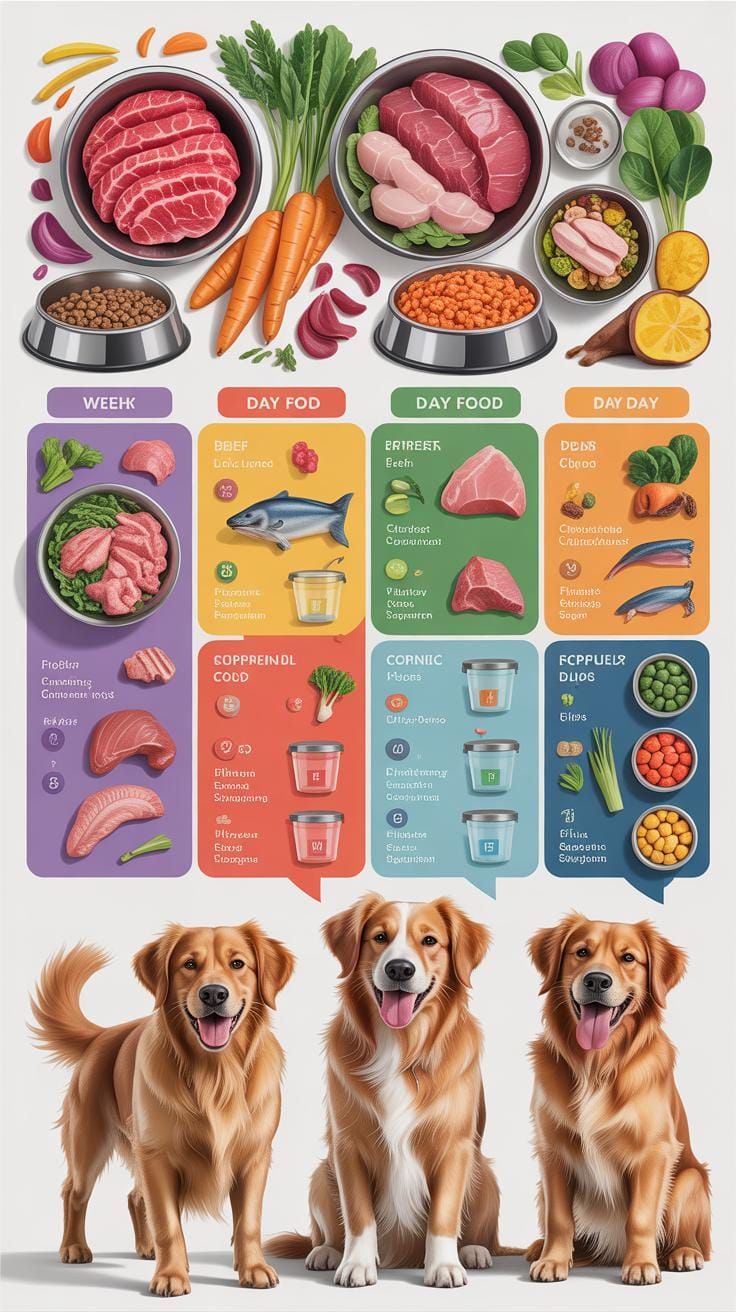
How To Map Out A Seven Day Raw And Cooked Rotation Meal Plan For Dogs
Successful feeding requires a clear schedule that balances muscle meat, organ meat, and bone content. You must treat the seven-day cycle as a complete nutritional unit rather than worrying about every single meal. Start by prepping your protein bases on Sunday to save time during the week. Use the first three days for raw proteins to ensure maximum enzyme intake.
Switch to lightly cooked meals mid-week to provide variety and ease digestive load. This rotation prevents food sensitivities and keeps the gut flora diverse. Mix in steamed vegetables like broccoli or kale during the cooked phase for fiber. Always track the total fat content to avoid weight gain. Consistency in the schedule allows you to identify which proteins your dog digests best.
Using A Dog Raw Diet Chart To Track Nutritional Balance Over Time
A diet chart serves as a hard data log for your dog’s caloric and nutrient intake. Record the specific weight of muscle meat, secreting organs, and calcium sources daily. This allows you to spot gaps in vitamins or minerals before they become clinical issues. Accuracy matters because raw feeding relies on precise ratios like eighty percent meat and ten percent bone.
Review these charts every month to adjust for changes in energy levels or coat quality. If your dog loses weight, increase the portion size by five percent using the data from the previous week. Tactical adjustments based on real logs beat guesswork every time. High-quality charts help you communicate clearly with a veterinarian during checkups. Use these records to maintain long-term health.
Raw Vs Cooked Dog Food Guide Which Option Is Right For Your Dog

Factors To Consider When Choosing Between Raw And Cooked For Your Dog
Nutritional balance determines long-term health. Raw diets mimic ancestral eating habits but require strict sourcing to avoid pathogens. Cooked diets use heat to kill bacteria and increase starch digestibility. You must analyze your lifestyle and budget before committing. Raw food requires deep freezer space and careful handling. Cooked food requires time for meal prep or a higher budget for commercial frozen options. Select based on execution.
Health status dictates the final choice. Dogs with compromised immune systems or digestive issues often struggle with raw bacteria or bone fragments. These pets benefit from the gentle nature of steamed or lightly poached ingredients. Active working dogs may thrive on the high protein density of raw meat. Evaluate your dog’s age, activity level, and current medical history. Personal discipline in food safety is the most critical factor for success.
When To Consult Your Veterinarian Before Changing Your Dog’S Diet
Professional guidance prevents nutritional deficiencies. Never switch a dog with kidney disease or pancreatitis to a new diet without a medical review. High protein or fat levels in raw and cooked recipes can trigger flares. A veterinarian can run blood work to establish a baseline. This data helps you track how the new diet affects internal organ function. Proper baseline testing ensures the diet supports the dog.
Consult a nutritionist for recipe balancing. Many home-cooked and raw diets lack essential minerals like calcium or zinc. Experts use software to ensure the diet meets AAFCO standards or ancestral milestones. This step is mandatory for puppies because growth requires precise phosphorus ratios. Mistakes during the skeletal growth phase cause permanent damage. Seek a professional review of any recipe before the first feeding to avoid long-term health complications.
Frequently Asked Questions

What are the main differences between feeding a raw or cooked diet to my pet?
The primary difference lies in nutrient bioavailability and safety. Raw diets prioritize natural enzymes and uncooked proteins, while cooked meals eliminate potential pathogens like salmonella. When using a raw vs cooked dog food guide to decide, consider your dog’s digestion and your comfort level with handling raw meat. Both options offer a significant nutritional upgrade over highly processed kibble by providing whole, moisture-rich ingredients tailored to your dog’s specific health needs.
How do I safely transition my dog to a fresh food diet at home?
Transitioning should be a gradual process over seven to ten days to prevent digestive upset. Start by mixing a small portion of fresh food with their current kibble, slowly increasing the ratio each day. Consult a raw vs cooked dog food guide to ensure you are maintaining a proper balance of calcium, phosphorus, and essential vitamins. Monitoring your dog’s stool consistency and energy levels during this period is vital for a successful dietary shift.
Is feeding a fresh food diet more expensive than buying standard store kibble?
Generally, fresh feeding carries a higher upfront cost than budget kibble, but it often leads to long-term savings on veterinary bills due to improved health. You can manage costs by buying human-grade ingredients in bulk or choosing seasonal produce. Creating a meal plan allows you to provide high-quality nutrition without the premium price tag of pre-packaged subscriptions, making a wholesome, life-extending diet attainable for most dedicated pet owners.