
What Are Omega 3 Fatty Acids And Why Do They Matter For Dog Nutrition

Understanding The Science Behind Omega 3 Fatty Acids In Dogs
Omega-3 fatty acids are polyunsaturated fats that drive critical biological processes in canines. Dogs cannot produce these essential fats on their own. They must get them through their diet. These fats reside in the cell membranes of every organ. They act as structural components that maintain cell fluidity and facilitate communication between cells. Without them, the cellular foundation of the body begins to fail immediately.
These molecules serve as precursors to anti-inflammatory signaling molecules. Chronic inflammation causes most degenerative diseases in older dogs. Omega-3s balance the pro-inflammatory effects of Omega-6 fatty acids found in most commercial kibble. This balance keeps the immune system from overreacting. Proper supplementation regulates heart rhythm and improves blood flow. It ensures the metabolic system functions at peak efficiency. It is a tactical necessity for long-term health.
The Three Key Types Of Omega 3s: ALA, EPA, And DHA Explained
Alpha-linolenic acid or ALA comes from plant sources like flaxseed. Dogs utilize ALA poorly because their bodies must convert it into other forms. Most dogs convert less than ten percent of ALA into usable EPA or DHA. This makes plant-based oils inefficient for therapeutic outcomes. You should view ALA as a secondary energy source rather than a primary health driver for your dog.
Eicosapentaenoic acid and Docosahexaenoic acid are the heavy hitters in canine nutrition. EPA reduces systemic inflammation and supports joint health. DHA focuses on brain development and retinal function. Marine sources like fish oil or algae provide these fats in a bioavailable form. Dogs process these animal-based fats instantly. High levels of EPA and DHA lead to visible improvements in coat quality and cognitive focus.

The Core Omega 3 Benefits For Dogs You Should Know About

How Omega 3s Support Immune Function And Reduce Chronic Inflammation
Omega-3 fatty acids like EPA and DHA act as natural anti-inflammatory agents in a dog’s body. They curb the production of pro-inflammatory cytokines that cause long-term tissue damage. Chronic inflammation fuels common issues like arthritis, allergies, and skin diseases. By shifting the chemical balance toward anti-inflammatory molecules, omega-3s reduce swelling and pain. This process helps your dog move better and live longer.
Balanced immune responses prevent the body from attacking its own healthy cells. Omega-3s strengthen the cell membranes of immune cells. This helps the immune system identify real threats like bacteria or viruses more efficiently. Consistent supplementation reduces the severity of seasonal skin irritations and hot spots. It ensures the dog’s internal defenses remain sharp without overreacting to harmless environmental triggers or common household allergens.
The Role Of Omega 3 Fatty Acids In Brain Development And Cognitive Health
DHA makes up a significant portion of the solid matter in a dog’s brain. During puppyhood, this fatty acid is essential for the rapid growth of neural pathways. High levels of DHA improve the ability of a puppy to learn and retain new commands. Research shows that puppies fed DHA-rich diets perform better in cognitive testing and visual recognition tasks compared to those with a deficiency.

Cognitive health remains vital as dogs enter their senior years. Omega-3 fatty acids protect the brain from oxidative stress and age-related decline. Older dogs often suffer from Canine Cognitive Dysfunction, which mimics dementia in humans. Regular intake of EPA and DHA supports blood flow to the brain and maintains neurotransmitter function. This helps senior dogs stay alert, recognize their owners, and maintain normal sleep patterns throughout their life.
Fish Oil Benefits For Dogs Why It Is One Of The Most Recommended Supplements
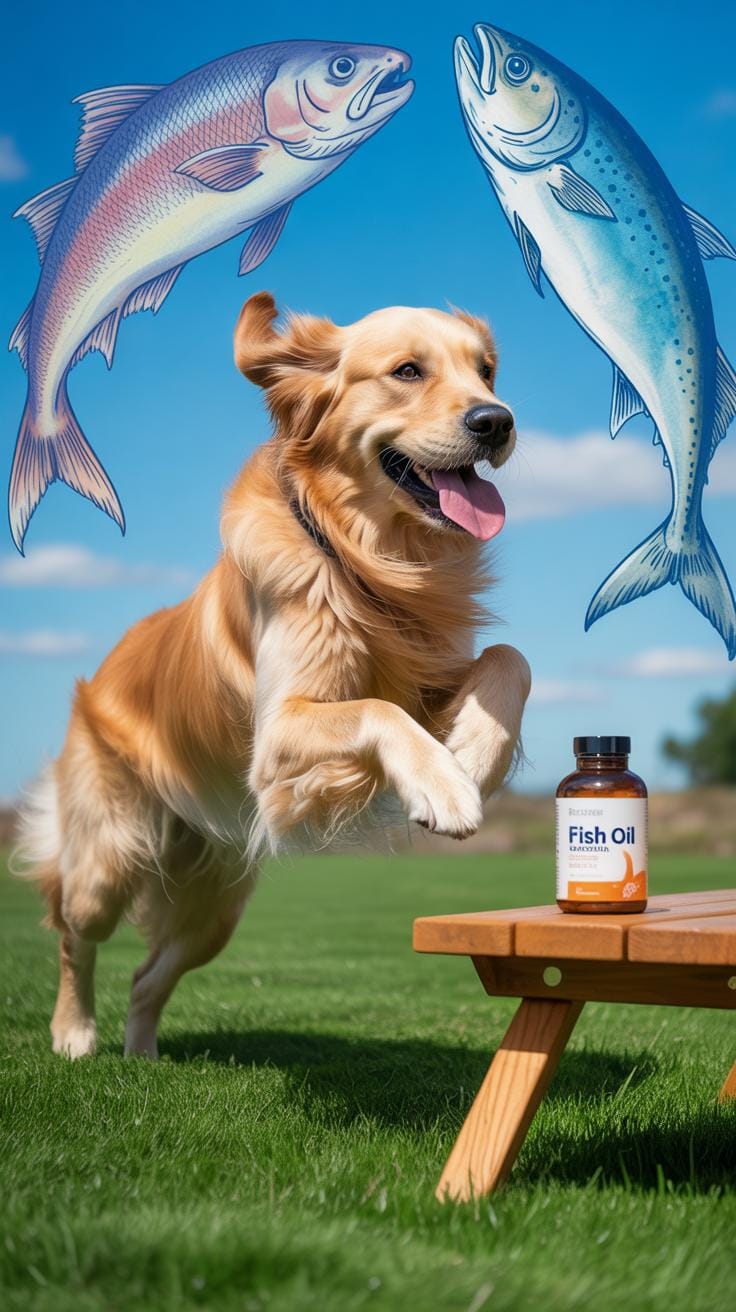
Why Fish Oil Is The Most Bioavailable Source Of EPA And DHA For Dogs
Dogs require specific long-chain fatty acids called EPA and DHA to function. Plant sources like flaxseed contain ALA instead. Dogs cannot convert ALA into EPA or DHA efficiently. Their bodies lack the necessary enzymes for this metabolic process. Fish oil provides these nutrients in a direct form. This allows the canine body to use the fats immediately without wasting energy on conversion.
Marine-sourced oils offer a superior absorption rate compared to synthetic or plant alternatives. The molecular structure of fish oil matches what a dog’s system expects. Most high-quality supplements use triglyceride or ethyl ester forms. These formats ensure the nutrients pass through the gut wall into the bloodstream quickly. This efficiency makes fish oil the gold standard for therapeutic dosing in veterinary medicine and daily nutrition.
Fish Oil And Skin Health: How It Helps With Dry Coat, Itching, And Allergies
Omega-3 fatty acids strengthen the skin barrier by integrating into cell membranes. This lipid layer prevents moisture loss and keeps the coat hydrated. When a dog lacks these fats, the skin becomes brittle and develops dandruff. Fish oil reduces the production of pro-inflammatory cytokines that cause redness. This biological shift stops the cycle of scratching and further skin damage in dogs with chronic dryness.

Allergies trigger an overactive immune response in many canine breeds. Fish oil modifies this response by suppressing inflammation at the cellular level. Regular supplementation reduces the intensity of itching from environmental triggers like pollen or dust mites. It provides a natural way to manage skin irritation without relying solely on steroid treatments. Consistent use results in a shinier coat and a significant reduction in seasonal shedding patterns.
Salmon Oil For Dogs A Premium Omega 3 Source Worth Considering
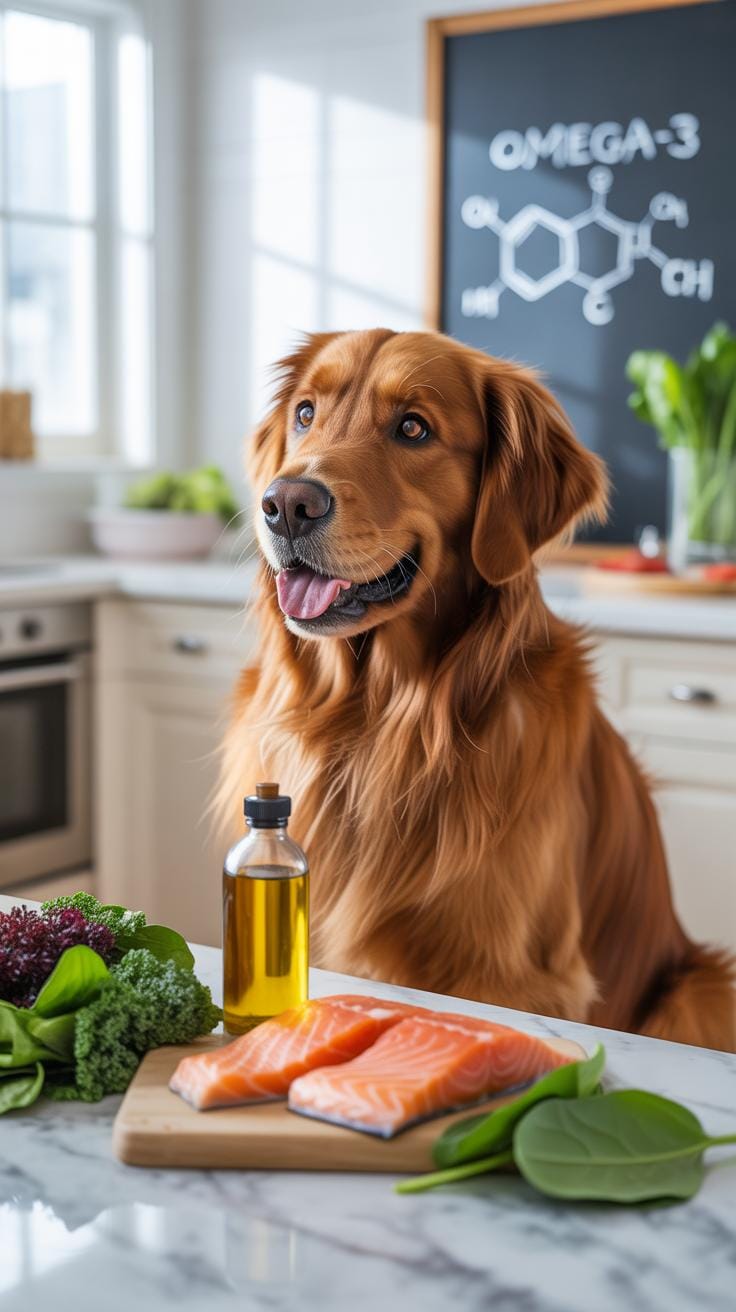
What Makes Salmon Oil Stand Out Among Other Fish Based Omega 3 Sources
Salmon oil provides a high concentration of EPA and DHA. These long-chain fatty acids are more bioavailable than plant-based sources like flaxseed. Dogs cannot convert alpha-linolenic acid into EPA and DHA efficiently. Cold-water salmon provides these nutrients in a form that the body uses immediately. This direct source supports heart health and reduces inflammation in joints. It remains a top choice for therapeutic results.
Quality salmon oil contains natural antioxidants like astaxanthin. This compound preserves the oil and provides extra cellular protection. Many generic fish oils use a mix of lower-quality industrial fish. Salmon oil offers a more consistent profile of fatty acids. It also tends to have lower toxin levels when sourced from clean waters. You get a potent supplement that focuses on skin health and coat shine without unnecessary fillers.
To keep the spark in their eyes and the spring in their step as the years pass by, we must nourish their hearts with the same devotion they give to us. Feeding them the right nutrients like omega-3s is how we honor the long, beautiful journey we share together.
How To Safely Introduce Salmon Oil Into Your Dog’S Daily Routine
Start with a small dose to prevent digestive upset. Rapidly adding fat to a diet can cause loose stools or diarrhea. Monitor your dog for forty-eight hours after the first serving. Increase the amount slowly over two weeks until you reach the recommended dose. Use the weight-based guidelines on the product label. Precise measurements prevent excess calories and weight gain in less active dogs.

Store the oil in a cool and dark place to prevent oxidation. Light and heat turn fish oil rancid quickly. Rancid oil loses its health benefits and can cause internal stress. Buy smaller bottles to ensure freshness. Always check the expiration date before use. High-quality pumps prevent air from entering the bottle. This tactical approach ensures your dog receives stable nutrients for maximum health impact.
Best Omega 3 Foods For Dogs Natural Dietary Sources To Explore

Top Whole Food Sources Of Omega 3s That Are Safe And Nutritious For Dogs
Fresh fish and specific animal products provide the most bioavailable forms of omega-3 fatty acids for dogs. These sources contain Eicosapentaenoic acid (EPA) and Docosahexaenoic acid (DHA). Dogs convert plant-based fats like Alpha-linolenic acid (ALA) poorly. You must prioritize marine-based fats to ensure your dog receives usable nutrients. These whole foods support brain function and skin health through direct absorption.
- Sardines: These small fish carry low heavy metal risks due to their short lifespans. They provide high concentrations of EPA and DHA. Serve them packed in water without added salt or seasonings.
- Wild-Caught Salmon: Salmon offers a potent dose of healthy fats that reduce systemic inflammation. Avoid farm-raised options which may contain higher levels of pesticides and fewer nutrients. Always cook salmon thoroughly before serving.
- Mackerel: This oily fish delivers high levels of omega-3s and essential minerals. It supports heart health and joint mobility in active dogs. Ensure you remove any large bones to prevent choking or internal injury.
- Green Lipped Mussels: These shellfish contain unique fatty acids not found in traditional fish oils. They act as a powerful natural anti-inflammatory for dogs with arthritis. You can find them dried or frozen for easy feeding.
- Anchovies: Like sardines, anchovies sit low on the food chain and remain very clean. They offer a dense nutrient profile in a small serving size. Use them as a topper to boost the fat content of meals.
Feeding whole food sources reduces the risk of rancidity found in processed oils. Fresh proteins also provide vitamin D and high-quality amino acids. Always introduce these foods slowly to avoid digestive upset or diarrhea. Monitor your dog for any signs of fish allergies during the first few feedings. Limit total intake to prevent excessive calorie consumption and weight gain.
How To Balance Omega 3 And Omega 6 Fatty Acids Through Your Dog’S Diet
Modern dog foods often contain excessive amounts of omega-6 fatty acids from corn and vegetable oils. High levels of omega-6 promote inflammation if not balanced by omega-3 intake. You must aim for a specific ratio to maintain internal health. Most experts recommend a ratio between four to one and ten to one. Balancing these fats prevents chronic issues like skin allergies and early joint degradation.

Reduce the use of poultry fat and seed oils to lower omega-6 levels. Add fish oil or fresh fish frequently to increase omega-3 presence. This strategic shift changes how the body handles injury and infection. Monitor your dog’s coat quality and energy levels to judge the balance. Correct ratios result in a shiny coat and decreased itching. Consistent adjustment ensures long-term vitality for your dog.
Omega 3 Dog Supplements How To Choose The Best Option For Your Pet
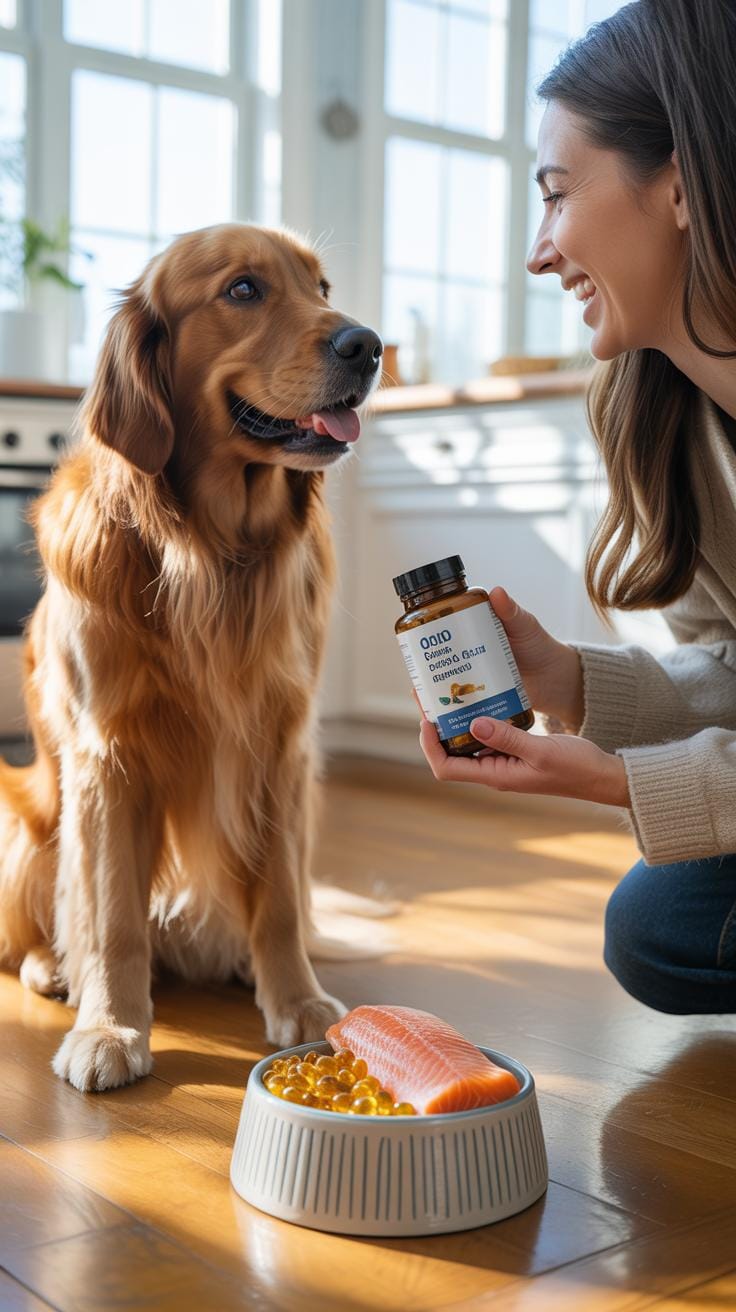
Liquid Vs. Capsule Dog Supplements: Which Omega 3 Format Works Best
Liquid omega-3 supplements offer superior dosing flexibility and rapid absorption. You can easily adjust the milligram amount based on your dog’s exact weight. Pouring oil directly over food ensures the dog consumes the supplement immediately. However, liquid oils oxidize quickly once you open the bottle. Exposure to air and light degrades the fatty acids. You must refrigerate these products to maintain their potency and prevent rancidity.
Capsules provide a protective barrier against oxidation. Each pill contains a precise dose that stays fresh until the dog consumes it. This format is ideal for owners who travel or prefer a mess-free application. The downside is the lack of dosage customization. Small dogs may struggle to swallow large softgels. You might need to puncture the capsule to release the oil. This step eliminates the convenience factor of the pill format.
Key Quality Markers To Look For When Buying Omega 3 Supplements For Dogs
Pet owners must identify specific quality indicators to ensure the supplement is safe and effective. Molecular distillation is a critical process that removes heavy metals like mercury and lead. You should also verify the concentration of EPA and DHA on the label. Many low-quality brands use fillers that dilute the actual nutrient value. Always prioritize products that undergo independent third-party testing to verify purity levels.
- Third-Party Testing: Look for a Certificate of Analysis from an independent lab. This document proves the product is free from toxins and contains the advertised levels of fatty acids. It guarantees safety for long-term use.
- Source Transparency: High-quality supplements identify the specific fish species used. Small fish like anchovies and sardines are better than large fish. They sit lower on the food chain and accumulate fewer environmental toxins over their lifespans.
- Molecular Distillation: This refining process uses heat and vacuum technology to separate pure oil from contaminants. It removes PCBs and heavy metals without damaging the fragile fatty acids. This step is mandatory for high-grade fish oil products.
- Dose Concentration: Check the milligrams of EPA and DHA per serving rather than total fish oil. Effective supplements provide high concentrations of these specific acids. Avoid products that rely on unnamed marine oils or excessive vegetable oil fillers.
- Sustainable Sourcing: Choose brands that follow regulated fishing practices. Look for certifications from groups like the Marine Stewardship Council. Sustainable sourcing ensures the long-term availability of fish stocks and protects the marine ecosystem from overfishing.

Storage packaging influences the shelf life of the supplement. Dark or opaque bottles block UV light from damaging the oil. Avoid clear plastic containers that expose the contents to sunlight. Check for the addition of Vitamin E or mixed tocopherols. These act as natural antioxidants to prevent the oil from going rancid. A product that smells excessively fishy or sour has likely oxidized and lost its health benefits.
Omega 3s And Joint Health A Natural Approach To Supporting Healthy Dogs

How EPA And DHA Help Reduce Joint Inflammation And Support Mobility In Dogs
Eicosapentaenoic acid and docosahexaenoic acid serve as powerful anti-inflammatory agents in the canine body. These fatty acids block the production of pro-inflammatory cytokines that cause pain and swelling. When a dog consumes these nutrients, they integrate into cell membranes. This process changes how cells respond to stress and injury. Reduced inflammation preserves cartilage and keeps joints moving smoothly over time.
Strategic use of these fats improves how a dog walks and runs. High levels of EPA interfere with enzymes that break down bone tissue. This helps maintain the structural integrity of the skeletal system. Dogs with consistent intake show higher peak vertical force during movement. This means they put more weight on their limbs without discomfort. Protecting the joint surface is essential for lifelong physical activity.
Omega 3 Supplementation In Senior Dogs With Arthritis And Joint Stiffness
Older dogs frequently suffer from osteoarthritis which limits their range of motion. Chronic inflammation in the joint capsule makes even simple tasks like climbing stairs difficult. Biological markers of cartilage destruction decrease when senior dogs receive concentrated fish oil. This nutritional intervention addresses the root cause of stiffness rather than just masking the symptoms. It provides a foundation for long term comfort in aging pets.

Providing high doses of marine based fats allows many dogs to reduce their reliance on traditional pain killers. Non-steroidal anti-inflammatory drugs often carry risks for liver and kidney health in seniors. Omega-3s offer a safer alternative or a supportive therapy that enhances the effect of other treatments. Owners observe better agility and faster rising times in their pets. Proper dosing is vital to seeing these results.
Heart And Kidney Health Lesser Known Omega 3 Benefits Backed By Science
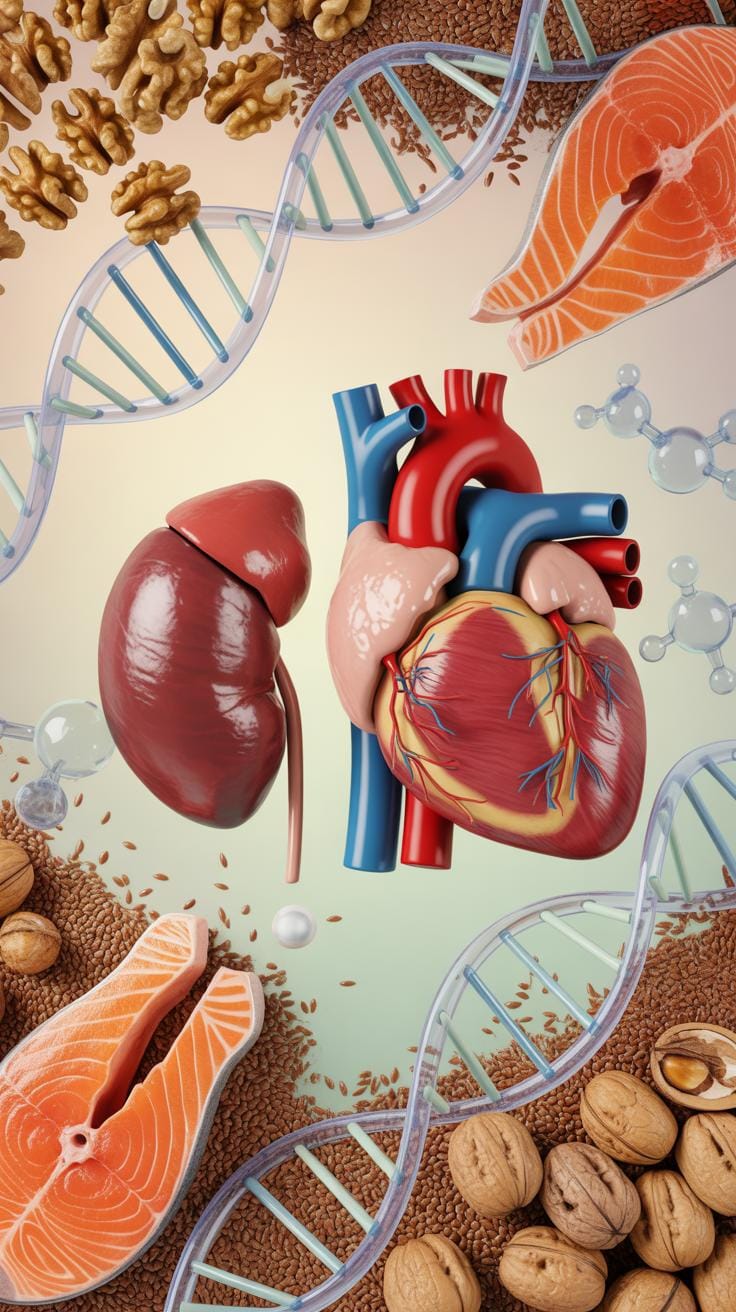
How Omega 3 Fatty Acids Support Cardiovascular Health And Normal Blood Pressure In Dogs
Omega-3 fatty acids improve heart function by reducing systemic inflammation. EPA and DHA help stabilize the electrical activity of the heart muscle. This helps prevent irregular heartbeats known as arrhythmias in dogs with cardiac issues. These fats also make cell membranes more flexible. This flexibility allows for better blood flow throughout the body. Healthy blood flow reduces the strain on the heart muscle over time.
Strategic supplementation helps manage canine blood pressure. Omega-3s encourage the production of nitric oxide in the blood vessels. This molecule helps the vessels relax and widen. Wider vessels lower the force of blood against the walls. This process reduces the risk of hypertension. Lowering blood pressure protects vital organs from long-term damage. Consistent intake helps maintain a steady heart rhythm and improves overall cardiac endurance.
The Role Of DHA And EPA In Slowing Kidney Disease Progression In Dogs
Vets often prescribe omega-3s for dogs with chronic kidney disease. These fatty acids reduce pressure inside the filtering units of the kidneys. Lower pressure prevents further damage to these delicate structures. EPA and DHA also limit the production of inflammatory chemicals that scar kidney tissue. This helps the kidneys filter waste more efficiently. Many dogs show a slower decline in kidney function with these supplements.

Omega-3s also help reduce protein loss through the urine. High protein levels in urine signal significant kidney distress. By managing inflammation, these fats help the kidneys keep protein in the blood where it belongs. This benefit helps keep the dog stronger for a longer period. Research shows that dogs on high omega-3 diets live longer after a kidney diagnosis. Standard medical care works better when combined with these specific fats.
Best Foods And Feeding Practices To Maximize Omega 3 Absorption In Dogs

Guidance How Food Preparation And Storage Methods Affect Omega 3 Potency In Dog Meals
Heat and oxygen destroy omega-3 fatty acids quickly. High temperatures during kibble production often turn these delicate fats rancid before the bag opens. If you cook fish for your dog, use low heat or steam it. High heat ruins the molecular structure of EPA and DHA. Exposure to air causes oxidation. This process makes the oil toxic rather than helpful for your pet.
Store all omega-3 supplements in dark glass bottles. Keep them in the refrigerator to slow down chemical breakdown. Never buy large jugs of fish oil that will sit for months. Small batches stay fresh and potent. Check for a fishy smell. Fresh oil has almost no scent. A strong or foul odor means the fat has oxidized. Discard any rancid oil to avoid causing internal inflammation.
Guidance Pairing Omega 3 Rich Foods With The Right Nutrients For Maximum Benefit
Omega-3 fatty acids require specific helpers to work. Always feed these fats alongside a high-quality source of Vitamin E. This antioxidant prevents the fats from oxidizing inside the dog’s body. Without Vitamin E, a high-fat diet can deplete the dog’s natural defenses. Many premium fish oils now include d-alpha tocopherol for this exact reason. This pairing ensures the fatty acids reach the cells intact.
Better absorption happens when you feed omega-3s with a complete meal. Do not give fish oil on an empty stomach. The presence of other dietary fats triggers bile release. Bile breaks down the oil into smaller droplets for the small intestine to absorb. Proper digestion increases the amount of EPA and DHA that reaches the bloodstream. This simple timing change maximizes the anti-inflammatory impact on your dog’s joints and skin.
Dosage Safety And Risks What Every Dog Owner Needs To Know About Omega 3s

Recommended Omega 3 Dosage Guidelines Based On Dog Size And Health Condition
Standard dosage correlates directly to the combined levels of EPA and DHA in the oil. A baseline health dose for most dogs sits between 20 to 50 milligrams per pound of body weight. Smaller dogs require precise measurements to avoid gastrointestinal distress. Larger breeds need higher concentrations to effectively manage systemic inflammation. You must calculate dosage based on the actual active fatty acids rather than total oil volume.
Specific health conditions require aggressive dosing strategies under veterinary supervision. Dogs with severe osteoarthritis or chronic kidney disease often need upwards of 100 milligrams per pound. Do not exceed these upper limits without clinical blood work. High doses can interfere with how your dog’s body heals wounds. Always introduce the supplement slowly over two weeks. This allows the digestive system time to adapt to the increased fat load.
Potential Side Effects Of Omega 3 Overconsumption And When To Consult Your Vet
Excessive fish oil intake triggers several physiological red flags. The most common issues include loose stools, diarrhea, and a noticeable fishy odor on the breath or skin. High doses can specifically inhibit platelet function. This means your dog might bleed longer after a small cut or injury. Some dogs experience weight gain because these oils are calorie dense fats. Monitor your dog’s body condition score regularly when supplementing.
Consult your veterinarian immediately if your dog develops acute vomiting or signs of pancreatitis. Severe oil overconsumption can inflame the pancreas and cause intense abdominal pain. You must also pause supplementation before any scheduled surgical procedure. Surgeons recommend stopping fish oil at least two weeks prior to operations to prevent excessive bleeding. If you notice persistent lethargy or oily fur, reduce the daily dose or seek a professional evaluation.
Frequently Asked Questions

What are the main benefits of giving my dog omega-3 supplements?
Omega-3 fatty acids are vital for maintaining your pet’s overall wellness. One of the primary omega 3 benefits for dogs is the reduction of systemic inflammation, which supports joint health and mobility. Additionally, these essential fats promote a shiny, flake-free coat and healthy skin, while also supporting cognitive function and heart health. It is an easy way to ensure your furry friend feels their best as they age.
How can I safely add omega-3 fatty acids to my dog’s daily diet?
You can easily introduce these nutrients by mixing high-quality fish oil, such as salmon or pollack oil, directly into their kibble. To maximize the omega 3 benefits for dogs, always start with a smaller dose than recommended to ensure their digestive system adjusts well. Alternatively, you can offer whole food sources like sardines packed in water or specialized veterinary supplements, making sure to follow the dosage instructions based on your dog’s weight.
Are there affordable ways to provide omega-3s without buying expensive supplements?
Absolutely! Providing essential fatty acids doesn’t have to break the bank. You can find budget-friendly sources in your local grocery store, such as canned sardines, mackerel, or even ground flaxseeds. These whole foods are nutrient-dense and often more cost-effective than premium bottled oils. Just a small serving a few times a week can significantly improve your dog’s health while keeping your pet care expenses manageable and highly effective.