Understanding The Natural Structure Of A Puli Corded Coat
How Puli Cords Form Naturally Over Time
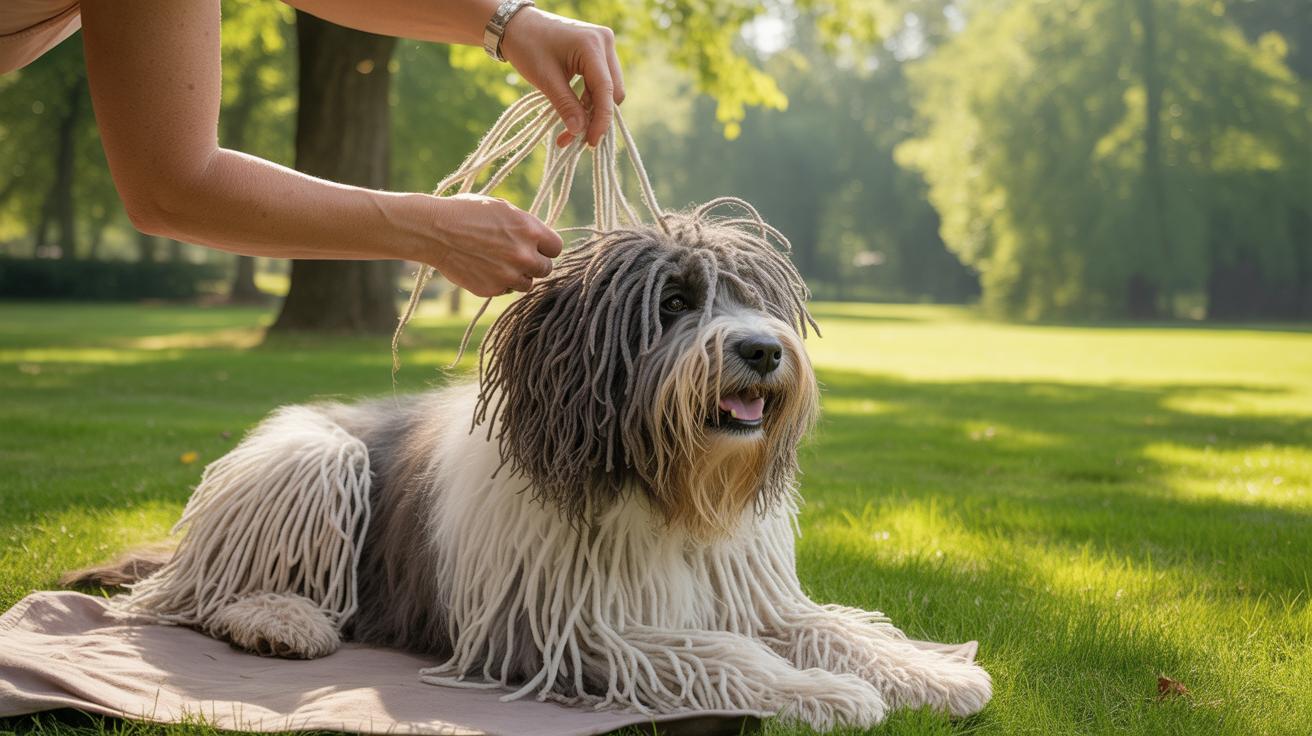
A Puli coat starts out wavy and soft during puppyhood. Cording begins naturally when the dog is between eight and fifteen months old. The dense undercoat sheds but stays trapped by the longer, coarser outer guard hairs. This process creates small clumps at the skin level. These clumps serve as the foundation for the individual cords that will eventually cover the entire body.
You must monitor the coat closely during this transition phase. The fine undercoat hairs weave themselves around the thicker outer hairs to create tight spirals. Gravity and movement pull these fiber clusters away from the body over several months. This results in the distinct rope-like structures known as cords. Strategic intervention ensures these clumps do not merge into one solid mass of hair.
The Difference Between Healthy Cords And Problematic Matting
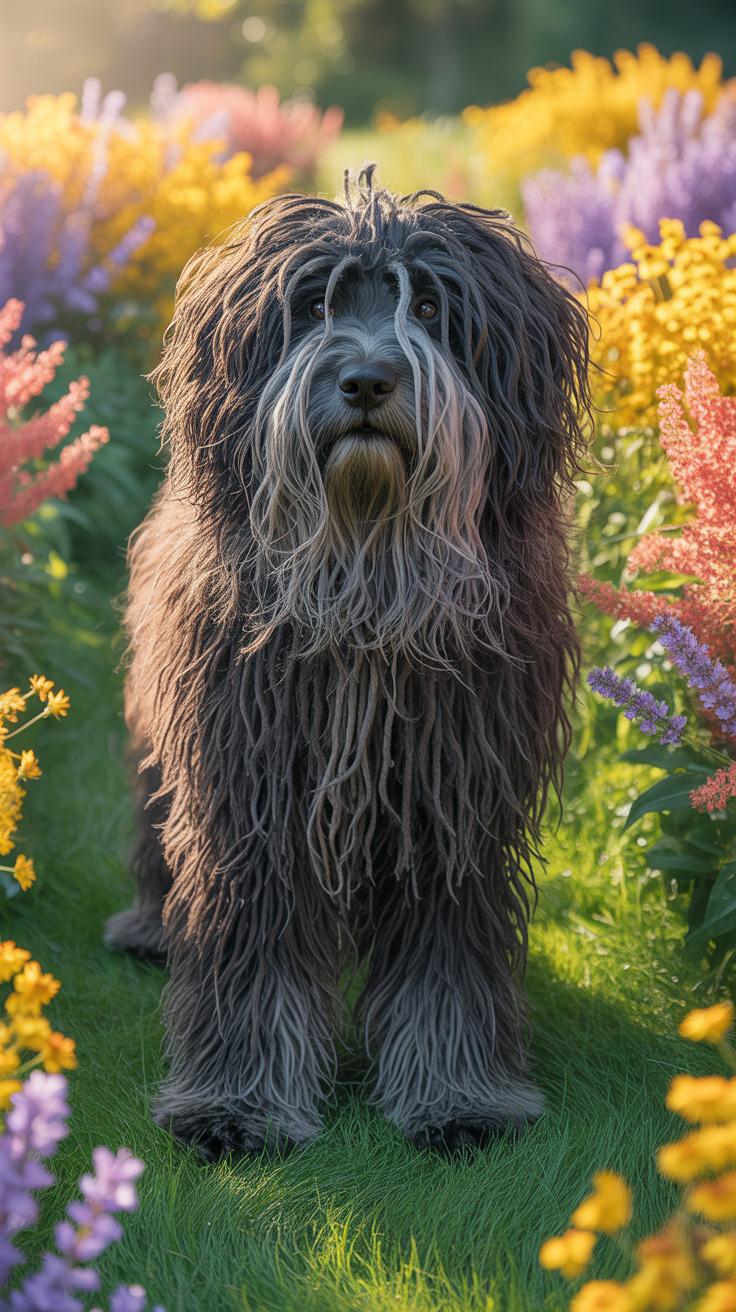
Healthy cords are separate and distinct units of hair that allow skin to breathe. Each cord should have a clear base and follow a uniform shape from the skin to the tip. Proper cords vary in thickness based on the body part but always maintain their individual integrity. This structure protects the dog from extreme weather and physical injury while allowing full range of motion.
Problematic matting occurs when multiple cords fuse together into large flat sheets called plates. These plates trap moisture against the skin and cause painful pulling during movement. Mats block airflow and create a breeding ground for bacteria or parasites. You must differentiate between the natural intertwining of fibers and the destructive clumping of unmanaged hair. Maintenance requires constant manual separation to prevent healthy cords from becoming mats.
When Puli Cord Development Begins And What To Expect

The Puppy Coat Transition Stage And Early Cord Formation
Puli puppies possess a soft and wavy coat during their first several months. This woolly undercoat and coarser topcoat begin to interweave as the dog reaches maturity. You will notice the coat starts to clump into felted mats between eight and fifteen months of age. This change marks the critical transition from a puppy coat into the early stages of permanent cord formation.
You must intervene manually when these clumps appear at the skin level. This process involves tearing the larger mats into smaller individual strips. Do not use scissors to cut the coat because you will ruin the natural structure. Start at the rump and work toward the head to ensure uniform coverage. Your goal is to guide the hair into distinct sections that will eventually grow into cords.
How Long It Takes For A Puli Coat To Fully Cord
A Puli coat requires significant time to reach its final corded state. The hair grows slowly and takes years to reach the ground. Most owners see defined cords by the time the dog is two years old. However, the thickness and length of the cords continue to evolve throughout the life of the dog. Environmental factors and genetics determine the final texture of the hair.

Consistent maintenance during the first three years prevents massive matting. Mature cords eventually become solid enough to resist daily tangling. You must still check the base of the cords weekly to stop new hair from bridging the sections together. High density coats take longer to dry and organize than thinner ones. Proper cord development is a marathon project that requires patience and regular hand splitting.
Essential Tools And Supplies For Puli Corded Coat Maintenance
Must Have Grooming Tools Every Puli Owner Should Keep On Hand
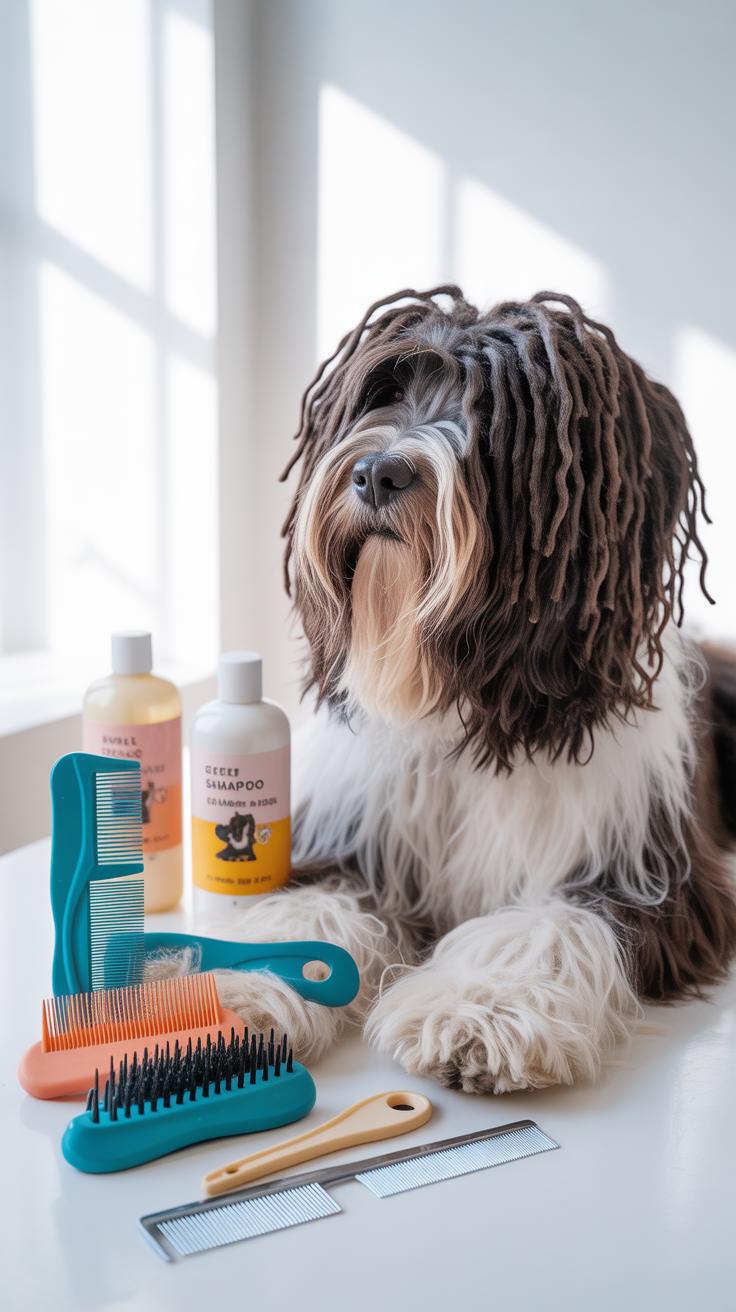
Puli coat maintenance relies on manual separation rather than standard brushing. Using a brush on a corded coat destroys the natural formation of the cords and causes painful pulling. You must gather tools that facilitate the splitting of mats at the skin level. Proper tools ensure you manage the undercoat without stripping the protective outer guard hairs required for cord structure.
- Blunt-Nosed Scissors: Use these for trimming hair away from the paw pads and the anal area. The blunt tips prevent accidental skin punctures if the dog moves suddenly. High-carbon steel blades stay sharp longer when cutting through dense, gritty corded hair.
- Waterless Shampoo: This spray allows for spot cleaning of the face or hindquarters without a full bath. It removes surface dirt and odors quickly. Using this regularly reduces the need for frequent full-body deep cleans that can lead to internal cord dampness.
- High-Velocity Dryer: A standard hair dryer cannot penetrate corded layers. You need a professional-grade motor to force air through the dense mats. This tool is critical for preventing fungal growth and hot spots by ensuring the skin and cord cores are completely dry.
- Cotton Towels: Large, absorbent towels are necessary to squeeze excess water from the coat after bathing. Do not rub the coat with the towels as this causes frizz. Instead, press the fabric into the cords to wick away moisture before you begin the mechanical drying process.
- Ear Powder: Heavy corded ears trap moisture and restrict airflow to the ear canal. This powder keeps the ear canal dry and makes it easier to grip and remove excess hair growth. Maintaining dry ears is a tactical necessity to prevent chronic yeast infections and bacterial buildup.
Tactical grooming requires your hands to be the primary tool for tactile feedback. You feel for flat mats starting near the skin and pull them apart into individual cords. Your finger strength and patience dictate the quality of the coat. Keep a small spray bottle of water nearby to dampen dry cords before manipulation. This moisture helps prevent hair breakage during the manual separation process.
Choosing The Right Shampoo And Conditioning Products For Corded Coats
Selecting the correct liquids for a Puli coat determines the drying time and cord integrity. You must use clear, residue-free shampoos. Avoid creamy or thick formulas that contain heavy waxes and oils. These substances get trapped inside the cords and never rinse out completely. Trapped soap leads to skin irritation and a sticky coat that attracts more dirt and debris over time.
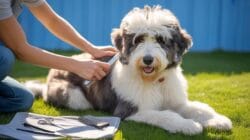
Rinsing is the most time-consuming part of the bathing process for this breed. Dilute your shampoo in a bucket of water before application to ensure even distribution. Never use heavy conditioners or detangling agents on a corded coat. These products soften the hair too much and cause the cords to unravel or slide apart. Stick to pH-balanced formulas designed for deep cleaning without leaving any chemical film behind.
How To Separate Puli Cords To Prevent Matting At The Root
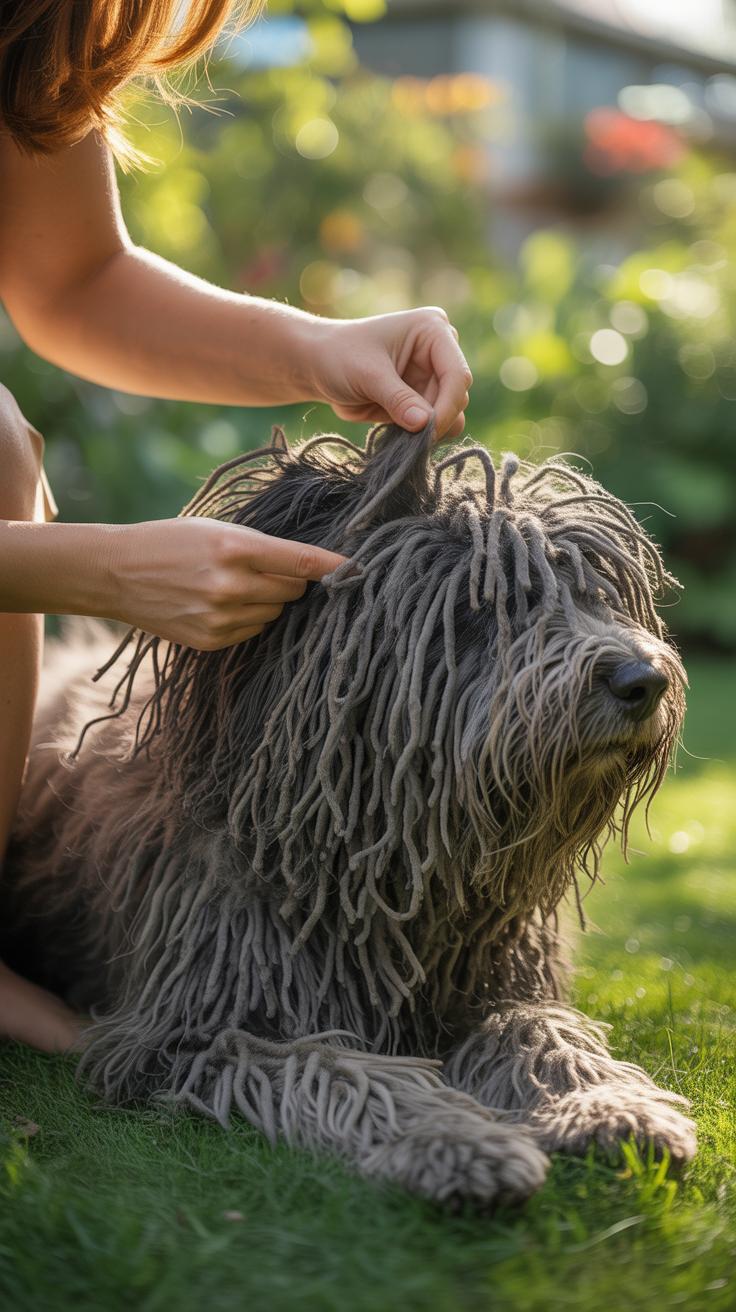
The Correct Technique For Hand Separating Individual Cords
Use your fingers to split the hair from the skin outward to the tips. Locate the natural clumps where the undercoat and topcoat begin to interweave. Pull the clump apart gently but firmly to create distinct strands. Ensure each cord has a circular base about the size of a pencil. This prevents the coat from becoming one solid mass of felted hair.
Focus on the base of the hair near the skin where the most tension occurs. Working from the tip down will fail because the mats originate at the root. Hold the base of the cord with one hand to protect the skin from pulling. Use the other hand to tear the adjacent hair away. Correct separation maintains the traditional appearance and allows the skin to breathe.
How Often You Should Check And Separate Cords To Stay Ahead Of Matting
Check the coat for new matting at least twice a week during the developmental stage. This stage occurs between eight and eighteen months of age when the coat begins to clump. Frequent sessions catch small tangles before they transition into hard blocks of felt. Consistency reduces the time spent on each session and keeps the dog comfortable during the grooming process.

Mature Pulis require less frequent work but still need a full inspection every two weeks. Focus on high friction areas like the armpits, ears, and groin where mats form rapidly. If you skip these inspections, the cords will fuse into wide plates that require painful restoration. Constant maintenance preserves the functional utility of the corded coat and prevents skin infections from trapped moisture.
Bathing A Puli With A Corded Coat The Right Way
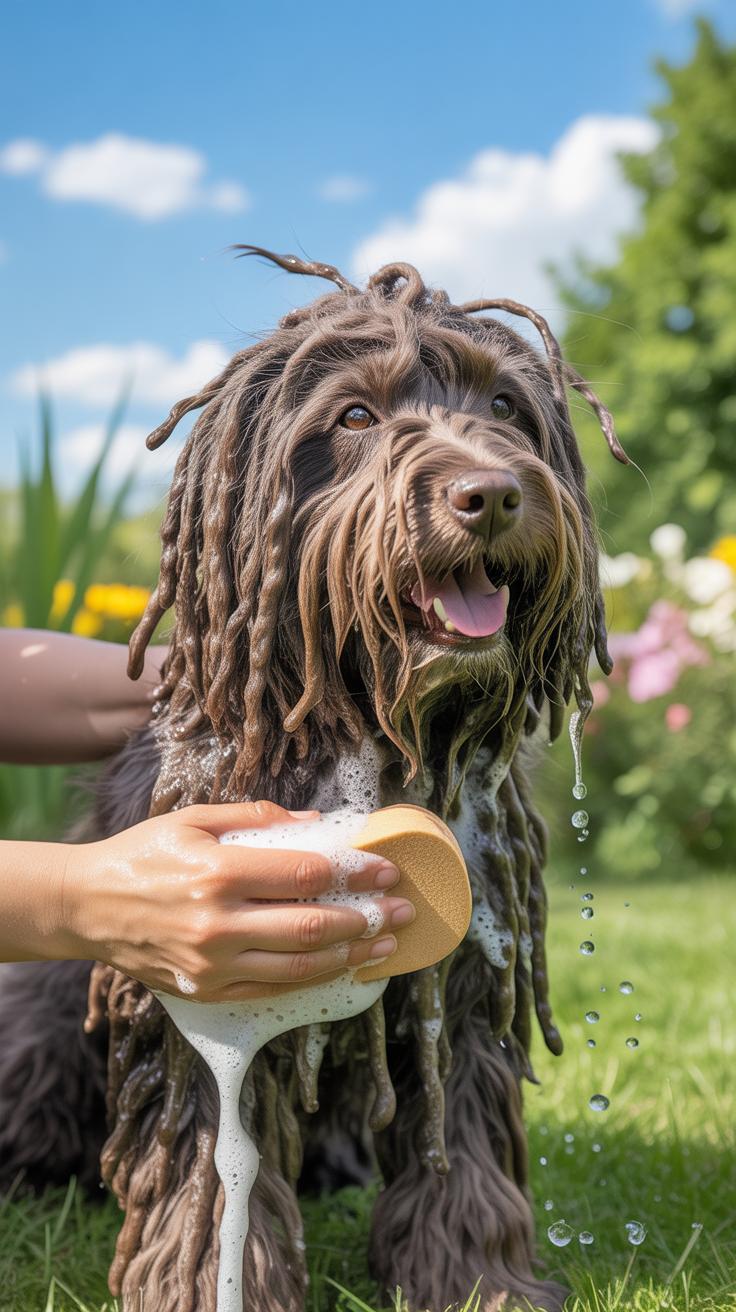
Step By Step Process For Washing A Corded Puli Without Causing Tangles
Washing a corded Puli requires physical effort and precise technique. You must never scrub the coat in circular motions. Traditional scrubbing creates massive mats that you cannot undo. Instead, work the soap into the cords through a squeezing motion. This keeps the cords separate and intact. Prepare your workspace with all necessary supplies before the dog enters the water to ensure a fast process.
- Pre-Wet the Coat: Use a high-pressure nozzle to soak the hair completely. Water struggles to penetrate thick cords. You must ensure the inner core of each cord is wet before applying soap. This prevents dry spots that trap dirt.
- Apply Diluted Shampoo: Mix professional shampoo with water in a squeeze bottle. Pour the mixture over the dog and squeeze it into the cords. Do not rub the hair. The squeezing action pulls dirt out of the dense fibers without disturbing the cord structure.
- Focus on the Skin: Use your fingertips to reach the skin between the cord bases. This is where oils and dander accumulate. Clean skin prevents itching and skin infections. Pay close attention to the underbelly and the areas around the legs where grime builds up.
- Squeeze the Cords: Work from the top of the dog down to the paws. Squeeze each cord section repeatedly to ensure the soap lifts any trapped debris. This mechanical action is the only way to clean the center of the cord without causing a tangled mess.
- Perform a Double Wash: Repeat the soaping process a second time for very dirty dogs. Historical Puli work involved harsh environments, so these coats trap a lot of debris. A second pass ensures you remove all biological matter that could cause odors or rot.
Once the washing logic is complete, prepare for a long rinsing phase. You must remove every trace of soap from the dense cords. Any residue left behind will cause the cords to feel sticky and attract more dirt. Use lukewarm water to keep the dog comfortable. Speed is important, but you cannot rush the saturation or the soap application. This method preserves the natural felted look.
Why Thorough Rinsing Is Critical To Cord Health And Mat Prevention
Soap residue is the primary enemy of a healthy Puli coat. If shampoo remains inside the cords, it dries and creates a sticky film. This film acts like glue. It binds neighboring cords together and creates massive, painful mats. You must rinse until the water runs completely clear. Even after the water looks clear, continue rinsing for several more minutes to be safe.

Leftover chemicals can also irritate the skin of the dog. Trapped soap causes hot spots and chronic itching. A Puli that scratches will tear its cords and create a frizzed, tangled disaster. Proper rinsing ensures the hair stays light and manageable. It also speeds up the drying process. Clean hair releases water much faster than hair clogged with soap. This prevents the moldy smell often found in poorly maintained Puli coats.
Drying A Puli Coat Properly To Avoid Mildew And Matting Lessons From Wool Felt Care
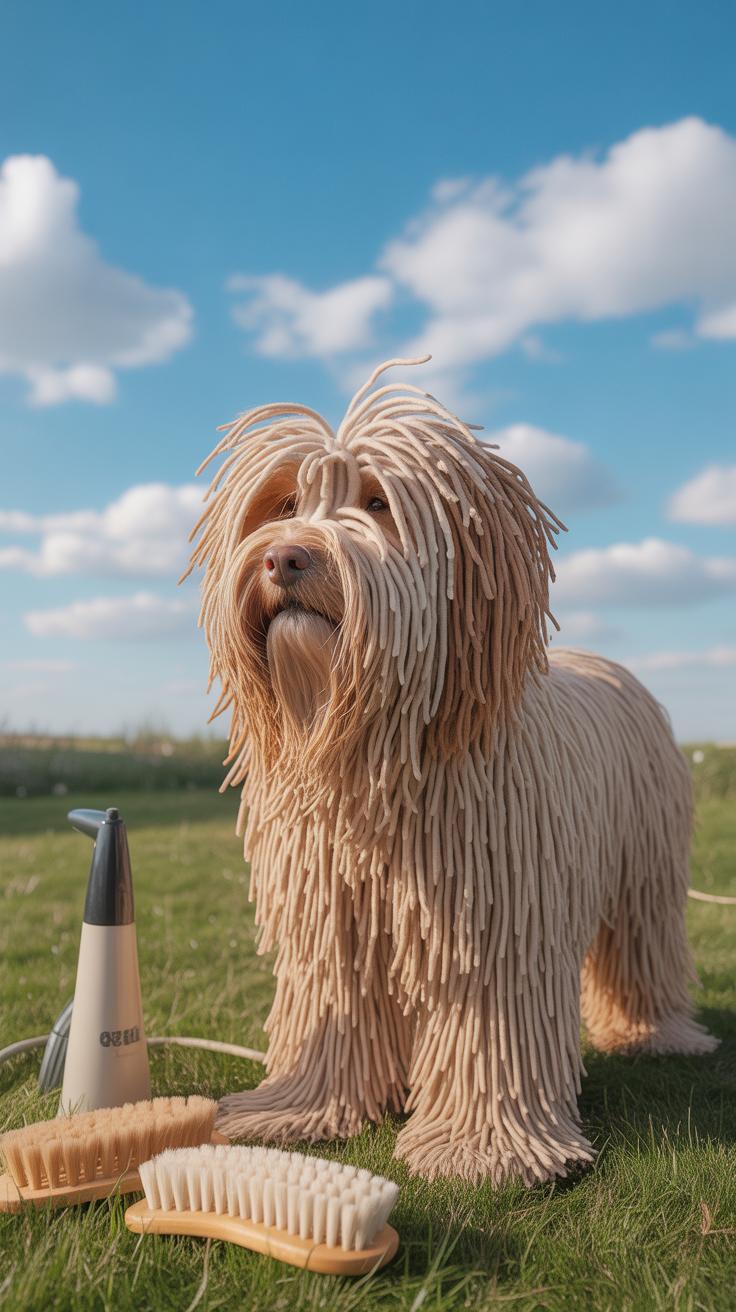
Why Incomplete Drying Is One Of The Leading Causes Of Coat Problems In Pulis
A wet Puli coat acts like a thick sponge. The dense wool and hair fibers trap water deep within the cord core. If you leave the base damp, bacteria and fungi grow rapidly. This leads to a persistent foul smell known as wool rot. Chronic dampness weakens the hair shafts. This causes the cords to break or fuse together into solid mats.
Moisture trapped against the skin also causes hot spots and dermatitis. Traditional wool felt requires airflow to stay structural. When a Puli coat remains wet for more than twenty-four hours, the organic matter begins to break down. You must prioritize deep drying to maintain the integrity of the coat. Proper drying prevents the chemical breakdown of the natural keratin and keeps cords individual.
Using Airflow And Patience To Dry Cords Safely Without Heat Damage
Effective drying requires high-velocity cool air rather than high heat. Excessive heat scorches the wool fibers and makes them brittle. Use a professional grooming dryer to force water out of the cords. Start at the skin and move outward along the lengths. This mechanical action separates the cords and prevents them from clumping while the moisture evaporates. Expect the process to take hours.

You must remain patient to ensure every cord is dry to the touch. Do not cage dry a Puli without supplemental airflow. Use towels to squeeze out excess water before starting the mechanical dryer. Never rub the coat with towels because this creates friction and knots. Set a timer to check the skin surface every thirty minutes. Total dryness is the only way to safeguard the coat against mildew.
Maintaining Cord Integrity In Different Climates Insights From Acoustic Insulation Principles

How Humidity And Heat Affect Puli Cord Structure And Matting Risk
Puli cords function like natural acoustic dampeners and thermal regulators. High humidity forces the wool fibers to swell as they absorb water vapor. This expansion softens the corded structure and increases surface friction. When cords rub together in moist air, they tangle faster. You must check the coat daily in tropical zones. Moisture trapped deep inside the wool causes rot and foul odors.
Heat accelerates the drying process but makes the outer lanolin layer tacky. This stickiness attracts dirt and debris. Debris acts like an adhesive between separate cords. You must separate these cords by hand frequently to prevent massive mats. Airflow is your primary tool for coat health. If the coat stays damp, the dense wool fibers will break down. Proper drying remains the most critical step.
Cold And Dry Climate Grooming Adjustments To Keep Cords Supple
Cold and dry air removes essential moisture from the wool fibers. This lack of humidity makes the cords brittle and prone to snapping. Think of it like old insulation that cracks under pressure. You need to keep the wool flexible to maintain its protective function. Static electricity also increases in dry climates. Static causes individual hairs to fly out and wrap around neighboring cords.

Apply a light coat conditioner or water based spray to combat brittleness. Do not over-saturate the wool or you will attract dust. Focus your efforts on the ends of the cords where breakage happens most often. Keep the dog away from direct heat sources like floor vents. Forced air dries the coat too quickly and ruins the texture. Regular manual separation prevents dry fibers from locking together.
Common Puli Corded Coat Maintenance Mistakes And How To Avoid Them
Over Bathing, Under Separating, And Other Habits That Lead To Matting
Bathing a Puli too often ruins the coat texture. Soap residue and moisture trapped in the inner coat cause the woolly undercoat to felt into solid blocks. You must only wash a Puli when the cords are fully formed and dirty. Wetting an unseparated coat creates a massive brick of felt. This mistake often forces owners to shave the dog to the skin.
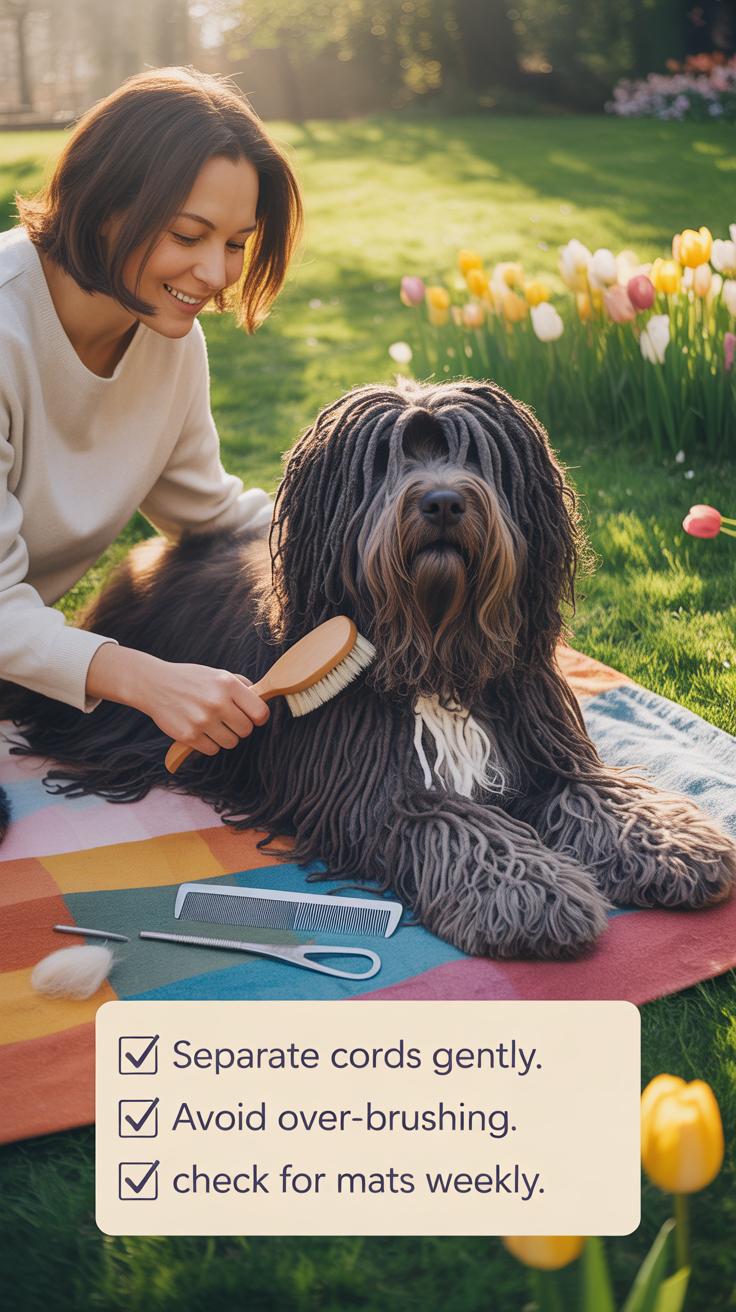
Separation is a manual task that requires consistency. Owners often wait too long between sessions. You must tear the mats down to the skin by hand. Neglecting the base of the tail and the behind the ears leads to painful skin pulling. Regular finger-splitting prevents the coat from becoming a single heavy sheet. Do not use brushes or combs on a corded dog.
Like the separation of ancient threads on a loom, tending to each cord with your hands weaves a lifetime of memories into their coat. Patience is the gentle touch that turns a tangled fleece into a work of living art.
When To Seek Help From A Professional Groomer Experienced With Corded Breeds
Most commercial groomers do not understand corded coats. They often try to brush out the cords or use high-heat dryers that damage the hair. Seek professional help only if the groomer specializes in herding breeds or corded techniques. A professional is necessary if the mats have reached the skin surface. Attempting to cut deep mats at home often results in accidental skin lacerations.

Professional intervention is vital if the coat develops a foul odor or mold. This happens when the dense cords do not dry completely after a wash. An expert groomer uses high-velocity floor dryers and industrial fans to extract every drop of moisture. If you cannot feel the skin between the cords, the coat is pelted. At this stage, a professional must safely shear the dog.
Long Term Puli Corded Coat Maintenance Routines For A Healthy Mat Free Dog
Building A Weekly And Monthly Grooming Schedule That Works For Your Puli
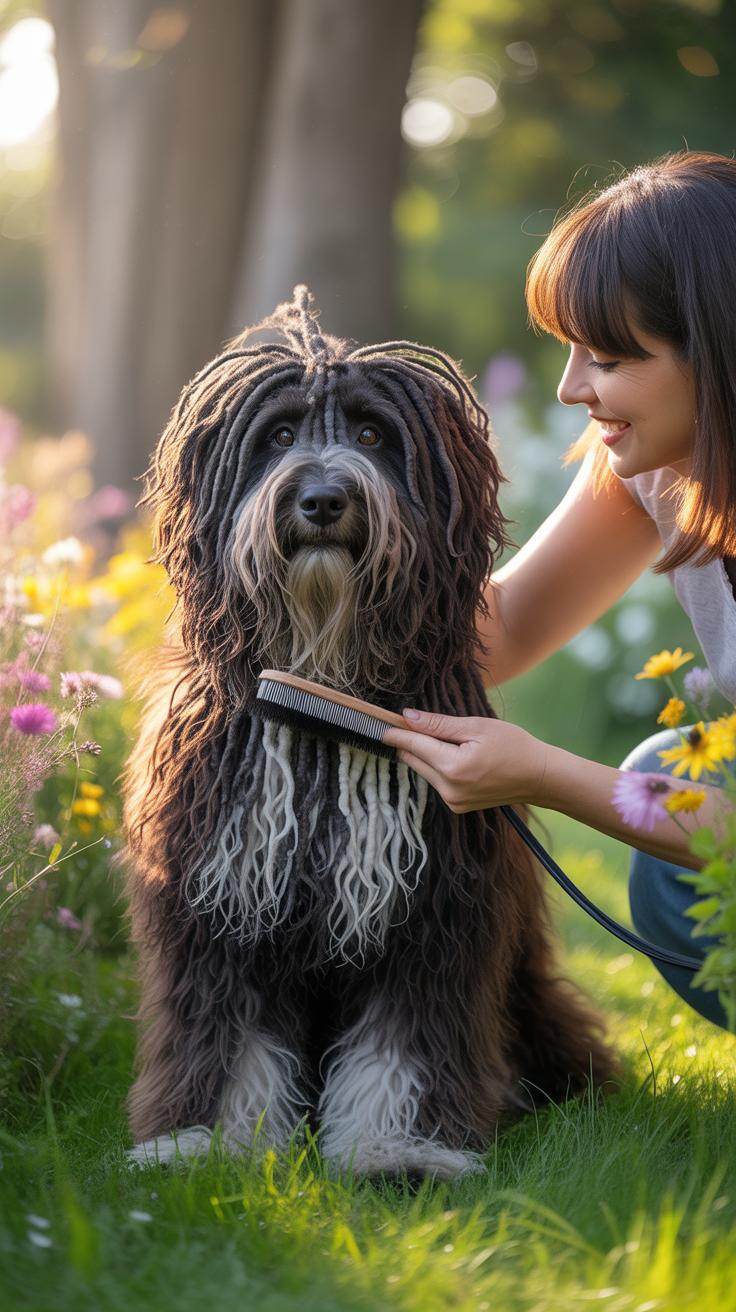
Consistency prevents the coat from becoming a solid mass of felt. Dedicate one hour every week to manual separation. Focus on the base of the cords near the skin. Check for debris and split new growth into the desired cord width. This frequency stops large mats from forming before they require shears. Smaller weekly sessions reduce stress for both the owner and the dog.
Every month you must perform a deep inspection of the entire coat. Examine high friction areas like the armpits and behind the ears. These spots mat faster than the back or ribs. Use this monthly window to trim hair away from the paw pads and the sanitary areas. Clean ears and clip nails during this time. A strict monthly rhythm ensures no section of the coat is ignored.
How Diet, Exercise, And Overall Health Influence The Quality Of A Puli’S Cords
Coat quality starts with internal nutrition. High protein diets support the production of keratin which makes up the hair shaft. Strong hair resists breaking and prevents the cords from thinning at the base. Omega fatty acids keep the skin oily and flexible. Hydrated skin prevents itching. If a dog scratches its skin it will tear the cord structure and create massive tangles.
Physical activity impacts the coat through environmental exposure. Hard exercise keeps the dog fit but introduces dirt and burs into the cords. Debris acts like an abrasive that weakens the hair fibers over time. You must rinse the coat after heavy outdoor work to remove sweat and salt. Healthy dogs produce better oils. These natural oils help the cords shed dirt and maintain their distinct shape and weight.
Frequently Asked Questions

At what age should I start focusing on my Puli’s corded coat?
You should begin focusing on puli corded coat maintenance when your puppy is between eight and twelve months old. This is when the soft undercoat starts to tangle with the outer coat to form natural clumps. During this transition, it is vital to gently guide the hair into individual sections with your fingers to ensure the cords grow neatly and don’t turn into a solid, unmanageable mat across the skin.
How do I properly separate the cords to prevent painful matting?
To maintain a healthy coat, use your hands to “zip” the cords apart starting from the skin and working toward the tips. If two cords begin to fuse together, gently pull them apart to keep the skin ventilated. Regular puli corded coat maintenance involves checking high-friction areas like the ears and underarms weekly. Consistent separation prevents the coat from becoming a heavy, solid mass, which can be uncomfortable for your dog.
Can I maintain a Puli coat at home without expensive professional grooming tools?
Absolutely! One of the best things about this breed is that you don’t need fancy shears or electric clippers. The most essential tools are your own hands for separating cords and a high-quality, pH-balanced shampoo for bathing. While a professional dog dryer can speed up the drying process significantly, you can successfully manage the coat at home with patience, old towels, and a basic floor fan to ensure the cords dry completely.