The Science Behind Dog Coat Color Genetics How Pigment Shapes Every Coat
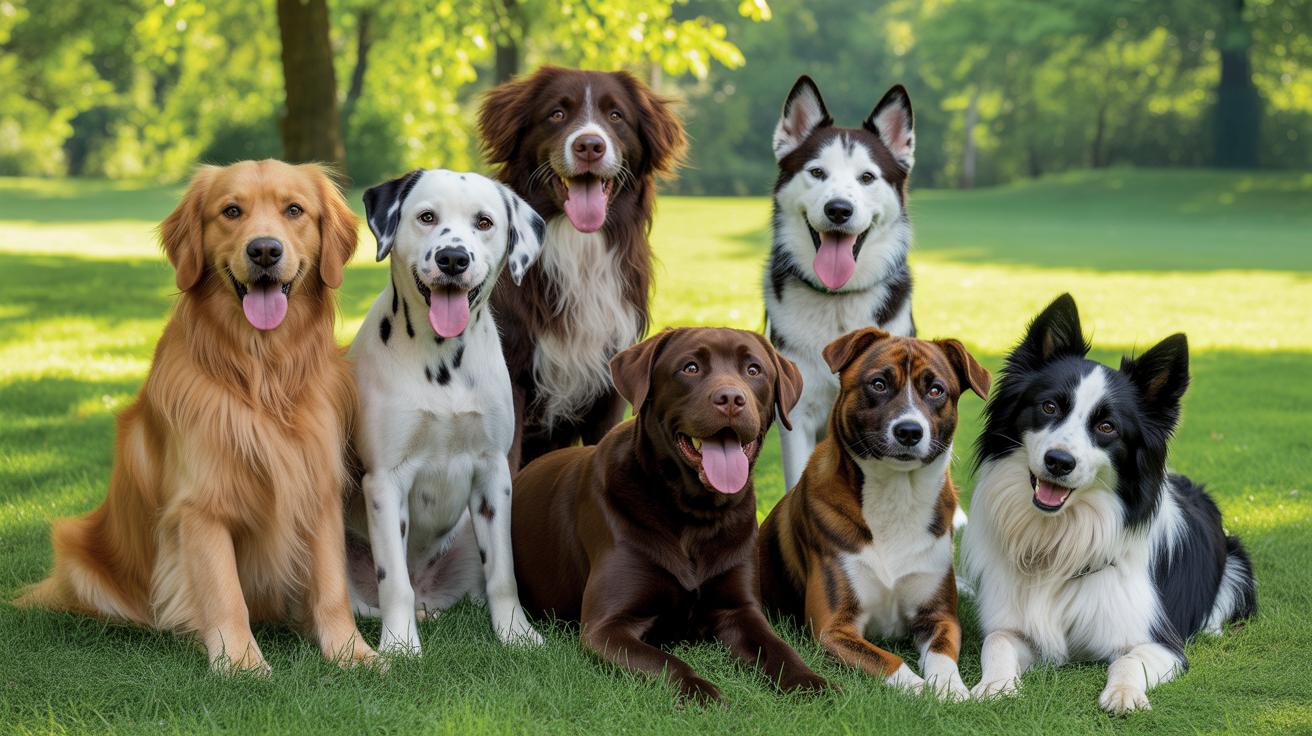
Eumelanin And Phaeomelanin: The Two Pigments That Control All Dog Fur Colors
Every dog coat color originates from two chemical pigments. Eumelanin is the first pigment and defaults to black. Genetic mutations can dilute this black pigment into brown, blue, or lilac variations. These changes occur because the genes alter the shape and density of the pigment granules. If a dog cannot produce eumelanin, its coat relies entirely on the second pigment type for its base color.
Phaeomelanin is the second pigment and creates red, yellow, and gold tones. Unlike eumelanin, phaeomelanin only affects the hair and does not change the color of the nose or eyes. Different genes control the intensity of this pigment. This explains why one dog looks deep mahogany while another appears light cream. Every complex pattern results from the strategic interaction between these two specific pigment types.
How Melanocytes Produce And Distribute Pigment Throughout A Dog’S Coat
Melanocytes are specialized cells that create pigment for the hair and skin. These cells sit at the base of the hair follicles. They pump granules of eumelanin or phaeomelanin into the growing hair shaft. The timing and duration of this process determine the final color. If the cells stop producing pigment mid-growth, the hair becomes white or banded, creating a varied mechanical texture.
The distribution of these cells happens during embryonic development. Melanocytes migrate from the neural crest to various parts of the body. Genetics determine where these cells land and which pigment they produce in specific areas. Faulty migration leads to white spotting where no pigment exists. This cell-level activity forms the foundation for every visual trait seen in purebred and mixed-breed dogs across the globe.
Reading A Dog Genetics Chart What The Loci System Actually Tells Us
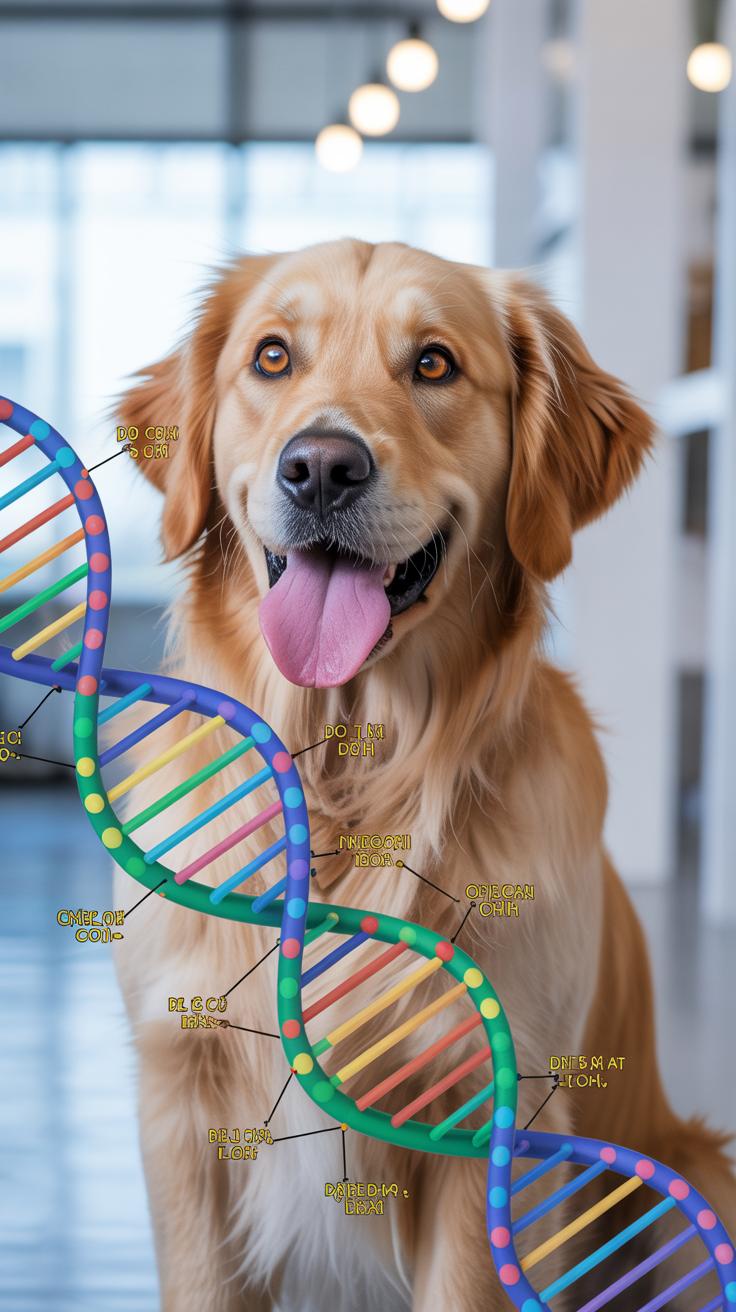
The Major Genetic Loci That Determine Dog Coat Color: A, B, D, E, K And Beyond
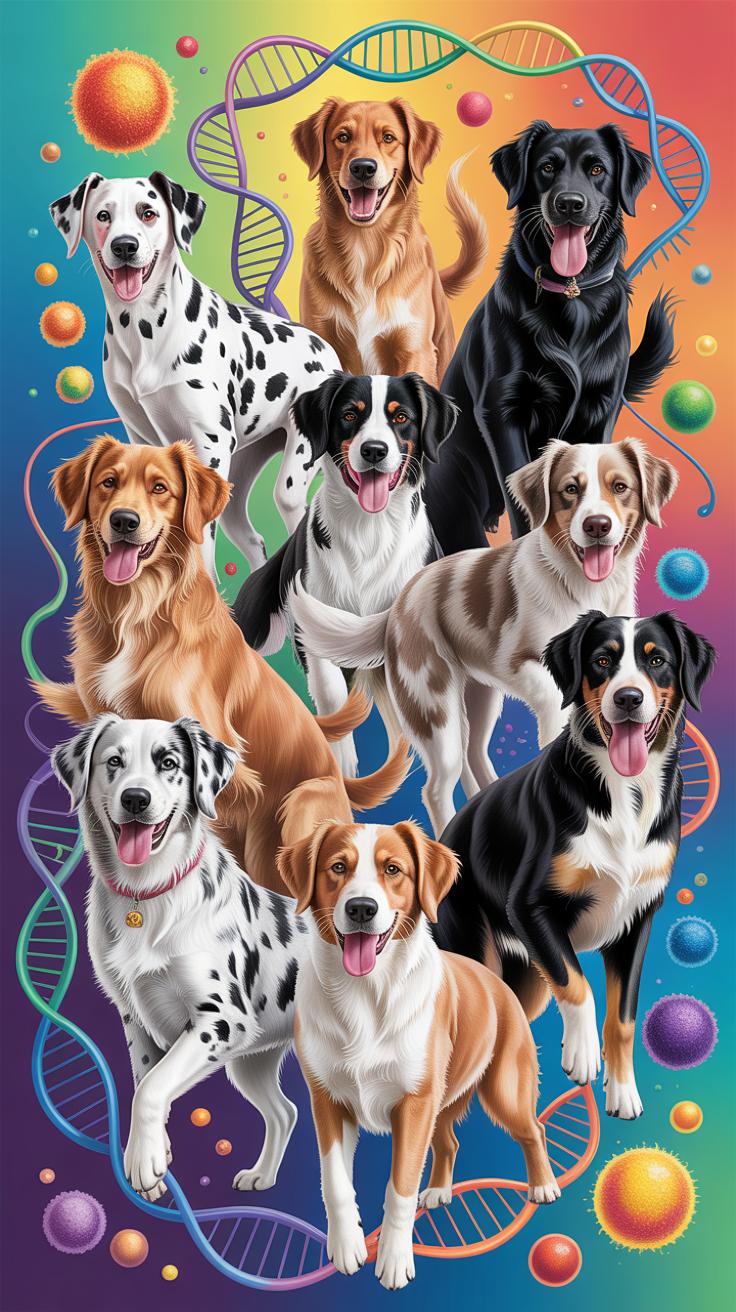
Geneticists use the word locus to describe a specific location on a chromosome. Each locus acts like a control switch for pigment production. The E locus determines if a dog can produce black pigment at all. The K locus manages the distribution of solid colors versus patterns. These primary markers work in a strict hierarchy to create the final coat color you see.
The B locus controls the intensity of black pigment, turning it brown when mutated. The D locus can dilute those colors into blue or lilac shades. Meanwhile, the A locus creates complex patterns like sable or tan points. Understanding these markers allows breeders to predict exactly how genes interact. You must view these loci as a system of filters that modify the two base pigments.
Dominant Vs. Recessive Alleles: Why Two Dogs Of The Same Breed Can Look Completely Different
Dogs inherit two copies of every gene, one from each parent. These versions are called alleles. Dominant alleles only need one copy to express their trait physically. Recessive alleles require two copies to appear. A dog can carry a hidden recessive gene for generations without showing it. This explains why two black dogs can suddenly produce a yellow or brown puppy in a litter.

Genotype refers to the actual genetic code while phenotype refers to the physical appearance. A dog with a dominant black allele and a recessive chocolate allele looks black. We call this dog a carrier. You cannot determine a dog genetic makeup just by looking at the fur. Testing the DNA is the only way to identify the hidden recessive traits that affect future generations.
Dog Coat Color Inheritance Chart How Colors Pass From Parents To Puppies
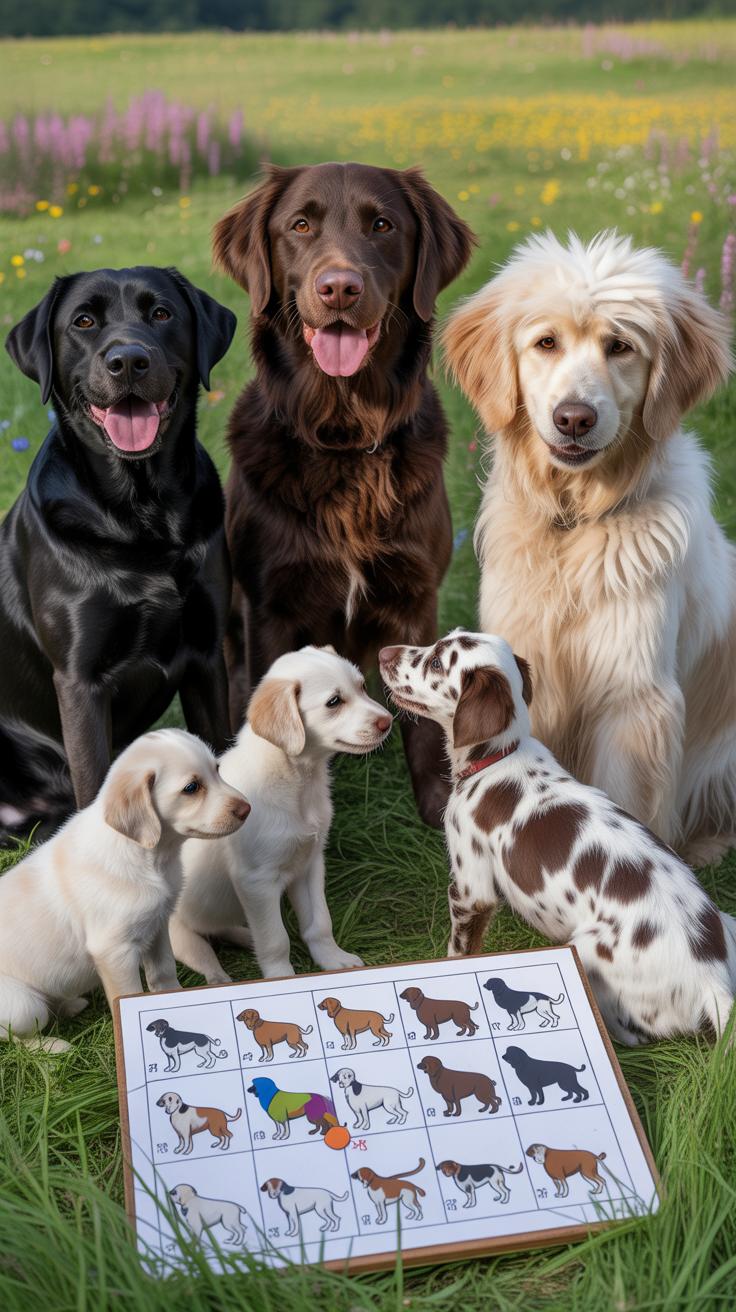
How To Use A Punnett Square To Predict Puppy Coat Colors With Reasonable Accuracy
The Punnett square is a grid used to calculate the probability of specific traits. You must identify the two alleles each parent carries for a specific gene. Dominant alleles use uppercase letters while recessive alleles use lowercase letters. Place the mother’s alleles on the top and the father’s alleles on the side. Match the letters in the four internal boxes to see the potential genetic outcomes for the litter.
This tool predicts probability rather than guaranteed results. If both parents carry one dominant black allele and one recessive chocolate allele, each puppy has a twenty-five percent chance of being chocolate. You calculate the ratio of genotypes to determine the physical appearance of the offspring. Breeders use this method to eliminate unwanted colors or promote specific traits. It provides a clear visual map of how simple Mendelian traits pass between generations.
Why Coat Color Inheritance Is Not Always Straightforward: Incomplete Dominance And Epistasis
Most coat colors involve complex interactions between different gene locations. Incomplete dominance occurs when the dominant allele does not completely mask the recessive one. This results in a blended physical appearance. For example, the merle gene creates a patchy effect rather than a solid color. In these cases, the heterozgyous state produces a unique phenotype that differs from both homozygous parents. Prediction becomes more difficult without precise DNA testing of the parents.
Epistasis adds another layer of complexity where one gene overrides the expression of another gene. The extension gene often controls whether the pigment indicated by other genes actually reaches the fur. If a dog possesses the recessive red genotype at the E locus, it will appear yellow or red regardless of its black or brown genes. One gene acts like a master switch that can turn off the instructions provided by secondary genes.
Dog Coat Color Chart A Closer Look At The Most Common And Rare Coat Colors
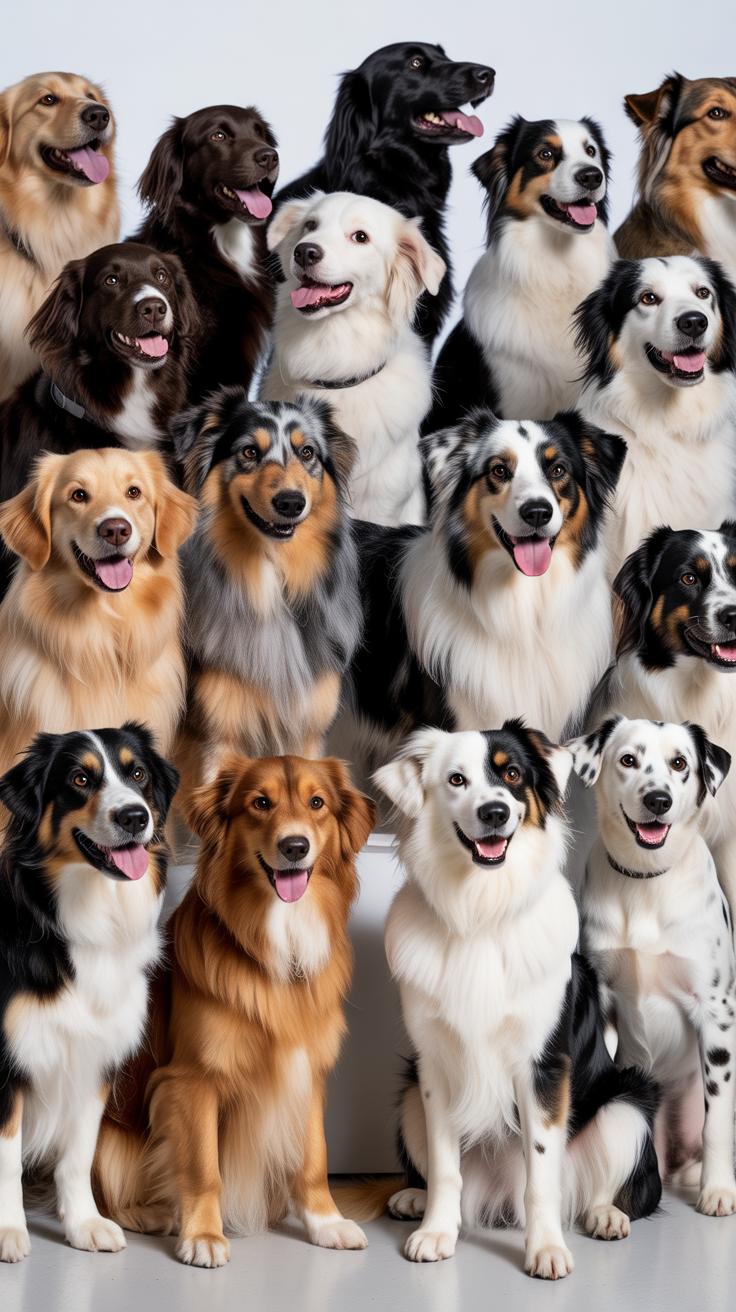
From Black And Brown To Merle And Harlequin: What Genes Produce Each Distinct Color
The K locus controls dominant black pigment in most breeds. If a dog carries the KB allele, it will produce eumelanin across its entire coat. This overrides the patterns usually found on the A locus. Brown or liver results when the B locus mutates. These recessive b alleles lighten black pigment to brown. This change affects the hair, nose leather, and paw pads simultaneously.
Merle and Harlequin patterns require more complex interactions. The Merle gene on the PMEL locus dilutes random patches of pigment. This creates a mottled effect on the base color. Harlequin only appears in Great Danes. It requires both a Merle gene and a specific H locus mutation. This combination bleaches the diluted areas to white. It leaves behind torn black patches on a clean white background.
Nature paints each puppy with a brush dipped in the deep history of its ancestors, creating a masterpiece of inheritance. Within every unique coat lies a beautiful map of where a dog has been and the love that brought it home.
Rare Dog Coat Colors And The Specific Genetic Combinations That Make Them Possible
Rare colors usually result from recessive genes that dilute standard pigments. The D locus controls the density of pigment granules in the hair shaft. When a dog inherits two recessive d alleles, black becomes blue and chocolate becomes lilac. These shades appear metallic or silvery. Breeders must track these genes carefully. Recessive traits only express when both parents carry the specific mutation.
- Blue: This color occurs when the recessive d allele dilutes black pigment. It creates a slate grey or charcoal appearance. It is highly sought after in Staffords and Weimaraners.
- Isabella: This rare lilac shade happens when a dog is homozygous recessive at both the B and D loci. It dilutes brown pigment into a pale greyish-beige. It is common in Dobermans.
- Brindle: This pattern features dark stripes on a lighter base. It is controlled by the kbr allele on the K locus. It creates a tiger-stripe effect without changing the dog’s base pigment type.
- Albino: True albinism is extremely rare and results from a total lack of tyrosinase. This stops all pigment production. The dog will have white fur, pink skin, and very light blue or pink eyes.
- Cream: This color comes from the e allele on the E locus. It prevents the dog from showing any black pigment in its fur. Only phaeomelanin shows, which can range from deep red to pale cream.

Genetic testing identifies these hidden traits before breeding. Selection for rare colors can increase the risk of health issues like Color Dilution Alopecia. Tactical breeders prioritize health over aesthetics. Understanding the M locus is also critical. Breeding two merle dogs together produces “double merles.” These dogs often suffer from blindness and deafness. Knowledge of these specific combinations prevents avoidable physical defects in litters.
Understanding Dog Breed Genetics Why Certain Colors Appear Only In Specific Breeds
How Selective Breeding Over Centuries Has Fixed Certain Color Genes Within Breeds
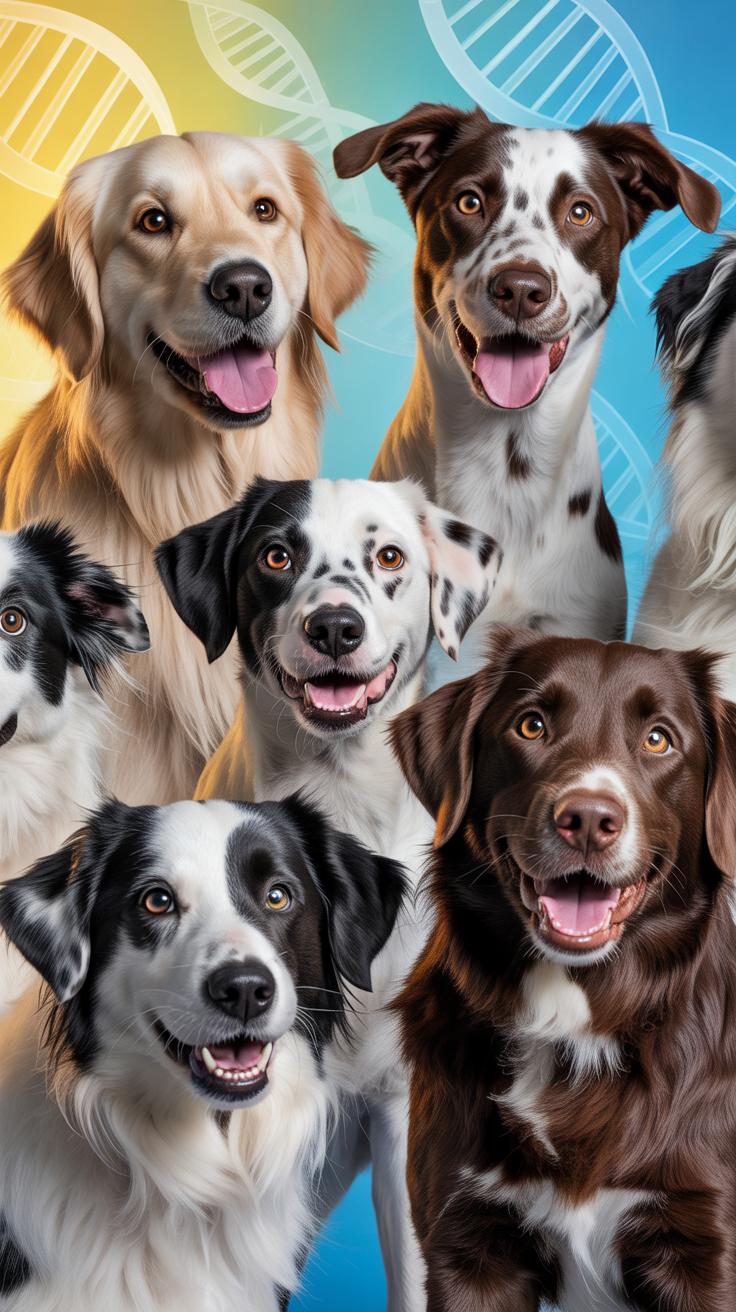
Selective breeding restricts the gene pool to produce predictable traits. Breeders choose dogs with specific coat colors and mate them. This process creates homozygous genotypes. Once a gene is fixed, it becomes the only version available in that population. This explains why certain breeds never produce specific colors. For example, some breeds lack the dominant black gene entirely. These dogs always express recessive red or liver shades.
Generations of isolation solidify these genetic patterns. If a breed has only recessive genes for color, it cannot produce dominant traits. Breeders purposely removed undesirable traits to establish a uniform look. This genetic bottleneck ensures that puppies look like their parents. Random mutations are the only way new colors naturally appear in a closed gene pool. Most modern breeds have very low genetic diversity regarding their coat color loci.
Breed Standards And Coat Color: How Kennel Clubs Influence Which Colors Are Recognized
Kennel clubs set strict rules for breed appearance called standards. These documents define which colors are acceptable for registration or showing. Dogs with non-standard colors face disqualification from competitions. This pressure causes breeders to eliminate specific traits. If a standard says a breed must be black, breeders cull dogs with brown or white markings. Over time, the disfavored genes effectively disappear from the active breeding population.

Official standards often link color to historical functions. Herding breeds may require visible colors for safety in the field. Some clubs ban colors like merle in certain breeds due to health risks. These man-made rules dictate the genetic future of each breed. Because breeders want high-value pups, they only breed dogs that meet these strict criteria. This artificial selection keeps breed colors remarkably consistent across different geographic regions and decades.
Dog Coat Genetics And Health When Coat Color Genes Are Linked To Medical Conditions
The Double Merle Risk: Why Breeding Two Merle Dogs Together Can Cause Serious Health Problems
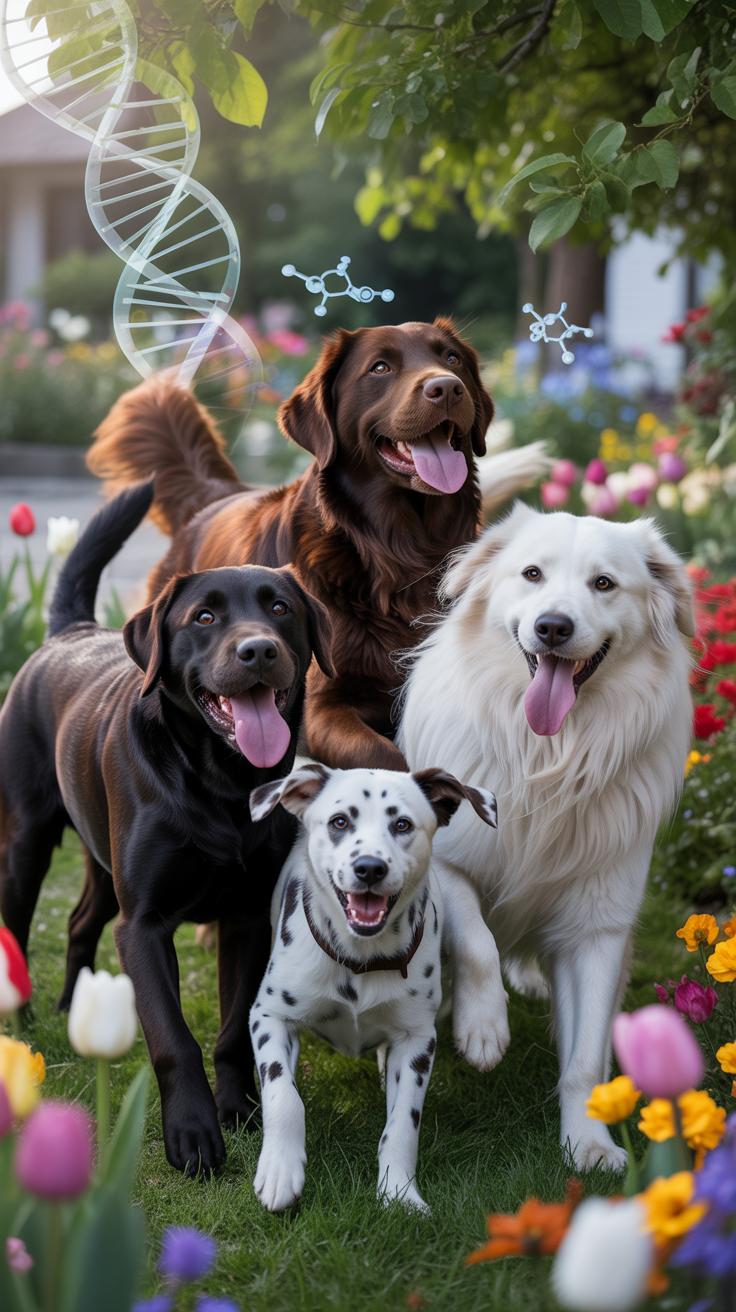
The merle gene acts as a modifier that lightens sections of the base pigment. When a dog carries one copy of this gene, it creates a dappled coat pattern. Problems arise when two merle dogs mate. This pairing gives puppies a twenty-five percent chance of inheriting two copies of the gene. These double merle dogs often lack pigment in critical areas of the body.
The lack of pigment in a double merle dog directly damages sensory organs. Cells in the inner ear and eyes require pigment to develop and function properly. Without these cells, the dogs are frequently born deaf or blind. Their eyes may be small, deformed, or entirely missing. Breeders must avoid these pairings to prevent these severe disabilities. Responsible genetic testing identifies hidden merle genes in breeding stock.
Color Dilution Alopecia And Other Coat Color Linked Conditions Dog Owners Should Know About
The dilution gene changes black fur to blue and chocolate fur to Isabella. This gene can also trigger a skin condition called Color Dilution Alopecia. The hair shafts in diluted dogs are fragile and break easily. This leads to permanent hair loss and itchy skin. Affected dogs often struggle with chronic skin infections and inflammation. Owners must identify these genetic risks early.
- Color Dilution Alopecia: This condition affects dogs with diluted coat colors like blue or fawn. The abnormal pigment distribution weakens the hair follicles. It causes thinning hair, flaky skin, and recurrent bacterial infections across the torso.
- White Sensitivity: Dogs with high amounts of white fur lack melanin on their skin surfaces. This absence makes them highly susceptible to sunburn and solar dermatitis. Long-term exposure to direct sunlight significantly increases the risk of skin cancer.
- Black Hair Follicular Dysplasia: This rare genetic disorder causes hair loss specifically in the black areas of a multi-colored coat. The hair follicles become clogged and stop growing new fur. It usually appears when the puppy is very young.
- Microphthalmia: This condition involves abnormally small or underdeveloped eyes in double merle dogs. It frequently occurs alongside other sight defects like colobomas. These defects are permanent and often result in total blindness from birth or early childhood.
- Congenital Sensorineural Deafness: This hearing loss links to the lack of pigment cells in the inner ear. It is common in dogs with extreme white spotting or double merle patterns. Testing via the BAER method is the only way to confirm total hearing.

Genetic links between color and health are not just cosmetic. Scientists refer to these connections as pleiotropy. This means one gene influences multiple physical traits simultaneously. When you select for a specific color, you might accidentally select for a biological defect. Knowing the genetic code of a dog helps predict these failures. Data-driven breeding decisions protect the health and longevity of future dog populations.
Dog Species Timeline Chart How Wolf Ancestors Evolved Into TodayS Colorful Domestic Dogs
From Gray Wolf To Domestic Dog: How Domestication Unlocked A Wider Range Of Coat Colors
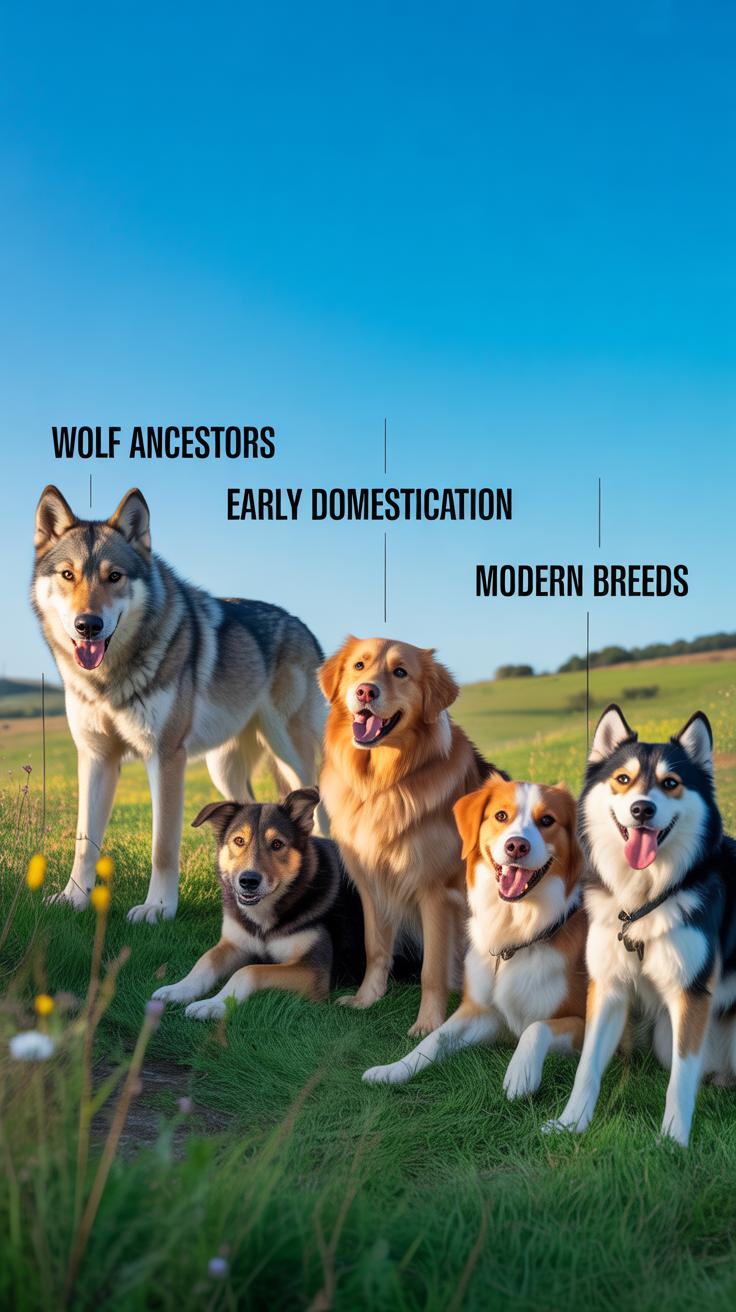
Wild gray wolves rely on agouti patterns for survival. These patterns mix black and yellow pigments to create camouflage. Natural selection kills off wolves with bright or solid coats. Predation requires blending into the brush. In the wild, genetic mutations for white or spotted fur are usually fatal. Evolution keeps the wolf gene pool narrow to ensure the species can hunt and hide effectively.
Domestication removed the pressure of natural selection. Humans provided food and shelter to early dogs. This safety allowed rare genetic mutations to survive and reproduce. Mutations at the K locus and the MC1R gene created solid black or red coats. These traits would have failed in the wild. Under human care, these unique colors became neutral or even desirable. Tracking dogs became easier when fur stood out.
How Ancient Human Breeding Practices Gradually Shaped The Coat Color Diversity We See Today
Early humans began selecting dogs for specific tasks. Hunters needed dogs that looked different from prey or predators. If a dog had white patches, owners could see it in deep woods. This practice increased the frequency of the piebald gene. Over thousands of years, humans isolated these traits through controlled breeding. They turned random genetic glitches into predictable breed standards across different geographical regions.

The Victorian era accelerated color diversity through closed studbooks. Breeders focused on aesthetics rather than just function. They used linebreeding to fix specific colors like liver, blue, or dilute. This process narrowed the genetic diversity within breeds but widened the range of colors across the species. Today, the huge variety of dog colors is the direct result of humans manipulating the canine genome for visual distinction.
How To Use A Dog Color Genetics Chart PDF To Research Your Own DogS Coat Color

What Information You Need Before Using A Dog Genetics Chart PDF Or Online Color Calculator
You must identify the two base pigments before consulting a chart. Every dog starts with eumelanin and phaeomelanin. Eumelanin is black by default but changes to brown, blue, or lilac through dilution genes. Phaeomelanin produces red, gold, or cream tones. You need to observe the nose leather, paw pads, and eye rims. These areas reveal the true base color even if the fur appears white or lightened.
Study the phenotype of your dog and its direct ancestors. You should document the coat patterns like brindle, merle, or tan points. A genetics chart requires you to know if these patterns exist in the bloodline. Recessive traits can hide for generations. Knowing the breed standard helps narrow down which loci are likely active. Armed with these visual facts, you can accurately map the potential genotypes onto a digital calculator.
How DNA Testing Services Can Reveal The Genetic Story Behind Your Dog’S Unique Coat Color
Visual inspection often fails because dominant genes mask recessive ones. A DNA test provides the specific alleles at each locus. It identifies the E, K, A, and D locations on the chromosome. This data removes the guesswork from understanding color. You will see if a black dog carries the chocolate or dilute gene. This is essential for breeders and owners seeking total accuracy in genetic profiles.

Testing services use mouth swabs to collect epithelial cells for laboratory analysis. The results provide a breakdown of the specific genetic code. Most tests screen for common mutations and rare variants alike. This information explains why a dog has a specific shade or pattern. It reveals the hidden potential of the animal. You get a raw data sheet that mirrors the categories found on professional canine genetics charts and PDFs.
Frequently Asked Questions

What are the primary factors that determine a dog’s coat color?
Understanding dog fur color genetics explained simply starts with two main pigments: eumelanin (black) and phaeomelanin (red). Every canine coat color, from deep chocolate to pale cream, is created by these pigments being modified or diluted by specific genes. While a dog’s DNA contains many complex instructions, these two base colors act as the foundation for the incredible variety of patterns and shades we see across different breeds today.
How can I find out which specific color genes my dog carries?
If you are curious about the hidden traits your pet might pass on, you can order a professional DNA kit. Having dog fur color genetics explained through a laboratory report is the most accurate method. You simply collect a cheek swab at home and mail it to a specialized animal genetics lab. They will analyze the K-Locus, Agouti, and Extension genes to provide a detailed map of your dog’s unique genetic makeup.
Is professional genetic testing for coat color an affordable option for most pet owners?
Genetic testing has become very accessible and budget-friendly in recent years. Basic color panels typically cost between $50 and $100, making them an affordable choice for curious owners or hobbyist breeders. Many companies offer bundled packages that include health screening alongside color traits, providing excellent value. This investment helps you understand your dog’s heritage and potential future offspring without requiring an expensive consultation with a specialized veterinary geneticist or researcher.