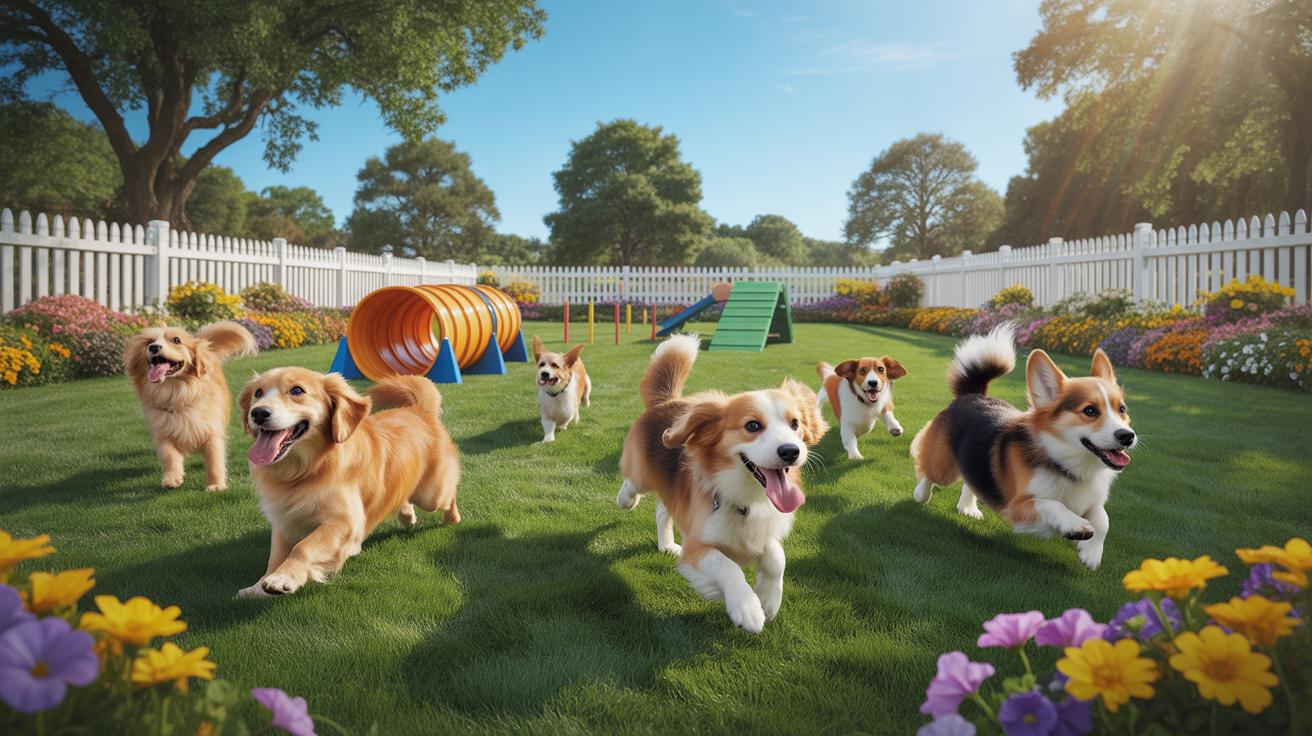
Why A Small Dog Park Design Backyard Setup Is Worth Every Penny
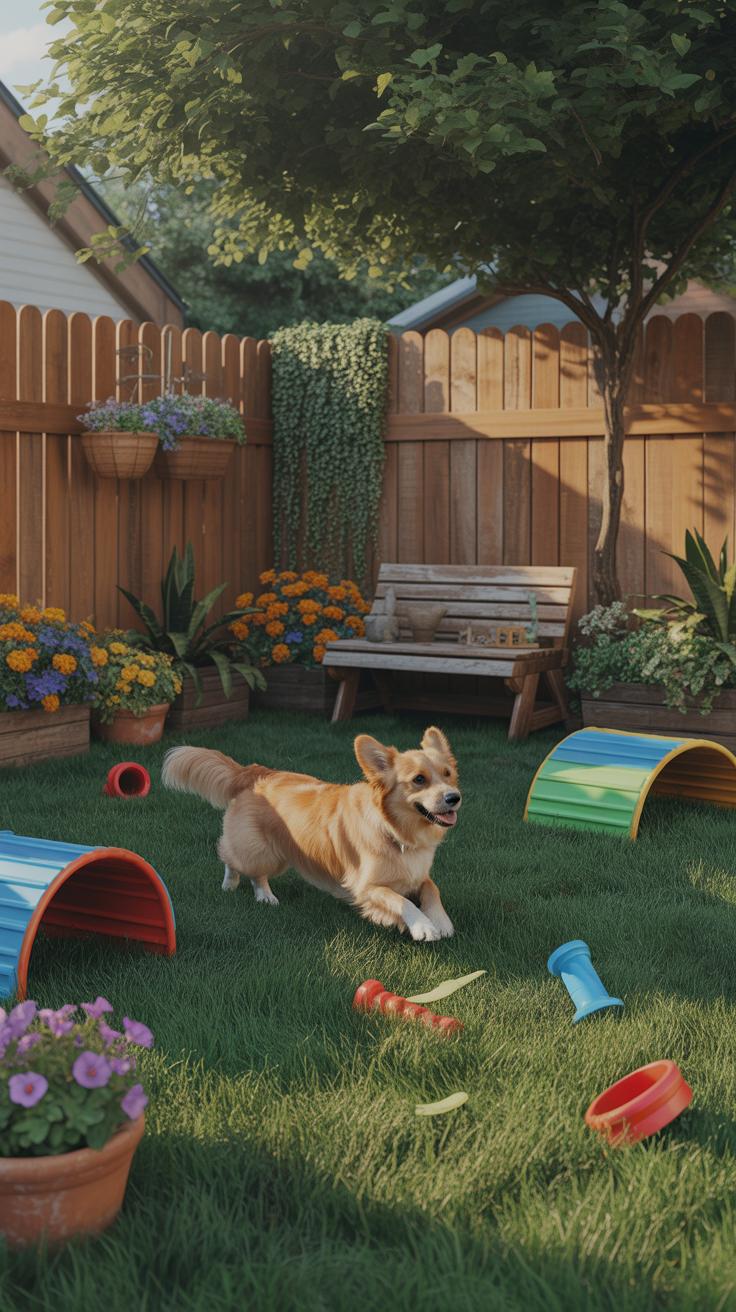
The Physical And Mental Health Benefits Of An Outdoor Play Area For Dogs
Physical activity prevents canine obesity and joint issues. A dedicated backyard park allows dogs to gallop and pivot without restrictions. These movements build muscle mass and improve heart health. Constant access to fresh air and sunlight regulates a dog’s sleep cycle. You provide a controlled environment that mimics natural exercise needs. This setup ensures the dog stays lean and physically capable.
Mental stimulation is just as vital as physical exercise. Dogs use their noses to process information about their surroundings. A designed space offers diverse scents and textures that engage the brain. This engagement prevents cognitive decline and boredom. You create a sensory landscape that keeps the animal alert and curious. Proper design turns a simple yard into a functional tool for steady mental development.
How A Dedicated Dog Yard Reduces Destructive Behavior Indoors
Destructive behavior often stems from trapped energy. Dogs chew furniture or dig carpets when they lack an outlet. A dedicated yard shifts these natural impulses to an appropriate location. You define where high energy belongs. This separation teaches the dog that the house is for resting. Providing a specific play zone protects your interior assets and lowers your repair costs.
A tired dog behaves better inside the home. Scheduled play sessions in a backyard park drain excess adrenaline. This leads to a calmer temperament during evening hours. You eliminate the root cause of barking and pacing. Consistent use of the outdoor space creates a predictable routine for the pet. This structure reduces anxiety and stress for both the animal and the owner.

Planning Your Backyard Dog Playground Space Zoning And Safety First
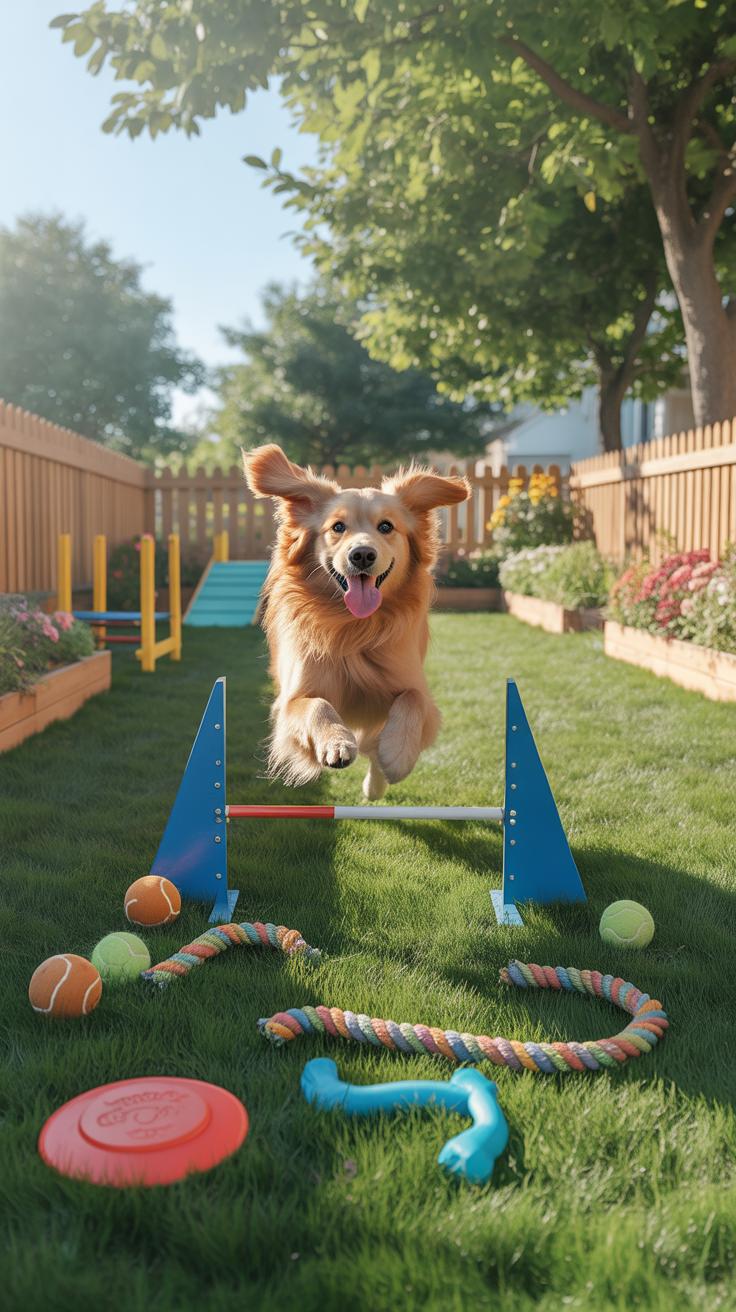
Measuring And Mapping Out The Right Area For Your Dog’S Size And Breed
Measure your available square footage to ensure your dog has enough room for high-speed sprints. Large breeds require at least forty feet of straight running room to prevent joint strain from sharp turns. Use stakes and string to mark boundaries before digging. Consider the turning radius of your specific breed. Sight hounds need long corridors. Smaller terriers benefit more from complex, circular paths.
Map the terrain to identify natural drainage points and existing shade. Dogs overheat quickly during intense play. Position the main exercise area on flat ground to avoid erosion and tripping hazards. Document the location of underground utility lines. Avoid placing heavy equipment over septic tanks or shallow water pipes. Clear mapping prevents expensive repairs and ensures the layout maximizes every available foot of your backyard space.
Understanding Local Zoning Rules And HOA Guidelines Before You Build
Review your local municipal code for regulations regarding accessory structures and fencing heights. Most residential zones limit backyard fences to six feet. Some areas require specific setbacks from property lines for any permanent installations. Check if your project requires a permit for grading or drainage changes. Ignoring these rules can lead to heavy fines or a legal order to tear down your work.

Read your Homeowners Association bylaws carefully before purchasing materials. Many associations restrict specific fencing types like chain link or certain wood stains. Noise ordinances may also dictate where you can place active play zones relative to a neighbor’s bedroom window. Get written approval from the board if your design deviates from standard landscaping. Documenting compliance early protects your investment from future legal disputes with neighbors or the city.
Choosing The Best Fencing For Your Backyard Dog Area
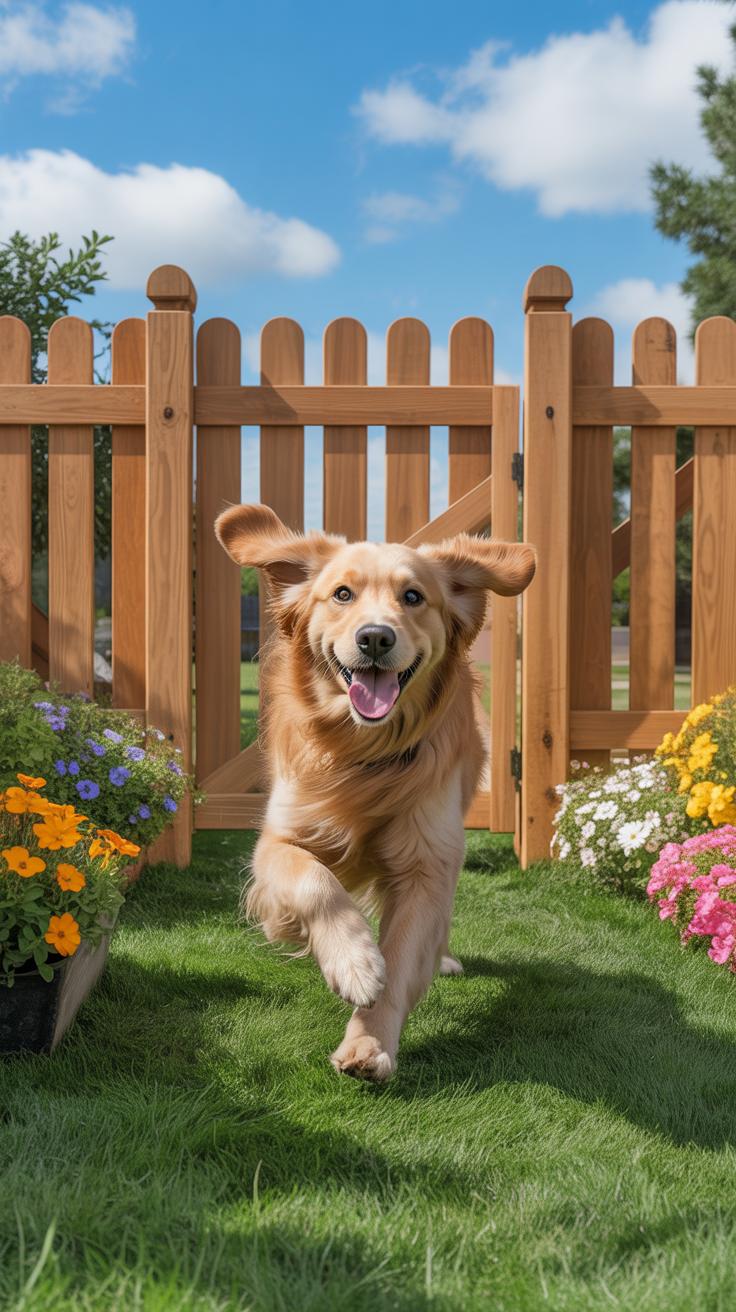
Comparing Wood, Chain Link, And Vinyl Fencing Options For Dog Safety
Wood fencing offers high visual privacy and contains reactive dogs well. Solid panels prevent territorial barking by blocking outside triggers. Use cedar or pressure treated pine for durability against rot. Ensure slats are close together so paws cannot get stuck. Wood requires regular staining or painting to prevent splintering. Check for loose boards often to keep the perimeter secure and solid.
Vinyl fencing provides a low maintenance alternative to wood. It does not peel or rot and resists chewing. Smooth surfaces prevent dogs from gaining traction to climb. Chain link is the most cost effective and durable option for large areas. It allows air flow but provides no visual barrier. Use a small mesh size to prevent small dogs from squeezing through the gaps.
Fence Height, Dig Guards, And Gate Latches That Keep Dogs Secure
Standard small dog enclosures require a minimum height of four feet. High energy breeds or jumpers may need five or six feet. Measure your dog at full stretch to determine the correct height. Ensure the fence sits flush with the ground. Gaps at the bottom allow dogs to escape or predators to enter. Install a concrete mow strip to prevent all digging.
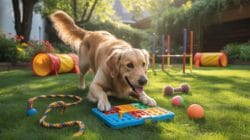
Dig guards stop dogs from tunneling under the fence line. Bury hardware cloth or heavy gauge wire six inches deep along the perimeter. Level the soil and secure the wire to the fence base. Use gravity latches or magnetic locks on all gates. Self closing hinges add an extra layer of safety. Always place latches high enough so dogs cannot reach them.
Best Ground Cover Options For A Safe And Clean Dog Outdoor Play Area
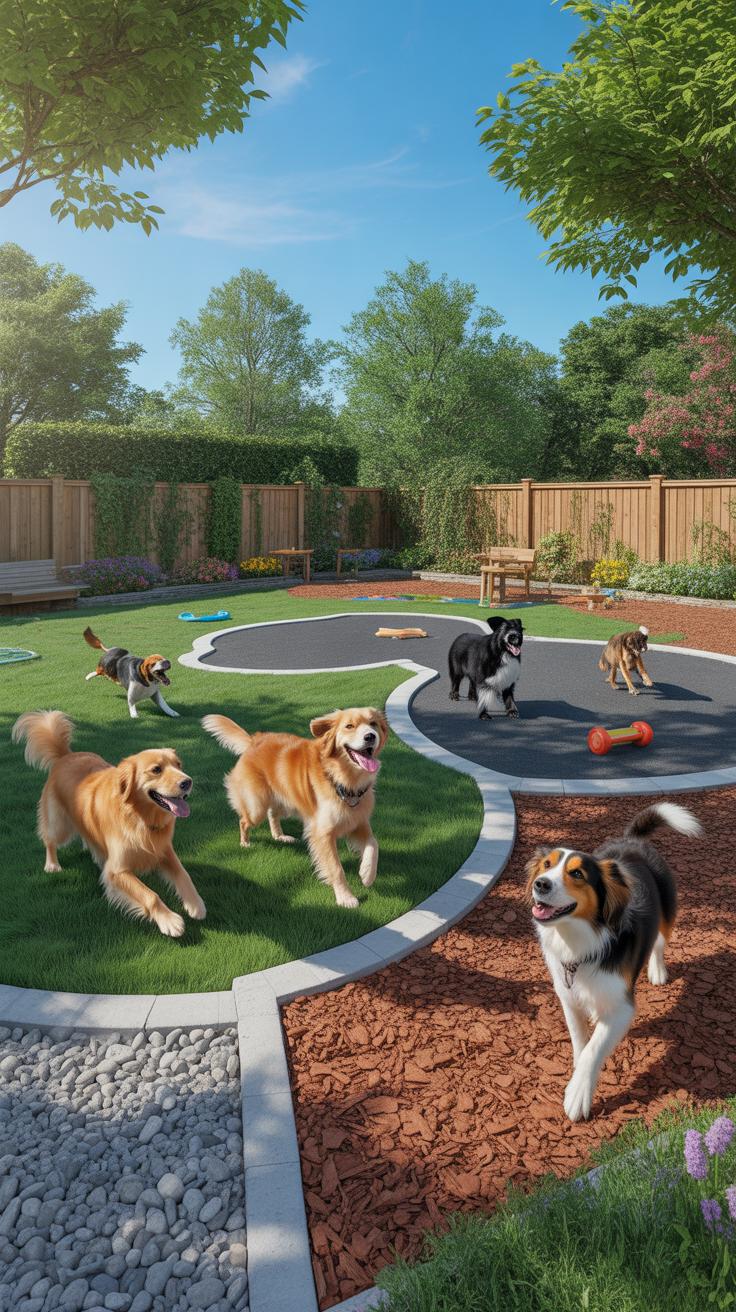
Natural Grass Vs. Artificial Turf: Which Is Better For A Dog Yard?
Natural grass offers a cool surface for paw pads during summer months. It handles light traffic well and integrates into existing landscaping. However, high-protein dog urine burns nitrogen-sensitive blades. This creates yellow patches and mud holes over time. Maintenance requires mowing and fertilization. You must avoid chemical pesticides that harm small animals. Grass remains the traditional choice for homeowners with low-energy dogs and large yards.
Artificial turf provides a high-durability solution for heavy play. Modern K9-specific synthetic grass features antimicrobial infill and perforated backing for drainage. It eliminates mud and prevents dogs from digging holes. You must install a crushed stone base to manage odors and liquid runoff effectively. Surface temperatures rise quickly in direct sun. Use irrigation or shade structures to keep the plastic fibers cool during peak daylight hours.
Gravel, Mulch, And Pea Stone: Pet Safe Ground Cover Materials Compared
Pea stone and smooth river rocks offer superior drainage for liquid waste. These materials do not harbor mold or decay like organic options. Small dogs find rounded stones comfortable for walking. Use a depth of four inches for proper stability. This material prevents the formation of dust and tracking of dirt into the home. Regular hosing cleans the surface and forces waste through the sub-base layer.

Hardwood mulch acts as an affordable cushion for play zones. Avoid cocoa bean mulch because it contains chemicals toxic to canines. Use double-shredded cedar or cypress for natural flea and tick repulsion. These woods resist rot and provide a soft landing for jumping pets. Mulch requires annual replenishment as it breaks down into soil. Ensure the wood chips are large enough so your dog does not swallow them.
Essential Equipment To Include In Your Outdoor Dog Playground
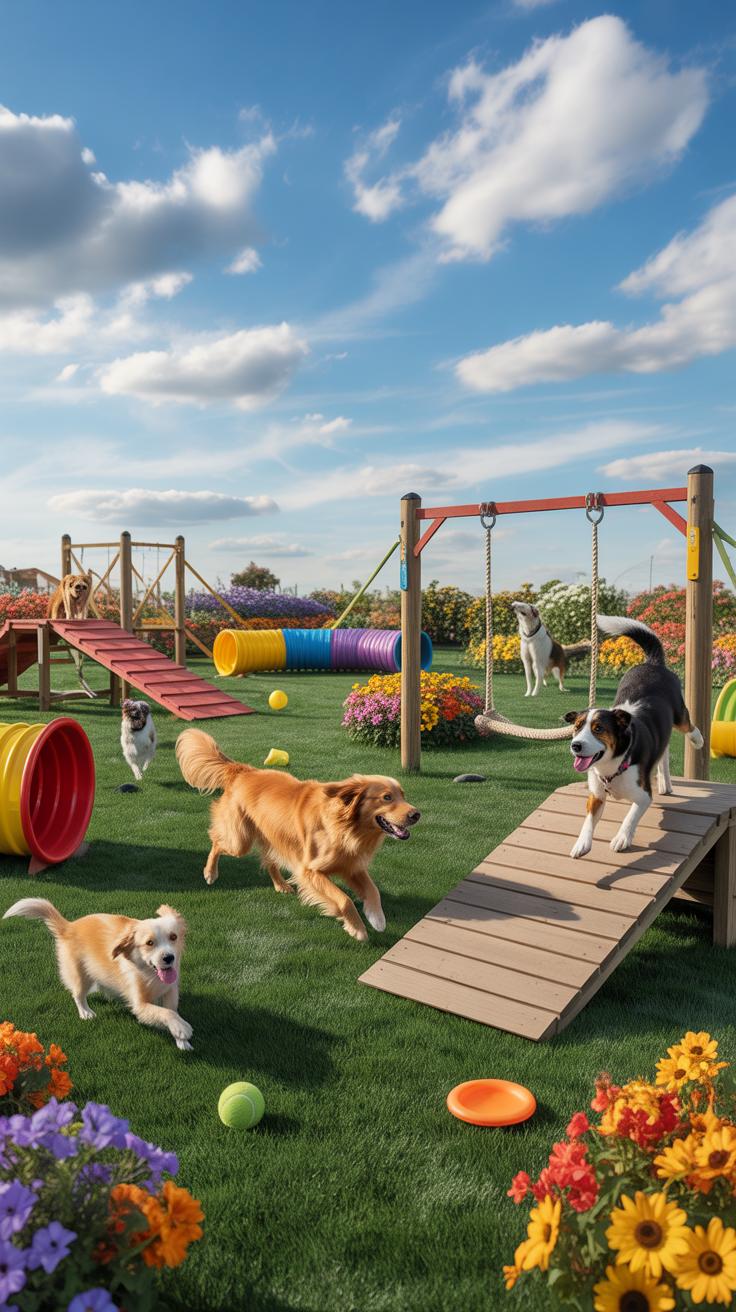
Tunnels, Ramps, Weave Poles, And Agility Gear Suitable For Small Backyards
Small yards require gear with a compact footprint. Use collapsible tunnels made of heavy-duty nylon to save space when not in use. Short ramps with rubber surfaces provide grip for small paws without taking up much room. Fixed weave poles work best along fence lines to maximize central running space. Select durable materials like UV-stabilized plastic to prevent hardware from cracking or fading in the sun.
Focus on the height of each piece of equipment. Small dogs need shorter ramps and lower jumps to prevent joint strain. Avoid high-profile A-frames designed for large breeds. Use light materials like PVC for agility hurdles. This allows easy movement and reconfiguration based on your dog’s progress. Tactile surfaces like artificial turf or rubber matting on ramps ensure the dog maintains traction during fast maneuvers.
Must Have Additions: Water Stations, Shade Structures, And Rest Zones
Proper infrastructure keeps the playground safe and functional in all weather conditions. Small dogs overheat quickly and need immediate access to cooling resources. Install permanent fixtures that tolerate outdoor exposure. Use non-porous materials for these zones to prevent bacteria buildup. Dedicated rest areas encourage your dog to pace its energy levels during high-intensity play. Ensure every component serves a specific biological need for the animal.
- Stainless Steel Water Bowls: Choose heavy, wide-based bowls that dogs cannot tip over. Stainless steel resists rust and does not harbor harmful bacteria like porous plastic alternatives. Connect an automatic refilling valve to ensure the bowl stays full throughout the day.
- UV-Rated Shade Sails: Install high-density polyethylene sails over main play areas. These block significant solar heat and protect dogs with thin coats from sunburn. Use sturdy steel mounting posts for stability during high winds or heavy rain.
- Elevated Dog Beds: Use mesh-style beds that allow airflow underneath the dog. Keeping the animal off the hot ground helps regulate body temperature faster than solid mats. Choose frames made of powder-coated steel to prevent rust and chewing damage.
- Cooling Pressure Pads: Place these in shaded rest zones to provide immediate relief from heat. These pads contain gel that absorbs body heat without needing electricity or refrigeration. Ensure the outer material is puncture-resistant to withstand claws and teeth.
- Natural Landscaping Buffers: Plant non-toxic shrubs or tall grasses to create natural windbreaks and cooling pockets. These provide sensory enrichment and soft surfaces for napping. Avoid plants with thorns or those known to cause allergic reactions in canines.

Maintenance of these zones is critical for long-term use. Clean water stations daily to prevent algae growth and insect breeding. Check shade structures for wear and tear after every major storm. Use pet-safe cleaners on all surfaces to keep the environment sterile. Effective design integrates these utility zones into the natural flow of the backyard to ensure they are used consistently by the dog.
How To Design A Dog Backyard Layout That Maximizes Fun And Functionality
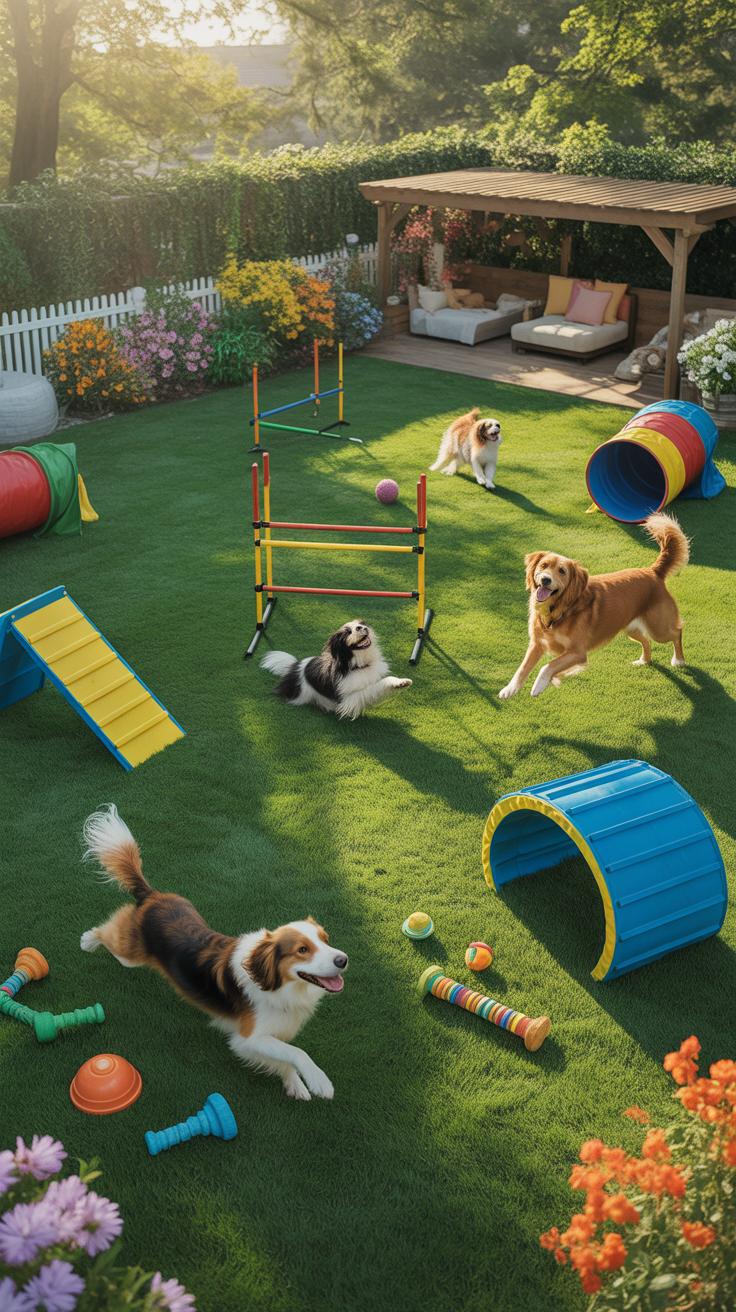
Zoning Your Outdoor Dog Area Into Play, Rest, And Potty Sections
Effective small dog park design backyard strategies rely on clear spatial division. You must separate high-energy movement from quiet recovery zones. Place the potty section in a far corner with drainage-focused substrate like pea gravel or specialized K9 turf. Use physical markers like pavers or planters to define these borders. Proper zoning prevents waste contamination in play areas and keeps the rest zone calm.
Strategic placement of the rest zone requires shade and proximity to the house. Install a cooling pad or a raised dog bed in a low-traffic spot. The play zone occupies the central open space to allow for full-speed sprints. Keep this area clear of furniture or sharp obstacles. This layout mirrors professional boarding facility designs. It reduces canine stress by providing predictable environments for different biological needs.
Design Tips For Small Backyards That Still Feel Open And Stimulating For Dogs
Verticality expands a small footprint without losing floor space. Use low-profile ramps or sturdy tiers to create climbing opportunities along fence lines. This technique utilizes unused air space for exercise. Keep the center of the yard unobstructed to maintain long sightlines. Dogs feel more secure when they can monitor the entire perimeter. Avoid bulky structures that create dead ends or trap points in tight corners.

Texture and varied scent markers provide mental stimulation in compact environments. Integrate dog-safe plantings like lavender or rosemary around the edges. Use different ground materials to provide sensory feedback underpaw. Hardscaping with smooth river rocks or wooden decks creates contrast with soft turf. These small changes keep the dog engaged without requiring a massive acreage. Smart design prioritizes the quality of the path over the total square footage.
Dog Safe Plants And Landscaping For Your Outdoor Dog Playground
Which Common Backyard Plants Are Toxic To Dogs And Should Be Avoided
Small dog park design backyard projects fail when owners prioritize aesthetics over safety. Many popular ornamental plants contain alkaloids or glycosides that trigger organ failure or cardiac arrest in canines. You must identify and remove these hazards before installing any fencing. Toxicity levels vary by breed size, but small dogs face higher risks from even minor ingestion of stems, leaves, or bulbs.
- Sago Palm: This plant contains cycasin, which causes severe liver failure in dogs. Every part of the palm is toxic, especially the seeds. Ingestion often leads to permanent organ damage or death within days if not treated immediately by a veterinarian.
- Azaleas and Rhododendrons: These shrubs contain grayanotoxins that disrupt sodium channels in cell membranes. Small dogs consuming just a few leaves may experience vomiting, drooling, and dangerous heart rate drops. They are common in residential landscapes but have no place in a functional dog park.
- Oleander: Every inch of this plant is highly lethal due to cardiac glycosides. It affects the heart muscle directly and can cause fatal arrhythmias. Even water in a bowl containing fallen oleander leaves becomes a toxic hazard for your pets.
- Tulips and Hyacinths: The bulbs of these spring flowers contain allergenic lactones. While the flowers are mild skin irritants, the concentrated toxins in the bulbs cause intense gastrointestinal distress and tremors. Small dogs that dig are at the highest risk for bulb ingestion.
- Castor Bean: This plant contains ricin, one of the most potent toxins known to science. It inhibits protein synthesis and causes severe abdominal pain and dehydration. It is often used for fast growth in backyards but poses an unacceptable risk to curious animals.
Landscape professionals often use these plants for their hardy nature or bright colors. However, a tactical backyard design requires a clean slate free from biological threats. Always check the ASPCA toxic plant database before keeping any existing greenery. Remove these plants by the root to prevent regrowth. Total elimination is the only way to ensure 100 percent safety for your dog playground area.
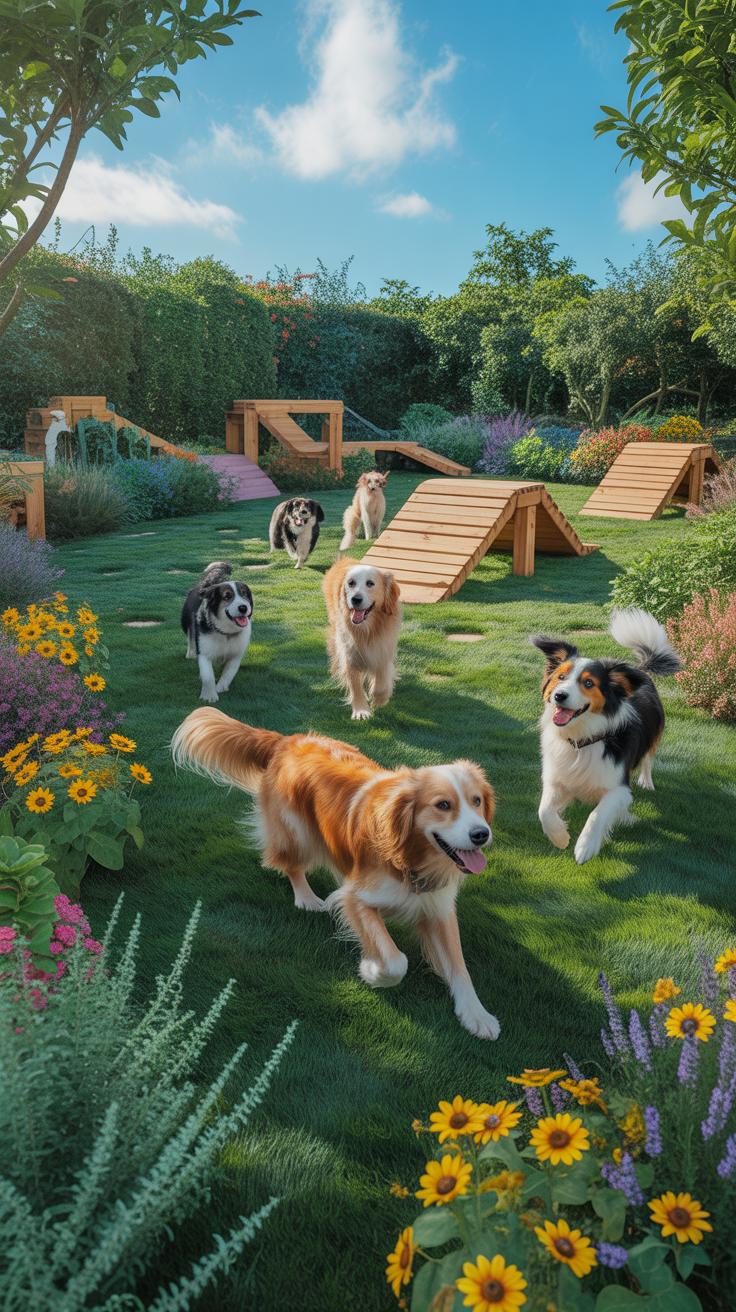
Hardy, Non Toxic Ground Plants And Shrubs That Thrive In A Dog Playground
Select plants that survive heavy paw traffic and urine exposure. Creeping thyme and Irish moss serve as excellent alternatives to traditional turf. These groundcovers resist yellowing and provide a soft surface for small paws. They grow low to the ground, which prevents dogs from tripping during high-speed play. Functional landscaping uses these species to reduce mud and maintain a clean environment throughout the year.

Shrubs like Mock Orange or Forsythia provide vertical structure without posing health risks. These plants withstand the occasional impact from stray balls or running dogs. Strategic placement of these hardy shrubs can create natural barriers or shade zones. Use these non-toxic options to define the park boundaries. High-durability plants ensure your backyard remains a professional-grade facility that requires minimal maintenance while keeping your dogs active and safe.
Keeping Your Dog Playground Clean Safe And Well Maintained Year Round
Daily, Weekly, And Seasonal Maintenance Routines For Your Backyard Dog Area
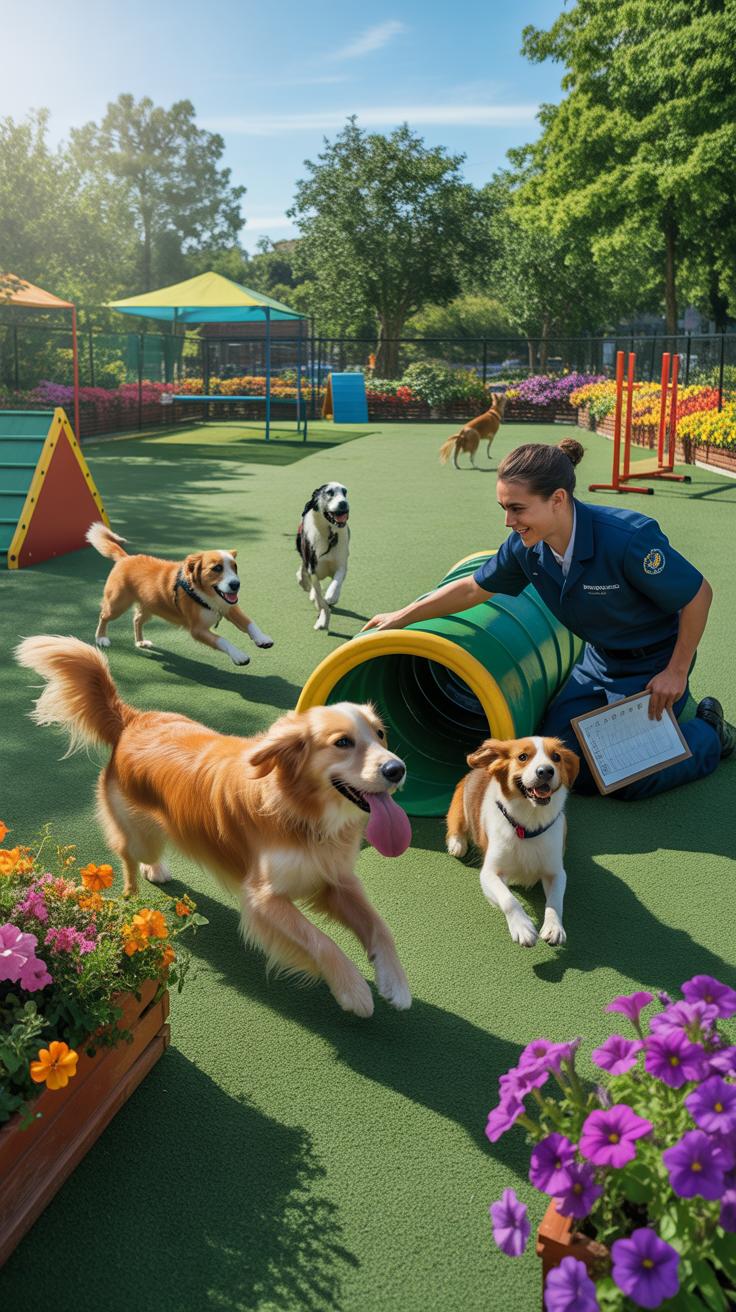
Daily maintenance prevents waste buildup and bacteria growth. Remove solid waste immediately to stop parasites from entering the soil. Check the perimeter fence for gaps or loose boards every morning. Small dogs can slip through tiny openings quickly. Inspect toys and equipment for sharp edges or broken parts daily. Immediate action keeps the park safe and functional for your pet.
Weekly tasks involve deeper cleaning and structural checks. Scrub water bowls and refill stations with pet-safe cleaners to prevent algae. Rake gravel or mulch to redistribute high-traffic areas and fill holes. Seasonal changes require specific adjustments like checking for ice in winter or heat damage in summer. Prune overhanging branches and clear leaf debris to reduce hiding spots for harmful ticks or snakes.
A dog’s happiness is found in the simple freedom of a patch of earth to call his own. Building a small sanctuary at home is the finest way to honor the loyal friend who shares your life.
Pest Control, Drainage Solutions, And Surface Sanitizing For A Hygienic Dog Yard
Effective drainage prevents standing water and mud. Install a slight slope or a French drain system using perforated pipe and gravel. This move keeps the surface dry and stops mosquitoes from breeding. Use permeable surfaces like pea gravel or specialized K9 turf. These materials allow liquid waste to pass through quickly. Proper airflow and sun exposure also help dry the area and kill bacteria.

Pest control requires non-toxic methods to protect your dog. Use beneficial nematodes to kill flea larvae in the soil without chemicals. Mow grass short to reduce tick habitats near the fence line. For sanitizing, apply an enzymatic cleaner to synthetic turf or hard surfaces. These cleaners break down urea crystals and eliminate odors. Regular high-pressure rinsing with water keeps the environment fresh and safe for daily use.
Budget Friendly Ways To Build A Backyard Dog Area Without Cutting Corners On Safety
DIY Vs. Hiring A Professional: What Makes Sense For Your Small Dog Park Build
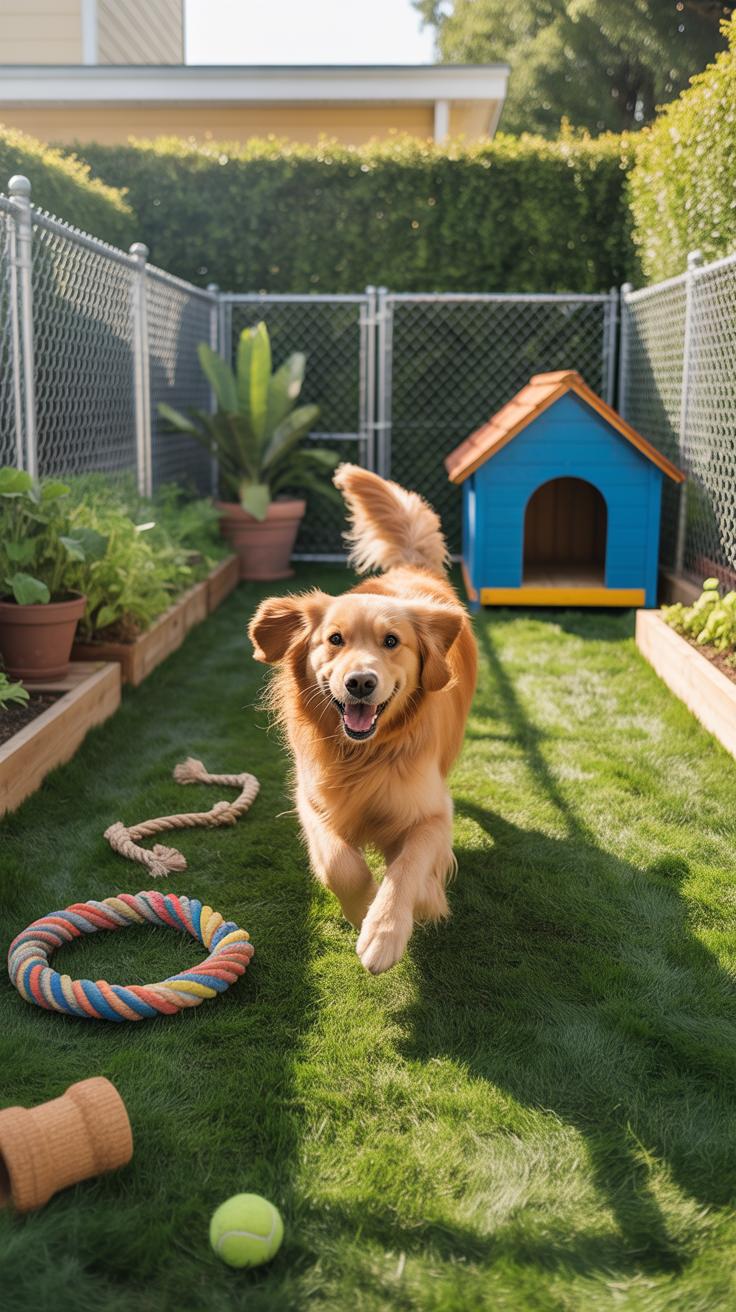
Labor accounts for fifty percent of professional landscaping costs. You save significant capital by handling excavation and surface installation yourself. Small dog parks require less structural depth than human spaces. This makes DIY feasible for homeowners with basic tools. Focus your personal labor on clearing debris and laying base materials. These tasks are time intensive but require low technical skill.
Hire a licensed contractor for perimeter fencing and complex drainage systems. Fencing must withstand lateral pressure and prevent digging escapes. Professionals use power augers to set posts below the frost line. This prevents leaning or collapse over time. Poor drainage leads to stagnant water and bacterial growth. Experts ensure proper grading to keep the area sanitary. Pay for structural integrity to avoid expensive repairs later.
Where To Source Affordable, Durable Materials For Your Dog Backyard Project
Sourcing materials directly from quarries or wholesalers reduces markups. Avoid big box retailers for bulk items like pea gravel or decomposed granite. Local landscape supply yards sell these by the cubic yard. This method is cheaper than buying individual bags. Contact local tree services for free wood chips. Ensure the chips come from untreated hardwood to avoid toxic chemicals or sharp splinters.
Check online marketplaces for leftover fencing panels or synthetic turf remnants. Contractors often sell excess high quality materials from larger commercial jobs at a discount. Small backyards require less square footage so these remnants fit perfectly. Use rubber mulch only if it is wire free and non toxic. Used tractor tires make excellent agility tunnels after a deep cleaning. Direct sourcing keeps your project under budget.
Frequently Asked Questions

What are the essential elements of a successful small dog park design?
To create a functional space, your small dog park design backyard project should prioritize safety and stimulation. Start with secure, dog-proof fencing at least four to five feet high. Incorporate a mix of textures like artificial turf or wood chips, a dedicated shade structure, and a fresh water station. Adding basic agility elements like tunnels or weave poles keeps your pet mentally engaged while ensuring the area remains manageable for a smaller property.
How do I choose the best surfacing material for my backyard dog run?
Selecting the right ground cover is crucial for both durability and paw comfort. While natural grass is beautiful, it often struggles under heavy foot traffic and nitrogen-rich waste. Many homeowners opt for K9-specific artificial turf with high-quality drainage or pea gravel for easy cleaning. A well-thought-out small dog park design backyard usually integrates these permeable materials to prevent muddy paws while ensuring the space remains sanitary and odor-free throughout the year.
Can I build a backyard dog park on a limited budget?
Absolutely! You don’t need a professional contractor to create a fun, safe haven for your pet. Focus on DIY solutions like repurposing old tractor tires for climbing or using PVC pipes to build custom jumps. Upcycling sturdy outdoor furniture into seating for yourself can also save money. By prioritizing a secure perimeter and clearing out hazardous plants first, you can slowly add features over time without a large upfront investment.