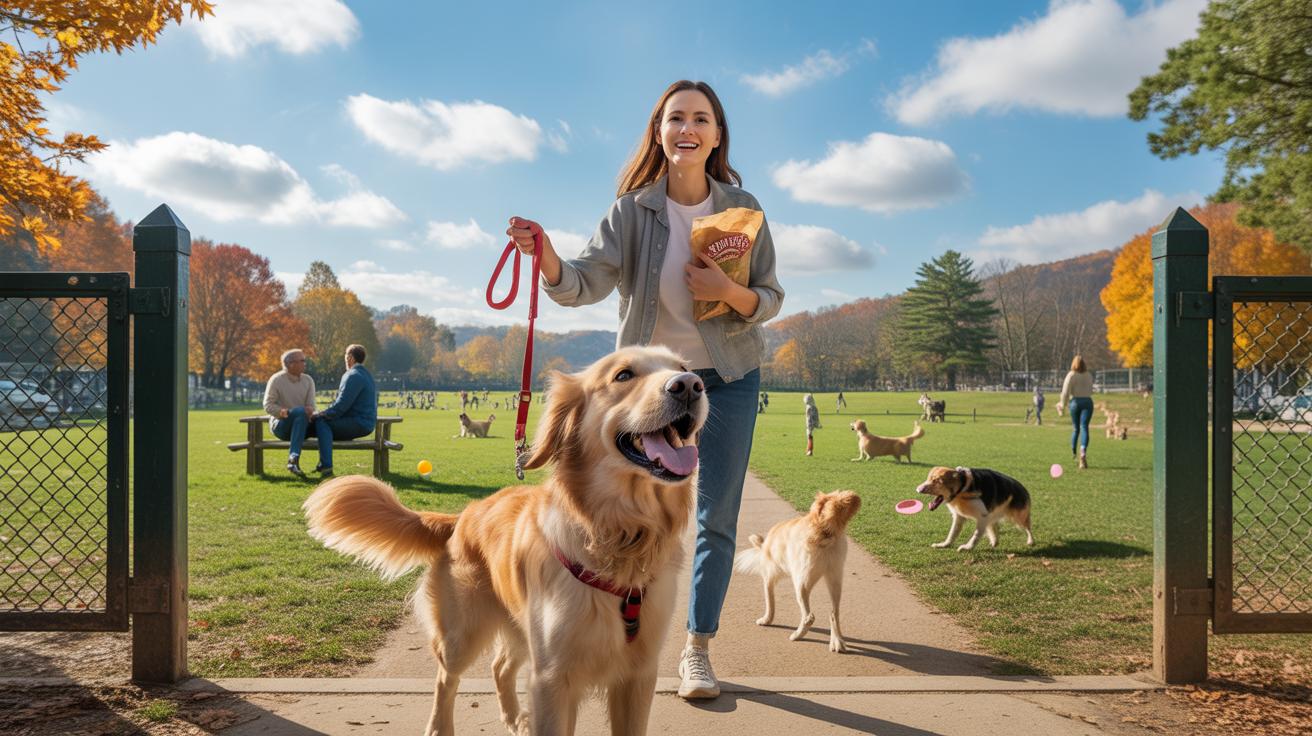
What Is A Dog Park And Why It Matters For Your Dog
Understanding The Purpose Of A Dog Park
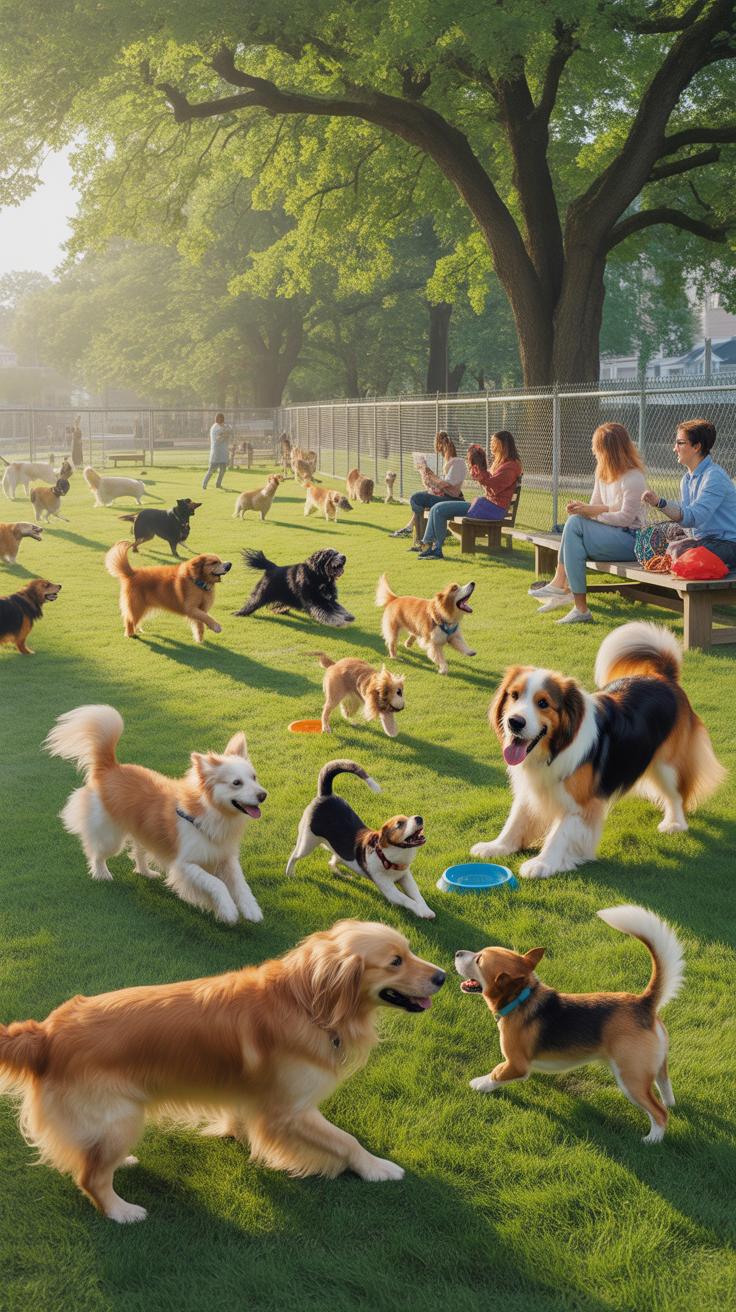
A dog park is a fenced area where owners let dogs run without leashes. These spaces provide a controlled environment for dogs to interact. They serve as a utility for urban pet owners who lack private yards. You use these parks to drain your dog’s energy through high-intensity movement. This helps prevent destructive behaviors in the home caused by boredom or lack of activity.
Strategic dog park use focuses on socialization and exercise. These parks simulate natural pack movement within a human-managed boundary. Most facilities separate small and large breeds to ensure safety and prevent predatory drift. You must understand that these areas are for active engagement. They are not babysitting services. Owners must remain vigilant and monitor all interactions to maintain a high level of safety for everyone.
The Physical And Mental Benefits Dogs Gain From Off Leash Socialization
Off-leash time allows dogs to reach their full sprinting speed. This improves cardiovascular health and builds muscle mass. Leashed walks do not provide the same intensity. Dogs use their nose and body language to communicate with peers. This mental stimulation tires the brain as much as the body. It mimics biological needs for exploration and group dynamics. Your dog stays lean and fit.
Socialization teaches dogs how to read signals from other animals. This reduces fear and aggression in public settings. A dog that learns body language is a safer pet. They become more confident and less reactive to strange sounds or sights. Mental engagement stops cognitive decline and keeps the dog sharp. You get a calmer animal at home. Regular visits transform an anxious dog into a stable companion.

Knowing Your Dog Park Layout Rules And Dog Park Design
How Dog Park Design Shapes The Experience For Dogs And Owners
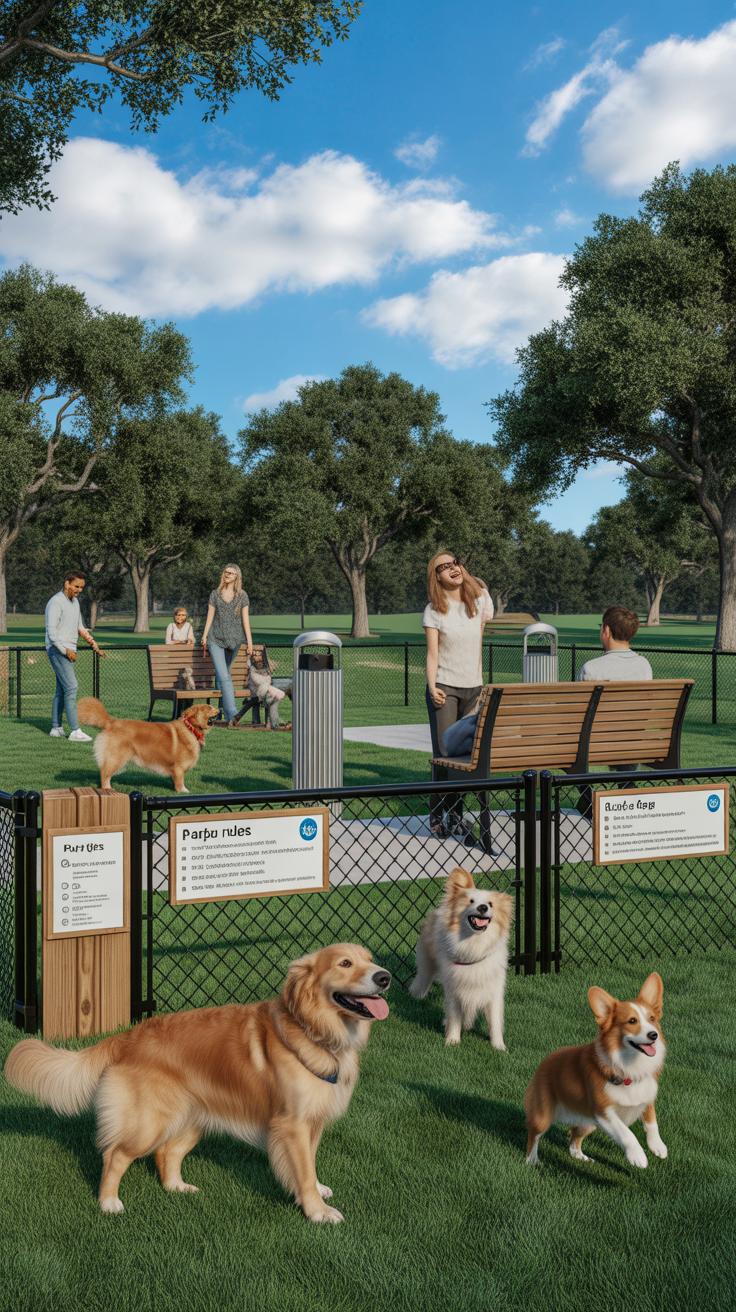
Standard dog park design relies on purposeful zoning to manage animal behavior. Modern parks use double-gate entry systems called sally ports. These vestibules prevent escapes and allow owners to remove leashes in a controlled space. Effective layouts separate large breeds from small breeds using physical barriers. This layout reduces predatory drift and protects smaller animals from accidental injury during high-intensity play sessions.
Surface materials impact dog health and park maintenance. High-traffic areas often feature decomposed granite, specialized K9 turf, or engineered wood fiber. These materials provide better drainage and traction than natural grass. Visual barriers like shrubs or solid fencing help break line of sight. This design choice stops dogs from fixating on triggers outside the fence. Proper drainage prevents stagnant water pools which can harbor dangerous parasites and bacteria.
Reading And Respecting Posted Rules Before You Enter
Municipal codes and liability insurance requirements dictate most dog park rules. You must find the sign posted near the entrance. These signs list age requirements and vaccine mandates. Most parks ban female dogs in heat and puppies under four months old. Ignoring these rules creates immediate safety risks for all users. You are responsible for knowing local leash laws that apply outside the designated fence.

Rules regarding food and toys prevent resource guarding. Many parks prohibit rawhides, treats, and tennis balls to stop fights. Professional handlers watch for these triggers before entering the gate. You must also verify the designated waste disposal protocols. Failure to pick up waste spreads diseases like parvo and hookworms. Tactical preparation means knowing these constraints before you unclip the leash. Check for emergency contact numbers on the signage.
Is Your Dog Ready Assessing Behavior Before The First Visit
Temperament Checks: Signs Your Dog Is Socially Ready For A Doggy Park
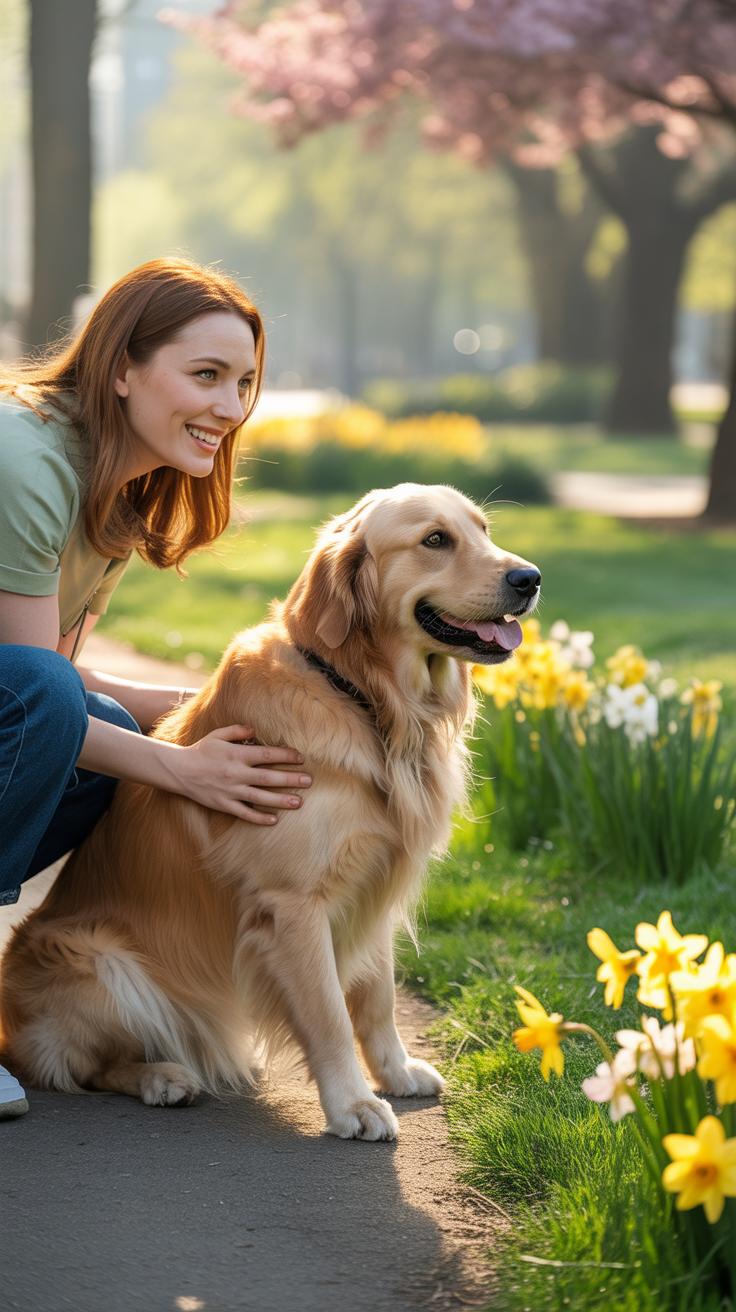
Social readiness requires consistent response to basic commands under pressure. Your dog must demonstrate a reliable recall even when distracted by other animals or smells. A dog ready for the park remains calm when meeting strangers on a leash. They show curiosity rather than fear or stiff body language. Pay close attention to how your dog shares space with others during controlled neighborhood walks.
Reliable social signaling is the foundation of dog park safety. A prepared dog uses soft eyes and a relaxed tail carriage during interactions. They respect the physical boundaries of other dogs and stop play when the other animal retreats. Test these behaviors in small groups or supervised playdates before entering a public space. High energy is acceptable only if the dog maintains self control.
When To Hold Off: Behavioral Red Flags To Address First
Avoid the dog park if your dog shows resource guarding behaviors. This includes snapping or growling over toys, water bowls, or your attention. These traits escalate quickly in a high density environment with multiple loose animals. Fear based reactivity is another major red flag. If your dog lunges or barks at others from a distance, the park will only intensify their stress and aggression.

Hyper arousal often leads to dangerous physical altercations. Dogs that cannot settle down or those that fixate on a single target pose a risk to the group. If your dog has no history of playing with various breeds, start with smaller controlled environments. Lack of a solid recall command is a non negotiable deal breaker. You must have the ability to remove your dog immediately from any potential conflict.
Health And Vaccination Requirements Every Pet Parent Should Know

Core Vaccines And Parasite Prevention Required Before Visiting
Dog parks are high-risk zones for infectious diseases. Communal water bowls and shared soil act as vectors for bacteria and viruses. You must ensure your dog has a full immune response before entry. Veterinary experts recommend completing the primary vaccine series at least fourteen days prior to social exposure. This waiting period allows the body to build necessary antibodies against common park pathogens.
- Rabies Vaccine: This is a legal requirement in most jurisdictions. It protects against a fatal viral disease transmitted through saliva and bites. You must carry proof of current vaccination to avoid fines or expulsion from public dog park facilities.
- DHPP Series: This core vaccine protects against Distemper, Adenovirus, Parainfluenza, and Parvovirus. Parvo is highly contagious and survives in the environment for months. Protecting your dog against these respiratory and gastrointestinal threats is critical in high-traffic canine areas.
- Bordetella: Often called Kennel Cough, this vaccine targets highly contagious respiratory infections. Dog parks are prime locations for airborne transmission of these pathogens. Constant barking and heavy panting in close quarters increase the rate of spread among unprotected dogs.
- Leptospirosis: This bacterial infection spreads through the urine of infected wildlife and can live in standing water or damp soil. Many dog parks have drainage issues or shared puddles. This vaccine is vital for dogs that frequent outdoor recreational environments.
- Parasite Prevention: Fleas, ticks, and intestinal worms thrive in public parks. You must maintain a year-round prevention schedule to protect your dog and others. Heartworm medication and topical or oral flea control prevent local infestations and serious long-term health complications.
Documentation serves as your primary tool for park access. Keep digital copies of your dog’s records on your phone for immediate verification. Some municipal parks requires a visible city license tag on the collar which is only issued after proof of rabies vaccination. Strict adherence to these protocols protects the entire local dog population and minimizes the risk of expensive veterinary emergency visits.
Spay, Neuter, And Age Guidelines Commonly Enforced At Dog Parks
Most public dog parks prohibit intact adult dogs to prevent aggressive behavior and unplanned breeding. Hormones influence social dynamics and often trigger territorial disputes between males. Females in heat attract significant unwanted attention and create high-stress environments for all users. Facility rules typically require dogs over six months of age to be spayed or neutered to maintain a predictable and safe social atmosphere.

Age restrictions exist to protect developing puppies from injury and disease. Puppies under four months old lack a fully developed immune system and have not completed their core vaccine installments. Their bones and joints are also vulnerable to the physical impact of larger, more active dogs. Wait until your dog is mentally and physically mature before engaging in off-leash play. This ensures a positive experience and prevents early trauma.
What To Bring On Your First Visit Bring It On Dogs
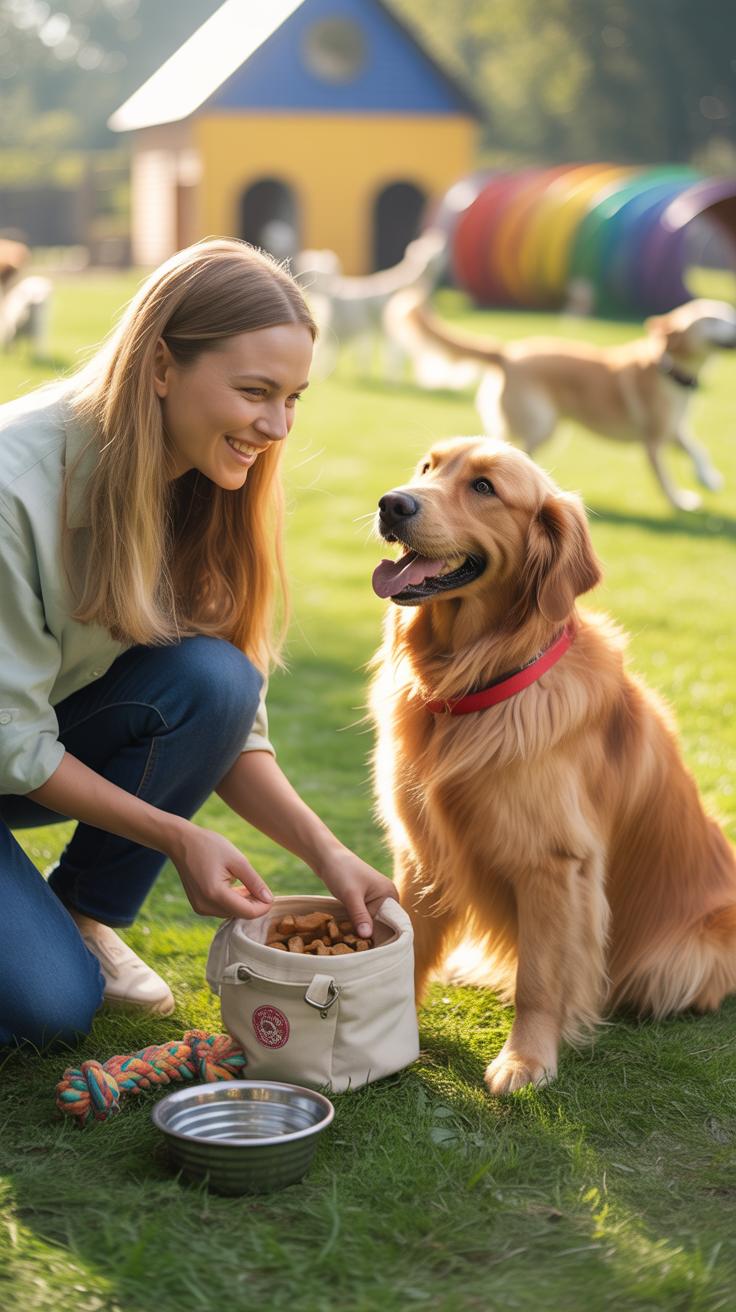
Essential Gear And Supplies To Pack For A Safe And Enjoyable Outing
Effective dog park visit preparation requires specific tools to maintain control and hygiene. You must carry items that address immediate physical needs and potential emergencies. High-quality gear prevents common park failures like dehydration or lost pets. Pack a dedicated bag so you never forget these basics. Preparation dictates whether the outing succeeds or ends in a stressful retreat to the car.
- Short Flat Leash: Use a standard four to six foot nylon or leather leash for entry and exit. Retractable leashes fail in high-traffic areas and cause burn injuries or tangles. A fixed leash provides the leverage you need to navigate the double-gate system safely.
- Fresh Water and Bowl: Do not rely on communal park fountains which often harbor bacteria or parasites like Giardia. Bringing your own filtered water and a collapsible silicone bowl ensures your dog stays hydrated without risking exposure to illnesses from other local animals.
- Waste Bags: Responsible owners carry their own thick puncture-resistant bags. While some parks provide stations, they frequently run out of stock. Immediate cleanup is a legal requirement in most jurisdictions and prevents the spread of hookworms and roundworms throughout the shared grassy areas.
- Current ID Tags: Ensure collar tags are legible and up to date with your mobile phone number. Modern tags should include proof of rabies vaccination as required by local ordinances. If a collar snaps or a dog bolts, visible identification is the fastest way to ensure recovery.
- First Aid Kit: Keep a small kit containing antiseptic wipes, cohesive bandages, and tweezers in your vehicle. Minor pad cuts or briar snags happen frequently during off-leash play. Having these supplies nearby allows you to treat small wounds immediately and prevents infections before you reach a veterinarian.
Carry a cell phone to document incidents or call for help if a conflict escalates. Keep your hands free of bulky items so you can intervene in a fight instantly. Wear closed-toe shoes with good traction to avoid slipping on uneven turf or mud. These items form the tactical foundation of a professional park kit. Check your gear for wear and tear before every single trip.
A dog is the only thing on earth that loves you more than he loves himself, so take it slow and watch his confidence bloom in the open air. Preparation is the key to turning an ordinary afternoon into your puppy’s first great adventure.
What To Leave At Home To Keep The Park Experience Positive
Leave high-value toys and tennis balls at home during your first visit. Resource guarding is a primary cause of dog fights in public spaces. Many dogs become aggressive when a stranger approaches their favorite object. You cannot control how twenty different dogs will react to a squeaky toy. Avoid unnecessary conflict by keeping play focused on social interaction rather than possession of physical items.

Skip the pocket full of pungent treats or human food. Food creates intense competition and can trigger a mob of dogs to swarm you. Some dogs have severe allergies or strict diets that owners manage carefully. Feeding a stranger’s dog without permission is a serious breach of park etiquette. Maintain a neutral environment by removing all food triggers from your person and your dog’s immediate vicinity.
Fun Dog Friendly Park Ideas To Make The Most Of Your Visit
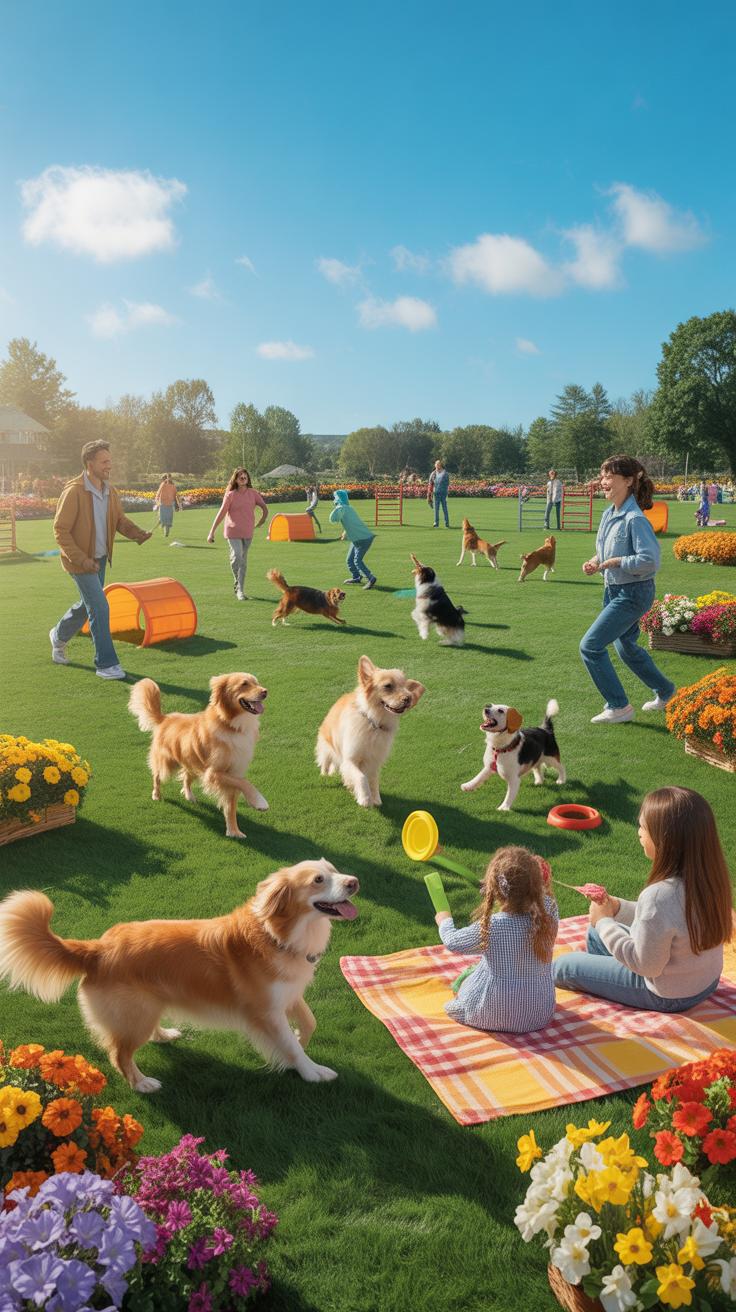
Activities And Games That Encourage Healthy Play At The Park
Healthy play requires structure to prevent overstimulation and fighting. Use ground work to keep your dog focused on you between interactions with other dogs. Practice short recalls to break up high intensity chasing. This keeps the dog in a thinking state rather than a purely reactive one. Reward successful returns with high value praise or brief tactile engagement to reinforce the bond during the visit.
Focus on low impact movement that mimics natural canine behavior. Use the open space for brief sprints or changing directions rapidly. This improves the dog’s spatial awareness and physical coordination. Avoid throwing high value toys or balls if other dogs are nearby to prevent resource guarding. Controlled movement ensures the dog burns energy without triggering predatory drift or aggression. Keep sessions brief to prevent physical exhaustion.
How To Use The Environment To Stimulate Your Dogs Senses
The park environment provides a dense map of olfactory data. Allow your dog to lead the way to different fence lines and grassy patches. Sniffing lowers a dog’s heart rate and provides mental decompression. This processed information tells the dog about the health and presence of other animals. Identifying these scents serves as a natural form of mental enrichment that tires them out faster.

Utilize the varying terrain found in well designed parks. Walking on different textures like wood chips, sand, and large rocks builds proprioception. Use elevation changes like hills or ramps to engage different muscle groups. Navigating these physical obstacles forces the dog to concentrate on paw placement and balance. This environmental engagement builds confidence and provides a more comprehensive workout than just running on flat concrete or grass.
Dog Park Etiquette Being A Responsible And Respectful Visitor
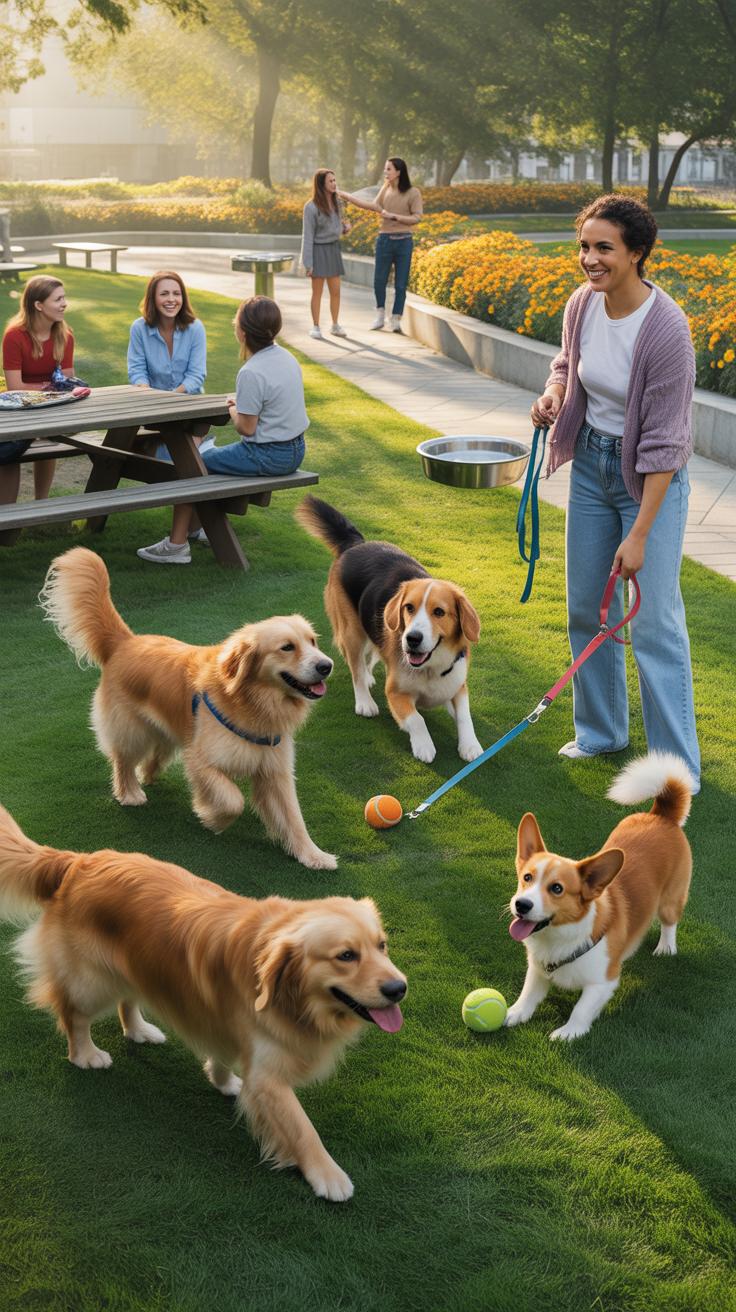
How To Supervise Your Dog And Intervene Safely During Play
Constant visual contact with your dog is mandatory. Put your phone away and watch for changes in body language. Look for stiff postures or tucked tails. These signs indicate stress or impending aggression. You must move toward your dog if play becomes one-sided or frantic. Proximity allows you to act fast before a situation escalates into a physical fight.
Physical intervention requires caution to avoid personal injury. Never grab a collar during a fight because you might get bitten. Use a loud noise or a physical barrier to break focus. If you must pull dogs apart, use the wheelbarrow method by grabbing the hind legs. Immediately remove your dog from the area to de-escalate the tension and prevent a second encounter.
Interacting Respectfully With Other Dogs And Their Owners
Communication with other owners prevents most park conflicts. Always ask before letting your dog approach a new group. Some dogs have specific fears or training goals. Respect the personal space of every person and animal present. If another owner asks you to move your dog, comply without argument. Maintaining a neutral and cooperative environment ensures safety for everyone inside the fence.
Control your dog to prevent them from jumping on people or crowding the gate. Congestion at the entry point causes high stress and leads to bites. Clean up all waste immediately to maintain hygiene and follow local health laws. Do not bring food or high-value toys into the space. These items trigger resource guarding and territorial behavior. Following these basic rules keeps the park open and functional.
Ideas For Dog Friendly Parks Finding The Best Spot In Your Area
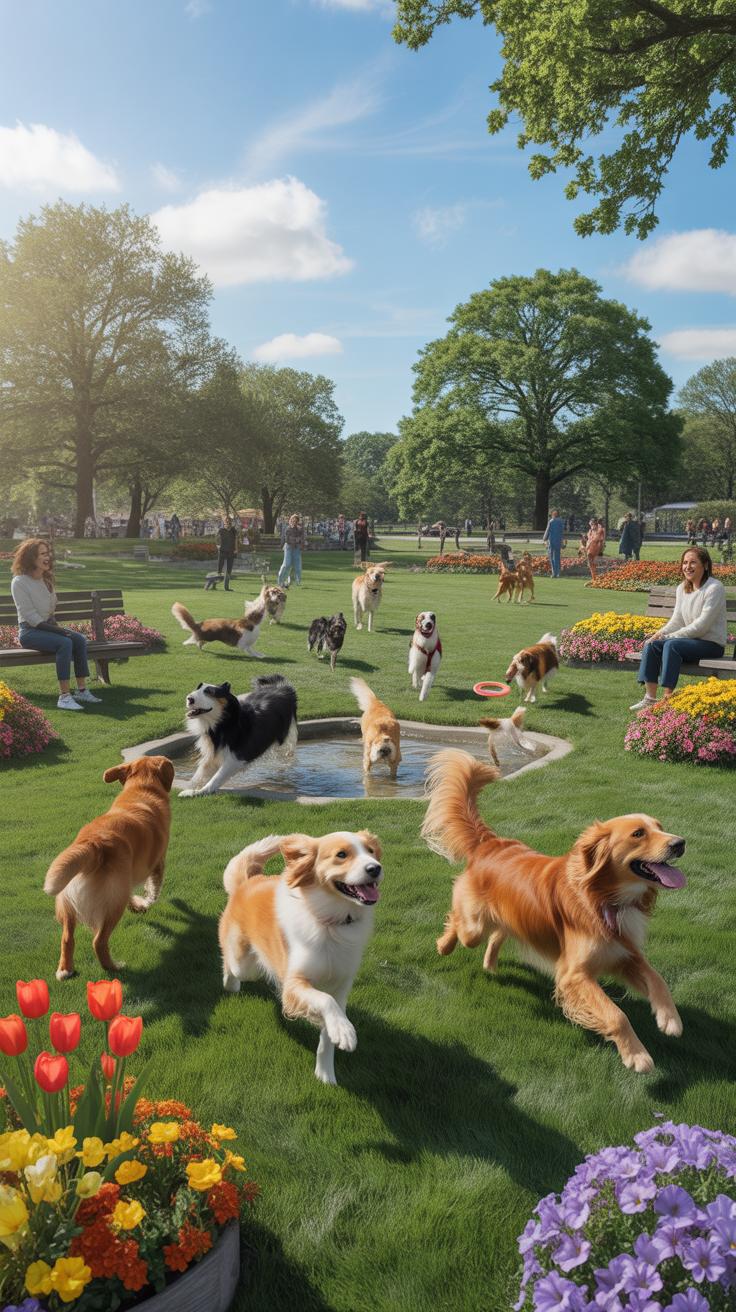
How To Research And Evaluate Local Dog Parks Before Visiting
Digital research provides the first layer of defense for your dog. Start by checking municipal websites for official rules and maintenance schedules. Read recent community reviews to identify recurring issues like broken gates or aggressive dogs. Satellite imagery helps you confirm the layout and perimeter security. Look for distinct sections that separate small dogs from large breeds. This physical separation prevents predatory drift and keeps smaller animals safe.
Visit the park without your dog during peak hours. Observe the behavior of the owners and the cleanliness of the grounds. Note if people actively monitor their pets or stare at their phones. Check for stagnant water or overflowing trash bins that attract pests. Identifying these red flags early prevents a bad first experience for your pet. A well-managed park has clear signage and visible protocols for emergencies or rule violations.
What Makes A Great Dog Park Experience Worth Returning To
Superior park design prioritizes safety and utility over aesthetics. High-quality facilities feature double-gated entry systems to prevent accidental escapes. Effective drainage systems keep the ground dry and limit the spread of soil-borne parasites. Look for ground covers like specialized K9 grass or engineered wood fiber. These materials protect paws and reduce the risk of injury during high-speed play. Functional amenities like reliable water stations and shade structures are also essential.

Consistency in the local community defines a successful park habitat. Regular visitors who follow etiquette create a predictable environment for social learning. Professional trainers often prefer parks with ample space to allow for natural flight or fight distances. Wide-open sightlines enable you to track your dog at all times. If the park stays clean and the users remain vigilant, it is a viable location for long-term dog park visit preparation.
Frequently Asked Questions

Is my puppy old enough for their very first dog park outing?
Most veterinarians recommend waiting until your puppy is at least sixteen weeks old and fully vaccinated before their first dog park visit preparation begins. It is vital that your dog has completed all rounds of rabies, distemper, and parvovirus shots to ensure they stay healthy. Additionally, your pup should have basic socialization skills established so they feel confident and secure when meeting larger, more energetic dogs in a communal off-leash environment.
What essential items should I pack for a successful trip to the dog park?
Proper dog park visit preparation involves packing a dedicated gear bag for your pup. Always bring a sturdy leash, plenty of waste bags, and a portable water bowl to keep your pet hydrated. While some parks provide water stations, having your own prevents the spread of germs. You should also carry a small first-aid kit and updated ID tags. Avoid bringing favorite toys or high-value treats, as these can sometimes trigger resource guarding.
Are there free public dog parks available, or do I need a paid membership?
Many local municipalities offer excellent public dog parks that are completely free to use. However, some premium community dog parks require a small annual fee or a permit to ensure all visiting pets are registered and vaccinated. Accessibility varies by city, so check your local parks and recreation website. Investing a little time in research helps you find a well-maintained space that fits your lifestyle and your budget perfectly.