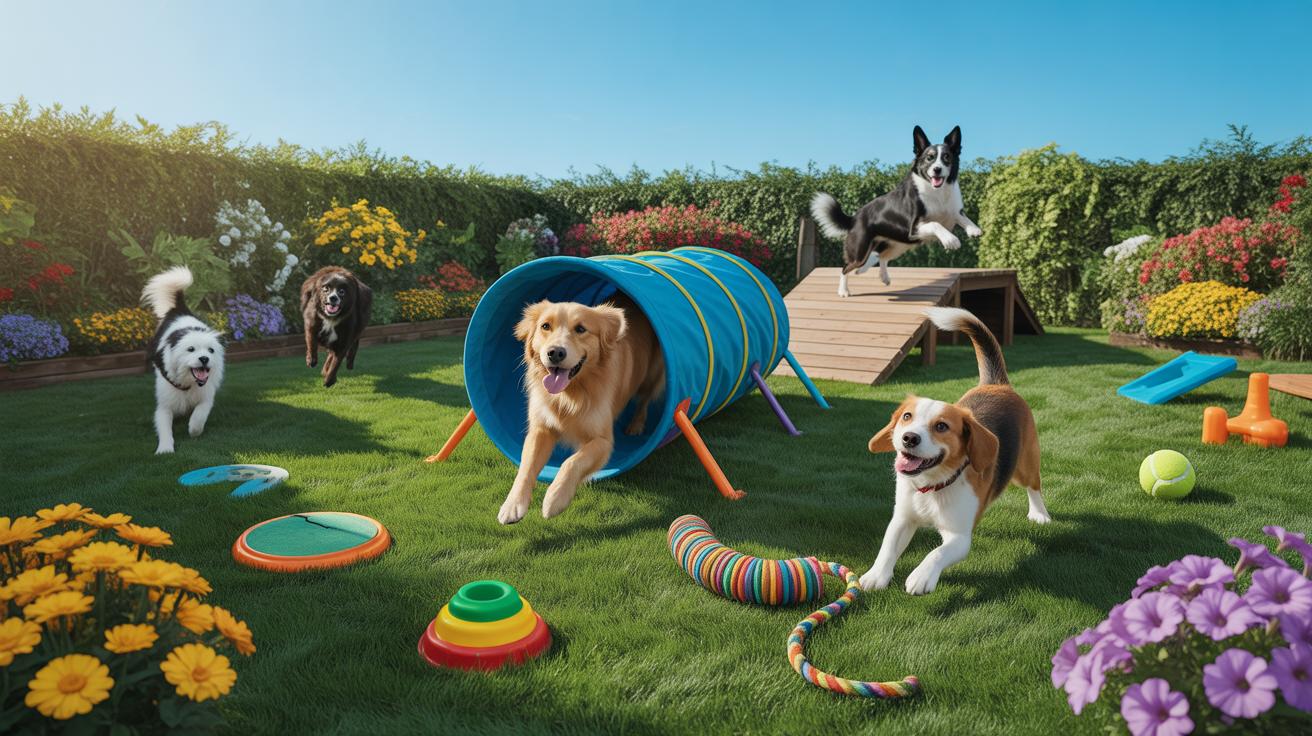
Why Every Dog Needs A Dedicated Backyard Dog Playground
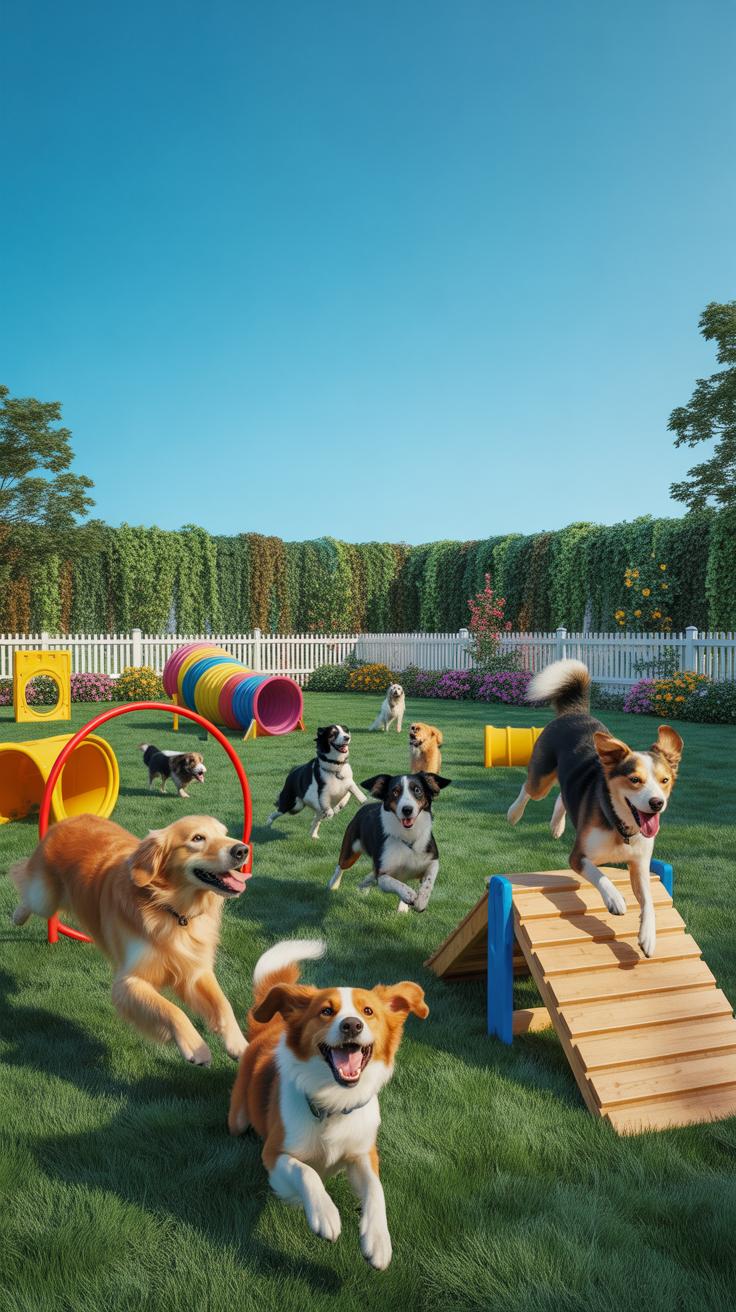
The Physical And Mental Benefits Of Outdoor Play For Dogs
Dogs require consistent movement to maintain joint health and cardiovascular fitness. A dedicated play area encourages high-intensity exercise like sprinting and jumping. These activities prevent obesity and muscle atrophy. Fresh air and sunlight exposure regulate circadian rhythms in canines. This ensures better sleep patterns and overall biological health. Physical exertion also reduces the risk of chronic diseases associated with sedentary lifestyles.
Mental stimulation is just as critical as physical output. A play zone offers varied sensory inputs through different textures and heights. Digging and climbing engage a dog’s natural instincts. This prevents boredom and reduces destructive behaviors like chewing or excessive barking. Strategic play environments keep the brain active and sharp. Mental fatigue from play leads to a calmer temperament inside the home.
How A Designated Play Zone Protects Your Lawn And Garden
Dogs focus their energy on specific spots when left to roam freely. This creates dead grass and deep holes across the entire yard. A designated zone uses durable materials like pea gravel or specialized artificial turf to handle heavy traffic. These materials drain efficiently and withstand repetitive paw impact. Concentration of activity prevents widespread soil compaction. Your main lawn remains healthy and visually consistent.
Strategic fencing and surfacing guide the dog away from sensitive flower beds and vegetable gardens. You control where the waste and nitrogen-heavy urine land. This makes cleanup easier and protects expensive landscaping from chemical burns. Defining these boundaries eliminates the need for constant supervision. You save money on lawn repairs and chemical treatments by sacrificing a small, controlled area. A focused design preserves the total property value.

Planning Your Dog Friendly Backyard What To Consider Before You Build
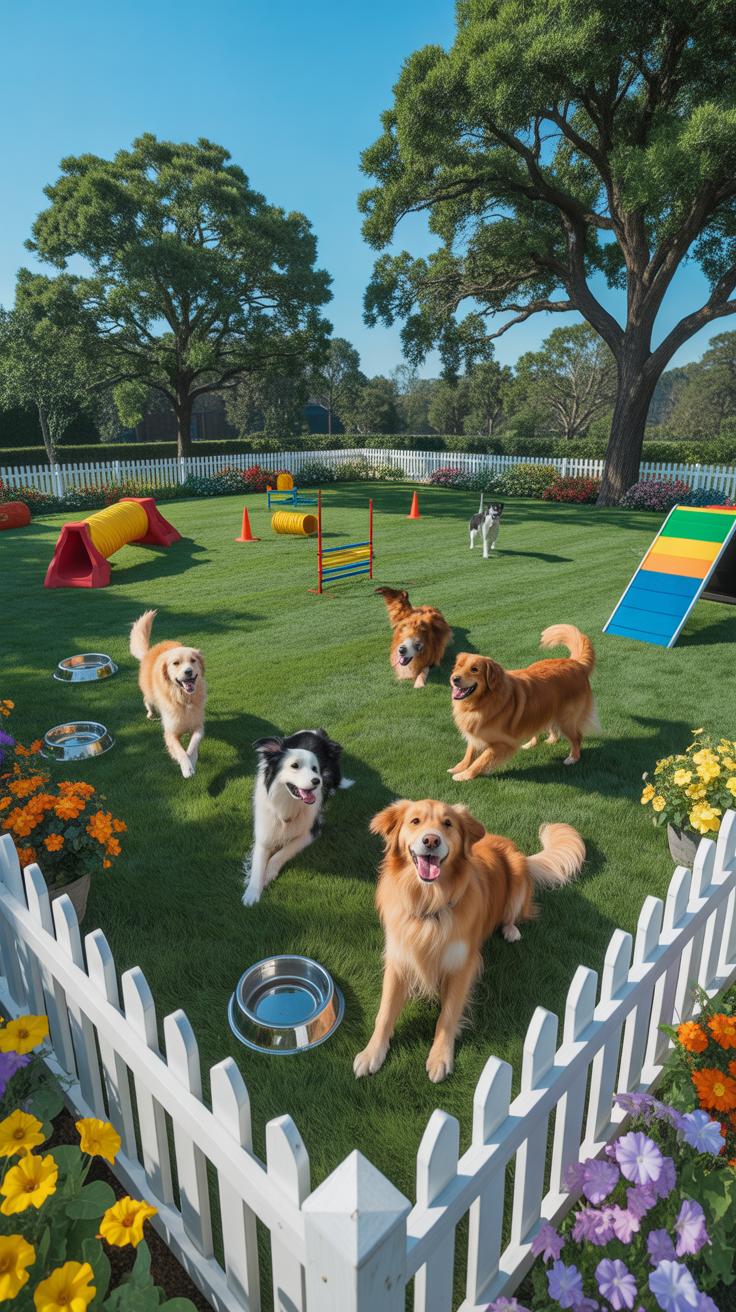
Measuring Your Space And Understanding Your Dogs Play Style
Measure your yard dimensions before buying any materials. Small yards require vertical solutions or compact agility tools. Large yards allow for high-speed running tracks and dedicated digging zones. Map out existing structures like trees, patios, and sheds. Identify sun and shade patterns throughout the day. Your dog needs cool areas to rest during peak heat. Note the drainage slopes to avoid mud pits.
Identify your dog’s specific instincts to dictate the layout. High-energy breeds like Border Collies need straight paths for sprinting. Terriers require designated digging spots to protect your lawn. Scent hounds benefit from perimeter paths that allow them to patrol the fence line. Match the equipment to these behaviors. Proper planning prevents wasted money on features your dog will never use or might even destroy.
The greatest gift you can give your dog is a little patch of earth and your time, no matter how simple the fence or worn the ball. Happiness isn’t found in what you spend, but in the wagging tail that greets you in the grass.
Choosing Safe Non Toxic Materials For Your Dogs Environment
Eliminate toxic plants and chemically treated wood from your design. Many common mulch types, like cocoa bean shells, contain substances that harm dogs if swallowed. Pressure-treated lumber from decades ago often contained arsenic. Modern ACQ-treated wood is safer but still requires a sealant. Choose natural stone or heat-resistant pavers for hardscaping. These materials last longer and do not leach harmful chemicals into the soil.

Select ground covers that withstand heavy paw traffic and urine. Avoid synthetic turf that lacks a cooling infill, as it burns paws in summer. High-quality fescue or clover blends offer durability and soft landing spots. If using gravel, select smooth river stones rather than sharp crushed limestone. Avoid small pebbles that dogs can swallow. Durable materials reduce long-term maintenance costs and keep your pet safe from preventable injuries.
Budget Friendly Dog Yard Ideas Play Areas You Can Build This Weekend
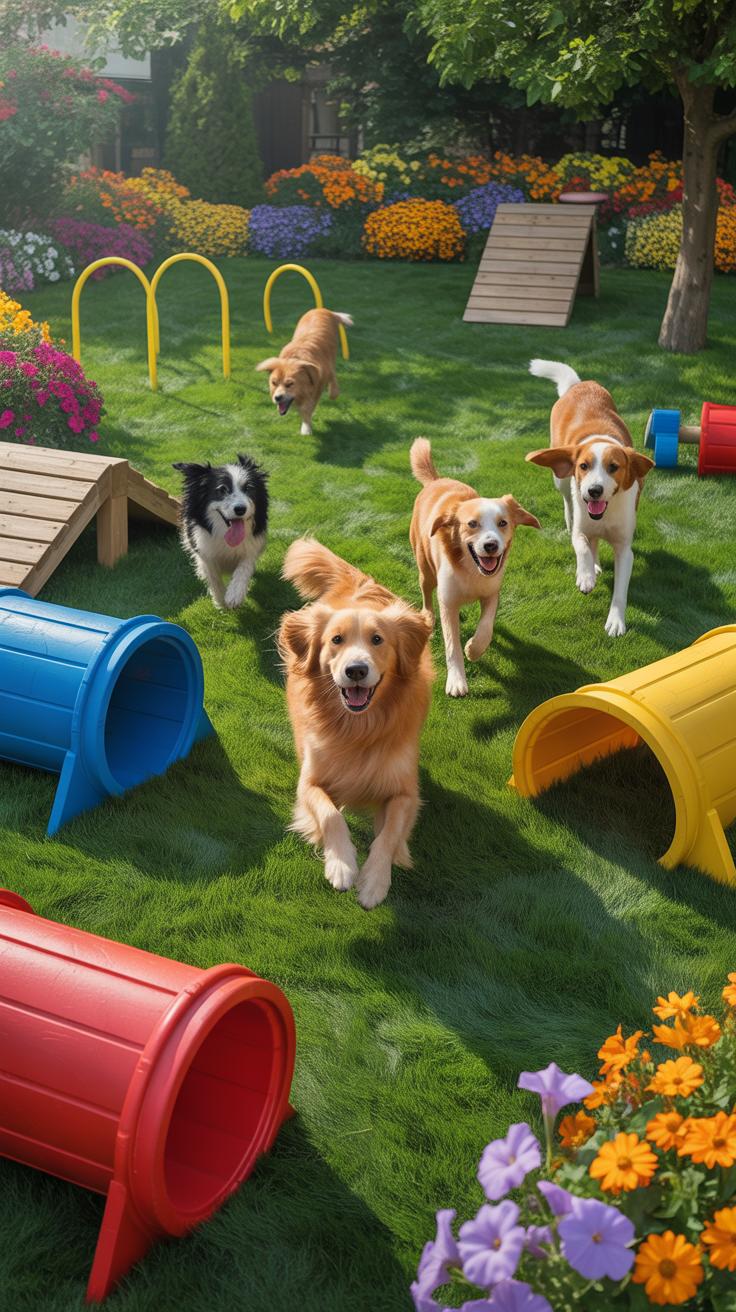
Repurposing Everyday Items Into Engaging Play Structures
Repurposing household items saves money and reduces waste. Old tractor tires serve as durable climbing platforms or tunnels when partially buried. Clean plastic barrels make effective hollow tunnels for agility training. Wooden pallets can become sturdy decks for sunbathing if you sand the surfaces and remove protruding nails. These materials withstand weather and heavy use. Always inspect used items for chemical residues or sharp edges before installation.
Building these structures requires basic tools like a drill and a saw. You must secure all components to prevent tipping during high-energy play. Use heavy duty zip ties or exterior screws for assembly. Situate these items on level ground to ensure stability. This approach mimics professional agility courses without the high retail cost. Proper placement encourages natural canine behaviors like climbing and jumping while keeping the dog focused on designated zones.
Affordable Ground Cover Options That Are Safe For Dog Paws
Standard grass often fails under constant paw traffic and nitrogen-heavy urine. Pea gravel provides a cost-effective alternative that allows for rapid drainage. This smooth stone stays cool and does not cling to fur or paws. Wood chips are another viable option if they are certified cedar or hemlock. Avoid cocoa mulch because it contains chemicals toxic to dogs. Proper ground cover protects the soil and prevents mud from entering your home.
Artificial turf remnants offer a high-end look for a fraction of the price. Check local landscaping liquidators for these leftovers. Installing a gravel or wood chip base underneath improves drainage and reduces odors. Always maintain a depth of three inches for loose materials to provide adequate cushioning. This depth protects joints during landings from play structures. Consistent maintenance involves raking the surface to keep it level and removing waste to ensure long-term hygiene.
Designing The Ideal Dog Backyard Layout For Small And Large Breeds
Tailoring Play Area Size And Features To Your Dog’S Breed And Energy Level
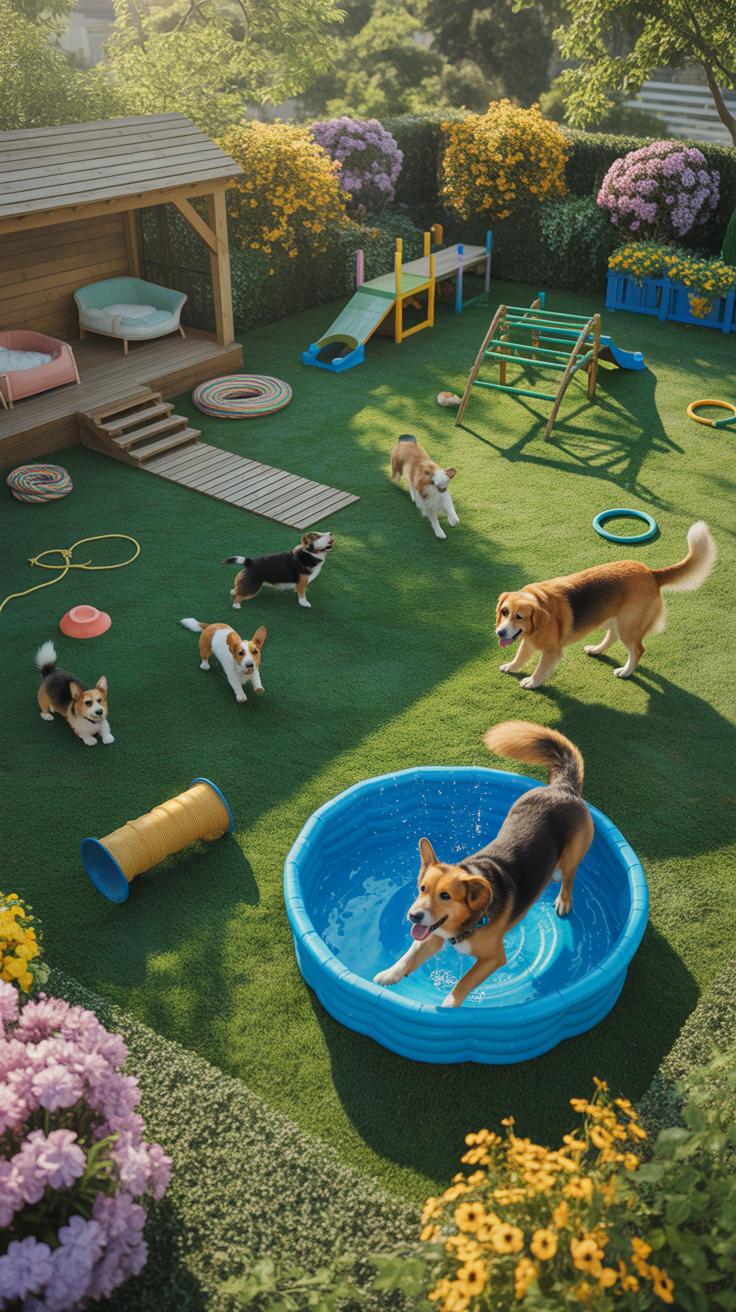
Large breeds require long runways to reach full speed without hitting fences. High-energy dogs like Border Collies need vertical challenges and agility equipment to burn mental energy. Small breeds focus more on sensory exploration and safety. Use solid barriers to prevent small dogs from getting stuck in gaps. Match the scale of every feature to the physical reach and weight of the specific animal.
Select materials based on the force of impact and wear. Turf and rubber mats suit heavy runners that tear up natural grass. Small dogs benefit from soft clover or fine pea gravel that stays cool on paws. Install tunnels and platforms that match the dog’s height. Do not use oversized obstacles for small dogs as they cause joint strain. Prioritize durability for large dogs and enclosure security for small breeds.
Zoning Your Backyard: Separating Play, Rest, And Potty Areas
Effective layout design prevents behavioral issues by creating distinct functional zones. Place the potty area in a back corner using gravel or wood chips for drainage. Use physical barriers like low decorative fencing to mark the boundary clearly. This distance keeps the main play area sanitary and reduces odor. High-traffic zones near the door should remain clear to prevent collisions when the dog exits the house.

Assign the central space for high-impact activities like fetching or running. Locate the rest area in a shaded spot away from the noise of the street. Use raised beds or concrete pads to keep dogs cool and dry. Separating these zones stops dogs from digging in the wrong spots. Clear paths between zones allow the dog to move naturally without destroying the landscape or garden beds.
Must Have Features For A Safe Dog Play Area Outdoor
Fencing Solutions That Keep Dogs Secure Without Sacrificing Style
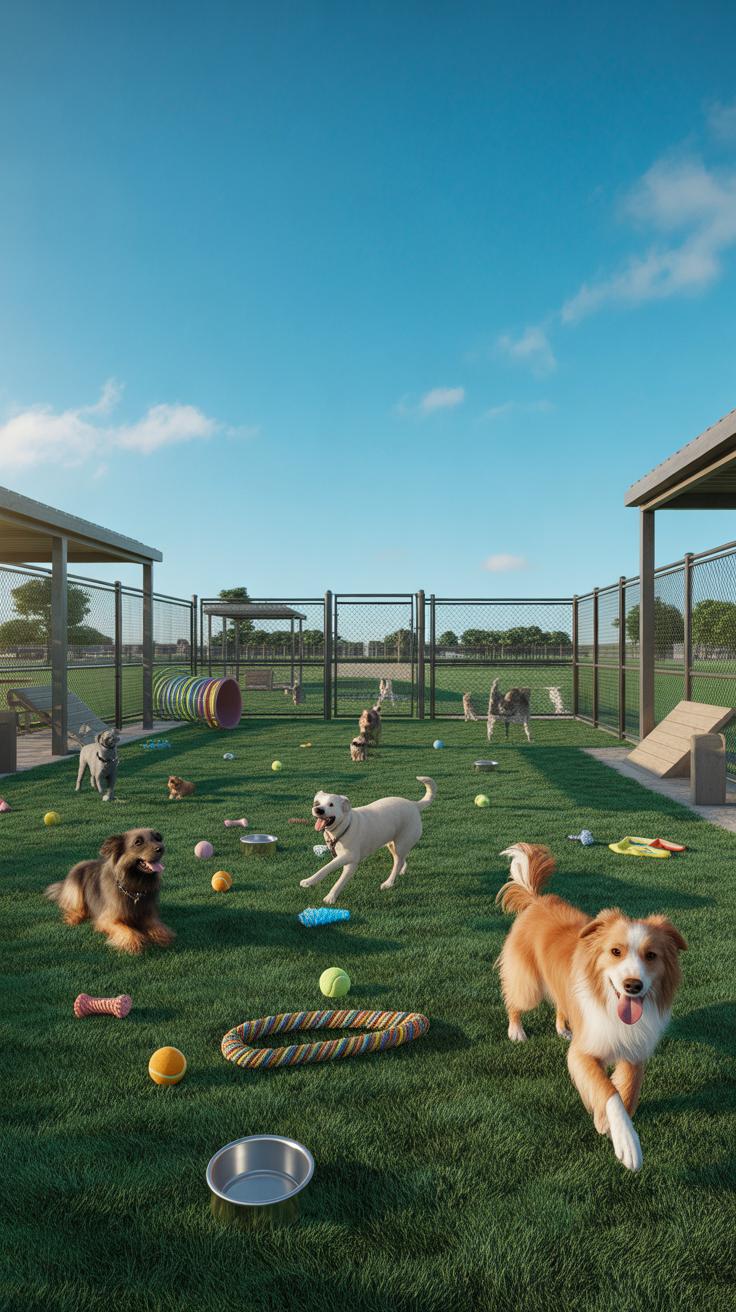
Standard chain link fences provide high visibility but look industrial. Successful builders choose wooden privacy fences or vinyl options for a cleaner look. These materials block visual triggers like passing cars or stray cats. This reduces excessive barking and territorial stress. Solid barriers also prevent dogs from sticking their heads through gaps. Ensure the fence height matches your dog breed jumping ability.
Strategic owners use cattle panels or black aluminum fencing for a modern aesthetic. These options provide strength without blocking the backyard view. Dig a trench and bury the bottom of the fence to stop diggers. Concrete footings or hardware cloth prevents escapes under the perimeter. Always check local zoning laws before choosing height or material. Secure latches must stay out of canine reach.
Essential Safety Checks Every Dog Owner Should Perform Regularly
Regular inspections prevent injuries and escapes before they happen. Physical wear and tear from weather and play degrades materials over time. Gates often sag and latches fail after heavy use. Checking the perimeter weekly ensures you find holes or loose boards quickly. You must verify that your dog has not found new ways to bypass the existing safety measures.
- Fence Integrity Check: Walk the entire perimeter to find loose boards, rusted wire, or gaps. Small holes allow predators in and dogs out. Check that the fence remains firmly anchored in the ground at every post.
- Toxic Plant Audit: Identify every plant in the play zone to ensure they are non-toxic. Common landscaping plants like sago palms or azaleas cause severe illness. Remove any poisonous growth or berries immediately to keep the area safe.
- Hardware and Latch Test: Open and close all gates to verify they lock and swing correctly. Self-closing hinges often lose tension and need adjustment. Lubricate moving parts to prevent sticking and ensure the latch catches every single time.
- Ground Surface Inspection: Search for sharp rocks, broken glass, or exposed roots that cause paw injuries. Fill any deep holes that could lead to tripped limbs or broken bones. Ensure the drainage system prevents stagnant water and mud buildup.
- Shade and Water Access: Confirm the shade structures are stable and provide enough coverage throughout the day. Check water sources for cleanliness and clear any debris from bowls or fountains. Dogs need constant access to cool areas and hydration.
Pest control represents another critical pillar of site safety. Fleas and ticks hide in tall grass and dense shrubbery. Keep the lawn short to minimize these risks. Check for wasp nests or beehives under benches and play equipment. If you use chemical treatments, ensure the product dries completely before allowing the dog outside. Consistent maintenance creates a predictable and secure environment for daily exercise.
Fun And Stimulating Dog Outdoor Play Area Enrichment Ideas
Agility Inspired Obstacles That Keep Dogs Physically Active
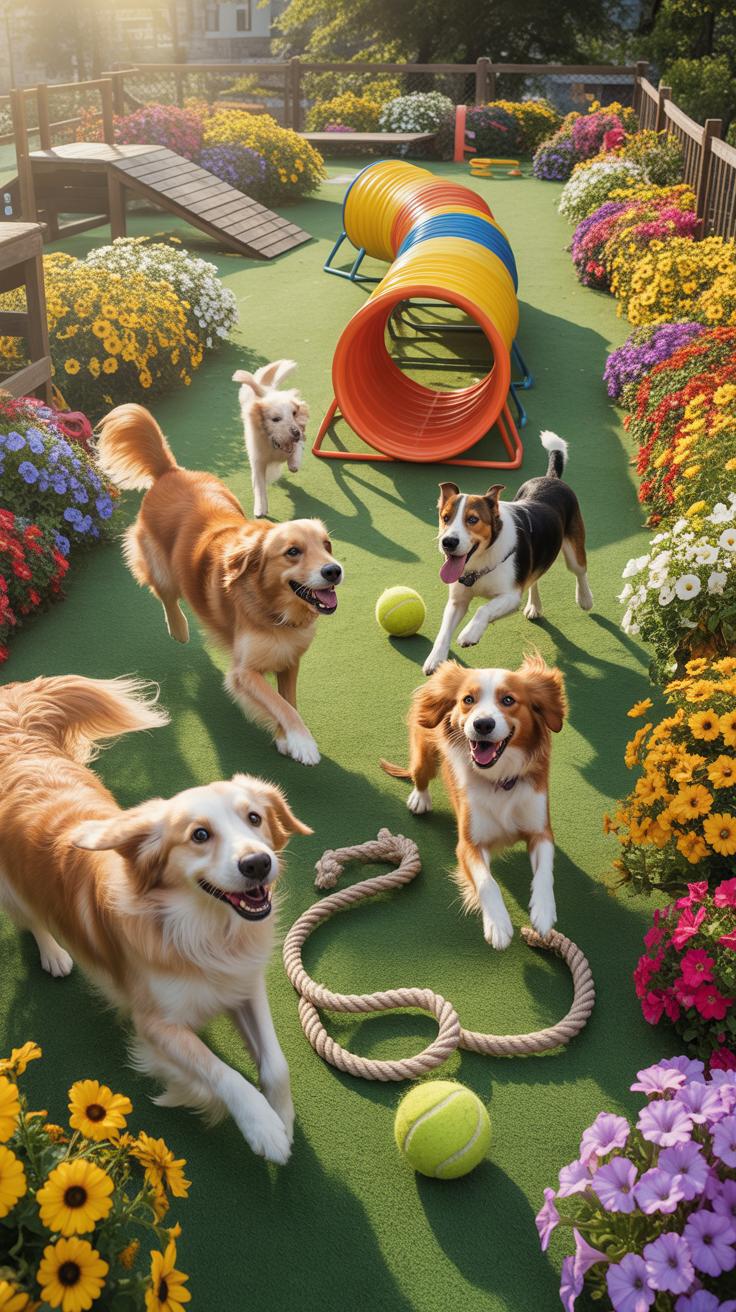
Agility training builds muscle and improves coordination in all breeds. You can build jumps using PVC pipe or repurposed wood. These structures force the dog to lift its feet and engage its core muscles. Start with low heights to prevent joint strain. High-impact movements require a soft landing zone. Use cedar chips or rubber mulch to absorb shock. These materials protect the dog during jumps.
Strategic placement of weaving poles encourages lateral movement and spinal flexibility. You can use simple garden stakes or bamboo rods for this purpose. Ensure the poles have enough space for the dog to pass through without hitting its ribs. Durable tunnels made of reinforced plastic offer mental stimulation. Dogs learn to navigate dark spaces while maintaining speed. These obstacles turn a standard yard into a functional training ground.
Sensory And Digging Zones That Satisfy Natural Canine Instincts
Dogs possess a biological drive to dig and explore scents. Preventing this behavior creates stress and destructive habits. A dedicated sandpit or dirt box gives the dog a legal place to dig. This protects the rest of the lawn from damage. You should hide toys or treats under the surface to encourage engagement. This setup mimics hunting behaviors found in wild canine ancestors.

Sensory gardens use specific textures and scents to calm the animal. Plant dog-safe herbs like lavender or rosemary along the perimeter of the play area. These scents provide mental enrichment through olfaction. Different ground surfaces like smooth river rocks or wood rounds stimulate the paws. These zones lower cortisol levels and provide mental fatigue. A tired dog is less likely to bark or chew on fencing.
Step By Step Playground Backyard DIY Projects For Dog Owners
How To Build A Simple Dog Tunnel And Jump Using Basic Lumber
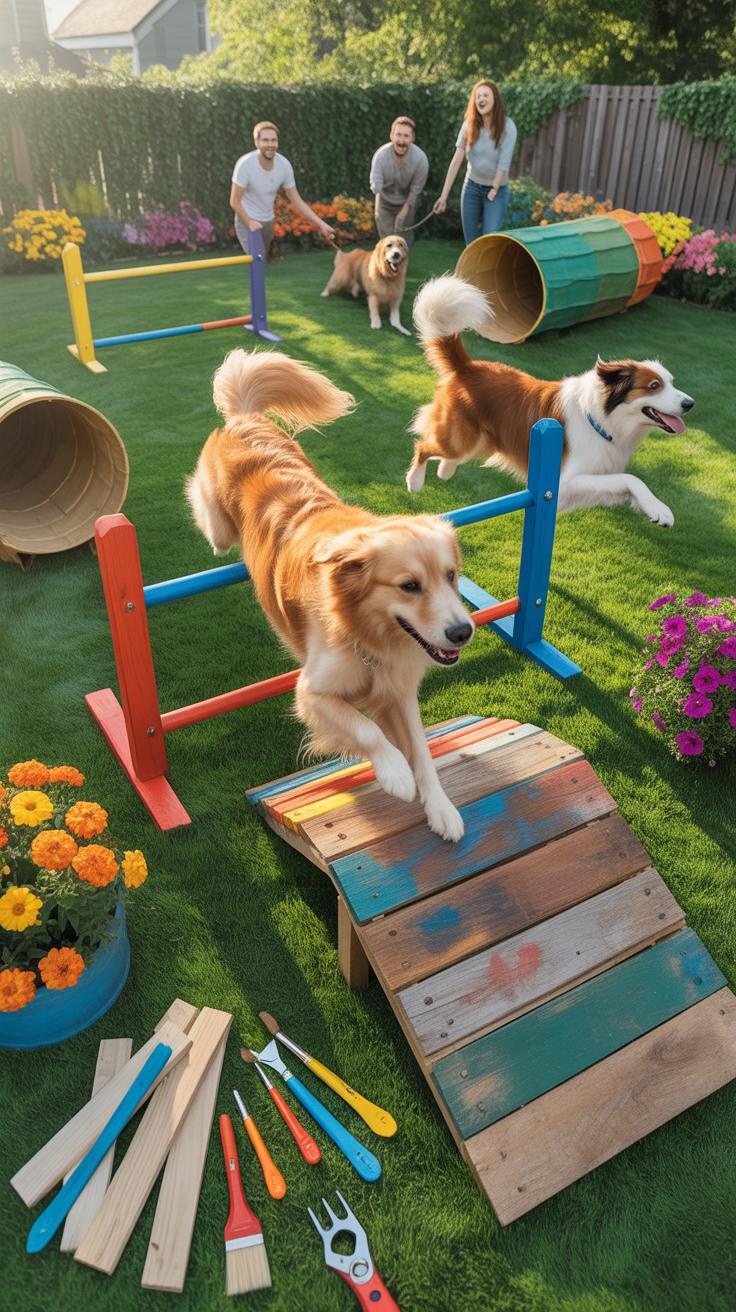
Standard agility tunnels use wire and fabric. You can build a more durable version using large diameter corrugated drainage pipe or high-density polyethylene. Secure the pipe between two wooden cradles made from pressure-treated lumber. This prevents the tunnel from rolling while the dog moves through it. Cut the lumber into four short legs and two arched supports. Bond the wood with exterior grade screws to ensure structural stability during high-speed impact.
Construct a dog jump using two vertical posts and a horizontal bar. Use a spade bit to drill holes at varying heights in the upright 4×4 posts. This allows you to adjust the jump height as the dog gains confidence. Insert dowels into the holes to hold the crossbar. Use a PVC pipe for the bar because it drops easily if the dog hits it. This safety feature prevents injuries to the dog legs and joints.
DIY Dog Water Play Station: A Splash Pad Built On A Tight Budget
Dogs regulate their body temperature through their paws and panting. A DIY splash pad provides immediate cooling during summer months. Start by excavating a shallow area and lining it with a heavy-duty pond liner. This creates a waterproof secondary containment zone. Use a standard garden hose attachment connected to a perforated PVC perimeter. This setup distributes water evenly across the surface without requiring expensive plumbing or professional installation.
- Pond Liner: Choose a durable 45 mil EPDM liner to prevent punctures from dog nails. This material withstands UV exposure and remains flexible in cold weather. It serves as the primary water barrier for the base.
- PVC Piping: Use 3/4 inch Schedule 40 PVC for the spray frame. It is rigid enough to hold pressure but easy to cut with manual tools. Drill small holes every six inches to create the spray effect.
- Anti Slip Surface: Apply outdoor rubber mats over the liner to ensure traction. Smooth plastic surfaces become slippery when wet and lead to joint injuries. Textured rubber provides the grip necessary for safe high-speed play.
- Standard Hose Adapter: Install a brass female hose swivel to connect your garden hose. Brass resists stripping better than plastic alternatives. This component allows for a quick connection to your existing outdoor water spigot.
- Submersible Pump: Add a small pump if you want to recycle water. This reduces total water waste during long play sessions. Ensure the pump has a filter to keep dog hair from clogging the internal mechanics.
Position the splash pad on a slight slope to manage runoff effectively. Stagnant water attracts insects and bacteria that harm animal health. Direct the overflow toward existing garden beds to repurpose the water for irrigation. Check all PVC connections for leaks before burying the pipe edges under gravel or mulch. This tactical approach ensures a clean play environment while keeping construction costs low and maintenance tasks simple.
Creating A Shaded And Weather Ready Dog Play Yard For Year Round Use
Shade Structure Options That Protect Dogs From Heat And UV Exposure
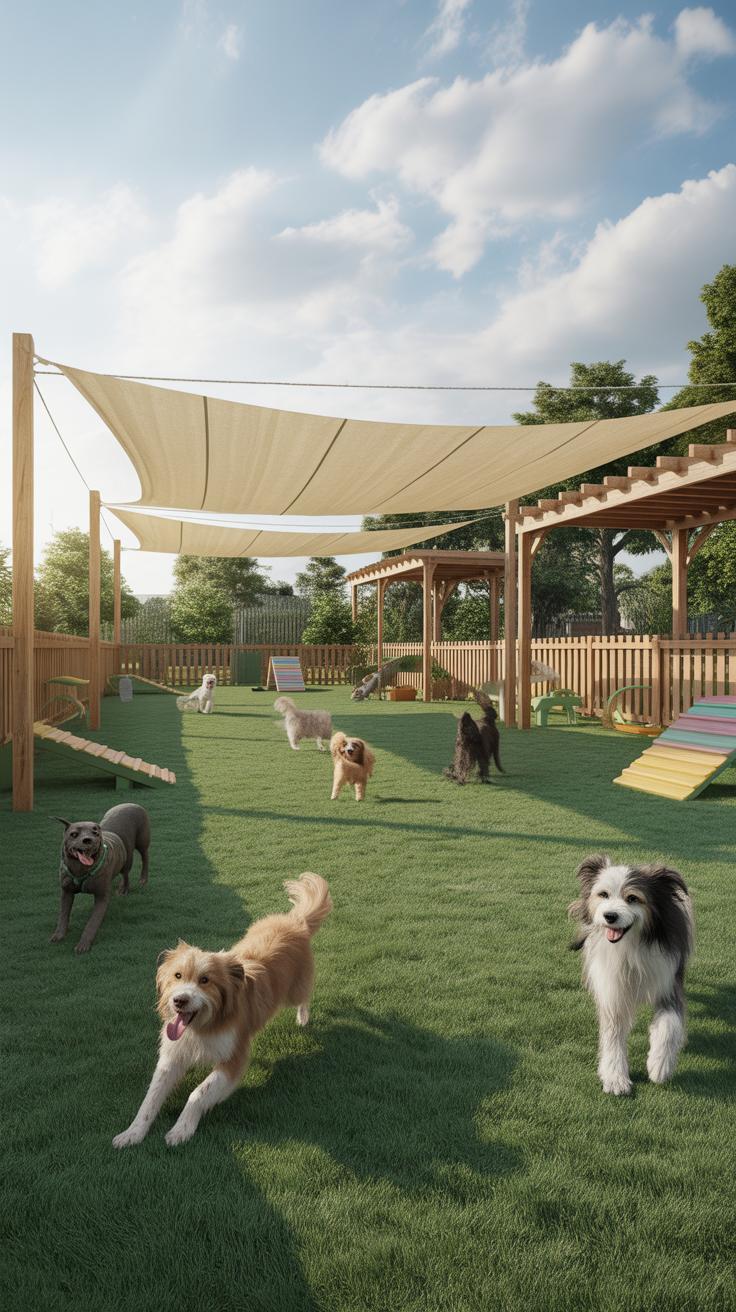
Dogs face real risks from heatstroke and skin cancer during peak sun hours. High-density polyethylene shade sails offer professional-grade UV protection while allowing airflow. You must anchor these structures to sturdy posts or house eaves to handle wind loads. Tension keeps the fabric tight to prevent water pooling. Position these sails to account for the moving sun throughout the day.
Permanent structures like pergolas or pavilions provide reliable cooling for larger yards. You can add lattice walls to block low-angle sunlight in the late afternoon. Natural shade from trees works well but requires regular maintenance to remove falling debris. Avoid toxic plants when selecting trees for the play area. Consistent shade prevents the ground surface from reaching temperatures that burn sensitive paw pads.
All Weather Surfaces And Drainage Tips To Keep The Play Area Usable
Proper drainage keeps the play area functional during the rainy season. Excavate the site and install a sub-base of crushed stone or gravel. This layer allows water to move away from the surface instead of forming mud pits. Deep drainage prevents bacteria growth and keeps the yard sanitary. Use a slight slope to direct runoff toward a French drain or dry well.

Select surface materials that drain quickly and withstand heavy use. K9-specific artificial turf features a perforated backing for rapid liquid transit. If you prefer natural options, use cedar wood chips or engineered wood fiber. These materials do not turn into mud and stay cooler than concrete. Avoid smooth stone or tile because they become slippery and dangerous when wet. Correct grading ensures the play yard stays dry and ready.
Upgrading To A Premium Dog Play Area With Mid To High Budget Features
Installing Artificial Turf: Pros, Cons, And What To Look For
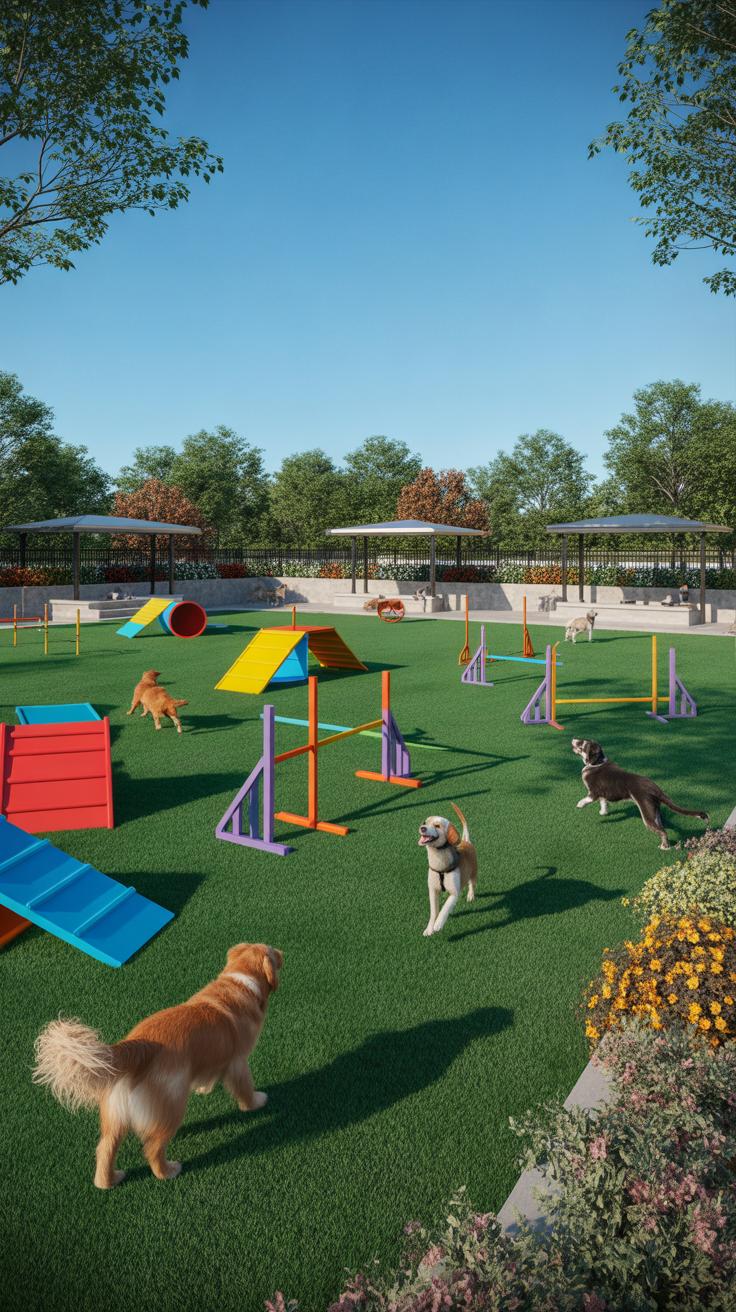
Artificial turf eliminates mud and withstands heavy paw traffic better than natural grass. High budget projects require specific pet grade turf with permeable backing. This backing allows urine to drain straight through to the base layer. You must install a crushed stone subbase to ensure proper drainage. Without this base, odors will build up and ruin the investment quickly.
You must select turf with antimicrobial protection built into the blades. This feature prevents bacteria growth from waste. Premium turf also stays cooler because it uses heat reflective technology. Check the face weight of the grass blades for durability. Higher weight means the turf lasts longer under heavy running. Regular rinsing with water and occasional enzyme cleaners keeps the surface sanitary and smelling fresh.
Professional Grade Agility Equipment And Custom Dog Play Structures
Standard plastic tunnels break down in the sun. Professional grade equipment uses galvanized steel and high density polyethylene. These materials resist rust and UV damage for years. Fixed structures like A-frames and pause tables should have rubberized coatings. This provides maximum grip for the dog and prevents slips during high speed play. Secure these items into the ground using concrete footings.
Custom structures allow you to integrate the play area into your landscape design. Built in ramps and shaded decks give dogs a place to climb and rest. Use composite decking like Trex instead of pressure treated wood to avoid splinters. Ensure all heights follow safety standards for your specific dog breed. Professional installations focus on structural integrity and non-toxic materials. Proper spacing between obstacles prevents injuries during high energy runs.
Maintaining And Refreshing Your Dog Play Area To Keep It Safe And Fun
Routine Cleaning And Maintenance Schedules For Outdoor Dog Spaces
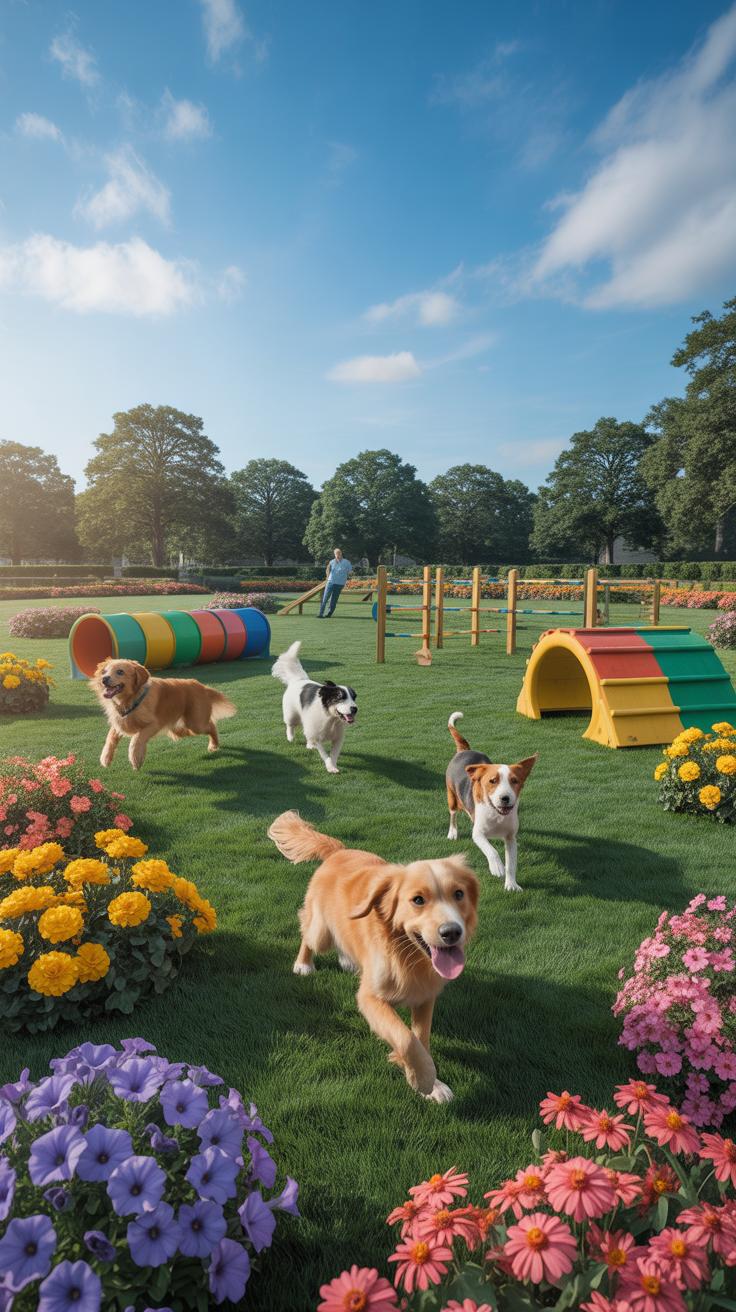
Biological waste destruction is the primary maintenance task. You must remove solid waste daily to prevent parasite transmission and turf damage. Use high-pressure water to rinse urine from permeable surfaces like gravel or synthetic grass. This prevents ammonia buildup and foul odors. Inspect the perimeter fence every week for holes or loose boards. Dogs exploit small structural failures quickly.
Sanitize hard surfaces twice monthly using pet-safe cleaners. Avoid bleach near permeable soils where it can leach into the ground. Check all play equipment for hardware fatigue or rust. Tighten bolts on agility A-frames and sand down wooden splinters. Replace worn mulch or wood chips to maintain proper impact cushioning. Consistent upkeep prevents expensive repairs and protects the long-term health of your dog.
Seasonal Updates And New Enrichment Ideas To Prevent Boredom
Environmental stagnation leads to destructive behavior. Rotate your dog’s outdoor toys every month to maintain high engagement levels. Introduce scent-based games by hiding treats in different zones of the yard. Change the layout of portable agility tunnels or hurdles to create new physical challenges. These small adjustments force the dog to solve new spatial problems. This mental fatigue is as important as physical exercise.
Temperature changes require functional updates to the play zone. Add a shallow cooling pool or a shaded sandpit during summer months to prevent overheating. Use high-visibility toys and cleared paths during winter to maintain activity levels in snow. Evaluate the wear patterns on your grass or turf each season. Move heavy equipment to different spots to allow high-traffic areas to recover. Strategic rotation extends the life of your landscape materials.
Frequently Asked Questions

What are the essential elements of a successful dog play area?
A great play area focuses on safety, stimulation, and comfort. Start by ensuring the perimeter is secure with sturdy fencing. Incorporate various textures like grass or sand, provide plenty of shade for resting, and always include a fresh water station. When exploring backyard dog play area ideas, remember that your pet’s personality should lead the design, whether they prefer high-energy agility courses or quiet spots to sniff and explore.
How can I create a dog-friendly obstacle course at home?
You can easily build a DIY agility course using common household items. Use PVC pipes to create adjustable hurdles, or line up sturdy hula hoops for jumping drills. Larger plastic tubs can serve as platforms for “place” training. These backyard dog play area ideas keep your pup mentally sharp and physically active without requiring professional equipment. Just ensure all materials are sanded smooth and stable enough to support your dog’s weight.
Can I build a fun dog zone if I am on a tight budget?
Absolutely! You don’t need a fortune to create a paradise for your pup. Repurpose old tractor tires as climbing structures or use a simple plastic kiddie pool for a cooling splash zone. Natural elements like logs and large stones make excellent, free climbing features. Creative upcycling is the best way to implement backyard dog play area ideas that are both environmentally friendly and gentle on your wallet while keeping your dog entertained.