Understanding The Core Differences Between A Pet Sitter And A Boarding Kennel

What Does A Pet Sitter Actually Do For Your Dog
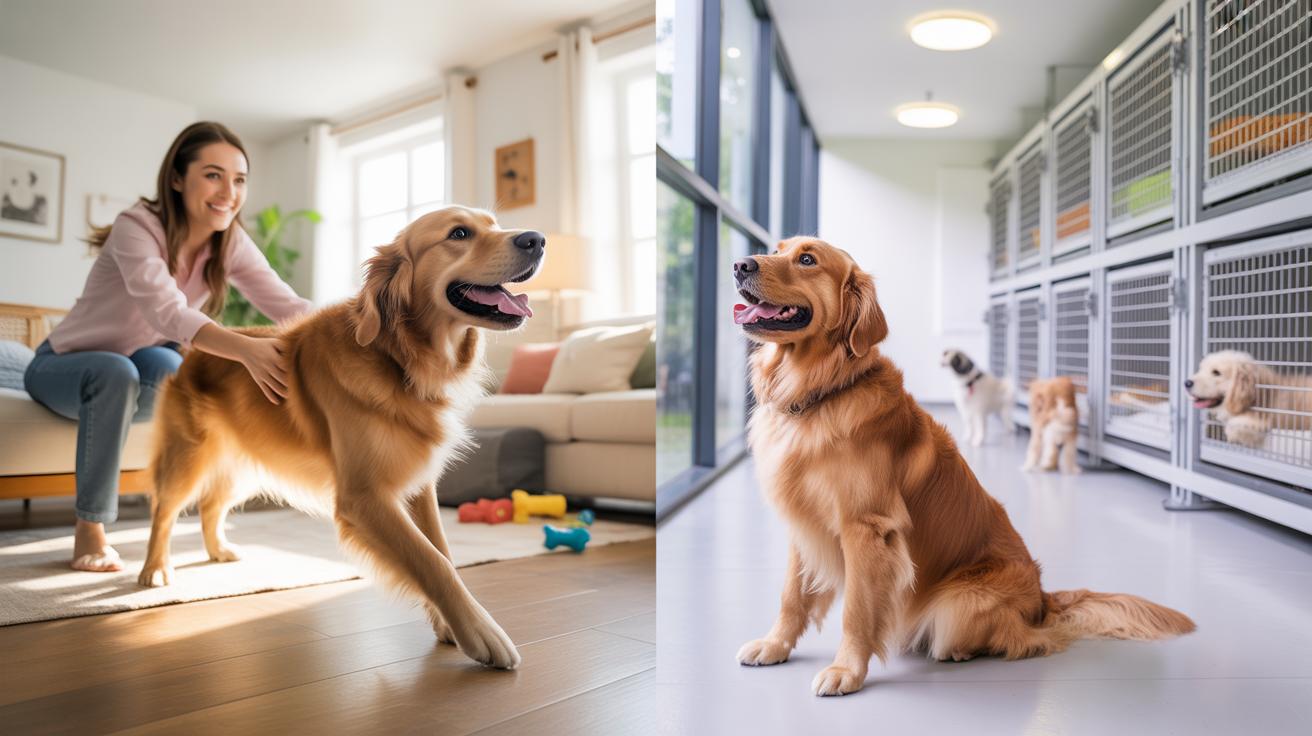
A pet sitter travels to your home to care for your dog in its own environment. This service maintains the animal’s daily routine without the stress of transportation. Sitters handle feeding, exercise, and basic hygiene tasks during scheduled visits or overnight stays. You control the environment and the schedule. This approach eliminates exposure to unfamiliar animals and reduces its anxiety significantly.
Professional sitters provide personalized attention that fixed facilities cannot match. They monitor your dog for health changes and follow specific medical instructions exactly. Most sitters also offer secondary home security by collecting mail and cycling lights. This model works best for dogs with separation anxiety or compromised immune systems. You pay for the sitter’s time and expertise rather than a physical space in a facility.
What To Expect When You Choose Dog Boarding At A Kennel
Dog boarding involves moving your pet to a specialized facility for a set duration. These businesses provide a secure kennel or suite and follow a standardized operational schedule. Staff members rotate shifts to ensure constant supervision and environmental maintenance. Most facilities offer structured exercise periods, social play groups, and professional cleaning protocols. You benefit from a high-security setting designed specifically to prevent pet escapes.
Modern kennels use industrial materials like stainless steel and tempered glass for sanitation and safety. They require proof of vaccinations to protect the entire population from infectious diseases. Large facilities often provide add-on services like grooming or training sessions during the stay. This option suits social dogs that handle new environments well. You pay a daily rate based on the size of the enclosure and level of care.

How Your DogS Temperament Should Guide Your Pet Sitting Vs Boarding Decision
Why Shy Or Anxious Dogs Often Thrive With Pet Sitting Services
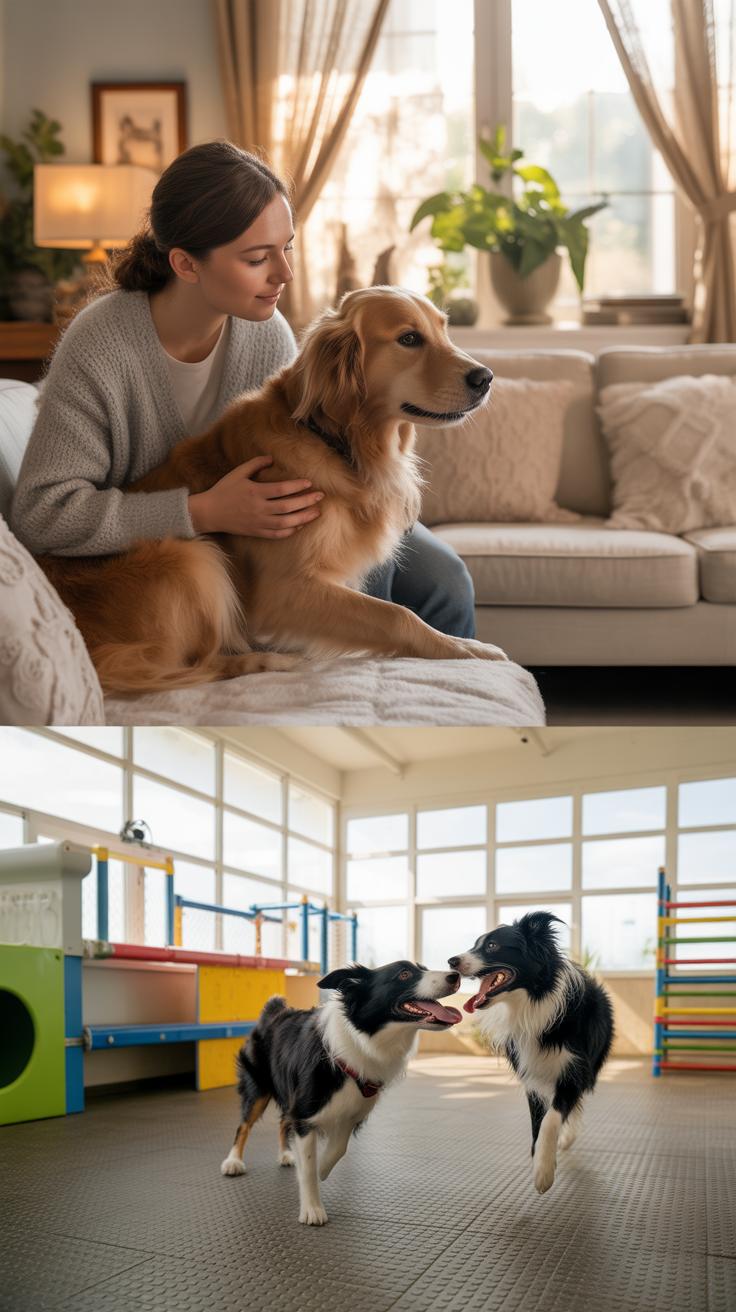
Shy dogs rely on predictable environments to manage cortisol levels. A pet sitter maintains the animal’s established routine within their own home. This prevents the sensory overload common in high-traffic facilities. Staying home eliminates the stress of transport and exposure to unfamiliar territories. Your dog sleeps in their own bed and eats from their usual bowls. Constant environmental cues provide a necessary sense of safety and security.
Isolation from other animals prevents defensive aggression or shutdown behaviors. Anxious dogs often struggle with the barking and scent of strange dogs. A one-on-one sitting arrangement removes these triggers entirely. The sitter focuses solely on your pet’s specific body language and needs. This targeted attention helps maintain emotional stability during your absence. Routine remains the best tool for managing canine anxiety. Localized care ensures that your dog stays calm.
Somewhere between the comfort of a familiar rug and the excitement of a new pack, your dog’s heart knows exactly where it belongs. The best choice is always the one that keeps their tail wagging and their spirit at peace.
Why Sociable Dogs Can Genuinely Enjoy Dog Boarding Environments
High-energy dogs with strong social drives benefit from the stimulation of boarding kennels. These facilities offer regular group play sessions and interaction with new people. Constant activity prevents boredom and destructive behaviors caused by pent-up energy. Social dogs view the kennel as a recreational space rather than a confinement area. Facilities often provide structured exercise that exceeds what a single visitor can offer at home.

Professional boarding staff manage group dynamics to ensure safe play. For dogs that crave communal living, the presence of other canines provides mental enrichment. This environment mimics a pack structure that many extroverted breeds find rewarding. The constant noise and movement do not distress a confident animal. Instead, these factors provide a rotating series of distractions. Choosing a kennel honors the natural social instincts of a well-socialized dog.
The Role Of Routine And Home Environment In Pet Sitting

How In Home Pet Sitting Preserves Your Dogs Daily Routine
In-home pet sitting keeps your dog on a fixed schedule. Many dogs rely on strict timing for feedings and walks. Pet sitters follow your specific instructions to the minute. This consistency prevents the physical stress that comes with sudden changes. You control the diet and exercise intervals directly. The professional sitter executes your plan without the variables found in a commercial facility.
A boarding kennel operates on a facility-wide schedule that dictates when every dog eats or sleeps. This forced structure often disrupts a dog’s internal clock. In-home care eliminates this conflict by maintaining your dog’s established habits. The animal stays in its primary territory where it understands the rules. This continuity supports better digestion and more predictable behavior during your absence.
The Emotional Benefits Of Keeping Dogs In A Familiar Setting
Dogs are territorial animals that feel safest in known environments. Keeping a dog at home removes the sensory overload of a kennel. There are no barking strangers or concentrated smells of other animals. The home environment provides constant visual and olfactory cues that signal safety. This biological sense of security lowers cortisol levels. Your dog remains relaxed because its surroundings stay unchanged.

Separation anxiety often worsens in new or loud locations. A familiar home setting mitigates this reaction by providing physical comfort points like a favorite bed. The dog avoids the trauma of transport and the confusion of a cage. Emotional stability helps the dog maintain regular sleep patterns and an active appetite. By removing environmental stressors, you preserve the mental health of your pet while you are away.
Modern Dog Kennel Design And How It Has Transformed The Boarding Experience
How Modern Dog Kennel Design Prioritizes Canine Comfort And Stress Reduction
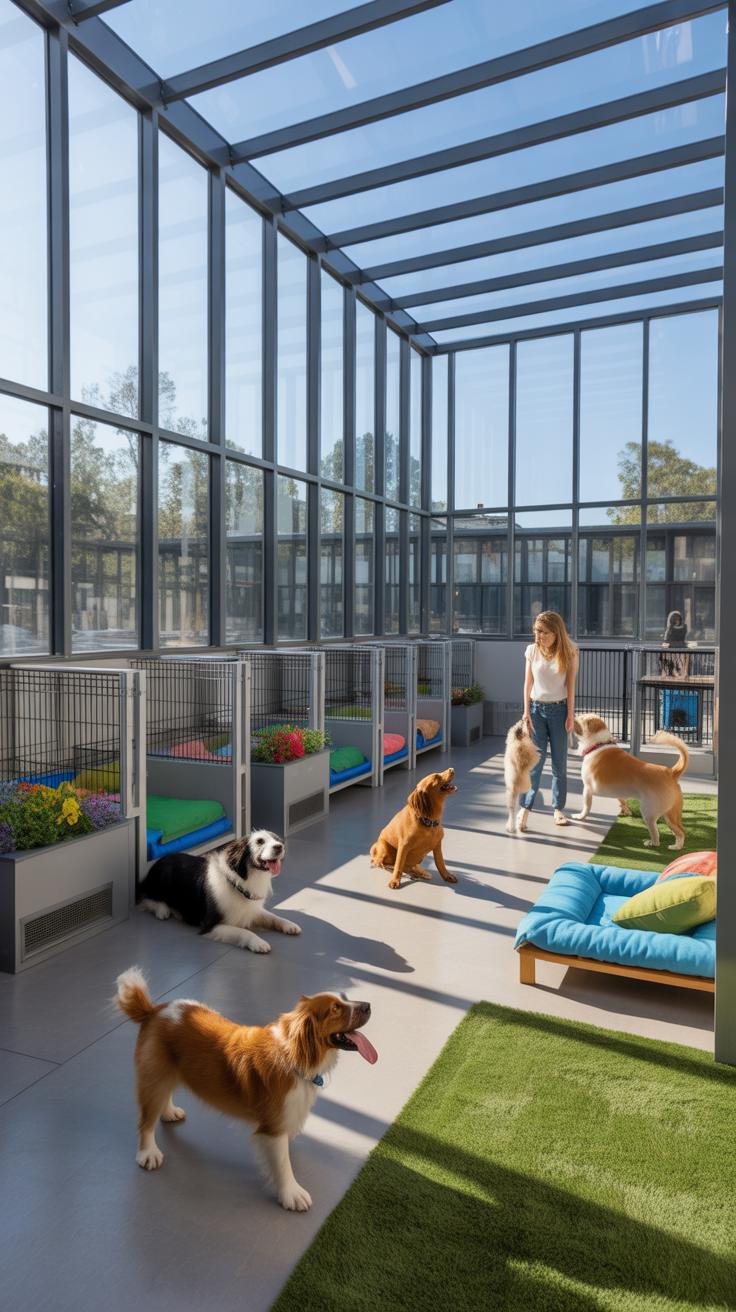
Modern kennel design focuses on fear-free principles to lower cortisol levels in dogs. Facilities now move away from the loud, echoing concrete bunkers of the past. Engineers prioritize acoustic control to dampen barking noise. Sound-absorbing ceiling baffles and specialized wall panels prevent noise loops. These tactics stop the cycle of reactive barking. Reduced noise translates directly to lower stress for every animal in the building.
Physical layout also shifted to improve canine mental health. Modern builds use staggered door designs so dogs do not have to make direct eye contact with strangers across the hall. This reduces territorial aggression and anxiety. High windows provide natural light without allowing visual triggers from the outside. Proper HVAC systems ensure high air turnover rates. Fresh air prevents the buildup of pheromones that signal distress to other dogs.
Key Features To Look For When Touring A Dog Boarding Facility
Visual inspection reveals if a facility follows modern safety and hygiene standards. Look for non-porous surfaces that resist bacteria and facilitate deep cleaning. Professional designs utilize epoxy-coated floors or sealed masonry rather than raw concrete. Check for raised bedding areas that keep dogs off the floor. These features protect joint health and keep the dog dry. Ventilation should feel fresh and smell neutral at all times.
- Acoustic Management: Quality facilities install sound-dampening materials to control volume. Excessive noise causes chronic stress in dogs and leads to behavioral fatigue. Look for thick insulation or specialized foam panels on the ceilings.
- Visual Barriers: Solid walls between runs prevent fence fighting and barrier frustration. Dogs feel safer when they have a private area where other animals cannot stare at them. This design promotes better rest and digestion.
- Professional HVAC Systems: High-end kennels use industrial air filtration systems to prevent the spread of airborne pathogens. Look for separate air zones that keep different wings of the facility isolated. This setup stops the rapid spread of kennel cough.
- Sanitary Flooring: Sealed epoxy or high-grade rubber floors are essential for sanitation. These materials do not have cracks where urine or bacteria can hide. Floors should slope slightly toward dedicated drainage systems to ensure quick drying after cleaning.
- Direct Outdoor Access: Many modern kennels feature indoor-outdoor runs with secure dog doors. This allows the dog to choose their environment throughout the day. Dual-access runs reduce indoor soiling and give the dog a sense of control over their space.

Evaluate the drainage system during your tour for operational efficiency. Visible floor drains must be clean and free of standing water or debris. A well-designed facility uses a sloped floor to move waste away from the dog immediately. This setup proves the staff can maintain a sterile environment without moving dogs constantly. Proper drainage is a baseline requirement for preventing skin infections and maintaining overall foot health.
Comparing Costs Pet Boarding Facilities Vs Hiring Pet Sitters
Breaking Down The Typical Costs Of Pet Boarding Services
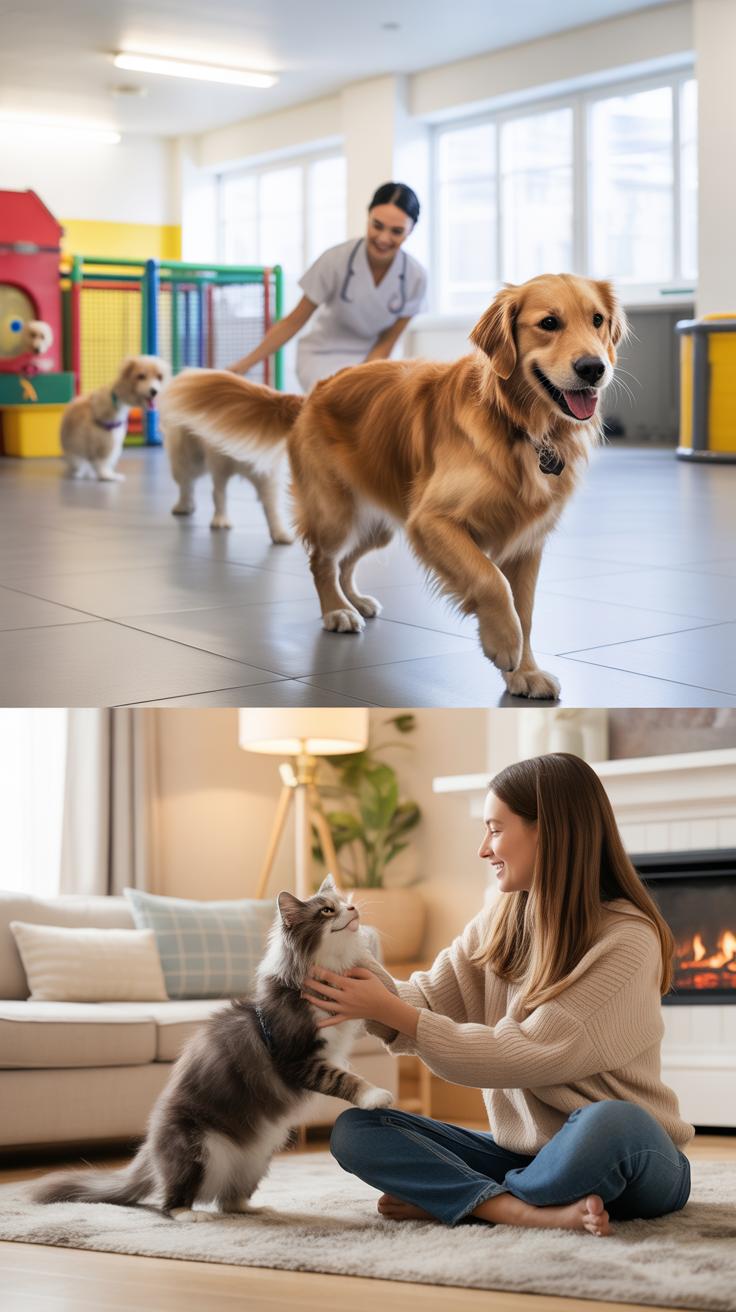
Pet boarding facilities charge a daily rate based on the size of your dog and the kennel type. You pay for a physical space within a secure building. Standard rates usually cover basic housing, water, and scheduled outdoor time. Facilities scale their prices according to the level of care required. Large commercial kennels offer lower base rates than boutique pet hotels.
Expect additional fees for services beyond the basic package. Most kennels charge extra for administered medication, specialized feeding, or extended play sessions. Peak season pricing applies during holidays and summer months when demand exceeds supply. You must also factor in the cost of mandatory vaccinations required by these facilities. Late pickup fees can add unexpected costs to your final total bill.
Understanding What You Pay For When Hiring Pet Sitters
Pet sitters typically charge per visit or per overnight stay. You pay for the sitter’s time and their travel expenses to your home. Pricing varies based on the number of pets and the specific tasks required. Individual sitters often provide more flexibility than commercial facilities. You pay for personalized attention and the security of someone checking your property while you are away.

Labor drives the cost of hiring a professional pet sitter. Specialized care for senior dogs or medical needs results in higher hourly rates. Unlike kennels, sitters do not charge for facility maintenance or overhead costs. Most professional sitters carry their own liability insurance and bonding, which is reflected in their pricing. You pay for the convenience of your dog staying in its own familiar environment.
Health Safety And Vaccination Requirements For Dogs In Boarding And Pet Sitting
Why Reputable Dog Boarding Kennels Require Up To Date Vaccinations
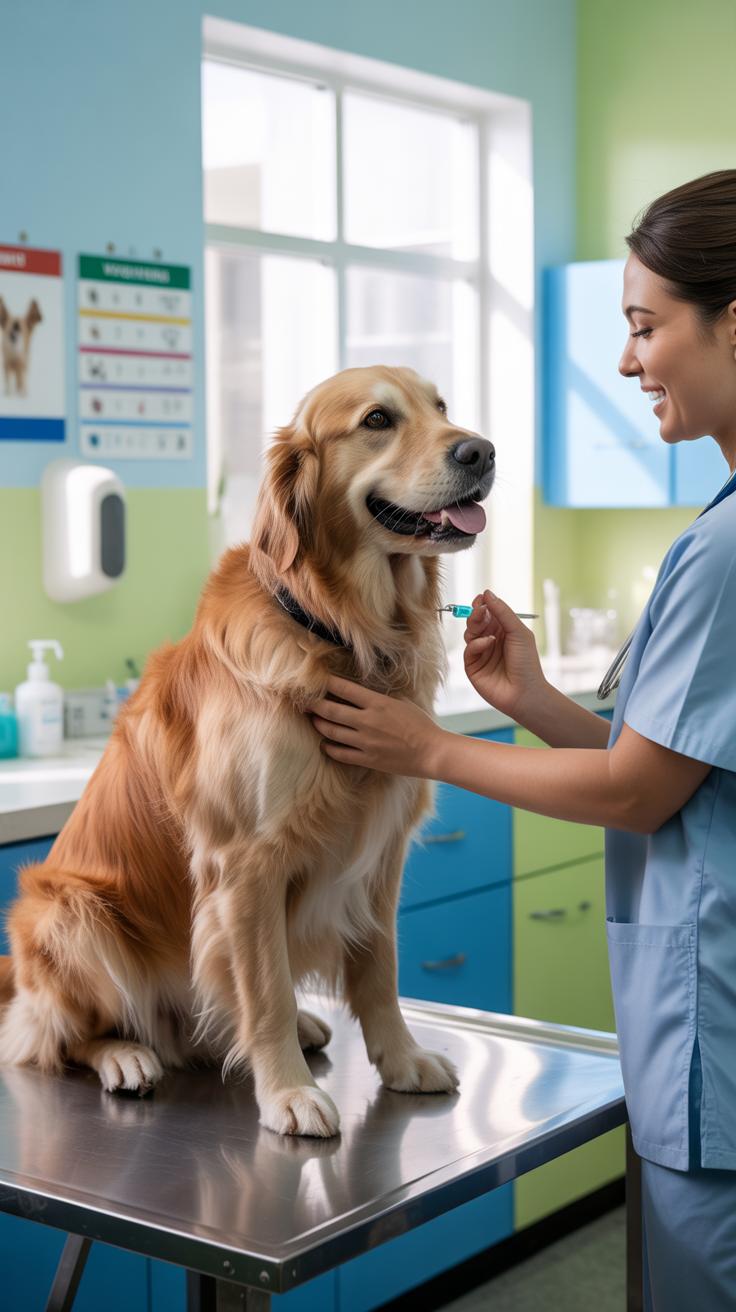
High-density boarding facilities create significant biological risks for dogs. Pathogens spread quickly through shared air, water bowls, and play surfaces. Professional kennels mandate vaccinations to prevent outbreaks of Rabies, Distemper, and Parvovirus. These requirements protect your dog and every other animal in the building. Strict protocols ensure the facility stays operational. Without these mandates, a single sick dog could force a total quarantine.
Reputable kennels also require the Bordetella vaccine to fight canine cough. Some facilities now demand the canine influenza shot due to recent regional outbreaks. Verification happens via official veterinary records before entry. This gatekeeping stops preventable diseases at the door. It creates a controlled environment for your pet. You trade flexibility for higher clinical safety standards. This legal and operational necessity reduces liability for the business owner.
How A Dog Sitter Manages Health Needs And Medication Schedules
Dog sitters provide individualized medical care in a low-stress environment. They follow your specific timing for pills, injections, or topical treatments. This one-on-one attention eliminates the risk of missed doses in a busy kennel setting. Your dog stays away from strange animals. This isolation prevents exposure to many common viruses and parasites. You control the hygiene of the environment because the dog never leaves your home.

Professional sitters document every dose and physical change they observe. They notice subtle shifts in appetite or energy faster than a kennel technician managing dozens of dogs. If a health crisis occurs, the sitter takes the dog to your specific veterinarian. This ensures continuity of care with a doctor who knows the dog’s history. You receive direct updates after each treatment. This tactical approach prioritizes personalized recovery and maintenance.
How Long Trips And Short Stays Affect Your Choice Between A Dog Sitter And Pet Boarding
When A Dog Sitter Makes More Sense For Short Overnight Absences
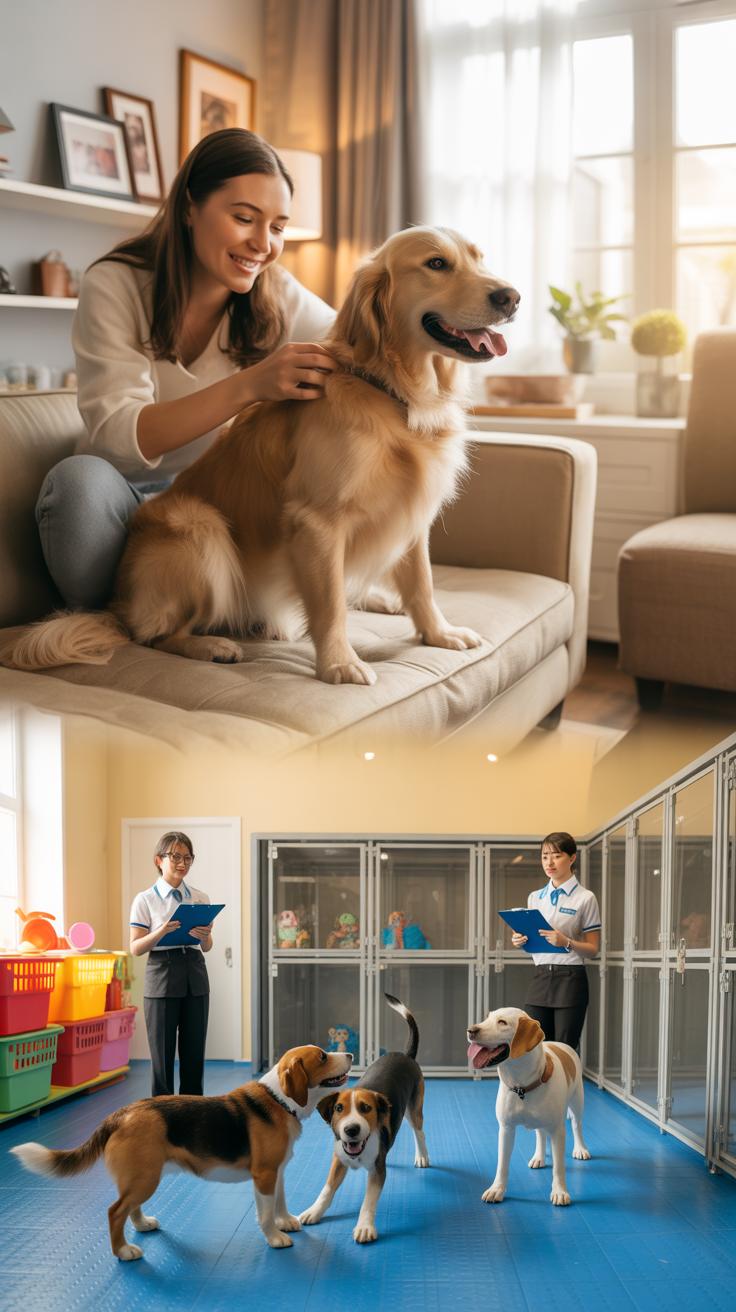
Short trips require minimal routine disruption. A dog sitter keeps the animal in its own home for one or two nights. This prevents the stress of transportation and new environments. Local sitters offer drop-in visits or overnight stays. This setup maintains the dog’s existing sleep and feed schedule. It eliminates the time wasted on facility check-in and check-out procedures for brief absences.
Home-based care works best for senior dogs or anxious pets during quick stays. These animals often struggle with the noise of a kennel. A sitter provides concentrated attention in a quiet setting. You avoid exposing your dog to kennel cough or other communicable diseases for just a few days of care. This tactical choice prioritizes the dog’s comfort and reduces transition recovery time when you return home.
Why Extended Travel Often Points Owners Toward Structured Pet Boarding
Long-term travel demands consistent oversight and specialized resources. Professional boarding facilities provide 24-hour monitoring and on-site medical response. This becomes vital during stays lasting two weeks or more. Staff members follow strict protocols for hygiene and exercise. You gain peace of mind knowing multiple professionals track your dog’s health daily. Individual sitters may face personal emergencies that interrupt long-term care. Facilities offer backup staffing to prevent service gaps.

Cost efficiency scales better at a kennel for extended durations. Many facilities offer discounted rates for long-term stays. Specialized boarding centers include enrichment programs and socialization that a lone sitter cannot provide over several weeks. Boredom and isolation can lead to destructive behavior in a home setting during long absences. Boarding keeps the dog engaged in a controlled environment. High-quality kennels maintain rigorous safety standards that minimize risks during your month-long departure.
Multi Pet Households Navigating Pet Sitting Services When You Have Dogs And Other Animals

How Pet Sitting Services Accommodate Homes With Both Dogs And Cats
Professional pet sitters utilize a protocol-based approach to manage mixed-species environments. They perform home visits to maintain the established routines of both dogs and cats. This prevents the psychological stress often associated with transporting cats to a cattery while dogs go to a kennel. Sitters manage feeding separation, litter box maintenance, and individual exercise needs within the existing home layout.
Sitters offer a logistical advantage by eliminating multi-stop transport. Most providers charge a flat base rate plus a smaller incremental fee for additional animals. This makes in-home care more cost-effective than paying for separate kennel and cattery boarding slots. The sitter monitors interactions between species to ensure safety. Keeping animals in their own territory limits the risk of disease transmission from outside facilities.
Tips For Choosing The Right Care Arrangement For A Mixed Pet Household
Mixed-pet households require a caregiver with diverse species experience. You must evaluate the specific needs of your older dogs against the energy levels of younger cats or exotic pets. If your animals require medication or specialized feeding schedules, the care plan must detail these tasks clearly. A single point of contact simplifies communication. This allows you to receive one comprehensive update on all your animals.
- Assess Species Experience: Verify that the sitter has documented history with all animals in your home. Some sitters specialize only in canines. Ensure they understand feline behavior or the specific heating and lighting needs of reptiles or small caged mammals if applicable.
- Review Emergency Protocols: Evaluate how the sitter handles a crisis involving multiple animals. They must have transport methods for various species. Confirm they have contact information for your primary veterinarian and the nearest twenty-four-hour emergency animal hospital for help.
- Evaluate Cost Structures: Compare the total daily rate of a pet sitter against individual boarding fees. Calculate the savings on transport time and fuel. Professional sitters usually provide more value in high-density households because they charge for time rather than individual kennel runs.
- Check Insurance Coverage: Inspections of insurance policies are mandatory. Confirm the policy covers all species in your home, not just dogs. Standard liability insurance should protect against various incidents including animal loss, injury, or property damage caused by any of your pets.
- Inventory Medical Needs: Document every medication and dosage for every animal. A professional sitter needs a clear schedule to prevent double-dosing or missed treatments. This is critical in mixed households where different animals have different health requirements and dietary restrictions.

Standardize your instructions for the sitter before you leave. List all food locations, cleaning supplies, and restricted areas of the house. Provide a list of behavioral triggers for both dogs and cats to prevent conflict. Clear documentation ensures the sitter can maintain a stable environment. This stability reduces the chance of stress-induced illnesses in your pets while you are away from home.
Vetting And Trusting Who Cares For Your Dog Pet Sitters Vs Kennel Staff
How To Properly Screen And Verify A Professional Pet Sitter
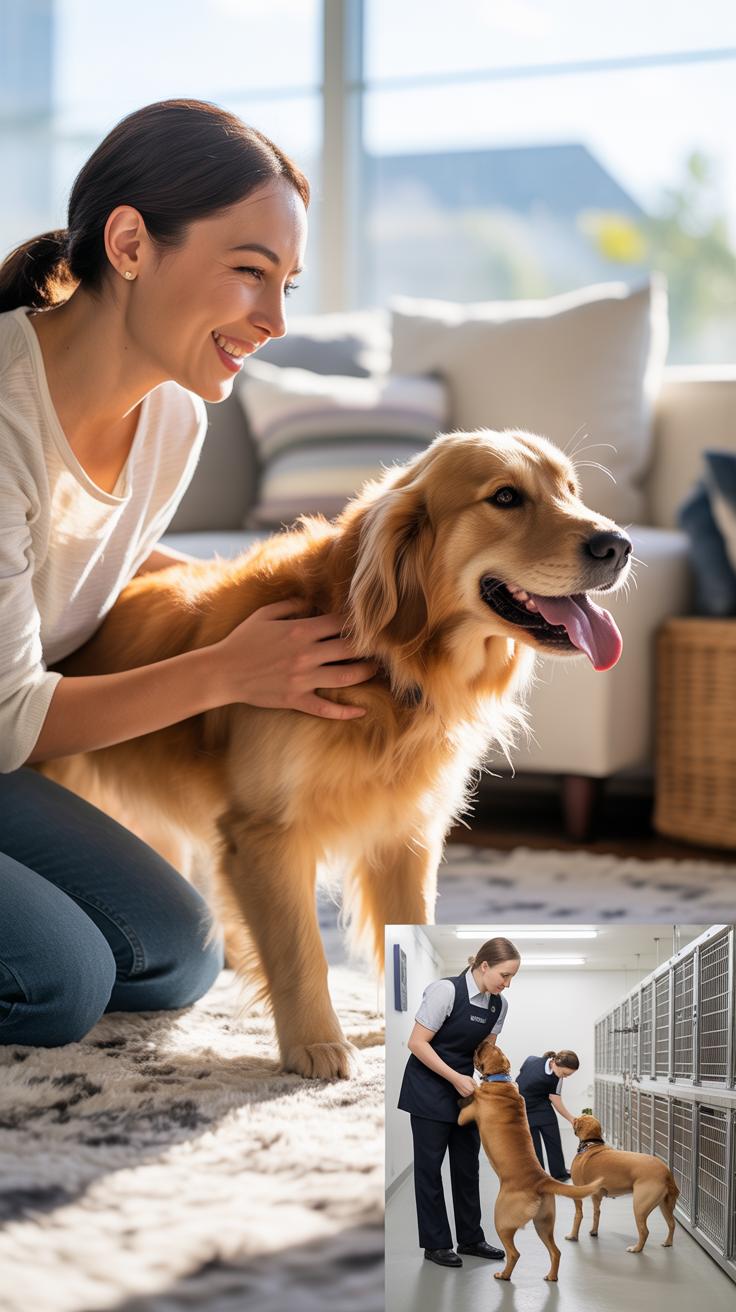
Verify the sitter has commercial liability insurance and a current surety bond. This protects you against theft or property damage and covers pet accidents under their care. Request a clear background check performed within the last twelve months. Reliable professionals pay for these services to prove they have no criminal record. Do not accept verbal promises. Demand digital or hard copies of these specific legal documents.
Interview the sitter at your home before booking. Observe how they handle your dog and ask about their first aid training. A professional knows how to spot signs of bloat or heatstroke immediately. Check their references by calling past clients directly. Ask if the sitter arrived on time and followed all feeding instructions. Clear communication and documented history prove the sitter is dependable and experienced.
What Credentials And Staffing Standards To Expect At A Pet Boarding Facility
Evaluate the staff to dog ratio at the facility. Standard safety practices require one staff member for every ten to fifteen dogs during group play. High ratios increase the risk of fights and injuries. Ask if a staff member remains on site overnight. Many facilities use alarm systems but have no humans present after hours. Constant supervision is the only way to ensure safety.
Check for certifications from recognized industry bodies like the Professional Animal Care Certification Council. These credentials prove the staff understands dog behavior and sanitation protocols. Ask about their training for aggressive or anxious animals. Facilities should have a clear protocol for medical emergencies and a relationship with a local veterinarian. Ensure the staff receives ongoing education on disease prevention and waste management to keep your dog healthy.
Making Your Final Decision Matching Your DogS Needs To The Right Pet Care Option

Key Questions Every Dog Owner Should Ask Before Booking Care
Evaluate your dog’s social behavior and health history before selecting a provider. Determine if your dog requires constant medical supervision or thrives in solitude. Ask the provider about their emergency protocols and staff training levels. High-needs dogs often require one-on-one attention from a sitter. High-energy dogs might benefit from the structured environment of a kennel. Define your budget and expectations for daily updates.
Verify the physical security of the facility or the background of the sitter. Inquire about vaccination requirements for boarding to prevent disease spread. Ask sitters for proof of insurance and bonded status to protect your property. Confirm the ratio of staff to animals in a kennel environment. Specific answers to these questions eliminate risk. Choose the option that aligns with your dog’s specific temperament and daily routine.
How To Transition Your Dog Comfortably Into Either A Sitting Or Boarding Arrangement
Success starts with a trial run before the actual trip. Schedule a short daycare session or a one-night stay to test the environment. Introduce the sitter to your dog during a controlled meeting at your home. Maintain your dog’s standard feeding and exercise schedule during this period. Consistency reduces cortisol levels and prevents digestive upset. Provide clear written instructions for all daily tasks and medical needs.
Pack familiar items to provide comfort and reduce separation anxiety. Include a piece of clothing with your scent and the dog’s regular bed. Stick to the usual diet to avoid stomach issues caused by sudden food changes. Keep departures brief and calm to avoid triggering a stress response. Professional handlers and sitters manage the transition better when the owner remains neutral. Careful preparation ensures your dog remains stable and healthy while you are away.
Frequently Asked Questions

What are the main differences between a pet sitter and a boarding kennel?
The choice of pet sitter vs boarding kennel often comes down to your dog’s personality and routine. A pet sitter provides personalized care within your own home, maintaining a familiar environment and reducing stress. Conversely, a boarding kennel is a dedicated facility where dogs stay in private runs or suites. While kennels offer professional supervision and socialization, sitters excel at providing one-on-one attention and preserving your pet’s domestic comfort.
How do I decide which option is most suitable for my dog’s specific needs?
To decide between a pet sitter vs boarding kennel, evaluate your dog’s social battery and health. If your pup thrives on interaction with other dogs and is fully vaccinated, a reputable kennel is a great choice. However, if your dog is elderly, anxious, or prefers a quiet atmosphere, hiring a sitter is often better. Consider a trial run for both options to see where your furry friend feels most relaxed and happy.
Is it generally more expensive to hire a private pet sitter or use a professional kennel?
Generally, boarding kennels offer a flat nightly rate that is more budget-friendly for single-dog households. Pet sitting can be pricier because you are paying for exclusive time and travel, though it often becomes cost-effective if you have multiple pets. Accessibility also plays a role; kennels may fill up months in advance during holidays, whereas a local sitter might offer more flexible scheduling for last-minute trips or specific home-care requirements.