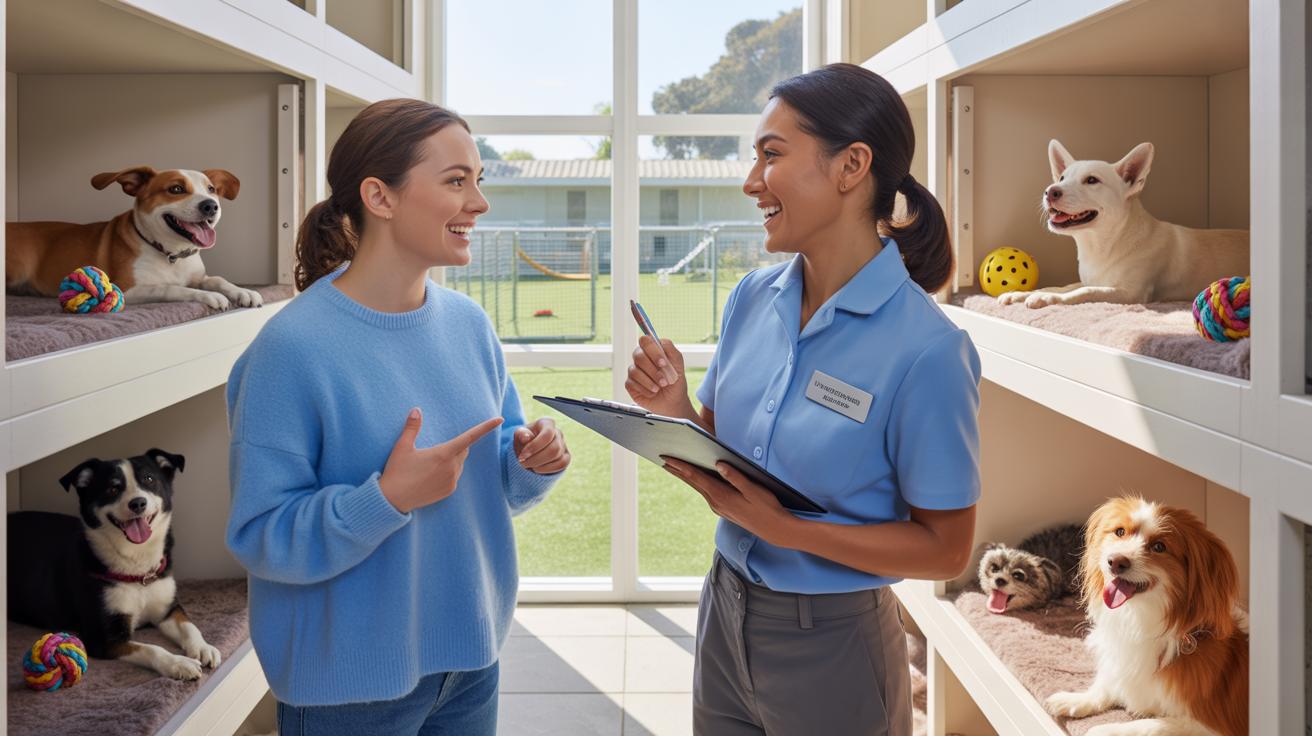
Why Asking The Right Boarding Facility Questions To Ask Matters For Your Pets Safety
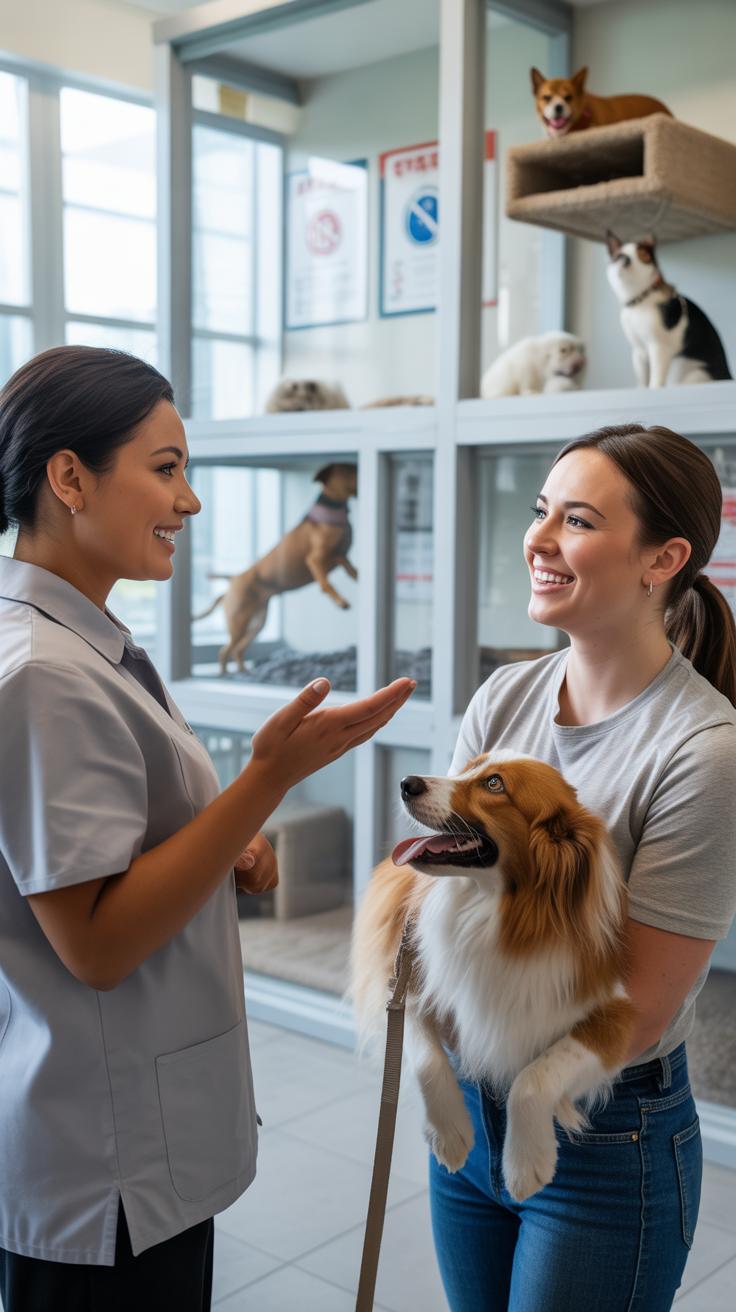
The Real Risks Of Skipping Due Diligence At A Dog Boarding Facility
Neglecting to vet a boarding facility leads to immediate physical danger for your animal. Overcrowded play zones create high stress and increase the chance of dog fights. Facilities without strict ventilation standards allow airborne pathogens like kennel cough to spread rapidly through the population. You cannot assume a business follows baseline safety protocols without proof. Owners who skip these questions often face expensive emergency vet bills later.
Staff shortages and poor training represent the biggest hidden threats in the industry. Without asking about staff to dog ratios, you risk your pet being left unmonitored for long periods. Low supervision levels mean medical emergencies or behavioral shifts go unnoticed until it is too late. A lack of nighttime monitoring can turn a minor issue into a fatal incident. Tactical research prevents these preventable tragedies from occurring during your absence.
How Informed Questions Protect Your Pets Health And Well Being
Asking direct questions forces a facility to prove their operational integrity. Probing their cleaning schedule reveals if they use medical grade disinfectants to kill parvovirus and other hardy bacteria. You need to know their protocol for checking vaccination records and handling sick animals. This transparency ensures your pet enters a controlled environment designed for health preservation. Informed owners set clear expectations that the staff must meet or exceed.
Proactive inquiry also secures your pet’s mental stability during their stay. Knowing how the facility handles feeding times and medication prevents dangerous metabolic errors. You ensure the staff understands your pet’s specific temperament and physical limits. This reduces cortisol levels and prevents the development of separation anxiety or kennel stress. Your diligence creates a defensive barrier against the common failures of standard pet boarding operations.

Understanding What A Dog Boarding Facility Should Legally Provide
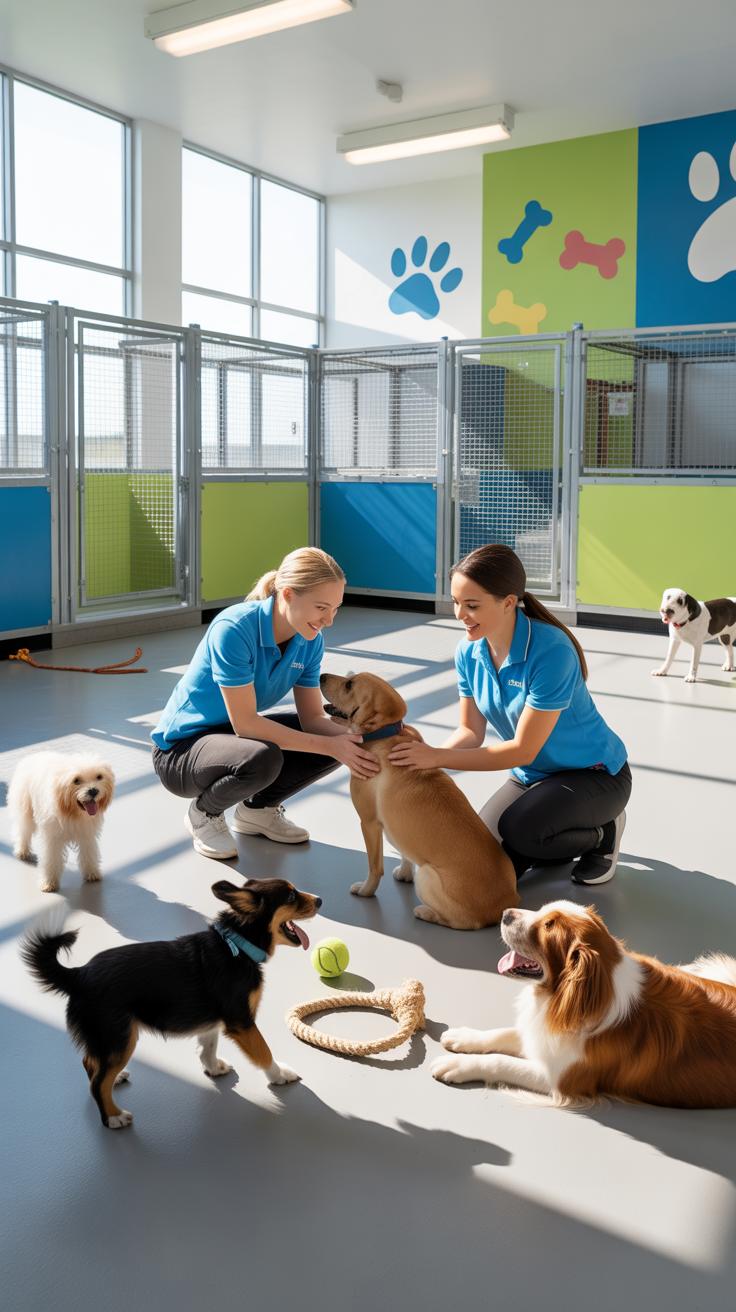
Licensing, Permits, And Compliance Standards For Pet Boarding Operations
Pet boarding facilities must hold valid business licenses and specific animal care permits required by local or state laws. Zoning laws determine where these businesses can operate based on noise and waste management. You must verify that the facility meets health department standards for sanitation and ventilation. Regulatory bodies often conduct annual inspections to ensure the building remains safe for animal occupancy.
Operations that fail to display active permits operate outside legal oversight. This oversight ensures the facility follows fire codes and minimum cage size requirements. Legitimate owners invest in regular staff training to meet safety benchmarks. Do not trust a facility that refuses to provide proof of current licensing upon request. You need to know that the city or county holds them accountable for basic care.
What Liability Waivers And Insurance Policies Should Cover
Professional boarding facilities carry commercial general liability insurance to protect against accidents and injuries. This policy covers damage to the property and medical costs for pets if the staff acts negligently. You must ask if they carry animal bailee coverage. This specific insurance protects the business when a pet is in their care, custody, and control. It covers veterinary bills and loss.

Liability waivers limit the facility’s risk but do not exempt them from gross negligence. Read every line of the contract before signing it. Ensure the document clearly outlines who pays for emergency vet visits. The agreement should define how the facility handles infectious diseases like kennel cough. A good contract protects both the pet owner and the business owner through clear, documented expectations.
Staff Training Evaluating The People Who Will Care For Your Pet
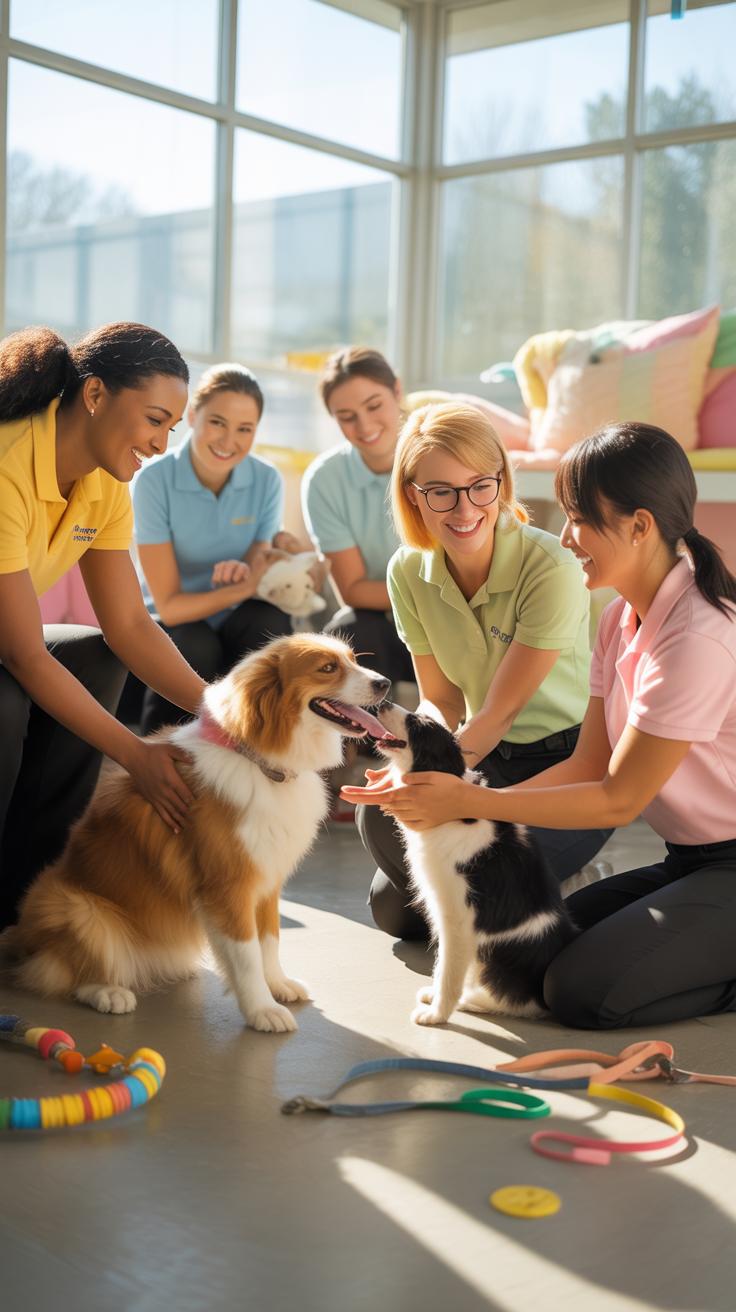
Certifications And Qualifications Every Pet Care Staff Member Should Have
Top facilities prioritize formal education over general animal experience. Look for staff holding certifications from the Professional Animal Care Certification Council or the International Boarding and Pet Services Association. These credentials prove the team understands animal behavior and safety protocols. Verified training ensures handlers recognize early signs of illness or stress. Qualified experts prevent accidents before they happen by reading subtle body cues.
Demand proof of Pet First Aid and CPR training for every employee on the clock. It is not enough for only one manager to have these skills. High turnover rates in this industry often lead to gaps in knowledge. Ask how often the facility conducts refresher courses for its team. Consistent training standards separate professional operations from amateur daycares. Proper qualifications reduce liability and ensure your pet receives expert care.
The quality of your pet’s care is found in the soft details of the answers you seek before you say goodbye. Asking the right questions ensures their home away from home is filled with the same love they find in your arms.
How To Assess Staff To Pet Ratios And Supervision Protocols
Industry standards recommend a ratio of one human for every ten to fifteen dogs. If the facility manages high-energy breeds or large groups, this ratio must be tighter. Overcrowded play yards lead to resource guarding and fights. Ask for the specific number of handlers present during peak hours. Accurate staffing levels ensure every animal gets eyes on them at all times. Do not accept vague answers.

Supervision must happen in person rather than via cameras alone. Monitors are tools for management but fail to replace active floor presence. Ask if the facility leaves animals unattended during staff lunch breaks or overnight hours. A dark building with no human presence is a major risk factor. Effective protocols include regular welfare checks and documented observation logs. Strong supervision prevents injuries and ensures a fast response to medical emergencies.
Key Boarding Facility Questions To Ask About Daily Routines For Dogs
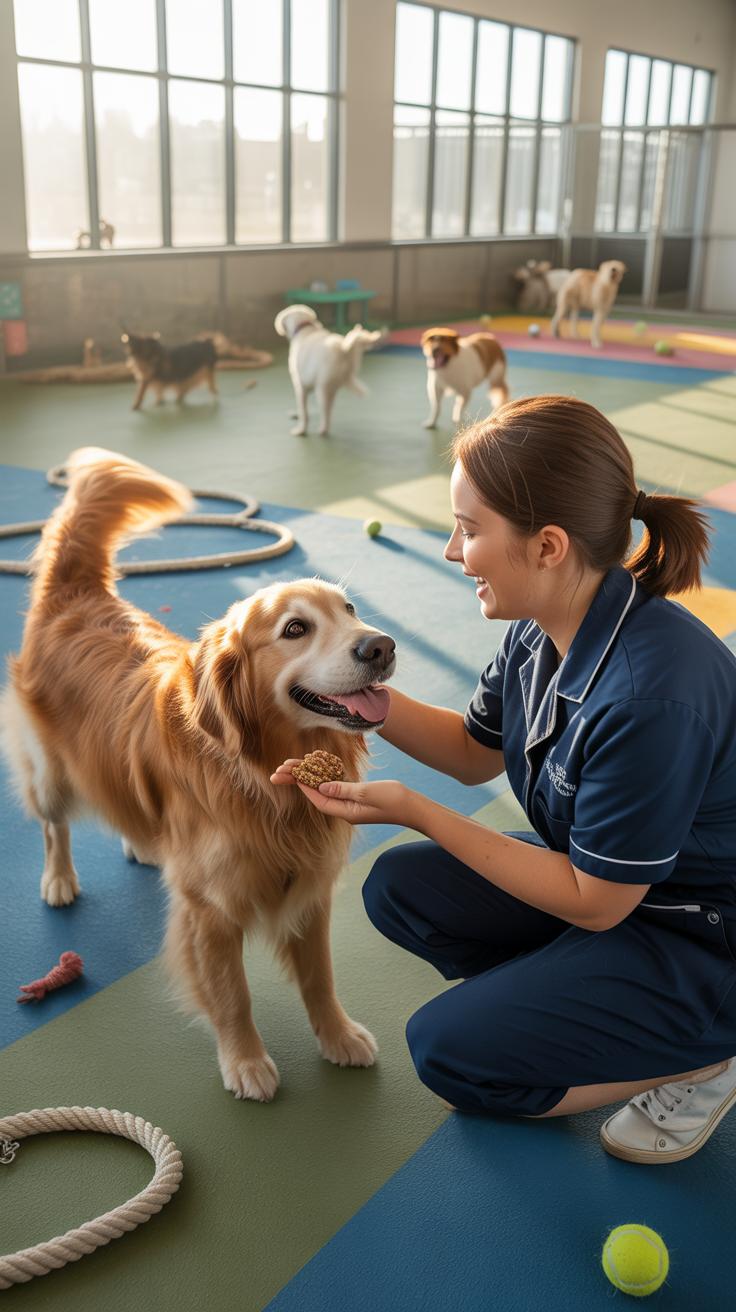
Feeding Schedules, Exercise Routines, And Enrichment Activities For Dogs
Boarding facilities must align with your dog’s home schedule to prevent digestive stress and anxiety. Ask about specific meal times and how they manage resource guarding during group feedings. Inquire if they weigh portions or use your provided scoops. Most professional kennels require pet owners to supply familiar food. This practice drastically reduces the risk of gastrointestinal issues like diarrhea or sudden Bloat.
Exercise volume determines your dog’s physiological health during their stay. Ask how many minutes of active play they receive each day. Determine if this occurs in group settings or individual sessions with staff. High-energy breeds need mental stimulation along with physical work. Inquire about enrichment tools like lick mats or puzzle toys. These items keep dogs calm and prevent destructive behaviors in their kennels.
Nighttime Supervision And Sleeping Arrangements At Dog Boarding Facilities
Verify the facility’s staffing levels after business hours. Many boarding centers leave animals unattended from evening until morning. Ask if a human stays on-site overnight. If the building is empty, check for active fire monitoring systems and video surveillance. You must know who responds if a medical emergency occurs at midnight. Secure facilities provide climate-controlled environments and elevated beds for comfort.

Evaluate the physical sleeping space for cleanliness and safety. Inquire about the flooring material and soundproofing. Concrete floors are common but require thick mats for joint support. High noise levels from barking prevent deep sleep and increase cortisol in dogs. Ask how the staff manages nighttime noise and if they provide dim lighting. Quality sleep ensures your dog returns home without behavioral regressions or exhaustion.
Health And Vaccination Requirements Every Dog Boarding Stay Demands
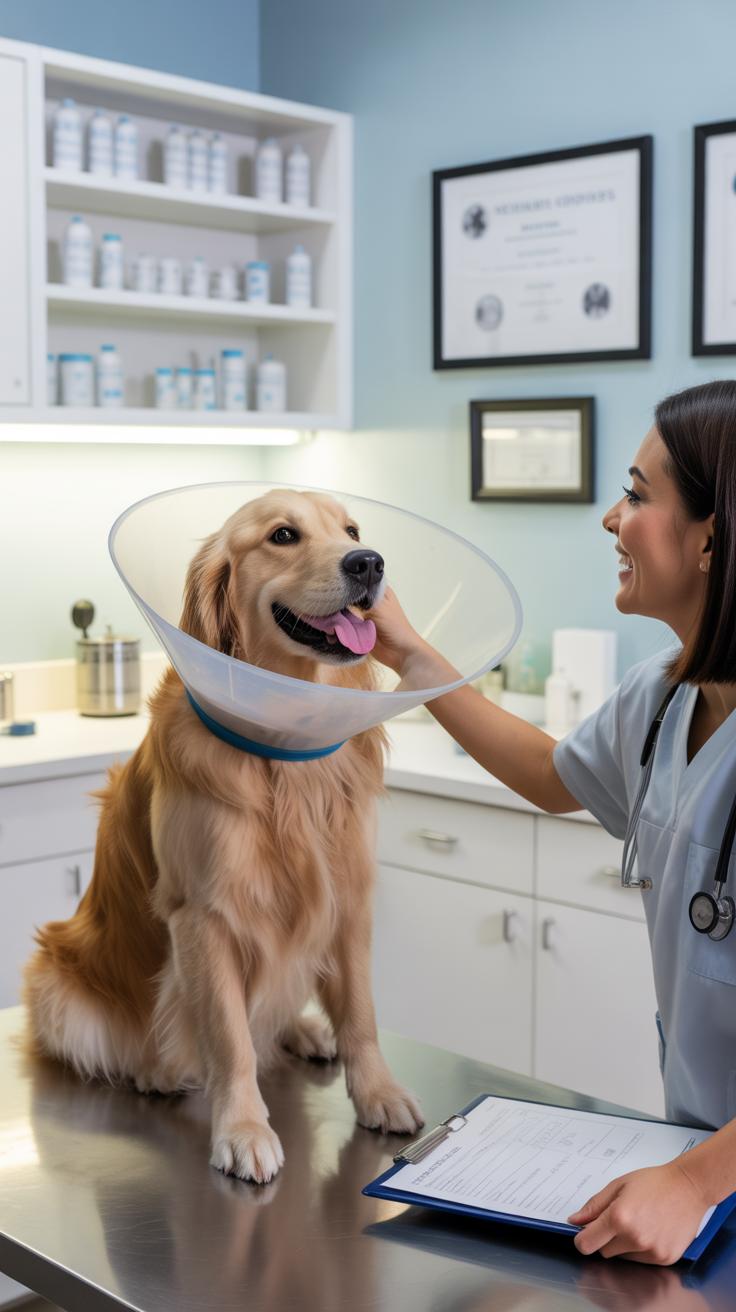
Which Vaccines Are Typically Required Before Dog Boarding Check In
Reputable facilities enforce strict vaccination protocols to prevent outbreaks in high-density environments. These mandates protect your pet and the entire population from highly contagious pathogens. You must provide physical or digital records from a licensed veterinarian before your pet enters the building. Most facilities require these shots at least ten to fourteen days prior to arrival to ensure full immunity.
- Rabies: This vaccine is a legal requirement in almost every jurisdiction. It prevents a fatal viral disease that can jump from animals to humans. Facilities cannot waive this requirement under any standard circumstances.
- Distemper and Parvovirus (DHPP): This core vaccine protects against severe respiratory and gastrointestinal viruses. Parvovirus is extremely hardy and can live on surfaces for months. Boarding centers prioritize this to avoid costly and deadly facility-wide contamination.
- Bordetella: Often called the kennel cough vaccine, this targets the most common cause of infectious tracheobronchitis. Since dogs share air and water in boarding units, this shot is the primary defense against localized respiratory outbreaks.
- Leptospirosis: Some facilities mandate this vaccine if they have outdoor play areas or are located in regions with high wildlife activity. It prevents a bacterial infection spread through soil or water contaminated by animal urine.
- Canine Influenza: This vaccine covers specific flu strains like H3N8 or H3N2 that spread rapidly through social contact. Many modern facilities now require this as a standard precaution due to recent spikes in regional canine flu cases.
Verify the specific timing requirements for each booster. Some facilities accept three-year rabies or distemper certifications, while others demand annual updates. Check if the facility accepts titers as an alternative strictly for core vaccines. Failing to present updated paperwork will result in an immediate turn-away at the door. Maintain a digital copy of records on your phone to avoid check-in delays or boarding denials.
How Facilities Handle Medical Emergencies And Veterinary Access
A professional boarding facility must have a clear, written protocol for medical crises. They should ask for your primary veterinarian’s contact info and a signed medical release form during intake. This form authorizes the staff to seek immediate care if they cannot reach you. They usually transport pets to a local twenty-four-hour emergency clinic for serious issues occurring after standard business hours.

Inquire exactly how staff monitors pets for signs of distress or illness throughout the day. High-quality centers train their employees to spot lethargy, bloat, or abnormal bowel movements early. Ask if the facility has an on-site vet or a formal partnership with a nearby clinic. Clear communication lines regarding your budget limits for emergency care ensure the staff makes tactical decisions that align with your specific wishes.
Pet Sitting Vs Boarding Facility Asking The Right Questions For Each Option
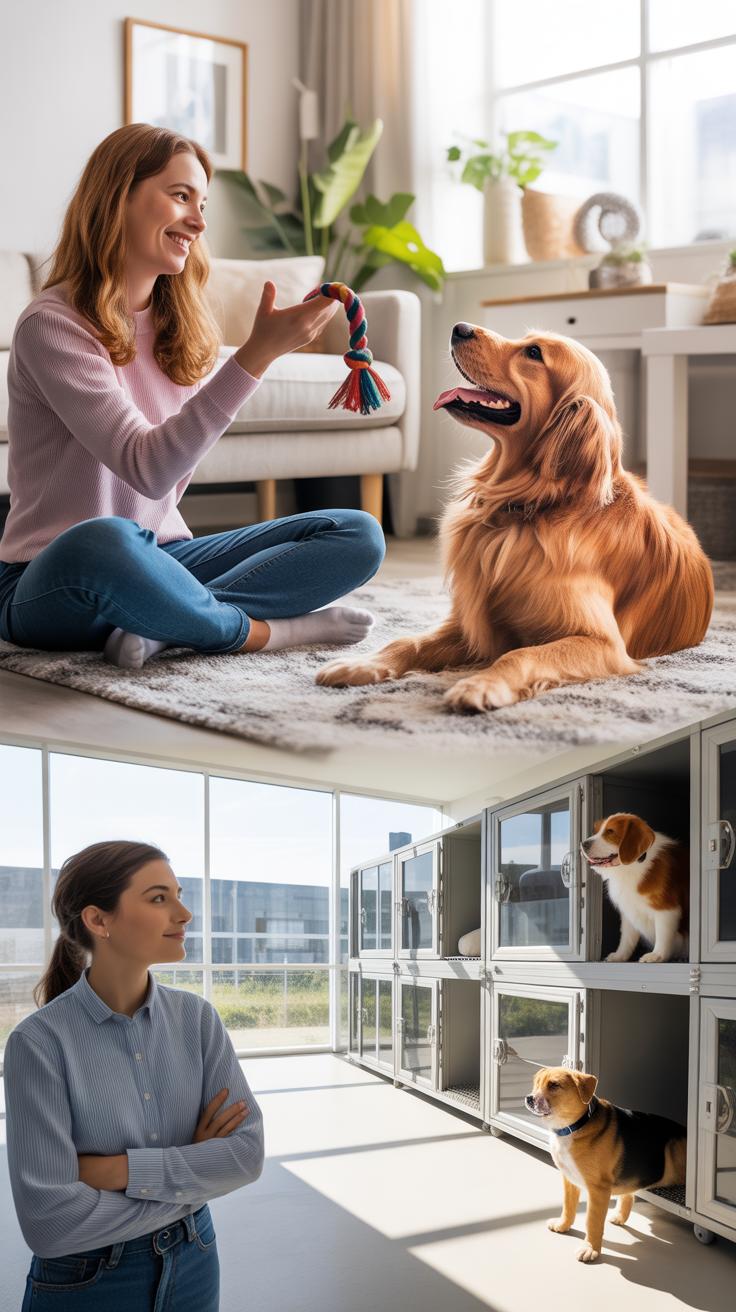
Key Differences Between In Home Pet Sitting And An Overnight Boarding Facility
Pet sitting keeps your animal in a familiar environment. This reduces stress and limits exposure to foreign bacteria or viruses. Sitting relies on one individual. Boarding facilities use a team of professional staff. They provide constant supervision and structured social play. Facility staff handle emergencies using standard protocols. Sitters work with more autonomy. You must decide between environmental comfort and commercial security.
Boarding facilities offer specialized infrastructure like climate control and industrial cleaning systems. They maintain strict vaccination requirements for all animals on the property. Pet sitting lacks these physical safeguards. However, sitting prevents the anxiety of cage confinement. Sitters also provide home security by staying on site. Boarding centers focus on high volume care. Sitting focuses on one-on-one attention. Both require vetting for insurance and liability.
Questions Specific To Pet Sitting Arrangements That New Owners Often Overlook
Ask the sitter about their backup plan for personal emergencies. If they get sick, you need to know who enters your house. Inquire about their specific experience with your pet breed. Verify their knowledge of local emergency vet locations. Check if they carry professional liability insurance and a dishonesty bond. Do not assume they have coverage. Document exactly how they handle power outages or home security alarms.

Clarify the specific hours the sitter will spend inside your home. Some sitters only stay overnight. Others remain present for twenty hours a day. Ask how they track feeding and exercise times. Request a written log of daily activities. Confirm their policy on bringing guests or other pets into your space. These details prevent many common disputes. Secure these answers before you hand over any house keys.
Luxury Dog Boarding What Extra Questions To Ask When Paying A Premium
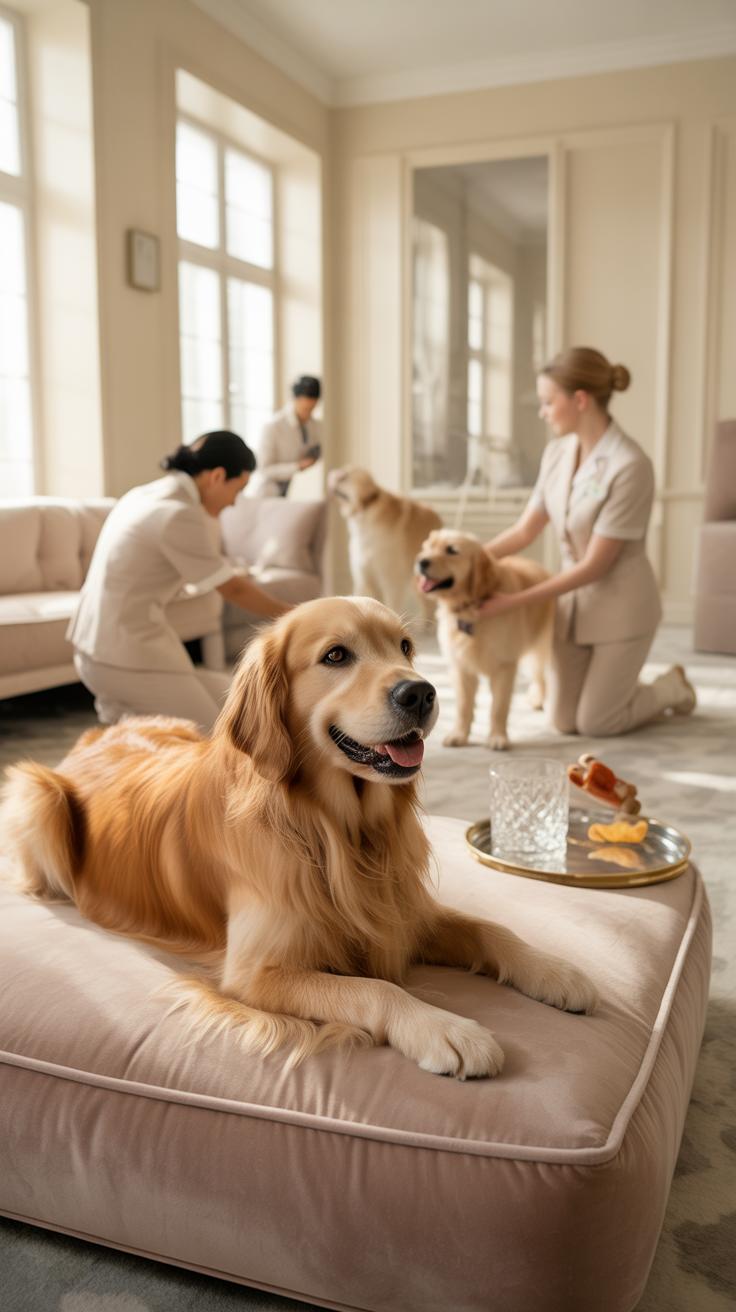
What Amenities Genuinely Benefit Dogs In A Luxury Boarding Environment
Luxury boarding is not about aesthetics for the owner. It is about physiological and psychological benefits for the animal. True premium amenities focus on noise reduction and climate control. High-end facilities use sound-absorbing materials like acoustic panels or thick masonry. These materials stop the sound of barking from traveling between rooms. Low noise levels keep cortisol low and prevent stress-induced illness during the stay.
Quality luxury facilities prioritize orthopedic bedding and drainage systems over fancy decor. Raised beds protect joints and keep dogs off hard floors. Efficient drainage prevents the spread of bacteria and odors. Advanced air filtration systems are mandatory. They replace the air multiple times per hour to stop airborne pathogens. These technical upgrades provide real value. They ensure the dog stays healthy and rested until the owner returns.
How To Verify That Luxury Dog Boarding Promises Match The Real Experience
Marketing photos often hide the truth about a facility. You must verify claims through direct observation and specific questions. Ask for a live tour of the exact suite your dog will inhabit. Check for wear and tear on surfaces like epoxy floors or stainless steel gates. These materials indicate a commitment to sanitation. If the facility prohibits tours due to insurance reasons, consider this a major red flag.
Watch the staff interact with the animals. A premium price should fund a high staff-to-dog ratio. Ask for the specific number of humans on-site during overnight shifts. Many luxury spots leave dogs alone after 8 PM. True luxury includes 24-hour monitoring. Verify that the webcams offer a high-definition stream. Ask if the video feed is accessible at all times. Constant transparency is the only way to prove premium service.
Essential Boarding Facility Questions To Ask When Boarding Horses Overnight
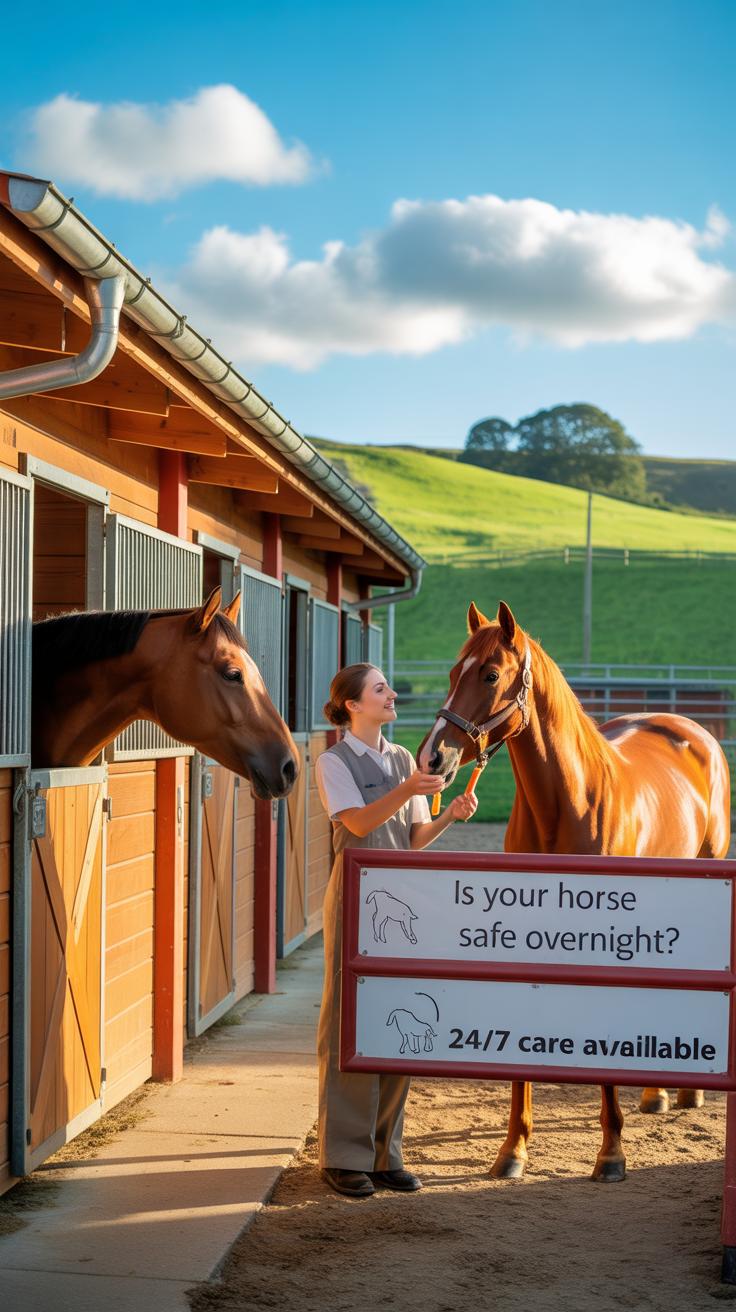
How To Organize Horse Boarding Information Before Visiting A New Facility
Effective horse boarding starts with a centralized dossier. You must consolidate your horse’s medical records and behavioral history into a portable format. Managing these details prevents errors during facility intake. High-quality barns require specific proof of health before your horse touches the property. Prepare a physical folder or digital cloud link to share with the manager immediately upon your arrival for inspection.
- Vaccination Records: Provide current proof of Rabies, Tetanus, and EEE/WEE. Most facilities require these for liability reasons. Keep the dates clear and easy to read for the barn manager to log into their system.
- Coggins Test: Carry a valid negative Equine Infectious Anemia certificate. Federal and state laws often mandate this for any horse crossing lines or entering public facilities. It proves your horse is not a disease vector.
- Feeding Protocols: Document exact grain weights and hay types in writing. Horses are prone to colic if their diet changes suddenly. Clear instructions ensure the staff maintains your horse’s digestive health during the overnight stay.
- Emergency Contacts: List your primary veterinarian and an authorized agent. This person must have the power to make medical decisions if you are unreachable. Include a maximum budget for emergency surgical intervention to avoid delays.
- Behavioral Notes: Note any history of wood chewing or aggression toward other horses. Identifying these traits helps the staff select a safe stall location. Honest disclosure protects your horse and the facility from avoidable property damage or injury.
Use a standardized checklist to compare facilities side by side. Focus on stall dimensions and ventilation quality during your walkthrough. Observe the cleanliness of the water sources and the security of the fencing. Check for fire safety tools like extinguishers and clear exits. Organizing your data this way allows you to spot gaps in care protocols before you commit your horse to the stall.
Understanding Horse Boarding Laws And What Your Contract Must Include
Horse boarding involves complex bailment laws that vary by state. The facility assumes temporary custody but not total liability for the animal. You must read the contract for specific indemnity clauses. These clauses often limit the owner’s ability to sue for accidental injury. A valid contract must define exactly who provides feed and who monitors the horse throughout the night.

Identify the Agister’s Lien laws applicable to your current location. These laws allow barn owners to retain your horse if you fail to pay boarding fees. Ensure the contract lists the specific services included in the nightly rate. Look for clear language regarding emergency medical consent. The document should state exactly when the facility will call a veterinarian and who pays the immediate bill.
Facility Conditions And Horse Barn Renovation Tips That Signal A Quality Operation
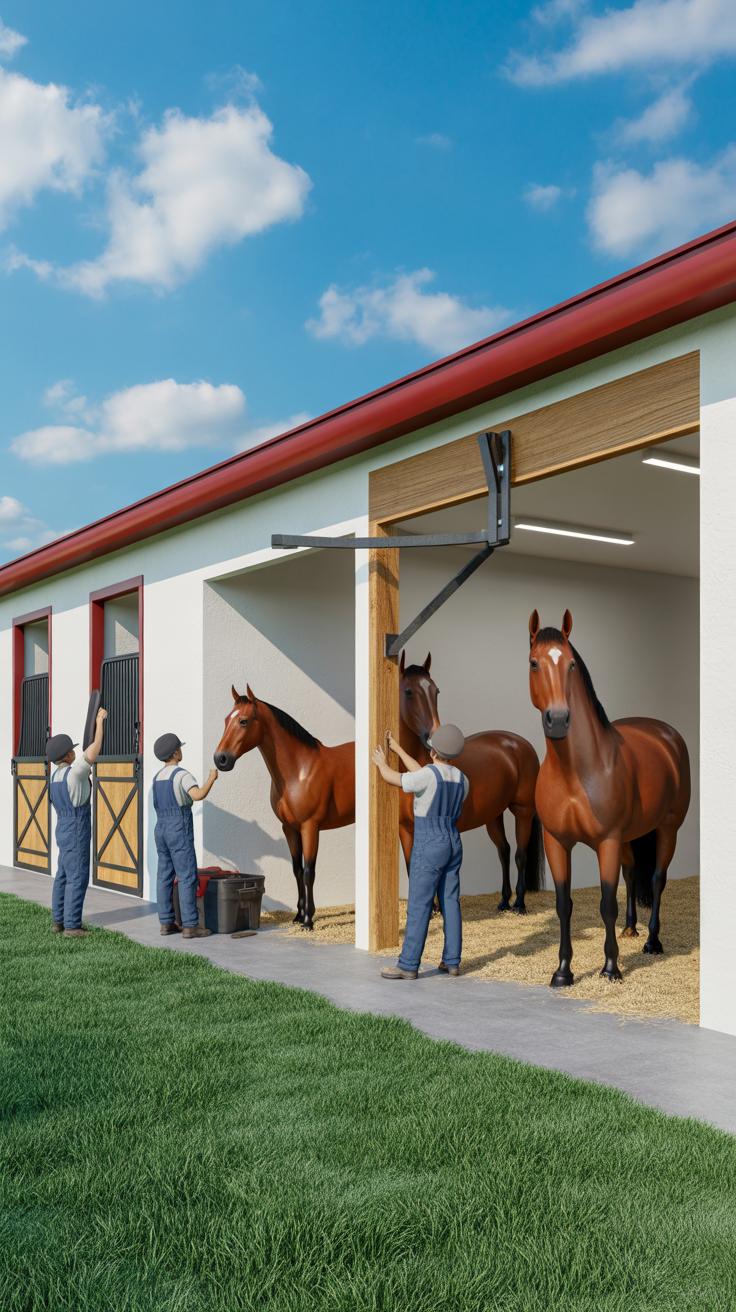
What Well Maintained Stalls Ventilation And Pasture Access Should Look Like
Quality stalls feature rubber matting over level stone dust or concrete floors. Wood must be thick kiln dried southern yellow pine or high density polyethylene. These materials withstand impact and resist moisture. Gaps between stall bars must not exceed three inches to prevent hoof entrapment. Look for sliding doors with heavy duty tracks. These save space and reduce injury risks compared to swinging doors.
Proper ventilation relies on the stack effect. High ceilings and ridge vents allow hot air to exit through the roof. Low intake vents pull fresh air across the floor. This movement removes ammonia and dust from the horse’s breathing zone. Pastures must have safe fencing like high visibility tape or reinforced PVC. Quality managers rotate fields to prevent overgrazing and manage parasite loads effectively.
Red Flags In Facility Conditions That Should Change Your Boarding Decision
Structural decay indicates a lack of capital investment and poor safety standards. Look for rusted metal edges or rotting wood in stalls. Exposed nail heads or splintered boards will cause puncture wounds. Soft spots in the floor suggest drainage failure or underground leaks. These issues harbor bacteria and weaken the building foundation. Avoid any facility that ignores these basic maintenance requirements for aesthetics or cost.
Air quality is a non negotiable safety factor. If you smell ammonia upon entering the barn the ventilation is failing. High ammonia levels damage a horse’s respiratory lining and cause chronic coughing. Muddy paddocks without gravel footing lead to thrush and skin infections. Narrow aisles or low ceilings create trap hazards for handlers and horses. Walk away if the layout forces animals into tight or dark spaces.
Final Boarding Facility Questions To Ask Before You Sign Anything
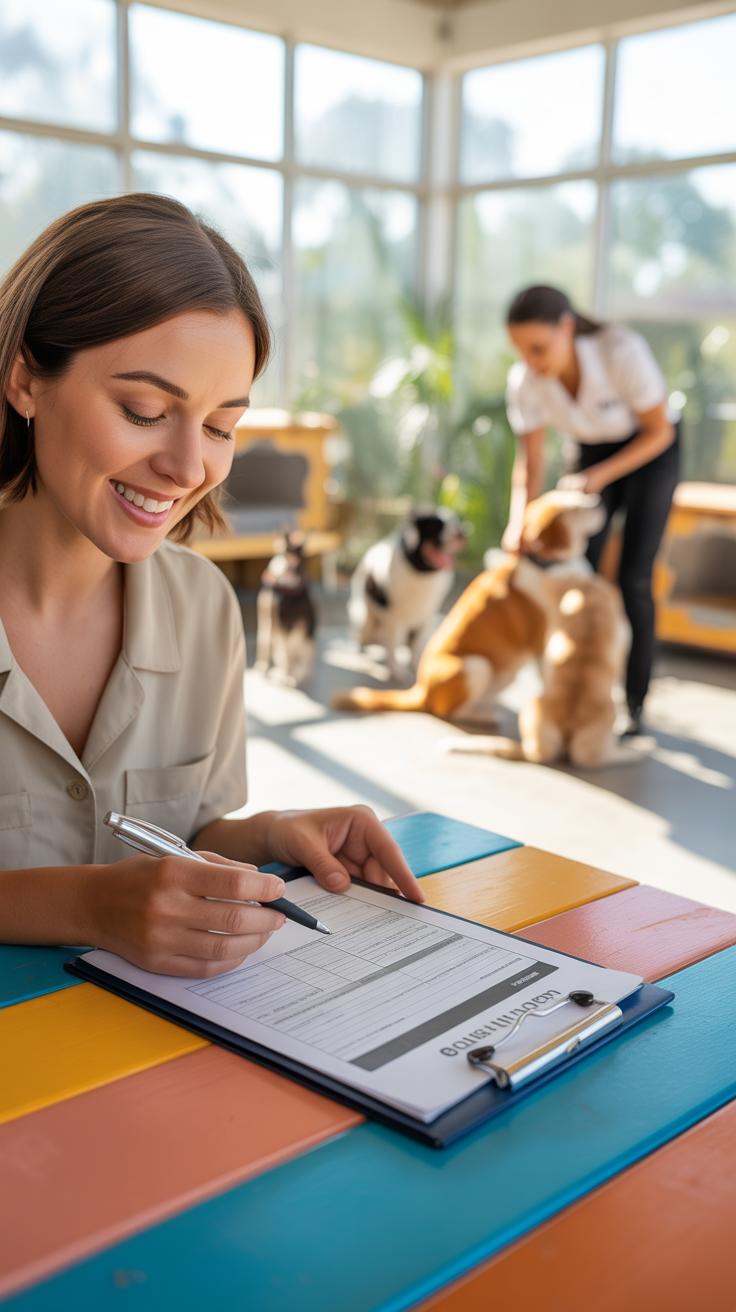
Establish clear lines for communication before you leave the facility. Ask how and when the staff sends updates. Some kennels use automated portals for photos while others only call during emergencies. You need to know the specific frequency of these status reports. Do not settle for vague promises of regular contact. Get a firm schedule for digital updates or daily check-ins.
Determine the facility policy regarding owner access during the stay. Many high-end facilities strictly prohibit unannounced visits because guest arrivals disrupt the pack environment. Ask if you can view live webcams or call for a verbal report at any time. Understand the chain of command for emergency notifications. Confirm that the facility has your current contact data and a secondary emergency backup contact.
Review the financial contract for hidden fees before signing. Many facilities charge extra for basic needs like administering medication or late-night bathroom breaks. Look for peak-season surcharges that apply during holidays or local school breaks. Pricing transparency is a sign of a professional operation. Ask for an itemized list of every possible cost to avoid surprises on your final bill.
Analyze the cancellation policy to protect your investment. Most reputable boarders require forty-eight hours of notice for a full refund. Some facilities keep a non-refundable deposit regardless of when you cancel. Read the fine print regarding liability in the event of injury or illness. Ensure the contract clearly defines the facility responsibility for veterinary costs incurred while your pet is in their care.
Frequently Asked Questions

What are the most important things to check when visiting a kennel for the first time?
When visiting a potential site, start with basic boarding facility questions to ask regarding cleanliness, ventilation, and safety protocols. Observe if the staff interacts warmly with the animals and check if the enclosures are secure and climate-controlled. Understanding the daily routine, such as feeding schedules and exercise frequency, ensures your pet stays comfortable and reduces their anxiety while you are away from home.
How should I prepare my pet’s belongings and medical records for an overnight stay?
Preparation is key to a smooth transition. You should pack their regular food to avoid digestive upset and include a familiar blanket or toy for comfort. Always provide a written copy of your pet’s vaccination history and emergency contact information. These are essential boarding facility questions to ask during the intake process to ensure the staff is fully prepared to handle your pet’s specific medical needs or dietary restrictions.
Are there hidden fees I should look for when comparing different boarding options?
Budgeting for pet care involves more than just the nightly rate. Ask whether services like administration of medication, extra playtime, or late checkout fees are included in the base price. Many facilities offer tiered packages, so it is helpful to request an itemized list of costs upfront. This transparency helps you find an accessible option that fits your budget without sacrificing the quality of care your pet receives.