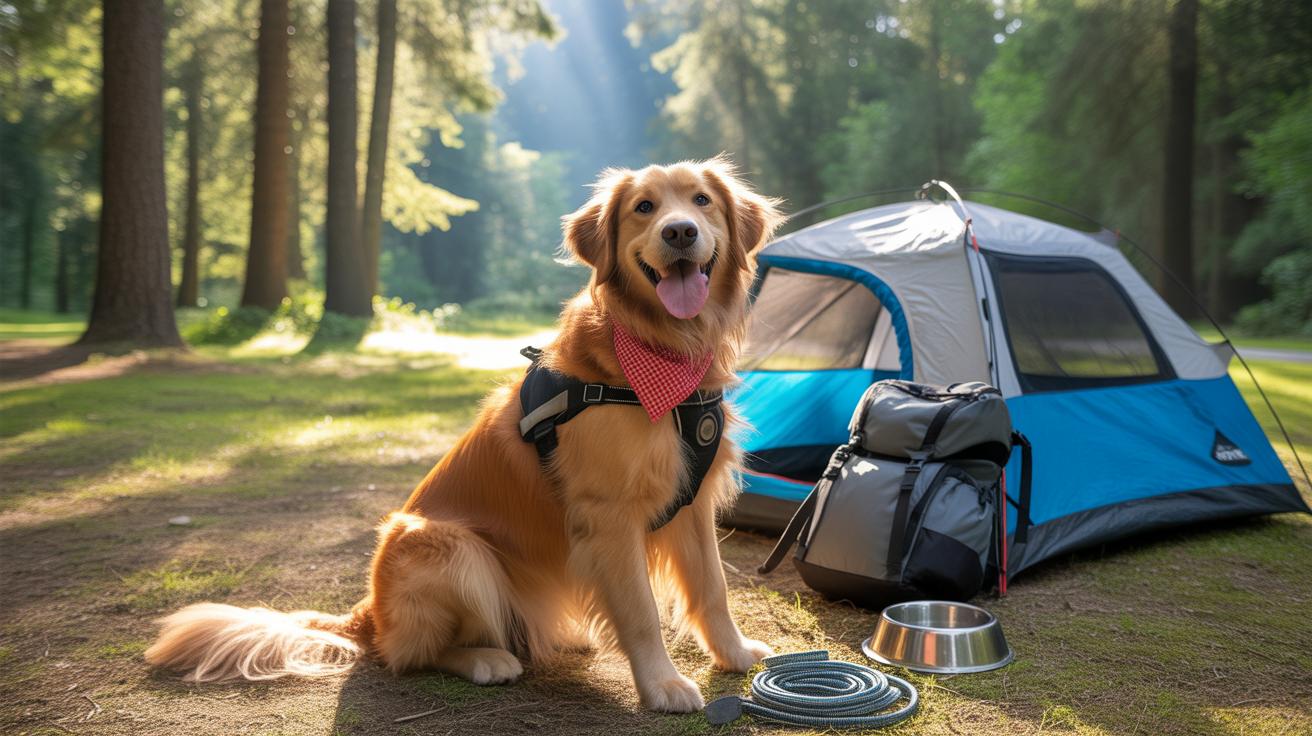
Dog Camping Starts With Knowing If Your Dog Is Ready For The Outdoors
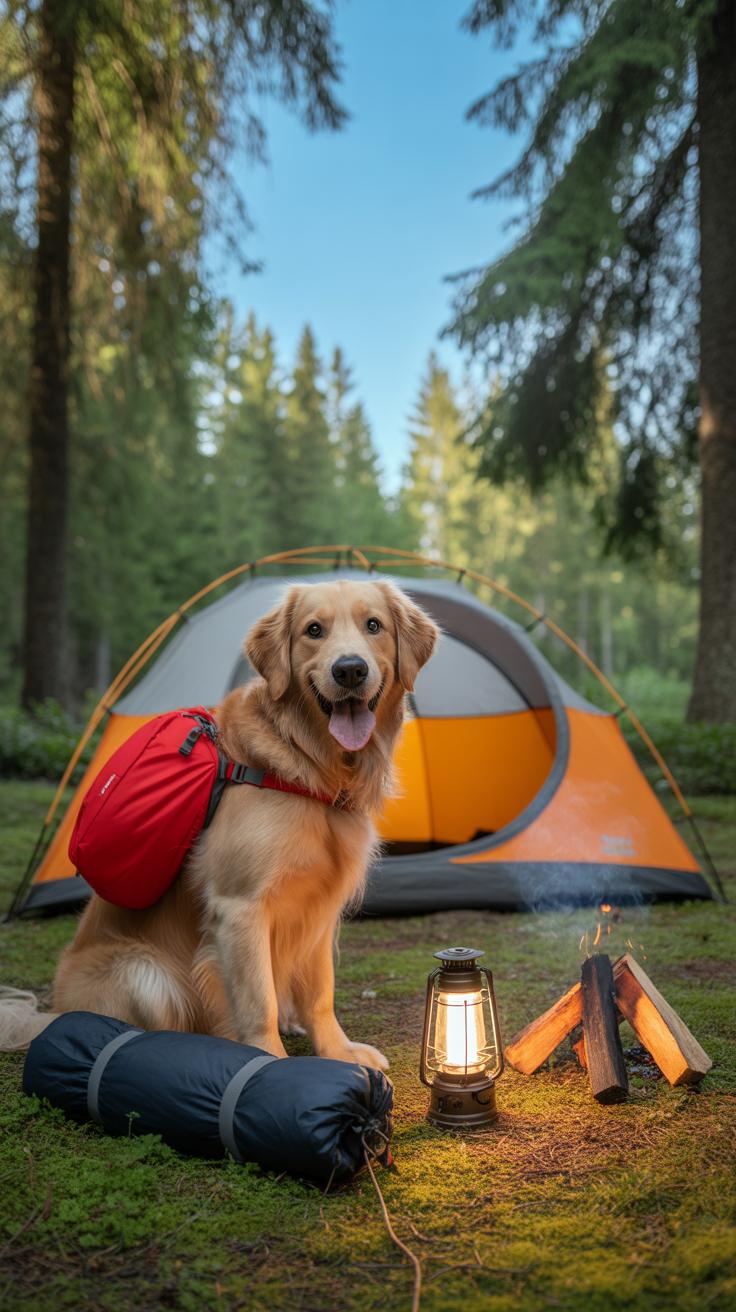
How To Assess Your Dogs Physical Fitness Before A Camping Trip
Physical readiness determines the success of a trip. Evaluate your dog through endurance testing. Start with long walks on uneven terrain. Watch for heavy panting or lagging behind. If the dog struggles on a three mile walk at home it will fail on a trail. Check paw pad toughness. Soft pads tear on sharp rocks or hot gravel.
Consult a veterinarian for a structural exam. Doctors check for joint laxity or heart murmurs that hide during rest. Muscle mass must support the dog during steep climbs. Overweight dogs face heat stroke and ligament tears. Incremental training builds the necessary stamina. Track recovery time after exercise. A fit dog returns to a normal breathing rate within ten minutes.
Breed Considerations And Age Factors That Affect Outdoor Readiness
Genetic traits dictate environmental limits. Brachycephalic breeds like pugs struggle with heat and thin air. Thick coated dogs overheat quickly in direct sun. Working breeds often possess the stamina for long treks but require mental stimulation. Small breeds lose body heat fast in cold rain. Research the specific history of your dog to understand its thermal and physical thresholds.
Age defines biological boundaries. Puppies have soft growth plates. Excessive hiking causes permanent bone damage in young dogs. Senior dogs face arthritis flare ups on hard ground. Their immune systems respond slowly to pathogens in wild water. Most dogs reach peak trail fitness between two and six years. Monitor older dogs for stiffness. Adapt the trip duration to match the biological stage of the animal.

Camping With Dogs Checklist Everything You Need To Pack For Your Pup
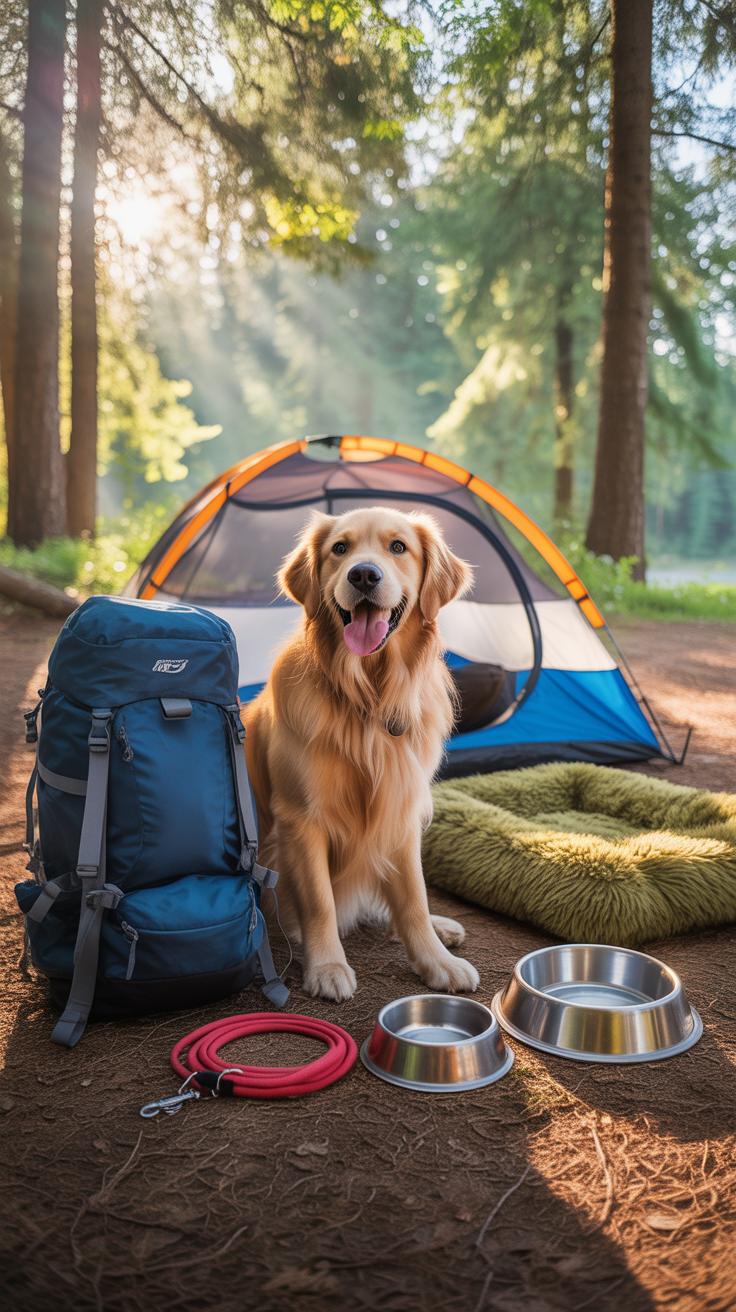
The Essential Gear Items Every Dog Owner Must Bring To Camp
Proper dog camping safety tips start with the right hardware. You cannot rely on household gear in the backcountry. Elements like temperature drops, jagged terrain, and remote locations require specialized items. Your dog needs a dedicated sleep system to prevent hypothermia from ground contact. High-visibility gear ensures you track their movement in low light. Every item must serve a specific survival or utility purpose.
- Short Non-Bungee Leash: Use a fixed-length leash made of nylon or Biothane. Bungee leashes lack precise control in high-stakes situations like wildlife encounters. A six-foot lead keeps your dog within your immediate sphere of influence while navigating difficult trails or crowded campsites.
- Insulated Ground Pad: Dogs lose body heat rapidly through conduction when sleeping on cold soil. A closed-cell foam pad or an inflatable dog bed provides a thermal barrier. This prevents joint stiffness and maintains core body temperatures during cold mountain nights.
- Collapsible Food and Water Bowls: Lightweight silicone or fabric bowls save space and weight. Choose deep designs to prevent spills and contamination from dirt. Proper hydration prevents heatstroke, so these bowls must be accessible at every rest stop during your trek.
- Canine First Aid Kit: Carry a kit specialized for paw injuries and parasite removal. It should include self-adhering bandages, antiseptic wipes, a tick remover, and saline solution. Standard human kits lack the specific tools needed to treat pad lacerations or remove embedded forest debris.
- LED Safety Collar: Visibility is a primary safety metric after sunset. A waterproof, rechargeable LED collar allows you to locate your dog instantly in total darkness. This tool prevents accidental separations and alerts other hikers or vehicles to your dog’s presence in the camp.
Nutrition and hydration are critical for trail performance. Pack thirty percent more food than your dog eats at home. Increased physical activity in rugged terrain burns calories at a faster rate. Bring a reliable water filtration system or carry enough potable water for two. Never allow your dog to drink from stagnant pools. This prevents infection from waterborne pathogens like Giardia or Leptospirosis.
How To Organize Your Dog Pack Without Overloading Your Own Bag
A dog should carry no more than fifteen to twenty-five percent of its body weight. This percentage depends on the breed, age, and physical condition of the animal. Use a saddlebag harness to distribute weight evenly across the shoulders. Avoid placing heavy items near the small of the back to prevent spinal strain. Balance the load on both sides to maintain the dog’s center of gravity.

Manage your own pack by attaching bulky dog items to the exterior. Use carabiners to secure bowls and waste bags for quick access. Place the heaviest dog supplies, like water and food, inside the dog’s panniers. This strategy reduces the weight on your shoulders while keeping the dog’s center of mass low. Empty the dog’s pack first once you arrive at the campsite to allow for immediate recovery.
Dog Camping Essentials Food Water And Nutrition In The Wild
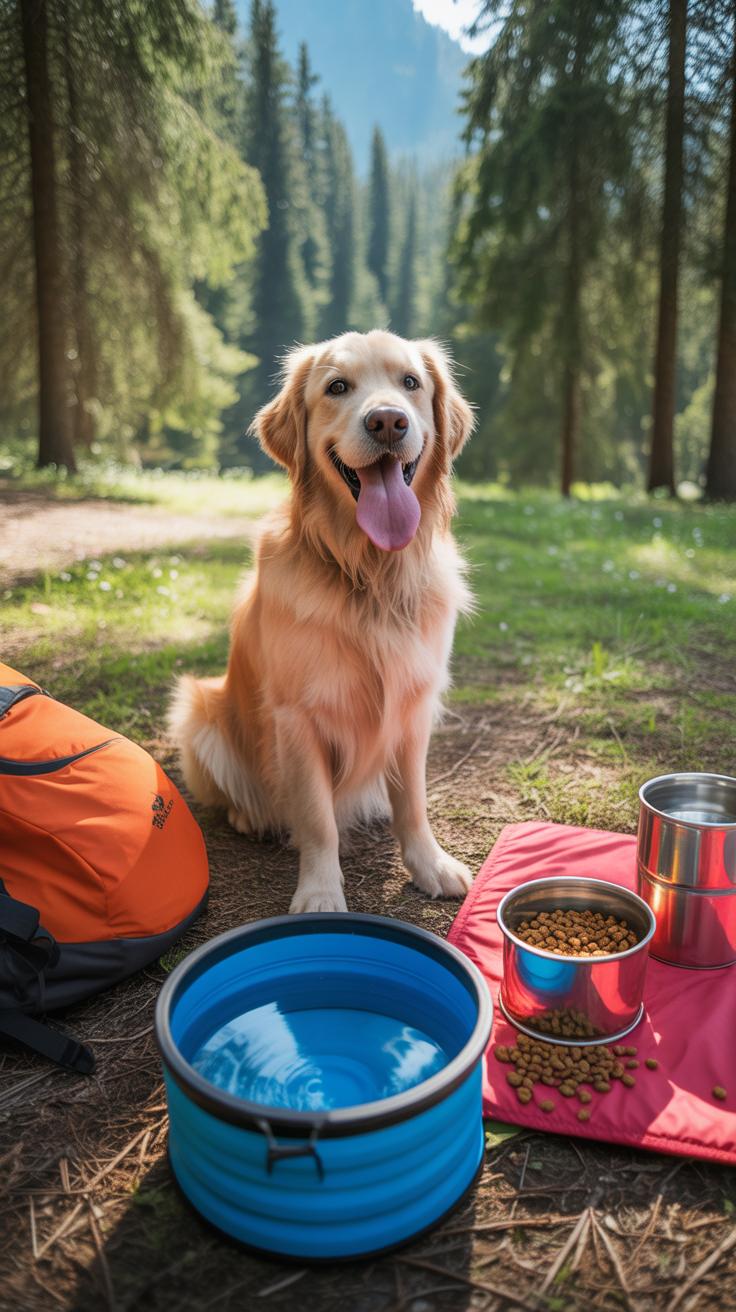
How Much Food And Water Does Your Dog Need While Camping
Camping increases your dog’s daily calorie burn. Physical exertion and cold nights force the body to use more energy. You must increase food portions by 10 to 25 percent to maintain their body weight. Pack more food than you think you need for the trip duration. Sudden changes in diet cause stomach upset, so bring the same brand they eat at home.
Hydration needs also spike in the wilderness. Dogs require roughly one ounce of water per pound of body weight daily. High activity levels or heat can double this requirement. Carry a portable bowl and offer water every 30 to 60 minutes during hikes. Do not wait for your dog to pant heavily before offering fluids. Monitor their gum moisture to ensure they stay hydrated.
The best memories are made under the stars when your loyal companion is kept out of harm’s way. Preparation is the greatest act of love an outdoor owner can offer for a safe journey home.
Safe Hydration Practices And Why Natural Water Sources Can Be Dangerous
Never let your dog drink from stagnant ponds or slow streams. These water sources often contain harmful bacteria and parasites. Blue-green algae blooms can be fatal to canines within hours of ingestion. Giardia and Cryptosporidium are common in wilderness areas and cause severe diarrhea. These pathogens thrive where wildlife or livestock share the water supply. You must treat all gathered water.

Use a filtration system or boil water to make it safe for consumption. Portable ceramic filters or UV purifiers work well for backcountry trips. If the water is unsafe for you, it is unsafe for your dog. Bring enough bottled water for the first day to bridge the gap. Watch for lethargy or vomiting if your dog accidentally drinks from a puddle. Seek veterinary care immediately if symptoms appear.
Camping Pet Safety Tips Protecting Your Dog From Wildlife And Terrain Hazards
Common Wildlife Encounters That Pose A Real Risk To Dogs Outdoors
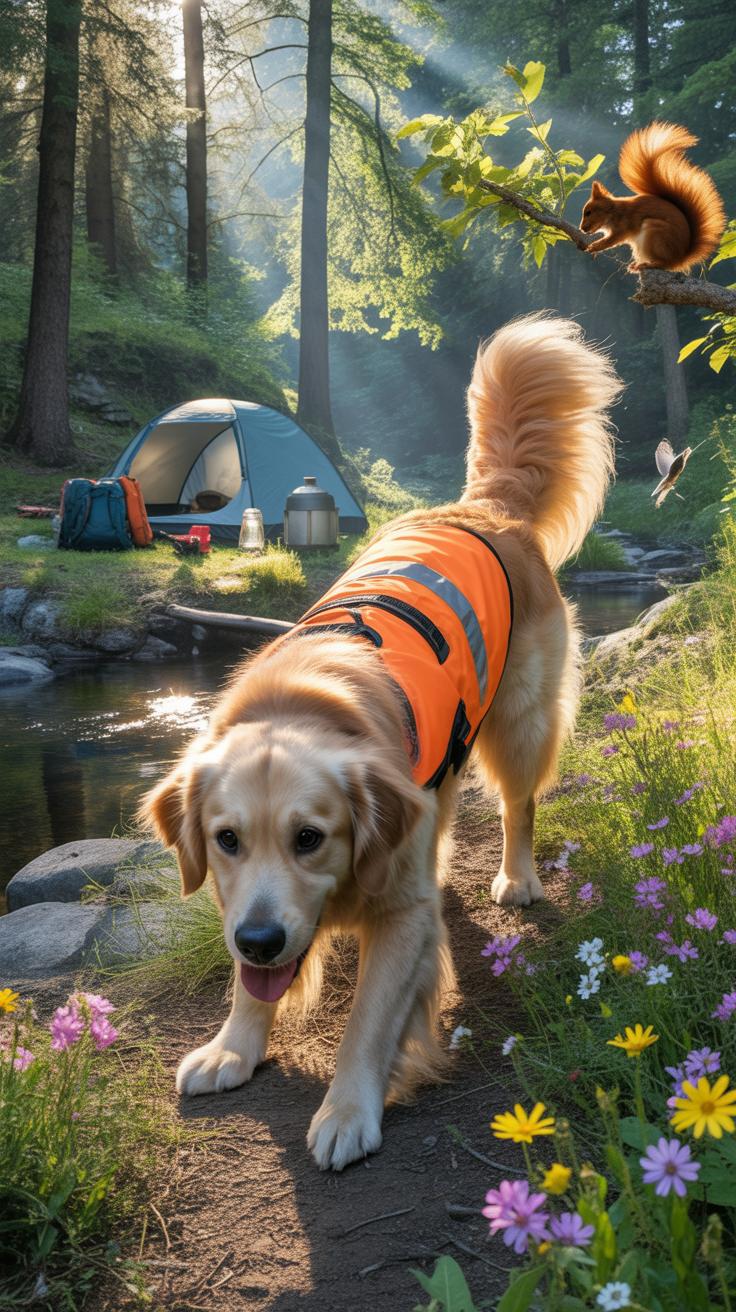
Wildlife encounters present immediate physical threats and long-term disease risks. Large predators like bears and cougars view dogs as either prey or territorial threats. Defensive mothers will attack if a dog approaches their young. Small mammals also carry danger. Raccoons and skunks often carry rabies. Rodents transmit leptospirosis through urine in soil or water. You must recognize these threats to keep your dog safe.
Control your dog with a physical leash to prevent chases. Off-leash dogs often provoke wildlife and then run back to their owners. This brings the angry animal directly to your campsite. Store all pet food in bear-proof containers or locked vehicles. Food odors attract scavengers that bite or scratch. Proper containment reduces the chance of a dangerous animal entering your immediate living space.
How To Identify And Avoid Dangerous Plants And Ground Hazards On The Trail
Trail hazards extend beyond visible predators to the vegetation and ground surface. Invasive plants like foxtails have barbed seeds that tunnel into skin and ears. Poison ivy and oak cause irritation on thin-haired areas like the belly. Cyanobacteria in stagnant water creates lethal neurotoxins. Dogs often ingest these risks while grooming or drinking. Scan the path constantly for these biological threats to ensure dog safety.

Terrain hazards cause mechanical injuries that end trips early. Sharp volcanic rock and overheated granite tear paw pads quickly. Rattlesnakes camouflage against fallen logs and rocky crevices where dogs stick their noses. Use boots on rough terrain to protect feet from lacerations. Keep your dog on the established trail to avoid hidden drop-offs or loose scree. Vigilance prevents these common injuries from occurring during your outdoor excursion.
Camping With Dogs Tips For Keeping Your Pet Comfortable At Night
Choosing The Right Sleeping Setup So Your Dog Stays Warm And Secure
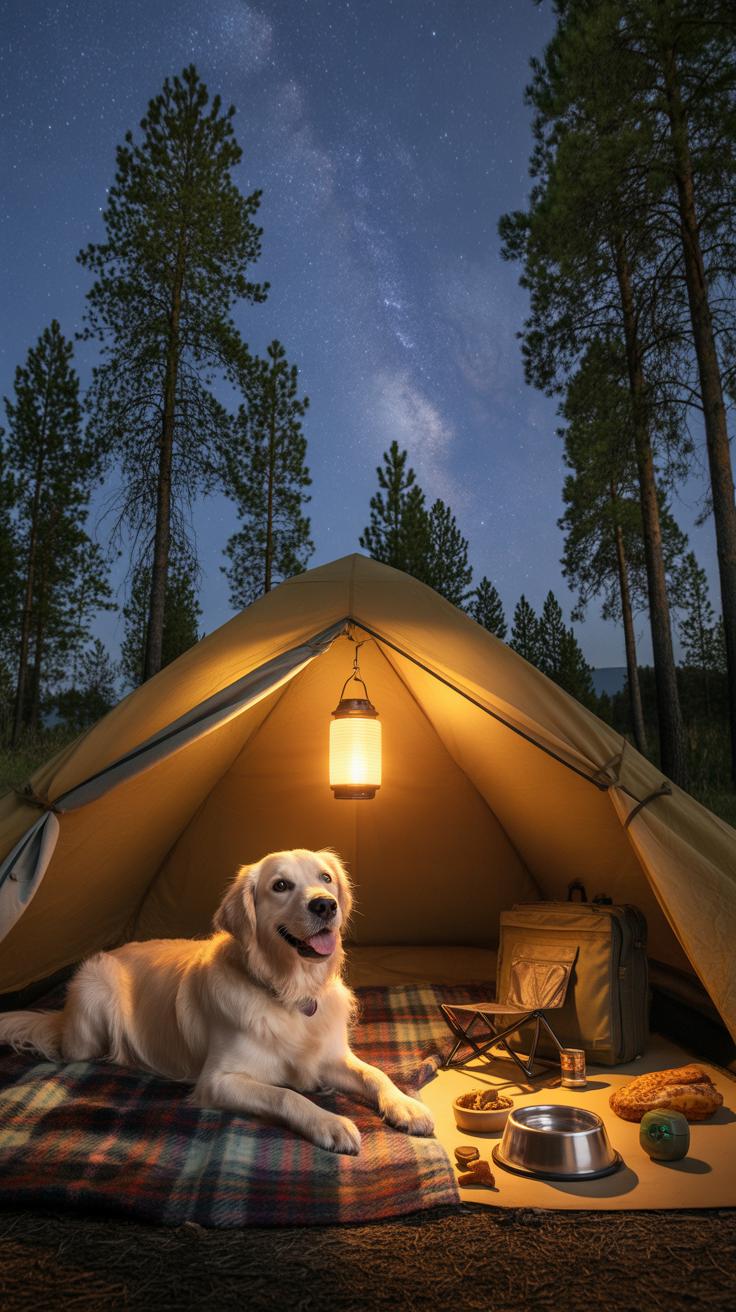
Ground temperature drops rapidly after sunset regardless of daytime heat. Dogs lose body heat through conduction when sleeping on the tent floor. You must provide a physical barrier between the dog and the earth. Use a closed-cell foam pad or a raised cot to stop thermal transfer. This keeps the animal dry and maintains its core temperature throughout the night.
Select a dedicated canine sleeping bag or a heavy wool blanket for insulation. Synthetic fill works best in damp conditions because it retains heat even when wet. Ensure the sleeping area sits away from the tent door to prevent drafts. A secure harness or crate inside the tent prevents the dog from escaping if it hears a nocturnal predator or a strange noise.
How To Manage Anxiety And Restlessness In Dogs During Overnight Camping
New environments trigger hyper-vigilance in domestic dogs. Strange scents and forest sounds keep an animal in an active state of alert. Bring a familiar blanket or bed from home to provide a scent anchor. This scent reduces cortisol levels and signals that the tent is a safe zone. Stick to your standard evening feeding and potty schedule to maintain a sense of order.

Physical exhaustion is the most effective tool against nighttime restlessness. Plan a high-intensity hike or play session shortly before sunset. A tired dog focuses on recovery rather than outside noises. If the dog remains alert, use a white noise machine or a low-volume radio to mask forest sounds. Keeping the dog close to your body provides reassurance and prevents unwanted pacing inside the tent.
Camping With Pets And Leash Etiquette Rules Every Responsible Owner Should Follow
Why Keeping Your Dog Leashed Protects Both Wildlife And Your Pet
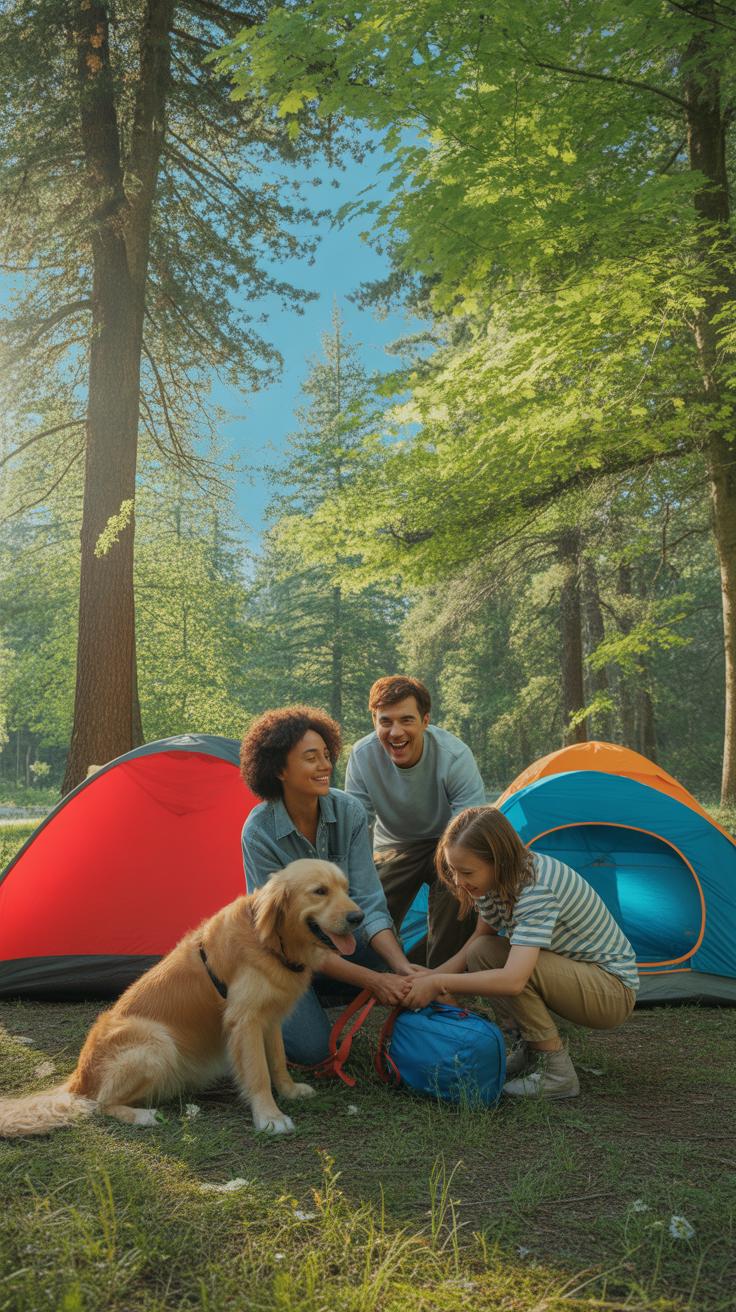
Off-leash dogs disrupt natural ecosystems and trigger flight responses in local wildlife. Small mammals and birds expend critical energy fleeing from curious pets. This stress can impact their survival and breeding success. Predators like coyotes or bears see a roaming dog as a threat or prey. A physical tether prevents your dog from chasing animals into dangerous or inaccessible terrain during your trip.
Leashes provide immediate control during sudden encounters on the trail. Dogs often consume toxic plants or animal waste when they roam out of sight. They may also contract diseases from stagnant water or parasite-heavy brush. Keeping your pet close ensures you can monitor what they sniff or ingest. It also prevents your dog from approaching other reactive animals or hikers who fear dogs in public spaces.
Understanding Campground Pet Policies And Leave No Trace Principles
Campgrounds enforce leash laws to maintain order and safety for all visitors. Most parks require a leash no longer than six feet at all times. Failure to follow these rules often results in fines or immediate eviction from the site. Check specific federal or state regulations before arrival. Some wilderness areas prohibit dogs entirely to protect sensitive habitats and preserve the natural soundscape for others.

Leave No Trace principles dictate that you must pack out all pet waste. Abandoned feces pollute water sources and introduce non-native bacteria into the soil. Use sturdy bags and dispose of them in designated trash receptacles only. High-impact areas require extra vigilance to keep the site clean for future campers. Your goal is to leave no physical or biological evidence that your dog visited the campsite.
Camping Dog Hacks For Tick Flea And Insect Prevention In The Field
Proven Methods To Prevent Ticks And Fleas From Reaching Your Dog On A Camping Trip
Veterinary grade preventatives serve as your first line of tactical defense. Consult your vet for oral medications or topical drops that kill parasites on contact or ingestion. Use these products at least forty eight hours before you leave for your trip. This lead time ensures the chemicals circulate through the blood or coat. Avoid over the counter options that lack clinical testing data.
Keep your dog on the trail to reduce exposure to tall grasses. Parasites wait on the tips of vegetation to latch onto passing hosts. Apply a dog safe repellent spray containing permethrin or cedar oil to the harness and legs. Permethrin is highly effective but toxic to cats. Check the chemical compatibility of all gear before application to prevent fabric damage or health risks.
How To Perform A Full Body Tick Check On Your Dog After A Hike
Conduct a physical inspection immediately after every hike or brush encounter. Do not wait until you return to the tent. Parasites migrate toward warm and dark areas on the canine body. Use your fingers to feel for small bumps under the fur. Visually inspect the skin by parting the hair against the grain. Speed ensures you find ticks before they attach firmly.
- Face and Ears: Inspect the snout and eyelids meticulously. Ticks often hide inside the ear canal or along the thin skin of the ear flaps. Parasites prefer these areas because blood vessels are close to the surface and easy to penetrate quickly.
- Armpits and Groin: Check the front armpits and the inner thighs thoroughly. These locations provide the heat and moisture that ticks seek for long term attachment. Move the legs to reveal skin folds where a small nymph could hide from plain sight.
- Between Toes: Examine the webbing between every paw pad. Ticks frequently latch onto the feet as the dog walks through leaf litter. Debris and mud can mask a parasite. Clean the paws with a damp cloth to ensure the skin is visible.
- Under the Collar: Remove all gear including collars and harnesses during the check. Ticks crawl under nylon straps to avoid being dislodged by the dog. A collar can hide multiple parasites for days if you do not take it off for a visual scan.
- Tail Base: Run your hands from the mid back down to the tip of the tail. Check the underside of the tail near the rectum. This area has thick fur and many folds. It is a common destination for ticks moving upward from the ground.
Use a tick removal tool or fine tipped tweezers for any attached parasites. Grasp the head as close to the skin as possible. Pull upward with steady and even pressure to avoid breaking the mouthparts. Place the tick in a sealed container with alcohol to kill it. Clean the bite site with an antiseptic wipe immediately to prevent a localized skin infection.
Camping Trip Pet Tips Building A Dog First Aid Kit And Knowing When To Act
What To Include In A Dog Specific First Aid Kit For Remote Camping
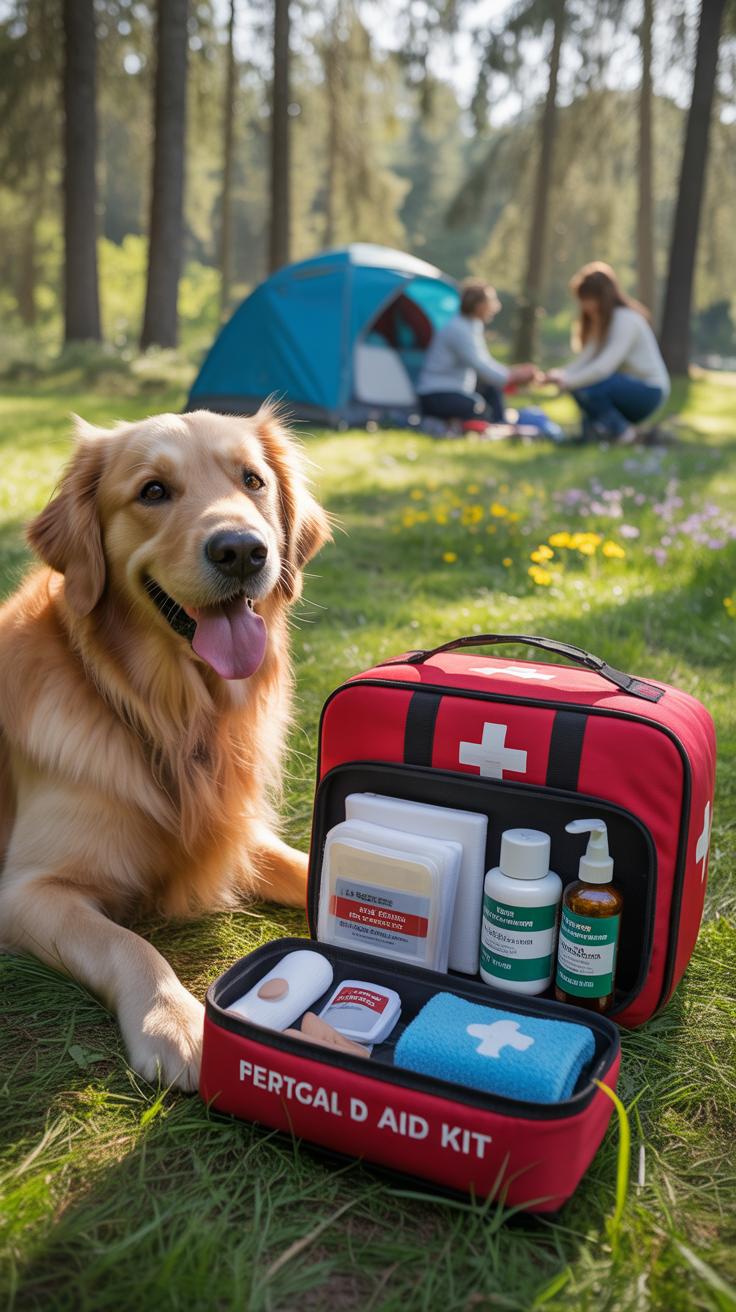
A remote camping first aid kit requires specific medical supplies tailored to canine physiology. You must carry heavy duty cohesive bandages like Vetrap because they stick to fur without pulling. Include saline solution for flushing debris from eyes or open wounds. Tweezers and a tick removal tool are mandatory for extracting parasites or wood splinters safely. Professional grade styptic powder stops bleeding from torn nails instantly.
Standard human ointments often contain ingredients that are toxic if licked by dogs. Only pack veterinary approved antiseptic wipes and antibiotic creams. Include a digital thermometer to monitor core body temperature during extreme weather. Bring an extra slip lead to use as a temporary leash if the primary one breaks. Keep a list of emergency vet clinics located near your specific campsite for fast response times.
Warning Signs Of Heat Stroke, Dehydration, And Injury Every Camper Must Recognize
Heat stroke kills fast in the backcountry. Watch for excessive panting and dark red or purple gums. A dog suffering from heat stress will act lethargic or collapse entirely. Dehydration shows through dry nose leather and skin that stays tented when pinched. If you notice thick saliva or sunken eyes, the animal needs immediate hydration and shade. Act before the dog enters a state of shock.

Physical injuries often manifest as subtle changes in gait or behavior. Check your dog for limping or constant licking of a specific paw or joint. Outdoor hazards like sharp rocks and thorns cause deep punctures that hide under thick fur. Watch for sudden whining or restlessness which indicates internal pain. If the dog refuses to eat or drink after a long hike, assume an emergency situation and move toward help.
Dog Friendly Camping Ideas To Make The Experience Enriching And Stress Free
How To Choose Dog Friendly Campgrounds And Trails That Welcome Pets
Research campground policies before you book a site. Many public lands allow pets but enforce strict leash laws. National parks often limit dogs to paved roads and developed areas. State parks and national forests usually offer more trail access. Check for breed or size restrictions at private parks. Verify that the campground has shaded areas and access to clean water sources for your animal.
Identify trails that match your dog’s physical fitness level. Look for high elevation gains or rocky terrain that could damage paws. Check recent trail reports for glass shards or common sightings of aggressive wildlife. Ensure the path has wide enough shoulders for safe passing. Avoid areas with heavy mountain bike traffic to prevent collisions. Always confirm that the specific trail allows dogs before starting your hike.
Fun And Safe Activities You Can Enjoy With Your Dog At The Campsite
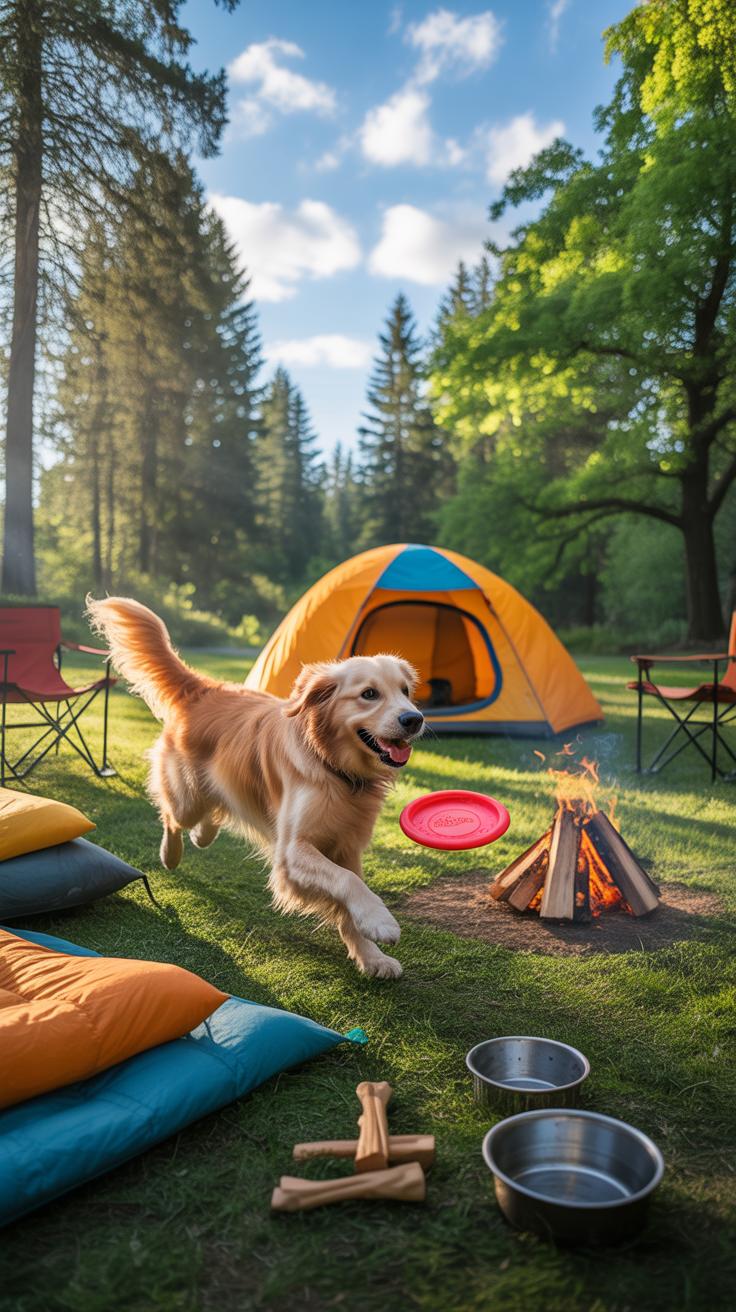
Engage your dog with nose work around the campsite area. Hide high-value treats in safe spots to keep their mind sharp. This burns mental energy and prevents boredom-induced barking. Ensure you keep the dog on a long training lead during these activities. This allows freedom of movement while maintaining control. Do not let the dog wander into neighboring campsites or thick brush.
Set up a dedicated cooling station with a portable bed or damp towel. Dogs often struggle to regulate heat in stagnant air. Provide floating toys for fetch if the site has a safe water entry point. Monitor the dog for signs of exhaustion during play. Use a sturdy tie-out stake only when you are present and supervising. Consistent engagement reduces stress and helps the dog settle into the new environment.
Frequently Asked Questions

Is it safe to take my dog camping for the first time?
Taking your dog on their first outdoor adventure is incredibly rewarding, but preparation is key to a positive experience. Before heading out, ensure your pet is up to date on vaccinations and flea prevention. Following essential dog camping safety tips, such as researching pet-friendly trails and practicing overnight stays in your backyard first, will help your dog acclimate to sleeping in a tent and ensure a stress-free trip for everyone involved.
How can I keep my dog secure and comfortable at the campsite?
To keep your pup secure, never leave them unattended and always use a long tether or a secure stake-out cable. Creating a designated “den” inside your tent with their favorite bed and familiar blankets helps reduce anxiety in a new environment. Integrating these dog camping safety tips, like using a reflective collar and a clip-on LED light, ensures your pet remains visible and calm throughout the evening while you relax by the fire.
Can I go camping with my dog on a tight budget?
Absolutely! You don’t need expensive gear to keep your pet safe in the wilderness. Instead of buying high-end equipment, use a standard sturdy leash you already own and pack old towels for drying off after hikes. Focusing on affordable dog camping safety tips, such as packing a DIY first-aid kit with basic bandages and antiseptic, allows you to enjoy the great outdoors with your furry best friend without breaking the bank.