Why A Dog Packing List Makes Road Trips Easier And Safer
The Real Difference A Checklist Makes For Dog Travel
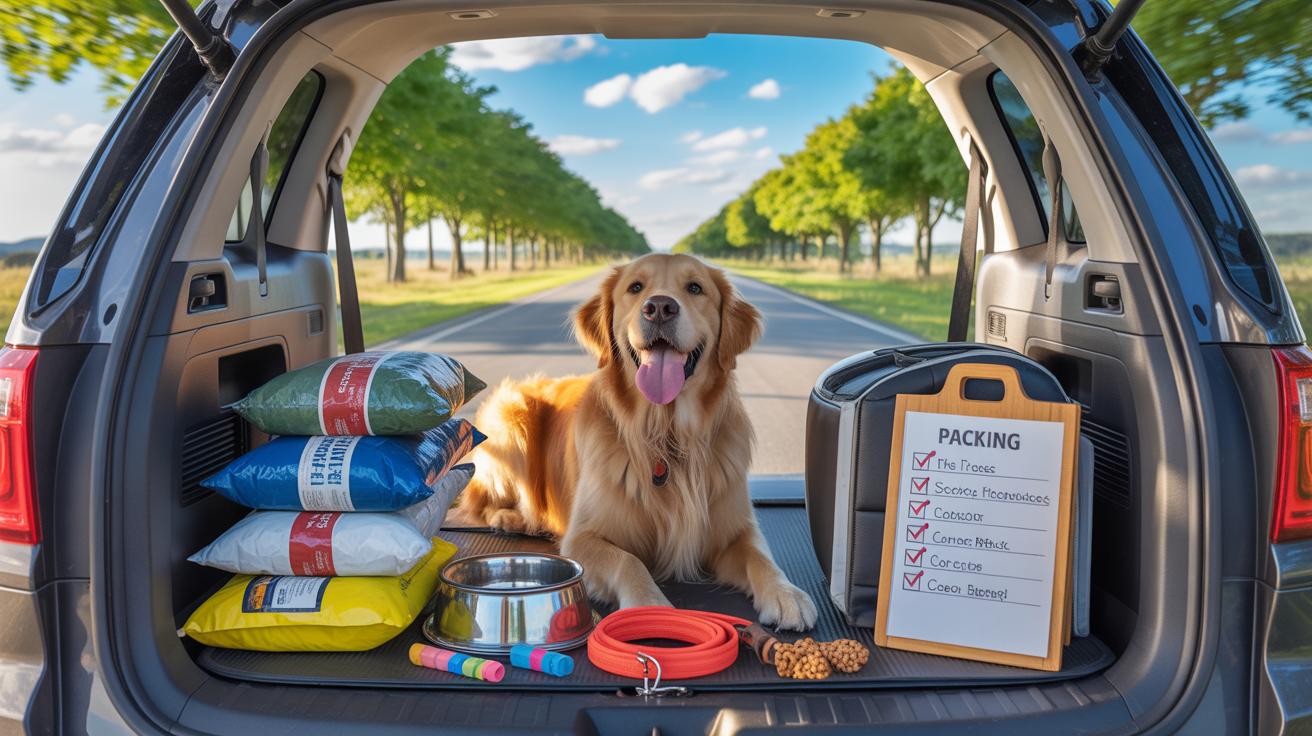
A checklist forces you to pack by logic rather than emotion. It prevents the omission of critical items like medication and vaccination records. Without a written system, you will likely forget a high-stakes item. This oversight causes wasted time and unnecessary stops. A tactical list ensures you have the exact tools needed to handle roadside emergencies and hygiene issues.
Standardizing your gear selection saves physical space in the vehicle. You avoid over-packing useless items while securing the essentials. This efficiency creates a safer environment inside the cabin. Loose items become projectiles during hard braking or collisions. A checklist helps you organize cargo areas properly. It turns a disorganized car into a mobile command center ready for long distances and changing weather.
How Being Prepared Reduces Stress For Both You And Your Dog
Dogs rely on routine and familiar scents to remain calm in new environments. Bringing specific items from home lowers the animal’s cortisol levels. Sudden changes in diet or water sources often cause digestive distress. When you pack their usual food and filtered water, you prevent illness. A prepared owner remains calm. This confidence transfers to the dog and prevents barrier frustration or travel anxiety.
Safety gear dictates the outcome of an accident. Harnesses and crates prevent the dog from interfering with the driver. Preparedness also covers medical needs or sudden injuries in remote areas. Having a first aid kit within reach allows for immediate action. You eliminate the panic of searching for a vet in an unfamiliar town. Fast responses keep the trip on schedule and ensure the dog survives a crisis.

Dog Road Trip Essentials Safety Gear You Should Never Leave Behind
Crash Tested Crates, Harnesses, And Restraints For In Car Safety
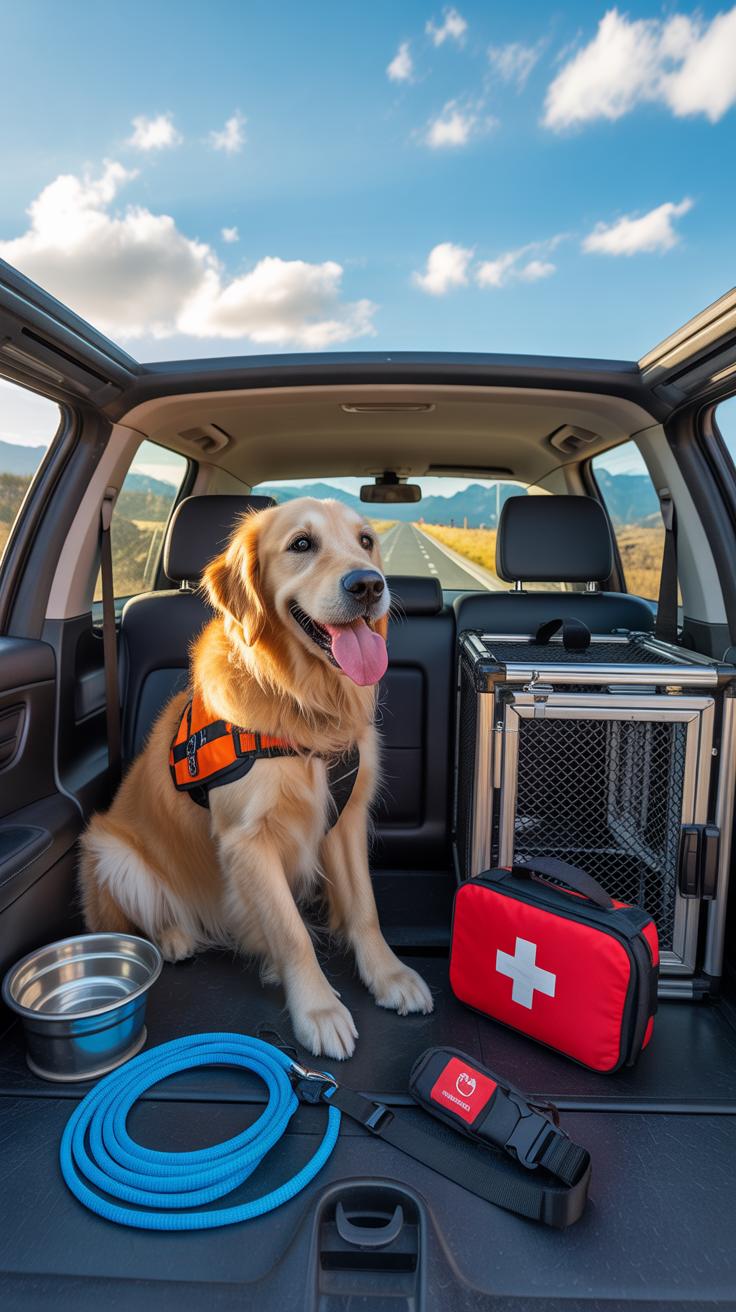
Unrestrained dogs become dangerous projectiles during a collision. High-speed impacts turn a small dog into a heavy force that can kill passengers. You must choose gear tested by independent labs like the Center for Pet Safety. Cheap seatbelt tethers often snap at the plastic buckle. Only heavy-duty nylon webbing and metal hardware survive high-velocity stress. Use hardware that attaches directly to the vehicle seatbelt system.
Crates offer the highest level of protection if they feature reinforced walls and tie-down straps. A loose crate is just as dangerous as a loose dog. Secure the carrier to the floor cargo hooks of your SUV or van. For smaller cars, a crash-tested harness keeps the dog on the seat bench. This prevents the animal from interfering with the driver or jumping out during a roadside stop.
ID Tags, Microchipping, And Why Both Matter On A Long Drive
A physical ID tag is your first line of defense if a dog escapes at a rest stop. Local finders will call the number on the tag immediately. Digital tags with QR codes provide GPS coordinates when someone scans them. Ensure the tag is stainless steel or brass to prevent fading. Update the phone number to a cell phone you carry on the trip.
Microchips provide permanent identification that a dog cannot lose. Shelters and vets scan for these chips to find owners across state lines. A chip is useless if the registration data is old or missing. Log into the national database before you depart. Verify your current contact info and emergency backup person. Both tools working together ensure you recover your dog quickly in unfamiliar territory.
The Ultimate Dog Travel Checklist Food Water And Feeding Supplies
How Much Food And Water To Pack Based On Trip Length
Calculate the exact number of meals for the total trip duration and add a three-day safety margin. This surplus accounts for unexpected delays like road closures or mechanical failures. Maintain the current diet to prevent digestive distress during travel. Switching brands mid-trip often leads to diarrhea or vomiting. Store dry kibble in airtight containers to preserve freshness and block out moisture.
Water requirements change based on vehicle temperature and hardware. Pack one gallon of fresh water per day for a medium-sized dog. Do not rely on local tap water as different mineral contents can cause stomach upset. Use familiar water from home to ensure the dog stays hydrated. Monitor intake frequently because dehydration happens quickly in climate-controlled cabins. Efficient planning prevents emergency stops for supplies.
Portable Bowls, Collapsible Containers, And On The Go Hydration Tips
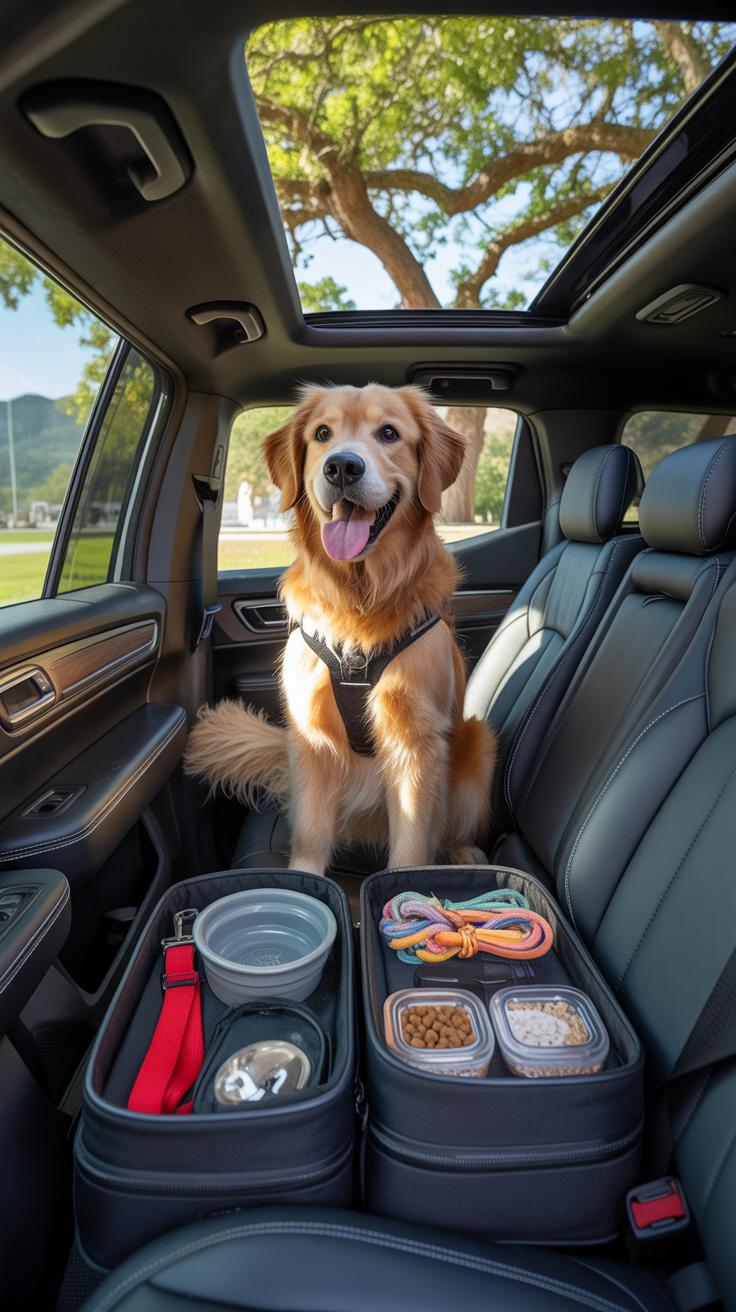
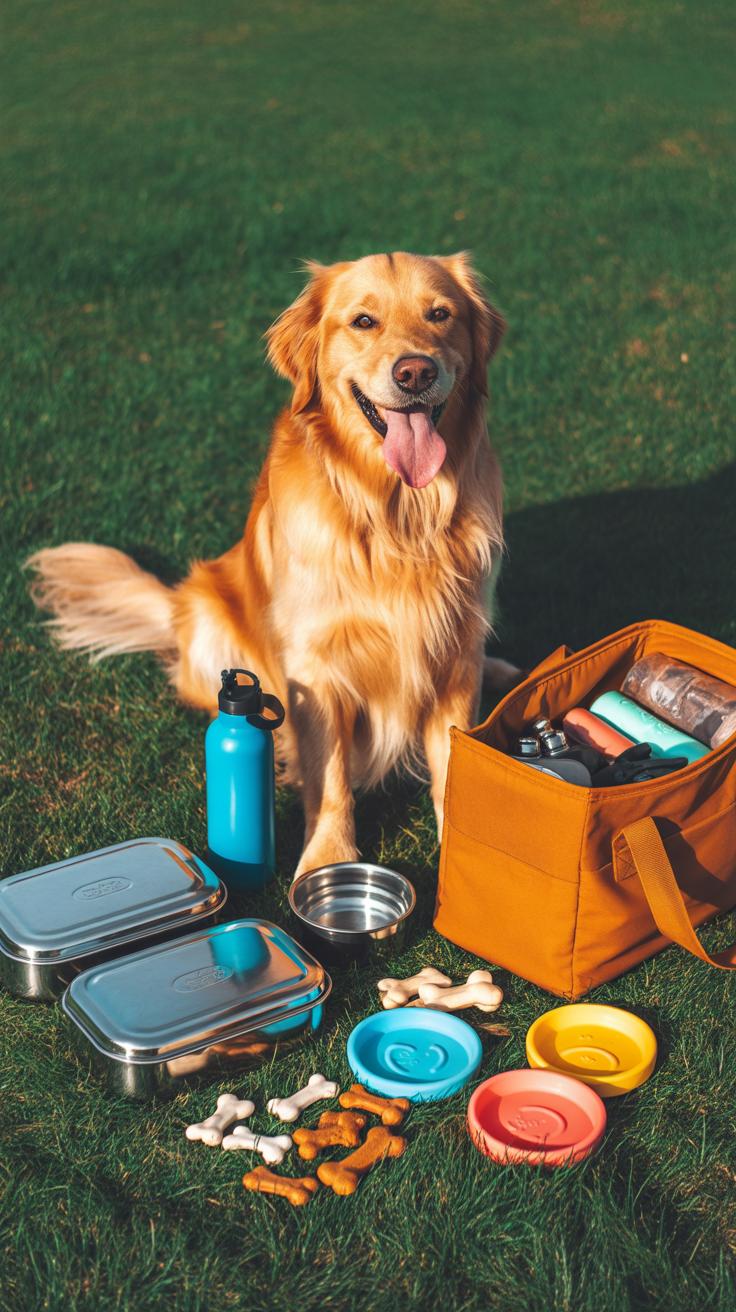
Choose silicone collapsible bowls for maximum space efficiency and durability. These containers fold flat and fit into side pockets or glove boxes. Non-slip bottoms prevent spills on uneven surfaces like car seats or gravel. Stainless steel options provide better hygiene for long-stay destinations but take up more room. Select heavy-duty materials that withstand heat and repeated washing without leaching chemicals.
Offer water every two hours during stops to maintain kidney function. Do not leave water bowls on the floor while the vehicle is in motion to avoid messes. Use a splash-proof bowl if the dog must drink while moving. Clean all feeding equipment daily with soap to prevent bacteria growth. Proper gear sets a standard for safety and comfort throughout the entire journey.
Dog Trip Checklist Health Medications And Vet Documents
Vaccination Records, Health Certificates, And Crossing State Lines
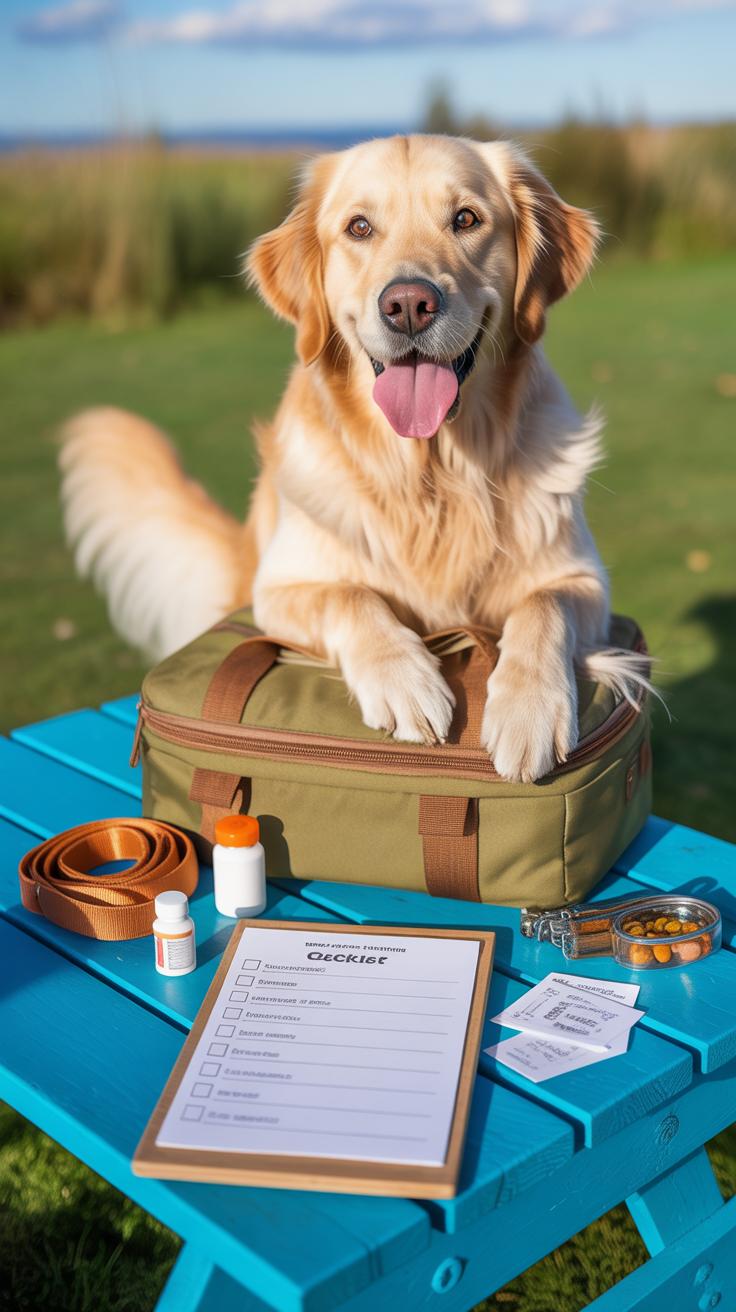
Keep physical and digital copies of your dog’s rabies vaccination certificate. You need these documents to enter many boarding facilities or emergency clinics. Most states require proof of rabies vaccination for dogs traveling across state lines. Some states specifically require a Certificate of Veterinary Inspection. This document proves a vet examined your dog recently. It confirms your dog is free of contagious diseases.
Store these records in a waterproof folder inside your vehicle. Take photos of every page and save them to a cloud drive. This ensures you have access if you lose the paper files. Check the specific entry requirements for every state on your route. Local laws vary on vaccination types and timelines. Lack of proper paperwork can lead to fines or forced quarantine during roadside stops or inspections.
Motion Sickness, Anxiety Aids, And Medications To Discuss With Your Vet
Consult your veterinarian about motion sickness medications before you depart. Many dogs experience nausea during long drives. Prescription options work better than over the counter drugs. Discussion should also cover sedatives or anti-anxiety aids if your dog dislikes car travel. Test any new medication at home first. You must observe your dog’s reaction to the dosage before you are on the open road.

Pack a full supply of all current daily medications. Bring extra doses to account for travel delays or spills. Keep all pills in their original prescription bottles. These labels contain vital dosage information and vet contact details. Ask your vet for a printed list of all active prescriptions. This list helps emergency clinics treat your dog accurately. Do not change feeding or medication schedules during the trip.
Puppy Travel Essentials Checklist Special Considerations For Young Dogs
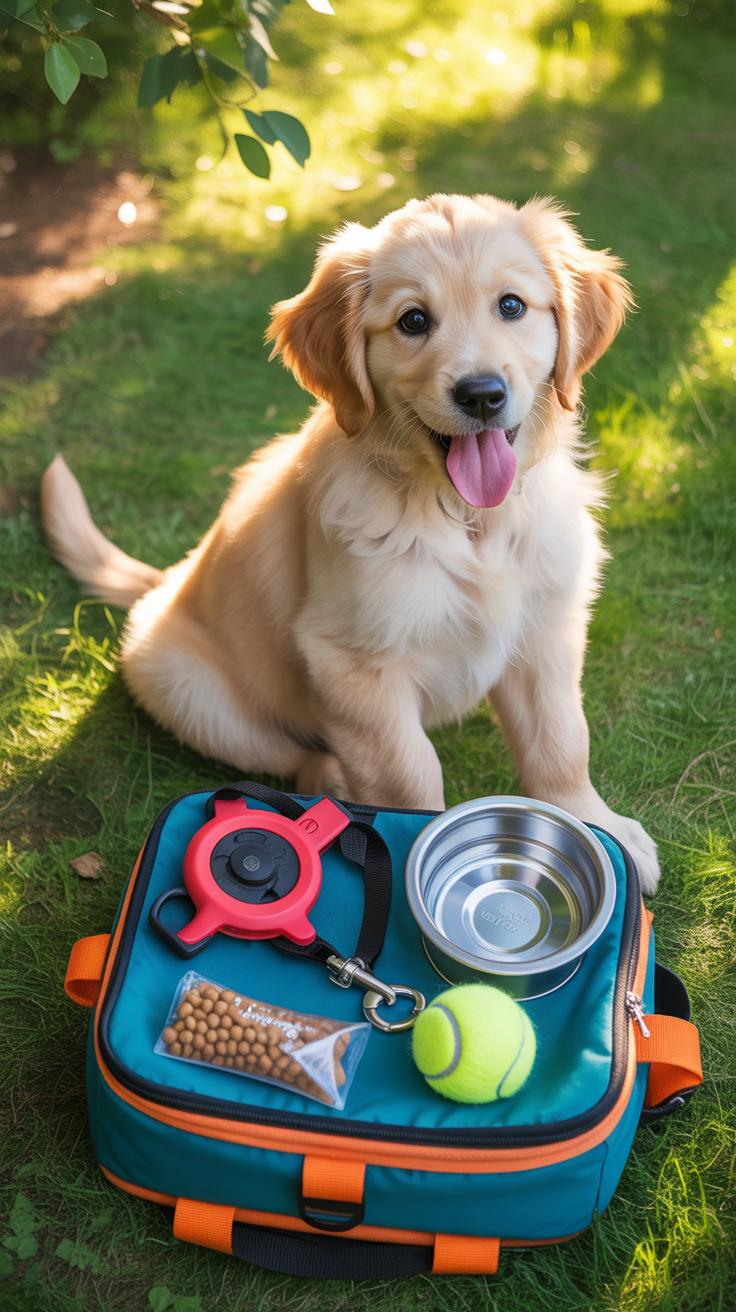
How Puppies Experience Road Travel Differently Than Adult Dogs
Puppies lack the physical and mental maturity of adult dogs. Their inner ears are not fully developed which leads to higher rates of motion sickness. Short trips do not prepare them for long hauls. They also have smaller bladders and require bathroom breaks every two hours. You cannot expect a young dog to hold its waste like a mature animal can.
Mental stimulation and fear periods are critical factors. Puppies go through developmental stages where new sights and sounds cause extreme stress. A loud highway or a busy rest stop can trigger lifelong anxiety if handled poorly. You must prioritize frequent stops and positive reinforcement. Their immune systems are also weaker. This makes them more vulnerable to diseases found at public rest areas.
Must Have Comfort And Safety Items Specific To Traveling Puppies
Puppies require specific gear to manage their biological needs and destructive tendencies. You need items that provide physical security and easy cleanup. Standard adult dog gear often fails because it does not account for size or chewing habits. Use a crash-tested crate rather than a seatbelt harness for small puppies. This prevents them from crawling under seats or interfering with the driver.
- Absorbent Training Pads: Puppies cannot always wait for the next rest stop. Use heavy-duty pads to line the crate or floorboard. These pads trap moisture and neutralize odors immediately. This prevents permanent damage to your vehicle upholstery and reduces cabin smell on long drives.
- Durable Chew Toys: Teething puppies will destroy car interiors when bored or anxious. Provide frozen rubber toys or nylon bones to keep them occupied. These items satisfy the biological urge to chew and provide a necessary distraction from the movement of the car.
- Calming Pheromone Spray: Synthetic dog appeasing pheromones mimic the scent of a nursing mother. Spray this on the puppy’s bedding twenty minutes before departure. It helps lower cortisol levels and reduces whining during the trip. This tool provides a non-medical way to manage travel-induced stress.
- Adjustable Travel Crate: A crate that grows with the dog ensures safety at every stage. It must be small enough to prevent the puppy from sliding around during turns. Proper containment is the only way to protect a puppy during a sudden stop or a vehicle collision.
- Cleaning Kit: High-protein puppy diets can lead to unpredictable stomach upsets. Pack an enzymatic cleaner, paper towels, and extra waste bags. Enzymatic cleaners are necessary because they break down the proteins in urine and feces. This stops the puppy from marking the same spot later.

Safety starts with proper containment and sanitization. Young dogs explore the world with their mouths and paws. This behavior increases the risk of ingesting harmful objects or contracting parvovirus from contaminated soil. Keep your puppy on a short leash during every stop. Never let an unvaccinated puppy walk in high-traffic grass areas. Pack a dedicated puppy first aid kit to handle minor scrapes or upset stomachs.
Dog Packing List Road Trips Comfort And Sleep Essentials
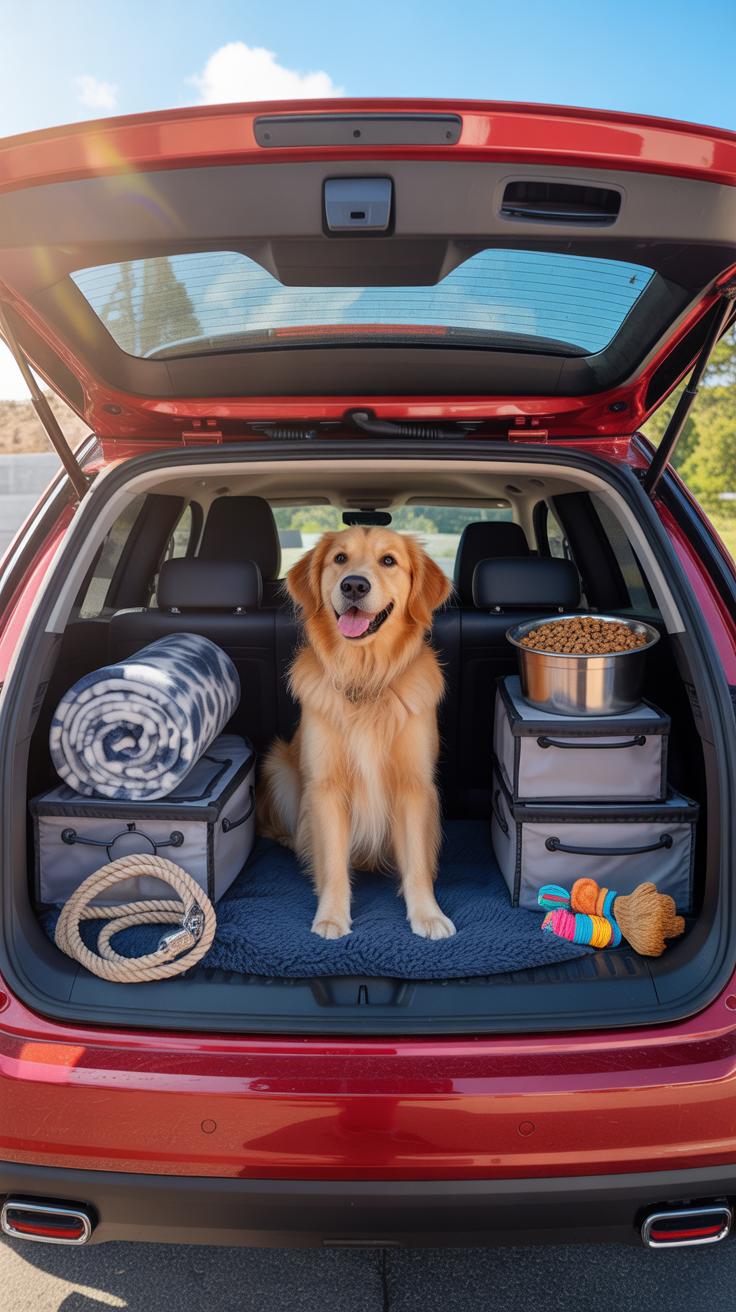
Bringing Familiar Bedding And Toys To Ease Anxiety On The Road
Dogs rely on scent to identify safe spaces. A new environment like a car or hotel causes immediate stress. Bringing an unwashed bed from home provides a scent anchor. This smell lowers cortisol levels in the animal. It tells the dog that the new space is an extension of their home territory. Use this strategy to prevent destructive chewing or pacing.
Familiar toys serve a dual purpose during long drives. They provide a physical outlet for nervous energy. Choose durable rubber toys or plush items that carry the scent of the home living room. Avoid introducing brand new toys on the first day of the trip. The lack of familiarity can increase confusion rather than provide comfort. Stick to proven items that the dog already trusts.
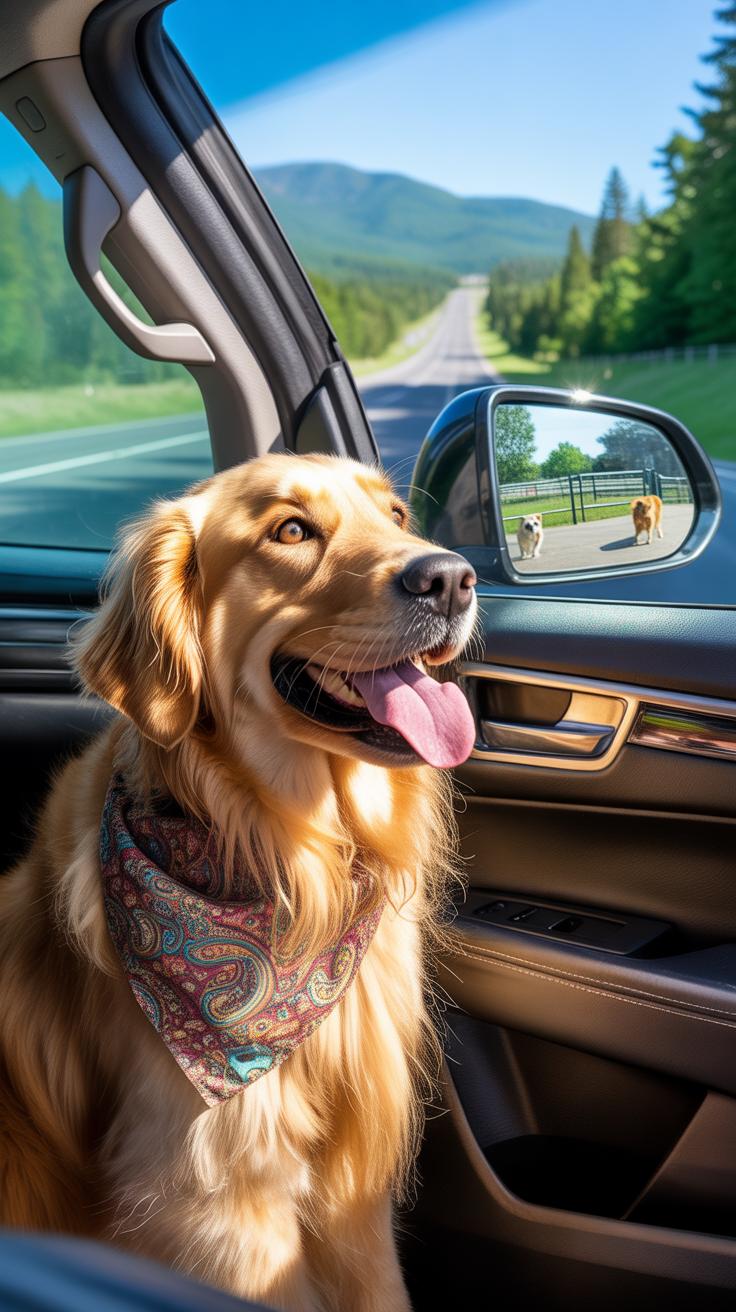
Happiness is a long road ahead and a full car, with your best friend’s head resting right where the gear shift should be. Once you have the gear, all you need is the map and a wagging tail.
How To Set Up A Comfortable Rest Zone For Your Dog In The Car
Temperature management determines the quality of rest in a vehicle. Use sunshades on rear windows to block direct heat. Place the dog bed on a flat surface to protect their joints during turns. Modern memory foam liners absorb road vibrations that cause muscle fatigue. Ensure the area has proper airflow. Stagnant air leads to overheating even if the cabin air conditioning is active.

Secure the rest zone to prevent sliding during braking. Use a crash-tested harness or a fixed crate for safety. A loose bed becomes a projectile in an accident. Clear the footwell area to give the dog extra floor space if they prefer resting lower. Keep the water bowl within reach but secured to the side. A stable environment promotes deep sleep and reduces travel exhaustion for the animal.
Dog Travel Essentials Checklist Hygiene Waste And Grooming Supplies
Waste Bags, Portable Potty Patches, And Leave No Trace Practices
Effective waste management prevents environmental damage and fines. Carry heavy-duty waste bags that resist punctures and mask odors. Double-bagging is a requirement in heat to prevent bacterial growth and smell. Pack a dedicated sealable container for used bags if trash cans are unavailable. Tactical disposal keeps your vehicle interior sanitary. Always follow local laws regarding pet waste to avoid citations during your journey.
Portable potty patches solve problems in urban areas or parking lots. These synthetic grass mats provide a familiar surface for dogs that refuse to go on pavement. This tool is vital for high-rise hotel stays or long ferry crossings. Practice leave-no-trace ethics by picking up all solid waste immediately. Proper sanitation protects local wildlife and keeps public rest stops open for all pet owners.
Quick Clean Grooming Supplies Worth Packing For Multi Day Trips
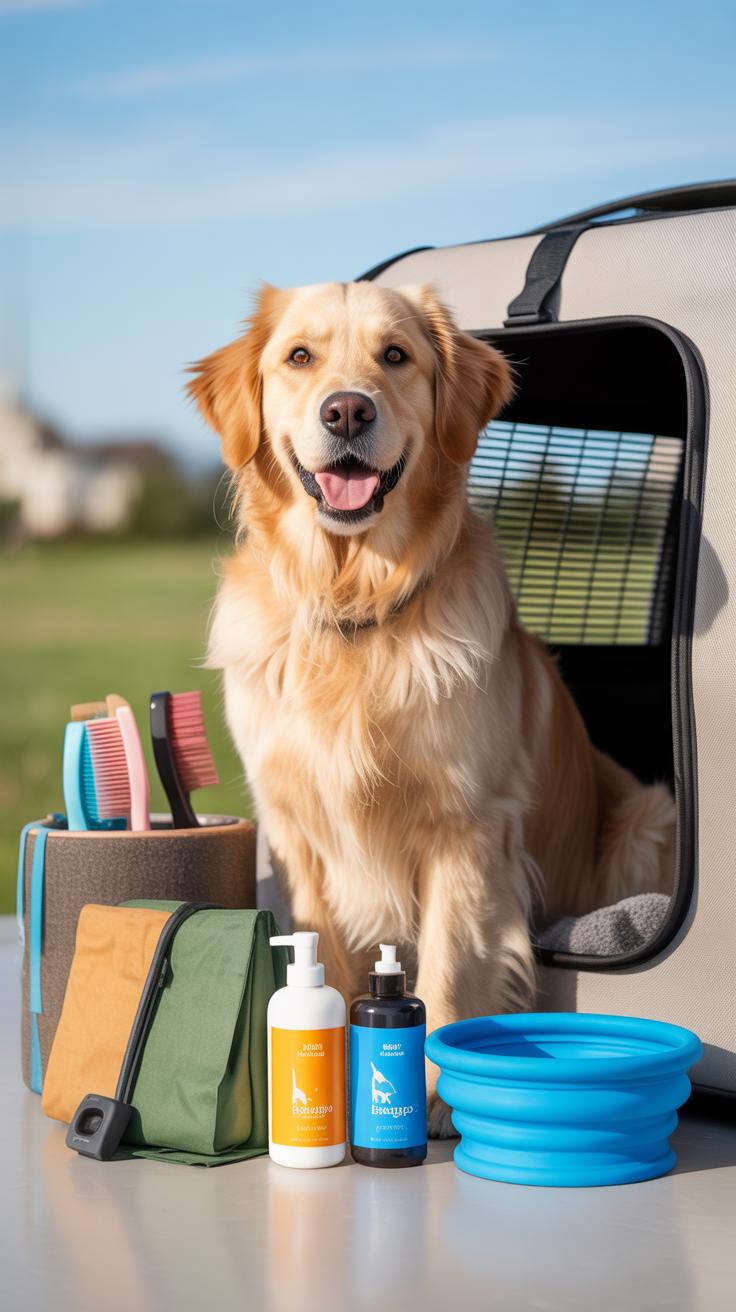
Road trips expose dogs to mud, dust, and allergens that ruin vehicle interiors. You must manage coat hygiene daily to prevent odors from setting into car upholstery. Waterless shampoos allow for cleaning without a bathtub access. Grooming wipes serve as the first line of defense for paws. Maintaining a clean dog reduces the mechanical wear on your car air filtration system.
- Moist Grooming Wipes: Use extra-thick, unscented wipes to clean paws and undercarriages after hikes. These remove mud and allergens before the dog enters the vehicle. Look for alcohol-free versions to prevent skin irritation during long trips.
- Waterless Foam Shampoo: This product cleans fur without requiring a full rinse. Apply the foam and towel it off to lift dirt and neutralize odors quickly. It is essential for managing smells in the confined space of a car.
- Microfiber Drying Towels: These towels absorb significantly more water than standard cotton. Use them to dry your dog after rain or unexpected swims. Fast-drying material prevents the towel itself from developing a damp mildew smell inside your storage bags.
- Slicker Brush or Comb: Daily brushing removes loose fur and debris trapped in the coat. This proactive step prevents matting and significantly reduces the amount of shedding inside your vehicle. It also allows you to check for ticks and burrs.
- Portable Paw Washer: A small cup-style cleaner uses silicone bristles to scrub mud off paws. Fill it with a small amount of water to sanitize feet before every car entry. This tool prevents grit from grinding into your floor mats.
Grooming on the road is about utility rather than aesthetics. Focus on the paws and belly where dirt accumulates most. Use a dedicated storage bin to keep wet towels and used brushes separate from clean gear. Rapid intervention after outdoor activity prevents long-term stains on your seats. Tactical grooming ensures a professional level of cleanliness throughout the entire duration of your travel.
Dog Travel Planning Pit Stops Pet Friendly Stays And Activities
How Often To Stop And What To Do During Breaks On A Long Drive
Stop your vehicle every two to four hours. Dogs require regular movement to prevent joint stiffness and muscle cramps. Use every break to offer fresh water and a bathroom opportunity. High-protein snacks during these stops keep energy levels stable. Ensure the dog wears a leash before opening any doors. This prevents bolting into traffic or unfamiliar terrain.
Walk the dog for at least fifteen minutes during each stop. Physical exertion reduces cabin fever and anxiety. Use this time to inspect the dog for ticks or burrs if walking in wooded areas. Check pavement temperatures with your hand to prevent burned paw pads. Keep waste bags ready and dispose of all refuse immediately. Clean habits ensure these public rest areas stay open to pets.
Finding Pet Friendly Hotels, Campgrounds, And Rest Areas Along Your Route
Identify your overnight stops before you depart. Many hotel chains allow dogs but have strict weight limits or breed restrictions. Call the specific location to confirm their current policy. Some managers charge non-refundable cleaning fees per night. Look for rooms on the first floor near exits. This makes late-night bathroom trips faster and keeps your dog away from busy elevators.

Use digital maps to locate fenced dog parks and state rest areas. National parks often restrict dogs to paved surfaces and campgrounds. Verify that your chosen campsite has shade and access to water. Avoid leaving your dog alone in a tent or hotel room. Unfamiliar noises create stress and lead to destructive behavior or barking. Secure your dog in a crate if you must step away briefly.
Frequently Asked Questions

What are the absolute essentials for bringing a dog on a long car journey?
When starting out, your road trip with dog checklist should prioritize safety and comfort. You will need a crash-tested harness or crate, a sturdy leash, and recent ID tags. Don’t forget gallon jugs of fresh water, a spill-proof travel bowl, and enough of their regular food for the entire duration. Keeping these basic items accessible ensures your pup stays hydrated and secure while you navigate the open road together.
How can I keep my dog calm and comfortable during a long drive?
To maintain a stress-free environment, pack familiar items like their favorite plush toy or a blanket that smells like home. Plan for frequent stops every two to three hours to allow for exercise and bathroom breaks. Including calming chews or pheromone sprays on your road trip with dog checklist can also help anxious travelers. Consistency is key, so try to keep feeding and walking schedules as normal as possible.
Is it expensive to prepare for a dog-friendly road trip on a budget?
Preparing for an adventure doesn’t have to break the bank. You can save money by packing measuring cups and tupperware from home instead of buying specialized travel gear. Many essential safety items can be found second-hand or repurposed from your daily walking kit. Focus your budget on high-quality safety restraints and a basic pet first-aid kit, as these are the most critical investments for a successful and affordable journey with your pet.