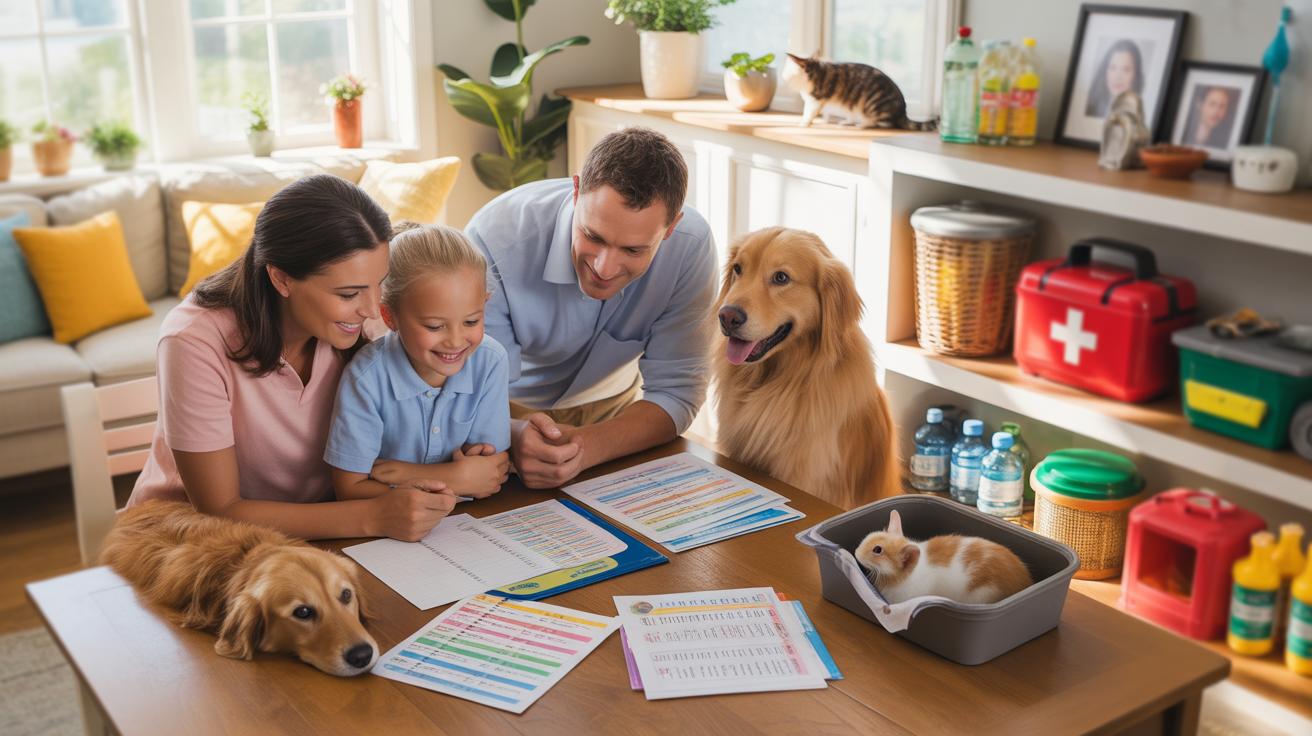
Understanding Why You Need An Emergency Plan For Pet Owners
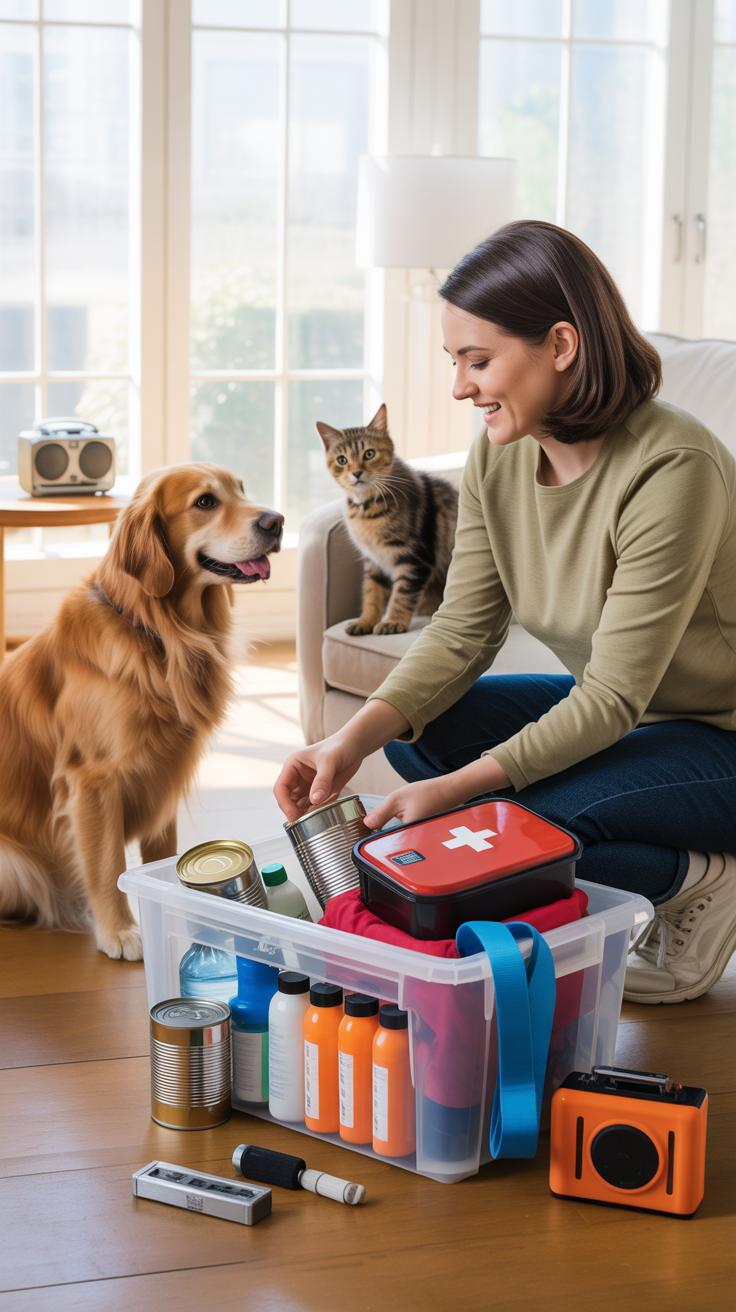
The Real Risks Pets Face During Natural Disasters And Home Emergencies
Natural disasters create immediate physical threats to animals through structural collapse, rising floodwaters, and extreme temperatures. Fires and chemical leaks force rapid evacuations that often separate owners from their pets. Displaced animals face high rates of injury, dehydration, and exposure to environmental toxins. Most local emergency shelters do not accept animals due to health codes. This lack of access leaves pets vulnerable to abandonment during crises.
Historical data shows that many pet owners refuse to evacuate without their animals. This delay endangers both human and animal lives. Stray animals often perish after disasters because they cannot find food or clean water. Predators and traffic also kill many domestic pets that escape during the initial chaos. Failure to secure an animal during a disaster increases the risk of permanent loss. Identification tags and microchips become the only link to safety.
How Having A Plan In Advance Reduces Panic And Protects Your Pet
Pre-planning eliminates the need for snap decisions during high-stress events. An established plan dictates exactly where the pet goes and who handles the transportation. You identify pet-friendly hotels or boarding facilities before the disaster strikes. This foresight ensures you avoid the panic of searching for shelter when resources are scarce. Clear protocols save valuable minutes. Those minutes often determine if a pet makes it out of a building safely.
Standardized emergency kits allow for a fast exit without stopping to gather supplies. You know exactly where the leash, carrier, and medical records are located. Advanced planning also helps you manage animal behavior. Fearful pets often hide or bite when they sense danger. A rehearsed plan includes techniques to retrieve and calm your animal quickly. Organizing these details in advance protects your time and energy. You focus on survival instead of logistics.

How To Create A Pet Emergency Plan That Works For Your Household
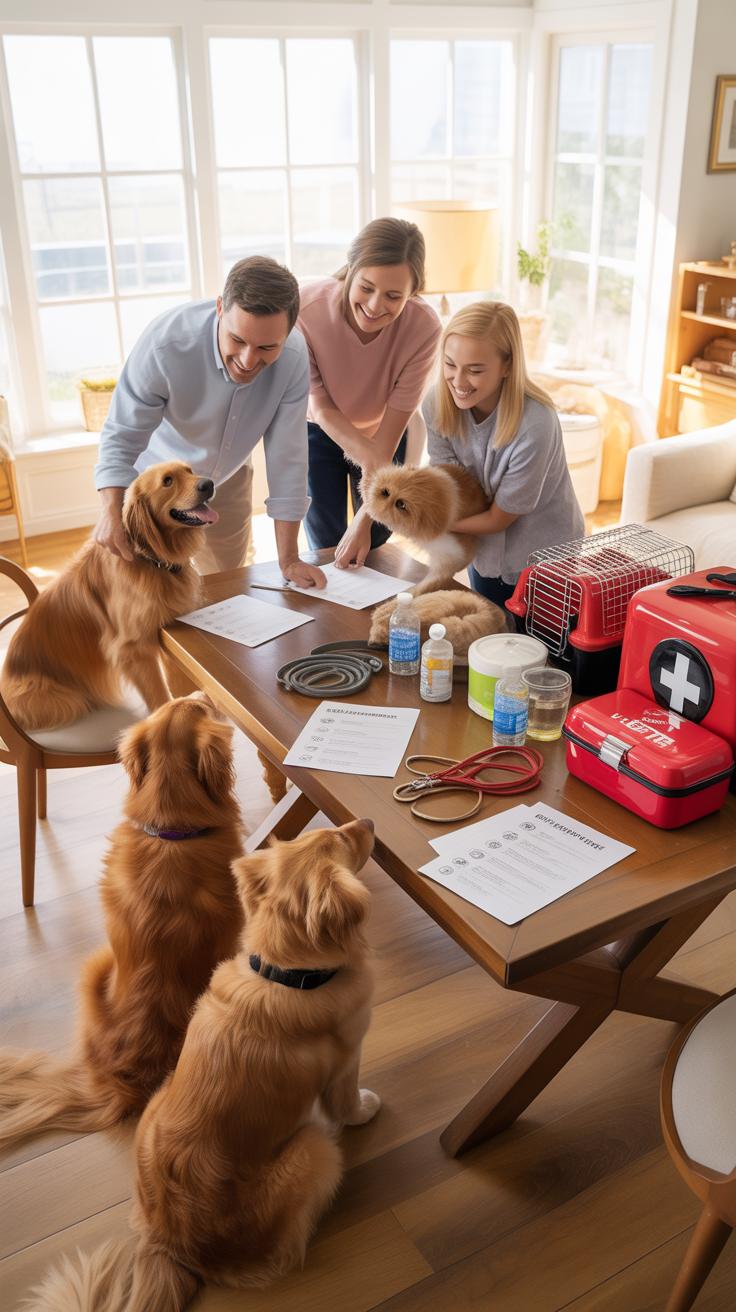
Mapping Out Evacuation Routes And Safe Zones That Are Pet Friendly
Identify two exits from every room in your house. Clear paths of all debris to prevent injury during a fast exit. Small pets often hide when they feel fear. Note their favorite hiding spots on your floor plan. This saves time during a fire or flood. Ensure all doors and windows function properly. Use heavy duty crates for transport to keep animals secure.
Check local hotels for pet policies before a disaster strikes. Most public shelters do not allow animals due to health codes. Locate boarding facilities or veterinarians outside your immediate area. These serve as secondary safe zones if you cannot stay at home. Keep a list of these addresses in your digital and physical files. Fast movement requires knowing exactly where you are going.
Assigning Emergency Roles To Each Family Member For Pet Care
Assign one specific person to grab the pet. This prevents confusion and keeps the animal from being left behind. A second person must grab the emergency kit and leashes. Give children simple tasks like holding a flashlight or a water bowl. Clear roles stop people from crossing paths and wasting time. Everyone needs to know their job before the smoke starts.

Practice these roles during monthly drills. Speed comes from repetition and muscle memory. Document who handles which animal if you have multiple pets. Keep a backup person for every role in case someone is not home. Update these assignments as family members age or move. Explicit tasks reduce panic and ensure the safety of every living being in the house.
Building Your Pet Emergency Kit What Every Owner Should Have Ready
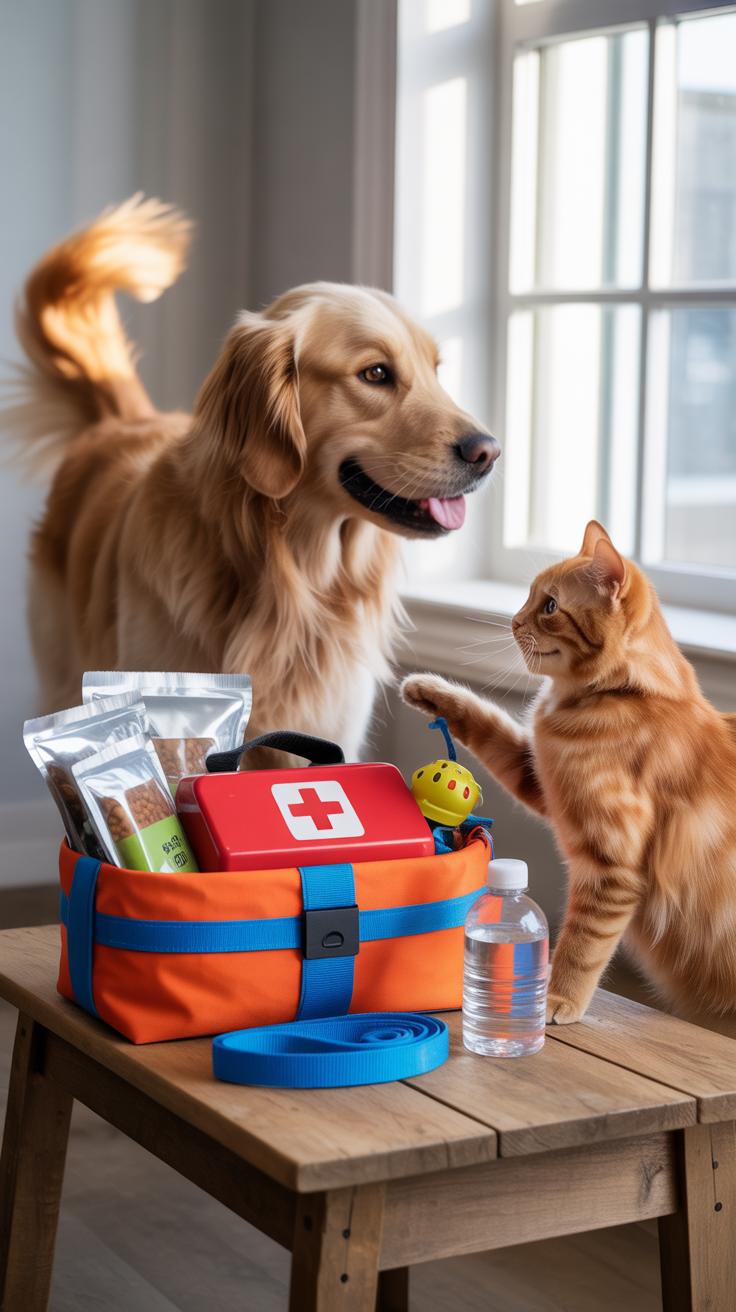
Choosing The Right Carrier, Leash, And Containment Gear For Emergencies
Secure containment prevents pet loss during high-stress evacuations. Use a hard-sided carrier for small animals to protect against falling debris and impacts. Choose a model with metal bolts rather than plastic clips for better structural integrity. Ensure the carrier size allows the animal to stand and turn around comfortably. Your pet must be accustomed to this space before a real crisis occurs.
Standard nylon leashes and well-fitted harnesses are mandatory for dogs. Slip leads provide a backup if a primary collar snaps or slides off. Label all gear with your phone number using permanent ink. Keep gear near the primary exit of your home for a fast grab. Reliable hardware ensures you maintain control when loud noises or crowds cause the animal to panic and bolt.
Emergency Pet Supplies Checklist: Food, Water, And Medical Essentials
Self-sufficiency is the goal for the first seventy-two hours of any disaster. Portability dictates that you store these items in a waterproof bag or airtight bin. You must match the caloric needs of your pet with non-perishable options. Rotate these stocks every six months to prevent expiration. Every kit requires specific medical and nutritional components to keep your animal stable while displaced.
- Potable Water: Store one gallon of water per day for each medium-sized pet. This volume covers both hydration and basic hygiene needs in hot environments. Use sealed plastic jugs and replace them annually to ensure the water remains safe for consumption.
- Non-Perishable Food: Pack a three-day supply of dry or canned food in pull-top containers. Avoid bags that require a manual can opener unless you tuck one into the kit. Protect dry kibble from moisture by using heavy-duty vacuum-sealed bags or double-zippered plastic pouches.
- Manual Health Records: Keep physical copies of vaccination certificates and medical histories in a waterproof folder. Digital records fail if cell towers go out or batteries die. Rescue shelters and boarding facilities require proof of rabies vaccination before they will allow any animal to enter.
- First Aid Supplies: Include blood-clotting powder, self-adhesive bandages, and antiseptic wipes designed specifically for animals. Blunt-nosed scissors allow you to cut through fur or bandage material without puncturing the skin. These tools help you stabilize minor injuries until you can reach a licensed veterinarian.
- Sanitation Materials: Pack small trash bags, paper towels, and liquid dish soap for waste management. Maintaining cleanliness prevents the spread of disease in crowded evacuation centers. For cats, include a small travel litter box and a pre-measured bag of lightweight litter to manage waste efficiently.

Prescription medications are the most critical part of the medical kit. Keep a one-week supply of all maintenance drugs in an insulated pouch. Check these dates frequently because heat or cold degrades chemical efficacy. Note the exact dosage instructions and your veterinarian contact information on the outside of the container. Quick access to these meds prevents chronic health conditions from becoming acute emergencies.
How To Prepare Your Pet For An Emergency Before One Strikes
Training Your Pet To Stay Calm And Respond To Emergency Commands
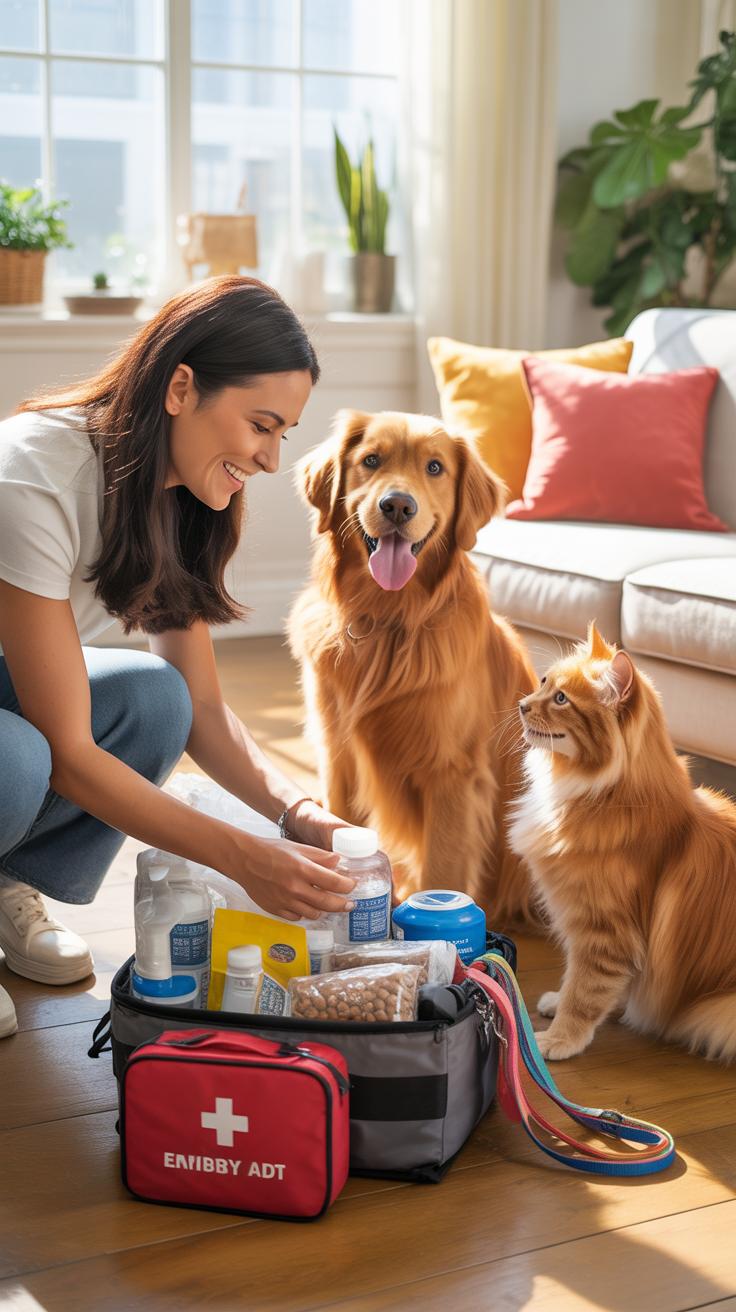
Condition your pet to enter a crate or carrier immediately upon hearing a specific sound. Use a loud whistle or a distinct verbal cue. High-value rewards reinforce this behavior until it becomes an automatic reflex. An animal that resists its carrier during a fire or flood wastes critical minutes. Regular drills ensure the animal views the crate as a safe zone rather than a trap.
Desensitize your animal to high-stress environments and loud noises before a disaster happens. Play recordings of sirens or thunder at low volumes and increase the levels gradually. Reward calm behavior during these sessions to reduce the risk of bolting. Tactical obedience training saves lives by keeping the animal under your control when panic sets in. A controlled pet is a mobile pet during a rapid evacuation.
Microchipping, ID Tags, And Photo Records: Why They Matter In A Crisis
Visual identification and permanent tracking are your primary tools for recovery if you become separated. Every pet must wear a durable collar with a stainless steel ID tag. This tag should list your current phone number and a backup contact out of the area. Collars can slip off or break during a chaotic event. Therefore, manual identification alone is insufficient for a robust emergency strategy.

Microchipping provides a permanent link between you and your pet that cannot be lost. Ensure you register the chip in a national database and update your contact information annually. Store physical and digital photos of you with your pet to prove ownership to authorities. These records must show distinct markings or features. Fast identification prevents your pet from being rehomed or euthanized in overcrowded emergency shelters.
Dog Disaster Kit Checklist Tailoring Your Plan For Canine Companions
Breed Specific Considerations When Preparing A Dog For An Emergency
Dog breeds dictate specific survival needs during a disaster. Brachycephalic breeds like Pugs or Bulldogs suffer from respiratory distress in high heat or smoke. You must pack cooling vests and extra water for these dogs specifically. Large breeds require heavy duty lifting harnesses if they become injured or refuse to move. Small breeds lose body heat rapidly and need insulated gear to survive cold weather evacuation.
Working breeds with high drive require mental stimulation to prevent destructive behavior in cramped shelters. Pack durable chew toys to manage their stress levels. Long haired breeds face severe matting or skin infections if they get wet and remain unbrushed. You must include grooming shears to cut away debris or contaminated fur. Tailor your kit weight to the physical capacity of the specific dog you own.
Keeping your family safe means remembering that for our pets, we are their whole world. True home security is knowing every heartbeat under your roof has a path to safety.
Essential Items Every Dog Owner Should Pack In A Disaster Go Bag
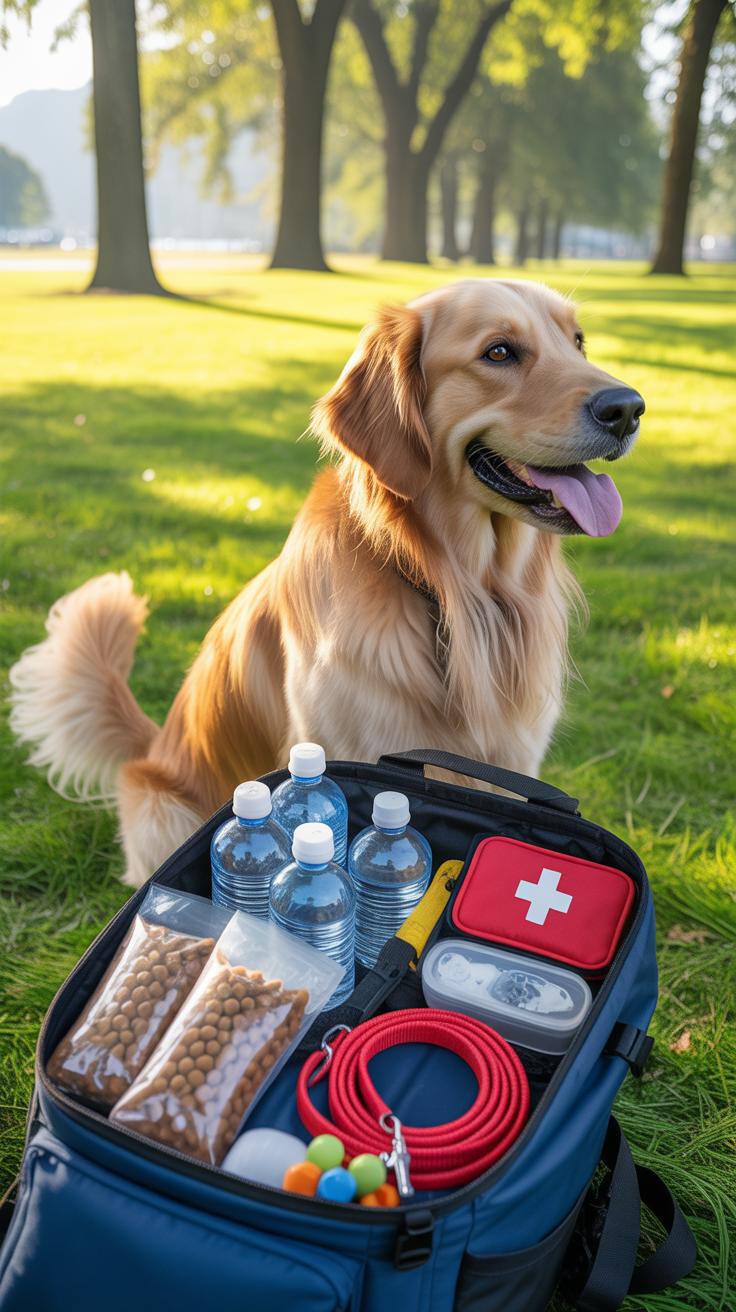
A dog go bag must facilitate immediate evacuation and long term sustainment. High calorie dense food prevents malnutrition during periods of high exertion. Carry at least seven days of water per animal to avoid dehydration. Use waterproof containers for all paper documents and medical records. Your kit needs to be modular and easy to carry during a fast exit from your primary residence.
- Muzzle: Even docile dogs bite when they are in pain or terrified during a disaster. Many emergency shelters or transport vehicles require muzzles for entry. Choose a basket style muzzle so your dog can still pant and drink water safely while wearing it.
- Leash and Martingale Collar: Standard collars can slip off if a dog backs up in fear. A martingale collar tightens under tension to prevent escape without choking the animal. Keep a spare six foot nylon leash in your bag to replace any broken or lost walking gear.
- Redundant Identification: Attach physical tags to the collar and ensure the microchip registration remains current in a national database. Include a printed photo of you with your dog to prove ownership to authorities. This photo helps search teams identify your pet if you become separated.
- Medical Records and Medication: Pack a two week supply of all life saving medications in a waterproof container. Include copies of rabies vaccination certificates and recent medical history to gain access to boarding facilities. List your vet contact information and any known allergies on a laminated card.
- Sanitation Supplies: Waste baggies and disinfectant are critical for maintaining hygiene in crowded evacuation centers. Bring a small bottle of dish soap to wash bowls or clean paws after exposure to floodwater. Proper waste management prevents the spread of zoonotic diseases among humans and other animals.

Select a rugged backpack to house these items and keep it near your primary exit. Review the contents every six months to replace expiring food or medicine. Test the fit of all harnesses and collars annually as the dog ages or changes weight. A complete kit ensures your dog remains a priority rather than a liability during a chaotic emergency evacuation.
Emergency Pet Care Plan Ideas For Multi Pet And Special Needs Households

Managing Multiple Pets During An Evacuation: Practical Strategies That Work
Evacuating multiple animals requires a strict one-to-one ratio of humans to high-needs pets. Total control is the only way to prevent chaos in a crisis. Map out specific roles for every person in the house. One person should manage the most difficult animal while others handle smaller crates. Chaos happens when people assume others have the leash. Clear assignments stop mistakes before they occur.
Staging gear is the second critical step. Store all crates in a single, accessible location near the primary exit. Label every carrier with the specific pet name and a secondary contact number. Keep leashes attached to collars or harnesses at all times during high-risk weather events. This cuts down the time spent searching for gear. Seconds matter when a fire or flood moves toward your front door.
Planning For Pets With Medical Conditions, Medications, And Mobility Needs
Medical needs require a waterproof pharmacy kit. Keep a fourteen-day supply of all life-saving medications in a dry bag. Include clear instructions on dosage and administration for emergency vets who do not know your pet. Maintain a digital and physical copy of recent blood work and specific diagnoses. This information allows new doctors to provide immediate care without repeating expensive and time-consuming tests.

Mobility issues demand specialized equipment like lifting harnesses or heavy-duty ramps. Large dogs with joint failure cannot move fast in a panic. You must have a way to carry them without causing injury to yourself or the animal. Practice using these tools before an actual emergency. If your pet uses a wheelchair, ensure you have a manual backup plan. Moving parts break under the stress of a real evacuation.
Emergency Pet Preparation Guide Sheltering In Place Vs Evacuating

When Staying Home Is Safer: Setting Up A Pet Ready Shelter In Place Area
Sheltering in place is the primary strategy when external conditions like chemical leaks or extreme wind make travel dangerous. Choose an interior room on the lowest floor with few windows. This space must be large enough for your entire family and all pet crates. Seal gaps under doors with wet towels to block drafts or contaminants. Ensure the room has a hard floor for easy cleaning.
Move your emergency kit and crates into this room immediately when a warning begins. Pets must stay in crates to prevent them from hiding in hard-to-reach spots or getting injured by falling debris. Keep water bowls full and maintain high hygiene standards to prevent illness in tight quarters. Stress levels will rise, so maintain a calm environment to keep animals manageable throughout the duration of the threat.
Finding Pet Friendly Emergency Shelters, Hotels, And Boarding Facilities
Public human shelters often deny entry to pets due to health codes and safety regulations. You must identify local hotels that waive pet fees during emergencies well before a disaster strikes. Check with boarding kennels and veterinary offices to see if they offer emergency housing for existing clients. Contact your local emergency management office to locate designated co-location shelters that house both people and animals.

Create a printed list of at least three out-of-area locations where you can take your animals. Digital records may be inaccessible if cell towers fail or batteries die. Include contact numbers and physical addresses for every facility on your list. Verify their entry requirements, such as up-to-date vaccination records and crate mandates. Quick action saves lives, so have your destination confirmed before you load your vehicle.
Maintaining And Updating Your Emergency Pet Supplies List Over Time
How Often To Review And Refresh Your Pet Emergency Kit Supplies
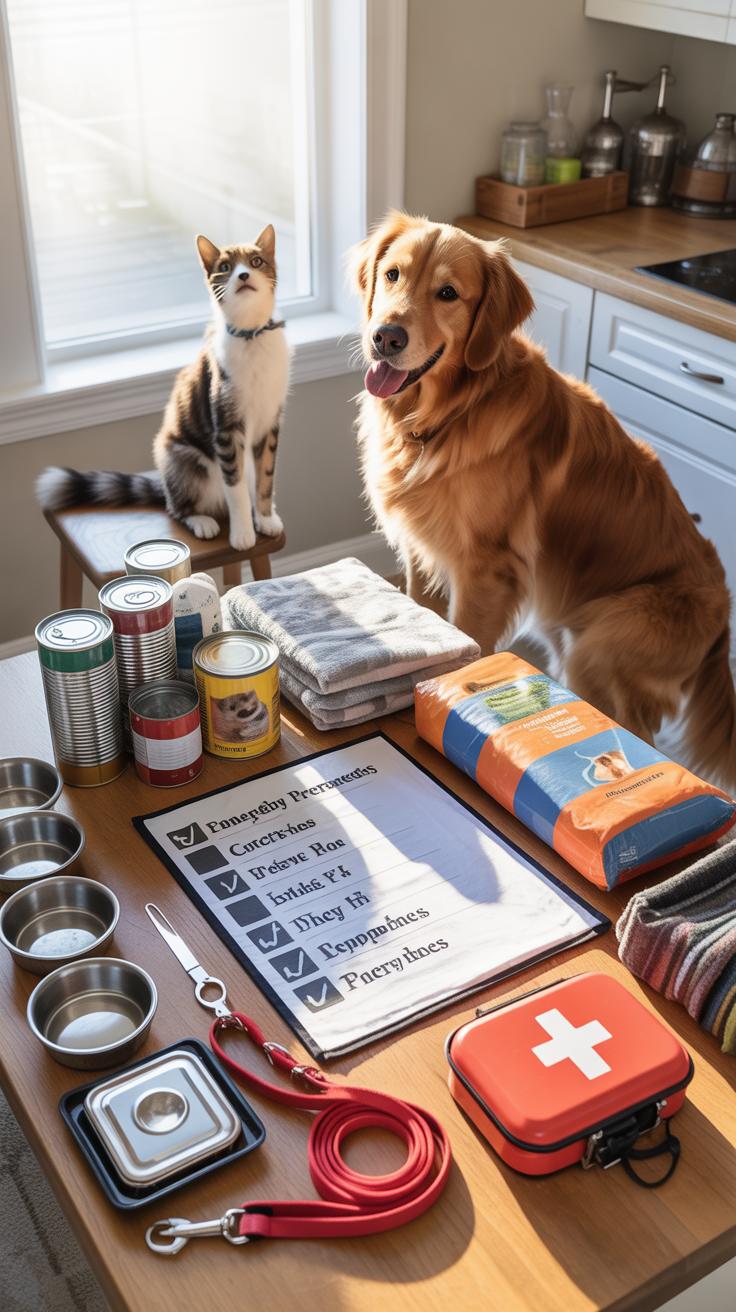
Set a recurring calendar alert to audit your pet emergency kit every six months. Standard practice aligns this task with daylight saving time changes. Check expiration dates on canned food, treats, and water. High heat or cold can degrade plastic packaging and chemical compositions. Replace any items within three months of expiry. Rotational maintenance ensures your supplies remain safe for consumption when a real crisis occurs.
Update your pet’s medical records and identification photos during each review. Weight changes require new dosage calculations for flea, tick, and heartworm preventatives stored in the kit. Verify that your contact information on physical tags and microchip registries remains current. Technology and medical needs evolve as your pet ages. A stagnant kit is a liability. Constant updates turn a basic bag into a functional survival tool for your animal.
Practicing Your Pet Emergency Plan With Drills And Routine Check Ins
Execute a full evacuation drill at least twice a year to build muscle memory. Start by gathering your pet and loading them into a carrier or vehicle. Time how long it takes to secure the animal and take the kit. Frequent exposure reduces the animal’s stress response during a real event. Panic is the primary cause of failure in emergencies. Drills identify bottlenecks in your physical movement and gear placement.

Review your designated meeting places and out-of-state contact names with all household members. Confirm that your preferred emergency boarding facilities or pet-friendly hotels are still in operation. Road conditions and local infrastructure change due to construction or policy shifts. Knowing your primary and secondary routes saves critical minutes when speed is the only factor. Test your communication chain to ensure everyone knows their specific role in a crisis.
Frequently Asked Questions

Why is it important to include my pets in a household disaster strategy?
Pets are family members who rely entirely on us for their safety during a crisis. If you are forced to evacuate, leaving them behind can lead to injury, loss, or trauma for both of you. By building home pet emergency plan basics into your routine, you ensure that every living being in your house is accounted for, significantly reducing panic and ensuring a much faster, safer departure during high-stress situations.
What are the most essential items for a pet-specific evacuation kit?
When building home pet emergency plan kits, prioritize a three-day supply of food and water, a sturdy carrier, and a leash. You must also include copies of vaccination records, a recent photo of your pet, and any necessary medications. Don’t forget comfort items like a familiar blanket or toy to help soothe their anxiety while you are displaced from your home environment during an unexpected emergency.
How can I create a reliable emergency plan for my pet on a tight budget?
Preparing for a disaster doesn’t have to be expensive. You can save money by repurposing an old backpack for their kit and setting aside small portions of their regular food each week. Research local animal shelters or non-profits that offer free microchipping clinics and low-cost vaccinations. Additionally, talk to neighbors about a “buddy system” to check on your pets for free if you are away during an emergency.