Why Indoor Dog Activities Matter More Than You Think
The Real Impact Of Skipped Exercise On Your Dog’S Behavior And Mood
Dogs require physical output to regulate their central nervous systems. When rain cancels outdoor walks, energy builds up within the animal. This physiological pressure often manifests as destructive chewing, excessive barking, or pacing. You cannot ignore these signs. A dog with no outlet for its energy will find one. Usually, that outlet involves damaging your furniture or vocalizing its stress to the neighbors.
Missing exercise disrupts a dog’s natural sleep cycle and increases cortisol levels. High cortisol leads to anxiety and irritability. A stagnant dog becomes a reactive dog. You must provide alternative movements to maintain a stable temperament. Consistent activity prevents behavioral regression. If you skip the workout, you pay for it in ruined property and poor behavior. Tactical indoor movements keep your dog calm and obedient.
How Mental Stimulation Indoors Can Be Just As Tiring As A Walk Outside
Cognitive tasks drain a dog’s energy faster than physical walking. Brain work forces the dog to focus and solve problems. This process burns significant glucose. Fifteen minutes of focused scent work or puzzle solving equals an hour of walking. Experts call this mental fatigue. It reaches the same end goal as a long hike without leaving the house. Your dog ends up tired and satisfied.
Mental stimulation targets the prefrontal cortex. This part of the brain controls impulses and decision making. Working this muscle makes your dog easier to train. You use their natural scavenging instincts to provide a workout. Sensory engagement lowers heart rates and encourages relaxation. You do not need a yard to exhaust a high energy breed. Use targeted indoor tasks to achieve a calm, quiet, and rested animal.

Top Indoor Dog Games Activities To Burn Energy Without The Backyard
Hide And Seek: A Classic Game That Challenges Your Dog’S Nose And Brain
Hide and seek engages a dog’s olfactory system and problem-solving skills. Start by commanding your dog to stay in one room. Find a hiding spot in another part of the house. Call your dog once. Forcing the animal to use scent instead of sight lowers physical arousal while increasing mental fatigue. This game mimics natural foraging behaviors found in wild canines.
Reward your dog immediately upon discovery using high-value treats or physical praise. Increase difficulty by hiding behind doors or under blankets. This activity builds confidence and reinforces the stay command. Most dogs find the search process more rewarding than the actual find. Success in this game relies on your dog’s ability to process environmental cues. It is an effective tool for high-energy breeds.
Tug Of War And Fetch Variations That Work Well In Tight Indoor Spaces
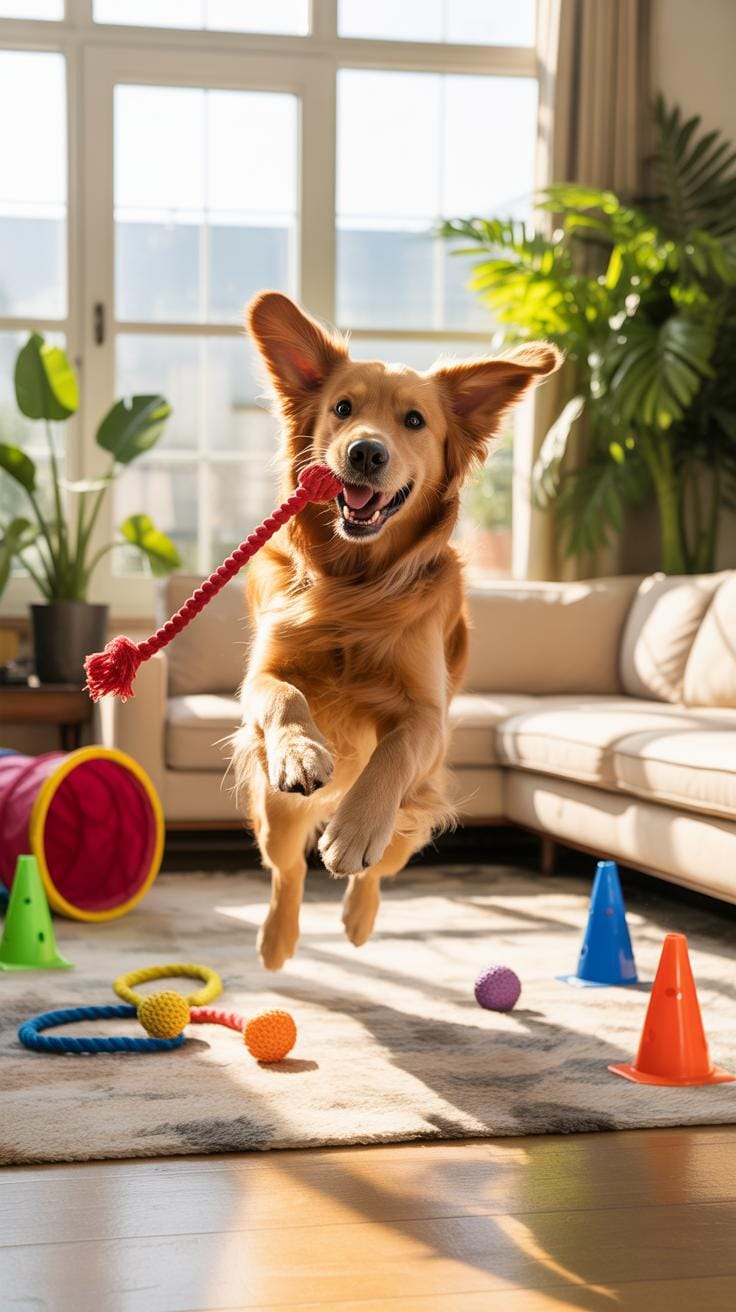
Tug of war provides an intense muscle workout in a small footprint. Use a sturdy rope or rubber toy. Establish clear rules before starting. The dog must release the toy on command. This game builds a strong bond and teaches impulse control. Physical exertion occurs through resistance rather than distance. It is an ideal solution for apartments or homes with limited floor space.

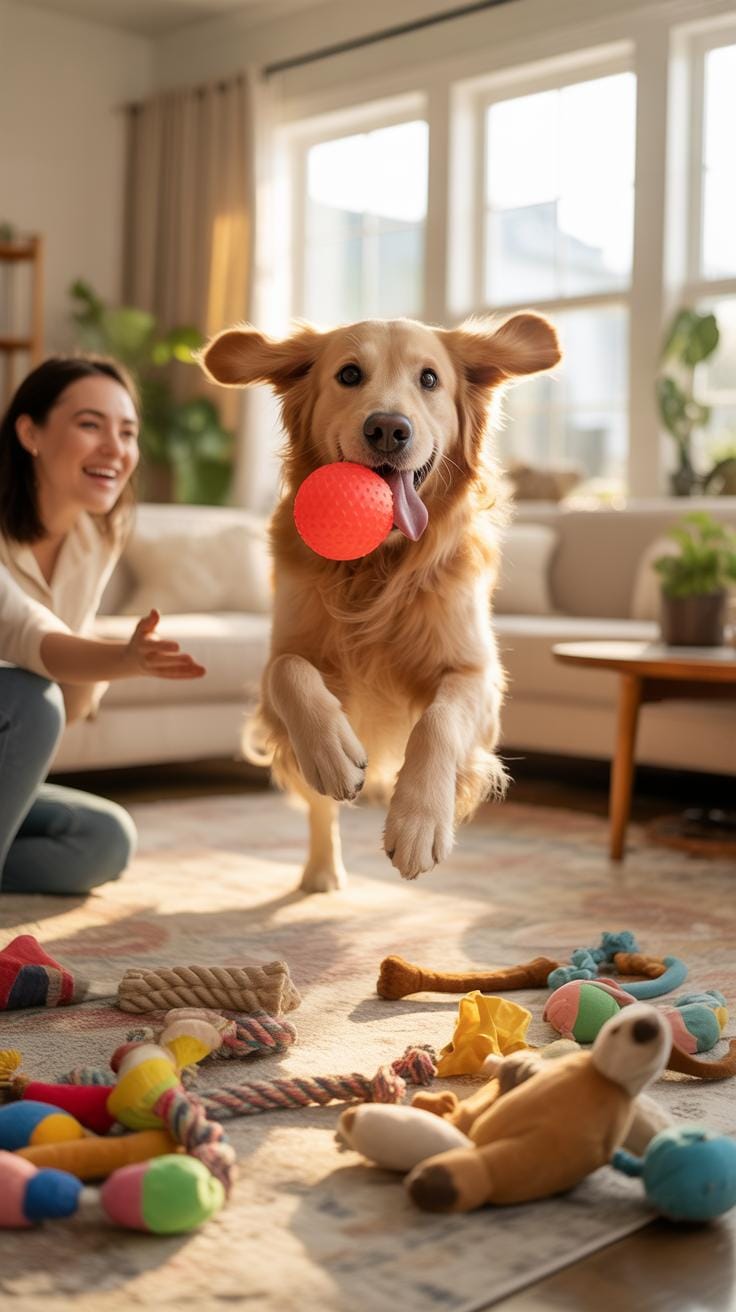
Fetch indoors requires a soft ball to prevent property damage. Throw the ball down a long hallway or up a flight of stairs. Inclines increase the physical demand on the dog’s hindquarters. Use a narrow path to keep the dog focused on the retrieve. Short, repetitive sprints burn calories quickly. Controlled indoor play prevents the boredom that leads to destructive chewing. Keep sessions brief to prevent overstimulation.
Creative Indoor Activities For Dogs That Go Beyond Basic Play
DIY Obstacle Courses Using Household Items To Keep Dogs Moving
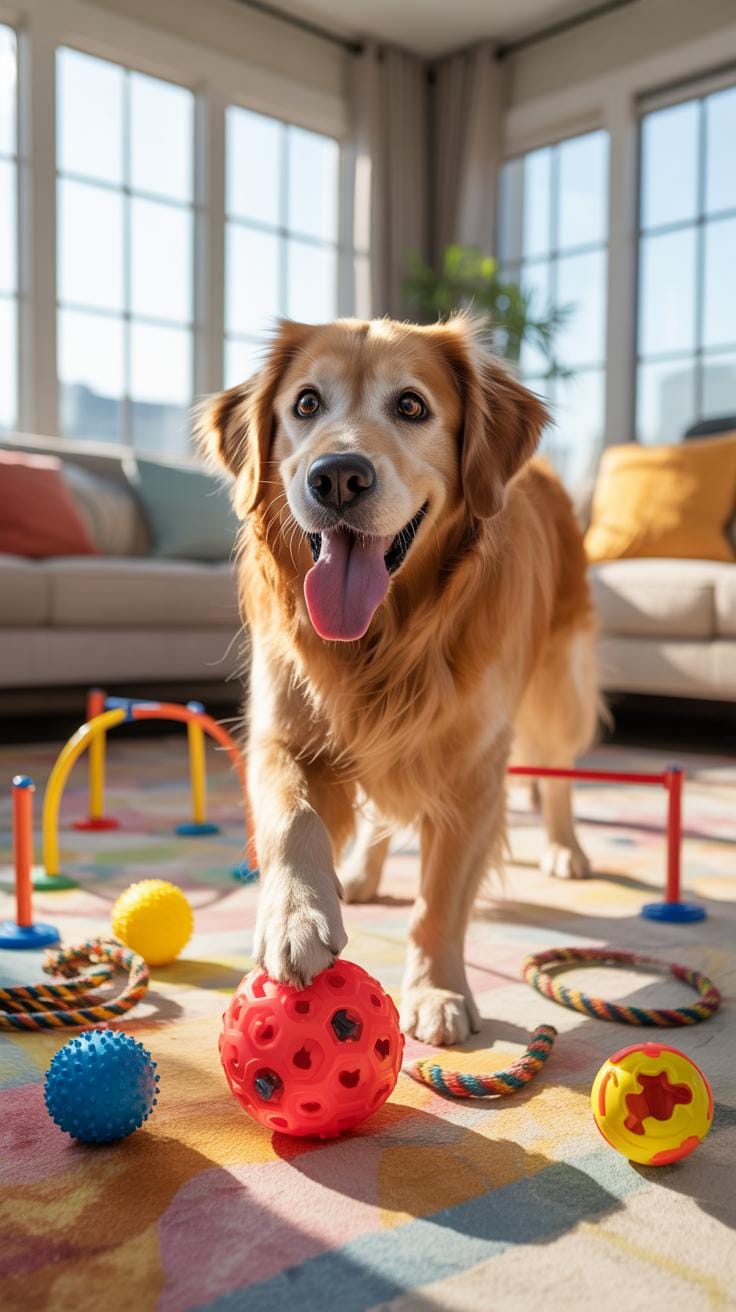
Turn your living room into a functional training space using everyday objects. Dining chairs serve as weave poles to test lateral movement and flexibility. Use sturdy pillows or couch cushions to build low hurdles that encourage controlled jumping. Secure a broomstick across two stable boxes to create an adjustable bar jump. These makeshift tools force your dog to focus on their body placement and coordination.
Physical movement inside a confined space requires high mental effort from the dog. Moving through a custom course burns calories and reduces pent up energy quickly. Proximity training during these drills strengthens your working bond. Adjust the spacing of the items to match your dog’s size and athletic ability. Always prioritize floor traction by placing heavy rugs under the obstacles to prevent slips on slick wood surfaces.
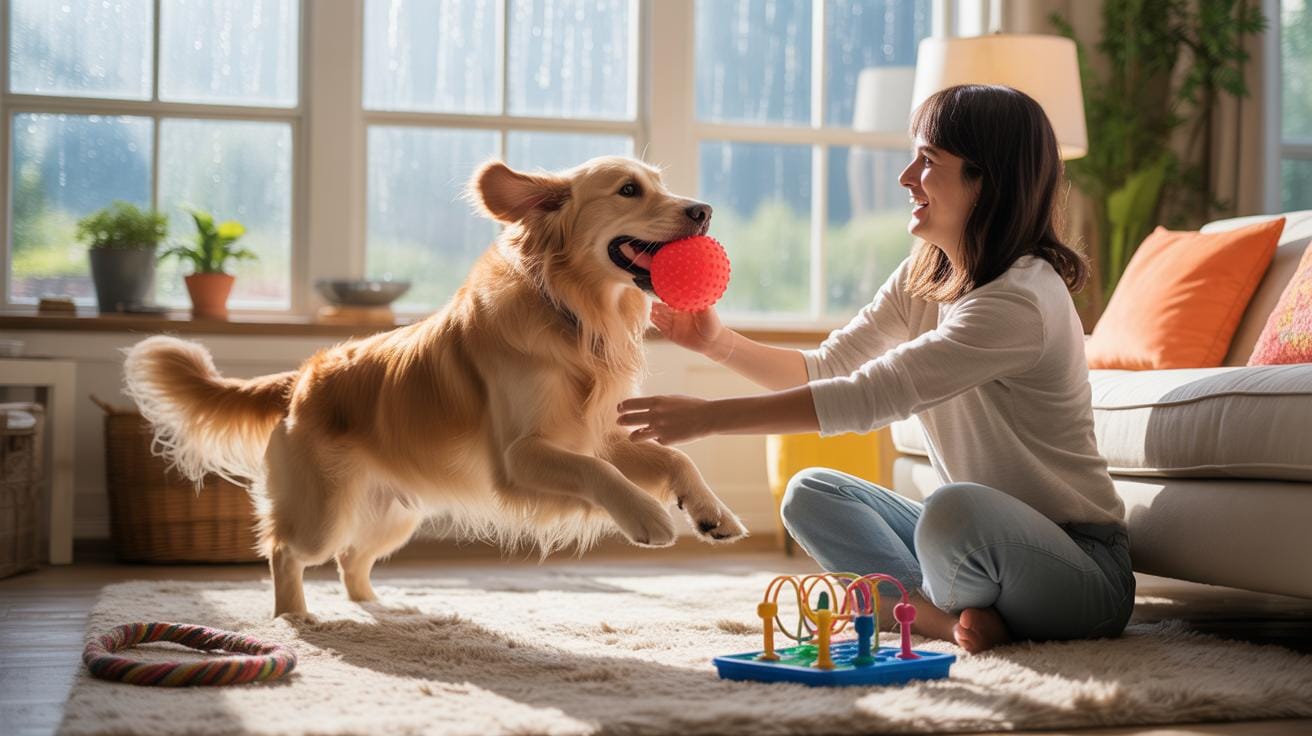
When the rain patters against the glass, the sweetest games are discovered within the warmth of home. Some of my happiest days are spent with a dog, a ball, and the quiet comfort of four walls.
Scent Work And Nose Games That Tap Into Your Dog’S Natural Instincts
Dogs possess up to 300 million olfactory receptors in their noses. Scent work exploits this biological advantage to provide intense mental fatigue. Hide high value food inside cardboard boxes or under plastic cups around the room. This activity mimics natural foraging behavior used by wild canines to find prey. Forcing a dog to use its nose lowers their heart rate and reduces indoor stress levels.
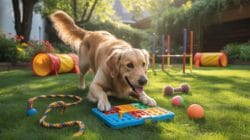
Begin with easy finds to build the dog’s confidence in the task. Gradually increase the difficulty by hiding scents in higher spots or behind closed cabinet doors. You can use specific odors like birch or clove oil on cotton swabs for advanced training. This sport does not require much physical space to be effective. Ten minutes of intense scent work provides more exhaustion than a long walk in the rain.
Indoor Play Ideas For Dogs That Strengthen The Human Canine Bond
Training Sessions As Playtime: Teaching New Tricks On Rainy Afternoons
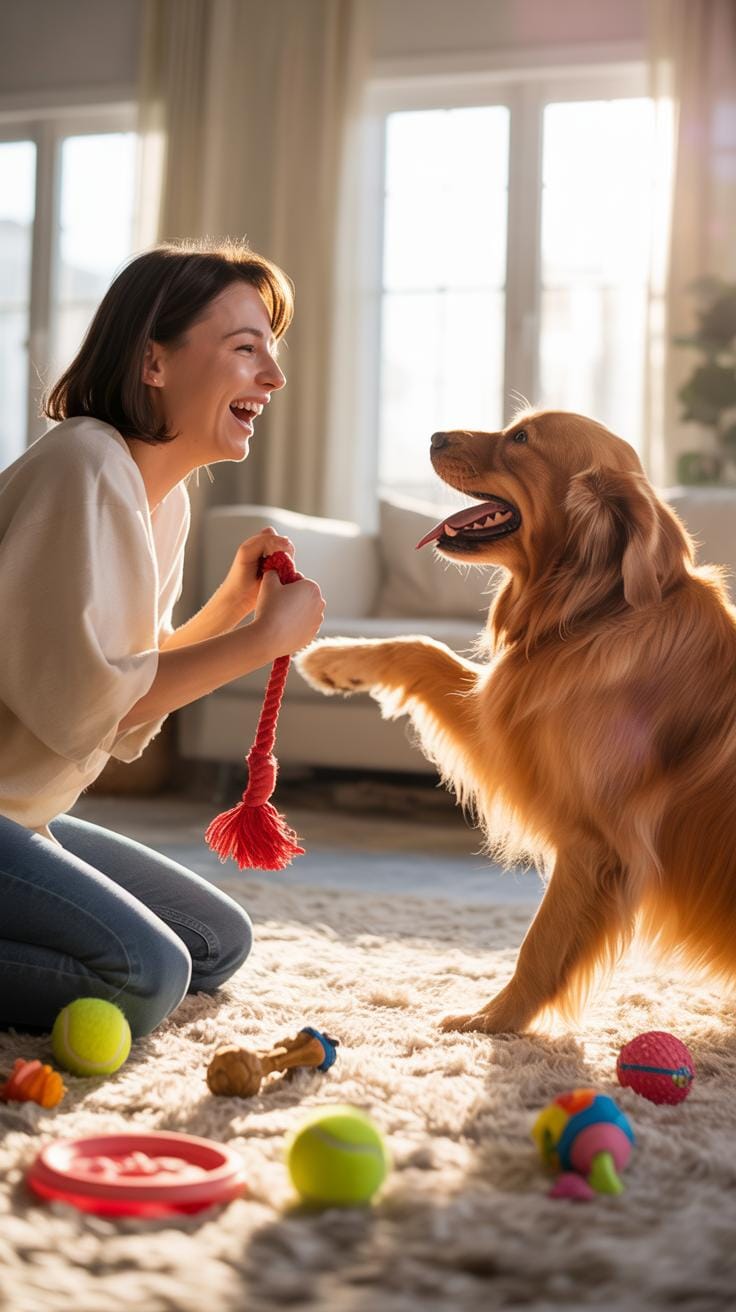
Rainy days provide a controlled environment for focused learning. Use these sessions to replace physical exertion with mental labor. High-intensity thinking tires a dog faster than a short walk. You must keep sessions under fifteen minutes to maintain peak engagement. Use high-value rewards to reinforce positive behaviors quickly. This process builds a common language between you and your dog through consistent repetition.
- Targeting: Teach your dog to touch their nose to your palm or a stick on command. This foundation skill improves focus and helps position the dog for more complex maneuvers later.
- The Spin: Lure the dog in a tight circle using a treat held near the nose. This movement increases bodily awareness and flexibility. Practice both clockwise and counter-clockwise directions for balance.
- Place Command: Direct your dog to a specific mat or bed and demand they stay there. This exercise builds impulse control and sets clear boundaries within the household environment during high-energy moments.
- Leg Weaves: Guide the dog through your legs while you walk slowly. This trick requires coordination and trust. It strengthens the physical bond and keeps the dog focused on your specific body movements.
- Crawl: Command the dog to move forward while maintaining a down position. This targets different muscle groups than standard walking. It requires the dog to ignore their natural urge to stand up.
Effective training relies on the timing of your rewards. Deliver the treat within one second of the correct action to bridge the gap between behavior and consequence. Use a clicker or a specific verbal marker to signal success. Frequent small wins prevent frustration and keep the dog motivated. This structured interaction establishes you as a reliable leader while satisfying the dog’s need for a job.
Cuddle And Calm: How Gentle Interaction Builds Trust And Reduces Anxiety
Physical contact lowers cortisol levels in both humans and dogs. Low-energy interaction teaches the dog to remain calm inside the house despite the noise of the storm. Focus on slow, rhythmic petting in the direction of hair growth. This tactile stimulation mimics social grooming behaviors found in wild canine packs. It signals safety and belonging without the need for high-arousal play or vocal commands.

Technique matters when using touch to reduce anxiety. Avoid patting the top of the head which some dogs find threatening. Instead, scratch the chest or the base of the ears to trigger a relaxation response. Observe the dog’s body language for signs of tension or ease. Consistent gentle handling desensitizes the dog to touch. This makes future veterinary visits and grooming sessions much easier and less stressful for everyone.
Games For Dogs Indoor Puzzle Toys And Brain Boosting Challenges
How Puzzle Feeders And Lick Mats Keep Dogs Mentally Occupied For Hours
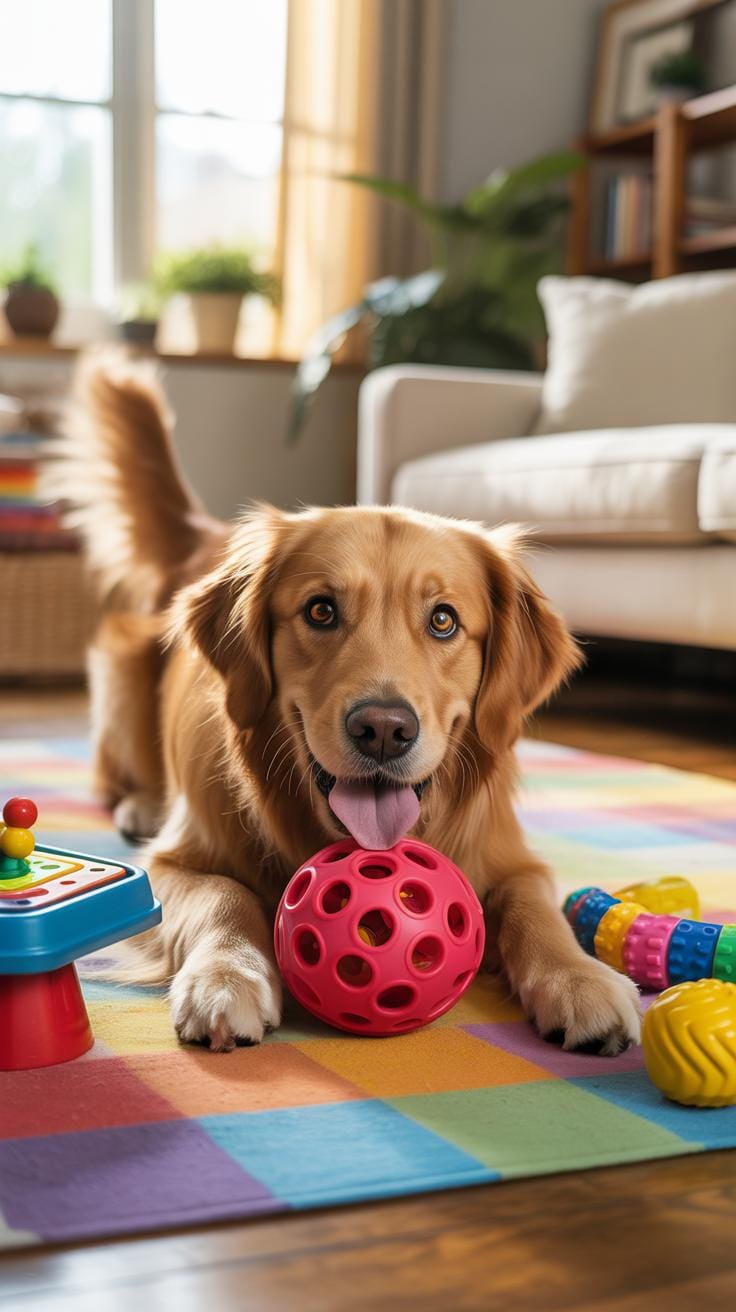
Puzzle feeders force dogs to problem solve to access their food. This activity triggers the seeking system in the canine brain. It releases dopamine and lowers cortisol levels. Use these tools to replace standard bowl feeding during rain transitions. The dog must nudge, flip, or slide components to reach kibble. This process burns mental energy through focused concentration and fine motor control movements.
Lick mats utilize the soothing effect of repetitive tongue action. Licking releases endorphins that calm anxious dogs during thunderstorms. Spread wet food or Greek yogurt across the textured silicone surface. This creates a high-value distraction that lasts thirty minutes or more. It lowers the heart rate and redirects destructive chewing habits. Use frozen mats to increase the duration of the activity and provide a harder challenge.
Choosing The Right Difficulty Level In Puzzle Toys For Your Dog’S Breed
Match the toy difficulty to the working history of the breed. Herding and sporting breeds often require level three puzzles. These dogs possess high stamina and superior cognitive speed. They solve simple dispensers in seconds. A toy that is too easy will not provide the necessary exhaustion. Focus on toys that require multiple sequential steps. This prevents the dog from becoming bored and seeking out furniture to destroy.
Terriers and scent hounds respond best to nose-based challenges. Use silicone puzzles that hide scents deep within compartments. Brachycephalic breeds need flatter designs to prevent breathing issues while they work. Do not start any dog on the hardest level. This causes frustration and may lead to toy aggression. Increase the complexity only after the dog masters the basic mechanics. Adjust the difficulty to keep the dog engaged without causing total shutdown.
Small Dog Indoor Activity Ideas Tailored For Compact Spaces And Tiny Paws
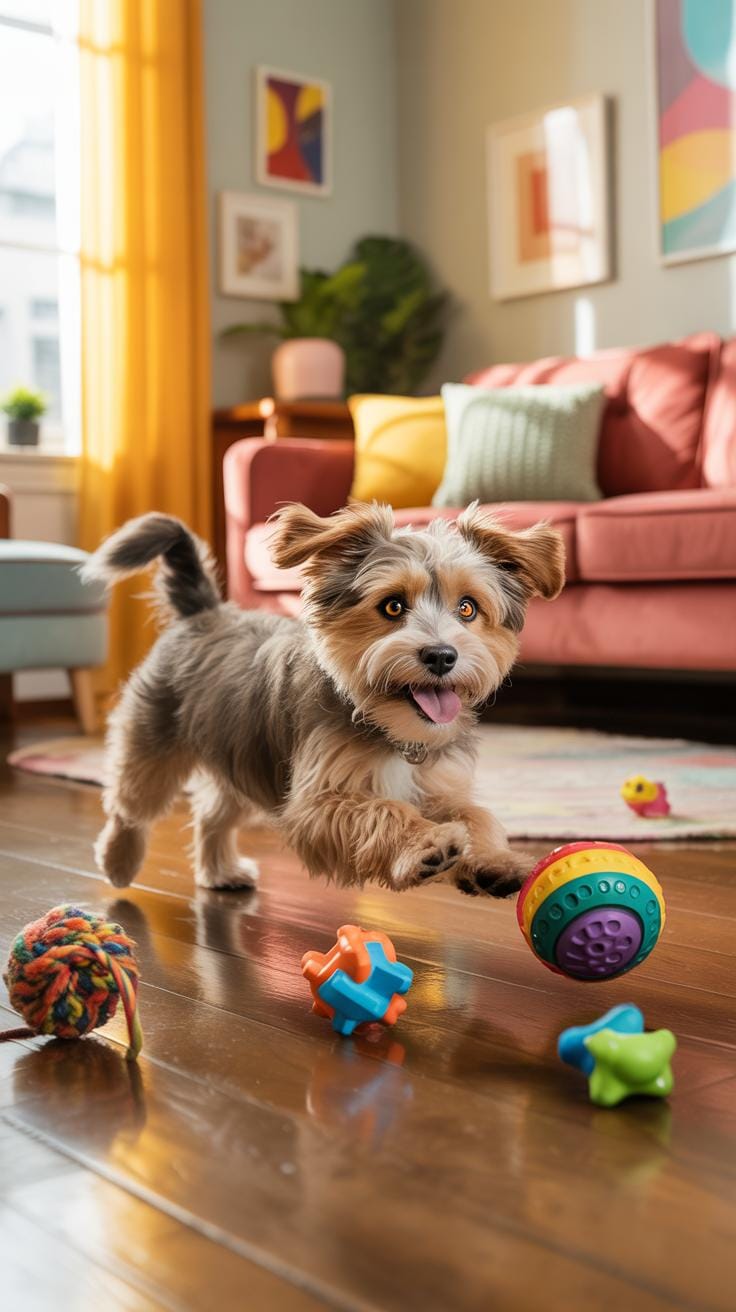
Why Small Dog Breeds Benefit From Gentler, Low Impact Indoor Play
Small breeds possess different skeletal structures than large working dogs. Their joints face higher risks from jumping off tall furniture or slipping on slick floors. Low impact play protects their patellas and spines from long term damage. You must control the environment to prevent injury. Indoor spaces offer the perfect setting for these controlled movements. Smaller dogs reach their exercise quotas faster than larger breeds do.
High intensity running often leads to overexertion in toy breeds. Controlled indoor play builds muscle without stressing the heart. You can use narrow hallways and small rugs to create safe zones. Mental stimulation tire these dogs out more effectively than physical sprints. Focus on precision movements rather than raw speed. This approach keeps the dog healthy and prevents destructive behavior caused by boredom during rainy weather.
Best Toy Types And Game Styles Suited For Small Dog Indoor Activity
Tiny dogs require lightweight toys they can carry without neck strain. Use materials like soft latex or plush fabric to match their bite force. Avoid heavy rubber bones that can chip small teeth. Size matters when selecting puzzle feeders and balls. Ensure the items fit their mouth dimensions to prevent choking hazards or frustration. Small movements in tight spaces provide sufficient daily activity for these breeds.
- Snuffle Mats: These mats use fabric strips to hide small kibble pieces. They encourage natural foraging behavior and provide mental exhaustion. They work well in tiny apartments because they require very little floor space for full engagement.
- Latex Squeak Toys: Soft latex allows small dogs to grip and squeak easily. Choose toys with textured surfaces to help clean teeth during play. These toys are light enough for indoor tossing without damaging walls or household furniture.
- Hide and Seek Sets: These toys feature a soft base with smaller plush characters hidden inside. Dogs use their paws and snouts to extract the inner toys. This builds problem solving skills and satisfies the hunting instinct in small terriers.
- Soft Indoor Fetch Balls: Use lightweight foam or fabric balls for indoor retrieving. These items do not bounce unpredictably or break glass. They allow you to maintain a consistent exercise routine even in a cramped living room or hallway.
- Treat Dispensing Eggs: Wobbling toys dump treats when the dog nudges them. Small versions require less force to move across the floor. This provides a low impact way for your dog to earn their meal while staying active.

Select games that emphasize scent work over physical wrestling. Small dogs hunt with their noses naturally. Hide treats behind chair legs or under low obstacles to keep them moving. This maximizes the utility of your available square footage. You do not need a yard to meet their physical needs. Consistency in play keeps their joints limber and their minds sharp throughout the rainy season.
Indoor Playtime Ideas For Dogs Enrichment Activities That Calm And Engage
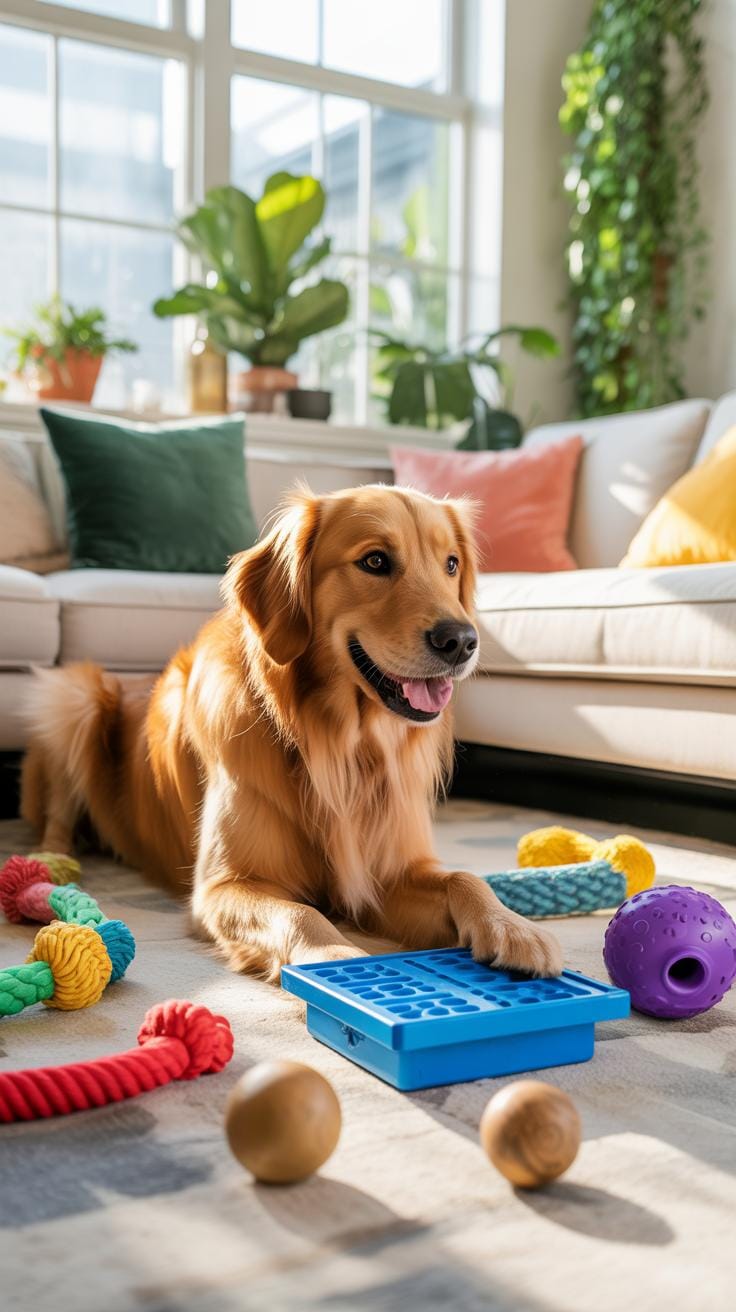
Sensory Enrichment Techniques Like Texture Mats And Sound Toys For Dogs
Sensory enrichment targets a dog’s primary biological systems. Texture mats use different surfaces to stimulate the paws and nose. Materials like silicone, rubber, and felt activate tactical receptors. This input regulates the nervous system during high energy rainy days. Constant indoor confinement creates frustration. Texture mats provide a physical outlet that does not require large running spaces. Owners must select durable materials.
Sound toys provide auditory feedback that mimics prey responses. High pitched squeaks capture attention and build focus. However, constant noise can cause overstimulation in some breeds. Balanced play involves alternating between silent texture work and active sound engagement. Use these tools to direct energy away from furniture. Controlled sensory input reduces destructive behavior. Professional trainers use these methods to lower cortisol levels in confined environments.
How Stuffed Kongs And Frozen Treats Turn Snack Time Into Playtime
Stuffed toys transform feeding into a mental exercise. Dogs must solve a physical puzzle to access their food. This process mimics natural foraging behaviors seen in wild canines. Licking releases endorphins in a dog’s brain. These hormones create a natural calming effect. Use rubber containers that withstand heavy jaw pressure. Fill them with layers of different densities to increase the overall difficulty.

Freezing the contents extends the duration of the activity. A standard meal takes minutes to consume from a bowl. A frozen toy takes thirty minutes of active work. This cold temperature provides additional sensory feedback for the mouth. Owners can use peanut butter, yogurt, or wet food as binders. Long periods of focused licking tire a dog more than a short walk. This strategy manages boredom effectively.
Rainy Day Dog Activities Building A Routine Your Dog Will Look Forward To
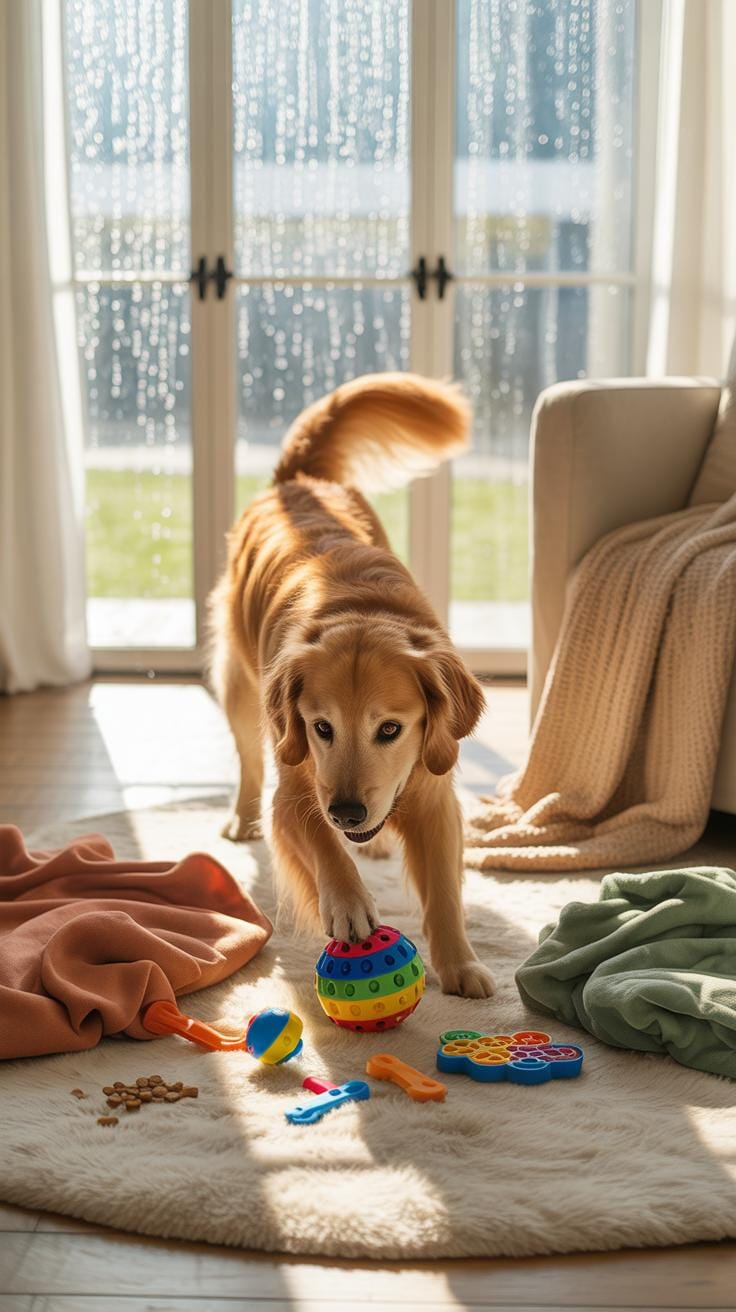
How Consistency In Indoor Play Schedules Reduces Stress In Dogs
Dogs depend on predictable patterns to manage their cortisol levels. Sudden changes in weather often disrupt outdoor exercise, causing anxiety and destructive behavior. By establishing a fixed schedule for indoor engagement, you provide a sense of security. Predictability tells the dog that their physical and mental needs will be met despite the rain. This structure lowers overall stress and prevents boredom-induced outbursts.
Routine creates a clear boundary between rest and play within the home environment. Animals that know when to expect high-energy activities can relax more effectively during downtime. Stick to specific times for scent work or mobility drills to reinforce this habit. Consistency builds trust and ensures your dog remains calm even when they cannot go outside. Focus on reliability to maintain a stable household during storms.
Mixing Activity Types Throughout The Day To Keep Your Indoor Dog Stimulated
Effective indoor management requires a balance of physical, cognitive, and sensory tasks. Do not rely solely on one type of play. Physical games like indoor fetch or tug provide immediate energy release. Cognitive challenges like puzzle feeders or command training tire the brain. Layering these different movements prevents the dog from reaching a state of overstimulation or remaining under-exercised.

Divide the day into short and focused sessions. Start the morning with a high-intensity physical task to drain excess energy. Follow this with quiet scent work or a food-motivated puzzle in the afternoon. End the day with calm bonding or light stretching. This variety mimics natural biological rhythms and ensures total exhaustion. Strategic rotation of activities keeps the dog engaged and prevents them from losing interest in their toys.
Frequently Asked Questions

Why is it important to keep my dog active when it is raining outside?
Maintaining physical and mental stimulation is crucial for your pet’s well-being, especially when bad weather prevents long walks. Without proper engagement, dogs often develop anxiety or destructive behaviors out of boredom. Engaging in rainy day dog activities indoor helps burn off pent-up energy, strengthens your bond, and ensures your furry friend stays happy and healthy even when they are stuck inside the house for several days in a row.
How can I set up a simple indoor scavenger hunt for my dog?
To start this fun activity, hide high-value treats or favorite toys around your living room while your dog is in another area. Use cardboard boxes or blankets to make the search more challenging. Encouraging your pup to use their nose is one of the best rainy day dog activities indoor because it provides intense mental enrichment. Start with easy spots and gradually increase the difficulty as they master their scent-tracking skills.
Are there ways to entertain my dog indoors without buying expensive toys?
Absolutely! You can create wonderful DIY enrichment using common household items like old towels or muffin tins. Try rolling treats inside a towel for a “snuffle” experience or hiding kibble under tennis balls in a baking pan. These low-cost solutions are perfect for keeping your pet occupied without breaking the bank. Creative home-based play proves that staying active inside doesn’t require a large budget, just a little bit of imagination.