Understanding Heat Risk Essential Dog Care Tips Every Owner Should Know
How Dogs Regulate Body Temperature And Why Summer Heat Is Dangerous
Dogs do not sweat like humans to cool down. They rely primarily on panting to exchange hot air for cooler air. This process depends on evaporation from the tongue and lungs. They also have sweat glands in their paw pads, but these provide minimal relief. When the air temperature matches their body temperature, panting becomes ineffective. This creates a dangerous internal heat buildup quickly.
High humidity levels make the situation worse for your dog. Moisture in the air prevents saliva from evaporating off the tongue. Without evaporation, the dog cannot shed heat. Certain breeds with short muzzles face higher risks because they have less surface area for cooling. You must realize that dogs heat up faster than people. They cannot handle prolonged exposure to direct sunlight or stagnant hot air.
Warning Signs Of Overheating And Heatstroke In Dogs
You must identify the early physical signs of heat distress immediately. Excessive panting that sounds labored or frantic is the first giveaway. Look at the gums and tongue for deep red or purple colors. Thick, ropey saliva often indicates the dog is struggling to manage its temperature. A dog that appears lethargic or refuses to move is in serious trouble. Act fast if you see these signs.
Advanced heatstroke leads to more severe neurological and physical symptoms. The dog may lose balance, stumble, or even collapse. Vomiting and diarrhea are common as the body reacts to extreme internal temperatures. Pulse rates will spike as the heart works harder to move blood to the skin. If the dog stops panting but remains hot, its cooling system has failed. This is a medical emergency that requires instant cooling.

Splashing Into Summer The Kiddie Pool As Your DogS Best Hot Weather Friend
Why A Kiddie Pool Is One Of The Simplest And Most Effective Cooling Tools For Dogs
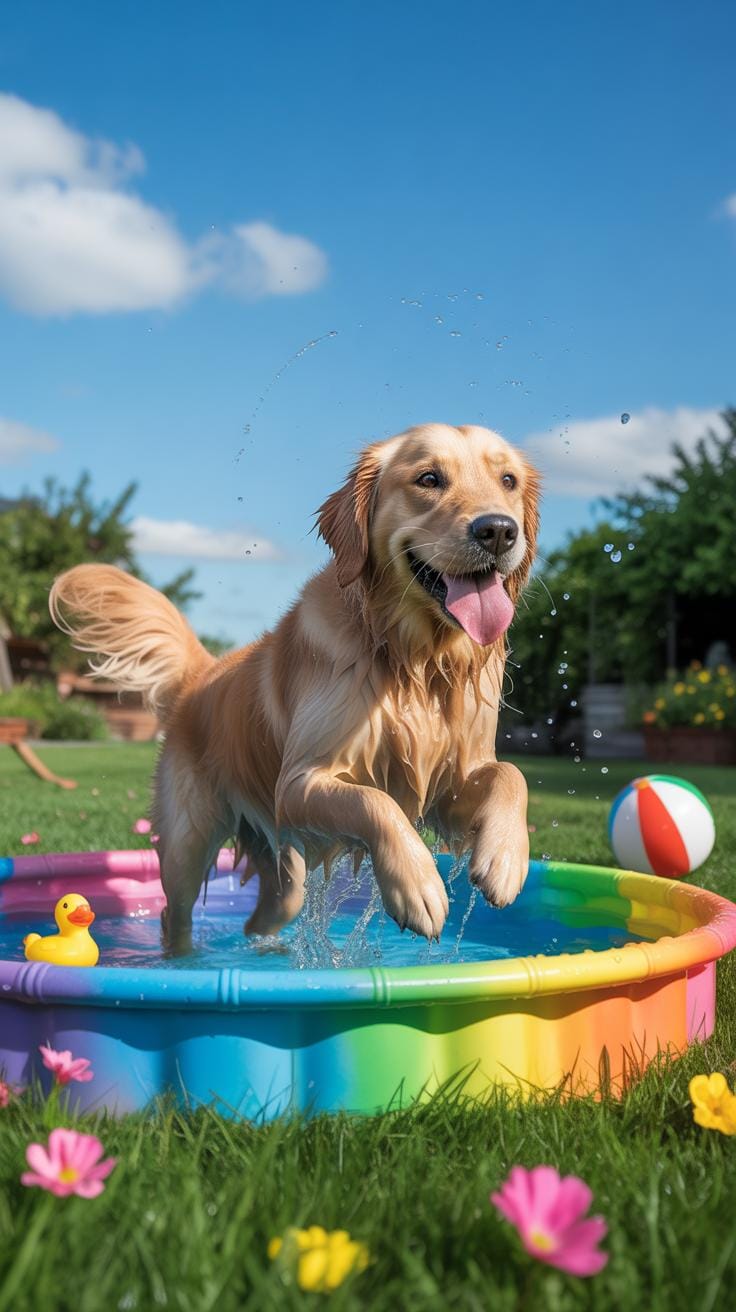
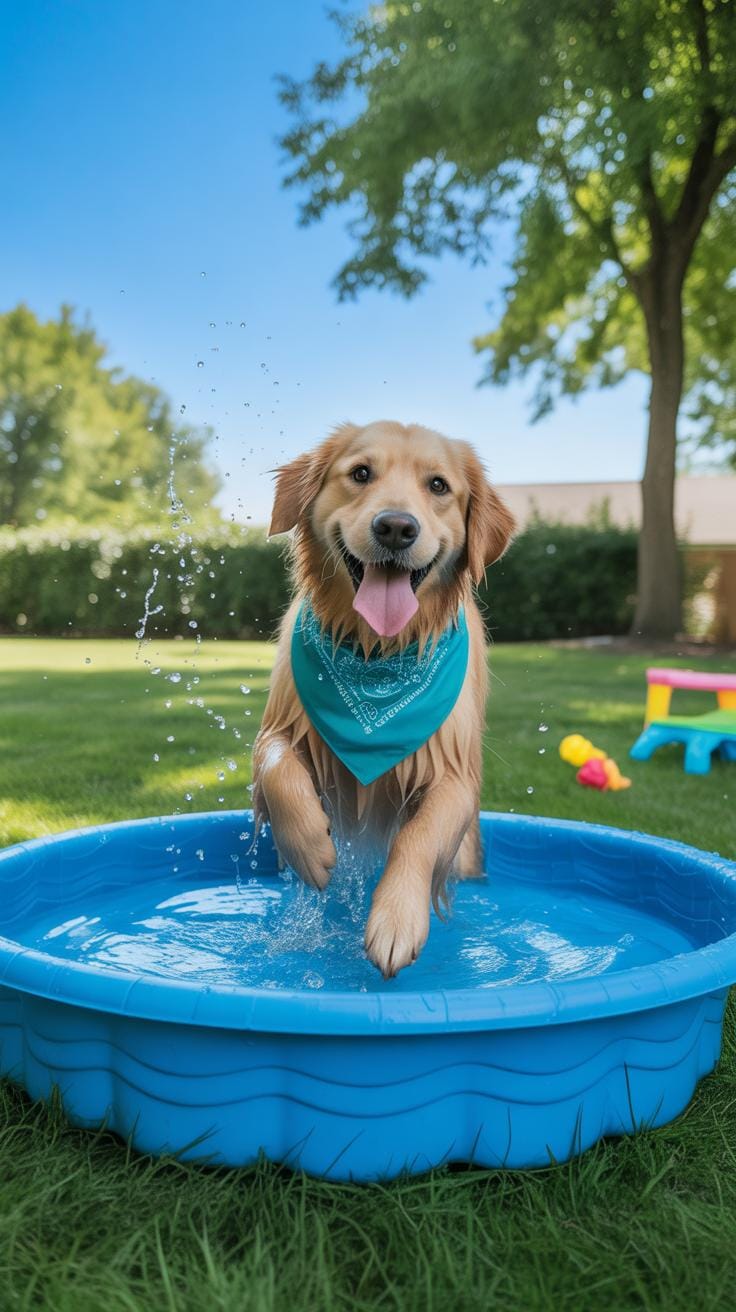
Dogs regulate their body temperature primarily through panting and sweat glands in their paw pads. Submerging their paws and belly in cool water provides immediate thermal relief. A kiddie pool acts as a heat sink. It draws warmth away from the dog’s core much faster than air cooling. This method prevents heat exhaustion by lowering the heart rate and stabilizing the internal body temperature quickly.
Hard plastic pools are durable and withstand claw punctures better than inflatable versions. They offer a controlled environment where a dog can stand or lie down safely. Unlike deep ponds or lakes, these pools eliminate the risk of drowning for most breeds. They are portable and require minimal water compared to full-sized pools. This makes them a cost-effective and highly efficient tool for maintaining canine health during summer heatwaves.
How To Set Up And Maintain A Safe Kiddie Pool For Your Dog
Place the pool in a shaded area to prevent the water from heating up. Direct sunlight can turn pool water into a warm bath, which fails to cool the dog. Use a level surface to prevent the pool from tipping or draining unevenly. Fill the pool with fresh tap water until it reaches the dog’s mid-chest level. Always monitor your dog during use to ensure they remain comfortable and safe.

Hygiene is critical for preventing skin infections and bacterial growth. Empty the pool after every use or at least once daily. Scrub the surface with a mild soap and rinse thoroughly to remove slime or debris. Standing water attracts mosquitoes and collects harmful bacteria like Leptospira. Dry the pool completely before storage. Keeping the water clean ensures your dog stays healthy while they escape the intense summer heat.
Fun Things For Dogs To Do Outdoors Without Overheating
Timing Your Outdoor Dog Activities Around The Coolest Parts Of The Day
Strategic timing prevents heatstroke during summer months. Conduct all high-energy activities before eight in the morning or after eight in the evening. Peak solar radiation occurs between ten and four. Surface temperatures on asphalt and sand can exceed air temperatures by forty degrees. This heat transfers directly to paw pads. Test the ground with your hand for seven seconds. If it hurts, do not walk.
Morning air remains cool because the earth loses heat overnight. This window provides the safest environment for aerobic exercise like fetching or running. Evening hours offer lower temperatures but ground surfaces often retain heat from the day. Monitor humidity levels alongside temperature. Low air movement and high moisture prevent dogs from cooling through panting. Always check a local weather app for the heat index before leaving the house.
Shade Friendly Games And Gentle Exercises That Keep Dogs Engaged In The Heat
Mental stimulation requires less physical exertion than traditional exercise. Move training sessions to heavily shaded areas or under a canopy. Focus on scent work and slow-speed commands. Hide treats in tall grass or under porous pots. This forces the dog to use its nose while staying stationary. Low-impact movement prevents core body temperatures from rising. Keep these sessions under fifteen minutes to ensure the animal remains thermally stable.
Utilize shallow water sources for stationary play. Place a wide plastic basin in the shade for a game of apple bobbing with dog-safe fruits. This keeps the snout and paws cool while providing visual and olfactory engagement. Avoid any game that involves heavy jumping or sprinting in the heat. Maintain a slow pace to protect the respiratory system. Watch for heavy panting or a dark red tongue as signs to stop immediately.
Summer Dog Activities That Beat The Heat Indoors
Mental Stimulation Games And Puzzle Toys To Keep Dogs Active Inside
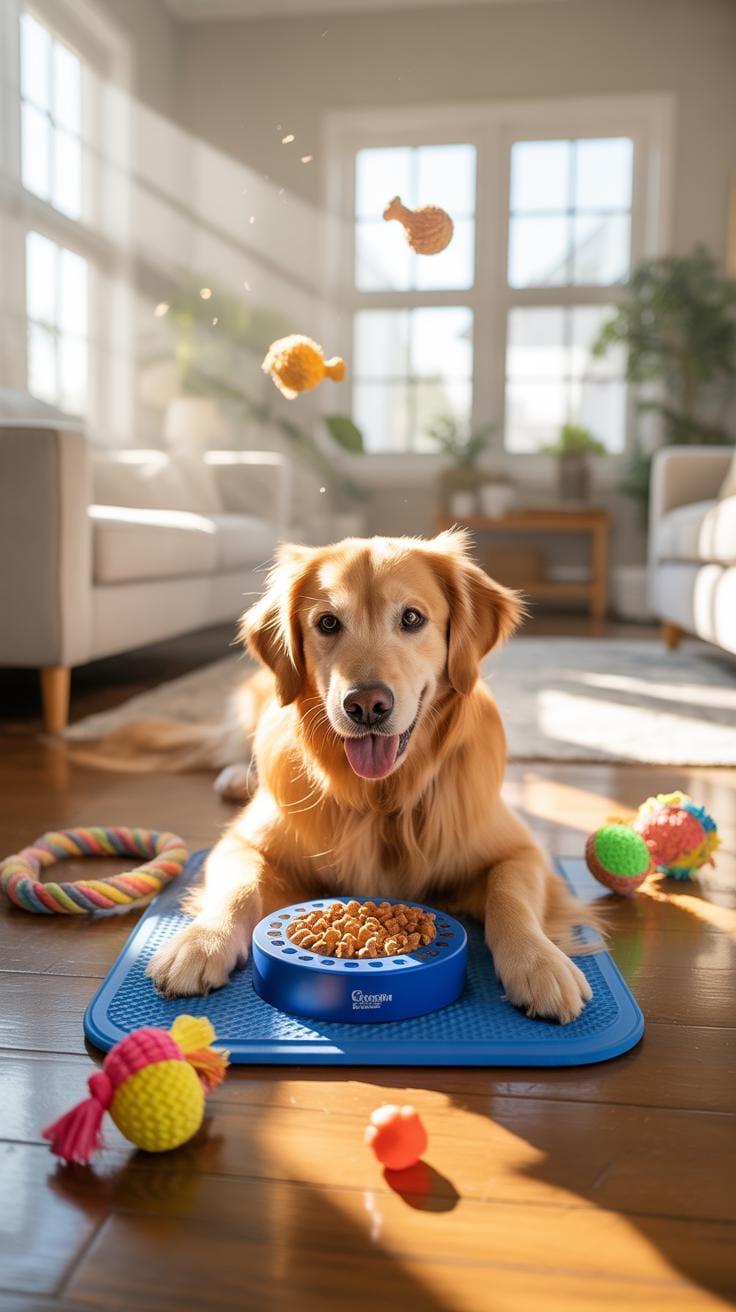
Indoor mental exercise lowers a dog’s heart rate compared to physical exertion in the sun. Use rubber puzzle toys stuffed with wet food to engage the dog’s natural foraging instincts. This process provides low-impact activity that prevents overheating. Cognitive tasks tire a dog out faster than a long walk in high humidity. Focus on nose work by hiding aromatic treats around a climate-controlled room.
Freezing these puzzle toys extends the engagement time significantly. Cold items help lower the dog’s core temperature through contact with the tongue and paws. Choose durable materials that withstand repetitive chewing and cold temperatures. This strategy keeps the dog busy during the hottest parts of the day. Avoid physical wrestling or high-energy fetch games indoors to keep respiration levels low.
Indoor Enrichment Ideas That Double As Great Summer Dog Activities
Indoor enrichment focuses on sensory experiences that do not require high cardiac output. Set up a scent track using common household items like cinnamon or dried herbs. Dogs use a large portion of their brain to process smells. This mental labor utilizes energy without increasing body heat. Keeping the environment dark and cool improves the dog’s ability to focus on these tasks.

Replace standard metal bowls with slow feeders or silicone mats to manage mealtime. Licking actions trigger the release of endorphins which calms the canine nervous system. A calm dog maintains a stable body temperature more effectively than an agitated one. Ensure the indoor space has proper ventilation while performing these activities. Tactical choices in enrichment ensure the dog stays physically safe while remaining mentally sharp.
Cool And Delicious Homemade Summer Dog Treats To Chill Your Pup From The Inside Out
Safe And Dog Friendly Ingredients To Use When Making Frozen Summer Dog Treats
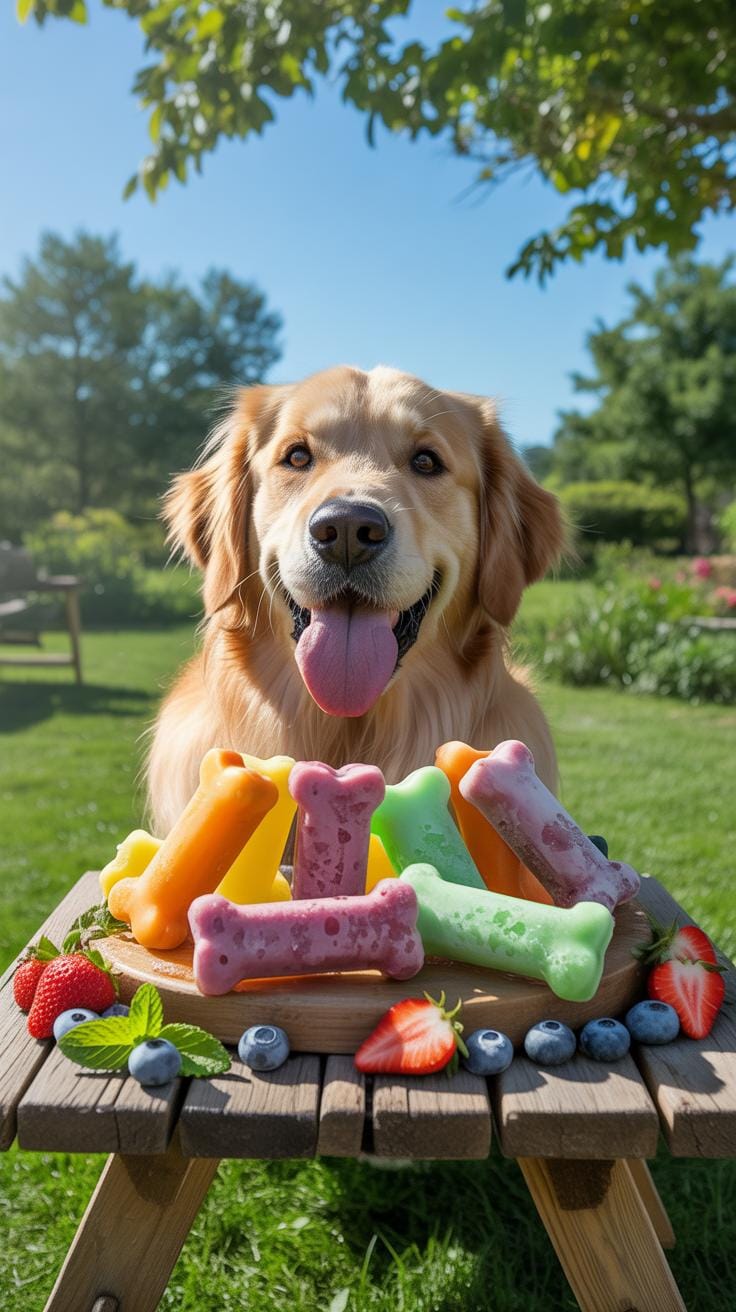
Frozen treats lower a dog’s core temperature through direct ingestion. Use base liquids that provide hydration without adding excessive calories or sugars. Avoid any ingredients containing xylitol, as this sweetener is toxic to canines. Natural fats and proteins bind the treats together while providing essential nutrients. Stick to whole foods that maintain nutritional integrity when frozen for maximum health benefits during heat waves.
- Plain Greek Yogurt: This ingredient provides probiotics for gut health and creates a creamy texture. Choose unsweetened varieties to avoid digestive upset. High protein content makes it a functional base for many frozen recipes.
- Low Sodium Chicken Broth: Use broth to increase fluid intake and replace electrolytes lost through panting. Ensure the liquid contains no onions, garlic, or excessive salt. It serves as a savory alternative to fruit based snacks.
- Pureed Watermelon: Watermelon consists of ninety two percent water and helps with rapid hydration. Remove all seeds and rinds before processing to prevent intestinal blockages. It offers vitamins A and C for immune support.
- Natural Peanut Butter: Peanut butter acts as a high value protein source and a strong binding agent. Verify the label specifically excludes xylitol to ensure safety. The healthy fats provide energy during light summer play sessions.
- Fresh Blueberries: These berries serve as antioxidants that protect cells from heat stress damage. They are small enough to be frozen whole or blended into mixtures. Blueberries add natural flavor without the risk of high sugar spikes.
Prep your workspace by cleaning all silicone molds and blending tools before use. High water content produce works best for quick freezing and easy digestion. Always introduce new ingredients in small quantities to monitor for allergic reactions or stomach sensitivity. Consistency matters when choosing a base liquid. Choose thin liquids for ice licks and thick purees for chewable snacks to suit your dog’s preference.
Simple Frozen Dog Treat Recipes That Are Easy To Prepare At Home
Create ice cube tray snacks by mixing two parts yogurt with one part mashed banana. Fill each slot halfway and freeze for four hours until solid. Use small silicone molds to ensure the treats are easy for your dog to chew. These portions prevent overfeeding while providing a cooling effect. The potassium from bananas supports muscle function during high temperature days in the summer.
Prepare a savory frozen lick by freezing low sodium broth in a large cake pan. Drop pieces of cooked carrots or green beans into the liquid before placing it in the freezer. This large block takes longer to melt and provides mental stimulation. Dogs must lick the ice to reach the hidden food rewards. This method keeps them occupied and hydrated for extended periods outdoors in the shade.
Store Bought Dog Treats That Help Keep Dogs Cool In Summer
What To Look For On The Label When Choosing Summer Dog Treats From A Store
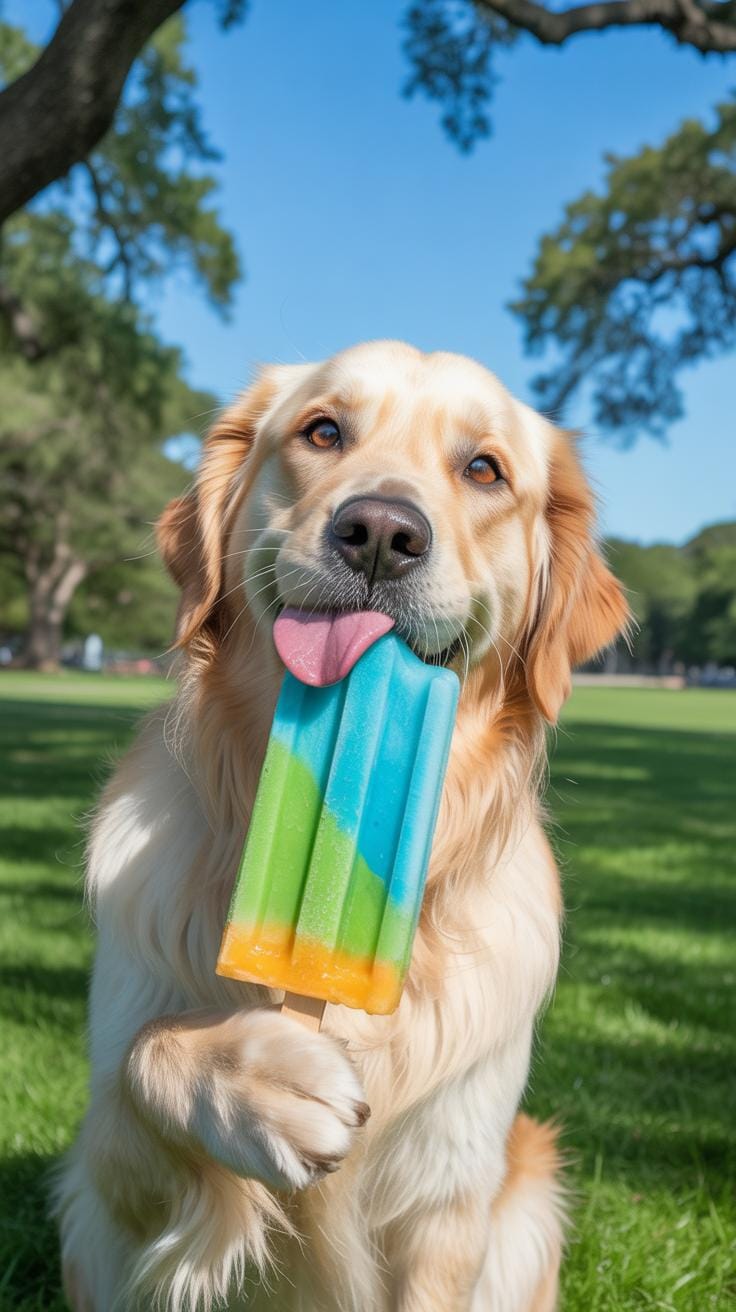
Prioritize high moisture content when evaluating store bought options. Traditional bone shaped biscuits are dry and require the dog to use more saliva to digest them. This can worsen dehydration during peak heat hours. Look for terms like puree or popsicle on the packaging. These products often use water or goat milk as a primary base to help replenish fluids while providing a reward.
Select treats with low protein and low fat profiles for summer consumption. High protein loads increase metabolic heat production during the digestion process. This internal thermal effect forces the dog to work harder to stay cool. Choose snacks that feature moisture dense fruits or vegetables like watermelon and cucumber. These ingredients provide essential minerals and hydration without placing a heavy caloric or thermal load on the canine system.
Dog Treat Ingredients To Avoid During Hot Weather For Your Dog’S Safety
Dogs struggle to regulate body temperature when their digestive systems are taxed by heavy or dangerous ingredients. You must verify every label to ensure no hidden toxins or high density fillers are present. Heat stress already compromises the body. Adding difficult ingredients to the mix increases the risk of organ stress. Focus on snacks that process quickly and leave the dog feeling light and hydrated.
- Xylitol: This artificial sweetener often appears in low calorie or sugar free peanut butter and treats. It is highly toxic to dogs and can cause rapid insulin release. Even small amounts lead to liver failure or seizures, which are even harder to manage during extreme summer heat.
- Excessive Salt: High sodium intake leads to increased thirst and potential salt poisoning. In hot weather, salt accelerates dehydration by pulling water away from the cells. Avoid treats where salt or sodium chloride appears near the top of the ingredient list to maintain proper fluid balance.
- Artificial Dyes: Red 40 or Yellow 5 provide no nutritional value and can trigger allergic reactions in some dogs. These reactions often cause skin inflammation or itching. An itchy dog will scratch and move more, which raises their core body temperature and leads to unnecessary physical exertion in the heat.
- High Fat Content: Greasy treats or heavy marrow bones require significant energy to break down. Fat digestion is a slow process that generates internal heat. This can make a dog feel sluggish and overheated. Stick to lean options to ensure the metabolism does not work overtime while the sun is out.
- Onion or Garlic Powder: These ingredients are sometimes used as flavor enhancers in savory dog snacks. They contain thiosulfate which damages canine red blood cells. Reduced oxygen transport from damaged cells makes it much harder for a dog to pant effectively and cool themselves down during a heatwave.

Eliminate any products containing heavy syrups or refined sugars. These ingredients cause blood sugar spikes and subsequent energy crashes. A crashing dog has less resilience against high ambient temperatures. Stick to snacks that use natural thickening agents like agar-agar or gelatin rather than chemical stabilizers. Keeping the ingredient list short ensures you can track exactly how the treat affects your dog’s energy levels and hydration status.
Water Based Summer Activities For Dogs Who Love To Swim
Dog Safe Water Environments: Lakes, Beaches, And Backyard Water Features
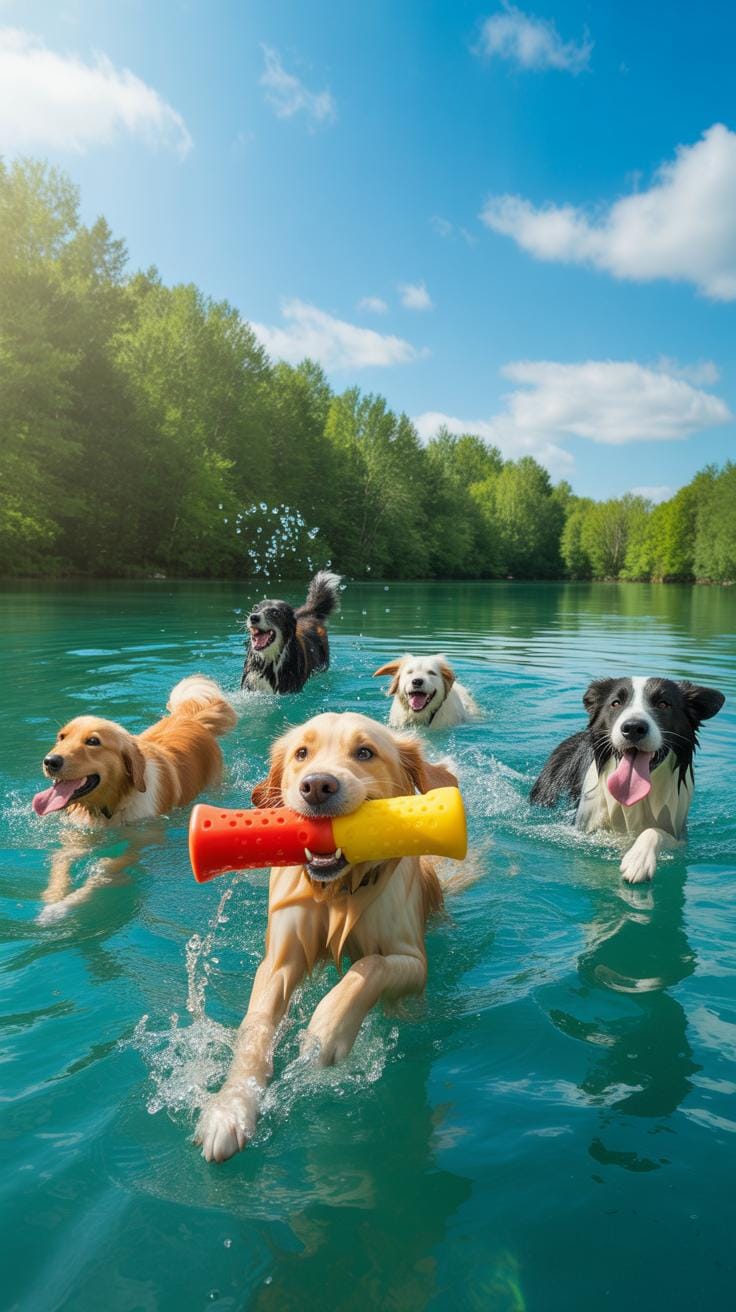
Natural water bodies like lakes and beaches offer vast space for cooling. Check local water reports for blue-green algae before entry. This bacteria is toxic and thrives in stagnant, warm water. Ocean beaches require attention to salt intake and tide strength. Dogs should not drink salt water because it leads to severe dehydration. Look for areas with gradual slopes to ensure easy entry and exit points.
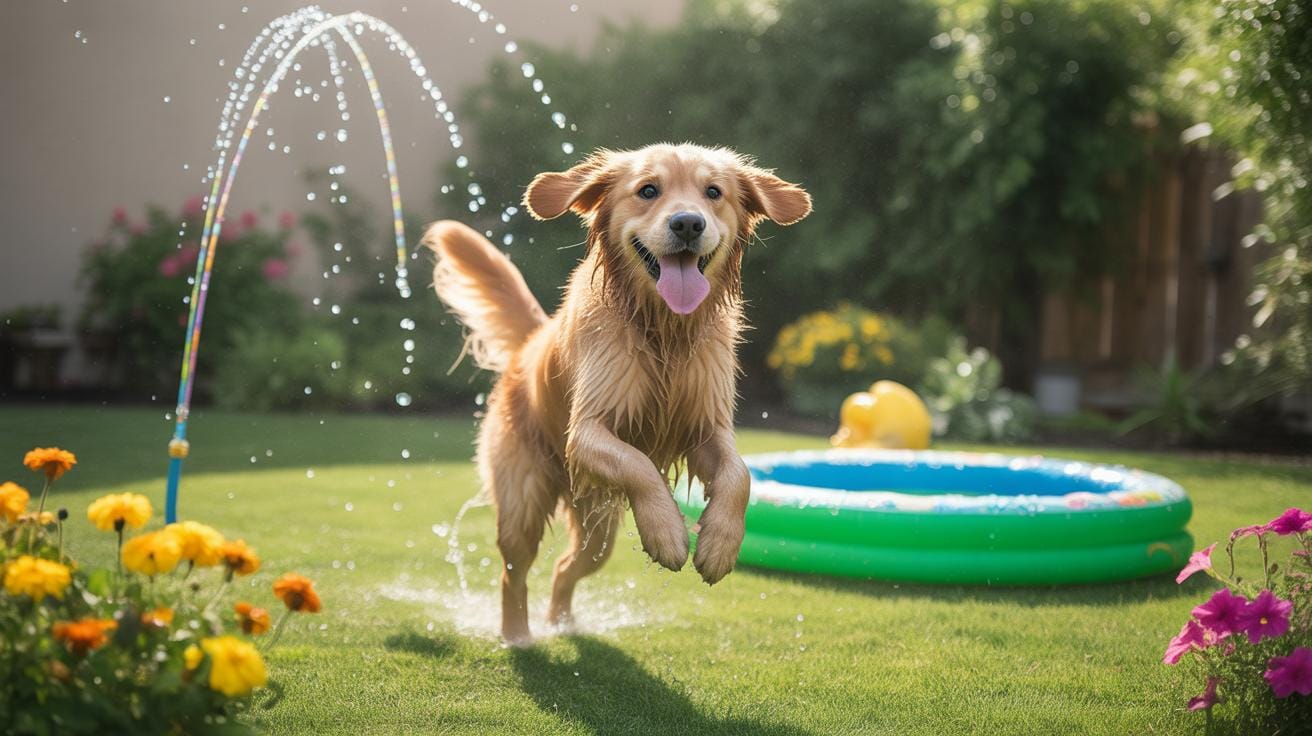
Backyard water features provide predictable cooling options. Plastic kiddie pools are durable and withstand sharp claws better than inflatable versions. Fill the pool with fresh water and place it in the shade to maintain lower temperatures. For active dogs, set up a garden sprinkler. This keeps the ground cool and provides interactive movement. Always monitor water depth to ensure the dog can stand with its head well above the surface.
Teaching Your Dog To Enjoy Water Safely And Comfortable
Introduce water gradually to prevent fear or panic. Start in shallow areas where the dog feels the ground under its paws. Use a life jacket even for strong swimmers. It provides extra buoyancy and a handle for quick retrieval. Professional trainers recommend positive reinforcement to build confidence. Never throw a dog into the water. This creates trauma and a lasting fear of future aquatic activities.
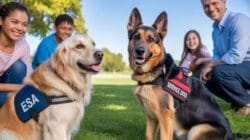
Control the duration of swimming sessions to prevent exhaustion. Dogs use more energy swimming than running on land. Watch for signs of tiredness like a low tail or heavy panting. Rinse the dog with fresh water after every session. This removes salt, sand, or chlorine that irritates the skin. Dry the ears thoroughly to prevent painful infections. Keep sessions short and stop before the dog shows physical signs of fatigue.
Dog Life In Summer Building A Daily Routine That Prioritizes Your Dogs Comfort
How To Adjust Your Dogs Daily Schedule To Minimize Heat Exposure
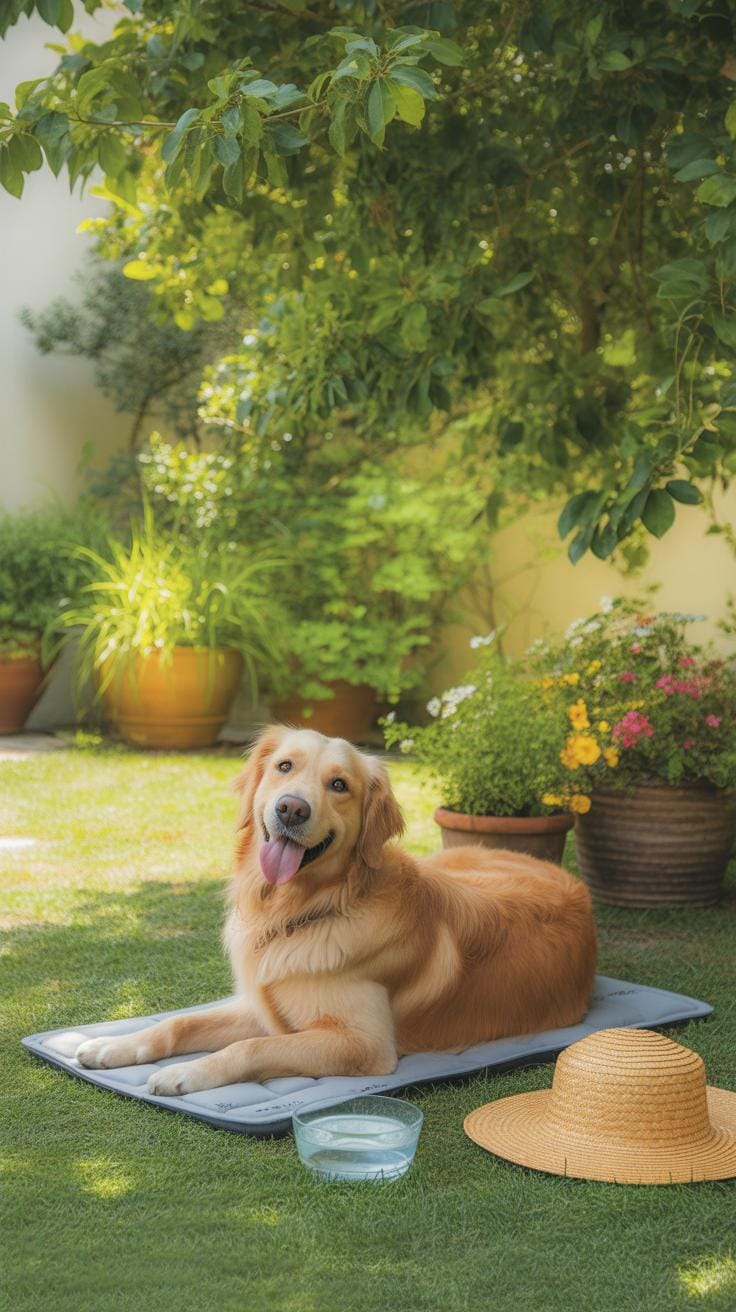
Shift all physical exercise to the early morning or late evening. The sun sits lowest before eight in the morning and after eight at night. Pavement holds thermal energy long after sunset. Check ground temperature with your palm for five seconds. If the surface burns your skin it will damage paw pads. Limit activity to these cooler windows to prevent heatstroke.
Modify your indoor routine to encourage physical rest during peak heat hours. Keep blinds closed from noon until five to block solar gain. Use mental stimulation games inside instead of high intensity fetching outside. Dogs do not sweat like humans and rely on panting to cool down. High humidity makes panting less effective. Keep the dog stationary when the heat index reaches dangerous levels.
There is no happiness quite like a tired dog finding the cool shade of a tree after a long afternoon in the sun. A quick splash in the water is all it takes to turn a sweltering day into a soulful summer memory.
Hydration Habits And Resting Strategies That Support A Healthy Summer Dog Life
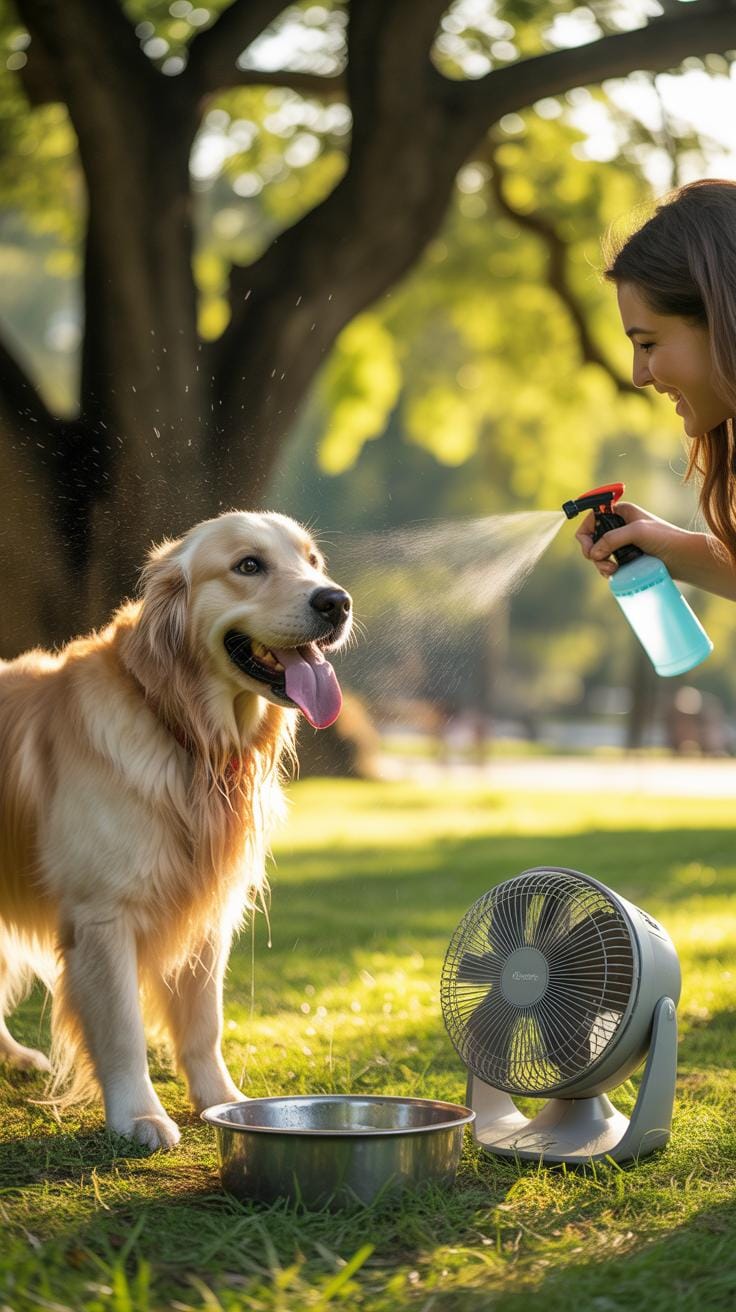
Proper hydration requires constant access to clean water in multiple locations. Dogs lose significant moisture through evaporation during respiration. Place water bowls in shaded areas to keep the liquid cool. Ceramic or stainless steel bowls resist heat better than plastic. Check water levels every three hours. Dehydration leads to kidney stress and reduced ability to regulate internal body temperature during the summer months.

Designate cooling zones in the house using elevated beds or cooling mats. These tools allow air to circulate under the dog. Avoid soft fleece bedding that traps body heat. Position fans to move air directly over resting areas. Monitor your dog for heavy panting or lethargy. Provide a quiet space where the dog can remain undisturbed. Consistent rest in a controlled climate ensures the dog recovers from outdoor exposure.
Summer Activities For Dogs With Special Needs Senior Brachycephalic And Small Breeds
Why Certain Dog Breeds Face Greater Heat Risk And How To Adapt Their Summer Activities
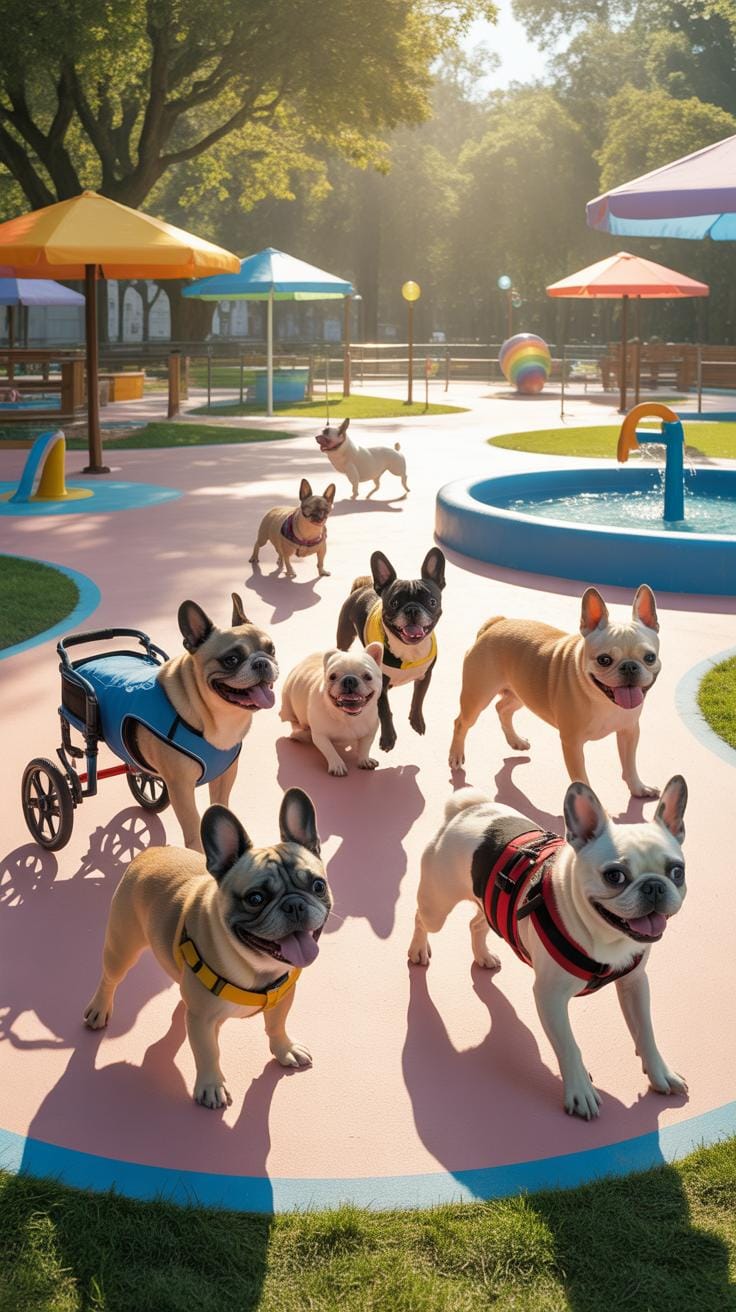
Brachycephalic breeds like Pugs and Bulldogs have flat faces and narrow airways. This anatomy makes breathing difficult. Dogs cool themselves through panting. Since these dogs cannot move air efficiently, they overheat rapidly. Seniors often have failing hearts or lungs. Their bodies lack the strength to regulate internal temperature. Small breeds have high metabolisms and lose moisture fast. You must monitor these groups closely during every outdoor session.
Adapt your strategy by strictly limiting outdoor time for these groups. Short bouts of activity are safer than long walks. Keep all movement to early morning or late evening hours. Use shade and air conditioning as primary tools. If the temperature exceeds eighty degrees, stop all physical exercise. Focus on indoor mental stimulation instead. Always carry water to prevent rapid dehydration. Realize that heat injury happens faster in compromised pets.
Gentle And Low Impact Dog Activities Tailored For Older Or Heat Sensitive Dogs
Low impact water play keeps sensitive dogs cool without strain. Use a shallow plastic pool for senior dogs. Ensure the water only reaches their chest. This depth allows them to stand safely while cooling their core. For brachycephalic dogs, avoid deep water because they struggle to keep their noses up. Gentle splashing or walking in ankle deep water provides cooling relief. This method protects their joints and prevents respiratory distress.
Nose work and scent games provide high value mental exercise indoors. Hide treats around a cool, carpeted room. This keeps the dog moving at a slow pace. They stay engaged without Raising their body temperature. You can also use frozen lick mats or stuffed rubber toys. These tools provide cooling sensations and occupy the dog for long periods. Indoor play removes the risk of heatstroke. It keeps vulnerable dogs active and safe.
Frequently Asked Questions

How can I tell if my dog needs cooling activities during the summer?
Monitoring your pet’s behavior is essential as temperatures rise. Signs like heavy panting, lethargy, and seeking out cool tile floors indicate your pup is struggling with the heat. Introducing summer cooling activities for dogs early in the day helps prevent overheating before it starts. Always provide fresh water and watch for red gums or drooling, which suggest they need immediate shade and a relaxing way to lower their body temperature.
What is an easy way to set up water-based cooling activities at home?
A simple pop-up kiddie pool or a low-pressure garden sprinkler can transform your backyard into a refreshing oasis for your pet. When planning summer cooling activities for dogs, ensure the water remains shallow and the surface is non-slip to keep them safe. Encouraging them to chase a gentle stream of water or toss floating toys into a basin provides both physical exercise and necessary relief from the intense afternoon sun.
Are there any affordable ways to cool my dog down without buying expensive gear?
Absolutely! You don’t need high-end gadgets to keep your furry friend comfortable. DIY options like freezing a dampened towel for them to lay on or making “pupsicles” out of diluted, sodium-free chicken broth are excellent low-cost solutions. Utilizing household items for cooling ensures that every pet owner can provide relief, making summer both fun and safe for their companions without breaking the bank on specialized cooling equipment or designer toys.