What Are Puzzle Toys And How Do They Work For Dogs
The Science Behind How Dogs Interact With Puzzle Toys
Dogs are natural foragers. Their ancestors spent most of their time searching for food in the wild. Modern pets still have this drive. Experts call this behavior contra-freeloading. It means animals prefer to work for food rather than eat from a bowl. Puzzle toys tap into this instinct. They use scent and movement to trigger a dog’s hunting brain.
These tools engage the prefrontal cortex. This is the part of the brain that handles decision-making. When a dog manipulates a toy, they release dopamine. This chemical creates a feeling of reward and focus. It physically tires a dog more than a walk. Mental effort burns calories and lowers stress. The toy creates a constructive outlet for energy that prevents destructive chewing.
How Food Based Rewards Reinforce Problem Solving Behavior In Dogs
Food is the strongest primary reinforcer for dogs. Most puzzle toys use high-value treats or kibble to drive engagement. The dog smells the reward through small vents in the plastic or rubber. This creates a goal-oriented mindset. Every small success encourages the dog to keep trying. They learn that specific movements lead to a snack. This is basic operant conditioning.
Consistency builds cognitive resilience. As the dog learns to roll, flip, or slide parts, they develop better motor skills. The physical reward confirms their strategy worked. This builds confidence in shy or anxious dogs. Over time, you can increase the difficulty of the task. Professional trainers use these tools to fix separation anxiety. The dog associates your departure with a high-value task.
Top Benefits Of Dog Puzzle Toys For Mental And Physical Health
How Dog Puzzle Toys Help Reduce Anxiety And Destructive Behavior
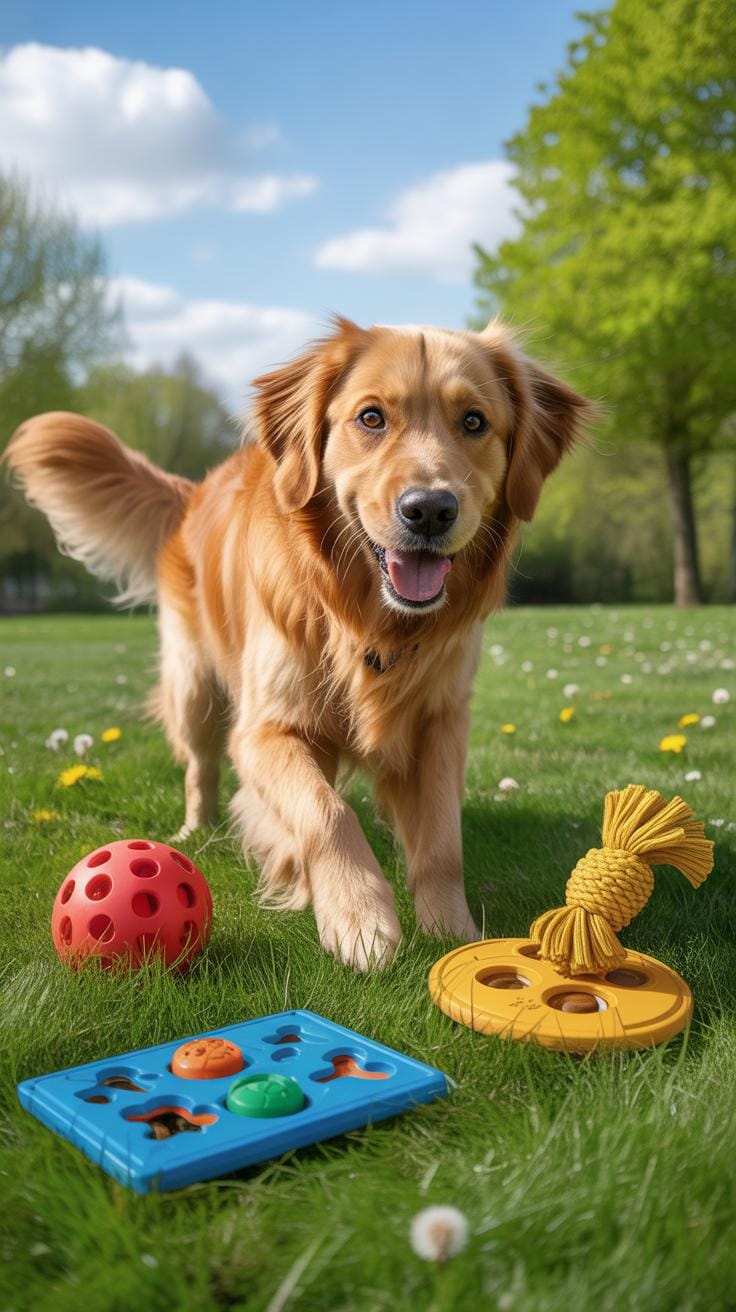
Dogs often chew or dig because they lack a job. Puzzle toys redirect this energy into a productive task. These tools use food as a primary motivator to keep a dog focused on one object. This focus lowers cortisol levels and calms the nervous system. A busy mouth cannot destroy your furniture or shoes. You solve the problem by providing a better outlet.
Separation anxiety stems from fear and lack of engagement. Giving a dog a puzzle before you leave creates a positive association with your departure. The dog spends the first twenty minutes of solitude working for its food. This physical and mental effort leads to natural fatigue. Tired dogs are less likely to bark or engage in panic-driven behaviors while you are away from home.
The greatest pleasure of a dog is that you may make a fool of yourself with him, and not only will he not scold you, but he will make a fool of himself too. These little games of hide and seek with his favorite treats keep his spirit forever young and his mind always curious.
The Role Of Cognitive Stimulation In A Dog’S Overall Well Being
Cognitive stimulation is a biological necessity for canines. In the wild, dogs spend hours searching for food. Modern life removes this challenge and creates boredom. Puzzle toys mimic traditional foraging behaviors. This process forces the dog to use its nose and brain to solve problems. Solving these challenges boosts confidence and keeps the brain sharp as the dog ages over time.
Physical exercise alone is rarely enough for high-energy breeds. Mental work exhausts a dog more effectively than a long walk. Using puzzles for daily meals turns feeding time into a training session. This practice prevents obesity by slowing down fast eaters. It also builds a stronger bond between the owner and the pet. Smart owners use these tools to ensure their dogs stay sharp and healthy.
Dog Enrichment Through Food Puzzles More Than Just A Game
Understanding Dog Enrichment And Why It Matters For Domestic Dogs
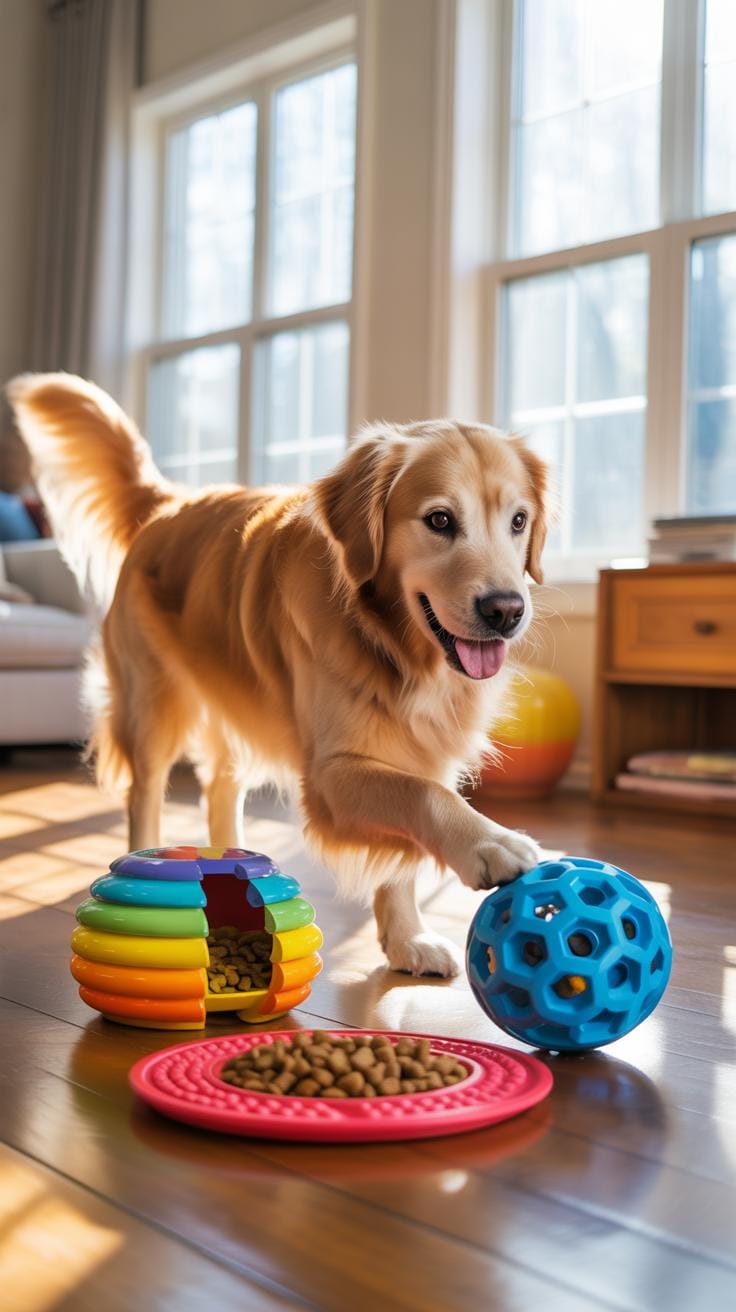
Domestic dogs often live in restricted environments. They lack the daily challenges their ancestors faced. Enrichment provides necessary mental stimulation to replace these lost activities. Without a job or a goal, dogs develop destructive behaviors like chewing furniture or barking excessively. You must provide outlets for their energy to maintain a stable household. Enrichment is a biological requirement for canine health.
Standard bowl feeding takes minutes and offers no challenge. This lack of effort leads to cognitive decline and physical obesity. Strategic enrichment forces a dog to use its brain to solve problems. This mental exercise tires a dog more effectively than a long walk. You reduce stress levels by lowering cortisol and increasing dopamine. Proper enrichment transforms a bored pet into a calm and focused companion.
How Food Puzzles Tap Into A Dogs Natural Foraging Instincts
Wild canines spend most of their waking hours searching for food. They scavenge and hunt to survive. This behavior is called the seeking circuit. It is a hardwired drive in every dog regardless of breed. Food puzzles mimic this experience by hiding rewards. Your dog must use its nose and paws to locate and extract the meal. This process satisfies their functional needs.
Contra-freeloading is a documented behavior where animals prefer to work for food rather than eat from a bowl. Food puzzles exploit this preference to increase satisfaction. The dog experiences a sense of accomplishment when they solve a mechanical challenge. This interaction builds confidence and independence. You are not just feeding your dog. You are allowing them to behave like a predator in a safe way.
Best Types Of Interactive Dog Toys With Food Compartments
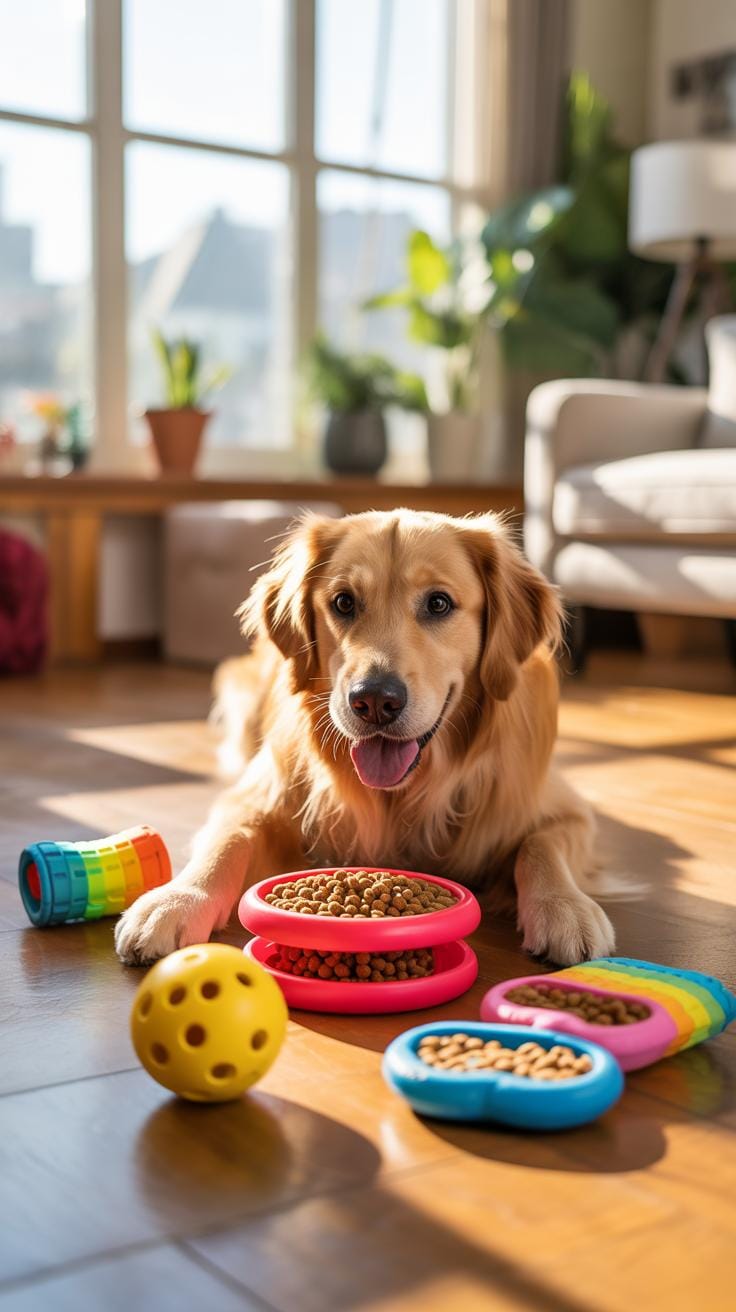
Sliding, Flipping, And Spinning: The Most Popular Interactive Dog Toy Designs
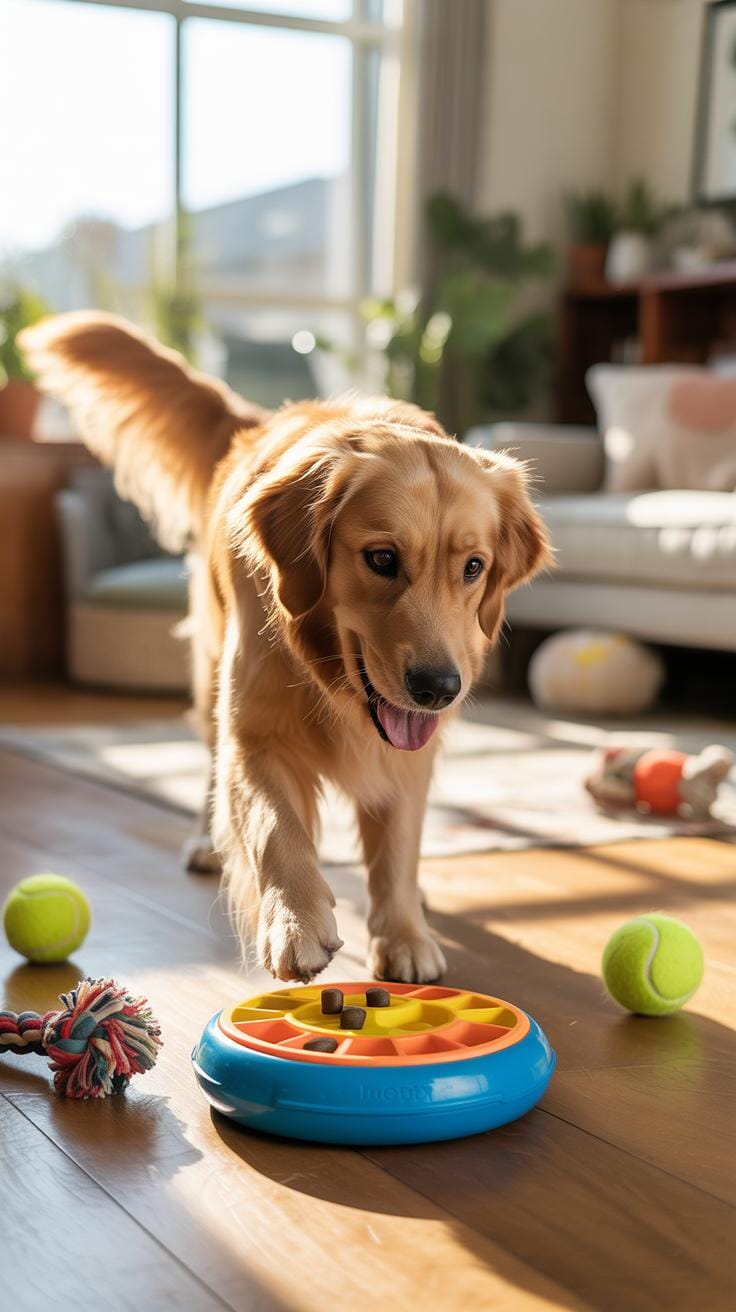
Sliding mechanisms require dogs to use paws or noses to move tiles along a track. This design forces linear problem solving. Flipping components usually involve lids or hinged compartments that reveal food when lifted. These toys test fine motor skills and patience. Spinning designs use gravity to drop treats from a central hub. The dog must maintain a specific rotation speed to succeed.
Engineers design these toys using food-grade ABS plastic or wood composites. These materials withstand repeated impact and moisture from saliva. Manufacturers often categorize these designs into complexity levels. Level one involves a single action to find food. High-level toys require multiple sequential steps. Owners should choose a design based on their dog’s natural foraging style. Nuzzle-heavy breeds prefer sliding parts over flipping lids.
Treat Dispensing Balls Vs. Flat Puzzle Boards: Which Works Best For Your Dog?
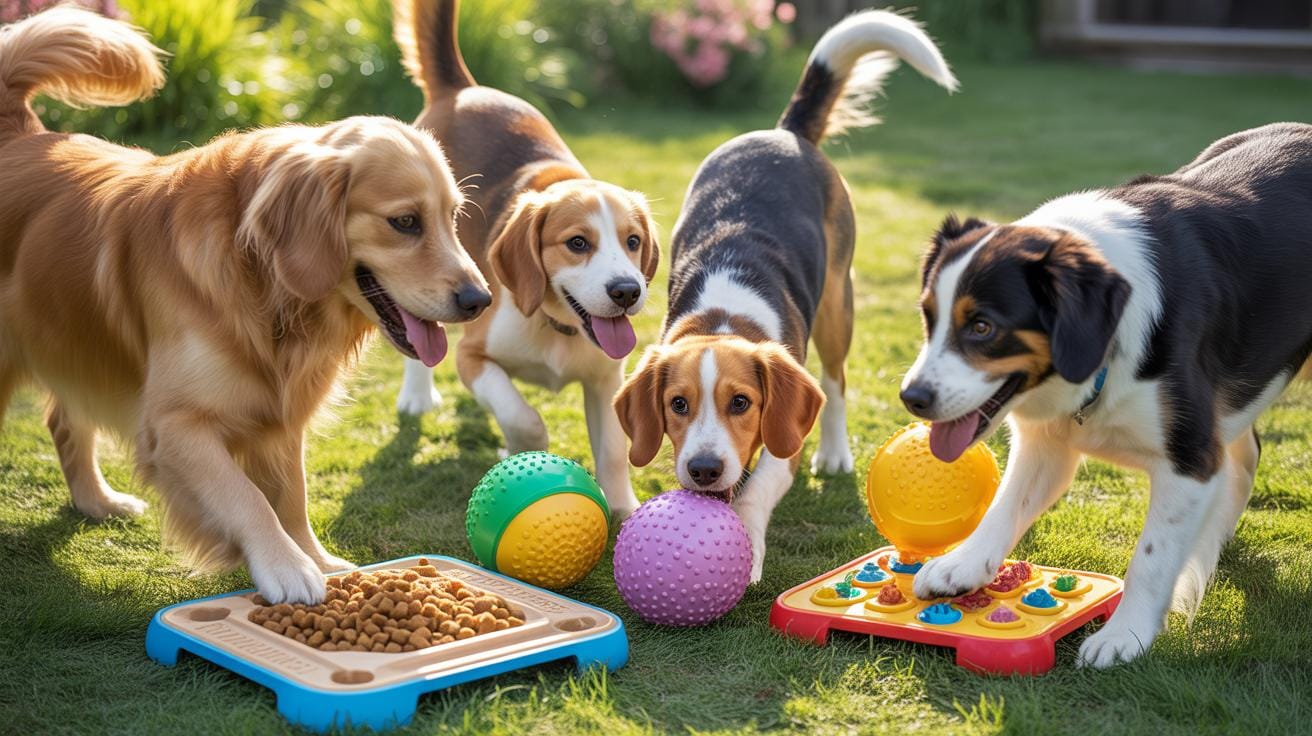
Treat-dispensing balls focus on physical movement and high energy output. These toys roll across the floor and drop food through adjustable apertures. This design targets the prey drive by mimicking moving targets. Boredom decreases as the dog chases the toy to earn a meal. Heavy chewers need reinforced rubber models to prevent destruction. These balls work best in large open indoor spaces or flat outdoor areas.

Flat puzzle boards prioritize mental focus over physical exertion. These stationary units sit on the floor and feature various hidden chambers. They work well for senior dogs or those with limited mobility. Boards require concentrated sniffing and precise movements rather than chasing. Owners use these to slow down fast eaters and prevent bloat. Choose a board with non-slip rubber feet to ensure the toy stays in one place during use.
How To Choose The Right Toys For Dogs Based On Breed And Size
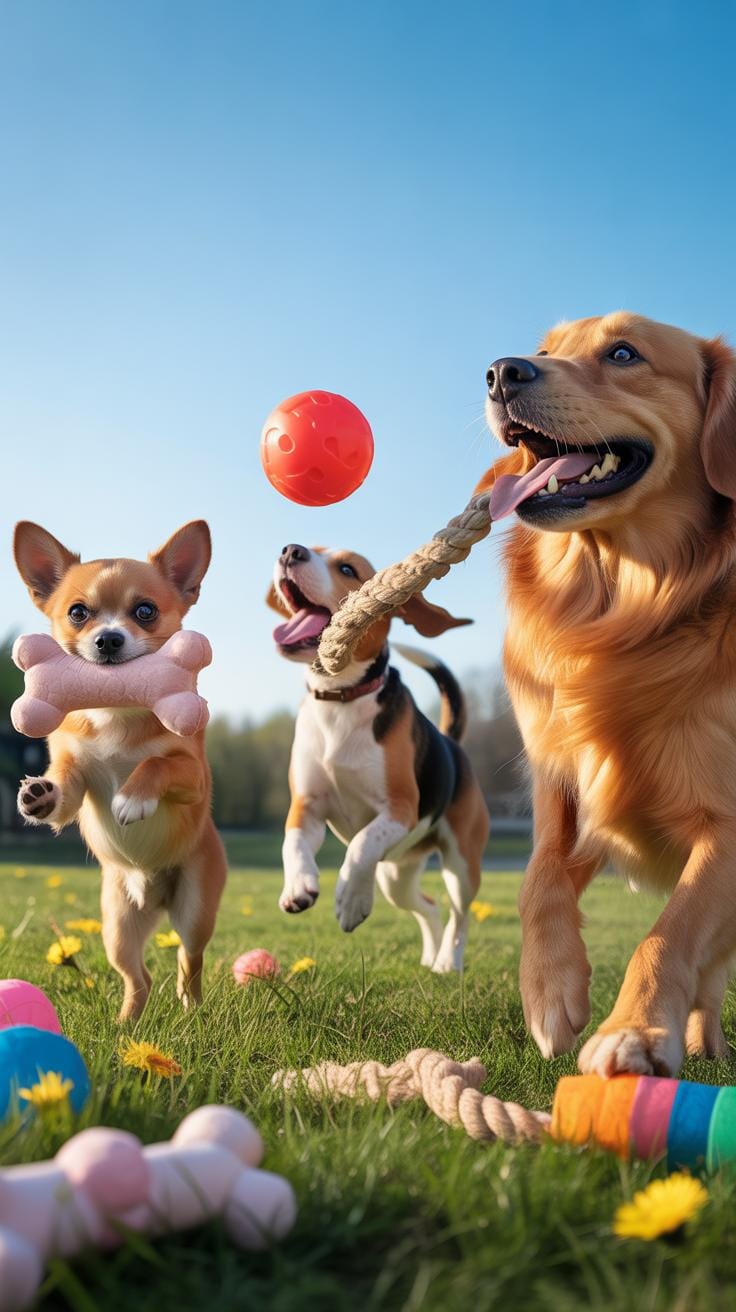
Matching Puzzle Difficulty Levels To Your Dog’S Breed Traits And Intelligence
Match the toy difficulty to your dog’s ancestral purpose. Herding and working breeds like Border Collies or German Shepherds have high cognitive demands. They solve multi-step problems quickly. If the toy is too simple, these dogs grow frustrated and destructive. Use Level 3 or Level 4 puzzles that require sequential actions. These dogs need to slide, lift, and rotate parts to earn rewards.
Scent-driven breeds like Beagles or Hounds prefer nose-work challenges. Their instinct drives them to sniff out hidden food. Simple mechanical puzzles may not engage them as much as hidden compartment toys. Contrast this with Terriers who enjoy tactile movement and shaking. Assess your dog’s persistence before buying. A dog that gives up easily needs an entry-level toy to build confidence and prevent total disinterest.
Size Appropriate Food Puzzle Toy Recommendations For Small, Medium, And Large Dogs
Select toys based on jaw strength and mouth capacity to ensure safety. A toy that is too small for a large dog creates a significant choking hazard. Conversely, a toy that is too heavy or large for a toy breed prevents successful interaction. Dimensions must allow the dog to manipulate the object without straining their neck or risking dental damage from improper sizing.
- Extra Small Rolling Treat Dispensers: Small breeds like Chihuahuas need lightweight plastics they can move with their paws. These toys feature small exit holes designed specifically for tiny kibble pieces. Heavy rubber or large diameters will physically exhaust small dogs before they get fed.
- Standard Size Rubber Stuffables: Medium dogs like Labs or Goldens benefit from durable natural rubber. These items must fit comfortably within their jaws for carrying. Look for thick walls that survive moderate chewing while providing enough internal space for a full meal portion.
- Heavy Duty Extra Large Disks: Large and giant breeds require massive, reinforced nylon or thick rubber tools. These toys utilize a wide base to prevent the dog from simply picking it up and crunching it. The scale ensures the dog uses cognitive skills rather than brute strength.
- Adjustable Height Slow Feeders: Tall breeds benefit from puzzles that integrate with elevated stands. This setup prevents bloat and neck strain during long feeding sessions. Choose models with deep grooves that force the dog to use their tongue to navigate around obstacles for every bite.
- Snuffle Mats with Variable Density: These fabric puzzles work for all sizes but require different strip lengths. Smaller dogs need shorter, softer felt to reach the bottom easily. Larger dogs need dense, heavy-duty webbing that stays flat on the floor while they root through the layers for hidden treats.

Material durability is the final factor in your selection process. Heavy chewers need specialized polycarbonate or dense rubber to prevent ingestion of toy fragments. Check the manufacturer weight ratings on the packaging. Never assume a medium toy will hold up to a large dog’s bite force. Proper sizing ensures the toy lasts longer and keeps the dog engaged without causing physical harm during play.
Puppy Puzzle Toys Starting Mental Stimulation Early
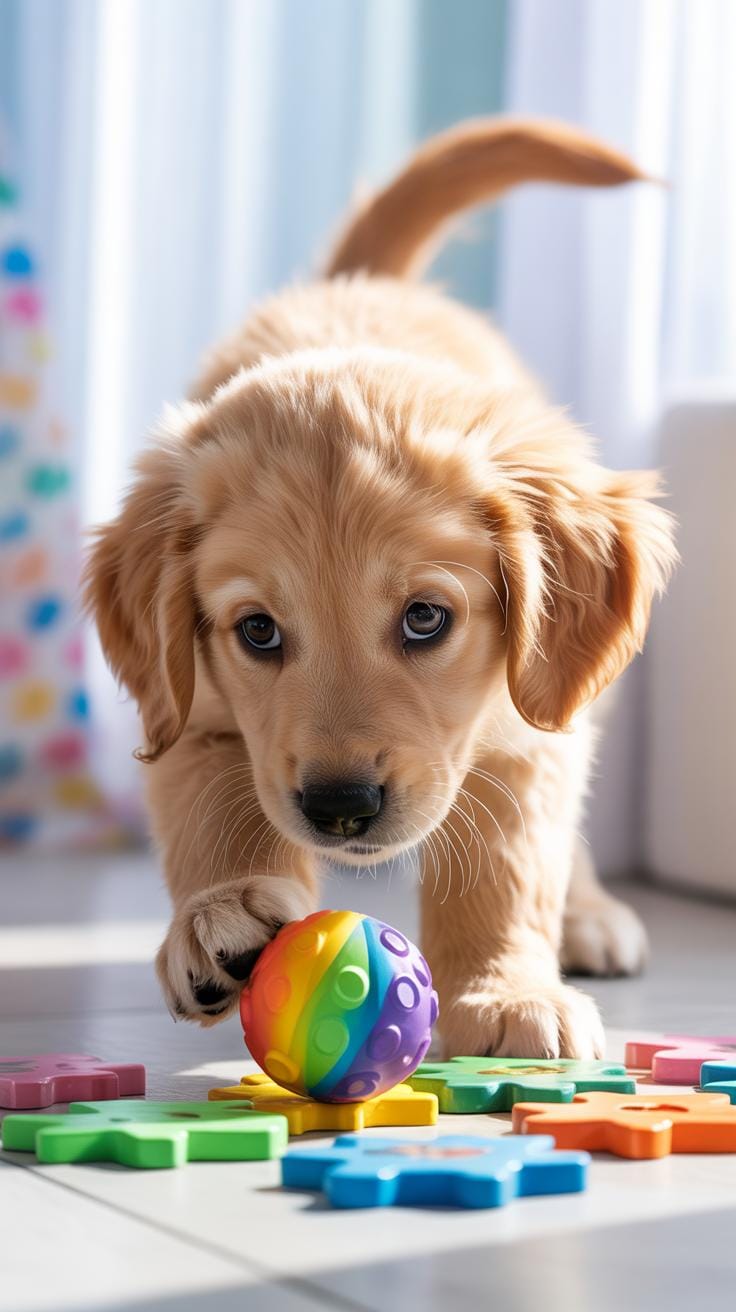
Why Introducing A Puppy Puzzle At A Young Age Builds Lifelong Learning Skills
Puppies possess high brain plasticity during early development phases. Introducing food puzzles between eight and sixteen weeks old shapes how a dog solves problems later. Early exposure builds confidence by rewarding persistence. Dogs that learn to work for food early show less frustration when facing new challenges. This mental work tires a puppy out more effectively than physical exercise alone.
Strategic feeding prevents the development of destructive habits born from boredom. Active problem solving engages the olfactory senses and the prefrontal cortex. This process creates positive neural pathways for focus and patience. Owners who start early establish a clear communication loop with their pets. A puppy that interacts with puzzles learns to value mental engagement. This foundation makes future obedience training much more efficient.
Safety Considerations When Selecting Food Puzzles For Puppies
Puppies have sharp deciduous teeth and a strong urge to chew. You must select puzzles made from durable, non-toxic materials like natural rubber. Hard plastic can crack under pressure and create sharp edges. Avoid toys with small removable parts that pose choking hazards. A puppy will likely try to destroy the container rather than solve the mechanism. Check the material density to ensure it withstands teething.

Size remains the most critical safety factor for young dogs. A toy must be large enough that the puppy cannot swallow it whole. Conversely, the weight should not be so heavy that it injures their developing joints during play. Monitor every session to track how the puppy interacts with the device. Remove the toy immediately if it shows any signs of tearing or structural failure. Physical safety preserves the learning experience.
Interactive Puppy And Adult Dog Puzzle Toys Key Differences
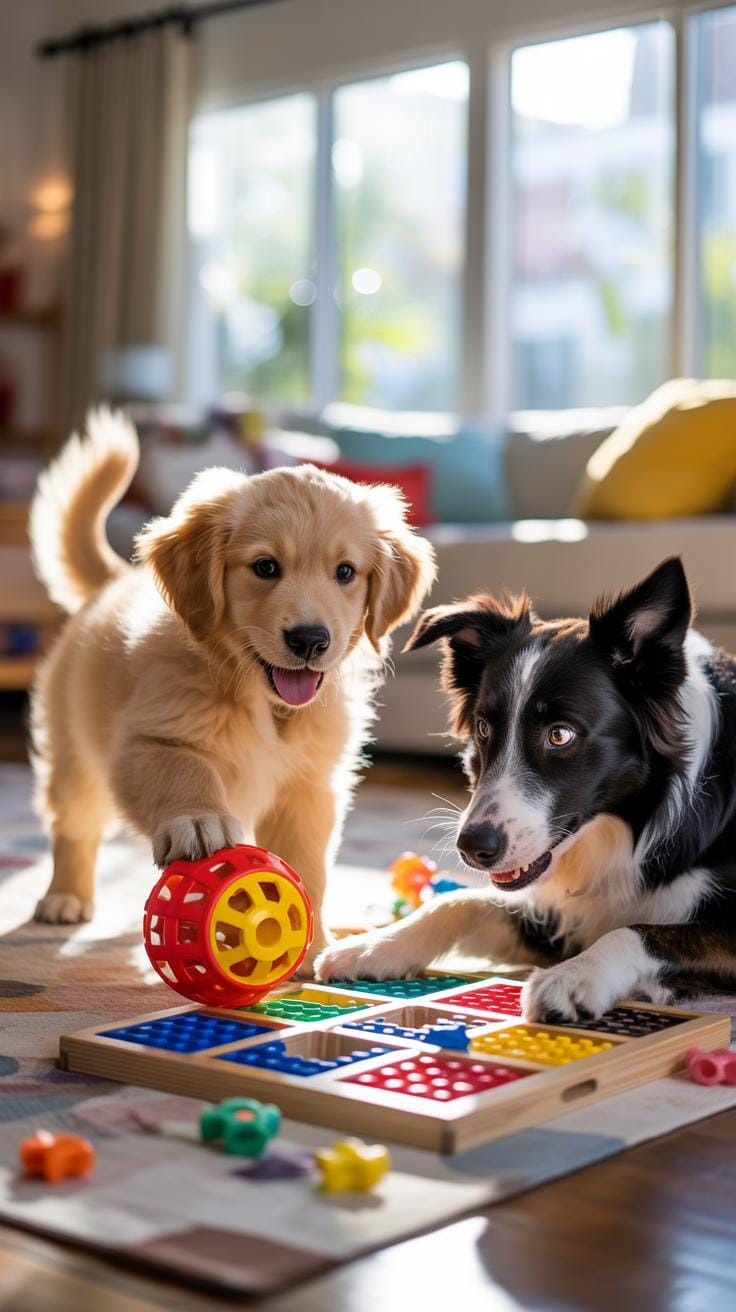
How Interactive Puppy Toy Features Differ From Adult Dog Puzzle Designs
Puppy puzzles prioritize soft materials and simple mechanics. Young dogs have deciduous teeth that break under high pressure. Manufacturers use flexible rubber or plush fabrics to prevent dental injury. These designs feature large openings and high visibility for treats. This builds confidence by rewarding basic exploration. Puppies lack the focus for complex tasks. Early toys focus on tactile engagement and immediate gratification.
Adult puzzles use reinforced plastics and dense synthetic rubbers like thermoplastic elastomers. These toys withstand higher bite force and repetitive chewing. The internal chambers are smaller and more complex. Designers use baffles and weighted bases to slow down food release. These features target cognitive stamina rather than just sensory play. Adult dogs require greater physical effort and problem solving skills to access their food rewards.
Transitioning From Beginner To Advanced Puzzle Levels As Your Dog Grows
Start the transition once the puppy consistently solves its current toy in under two minutes. Success breeds confidence but fast completion indicates zero mental effort. Introduce Level 2 puzzles that require two distinct actions like sliding and lifting. Move from toys that rely on gravity to those requiring manipulation. The dog must learn that rewards are not always visible. This develops the necessary frustration tolerance for harder tasks.

Final stages involve multi step sequences and hidden latches. Intermediate toys bridge the gap by adding scent work to the physical movement. Switch from soft rubber to hard nylon or wood composites as the dog reaches physical maturity. Monitor the dog for signs of destructive frustration. If the dog bites the toy instead of solving it, return to a simpler design. Mastery occurs when the dog uses its paws and snout systematically.
Dog Puzzle Toy Outdoors Taking Enrichment Beyond The Living Room
Best Durable Food Puzzle Toys Built To Withstand Outdoor Use
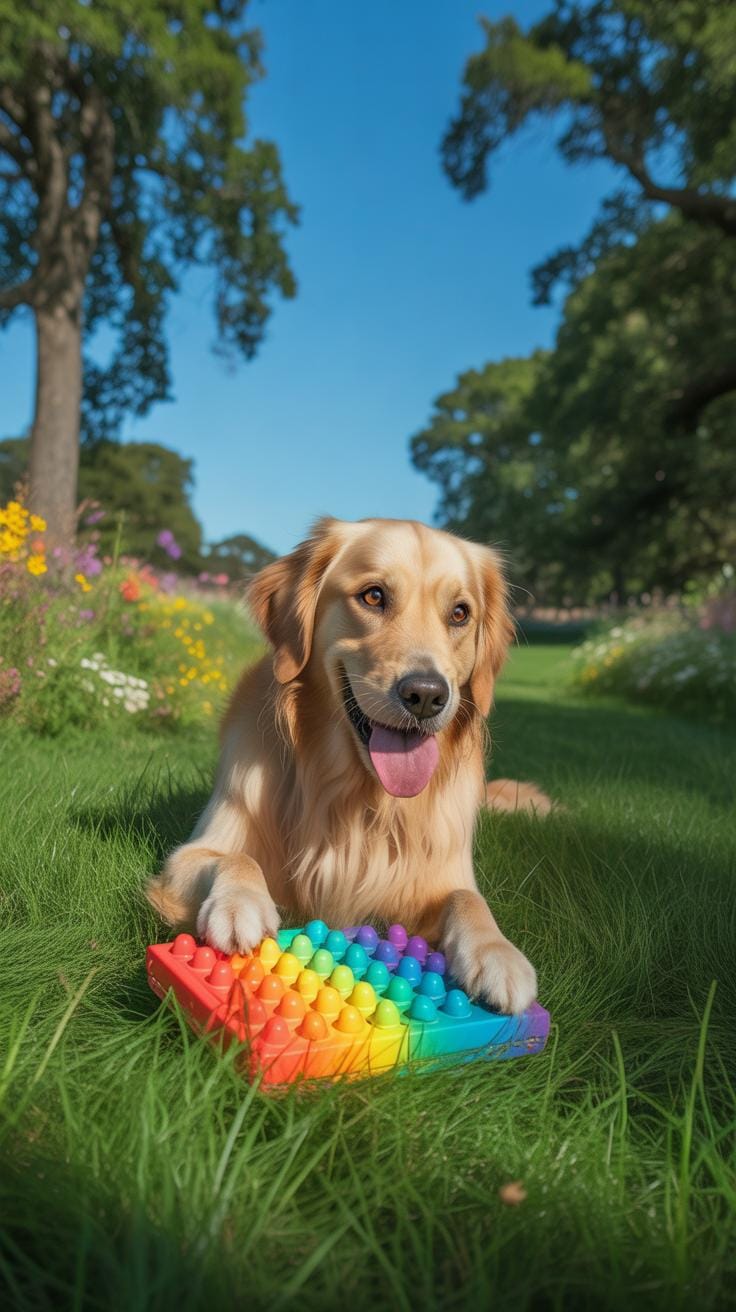
Outdoor environments demand materials that resist puncture and abrasion. Hard rubber compounds outperform soft plastics on abrasive surfaces like concrete or gravel. Natural rubber offers the tear strength necessary for high-impact play. These materials withstand UV exposure and temperature fluctuations without becoming brittle. Choose heavy-duty toys with high wall thickness to ensure the item maintains integrity during intense chewing sessions or long tosses.
Cleaning remains a critical factor for outdoor gear. Dirt and bacteria accumulate quickly in porous materials or complex internal chambers. Select toys with wide openings or dishwasher-safe ratings to ensure hygiene. Solid rubber designs with simple cavities are easier to sanitize than complex mechanical puzzles. Avoiding fabric or rope components prevents the absorption of moisture and mud. Tactical toy selection focuses on material density and ease of maintenance.
Creative Outdoor Enrichment Activities That Combine Food Puzzles And Exercise
Outdoor spaces provide the necessary room for high-velocity movement and tracking. Distributing food puzzles across large areas forces a dog to use its nose while covering physical ground. This combination increases the metabolic demand of the session. Using the natural terrain adds a layer of difficulty. Slopes and tall grass change how toys roll and hide. This forces the dog to adapt its retrieval and problem-solving strategies.
- Lawn Foraging Trays: Place standard puzzle mats or trays in tall grass. This hides the visual cues and forces the dog to rely on scent to locate the food. It slows down high-drive dogs and extends the duration of the enrichment session.
- Suspended Feeders: Hang durable rubber toys from sturdy low branches using breakaway safety cords. This creates a moving target that requires the dog to use its core muscles and paws. It mimics natural behaviors like reaching for hanging fruit or prey.
- Water Retrieval Puzzles: Use buoyant food puzzles in a shallow pool or pond. Dogs must swim or wade to retrieve the toy before solving it on land. This provides low-impact exercise while cooling the dog down during warm weather months.
- Multi-Point Search Circuits: Hide several small puzzle toys in different corners of a fenced yard. Release the dog to find each one in sequence. This builds focus and reward-based searching skills while burning off physical energy through sprinting between locations.
- Sand Pit Excavation: Bury plastic or rubber food dispensers under clean sand. The dog must dig to reach the reward. This targets the natural instinct to dig in a controlled area and provides significant resistance for physical conditioning of the limbs.

Structured outdoor play prevents behavioral issues caused by pent-up energy. These activities shift the focus from destructive yard digging to productive problem-solving. Owners must monitor the dog to ensure it does not ingest dirt or debris during the process. Using high-visibility colors like neon orange or blue helps both the dog and the owner locate toys in dense brush. Consistent outdoor enrichment builds a more resilient and physically fit animal.
What To Put Inside Food Puzzle Toys For Dogs To Keep Them Engaged
Dog Safe Foods And Treats That Work Best In Puzzle Toys
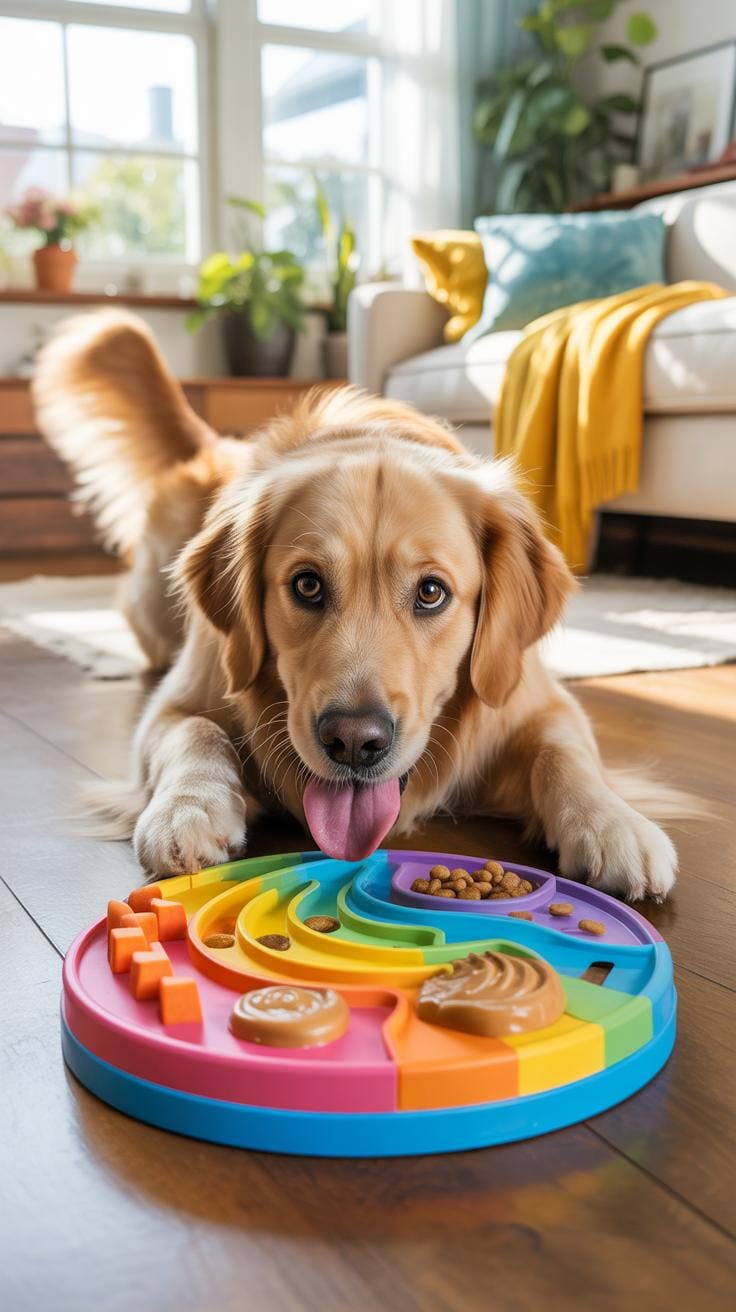
Choose fillings based on the toy design and dog size. Success requires a mix of textures. Dry kibble works for dispensers that roll or wobble. Soft foods like plain yogurt, canned pumpkin, or peanut butter act as binders. These sticky substances hold smaller pieces inside and increase the time spent licking. Ensure every ingredient is free from xylitol, excessive salt, and added sugars.
Viscosity determines the level of difficulty for the dog. Use high-value proteins like boiled chicken or freeze-dried liver to maintain high engagement. Small pieces of carrots or green beans add crunch without high calories. Match the food size to the toy openings. If the food falls out too fast, the dog finishes quickly. If it stays stuck, the dog quits from frustration.
How To Rotate Food Fillings To Sustain Your Dogs Long Term Interest
Dogs habituate to the same flavors and smells quickly. Prevent boredom by switching the protein source every three days. Alternate between cold, room temperature, and frozen fillings. Frozen fillings significantly increase the technical challenge. They force the dog to wait for the food to melt or use more tongue pressure. This physical effort tires the dog faster than eating dry treats alone.
Layer your fillings to create a scent trail. Place the most high-value treats at the bottom of the puzzle. This strategy rewards the dog for completing the entire task. It builds persistence and focus. Use different base liquids like low-sodium chicken broth or goat milk to change the moisture profile. Constant variety ensures the dog views the puzzle toy as a fresh challenge every single time.
How To Clean And Maintain Food Puzzle Toys For Dogs Safely
Cleaning Schedules And Methods To Keep Puzzle Toys Hygienic And Bacteria Free
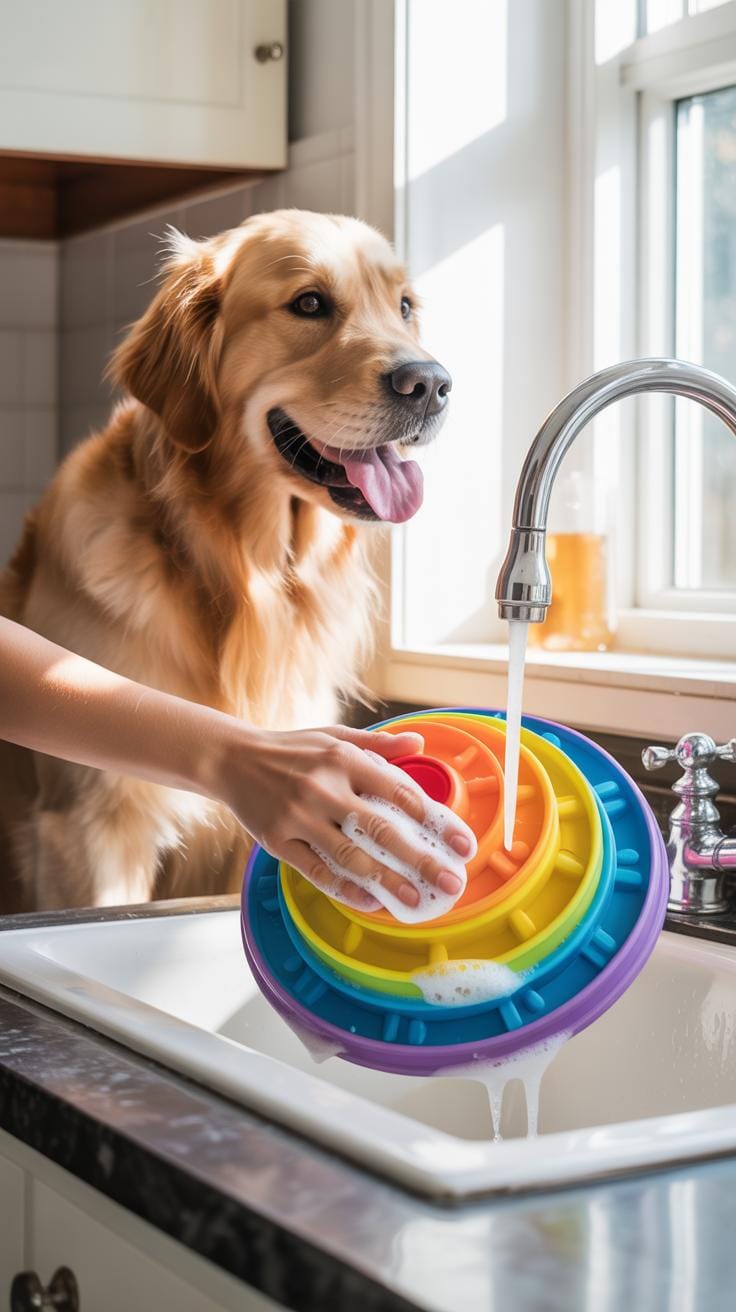
Bacteria thrive in moist environments filled with food residue. You must clean every puzzle toy after every single use to prevent biofilm buildup. Saliva and leftover fats create a breeding ground for Salmonella and E. coli. Use hot water and a mild dish soap that is free of fragrances. Scrub all internal crevices with a bottle brush to ensure no organic material remains trapped inside.
Check the manufacturer instructions for dishwasher compatibility. High heat provides superior sanitization compared to hand washing. Most heavy-duty rubber toys can handle the top rack of a dishwasher. For plastic puzzles with complex moving parts, use a diluted vinegar soak to break down saliva enzymes. Rinse all components thoroughly to remove any chemical scents. Dry the toys completely before storing them to prevent mold growth.
Signs That A Food Puzzle Toy Needs To Be Replaced For Your Dog’S Safety
Inspect every toy daily for structural failure. Look for deep teeth marks, cracks, or jagged edges in the plastic or rubber. Material degradation leads to sharp points that can lacerate a dog’s mouth or throat. If the toy feels tacky or gummy, the polymers are breaking down. This chemical breakdown is irreversible and dangerous. Discard any item showing these physical signs of wear immediately.
Watch for missing pieces or hardware. Dogs can easily swallow small plastic nubs or rubber chunks. Choking and intestinal blockages are the primary risks of damaged food puzzle toys. If the toy has changed shape or no longer functions as intended, its integrity is compromised. Replace worn toys with newer models to maintain safety. Prioritize structural soundness over the remaining lifespan of the product to protect your dog.
Frequently Asked Questions

What exactly are food puzzle toys for dogs and how do they help?
Food puzzle toys for dogs are interactive tools designed to challenge your pet’s mind by making them work for their treats or kibble. Instead of eating from a standard bowl, your dog must licks, nudges, or solves a physical challenge to release the food. These toys are essential for beating boredom because they provide vital mental stimulation, mimic natural foraging instincts, and can significantly reduce anxiety-related behaviors in high-energy breeds.
How do I introduce a puzzle toy to a dog that has never used one?
When introducing food puzzle toys for dogs, start with the easiest setting possible to prevent frustration. Use high-value, smelly treats that are easy to see or fall out quickly to help your dog understand the reward system. As your pet gains confidence and learns the mechanics of the toy, you can gradually increase the difficulty level or switch to frozen fillings to keep the engagement high and the boredom at bay.
Can I make my own dog puzzles at home with limited supplies?
Absolutely! You don’t need an expensive gadget to get started with canine enrichment. You can easily create a DIY challenge by placing treats inside an old muffin tin and covering the holes with tennis balls. Another simple trick is rolling kibble into an old towel and knotting it loosely. These homemade versions are a great, budget-friendly way to see how your pet reacts to mental challenges before investing in professional gear.