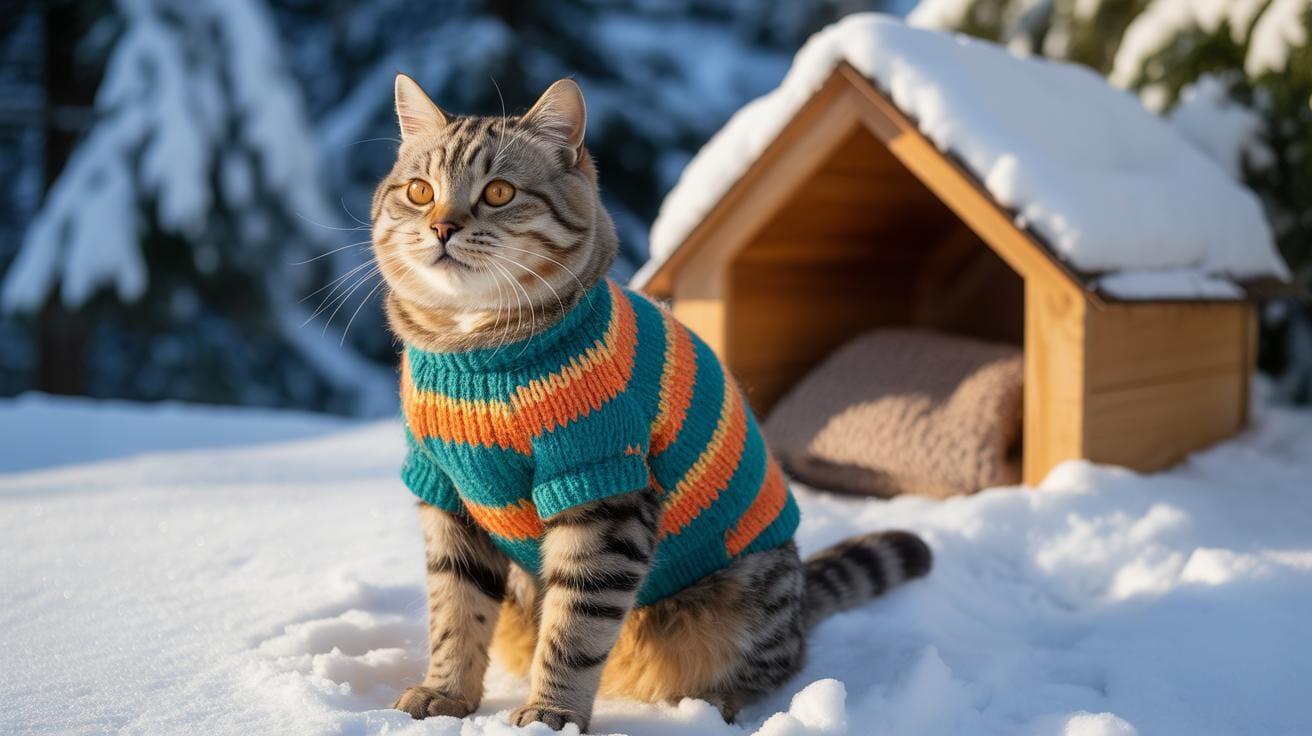
Understanding Frostbite In Cats What Every Cat Care Owner Should Know
What Is Frostbite And How Does It Affect A Cat’S Body
Frostbite is a traumatic medical condition caused by exposure to freezing temperatures. When a cat’s skin gets too cold, the blood vessels near the surface constrict. This process is called vasoconstriction. The body pulls blood away from the limbs to protect internal organs. This redirection of blood flow keeps the heart and lungs warm but leaves peripheral tissues without heat or oxygen.
If the cold exposure continues, the liquid inside the skin cells begins to freeze. These ice crystals expand and rupture the cell walls from the inside. This cellular destruction leads to permanent tissue death. You will not see the damage immediately. The skin often looks pale or blue at first. Once the tissue warms up, it becomes red, swollen, and extremely painful for the cat to touch.
Which Parts Of A Cat Are Most Vulnerable To Cold Injury
A cat’s ears are the most frequent site of cold injury. The ear flaps consist of thin skin and very little fat or fur for insulation. Because they sit far from the heart, blood flow stops there first during extreme cold. Owners often notice the tips of the ears becoming brittle or black after exposure. This indicates that the tissue has died and will eventually fall off.
The tail and paws are also high-risk zones. The tail lacks thick muscle and relies on a narrow blood supply. Paws face a double threat from the cold air and direct contact with frozen ground or ice. Snow trapped between the toes increases the rate of heat loss. Observe these areas for changes in color or texture. Any sign of gray or blackened skin requires immediate professional veterinary intervention.

Recognizing The Warning Signs Essential Cat Care Tips For Cold Weather
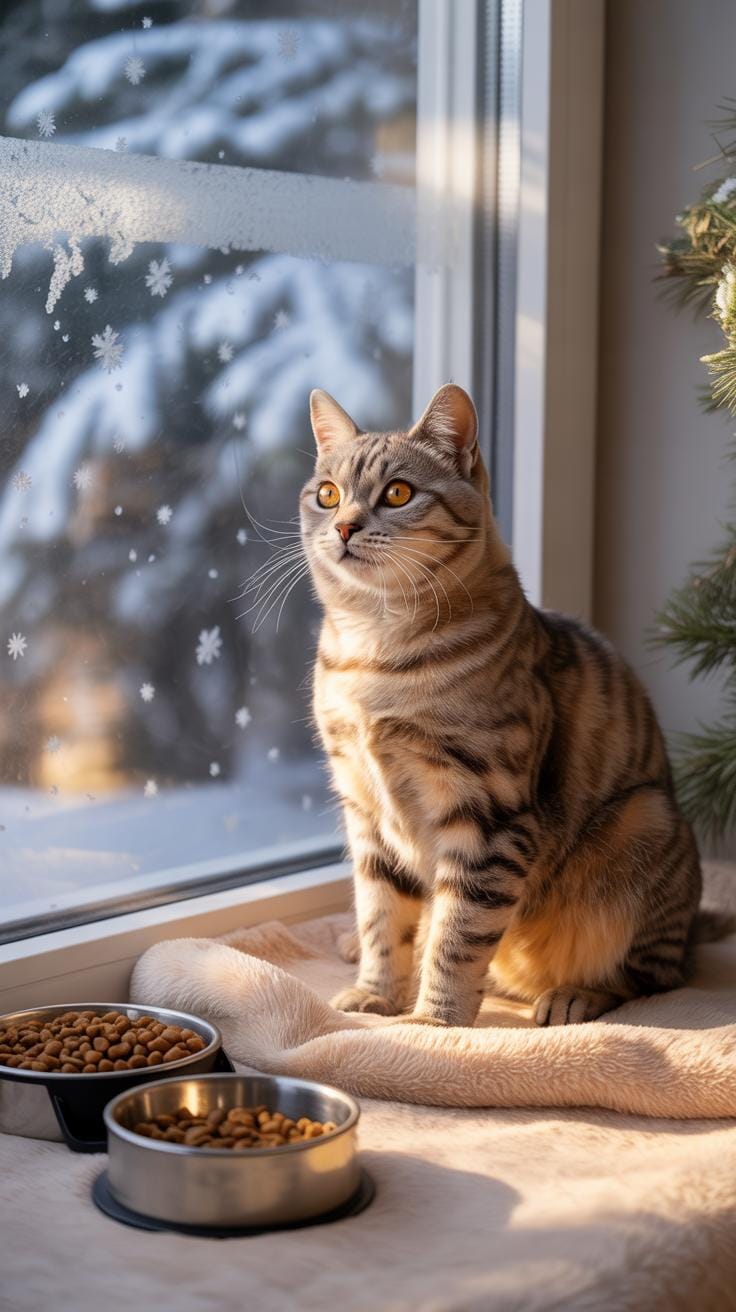
Early Symptoms Of Frostbite You Should Never Ignore
Frostbite begins when extreme cold forces the body to divert blood from the limbs to the core. You must monitor the ears, paws, and tail tip specifically. Early signs include skin that feels unusually cold to the touch or looks pale and gray. This lack of color indicates restricted blood flow. Owners often mistake these subtle shifts for simple chills until damage occurs.
Check for localized swelling or redness as the skin begins to thaw. The affected tissue may appear waxy or firm. Cats often show discomfort by licking or biting at these areas. Pay close attention to changes in behavior like limping or vocalizing. If you notice these physical markers, your cat needs immediate warmth. Early detection prevents permanent tissue death and limits the spread of the injury.
How Frostbite Progresses If Left Untreated In Cats
If the cold exposure continues, the tissue enters a dangerous necrotic phase. The skin shifts from pale or red to a dark purple or black color. This change signals that the cells have died from lack of oxygen and nutrients. Blisters often form on the surface within twenty four hours. These blisters contain clear or milky fluid and indicate deep tissue damage.

Untreated frostbite leads to severe secondary infections. As the dead tissue dries out, it becomes hard and eventually sloughs off the body. This process leaves open wounds that are prone to bacteria. In extreme cases, the cat may lose entire sections of its ears or tail. Systemic sepsis can occur if the infection enters the bloodstream. Rapid medical intervention is the only way to salvage compromised limbs.
How To Keep Cats Warm Practical Strategies For Outdoor Cat Owners
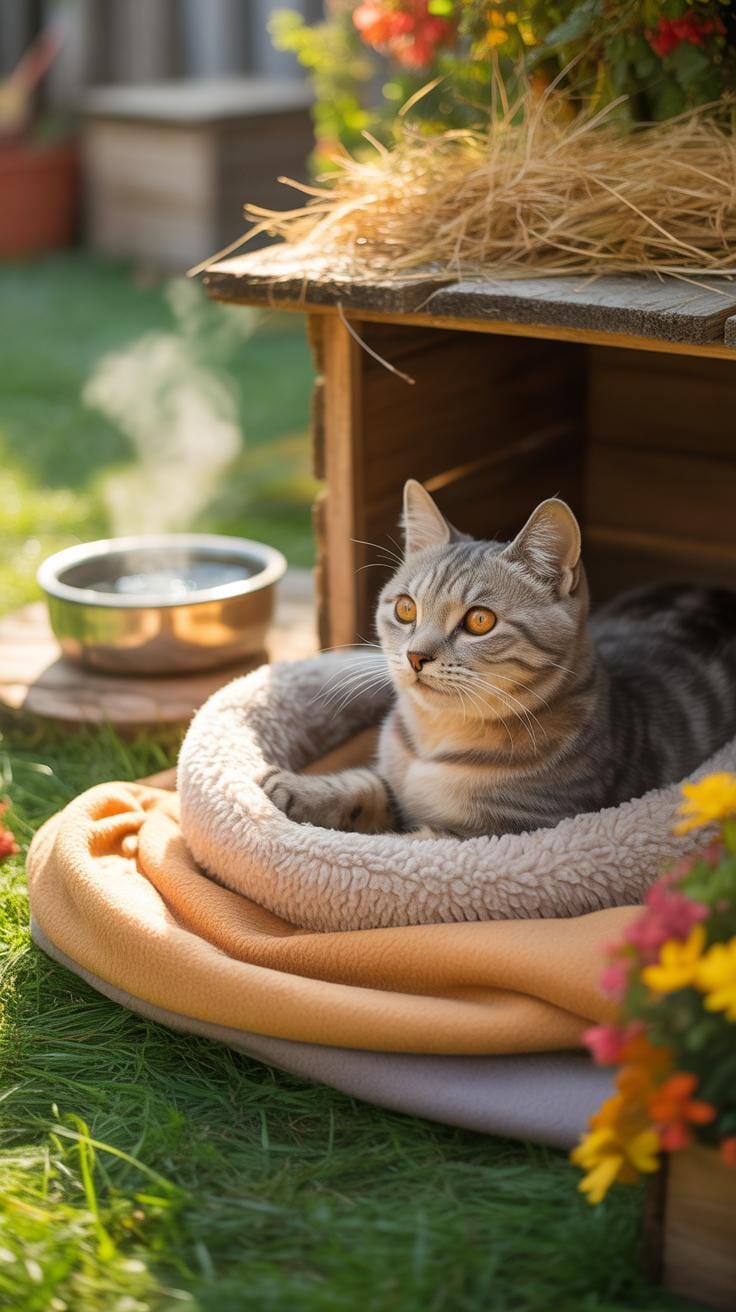
Monitoring Outdoor Time And Temperature Thresholds For Safe Exposure
Ambient temperature dictates survival for outdoor cats. Experts agree that risk increases significantly when temperatures drop below 45 degrees Fahrenheit. At this level, cats must burn extra calories to maintain their core body temperature. Owners must bring cats indoors or into heated spaces when local weather forecasts predict 32 degrees or lower. Sustained exposure to freezing temperatures leads to rapid heat loss and potential tissue damage.
Wind chill and moisture accelerate the onset of cold injury. Wet fur loses its insulating properties immediately. Monitor local humidity and wind speeds as these factors lower the effective temperature. Pay close attention to early signs of cold stress like shivering or lethargy. Limit outdoor access during night hours when temperatures reach their lowest points. Use a thermometer to track temperatures in sheltered areas to ensure they remain above the danger zone.
Proven Ways To Insulate And Warm An Outdoor Cat During Winter
Effective insulation traps heat and blocks moisture from reaching the cat. Traditional wood structures often fail without proper internal linings. Modern strategies utilize dense materials like extruded polystyrene to create a thermal break. These materials prevent the cold ground from leaching heat away from the animal. Proper sizing of the structure is critical because a small interior space allows the cat to heat the air with its own body.
- Straw Bedding: Use dry straw rather than hay or blankets for floor insulation. Straw resists moisture and contains hollow air spaces that trap heat effectively. Replace it regularly if it becomes damp to prevent freezing.
- Reflective Insulation: Line the interior walls with Mylar or specialized radiant barriers. These materials reflect infrared heat back toward the cat body. This technique maximizes thermal efficiency in non-powered shelters located in harsh climates.
- Polystyrene Liners: Integrate thick foam boards into the shelter walls to provide a high R-value. This material stops thermal transfer better than plywood or plastic alone. It creates a stable microclimate even when external temperatures fluctuate wildly.
- Elevated Platforms: Raise the shelter several inches off the frozen ground using bricks or pallets. Air gaps underneath the structure reduce heat loss through conduction. This prevents the cold earth from draining the warmth from the shelter floor.
- Narrow Entrances: Design the entry hole to be no larger than six inches wide. This minimizes the amount of cold air that can enter while the cat is inside. Use a heavy plastic flap to further block wind and snow.

Heat management requires a focus on thermodynamics and material science. Avoid using blankets or towels because they absorb body moisture and freeze into solid blocks. These wet fabrics actually pull heat away from the cat and increase the risk of hypovolemia. Focus on hard-surface insulation and loose organic materials that allow for airflow while maintaining warmth. Test all heating elements for safety to avoid fire hazards or burns.
Pet Safety First When To Bring Outdoor Cats Inside During Winter
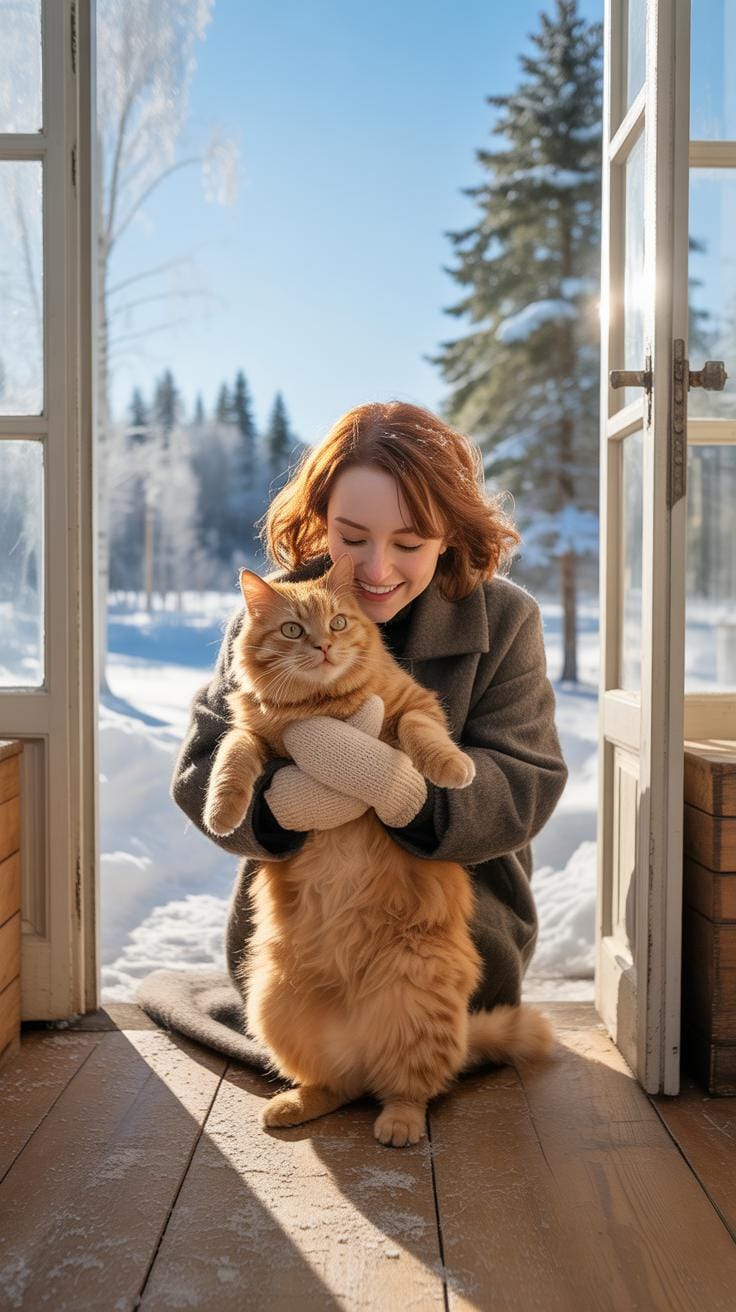
Understanding The Temperature Range That Puts Outdoor Cats At Risk
Outdoor cats face life-threatening risks when temperatures drop below 45 degrees Fahrenheit. At this threshold, cats cannot maintain their core body heat for long periods. Sustained exposure leads to hypothermia and eventual organ failure. Wind chill and moisture accelerate this process by stripping heat from the fur. You must monitor local weather reports for any drop below this critical 45-degree mark to ensure feline safety.
Frostbite becomes a high risk once the ambient temperature hits freezing at 32 degrees Fahrenheit. Blood shunts away from the ears, tail, and paws to protect internal organs. This physiological response leaves extremities vulnerable to permanent tissue death. Any weather involving ice, sleet, or heavy snow requires immediate indoor shelter. Do not rely on natural instincts to save the animal from extreme cold.
How To Safely Transition An Outdoor Cat To Indoor Living In Cold Months
Transitioning an outdoor cat requires a dedicated confinement space to prevent panic and territorial spraying. Use a quiet spare room or a large crate to limit the immediate environment. Provide a litter box, fresh water, and high-protein food to satisfy survival needs. Gradually increase the time the cat spends inside as the weather cools. This method establishes the indoors as a safe and predictable zone.

Mental stimulation is vital for keeping an outdoor cat calm while confined. Use scratching posts and interactive toys to mimic hunting behaviors found in the wild. Keep the indoor environment warm but avoid placing beds directly against high-heat sources like radiators. Consistency in your routine reduces stress and prevents the cat from boltng back outside. Fast action saves lives when winter storms approach without warning.
Building Or Choosing A Feral Cat House To Protect Cats From The Cold
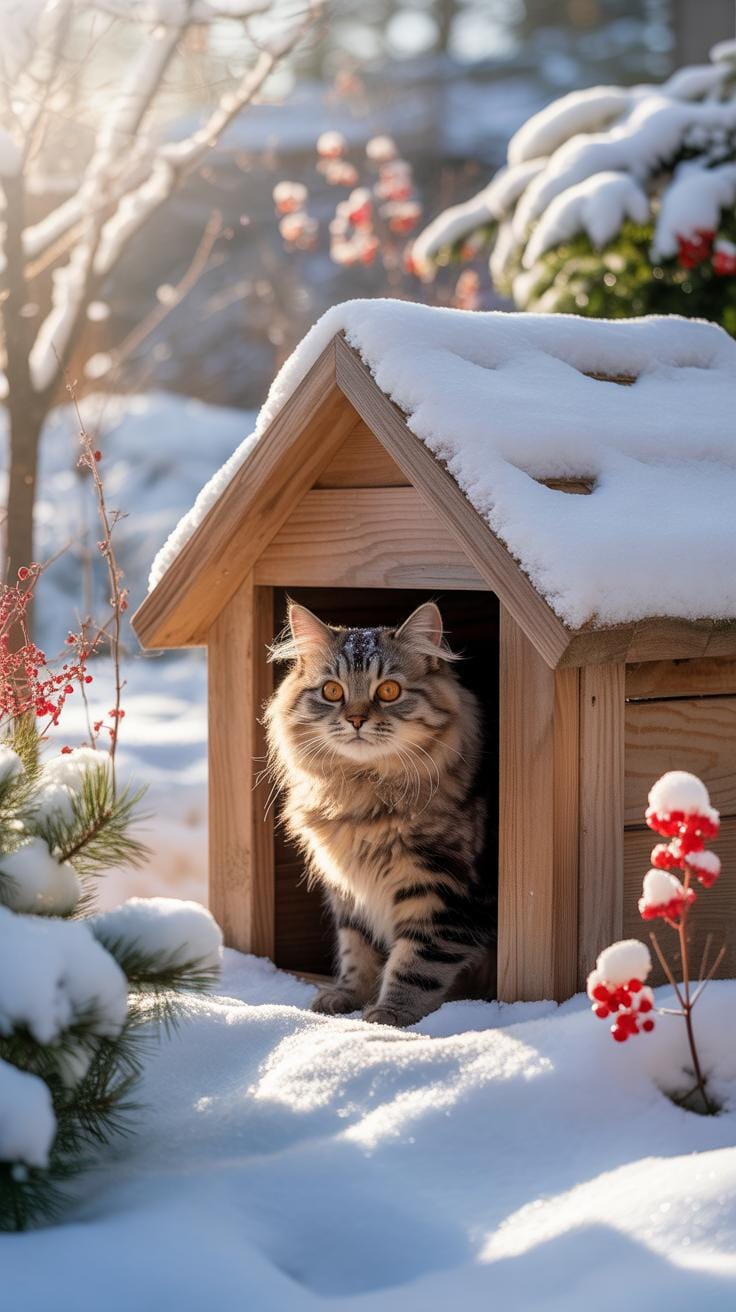
Key Design Features That Make A Feral Cat House Effective In Winter
Size is the most critical factor for heat retention in a winter shelter. A house that is too large allows body heat to dissipate. The interior space should be just big enough for one or two cats to huddle together. Small dimensions trap the natural warmth generated by the feline’s body. This creates a pocket of air that stays significantly warmer than the outside temperature.
The entrance must be small and positioned away from the center. This design prevents wind from blowing directly into the sleeping area. A six-inch wide opening is sufficient for most cats while excluding larger predators. Elevating the house off the frozen ground prevents heat loss through conduction. Use wooden pallets or bricks to create a literal thermal break between the shelter floor and the cold earth.
Best Insulating Materials To Use Inside A Winter Cat Shelter
Insulation must repel moisture to prevent cooling the cat through evaporation. Standard blankets and towels are dangerous because they absorb dampness from paws or humidity. This wet fabric then freezes and sucks heat away from the cat’s body. You must use materials that allow the cat to burrow and stay dry. Proper insulation reflects heat back to the animal while providing a physical barrier against the cold.
- Straw: This is the gold standard for outdoor shelters. Its hollow stalks trap air and provide excellent thermal properties. Unlike hay, it does not hold moisture or mold easily, keeping the environment dry and safe for long periods.
- Reflective Mylar: NASA developed this material to manage heat in space. Lining the inner walls with Mylar sheets reflects up to ninety percent of the cat’s body heat. It is thin, lightweight, and waterproof, making it a highly efficient secondary insulation layer.
- Extruded Polystyrene: This rigid foam board provides a high R-value per inch. You can line the walls, floor, and ceiling of a shelter with these boards. They act as a solid thermal shell that prevents cold air from penetrating through the structure.
- Spray Foam: This material fills gaps and cracks where wind might enter. It expands to seal the shelter airtight. Use it around the seams of the roof and corners to stop drafts. It hardens into a durable and moisture-resistant barrier that lasts all winter.
- Cedar Shavings: These offer some insulation and help repel fleas. Only use them as a base layer under straw for additional warmth. They do not hold as much heat as straw, but they stay drier than organic fabrics and provide a clean scent.

Replace all bedding materials if they become soiled or damp during the season. Check the interior regularly after heavy snow or rain. Wet materials cause hypothermia faster than no insulation at all. Pack the straw loosely so the cat can create a nest. This nesting behavior maximizes the effectiveness of the material. A well-insulated house is the most reliable tool for cat frostbite prevention winter survival.
Cat Shelter Placement And Maintenance Through The Winter Season
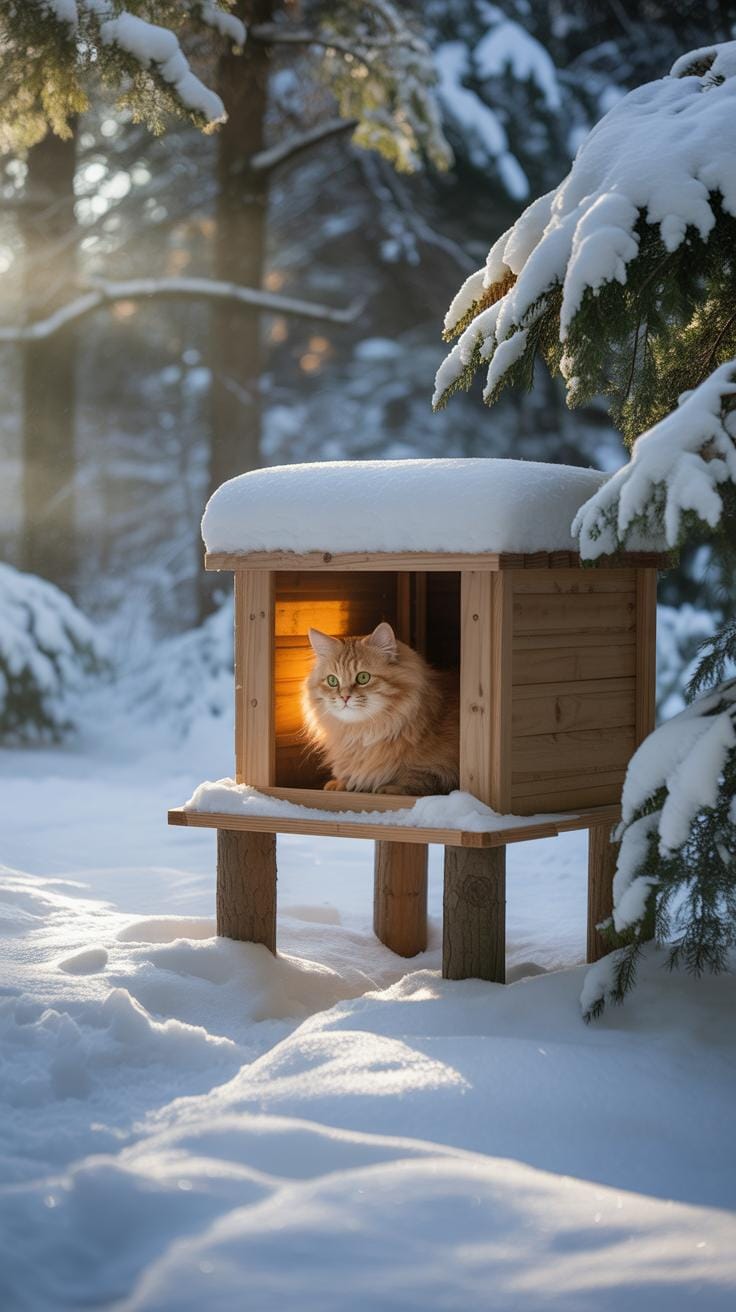
Where To Position An Outdoor Cat Shelter For Maximum Wind And Cold Protection
Place the shelter against a solid structure like a house or a garage. This wall acts as a windbreak and stabilizes the unit against heavy gusts. Face the entrance toward the south or east to avoid prevailing north and west winds. This orientation prevents cold air from blowing directly into the living space. Proper placement keeps the interior temperature higher and protects the cat from extreme wind chill.
Elevate the shelter at least two inches off the frozen ground using bricks or wooden pallets. Ground contact leeches heat through conduction and ruins insulation. Ensure the entrance remains low and small to trap rising body heat. Keep the unit away from loud mechanical equipment or high-traffic areas. Cats will not use a shelter if they feel exposed or unsafe. Secure the location before the first deep freeze occurs.
The smallest feline is a masterpiece that deserves a warm hearth. Keep your outdoor friends tucked away from the winter’s bite, for no creature is too small to feel the cold.
How To Maintain And Check A Cat Shelter Regularly During Freezing Conditions
Inspect the shelter interior once a week throughout the winter season. Check the bedding for any signs of moisture or dampness. Wet bedding freezes quickly and causes hypothermia rather than preventing it. Replace soiled straw immediately to maintain a dry environment. Straw is the industry standard because it allows cats to burrow and does not hold water. Never use blankets or hay for winter bedding materials.

Clear snow away from the entrance after every storm to prevent the cat from getting trapped inside. Check that the structure remains level and stable on its elevation blocks. Look for leaks in the roof or cracks in the walls that allow drafts to enter. Heavy ice buildup on the exterior can compromise the structural integrity. Regular maintenance ensures the cat has a reliable sanctuary when temperatures drop below freezing levels.
Fascinating Cat Facts How Cats Naturally Cope With Cold Weather
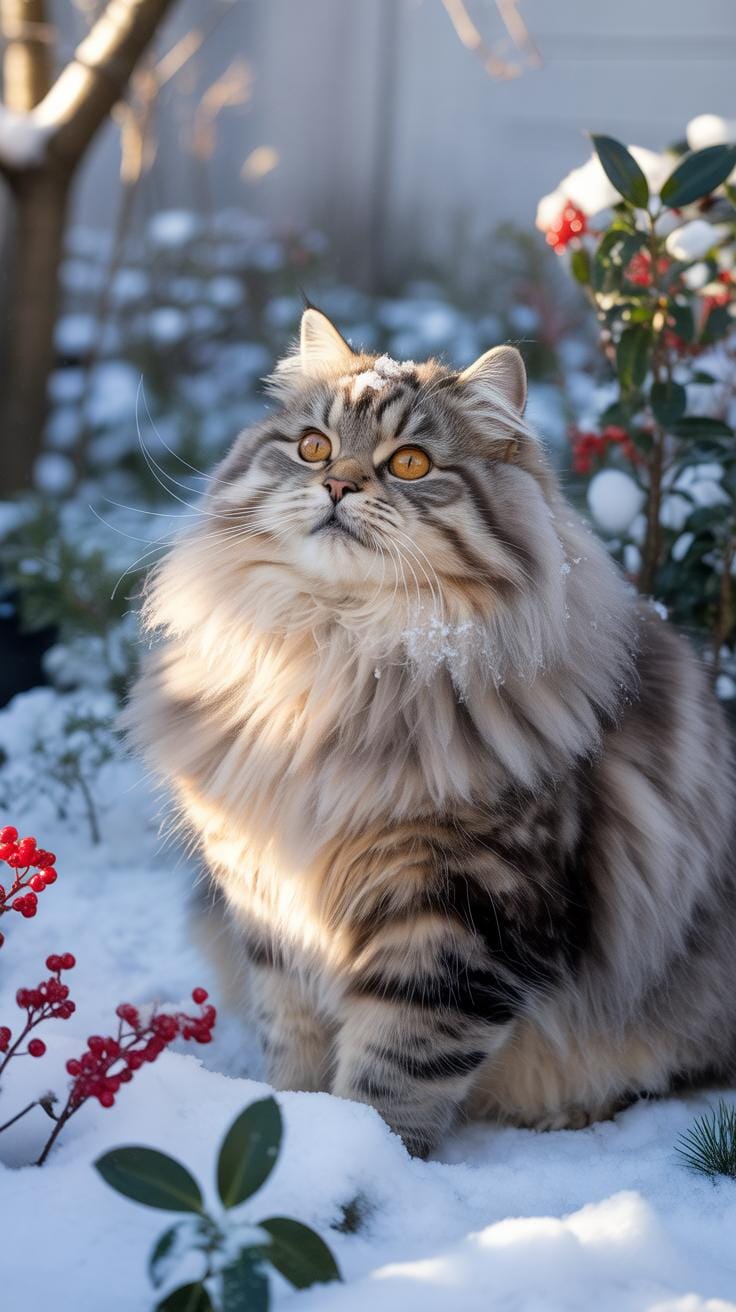
The Natural Physiological Responses Cats Use To Regulate Body Heat
Cats utilize a process called piloerection to trap heat. The tiny muscles at the base of their hair follicles contract to make their fur stand up. This creates a thick layer of air between the skin and the cold environment. This air acts as a natural insulator. It slows down the transfer of heat from the body to the outside world. This mechanism keeps their core temperature stable during brief cold snaps.
Cats also restrict blood flow to their limbs to protect their core organs. This process is known as peripheral vasoconstriction. Blood moves away from the ears, paws, and tail to stay in the chest and abdomen. While this saves the heart and lungs, it makes these extremities vulnerable to frostbite. Cats naturally curl into a tight ball during rest. This shape minimizes surface area and hides their coldest parts inside their warm fur.
Why Domestic Cats Are More Cold Sensitive Than Their Wild Counterparts
Modern cats descended from the African wildcat. This ancestor lived in hot, arid desert climates. Their genetics prioritize heat dissipation over cold resistance. Domestic cats lack the dense undercoat found in arctic mammals. Most breeds have thin skin and limited body fat. These physical traits make them lose heat much faster than wild cats in northern climates. They are not built for freezing temperatures or deep snow.

Selective breeding has also removed many natural survival traits. Humans bred many cats for short fur or specific aesthetics rather than environmental resilience. Indoor living further weakens their ability to adapt to seasonal changes. Their bodies do not grow the thick winter coats that feral cats might develop. This lack of preparation means a sudden drop in temperature is more dangerous for a house cat. They rely on human intervention to survive winter.
Nutrition And Hydration For Outdoor Cats A Overlooked Part Of Winter Cat Care
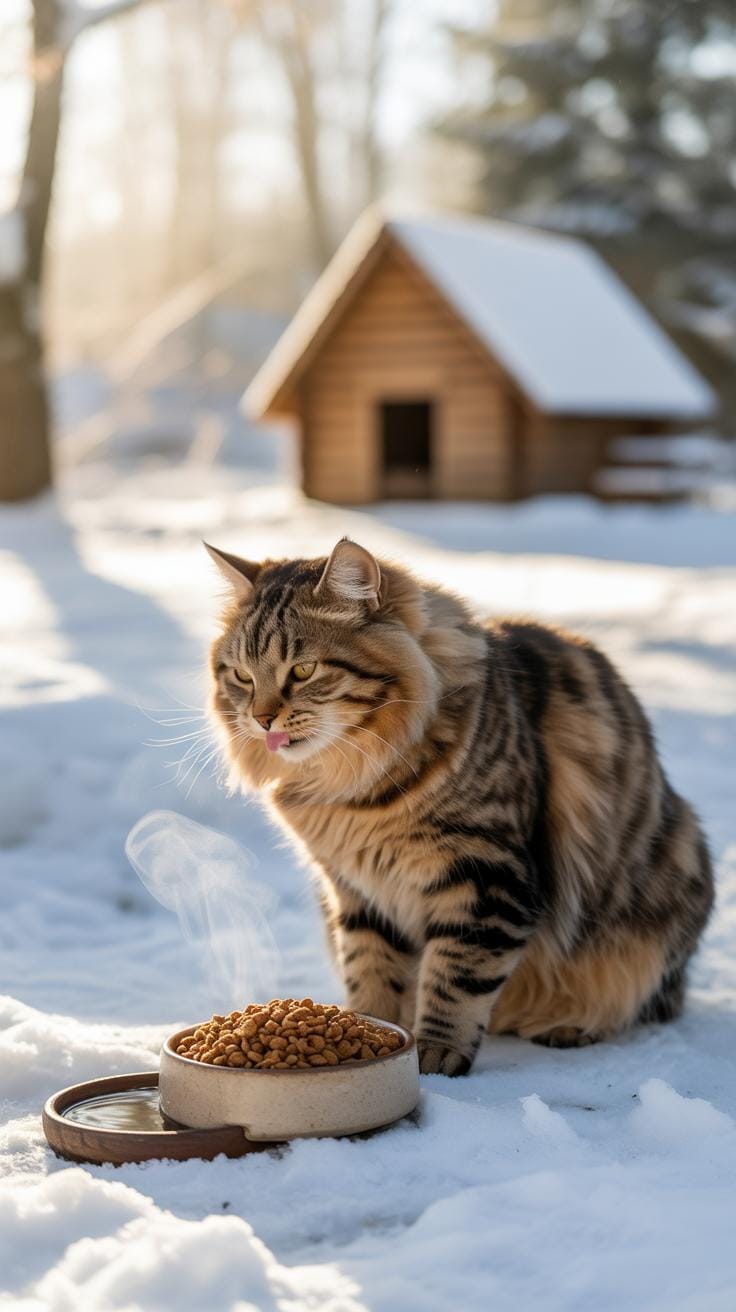
Why Outdoor Cats Need More Calories During Cold Winter Months
Outdoor cats burn excessive energy to maintain their internal body temperature when the air turns cold. Shivering and metabolic regulation require a high caloric intake to prevent hypothermia. If a cat lacks enough fuel, its body pulls blood away from the ears and paws to protect internal organs. This process leaves the extremities vulnerable to freezing and tissue death.
Providing high protein and high fat food is essential for winter survival. Wet food provide good nutrients but can freeze quickly in metal bowls. Professionals recommend using dry kibble for consistent access throughout the day. Increase the daily portion by thirty percent during peak winter weeks. A well fed cat maintains a thicker fat layer which provides a natural barrier against the freezing wind.
Keeping Water Unfrozen And Accessible For Outdoor Cats In Freezing Temperatures
Hydration is just as vital as food for preventing frostbite and illness. Dehydrated cats have lower blood volume which slows down circulation to the limbs. When blood flow drops, skin freezes faster. Many owners forget that cats cannot eat snow to stay hydrated. Snow consumption lowers their core body temperature and forces the heart to work harder to stay warm.

Use heated plastic bowls to keep water in a liquid state. Avoid metal bowls because a cat’s tongue can stick to the frozen surface and cause injury. Place water containers inside a sheltered area to block the wind. Change the water twice daily if you do not have a heater. Fresh water ensures the cat’s metabolism functions at peak efficiency to fight off cold injuries.
Frequently Asked Questions

How do I tell if my cat is suffering from frostbite?
Early signs of frostbite in cats include skin that appears pale, gray, or bluish. Touched areas may feel cold or brittle, and as the tissue warms, it often becomes red and swollen. For effective cat frostbite prevention winter care, monitor your pet’s ears, paws, and tail closely. If you notice any discoloration or if your cat seems to be in pain, move them to a warm area immediately and contact your veterinarian.
What are the most effective ways to keep outdoor cats safe in freezing temperatures?
Consistency is key for cat frostbite prevention winter safety. Ensure your outdoor cats have access to a well-insulated, waterproof shelter raised off the frozen ground. Use straw rather than blankets, as straw stays dry and traps heat. Additionally, provide heated water bowls to prevent dehydration and offer extra calories during cold snaps. These simple steps create a protective environment that helps maintain their body temperature against the harsh elements of the season.
Can I build an affordable winter shelter for neighborhood stray cats on a budget?
Absolutely. You can create an effective DIY shelter using a plastic storage bin lined with thick Styrofoam or a smaller cooler placed inside a larger tote. Fill the inner space with dry straw, which is much cheaper and safer than fabric bedding that can freeze when damp. This accessible setup is a fantastic way to support local strays, providing them a cozy, life-saving refuge from the wind and biting cold without breaking the bank.