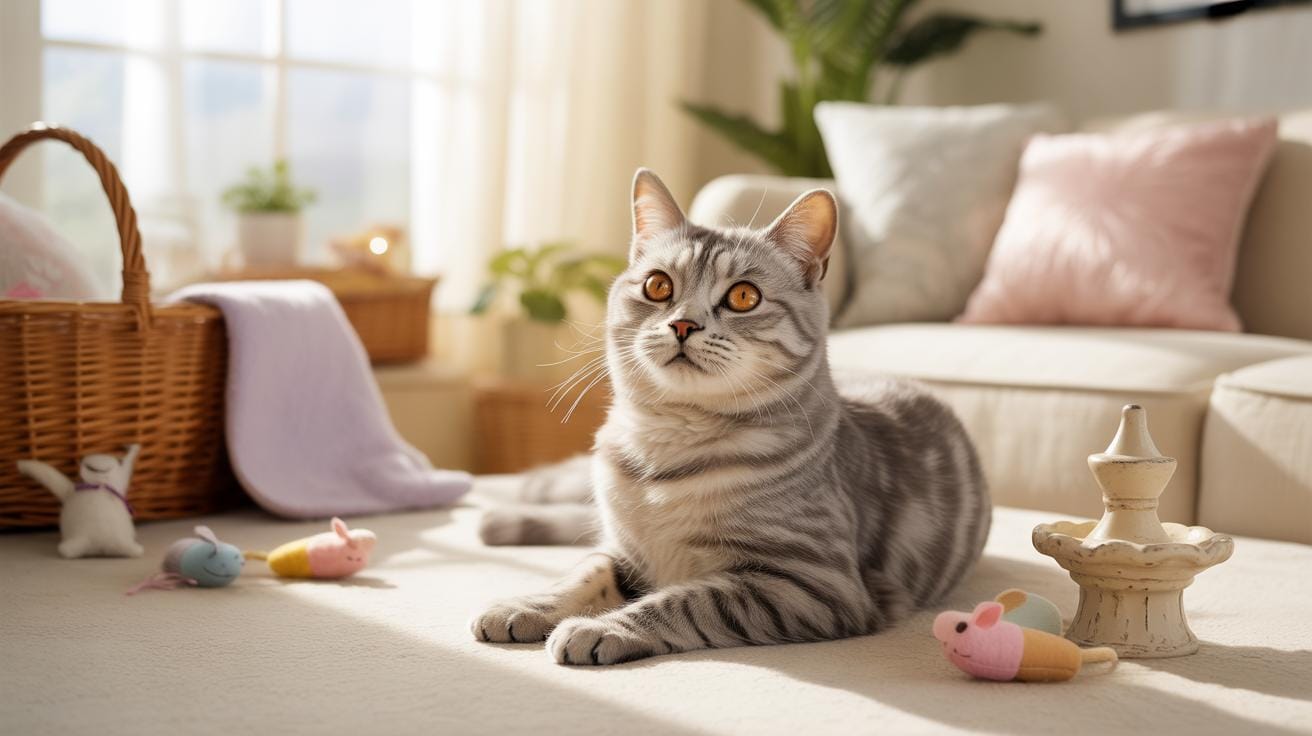
What Stress Actually Looks Like In Cats Key Cat Behavior Changes To Know
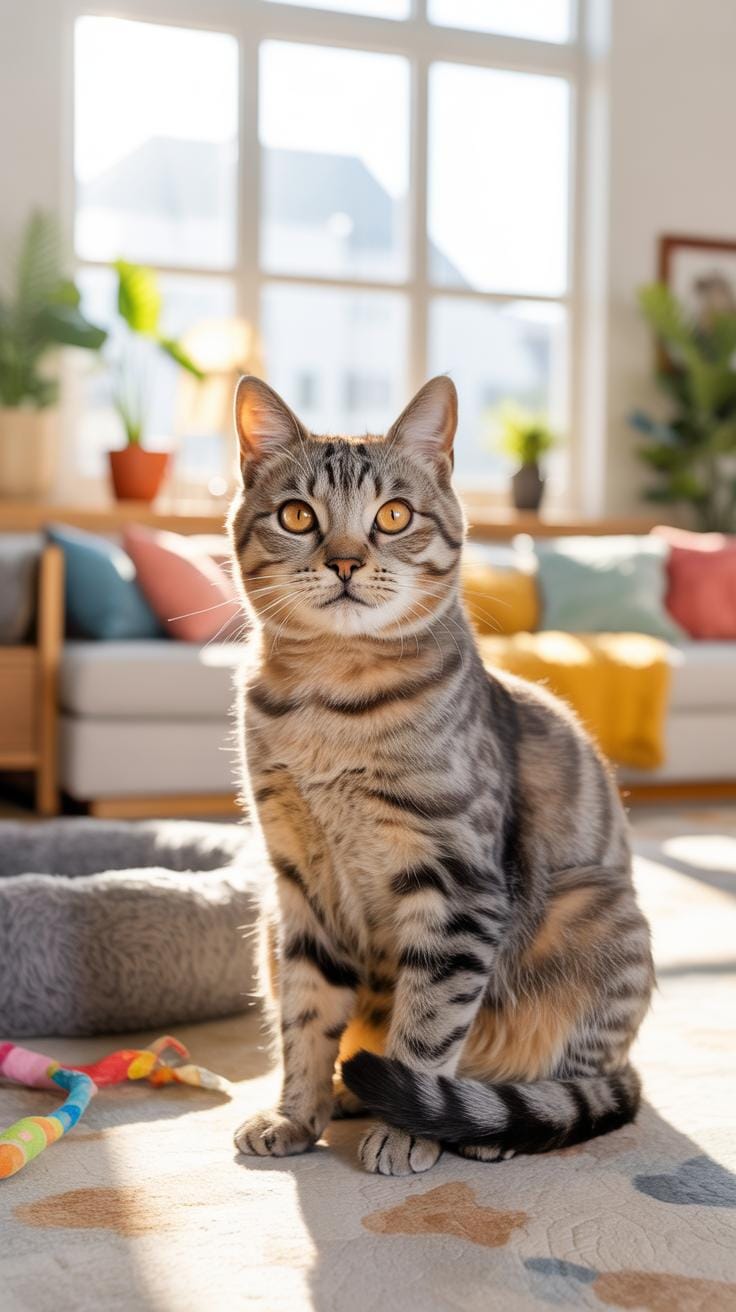
Why Cats Hide Their Stress And What That Means For You
Cats evolved as solitary hunters and small prey animals. In the wild, showing pain or vulnerability invites attacks from larger predators. This biological programming forces cats to mask their discomfort until it becomes unbearable. Owners often miss early indicators because the cat actively works to appear normal. You must learn to spot subtle deviations from their baseline routines to catch issues early.
A stoic cat is not necessarily a relaxed cat. When a cat feels threatened, its first instinct involves survival through silence. This means physical signs of a stressed cat often stay hidden until a medical or behavioral crisis occurs. You cannot wait for obvious cries for help. Monitoring daily habits like sleep patterns and resource use provides the data you need to identify rising cortisol levels.
The Most Common Behavioral Shifts That Signal A Cat Is Struggling
Behavioral shifts serve as the primary communication tool for a stressed feline. Sudden changes in litter box usage or unexplained aggression toward housemates signal an internal struggle. A stressed cat may stop grooming or start over-grooming specific areas of its body. You will notice the cat withdrawing from social interaction or staying in a hunched posture. These actions represent a desperate attempt to regain control.
Changes in appetite and vocalization also provide critical data points. Some cats become excessively vocal while others go completely silent. Increased hiding in dark or high places indicates the cat no longer feels safe in its open environment. You must document these shifts immediately to determine if the cause is environmental or medical. Ignoring these small signals allows chronic stress to damage the immune system of your cat.
Reading The Signs Of A Stressed Cat Through Cat Language And Body Signals
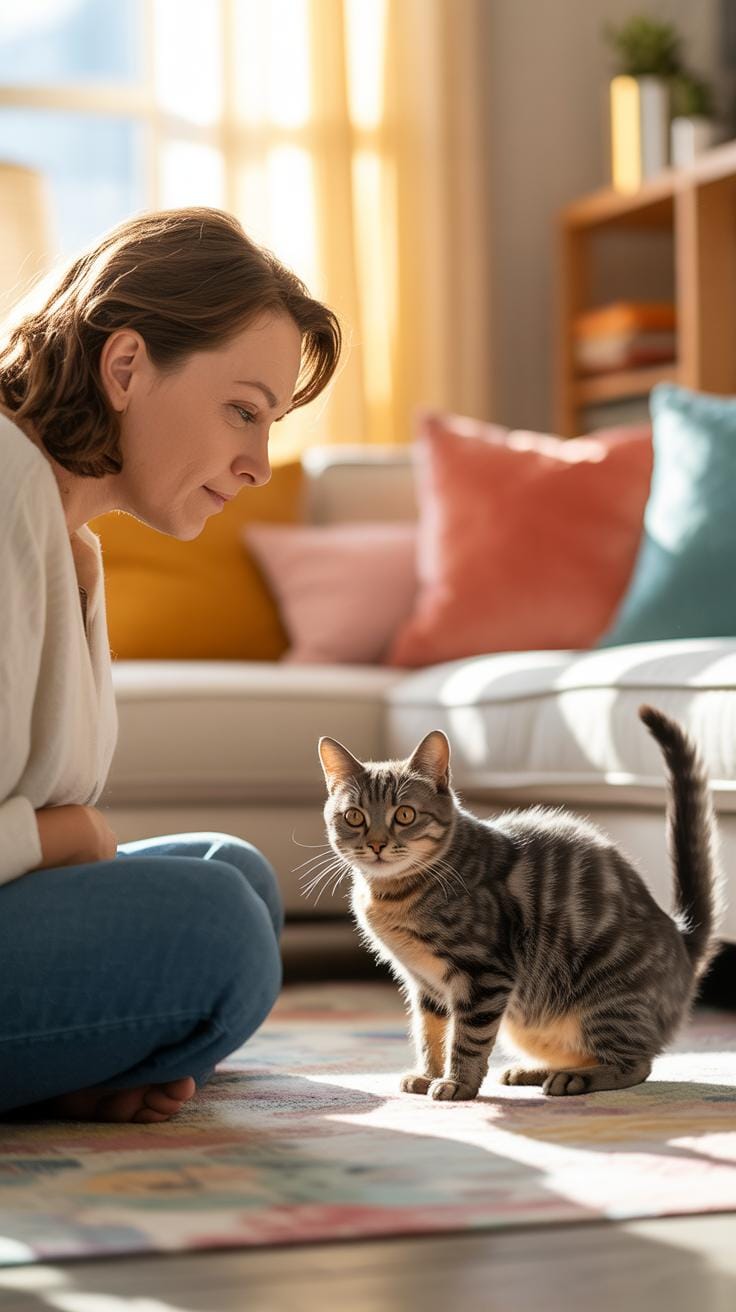
Reading The Signs Of A Stressed Cat Through Cat Language And Body Signals
A cat uses its entire body to broadcast internal tension. Observe the ears first for immediate data. Neutral ears face forward, but stressed ears rotate sideways or pin flat against the skull. This physical shift protects the ears during potential fights. A tucked tail or one flicking rapidly indicates high arousal or fear. These movements signal that the cat feels threatened by its current environment.
Body posture provides the next tactical clue. A stressed cat often crouches low to the ground to appear smaller. It may also arch its back and puff its fur to mimic a larger size. This pilierection is a defensive reflex. Watch for frozen movements or a refusal to move from a corner. These physical markers confirm the cat is in a state of high alert and likely ready to flee.
Vocalizations And Facial Expressions That Indicate Feline Anxiety
Vocal changes serve as an audible warning system. Stressed cats move beyond standard meows into low growls, hisses, or intense yowling. Short, repetitive chirps can also signal distress in specific contexts. Excessive silence in a normally vocal cat is equally concerning. Pay close attention to the frequency and pitch of these sounds. High-pitched vocalizations usually indicate acute pain or sudden fear requiring immediate intervention.
Facial cues offer precise evidence of feline anxiety. Look for dilated pupils that do not respond to light changes. This dilation happens when the brain triggers a fight or flight response. Frequent lip licking and rapid blinking are also common indicators of unease. A tense jaw and flattened whiskers suggest the cat is bracing for a confrontation. Monitor these subtle shifts to identify stress before it escalates into physical aggression.

Cat Hiding When Withdrawal Is A Red Flag You Should Not Ignore
The Difference Between Normal Alone Time And Stress Driven Hiding
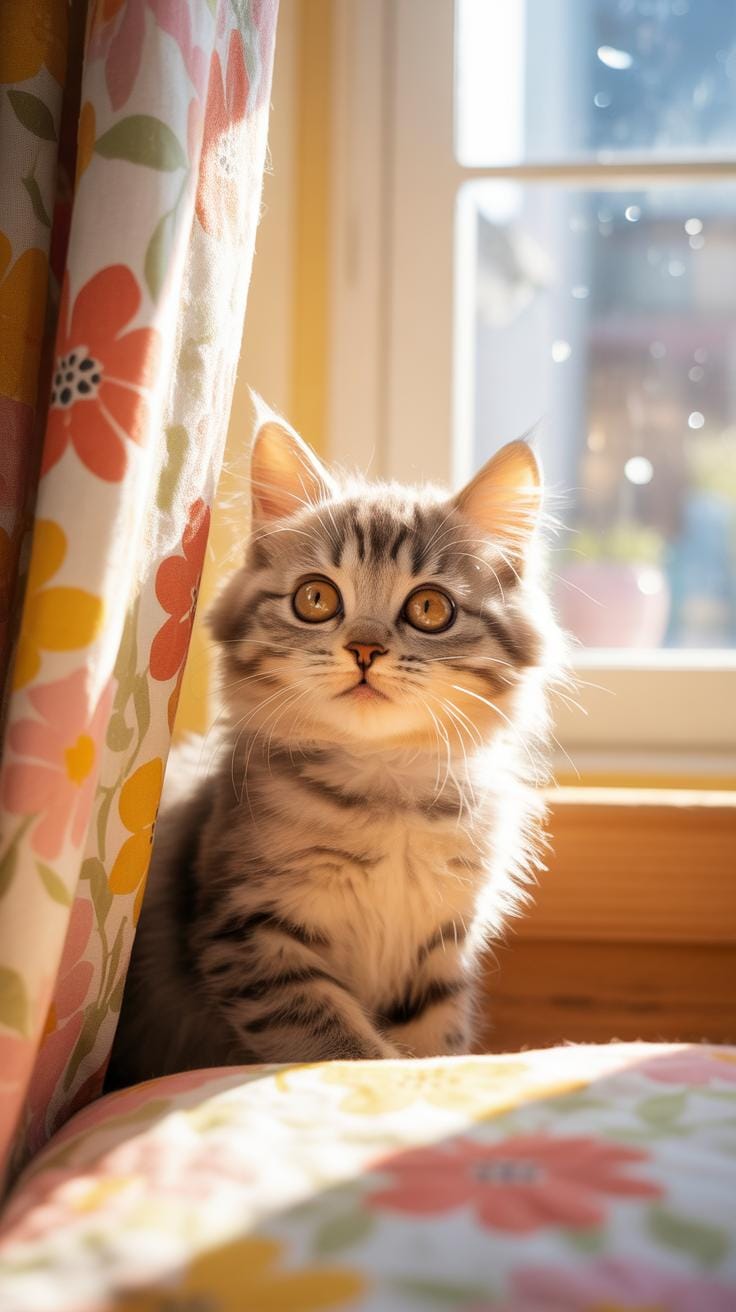
Cats are solitary hunters by nature and require regular downtime. A healthy cat chooses accessible spots like a sunny rug or a favorite chair for periodic rest. They remain alert to sounds and will emerge for meals or social interaction. Normal behavior involves visible relaxation. The cat does not attempt to disappear from the environment. They simply seek a quiet space for a short duration.
Stress-driven hiding looks different and serves as a survival mechanism. A distressed cat seeks inaccessible locations like dusty corners or behind heavy appliances. They remain in these spots for several hours or days despite hunger. These animals often refuse to move when called. Physically, they appear tense and hunched rather than relaxed. Persistent withdrawal indicates that the animal perceives a threat and lacks a sense of security.
There are no ordinary cats, only those waiting for us to listen with our hearts when their spirits feel weary. A quiet word and a gentle touch are the golden threads that mend a troubled soul.
How To Gently Coax A Stressed Cat Out Of Isolation Safely
Direct physical contact often backfires when a cat feels threatened. Do not reach into a tight hiding space or pull the animal out by force. This action triggers a fight or flight response and increases cortisol levels. Instead, sit nearby and speak in a low voice without making eye contact. Your goal is to prove you are not a threat. Let the cat choose when to emerge.

Environmental control is the most effective tool for recovery. Create a clear path to resources like food and water near the hiding spot. Use synthetic pheromones to signal safety within the room. Minimize loud noises and restrict foot traffic in the immediate area. Providing a high perch or a covered box can help the cat feel secure. Patience is tactical. Forcing interaction ensures the stress remains high for longer periods.
Litter Box Avoidance A Classic Sign Of Stress Every Cat Owner Should Recognize
Why Stress Causes Cats To Stop Using The Litter Box
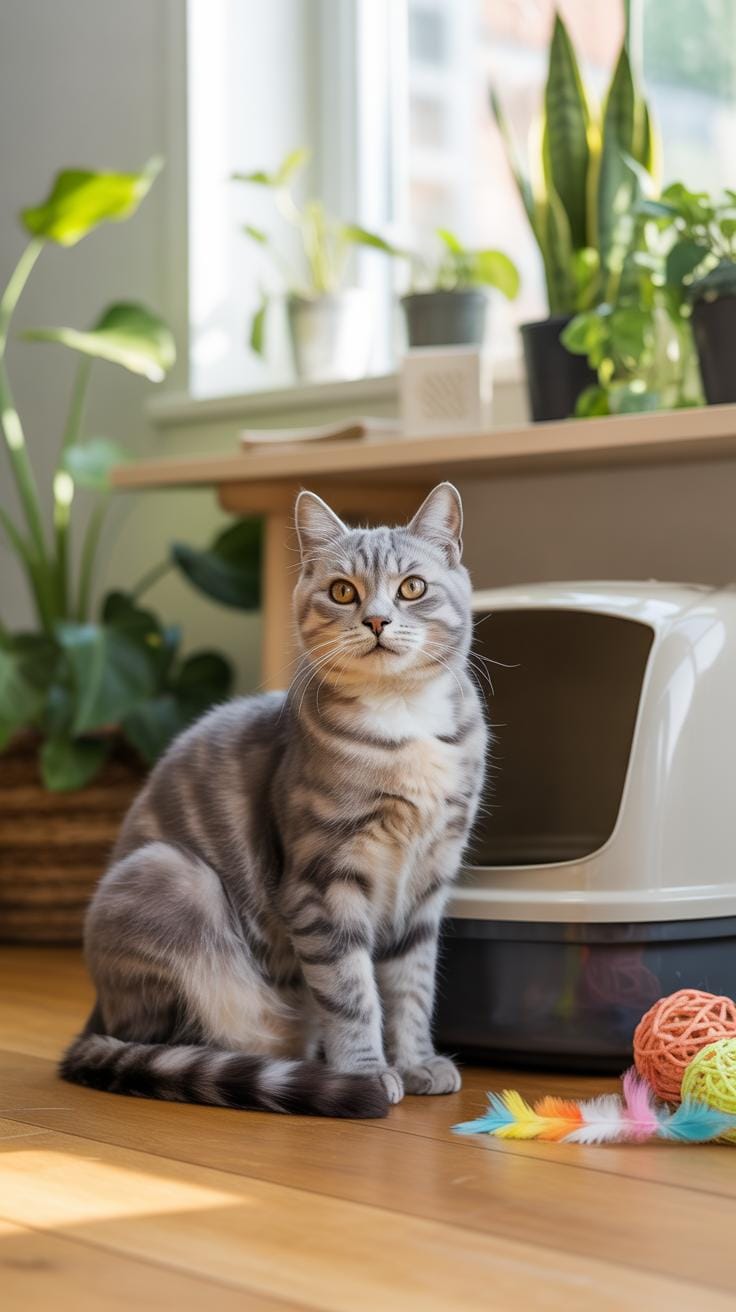
Stress triggers a survival response in cats that alters their elimination habits. When a cat feels threatened by changes in the home, it seeks safety. The litter box is a vulnerable location where a cat must stay still. If a cat associates the box with fear or sudden noises, it will avoid the area. It shifts its bathroom habits to spots that feel more secure or visible.
Territorial insecurity often drives this behavior. Cats use urine to mark their territory and self-soothe when anxious. Leaving waste outside the box spreads their scent. This action makes them feel more confident in a high-stress environment. You must distinguish between medical issues and psychological stress. A vet visit rules out infection, but persistent avoidance usually signals a deep environmental or social problem within the feline household.
Litter Box Setup And Placement Tips To Help Reduce Feline Anxiety

Proper placement and design dictate whether an anxious cat feels safe enough to use the box. Cats require exit routes to avoid feeling trapped by other pets or humans. A cramped or hidden box increases tension. You must provide enough units to prevent resource guarding in multi-cat homes. These tactical adjustments remove the physical barriers that contribute to a stressed cat’s refusal to use the designated area.
- The N Plus One Rule: Always provide one more litter box than the total number of cats in your home. This prevents dominant cats from guarding resources and ensures every animal has access to a clean spot. It reduces territorial friction and lowers overall house stress.
- Multiple Low Traffic Locations: Spread boxes across different floors and rooms rather than grouping them in one corner. This prevents a single aggressive cat from blocking access to all bathrooms. Choose quiet areas away from loud appliances like washing machines or furnaces that startle cats.
- Open Air Designs: Avoid hooded or covered boxes for stressed cats. Covers trap odors and limit the cat’s field of vision. An open box allows the cat to see approaching threats from all directions. This visibility makes the cat feel less vulnerable during the elimination process.
- Appropriate Box Size: Ensure the box is at least 1.5 times the length of your cat from nose to tail. Small boxes force cats into uncomfortable positions. A large, spacious tray allows the cat to move freely and dig without hitting the sides. Comfort encourages consistent use.
- Unscented Fine Grain Litter: Use sandy, unscented clumping litter to mimic natural soil. Harsh chemical scents or rough textures irritate sensitive feline paws. A soft substrate reduces the negative sensory input that often leads to box avoidance. Consistency in litter type prevents unnecessary environmental confusion.
Maintenance frequency also impacts feline stress levels. A dirty box is a major stressor that forces cats to seek cleaner surfaces like rugs or laundry. Scoop the litter twice daily and perform a full scrub weekly. Use mild soap and water rather than strong chemicals. Clean boxes provide a predictable and safe environment. This reliability helps break the cycle of avoidance and restores proper bathroom habits.
Cat Facts Understanding The Science Behind Why Cats Experience Stress
How A Cat’S Territorial Nature Makes Them Especially Vulnerable To Stress
Cats remain biologically hardwired as solitary hunters. Their survival depends on controlling a specific piece of land. They use scent glands on their face and paws to mark boundaries. This marking creates a sensory map that tells the cat they are safe. When a stranger or new object enters this space, the cat perceives a direct threat to its physical security.

Territorial disruption triggers the feline fight or flight response instantly. Unlike social pack animals, cats cannot rely on a group for protection. They must defend their resources alone or flee. This isolation increases their vigilance. Any change to their home range forces the brain to stay in a state of high alert. This constant scanning for threats creates the primary signs of a stressed cat.
The Role Of Routine And Environmental Stability In Cat Emotional Health
Predictability dictates feline confidence. Cats operate on internal clocks that track feeding times, patrol routes, and rest periods. A consistent schedule lowers cortisol levels. It allows the cat to power down its nervous system. When owners change work hours or move furniture, the cat loses its sense of control. This loss of control is the fundamental driver of chronic feline anxiety.
Environmental stability provides the framework for normal behavior. Cats require specific spots for climbing, scratching, and elimination. These locations must stay fixed to prevent mental fatigue. Disrupting the environment forces the cat to constantly reassess its safety. This physical work taxes the cat’s metabolic energy. Stabilizing the daily routine is the fastest way to reduce stress. A stable environment produces a calm and healthy animal.
Cat Health Care Physical Symptoms Of Stress That Require A VetS Attention
How Chronic Stress Can Lead To Serious Physical Health Conditions In Cats

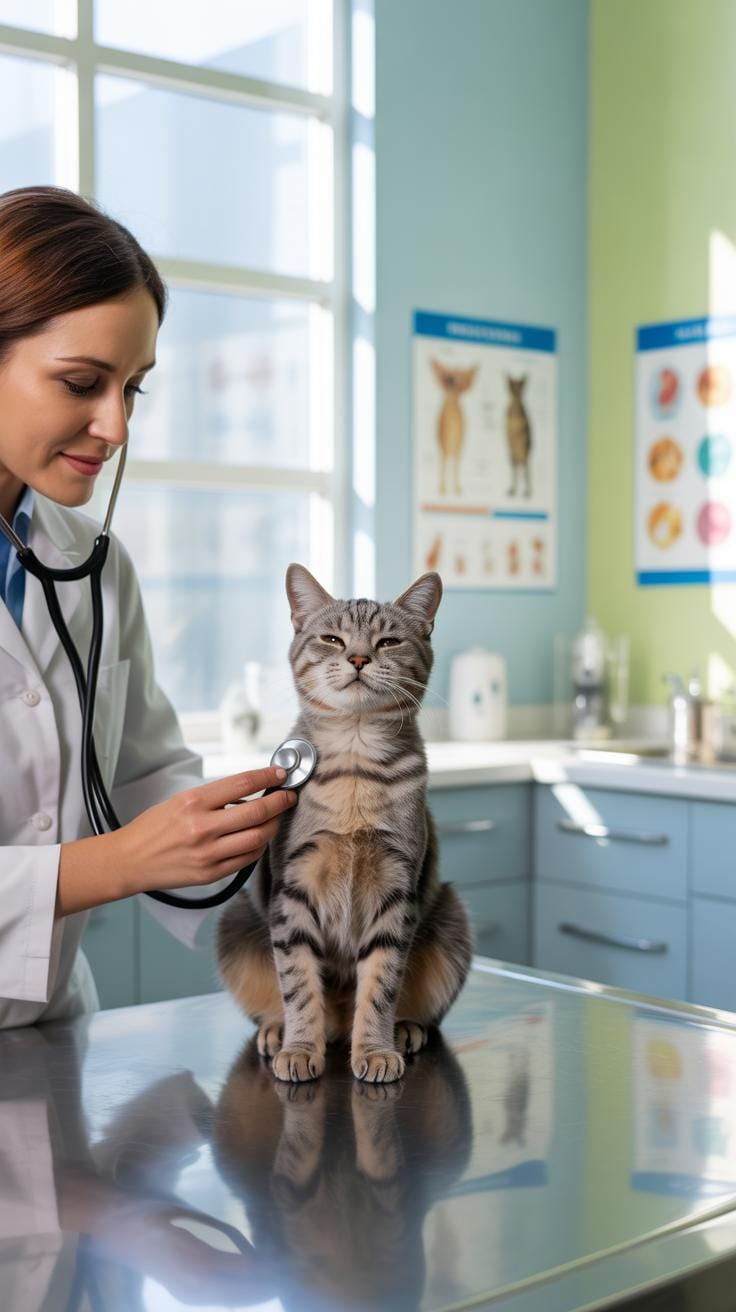
Chronic stress triggers a constant release of cortisol. This hormone suppresses the immune system over time. A weak immune system makes cats vulnerable to infections and slow healing. Long term stress often manifests as Feline Lower Urinary Tract Disease. This condition causes painful inflammation and life threatening blockages. You must recognize that behavioral issues often hide these underlying medical crises.
Stress also impacts the digestive tract and skin health. High anxiety levels lead to chronic vomiting or diarrhea in many felines. Some cats develop psychogenic alopecia from over grooming. They lick their fur until they create bald patches or sores. Constant physiological strain can also worsen heart conditions or respiratory issues. Tactical owners treat stress as a medical emergency to prevent permanent organ damage.
When To Book A Vet Visit And What To Tell Your Veterinarian
Book a vet visit immediately if you see physical changes. Look for blood in the urine or straining in the litter box. These signs indicate urgent medical issues rather than simple bad habits. Check for sudden weight loss or a dull coat. Physical decline happens fast when a cat stops eating due to fear. You must act before the cat becomes too weak.
Tell your vet exactly when the symptoms started. List any changes in the home like new pets or construction. Bring a record of eating and bathroom habits from the last week. Mention specific locations where the cat hides or over grooms. Clear data helps the vet distinguish between a viral infection and stress induced illness. Detailed reporting leads to a faster and more accurate diagnosis.
Cat Age Chart How Stress Affects Kittens Adult Cats And Senior Cats Differently

Why Kittens And Senior Cats Are The Most Susceptible To Stress Related Issues
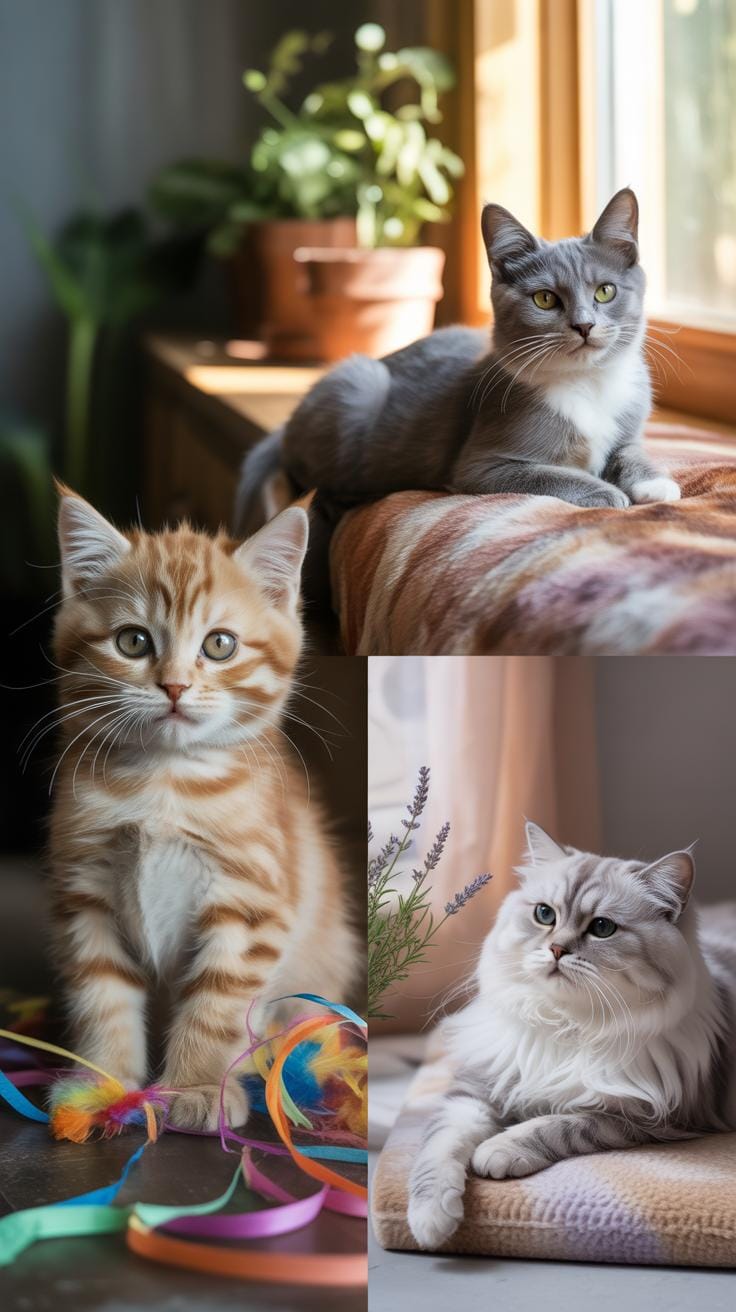
Kittens possess underdeveloped immune systems and lack social experience. Small changes in their environment disrupt their learning process and physical growth. Sudden noise or new pets can cause lasting fear responses. Their bodies cannot regulate cortisol levels as effectively as mature cats. This makes them highly vulnerable to respiratory infections when they face consistent environmental pressure or sudden shocks to their routine.
Senior cats face physical decline and cognitive dysfunction. Fading eyesight and hearing make them startle easily. Arthritis makes moving to a safe spot painful and slow. Their kidneys and hearts often struggle under the physiological load of chronic stress. A change in furniture placement or a new schedule can cause extreme disorientation. They rely on a predictable environment to compensate for their failing sensory organs and mobility.
Adjusting Your Stress Relief Approach Based On Your Cat’S Life Stage
Prioritize socialization and routine for kittens. Expose them to new sounds and people gradually. Use positive reinforcement to build confidence. Do not punish unwanted behavior caused by fear. Ensure they have a consistent sanctuary space for sleeping and eating. This foundation prevents them from developing chronic anxiety later in life. Keep their environment stable during the critical first six months to ensure proper behavioral development.
Focus on accessibility and comfort for senior cats. Place litter boxes and food bowls on every floor to reduce physical strain. Use pheromone diffusers to calm their nervous systems. Avoid making major household changes without a slow transition period. Keep their resting areas warm and quiet. Regular vet visits help distinguish between behavioral stress and underlying medical pain. Respect their need for more sleep and less social interaction.

Cat Care Tips Practical Ways To Reduce Stress And Create A Calmer Home
Environmental Enrichment Strategies That Promote A Sense Of Safety And Control
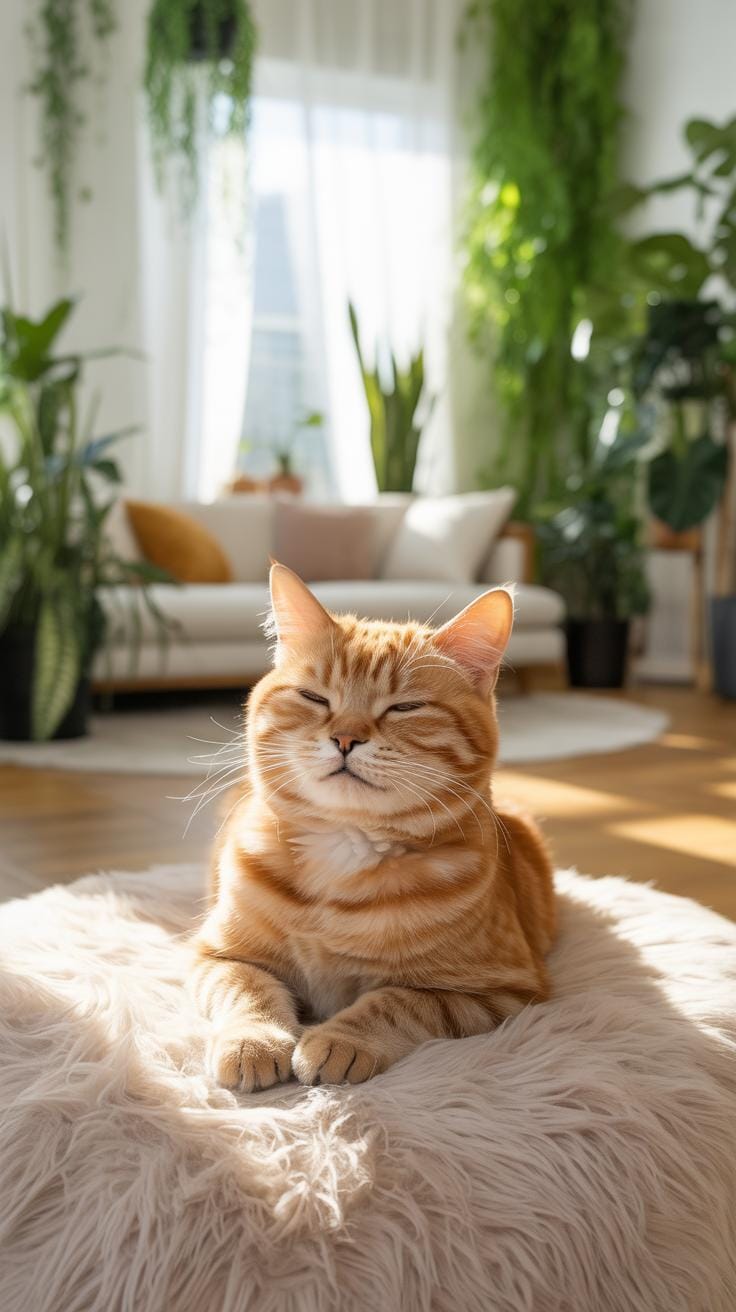
Vertical space is the most effective tool for feline stress management. Cats require high vantage points to survey their surroundings and identify potential threats from a distance. Install sturdy wall shelves or tall cat trees in high traffic areas. This adds a layer of safety by removing the cat from the floor level where most household tension occurs.
Control over territory reduces cortisol levels in domestic cats. Establish clear resource stations by separating food bowls and litter boxes. Do not place these items in cramped corners or loud laundry rooms. A cat must see its exit routes while eating or using the box. Use synthetic pheromone diffusers to mark the home with familiar scents that signal a safe environment.
Daily Habits And Calming Techniques That Help Stressed Cats Recover
Predictable routines provide cats with a needed sense of security. Irregular feeding times or sudden environmental changes trigger acute stress responses. You must maintain a strict schedule for meals and play sessions. This consistency allows the cat to anticipate daily events. It removes the anxiety of the unknown and stabilizes the nervous system of a reactive or fearful animal.
- Scheduled Play Sessions: Use interactive wand toys to trigger the natural hunt-catch-kill cycle. This burns off excess energy and reduces frustration. Aim for two fifteen-minute sessions daily to keep the cat physically tired and mentally engaged.
- Scent Swapping: Rub a clean cloth on the cat and place it in new or stressful areas. This spreads the cat’s own scent throughout the home. Familiar smells ground the cat and lower the intensity of its defensive reactions.
- Safe Retreat Zones: Designate a quiet room or a hooded bed where the cat remains undisturbed. Family members must never touch or pull the cat out of this area. Knowing a guaranteed escape exists prevents the cat from reaching a breaking point.
- Low Impact Interaction: Stop all forced handling or unwanted petting immediately. Let the cat initiate contact on its own terms. Respecting body language prevents the escalation of stress and builds long-term trust between the owner and the pet.
- Sound Management: Play brown noise or soft classical music to mask startling household sounds. Sudden loud noises like vacuum cleaners or shouting spike feline heart rates. Constant low-level background sound creates a consistent auditory environment that helps the cat relax.
Dietary management also plays a role in recovery. High protein diets support brain health and steady energy levels. Avoid frequent food brand changes which cause digestive upset and physical stress. If environmental changes are permanent, consult a veterinarian about calming supplements or specialized diets. These tools work best when combined with the tactical environmental adjustments and habits mentioned in this guide.
Frequently Asked Questions

What are the most common physical and behavioral indicators of feline anxiety?
Identifying the signs of a stressed cat often starts with subtle changes in their daily routine. You might notice your pet hiding more than usual, over-grooming until bald spots appear, or decreasing their appetite. Physical cues like pinned-back ears, a tucked tail, and dilated pupils are also major red flags. Monitoring these behaviors early allows you to address the underlying anxiety before it escalates into more serious health or temperament issues.
How can I quickly calm my cat down during a stressful situation?
To soothe your pet, create a “safe zone” in a quiet room with familiar scents and vertical perches. Use synthetic pheromone diffusers or calming sprays to mimic natural feline hormones that encourage relaxation. When addressing the signs of a stressed cat, always speak in low, rhythmic tones and avoid forced interaction. Providing a cardboard box or a high shelf allows them to observe their environment from a secure, hidden vantage point.
Are there affordable ways to reduce my cat’s stress at home without expensive gear?
Absolutely! You don’t need a big budget to lower feline stress levels. Simple DIY solutions like clearing a windowsill for “cat TV” or rotating old toys to provide fresh mental stimulation work wonders. Repurposing cardboard boxes into hiding spots offers immediate security at no cost. Additionally, maintaining a consistent feeding and play schedule provides the predictable environment cats crave, which naturally reduces anxiety and promotes a sense of safety.