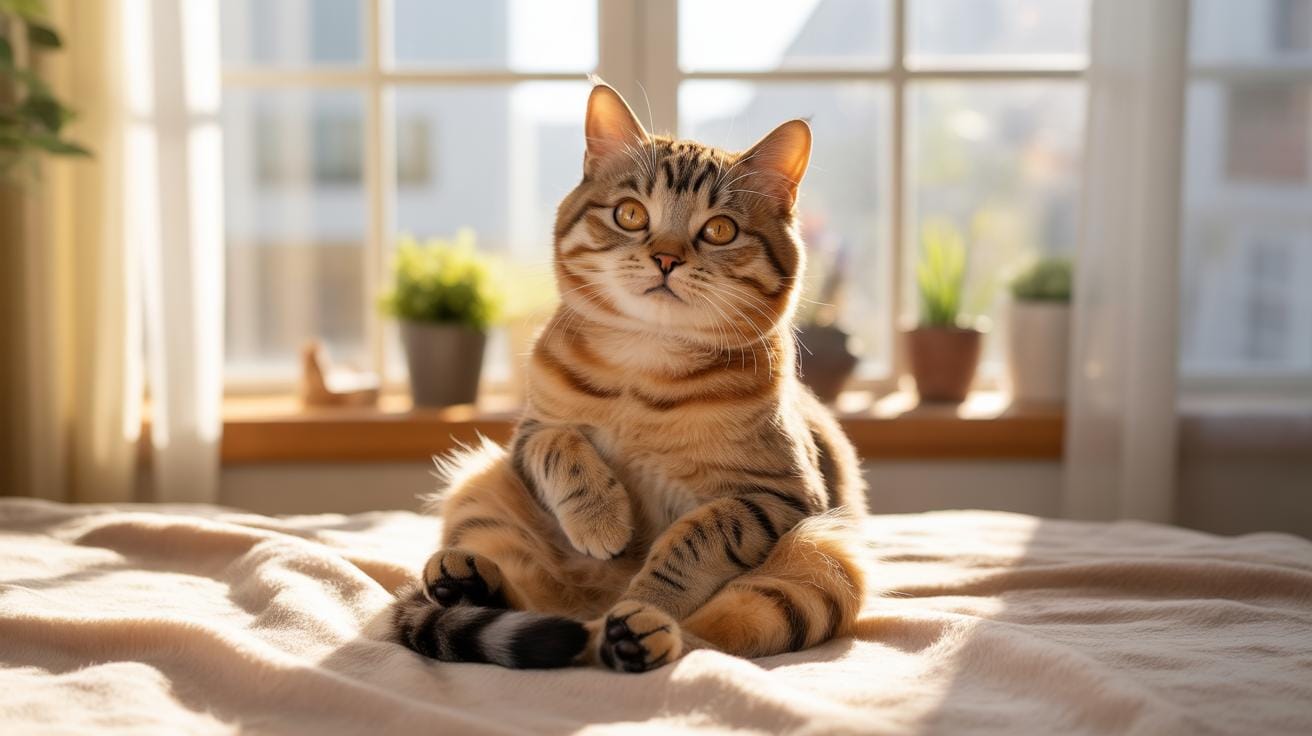
What Is The Cat Loaf Position And Why Do Cats Do It
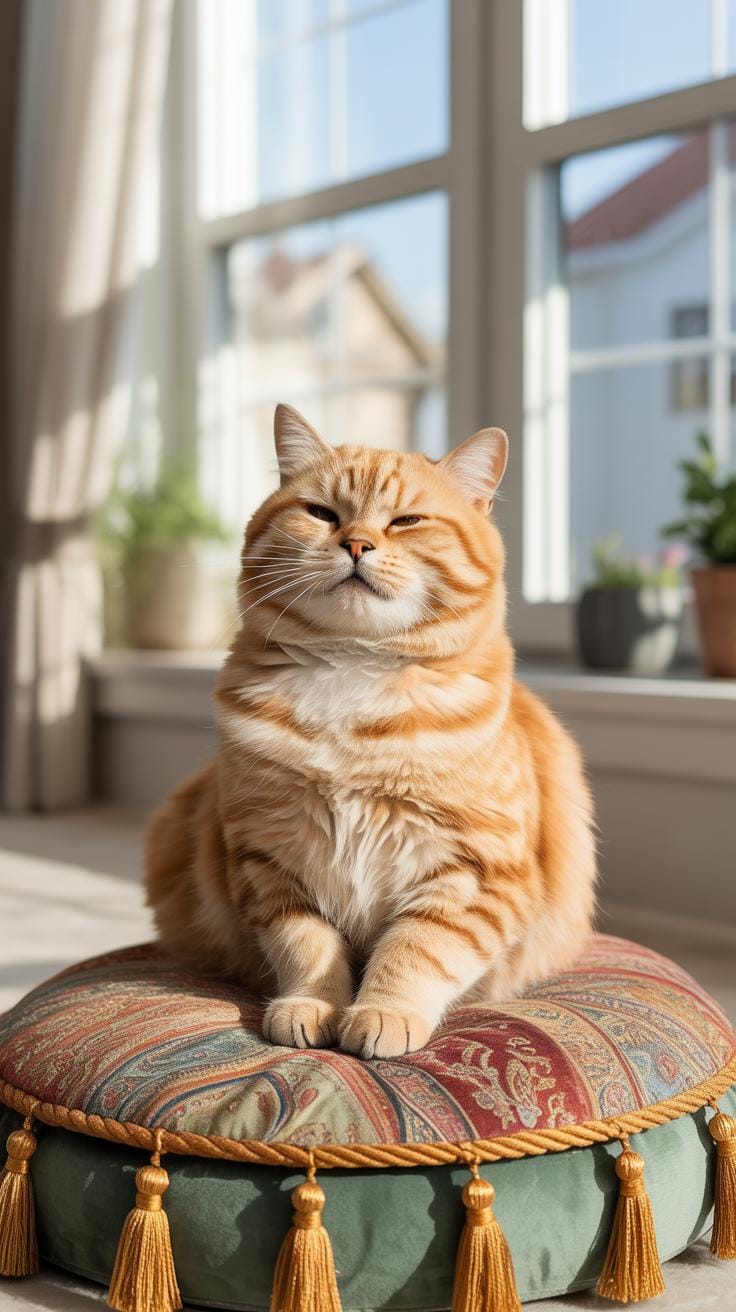
Defining The Cat Loaf: A Classic Feline Resting Posture
The cat loaf describes a specific sitting posture where a feline tucks its paws and tail completely underneath its body. This alignment creates a rectangular shape resembling a loaf of bread. The cat rests its weight on its chest and belly while keeping its head upright. This position indicates the animal is relaxed but remains alert to its immediate surroundings.
Owners observe the loaf when the cat feels secure in its environment. By hiding its limbs, the cat signifies it does not feel the need to defend itself or hunt. It is a resting stance rather than a deep sleep state. The cat can monitor the room without expending energy. This posture serves as a primary indicator of a cat’s comfort level.
The Instinctual Roots Behind Why Cats Sit In Loaf Position
This posture serves a critical biological function for heat regulation. Felines have a higher base body temperature than humans. Tucking the extremities against the core prevents heat loss through the paw pads. This efficiency allows the cat to maintain its internal temperature without using metabolic energy. It is a tactical survival move developed by their wild ancestors in various climates.
Domestic cats also use the loaf position for protection and readiness. While the paws are tucked, the cat can still spring into action if a threat appears. It protects the soft underbelly from potential attacks. This behavior stems from ancient feline biology where staying warm and staying safe were daily priorities. It balances the need for rest with the requirement for constant vigilance.
The Science Of Cat Loafing What Your CatS Body Language Reveals
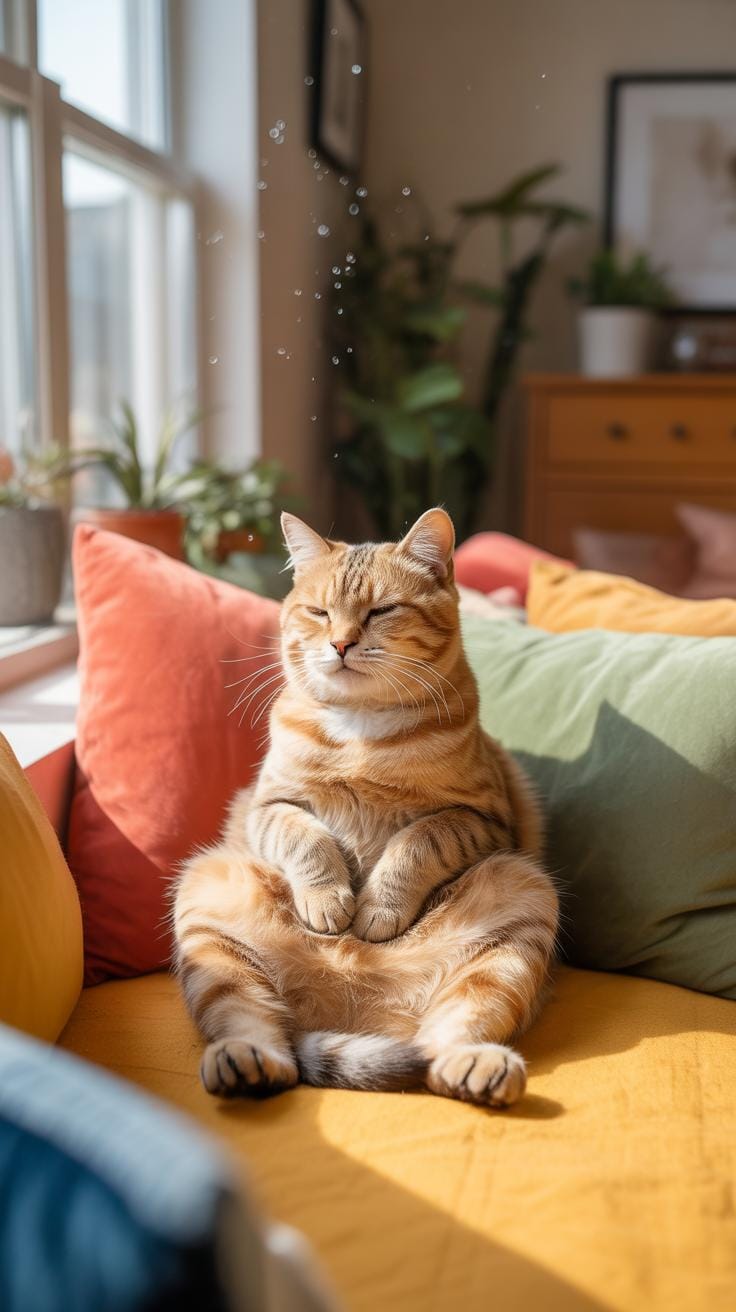
How Tucked Paws And A Relaxed Posture Signal Emotional State
Tucked paws indicate a high level of trust in the immediate environment. A cat in this position lacks an immediate escape route. They cannot use their claws for defense or their legs for a quick spring. This posture signals that the cat perceives zero threats. It shows the animal is not on high alert. The cat feels secure enough to sacrifice its primary tools for movement and protection.
The loaf position also serves a practical thermoregulation purpose. Cats maintain a higher body temperature than humans. Tucking limbs under the body preserves core heat. This efficiency allows the cat to rest without losing vital energy. It is a calculated move to balance comfort with physical maintenance. You are looking at an animal that feels safe enough to prioritize heat conservation over its basic survival instincts for fight or flight.
What Cat Loafing Tells Us About Feline Nervous System Regulation
The loaf position confirms the cat has transitioned from the sympathetic nervous system to the parasympathetic nervous system. In the sympathetic state, the body prepares for action. In the parasympathetic state, the body focuses on rest and digestion. A loafing cat shows low cortisol levels and a steady heart rate. This physical state allows for deeper cellular repair. It proves the cat is in a state of true physiological recovery.
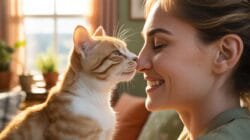
Nervous system regulation is vital for a predator’s long term health. Constant vigilance exhausts the feline adrenal glands. By choosing to loaf, the cat shuts down its active scanning mechanisms. The brain moves into a restorative phase while remaining slightly aware of the surroundings. This balance ensures the cat stays rested for future hunting cycles. Understanding this state helps owners identify when their pet feels genuine peak psychological and physical equilibrium.
Types Of Cat Loaf Not All Loaves Are Created Equal
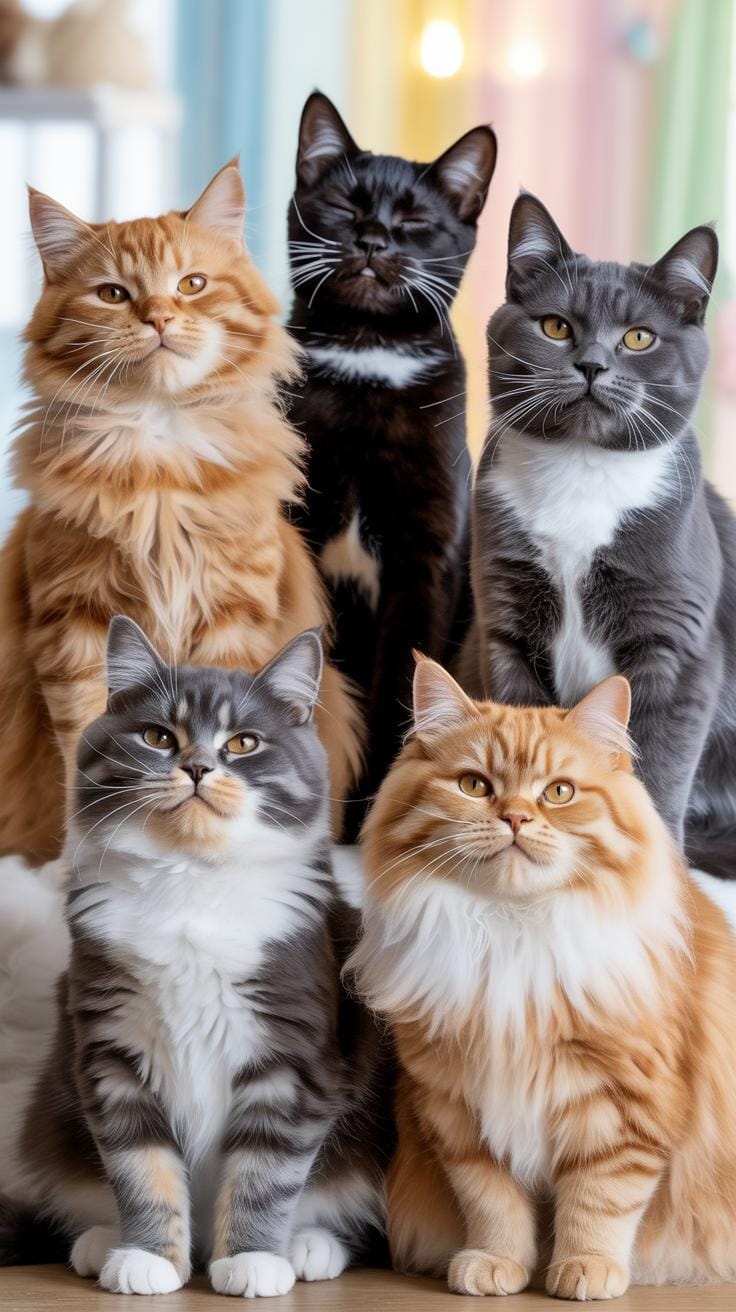
The Full Loaf, Partial Loaf, And Super Loaf Key Differences Explained
Cats use specific limb placements to regulate body temperature and manage reaction times. This posture tucks the paws under the chest to conserve heat. Biomechanically, it places the cat in a position where they cannot immediately spring into action. Small shifts in the tail or paw placement distinguish a relaxed state from a guarded or alert one.
- The Full Loaf: The cat tucks all four paws completely under the body. The tail wraps tightly against the side. This signifies total relaxation and a high level of trust in the immediate environment since the cat cannot immediately strike or run.
- The Partial Loaf: Front paws remain visible or slightly extended while the rear legs stay tucked. This variation serves as a compromise between rest and readiness. It allows the cat to transition from a resting state to a standing position much faster.
- The Super Loaf: The feline extends its chin flat onto the floor or surface while maintaining the tucked limb position. This maximizes surface area contact and indicates the cat is entering a deep sleep phase. It shows the animal feels completely safe.
- The Sphinx: Similar to a loaf but with the head held high and front paws extended straight forward. While the body rests, the cat remains on high alert. This is a tactical resting pose often used when monitoring territory or potential prey.
- The Elbow Loaf: The cat rests on its elbows with the paws tucked inward toward the chest. This posture is less stable than a full loaf. It often indicates a temporary rest period where the cat expects to move again within a very short timeframe.
Anatomy dictates these variations. A full loaf requires flexible joints and a calm nervous system. If a cat refuses to tuck its paws, it may indicate joint pain or environmental stress. Owners must observe the degree of the tuck to assess the cat’s physical health. These variations are not random but reflect the cat’s current calculation of its safety.
What Each Type Of Cat Loaf Variation Might Mean For Your Cats Mood
The specific loaf variation signals the cat’s internal security level. A tight, full tuck tells you the cat has deactivated its flight response. It trusts that no predators or threats will emerge during its rest. This posture lowers the heart rate and focuses energy on digestion and thermal maintenance. High trust environments produce more frequent full loafing behaviors in domesticated cats.

If your cat chooses a partial loaf, it is likely monitoring the room. This occurs when new people or active pets are nearby. The cat wants to rest but keeps its front limbs ready for movement. These subtle physical cues provide a real-time map of the cat’s comfort. Understanding these shifts helps you avoid startling the animal when it is in a defensive or alert state.
Why Do Cats Loaf The Top Reasons Behind This Adorable Behavior
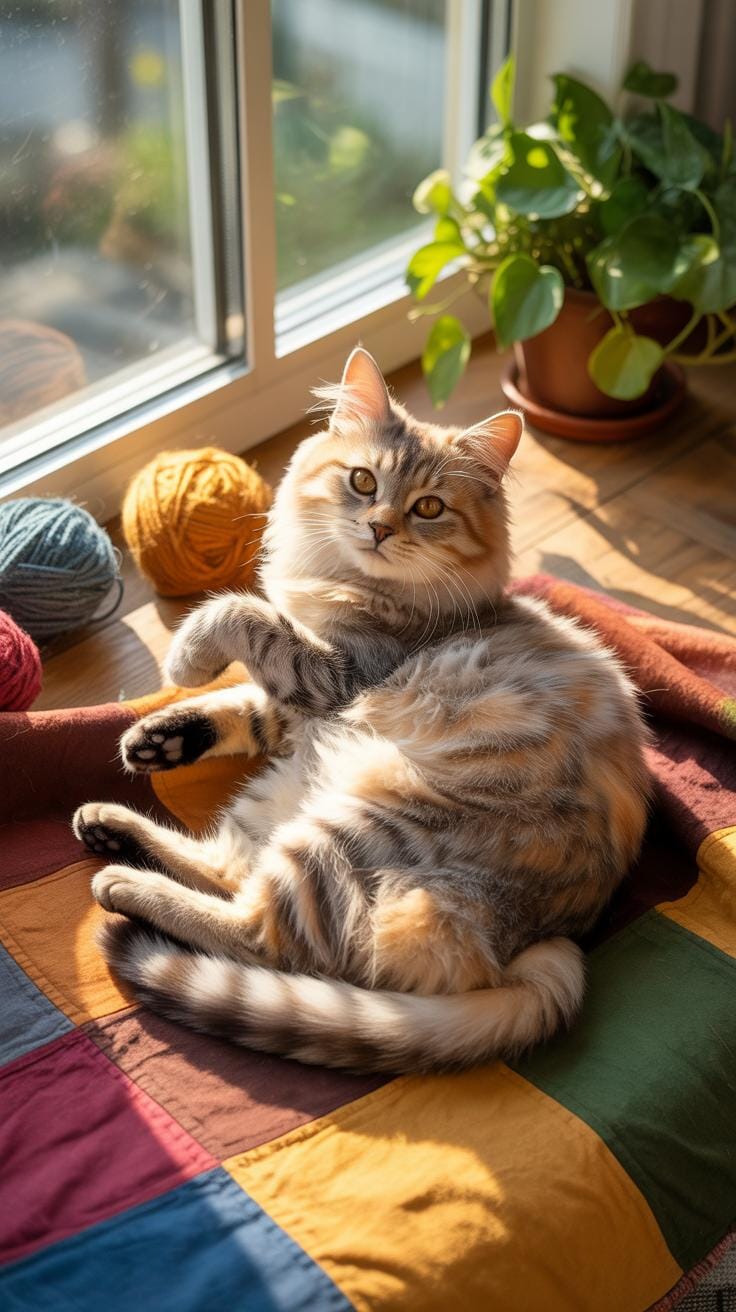
Comfort, Warmth, And Security: The Primary Drivers Of Cat Loafing
Cats loaf to preserve body heat. They tuck their paws under their chest to stop heat loss through their pads. This position helps them keep a steady temperature without using extra energy. It is a functional choice for energy conservation. Domestic cats still follow their wild ancestors by finding the most efficient way to stay warm and rested in their environment.
The tucking of paws also shows the cat feels safe. This stance leaves their vital organs protected but keeps their paws away from the cold ground. A cat only loafs when its surroundings are secure and predictable. They do not feel the need to defend themselves or run immediately. This posture signals a high level of physical comfort and total trust in the current space.
How Alertness And Readiness To Move Play A Role In The Loaf Stance
The loaf position provides a balance between rest and action. While the cat looks relaxed, its muscles are not fully limp. It can spring into motion quickly if it hears a sudden noise or sees movement. This stance allows for a shallow sleep while maintaining situational awareness. It is a tactical resting a position that keeps the animal ready for any immediate changes.

This behavior is a remnant of predatory instincts. Large felines in the wild use similar resting positions to stay vigilant. By keeping their head up and eyes open or partially closed, cats monitor their territory. They are not in a deep sleep. They are waiting and watching. The loaf is a calculated choice that combines the need for recovery with the requirement for constant safety.
The Cute Cat Loaf Position And What It Says About Trust
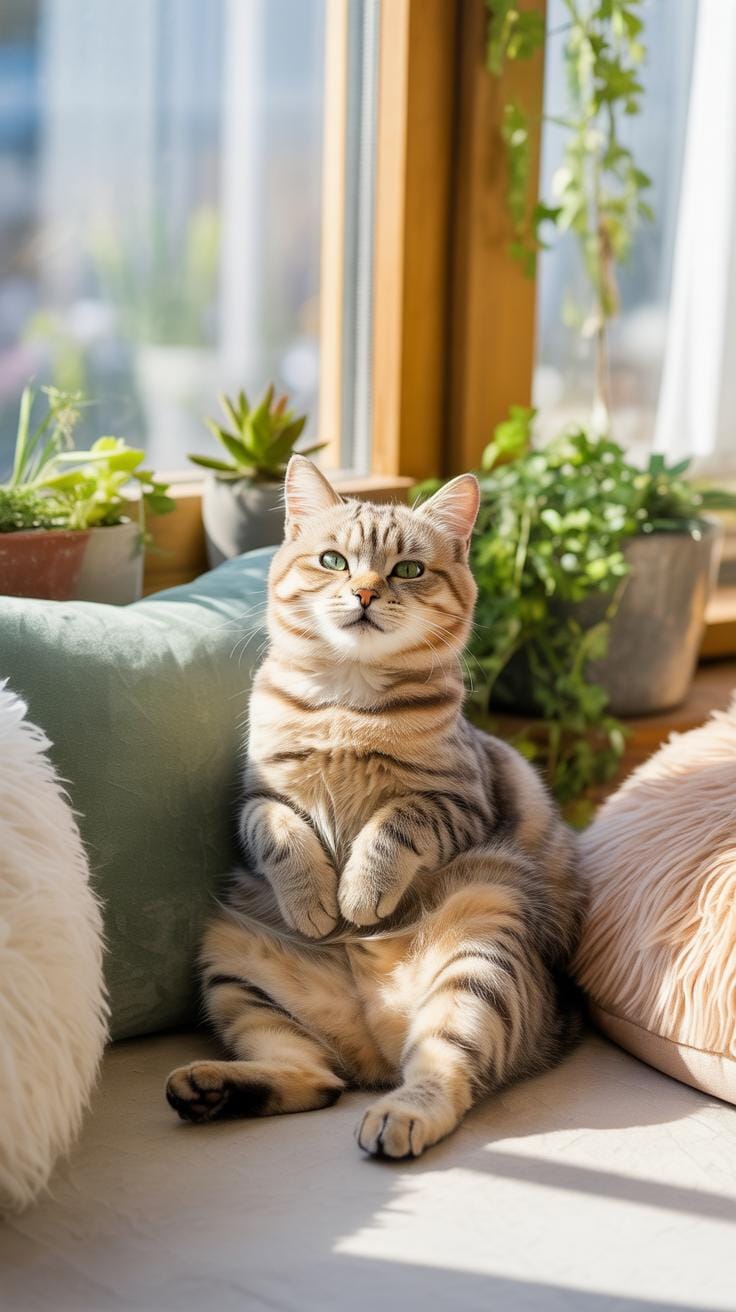
Why A Loafing Cat Is Often A Sign Of Comfort Around Their Human
Cats tuck their paws under their bodies to conserve heat and rest. This position limits their ability to move quickly. A cat in a loaf cannot immediately use its claws for defense or its legs for flight. By choosing this stance, the cat demonstrates it feels safe in its current environment. It does not perceive any immediate threats from the humans or animals nearby.
Trust is the primary driver of the loaf. Domestic cats retain many wild instincts regarding self-preservation. Tucking the limbs is a tactical choice that signals a low state of alert. When your cat loafs near you, it acknowledges your presence as non-threatening. They are comfortable enough to lower their guard. This behavior confirms that the cat views its territory and its human companions as secure and stable.
Reading The Eyes And Ears: Other Trust Signals That Accompany The Loaf
The loaf position rarely exists in isolation. You must observe the eyes and ears to confirm the level of trust. Slow blinking is a key indicator of affection and safety. When a cat loafs and narrows its eyes, it communicates that it does not need to monitor you for danger. Ears should remain in a neutral or forward position. This shows the cat is relaxed and not scanning for threats.

Active trust involves more than just a lack of movement. If the cat keeps its ears pinned or eyes wide while loafing, it may still feel tension. A truly trusting loaf includes a soft facial expression and steady breathing. These combined physical cues prove the cat is in a deep state of relaxation. Understanding these secondary signals allows you to accurately measure the bond between the cat and its owner.
Cat Sitting Loaf Vs Other Resting Positions How Do They Compare
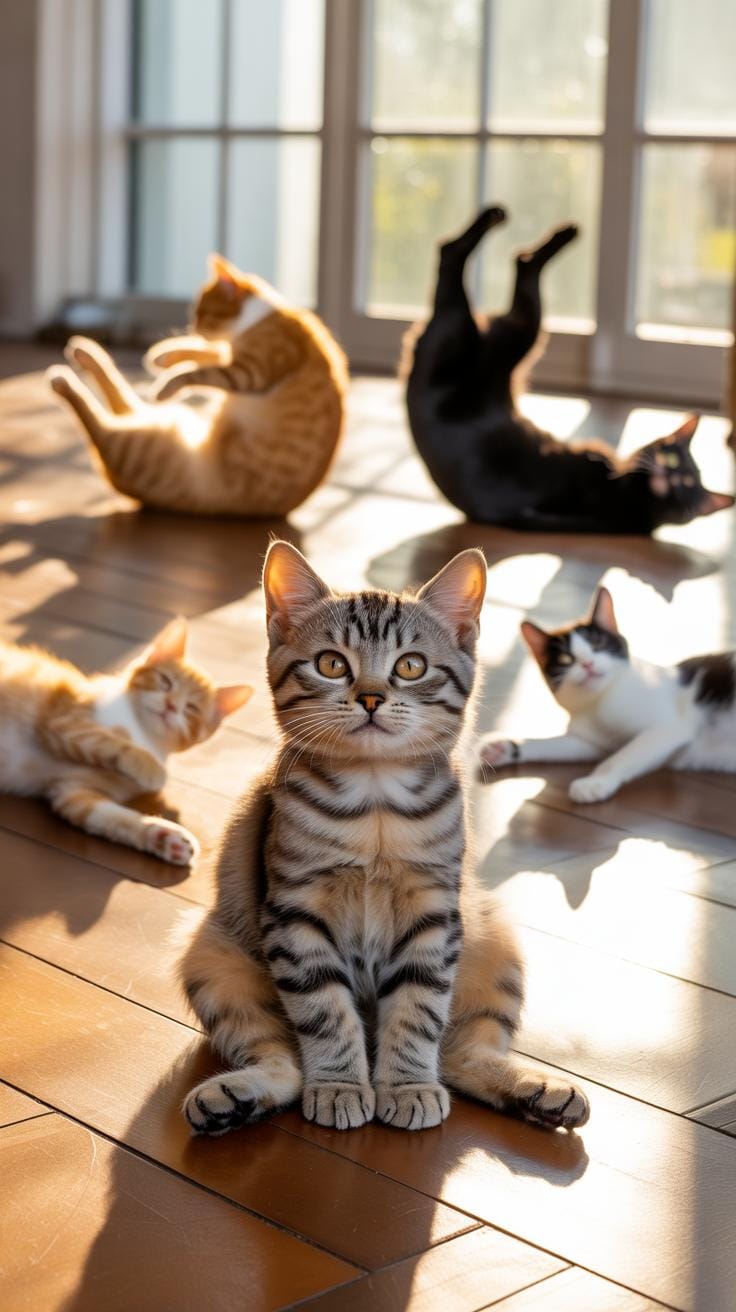
Cat Loaf Vs. Sphinx Position Vs. Curled Ball: Key Behavioral Distinctions
The loaf position signifies total relaxation and trust in the immediate environment. A cat hides its paws to conserve body heat and signals it has no intent to move quickly. Unlike the loaf, the sphinx position keeps the front paws extended and ready for action. This allows the cat to spring forward if it spots prey or a threat nearby.
The curled ball position serves a different physiological purpose. It protects the vital organs and maximizes core warmth during deep sleep. While a loafing cat remains semi-alert to noises, a curled cat often enters a deeper REM cycle. Choose the loaf when assessing comfort levels. It proves the cat feels safe enough to give up its primary means of defense.
A cat in a perfect loaf is a small, warm statue of complete contentment, proving that they only tuck their paws away when they feel entirely safe at home.
What It Means When A Cat Switches Between Resting Positions Frequently
Frequent switching between positions often indicates physical discomfort or environmental stress. A healthy cat usually picks one spot and stays there for a long period. If a cat shifts from a loaf to a side lay repeatedly, check the room temperature. The animal is likely struggling to regulate its heat. It moves to find a cooler or warmer surface to stabilize its body.

Abrupt Changes also signal potential joint pain or digestive issues. Older cats may struggle to maintain a tight loaf because of arthritis in their front limbs. They will shift weight constantly to find a neutral spine alignment. Track these movements over a forty eight hour window. Constant restlessness suggests the environment is too loud or the cat requires a medical evaluation for underlying chronic pain.
The Cat Bread Loaf Pose And Temperature Regulation
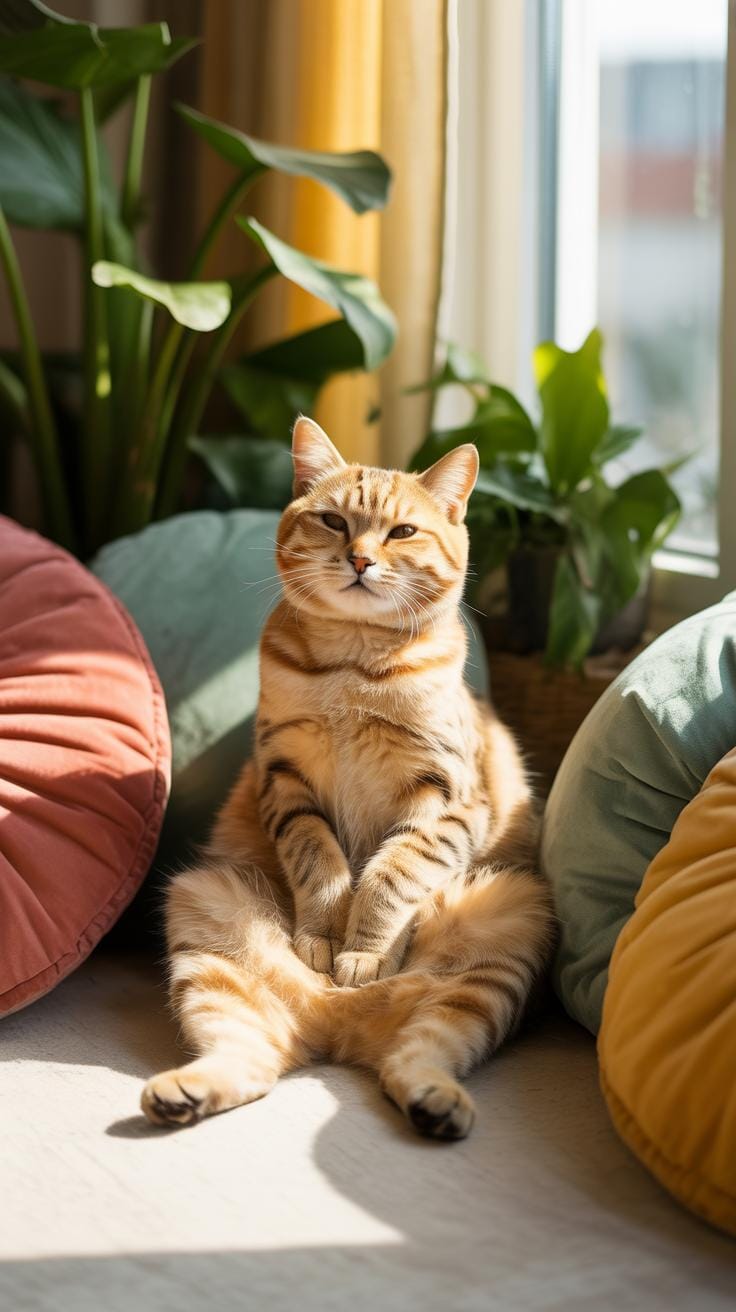
How Tucking In Paws Helps Cats Conserve Body Heat Efficiently
Cats have a high resting body temperature compared to humans. Maintaining this heat requires significant metabolic energy. Tucking the paws under the chest minimizes the total surface area exposed to the air. This posture traps warmth directly against the body core. By reducing heat loss through the extremities, the cat maintains its internal temperature without burning excess calories or moving around.
The paw pads and limbs lose heat faster than the rest of the body. These areas lack the thick fur found on the torso. When a cat sits in the loaf position, it effectively insulates these vulnerable points. This behavioral adaptation allows the animal to stay warm in cool environments. It is a tactical survival mechanism developed to keep muscles ready for action while resting.
The Role Of Environmental Temperature In How Often Your Cat Loafs
Cats choose their resting positions based on the surrounding climate. If the room is cold, a cat will likely loaf to stay warm. You will notice this behavior more frequently during winter months or in drafty areas. The animal monitors the ambient air and adjusts its body shape accordingly. This helps the cat stay comfortable without relying solely on its internal furnace.

If the environment is hot, you will see the loaf position less often. Cats prefer to stretch out when they need to dump excess heat from their bodies. Loafing is a clear indicator that the current temperature is either ideal or slightly cool. Observing how often your cat uses this pose provides immediate data on the comfort levels of your living space.
When The Cat Loaf Position Could Signal A Health Concern
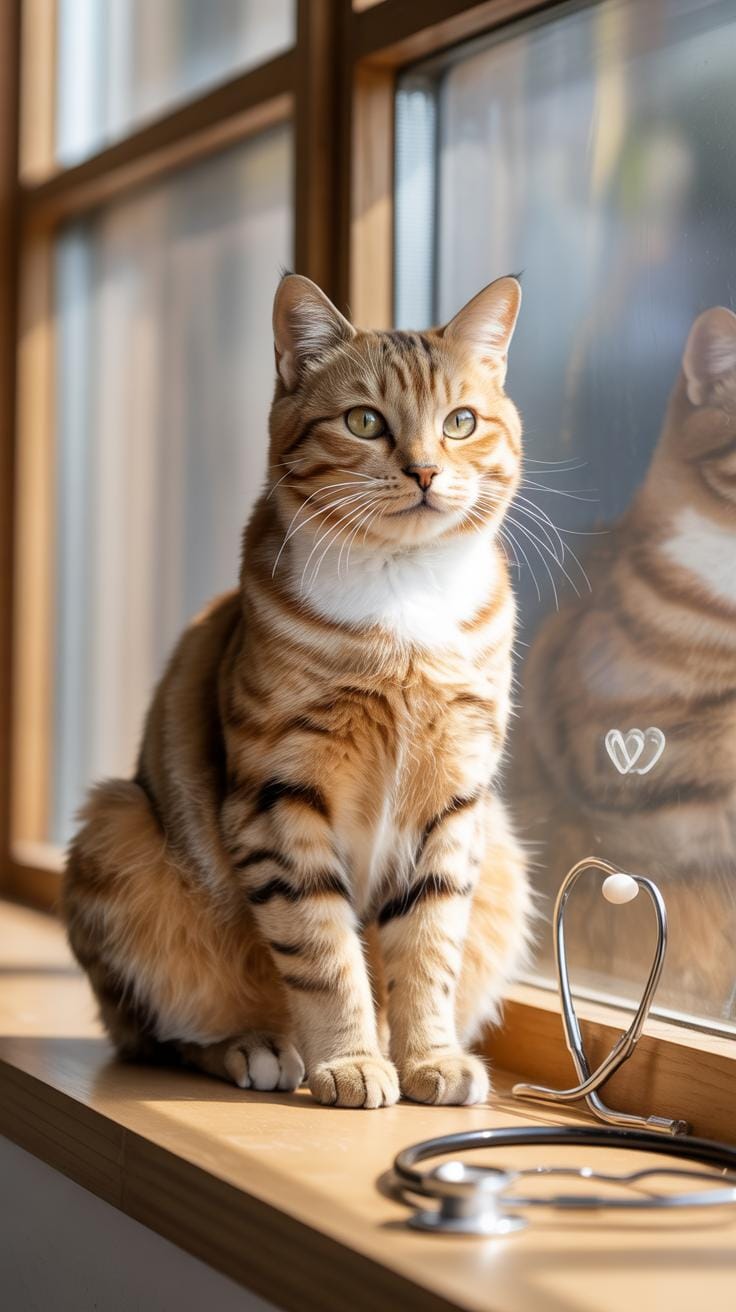
Distinguishing Relaxed Loafing From Hunched Posture Due To Pain Or Illness
A healthy loaf is a sign of comfort and temperature regulation. The cat tucks its paws neatly under its chest while keeping its head upright and eyes closed or blinking. Its muscles remain soft and fluid. You will see the cat transition easily from this position to a stretch or a nap. This behavior indicates the cat feels safe in its environment.
A sick cat assumes a hunched posture that mimics a loaf but lacks the same relaxation. The back arches higher and the head drops toward the floor. The cat often keeps its eyes open in a vacant stare or squint. Its muscles stay rigid and tense. This rigid stance helps the cat protect its internal organs and manage physical discomfort or chronic localized pain.
Signs To Watch For That Suggest Your Cat’S Loaf Warrants A Vet Visit
Recognizing medical distress requires looking beyond the basic tuck. You must monitor for changes in breathing patterns and facial expressions. A loafing cat that refuses to move or hides in unusual spots is likely masking a serious ailment. Use the following indicators to assess if your cat needs professional medical attention from a licensed veterinarian immediately.
- Labored Breathing: Look for rapid or shallow breaths while the cat is stationary. An open mouth or flaring nostrils during a loaf indicates a respiratory emergency. This suggests the cat cannot get enough oxygen while resting normally.
- Tucked Head: High pain often causes a cat to lower its head below the line of the shoulders. A healthy cat keeps its head up to observe surroundings. A drooping head is a sign of extreme fatigue or systemic illness.
- Unkempt Fur: Cats in pain stop grooming themselves effectively. If the loafing cat has spiked or greasy fur, it has likely abandoned its routine. Chronic pain often prevents the flexibility required for a cat to lick its back or sides.
- Social Withdrawal: Monitor if the cat loafs in high traffic areas or hides under furniture. A cat that avoids its usual social spots while loafing is trying to isolate itself. This is an instinctual response to vulnerability and physical weakness.
- Squinted Eyes: Narrowed or tightly shut eyes without purring indicate physical distress. This grimace scale helps veterinary professionals identify pain levels in felines. If the eyes remain partially closed while the cat is awake, it is likely suffering.

Document these symptoms alongside the frequency of the hunched posture for your vet. Sudden changes in appetite or litter box habits usually accompany a painful loaf. Do not wait for symptoms to disappear on their own. Early intervention remains the most effective way to treat underlying feline health issues. Sharp observation of these physical cues saves lives.
Cat Loaf From Below Why This Perspective Has Captivated The Internet
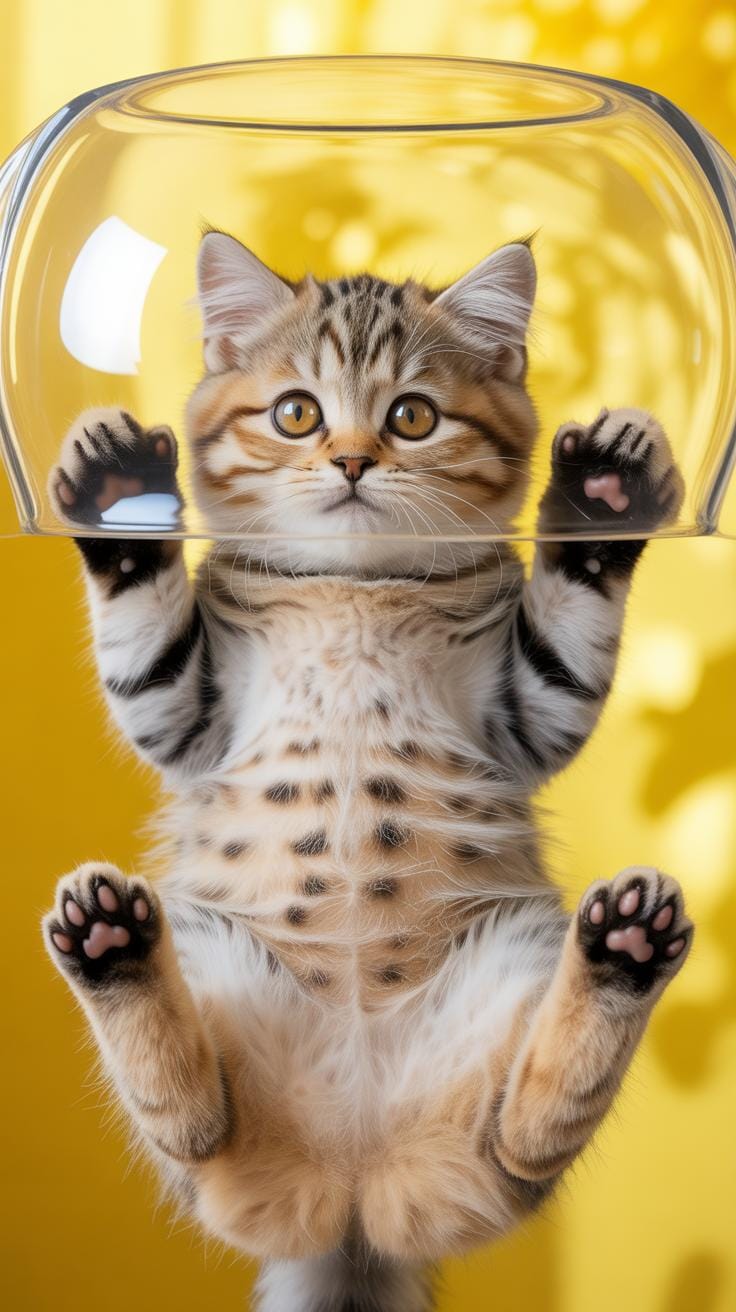
The Viral Rise Of The Cat Loaf From Below On Social Media Platforms
Digital communities fueled the popularity of the underside loaf view through image sharing platforms. Users discovered that photographing a cat from a low angle revealed a hidden structural symmetry. This perspective transformed a common feline behavior into a distinct visual meme. Aggregator sites and social media groups dedicated specifically to this angle began to attract millions of views globally.
The trend gained momentum because it challenged the standard top-down view of pet photography. Internet culture thrives on revealing unexpected aspects of everyday objects or animals. The under-cat shot provided a clean and geometric look that resonated with modern aesthetic preferences. This specific framing became a staple of viral content because it is instantly recognizable and highly shareable across various digital networks.
What Glass Tables And Clear Surfaces Reveal About The Underside Loaf View
Glass furniture provides the necessary transparency to view the mechanics of the loaf position. When a cat sits on a clear surface, the glass compresses the fur and soft tissue. This compression reveals exactly how the feline tucks its front paws and hind legs. The view shows a flat surface of fur without the visible joints or limbs seen from above.
Clear tables highlight the physical efficiency of the position for heat retention and stability. Observers can see the tight alignment of the paws against the chest and the distribution of body weight. Modern interior design trends featuring glass and acrylic furniture made these observations more common in residential settings. The resulting images offer a technical look at feline anatomy that opaque surfaces completely hide from view.
How To Encourage A Safe And Comfortable Cat Loaf At Home
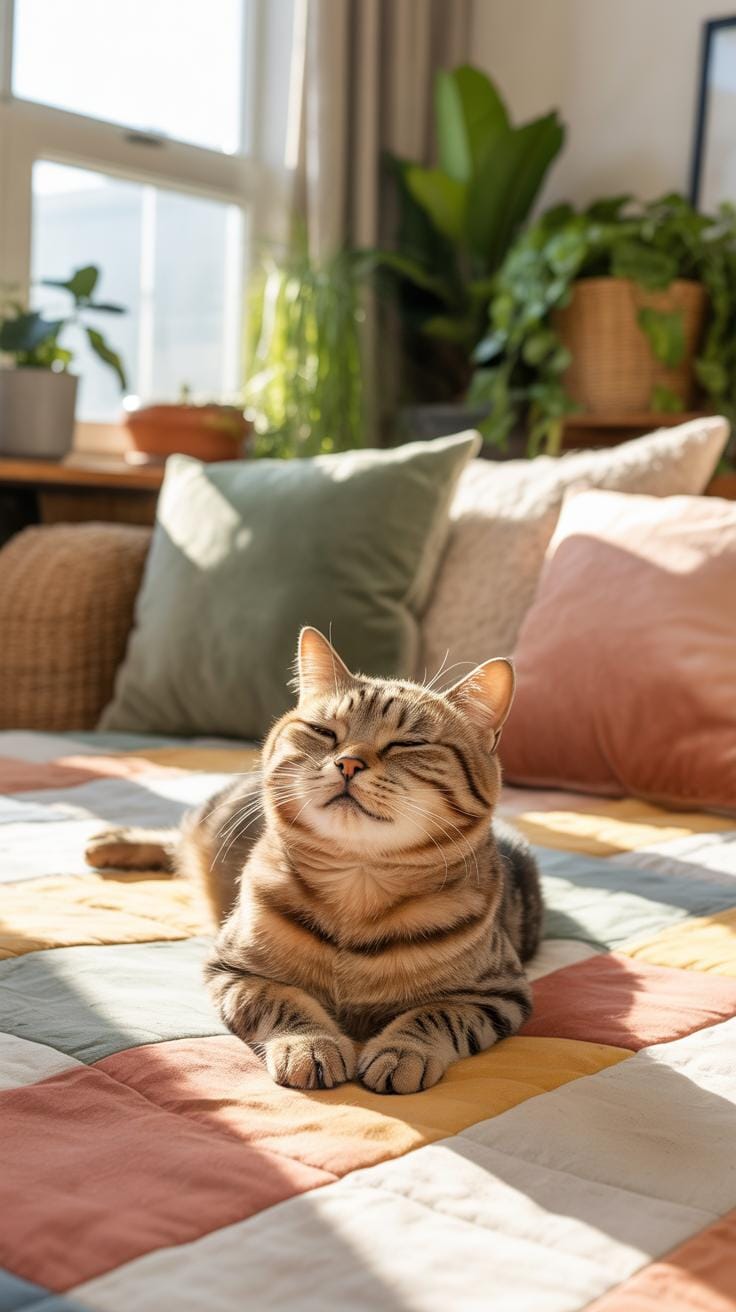
Creating A Warm, Secure Environment Where Your Cat Feels At Ease To Loaf
Cats loaf when they feel secure and thermal conditions are optimal. You must provide consistent heat sources for this behavior to occur. Place beds in elevated areas or sunny spots. A cat will tuck its paws to conserve body heat when the room temperature drops below their comfort zone. Eliminate loud noises and sudden movements in these designated zones.
Privacy is the most critical factor for a relaxed cat. Use furniture and boxes to create enclosed spaces. A cat needs to know that no predators or humans will surprise it from behind. When the environment is predictable, the cat will lower its guard. This safety allows them to enter the loaf position instead of remaining in a high-alert crouch.
Understanding The Cat Loaf As A Bonding Cue Between You And Your Feline
The loaf position signifies a high level of trust in a human presence. A cat that loafs near you is showing it does not feel the need to flee. It has tucked its primary weapons and tools for movement. This indicates the cat views you as a non-threat. Do not disturb the cat when it is in this vulnerable and relaxed state.
You can reinforce this bonding behavior by maintaining a calm demeanor. If the cat loafs within reach, offer soft vocal cues or slow blinks. Avoid grabbing or hovering over the animal. Respect their personal space to maintain this bond. Consistent positive reinforcement ensures the cat continues to choose your vicinity for its rest periods. This behavior proves your home is a successful territory.
Frequently Asked Questions

What exactly is a cat loaf and why do they do it?
A cat loaf occurs when a feline tucks their paws and tail underneath their body, creating a rectangular shape. Owners often wonder why cats sit in loaf position, and it usually signals that your pet feels safe and relaxed. Because their paws are tucked, they aren’t prepared to hunt or run, meaning they trust their environment enough to conserve body heat and enjoy a peaceful, comfortable nap nearby.
How can I tell if my cat’s loaf position indicates they are in pain?
While the loaf is usually a sign of comfort, pay attention to their posture. A relaxed loaf involves a flat back and a tucked chin. If your cat appears “hunched,” with their back arched high and their nose touching the floor, they may be guarding against abdominal pain. Understanding why cats sit in loaf position versus a hunched position helps you monitor their health and determine if a vet visit is necessary.
Are there affordable ways to make my home more “loaf-friendly” for my cat?
You don’t need expensive designer furniture to satisfy your cat’s nesting instincts. Cats love elevated, cozy spots to tuck into their favorite shapes. Placing a soft, folded fleece blanket on a sturdy shelf or repurposing a clean cardboard box with a plush towel creates the perfect low-cost sanctuary. These simple additions provide the insulation and security cats crave when looking for a quiet place to settle into their signature loaf.