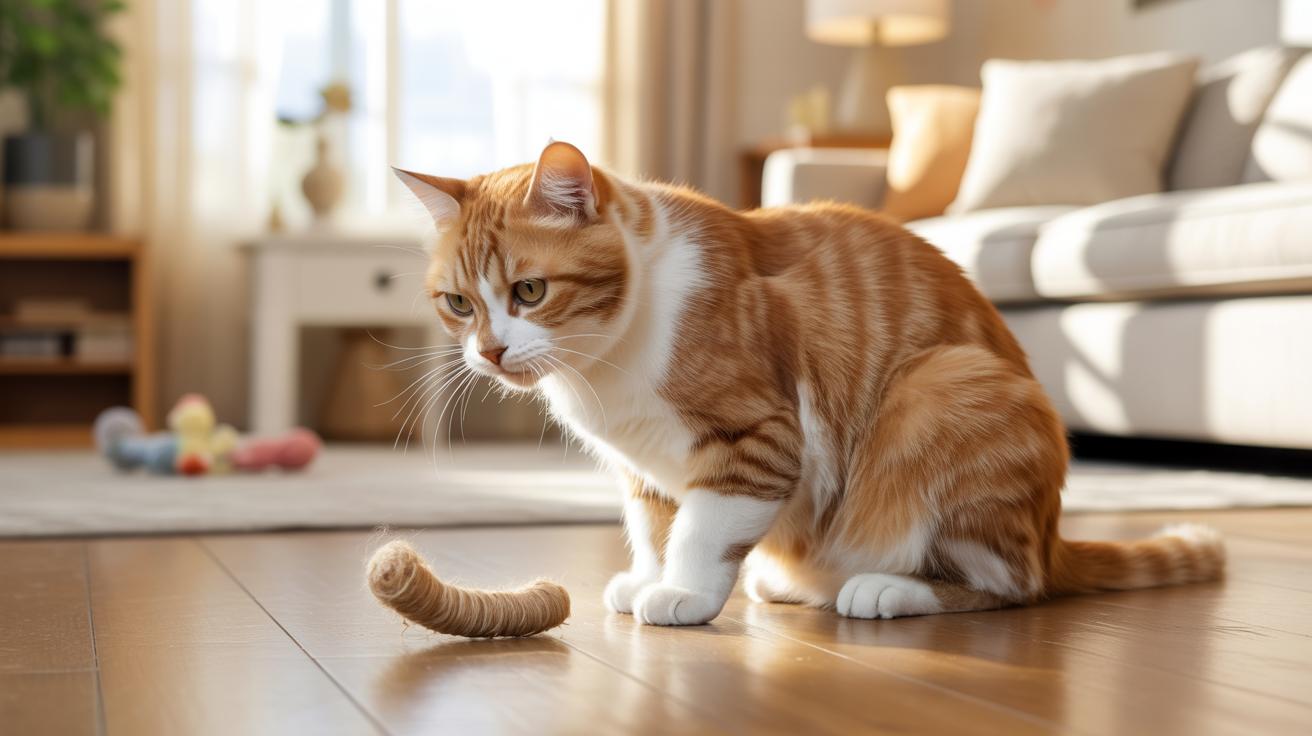
What Is A Hairball And Why Do Cats Get Them
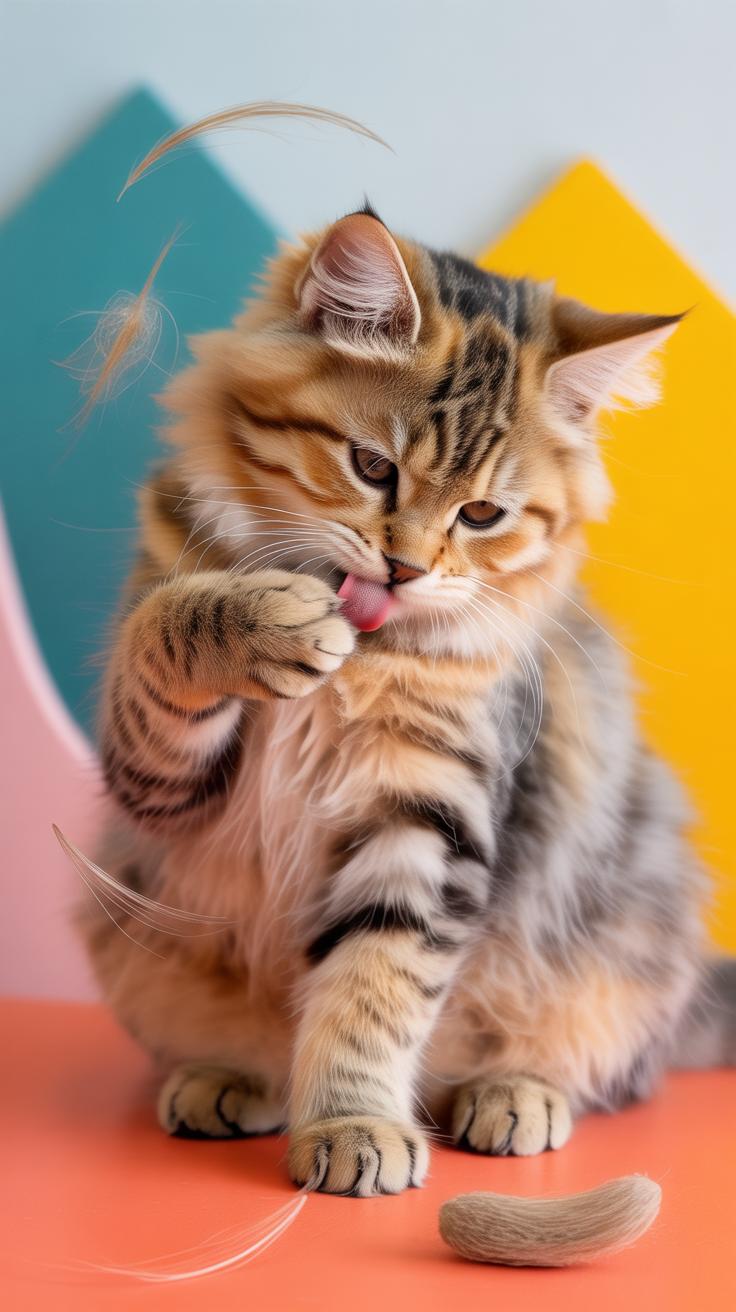
The Science Behind How Hairballs Form In A Cats Digestive Tract
Cats have tongues covered in tiny hooks called papillae. These hooks act like a natural brush during grooming and pull loose fur from the skin. The cat swallows the trapped hair because it cannot spit it out. Most of this keratin-based material moves through the stomach and enters the intestines. It eventually exits the body through the stool without causing any noticeable issues.
Sometimes the hair stays in the stomach and gathers into a dense clump. The stomach acid cannot break down these protein fibers. This mass irritates the stomach lining and triggers a gag reflex. The cat then vomits the cylindrical mass to clear the blockage. These shapes appear long and thin rather than round because they pass through the narrow esophagus during the expulsion process.
Why Some Cats Are More Prone To Hairballs Than Others
Long-haired breeds face a significantly higher risk of hairball formation. Cats like Persians and Maine Coons produce more loose fur during daily grooming sessions. This increased volume often exceeds what the digestive tract can handle naturally. When a cat swallows massive amounts of fur, the stomach cannot move the material into the small intestine fast enough. This backup leads to the frequent vomiting of large hair masses.
Chronic skin conditions and excessive grooming also drive hairball frequency. Cats often lick themselves more when they feel stressed or have fleas. This behavior forces more hair into the digestive system than usual. Certain diets lacking enough fiber also slow down the natural movement of the gut. Slow digestion allows hair to sit and tangle inside the stomach. Regular brushing and high-fiber food help reduce this internal buildup effectively.
Long Haired Cats And Their Higher Risk Of Hairball Problems
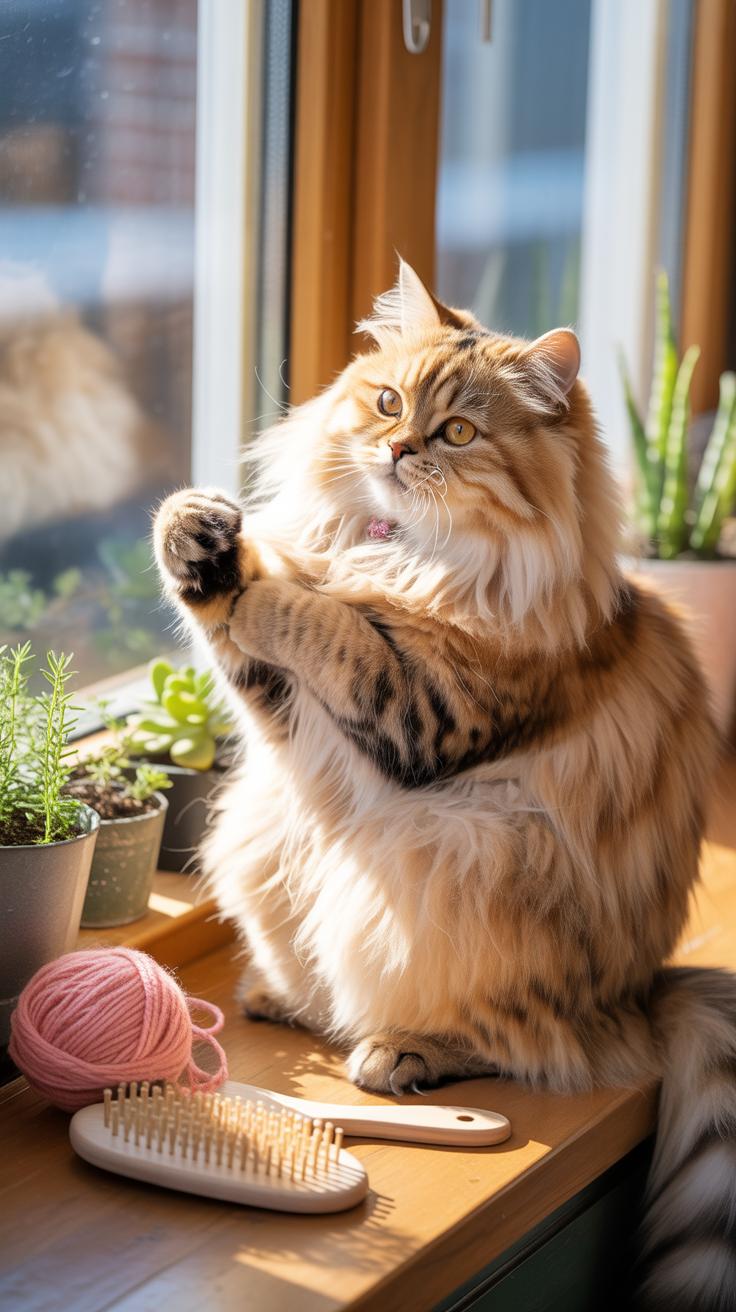
Breeds Like Persians And Maine Coons That Struggle Most With Hairballs
Long-haired breeds like Persians and Maine Coons face constant hairball issues due to their dense undercoats. These cats possess thick fur that sheds heavily year-round. Their tongues have sharp barbs called papillae that act like hooks. These hooks catch loose fur during daily cleaning. Because cats cannot spit out this hair, they must swallow it. This biological trap creates a massive volume of ingested material.
The Persian breed has a flat facial structure that can complicate normal swallowing and digestion. Maine Coons possess a water-repellent double coat that adds bulk to every grooming session. These structural traits mean more fur enters the digestive tract daily compared to short-haired breeds. Owners must monitor these specific breeds closely. High hair volume often exceeds the capacity of the stomach to pass waste naturally through the intestines.
The smallest feline is a masterpiece, and tending to their delicate needs is the highest form of love. Watching over their health ensures that the soft purr in your lap remains a constant rhythm of comfort.
How Grooming Habits And Coat Length Affect Hairball Frequency
Coat length directly dictates the physical size of a hairball. Long individual hairs tangle more easily inside the stomach. These fibers weave together into tight, cigar-shaped masses that cannot pass through the narrow pyloric sphincter. Shorter hairs usually move into the small intestine without getting stuck. Long hairs create a structural framework that traps food and bile, increasing the weight and density of the blockage.

Self-grooming habits also vary by individual cat and seasonal shifts. Cats groom more frequently during high-stress periods or shedding seasons. Increased licking cycles mean more hair enters the system in a shorter timeframe. When a cat ingests more hair than its digestive system can process, the body triggers a gag reflex. This reflex forces the mass upward to prevent a dangerous intestinal obstruction from forming further down.
Recognizing Cat Vomit Is It A Hairball Or Something Else
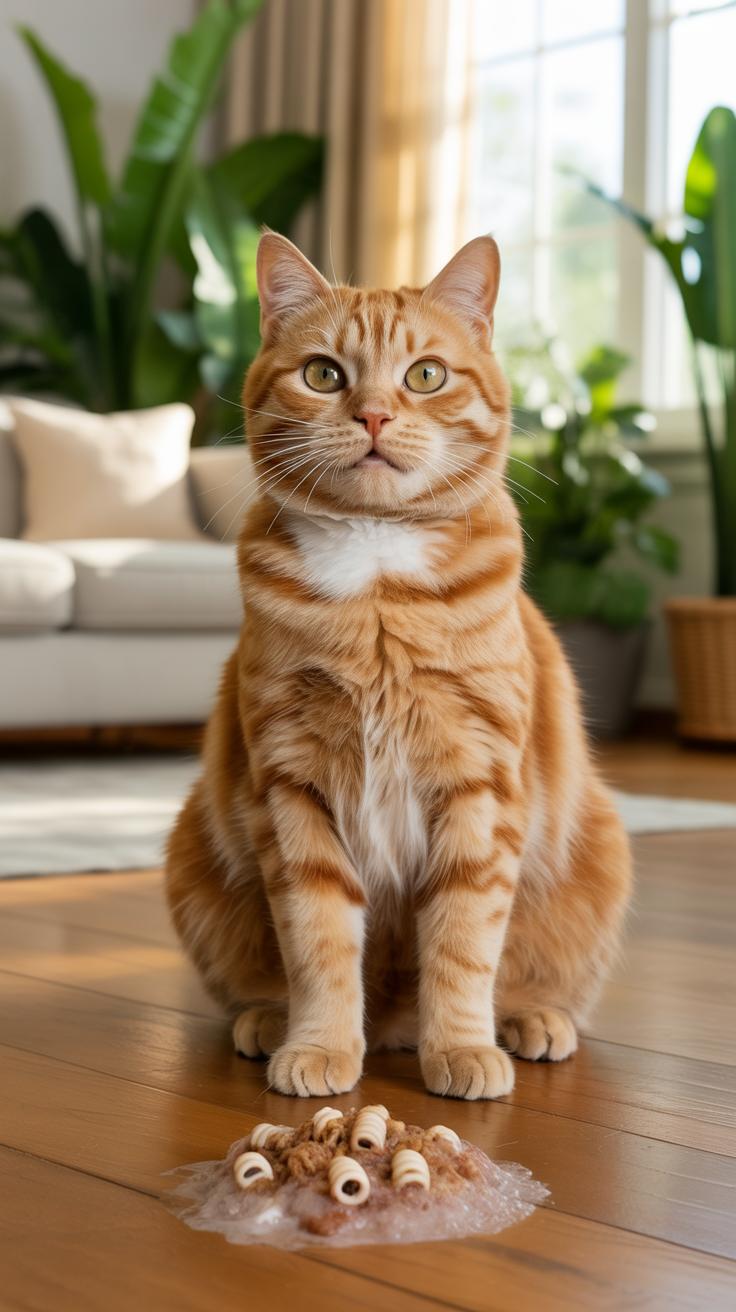
What A Typical Cat Hairball Looks Like And Sounds Like Coming Up
A typical hairball is not round. It takes the shape of the esophagus during transit. This results in a cylindrical or cigar-shaped mass of densely packed fur. The object often appears slimy because it is coated in gastric juices and mucus. Some hairballs look brown or green due to bile. You will recognize the texture as matted hair rather than digested food particles.
The process of expulsion is loud and rhythmic. A cat will crouch low to the ground and stretch its neck forward. You will hear a distinct hacking and gagging sound as the cat uses abdominal muscles to force the mass upward. This retching often lasts for several seconds before the hairball exits. It is a mechanical process designed to clear the upper digestive tract of non-digestible biological debris.
How To Distinguish Normal Cat Throwing Up From A Concerning Vomiting Episode
Distinguishing a hairball from true vomiting requires observing the contents and frequency. A standard hairball consists almost entirely of fur and clear or foamy liquid. If the cat ejects large amounts of undigested food or yellow bile without any hair present, it is a vomit event. True vomiting involves more forceful contractions. It often happens suddenly without the prolonged hacking associated with a trapped hairball in the throat.

Frequency remains your primary indicator of a serious health problem. Passing a hairball once or twice a month is common for most cats. It becomes a medical concern if the cat retches and fails to produce anything. This can signal an intestinal blockage or a foreign body. Monitor for secondary symptoms like lethargy or loss of appetite. These signs indicate the issue is internal and requires immediate professional intervention.
When Cat Throwing Up Signals A Serious Medical Condition
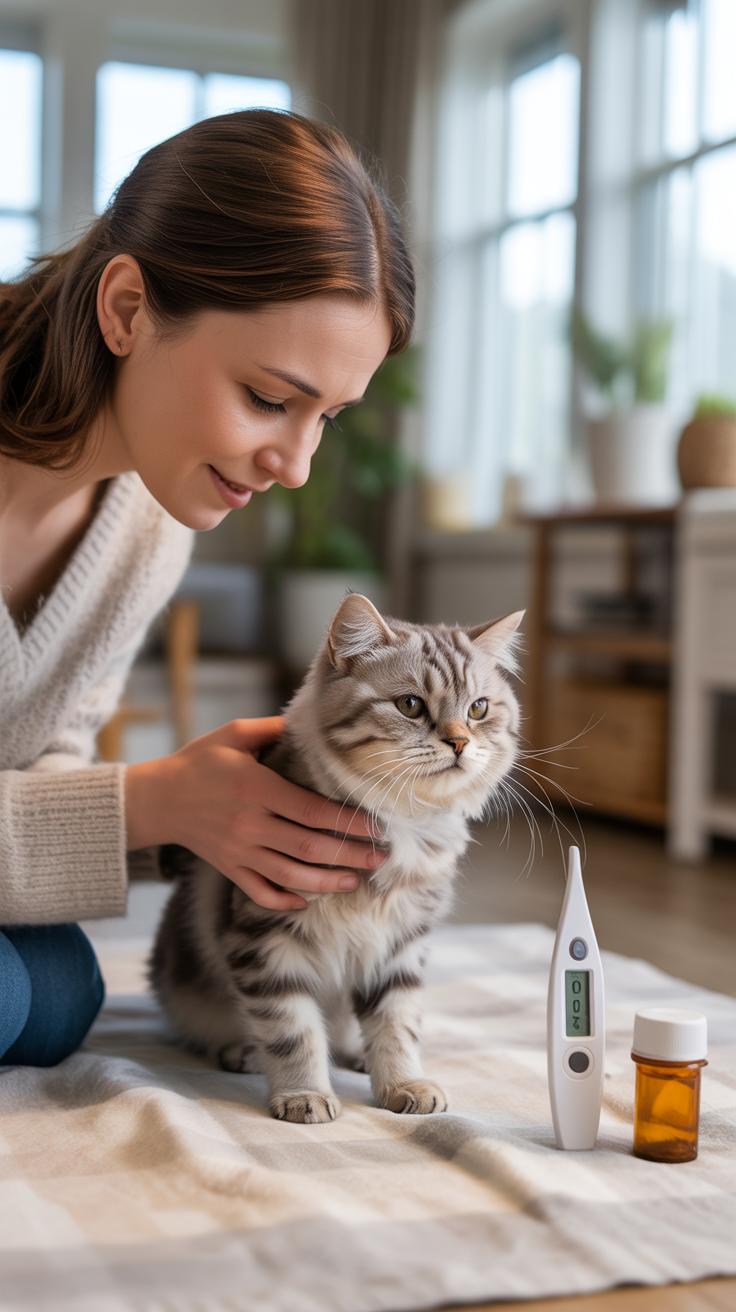
Red Flag Symptoms That Mean Your Cat’S Vomiting Is Not Hairball Related
Distinguishing between a standard hairball and a medical emergency requires observing specific clinical signs. Hairballs usually involve a productive retch that results in a cylindrical mass of fur. If your cat retches without producing anything or vomits clear liquid multiple times, the issue is likely systemic. Pay close attention to the frequency of these episodes and the physical appearance of the cat during the process.
- Frequent Retching: This occurs when a cat tries to vomit but nothing comes out. It often indicates a foreign body is stuck in the esophagus or stomach. This is a life-threatening situation that requires immediate veterinary intervention to prevent rupture or permanent tissue damage.
- Lethargy and Weakness: A cat that hides or stops moving after vomiting is in distress. Unlike the brief discomfort of a hairball, systemic illness drains the cat of energy. This signal often points to organ failure, severe infection, or advanced metabolic disorders that need diagnostic testing.
- Loss of Appetite: Cats generally eat shortly after passing a hairball. If your cat refuses food for more than twelve hours after vomiting, the cause is not fur. Persistent anorexia can lead to hepatic lipidosis, a dangerous liver condition that complicates the primary health problem significantly.
- Blood in Vomit: Bright red blood or material looking like coffee grounds indicates internal bleeding. This can stem from stomach ulcers, sharp foreign objects, or ingestion of toxic substances. It is never a normal part of the hairball process and demands an urgent professional exam.
- Changes in Elimination: Diarrhea or constipation alongside vomiting suggests a total gastrointestinal shutdown or infection. This combination quickly leads to dehydration and electrolyte imbalances. Monitor the litter box to determine if the digestive tract is functioning or if it has completely stopped moving waste.
Vital signs provide the most accurate data for your veterinarian. Check for pale gums or a sensitive abdomen when your cat vomits. These physical markers confirm that the cat is experiencing more than just gastric irritation from fur. If you see these signs together, stop monitoring at home and transport the animal to a clinic. Fast action prevents minor issues from becoming fatal.
Conditions Like Intestinal Blockages And IBD That Mimic Hairball Vomiting
Intestinal blockages often look like hairball attempts because the cat is trying to clear an obstruction. Linear foreign bodies like string or carpet fibers can tangle in the gut. These objects prevent food from passing, causing the cat to vomit repeatedly. Unlike fur, these materials do not move easily. They cause the intestines to bunch up, which leads to rapid tissue death and sepsis.

Inflammatory Bowel Disease and food allergies also cause chronic vomiting. Owners frequently mistake these for hairballs because the symptoms persist for months. Chronic inflammation thickens the intestinal walls and disrupts normal nutrient absorption. This condition requires a specific diet or medication rather than hairball remedies. Persistent vomiting more than twice a month is a clinical sign of underlying disease, not a natural feline habit.
Cat Hairball Remedies That Actually Work
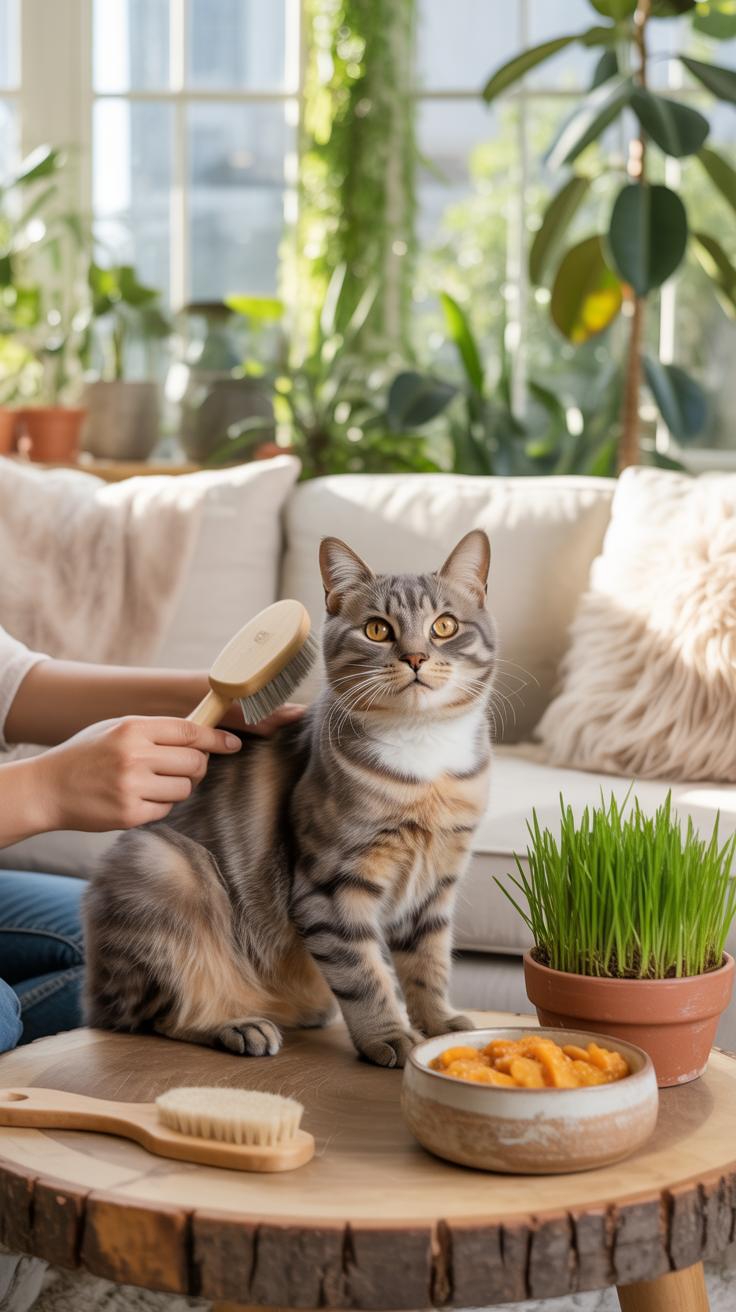
Vet Approved Hairball Remedy For Cats Including Gels Pastes And Dietary Fiber
Veterinary surgeons prioritize lubricants and fiber to move hair through the digestive tract. Petroleum based gels and pastes coat the swallowed fur. This reduces friction and prevents hair from clumping in the stomach. These products act as massive facilitators for gastric emptying. Cats typically consume these during grooming or through direct oral administration. Use these items two to three times weekly for maintenance.
Prescription hairball diets utilize high levels of insoluble fiber. This material creates a physical sweep of the intestinal lining. It pulls hair along with the fecal mass before a blockage occurs. Most commercial hairball formulas also include omega fatty acids to improve skin health. Better skin means less shedding and fewer ingested hairs. Consult your vet to determine the correct dosage for your specific cat.
Natural And Home Based Cat Hairball Remedies To Support Digestive Health
Natural interventions focus on increasing moisture and plant based fibers. Water intake is the most critical factor for moving waste through the intestines. Dehydrated cats cannot pass hair efficiently. You can supplement a cats diet with simple ingredients found in most kitchens. These methods work by adding bulk and lubrication without using synthetic chemicals or heavy petroleum bases.
- Pureed Pumpkin: Use plain canned pumpkin without added sugar or spices. This provides a concentrated source of soluble fiber to regulate bowel movements. It helps push hair through the colon by adding bulk to the stool.
- Fish Oil: Add salmon or sardine oil to wet food daily. These oils lubricate the digestive path and strengthen the coat. A stronger coat sheds less frequently which reduces the amount of hair the cat swallows during grooming.
- Cat Grass: Grow thin wheat or oat grass indoors for your pet. This provides roughage that can act as a natural laxative. Cats instinctively chew on grass to help induce vomiting or move fur through the digestive system quickly.
- Olive Oil: Mix one teaspoon of olive oil into food once per week. This acts as a mild lubricant for the intestinal walls. It helps smaller clumps of hair slide through the digestive tract before they become large obstructive masses.
- Frequent Brushing: Use a high quality deshedding tool daily to remove loose fur. Physical removal is the most effective way to prevent hairballs. If the cat does not swallow the hair it cannot form a blockage in the stomach.

Regular grooming remains the most effective natural defense against hairballs. Combining mechanical removal with dietary fiber ensures the system stays clear. Do not rely on home remedies if your cat stops eating or starts lethargic behavior. These signs indicate a potential blockage that requires immediate medical attention. Keep track of how often your cat produces hairballs to identify changes in their baseline health.
National Hairball Awareness Day And Why It Matters For Cat Owners
What Hairball Awareness Day Is And When It Takes Place Each Year
National Hairball Awareness Day occurs annually on the last Friday of April. This specific day serves as a strategic reminder for owners to evaluate feline digestive health as spring shedding begins. Veterinary experts and pet organizations established this event to highlight a common but often ignored issue. It targets the peak season when cats lose their heavy winter coats and ingest more loose fur during self-grooming.
The event focuses on the biological reality of trichobezoars rather than just the inconvenience of cleaning floors. This date provides a fixed point in the calendar for manufacturers and veterinarians to share data on grooming and nutrition. Owners use this day to review their current prevention protocols. It clarifies the line between normal shedding and dangerous intestinal blockages. Understanding this timing helps you anticipate and manage seasonal spikes in hairball production.
How Hairball Awareness Day Encourages Better Cat Health Practices
This day forces owners to shift from reactive cleaning to proactive prevention. It emphasizes regular brushing to remove dead fur before the cat swallows it. Health professionals use the occasion to explain how high-fiber diets and specialized lubricants improve gastric motility. This education reduces the number of cats suffering from avoidable obstructions. Routine maintenance becomes a priority instead of a secondary thought when owners see the direct health risks involved.

Increased awareness leads to earlier detection of serious medical conditions. Frequent vomiting often hides underlying problems like inflammatory bowel disease or kidney issues. This awareness day teaches you to track the frequency of hairball expulsion. If the frequency exceeds once or twice a month, it signals a need for a professional veterinary consultation. Constant observation ensures your cat maintains a clear digestive tract and avoids painful, expensive surgical interventions.
Preventing Cat Vomit Episodes Through Grooming And Nutrition
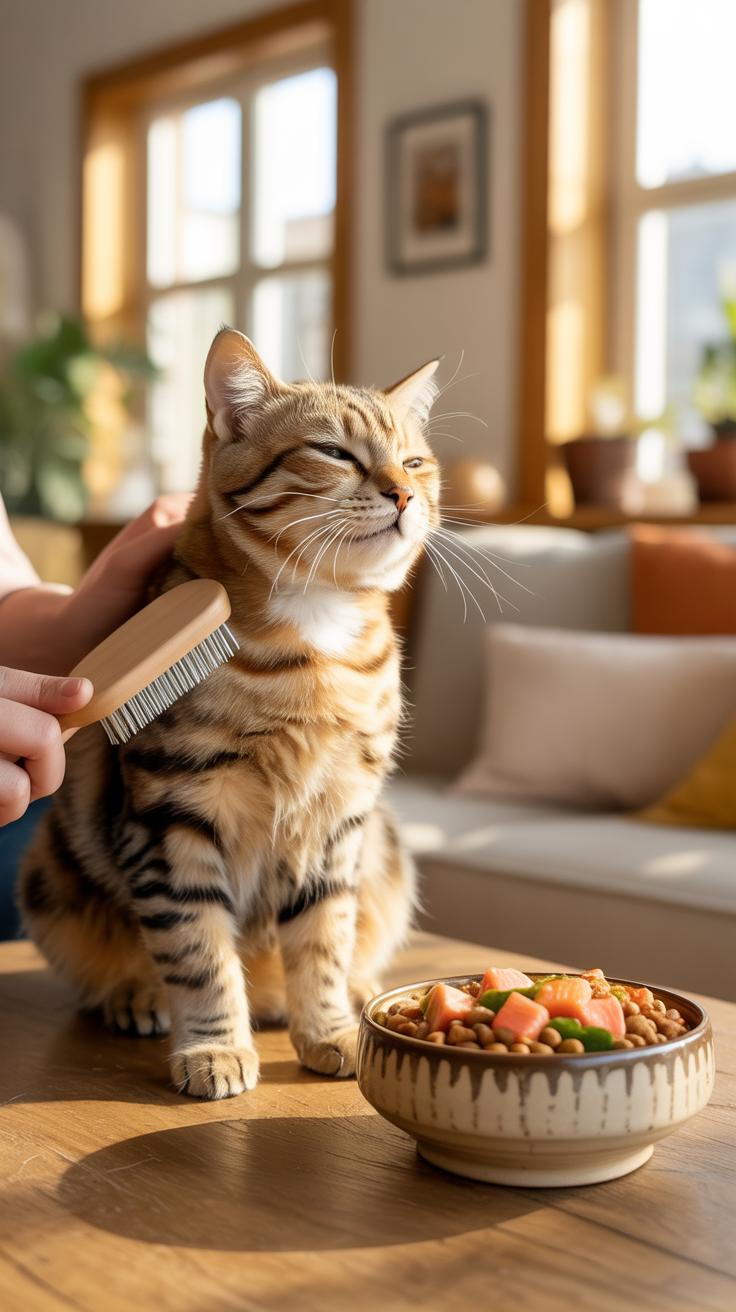
How Regular Brushing Reduces The Amount Of Hair Your Cat Swallows
Mechanical removal of loose fur is the primary defense against hairballs. Cats spend roughly thirty percent of their waking hours grooming. Their sandpaper tongues act as combs that pull dead hair into their digestive tracts. By brushing your cat daily, you intercept this loose fur before the cat can ingest it. This simple action directly decreases the volume of material entering the stomach.
Standard grooming tools like slicker brushes or de-shedding blades target the undercoat where most loose fur resides. Long-haired breeds require more frequent intervention to prevent mats and excessive ingestion. Regular grooming sessions also allow you to monitor skin health and identify parasites early. Consistency matters more than session length. Removing the fur manually ensures it ends up in the trash rather than causing an internal blockage.
The Role Of Hairball Control Cat Foods And Hydration In Prevention
Specific dietary formulations use high fiber content to move swallowed hair through the intestinal tract. These diets often incorporate insoluble fibers like powdered cellulose or beet pulp. These fibers create a sweeping effect in the small intestine. This prevents hair from clumping together in the stomach. When hair moves quickly into the colon, the cat passes it in the stool instead of vomiting it onto your floor.

Hydration plays a critical role in maintaining gut motility. Moisture helps the digestive system lubricate hair masses so they can pass easily. Dry kibble alone can lead to mild dehydration, which slows down the movement of waste. Providing wet food or water fountains encourages higher fluid intake. Proper hydration combined with fiber ensures the stomach remains clear of debris. This dual approach minimizes the frequency of regurgitation.
When To Call The Vet Making The Right Call For Your CatS Health
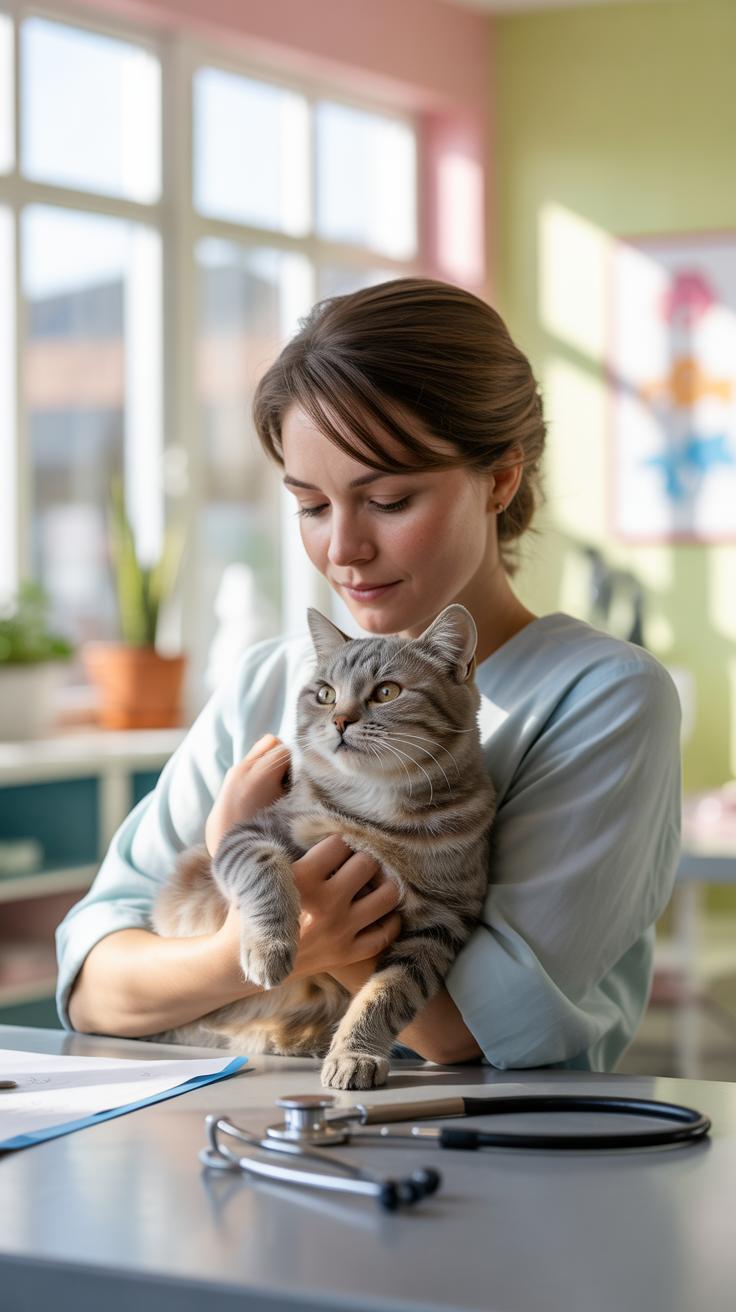
How Often Is Too Often When It Comes To Cat Vomiting Hairballs
Frequency determines the difference between a natural habit and a medical crisis. One hairball every one to two weeks is typical for many cats. If your cat produces hairballs more than twice a month, look for underlying causes. Excessive grooming often indicates skin irritation or high stress levels. Frequent vomiting also suggests the digestive tract cannot move hair through the system properly.
Monitor your cat for unproductive retching or gagging without results. This behavior signals a potential blockage in the esophagus or stomach. Constant vomiting leads to dehydration and electrolyte imbalances quickly. Watch for changes in appetite or a sudden drop in energy levels. A healthy cat remains active and hungry after passing a hairball. If your cat hides or refuses food, seek professional veterinary care.
What To Expect At The Vet And How Blockages Are Diagnosed And Treated
Veterinarians use physical exams and imaging to locate internal obstructions. They feel the abdomen for masses or pain first. If they suspect a blockage, they order X-rays or ultrasounds to see the digestive tract clearly. Blood tests check for dehydration and organ function to assess overall health. These diagnostic steps identify if the hair is stuck in the stomach or the small intestines.
Treatment depends on the size and location of the mass. Small clogs might resolve with specialized lubricants or fluids to hydrate the GI tract. Large or hardened masses require surgical intervention to prevent intestinal rupture. Surgeons open the stomach or bowel to remove the obstruction manually. After surgery, cats need specialized diets and quiet recovery time. Early detection prevents the need for these invasive and expensive procedures.
Frequently Asked Questions

How can I tell if my cat has a hairball or if they are actually sick?
It can be tricky to distinguish between the two, but look closely at the texture. A typical cat vomiting hairball will usually be a cigar-shaped mass of tightly packed fur mixed with some bile. If your cat is vomiting frequently without producing any fur, or if they appear lethargic and lose their appetite, it is likely a sign of an underlying medical issue rather than a simple grooming byproduct.
What are the best ways to help my cat pass hairballs more easily?
To reduce a cat vomiting hairball incidents, focus on regular grooming to remove loose fur before your pet swallows it. Incorporating specialized hairball treats or adding a teaspoon of fiber-rich canned pumpkin to their diet can also help the fur move smoothly through the digestive tract. Always ensure your cat has plenty of fresh water available, as hydration is essential for keeping their digestive system functioning efficiently and preventing blockages.
Are there affordable home remedies to manage hairballs without expensive vet diets?
Absolutely! Many effective solutions are quite budget-friendly. Adding a small amount of plain petroleum jelly to their paw for them to lick off acts as a safe, inexpensive lubricant for the digestive tract. Additionally, growing a pot of feline-friendly wheatgrass at home provides natural roughage that aids digestion. These simple, low-cost steps can significantly decrease how often your cat struggles with uncomfortable hairball issues without breaking your monthly budget.