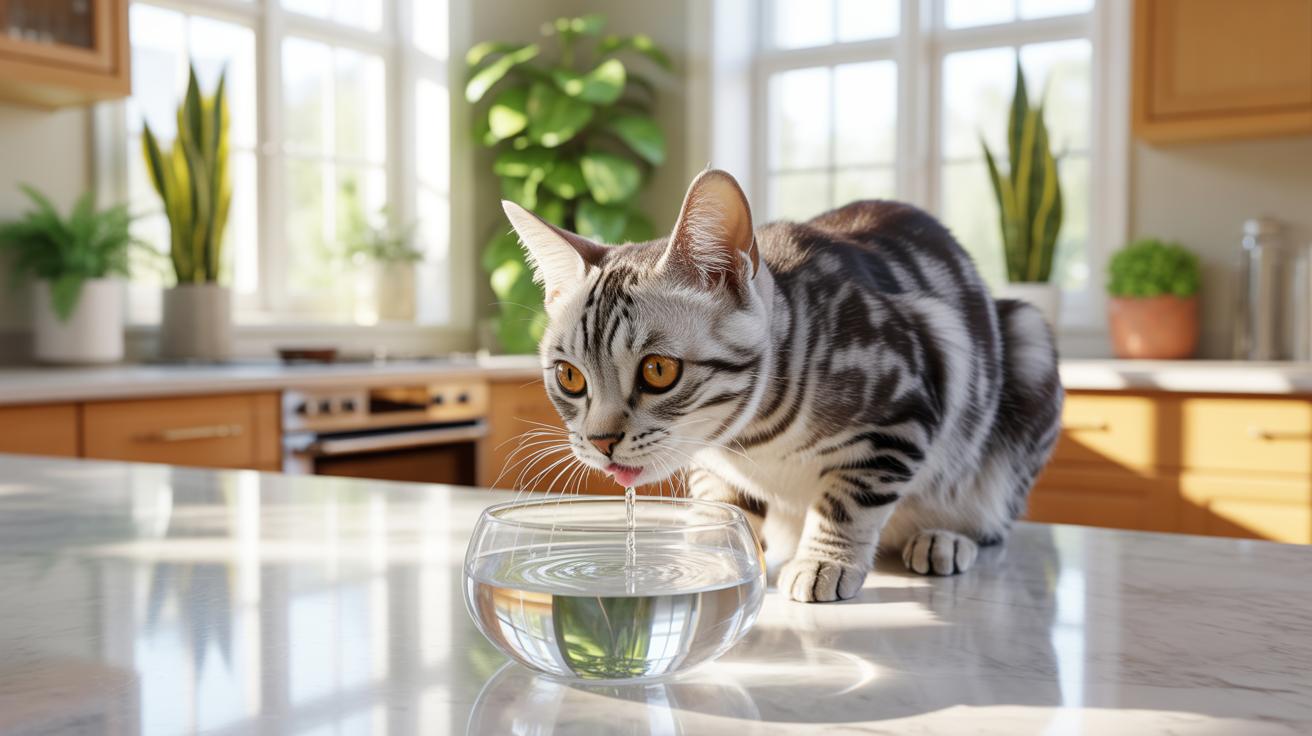
Understanding Normal Cats Drinking Water Behavior And Daily Intake
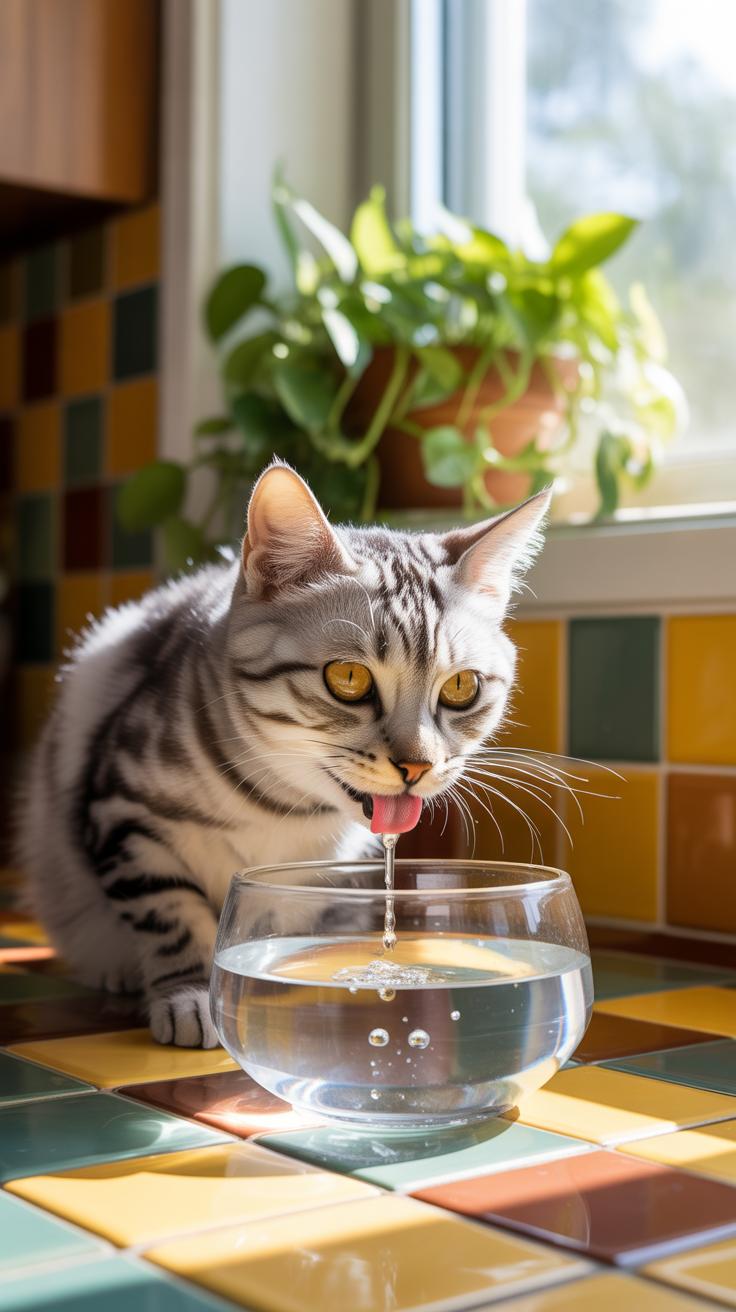
How Much Water Should A Healthy Cat Drink Per Day
Standard feline physiology requires roughly 50 milliliters of water per kilogram of body weight every 24 hours. For an average ten pound cat, this equals about one cup of total fluid. This measurement includes water consumed through drinking and moisture found in food. Monitoring this baseline helps you identify early shifts in health. Sudden deviations from this volume often signal underlying metabolic changes or internal stress.
Total fluid intake varies based on the specific diet provided. Cats eating dry kibble must drink significantly more water to stay hydrated because kibble contains only ten percent moisture. Cats eating canned food consume most of their water through their meals. Canned food often consists of eighty percent water. You must track both bowl depletion and food type to calculate the true daily intake of your cat accurately.
Factors That Naturally Influence How Much A Cat Drinks
Environmental temperature and physical activity levels directly impact thirst. Cats drink more during summer months or when living in heated indoor environments. Active cats lose more moisture through respiration and paw sweat than sedentary ones. High salt content in certain treats or low quality foods also triggers increased thirst. These environmental spikes are usually temporary and do not indicate a chronic medical condition or long term failure.
Biological factors like age and reproductive status change hydration needs. Nursing queens require significantly more water to produce milk for their litters. Older cats may drink more due to declining kidney efficiency even before a clinical diagnosis occurs. Desert ancestors gave cats a low thirst drive. They possess highly concentrated urine to conserve fluid. Any change that overrides this natural conservation instinct requires your immediate and professional attention.
What Does It Mean When Your Cat Is Drinking Too Much Water
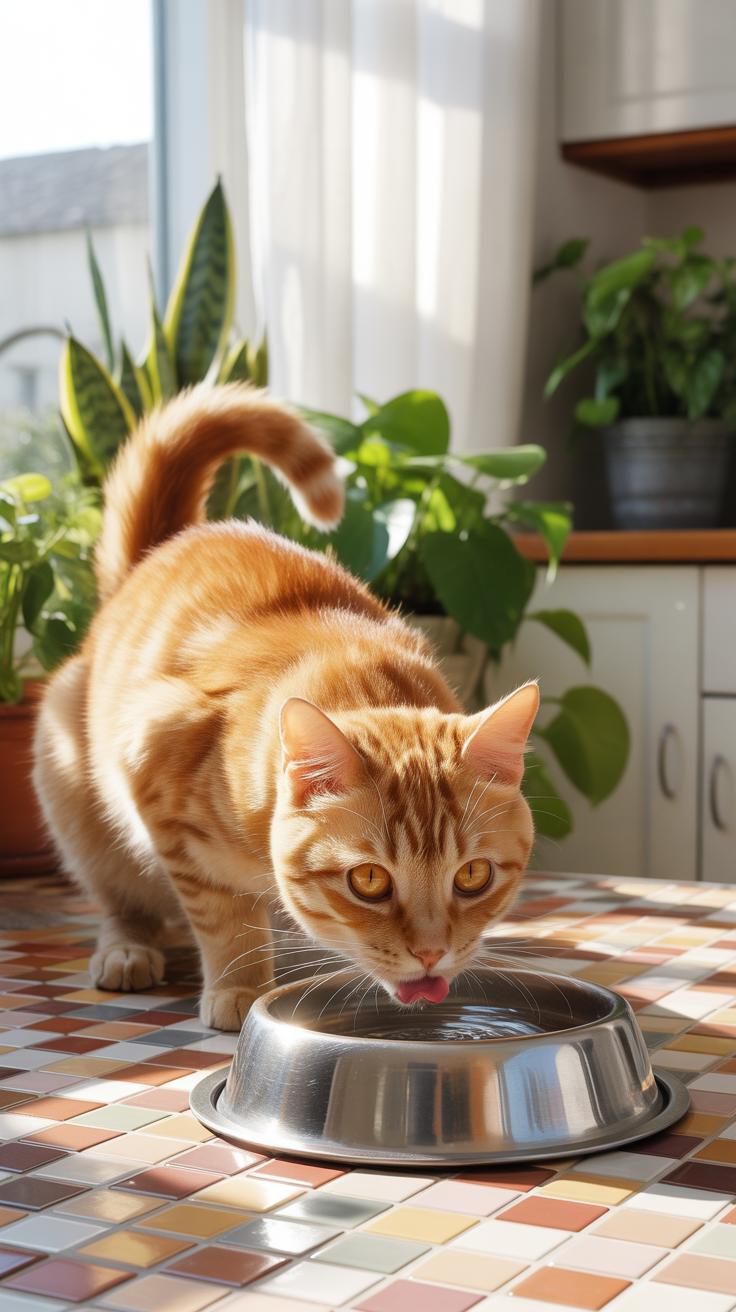
Defining Polydipsia: The Medical Term For Excessive Thirst In Cats
Polydipsia refers to an abnormal increase in water intake. This condition indicates that the body is losing too much fluid or cannot process it correctly. Veterinarians use this term once a cat exceeds the standard daily volume for its weight. This is not a disease by itself. It is a clinical sign of an underlying physiological issue that requires immediate diagnostic investigation.
The endocrine and renal systems regulate thirst. When these systems fail, the cat drinks more to compensate for fluid loss. Common causes include kidney dysfunction or hormonal imbalances like diabetes. Identifying polydipsia early is crucial for effective treatment. You must track the volume consumed over twenty-four hours. High water intake often occurs alongside polyuria, which is the production of excessive amounts of urine.
How To Tell If Your Cat Is Genuinely Drinking More Than Usual
Standard water intake for a healthy cat is roughly fifty milliliters per kilogram of body weight daily. Measure the water level at the start and end of the day to get a baseline. Factors like dry food diets or high temperatures can cause slight increases. However, a significant jump in consumption is a red flag. Watch for changes in behavior around the water bowl.
Physical cues often signal increased thirst before you notice the bowl level. Your cat might start hanging around faucets or drinking from the toilet. Look for heavier litter clumps or more frequent trips to the box. These changes mean the kidneys are working overtime to flush out waste or sugar. Accurate tracking helps your vet pinpoint the cause. If your cat drinks more than usual, stay alert for weight loss.
Common Medical Conditions Linked To A Cat Drinking Too Much Water
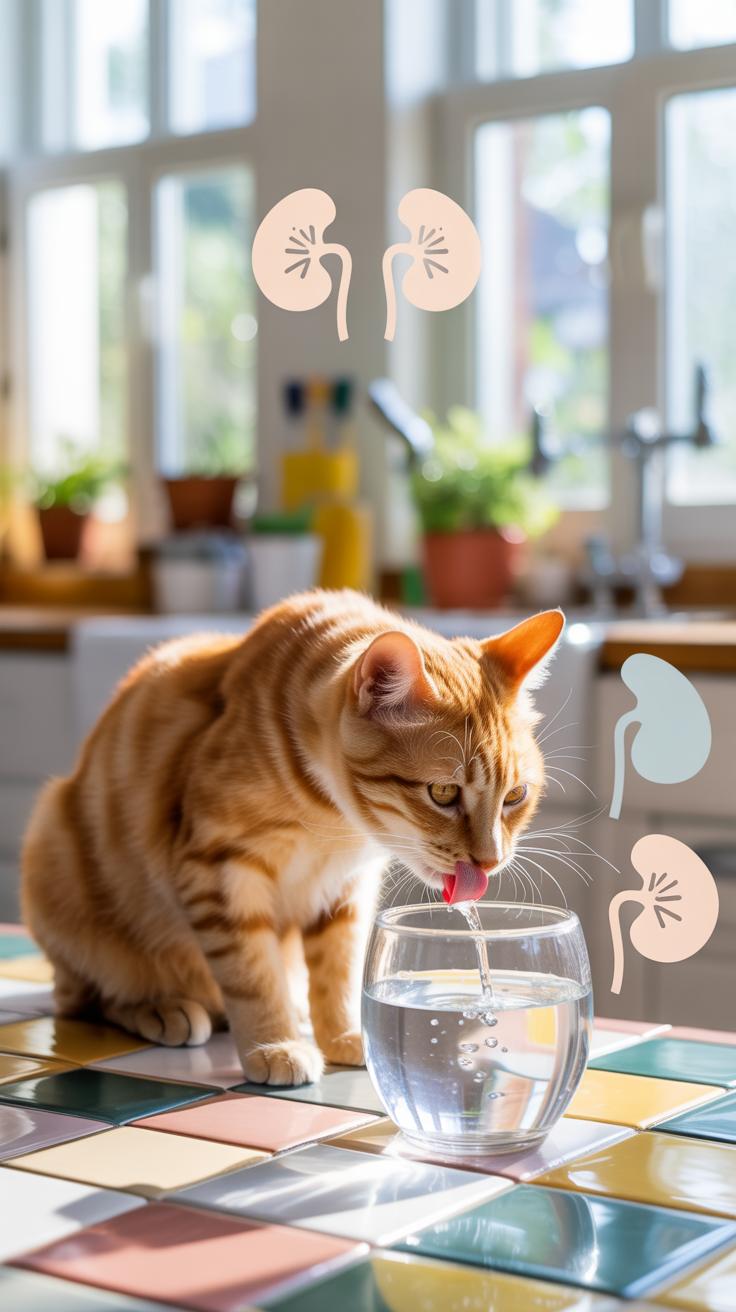
Diabetes Mellitus In Cats: How It Drives Increased Thirst
Diabetes occurs when a cat cannot process glucose correctly. This happens due to insulin deficiency or resistance. High blood sugar levels spill over into the urine. This sugar pulls large amounts of water with it through an osmotic process. This leads to frequent urination. The cat loses too much fluid and becomes dehydrated. To compensate for this loss, the cat drinks more water constantly.
Obesity is a major risk factor for feline diabetes. You will notice your cat hovering over the water bowl. They might also show a sudden change in appetite. Managing this condition requires a strict diet and often insulin injections. Early detection prevents further metabolic damage. Monitor specific intake habits to catch this early. High thirst is the primary red flag for this hormonal imbalance in older cats.
Chronic Kidney Disease And Its Direct Connection To Excess Water Intake
Chronic kidney disease causes the kidneys to lose their ability to concentrate urine. Healthy kidneys filter waste while keeping water in the body. Damaged kidneys fail to hold that water. Instead, they produce large volumes of dilute urine. The cat must drink more to replace what the kidneys waste. This cycle of drinking and urinating maintains a fragile internal balance against rising toxins.

Advanced kidney issues often lead to weight loss and poor coat quality. You may see your cat at the water dish multiple times per hour. This is not a choice but a biological necessity for survival. Blood tests and urine samples confirm the loss of renal function. Special diets can help reduce the workload on the organs. Immediate medical intervention is vital to slow the progression of this disease.
Hyperthyroidism And Cats Drinking Water In Excessive Amounts
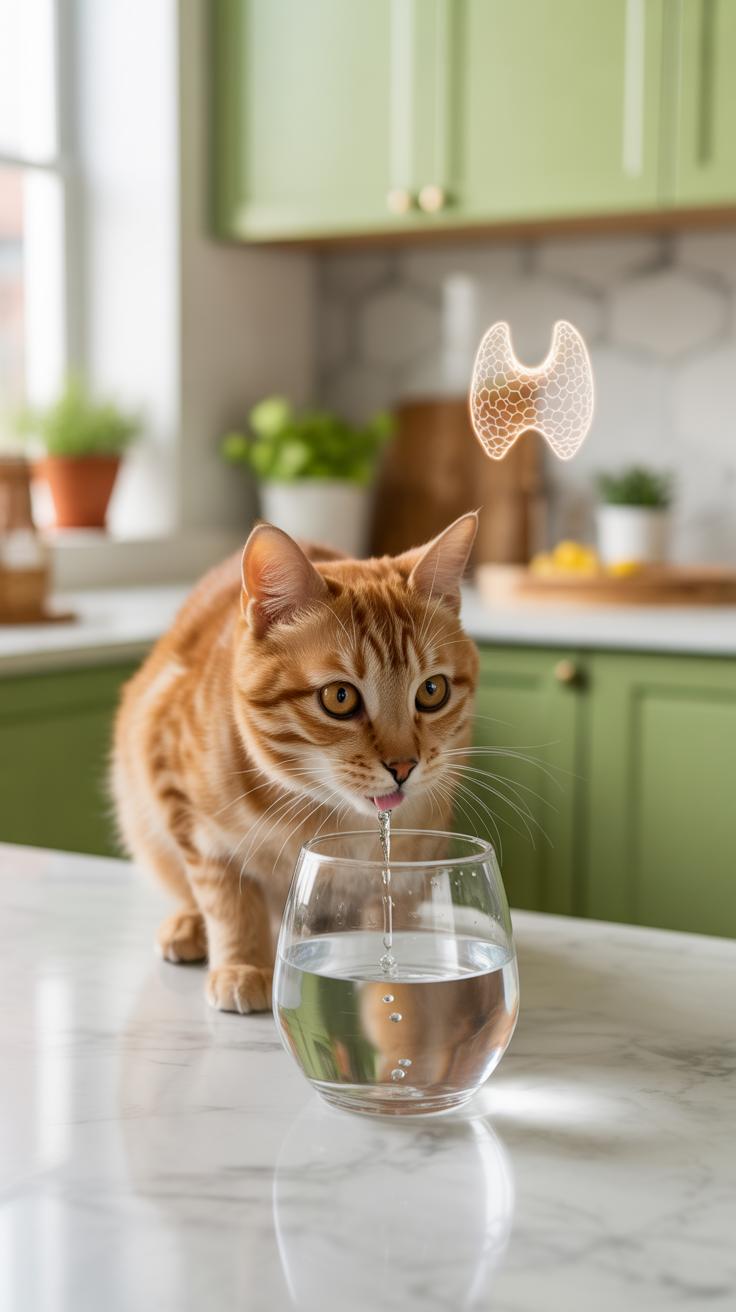
How An Overactive Thyroid Gland Causes Increased Thirst In Cats
Hyperthyroidism occurs when the thyroid gland produces too much thyroxine. This hormone controls the metabolic rate of the cat. Excess thyroxine speeds up every internal process. The body works harder and generates more heat than usual. This constant high state of activity forces the kidneys to process more waste. The cat drinks more water to keep up with this internal demand and prevent dehydration.
The high metabolic rate also increases blood flow to the kidneys. This creates a diuretic effect that forces the cat to urinate frequently. Because the cat loses fluids at a rapid pace, the brain signals a constant need for water. This cycle leads to visible polydipsia or excessive drinking. Owners see the cat returning to the water bowl many times a day to maintain its fluid balance.
Other Symptoms Of Hyperthyroidism To Watch For Alongside Excess Drinking
Weight loss despite a massive appetite is the most common sign of this disease. The cat eats more food but cannot keep the weight on. Its body burns calories faster than it can consume them. You may also notice a change in coat quality. The fur often looks greasy, matted, or unkempt. This happens because the cat stops grooming or its skin produces excess oils from the hormonal shift.

Behavioral changes are also frequent and noticeable. The cat may become hyperactive or restless at night. Some cats develop a faster heart rate or become more aggressive and vocal. You might see vomiting or diarrhea due to the rapid movement of food through the digestive tract. These physical and behavioral markers help confirm that drinking too much water is linked to a thyroid issue rather than kidney disease alone.
Diet And Environmental Reasons Your Cat Drinking Water From Bowl Has Increased
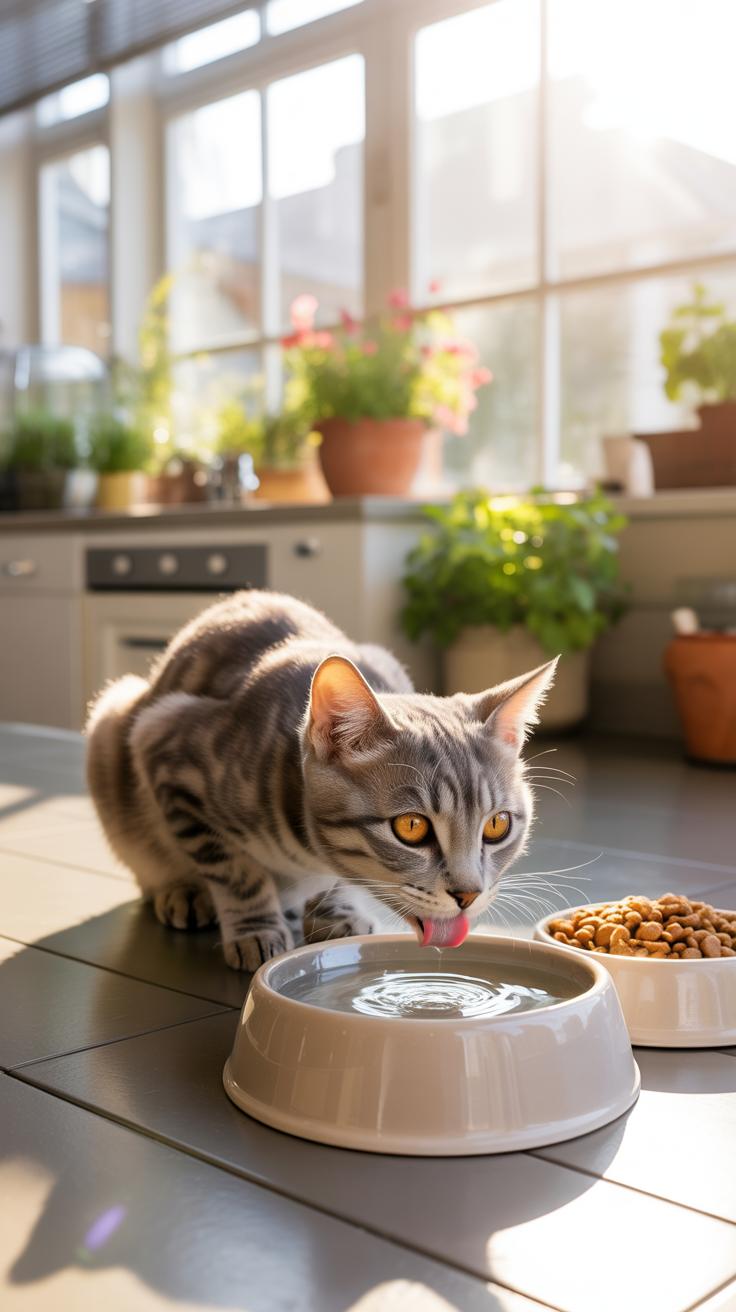
How A Dry Kibble Diet Affects Your Cats Water Consumption Levels
Dry kibble contains approximately ten percent water. Cats evolved from desert hunters that obtained moisture from raw prey. Prey animals consist of about seventy percent water. When you feed a cat dry food, they lose this natural hydration source. This deficiency forces the cat to visit the water bowl more often to compensate for the lack of moisture in their primary diet.
Cats possess a low thirst drive. They do not naturally feel the urge to drink until they are already dehydrated. A kibble diet puts a constant strain on their hydration levels. You will notice a significant increase in water intake if you switch from wet food to dry food. High sodium levels in some commercial dry brands also trigger an immediate thirst response in the feline body.
How Hot Weather And Cat Drinking Water Outdoors Impacts Daily Hydration
Higher temperatures increase the rate of evaporation from a cat’s body. Cats do not sweat like humans to cool down. They lose moisture through their paw pads and by grooming. In hot weather, saliva evaporates from their fur to provide a cooling effect. This process depletes their internal water stores quickly. You will see your cat drinking more water to replace these lost fluids during summer months.

Outdoor cats face higher risks of dehydration. Direct sunlight and physical activity raise their core body temperature. If your cat spends time outside, they must find water to avoid heatstroke. Stagnant outdoor water sources often contain bacteria or parasites. You should provide fresh, shaded water stations to prevent them from drinking contaminated fluids. Monitor their intake closely when the local temperature rises above seventy-five degrees.
Stress Anxiety And Behavioral Causes Behind Cat Drinking
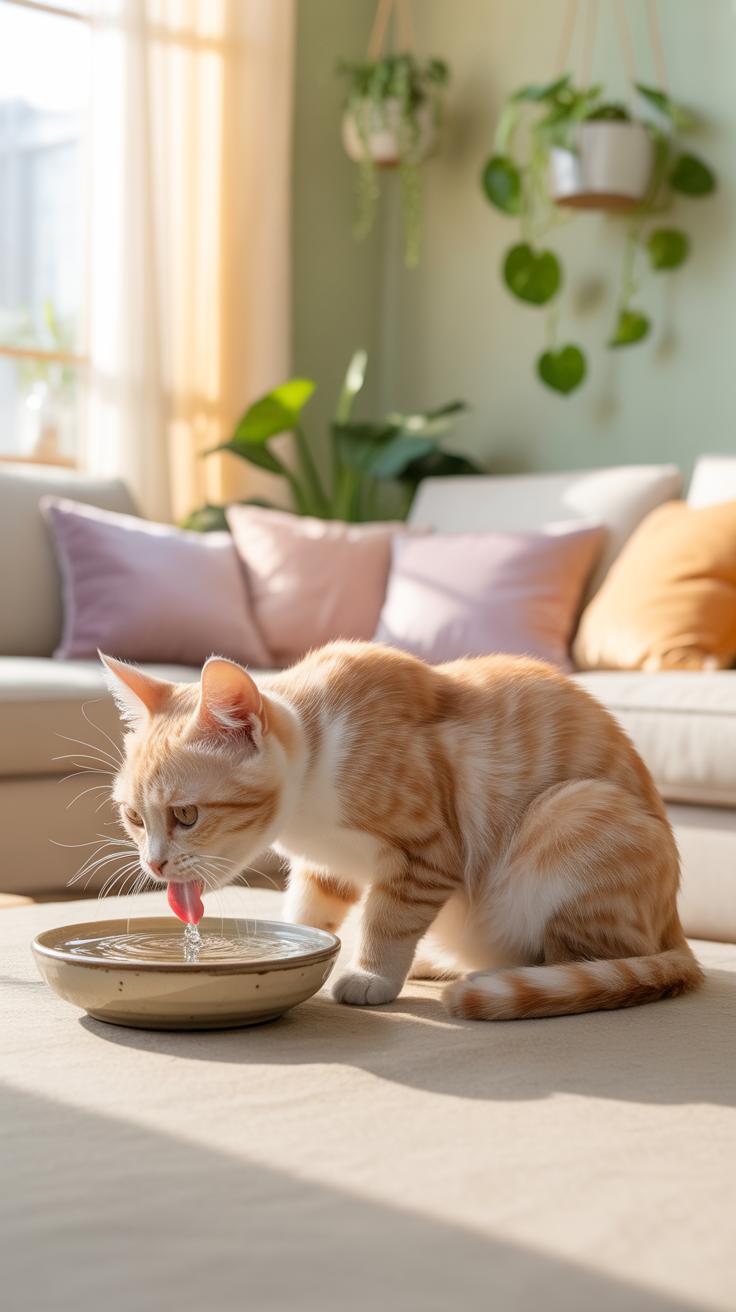
Can Stress Or Boredom Cause A Cat To Drink More Water Than Normal
Environmental stressors trigger physical responses in cats. Changes in the home like new pets or loud noises cause anxiety. This stress disrupts normal routines and leads to displacement behaviors. A cat might visit the water bowl frequently because it feels unsafe or bored. This is a coping mechanism rather than a physiological need. Owners often mistake these frequent visits for true medical thirst.
Boredom also drives excessive drinking in indoor cats. Lack of mental stimulation leads to repetitive actions. Drinking water becomes a way to pass the time or seek attention from the owner. You must distinguish between a cat that needs water and one that needs engagement. Monitoring the volume of water consumed is critical. Behavioral drinking rarely reaches the dangerous levels seen in cats with kidney failure or diabetes.
To care for those who once cared for us is one of the highest honors, and noticing their changing needs is the first step in protecting a lifelong bond. Even a small change in their habits is a whisper from a friend who relies entirely on your watchful heart.
Psychogenic Polydipsia: When Excessive Drinking Is Behavioral, Not Physical
Psychogenic polydipsia is a specific behavioral disorder where a cat drinks water compulsively. There is no underlying organic disease like organ failure. The cat has a psychological urge to consume liquids beyond its biological requirements. This condition remains rare but occurs most often in high-stress environments. It forces the kidneys to process excessive fluid loads. This results in the production of very dilute urine.

Diagnosing this condition requires a process of elimination. A veterinarian must first rule out all metabolic and endocrine causes. They often use a water deprivation test under strict medical supervision. If the cat can concentrate its urine when water is restricted, the cause is behavioral. Treatment focuses on environmental enrichment and reducing triggers. You solve this by fixing the cat’s surroundings rather than using medication or special diets.
Warning Signs To Watch For When Cute Cat Drinking Water Becomes A Concern
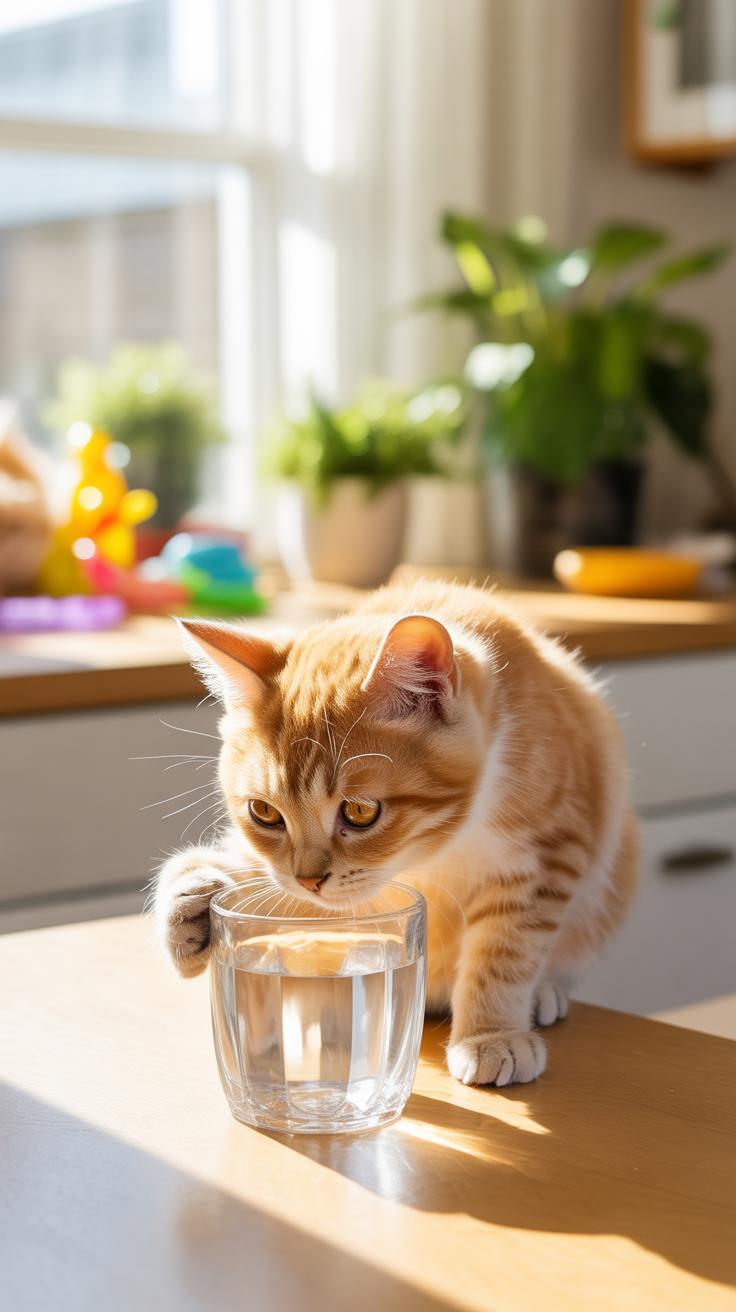
Symptoms That Should Prompt An Immediate Veterinary Visit
Pet owners often mistake increased thirst for a healthy habit. However, polydipsia usually signals a serious internal failure. You must track physical changes alongside water intake. If your cat stops grooming or hides, the situation is critical. Look for rapid weight loss despite a normal appetite. These signs indicate your cat cannot process nutrients or regulate hydration levels properly.
- Lethargy and Weakness: A cat that refuses to move or jump lacks sufficient energy. This exhaustion often stems from metabolic imbalances or organ failure. If your cat stays in one spot for hours, seek help immediately to prevent further physical decline.
- Vomiting and Nausea: Frequent vomiting leads to rapid dehydration. This creates a dangerous cycle where the cat drinks more but loses electrolytes. This symptom commonly appears with kidney issues or toxic buildup in the blood. Urgent care is necessary to stop fluid loss.
- Foul Breath Odor: Ammonia-smelling breath indicates that the kidneys are not filtering waste. This buildup of toxins is known as uremia. If you smell a chemical or metallic scent coming from your cat’s mouth, the renal system is likely failing at a high rate.
- Yellowing Of Skin: Icterus or jaundice shows up as yellow tints in the ears or gums. This happens when the liver cannot process bilirubin. Liver disease causes extreme thirst and requires medical intervention. Monitor the whites of the eyes for any slight color changes daily.
- Changes In Appetite: Some cats eat more while others stop entirely. Hyperthyroid cats often act hungry but lose weight. Kidney disease usually causes a total loss of appetite. Any shift in eating habits combined with drinking too much water means the body is in crisis.
Act fast when you see these clinical signs. Do not wait for the symptoms to disappear on their own. Early detection saves lives and reduces medical costs. A vet will perform blood tests and urinalysis to find the cause. These tests identify if the issue is diabetes, kidney disease, or hyperthyroidism. Secure a carrier and transport your cat to a clinic now.
Why Increased Urination Often Accompanies Excessive Water Drinking In Cats
Polyuria and polydipsia work as a linked biological response. When a cat has diabetes, excess glucose spills into the urine. This sugar pulls water out of the body through osmosis. The cat must drink more to replace the fluid lost in the litter box. Without this extra water, the cat would suffer from life-threatening dehydration within a very short time.

Kidney disease also disrupts the ability to concentrate urine. Healthy kidneys keep water in the body and only expel waste. Damaged kidneys let water flush out constantly. This creates a cycle where the cat feels thirsty because it cannot hold onto fluids. The frequent trips to the litter box are not a choice. The body is simply losing its the ability to maintain a proper water balance.
How Vets Diagnose The Root Cause Of A Cat Drinking Too Much Water
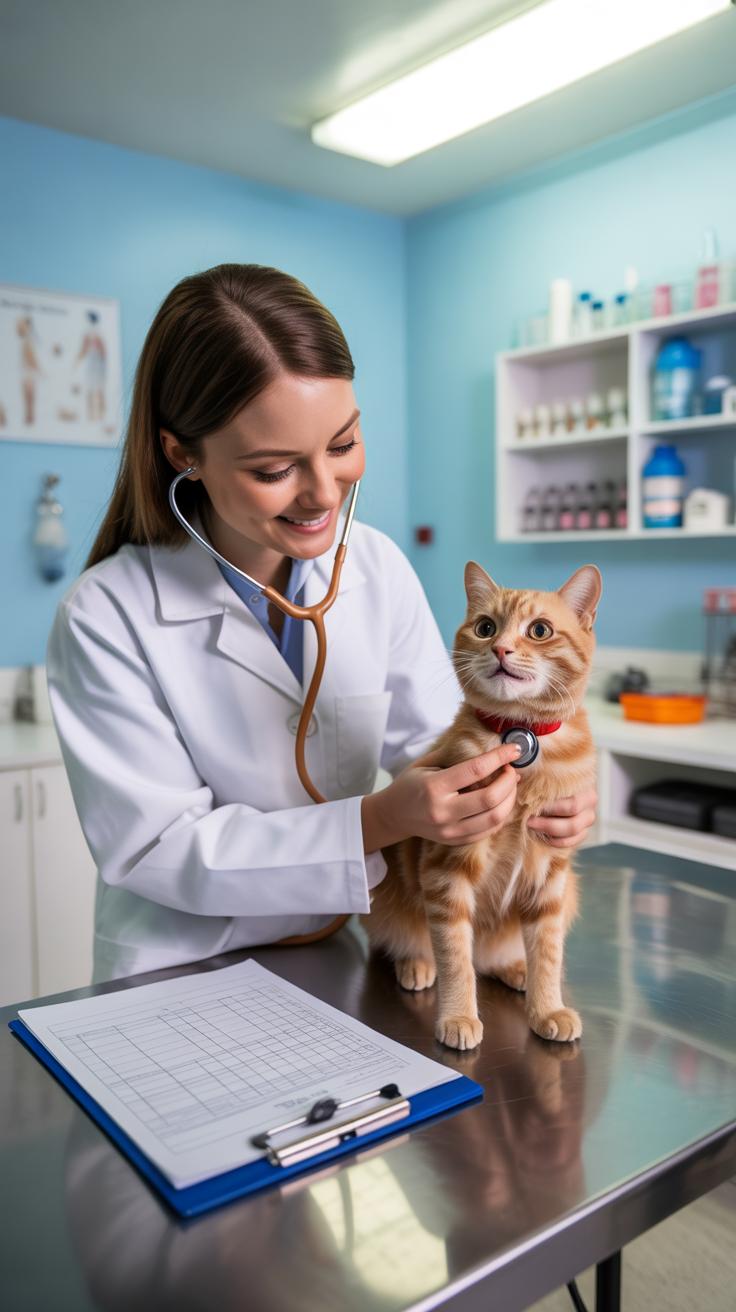
Diagnostic Tests Your Vet Will Likely Recommend For An Overdrinking Cat
Vetinarians start with a complete blood count and a chemistry profile. These tests measure organ function and blood sugar levels. High glucose indicates diabetes mellitus. Elevated kidney values suggest renal failure. These markers prove essential for identifying the specific systemic failure causing excessive thirst. Doctors look for chemical imbalances that force the body to demand more fluids for survival.
Urinalysis serves as the second vital step in the diagnostic process. The vet checks urine concentration and looks for protein or bacteria. Dilute urine often points to kidney disease or issues with the pituitary gland. Presence of ketones or glucose confirms metabolic disorders. These objective laboratory results remove guesswork. They allow the medical team to stabilize the cat and create an effective treatment plan immediately.
What To Expect During The Veterinary Consultation For Polydipsia
The consultation begins with a detailed physical examination. The vet feels the abdomen to check for enlarged kidneys or liver masses. They assess the cat for dehydration by checking skin turgor and gum moisture. This hands-on assessment identifies immediate physical threats. The doctor also examines the thyroid gland in the neck. Hard lumps here often signal hyperthyroidism which frequently drives increased water intake.
Expect a focused interview about your cat’s daily habits and environment. The vet needs precise data on water volume consumed over twenty-four hours. They will ask about changes in appetite, litter box frequency, and activity levels. Provide clear facts without guessing. Accurate history helps the vet distinguish between behavioral issues and physical illness. This specific information guides which advanced imaging or blood panels the clinic performs next.
How To Encourage Healthy Cat Drinking Water From Bowl Habits At Home
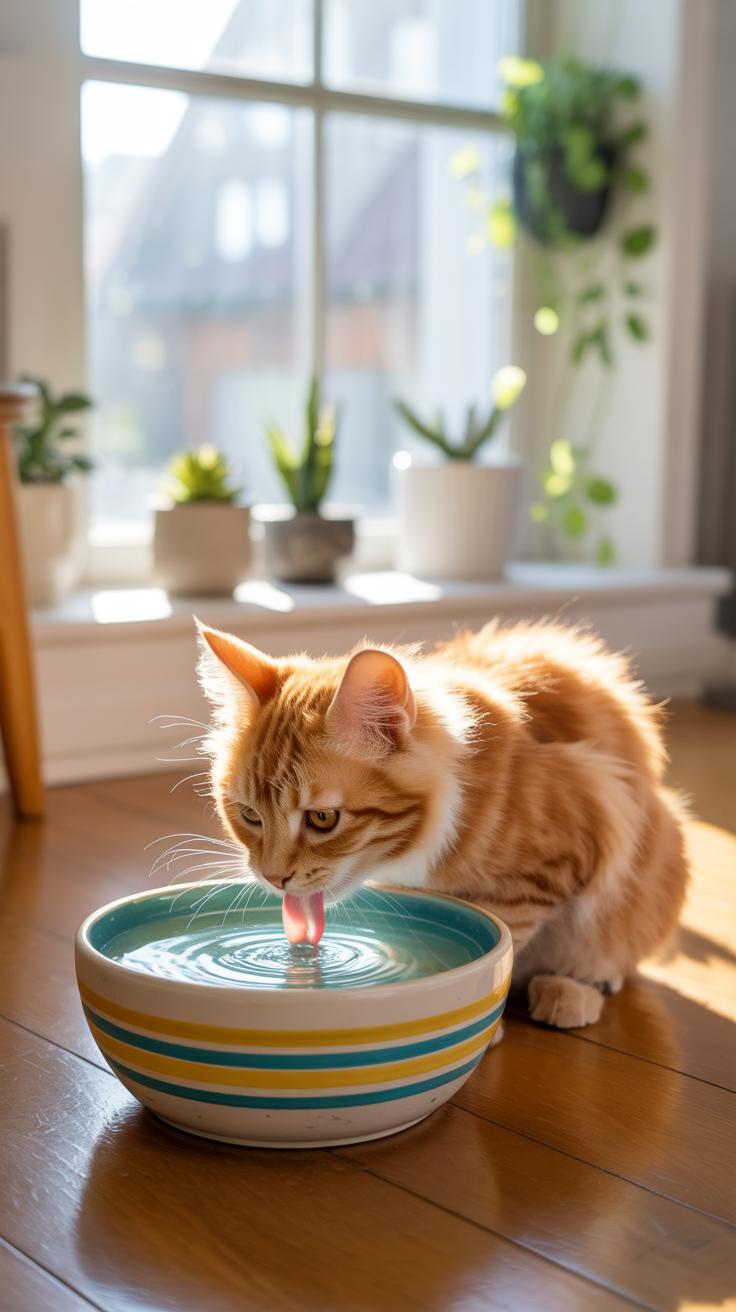
Should You Give Your Cat Drinking Cold Water Or Room Temperature Water
Cats descended from desert hunters that consumed fresh prey. Their physiology prefers water temperatures that mimic natural environments. Most cats favor room temperature water because it signals safety and freshness. Cold water can sometimes stun their digestive system or cause them to drink less. Room temperature water aligns with their biological instincts. It ensures the cat drinks the volume it needs for kidney health.
Consistency matters more than extreme temperatures. Provide fresh water twice daily to prevent bacterial growth and dust accumulation. Stagnant water at any temperature discourages drinking. If your cat avoids the bowl, check the water temperature. Ensure it stays neutral to encourage regular intake. Avoid ice cubes unless the environment is dangerously hot. Neutral water promotes the best hydration results for your pet.
Practical Tips To Promote Proper Hydration For Your Cat Every Day
Strategic placement and bowl material choice dictate how much your cat drinks. Cats instinctively avoid water located too close to their food source or litter box. This behavior prevents cross-contamination in the wild. Use wide, shallow bowls made of stainless steel or ceramic to avoid whisker fatigue. These materials do not harbor bacteria like plastic bowls. Follow these tactical steps to increase daily water intake.
- Multiple Water Stations: Place water bowls in different rooms throughout your home. This gives the cat easy access to hydration without moving far from their resting spots. It mimics natural foraging and increases the frequency of drinking.
- Running Water Sources: Install a cat fountain to provide filtered moving water. Many cats prefer the sound and sight of running water over standing water. It triggers their hunting instincts and suggests the water is fresh and oxygenated.
- Wide Bowl Design: Use bowls that allow the cat to drink without their whiskers touching the sides. Whisker fatigue causes stress and discourages long drinking sessions. Shallow metal or glass pans work best for cats with sensitive facial nerves.
- Separation From Food: Move the water bowl at least three feet away from the food bowl. Cats view water near food as potentially contaminated by organic waste. Separating these resources significantly increases the amount of water a cat will consume.
- Freshness Routine: Scrub the water bowl with soap and water every single day. Slime and biofilm build up quickly on the surface of the container. Cats have a sharp sense of smell and will reject water that smells even slightly off.
Dietary adjustments provide a massive boost to overall hydration levels. Wet food contains significantly more moisture than dry kibble. Transitioning your cat to a canned diet solves many hydration issues immediately. If the cat refuses wet food, add a tablespoon of feline-safe broth to the water. Monitor their intake patterns every day. Consistent observation allows you to spot changes in their drinking habits early.
Can Cats Drinking Water Together Signal A Shared Health Or Social Pattern
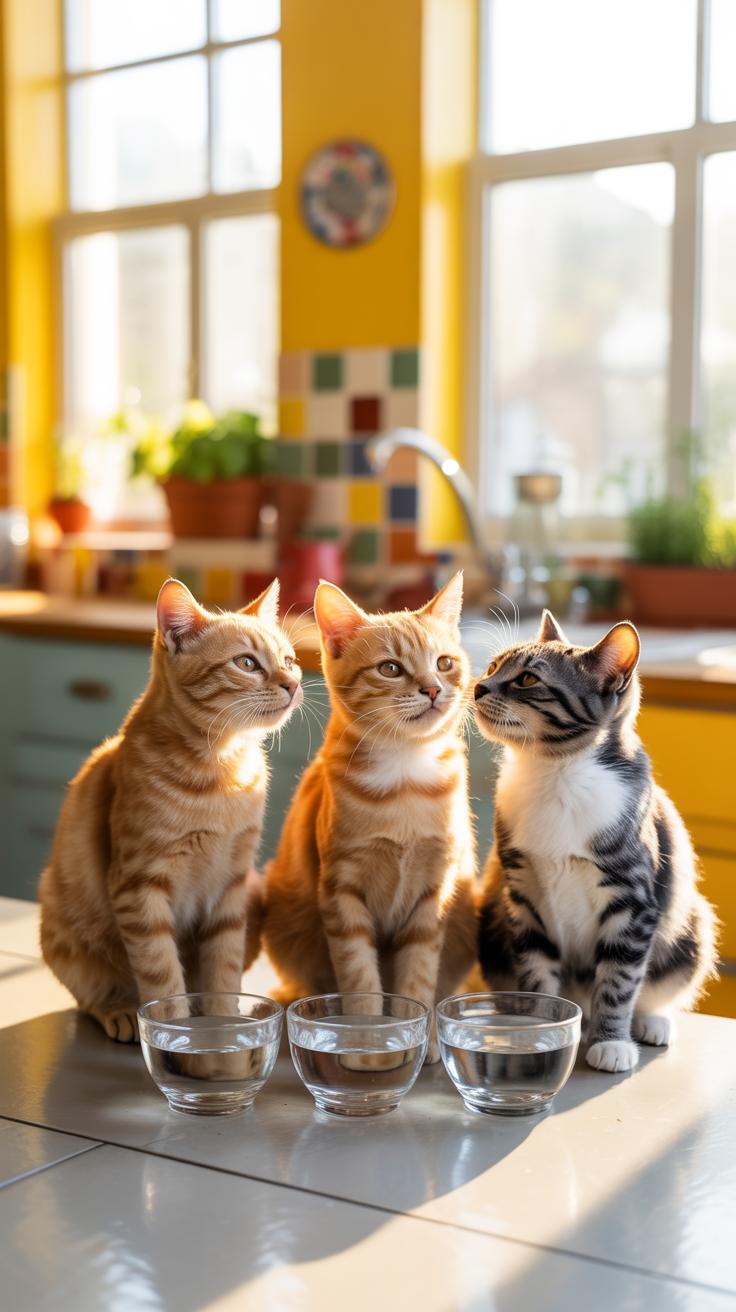
Guidance What Social Drinking Behavior In Multi Cat Households Can Reveal
Cats are not naturally social drinkers. They evolved from desert ancestors who viewed water sources as high-risk areas. If your cats congregate at the bowl, it indicates a strong social bond or a perceived limited resource. This behavior suggests the cats feel safe together. However, communal drinking can mask individual health issues. One cat might dominate the bowl and prevent others from drinking.
Shared environment factors often lead to simultaneous thirst. High indoor temperatures or dry air affect every cat in the house. Feeding the same dry kibble diet to all pets creates a collective need for extra hydration. If all cats start drinking more at the same time, check your home climate or food batch first. Sudden group changes in thirst usually point to external environmental stressors rather than a shared disease.
How To Monitor Individual Water Intake When You Have Multiple Cats
Tracking a single cat drinking too much water requires strategic separation. You must isolate the suspected cat to measure their exact intake over twenty-four hours. Use measuring cups to fill the bowl and subtract the leftovers. This data provides the concrete evidence your vet needs. Digital water fountains with tracking sensors now allow you to monitor specific pets via microchip or collar tags.
Marking water levels on clear bowls helps identify spikes in usage. Place multiple water stations throughout the house to reduce competition and observe habits. Watch for how long each cat stays at the bowl. A cat spending minutes at a time drinking likely has an underlying medical condition. Direct observation remains the most reliable method for identifying which pet is overcompensating for a health issue.
Frequently Asked Questions

When should I be worried about my cat’s daily water intake?
It is normal for cats to drink more if they eat dry kibble or if the weather is warm. However, if you notice your cat drinking too much water alongside changes in appetite or lethargy, it may signal an underlying health issue like diabetes or kidney disease. Monitoring their behavior is key; a sudden, persistent increase in thirst typically warrants a professional consultation with your local veterinarian to rule out serious medical conditions.
How can I accurately track how much water my cat consumes daily?
To determine if your cat drinking too much water is a real trend, start by using a measuring cup to fill their bowl to a specific level each morning. At the end of twenty-four hours, pour the remaining water back into the measuring cup to see exactly how many milliliters were consumed. If you have multiple pets, consider using a smart water fountain or temporary isolation to get an accurate reading for one specific cat.
Are there affordable ways to manage my cat’s hydration without expensive equipment?
Managing hydration doesn’t require high-end gadgets. You can encourage healthy drinking habits by placing multiple water bowls around your home or adding a splash of tuna juice to their water for flavor. If you are concerned about your cat drinking too much water due to dehydration from a dry diet, try mixing a little plain water into their wet food. These simple, low-cost adjustments help maintain balance while you monitor their health on a budget.