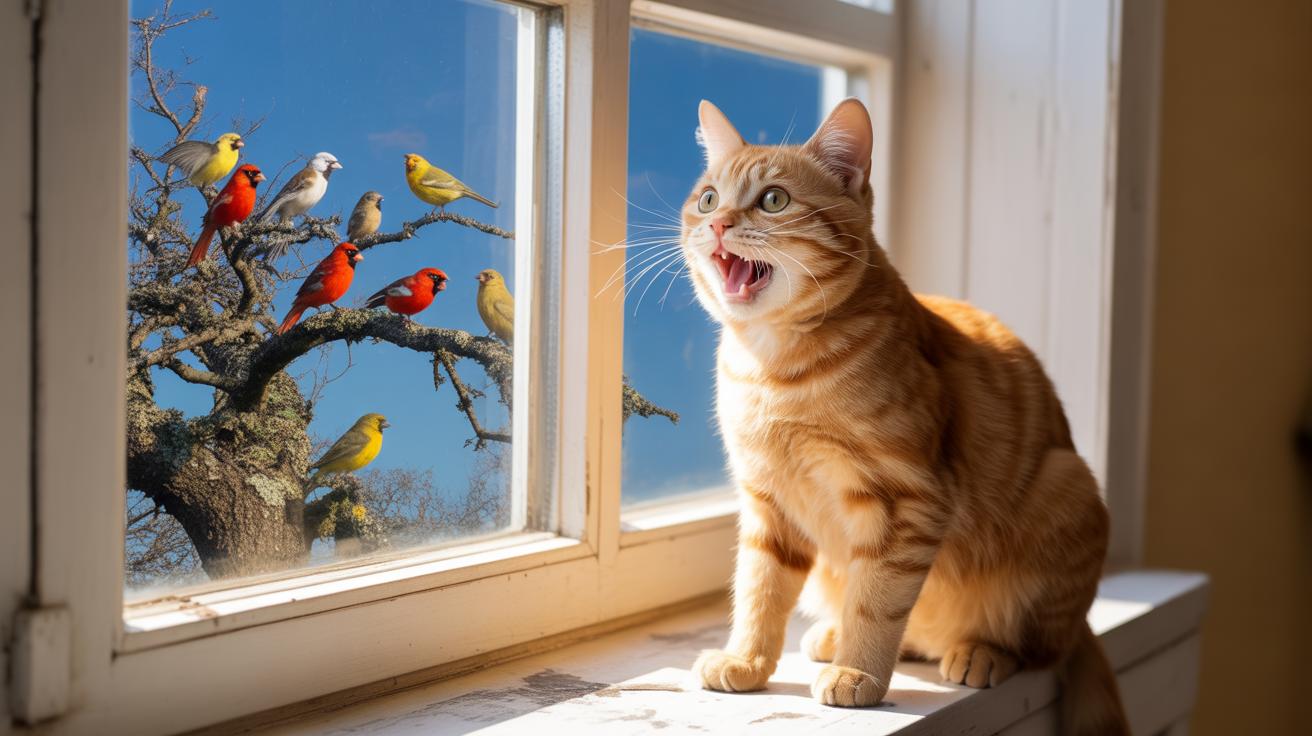
What Is Cat Chirping And Chattering Understanding This Unique Cat Behavior
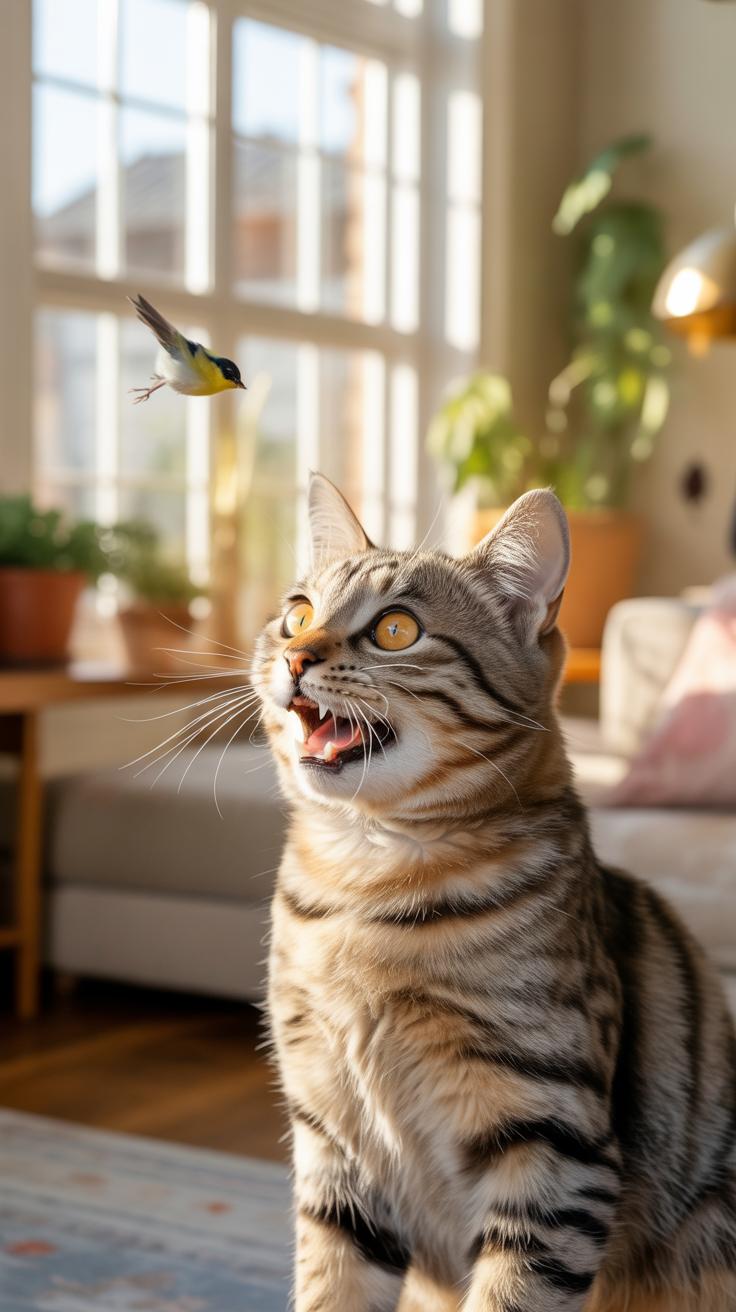
How Chirping And Chattering Sound Different From Other Cat Vocalizations
Chirping and chattering differ from standard feline vocalizations like meowing or hissing. A meow serves as a social tool to communicate with humans. Hissing acts as a defensive warning. Chirping is a high-pitched bird-like sound. It is a short and staccato noise. Cats use this specific sound when they see prey they cannot reach. It signals intense excitement and focused concentration.
Chattering is a rhythmic clicking sound. It often happens at the same time as chirping. You will hear it when your cat watches birds through a window. This sound is not meant for social interaction. It is a biological response to predatory stimuli. The cat is reacting to the visual of a moving target. These sounds are involuntary and indicate high levels of feline arousal.
Which Muscles And Jaw Movements Produce The Chattering Sound In Cats
The chattering sound comes from rapid jaw movements. The cat opens and closes its mouth in quick succession. These movements involve the masseter and temporal muscles. These are the same muscles used for chewing and biting. The teeth often tap together to create the clicking noise. This physical action mimics the killing bite used by wild felids to dispatch small prey quickly.
The jaw moves at a high frequency during this behavior. It is a vacuum activity meaning the cat performs the killing motion without physical contact. The throat muscles also engage to produce accompanying chirps. This physiological response shows the cat is primed for a hunt. Even household cats retain these ancestral motor patterns. The window acts as a barrier that triggers this distinct physical reaction.
The Predatory Instinct Behind Why Cats Chirp At Birds On The Window
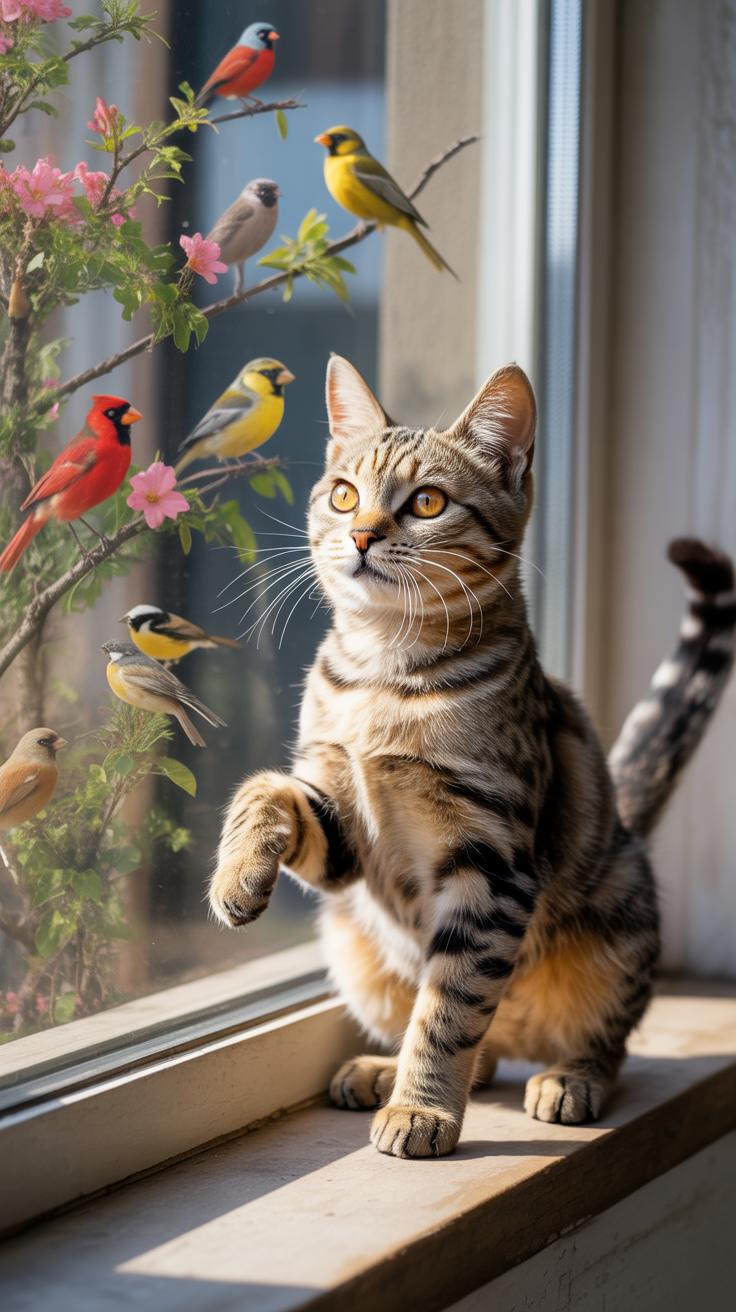
How Cats Watching Birds Through The Window Triggers Their Hunting Drive
Cats possess a hardwired neural circuit for hunting. Visual movement from a bird activates the superior colliculus in the cat brain. This area controls head and eye movements toward prey. Watching a bird through glass triggers an automatic physiological response. The cat enters a high state of arousal. Adrenaline levels rise as the feline tracks every movement of the target bird outside the window.
The specific chirping sound relates to the kill bite. This jaw movement mimics the action used to snap a prey animal neck. It is a motor pattern reflex. Experts suggest this is an involuntary rehearsal of the hunting act. The cat sees the bird and its body prepares for the strike. The hunting drive is an ancient survival mechanism that modern domestic environments cannot fully suppress.
Why The Glass Barrier Intensifies A Cat’S Predatory Frustration And Vocalization
Glass creates a sensory conflict for the cat. The predator sees the prey clearly but lacks the physical access to complete the hunt. This blockage causes immediate psychological frustration. The cat cannot engage in the final stages of the predatory sequence. These stages include the stalk, pounce, and kill. This lack of completion leads to high stress levels and vocal outbursts like chatter or chirps.

Blocked access forces the cat to release pent-up energy through vocalization. The sound serves as a physical outlet for the inability to move forward. This state is known as redirected frustration. The cat remains locked in the visual phase of hunting. Without a physical target to touch, the cat continues to vocalize and twitch. The window acts as a psychological tease that maintains the cat in a high-alert state.
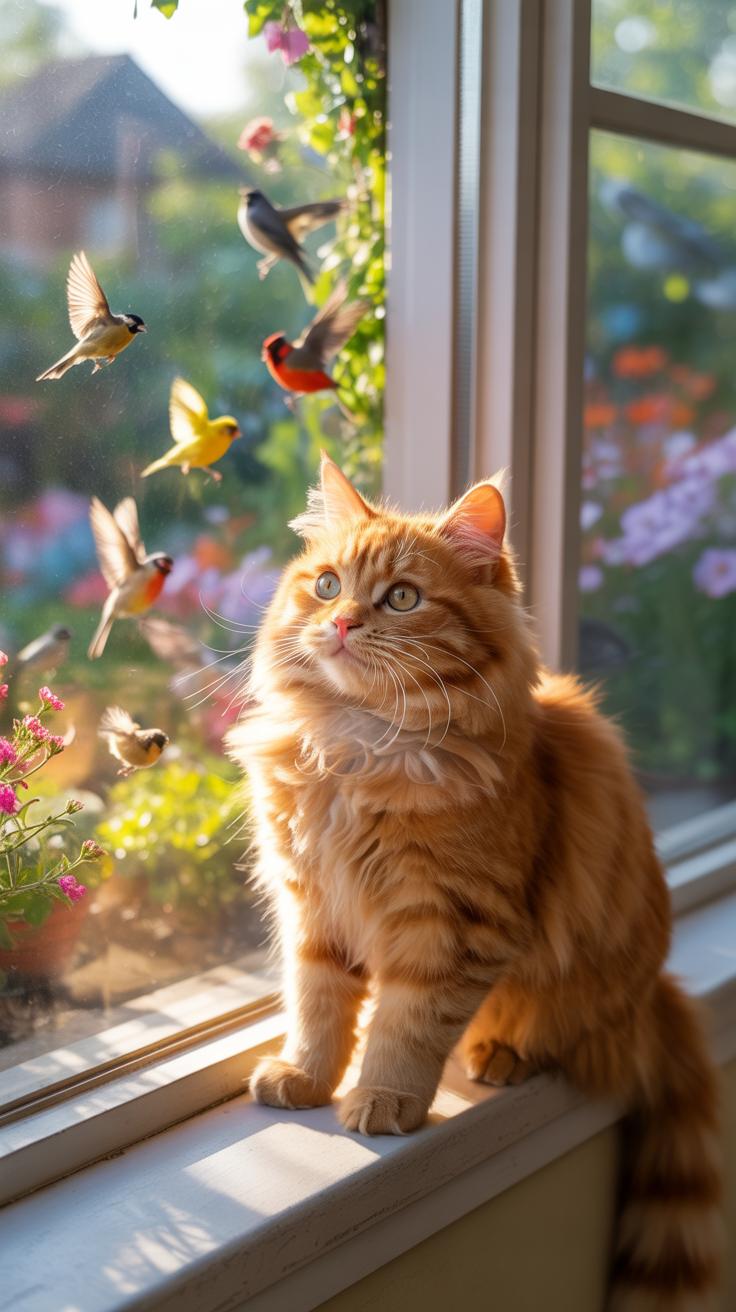
Frustration And Excitement The Emotional State Of Cats Watching Birds Through The Window
What Behavioral Scientists Say About Predatory Frustration In Domestic Cats
Behaviorists define cat chattering as a response to an unreachable target. This sound signals extreme predatory frustration. The cat sees the bird and its brain triggers a high hunting drive. Glass creates a physical barrier that stops the final kill bite. This blockage causes a surge of adrenaline and cortisol. The cat wants to strike but cannot engage the prey directly.
Scientific study suggests the rapid jaw movement mimics the crushing neck bite used in the wild. Domestic cats retain these ingrained motor patterns. When the bird flies away or stays out of reach, the cat experiences a psychological letdown. This state is not fear or anger. It is a specific type of stress born from blocked instinct. The chirp serves as a vocal outlet for this internal tension.
How A Cat’S Body Language On The Window Sill Reveals Its Emotional State
A cat watching a bird shows clear physical signs of arousal. The pupils dilate to take in more light and track movement better. The ears point forward toward the bird to catch every sound. You will see the tail twitch sharply or lash back and forth. This movement indicates high agitation. The cat is not relaxed. It is in a state of intense focused alertness.

The posture often changes from sitting to a low crouch. The cat might press its chest against the window sill. This position prepares the muscles for a sudden spring. The whiskers flare forward to sense the immediate environment. If the cat begins to pace or meow loudly, the frustration has peaked. These physical cues prove the bird is a high value stimulus that demands a physical response.
Cat Communication Is Your Cat Trying To Talk To The Birds
The Mimic Theory — Can Cats Imitate Bird Sounds As A Hunting Strategy?
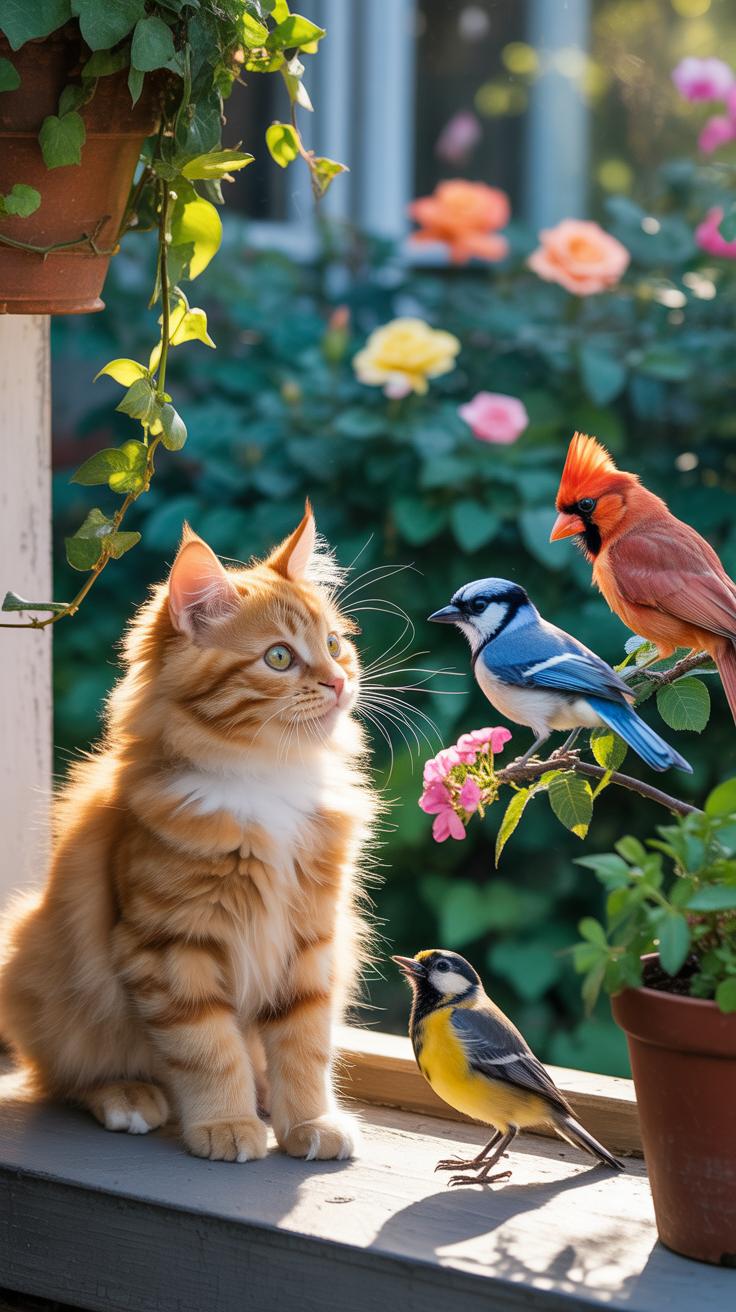
Some researchers believe cats use vocal mimicry to lure prey. This theory stems from observations of wild cats like the margay in the Amazon. These felines imitate the calls of small monkeys to draw them closer for an easy kill. Your domestic cat may use a similar psychological tactic. Chirping mimics the high-pitched frequency of bird vocalizations to decrease the prey’s alert response.
This behavior represents a specialized hunting strategy rather than friendly social interaction. Cats do not want to talk to birds. They want to neutralize them. By matching the sound of the target, the cat creates a momentary window of confusion. This distraction allows the predator to close the distance before the bird realizes the danger. The window glass prevents the kill but the instinct remains.
How Chirping Functions As A Form Of Cat Communication Beyond Bird Watching
Chirping serves as a high-value communication tool between cats and their owners or peers. In a domestic setting, a cat often chirps to get your attention or lead you toward a specific goal. This sound is distinct from a standard meow. It acts as a polite command or an acknowledgment. Mothers also use short chirps to tell their kittens to follow them during movement.

The sound signals a state of positive excitement or anticipation. You will hear it when you reach for a favorite toy or a treat bag. It functions as a social lubricant within the home environment. Unlike the aggressive chatter directed at birds, this version of the sound promotes group cohesion. It tells the listener that the cat is engaged and ready for a desired activity.
The Indoor Cat Experience Why Window Bird Watching Matters So Much
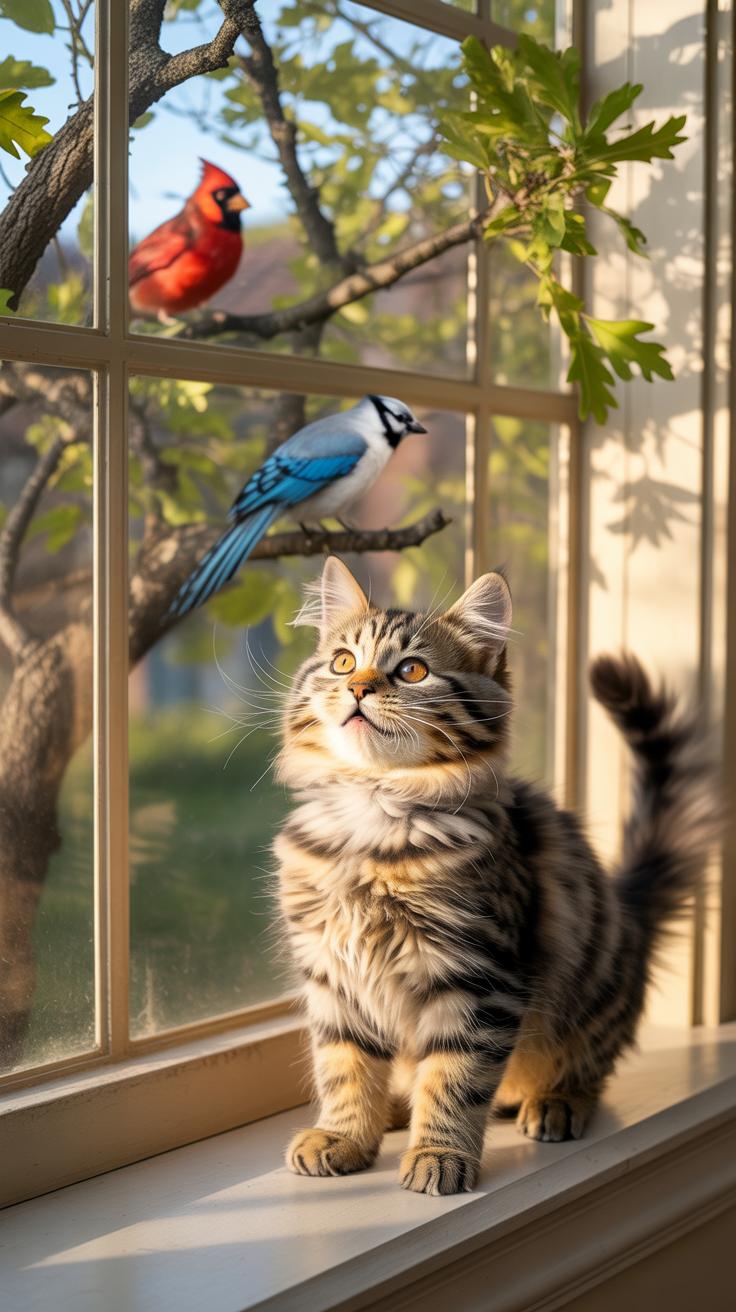
Why Bird Watching Through The Window Is A Critical Enrichment Activity For Indoor Cats
Indoor cats live in static environments with limited sensory input. Window bird watching provides essential visual and auditory stimulation that mimics a natural habitat. This activity engages the cat’s predatory drive and prevents boredom. It acts as a mental workout by forcing the brain to process fast movements. Constant engagement keeps the animal alert and helps maintain healthy cognitive function over time.
Regular observation of birds reduces stress and curbs destructive behaviors caused by inactivity. Cats are biological hunters designed for high-intensity tracking and stalking. A window serves as a safe screen that provides hours of free enrichment. Without this outlet, indoor cats often become lethargic or develop anxiety. Access to a clear view of prey creates a vital link to the outside world for confined animals.
That little chatter is the music of a soul reaching out to the wild, a sweet bridge between a cozy windowsill and the ancient sky.
How The Lack Of Outdoor Access Amplifies Chirping And Chattering Behaviors In Indoor Cats
Barriers like glass windows prevent cats from completing the predatory sequence. An indoor cat sees the prey but cannot physically reach it. This physical limitation leads to the specific vocalizations known as chirping or chattering. Scientists believe these sounds signal extreme excitement or high levels of frustration. The sound mimics the vibration of the jaw during a real kill bite to a bird’s neck.

The inability to hunt outside forces the cat to manifest its instincts through sound. Since the cat cannot use its claws or teeth, it uses vocal cords to express intense focus. This behavior is more common in indoor cats because they never achieve the physical resolution of the hunt. The glass creates a permanent state of anticipation. This cycle of watching and vocalizing becomes their primary method of expending predatory energy.
Birds For Cats To Watch Which Bird Species Trigger The Most Chirping
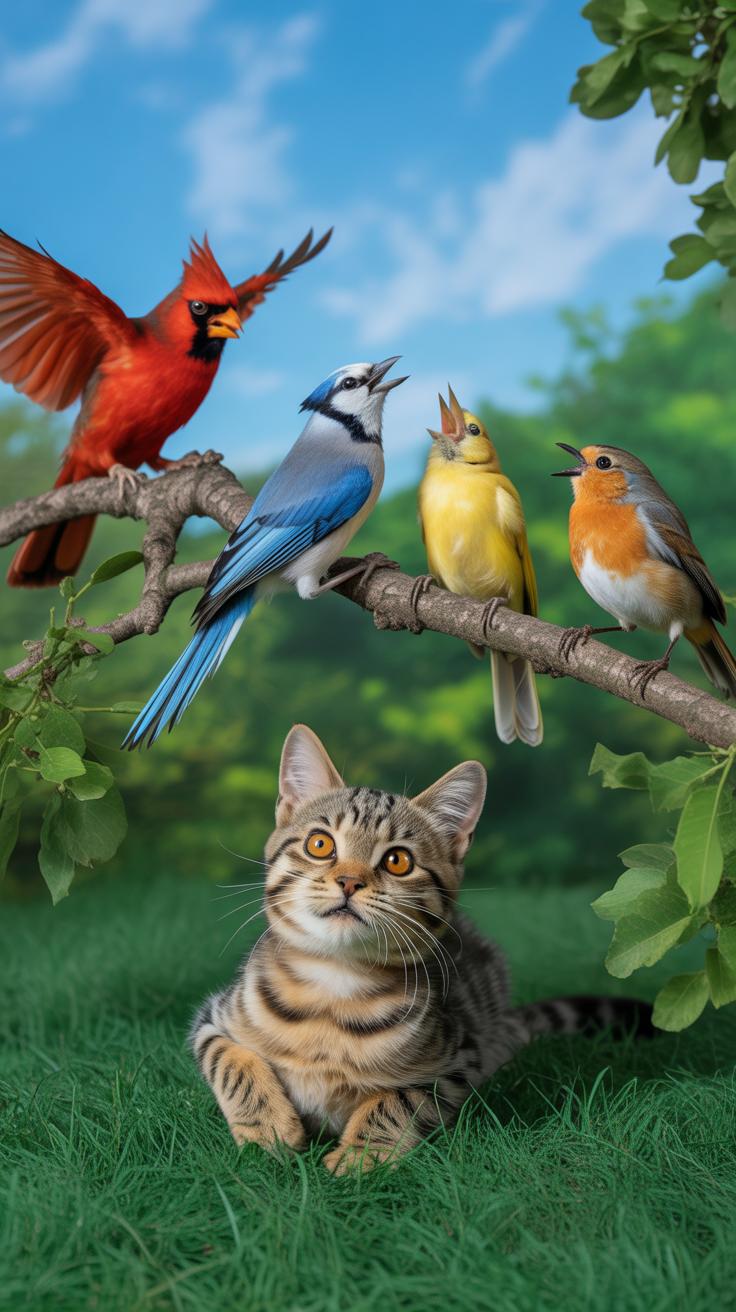
Why Small, Fast Moving Birds Stimulate The Strongest Prey Response In Cats
Small birds like finches and chickadees move with high frequency. These species dart quickly and change direction in an instant. This rapid motion matches the exact visual triggers of the feline hunting instinct. Cats prioritize fast movements over size when Selecting a target. The jerky flight patterns of these birds signal vulnerability. This visual input travels directly to the cat’s predatory motor center.
The sound of small birds also plays a role in feline arousal. High-pitched chirps mimic the vocalizations of rodents. Cats associate these thin sounds with successful kills. When a bird flutters its wings rapidly near glass, it triggers the involuntary jaw chattering known as chirping. This behavior reflects extreme frustration or anticipation. The cat sees the prey but cannot reach it. This barrier increases the intensity of the response.
How Bird Feeders Placed Near Windows Create Prime Enrichment Zones For Cats
Strategic bird feeder placement turns a standard window into a high-value stimulation point. Positioning a feeder within ten feet of the glass provides clear visual data for the cat. This proximity allows the cat to see fine details like feather movement and beak snapping. These details sustain long-term interest and prevent boredom. This setup acts as a form of passive exercise for the cat’s brain.

Regular feeding schedules create reliable hunting sessions for indoor pets. Birds return to the same spot at specific times of day. Cats learn these patterns and wait by the window in anticipation. This routine provides necessary mental structure for animals living in confined spaces. While the cat cannot catch the bird, the visual tracking exercise burns mental energy. This activity reduces stress and prevents destructive behaviors in the home.
Cat Owners Guide How To Safely Encourage Healthy Bird Watching Habits
Top Tips For Setting Up The Perfect Window Perch For Your Cat To Watch Birds
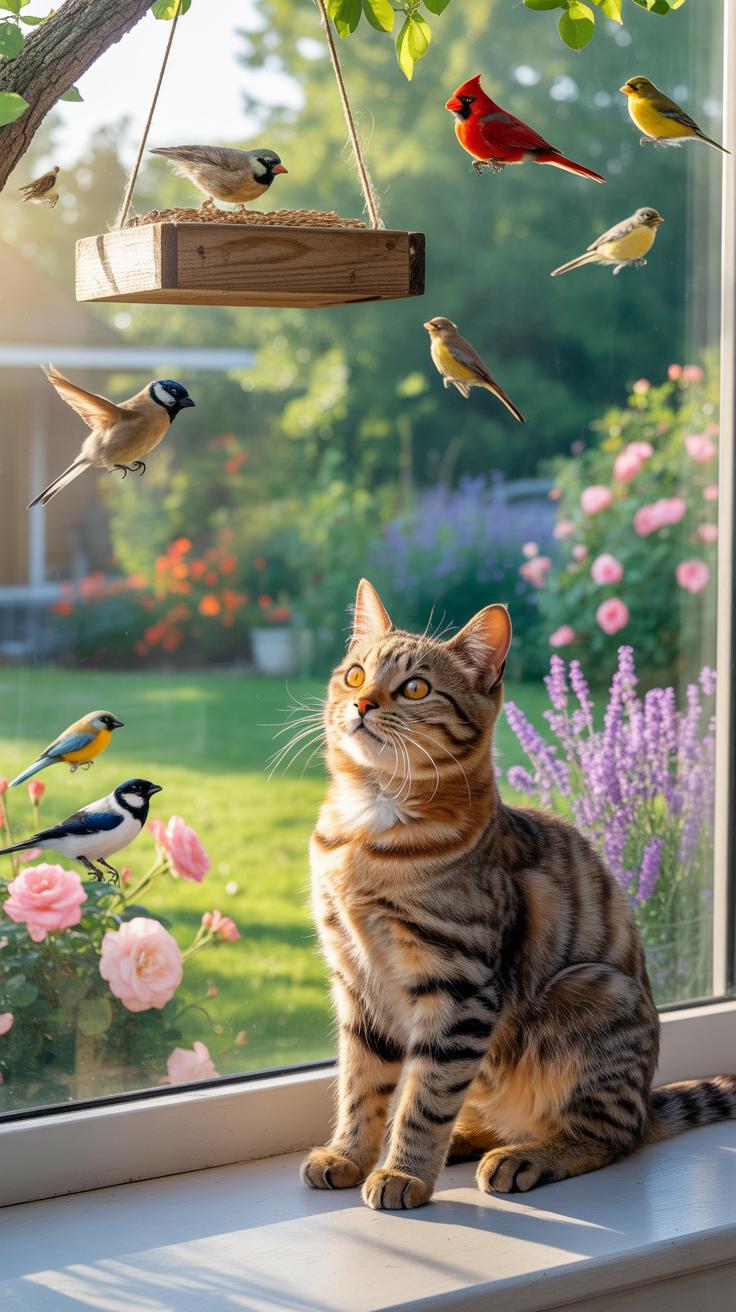
Strategic placement of cat perches maximizes visual input while maintaining feline comfort. Position the perch at eye level with outdoor bird feeders to trigger natural tracking instincts. Secure the platform to the wall or window sill to prevent falls during sudden movements. Use durable materials like wood or heavy duty plastic to ensure long term stability during high energy chattering sessions.
- Solid Surface Mounting: Attach the perch directly to the window sill using screws or heavy duty brackets. Felines need a stable base when they shift their weight rapidly during prey tracking. A wobbly surface causes physical stress and may discourage use of the viewing area entirely.
- Adjustable Height Pedestals: Use free standing cat trees with multiple levels to offer various viewing angles. Different heights allow the cat to choose its proximity to the glass. Elevating the cat provides a sense of security and a tactical advantage over the perceived prey outside.
- Comfortable Padding: Line the perch with washable fleece or microfiber towels to provide traction. Soft surfaces trap heat and keep the cat comfortable during long observation periods. Ensure the padding does not slip or interfere with the cat’s ability to grip the edge of the platform.
- External Feeder Placement: Install bird feeders roughly six to ten feet away from the window glass. This distance prevents birds from flying into the pane while keeping them in clear sight. Proper spacing ensures the cat remains engaged without experiencing the frustration of a barrier that feels too close.
- Visual Privacy Zones: Leave one side of the perch open and the other shielded by a curtain or furniture. Cats need the option to retreat if they feel exposed or overstimulated. Providing an easy exit route reduces the risk of redirected aggression toward other pets or humans.
Select a window that receives indirect sunlight to prevent the cat from overheating during peak hours. Avoid windows near loud outdoor equipment or high traffic areas that might scare the animal. A quiet location allows the cat to focus entirely on the birds. Quality viewing setups improve domestic life by mimicking the environmental complexity found in the wild without the associated risks.
How To Balance Bird Watching Stimulation Without Overstressing Your Cat
Staring at unreachable prey for hours causes significant neurological frustration in domestic felines. This state of constant arousal without a physical kill often leads to redirected aggression. You must monitor your cat for signs of agitated tail lashing or frantic pacing. If the cat cannot disengage from the window, it is time to interrupt the visual cycle with physical play.

Provide a physical outlet immediately after a long bird watching session to complete the predatory sequence. Use a wand toy or laser to simulate a hunt that the cat can actually win. This transition shifts the cat from a state of mental tension to physical exertion. Ending the session with a small meal or treat reinforces the successful conclusion of the hunt and lowers stress.
Cats Chasing Birds Understanding The Difference Between Indoor Chirping And Outdoor Hunting
How Outdoor Hunting Behavior Compares To The Window Chirping Response In Domestic Cats
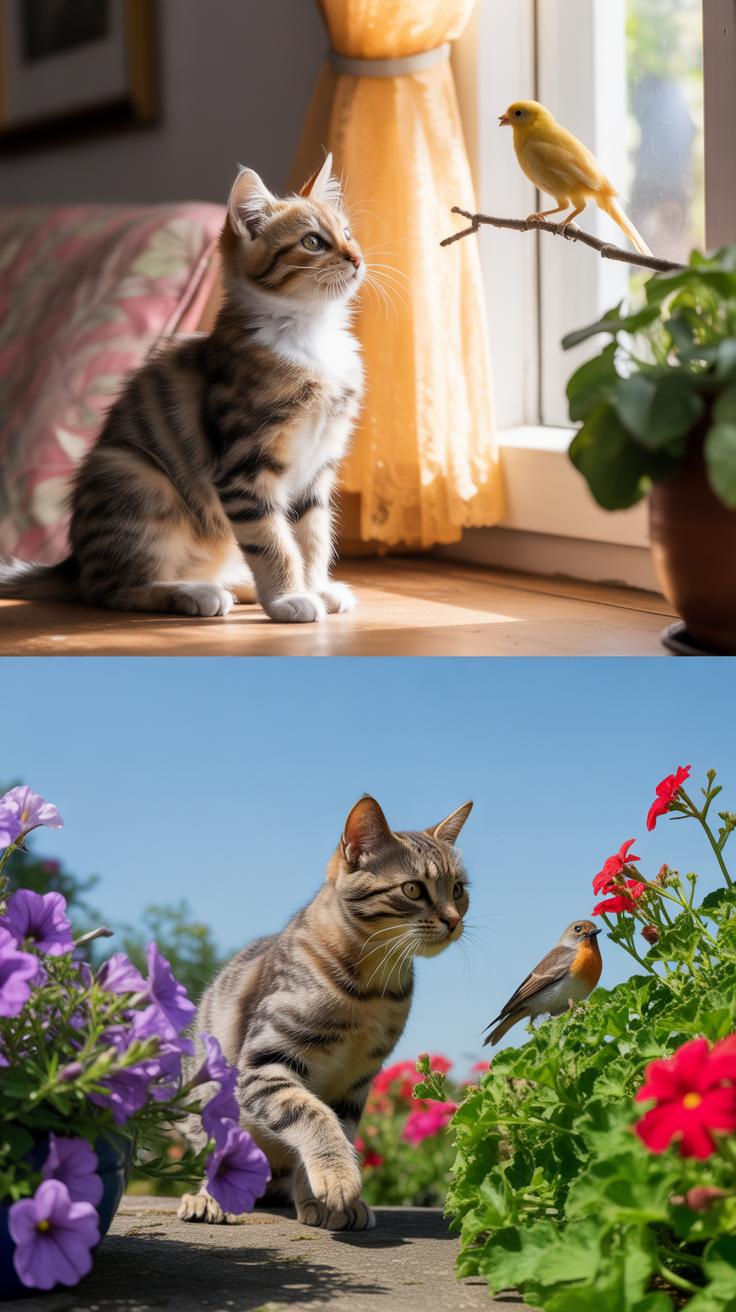
Outdoor hunting is a silent and calculated process. Cats use stealth to approach prey without making a sound. They keep their bodies low to the ground and move slowly. This behavior maximizes the chance of a successful kill. Chirping does not happen during a real hunt because noise alerts the prey. Success depends on the element of surprise and physical contact.
Window chirping is a displacement activity caused by a physical barrier. The glass prevents the cat from completing the hunt. This frustration triggers the jaw chattering and vocalizations you hear. Indoor cats mimic the killing bite through the air because they cannot reach the bird. It is a reflex triggered by visual stimulation. Real hunting requires silence while window watching leads to vocalized excitement.
Why Keeping Cats Indoors Protects Both Your Cat And Local Bird Populations
Indoor cats live significantly longer lives than outdoor cats. They avoid risks like vehicles, predators, and contagious diseases. Keeping a cat inside eliminates the threat of physical injury from fights. You control their environment and diet entirely. This management reduces veterinary costs and prevents unexpected accidents. An indoor life provides total safety for the animal while satisfying their predatory drive through play.

Domestic cats hunt even when they are not hungry. They kill billions of birds and small mammals every year. This predation disrupts local ecosystems and reduces bird populations. Keeping cats behind glass allows them to watch birds without causing harm. It preserves biodiversity in your neighborhood. You protect the wildlife while giving your cat a safe place to observe their natural instincts.
When To Be Concerned Is Excessive Chirping At Birds A Sign Of A Health Issue
How To Tell The Difference Between Normal Bird Watching Excitement And Stress Related Behavior
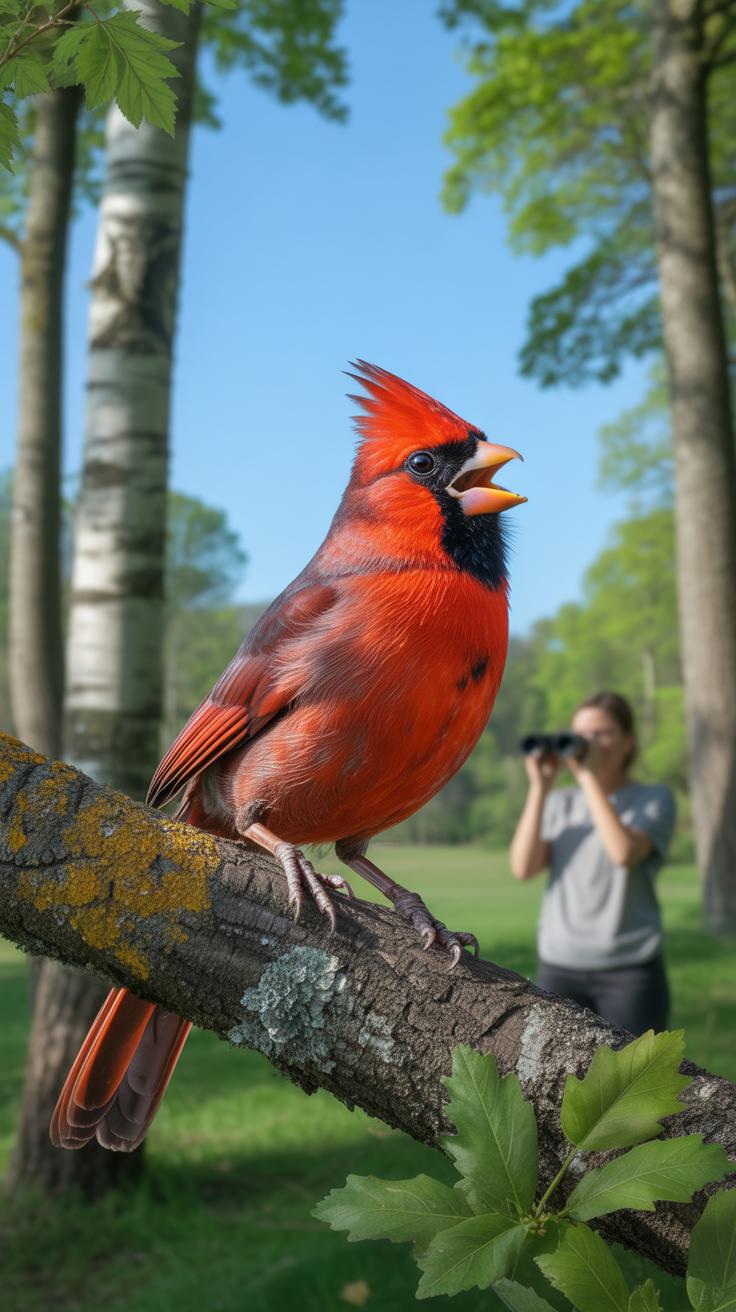
Normal bird-watching behavior involves brief bursts of vocalization followed by relaxation. A healthy cat chirps when it sees movement but returns to grooming or sleeping once the bird dies down or flies away. The physical body remains loose. The tail might twitch with excitement but does not lash violently. This indicates the cat processes the visual stimulus as a standard instinctual game.
Stress-related behavior manifests as an inability to disengage from the window. Displacement behaviors like over-grooming or pacing suggest the cat feels intense frustration rather than simple excitement. Watch for redirected aggression where the cat attacks housemates after watching birds. This shift means the predatory drive has nowhere to go. High stress levels can lead to urinary issues and chronic anxiety in indoor felines.
Warning Signs That Your Cat’S Window Behavior Warrants A Visit To The Veterinarian
Constant window watching can mask underlying medical or psychological issues. You must distinguish between a high prey drive and compulsive disorders. Chirping is natural until it interferes with basic survival needs like eating or sleeping. If the cat ignores food to stare outside for hours, the behavior is no longer healthy. Physical symptoms often follow prolonged periods of high-arousal stress.
- Redirected Aggression: The cat lashes out at humans or other pets immediately after chirping at birds. This surge in adrenaline creates a dangerous environment. It indicates the cat cannot regulate its emotional response to external stimuli.
- Compulsive Pacing: The cat moves back and forth along the window ledge without stopping. This repetitive movement suggests a stereotypic behavior often linked to high-stress environments. Chronic pacing can lead to physical exhaustion and joint strain over time.
- Excessive Grooming: Over-licking the belly or paws after bird watching signals displacement stress. Cats use grooming to self-soothe when they feel frustrated by a barrier. Bald patches or skin sores require a professional medical evaluation to rule out secondary infections.
- Vocal Distress: The chirping turns into long, low growls or loud yowls that persist after the birds leave. Persistent vocalization indicates the cat is in a state of hyper-arousal. This shift suggests the animal is experiencing mental distress rather than simple predatory play.
- Loss of Appetite: The cat refuses to leave the window for scheduled feedings or remains too tense to eat. Starvation or weight loss due to environmental obsession is a critical health risk. This behavior confirms the cat’s sympathetic nervous system is stuck in a loop.
Consult a veterinarian if these symptoms persist for more than a few days. They can rule out neurological issues or thyroid conditions that mimic hyper-arousal. Behavior modification or environmental changes may be necessary to lower the cat’s baseline stress. A professional can help you balance the cat’s natural instincts with a stable domestic life. Proper intervention prevents long-term damage to the cat’s mental health.
Frequently Asked Questions

What does it mean when my cat makes clicking noises at birds?
When your feline friend makes those strange clicking or trilling sounds, they are expressing a mix of predatory excitement and mild frustration. Many owners wonder why cats chirp at birds window views provide, and it usually stems from an instinctual hunting drive. The physical movement of the jaw often mimics the “kill bite” used in the wild, showing that your cat is fully engaged and mentally stimulated by the prey outside.
How can I safely encourage my cat’s window hunting behavior?
To support this natural instinct, place a sturdy cat tree or a suction-cup perch directly in front of a clear pane. If you are curious why cats chirp at birds window setups are so effective, it is because they offer a safe way to experience “cat TV.” To prevent overstimulation, ensure your cat has a nearby hiding spot and try engaging them with a feather wand immediately after a chattering session to satisfy their prey drive.
Are there affordable ways to give my cat a better bird-watching view?
You do not need expensive renovations to keep your pet entertained. Simply clearing a windowsill or moving a stable piece of furniture toward a window creates a perfect observation deck. Installing a DIY bird feeder just outside the glass is a low-cost way to attract wildlife. This provides endless free enrichment, allowing your cat to practice their unique vocalizations and instinctual behaviors without requiring a large financial investment or outdoor access.