What Is The Cat Slow Blink And Why Do Cat Facts Keep Surprising Us
Defining The Slow Blink: What It Looks Like In Real Life
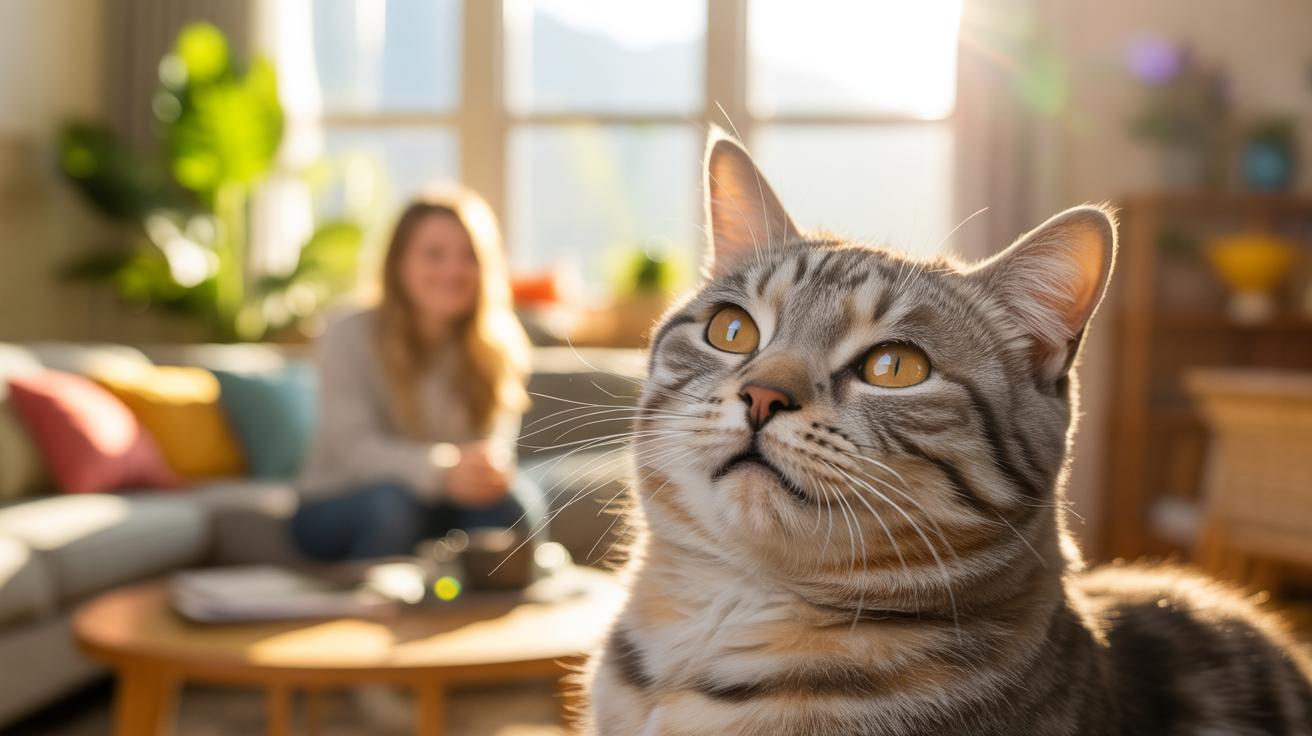
The slow blink is a series of half-blinks followed by a prolonged narrowing or closing of the eyes. Most owners mistake it for sleepiness. It is a deliberate facial movement. The cat makes eye contact and then lowers its lids slowly. This action reduces the perceived threat of a direct stare. It mimics the relaxed state of a secure predator.
You identify this behavior by watching the muscle tension around the cat’s brow. In a true slow blink, the eyes do not snap shut. They move with steady, rhythmic control. The cat often maintains a soft gaze afterward. This physical cue signals that the animal feels safe in its current environment. It indicates the feline has lowered its guard voluntarily.
Why Cat Facts About Eye Contact Continue To Fascinate Researchers And Owners Alike
Researchers study feline eye contact because it defies typical predatory behavior. In the wild, a sustained stare often signals an impending attack or a challenge for territory. The slow blink breaks this rule. Recent studies prove that humans can trigger this response by mimicking the action. This discovery changed how behaviorists view the domestic bond between humans and cats.
Owners remain fascinated because these facts bridge the communication gap. Understanding eye signals provides a tactical advantage in managing pet stress. Scientists now use eye narrowing to measure welfare in shelters and homes. These data points move the conversation away from myth and toward biology. Clear evidence shows that feline eyes are primary tools for social signaling and emotional regulation.

The Science Of Cat Communication Through Eyes And Expressions
How Cats Use Facial Expressions To Convey Emotions To Humans
Cats utilize complex facial muscles to signal their internal state to humans. Unlike dogs, cat expressions are subtle and rely on eye narrowness and ear position. Wide eyes often signal fear or high arousal in feline biology. In contrast, narrowed eyes indicate a state of relaxation or a lack of threat. Cats adapt these visual cues specifically to interact with their human owners.
Domestic cats have evolved to use facial signals as a primary tool for social bonding. They monitor human eye contact to gauge safety and attention. A cat that closes its eyes in your presence is performing a tactical display of vulnerability. This behavior proves the cat does not perceive you as a predator. It chooses to lower its defenses to strengthen the social bond.
What Research From The University Of Sussex Revealed About Cat Communication
The University of Sussex conducted a landmark study in 2020 on feline eye patterns. Researchers tested how cats respond to human eye movements in controlled environments. The data showed that cats are more likely to slow blink at owners who slow blink first. This proves that cats use eye narrowing as a reciprocal form of positive communication. It is a biological response to human cues.

The study also found that cats prefer approaching humans who utilize the slow blink technique. Neutral expressions or direct staring often trigger avoidance behaviors in test subjects. Direct eye contact is a sign of aggression in many animal species. The University of Sussex research confirms that narrowing the eyes acts as a feline smile. This specific eye movement reduces tension and facilitates peaceful social interaction.
Cat Behavior Decoded What Your Cat Is Actually Telling You
The Emotional Context Behind A Cats Slow Blink Toward Its Owner
A slow blink signals a state of high emotional vulnerability and safety. Cats are solitary hunters and potential prey for larger animals. Closing their eyes in your presence proves they do not view you as a threat. This action functions as a social lubricant to maintain a peaceful bond. It confirms the cat feels secure enough to drop its primary defense mechanism.
The gesture serves as an intentional communication tool between species. Scientific studies show cats are more likely to slow blink at owners who initiate the movement first. This reciprocal behavior builds a feedback loop of trust. It mimics the relaxed gaze found in non-aggressive feline colonies. Your cat uses this specific signal to confirm a lack of hostility and strengthen the existing social hierarchy.
How Cat Behavior Experts Interpret Slow Blinking In Different Settings
Experts categorize the slow blink as a ritualized appeasement signal used to de-escalate tension. In multi-cat households, feline pairs use this gaze to negotiate space without physical conflict. It functions as a visual cue that the cat intends no harm. When a cat blinks at a human, it applies this same biological logic to a cross-species interaction. It seeks to maintain a calm environment.

Context dictates the intensity of the message. In a medical or shelter environment, experts use the slow blink to lower a cat’s cortisol levels. Professional handlers use this tactical tool to build rapport with fearful animals. The blink breaks a hard stare, which predators use to signal an imminent attack. By breaking eye contact, the cat or the human effectively signals a total shift from aggression to neutrality.
Cat Blinking Vs Staring Understanding The Key Differences
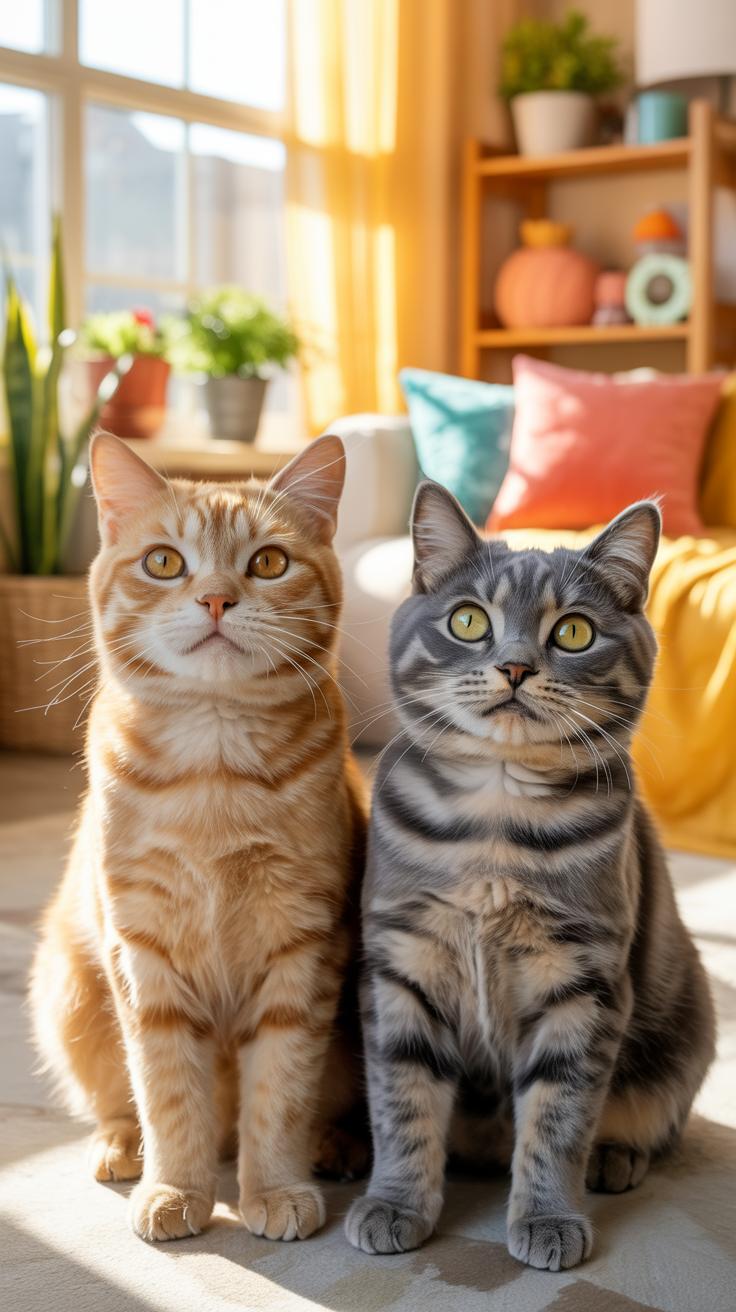
Why An Unblinking Stare From A Cat Signals Tension Rather Than Affection
Direct eye contact in the feline world functions as a predatory tool. Cats use an unblinking stare to intimidate rivals and track prey. When a cat locks eyes without blinking, it signals high physiological arousal. This state usually precedes a physical confrontation or a hunt. You must recognize that a steady gaze serves as a challenge. It indicates the cat is alert and potentially defensive.
A fixed stare creates a power struggle between animals. In nature, predators do not look away from their targets. If your cat stares at you without blinking, it likely feels threatened or overstimulated. This behavior lacks the trust found in a slow blink. The absence of blinking means the cat does not feel safe enough to close its eyes. Maintain distance and avoid return stares to de-escalate this tension.
How Cat Blinking Frequency Changes Based On Comfort Level And Environment
Environment dictates how often a cat blinks. In high-stress settings, like a vet office, cats rarely blink. They keep their eyes wide to monitor every movement for potential threats. A lack of blinking shows the cat is in a state of hyper-vigilance. You will notice their pupils dilate as they scan the room. Safety concerns override the biological need to moisten the eyes or rest the gaze.

In a secure home, blinking frequency increases significantly. A relaxed cat blinks often because it does not need to track danger. Soft, frequent blinks indicate the cat is in a state of rest. This shift in frequency is a reliable metric for assessing domestic stress levels. Increased blinking proves the cat feels comfortable enough to lower its guard. Monitor these changes to understand your cat’s current psychological state.
Do Cats Wink Or Is It Always A Slow Blink Clearing Up The Confusion
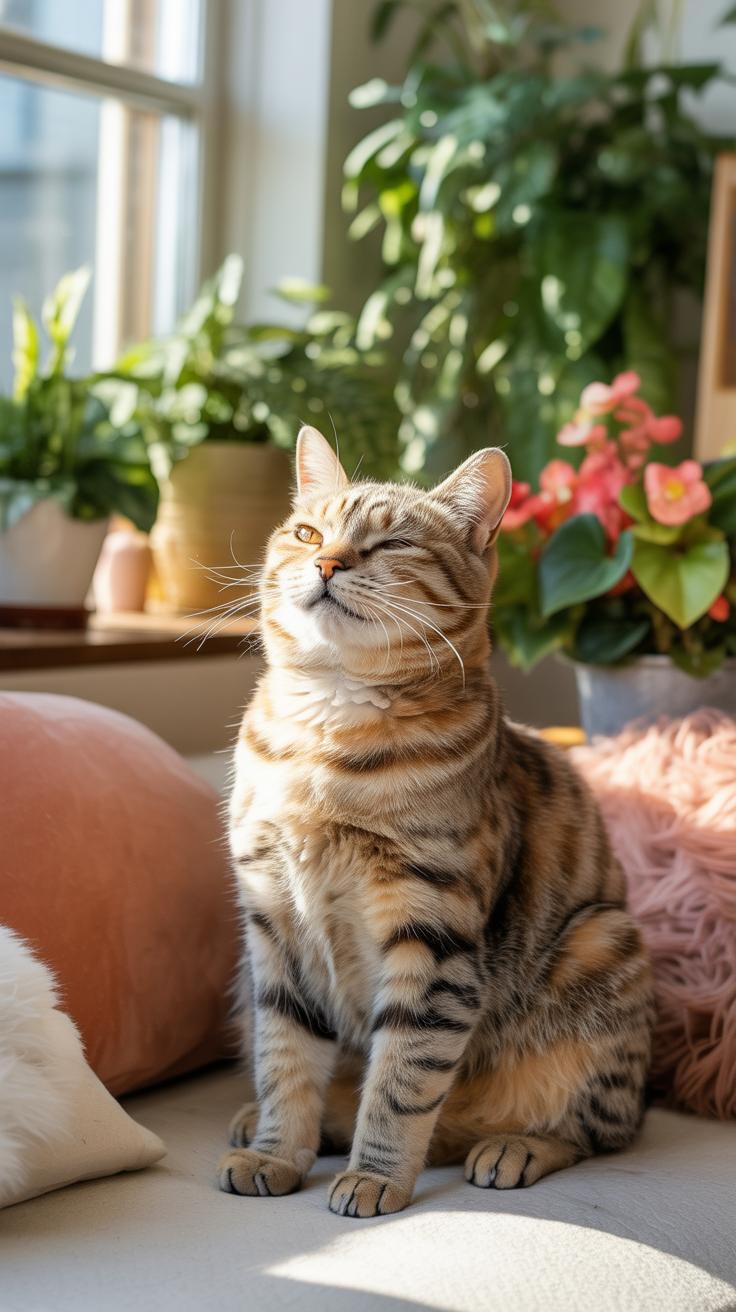
The Difference Between An Intentional Slow Blink And An Involuntary Eye Twitch
A slow blink requires bilateral eye movement. This means both eyes close and open at a steady pace. It is a deliberate social signal. Use this gesture to gauge the comfort level of the animal. If the cat maintains steady eye contact while closing both lids, it is communicating a lack of threat. This is a tactical display of trust in feline psychology.
An involuntary twitch looks different. It is fast and uneven. It often involves the third eyelid or the skin around the socket. Dust or hair usually triggers this reaction. Muscle spasms can also cause the eye to flutter without a social message. Do not mistake a physical irritation for a communication attempt. Watch for repetitive pawing at the face to confirm an external irritant is present.
Do Cats Wink On Purpose And What It May Mean When One Eye Closes Briefly
A single eye closure is rarely a social wink. Cats do not use one eye to signal affection like humans do. If a cat closes one eye, check for medical issues. It often indicates a corneal scratch or an infection. This behavior is a defensive reflex to protect the eyeball from further damage. High light levels or localized pain also cause this one sided squinting.

Context determines the meaning of a brief closure. If the cat seems relaxed but drops one lid, it may be transitioning into sleep. The brain begins to shut down motor functions. However, if the cat is active and winking, look for inflammation. Do not ignore persistent unilateral blinking. It serves as a biological warning sign. Professional veterinary screening is necessary if the behavior lasts for more than a few hours.
Cat Body Language Eyes Reading The Full Picture Beyond The Blink
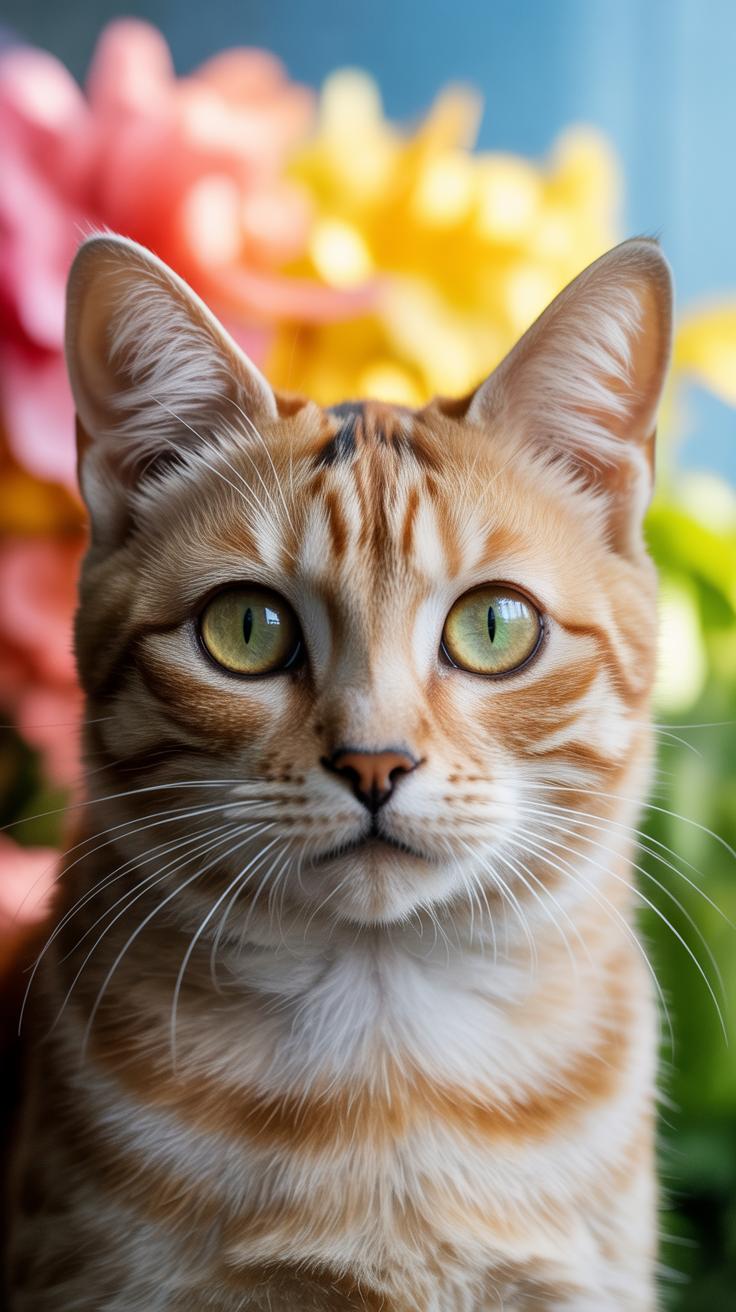
How Ear Position, Tail Movement And Eye Shape Work Together As Body Language
Cats communicate using their whole body to prevent confusion. You cannot interpret the eyes without checking the ears and tail first. Forward ears and a steady tail show curiosity. Combined with a slow blink, this confirms a state of calm. If the ears flatten while the cat blinks, the animal feels conflicted or threatened. You must watch all parts simultaneously to understand the intent.
A low, sweeping tail indicates growing agitation even if the eyes look relaxed. High-tension body language overrides the positive signal of a blink. A cat in a neutral state keeps its muscles loose and its tail still or slightly curved. Always look for consistency across these three zones. If the signals conflict, trust the most aggressive sign. This prevents you from misinterpreting a blink as safety.
What Squinted, Wide Open And Half Closed Eyes Each Signal In Cat Body Language
Wide-open eyes signify high arousal or alertness. In nature, cats maximize their field of vision when they hunt or sense danger. If the pupils dilate, the cat is processing a threat or preparing to pounce. This state lacks the relaxation found in a slow blink. Large eyes without blinking mean the cat is on high alert. You should avoid sudden movements during this time.

Half-closed or squinted eyes indicate a significant drop in defensive posture. This position limits the cat’s ability to react to a sudden attack. It shows the cat feels safe in its current environment. Squinting reduces visual input and signals that the cat does not need to monitor you as a threat. Use this data to gauge the cat’s comfort level. Constant squinting around you proves the bond is solid.
Cat Eyes Dilating What Pupil Size Reveals About Your CatS Inner State
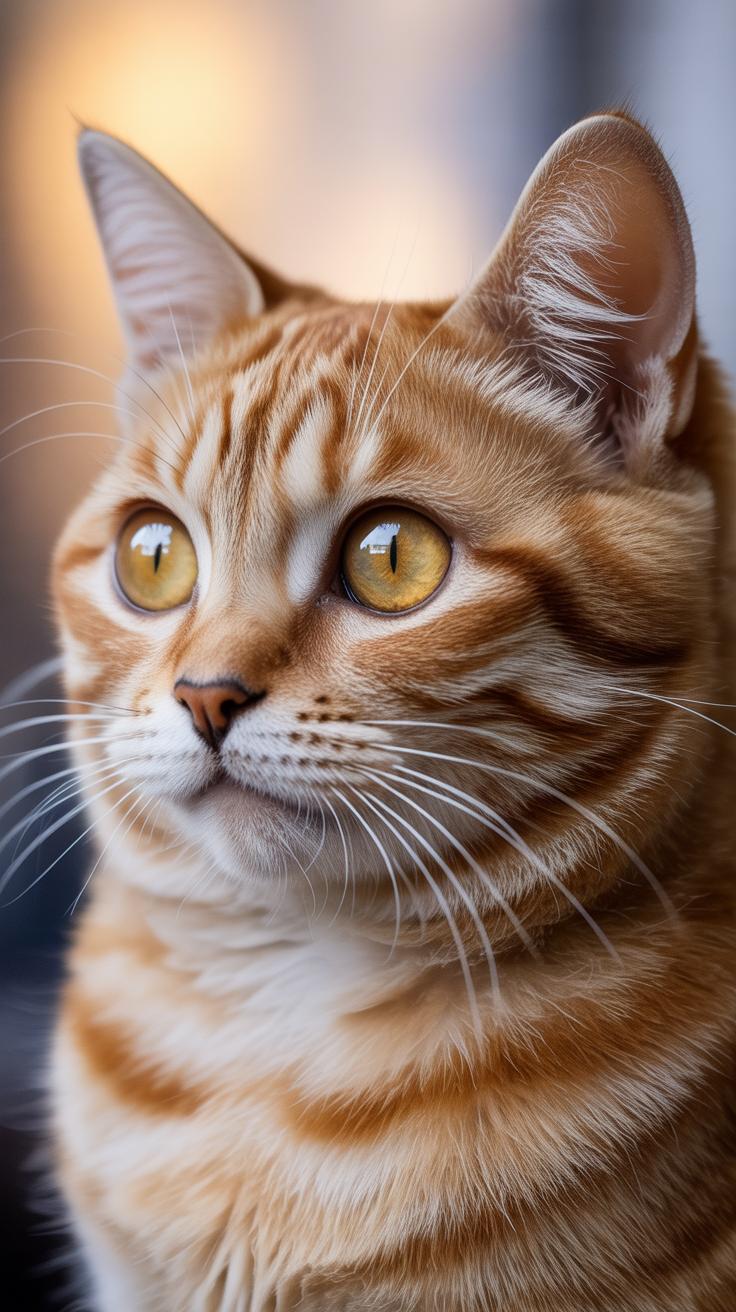
The Science Of Pupil Dilation In Cats And What Fear, Excitement And Calm Look Like
Cat pupils act as high-speed shutters for the brain. Vertical slits mean the cat is relaxed or focusing on prey in bright light. When a cat feels fear or high excitement, the autonomic nervous system triggers mydriasis. This causes the pupils to expand into large circles. Broad pupils allow the most light to enter. This gives the cat a wider view of potential threats.
You can read a cat’s intent by its pupil shape. Narrow slits show a calm state or a predatory strike in high light. Fully dilated pupils outside of a dark room signal a fight or flight response. If the cat is playing, big pupils mean it is ready to pounce. If it is cornered, the same look signals extreme defensive terror.
When Cat Eyes Dilating Is A Health Warning Sign You Should Not Ignore
Healthy pupils react to light instantly. If a cat’s eyes stay dilated in a bright room, it indicates a medical emergency. This condition often points to high blood pressure or feline hypertension. Older cats frequently suffer from this. It can lead to retinal detachment and permanent blindness. You must check if both eyes react at the same speed to light changes.

Anisocoria occurs when one pupil is a different size than the other. This imbalance signals serious internal issues. It often stems from head trauma, glaucoma, or feline leukemia. Nerve damage or tumors can also disrupt the signal to the eye muscles. If the pupils do not match, seek immediate veterinary care. Physical injury to the eye surface can also cause abnormal dilation patterns.
Understanding Cat Behavior Through Eyes How To Slow Blink Back At Your Cat
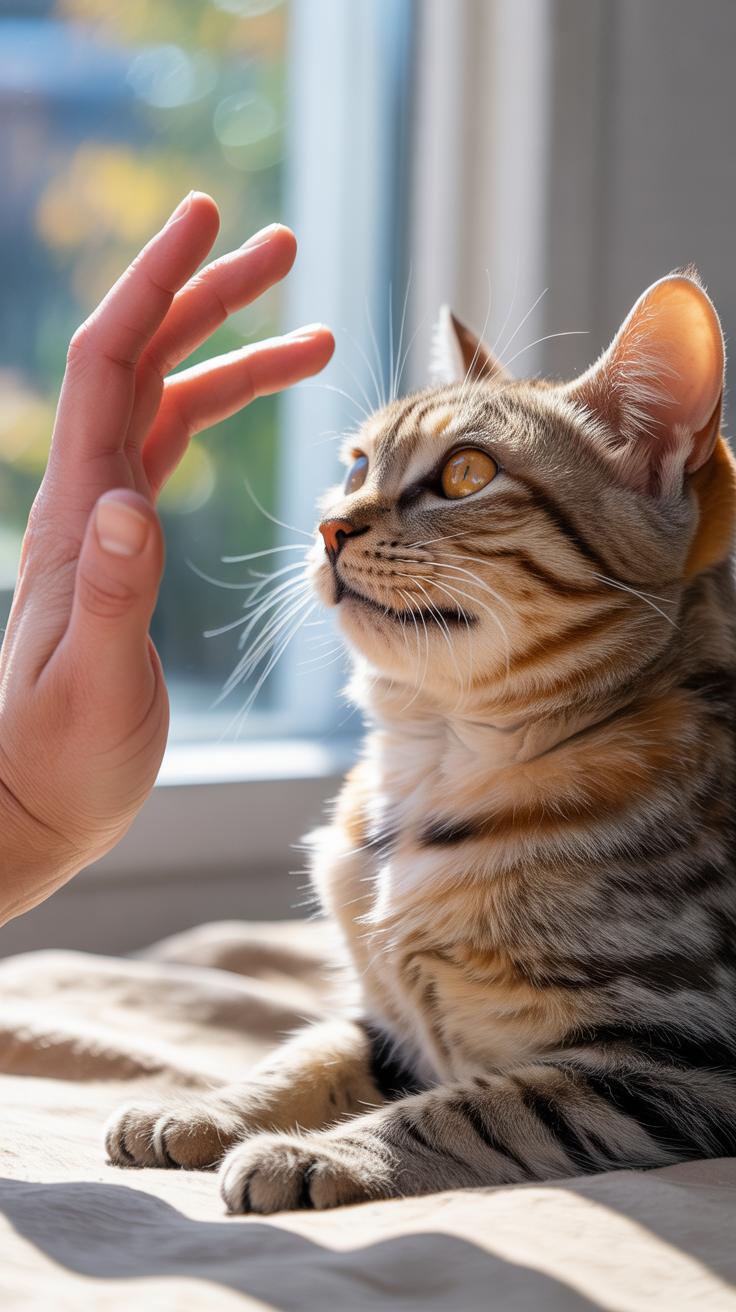
Step By Step Guide To Performing A Slow Blink Your Cat Will Recognize And Respond To
Cats interpret direct eye contact as a threat or a challenge. To communicate safety, you must mimic the specific physiological signal they use to show trust. This movement lowers the cats heart rate and reduces stress levels. You should wait until the cat is in a relaxed state before attempting this technique. Timing is critical for the cat to receive the message clearly.
- Establish Soft Contact: Look at your cat from a comfortable distance without staring intensely. Keep your facial muscles relaxed and your jaw loose. Intense focus mimics predatory behavior, so keep your gaze gentle to signal that you are not a threat to the animal.
- Narrow Your Lids: Gradually partially close your eyes as if you are becoming sleepy. This action mimics the natural squint cats use when they feel secure in their environment. Avoid sudden movements that might startle the cat or cause it to shift into a defensive posture.
- The Full Closure: Close your eyes completely for one to two full seconds. This demonstrates total vulnerability because you are physically shutting out visual information. In the wild, no predator would willingly close its eyes while facing a potential threat or an unknown competitor.
- Slow Reopen: Open your eyes slowly while maintaining a soft focus on the cat. Do not immediately stare at the cat once your eyes are open again. Breaking eye contact slightly after the blink reinforces the message that you are comfortable and pose no danger to their territory.
- Observe the Response: Watch for the cat to return the gesture or look away calmly. A return blink is a definitive sign of successful communication. If the cat stares back without blinking, stop the interaction and give the animal more space to feel secure before you try again.
Repetition builds a reliable communication loop between you and your pet. Do not rush the process or force the cat to look at you. Consistency matters more than the duration of the blink itself. Use this method daily to establish a predictable pattern of non-verbal dialogue. This simple mechanical action bridges the evolutionary gap between humans and felines through shared visual language.
A slow blink is a physical sign of trust that bridges the distance between two different species. It is the silent language of love, proving that some of the deepest connections need no words at all.
How Slow Blinking Back At Your Cat Can Strengthen Your Bond Over Time
Consistent slow blinking creates a foundation of psychological safety for your cat. Research shows felines are more likely to approach humans who use this specific eye signaling. By mirroring their behavior, you validate their natural communication methods. This reduces the cats cortisol levels and fosters a sense of security within the shared home environment. You become a predictable and safe presence.

The bond deepens as the cat begins to initiate these interactions. Over time, this creates a positive feedback loop that increases the frequency of social grooming and physical proximity. You are effectively teaching the cat that you understand felines social cues. This professional approach to cat ownership removes guesswork from the relationship. Better communication leads to a more stable and affectionate domestic partnership.
Practical Tips To Build Trust With Your Cat Using Eye Based Communication

Common Mistakes Owners Make When Trying To Communicate With Their Cats Through Eye Contact
Owners often mistake direct eye contact for affection. In the feline world, a prolonged stare signals a threat or a challenge for territory. Predators use fixed gazes before they strike. When you stare at your cat without blinking, you trigger its fight or flight response. This raises the cat’s stress levels and forces it to look away or hide to feel safe.
Another error involves timing and proximity during eye contact. Forcing a gaze while looming over a cat creates a power imbalance that destroys trust. Owners frequently ignore the cat’s body language while trying to initiate eye contact. If the cat’s ears are flat or its tail is twitching, your eye contact will be perceived as aggression. Success requires observing the cat’s current emotional state first.
Best Practices For Using Slow Blinking And Soft Eye Contact To Calm A Nervous Cat
Using the slow blink technique effectively requires a calm environment and a relaxed physical posture. Positioning yourself at the cat’s eye level reduces the perceived threat of your physical size. You must narrow your eyes slightly before closing them slowly to mimic natural feline behavior. This specific movement communicates that you are not a predator and have no intention of attacking.
- Avert Your Gaze: Look slightly to the side of the cat rather than directly at its pupils. This reduces the intensity of the interaction and mimics how cats approach social peers. It signals that you are safe to be around.
- Control Blink Speed: Close your eyes for at least one full second before opening them slowly. This deliberate speed proves you are relaxed enough to lose sight of your surroundings. It functions as a powerful biological signal of peace and security.
- Wait For Reciprocation: Give the cat space to respond after you blink. Do not rush the process or move closer immediately. Patience allows the cat to process the social cue and decide to mirror the behavior back to you.
- Maintain Soft Focus: Keep your facial muscles relaxed and your eyelids heavy. Tense facial muscles can look like surgical precision to a cat. Softening your features makes your intent clear and lowers the environmental tension for a fearful animal.
- Use Brief Intervals: Perform the slow blink two or three times then look away. Constant blinking can become confusing or overstimulating. Short bursts of communication are more effective for building long term trust and establishing a predictable social bond.
Consistency is the most important factor when using eye based communication to calm a cat. Perform these actions daily during feeding or quiet times to reinforce your role as a non-threatening presence. Over time, the cat will begin to initiate the slow blink when you enter the room. This indicates the cat feels secure in your presence and recognizes your attempts to communicate in its language.
Frequently Asked Questions

What does it mean when a cat closes its eyes slowly while looking at you?
When searching for why cats slow blink at you, the answer lies in trust and affection. In the feline world, closing one’s eyes is a sign of extreme vulnerability. By narrowing their eyes and slowly closing them, your cat is communicating that they feel safe and comfortable in your presence. It is often referred to as a “cat kiss,” representing a high-level emotional bond between a pet and their owner.
How can I perform a slow blink to communicate with my cat?
To effectively mimic this behavior, catch your cat’s gaze with a soft, relaxed expression. Slowly close your eyes for one or two seconds, then open them just as gradually. This simple technique shows why cats slow blink at you as a form of social bonding; by returning the gesture, you are telling your cat that you are not a threat and that you love them in their own unique language.
Do I need special training or tools to learn how to bond with my cat this way?
Not at all! One of the best things about feline communication is that it is completely free and requires no expensive gadgets or professional trainers. Understanding why your pet interacts this way allows you to build a deeper connection using only your body language. It is an accessible, heart-centered way to enhance your relationship with your pet without spending a dime on behavioral aids or specialized equipment.