Understanding Cat Proofing Why It Matters Before Your Cat Arrives
What Cat Proofing Really Means For Your Home And Your Cats Safety
Cat proofing means identifying and removing every physical threat within a living space. You must view your home as a high-risk environment. It is not about aesthetics or comfort. It is about preventing trauma, poisoning, and death. You must secure loose items and block access to dangerous zones. Do this work before the cat enters the door. A new environment triggers flight responses.
Proactive safety measures eliminate the need for emergency veterinary care. You must secure heavy furniture to walls to prevent tipping. You must hide electrical cords and remove toxic plants. Use durable materials that withstand scratching and climbing. Planning reduces stress for the animal and the owner. Execution of this checklist ensures the home is a controlled environment. Focus on structural changes and hardware upgrades.
How A Cats Natural Curiosity And Agility Create Unique Household Hazards
Cats utilize three-dimensional space unlike dogs or other pets. Their anatomy allows them to reach high shelves and squeeze through narrow gaps. They explore with their mouths and paws. This behavior leads them to ingest small objects or pull down heavy decor. You cannot assume a surface is out of reach. Gravity and physics are your primary enemies when securing your home.
Vertical mobility turns top-heavy items into lethal hazards. Cats will jump onto refrigerators and open cabinets. They lack the cognitive ability to recognize chemical dangers or electrical heat. Instinct drives them to hide in dark, tight spaces like appliances. You must seal these areas off permanently. Your strategy must account for both horizontal and vertical movement. Assume the cat will touch every accessible surface.

Cat Proofing Your House Securing Every Room From Floor To Ceiling
How To Assess Each Room In Your Home For Hidden Cat Dangers
You must view your home from a height of six inches. Crawl through every room to find small gaps under appliances and behind furniture. Cats possess flexible skeletal structures that allow them to enter any space they can fit their heads through. Look for loose floorboards or holes in drywall near plumbing. These openings provide pathways into wall cavities where cats often get trapped.
Check the stability of every surface. Cats use vertical space and will jump on bookshelves and cabinets. Test for wobbles in heavy furniture. Verify the underside of upholstered chairs for loose fabric staples or holes in the dust cover. Cats often crawl into furniture frames and become stuck or injured by moving reclining mechanisms. Identify all dangling cords from blinds and electronics that present strangulation risks.
Preparing your home for a cat is the first act of love, turning a simple house into a safe sanctuary for a soul that will soon own your heart. Every tucked-away wire and secured latch is a promise that they are finally home.
Simple Structural Changes That Make Your Entire House Safer For A Cat
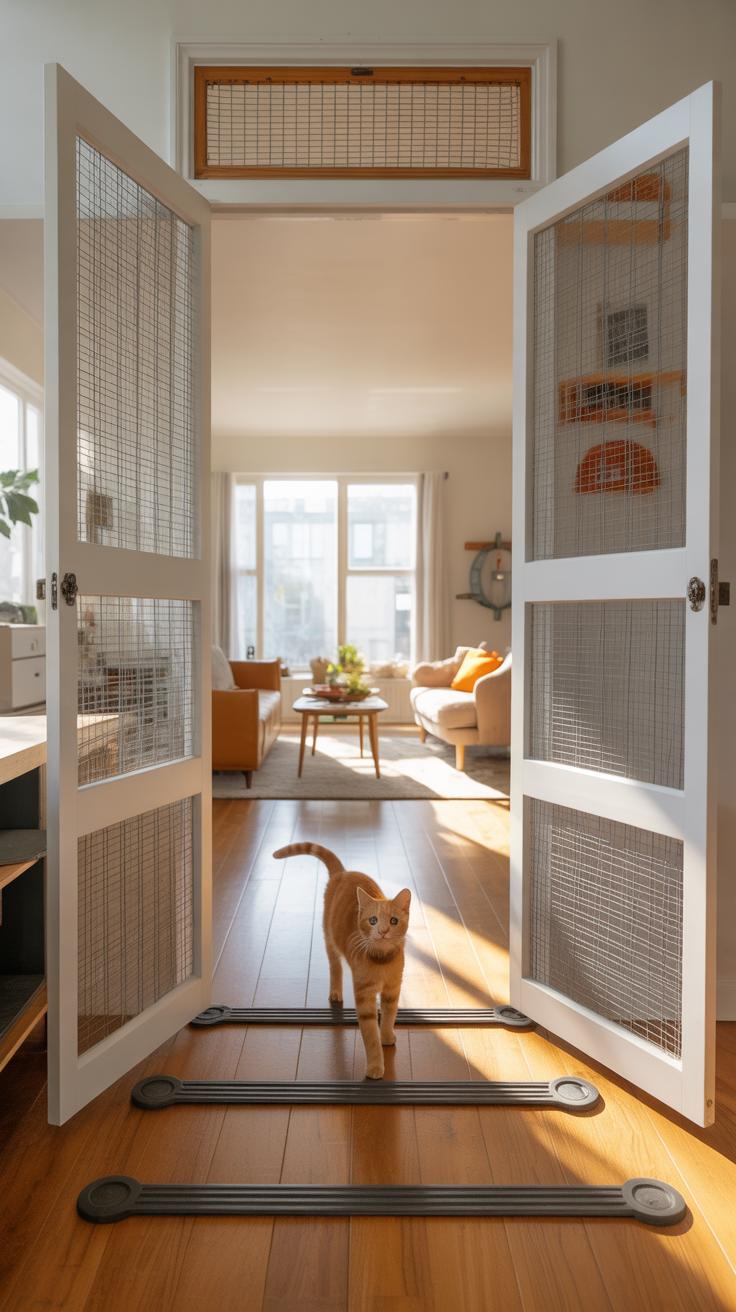
Install magnetic latches on all lower cabinets and drawers. Standard friction catches often fail when a determined cat pulls on the handle. Secure heavy furniture to wall studs using anti-tip kits. These straps prevent dressers and shelving units from crushing the cat during a climb. Replace loose window screens with heavy-duty pet screens. These materials use vinyl-coated polyester to resist claws and higher impact forces.

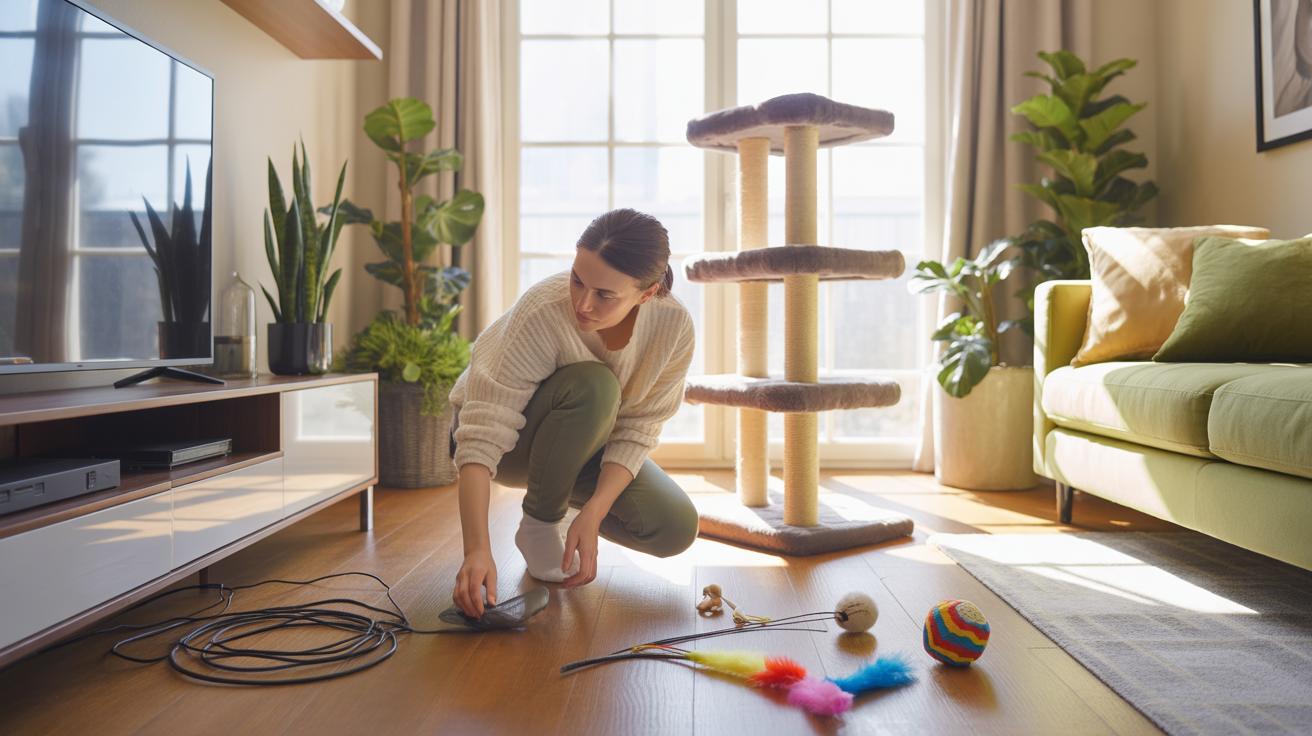
Apply cord protectors to every visible electrical wire. Braided wire looms or hard plastic split-tubing prevent cats from biting through insulation. Remove or shorten pull cords on window treatments to eliminate loops. Seal gaps around water pipes under sinks with expandable foam or metal plates. These structural fixes create a controlled environment. They stop the cat from accessing dangerous machinery or getting lost inside the home infrastructure.
Your New Cat Checklist Essential Supplies To Have Ready Before Arrival
The Core Supplies Every New Cat Owner Needs To Gather In Advance
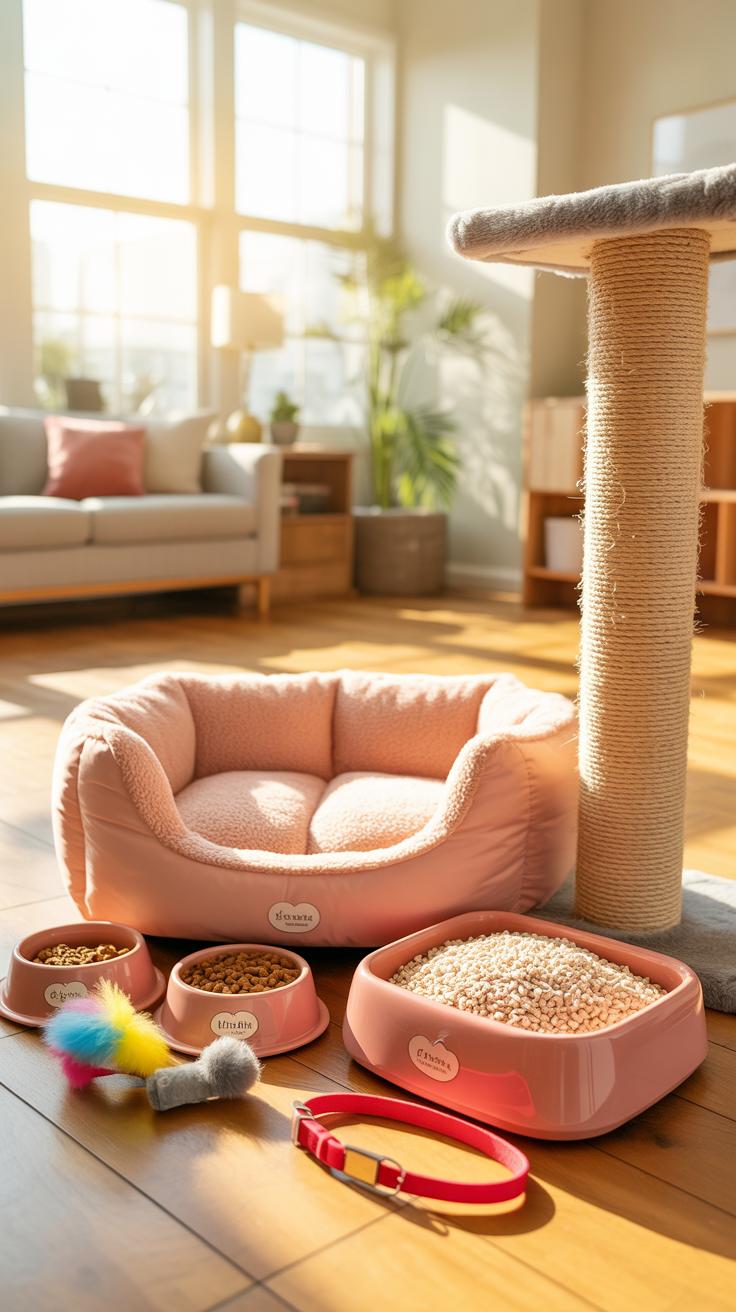
Acquiring these items prior to arrival prevents 11th hour shopping trips that leave your cat unsupervised in a new environment. You must establish a dedicated territory immediately. This requires specific physical infrastructure designed for feline biology and behavior. Felines require vertical space and clean stations to feel secure. Preparing these tools ensures the home functions correctly for the animal from minute one.
- Litter Box Systems: Purchase one box per cat plus one extra to prevent territorial marking. Select a low-entry model for kittens or seniors. High-quality clumping clay or pine pellets satisfy natural digging instincts while managing household odors and bacteria.
- Hydration and Nutrition Stations: Stainless steel or ceramic bowls prevent feline acne caused by bacteria in plastic pores. Place water away from food to mimic natural survival instincts. Specialized mats protect your flooring from spills and ensure a sanitary eating surface.
- Vertical Scratching Posts: Cats must shed their outer nail sheaths and mark territory with scent glands in their paws. Rugged sisal or heavy cardboard posts at least thirty inches tall prevent the destruction of furniture. Stability is critical to prevent the post from tipping.
- Secure Transport Carrier: A hard-sided carrier provides the safest method for transport and emergency evacuations. Front and top loading options allow for easier entry and exit during veterinary visits. This tool serves as a mobile safe room during the initial transition period.
- Feline Specific Bedding: Washable fabrics provide warmth and a persistent scent profile for the cat. Place beds in quiet corners or elevated positions where the cat can monitor the room. Use materials that withstand high heat drying to kill potential parasites or allergens quickly.
Proper inventory management eliminates the risk of using makeshift solutions that may be unsafe. Do not substitute human items for feline-specific tools. Tactical preparation allows you to focus entirely on the cat’s behavior once it enters the home. Use this list to verify every room is functional before the cat leaves its carrier. Completing this stage is mandatory for a professional household transition.
Why Having The Right Supplies Ready Reduces Stress For Both You And Your Cat
Cats are territorial hunters that rely on environmental predictability to manage their stress levels. Moving to a new home creates a spike in cortisol because their old scent markers are gone. If the cat finds its litter box and food immediately, it begins to claim the new space. This prevents the development of anxiety-driven behaviors like hiding or inappropriate urination.

Your own stress levels drop when you have a system in place. Scrambling to find a bowl or a box while a cat explores creates a chaotic atmosphere. Cats sense human tension through body language and vocal tones. Maintaining a calm and organized environment signals to the animal that the new territory is safe. Preparation turns a high-risk transition into a controlled and successful integration.
Kitten Proofing Home Extra Precautions When Your New Arrival Is Under One Year Old
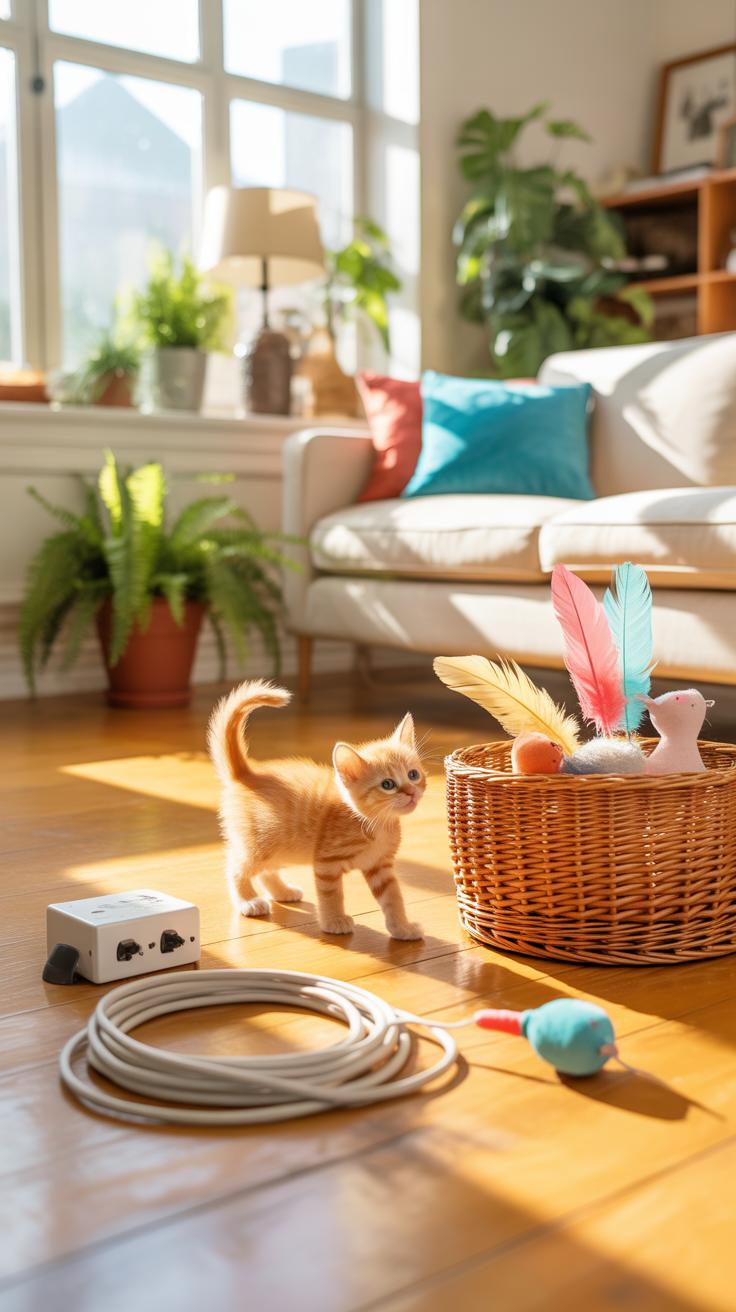
Why Kittens Require A Higher Level Of Home Proofing Than Adult Cats
Kittens possess high curiosity and low risk assessment skills. Their small body size allows access into tight spaces that adult cats cannot reach. They use their mouths to explore every new object. This behavior increases the risk of choking or poisoning from common household items. Young cats lack the coordination of adults. They fall from furniture and miscalculate jumps often.
You must view your home from floor level. Kittens notice small debris like rubber bands and paper clips. Their developing bodies are sensitive to toxins and sharp edges. Unlike older cats, kittens do not have life experience to avoid danger. They climb curtains and chew wires because they lack boundaries. Rigorous proofing prevents expensive emergency vet visits and protects the animal during this vulnerable stage.
Specific Kitten Hazards In Common Household Areas And How To Eliminate Them
Kitchens and bathrooms contain the most significant risks for young cats. Open appliances like dishwashers and dryers attract kittens seeking warmth or hiding spots. Keep these doors closed at all times. Reclining chairs also pose a lethal threat. The internal mechanisms can crush a kitten hiding underneath. Check the base of all kinetic furniture before you sit down or move the footrest.

Electrical cords resemble prey to a teething kitten. Use hard plastic conduits to cover every exposed wire in the living area. Secure loose window blind cords with safety cleats to prevent strangulation. Remove all toxic plants from low surfaces. Even small amounts of certain lily pollen or leaf matter kill kittens quickly. Use child safety locks on low cabinets containing cleaning chemicals or heavy cookware.
How To Cat Proof Your House Tackling Toxic Plants And Dangerous Substances
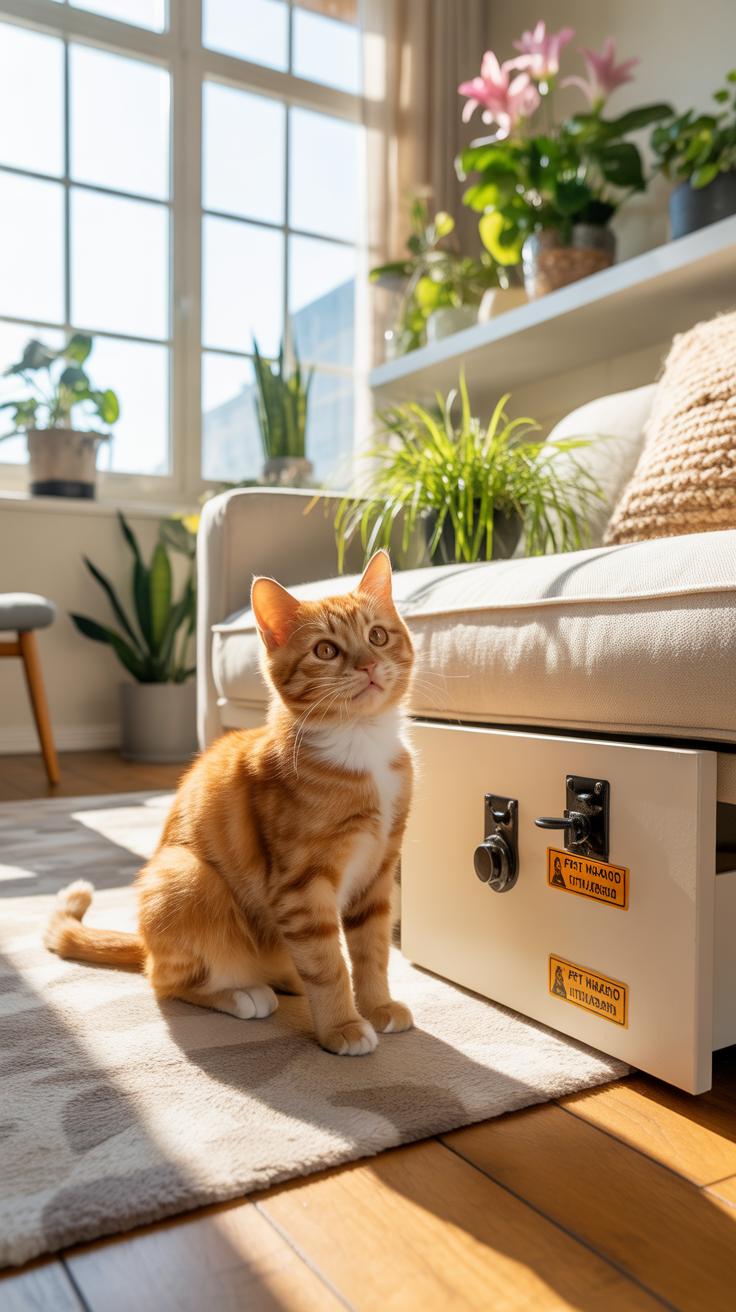
Common Household Plants That Are Toxic To Cats And What To Replace Them With
Many common indoor plants cause organ failure or death in cats. Lilies are the most dangerous. Even a small amount of pollen leads to rapid kidney failure. Sago palms contain cycasin which destroys the liver. You must identify every plant in your home before the cat arrives. Remove any high-risk greenery immediately. Do not rely on placing toxic plants on high shelves. Cats are agile climbers.
Replace dangerous greenery with cat-safe options. Spider plants and Boston ferns look good and pose no risk. African violets add color without the danger of toxicity. Always check a reliable botanical database before buying new greenery. If you want the aesthetic of a jungle, focus on bamboo palms or calathea varieties. These plants allow you to maintain your home design while ensuring your pet remains safe from accidental poisoning.
Cleaning Products, Medications, And Foods That Pose Serious Risks To Cats
Chemical cleaners often contain phenols or bleach that burn a cat’s paws and tongue. Cats groom themselves constantly. They ingest any residue sticking to their fur. Switch to enzyme-based cleaners or diluted vinegar solutions. Lock all laundry pods and surface sprays in a heavy cabinet. Never leave open containers of antifreeze in a garage. Ethylene glycol tastes sweet to cats but causes internal shut down in minutes.

Human medications and certain foods act as fast-acting toxins. Acetaminophen is lethal to cats because their livers cannot process it. Keep all pills in closed drawers. In the kitchen, hide onions, garlic, and chocolate. These items cause red blood cell damage or heart issues. Every year, cats die from eating scraps left on counters. Store all human food in airtight containers. Secure your trash cans with locking lids to prevent scavenging.
Cat Care Tips For Electrical Safety Managing Cords Cables And Appliances
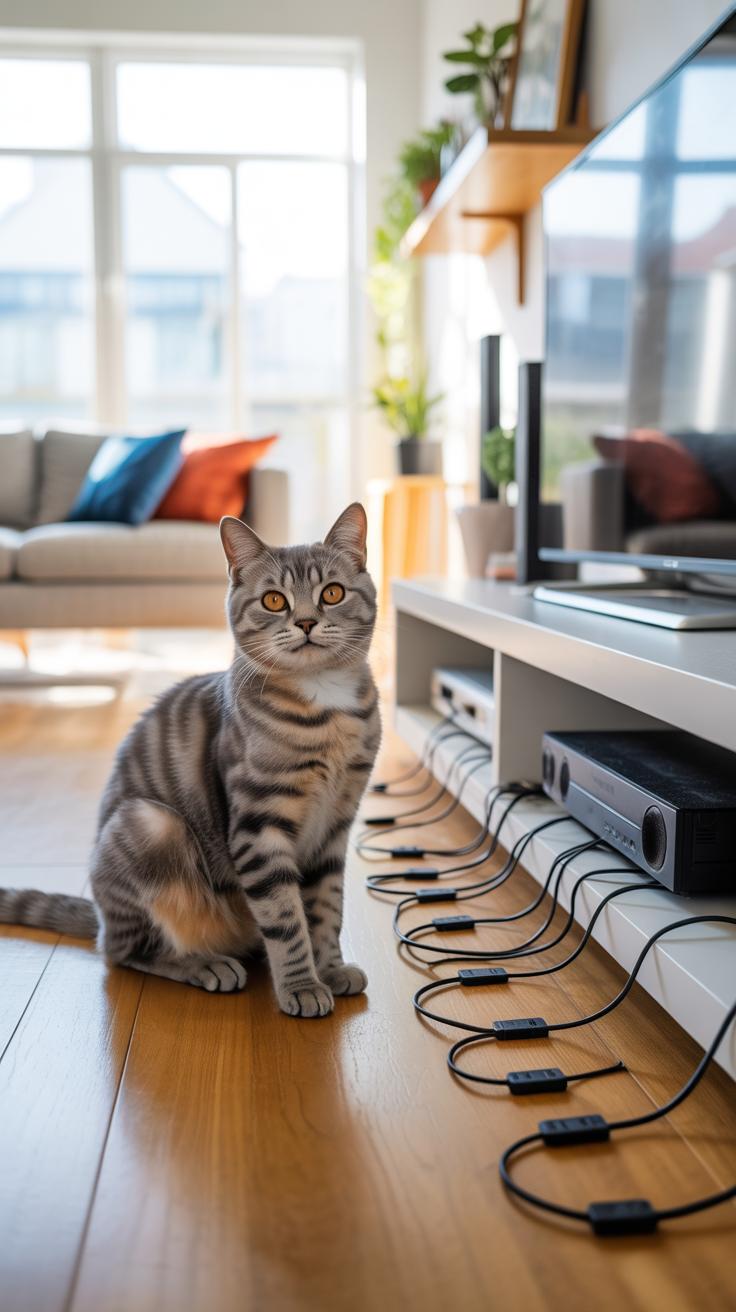
Why Cats Are Attracted To Electrical Cords And How To Protect Them
Cats chew electrical cords due to a predatory drive or dental discomfort. The texture of plastic insulation mimics the feel of small prey bones or skin. This behavior often points to boredom or a need for oral stimulation. Kittens are especially prone to this during their teething phase. You must recognize these natural instincts to manage the environment effectively and prevent accidents.
Electrical shocks cause severe mouth burns, fluid in the lungs, or cardiac arrest. Protecting your cat requires physical barriers between their teeth and the live wires. Bitter sprays can deter some cats, but many ignores the taste. Hard plastic casings offer the most reliable protection. Focus on total exclusion rather than just behavior training. You must secure every visible wire before the cat enters the home.
Practical Methods For Cord Management And Appliance Safety Around Cats
Consolidate all loose wires to reduce the target area for your cat. Use heavy-duty cable management tools to house multiple cords in one puncture-proof sleeve. This strategy hides the movement of cords that triggers a cat’s hunting reflex. Unplug small appliances when they are not in use to kill the power supply. This eliminates the risk of an accidental bite causing a lethal circuit.
- Flex Loom Tubing: These ribbed plastic sleeves slip over standard wires to provide a hard shell. The material is too tough for feline teeth to penetrate easily. It is an affordable way to secure long runs of computer or television cables.
- PVC Piping: Run thin cords through rigid PVC pipes for permanent cord protection. This method works best for stationary items like lamps or desktop chargers. It creates an impenetrable barrier that no cat can chew through.
- Cord Boxes: Enclose power strips and excess cable slack in locking plastic boxes. These containers prevent cats from batting at plugs or chewing on the concentrated wire bundles. They also keep dust away from electrical connections.
- Motion Activated Deterrents: Place compressed air canisters near large appliance zones like the back of the refrigerator. These devices release a quick puff of air when the cat approaches. It trains the cat to avoid dangerous areas without your presence.
- Heavy Furniture Placement: Route cables behind heavy desks or bookshelves where the gap is too narrow for a cat to fit. Use wall clips to keep wires high and out of reach. If the cat cannot see or touch the wire, the risk disappears.

Inspect your electrical setup weekly for any signs of teeth marks or frayed insulation. Cats are persistent and may find new ways to access hidden wires over time. Switch to cordless technology where possible to minimize the overall risk profile of your home. Always prioritize physical shielding over chemical deterrents. Your goal is a fail-safe environment that protects the cat even when you are not watching.
Healthy Cat Foundations Setting Up A Safe Feeding And Litter Area
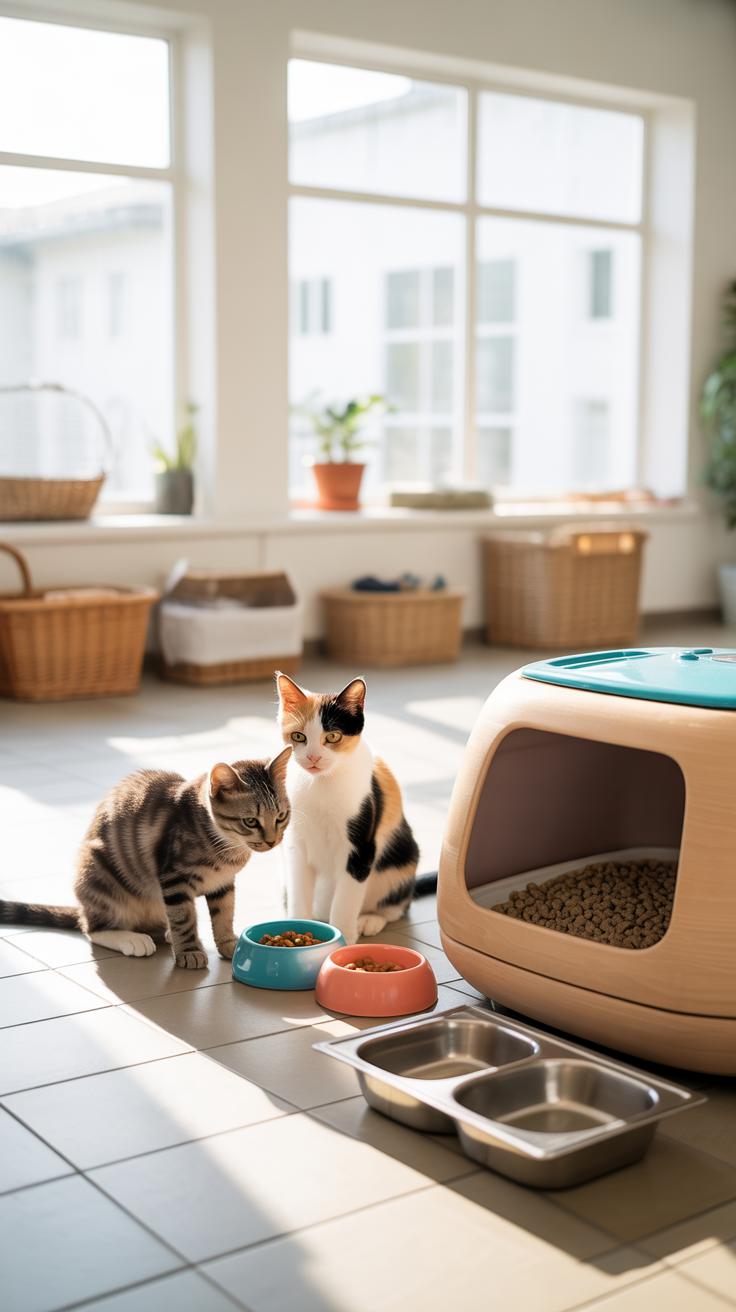
Choosing The Right Location For Food, Water, And Litter Boxes In Your Home
Strategic placement determines how a cat claims its territory. Food and water stations must sit far away from litter boxes to prevent cross contamination. Cats instinctively avoid drinking near their waste or their kill in nature. You must place water bowls in low traffic areas to encourage hydration. Separate food from water by several feet to keep the water supply clean and appealing.
Litter boxes require quiet and accessible locations with multiple exit paths. Avoid trapping a cat in a closet or a cramped corner. High traffic areas create stress and lead to elimination outside the box. Choose a site with hard flooring for easy sanitation. Ensure the cat has a clear line of sight to monitor its surroundings while vulnerable. Proper placement reduces behavioral issues and simplifies daily maintenance.
How Proper Setup Of Feeding And Litter Stations Supports Long Term Cat Health
Correct station setups directly impact physical health and lifespan. Elevated feeding bowls reduce strain on the neck and joints for aging cats. Using non porous materials like stainless steel or ceramic prevents feline acne caused by bacteria in plastic scratches. Fresh water access prevents kidney disease and urinary tract blockages. These common medical issues often stem from poor environmental design and inadequate fluid intake.

Regular monitoring of the litter station provides early warning signs of illness. A clean and private area encourages consistent habits and allows owners to spot changes in waste immediately. This data is critical for early veterinary intervention. Reducing environmental stress through smart layout lowers cortisol levels in the animal. A stable routine and a safe environment support the immune system and prevent chronic stress related conditions.
Cat Behavior Basics Designing Your Space To Support Natural Feline Instincts
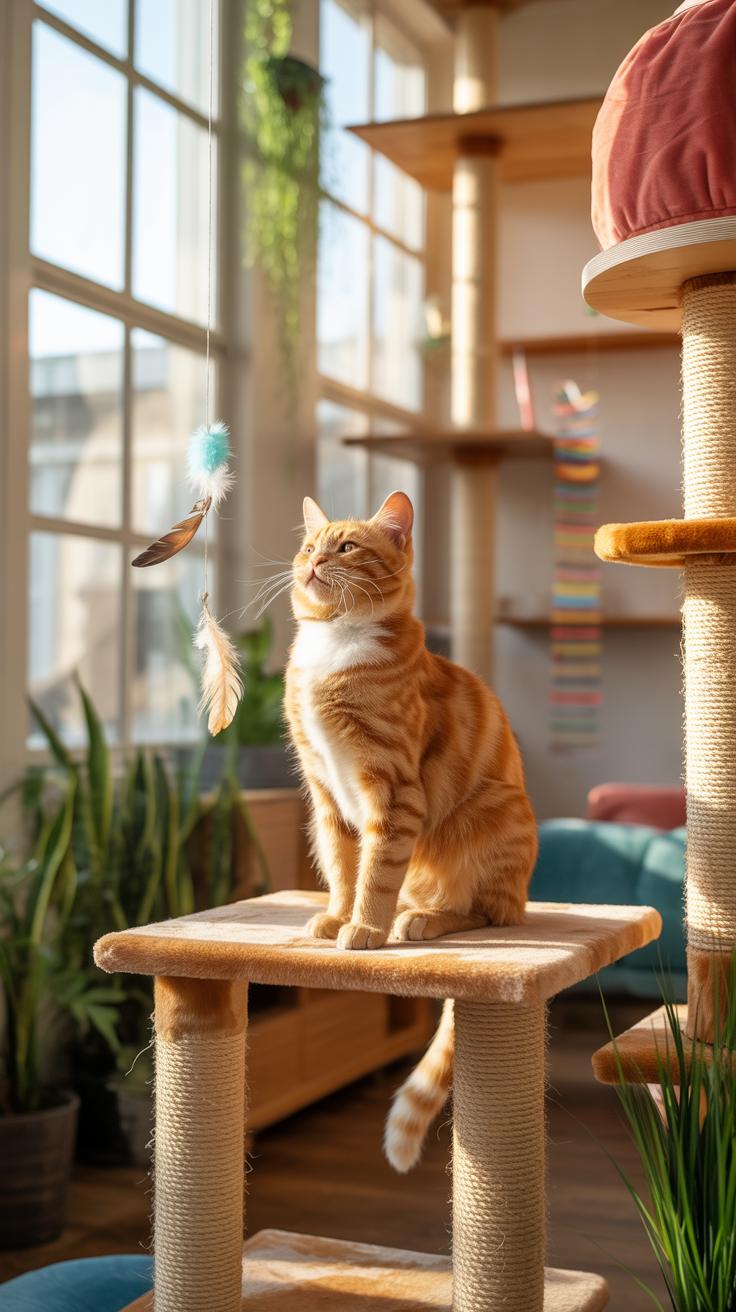
Understanding Scratching, Climbing, And Hiding Behaviors To Guide Your Home Setup
Cats are apex predators with hardwired biological needs. Scratching is not a choice but a physical necessity for claw maintenance and scent marking. You must provide vertical and horizontal surfaces to protect your furniture. Cats also seek high vantage points to monitor their territory and feel secure. If you do not provide shelves or trees, they will climb your curtains and bookcases instead.
Hiding defines feline security. In the wild, cats avoid larger predators by retreating into small, enclosed spaces. Your home must offer safe zones where the cat can remain undisturbed. Place cardboard boxes or covered beds in quiet corners. Use furniture placement to create natural tunnels and escape routes. A cat that cannot hide will experience chronic stress. This leads to illness and defensive aggression.
How Enriching Your Home Environment Prevents Destructive Cat Behavior
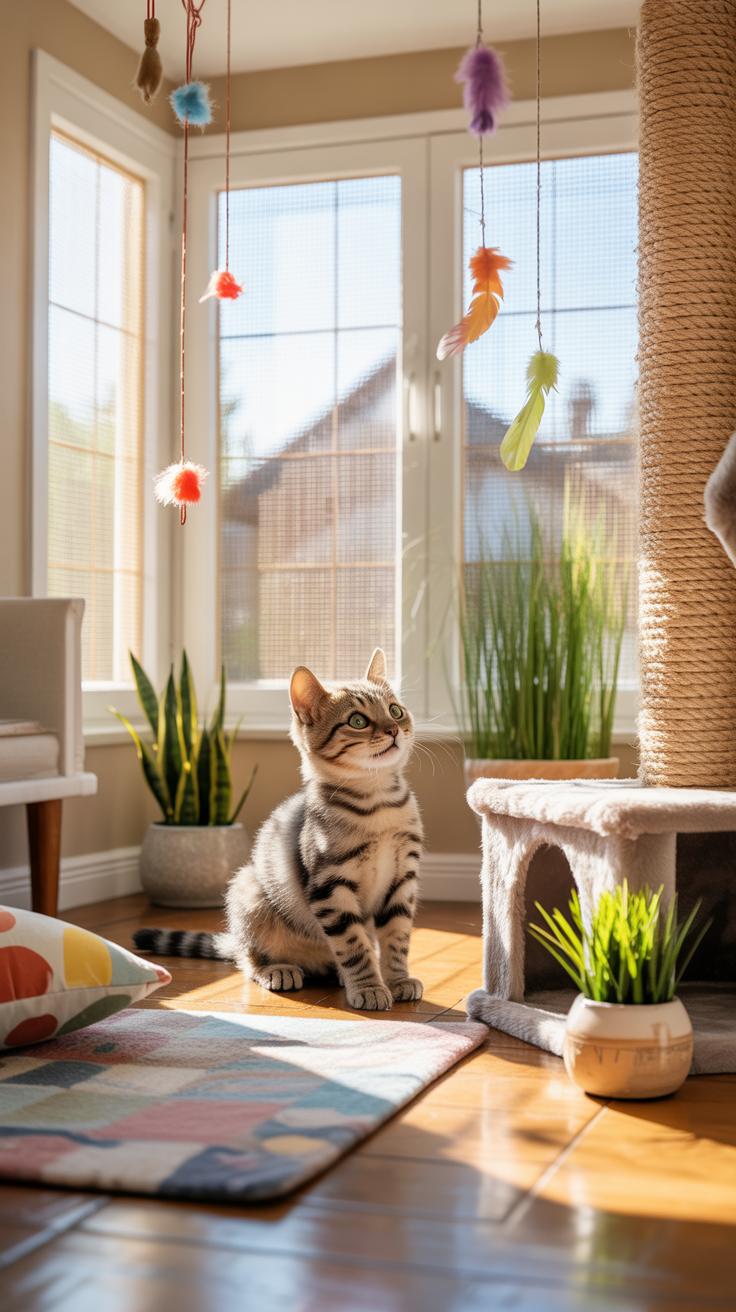
Boredom drives most destructive behaviors in domestic cats. A stagnant environment leads to redirected aggression and furniture destruction. You must integrate visual and physical stimuli to mimic a hunting range. Use bird feeders outside windows to provide passive entertainment. Rotate toys weekly to maintain novelty and engagement. Active play sessions drain excess energy and prevent midnight zoomies that damage household items.

Food puzzles and foraging mats force cats to work for their meals. This mimics natural hunting cycles and slows down fast eaters. Strategic enrichment reduces cortisol levels and stops marking behaviors. You must ensure the environment changes enough to challenge their intellect. Failure to provide outlets for energy results in scratched walls and shredded upholstery. An enriched cat is a calm cat that respects your home boundaries.
Cat Care Checklist Windows Balconies And Outdoor Access Points To Secure
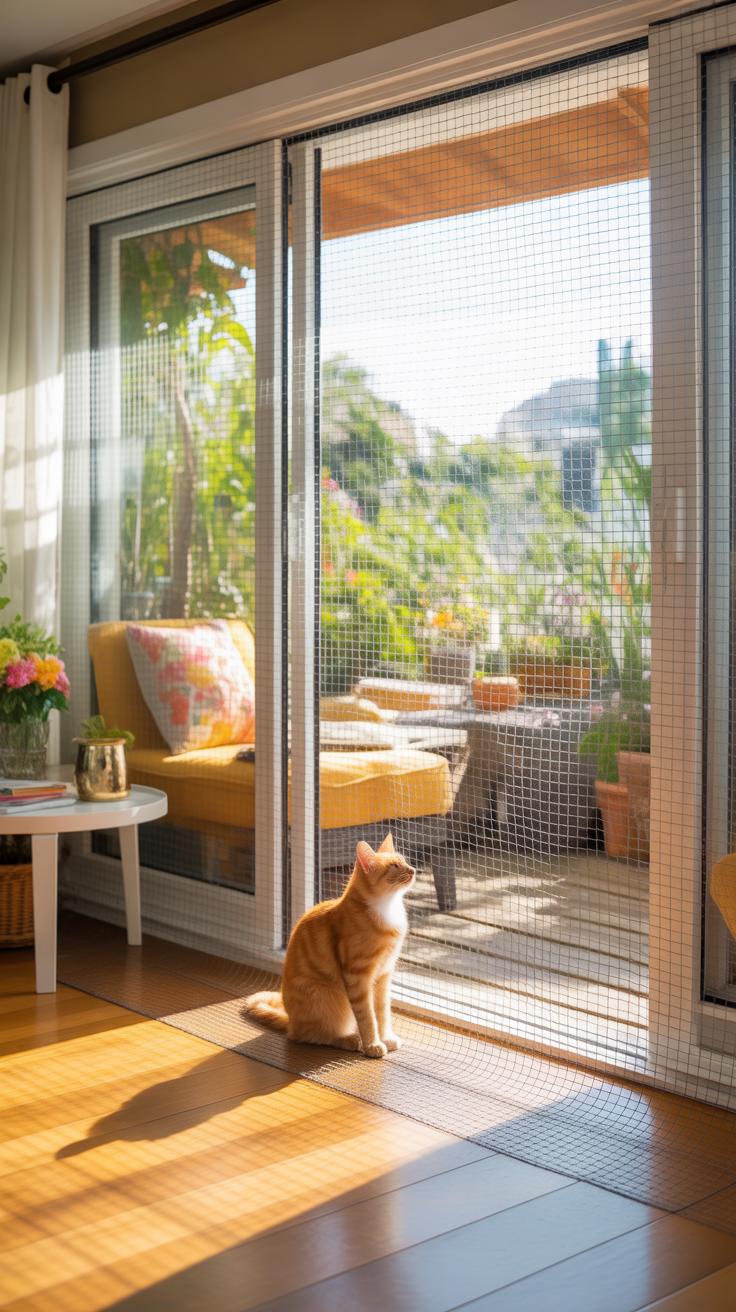
The Real Risks Of Unsecured Windows And High Surfaces For Indoor Cats
High-rise syndrome describes the injuries cats sustain when falling from elevated heights. Owners incorrectly assume cats have perfect balance. Instinctual drives like chasing birds or insects override their self-preservation. Wind gusts or slippery sills cause them to lose their footing instantly. These falls result in broken jaws, ruptured lungs, and shattered limbs. Gravity does not forgive a three-story drop.
Standard insect screens fail to provide adequate safety. Manufacturers design them to stop bugs, not to resist the weight of a lunging cat. Claws easily tear through thin mesh or pop the frame out of the tracks. You must install reinforced pet screens or window guards. These materials use high-tenacity polyester or stainless steel. They withstand sharp claws and heavy impact without failing.
How To Safely Manage Balcony And Outdoor Access Without Restricting Your Cat
Open balconies are high-risk zones for curious felines. Most railings have gaps wide enough for a cat to slip through. You must install physical barriers to eliminate this risk. Catio construction uses heavy-gauge wire mesh to create enclosed outdoor spaces. These structures allow fresh air and visual stimulation while preventing escape. Proper enclosures attach directly to the building to ensure zero gaps.
Catios and balcony netting provide the safest outdoor experience. Netting must be bite-resistant and UV-treated to prevent weather degradation over time. Install it from the floor to the ceiling to block all exit points. Check local building codes before mounting permanent structures. For ground-level access, use specialized fencing with inward-curving tops. This design stops cats from climbing over the perimeter during supervised outdoor time.
Cat Proofing Your Home For The Long Term Reassessing Safety As Your Cat Grows
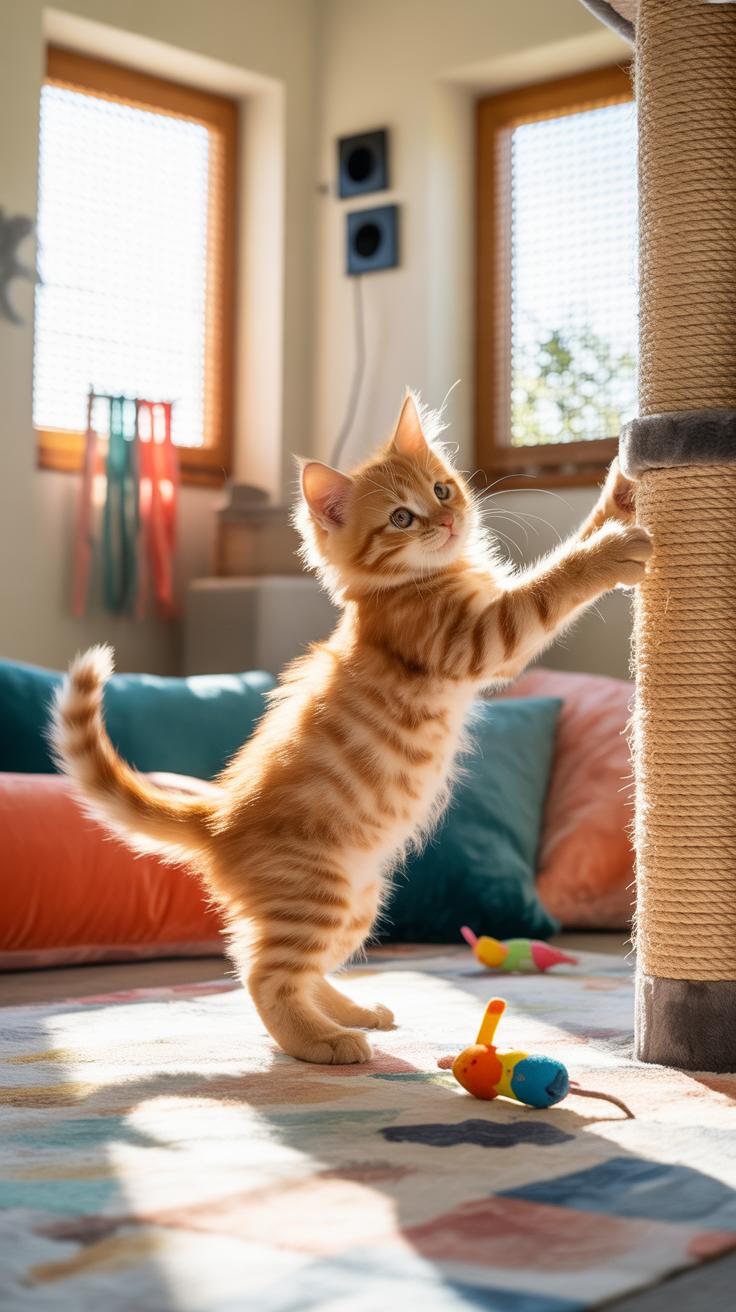
Why Cat Proofing Is An Ongoing Process And Not A One Time Task
Your cat changes as it ages. A small kitten cannot jump onto high counters or open heavy cabinets. An adult cat has the strength and reach to access restricted zones. Senior cats lose mobility and vision. You must adapt your safety strategy to match these physical shifts. Failing to update your home layout creates new risks for an aging or growing pet.
Routine wear and tear also compromise your safety measures. Netting frays over time. Adhesive child locks lose their grip. Electrical cord protectors can crack or slip. You must inspect these physical barriers every few months. Replacing worn materials keeps the environment secure. A stagnant strategy is a failed strategy. Constant vigilance ensures that your initial cat proofing efforts do not become obsolete or dangerous.
Seasonal And Lifestyle Changes That Require You To Update Your Cat Proofing Routine
Holidays and weather shifts introduce new hazards into your living space. Winter brings toxic antifreeze and heaters. Summer means open windows and fragile screens. Seasonal plants like lilies or poinsettias are deadly to felines. You must audit your home every time the temperature or decor changes. These temporary shifts often bypass your standard safety checks. Keep your home sealed against these external threats.
New furniture or renovations alter the landscape of your home. A new bookshelf creates a climbing path to a ceiling fan. A kitchen remodel might expose old wiring or insulation. Guests and new roommates bring different habits that affect pet safety. Every major purchase or lifestyle change demands a fresh sweep of the area. Map out new jump heights and hiding spots to prevent accidents before they happen.
Frequently Asked Questions

Why is it important to cat-proof my house before the new arrival?
Preparing your space in advance ensures your new feline friend stays safe while exploring their unfamiliar environment. Cats are naturally curious and can easily encounter hazards like toxic plants, loose wires, or small choking risks. Following a comprehensive cat proofing your home checklist allows you to identify these hidden dangers early, reducing stress for both you and your pet during those first few days of adjustment and bonding.
What are the most essential steps for securing a living room?
Start by tucking away all electrical cords and securing heavy furniture that could tip over during play. You should also check that all window screens are secure and remove any fragile decor from high shelves. Integrating these tasks into your cat proofing your home checklist helps create a secure zone where your cat can jump and climb safely, preventing expensive accidents and keeping your adventurous new companion out of harm’s way.
Can I cat-proof my apartment on a tight budget?
Absolutely! You don’t need expensive gadgets to keep a cat safe. Use simple household items like plastic cord organizers, double-sided tape to protect furniture, and tension rods to secure lightweight curtains. Repurposing sturdy cardboard boxes for hiding spots and using DIY citrus sprays to deter chewing are affordable ways to secure your home. Effective safety is more about careful observation and strategic organization than spending a lot of money on specialized products.