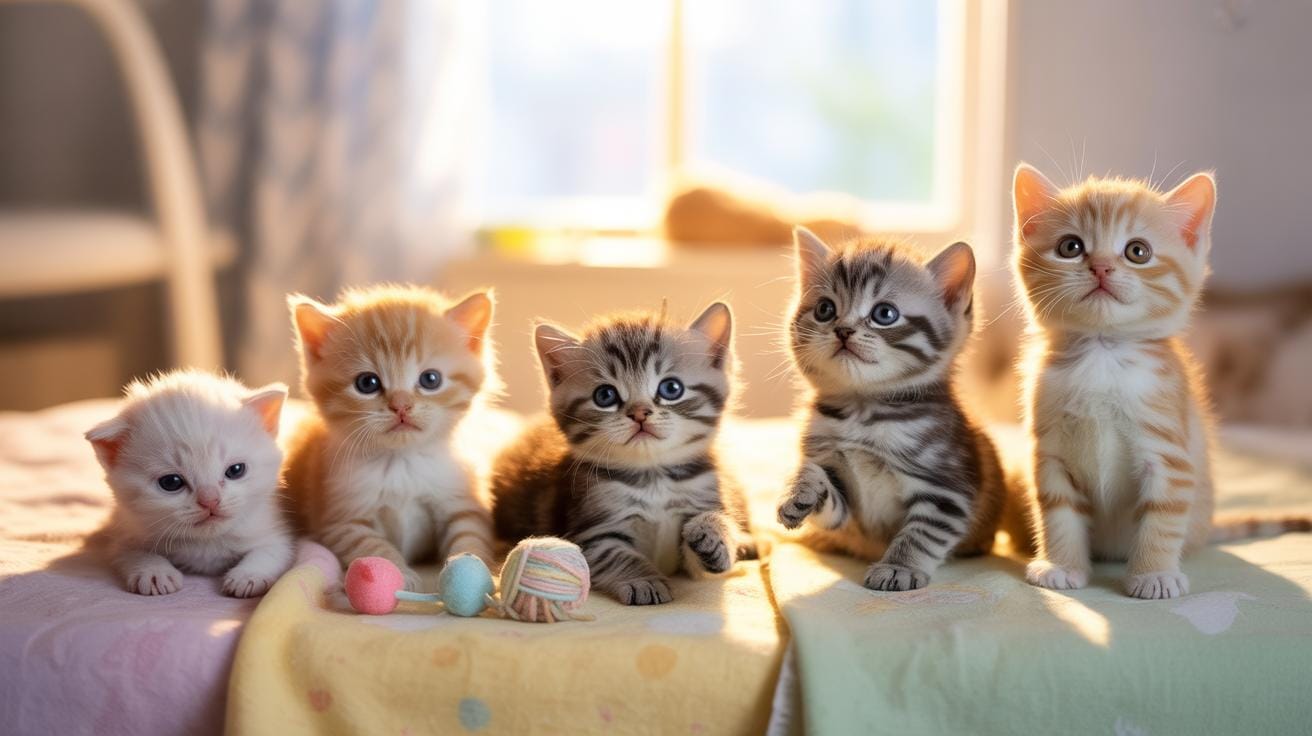
Understanding Newborn Kittens What Happens In The First 24 Hours
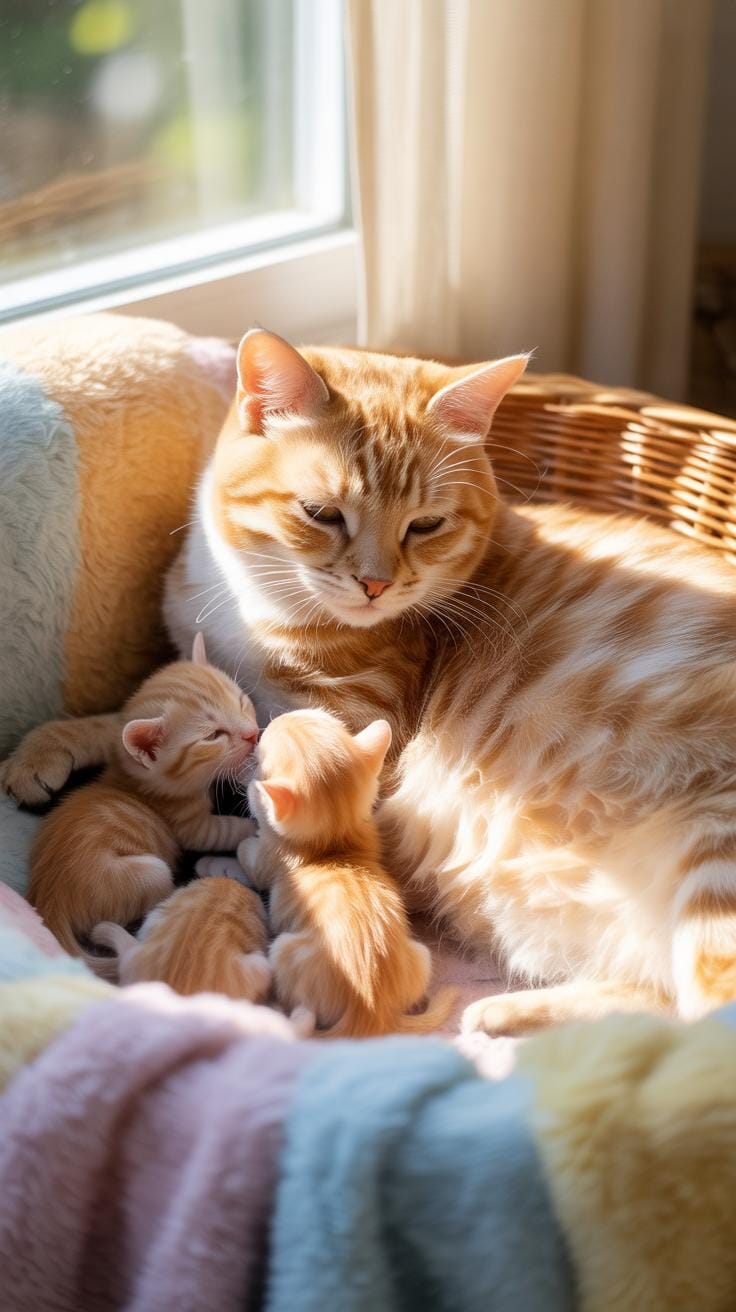
Physical Characteristics Of A Newborn Kitten At Birth
Newborn kittens enter the world in a highly altricial state. They weigh between 80 and 120 grams at birth. Their eyes and ears remain sealed shut to protect developing sensory organs. These animals lack the ability to regulate their own body temperature. They rely entirely on external heat sources to survive. Their fur is thin and provides very little insulation against cold air.
The skeletal system of a newborn consists mostly of flexible cartilage. This allows for a safe passage through the birth canal. Kittens possess primitive reflexes like rooting and suckling immediately. Their nervous systems are not fully developed yet. They can only move by dragging their bodies with their front legs. These physical limits make the kitten completely dependent on its mother for every biological need.
The Critical Role Of The Mother Cat In The First Hours Of Life
The mother cat provides three essential services during the first day. She licks the kittens to stimulate their breathing and clear fetal membranes. This grooming also triggers the kitten to urinate and defecate. Without this physical stimulation, the kitten’s waste systems will fail. She acts as the primary heat source to prevent lethal hypothermia in the litter. Temperature control is life or death.
Nutrition starts with colostrum. The mother produces this specialized milk during the first 24 hours. Colostrum contains vital antibodies that build the kitten’s immune system. Kittens must nurse quickly to absorb these proteins through their intestinal walls. This window of absorption closes fast. The mother cat stays in the nest almost constantly to ensure every kitten feeds and stays warm during this high-risk period.

Kitten Development During Weeks 1 And 2 The Neonatal Period
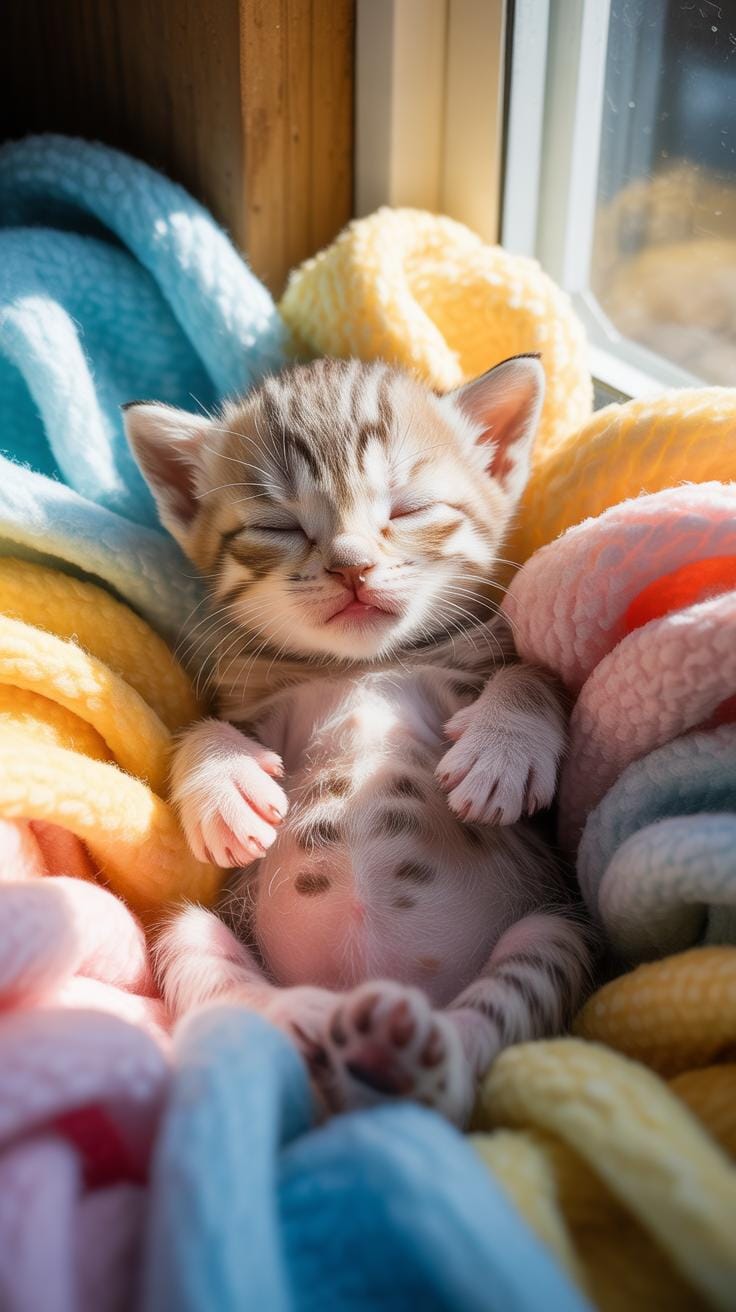
Sensory Limitations And Reflexes In The First Two Weeks
Kittens enter the world blind and deaf. Their eyelids remain tightly sealed to protect developing ocular tissues from infection and light damage. They rely entirely on tactile and olfactory cues to navigate. Thermal receptors allow them to locate the mother for warmth. Movement is limited to a primitive crawl. At this stage, they cannot regulate their own body temperature or eliminate waste without external stimulation.
Eye membranes Begin to part between day seven and day ten. Vision remains blurry and sensitive to light during this transition. Ear canals typically open by day fourteen, allowing the kitten to hear basic sounds. Despite these hardware upgrades, the brain still processes sensory input slowly. Caretakers must keep the environment stable and quiet. Sudden changes or rough handling can trigger severe stress responses in the fragile nervous system.
Each tiny step and newfound sight is a gentle reminder that even the smallest life unfolds in a masterpiece of growth. Watching them transform week by week reveals the quiet wonder of nature’s most delicate journey.
Weight Gain And Feeding Patterns In Early Kitten Development Stages
Healthy kittens must gain weight every single day. A standard neonate weighs about 100 grams at birth and should double that weight by the end of week one. They nurse every two to three hours. The mother provides colostrum in the first feeds. This fluid contains vital antibodies that build the immune system. Without this passive immunity, the kitten faces high risks of fatal infections.

Monitoring daily weight is the most tactical way to track health. Use a digital scale to record grams precisely. A loss of weight or a plateau signals a medical emergency. Supplying supplemental heat is mandatory because kittens lack body fat. They spend ninety percent of their time sleeping to conserve energy for growth. If the mother is absent, handlers must stimulate the abdomen to trigger urination and defecation.
Kitten Eyes And Ears Major Milestones In Weeks 2 And 3
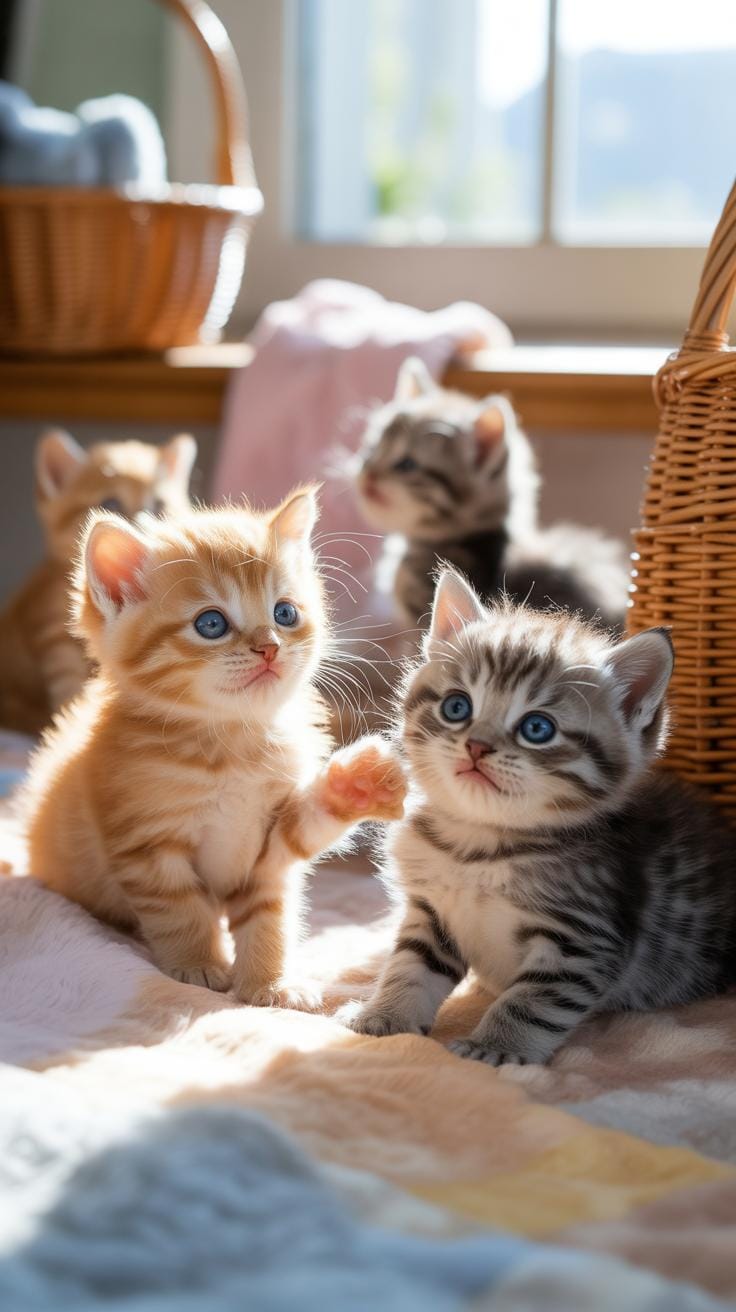
When Do Kitten Eyes Open And What To Expect During This Stage
Kittens usually start opening their eyes between day seven and day ten. Some take up to fourteen days to complete this process. Never force the eyelids apart. This can cause permanent damage to the cornea. The eyes open slowly over several days. They often look cloudy or hazy at first. Vision remains blurry during this early phase of development.
All kittens possess blue eyes at this stage. This color is a result of low melanin levels in the iris. Sight is limited to motion and light detection. Keep the nesting area dim to protect sensitive retinas. Bright lights cause physical pain to developing eyes. By the end of week two, kittens begin to navigate their immediate space using visual cues and shadows.
Ear Canal Opening And The Beginning Of Sound Awareness
Ear canals begin to open between day ten and day fifteen. They start as narrow slits and widen gradually. The ears look folded against the head at birth. By the third week, they stand upright. Kittens start to detect sounds once the canals fully clear. This transition happens rapidly. Sound becomes a primary tool for environmental awareness and safety.

Kittens often startle at loud noises during week three. This response proves the auditory system is functional. They can now locate their mother and siblings by sound. Disorientation is common as their brains process new sensory data. You must keep the environment quiet to prevent stress. This period marks the end of their total reliance on touch and smell for survival.
Kitten Growth Stages Mobility And Social Behavior In Weeks 3 To 4
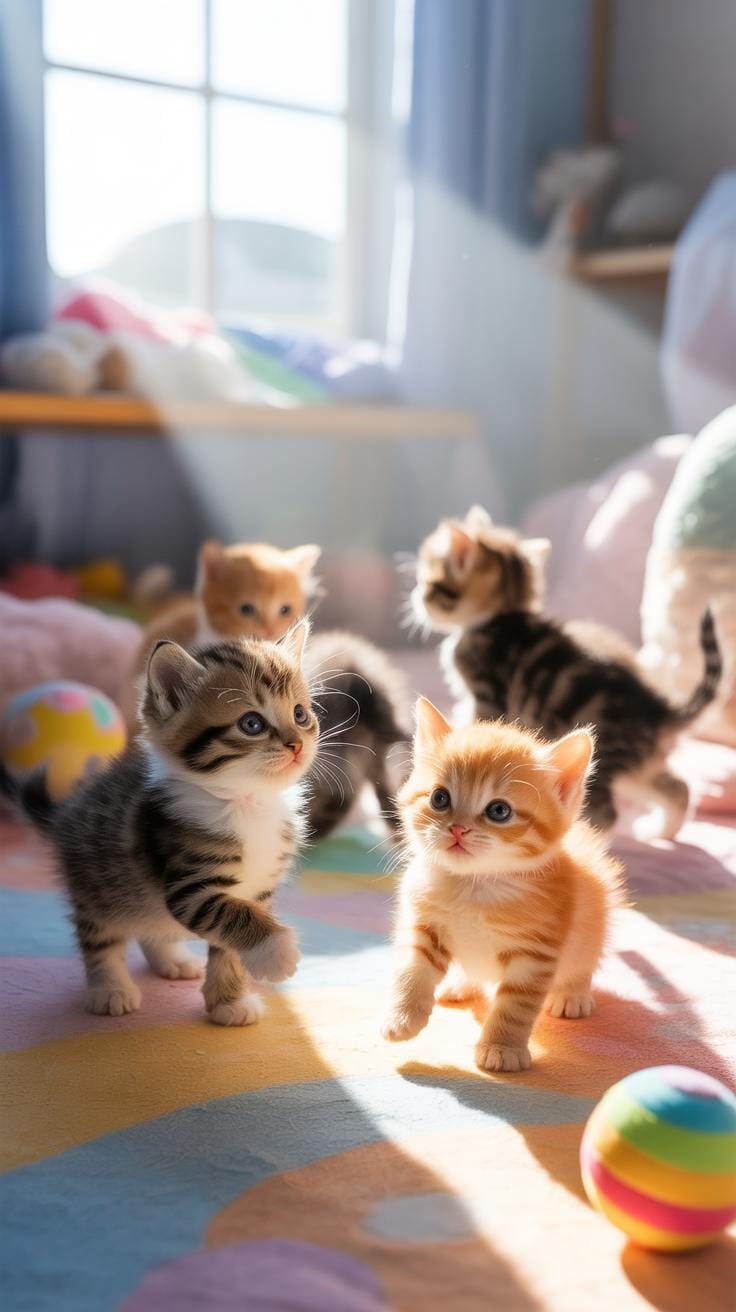
First Steps: How Kittens Begin To Walk And Explore Their Environment
Week three marks the transition from crawling to standing. Kittens develop enough muscle strength to support their body weight. Their legs are wobbly and splayed at first. They use their tails for balance while taking short steps. Coordination improves daily as the nervous system matures. This stage is critical for motor skill development. Movement remains limited to the immediate nesting area.
By week four, kittens show greater confidence in their gait. They begin to venture further from the queen. Navigating obstacles helps refine their spatial awareness. High activity levels during this period strengthen their bones and joints. Environmental stimulation is vital now. Provide a safe and enclosed space for this exploration. Avoid slippery floors because their claws cannot yet provide traction on smooth surfaces.
Early Socialization And Play Behavior Among Littermates
Social interaction begins in earnest during the third week. Kittens start to acknowledge their littermates as more than just heat sources. They engage in nose-touching and preliminary pawing. This behavior builds the foundation for complex feline communication. The queen also begins to interact differently with her offspring. She starts the weaning process by spending more time away from the nest to encourage independence.

Play becomes more aggressive and structured during the fourth week. Kittens engage in wrestling and biting. These actions teach them about bite inhibition and social boundaries. Play is a dress rehearsal for adult hunting and defense. It exercises their minds and bodies simultaneously. Positive human contact at this stage is essential. Early handling ensures the kittens grow into well adjusted adults who trust people.
Kitten Development Stages Weaning And Solid Food Introduction At Weeks 4 To 6
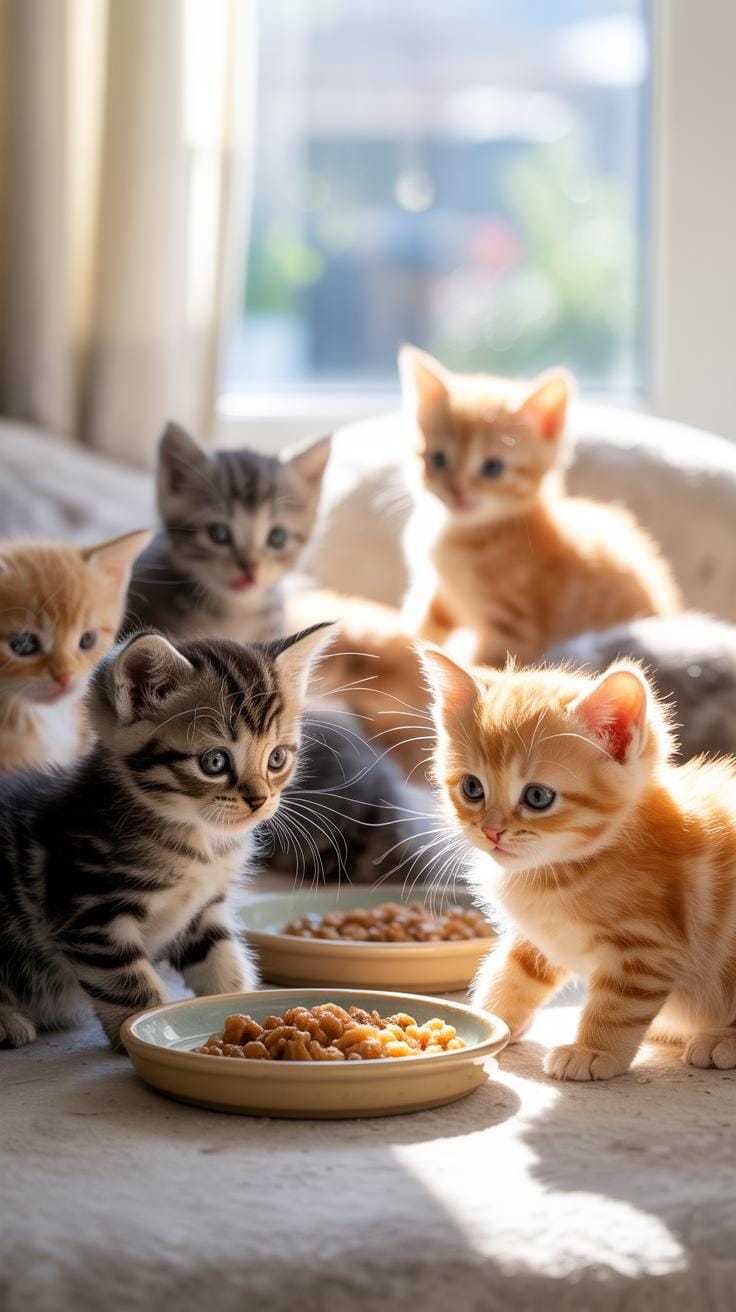
How And When The Weaning Process Naturally Begins
The weaning process starts naturally around week four of the kitten life cycle. At this stage, kittens develop their deciduous teeth, making nursing uncomfortable for the mother cat. She will begin to move away during feeding sessions to limit nursing time. This physical pushback forces the kittens to seek alternative calorie sources. You must observe this shift to start the transition.
Biological drive and social imitation accelerate the transition during weeks five and six. Kittens watch the mother eat and begin to mimic her behavior at the food bowl. This phase marks a critical shift from total milk dependency to nutritional independence. You should not rush this process but must provide the correct tools for success. Proper timing ensures the kittens maintain steady weight gain.
Introducing Wet And Solid Foods Safely During The Weaning Stage
Successful weaning requires a transition period known as the gruel phase. Mix high calorie kitten food with warm water or feline milk replacer to create a soft consistency. Do not use cow milk because kittens cannot digest lactose properly. Place the mixture in a shallow dish to allow easy access without the risk of the kitten drowning or choking.
- Slurry Preparation: Blend canned kitten food with milk replacer until it reaches the consistency of thin oatmeal. This texture allows kittens to lap the food before they fully understand how to chew. Gradual thickening helps their digestive tracts adjust to the new proteins and fats without causing severe upset.
- Shallow Dishes: Use low profile plates or saucers rather than deep bowls for the first feedings. High edges prevent smaller kittens from reaching the food and can cause whisker fatigue or anxiety. Kittens often walk through the food, so choose a vessel that is easy to clean and sanitize daily.
- Hydration Monitoring: Transitioning to solid food changes the kitten water intake requirements significantly. Always provide a separate bowl of fresh, clean water nearby to prevent dehydration during the weaning process. Monitor their intake to ensure they are drinking enough as they consume less milk from the mother cat.
- Small Portions: Offer fresh gruel or wet food several times a day in small amounts to maintain freshness. Food left out for hours can grow bacteria and lose its nutritional value. Frequent feeding sessions mimic the natural nursing schedule of the mother and keep energy levels stable across the litter.
- Weight Tracking: Weigh each kitten every day during the two week weaning window to ensure consistent growth. A kitten that refuses solid food and loses weight needs immediate intervention or supplemental tube feeding. Constant tracking identifies health issues before they become life threatening during this volatile developmental period.

As kittens reach week six, increase the ratio of solid food to liquid in the mixture. They should now possess enough teeth to handle canned food with minimal dilution. Slowly introduce dry kibble by moistening it first to prevent dental damage. Consistency is vital for digestive health. Monitor litter box habits to ensure the new diet does not cause diarrhea or constipation.
Kitten Milestones In Weeks 6 To 8 Rapid Cognitive And Physical Growth
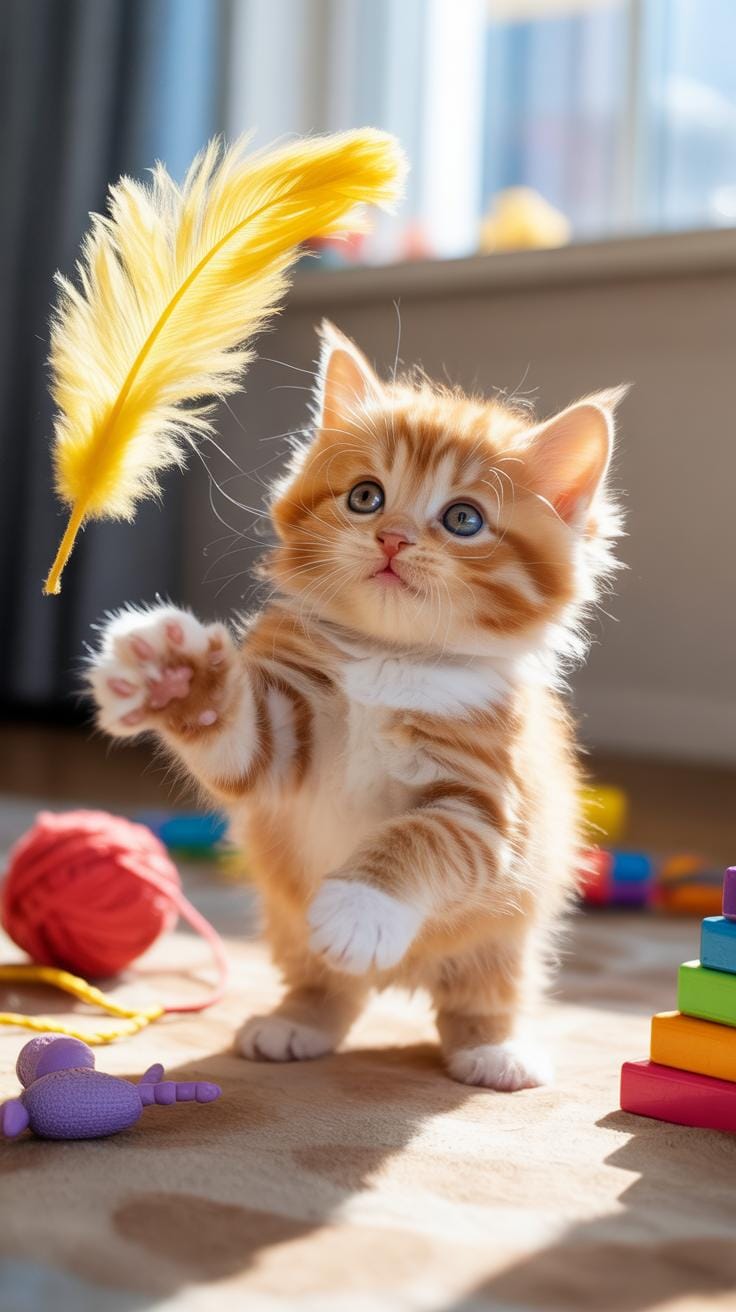
Development Of Coordination, Grooming, And Litter Box Learning
Motor skills sharpen during this window. Kittens now run and jump with increasing precision. They transition from clumsy wobbling to calculated leaps. Their inner ear develops fully to improve balance. This physical peak allows them to explore vertical spaces. You will see them attempt to climb furniture or cat trees. They learn to retract their claws more effectively during play.
Kittens mimic their mother to learn self-care skills. Social learning drives the adoption of grooming habits. They begin to clean their own fur and paws after eating. Litter box usage becomes consistent by week eight. They understand the instinct to dig and cover waste. Provide low-entry boxes to accommodate their size. Keep the litter clean to reinforce these positive hygiene habits.
Personality Formation And The Importance Of Human Socialization
The socialization window peaks between weeks six and eight. Kittens form permanent opinions about humans and other animals during this time. Positive interactions dictate their future temperament. Handle them daily to build trust and reduce fear. Exposure to various sounds and smells is critical. Lack of contact now often leads to feral behavior later. Consistent handling creates a confident adult.

Individual personalities emerge as kittens engage in social play. Some show dominance while others remain passive. These traits reflect their cognitive growth and brain development. Play sessions teach them the limits of biting and scratching. This period defines how they solve problems and approach new environments. Watch for curiosity levels to gauge adult confidence. Tactical exposure to carriers and brushes now prevents future stress.
Kitten Age Chart Tracking Growth From Birth To 12 Weeks
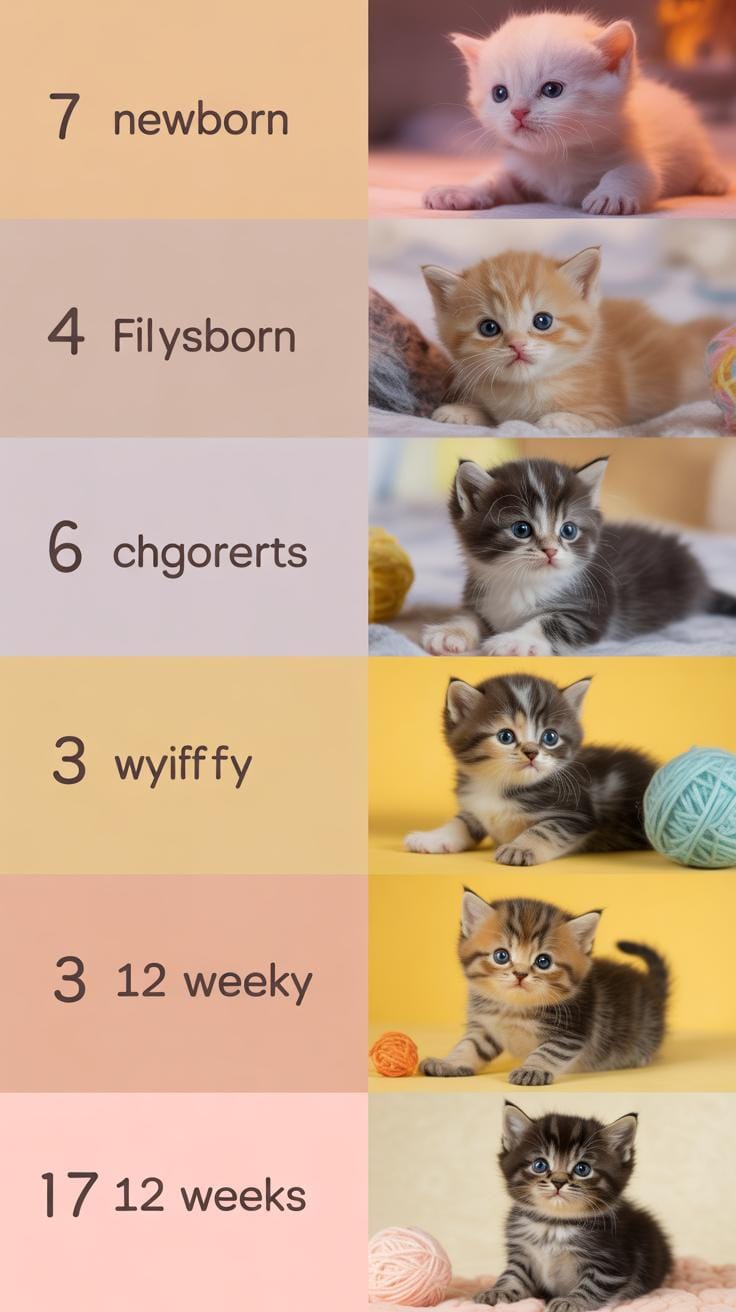
How To Use A Kitten Age Chart To Monitor Healthy Development
A kitten age chart serves as a critical diagnostic tool for breeders and owners. It helps you identify developmental lags before they become life-threatening. You must compare your kitten to standard physical markers and behavioral shifts. This data tells you if the kitten needs immediate medical intervention. Consistency is key when tracking these milestones to ensure the animal hits every physiological target.
Monitor physical changes like eye opening and ear canal unfolding to confirm the kitten follows a standard timeline. These external signs indicate neurological progress and sensory maturation. If a kitten falls behind the chart by more than forty-eight hours, assume there is an underlying issue. Use the chart to dictate nutritional changes and weaning schedules. Accurate tracking prevents premature dietary shifts that cause digestive distress.
Average Weight And Size Benchmarks By Week For Healthy Kittens
Healthy kittens usually weigh between three and four ounces at birth. They must gain about half an ounce every day during the first few weeks. By the end of week one, the kitten should double its birth weight. Frequent weighing on a digital scale is the only way to confirm this growth. Stagnant weight is a primary indicator of fading kitten syndrome.

By week four, most kittens reach approximately one pound in weight. They continue to gain about a pound per month until they are six months old. A twelve-week-old kitten typically weighs between three and four pounds depending on the breed. Use these metrics to adjust caloric intake and monitor metabolic health. Falling significantly below these averages suggests poor nutrient absorption or high parasite loads.
Kitten Care Essentials Health Vaccinations And Vet Visits By Week 8 Onward
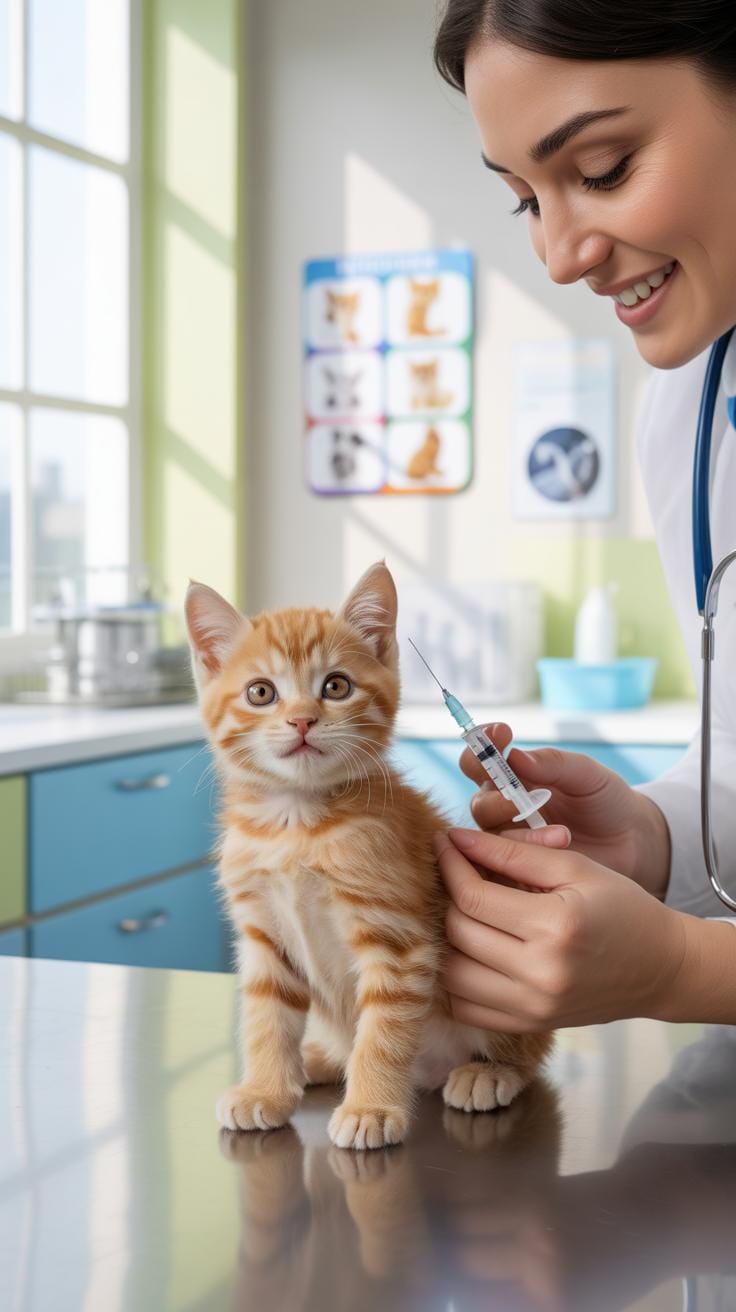
When To Schedule The First Veterinary Visit And Core Vaccinations
Week eight marks the critical window for the first veterinary exam. Maternally derived antibodies begin to fade at this stage. This leaves the kitten vulnerable to life-threatening diseases. You must schedule the initial visit immediately to establish a health baseline. A veterinarian will perform a physical exam to check for congenital defects and heart murmurs while starting the immunization series.
Core vaccinations typically begin during this eighth week visit. The FVRCP vaccine is the primary requirement for all kittens. This shot protects against feline viral rhinotracheitis, calicivirus, and panleukopenia. Subsequent boosters must occur every three to four weeks until the kitten reaches sixteen weeks of age. Failure to follow this strict timeline leaves gaps in immunity that pathogens will exploit immediately.
Parasite Prevention, Deworming, And Early Health Screening Tips
Intestinal parasites are nearly universal in young kittens due to transmission through mother’s milk. Veterinarians start deworming protocols as early as two weeks, but week eight requires a definitive fecal exam. This test identifies specific eggs from roundworms, hookworms, or protozoa like coccidia. Eradicating these pests ensures the kitten absorbs necessary nutrients for rapid growth. Clean the litter box daily to prevent reinfection.

External parasite control must start now to prevent flea infestations and mite damage. Products labeled for eight-week-old kittens provide safe protection against these pests. Additionally, your vet should perform a blood test for Feline Leukemia Virus and Feline Immunodeficiency Virus. Knowing the status of these retroviruses is vital for long-term health planning. Early screening prevents the spread of disease to other cats in your household.
Kitten Checklist Everything You Need To Support Each Developmental Stage
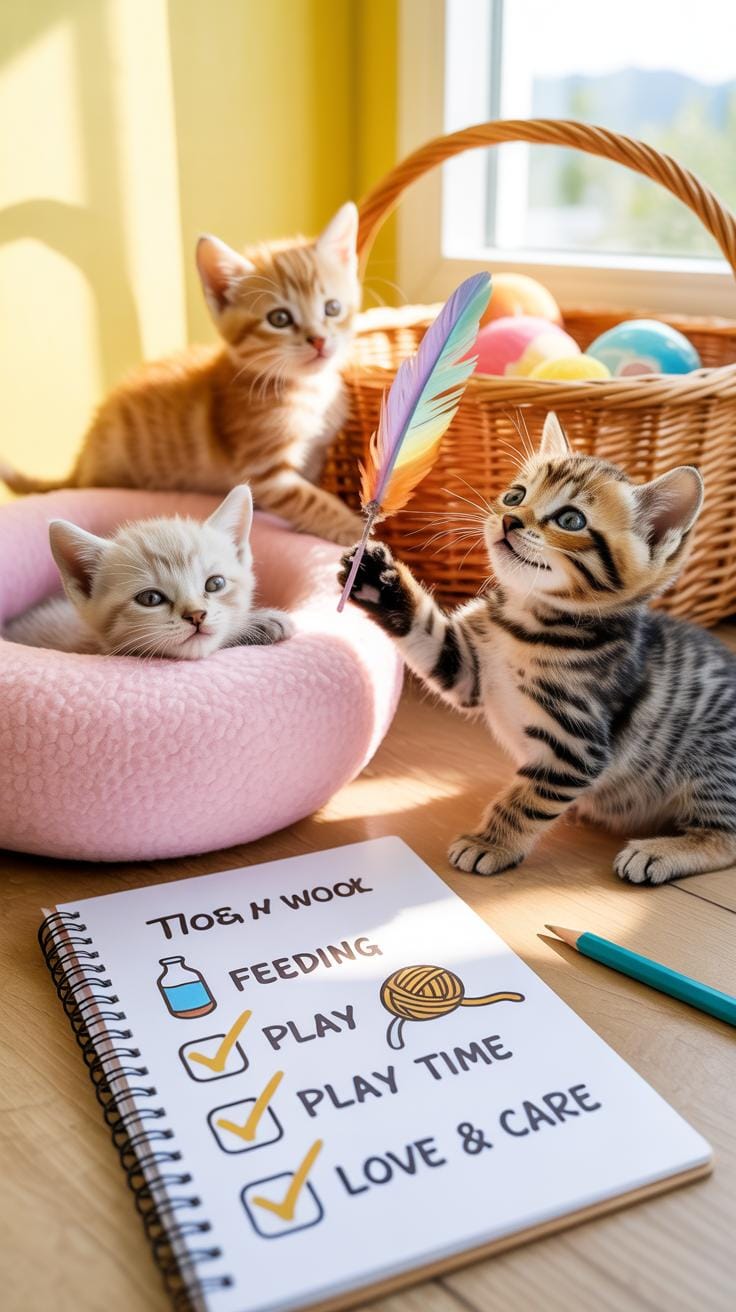
Essential Supplies And Environment Setup For A Growing Kitten
Successful kitten rearing requires specific tools that match physical growth. You must provide a nesting box for neonatal kittens to maintain body heat. Young kittens cannot regulate their own temperature for several weeks. Transition to low entry litter boxes as mobility improves at week three. Proper equipment prevents injury and supports natural instincts. High quality nutrition fuels rapid bone and muscle growth during these critical phases.
- Heating Pad: Use a pet safe heating disk or low voltage pad. It must only cover half the nesting area. This allows the kitten to move to a cooler spot if they get too hot. Heat prevents fatal hypothermia in those under four weeks old.
- Digital Scale: Weigh kittens daily at the same time. Growth must be steady and documented in grams. Weight loss is the first sign of illness or
failure to thrive. Accurate tracking ensures you catch health issues before they become life threatening emergencies. - Low Entry Litter Box: Kittens have short legs and limited coordination until week six. A box with high sides prevents them from entering easily. Use non clumping clay litter or paper pellets initially. This stops the kitten from ingesting material that causes dangerous internal blockages.
- Kitten Milk Replacer: Never use cow milk for neonatal kittens. It causes severe diarrhea and dehydration. High quality commercial milk replacers provide the exact balance of fats and proteins needed. Keep clean bottles and various nipple sizes available to ensure proper suction and feeding.
- Scratching Posts: Introduce vertical and horizontal surfaces by week five. Kittens start sharpening claws as soon as they can walk steadily. Providing these tools early protects your furniture. It also helps the kitten stretch their muscles and shed nail sheaths through natural behavior.
Environment control dictates survival rates for the first month. Keep the kitten area away from drafts and loud noises. Provide soft bedding that does not have loose strings. Strings can wrap around limbs and cut off circulation. Clean all feeding supplies daily to stop bacterial growth. Your setup must evolve as the kitten gains strength and explores more space.
Red Flags To Watch For At Each Stage Of Kitten Development
Monitor health indicators daily to prevent rapid decline. A healthy kitten is active and gains weight steadily. Frequent crying or vocalization signals pain, hunger, or cold. Diarrhea causes instant dehydration in small bodies. Check the skin for elasticity to ensure hydration levels stay high. If the skin stays tented after a gentle pinch, seek veterinary help at once.
Lethargy and loss of appetite are critical warnings. Kittens should be eager to eat and play during waking hours. Discharge from the eyes or nose indicates respiratory infection. These infections spread fast and can cause permanent damage. Watch for shivering or a cold touch to the ears and paws. Immediate action saves lives when developmental milestones stop or reverse.
Frequently Asked Questions

What are the most important kitten developmental milestones to watch for initially?
During the first month, kittens transition from being entirely dependent on their mother to becoming curious explorers. Key kitten developmental milestones include their eyes opening around week two and beginning to wobbly walk by week three. By week four, their primary teeth emerge, allowing them to sample soft food. Monitoring these early markers is essential for ensuring your new pet is growing at a healthy, consistent pace for their age.
How can I help my pet reach their kitten developmental milestones through socialization?
You can support your pet’s growth by gently handling them and introducing various household sounds between weeks three and seven. To help them hit social kitten developmental milestones, offer safe toys to encourage hunting instincts and provide cardboard boxes for exploration. Consistent, positive interaction with different people during this sensitive period ensures they develop into confident, well-adjusted adult cats while reaching their physical and behavioral goals on schedule.
Do I need expensive equipment to track my kitten’s growth and development?
Not at all! Monitoring milestones is very accessible on a budget. You only need a simple kitchen scale to track weight gain and a notebook to log physical changes. Most enrichment can be done with DIY items like crumpled paper or socks. While professional vet check-ups are necessary for vaccinations, you can successfully observe and support vital growth phases using basic household items and plenty of free, dedicated playtime.