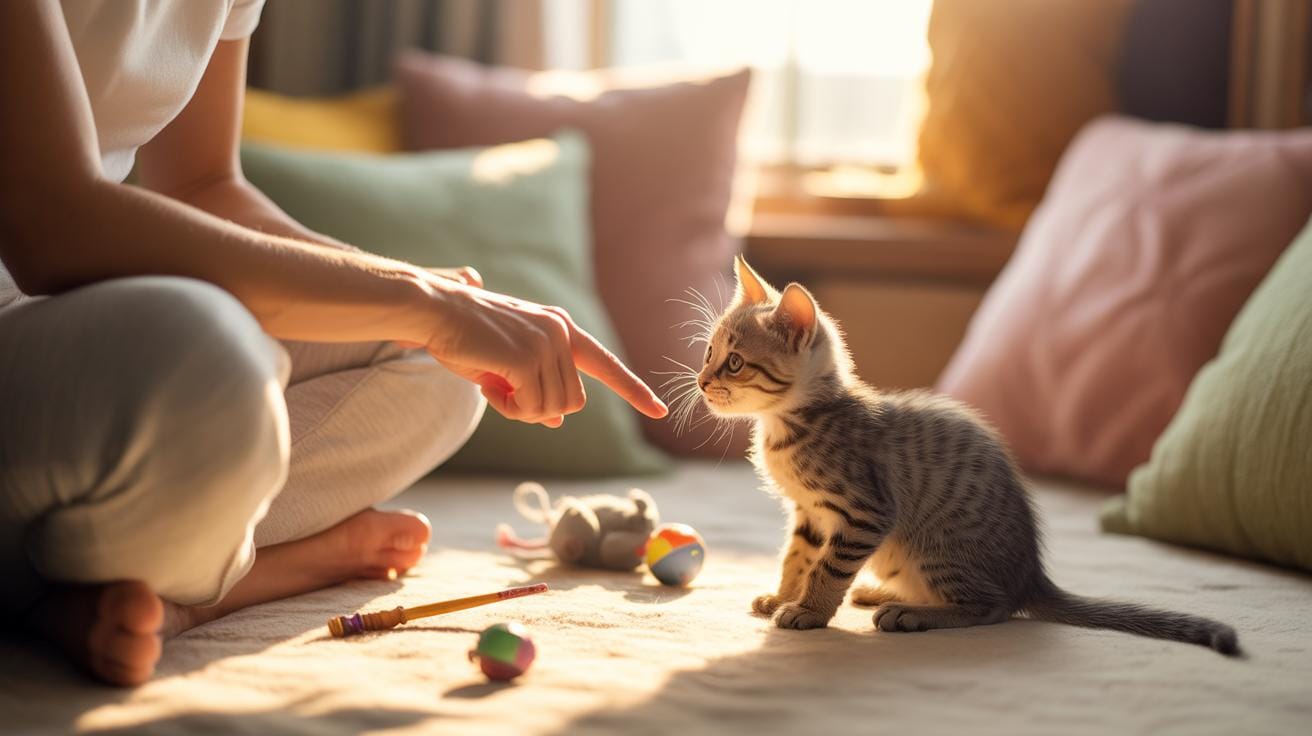
Understanding Feral Vs Stray Kittens Key Cat Facts Before You Begin
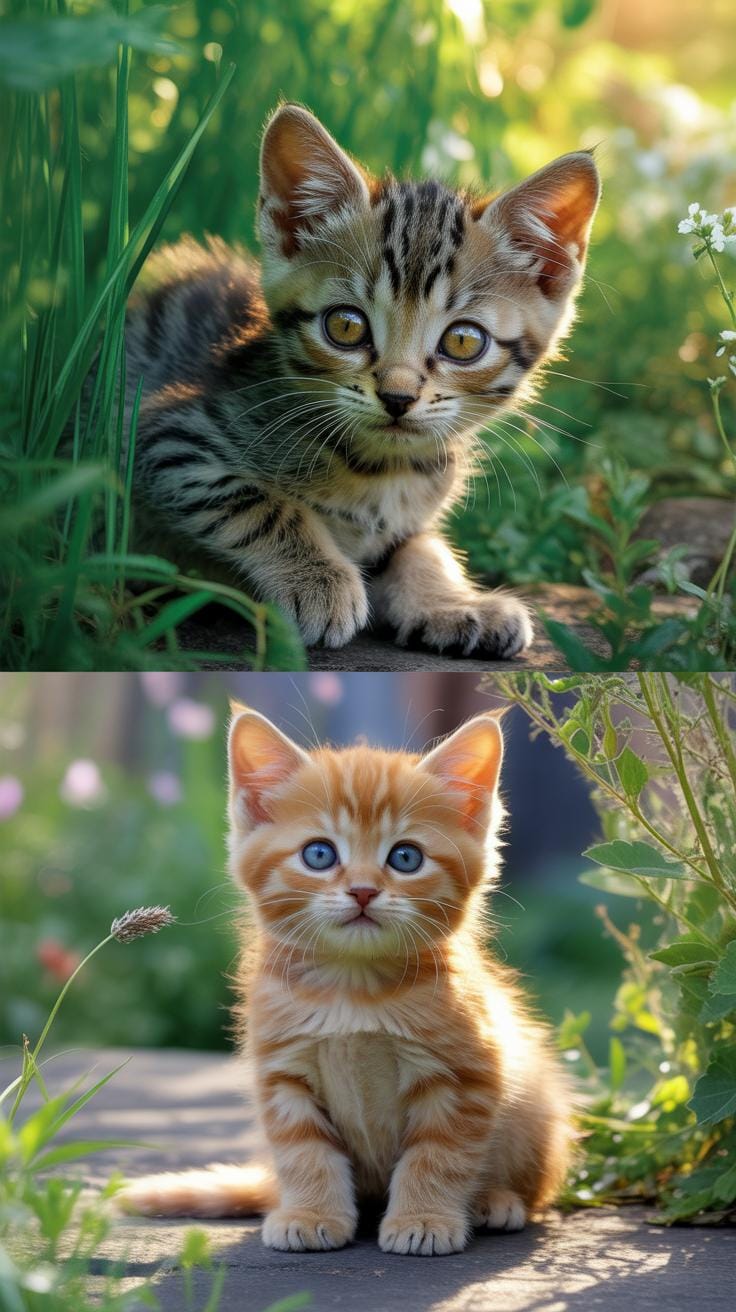
What Makes A Kitten Truly Feral: Behavior And Background
A feral kitten lacks any positive history with humans. These animals exist in a wild state due to zero early handling. They rely on survival instincts rather than domestic habits. You will see extreme fear responses during initial contact. This behavior stems from a biological lack of socialization during the critical window. This window usually closes by eight weeks of age.
Feral kittens view humans as natural predators. They use aggression as a defense mechanism to protect themselves from perceived threats. You will witness hissing, spitting, and striking. These are not signs of a mean personality. They are tactical survival maneuvers. Identifying a true feral requires monitoring their body language in a quiet space. They remain tense and hidden when humans are present.
How Cat Behavior Differs Between Feral And Stray Kittens
Stray kittens have experienced previous human interaction. They once lived in homes but lost their way or faced abandonment. These kittens understand human voices and household sounds. Their behavior displays caution rather than pure terror. You can often win over a stray kitten with food or soft speech. Their socialization process moves much faster because the mental foundation already exists.
Feral kittens require a complete neurological rewire to accept humans. They do not seek out people for food or warmth initially. Strays might meow at humans to communicate needs. Feral kittens stay silent to avoid detection by predators. Distinguishing between the two is vital for your strategy. A stray needs a home. A feral kitten needs a structured rehabilitation plan to overcome wild instincts.

The Socializing Feral Kittens Timeline A Kitten Age Chart Breakdown
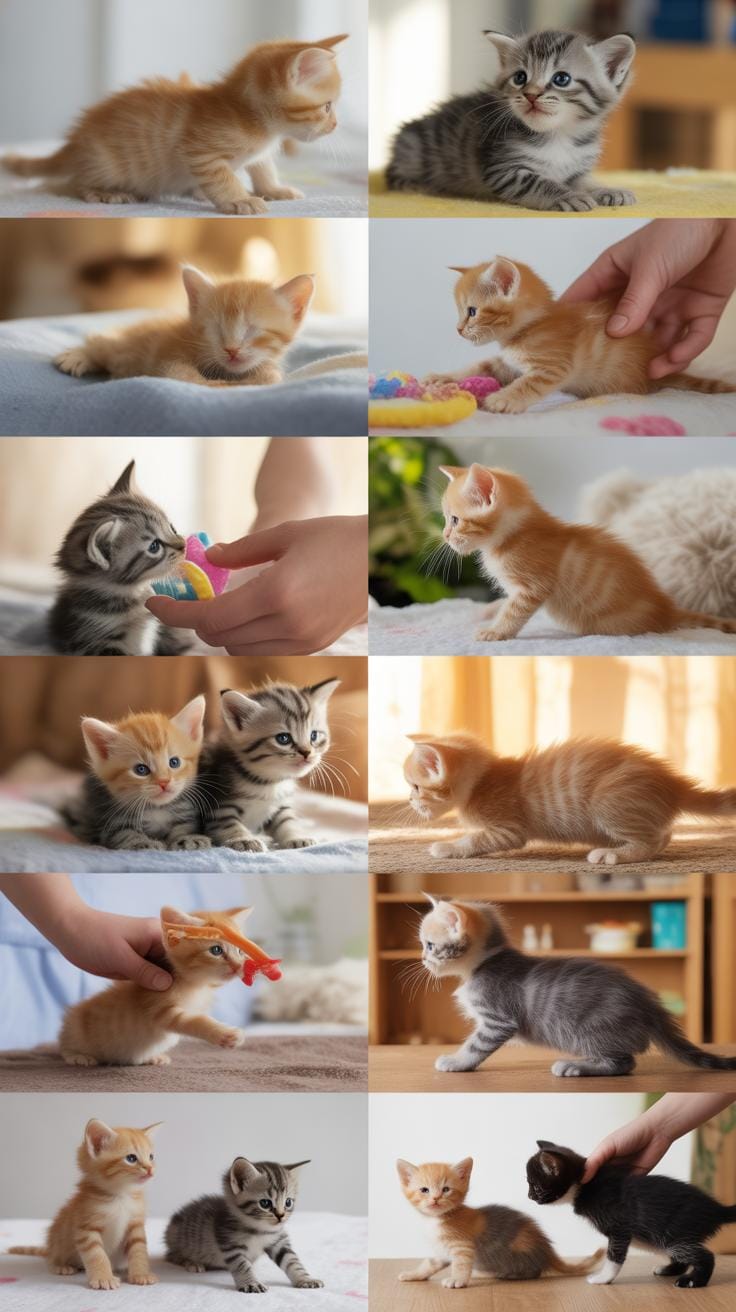
The Critical Socialization Window: Why Age Under 8 Weeks Matters Most
Kittens possess a biological window for socialization that peaks between two and seven weeks of age. During this period, their brains remain highly plastic and receptive to new stimuli. They learn to categorize humans as companions rather than predators. Missing this window makes the process significantly harder. You must act early to capitalize on their natural curiosity before their fear response fully develops.
Once a kitten passes the eight week mark, its survival instincts harden. The amygdala triggers a permanent fear response toward unfamiliar species. You can still socialize older kittens, but it requires exponential time and effort. Biology dictates that early intervention yields the highest success rate. Focus your primary rescue efforts on kittens under two months old to ensure they become stable house pets.
What To Realistically Expect Week By Week During Socialization
The first week of socialization focuses on basic sensory acclimation and safety. You keep the kitten in a small, controlled space to reduce environmental stress. Food serves as your primary tool for building trust. You offer wet food while sitting nearby to create a positive association with your presence. The kitten will likely hiss or hide during these initial days as it assesses the threat.

By the second and third weeks, you move toward physical contact and play. You use long wand toys to engage their hunting instinct from a safe distance. This builds confidence and reduces defensive behavior. Transitioning to hand feeding or gentle petting during meals solidifies the bond. Success depends on consistency. Daily sessions of thirty minutes or more ensure the kitten moves from fear to active engagement.
Setting Up A Safe Space Essential Kitten Care Before Socialization Starts
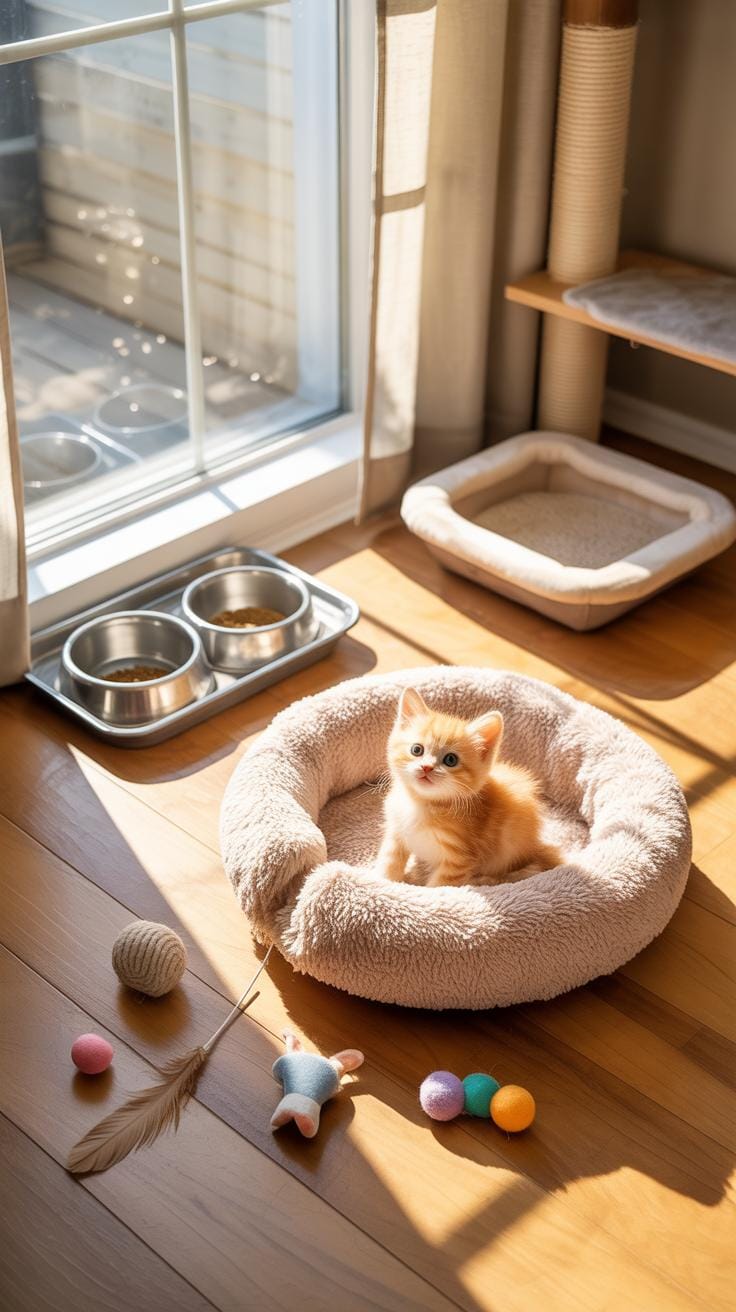
Choosing The Right Confinement Area To Build Trust Gradually
Select a small room like a bathroom or laundry area for the first phase. Large rooms allow kittens to hide in unreachable spots where you cannot interact with them. You must control the environment to control the socialization process. Limited space forces the kitten to acknowledge your presence. This prevents them from retreating into a permanent state of fear.
Remove all hiding spots that prevent physical access. Block off areas behind appliances or under cabinets where a kitten can wedge itself. Use a large dog crate or playpen if a small room is unavailable. This setup ensures the kitten stays within your sight line. Proximity is the only way to habituate the animal to human movement and sounds.
Your Kitten Checklist: Supplies You Need Before Bringing A Feral Kitten Indoors
Success depends on having the right gear ready before the kitten arrives. You need tools that facilitate feeding and cleaning without causing unnecessary stress. Feral kittens view new objects with suspicion so keep the layout consistent. High quality equipment prevents escapes and injuries during the initial transition period. Proper staging saves time and reduces the risk of scratches.
- Large Wire Crate: A 36-inch or 42-inch dog crate provides a secure home base. It allows the kitten to see the room while feeling protected by a barrier. This serves as their primary safe zone during the first week.
- Small Litter Box: Use a low-entry box to accommodate young kittens. Place it in the furthest corner from the sleeping area. Keep the litter consistent to encourage proper bathroom habits in an unfamiliar and high-stress indoor environment.
- Hiding Box: Provide a cardboard box with a hole cut out for retreat. This gives the kitten a sense of security and control. You can easily lift the box to access the kitten for socialization sessions without a chase.
- High-Value Food: Stock up on wet kitten food and squeeze-tube treats. Food is the primary motivator for taming feral animals. You will use these rewards to create positive associations with your presence and touch throughout the day.
- Small Fleece Blanket: Soft bedding provides comfort and holds the kitten’s scent. Avoid towels with loops that can snag tiny claws. A scent-soaked blanket helps the kitten feel secure when you move them to a new carrier or cage.

Set up the feeding station near the front of the enclosure. This forces the kitten to move toward you to eat. Use ceramic or metal bowls to prevent chin acne and facilitate easy cleaning. Always provide fresh water in a tip-proof bowl to prevent messes. Having these supplies organized allows you to focus entirely on the kitten once the socialization clock begins.
How To Feed A Feral Kitten To Build Trust And Encourage Bonding
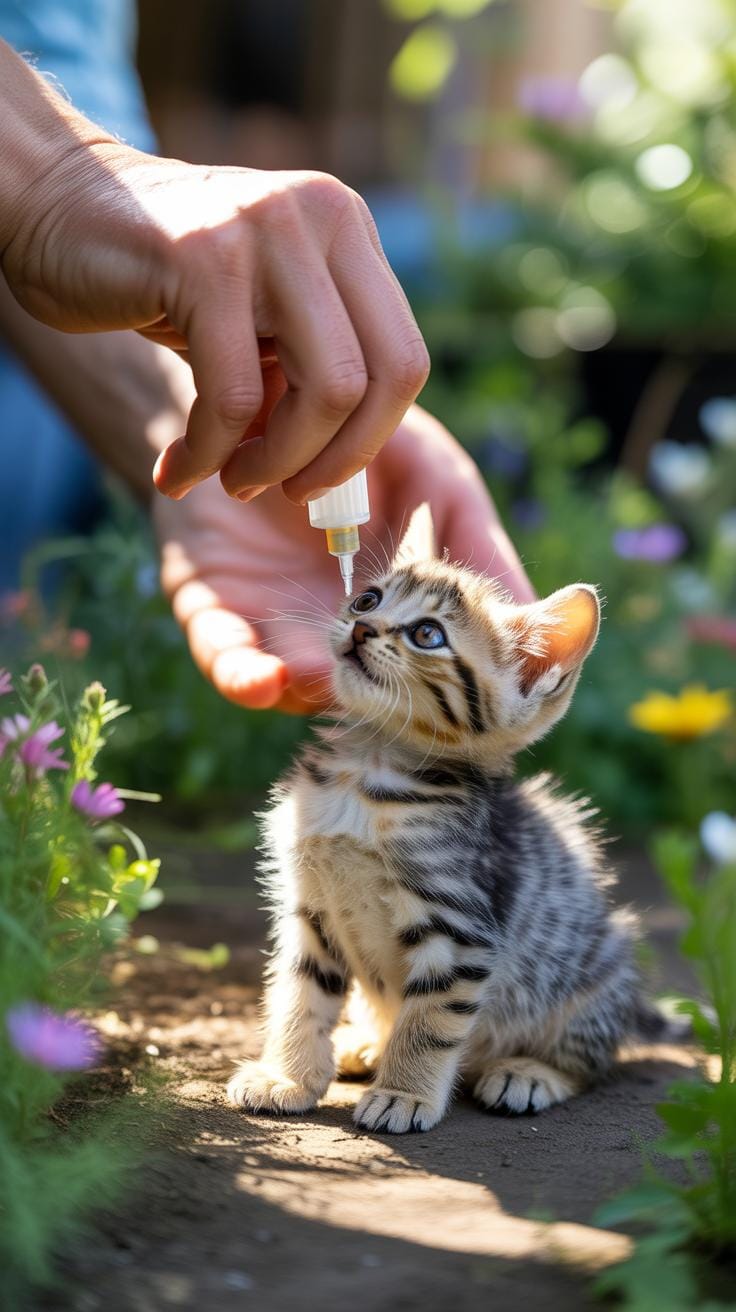
Using Feeding Routines As A Foundation For Human Socialization
Food is the primary lever for taming feral kittens. Free feeding ruins socialization because the kitten does not associate the meal with the human. You must remove all dry food bowls and only provide food when you are present. This forces the kitten to recognize you as the sole provider of survival resources. It shifts their view of you from threat to provider.
Establish a strict schedule for these interactions. Sit near the kitten while they eat to create a positive association with your scent and presence. Gradually move the food dish closer to your body during each session. Eventually the kitten must touch your hand or lap to reach the food. This tactical approach uses the hunger drive to override the natural fear response in the brain.
Age Appropriate Food Choices And Feeding Schedules For Feral Kittens
Kittens under four weeks require specialized replacement formula. Do not use cow milk as it causes fatal dehydration from diarrhea. Between four and eight weeks you should introduce wet kitten food mixed with formula. High calorie wet food smells stronger than dry kibble. This strong scent triggers the appetite and makes the socialization process faster. Older kittens need consistent high protein meals to support rapid growth.

Feed kittens three to four times per day to maximize training opportunities. Hungry kittens are more willing to take risks and approach humans. Use a spoon to offer wet food or meat based baby food without onion powder. This keeps your fingers safe while teaching the kitten that your hands bring rewards. Consistency in the schedule reduces the stress of the feral kitten during the transition.
Hands On Techniques How To Take Care Of Feral Cats And Kittens During Socialization
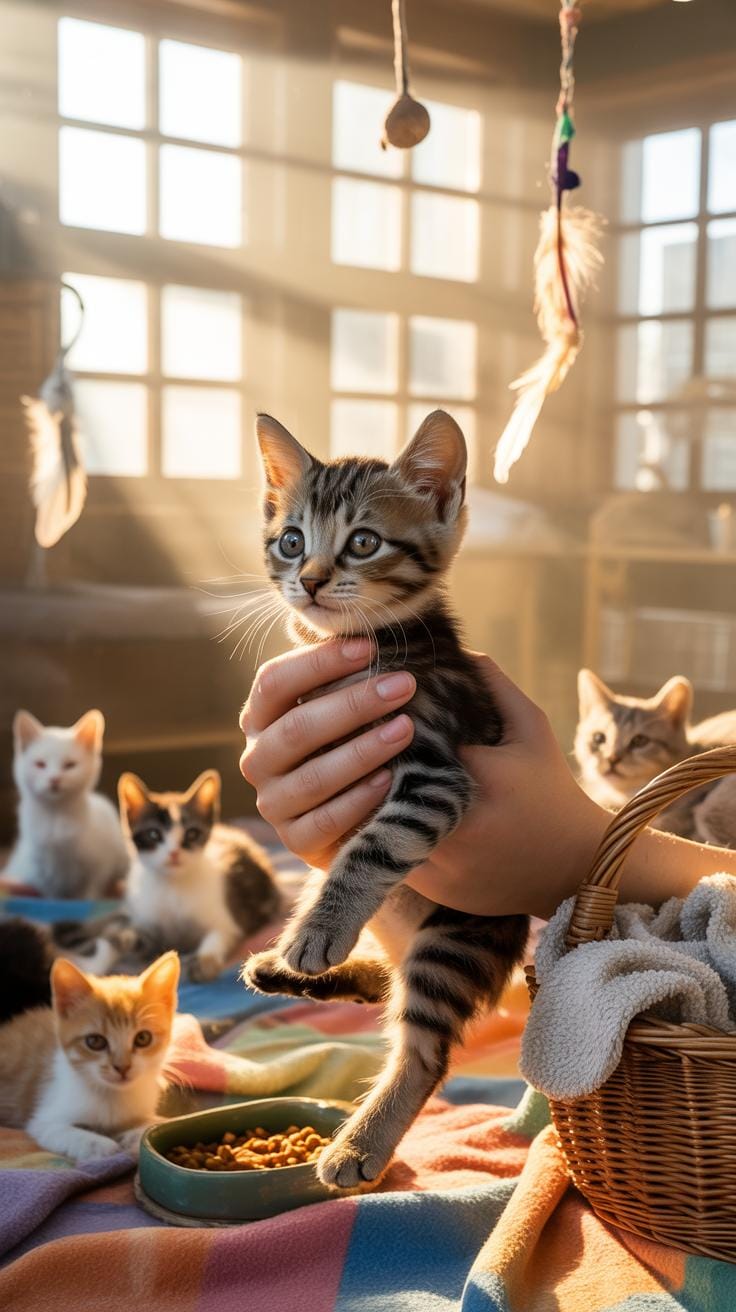
Step By Step Handling Progression: From Observation To Gentle Touch
Socialization begins with passive presence. Sit near the kitten while it eats to associate your scent with positive rewards. Avoid direct eye contact as it signals aggression in feline culture. Use a long handled spoon to offer wet food. This keeps your hands safe while closing the physical gap. Once the kitten eats calmly, move your hand closer to the dish each day.
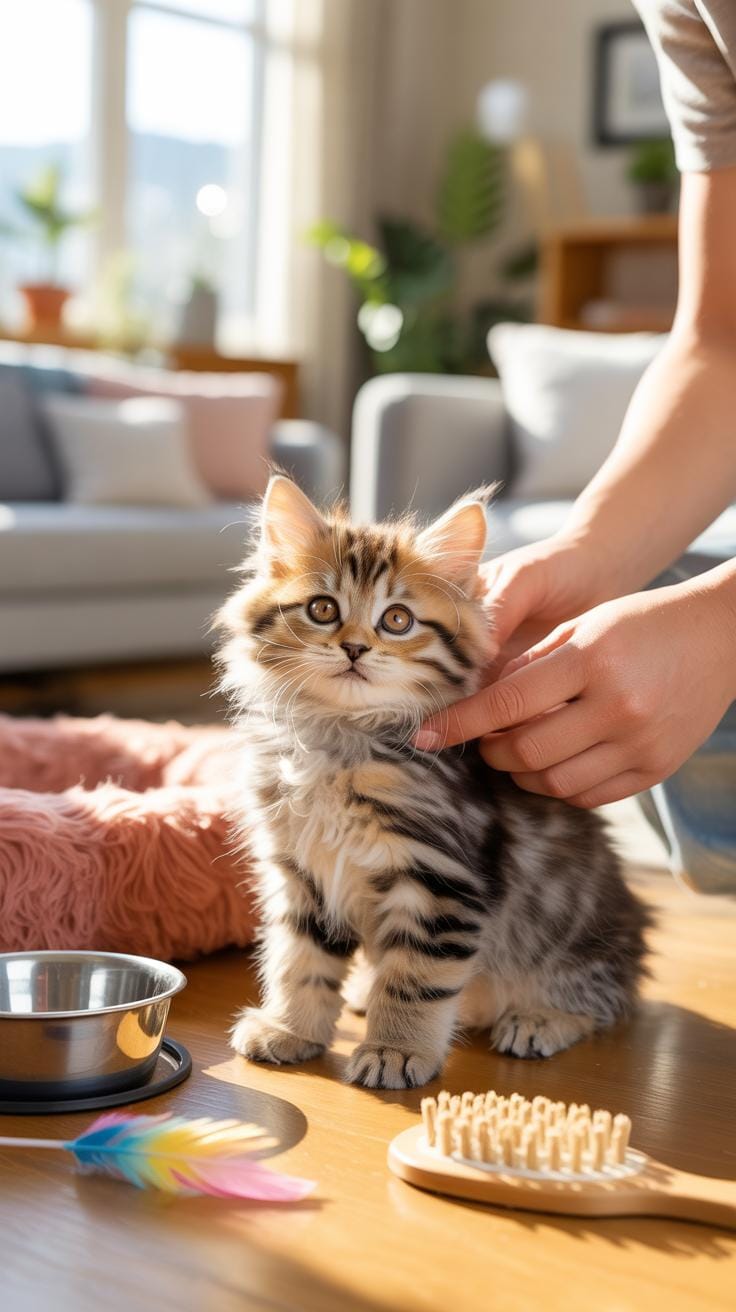
Progress to physical contact using an object like a toothbrush or a small wand. This mimics grooming behavior without risking a bite. Transition to hand petting only when the kitten stops flinching at the sight of your reach. Always touch the head and cheeks first where scent glands are located. Avoid the belly and tail during these early sessions. Keep handling periods short but frequent.
Love and patience have no schedule when turning a wild heart into a constant companion. It takes as long as it takes for a tiny soul to realize it is finally safe.
Reading Body Language And Respecting Boundaries During Cat Care
A feline’s posture reveals its metabolic state and stress level. Dilated pupils and pinned ears indicate high arousal and potential flight or fight responses. A crouched body with a tucked tail shows fear. Watch for a twitching tail or shifting weight. These signs mean the kitten needs space immediately. Pushing through these signals ruins trust and creates a permanent fear of human touch.

Respecting boundaries involves retreating before the kitten lashes out. If the kitten hisses, stop your forward movement but do not leave the room. Staying in place shows you are not a threat but also not easily intimidated. Slow blinks signal safety and help lower the animal’s heart rate. Consistent, predictable movements allow the kitten to anticipate your actions. Predictability is the fastest path to taming a feral animal.
How To Help Feral Cats In The Colony While Socializing Their Kittens
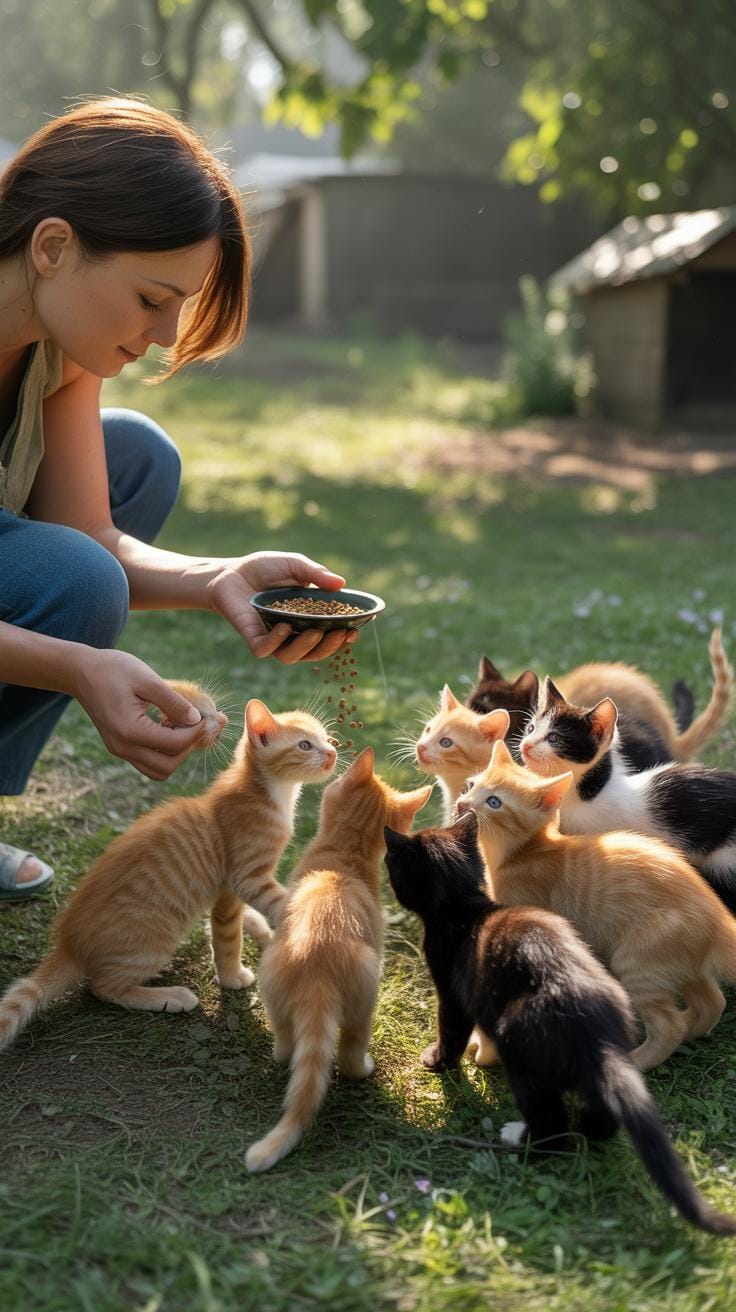
The Role Of Trap Neuter Return (TNR) Programs In Feral Cat Welfare
Trap-Neuter-Return is the industry standard for managing feral cat populations. You cannot focus on kittens while ignoring the breeding adults. TNR stops the cycle of reproduction immediately. Practitioners trap every adult cat in the colony for professional sterilization. A veterinarian also tips the left ear to signal the cat is fixed. This practice prevents future litters and reduces nuisance behaviors.
Effective TNR programs improve the health of the entire colony. Sterilized cats experience lower stress levels and live longer lives. They no longer fight over mates or migrate in search of partners. Removing kittens for socialization is only half the battle. You must stabilize the adult population to ensure no more kittens end up on the street. Use local resources to find low-cost clinics.
Balancing Community Cat Support With Individual Kitten Socialization Efforts
Managing a colony requires a strict daily routine alongside your kitten socialization work. You must provide consistent food and water to the adults left behind. This keeps the colony near their home base and monitors their health. Dedicated feeding stations prevent messes and attract fewer pests. You serve as the primary observer for the group. Your presence helps identify new cats that need trapping.

Socialization takes significant time but the colony still needs your oversight. Allocate specific hours for direct kitten interaction and separate blocks for colony maintenance. Do not allow your focus on one kitten to result in the neglect of the group. Stable colonies provide a safer environment for cats that are too old to socialize. Proper management ensures the best outcome for both tameable kittens and wild adults.
Common Setbacks In The Socializing Feral Kittens Timeline And How To Overcome Them
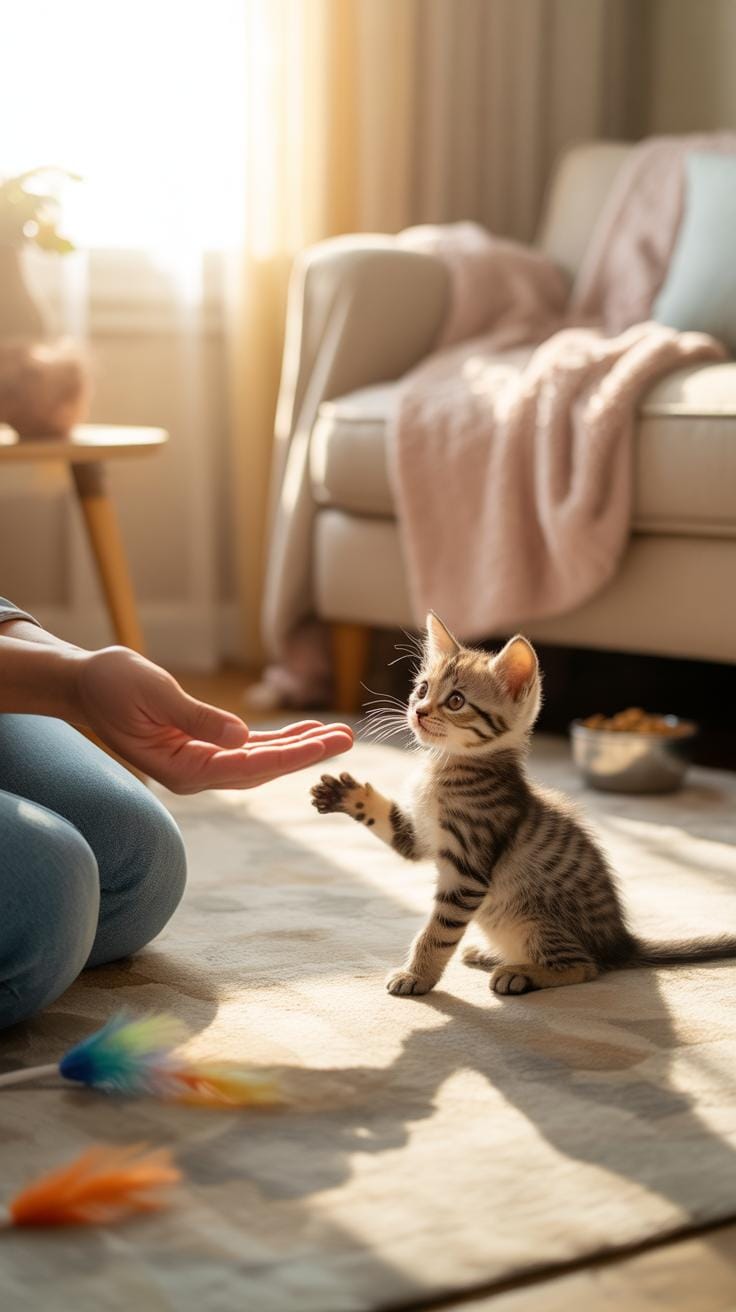
Why Some Kittens Regress And How To Rebuild Trust Effectively
Kittens regress when they face sudden environmental changes or loud noises. A kitten that previously allowed petting may start hissing or hiding. This behavior is a survival instinct. It does not mean your progress is lost. It means the kitten feels unsafe in its current state. You must identify the trigger and remove it immediately to stop the fear response.
To rebuild trust, go back one step in the socialization process. If the kitten runs from hands, use a long spoon or toy instead. Offer high value treats like wet food to create positive associations again. Keep your movements slow and predictable. Do not force interaction during a regression. Let the kitten initiate contact to regain its sense of control and safety.
Top Tips For Staying Patient And Consistent Throughout The Process
Socializing feral kittens requires a rigid daily schedule. Feral animals rely on routine to predict their environment. If you miss a feeding or change your handling time, the kitten becomes anxious. Consistency reduces cortisol levels in the brain. This allows the kitten to move from a state of survival into a state of learning and bonding with humans.
- Set a Fixed Feeding Schedule: Deliver food at the exact same times every single day. This creates a predictable environment where the kitten learns to depend on you. Hunger becomes a powerful tool for building positive human associations.
- Limit Environmental Stimuli: Keep the kitten in a small and quiet room away from loud noises. Excess space gives the kitten too many places to hide and stay wild. Controlling the environment prevents the kitten from becoming overwhelmed by new sounds.
- Use Scent Handover Techniques: Place a piece of your worn clothing in the kitten’s bedding area. This allows the kitten to get used to your natural scent without the threat of physical proximity. Familiarity with your smell reduces fear during future handling sessions.
- Avoid Eye Contact: Staring directly at a feral kitten signals an act of aggression or hunting. Use slow blinks or look slightly away to show you are not a predator. This body language tells the kitten that you are a neutral presence.
- End Sessions on a High Note: Stop handling the kitten while it is still calm and engaged. Never end a session after a scratch or a bite. Finishing with a positive interaction ensures the kitten remembers the experience as safe rather than stressful.

Progress often feels slow because you are fighting thousands of years of predatory instincts. You must track small victories like a tail twitch or a purr. Do not compare your kitten to a domestic pet. Focus on the raw data of their behavior. If the kitten eats while you are in the room, you are winning the battle for trust.
Preparing For Adoption Final Kitten Care And Cat Care Steps After Socialization
Veterinary Milestones: Vaccinations, Spay/Neuter, And Health Checks
Socialization effort fails without a rigorous medical foundation. You must schedule a physical exam once the kitten tolerates touch. Veterinarians test for Feline Leukemia and Feline Immunodeficiency Virus immediately. These results dictate housing protocols and long term health risks. You cannot skip these tests because they protect your existing pets and the future owner’s household from infectious diseases that spread through shared bowls or grooming.
Core vaccinations follow a strict schedule. Kittens require FVRCP shots starting at six to eight weeks of age. Boosters occur every three to four weeks until reaching sixteen weeks. Spay or neuter surgery occurs once the kitten weighs at least two pounds. This prevents heat cycles and territorial spraying. Deworming and flea prevention rounds out the clinical prep. A healthy kitten is an adoptable kitten. Complete all medical records before the handoff.
Signs Your Feral Kitten Is Ready For A Forever Home
A socialized kitten demonstrates specific behavioral benchmarks. It no longer hides when you enter the room. The kitten seeks out human interaction instead of recoiling from it. Look for the tail up position during greetings. This indicates confidence and trust. If the kitten purrs during handling and eats in your presence, the primary socialization phase is over. It now views humans as a source of safety and resources.

Ready kittens handle environmental changes without reverting to feral defense modes. They must tolerate basic grooming and nail clipping. Evaluate how the kitten reacts to strangers or loud noises. If it recovers quickly from a startle, it can handle a new home. You must ensure the kitten uses the litter box consistently. Transitioning involves moving from a small crate to a larger room. Stable behavior in open spaces confirms the kitten is ready.
Frequently Asked Questions

How long does it usually take to tame a kitten found outdoors?
The socializing feral kittens timeline varies significantly based on the kitten’s age and previous experiences. Generally, kittens under eight weeks old can be socialized in as little as one to two weeks. However, older kittens may require a month or more of consistent interaction to feel comfortable. Patience is vital, as each feline progresses at its own pace while transitioning from a wild environment to a warm, loving home.
What are the most effective steps to speed up the socialization process?
To improve your socializing feral kittens timeline, start by confining the kitten to a small, quiet room or a large playpen. Spend several hours daily in the space, using high-value wet food to create positive associations with your presence. Move from sitting quietly to offering hand-fed treats and gentle play with wand toys. Consistent, predictable routines help build the necessary trust for a successful transition into a household pet.
Can I socialize a feral kitten if I am on a tight budget?
Absolutely! Socializing a kitten doesn’t require expensive gadgets; the most important tools are your time and patience. You can create a “safe zone” using a spare bathroom and make DIY toys from cardboard boxes or old shoelaces. Many local shelters also offer low-cost kitten kits or foster programs that provide basic medical care and food, ensuring you can provide a nurturing environment without facing a heavy financial burden.