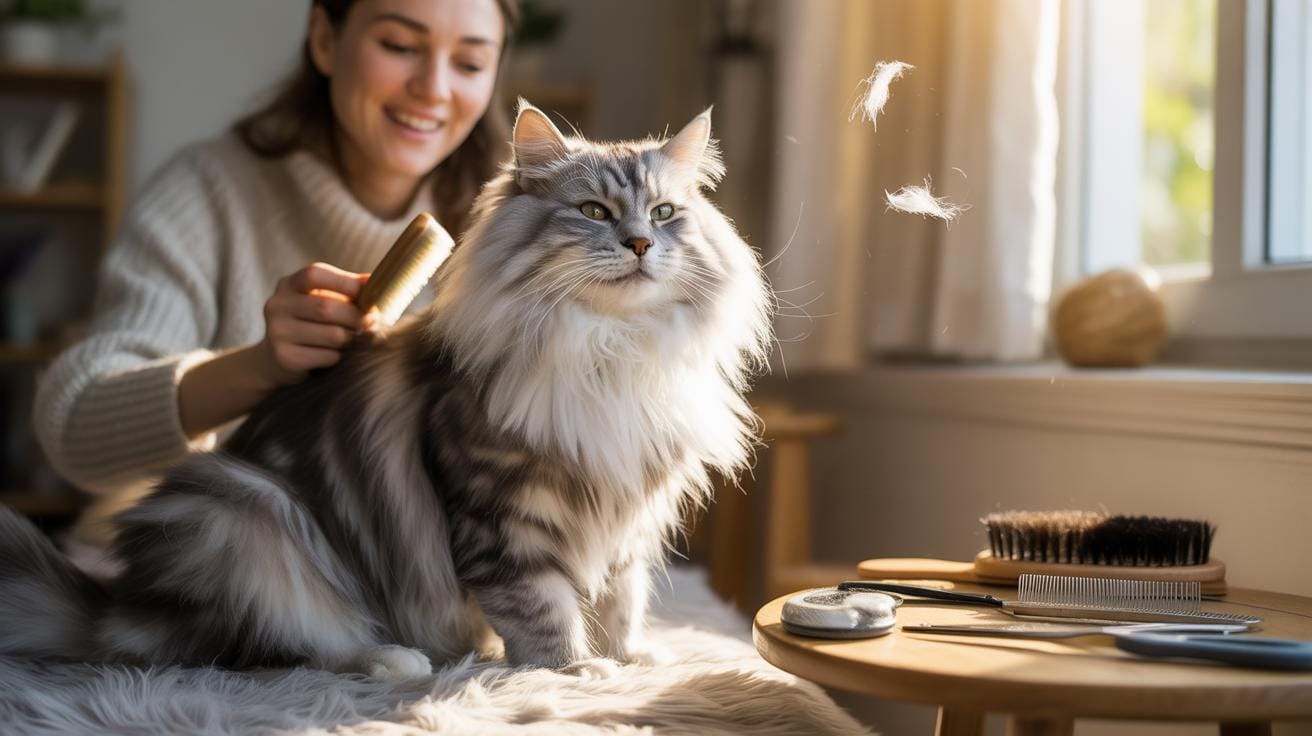
The Norwegian Forest Cat Breed And Its Distinctive Double Coat
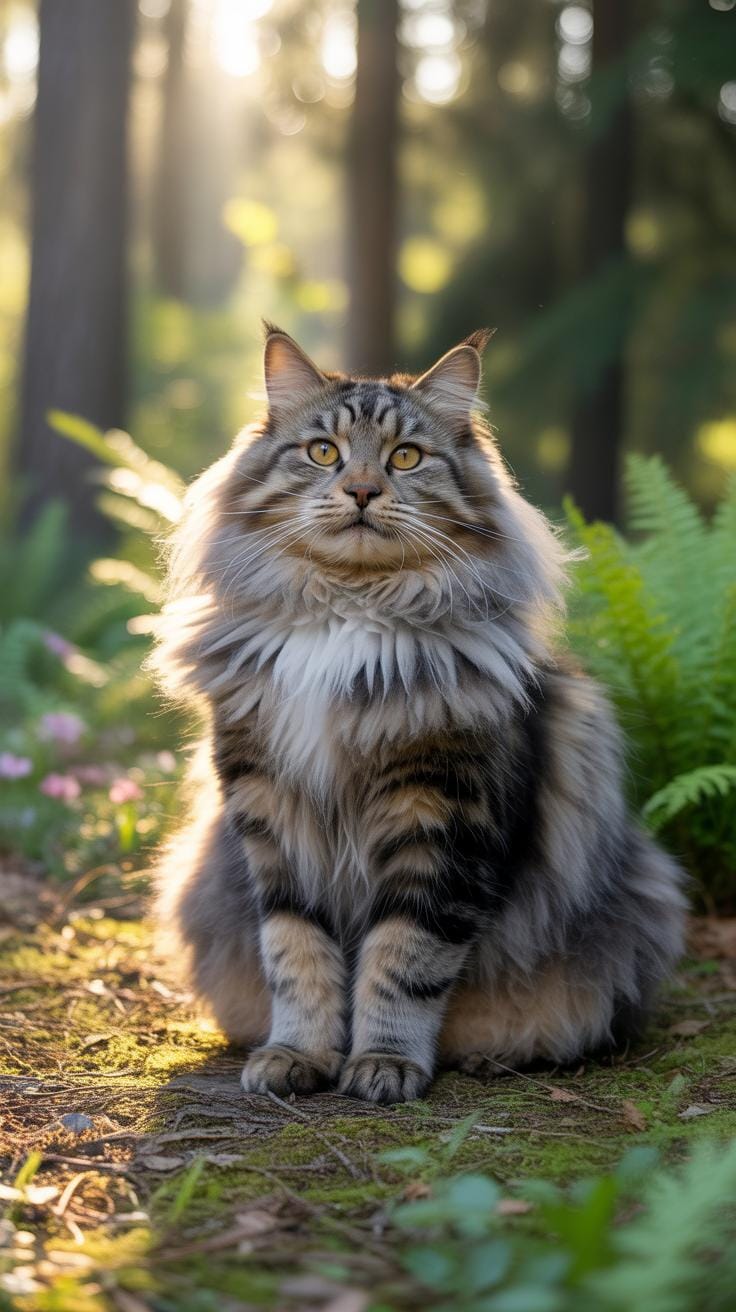
How The Norwegian Forest Cat’S Coat Evolved For Harsh Climates
The Norwegian Forest Cat originated in Northern Europe. Survival in Scandinavia required a specialized coat structure. Intense cold and heavy snow shaped this feline over centuries. The breed developed a heavy insulation system to protect its internal organs from freezing temperatures. Natural selection favored cats with dense fur that could withstand moisture and wind. This functional evolution defines the breed today.
Modern owners must respect this history to manage the coat effectively. The fur acts as a biological shield against physical elements. It is not decorative. It is a tactical survival tool. These cats thrive in extreme conditions because of their rugged hair. You must understand that this coat density remains even in indoor environments. This heritage dictates every aspect of your grooming schedule and technique.
Understanding The Difference Between The Top Coat And Woolly Undercoat
The coat consists of two distinct layers with different functions. The outer layer contains long guard hairs. These hairs are oily and water-repellent. They protect the cat from getting soaked to the skin. Rain and snow slide off this surface. This layer prevents moisture from reaching the sensitive skin. You will notice these hairs are coarser and glossier than the hair underneath.
The second layer is a thick woolly undercoat. This layer provides thermal insulation by trapping body heat. It is soft and prone to matting if you ignore it. Friction and moisture cause these fine fibers to clump together quickly. You must penetrate the outer guard hairs to reach this woolly layer during grooming. Neglecting the undercoat leads to painful skin tension and restricted movement for the cat.
Norwegian Forest Cat Facts Shedding Patterns Owners Should Expect
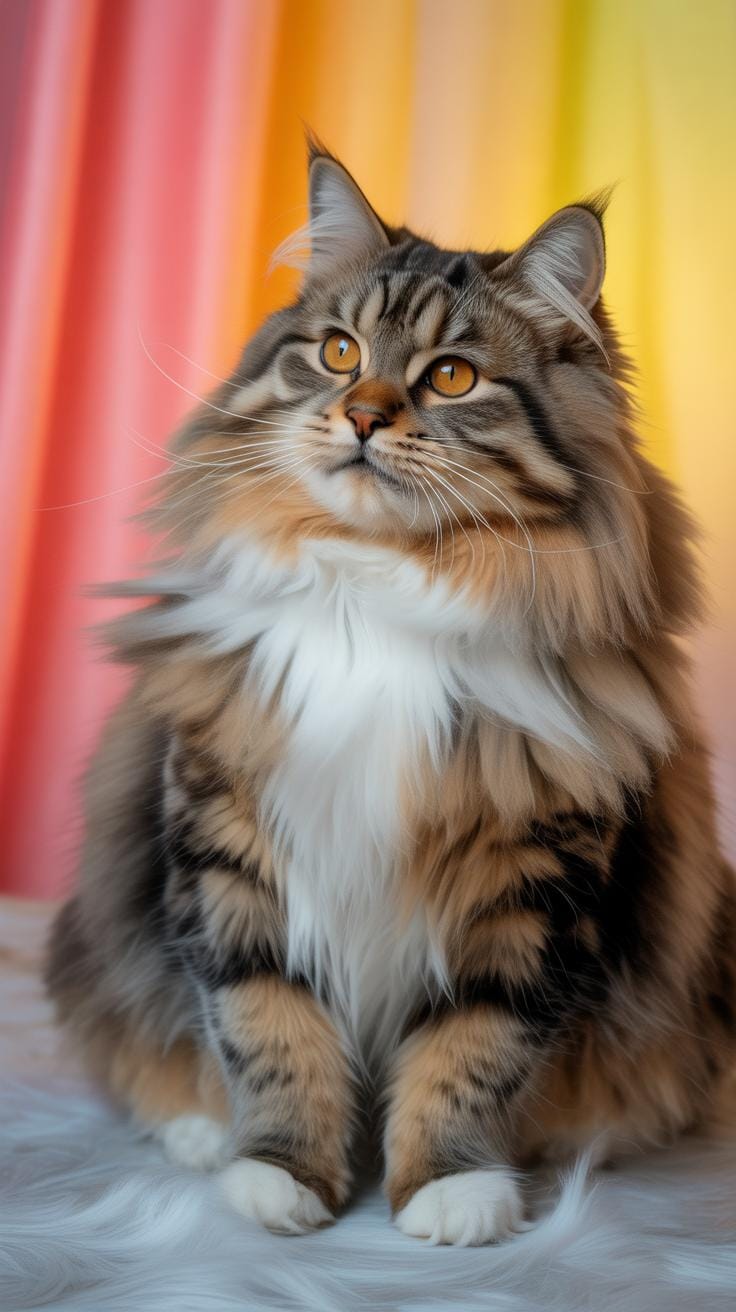
Seasonal Shedding Cycles And What Triggers Them
The Norwegian Forest Cat possesses a unique double coat designed for subarctic climates. This breed undergoes two major shedding events annually. Sunlight levels and temperature changes trigger these cycles. In the spring, the cat drops its thick woolly undercoat to prepare for warmer weather. This process is rapid and intense. It requires daily intervention to prevent severe matting across the torso and britches.
Fall marks the second major transition period. The cat sheds its lighter summer coat to make room for the dense winter layers. This growth includes the iconic ruff around the neck and the long toe tufts. Indoor lighting and climate control can sometimes confuse these natural biological triggers. Owners must monitor house temperatures to ensure the coat develops correctly. Consistent light exposure impacts the speed of this transition.
How Heavy Shedding Differs From Year Round Light Shedding In The Wegie
Year-round shedding in this breed is manageable but constant. The long water-repellent guard hairs fall out individually as part of a natural growth cycle. You will find these coarse hairs on furniture and rugs throughout the year. Simple weekly brushing sessions handle this baseline maintenance. This steady hair loss indicates a healthy skin barrier and typical follicular turnover for a long-haired natural breed.
Heavy seasonal shedding is a different tactical challenge altogether. During these peak windows, the soft undercoat releases in large clumps. This transition happens over several weeks and produces a massive volume of loose fur. Neglecting the cat during this phase leads to pelted fur and painful skin pulling. You must increase grooming frequency to daily sessions during these surges. Identifying the difference between daily loss and seasonal molting is vital.

Essential Grooming Tools Every Norwegian Forest Cat Owner Needs
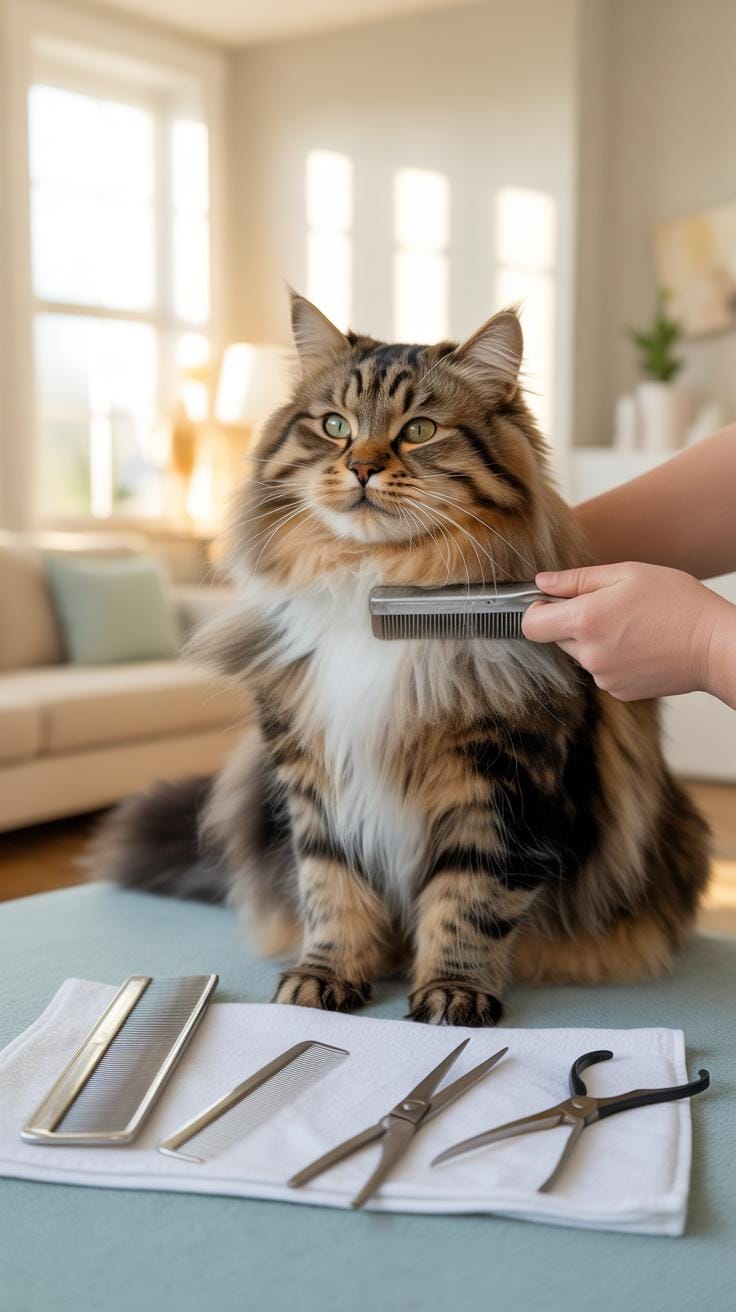
Choosing The Right Brush And Comb For A Long Haired Cat’S Double Coat
The Norwegian Forest Cat possesses a unique water-repellent double coat designed for harsh climates. You must manage both the woolly undercoat and the long, glossy guard hairs. Standard brushes often fail to reach the skin. This leads to hidden mats and skin irritation. Strategic tool selection ensures you penetrate the dense fur without causing pain or damaging the coat structure.
- Stainless Steel Greyhounds Comb: This tool is mandatory for deep grooming sessions. The metal teeth slide through the thick undercoat to locate small tangles before they become massive mats. Use the wide-spaced side for initial passes and the fine-set teeth for finishing areas like the tail and hindquarters.
- Long-Pinned Slicker Brush: Select a brush with flexible, rounded wire pins. These pins reach through the top layer to pull away dead hair from the base. Daily use prevents the dense undercoat from shedding into your living space. Avoid cheap plastic pins that snap or scratch the sensitive skin of the cat.
- Undercoat Rake: Use a rake with staggered pin lengths to mimic the natural layers of the Wegie coat. This tool targets the dense winter wool that sheds during seasonal transitions. It removes bulk without cutting the guard hairs. Apply light pressure to avoid dragging the skin or pulling the fur out by the roots.
- Small Detail Comb: A five-inch comb works best for the face, ears, and armpits. These friction-prone areas develop mats quickly. A smaller tool provides the control needed to navigate delicate bones and thin skin safely. Precise movement prevents accidental nicks or sudden tugging that could ruin the grooming experience for the cat.
- Mat Splitter or Dematter: Keep a guarded blade tool for emergencies only. Even with regular care, the woolly belly hair can knot up overnight. This tool slices through the center of a knot so you can comb it out in sections. Never use scissors near the skin because cat skin is paper-thin and tears easily.
Grooming success depends on the sequence of tool usage. Start with the rake to address bulk, then transition to the slicker brush for surface smoothing. Finish with the metal comb to verify that you have cleared Every knot from the skin to the tip. This systematic approach maintains the structural integrity of the guard hairs while keeping the undercoat manageable.
Why Investing In Quality Grooming Tools Prevents Coat Damage Over Time
Low-grade grooming tools use inferior metals and rough manufacturing processes. Cheap combs often have microscopic burrs on the teeth. These burrs snag and tear the hair shaft as you pull the tool through the coat. Over months, this damage makes the fur more porous and prone to tangling. High-quality stainless steel tools stay smooth and slide through the dense fur without friction.

Investing in professional-grade equipment protects the cat’s skin health and comfort. Smooth, polished tips prevent micro-scratches that lead to bacterial infections or dandruff. Durable tools also maintain their shape under the heavy tension of a thick double coat. Secure handles allow you to apply consistent, even pressure during long sessions. Better tools result in less stress for the animal and a healthier, more resilient coat for the owner.
How Often To Brush Your Norwegian Forest Cat For A Tangle Free Coat
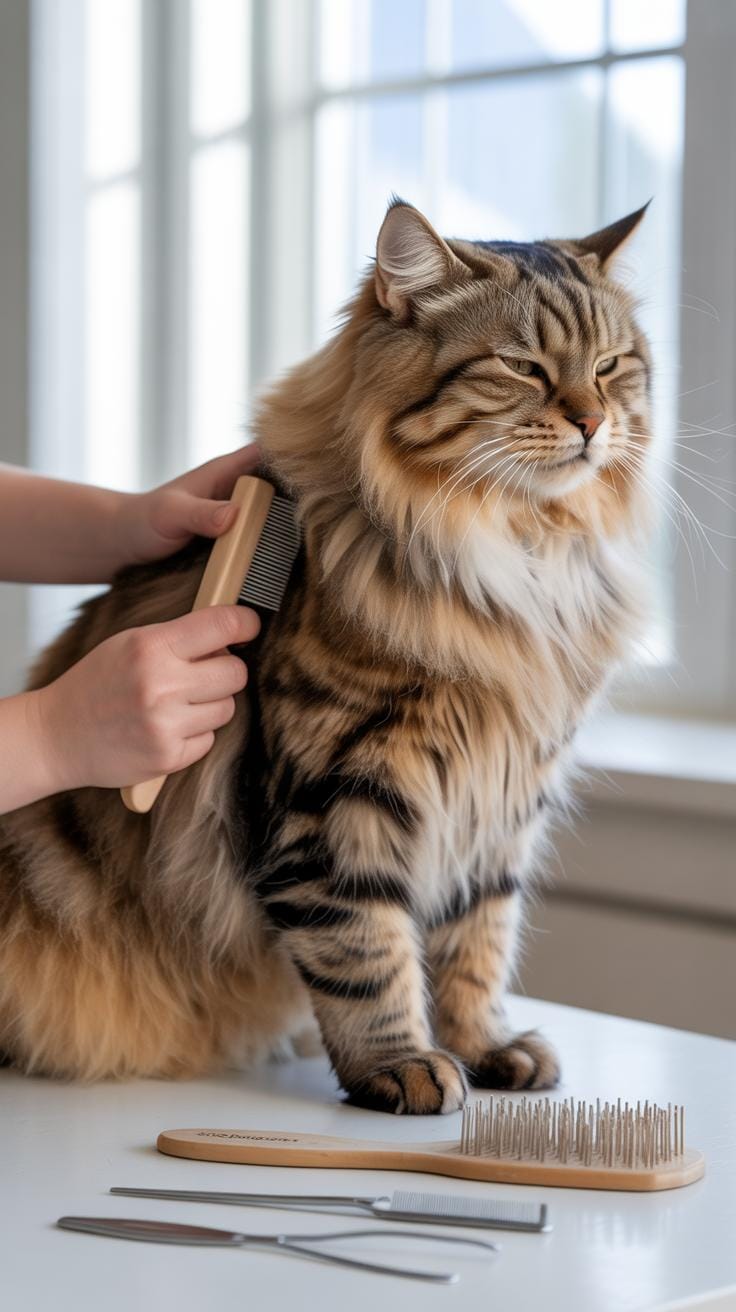
Building A Weekly Brushing Routine That Your Cat Will Tolerate
Establish a baseline of two brushing sessions every week. This breed has a double coat that resists water and traps loose hair. You must penetrate the woolly undercoat to prevent painful mats from forming near the skin. Focus on high friction areas like the armpits and behind the ears. Short sessions are better than long struggles. Consistency ensures the cat accepts the metal comb as a regular habit.
Use a long toothed stainless steel comb to reach the base of the fur. Surface brushing with a soft brush will not work. It leaves the undercoat tangled while the top looks smooth. Work in small sections starting from the legs and moving toward the back. Always comb in the direction of hair growth. Gentleness prevents skin irritation. A calm approach stops the cat from viewing grooming as a physical threat.
Brushing that wild, silken coat is a quiet conversation between an old soul and its guardian. To tend to a Wegie is to honor the mountain spirit that dwells within your own home.
Adjusting Brushing Frequency During Peak Shedding Season
Increase grooming to once a day during the spring and autumn months. This breed undergoes a massive seasonal shed to regulate body temperature. They lose their thick winter ruff and dense undercoat almost entirely. Failing to remove this dead hair leads to massive mats that require professional shaving. Daily brushing captures the fur before it sticks to furniture or creates dangerous hairballs in the stomach.

Monitor the density of the coat as the weather changes. When you see clumps of soft fur on the floor, your cat needs more attention. Use a slicker brush to pull out the loose undercoat efficiently. Be aggressive with the frequency but remain gentle with the pressure. Proper maintenance during these weeks saves time later. You prevent the coat from felting. Keeping the skin clear allows the new seasonal coat to grow in healthy.
Dealing With Mats And Tangles In Long Haired Cats Like The Forest Cat
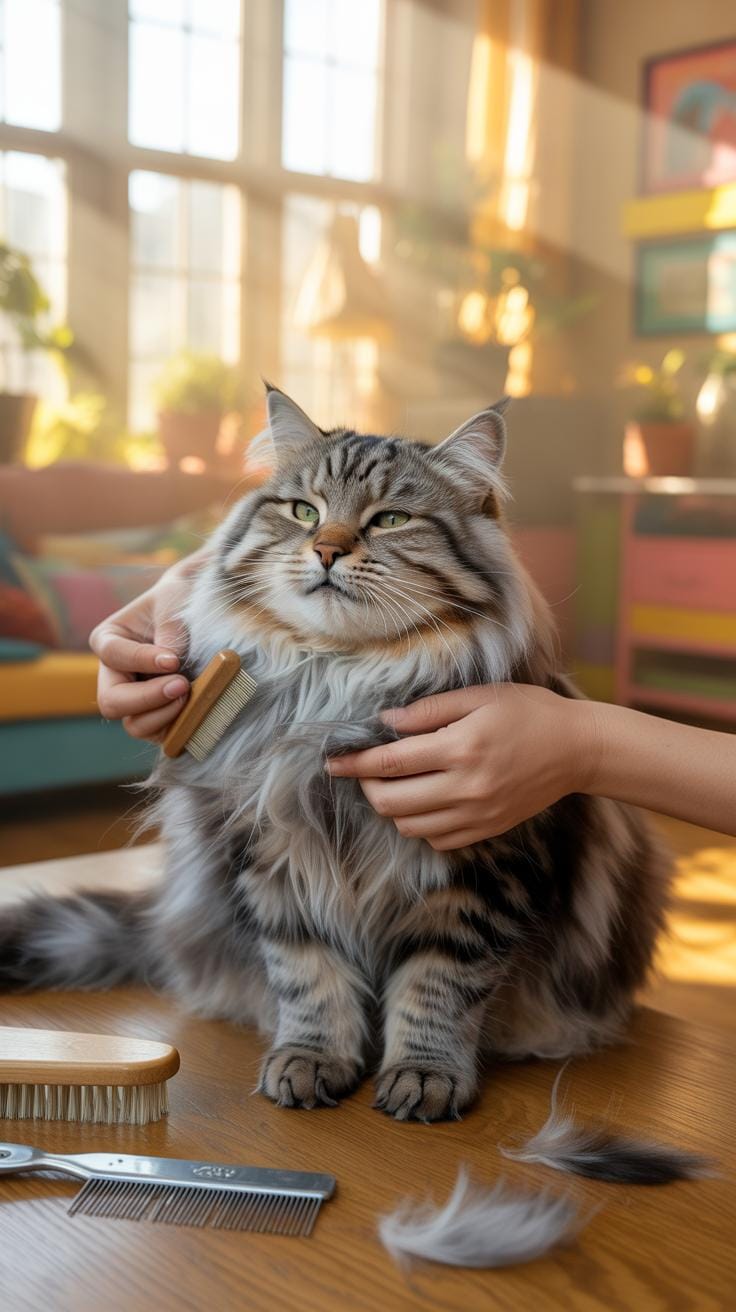
Where Mats Are Most Likely To Form On A Norwegian Forest Cat’S Body
Mats develop in high-friction areas where the dense undercoat rubs against itself or the skin. On a Norwegian Forest Cat, you must check the pits behind the front legs and the groin area first. These spots experience constant movement during walking and grooming. The thick ruff around the neck also traps loose fur easily. This creates tight knots close to the skin surface.
The britches on the hind legs and the base of the tail are secondary problem zones. Long guard hairs cover a woolly undercoat that moisture often affects. High humidity or damp outdoor conditions cause these fibers to expand and lock together. Check these areas daily during the spring shedding season. Dead coat gathers here rapidly. Neglecting these zones leads to painful skin pulling and limited mobility.
Safe Techniques For Removing Tangles Without Hurting Your Cat

Hold the base of the hair with your fingers before applying any tool. This prevents the comb from pulling directly on the cat’s sensitive skin. Use a wide-toothed metal comb to gently tease the edges of the mat apart. Work from the outside of the knot toward the center. Never pull upward. High-tension pulling causes skin tears. Use a blunt-tipped tool for safety.
Apply a dry detangling spray or cornstarch to stubborn knots. These agents reduce friction between the hair shafts. If a mat is too tight, use a specialized mat splitter. Slide the blade away from the skin. Never use scissors to cut out mats. Feline skin is paper-thin and stretches into the knot. You will cut the cat. Grooming must remain a pain-free process to ensure future cooperation.
Norwegian Forest Cat Care Tips For Bathing And Coat Maintenance
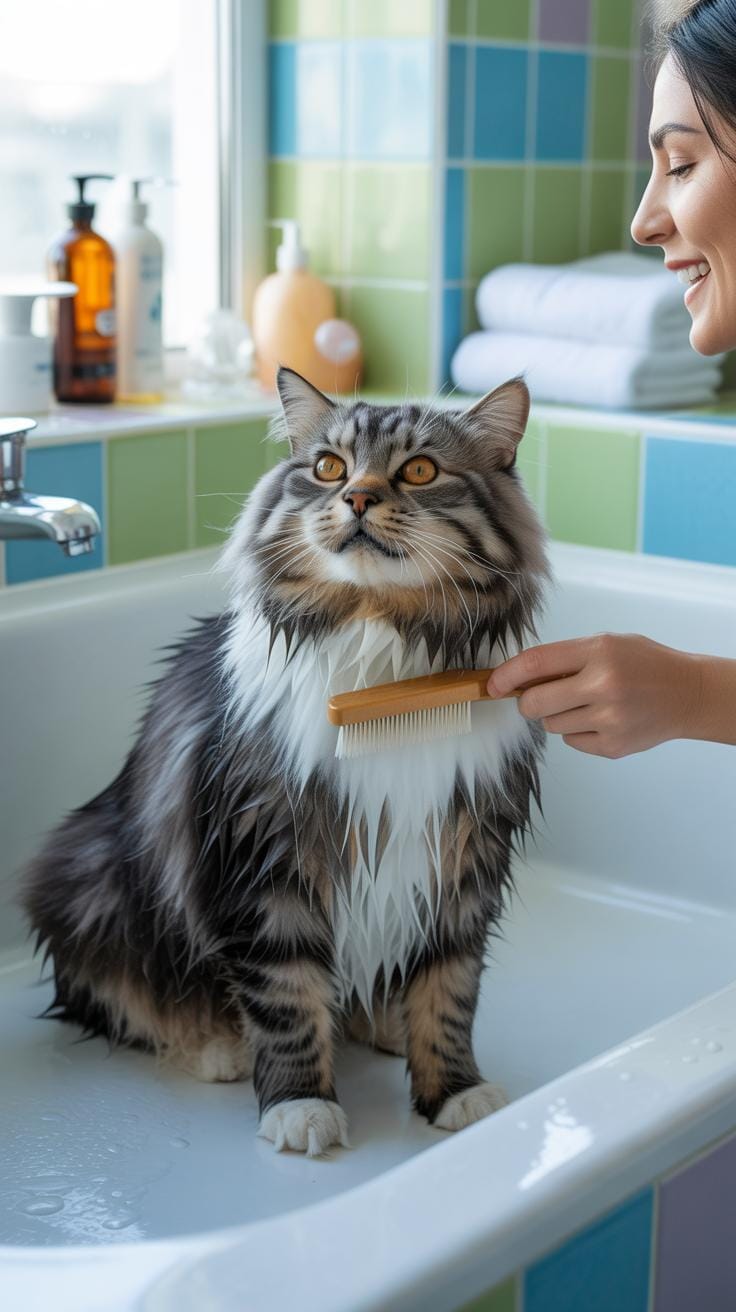
How Frequently A Norwegian Forest Cat Should Be Bathed And Why
Norwegian Forest Cats possess a specialized double coat designed for survival in harsh Nordic winters. The outer guard hairs are coarse and water-resistant. This natural oil barrier protects the cat from moisture and cold. Over-bathing strips these essential oils and ruins the coat texture. Bathe your cat only when the fur feels greasy or smells. Most indoor cats require a bath only once or twice a year.

Frequent bathing causes skin dryness and irritates the dense undercoat. If the cat becomes visibly soiled or develops a sticky coat, a bath becomes necessary for hygiene. Owners must time baths with the shedding cycle. Washing during the heavy spring shed helps remove dead hair faster. Always prioritize brushing over bathing. Proper brushing moves natural oils through the fur and reduces the need for full immersion in water.
Step By Step Guide To Bathing Your Norwegian Forest Cat At Home
Preparation is the most important step when bathing this breed. Their woolly undercoat is difficult to saturate and even harder to dry. You must brush the cat thoroughly before starting the water to remove all mats and loose fur. Water can tighten existing knots into permanent clumps. Gather all supplies including degreasing shampoo and heavy towels before you bring the cat into the grooming area.
- Degreasing Shampoo: Use a high-quality cat shampoo specifically made for oily coats. These products break down the heavy oils found in the thick Norwegian Forest Cat fur without damaging the skin.
- Water Saturation: Spend extra time getting the coat wet. The water-resistant guard hairs repel liquid. You must massage water deep into the undercoat to ensure the shampoo reaches the skin for a real clean.
- Lather and Rinse: Apply shampoo starting from the neck and move toward the tail. Avoid the eyes and ears. Rinse multiple times. Any soap residue left in the dense fur will cause skin infections or matting problems later.
- Towel Pressure: Use several thick towels to blot the fur. Do not rub vigorously as this creates tangles. Squeeze the coat gently to pull out as much moisture as possible before letting the cat air dry in a warm room.
- Comb Through: Wait until the fur is damp but not soaking wet to use a wide-tooth comb. This ensures the guard hairs lay flat and the undercoat does not clump together. Comb in the direction of hair growth.
Manage the drying process carefully to avoid fungal growth in the undercoat. Most Norwegian Forest Cats have a calm temperament but dislike the sound of loud hair dryers. If you use a dryer, keep it on the lowest heat setting to prevent skin burns. Keep the cat in a draft-free environment until the coat is completely dry. Success depends on patience and ensuring the fur is free of all soap.
Norwegian Forest Cat Information Ear Nail And Dental Care Basics
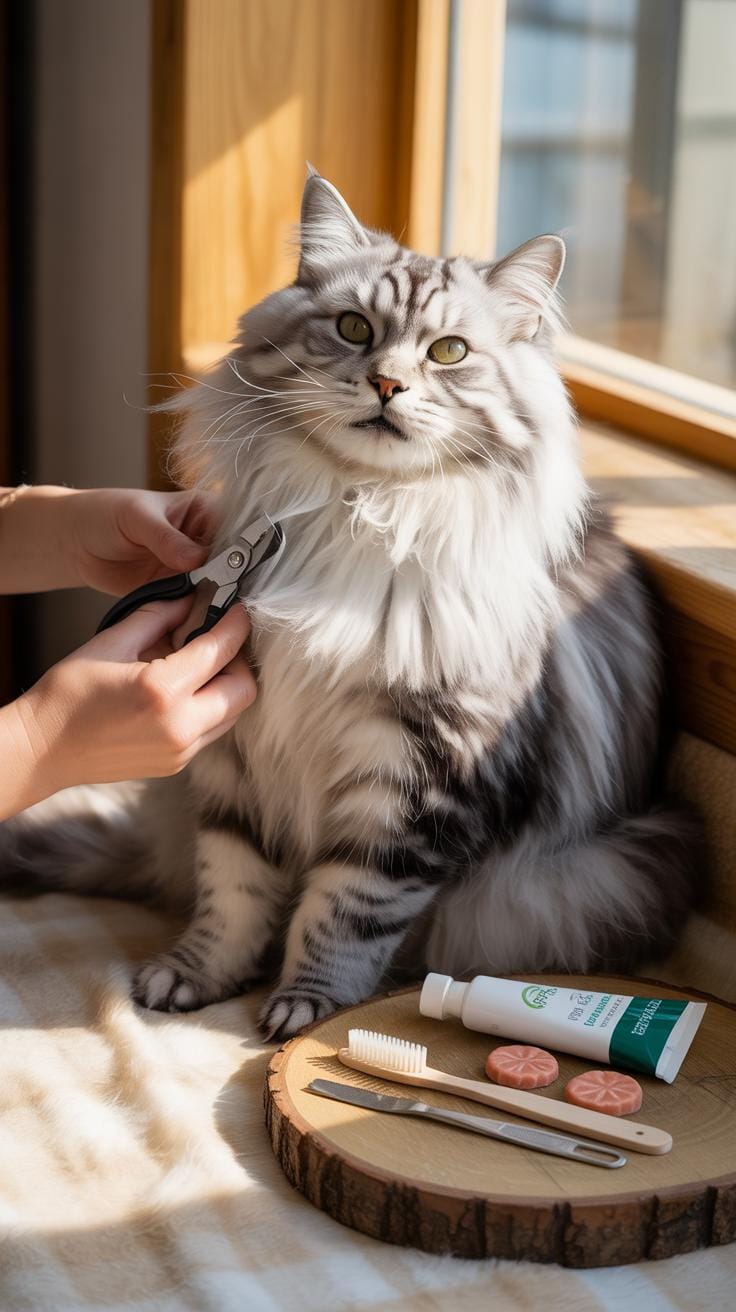
How To Safely Clean Your Norwegian Forest Cat’S Ears And Trim Its Nails

Norwegian Forest Cats grow thick tufts of hair inside their ears. This fur traps wax and debris quickly. Inspect the ears weekly for redness or dark discharge. Use a damp cloth or a pH-balanced ear cleaner. Avoid cotton swabs because they push wax deeper into the ear canal. Wipe only the visible parts of the outer ear to prevent infection or injury.
Trim nails every two to three weeks to prevent painful snags. Use sharp guillotine or scissor-style trimmers designed for cats. Press the paw pad to extend the claw. Cut only the clear tip of the nail. Avoid the pink quick where blood vessels sit. If you cut the quick, the nail will bleed. Keep styptic powder nearby to stop bleeding instantly during the process.
Why Dental Hygiene Is A Vital Part Of Overall Norwegian Forest Cat Care
Dental health directly impacts the long-term survival of your cat. Norwegian Forest Cats can develop periodontal disease or gingivitis without intervention. Bacteria in the mouth enter the bloodstream and damage the heart and kidneys. Regular brushing removes plaque before it hardens into tartar. You must use toothpaste made for cats. Human toothpaste contains fluoride and xylitol which are toxic to felines.
Start dental care early to get the cat used to the sensation. Rub the gums with a finger or gauze before introducing a brush. Aim for daily brushing but settle for three times per week. Schedule professional veterinary cleanings once a year. These exams catch hidden issues like resorptive lesions. Proactive dental care prevents chronic pain and expensive oral surgeries as the cat ages.
Cat Care Tips For Managing Hairballs In Norwegian Forest Cats
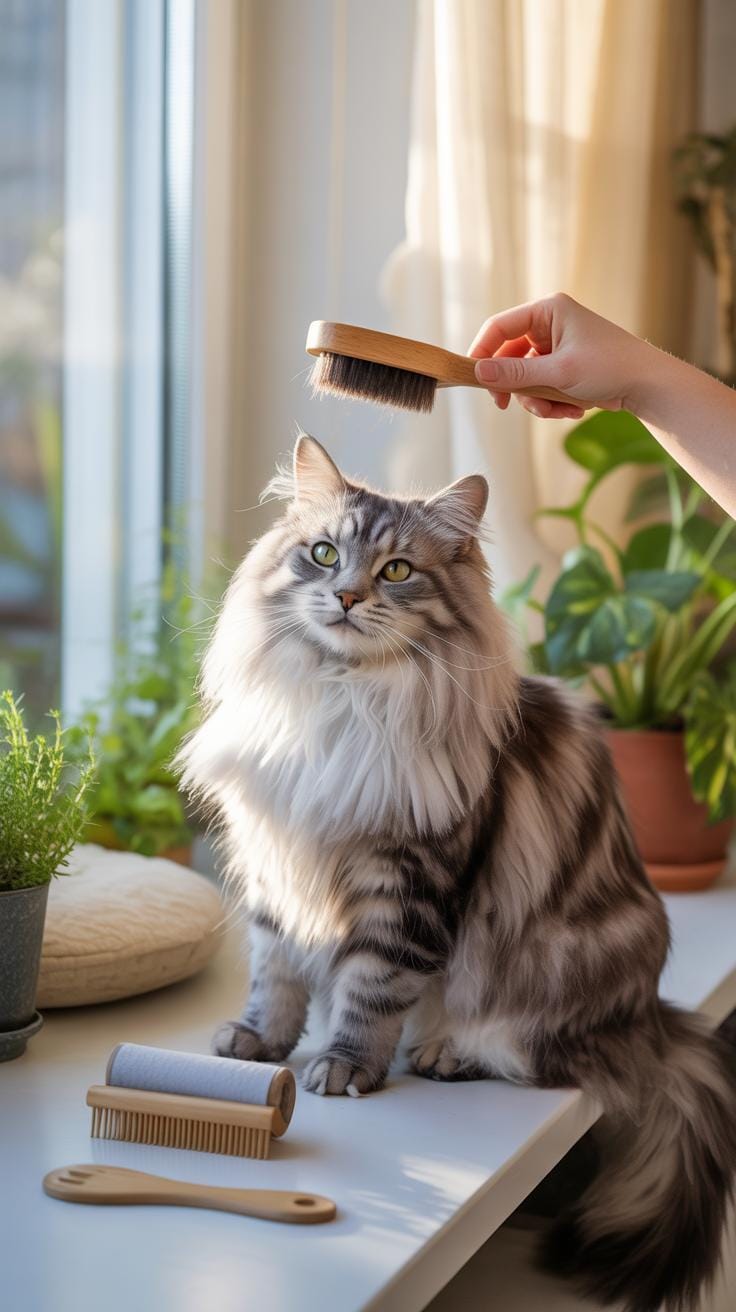
Why Long Haired Cats Like The Norwegian Forest Are Prone To Hairballs

The Norwegian Forest Cat possesses a unique double coat designed for subarctic survival. This coat consists of a woolly undercoat and water-repellent guard hairs. During grooming, the cat’s tongue acts like a comb with tiny hooks. These hooks pull loose hair from the dense undercoat directly into the digestive tract. The sheer volume of fur shed by this breed increases the risk of internal blockage.
Seasonal shedding shifts exacerbate the problem during spring and autumn. The cat loses its heavy winter coat rapidly to prepare for warmer temperatures. Large quantities of dead fur accumulate quickly if not removed by the owner. When the cat swallows this excess material, it cannot always pass through the stomach naturally. This creates matted clumps of fur that irritate the stomach lining and cause frequent vomiting.
Dietary And Grooming Strategies That Help Reduce Hairball Formation
Routine brushing remains the most effective defense against hairballs. Use a high-quality slicker brush or a wide-toothed comb to penetrate the thick double coat. Daily sessions during peak shedding periods remove loose fur before the cat can ingest it. Focus on the chest, belly, and hindquarters where the fur is longest. Consistent physical removal reduces the burden on the feline digestive system and prevents large mass formation.
Dietary adjustments provide a secondary layer of protection for the cat. High-fiber cat foods help move swallowed hair through the intestinal tract. Specialized hairball formulas often contain omega fatty acids to improve skin health and reduce excessive shedding. Providing fresh cat grass offers natural roughage to assist digestion. Owners should also ensure constant access to fresh water to keep the digestive system hydrated and functioning properly.
Norwegian Forest Cat Grooming Needs When To See A Professional Groomer
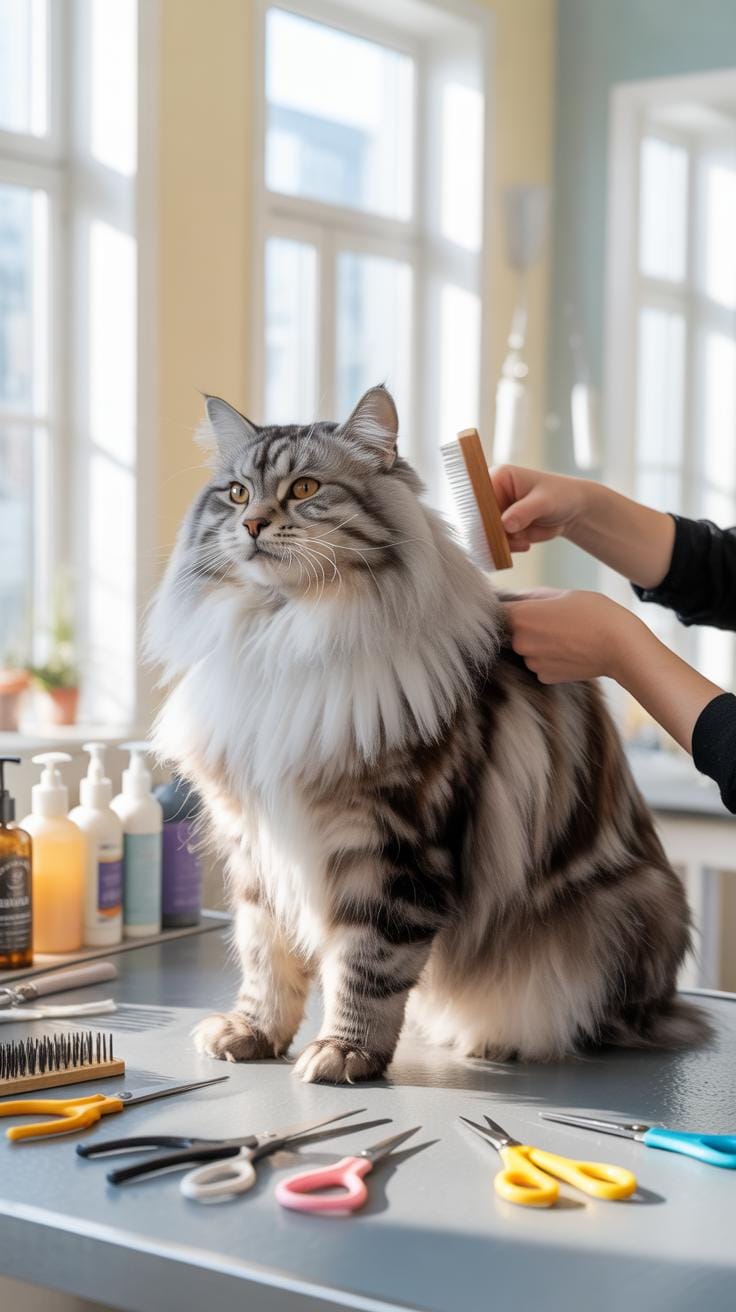
Signs That Your Norwegian Forest Cat’S Coat Needs Professional Attention
Owners must monitor the undercoat for tight matting near the skin. Norwegian Forest Cats have a water-repellent double coat that traps loose fur. Standard brushes often miss these deep knots. If you feel hard lumps that do not move with the skin, stop brushing immediately. Pulling on these mats causes pain and skin tears. A professional must intervene to remove these safely.
Monitor your cat for behavioral changes during home grooming sessions. Aggression or hiding suggests the coat is causing physical discomfort. Persistent greasy fur or a foul odor indicates the oil glands are overactive. This breed develops pelted fur quickly in humid climates. If the coat feels felted or stiff, a professional groomer is necessary. They have the specialized tools to de-shed the dense winter ruff safely.
How To Find A Groomer Experienced With The Norwegian Forest Cat Breed
Finding a qualified groomer requires verifying their experience with long-haired forest breeds. Ask if they understand the specific texture of the Wegie coat. This breed has a woolly undercoat and smooth guard hairs. A groomer must know how to handle these layers without damaging the natural protection. Avoid shops that suggest shaving the cat as a first resort. Shaving disrupts the natural temperature regulation.
Check local breeder networks for recommendations on feline-only groomers. Many general pet salons focus on dogs and lack the patience for cats. Look for professionals who use low-stress handling techniques. Inquire about their equipment, such as high-velocity dryers and specialized de-shedding rakes. A good groomer explains their process clearly. They should prioritize the health of the skin and the integrity of the double coat over aesthetics.
Frequently Asked Questions

How often do I truly need to brush my Norwegian Forest Cat?
Because of their dense, water-repellent double coats, these gentle giants require consistent attention to prevent painful matting. Meeting your Norwegian Forest Cat grooming needs usually involves a thorough brushing at least two to three times per week. During the heavy shedding seasons of spring and autumn, you should increase this frequency to daily sessions to manage the significant “blow out” of their thick undercoat and keep your home fur-free.
What is the best technique for removing tangles without hurting my cat?
To handle Norwegian Forest Cat grooming needs effectively, always start with a wide-tooth metal comb to gently probe for knots. Focus on high-friction areas like the armpits, “britches,” and behind the ears. Never pull directly on a snag; instead, hold the fur near the skin to prevent tugging and use a slicker brush to smooth the outer guard hairs. Finish with a soft bristle brush to distribute natural oils and add shine.
Can I maintain a Wegie’s coat on a budget without expensive professional groomers?
Absolutely! You don’t need a luxury salon to keep your cat healthy. A one-time investment in a high-quality stainless steel comb and a durable slicker brush is all you need for home care. By staying consistent with your DIY routine, you avoid the high costs of professional pelt removal. Regular nail clipping and ear cleaning at home further reduce expenses while strengthening the precious bond between you and your feline companion.