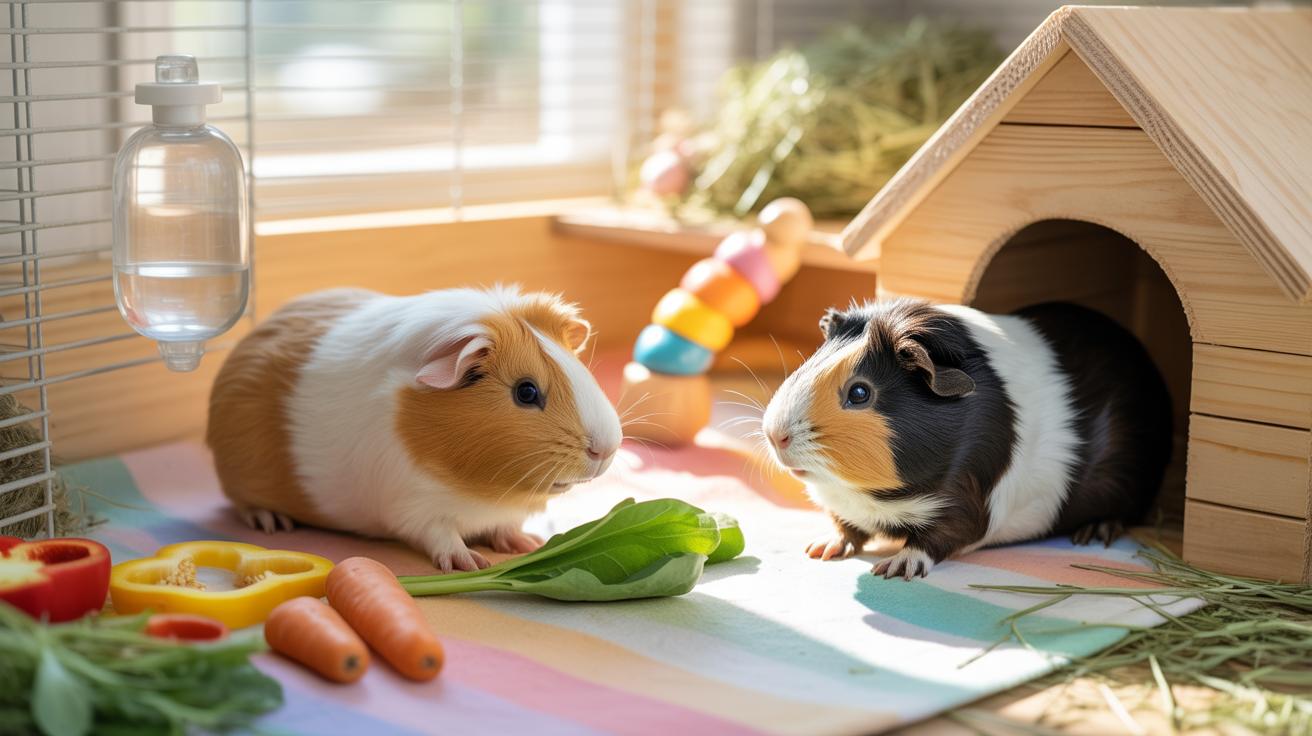
Understanding Guinea Pig Cage Essentials Before You Begin
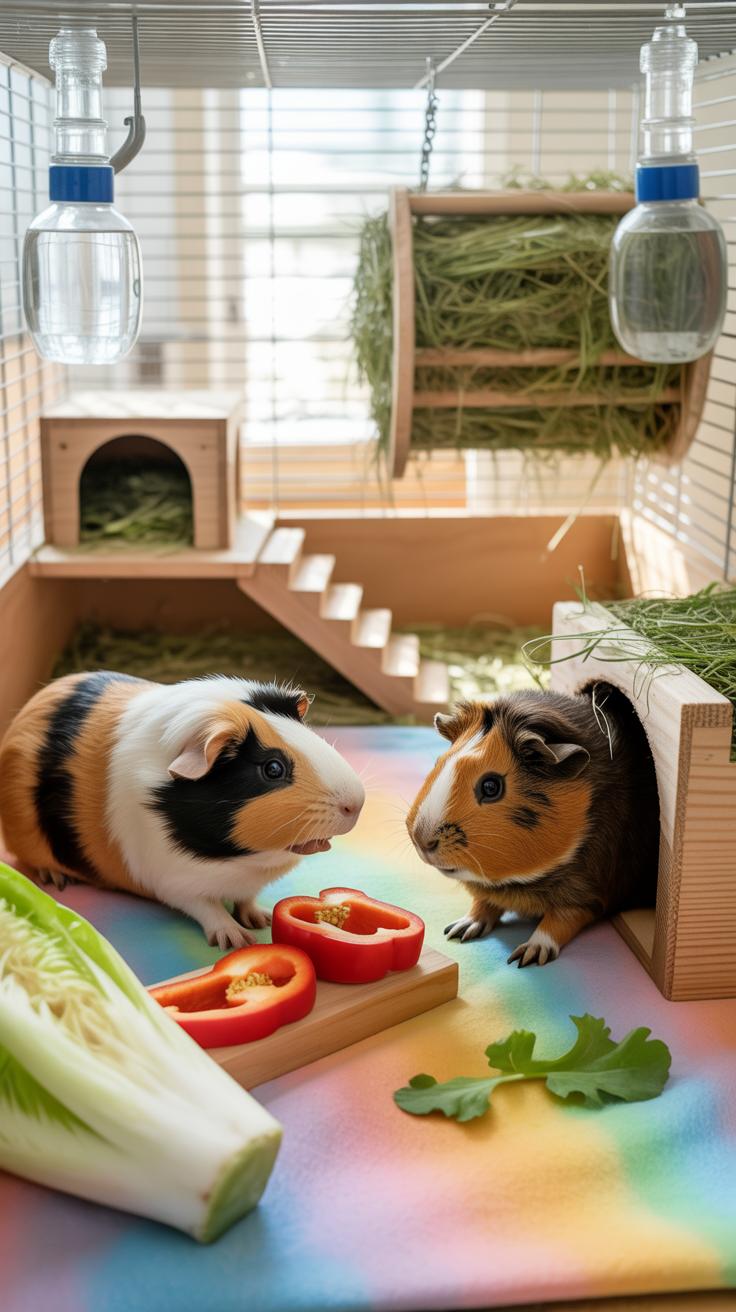
Why Cage Size And Space Matter For Guinea Pig Health
Standard pet store cages are often too small for guinea pigs. These animals are ground dwellers that require significant floor space to maintain cardiovascular health. Lack of movement leads to obesity and muscle atrophy. A larger footprint allows for constant activity. Proper spacing also reduces social tension between herd mates. Compact environments cause stress and territorial aggression. You must prioritize horizontal area over vertical height.
A spacious habitat ensures better hygiene and air quality. Waste accumulates quickly in confined areas. Ammonia buildup from urine causes respiratory infections and foot sores. More square footage dilutes this concentration. You spend less time cleaning if the waste spreads across a larger surface. Plan for at least seven point five square feet for one animal. Ten point five square feet is the tactical minimum for two.
What Guinea Pigs Need To Thrive: Natural Behaviors To Support
Guinea pigs are prey animals that require secure hiding spots to manage cortisol levels. They feel vulnerable in open spaces. Your layout must include multiple exit points to prevent cornering. Foraging is their primary natural activity. They spend most of their waking hours searching for food. You must design the cage to facilitate this movement. This keeps their minds sharp and prevents boredom-induced destructive behaviors.
Dental health drives their need to chew constantly. Their teeth never stop growing. You must provide high-quality hay in accessible locations throughout the day. This grinding action prevents painful dental overgrowth. Vision is also a factor in their behavior. They have a wide field of view but poor depth perception. Keep the floor flat and avoid steep ramps. Solid flooring protects their delicate feet from injuries caused by wire mesh.

Choosing The Right Guinea Pig Cages Types And Materials Explained
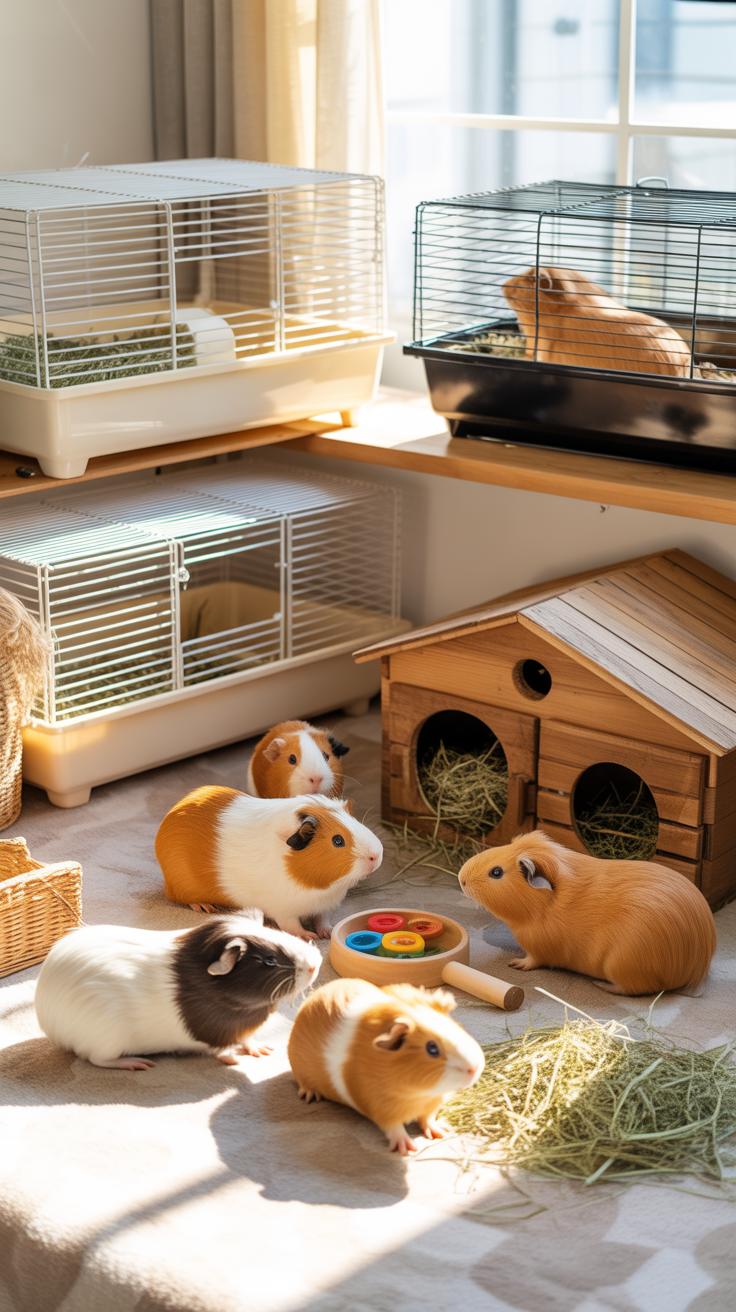
C&C Cages Vs. Store Bought Enclosures: Pros And Cons
Store-bought cages often fail to meet minimum size requirements for guinea pigs. Most commercial cages emphasize vertical height which serves no purpose for ground-dwelling rodents. These units typically feature small floor plans that restrict movement and exercise. Small enclosures lead to muscle atrophy and health complications. Owners often buy these because they appear convenient, but they rarely provide the seven point five square feet necessary for a single pair.
C&C cages offer the gold standard for modern guinea pig housing. These systems use interlocking wire grids and corrugated plastic bases. You can scale the footprint to fit any room size. This design movement revolutionized small animal care by prioritizing horizontal floor space over aesthetic cabinet designs. Costs remain low because the materials come from industrial signs and storage suppliers. Flexibility and ventilation make these the superior choice for serious owners.
What To Look For In Safe, Non Toxic Cage Materials
Select materials that withstand constant gnawing and high moisture levels. Guinea pigs chew everything in their environment to wear down their teeth. Avoid treated woods which contain chemicals or resins that cause respiratory distress. Use powder-coated metal for bars to prevent rust and ingestion of toxic paint flakes. Untreated kiln-dried pine or high-density plastics work best for structural components. Heavy-duty materials ensure longevity and safety under daily wear.
Corrugated plastic serves as the best base material for custom enclosures. It is waterproof and does not absorb urine like wood or cardboard. Ensure all wire grids have spacing no larger than one point five inches. Wide gaps create a strangulation risk if a head becomes stuck. Solid flooring is mandatory to prevent foot injuries and infections common with wire mesh bottoms. Tactical material selection directly impacts the long-term health and hygiene of your animals.
How To Set Up A Guinea Pig Cage A Step By Step Walkthrough
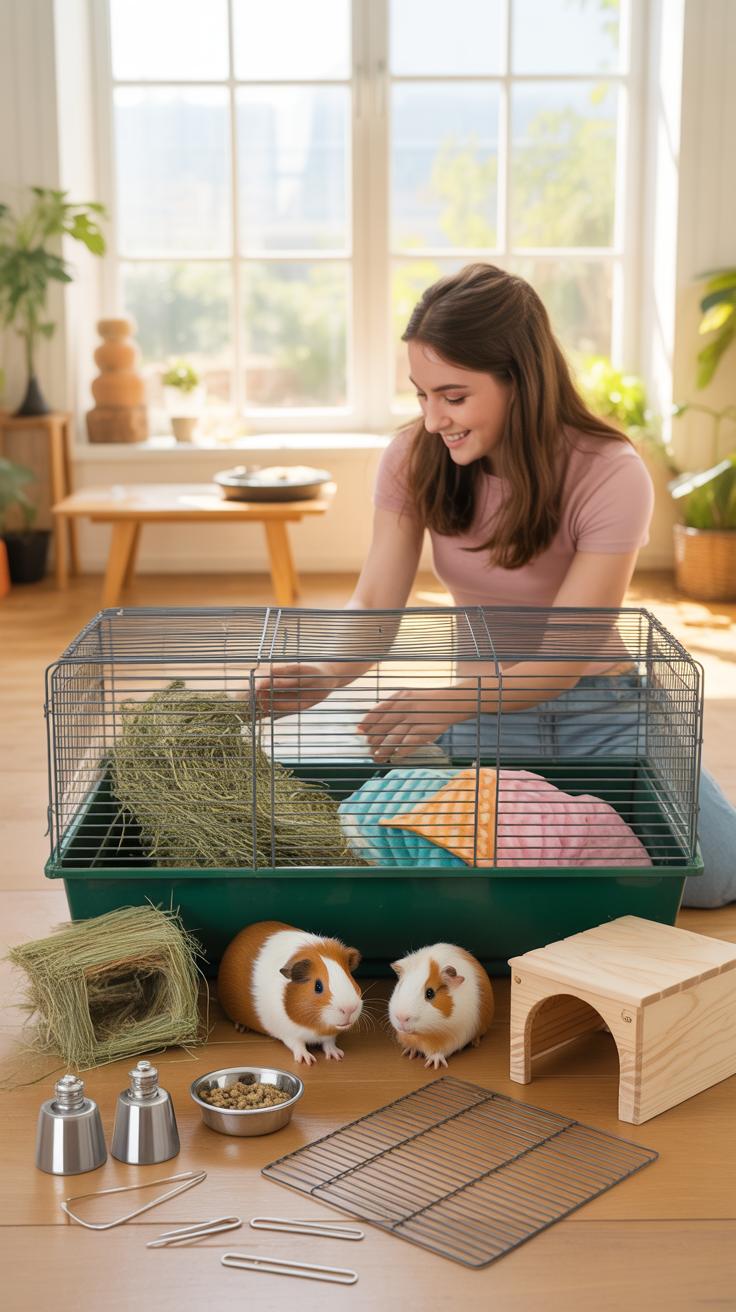
Step By Step Instructions For Assembling Your Guinea Pig’S Enclosure
Assembly begins with a level floor and a solid base. Guinea pigs have fragile spines and need a flat surface to prevent injury. Most modern setups use Coroplast or a high-density plastic pan to contain waste. Connect your perimeter walls securely using locking connectors or heavy-duty cable ties. Ensure the structure exceeds seven square feet for a pair to ensure basic health.
- Base Preparation: Lay down a waterproof liner or custom-cut Coroplast sheet. This material prevents urine from damaging your flooring and provides a rigid foundation. Score the edges to create three-inch sidewalls that contain stray bedding and hay effectively.
- Grid Connection: Snap modular wire grids into plastic connectors to form the exterior walls. Use a rubber mallet to seat each grid fully into the slot for structural integrity. Apply nylon cable ties at every joint to prevent the cage from collapsing during cleaning or movement.
- Bedding Application: Spread a layer of kiln-dried pine or high-quality paper bedding across the base. Ensure the layer is at least two inches deep to manage moisture and odor. Avoid cedar shavings or untreated softwoods because they contain aromatic oils that cause respiratory distress in small rodents.
- Accessory Placement: Position heavy ceramic food bowls and drip-proof water bottles at opposite ends of the enclosure. This layout encourages movement and prevents water from soaking the food supply. Secure the water bottle to the exterior grid using a wire spring or clip to prevent it from falling.
- Hide Installation: Place one solid hideout per animal inside the cage to reduce social stress. Use wooden huts or heavy plastic domes that offer two exits to prevent a dominant animal from cornering another. Space these away from the center to leave an open running track for exercise.
Inspect every joint and corner for sharp edges or gaps before adding the animals. Check the stability of the walls by applying light pressure to the top rail. A loose grid can trap a head or limb, leading to fatal injuries. Once the perimeter is stable, add a large pile of high-quality timothy hay. Guinea pigs require constant forage to maintain gut motility.
Positioning The Cage Correctly In Your Home Environment
Place the enclosure in a room with a stable temperature between sixty-five and seventy-five degrees Fahrenheit. Drastic shifts in heat or cold kill guinea pigs quickly because they cannot sweat. Avoid areas with direct sunlight or proximity to heating vents and air conditioners. Elevated surfaces like sturdy tables are superior to floor placement. High locations protect the animals from floor drafts and lower predator stress.
Select a social area where they can see human activity without being overwhelmed by loud noises. Avoid high-traffic kitchens where cooking fumes or self-cleaning ovens release toxic gases. Keep the cage away from televisions or stereo speakers to protect their sensitive hearing. Ensure the room has natural light cycles for a healthy circadian rhythm. A quiet corner in a living room or bedroom usually provides the best balance of safety and interaction.
Bedding And Flooring The Foundation Of Guinea Pig Cage Setup Ideas
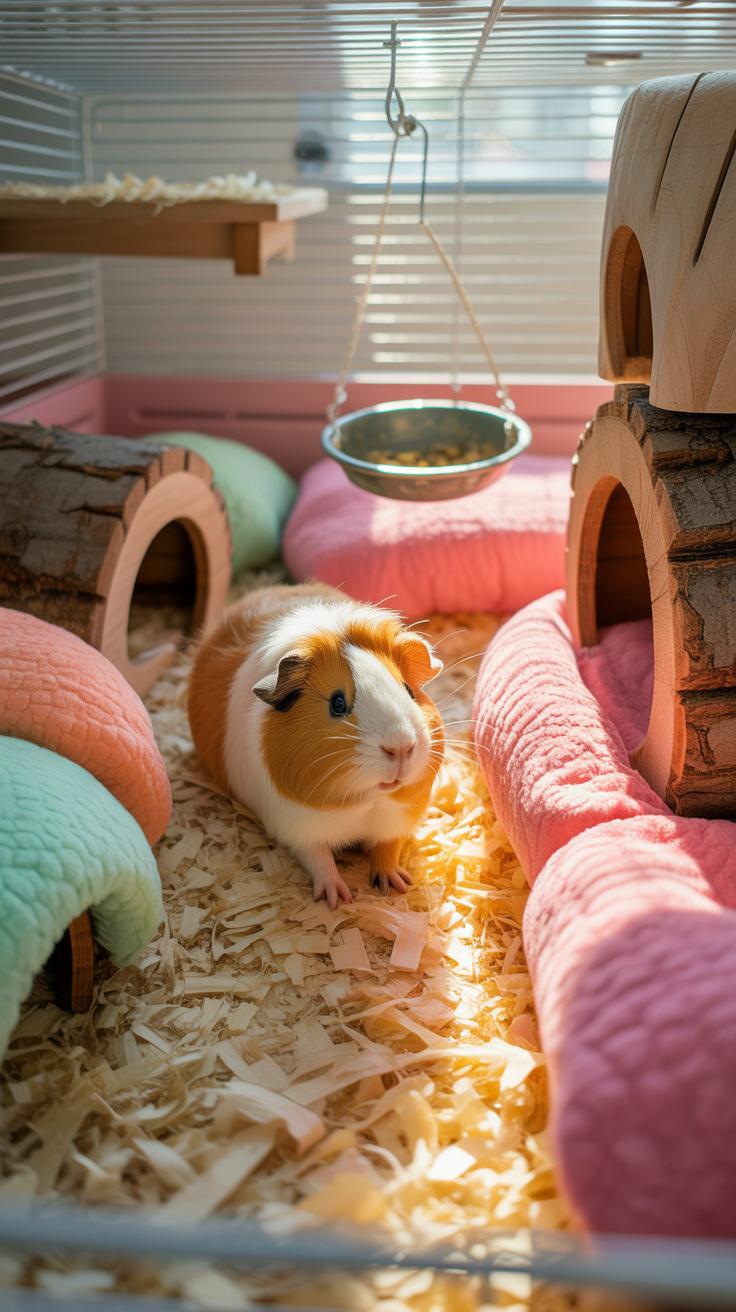
Best Bedding Types For Guinea Pigs: Fleece, Paper, And Hay
Fleece liners represent the modern standard for cage management. This material wicks moisture away from the surface to keep the animal dry. You must wash new fleece multiple times to break the water tension before use. Underneath the fleece, place an absorbent layer like U-Haul pads or specialized bamboo inserts. This system reduces waste and long term costs while protecting sensitive feet.
Paper bedding offers high absorbency and excellent odor control for smaller enclosures. Choose unscented, sludge free paper to avoid respiratory irritation. Wood shavings remain popular but require caution. Only use kiln dried pine or aspen. Never use cedar or untreated pine. These woods contain phenols that cause liver damage and breathing issues. High quality hay serves as a secondary bedding layer for foraging and nesting.
How Often To Change Bedding And Why It Affects Guinea Pig Health
Routine maintenance prevents the buildup of ammonia from urine. High ammonia levels burn the respiratory lining and lead to pneumonia. Spot clean the cage daily by removing damp patches and waste. Full bedding changes should occur every three to seven days depending on the cage size and population. Solid flooring is mandatory. Wire mesh floors cause bumblefoot, a painful and infectious foot condition.

Monitoring bedding condition ensures the animal remains mobile and healthy. Damp bedding breeds bacteria and attracts flies, which leads to flystrike. This condition is often fatal and occurs rapidly in summer months. Dry floors prevent skin fungal infections and urine scald on the belly. Proper hygiene directly extends the lifespan of the pet. Consistent cleaning schedules eliminate the risk of preventable diseases and maintain a professional habitat.
Feeding Stations And Water Bottles Non Negotiable Guinea Pig Cage Essentials
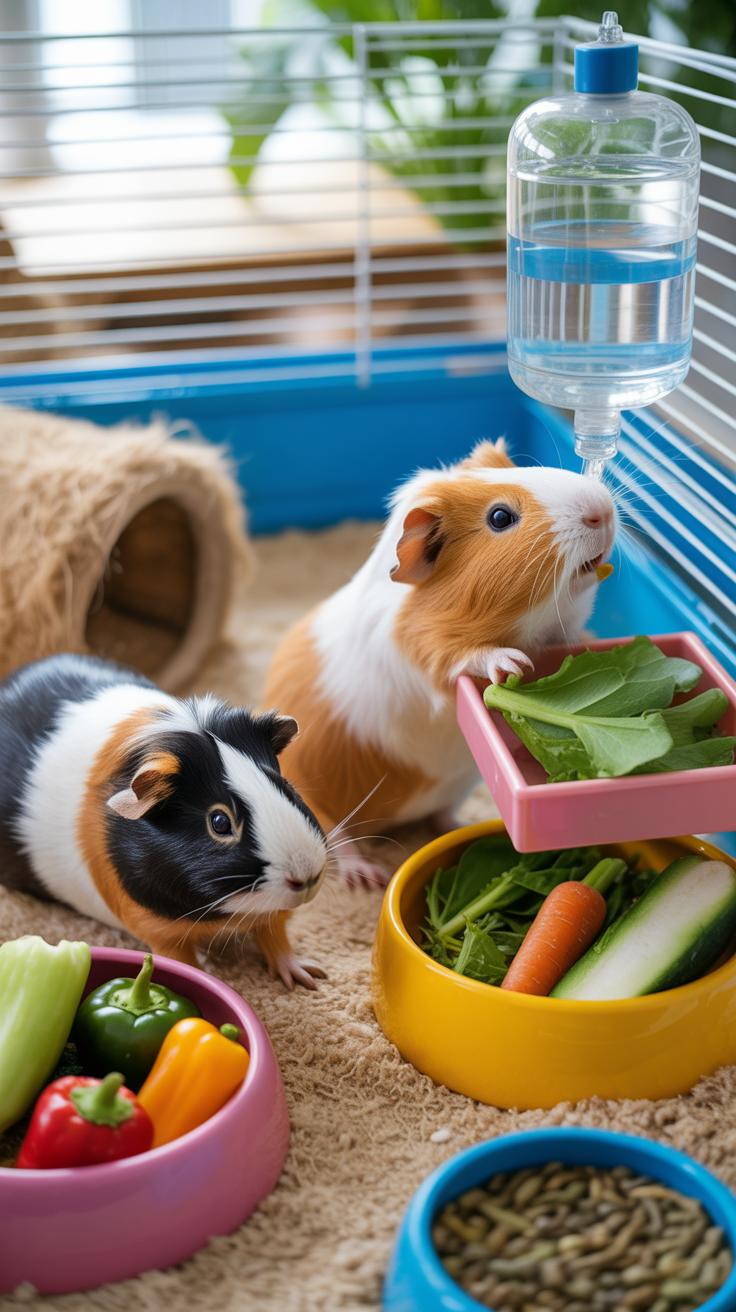
Setting Up A Hay Rack, Pellet Bowl, And Fresh Veggie Area
Guinea pigs require constant access to grass hay to maintain gut health and wear down fast-growing teeth. Place a hay rack in a dedicated kitchen area to keep the main living space clean. High-quality racks keep hay off the floor and prevent it from soaking up urine. Position the rack at eye level so the animals can reach it easily without straining their necks or getting trapped.
Heavy ceramic bowls work best for pellets because they prevent tipping and spills. Place the veggie station on a firm, washable surface like a plastic mat or tile. This setup protects the bedding from moisture and mold. Clean the veggie area daily to remove uneaten scraps that attract bacteria. Keep the feeding zone separate from the sleeping area to encourage movement and maintain hygiene throughout the cage.
Choosing The Right Water Bottle Or Bowl For Daily Hydration
Gravity-fed drip bottles remain the industry standard for guinea pig hydration. These units keep water clean and free from cage debris or droppings. Choose a large glass bottle over plastic to prevent BPA leaching and chewing damage. Mount the bottle on the outside of the cage with the metal spout protruding through the bars. Check the vacuum seal daily to ensure the nozzle does not leak or clog.
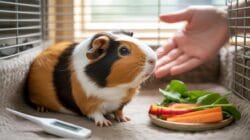
Some owners prefer heavy stoneware bowls for a more natural drinking position. Bowls eliminate the risk of mechanical failure common in ball-valve tubes. However, water bowls require frequent cleaning because guinea pigs often kick bedding or waste into them. If you use a bowl, place it on a raised platform to reduce contamination. Always provide at least two water sources in a multi-pig cage to prevent resource guarding.
Enrichment And Hideouts Bringing Cute Guinea Pig Cage Ideas To Life
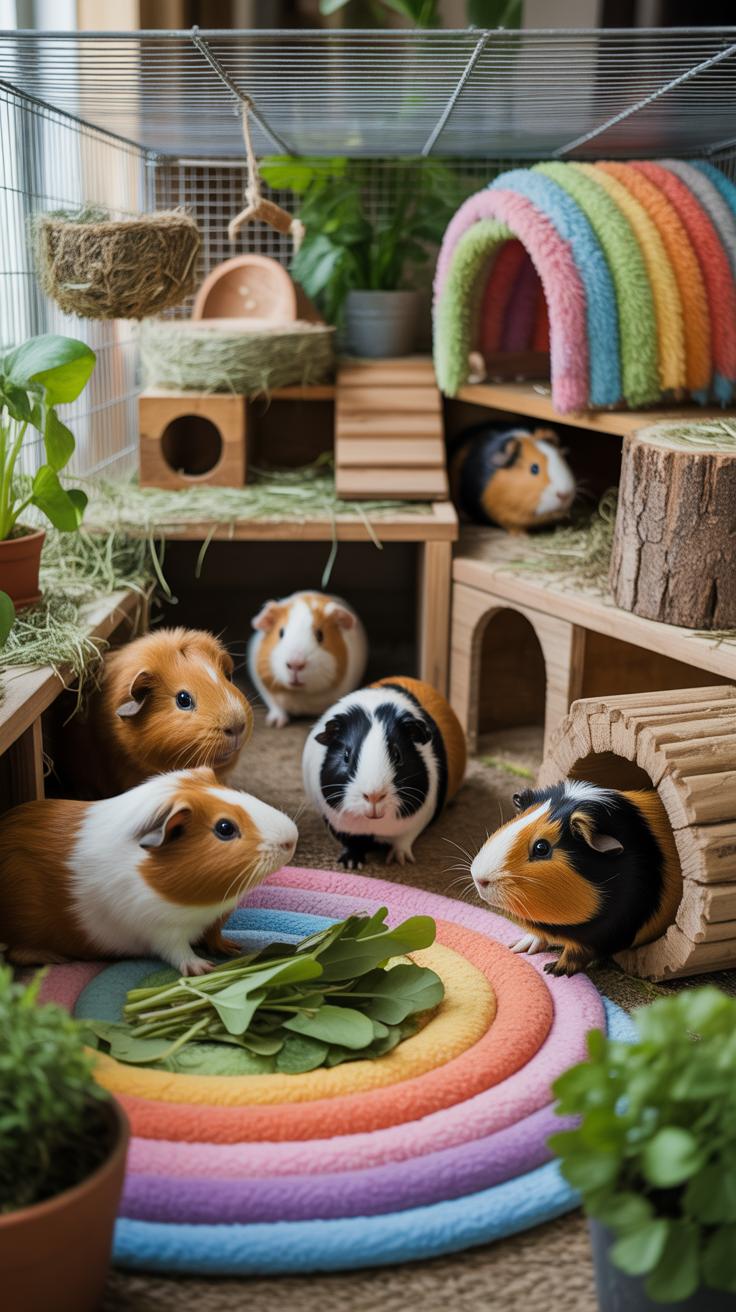
Why Guinea Pigs Need Hideouts, Tunnels, And Resting Spots
Guinea pigs are prey animals with a strong flight reflex. They lack natural defenses against predators and feel vulnerable in open spaces. Providing multiple hideouts is a biological necessity rather than a luxury. These structures reduce cortisol levels and prevent chronic stress. A stressed animal has a weaker immune system. Safe spots allow them to rest without constant scanning for threats.
Resting spots and tunnels also facilitate natural movement and social hierarchy management. Subordinate pigs need escape routes to avoid conflict within the herd. Open-ended tunnels prevent one pig from cornering another. High-quality hay racks and fabric huts encourage foraging and lounging behaviors. Proper placement of these items reduces cage boredom. It also stops repetitive behaviors like bar biting or excessive grooming from occurring.
Top Enrichment Accessories That Keep Guinea Pigs Mentally Stimulated
Mental stimulation prevents sedentary behavior and obesity in guinea pigs. Physical activity increases when the environment changes frequently. Move accessories during cleaning to spark curiosity. Use durable materials like kiln-dried pine, seagrass, or high-grade plastic. Avoid flimsy items that pigs can easily tip over or destroy. Selection should focus on safety and long-term durability for daily use.
- Wooden Hidey Houses: These provide a sturdy shelter and a safe surface for chewing. Choose houses made from kiln-dried pine or basswood. Ensure they have at least two exits to prevent territorial trapping. Natural wood helps wear down constantly growing teeth through gnawing.
- Fabric Tunnels: Soft tunnels offer a secure runway for exercise and play. Use high-quality fleece or canvas materials that do not fray. These items are machine washable for easy hygiene maintenance. Pigs enjoy the tactile comfort while running between different cage zones.
- Oxbow Timothy Mat: Edible woven mats provide both a resting spot and a source of fiber. Guinea pigs can safely consume the entire mat over time. These accessories encourage natural foraging behavior. They also protect sensitive feet from hard surfaces or wire floors.
- Foraging Balls: Fill these hollow spheres with fresh greens or high-quality hay to keep pigs active. The animal must roll the ball to release the food. This movement provides essential mental engagement. It mimics the natural search for food found in the wild.
- Corner Curtains: Fleece strips hanging from a corner create a low-cost, effective hiding area. This design saves floor space while providing a dark retreat. It allows guinea pigs to observe the room while feeling hidden. Use sturdy clips to secure the fabric.

Effective enrichment targets the five senses of the guinea pig. Use various textures like fleece, wood, and cardboard to provide tactical variety. Introduce food-based puzzles to lengthen feeding times and encourage problem-solving. Rotate these accessories weekly to keep the environment fresh. Routine changes in cage layout prevent environmental stagnation. Active guinea pigs live longer and experience fewer health complications from inactivity.
Indoor Guinea Pig Cage Ideas Designing A Space That Fits Your Home
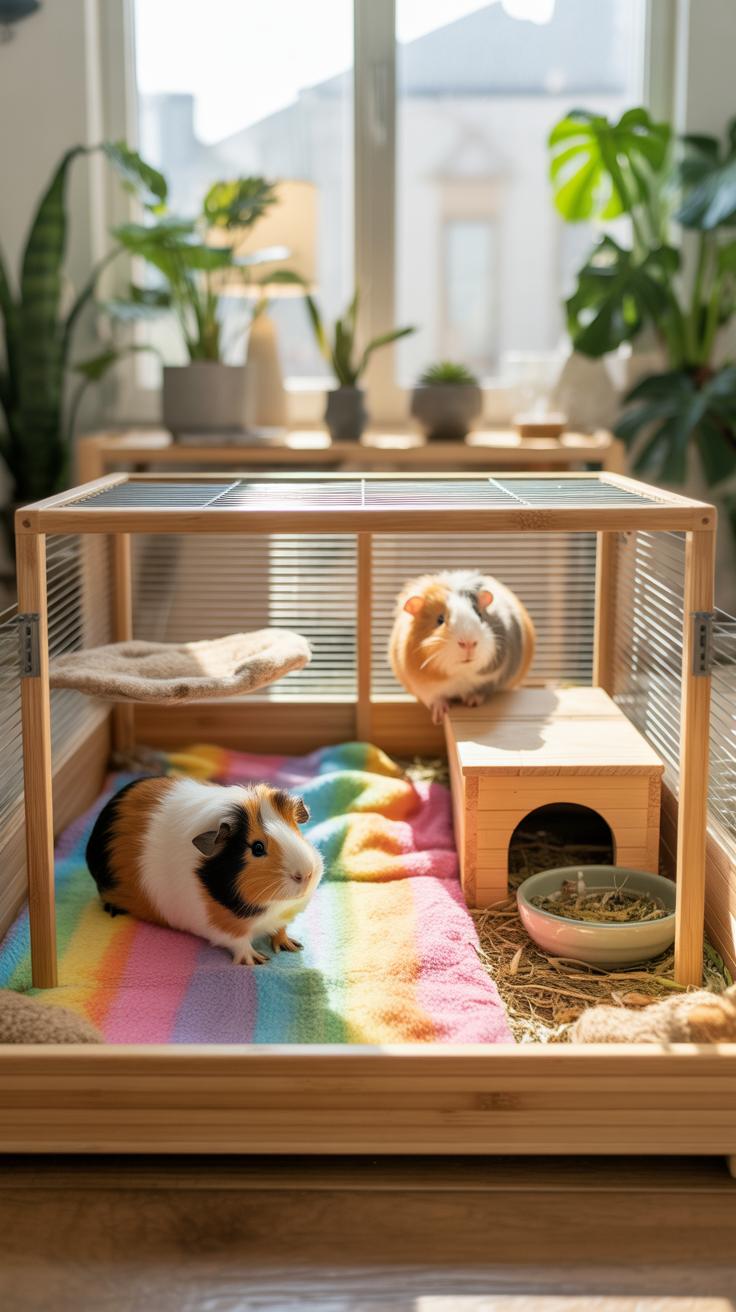
How To Integrate A Guinea Pig Cage Into Your Living Space Stylishly
You must choose a location that balances social interaction with structural stability. Most owners prefer the living room or a quiet hallway. Use modern furniture hacks to hide the bulk of a large enclosure. A C&C cage fits well on top of standard storage units like IKEA Kallax shelves. This elevates the animals for easier cleaning and keeps them away from floor drafts.
Select neutral colors for the cage base and fleece bedding to match your room decor. Avoid bright, clashing plastic components that look cheap and cluttered. Use tidy storage bins underneath the cage to hide hay and pellets. This keeps your supplies organized and out of sight. A clean, streamlined setup looks like a deliberate part of the home rather than a temporary mess.
A house is made of walls and beams; a home is built with love and soft hay for a tiny friend. Creating a sanctuary for your guinea pig is the sweetest way to honor a bond that warms the heart.
Temperature, Lighting, And Ventilation Considerations For Indoor Setups
Guinea pigs thrive in temperatures between sixty-five and seventy-five degrees Fahrenheit. Do not place the cage in direct sunlight or near heaters. Excessive heat causes heatstroke, which is often fatal for these rodents. Keep the enclosure away from drafty windows or air conditioning vents. Stable air temperature is the most critical factor for their long-term respiratory health and physical comfort.
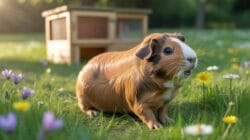
Proper airflow prevents the buildup of ammonia from urine. Never use solid glass tanks or plastic tubs because they trap stagnant air. High-quality ventilation requires open-top wire grids or mesh panels. Position the cage in a room with natural day and night light cycles. Do not use dark basements or windowless closets. Guinea pigs need consistent light patterns to maintain healthy circadian rhythms and activity levels.
Guinea Pig Cage Ideas For Multi Pig Households Housing Pairs And Groups
How Much Space Do Two Or More Guinea Pigs Actually Need?
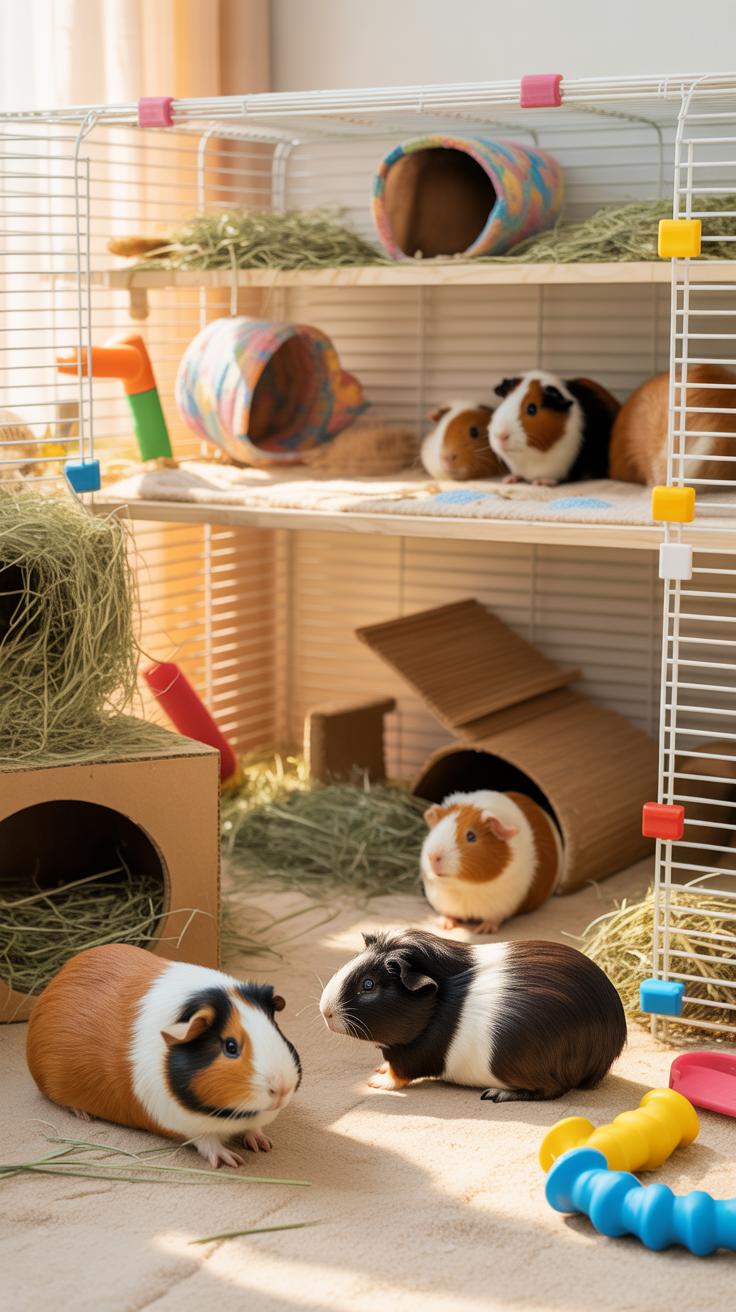
Standard cage sizes sold in retail stores are often too small for multiple animals. Two guinea pigs require a minimum of 7.5 square feet of flat floor space. Experts recommend 10.5 square feet to allow for natural running and exercise. This footprint prevents obesity and boredom. You must prioritize horizontal space over vertical levels. Guinea pigs are ground dwellers and lack the depth perception for safe climbing.
Adding more pigs requires a linear increase in floor area. You need roughly 13 square feet for a trio of females. Large groups thrive in C and C cages because these systems offer modular expansion. Use coroplast bases to contain bedding and hay. Open floor plans allow animals to move without bumping into each other. Limited space leads to territorial disputes. Proper square footage is the primary factor in long term health.
Reducing Conflict And Stress When Housing Multiple Guinea Pigs Together
Resource guarding causes most fights in multi pig households. You must provide one hideout for every animal in the cage. Each hideout needs two exit points. This design prevents a dominant pig from trapping a submissive one inside. Place multiple hay piles and water bottles at opposite ends of the enclosure. Forcing pigs to share a single station creates tension. Separation of resources ensures every pig eats peacefully.

Strategic layout choices minimize dominant behaviors. Avoid narrow tunnels or cramped corners where one pig can block travel. Use open floor designs to maintain clear lines of sight. If you introduce new pigs, use a neutral area first. Clean the permanent cage thoroughly to remove existing scents before moving the group. Constant access to fresh hay and chew toys keeps them occupied. Busy pigs are less likely to harass their cage mates.
Cleaning And Maintaining Guinea Pigs Cages For Long Term Wellbeing
Daily, Weekly, And Monthly Cage Cleaning Routines To Follow
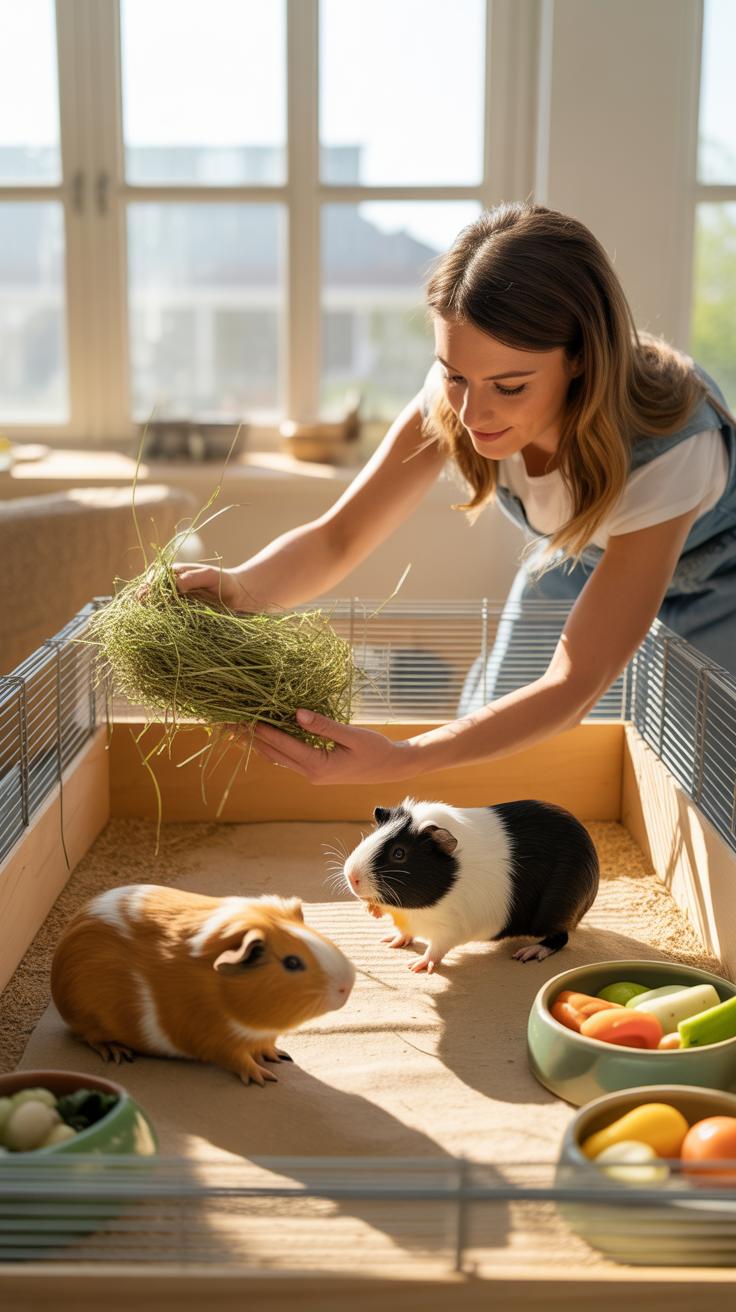
Daily maintenance prevents ammonia buildup from urine. Remove wet bedding and soiled hay every morning. Spot clean high-traffic areas where waste accumulates. Guinea pigs have sensitive respiratory systems that cannot handle heavy fumes or mold. Replace water and scrub food bowls to stop bacterial growth. These quick daily tasks take five minutes but protect the animal from skin infections and respiratory distress.
Weekly deep cleans require a total strip of the environment. Remove all bedding and wash the base with a safe solution. Launder fleece liners in hot water with unscented detergent if using fabric bedding. Monthly checks focus on the cage structure itself. Inspect wire bars for rust or chipping paint. Check plastic trays for cracks that might harbor bacteria. Consistent scheduling ensures the habitat remains sanitary for the long term.
Safe Cleaning Products And Practices That Won’T Harm Your Guinea Pig
Chemical sensitivity is a major risk factor for small rodents. Never use bleach or heavy surface cleaners near the cage. These products contain volatile organic compounds that damage guinea pig lungs. Use a solution of half white vinegar and half water for most cleaning tasks. Vinegar cuts through calcium deposits from urine without leaving toxic residue. Always dry the cage surfaces completely before adding new bedding.
Commercial cleaners must be labeled as pet-safe and fragrance-free. Strong scents distress guinea pigs because they rely on their sense of smell to navigate. Avoid aerosols and spray the cleaning cloths directly rather than spraying into the air. If you use a mild soap, rinse the area until no bubbles remain. Proper rinsing prevents the animal from ingesting soap residue during grooming. Stick to simple ingredients to maintain safety.
Frequently Asked Questions

What are the most important essentials for a beginner guinea pig habitat?
When starting out, your primary focus should be on space and safety. Every guinea pig cage setup guide recommends a minimum of 7.5 square feet for a pair of pigs. You will need absorbent bedding like fleece or paper, a constant supply of high-quality timothy hay, a sturdy water bottle, and at least two hiding spots to ensure your new pets feel secure and comfortable in their environment.
How do I arrange the cage to keep my guinea pig active and engaged?
To maximize movement, place hay piles and water bottles at opposite ends of the enclosure. This guinea pig cage setup guide suggests using “piggloo” tunnels and fabric ramps to create an engaging flow. Keeping the central area open for floor time allows them to zoom and popcorn freely, while rotating enrichment toys weekly prevents boredom and keeps your small pets physically and mentally stimulated.
Can I create a comfortable guinea pig enclosure on a tight budget?
Absolutely! You don’t need to spend a fortune on fancy store-bought kits. Many owners prefer building a C&C (cubes and coroplast) cage, which is often cheaper and provides more room than standard plastic cages. You can also save money by using washable anti-pill fleece instead of disposable bedding and making DIY enrichment toys from untreated cardboard boxes and paper towel rolls that are safe for chewing.