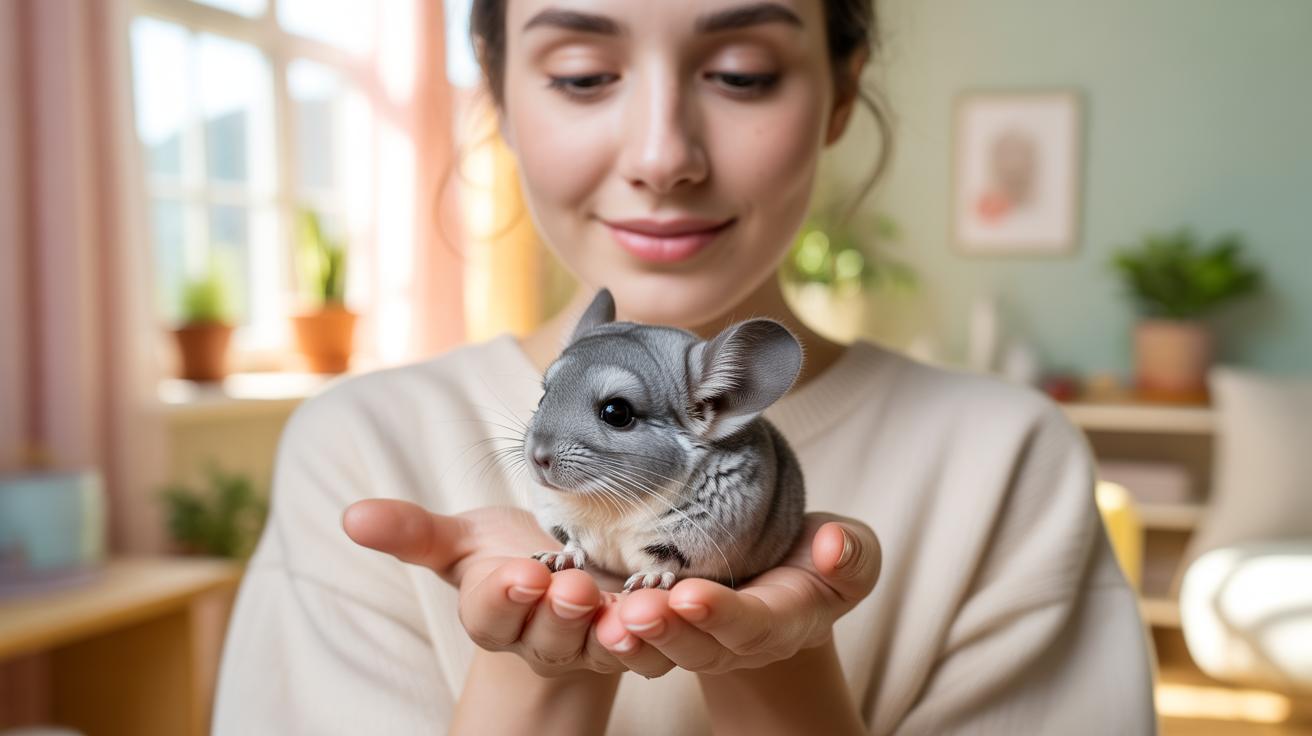
Beginner Chinchilla Care Tips Understanding Your ChinchillaS Natural Behavior
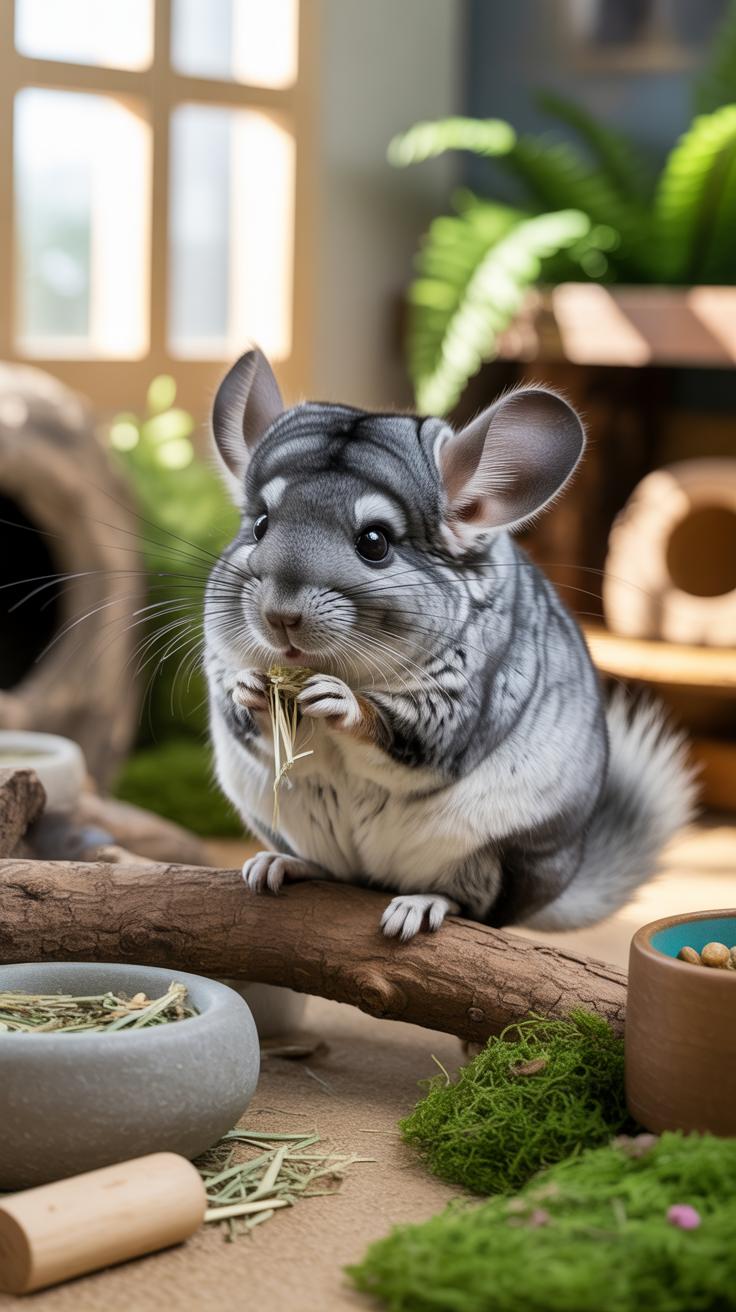
Why Chinchillas Are Naturally Cautious Around Humans
Chinchillas are prey animals from the Andes Mountains. Their survival depends on a high flight response and constant alertness. In the wild, hawks and snakes hunt them from above and below. This genetic history makes them treat any large moving object as a threat. You represent a predator until you prove otherwise. Understanding this biological hardwiring is the first step toward building trust.
Your size and sudden movements trigger their defense mechanisms. They do not see a friend when you reach into their cage. They see a reaching claw or a striking bird. Taming requires you to override these millions of years of evolution. You must move slowly and keep your voice low. High pitched noises or fast hands will cause the animal to hide or flee immediately.
Reading Your Chinchilla’S Body Language Before You Start Taming
Watch the ears and the stance of your chinchilla. Upright ears mean the animal is alert and curious about its surroundings. If the ears are pinned back against the head, the animal feels threatened or angry. A chinchilla standing on its hind legs is checking for danger. It may also spray urine or bark if it feels cornered. These are clear signs to stop your approach.
A relaxed chinchilla will groom itself or eat in your presence. Dragging the belly on the floor or hiding in a corner indicates high stress levels. Do not force interaction if the animal is chattering its teeth loudly. This sound signals extreme agitation and a potential bite. Successful taming happens when you recognize these signs early. Wait for a neutral or curious posture before you attempt any physical contact.

Beginner Chinchilla Care Guide Setting Realistic Expectations For The Taming Process
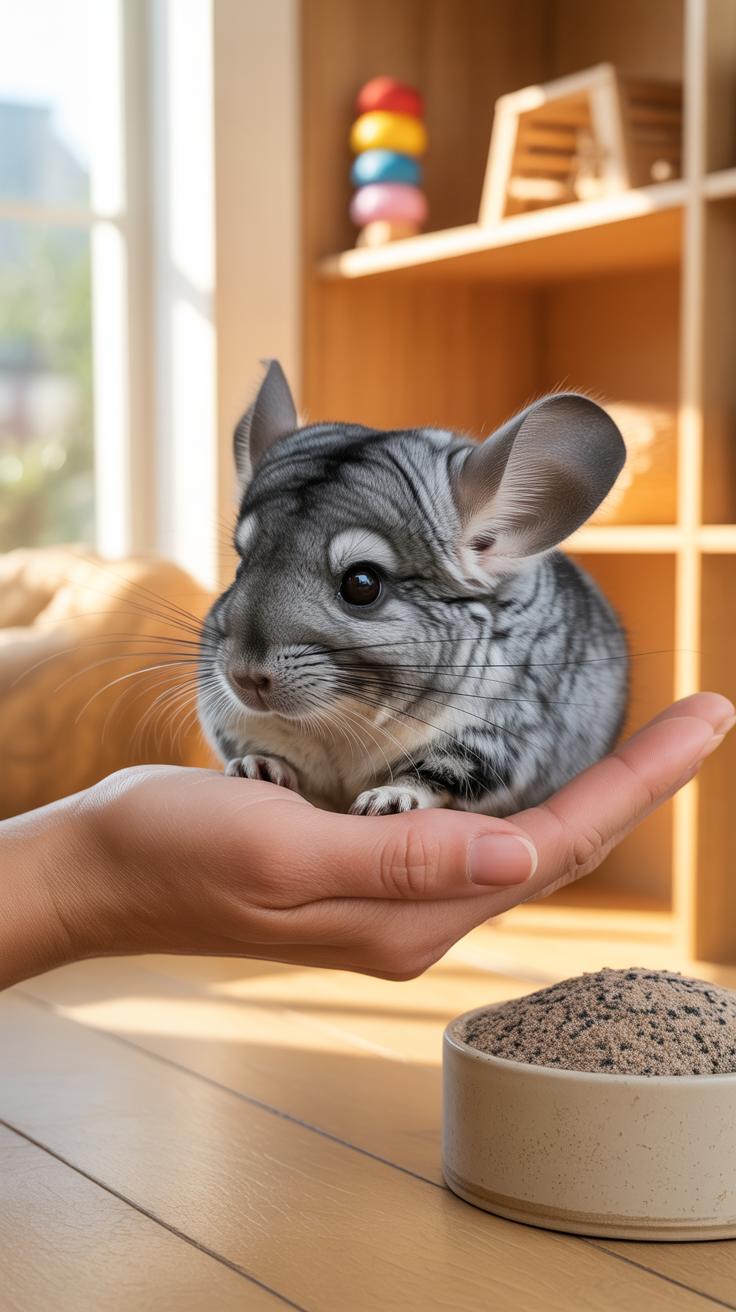
How Long Does It Typically Take To Tame A Chinchilla?
Taming a chinchilla is a slow process that requires extreme patience. You cannot rush this timeline because these animals are natural prey. Most beginners should expect the process to take anywhere from several weeks to many months. Some individuals may never fully enjoy being held. Consistency is the only way to build trust. Forceful interaction will reset your progress back to zero immediately.
The first two weeks focus solely on acclimation to your presence. The chinchilla must learn your scent and voice before you attempt physical contact. Avoid making sudden moves or loud noises during this period. Your goal is to become a predictable part of their environment. Once the animal stops hiding when you enter the room, you can transition to hand-feeding and active taming sessions.
Signs That Your Chinchilla Is Slowly Growing More Comfortable With You
Behavioral shifts indicate progress during the taming phase. A primary sign of comfort is the animal approaching the cage bars when you arrive. This shows curiosity overcoming fear. Another positive indicator is the chinchilla grooming itself in your presence. Prey animals only perform maintenance when they feel secure. If the chinchilla takes a treat directly from your fingers, it trusts you not to harm it.

Body language provides the best data for your strategy. A relaxed chinchilla will sit with its fur flat and ears up. It may even bark softly to get your attention or investigate your hands with its nose. Do not mistake a light nibble for aggression. They use their mouths to explore new textures. If the animal stays out in the open while you move, your bond is strengthening effectively.
Chinchilla Cage Ideas Creating A Safe And Comfortable Environment That Supports Taming
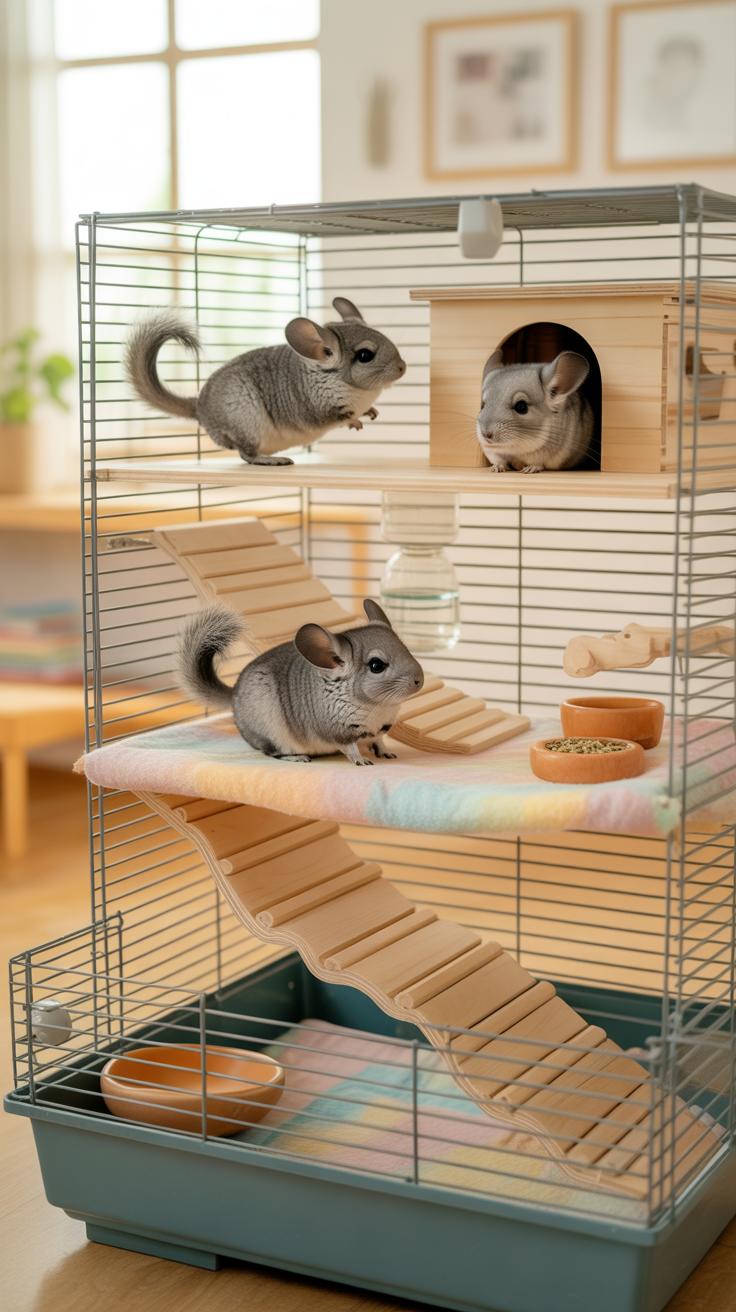
How The Right Cage Setup Can Help Your Chinchilla Feel Secure
Chinchillas are prey animals. They view open spaces as danger zones. A cage that provides vertical height and solid walls makes them feel safe. Secure animals learn faster. If your pet feels exposed, it will remain in a state of high alert. This stress prevents the animal from bonding with you. Use a cage with a solid base to provide stability.
Placement also matters for security. Put the cage in a quiet corner with low foot traffic. This allows the chinchilla to observe you from a distance without feeling threatened. Avoid placing the enclosure near loud vents or direct sunlight. Sudden noises or temperature shifts trigger the flight response. A stable environment builds the trust necessary for the taming process to begin.
Recommended Cage Features That Encourage Exploration And Reduce Stress
The physical layout of the cage dictates how comfortable your chinchilla feels during interaction. High quality cages use powder coated wire to prevent lead poisoning. Wood accessories allow for natural chewing behaviors which manage tooth growth. Strategic placement of ledges encourages the animal to move. This movement builds confidence. A confident chinchilla is more likely to approach your hand during training sessions.
- Solid Metal Platforms: Use solid metal or wood instead of wire mesh floors. Wire floors cause foot injuries like bumblefoot. Solid surfaces provide a stable foundation for the animal to rest and feel grounded during early taming.
- Hide Boxes: Place at least two nesting boxes in the cage. These spots give the chinchilla a place to retreat when it feels overwhelmed. Having a safe exit strategy reduces overall anxiety and prevents aggressive defensive behaviors.
- Kiln Dried Pine Ledges: Install wood ledges at varying heights to encourage vertical movement. Chinchillas naturally live in high mountain crevices. Replicating this verticality honors their biology. It allows them to view their surroundings from a position of power.
- Large Front Doors: Choose a cage with large doors that allow easy access. Small openings force you to reach in from above. This mimics a bird of prey attack. Wide doors let you offer your hand at the animal’s level.
- Dust Bath Station: Designate a specific area or removable container for fine volcanic ash baths. Regular bathing is essential for fur health and stress relief. A clean chinchilla is more relaxed. This ritual serves as a positive reward after taming.

Avoid plastic components in the cage. Chinchillas are aggressive chewers and will ingest plastic shards. This leads to internal blockages. Stick to safe metals and untreated woods to ensure a long lifespan. Proper airflow is vital to prevent heatstroke. Keep the bar spacing at half an inch to prevent escapes. These technical details create a professional foundation for your taming strategy.
Domesticating Chinchilla Tips Step By Step Techniques To Build Trust From Day One
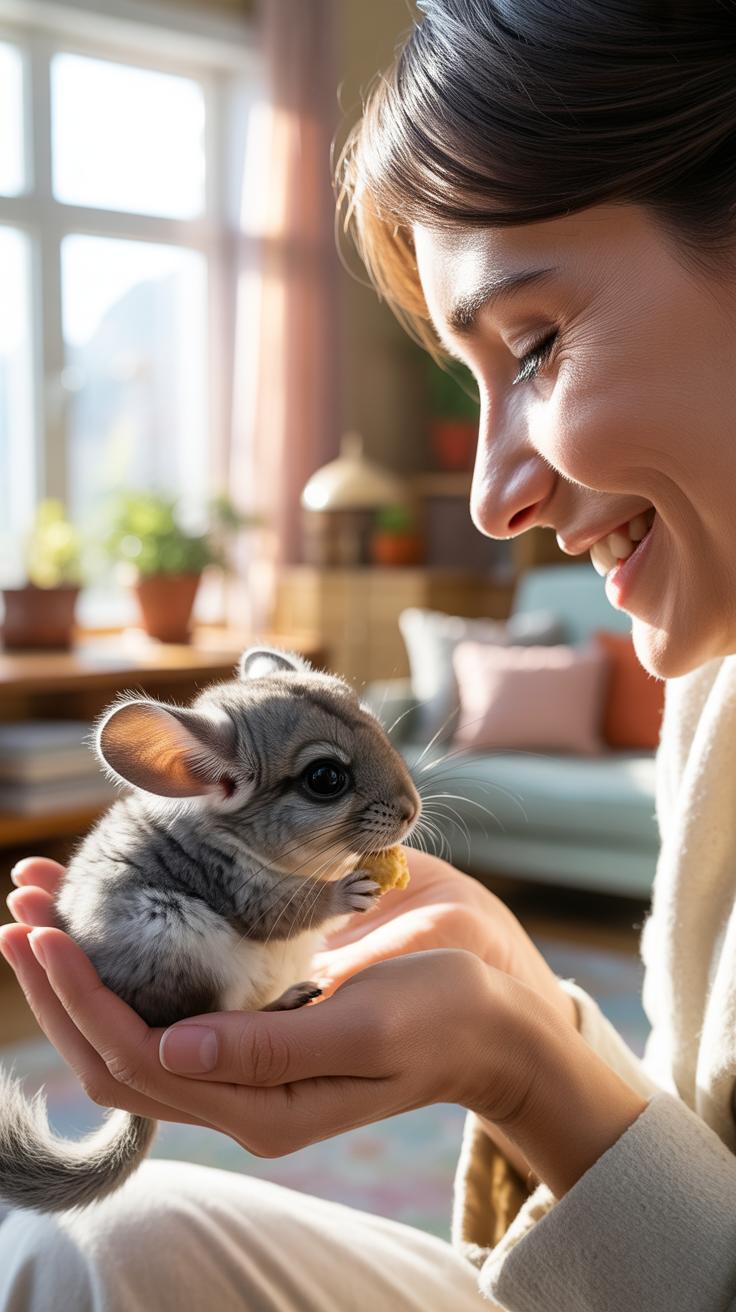
The Low And Slow Method: How To Introduce Your Hand Without Startling Your Chinchilla
Chinchillas are prey animals with a high flight response. Open your cage door slowly and place your hand flat on the floor of the cage. Do not move your fingers or reach toward the animal. Let the chinchilla observe your hand from a distance. Staying still proves you are not a predator. This neutral position allows the animal to approach on its own terms.
Patience is your primary tool during this phase. If the chinchilla barks or hides do not retract your hand quickly. Sudden movements confirm their fear of danger. Keep your hand palm up and let them sniff your skin. This process scent-marks you as a safe presence in their environment. Repeat this exercise for fifteen minutes twice a day until the animal stops fleeing.
Using Treat Based Positive Reinforcement To Encourage Friendly Interaction
Tactical feeding creates a positive association with your presence. Use small pieces of rose hips or plain oats to lure the chinchilla toward your hand. Hold the treat between your fingers so the animal must touch you to retrieve it. Do not force the interaction by moving the food closer to them. Let the chinchilla bridge the physical gap. This builds confidence through a reward system.

Monitor treat intake to prevent digestive issues. Chinchillas have sensitive GI tracts and cannot process high sugar or fat. Use healthy options like dried herbs or hay cubes as primary rewards. Consistency is vital for long-term memory retention. Offer a reward every time the animal approaches your hand without fear. This reinforces the specific behavior of choosing to interact with a human.
How To Cool Down A Chinchilla Managing Temperature For A Stress Free Taming Experience
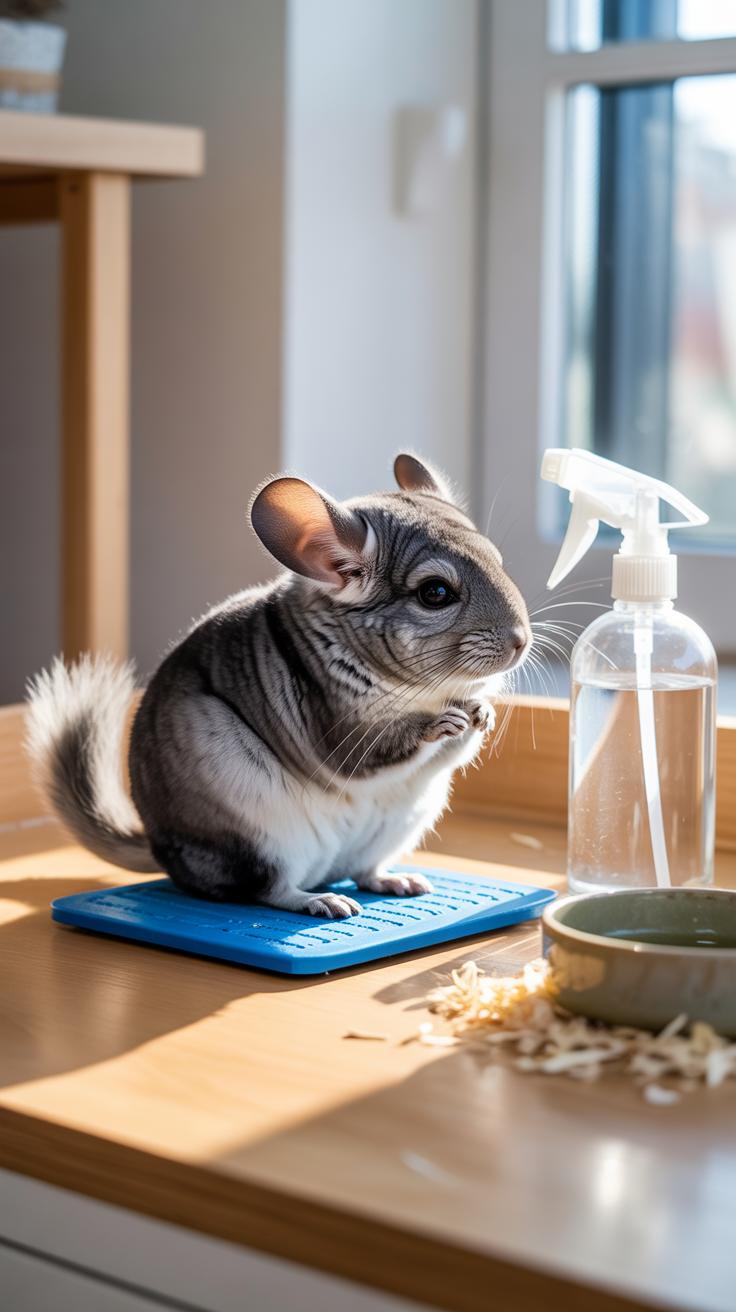
Why Chinchillas Are Highly Sensitive To Heat And What Temperature Range Is Safe
Chinchillas originate from the high Andes Mountains. This cold environment shaped their biology. They possess the densest fur of any land mammal with fifty to eighty hairs per follicle. This insulation prevents heat from escaping their bodies. They lack sweat glands and cannot pant to regulate temperature. Excess heat traps inside their core and quickly leads to fatal organ failure.
Safe habitat temperatures stay between 60 and 70 degrees Fahrenheit. Humidity must remain below 50 percent to allow effective natural cooling. Any environment exceeding 75 degrees creates an immediate health risk. Stress from taming increases their internal metabolic heat. You must monitor the room temperature constantly. High heat causes lethargy and red ears. Stop all training sessions if the environment feels warm to your skin.
Practical Ways To Keep Your Chinchilla Cool During Handling Sessions
Taming sessions involve physical movement and emotional stress. Both factors raise the animal’s body temperature. You must prepare the environment before opening the cage. Keep the room air conditioned and away from direct sunlight. Use stone surfaces to provide a heat sink for the animal. Watch for signs of overheating like bright pink ears or heavy breathing during your interaction.
- Chilled Granite Slabs: Place a polished granite or marble stone in the cage. These stones naturally stay cooler than the surrounding air. The chinchilla will lay its belly on the stone to transfer body heat directly into the material for fast cooling.
- Ceramic Hideouts: Use heavy ceramic houses rather than plastic or wood. Ceramic material maintains a lower surface temperature. It provides a cool retreat where the animal can hide if it feels overwhelmed or overheated during a long taming session in the room.
- Air Circulation: Run a fan in the room but do not point it directly at the cage. Direct drafts cause respiratory issues. The goal is to move stagnant air and prevent heat pockets from forming around the enclosure. This keeps the ambient temperature stable.
- Dehumidifiers: Use a dehumidifier if you live in a moist climate. High humidity prevents the chinchilla from cooling itself properly through its skin and respiratory tract. Keeping the air dry is just as vital as keeping the air cold for their safety.
- Frozen Water Bottles: Wrap a frozen plastic bottle in a thick fleece sock. Place this inside the play area. The animal can lean against the bottle for relief. The fleece prevents direct skin contact with ice which could cause localized tissue damage or damp fur.

Never wet a chinchilla to cool it down. Their dense fur traps moisture and leads to fungal growth or rot. Focus on dry cooling methods only. If the animal shows signs of heatstroke, move it to a cool tiled floor immediately. Contact a vet if the core temperature does not drop. Keep sessions short in summer months to prevent any buildup of thermal stress.
Chinchilla Care Guide Daily Handling Routines That Reinforce Trust Over Time

How Often And How Long You Should Handle Your Chinchilla Each Day
Frequent short sessions beat long occasional interactions. Aim for two fifteen-minute sessions daily. Consistency builds a predictable environment for the animal. Use the early evening when the chinchilla is naturally alert. Start by offering your hand as a platform. Do not force contact if the animal retreats. Respecting their space creates a foundation of safety. This makes taming much faster.
Gradually increase duration as the chinchilla shows less fear. Watch for signs of stress like barking or fur slip. If the animal remains calm, extend the interaction to thirty minutes. Never exceed one hour of active handling. Chinchillas overheat easily during physical activity. Monitor their ear color for redness during these sessions. Keep the room quiet to maintain their focus on your scent and movements.
Common Handling Mistakes New Owners Make And How To Avoid Them
Owners often grab the chinchilla from above. This mimics a bird of prey and triggers a flight response. Approach from the side or front instead. Avoid chasing the animal around the enclosure. This destroys trust instantly and causes unnecessary stress. Use a consistent verbal cue before reaching into the cage. Let the animal come to you on its own terms to prevent fear.

Never squeeze the ribcage or pull the tail. Chinchillas have floating ribs that break under pressure. Support the hindquarters and chest simultaneously during transport. Avoid wearing strong perfumes or lotions before handling. Their keen sense of smell detects unfamiliar chemicals. This results in avoidance or biting. Wash your hands with unscented soap to remove food smells. This prevents the chinchilla from mistaking your fingers for treats.
How To Entertain Your Chinchilla Enrichment Activities That Strengthen Your Bond
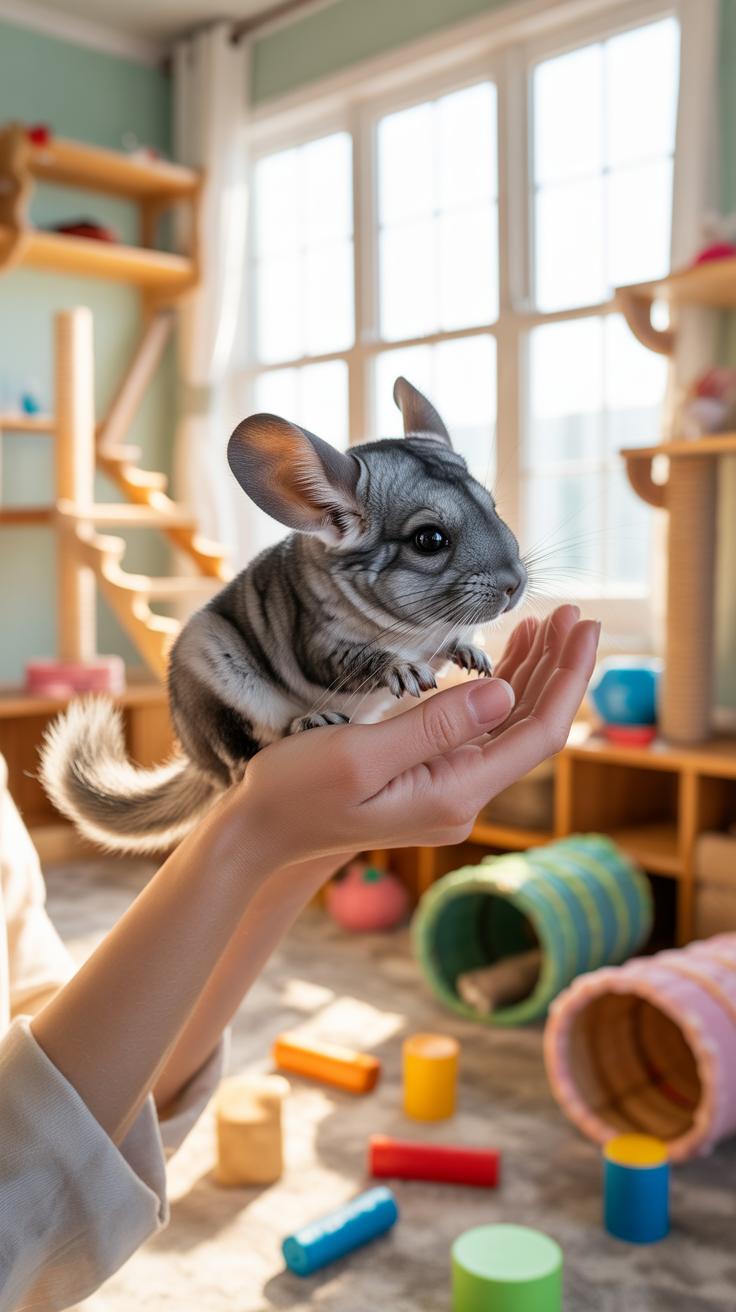
Playtime Outside The Cage: Safe Ways To Let Your Chinchilla Explore
Set up a consistent schedule for out-of-cage exercise. Use a small, enclosed room or a sturdy playpen. Remove all electrical cords and toxic houseplants before starting. Chinchillas chew everything they find to test their environment. Block off narrow gaps behind furniture where they might hide or get stuck. Speed and agility make them difficult to catch if they escape into larger living areas.
Sit on the floor during these sessions to build trust. Moving your body down to their level reduces their natural fear of predators. Stay still and let the animal approach you first. This strategy allows the chinchilla to investigate your scent and clothes without pressure. Use a quiet voice and avoid sudden movements. Hand-feeding a small hay cube during this time reinforces a positive association with your presence.
The greatest gift of a garden or a small friend is the patience it teaches us. Trust is a slow-blooming flower that earns its beauty through gentle waiting.
Toys, Tunnels, And Chew Items That Keep Your Chinchilla Mentally Stimulated
Mental stimulation prevents destructive behavior and stress. Focus on items made from kiln-dried pine or apple wood. These materials are safe for their teeth which grow continuously. Chinchillas have a natural instinct to gnaw and shred objects. Provide various textures to keep them engaged. Avoid plastic toys because ingested shards cause internal blockages. Wooden ledges and pumice stones serve both as playthings and dental health tools.

Tunnels mimic the rocky crevices found in their native Andean habitat. Use large diameter cardboard tubes or safe wooden tunnels. Place these items in different spots to encourage movement and exploration. Change the layout of the cage every few weeks to keep the environment fresh. Hiding places give the animal a sense of security. A stimulated chinchilla is less likely to develop repetitive habits like fur chewing or wall pacing.
Gray Chinchilla Pet Care Special Considerations For Long Term Taming And Ongoing Maintenance
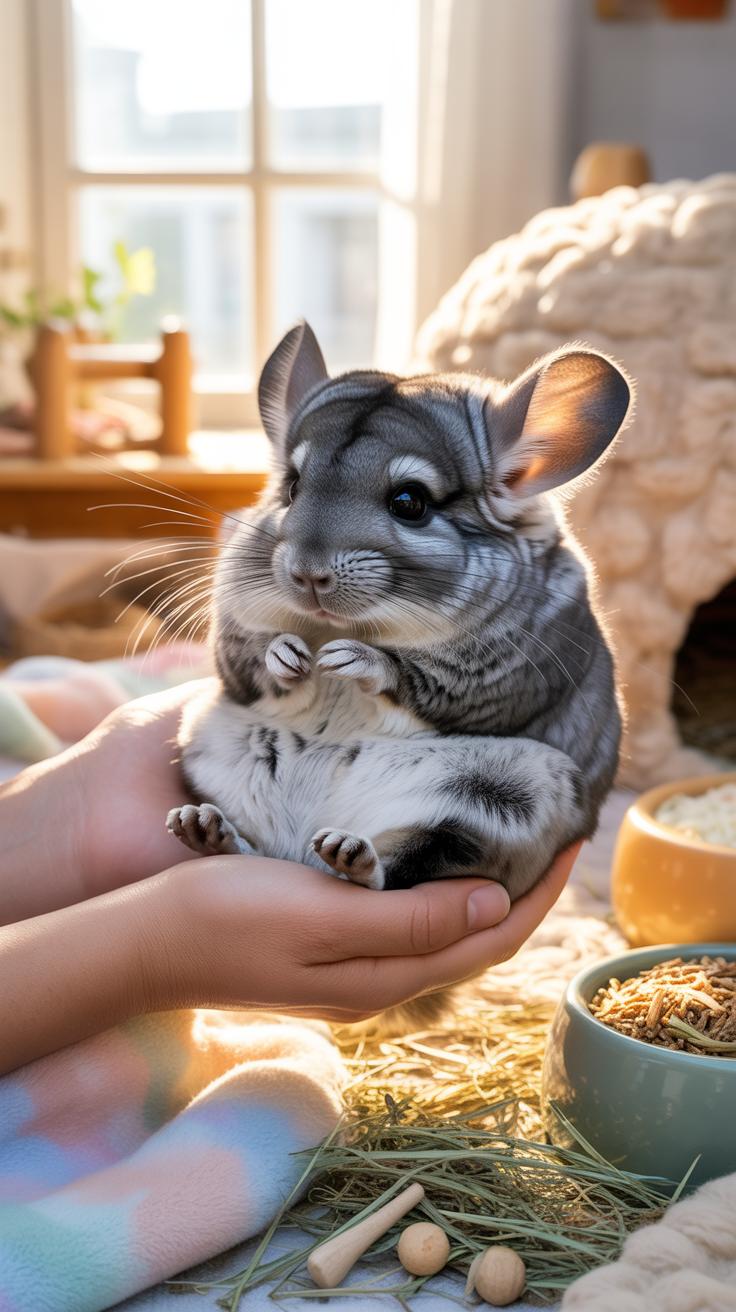
Understanding The Grooming Needs Of Your Chinchilla And How Dust Baths Support Well Being
Chinchillas possess extremely dense fur with up to eighty hairs per follicle. Water destroys the insulating properties of this coat and leads to fungal growth. You must provide volcanic ash or specialized dust for cleaning. Use a sturdy container and allow the animal to roll for fifteen minutes. Do this three times per week. This ritual lowers stress levels and facilitates easier handling.
Dust baths serve as a vital social and psychological tool during the taming process. A chinchilla feels most vulnerable when dirty or damp. Clean fur boosts the animal’s confidence and willingness to interact with humans. Always remove the dust bath after use to prevent eye irritation or respiratory issues. Maintain a strict schedule to ensure your pet remains comfortable during every physical training session.
Health And Behavioral Red Flags To Watch For During The Taming Journey
Watch for changes in eating habits or fecal output immediately. Chinchillas hide illness to avoid predators. A sudden stop in hay consumption indicates dental problems or digestive stasis. These conditions are fatal without swift intervention. Lethargy or sitting in a corner for hours means the taming process must stop. Your pet cannot learn or bond while its body fights a hidden infection.

Monitor the fur for patches of hair loss or redness on the skin. Stress often triggers fur chewing or fungal outbreaks. If the chinchilla makes a high-pitched barking sound, you are moving too fast. Respect these vocalizations to maintain trust. Any discharge from the eyes or nose requires a vet visit. A healthy animal explores its environment with curiosity and has bright, dry eyes.
Frequently Asked Questions

How long does the initial taming process usually take for a new owner?
Patience is essential because every animal has a unique personality. Generally, chinchilla taming for beginners takes anywhere from a few weeks to several months of consistent interaction. You should focus on moving slowly and allowing your pet to set the pace. Building trust cannot be rushed; however, spending fifteen minutes of quality time together each evening will help your new companion feel secure and comfortable in their new home.
What is the best way to physically interact with a chinchilla during the first few days?
When starting chinchilla taming for beginners, avoid reaching in to grab them immediately. Instead, open the cage door and rest your hand flat on the ledge. Let them sniff and nibble your fingers to investigate your scent. Offering a small piece of a rosehip or a plain oat can encourage them to hop into your palm voluntarily. This positive reinforcement creates a foundation of safety before you attempt any lifting.
Do I need to buy expensive equipment to successfully bond with my chinchilla?
Not at all! Taming is more about your time and energy than pricey gadgets. You can use affordable items you already have, such as a large cardboard box for a hideout or an old fleece blanket for floor time. The most important “equipment” is a quiet, enclosed space where you can sit on the floor at their level. Consistency and a calm environment are far more valuable than expensive store-bought toys.