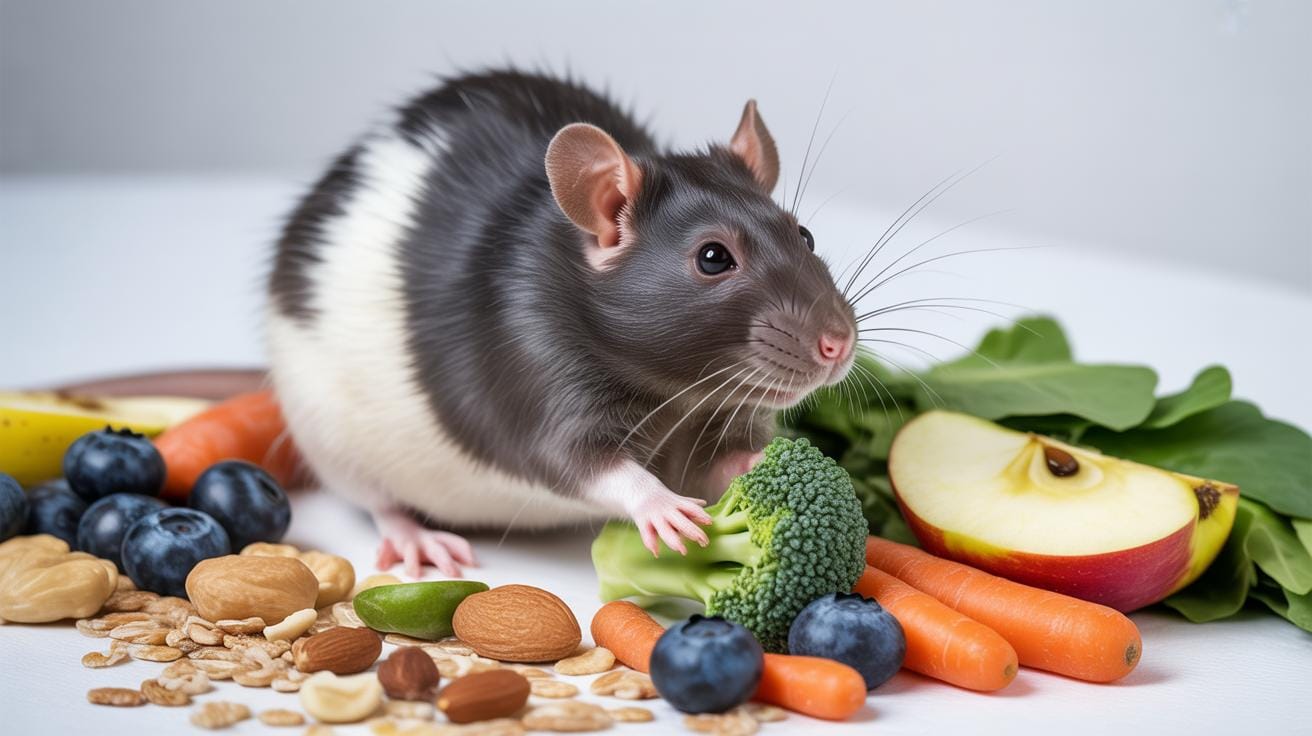
Understanding The Pet Rat Diet What Makes A Balanced Meal For Your Rat
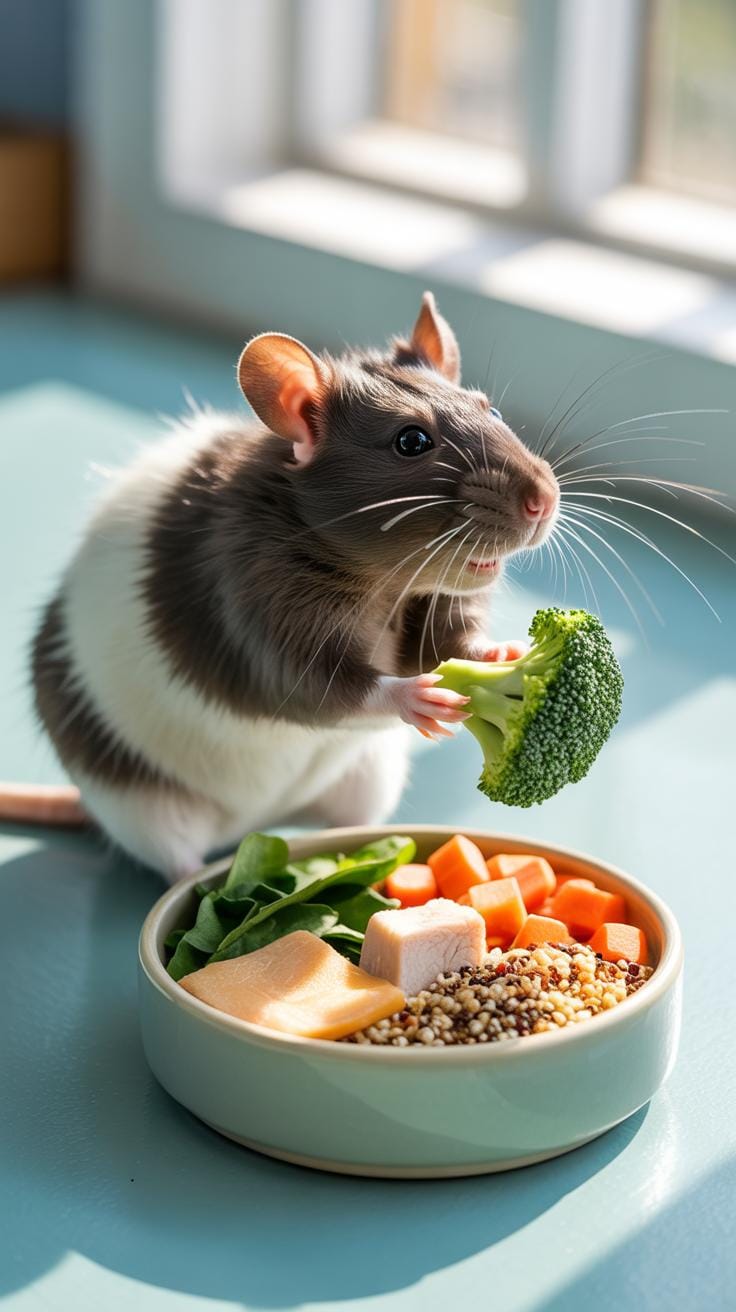
The Nutritional Needs Of Domestic Rats: Proteins, Carbohydrates, And Fats Explained
Rats require specific macronutrient ratios to maintain long term health. Protein serves as the primary building block for tissue and muscle. Growing rats and pregnant females need higher protein levels around eighteen percent. In contrast, healthy adult rats thrive on a lower protein intake of approximately fourteen percent. High protein intake in aging rats often leads to kidney failure and skin issues.
Carbohydrates provide the main energy source for daily activity. Focus on complex carbohydrates to avoid rapid spikes in insulin or excessive weight gain. Fats are essential for brain function and vitamin absorption but must remain limited. Maintain fat levels between four and six percent of the total diet. Excessive dietary fat causes obesity and promotes the growth of tumors in certain rat strains.
How A Rat’S Omnivorous Nature Shapes Their Everyday Dietary Requirements
Domestic rats are opportunistic omnivores that eat both plant and animal matter. This biological trait allows them to digest a wide variety of food sources found in nature. Their digestive systems are highly efficient at extracting nutrients from grain, seeds, and insects. You must provide a diverse diet that mimics this natural flexibility. A narrow diet leads to nutritional deficiencies and boredom.
Evolution dictates that rats seek out high calorie foods to survive harsh conditions. In a domestic setting, this instinct leads to selective eating and obesity. Rats will pick out fatty seeds and ignore healthy pellets if given the choice. Control their intake by using a high quality block as the base diet. Supplement this base with fresh vegetables and small amounts of lean animal protein regularly.

The Rat Food List Core Staple Foods Every Pet Rat Owner Should Know
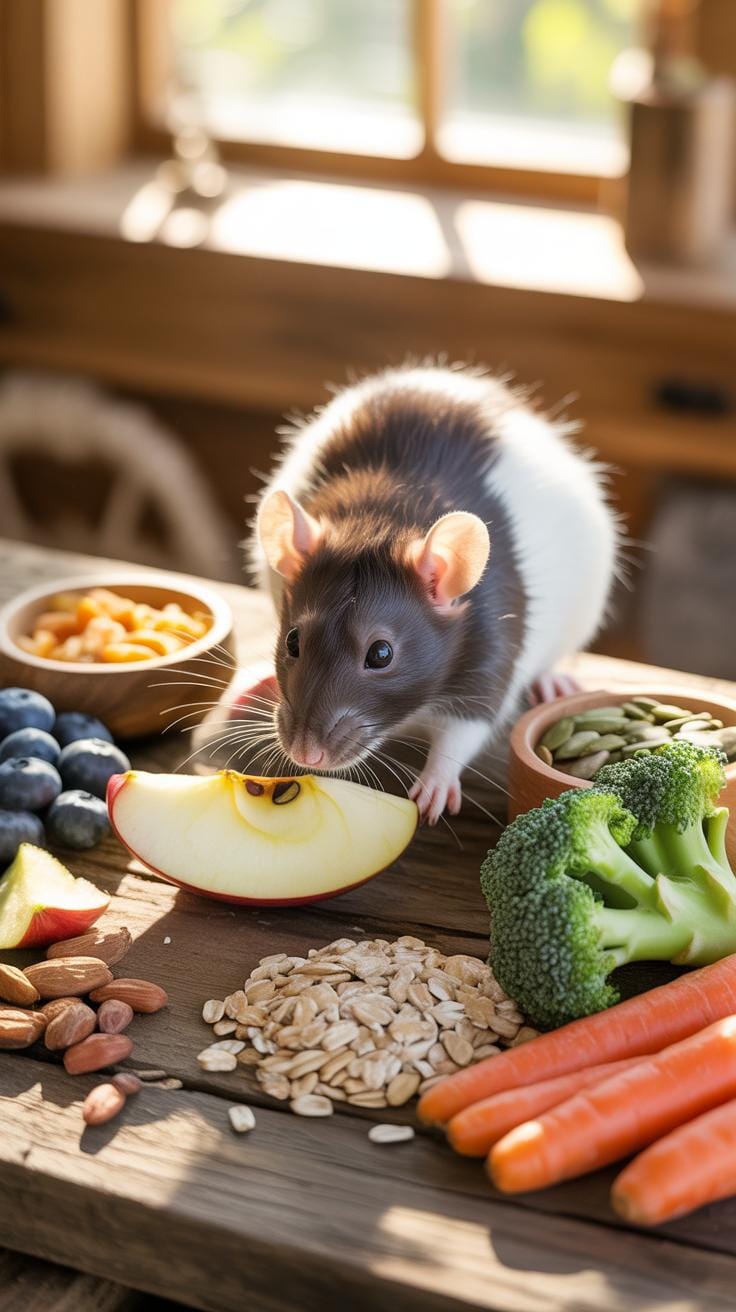
Commercial Rat Pellets And Lab Blocks: Why They Form The Foundation Of A Rats Diet
High-quality lab blocks provide the essential nutrients rats need to survive and thrive. Manufacturers design these compressed nuggets to prevent selective feeding. Rats often pick out fatty seeds from loose mixes and leave the healthy parts behind. Blocks ensure every bite contains the correct ratio of protein, fats, and vitamins. This consistency eliminates nutritional gaps that lead to poor health outcomes.
Professional breeders and laboratories use these blocks because they offer total dietary control. Look for brands that list soy or grains as primary ingredients rather than corn fillers. The hard texture of the pellet also helps wear down a rat’s teeth through natural gnawing. This prevents dental overgrowth and saves on veterinary costs. Feed these daily to maintain a stable baseline for your pet’s metabolic needs.
Whole Grains, Seeds, And Legumes That Safely Supplement Your Rats Daily Meals
Grains and seeds provide necessary texture and mental stimulation for domestic rats. Barley, oats, and brown rice offer complex carbohydrates for energy. These supplements should never replace the main pellet diet but can enhance overall fiber intake. Dry pasta and puffed rice also serve as low-fat options for training rewards. Use these items sparingly to avoid excessive weight gain in adult rats.
Legumes like cooked lentils and beans provide plant-based protein boosts for growing rats. Never feed raw beans because they contain toxins that harm small animals. Toasted sunflower seeds and flaxseeds supply healthy fats for skin and coat health. High fat content means these must stay as occasional treats. Accurate portion control prevents obesity and ensures the rat still consumes its primary fortified block diet.

What Can Rats Eat List Safe Fruits And Vegetables For Pet Rats
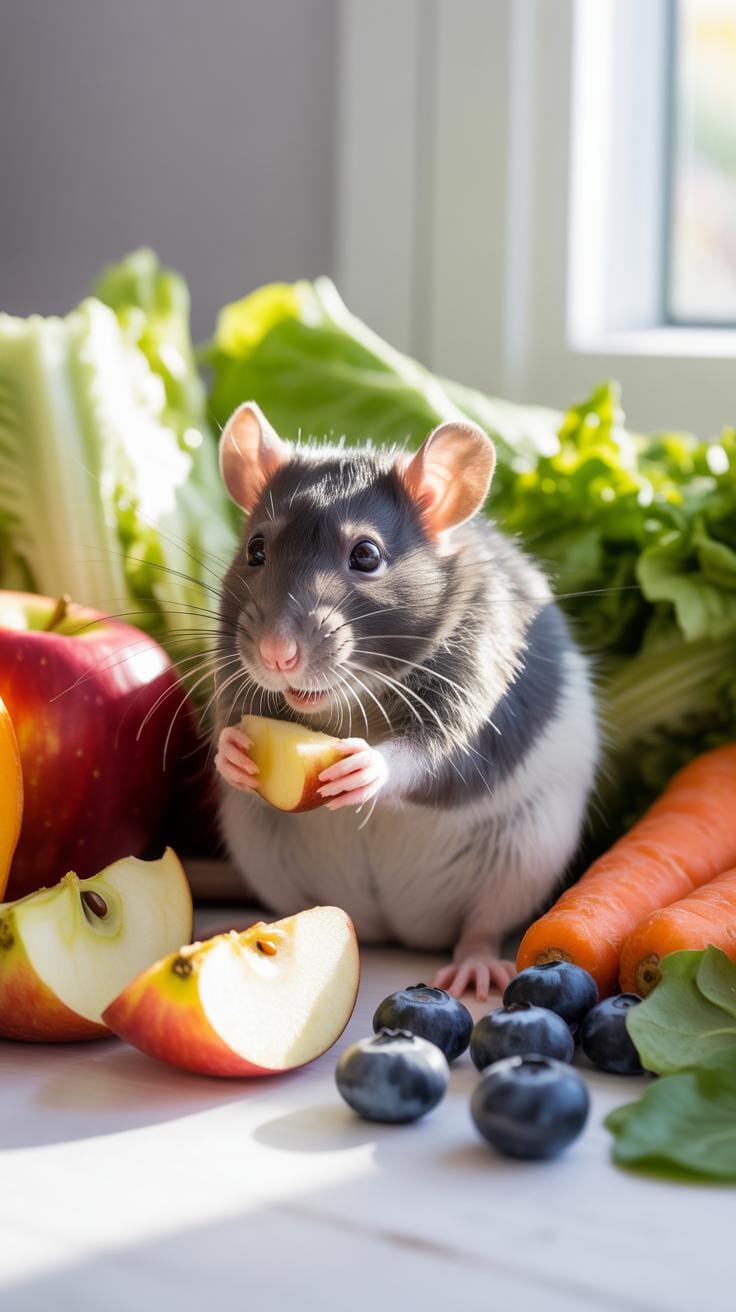
Best Fruits To Offer Your Pet Rat As Nutritious And Occasional Sweet Treats
Fruits provide essential vitamins and hydration for rats. High sugar content requires strict portion control to prevent obesity and diabetes. Use fruit as a high value reward during training sessions. Always wash produce to remove pesticides and chemical residues. Remove all pits and seeds because many contain traces of cyanide. Variety ensures a broad spectrum of antioxidants for long term health.
- Apples: Remove all seeds before feeding because they contain cyanide. Apples provide fiber and vitamin C. They help maintain dental health when served with the skin on. Serve small slices only.
- Blueberries: These berries contain high levels of antioxidants that support brain health. They are low in calories compared to other fruits. Rats enjoy the texture and flavor. Offer one or two berries weekly.
- Bananas: Bananas offer potassium and magnesium for muscle function. They are soft and easy for older rats to chew and swallow. Feed sparingly because the high sugar and starch content causes rapid weight gain.
- Melons: Watermelon and cantaloupe provide excellent hydration during hot summer months. Remove the rind and seeds to prevent choking or digestive blockages. These fruits have high water content and low nutrient density.
- Berries: Raspberries and blackberries offer manganese and vitamin K. These fruits support a healthy immune system and blood clotting. Their small size makes them perfect for individual portions. Rinse thoroughly to remove garden debris.
Pears and peaches are also safe but require pit removal. Avoid citrus fruits for male rats due to d-limonene content. This compound can cause kidney damage in males specifically. Limit fruit intake to five percent of the total diet. Excessive fruit leads to soft stools and nutritional imbalances. Stick to a consistent schedule to avoid digestive upset in your colony.
Vegetables That Support Rat Health: From Leafy Greens To Root Vegetables
Green leafy vegetables should form the bulk of the fresh produce diet. Kale, dandelions, and romaine lettuce provide calcium and vitamin K. These greens support bone density and cardiovascular health. Avoid iceberg lettuce because it lacks nutritional value and causes diarrhea. Darker leaves generally contain more minerals. Wash all greens thoroughly to eliminate parasites and agricultural chemicals before serving.

Root vegetables and cruciferous plants add necessary fiber and variety. Carrots and cooked sweet potatoes provide beta carotene for eye health. Broccoli and cauliflower offer cancer fighting compounds but cause gas if overfed. Always cook dried beans and potatoes because raw versions contain toxins. Limit high oxalate greens like spinach to prevent kidney stones. Consistent vegetable intake maintains optimal gut motility and prevents chronic diseases.
What To Feed Pet Rats Safe Protein Sources To Support Growth And Health
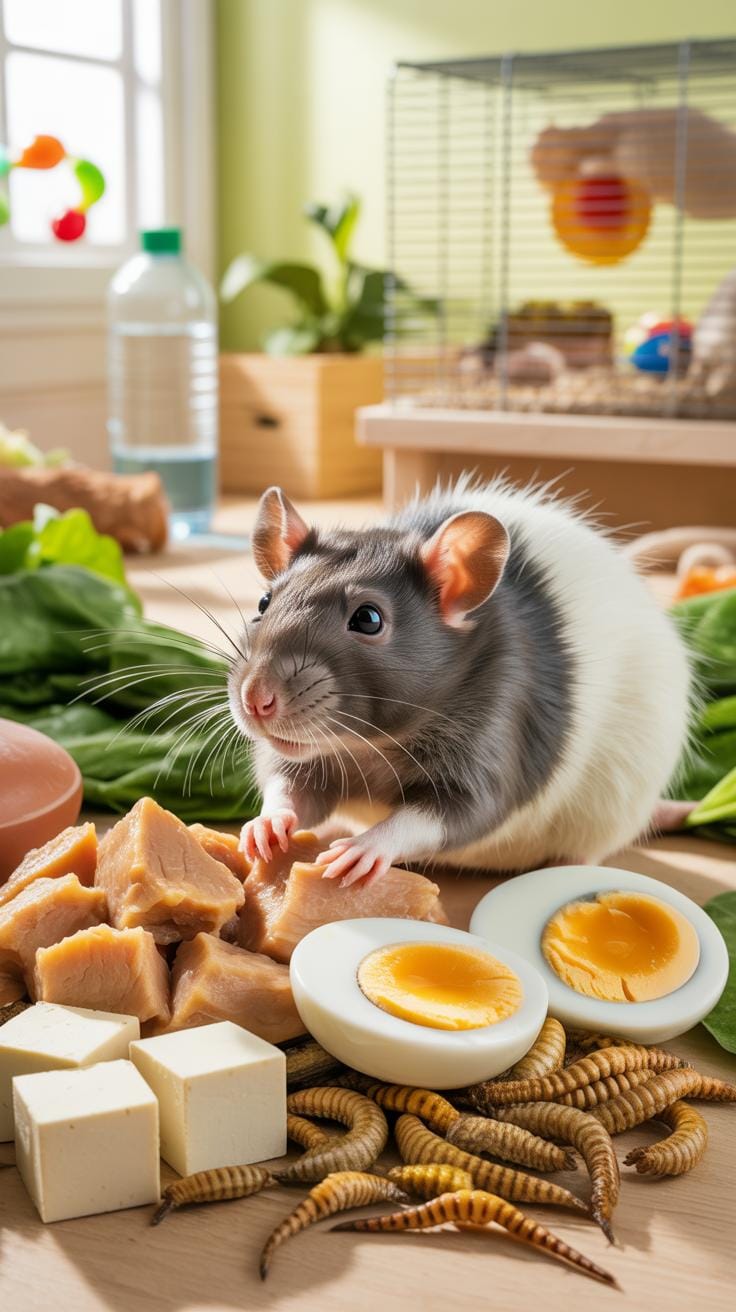
Animal Based Proteins For Rats: Cooked Chicken, Eggs, And Small Portions Of Fish
Animal proteins provide essential amino acids that rats need for muscle repair and immune function. You must cook all meat and eggs thoroughly to eliminate bacteria like salmonella. Lean chicken breast and turkey are the best options because they lack high fat content. Offer these items as occasional treats rather than daily staples. Excessive protein causes skin irritation and kidney strain in older rats.
Hard boiled eggs serve as a dense nutrient source for growing pups or nursing mothers. You can offer the shell to provide extra calcium for bone health. Small portions of white fish or salmon provide healthy fats but require careful preparation. Always remove bones to prevent choking or internal injury. Limit animal protein intake to once or twice a week to maintain a balanced nutritional profile.
Plant Based Protein Options Including Lentils, Tofu, And Cooked Beans For Rats
Plant based proteins are safer for long term health because they contain less saturated fat than meat. Cooked lentils and beans provide fiber along with protein to support gut health. Never feed raw beans to rats because they contain harmful toxins that disrupt digestion. Properly prepared legumes offer a steady energy source without the risk of obesity. These foods help manage weight in adult rats.

Tofu is an excellent protein source because it is soft and easy to digest. It contains soy isoflavones which may provide health benefits for female rats. You should serve tofu plain without added salt or seasonings. Mix these plant proteins into a fresh vegetable bowl to increase variety. Consistently rotating your protein sources prevents nutritional deficiencies and keeps the diet functional. Focus on quality over quantity for every meal.
Rat Food Ideas Creative And Enriching Meal Options To Keep Your Rat Engaged
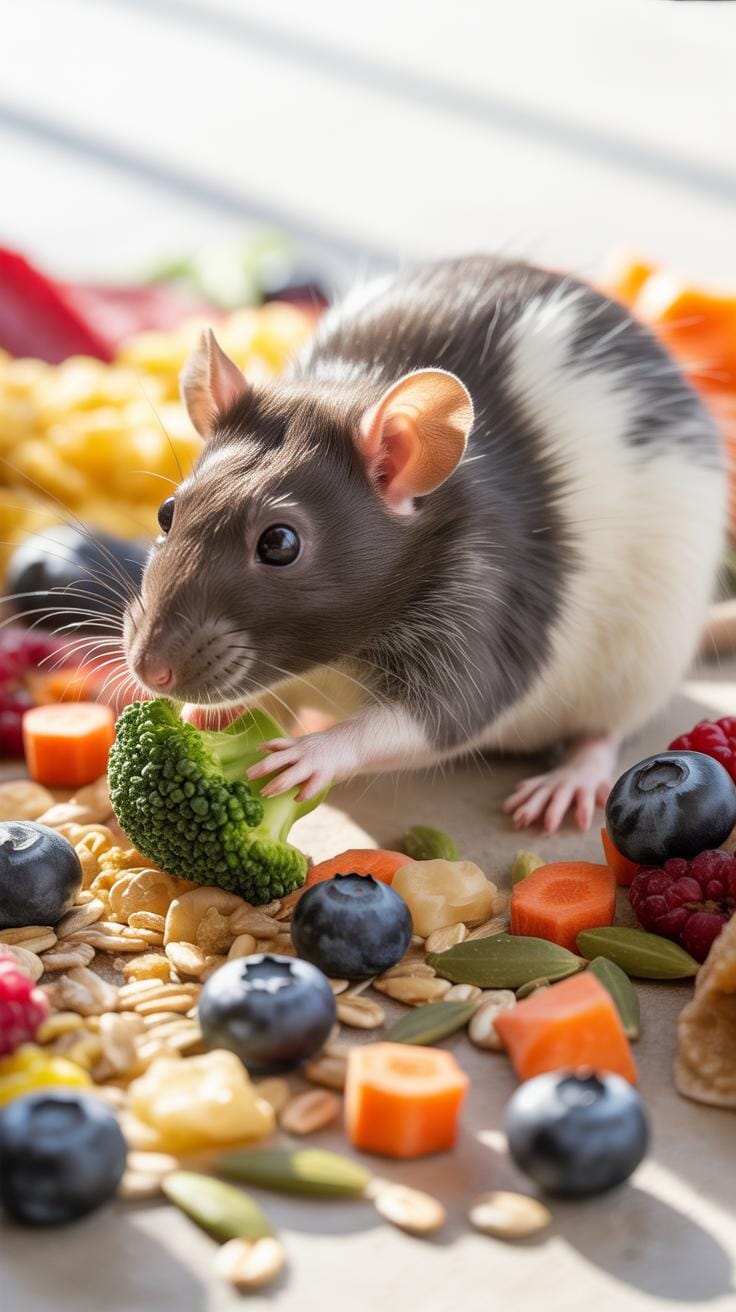
Homemade Rat Mixes: How To Build A Nutritious And Varied Grain Based Meal Blend
Building a homemade mix requires a precise balance of macro and micronutrients. Use a base of processed laboratory blocks to ensure essential vitamin intake. Supplement this base with high quality dry grains like barley, rye, and oats. These grains provide necessary complex carbohydrates and fiber. Avoid using high fat seeds as a primary calorie source. This strategic blend prevents selective feeding and ensures consistent nutritional density across the entire colony.
Control protein levels strictly to prevent kidney strain in aging rats. Add dried legumes like lentils or split peas to provide plant based protein. Include small amounts of puffed rice or sugar free cereal to increase texture variety. Store the final mixture in airtight containers to prevent oxidation and pest infestation. Weigh ingredients accurately to maintain a consistent nutritional profile. This proactive approach supports long term health and metabolic stability in your pets.
Feeding these small souls is a quiet act of devotion that turns a house into a home. A balanced meal is the simplest way to say thank you for the immense joy they bring to our lives.
Foraging Treats And Food Enrichment Ideas That Stimulate Your Rats Natural Instincts

Rats possess a high cognitive drive for foraging and food discovery. Hiding food inside physical barriers mimics natural environmental challenges. This tactic forces rats to use their teeth and paws to access rewards. It reduces boredom and prevents obesity by slowing down consumption. Enrichment improves mental health by encouraging species typical behaviors. Use these techniques to increase activity levels and provide daily physical stimulation for all rats.
- Hard Shelled Nuts: Provide whole walnuts or hazelnuts occasionally to encourage gnawing behavior. The hard shell acts as a natural tool for dental maintenance while providing a high value reward. Use these sparingly due to high fat content.
- Cardboard Foraging Tubes: Stuff toilet paper rolls with oats or dried greens and fold the ends shut. This inexpensive solution requires rats to shred the cardboard to reach the food. It builds problem solving skills and provides nesting material.
- Frozen Pea Diving: Place frozen peas in a shallow dish of water during warm weather. Rats must use their hands to retrieve the submerged treats. This activity provides cooling and encourages dexterity without adding excessive calories to the daily diet.
- Spilled Seed Scattering: Distribute small seeds like millet or flax throughout the cage bedding instead of using a bowl. This method forces rats to sift through substrate to find each piece. It replicates natural ground foraging and increases the time spent active.
- Hanging Fruit Kebabs: Secure safe fruits or vegetables on a stainless steel skewer attached to the cage roof. The movement of the skewer makes it harder for the rat to take bites. This requires balance and coordination to successfully consume the meal.
Rotate enrichment methods daily to maintain high levels of engagement. Novelty is the key driver of interest in rodents. If a rat solves a puzzle too quickly, increase the difficulty level immediately. Consistency in variety prevents the animals from becoming lethargic or desensitized to their environment. Strategic feeding turns a basic biological necessity into a productive workout. This tactical shift improves the overall quality of life for your rats.
Understanding The Rat Diet Foods To Avoid And Why They Are Harmful
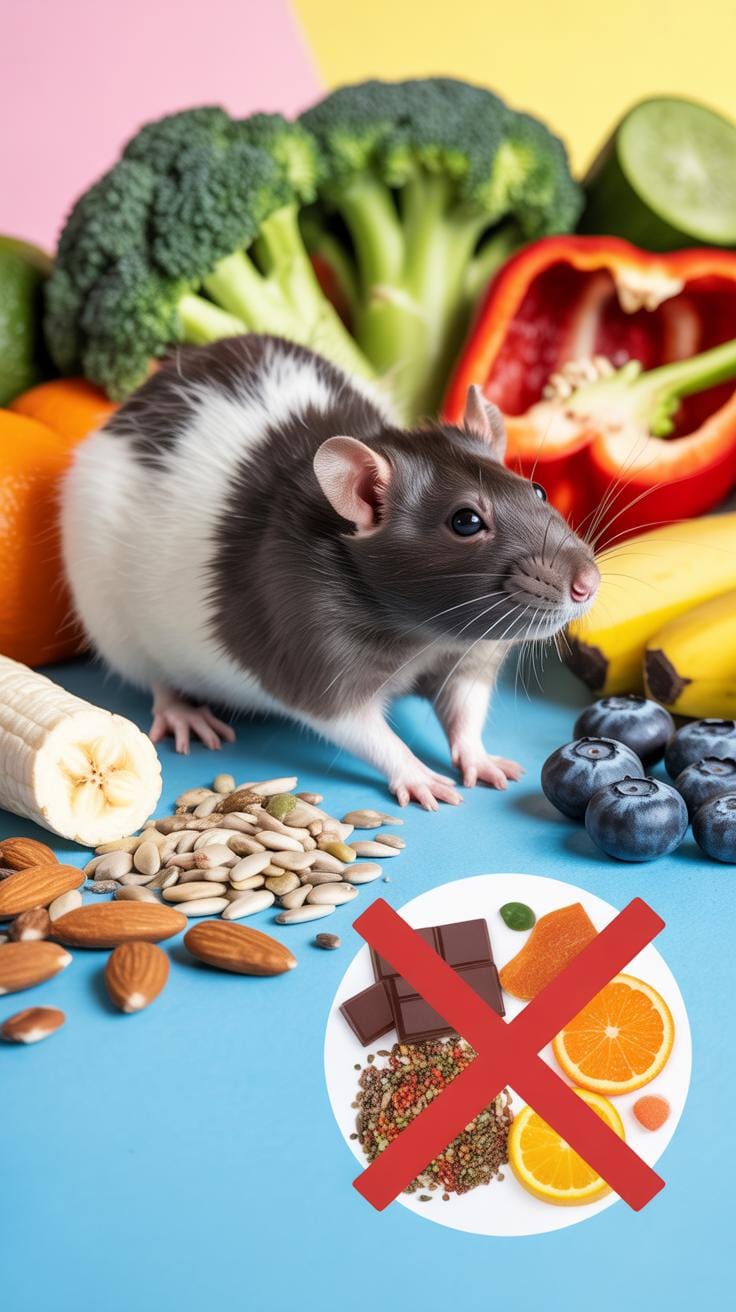
Toxic Foods For Rats: Why Citrus For Males, Raw Beans, And Chocolate Must Be Avoided
Male rats cannot process d-limonene found in citrus fruits like oranges and lemons. This compound reacts with a specific protein produced in the kidneys of male rats. Chronic exposure leads to renal tumors and permanent kidney damage. Female rats lack this specific protein reaction and can consume citrus safely. However, standardizing a diet without citrus for all rats prevents accidental ingestion and fatal mistakes.

Raw beans and peanuts contain hemagglutinin and anti-nutrients that inhibit digestion and cause red blood cells to clump. Boiling these items neutralizes the toxins, but feeding them raw is lethal. Chocolate contains theobromine which acts as a stimulant and diuretic in rats. Their small hearts cannot handle the resulting rapid heart rate. Dark chocolate poses the highest risk due to concentrated chemical levels.
High Sugar, High Fat, And Processed Human Foods That Pose Long Term Health Risks
Processed human foods contain excessive sodium and artificial preservatives that stress rat organs. High sugar intake leads to rapid weight gain and insulin resistance. Rats lack a gag reflex and cannot vomit, making sticky foods like peanut butter dangerous. These thick substances can cause fatal choking or aspiration. You must limit simple carbohydrates to prevent metabolic issues and maintain a healthy lean body mass across the colony.
Fatty foods trigger tumor growth and decrease overall lifespan. Rat metabolism processes healthy fats from seeds but struggles with saturated fats from fried foods or cheese. Obesity in rats drastically reduces mobility and leads to bumblefoot or respiratory strain. Stick to a controlled dietary profile to ensure longevity. Avoid all caffeinated beverages and carbonated liquids. Carbonation causes painful gas buildup because rats cannot burp or dispel gas effectively.
The Rat Feeding Guide How Much And How Often Should You Feed Your Pet Rat
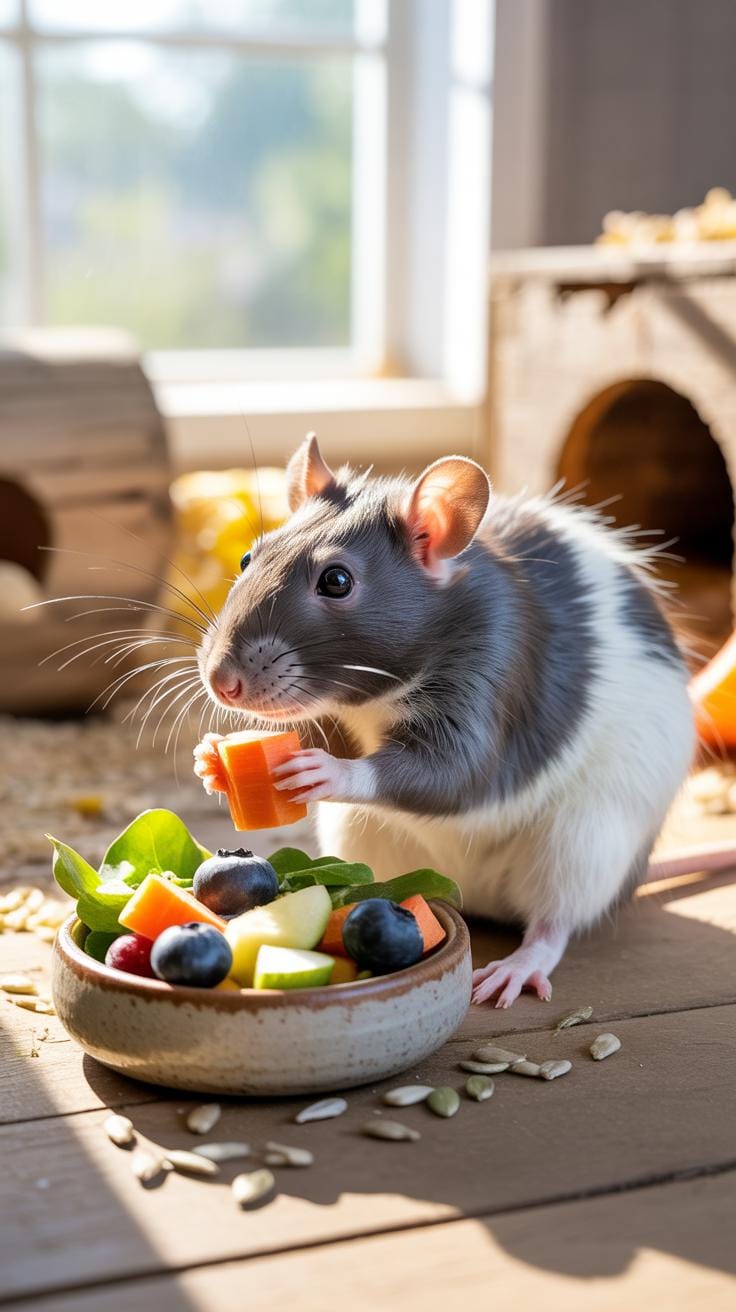
Daily Portion Sizes For Adult Rats And How To Avoid Overfeeding Or Underfeeding
Adult rats require approximately fifteen to twenty grams of lab blocks per day. This amount provides the baseline nutrients needed for skeletal health and organ function. Do not guess the weight of the food. Use a digital scale to ensure accuracy during the first month of ownership. Consistent measuring prevents the gradual weight gain that leads to respiratory issues and heart failure in lab rats.

Monitor the food bowl to track consumption patterns. If the rat leaves blocks behind, reduce the portion slightly. If the rat hides food in bedding, you are overfeeding the animal. Check the body condition score by feeling the ribs and spine. You should feel the ribs under a thin layer of fat. Visible ribs indicate underfeeding while a round belly suggests you must cut back on dry portions.
Feeding Schedules For Rats: Morning Routines, Evening Meals, And Snack Timing
Rats are crepuscular and most active during dawn and dusk. Provide the primary portion of lab blocks in the early evening to match their natural metabolic spikes. This timing ensures fresh food is available when they begin their peak activity period. Morning checks should focus on removing any uneaten fresh produce from the night before. This prevents bacteria growth and cage contamination that can cause serious illness.
Schedule supplemental snacks for the late afternoon or early evening hours. Use this window to provide fresh vegetables or small amounts of protein. Feeding at the same time every day reduces stress and regulates the digestive system of the rodent. Keep the routine strict to monitor appetite changes effectively. Sudden refusal to eat at a scheduled time is a primary indicator of dental pain or internal health problems.
Hydration As Part Of The Rat Care Guide Water Needs And Drinking Habits
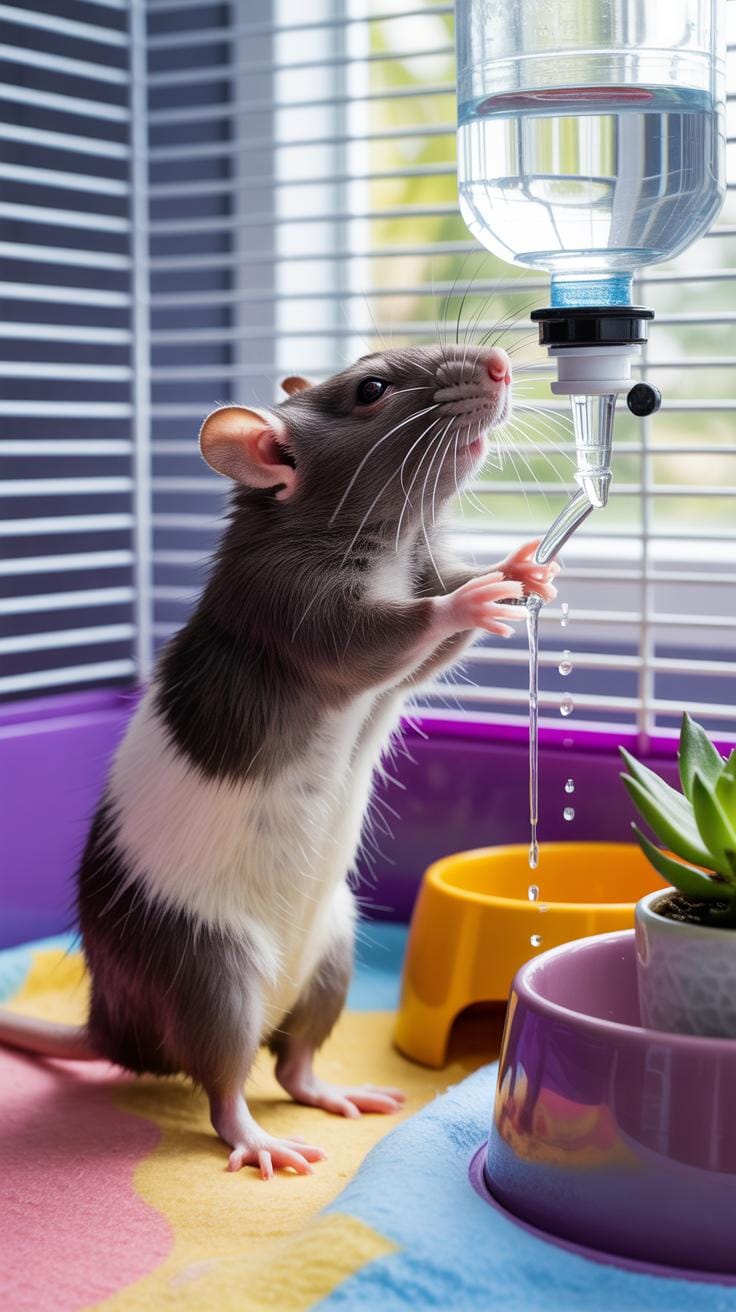
How Much Water Does A Pet Rat Need Daily And The Best Ways To Provide It

An adult rat requires roughly ten milliliters of water for every one hundred grams of body weight. Most healthy rats consume between thirty and sixty milliliters of liquid every twenty four hours. Intake levels fluctuate based on room temperature and the moisture content of fresh produce. You must monitor consumption daily to identify potential health issues like kidney failure or diabetes.
Always provide a constant supply of fresh filtered water. Stagnant water grows bacteria quickly and can cause intestinal distress or infections. Change the water daily even if the container appears full. Position the water source in a shaded area to prevent algae growth from sunlight exposure. Ensure the source remains accessible at all heights if you keep senior rats or young pups.
Water Bottles Vs. Bowls: Hygiene, Safety, And Accessibility For Your Pet Rat
Drip bottles keep water clean by preventing bedding and feces from entering the reservoir. Choose glass bottles to stop rats from chewing through the plastic housing. Vacuum seals can fail and trap air bubbles which prevents water flow. Test the metal ball valve daily to ensure your rat can actually drink. Malfunctioning bottles lead to rapid dehydration and death in small rodents.
Open bowls allow rats to drink in a natural crouched position. This setup eliminates the risk of mechanical failure found in vacuum bottles. However bowls collect debris and spill easily which leads to damp bedding and respiratory issues. If you use a bowl choose a heavy ceramic dish that cannot tip over. Clean the bowl twice daily to maintain strict hygiene standards for your colony.
Feeding Rats At Different Life Stages Adjusting The Diet From Juveniles To Seniors

Nutritional Needs Of Young And Growing Rats: Higher Protein Demands In Juveniles
Juvenile rats require a diet high in protein to support rapid tissue development and bone growth. You must provide a protein content between 18 and 20 percent during the first four months of life. This ensures the skeletal system matures without stunt. Young rats burn energy quickly due to high metabolism and constant activity. Feed them calorie-dense blocks and supplement with occasional lean meats or eggs to meet these high demands.
Monitor weight gain weekly to ensure steady progress without excessive fat deposits. Transition from high-protein juvenile food to adult maintenance blocks once the rat reaches physical maturity, usually around five or six months. This shift prevents kidney stress later in life. Keep clean water available at all times because growth processes increase metabolic waste. Strategic feeding during this phase sets the foundation for a healthy immune system and long-term vitality.
Senior Rat Diet Adjustments: Softer Foods, Reduced Fat, And Increased Hydration
Senior rats often face mobility issues and dental wear that make hard kibble difficult to eat. Switch to softer food options or soak standard blocks in water or low-sodium broth. This change helps them maintain weight while ensuring they get necessary nutrients. You must reduce fat intake to prevent obesity as their activity levels drop. Excess weight puts dangerous pressure on aging joints and complicates common conditions like hind limb weakness.
Hydration becomes a critical tactical priority for aging rodents. Kidney function often declines in older rats, so increasing moisture intake helps flush toxins effectively. Offer wet vegetables like cucumber or cooked grains to supplement water bottles. Limit high-phosphorus foods to protect kidney health. Constant observation of eating habits allows for quick adjustments. If a senior rat loses weight, provide high-quality fats like avocado in small, controlled portions to maintain energy levels.
Pet Rat Tips For Better Feeding Habits Practical Advice For Everyday Rat Owners
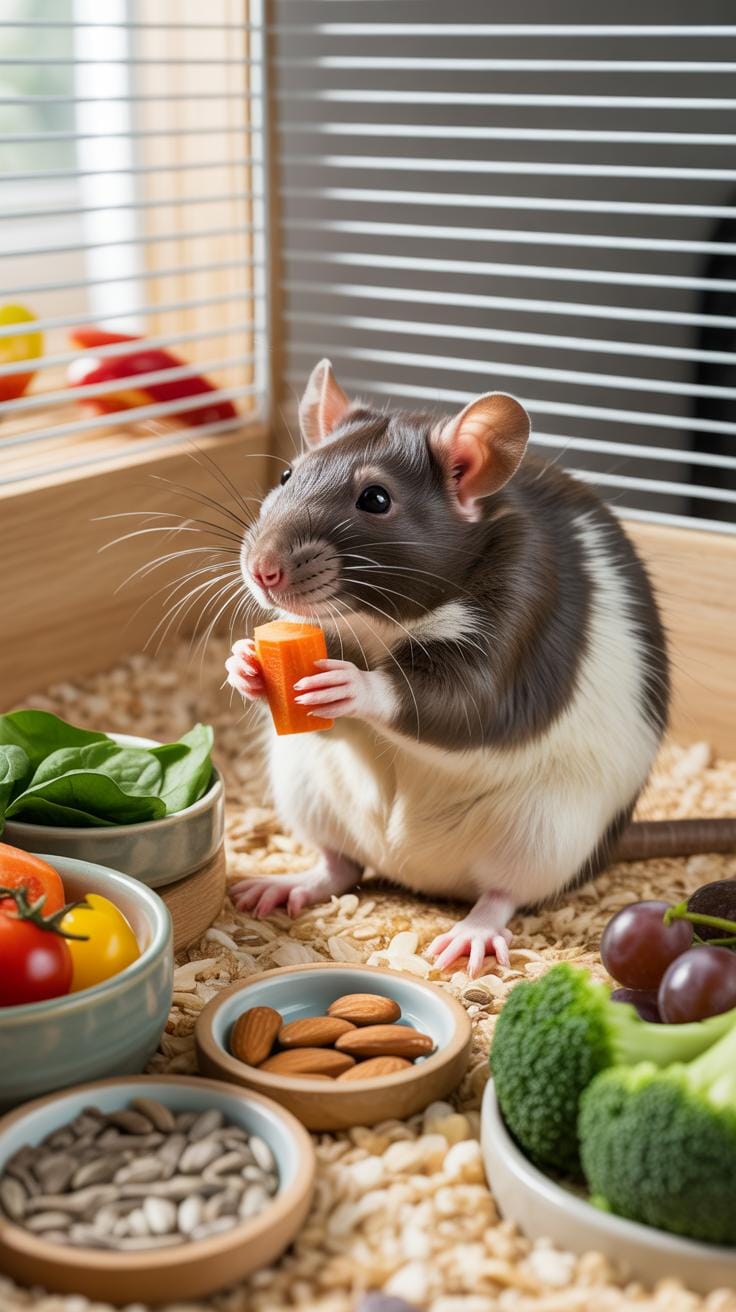
How To Introduce New Foods Gradually Without Causing Digestive Upset In Your Rat
Rats possess sensitive digestive systems that react poorly to sudden nutritional changes. Introduce only one new food item at a time. Start with a portion the size of a fingernail once every forty eight hours. This isolation strategy allows you to identify specific triggers for diarrhea or soft stool. Observe your rat for any signs of lethargy or bloating after ingestion.
Maintain a stable base of high quality lab blocks during this process. Never swap the entire primary diet overnight. Gradually increase the frequency of the new vegetable or fruit if no adverse reactions occur. This method protects the gut microbiome and prevents dehydration from gastric distress. Consistent slow introduction ensures the rat gains nutritional variety without compromising its immediate physical health.
Monitoring Your Rats Weight And Health Through Consistent Dietary Observation
Weight serves as the primary indicator of rat health. Conduct weekly weigh-ins using a digital gram scale. Small fluctuations are normal but a loss or gain of ten percent requires immediate dietary adjustment. Obesity leads to mobility issues and respiratory strain in older rats. Track these measurements in a log to identify long term trends that often signal underlying age related metabolic changes.
Physical inspection during feeding provides critical data. Check the quality of the coat and the clarity of the eyes daily. A dull coat often indicates a protein or fatty acid deficiency. Look for food hoarding behavior which can hide a lack of actual consumption. Watching the rat eat helps you catch dental problems early. Malocclusion prevents chewing and requires veterinary intervention to avoid starvation.
Frequently Asked Questions

What are the main components of a healthy pet rat’s daily meals?
A balanced pet rat diet guide starts with high-quality lab blocks or extruded pellets as the primary foundation, making up about 80% of their intake. This ensures they receive necessary protein and fiber without selective feeding. Supplement this base with a daily variety of fresh vegetables like kale, carrots, and peas. Occasional fruits and healthy grains add enrichment, providing a diverse nutritional profile that keeps your small friends thriving and energetic.
How do I introduce new fresh foods to my rat without causing digestive upset?
When following a pet rat diet guide, always introduce new fruits or vegetables one at a time and in very small “thumb-sized” portions. Observe your rat for 24 hours to ensure their digestion remains normal before offering that specific food again. Gradually increasing the variety of fresh produce helps prevent diarrhea while encouraging your pets to explore different textures and flavors, making mealtime an engaging and safe sensory experience for them.
Is it possible to feed my pet rats healthily on a tight budget?
Absolutely! You can maintain a nutritious routine by purchasing high-quality pellets in bulk and utilizing “kitchen scraps” that are safe for rats. Instead of buying expensive specialty treats, offer small amounts of your own raw pasta, ends of broccoli, or bits of boiled egg. Staying budget-friendly is easy when you focus on wholesome, whole-food ingredients you already have in your pantry, ensuring your rats eat well without overspending on commercial snacks.