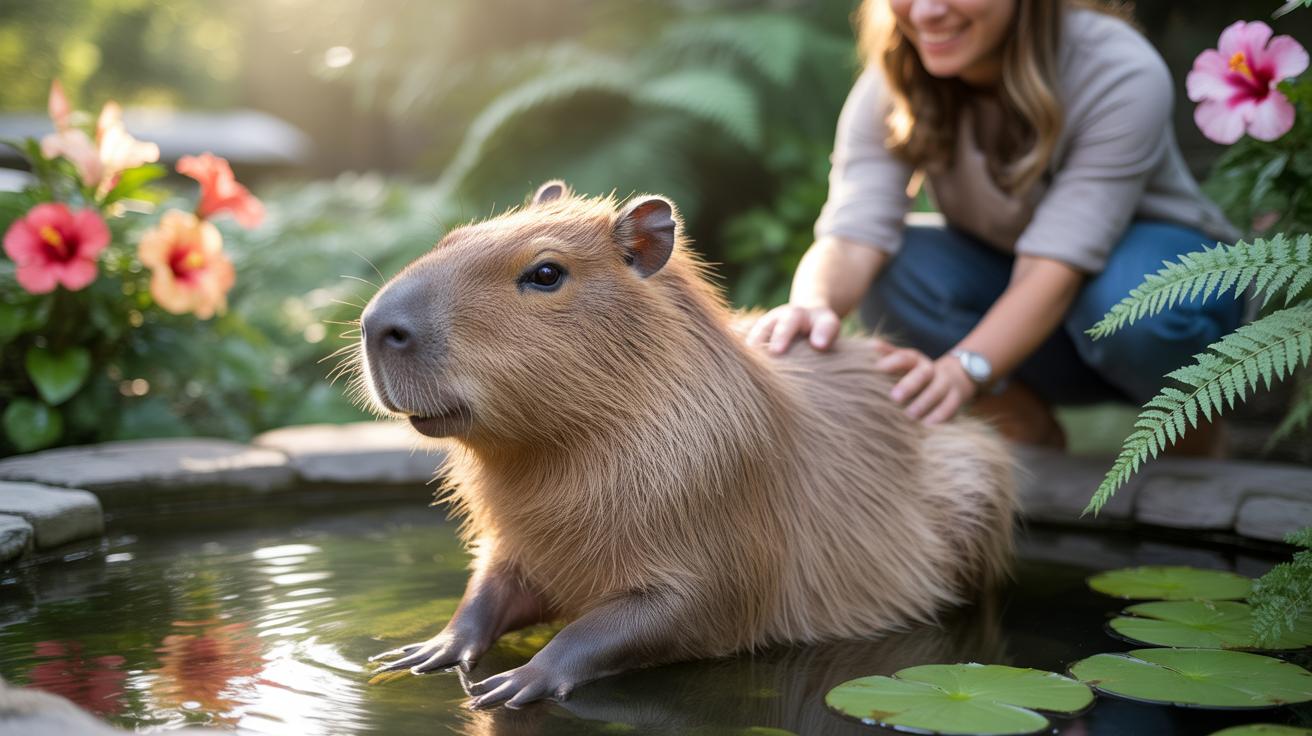
What Is A Capybara Key Capybara Facts You Should Understand
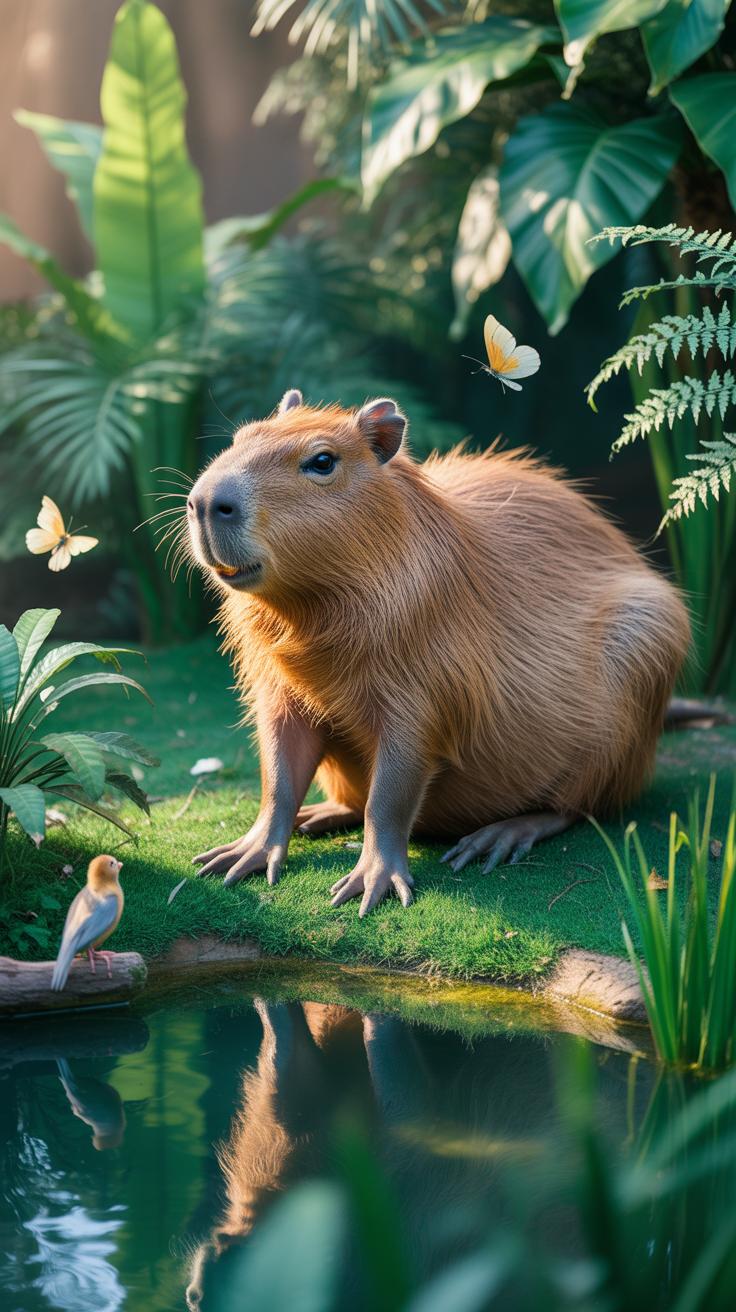
The World’S Largest Rodent: Size, Weight, And Natural Habitat
The capybara is the largest living rodent on earth. Adults typically weigh between 77 and 150 pounds. They stand about two feet tall at the shoulder. These mammals belong to the Cavia family along with guinea pigs. Their bodies feature barrel-shaped torsos and blunt snouts. These physical traits allow them to move efficiently through dense vegetation and deep water.
Capybaras are native to South America. They live in savannas and dense forests near water sources. They depend on rivers, lakes, and marshes for survival. This semi-aquatic lifestyle requires specific terrain. Their feet are partially webbed for swimming. This habitat provides them with food and protection from land predators. You cannot ignore their need for constant access to a clean body of water.
Capybara Facts Educational Overview: Behavior, Diet, And Lifespan In The Wild
Capybaras are highly social herd animals. They live in groups ranging from ten to thirty members. Isolation causes them significant stress. They communicate using a complex system of barks, whistles, and purrs. In the wild, they graze on grasses and aquatic plants. They are crepuscular, meaning they are most active during dawn and dusk. This behavioral pattern helps them avoid the midday heat.
A wild capybara usually lives between eight and ten years. Their diet consists almost entirely of plant matter. They must eat their own droppings to digest grass fiber effectively. This process is called cecotrophy. In nature, they face threats from jaguars, caimans, and anacondas. Understanding these biological needs is critical before considering captivity. Their social structure determines every aspect of their daily survival and mental health.

Capybara Fun Facts That Reveal Why They Make Unique Pets

Social Creatures By Nature: How Capybaras Interact With Other Animals And Humans
Capybaras are the world’s most social rodents. In the wild, they live in groups of ten to thirty members. This biological drive for company dictates their behavior as pets. They view humans and other household pets as part of their pack. Loneliness causes these animals severe psychological stress. Isolation leads to destructive chewing, frequent vocalizations, and aggressive behavior.
Interaction with other animals is a core trait. Capybaras often form symbiotic bonds with birds, monkeys, and domestic dogs. They possess a docile temperament that allows them to coexist with diverse species. Owners must facilitate these social bonds to ensure health. A solitary capybara is a failing pet. You must provide a companion animal or constant human presence to meet their basic mental needs.
Fascinating Capybara Fun Facts That Surprise Most First Time Owners
These animals are semi-aquatic specialists with highly evolved physical traits. They have webbed feet and facial features positioned high on the head. This allow them to breathe and see while submerged. Owners often underestimate their water requirements. You cannot keep them without a deep pool. They use water to regulate body temperature and escape perceived threats. They even perform most bathroom functions in the water.

Capybaras practice autocoprophagy to maximize nutrient absorption from grass. They eat their own morning droppings to digest tough cellulose twice. Their teeth never stop growing throughout their lives. Constant chewing on wood or aquatic plants keeps these teeth at a functional length. Failure to provide hard surfaces for wear leads to painful dental overgrowth. Understanding these biological realities is essential for proper enclosure design and long-term health.
Is It Legal To Own A Capybara As A Pet Laws Across The US And Beyond

U.S. States Where Capybara Ownership Is Legal, Restricted, Or Banned
Legal status for capybaras varies significantly across the United States. States like Texas, Pennsylvania, and Florida generally allow ownership, though specific local codes may apply. These regions treat capybaras as exotic pets rather than livestock. In contrast, California and New York enforce strict bans on most exotic rodents. You cannot legally house a capybara in these states. Ownership there leads to immediate seizure and heavy fines.
Many states fall into a gray area of restricted ownership. Arizona and Indiana require specific permits to prove you can manage the animal properly. Some states allow capybaras but ban them in residential zones or cities. Local municipal laws often override state laws. You must check county zoning laws before shipping any animal. A state might say yes while your city council says no.
Permits, Licensing, And What To Verify Before Bringing One Home
Aciring a capybara requires navigating complex regulatory paperwork. Most legal states demand a captive-bred wildlife permit or an exotic animal license. You must apply for these documents months before the animal arrives. The USDA often regulates breeders, but the owner must handle state-level registration. Failing to secure these permits results in the animal being labeled as illegal contraband by wildlife officials.

Verification starts at the local level with your zoning board. Ask specifically about “exotic rodent” ordinances or weight-based animal restrictions. Many towns limit pet size or species type to prevent public safety risks. Get every approval in writing to protect your investment. Contact your neighbors to prevent noise or smell complaints. Verified documentation ensures that your capybara stays in your home permanently and legally.
Large Rodents As Pets What Sets Capybaras Apart From Other Exotic Animals
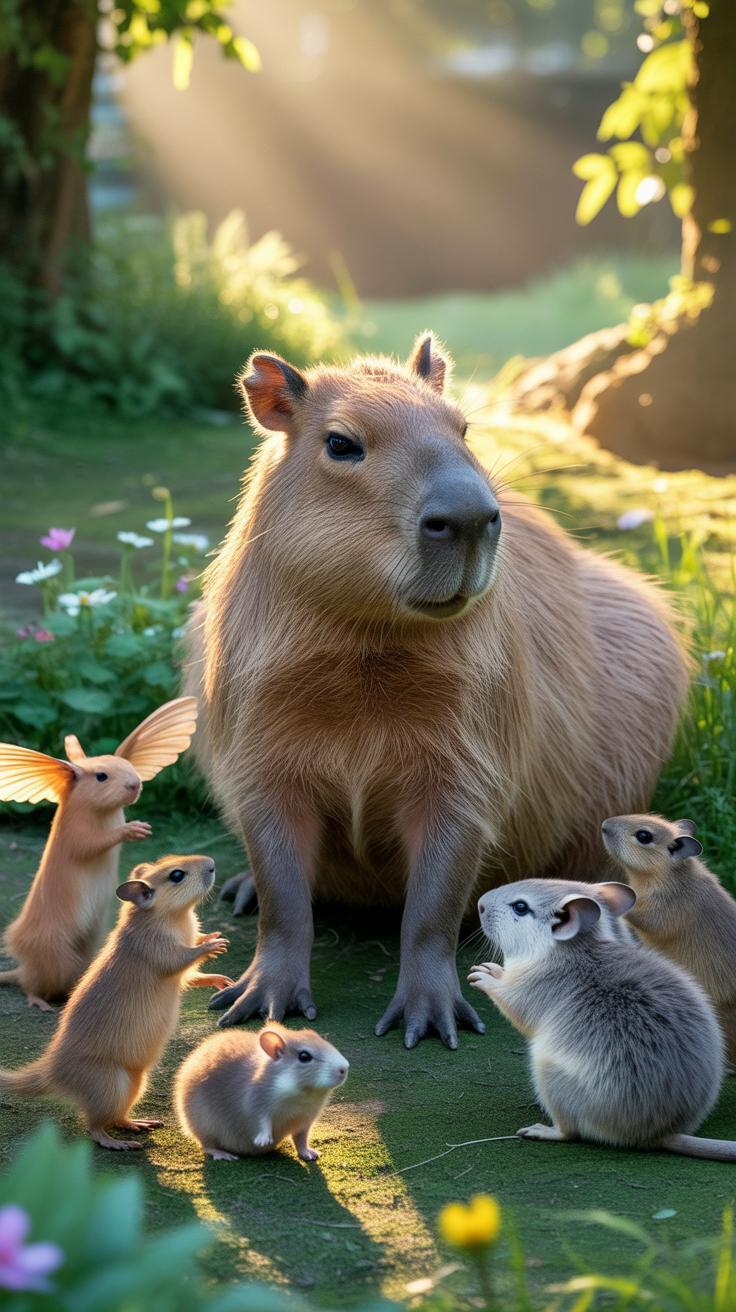
How Capybaras Compare To Other Large Rodents Kept As Pets
Capybaras are the largest rodents on earth. They weigh up to one hundred fifty pounds. This sets them apart from common rodents like guinea pigs or chinchillas. Unlike smaller cousins, they require massive outdoor enclosures. You cannot keep them in a standard cage. Their size dictates every aspect of their care. They share traits with nutria but lack the same aggressive territorial tendencies.
Most pet rodents are strictly terrestrial. Capybaras are unique because they are closely related to rock cavies but evolved for life in the water. They have partially webbed feet for swimming. This anatomical difference requires a permanent water source. Most owners find that maintaining a capybara is more like raising livestock than a household pet. They need grass for grazing rather than just commercial pellets.
Opening your home to such a gentle soul requires a heart as vast as the wetlands they call home. True companionship begins with understanding the wild spirit before you try to make it your own.
The Emotional And Physical Demands Of Owning A Semi Aquatic Exotic Animal
The semi aquatic nature of the capybara adds extreme maintenance costs. You must provide a pool or pond that stays clean year round. Standard pool chemicals can harm their skin and eyes. You need specialized filtration systems to handle their waste. They often defecate in the water. This creates a high pathogen risk if you do not manage the water quality daily. It is a full time job.

Emotional needs are equally intense. Capybaras are highly social herd animals. They suffer from severe stress if kept alone. You must own at least two to ensure their mental health. They communicate through whistles, barks, and purrs. Isolation leads to destructive behavior and a weakened immune system. Owners must commit to a group dynamic. This doubles the physical and financial load on the keeper immediately.
Capybara Pet Care Housing Space And Environmental Needs
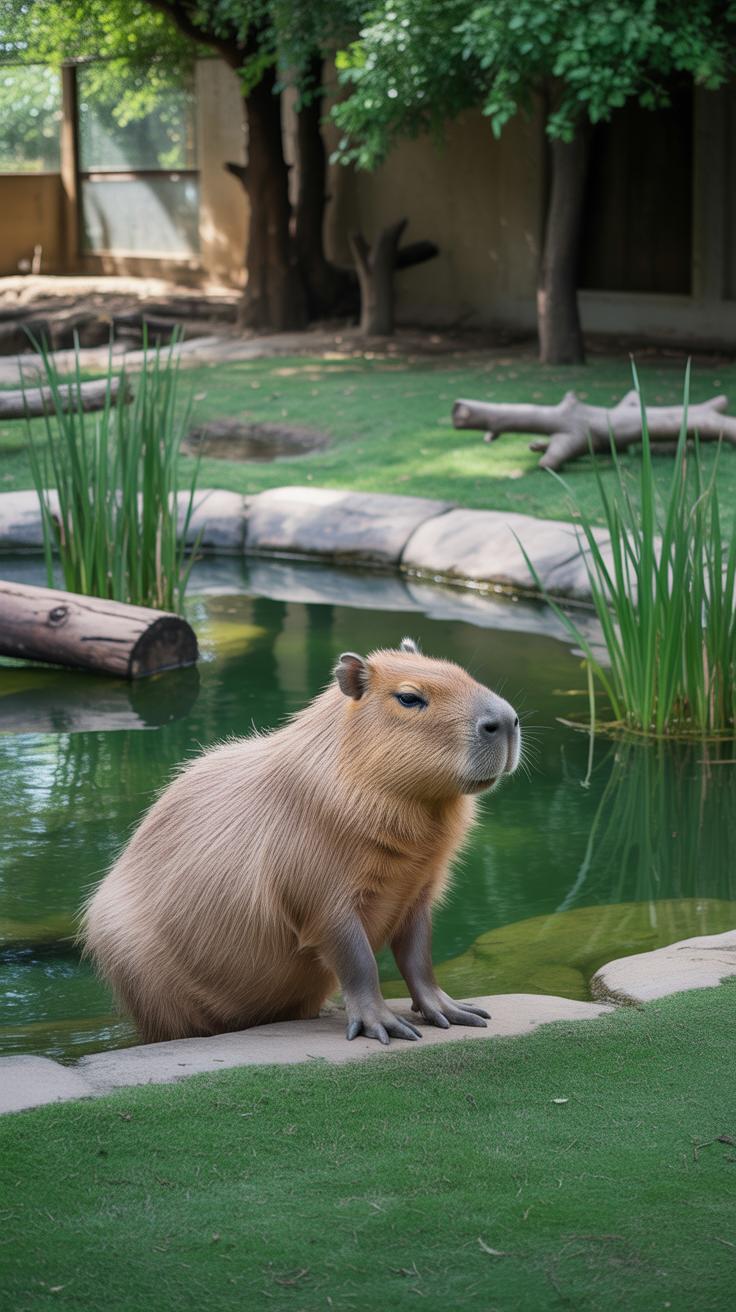
Indoor Vs. Outdoor Living: Setting Up A Safe And Suitable Habitat
Capybaras require primary outdoor living spaces to thrive. These animals reach sizes up to 150 pounds and possess thick, coarse fur meant for the elements. Indoor living is rarely sustainable due to their constant need to graze and defecate in water. An indoor environment lacks the grass and space required for their physical health. Use a dedicated shed or heated garage only for temporary overnight shelter.
Outdoor habitats must replicate the South American savanna or rainforest edge. You need at least 250 square feet of space per pair of animals. Focus on functional layout rather than aesthetics. Provide a mix of direct sunlight and deep shade to allow for natural thermoregulation. Ensure the ground is soft soil or grass to prevent foot injuries. Concrete pads cause sores and infections over time.
Essential Capybara Pet Care Setup: Water Access, Fencing, And Climate Considerations
Water access is the most critical component of a capybara enclosure. These semi-aquatic rodents must submerge their entire bodies to regulate temperature and maintain skin health. A shallow dog bowl is insufficient for their needs. You must provide a large pond or stock tank that allows for swimming. Proper filtration is mandatory because capybaras naturally eliminate waste while submerged in the water.
- Submersible Pool: The water source must be at least three feet deep. This depth allows the animal to swim and perform natural behaviors. Install a high-grade filtration system to manage the high nitrogen load from animal waste.
- Secure Perimeter: Use five-foot-tall chain-link or welded wire fencing. Capybaras are strong and can squeeze through small gaps. Ensure the fence is buried one foot underground to prevent them from digging out or predators from digging in.
- Thermal Support: These animals are native to tropical climates and cannot survive freezing temperatures. You must provide a climate-controlled shelter if local temperatures drop below 45 degrees Fahrenheit. Use radiant heaters or ceramic heat lamps safely.
- Natural Forage: The enclosure must feature edible grass species like Bermuda or Timothy. Capybaras spend most of their waking hours grazing. If grass is unavailable, you must provide high-quality orchard hay in large quantities to satisfy their fiber requirements.
- Mud Wallower: Provide a designated muddy area for skin protection. Capybaras use mud as a natural sunscreen and insect repellent. This area mimics their native riverbank habitats. It helps keep their skin hydrated and prevents painful cracking in dry air.

Climate control dictates the survival of your capybara. In northern regions, you must build a fully insulated and heated outbuilding for winter months. This building needs waterproof flooring and a heated water tank. Without these tactical additions, the animal will suffer from skin necrosis or respiratory failure. Every design choice must prioritize the physiological needs of the animal over human convenience.
Feeding Your Capybara Pet Diet Nutrition And What To Avoid
What Capybaras Eat In The Wild And How To Replicate It In Captivity
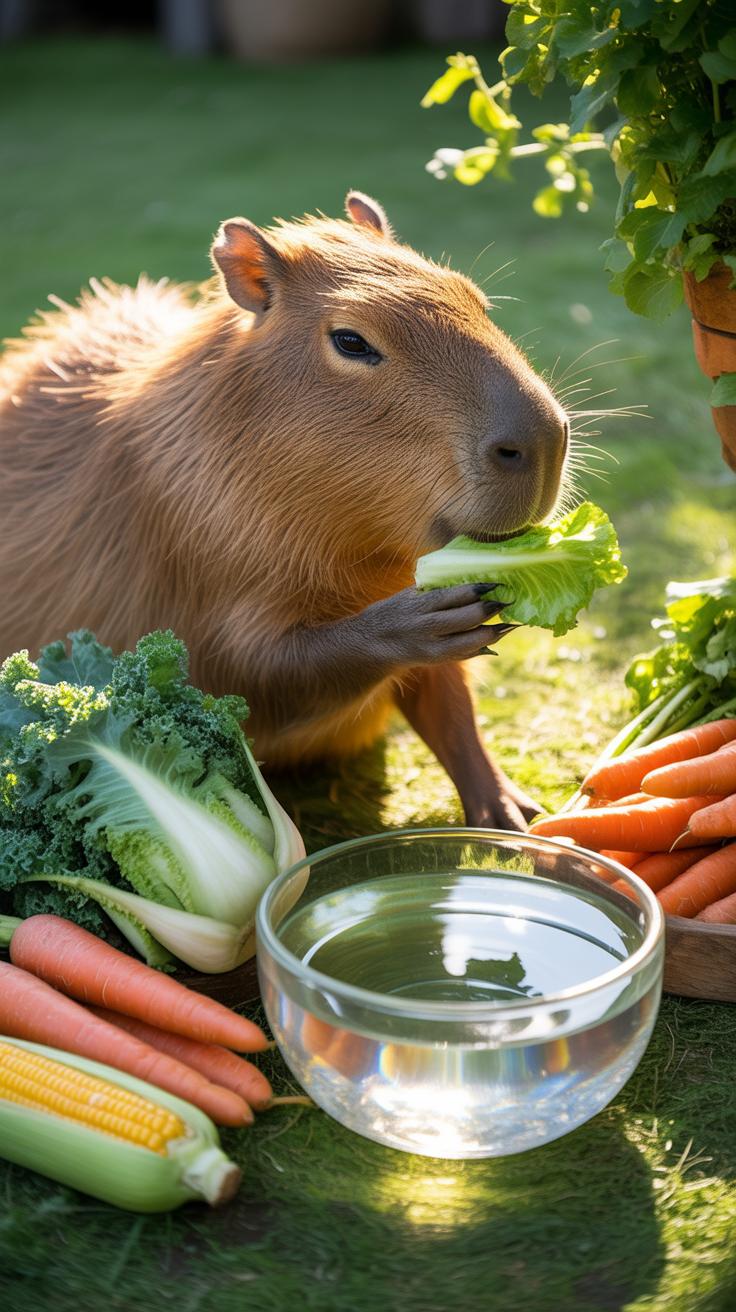
Wild capybaras survive as specialized herbivores. They graze primarily on aquatic plants and marsh grasses. These rodents also eat tree bark and seasonal fruits when available. Their digestive systems function like those of horses. They use hindgut fermentation to break down tough plant fibers. In captivity, you must provide constant access to high quality Timothy hay. This mimics their natural grazing habits and ensures steady gut motility.
Supplement the hay with a high quality guinea pig pellet. These pellets contain essential minerals that grass alone lacks. You should also offer fresh leafy greens every day. Romaine lettuce and kale are excellent choices. Avoid giving them low nutrient options like iceberg lettuce. Proper nutrition prevents painful dental issues. Their teeth grow constantly and require tough forage to wear down safely. Follow this strict regime to maintain their health.
Foods, Supplements, And Common Dietary Mistakes That Can Harm Your Capybara
Capybaras have a biological flaw shared with guinea pigs and humans. They cannot produce their own Vitamin C. Without this nutrient, they develop scurvy and their joints fail. Many owners make the mistake of feeding too many sugary fruits or starchy vegetables. High sugar intake causes rapid weight gain and dangerous bacterial imbalances in the gut. Stick to a restricted list of safe foods to prevent metabolic disease.
- Vitamin C Supplements: You must provide Vitamin C daily through fortified pellets or liquid drops. Lack of this nutrient leads to hair loss, bleeding gums, and death. Always check the expiration date on supplements as the vitamins degrade quickly over time.
- High Sugary Fruits: Limit treats like apples, pears, and melons to small occasional portions. Excessive sugar disrupts the fermentation process in the cecum. This leads to painful gas bloat which can be fatal for large rodents if not treated by a vet.
- Toxic Decorative Plants: Many common backyard plants like lilies, azaleas, and ivy are deadly to capybaras. You must clear your grazing area of all toxic flora before allowing the animal outside. They are indiscriminate eaters and will consume dangerous leaves if they are accessible.
- Starchy Vegetables: Avoid feeding high amounts of potatoes or corn. These foods do not provide the necessary fiber for proper digestion. Starch can cause the gut to slow down dangerously. This condition is known as GI stasis and requires immediate medical intervention.
- Animal Proteins: Never feed meat or dairy products to a capybara. Their digestive tracts are designed strictly for plant matter. Animal proteins cause severe kidney damage and liver failure. Stick to a rigid herbivorous diet to keep their internal organs functioning correctly.

Avoid common mistakes by monitoring their weight and stool consistency daily. Soft droppings indicate too much sugar or a lack of fiber. If your capybara stops eating for even twelve hours, contact an exotic animal veterinarian. Their metabolism is fast and small issues become fatal quickly. Provide clean, fresh water at all times in a heavy bowl. Use tactical portion control to ensure your pet stays lean and mobile.
Capybara Facts For Kids Teaching Children How To Safely Interact With A Pet Capybara

Age Appropriate Capybara Facts For Kids To Help Them Understand This Exotic Animal
Capybaras are the largest rodents on Earth. They come from South America and live near water. These animals spend much of their time swimming to stay cool and hide from predators. They have webbed feet that act like paddles in the water. Children must understand that capybaras are not large dogs. They have specific biological needs and instincts that govern their daily behavior.
These animals eat only plants. Their teeth never stop growing throughout their entire lives. They must chew on tough grass and bark to wear their teeth down. Capybaras are very social and live in large groups in the wild. A lone capybara becomes stressed and lonely. Kids should know that these animals communicate using whistles, barks, and grunts to talk to their family members.
How To Introduce Children To A Capybara Safely And Build Positive Bonds
Safety starts with calm behavior. Children must remain quiet and move slowly around a capybara. Loud noises or fast movements scare these animals and trigger their flight response. Teach children to approach from the side rather than the front. This allows the capybara to see the child clearly. Proper positioning prevents the animal from feeling cornered or threatened in its own living space.

Physical contact requires strict supervision at all times. Children should scratch the capybara on the chest or side rather than the head. These animals enjoy social grooming but can bite if they feel startled. Explain that the capybara is a guest in the home. Respecting the animal’s personal space builds trust over time. This bond ensures a safe environment for both the growing child and the exotic pet.
Veterinary Care And Long Term Commitment For Your Capybara As A Pet
Finding An Exotic Vet And Understanding Common Capybara Health Concerns
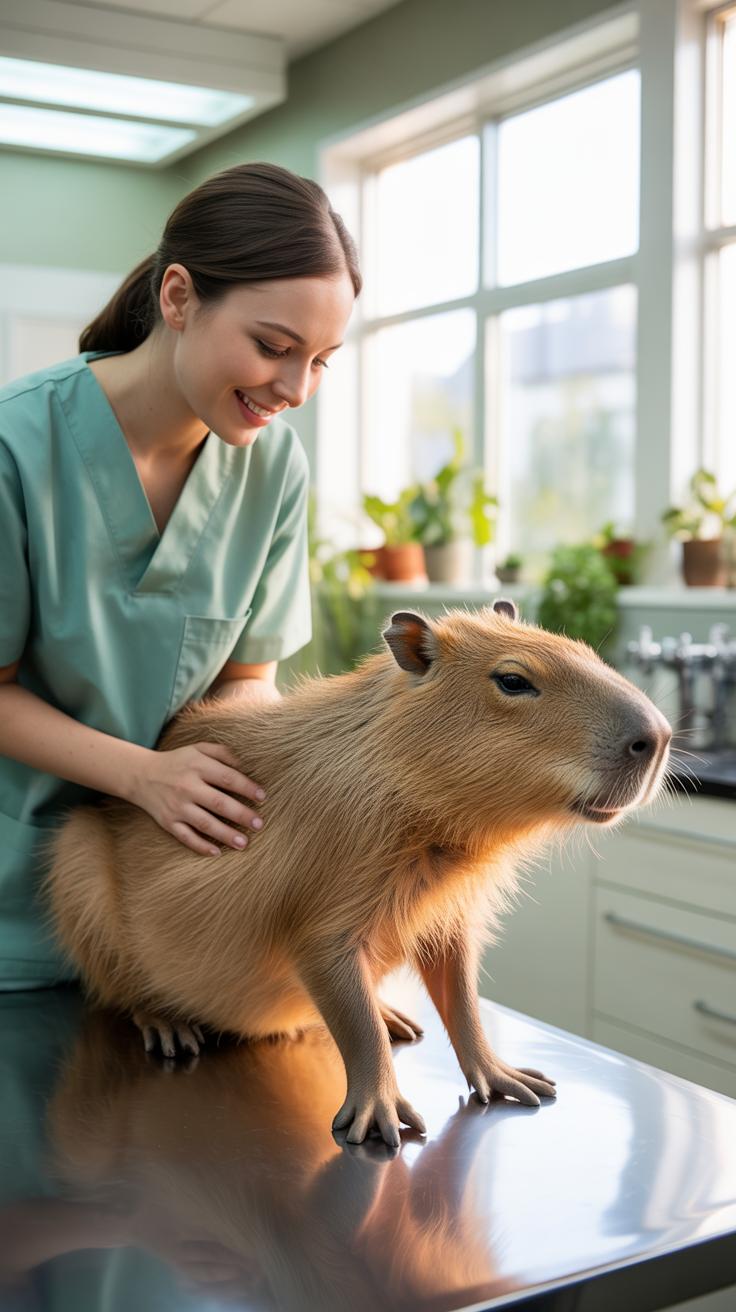
You must locate a specialized exotic veterinarian before purchasing a capybara. Most local clinics only treat cats and dogs. Capybaras require experts who understand rodent physiology and large mammal sedation. Lack of accessible care results in fatal delays during emergencies. Verify that your vet has experience with South American species. Call nearby zoos or universities to find qualified professionals who handle non-traditional livestock.
Health issues often stem from poor diet and hygiene. Capybaras are prone to scurvy if they lack enough Vitamin C. They also suffer from skin infections and parasites if their swimming water stays dirty. Respiratory infections occur in cold or drafty environments. Proper husbandry prevents most ailments. You must monitor their dental health constantly. Their teeth grow forever and require tough forage to wear down naturally and safely.
The True Cost And Long Term Responsibility Of Capybara Ownership
Capybaras live up to twelve years in captivity. This is not a short-term hobby. It is a decade of daily labor and high costs. You will spend thousands of dollars on specialized fencing and heated water tanks. Annual vet exams and emergency funds are mandatory. Food costs add up quickly. These animals eat massive amounts of hay and fresh produce. Do not underestimate the financial drain of proper care.

Social needs create an even greater burden. Capybaras are herd animals and suffer when kept alone. You should own at least two. This doubles your space needs and your budget. They require constant attention and enrichment to prevent destructive behavior. If your lifestyle changes, rehoming is extremely difficult. Most shelters cannot take them. You must commit to providing a stable home for the animal’s entire natural life.
Frequently Asked Questions

Is it legal and practical to keep a capybara as a pet?
While capybaras are incredibly social and gentle animals, their legality as pets varies significantly by state and local municipality. This capybara as pet guide recommends checking your local exotic animal ordinances first. Practically, these semi-aquatic rodents require vast outdoor spaces and constant companionship, meaning they aren’t suitable for traditional indoor living or for owners who are away from home for long periods during the day.
How do I create the right environment for a pet capybara?
To keep a capybara healthy, you must provide a large, secure outdoor enclosure with plenty of grass for grazing and a deep water source. Because they are semi-aquatic, a filtered pool or pond is essential for swimming and skin hydration. According to our capybara as pet guide, you must also ensure they have access to sun for vitamin D and shaded areas to prevent their sensitive skin from sunburn.
How much does it typically cost to own and care for a capybara?
Owning a capybara is a significant financial commitment. Initial costs for a single pup can range from $1,000 to $3,000, but the expenses don’t stop there. You must budget for specialized exotic vet care, high volumes of fresh hay and vegetables, and a robust water filtration system for their pool. Additionally, because they are social herd animals, you should ideally budget for at least two to ensure their well-being.