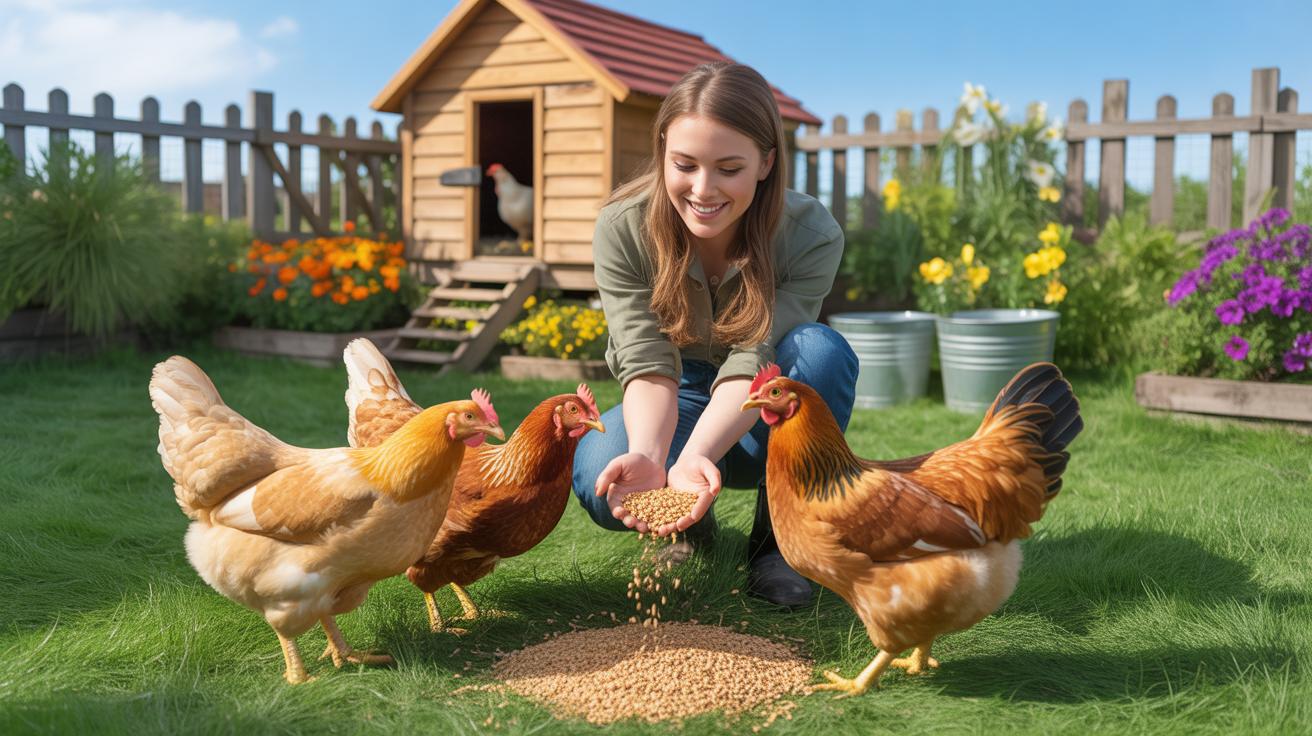
Why Raising Backyard Chickens Is A Rewarding Experience For Beginners
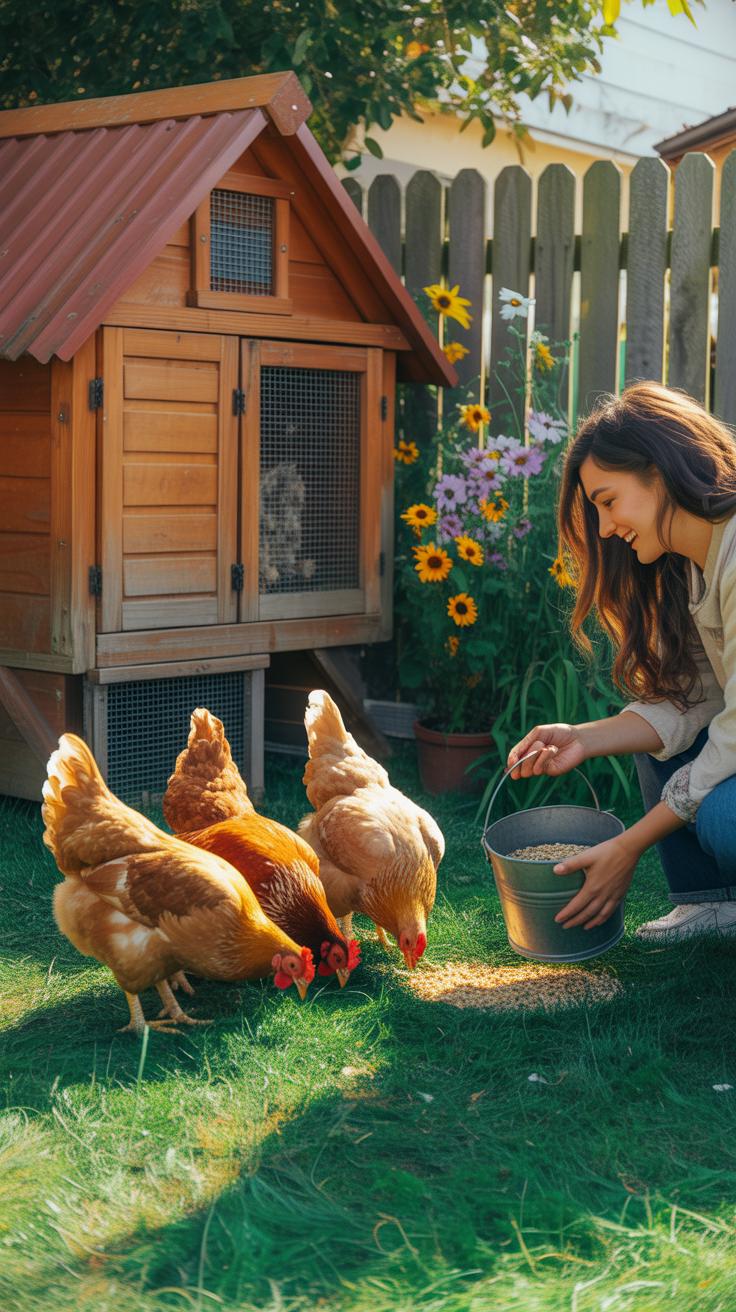
The Real Benefits Of Keeping Chickens At Home: Eggs, Companionship, And More
Backyard chickens provide a direct source of high quality protein through fresh eggs. Homegrown eggs often contain higher levels of vitamins and omega-3 fatty acids compared to factory farmed options. You control the bird’s diet and health. This transparency eliminates concerns about commercial chemicals or poor living conditions. Managing a flock also offers physical activity through daily chores and routine maintenance.
Chickens act as efficient biological pest control agents for your property. They hunt and eat ticks, grasshoppers, snails, and various beetle larvae that damage garden plants. Their droppings serve as a concentrated source of nitrogen for composting. Using chicken manure improves soil structure and promotes plant growth. These birds work as functional tools in a sustainable home ecosystem while providing unique social interaction.
What To Realistically Expect In Your First Year Of Raising Backyard Chickens
The first year requires significant upfront investment and constant monitoring. You must build or buy a secure coop before the birds arrive. Young chicks need a heated brooder for the first six weeks of life. Proper temperature control prevents high mortality rates during this vulnerable stage. You will spend time cleaning waterers and checking for signs of common avian illnesses daily.
Egg production usually starts between eighteen and twenty-four weeks of age. Some breeds take longer to mature than others. You will notice a shift in bird behavior as they establish a social hierarchy or pecking order. Predators pose a constant threat to your flock. You must reinforce enclosures with hardware cloth to prevent losses. Success depends on consistent routines and accurate observations of bird health.

Choosing The Right Chicken Breeds For Beginners Raising Farm Animals
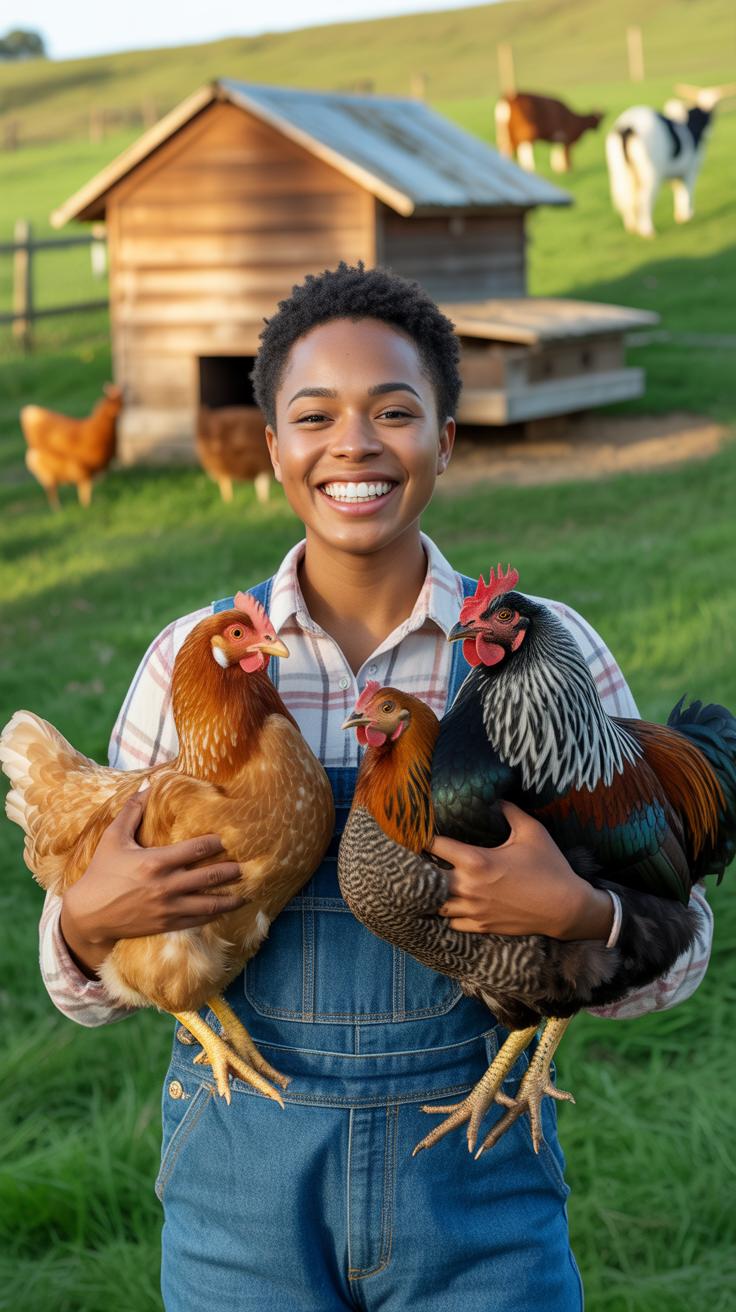
Docile And Hardy Breeds That Are Well Suited For New Backyard Flock Owners
Beginners must prioritize temperament and durability over exotic looks. Dual-purpose breeds like the Rhode Island Red and the Plymouth Rock offer the best stability. These birds withstand common management errors regarding nutrition and temperature. They possess calm personalities which makes handling easier for those unfamiliar with poultry. Selective breeding over many decades has reinforced these traits. You want birds that survive and thrive under basic care.
The Orpington and Australorp represent the gold standard for docile behavior. These heavy breeds move slower and show less flightiness than Mediterranean varieties. Their thick feathering provides a natural defense against cold weather and minor injuries. Gentle birds reduce the risk of stress-related illnesses in the flock. They allow owners to learn the basics of health checks without physical struggle. Practicality dictates a focus on these low-maintenance staples.
How To Match A Chicken Breed To Your Climate Space And Egg Production Goals
Climate dictates your choice of bird. High-heat regions require breeds with large combs and light bodies like the Leghorn to dissipate heat efficiently. Cold environments demand birds with small combs to prevent frostbite and heavy down for insulation. Matching the breed to your local weather reduces the need for expensive coop modifications. Failure to align breed types with climate leads to high mortality rates and low productivity.

Space and egg output are your final core metrics. Heavy breeds need more floor space and low roosts to prevent leg injuries. High-production layers like the ISA Brown deliver more eggs but have shorter lifespans and higher metabolic needs. Determine if your goal is maximum protein or long-term companionship. Calculate your square footage before purchasing chicks. Overcrowding creates aggression regardless of the breed you choose. Direct your investment toward specific performance goals.
Setting Up Cute Chicken Coops That Are Safe Functional And Beginner Friendly
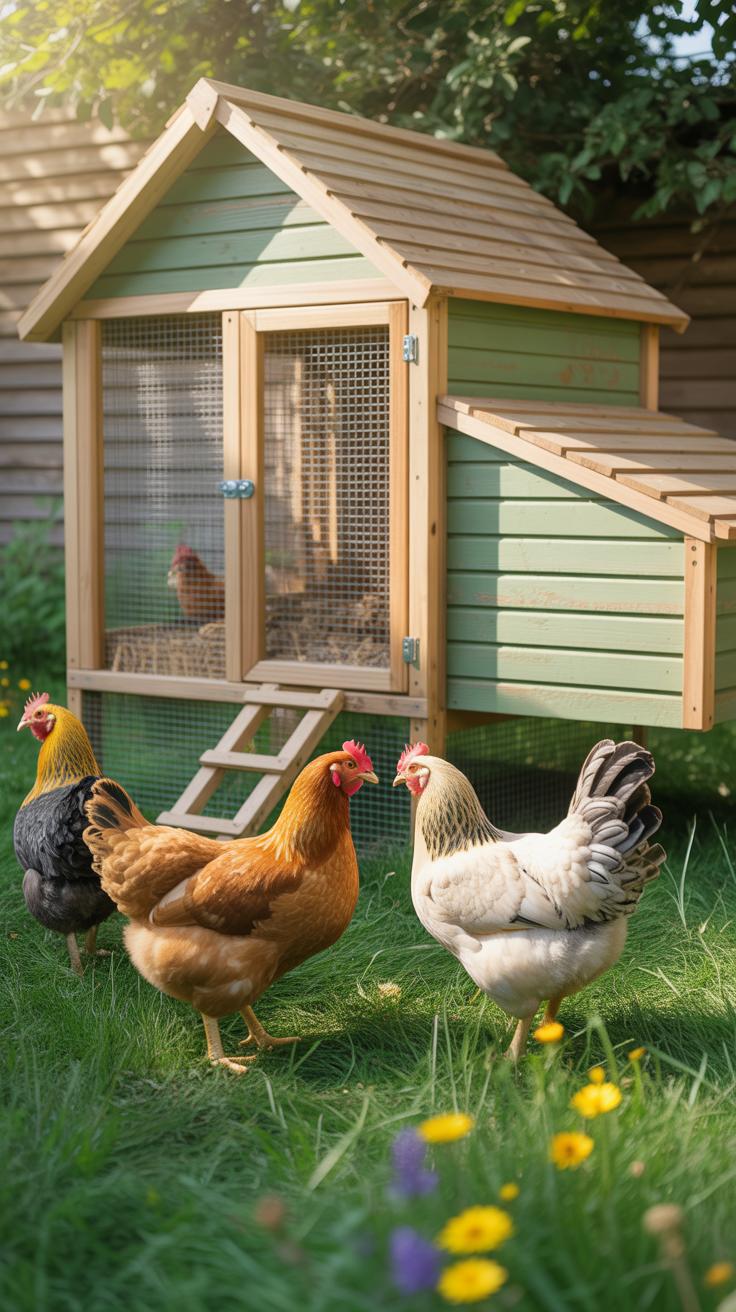
Essential Features Every Chicken Coop Must Have To Keep Your Flock Healthy And Secure
Standard coop designs must prioritize protection from predators and environmental stress. A functional structure prevents disease by keeping the interior dry and well-ventilated. You must use heavy-duty hardware cloth instead of chicken wire to stop raccoons and dogs. Every coop requires elevated nesting boxes and sturdy roosting bars for sleeping. Proper latching mechanisms ensure birds remain safe during high-risk nighttime hours.
- Hardware Cloth: Standard chicken wire is too weak to stop predators. You must use galvanized hardware cloth with half-inch mesh across all openings. This material resists biting and tearing from heavy animals.
- Cross Ventilation: Ammonia buildup from droppings damages bird lungs quickly. Place vents near the roof line to allow hot air and gases to escape. Ensure these vents are covered with wire mesh.
- Nesting Boxes: Hens require private and dark spaces to lay eggs. Install one twelve-inch cube for every three or four birds in the flock. Position these lower than the roosting bars to prevent sleeping in nests.
- Roosting Bars: Chickens have a biological drive to sleep off the ground. Provide at least eight inches of linear bar space per bird. Use natural wood branches or 2×4 lumber with the wide side facing up.
- Elevated Flooring: Raising the coop floor eighteen inches off the ground prevents rot and deters rodents. It also creates a shaded outdoor space for the birds. Solid wood or heavy-plywood floors with bedding are easiest to clean.
Security and airflow are the two most critical factors for flock survival. A coop without ventilation leads to respiratory failure and frostbite in winter. A coop without locking hardware leads to total flock loss from predators. Focus on these mechanical basics before worrying about the aesthetic appearance of the structure. High-quality materials like cedar or pressure-treated lumber extend the lifespan of your investment.
How Much Space Do Backyard Chickens Actually Need Inside And Outside The Coop
Space requirements depend on whether birds have daytime access to an outdoor run. Inside the coop, you must provide four square feet of floor space per standard-sized chicken. Cramped conditions lead to feather picking, bullying, and the rapid spread of parasites. If you choose larger breeds, increase this minimum to five square feet. Sufficient indoor space ensures birds remain calm during extreme weather events.
Outdoor space requirements are more demanding for flock health. Most breeds require ten square feet of run space per bird to prevent ground sanitation issues. This prevents the soil from becoming a barren mud pit filled with pathogens. If you plan to keep birds confined 24/7, larger runs are mandatory. Adequate square footage reduces stress hormones and increases consistent egg production across the entire flock.
Chicken Farming For Beginners Understanding Feed Nutrition And Clean Water
What To Feed Backyard Chickens At Every Stage Of Their Life For Optimal Health
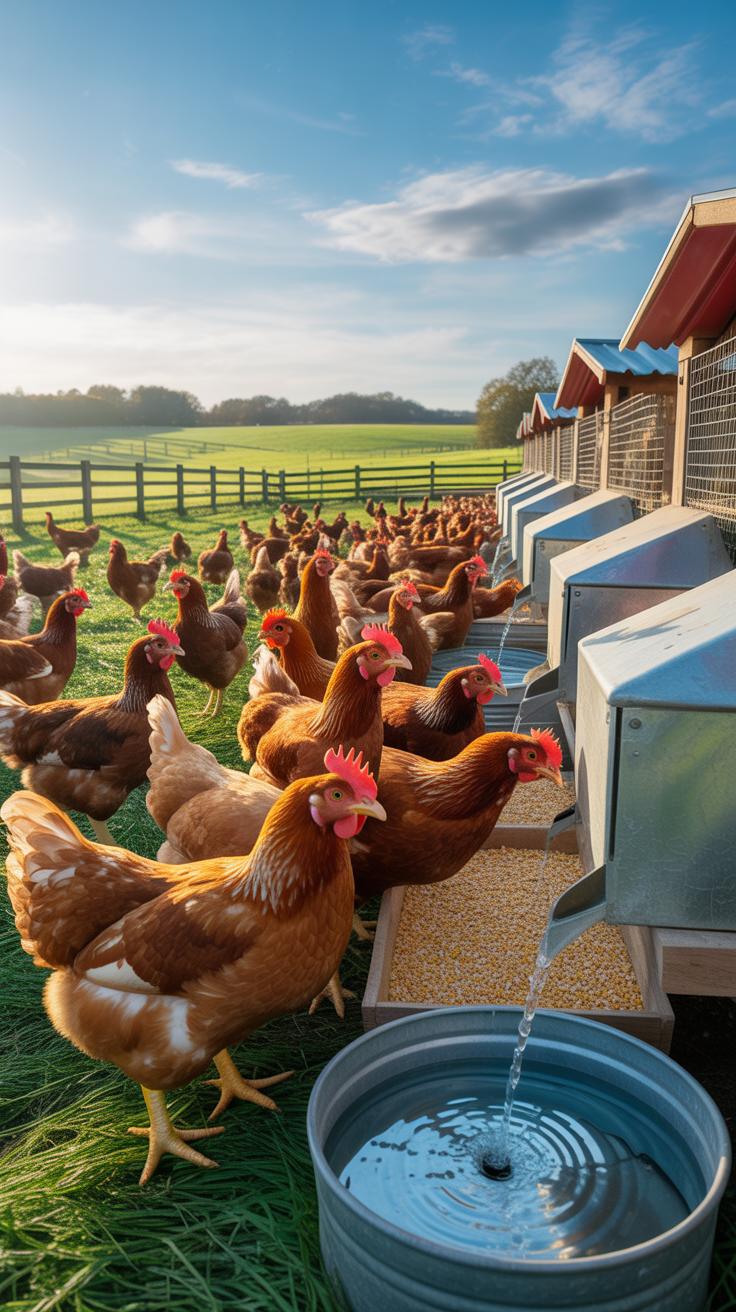
Chicks require starter feed containing 20 to 22 percent protein for the first eight weeks. This high protein level supports rapid bone and muscle growth. Switch to grower feed with 16 to 18 percent protein from week eight until the first egg appears. Proper protein ratios prevent stunted growth and skeletal deformities. Use medicated starter if your flock is not vaccinated against coccidiosis to ensure their early survival.
Layer feed becomes the standard once hens reach 18 to 20 weeks of age. This feed contains 16 percent protein and at least 3 percent calcium. Laying hens need this extra calcium to produce strong eggshells. Feeding high calcium diets to young chicks or roosters damages their kidneys. Supplement your flock with oyster shells in a separate tray. This allows individual hens to regulate their specific calcium needs without overmedicating the rest.
Why Fresh, Clean Water Is One Of The Most Critical Parts Of Chicken Care
Water regulates a chicken’s body temperature and aids digestion. A single bird drinks roughly one pint of water every day. This amount doubles during high summer heat. Dehydration stops egg production almost immediately and causes heat stroke. Chickens will not drink dirty or warm water willingly. You must scrub water containers regularly to prevent algae growth and the spread of dangerous bacteria like salmonella.

Place waterers in shaded areas to keep the liquid cool. Use nipple drinkers or cups to keep bedding and droppings out of the supply. Wet bedding creates ammonia fumes and promotes foot rot. In freezing winters, use heated bases to ensure the birds have constant access to liquid. Never let a waterer go dry for even a few hours. Constant hydration is the most basic requirement for a healthy flock.
How To Care For Chickens Building A Consistent Daily Care Routine
Morning And Evening Tasks Every Backyard Chicken Owner Should Perform Each Day
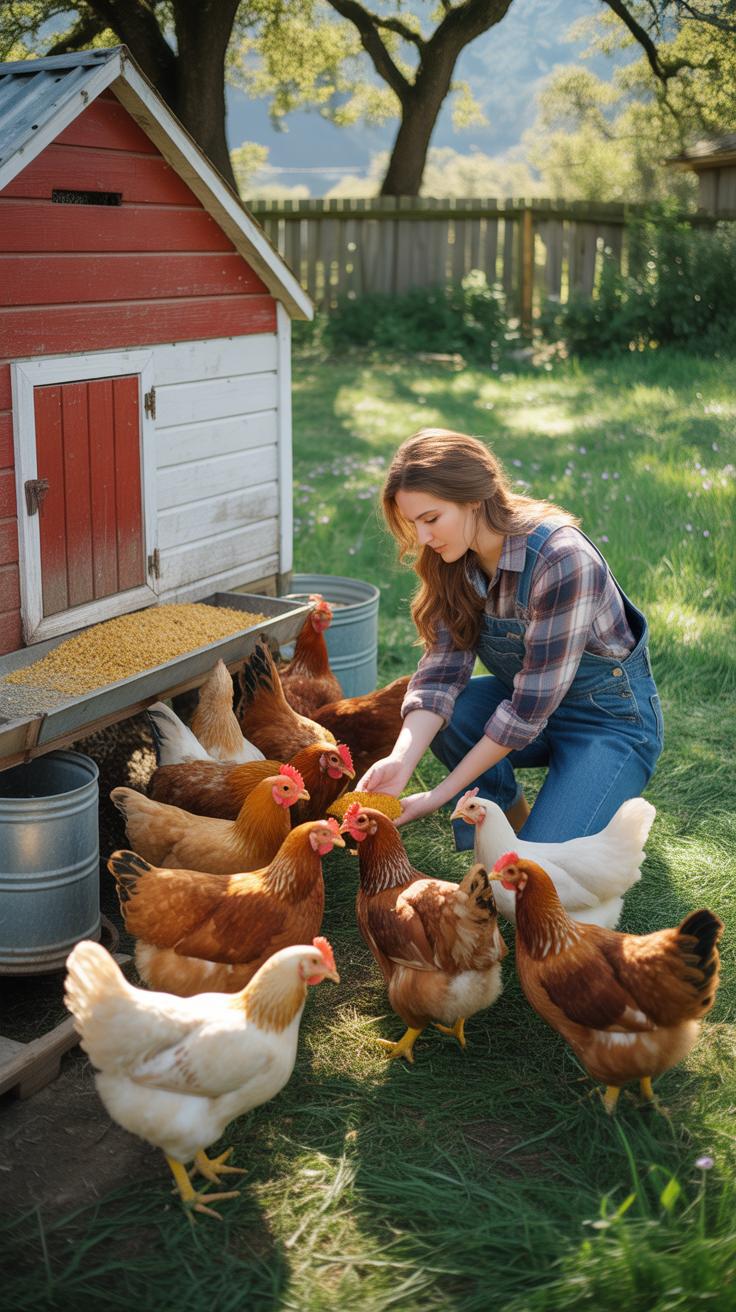
Daily consistency prevents illness and stops predators. Chickens operate on a strict circadian rhythm. You must open the coop at sunrise to prevent stress and feather picking. Check the water levels immediately. Dehydration stops egg production within hours. Inspect the flock for alert behavior and clear eyes. Early detection of lethargy saves the entire group from contagious pathogens.
- Coop Opening and Perimeter Check: Release birds at dawn to maximize foraging time and reduce boredom. Inspect the run fence for signs of digging or wire tampering by nocturnal predators like raccoons or foxes.
- Water Station Sanitization: Refresh all water sources with clean, cool liquid. Scrub away slime, dirt, or droppings. Chickens consume double the amount of water compared to feed during periods of high heat or peak production.
- Egg Collection: Gather eggs at least twice daily to prevent breakage and discourage egg-eating habits. Frequent collection also keeps eggs clean and reduces the risk of attracting rodents or snakes into the nesting boxes.
- Feed Assessment: Refill feeders with age-appropriate crumble or pellets. Ensure the food remains dry and free of mold. Monitor consumption rates to identify if wild birds or pests are stealing expensive nutrients from your flock.
- Evening Lockdown: Count every bird before closing the coop door at dusk. Ensure all chickens are roosting off the ground. Secure all latches with carabiners or heavy-duty locks to prevent clever predators from gaining entry.
Evening chores focus on security and preparation. Secure the coop door once every bird is inside the structure. Ensure no high-calorie treats remain on the ground as these attract rats overnight. Check the weather forecast to adjust ventilation for the coming night. Proper airflow prevents moisture buildup from droppings. High humidity causes respiratory issues and frostbite during winter months.
Weekly And Monthly Coop Maintenance Tasks That Prevent Disease And Stress In Your Flock
Weekly maintenance stops the buildup of ammonia and parasites. Use a rake to remove damp bedding around waterers. Wet wood shavings harbor coccidiosis and mold. Sprinkle diatomaceous earth in dust bath areas to help birds manage mites and lice. Check the grit and oyster shell containers. Replenish these minerals to ensure proper digestion and strong eggshell quality for all laying hens.
Monthly deep cleaning involves more aggressive sanitation. Remove all bedding and scrape the floors to eliminate hardened manure. Apply a solution of water and white vinegar to nesting boxes and perches. Inspect the structural integrity of the coop for leaks or hardware failure. Tighten loose hinges and patch any holes in the mesh. Regular inspections prevent small repair issues from becoming expensive flock health disasters.
Chicken Care Backyard Basics Keeping Your Flock Safe From Predators
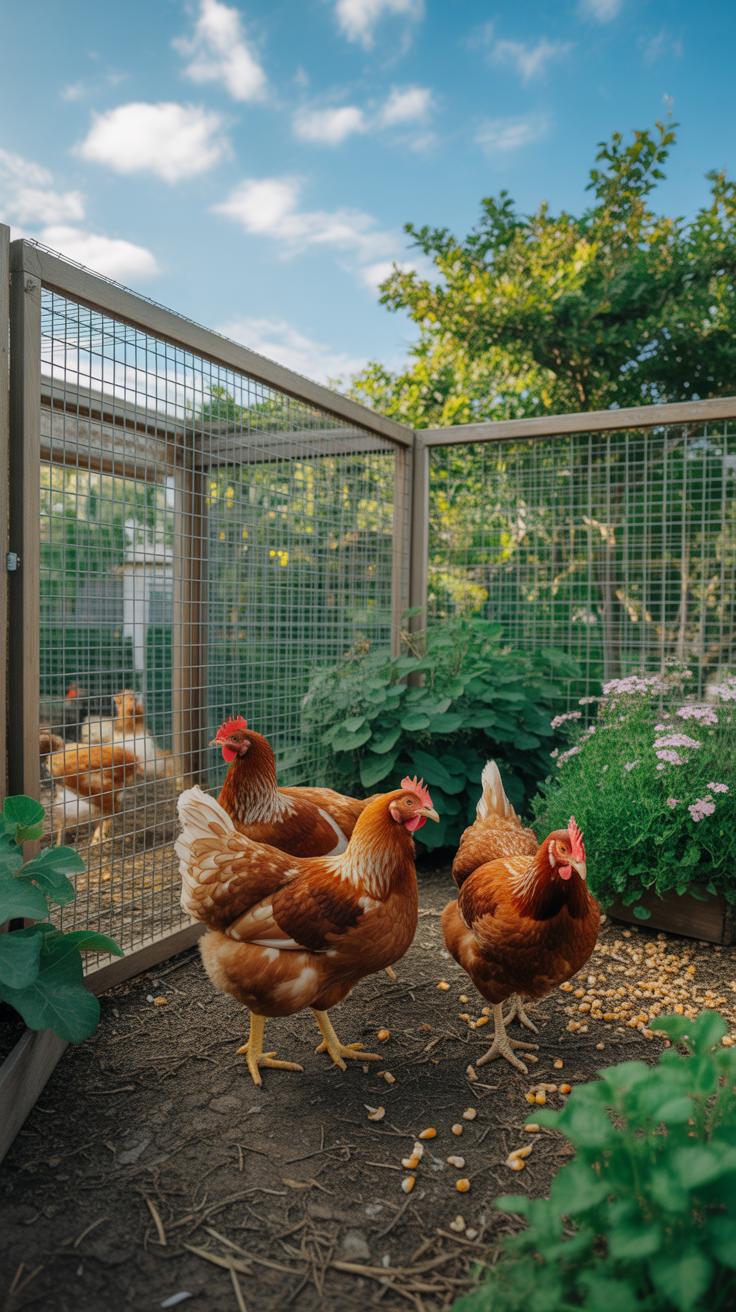
Common Backyard Chicken Predators And How To Identify The Threats In Your Area
Predators vary by geography but generally include aerial and ground threats. Hawks and owls attack from above during daylight or dusk. Raccoons, foxes, and coyotes represent the primary ground risks in most regions. Stray dogs and domestic cats also kill birds regularly. You must identify local threats by looking for tracks, scat, or disturbed soil around your perimeter. Knowledge of local wildlife habits prevents total flock loss.
Regional environment dictates your specific risk level. Rural areas face heavy pressure from larger mammals like bobcats or bears. Suburban lots often deal with high concentrations of raccoons and opossums that exploit human trash sources. Look for hair caught on fences or distinctive paw prints in soft mud. Understanding whether your predators dig or climb determines your defense strategy. Monitor activity patterns to schedule safe foraging times for birds.
To be happy, one must have a garden and a few chickens. Tend to them with patience, and you will find your life enriched by the simple rhythms of the earth.
Proven Coop And Run Security Measures That Protect Chickens Day And Night
Hardware cloth is the industry standard for coop security. Never use chicken wire to stop predators because animals can tear through the thin gauge metal easily. Bury the mesh twelve inches deep or create a flat perimeter skirt to stop digging animals. Secure all windows and vents with heavy duty steel mesh. Use complex latches such as spring loaded bolts that raccoons cannot manipulate with their paws.
Solid flooring prevents burrowing predators from entering the coop at night. Pressure treated wood or concrete slabs offer the best protection against rats and weasels. Install motion activated lights to deter nocturnal hunters through sudden visual disruption. Ensure the roof is fully enclosed or covered with heavy duty netting to block raptors. Check the entire structure weekly for gaps larger than half an inch. Constant maintenance keeps the flock alive.
Chicken Care Health Monitoring Recognizing Signs Of Illness Early
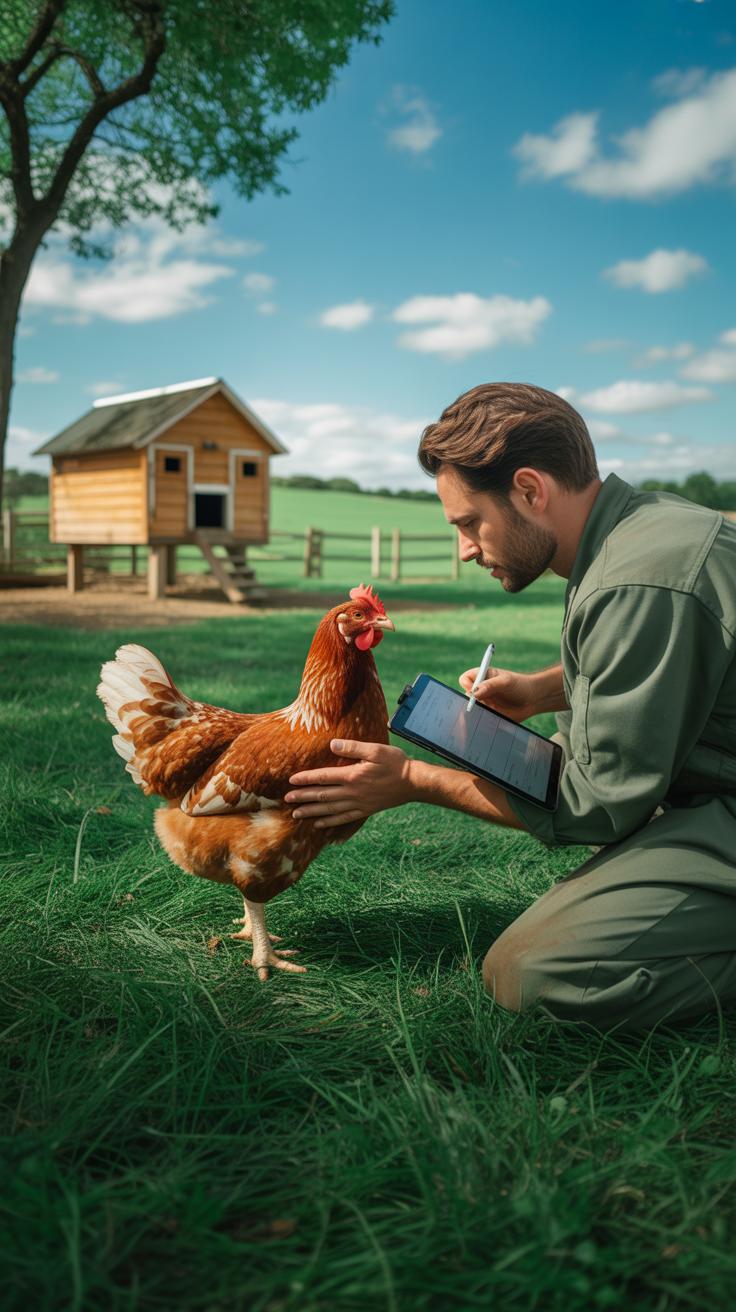
Physical And Behavioral Warning Signs That Indicate A Chicken May Be Unwell
A healthy chicken is active and alert. It scratches the ground and preens its feathers daily. You must watch for sudden changes in posture. A sick bird often stands away from the flock with its neck tucked in. It looks hunched and lethargic. Rapid weight loss or a pale comb indicates poor health. Check the eyes for discharge or cloudiness every single morning.
Behavioral shifts signal trouble before physical symptoms appear. A bird that stops eating or drinking needs immediate isolation. Inspect the droppings for blood or unusual consistency. Healthy birds produce firm waste with a white urate cap. Labored breathing or clicking sounds from the lungs are emergencies. You must handle your birds regularly to feel their breast muscles. This helps you detect thinness early.
Common Backyard Chicken Health Issues And When To Contact A Poultry Veterinarian
Mites and lice are common external parasites that drain energy. These pests hide under wings and near the vent. You can treat them with poultry dust or sprays. Internal worms also cause issues like diarrhea and stunted growth. Coccidiosis is a serious intestinal infection that affects young birds quickly. It requires medicated feed or specific water additives. Respiratory infections spread fast through a backyard flock.

Contact a poultry veterinarian if you see blood in the eyes or stools. Persistent sneezing or swollen faces require professional diagnosis. Do not wait if a bird cannot stand or shows signs of paralysis. This might indicate Marek’s disease which is highly contagious. A veterinarian can perform fecal tests to identify specific parasites accurately. Timely medical intervention prevents one sick bird from killing your entire flock.
Chickens For Beginners Understanding Flock Behavior And Social Dynamics
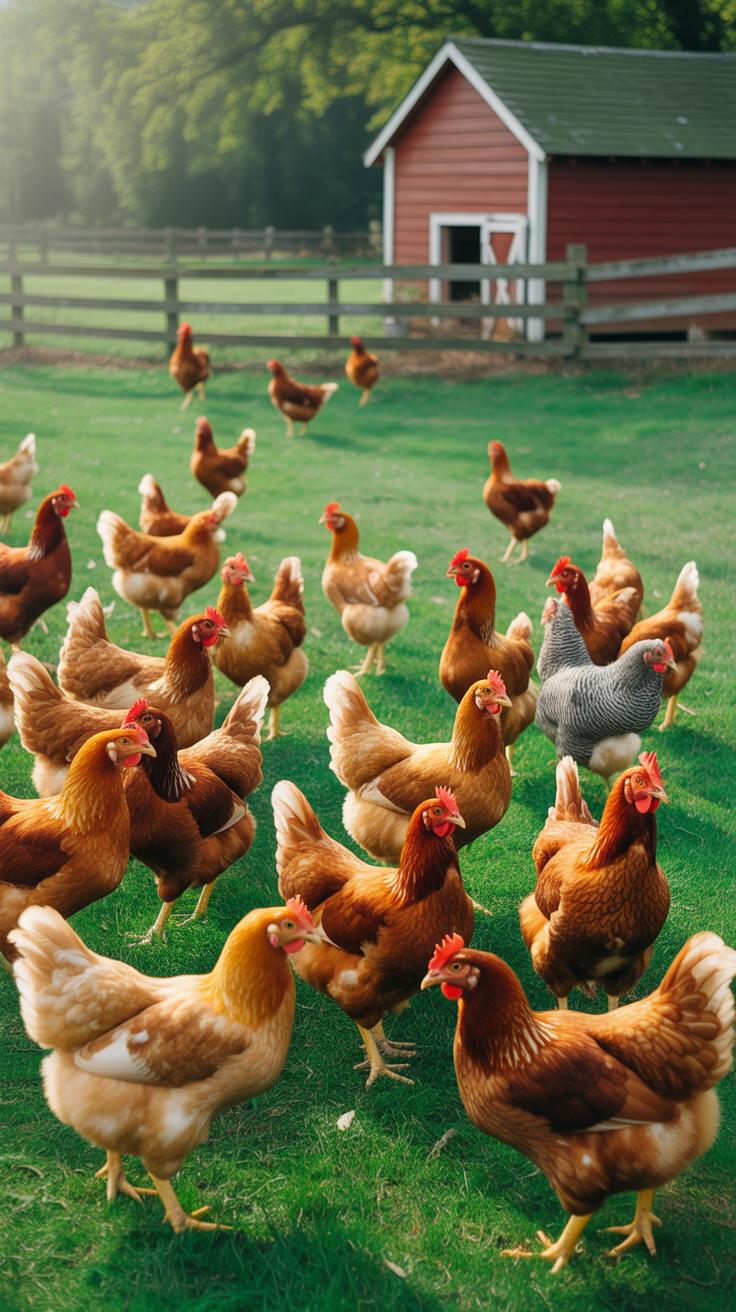
What The Pecking Order Is And Why It Matters For A Healthy Backyard Flock
The pecking order is a rigid social hierarchy used by chickens to maintain order. It establishes which birds eat first and where they roost at night. Dominant birds use physical displays or brief pecks to assert control. This system reduces overall violence by setting clear rules for every bird. A stable hierarchy prevents constant fighting and ensures the flock functions as a single unit.
Disruptions to this order cause severe stress and potential injury. Stress lowers egg production and weakens immune systems. You must monitor the flock to distinguish between normal discipline and harmful bullying. If a bird cannot access food or water, the social balance has failed. Proper space and multiple feeding stations help manage these dynamics. A peaceful pecking order indicates a healthy and productive backyard environment.
How To Introduce New Chickens To An Existing Flock Without Causing Harm Or Stress
Introducing new birds requires a slow and strategic process called the look but do not touch method. Place new chickens in a separate pen or section of the run. This allows the old flock to see the newcomers without physical contact. This phase should last at least one week. It reduces the intensity of the eventual confrontation by making the birds familiar sights.

Physical integration must happen in a neutral space or at night. Many keepers place new birds on the roosting bars in the dark. Chickens are less aggressive when they are drowsy. Provide extra feeders and waterers during the first few days of contact. This prevents dominant birds from guarding resources. Always supervise the birds during their first hours together to step in if serious blood is drawn.
Seasonal Chicken Care Adapting Your Routine For Hot Summers And Cold Winters
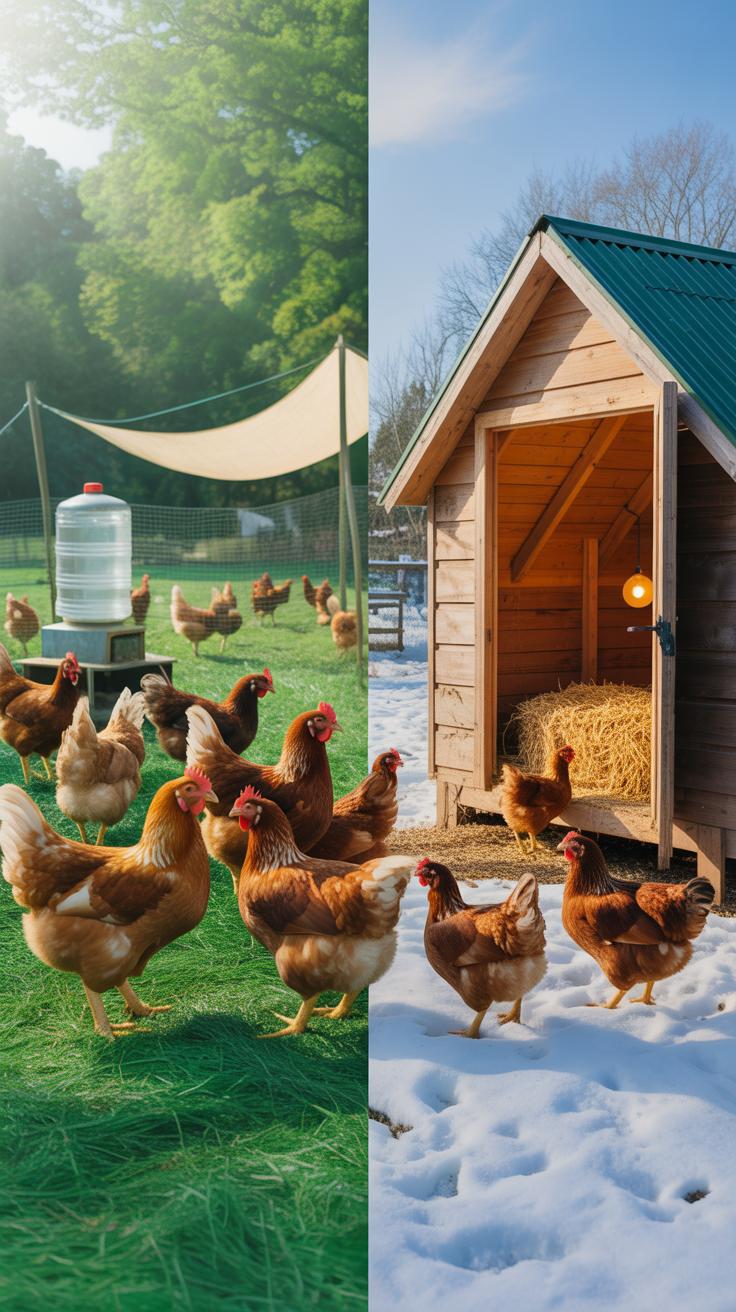
Guidance How To Keep Backyard Chickens Cool, Hydrated, And Safe During Hot Summer Months
Heat kills chickens faster than cold does. High temperatures lead to heat stress and organ failure. You must provide constant shade and deep ventilation. Cross-breezes in the coop are essential for dropping internal temperatures. Add large fans if air movement stops. Birds do not sweat so they rely on panting to cool down. Maintain water sources in shaded areas to prevent rapid evaporation.
Water management is your top priority during summer. Add ice blocks to waterers to keep the liquid cool. Warm water will not lower bird body temperatures. Offer high-moisture foods like refrigerated watermelon or cucumbers. Avoid feeding heavy corn or scratch grains in the heat. These foods increase digestive heat during metabolism. Monitor for lethargy or drooping wings as these indicate advanced heat exhaustion.
Winterizing Your Chicken Coop And Protecting Your Flock From Cold Weather Stress
Winter care focuses on moisture control and draft prevention. A damp coop leads to frostbite on combs and wattles. Ensure high-level ventilation exists to let ammonia and moisture escape. Do not seal the coop airtight. Keep bedding dry by removing wet spots daily. Use the deep litter method to generate natural heat through decomposition. Heavy breeds handle cold well if they stay dry and shielded.
Focus on calorie intake to help birds generate body heat. Feed cracked corn shortly before dusk to keep their metabolism active overnight. Check waterers multiple times daily to break ice. Use heated bases if plastic or metal containers freeze solid. Avoid using heat lamps because they create significant fire risks in dusty coops. Consistent access to dry feed and liquid water ensures survival through extreme sub-zero temperatures.
Frequently Asked Questions

What are the most important basics for someone just starting out with a flock?
The most important pillar of backyard chicken care beginners should prioritize is providing a secure, predator-proof coop with adequate ventilation. Beyond shelter, your birds need a consistent supply of clean water and high-quality layer crumbles or pellets. Establishing a daily routine of checking for eggs and observing your birds’ behavior will help you quickly identify health issues and ensure your new feathered friends stay happy, productive, and safe.
How much daily time and effort is required to maintain a healthy backyard flock?
Daily maintenance is surprisingly manageable and usually takes about fifteen minutes. You will need to refill waterers, provide fresh feed, and collect eggs every morning. A weekly “deep clean” of the nesting boxes and replacing soiled bedding is essential for long-term health. Mastering backyard chicken care beginners find that these small, consistent habits prevent larger problems like pests or respiratory infections, making the hobby much more enjoyable.
Is keeping chickens an expensive hobby for a typical suburban household?
Start-up costs can vary, but you can keep expenses low by repurposing materials for your coop or purchasing a pre-loved flock setup. Once the initial infrastructure is in place, the primary ongoing costs are feed and bedding, which usually average out to a few dollars per bird each month. When you factor in the high-quality organic eggs you will harvest daily, keeping a small flock is a very budget-friendly lifestyle choice.