The Science Behind Expressive Cats And How Their Faces Actually Communicate
How Cat Facial Muscles Work Differently Than Human Faces
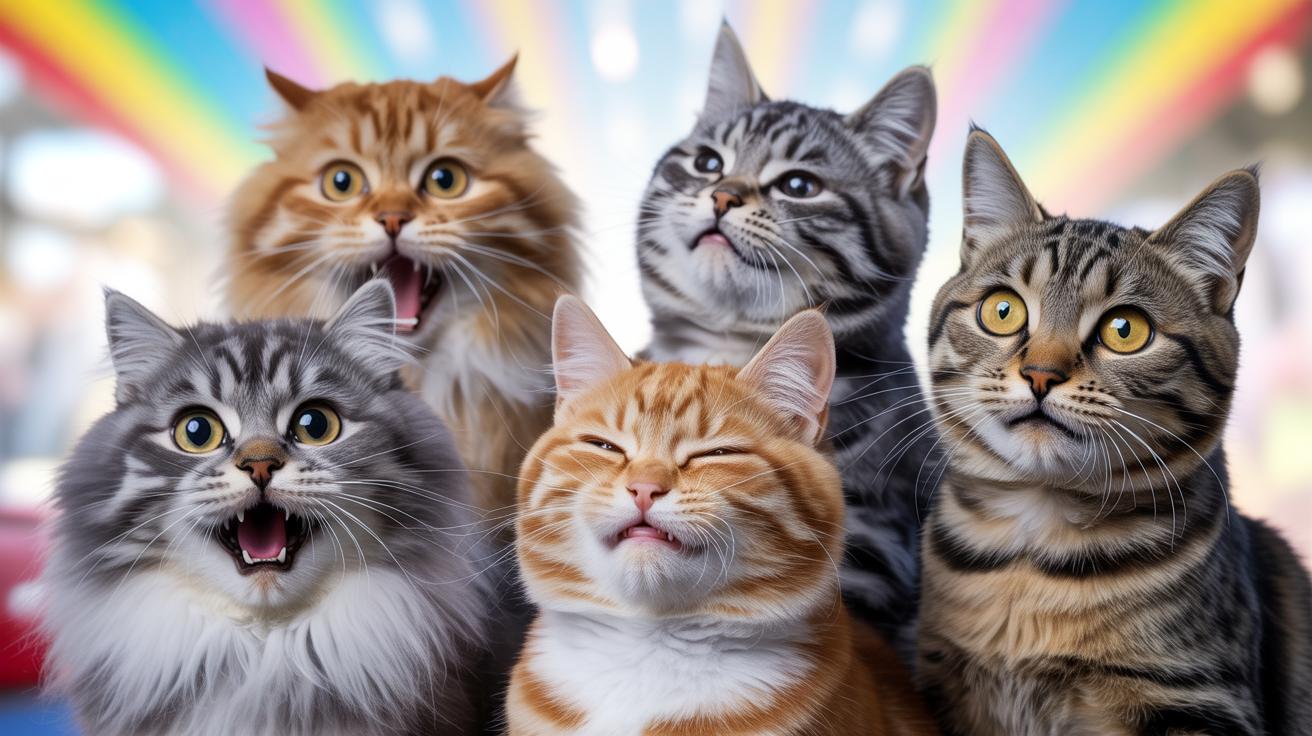
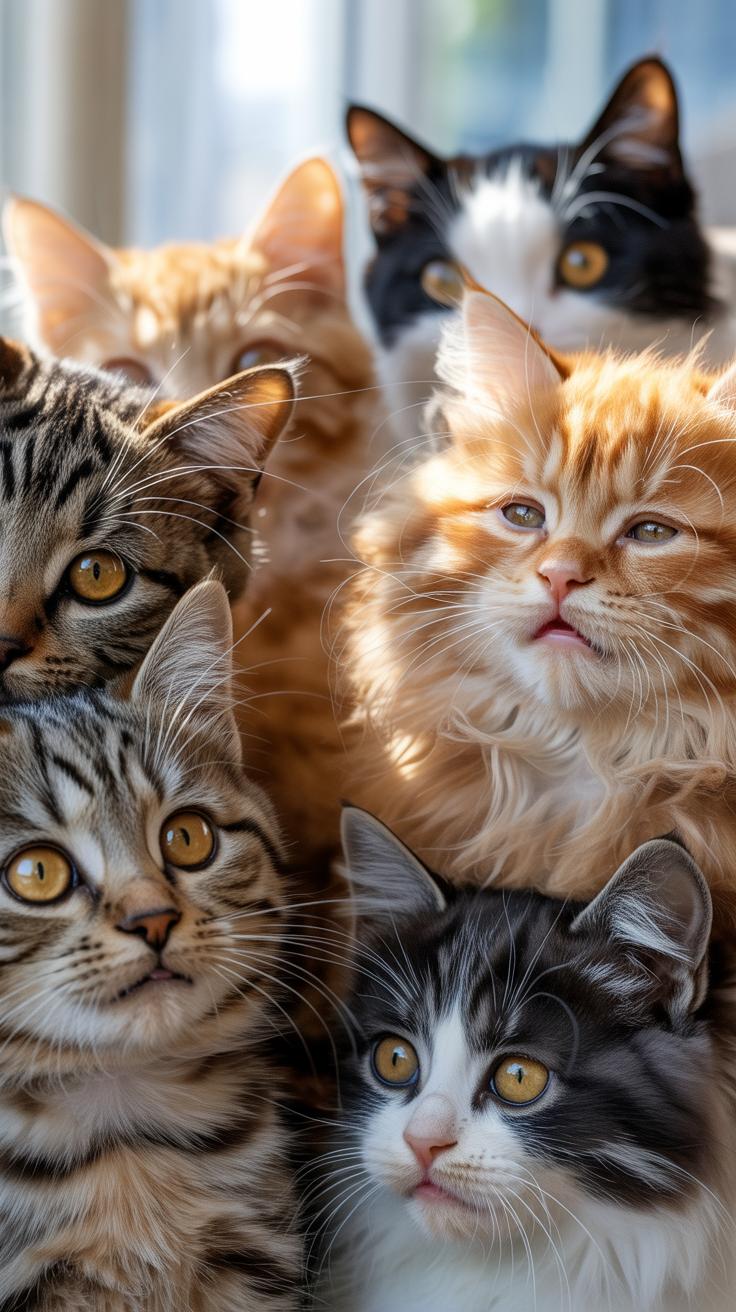
Cats possess nearly thirty facial muscles that control their features. Humans have more muscles for complex social signaling through smiles or frowns. A cat uses its muscles primarily for functional survival tasks. They move their ears and whiskers independently to track prey and detect vibrations. This independent movement creates facial configurations that humans often misinterpret as complex emotional displays or relatable human expressions.
The skin on a cat face is loose compared to human skin. This allows for extreme range when they hiss or snarl. Their jaw structure focuses on vertical force rather than lateral movement. These physiological constraints mean their faces do not naturally mirror human joy or sadness. When a cat looks shocked or confused, it usually results from involuntary muscle contractions during scent analysis or sudden environmental changes.
What Researchers Have Learned About Reading Cat Emotions Through Expressions
Scientific studies show that cat faces convey specific emotional states through subtle micro-movements. Researchers developed the Cat Facial Action Coding System to track these changes. Most people fail to read these cues correctly. We often project human feelings onto cats when their faces go slack. Analysis proves that squinting or slow blinking indicates trust and relaxation. Wide eyes usually signal high arousal or fear instead of curiosity.
Veterinary researchers use facial cues to assess pain levels in domestic cats. They look at ear position, muzzle tension, and eye shape. A pained cat tightens its facial muscles, pulling the ears apart and narrowing the eyes. This creates a grimace that owners often miss. Understanding these biological markers allows for better care. Accurate observation requires ignoring the cuteness and focusing on the underlying muscle tension and physical placement.

The Shocked Cat Reaction Pic Phenomenon And Why These Images Go Viral
What Typically Triggers That Wide Eyed Open Mouthed Shocked Look In Cats
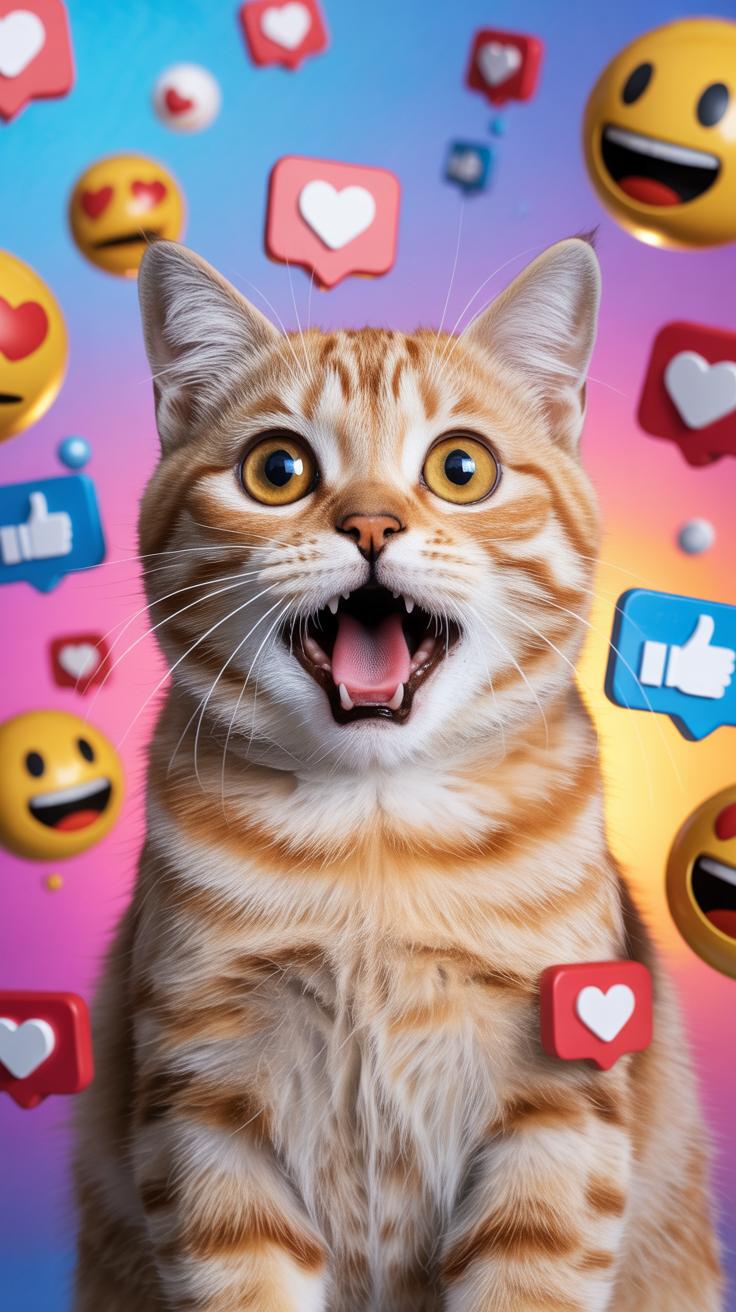
Cats display extreme facial expressions primarily due to involuntary physiological responses. The wide-eyed look occurs when a cat perceives a sudden threat or a high-value stimulus. This triggers the sympathetic nervous system. The pupils dilate instantly to let in more light. This allows the feline to assess surroundings for danger or prey. Physical surprise often results in this frozen, hyper-alert visual state.
The open-mouthed expression usually stems from the Flehmen response. Cats possess a vomeronasal organ located on the roof of the mouth. They pull back their lips and gape to draw pheromones or unusual scents over this sensory area. To a human camera lens, this functional scent-gathering behavior looks like a gasp of disbelief. True shock in cats is a brief mechanical reaction to unexpected tactile or auditory shifts.
Why Humans Are Wired To Find Shocked Cat Faces So Relatable And Shareable
Humans interpret animal faces through the lens of anthropomorphism. We project our own complex emotions onto feline biological movements. A wide-eyed stare mirrors the human facial micro-expressions associated with surprise or fear. This creates an immediate cognitive bridge between the viewer and the animal. Digital users gravitate toward these images because they serve as perfect visual shorthand for human reactions in online discourse.
Virality depends on high-arousal emotions. Shocked cat images trigger a dopaminergic response because they are visually jarring and humorous. The contrast between a cat’s usual stoic nature and an exaggerated expression creates a comedic subversion of expectations. These images function as social currency. People share them to communicate their own internal states without using words. This efficiency makes them staple components of modern internet memes and digital communication.
The Surprised Cat Meme Culture And Its Journey Across Social Media
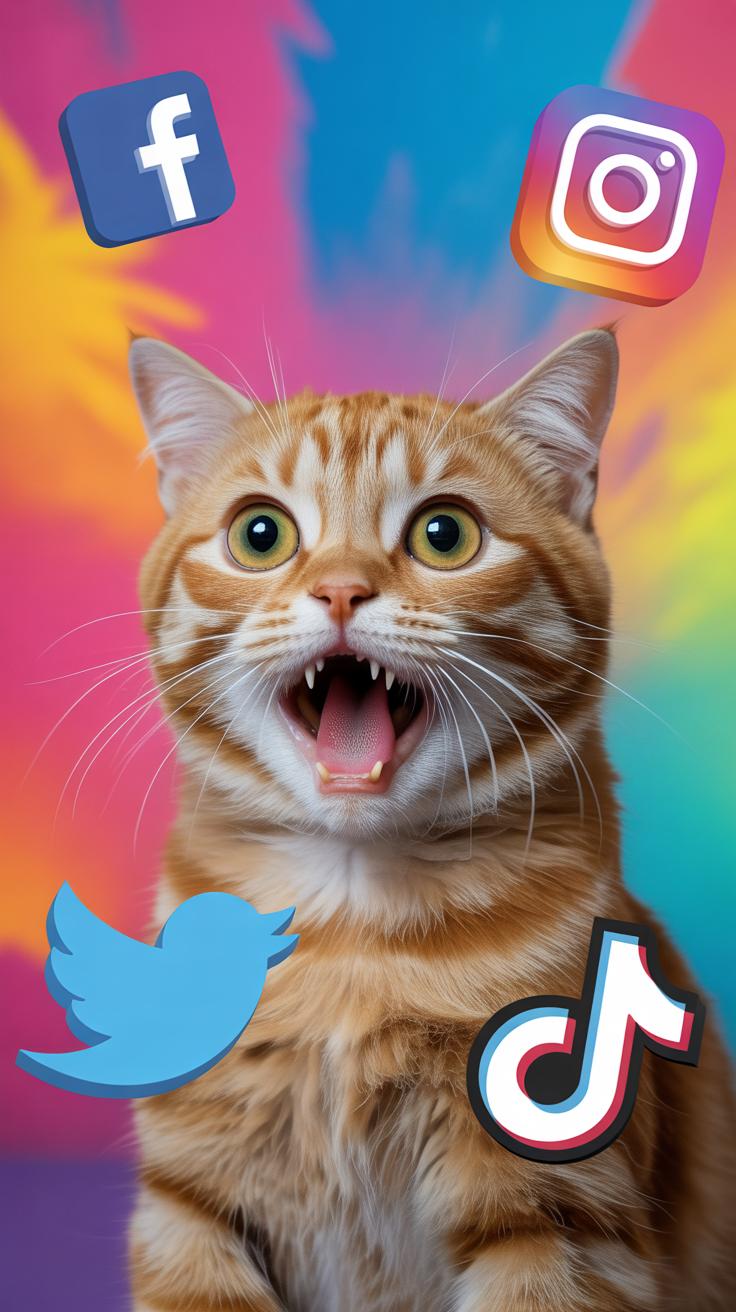
How The Surprised Cat Meme Format Became A Staple Of Online Humor
The surprised cat meme took off because humans process feline faces using the same neural pathways as human faces. When a cat displays wide eyes or a dropped jaw, users project shock or disbelief onto the animal. This anthropomorphism drives high engagement rates across social platforms. Digital subcultures on 4chan and Reddit codified these images into templates. These templates allowed users to communicate complex emotions with one simple image.
The format stabilized during the mid-2000s with the rise of image macros. Strategic use of Impact font and high-contrast colors made these memes easy to read on small mobile screens. This visual clarity ensured the memes survived several architectural shifts in social media design. Today, these images serve as universal shorthand for online reactions. They bridge language gaps because facial expressions of surprise are globally understood. They remain a dominant force in digital communication.
The Most Recognized Surprised Cat Images And The Stories Behind Them
Banye, the British Shorthair, became a global icon due to a permanent patch of dark fur under his mouth. This marking creates the illusion of a constant open-mouthed gasp. Owners uploaded his photos to the Chinese site Duitang in 2014. The images went viral because they looked staged, even though the expression was natural. This specific breed possesses a round face that amplifies the visual impact of any unexpected facial marks.

Another major figure is the cat from the Woman Yelling at a Cat meme. This cat is named Smudge. His confused and defensive expression at a dinner table became a strategic tool for online debate. The photo originated on Tumblr before merging with a scene from a reality television show. This combination created a specific narrative structure. It proves that a cat with an unexpected expression can anchor a complex social commentary or a jokes format.
Understanding The Surprised Cat Expression Through Feline Body Language
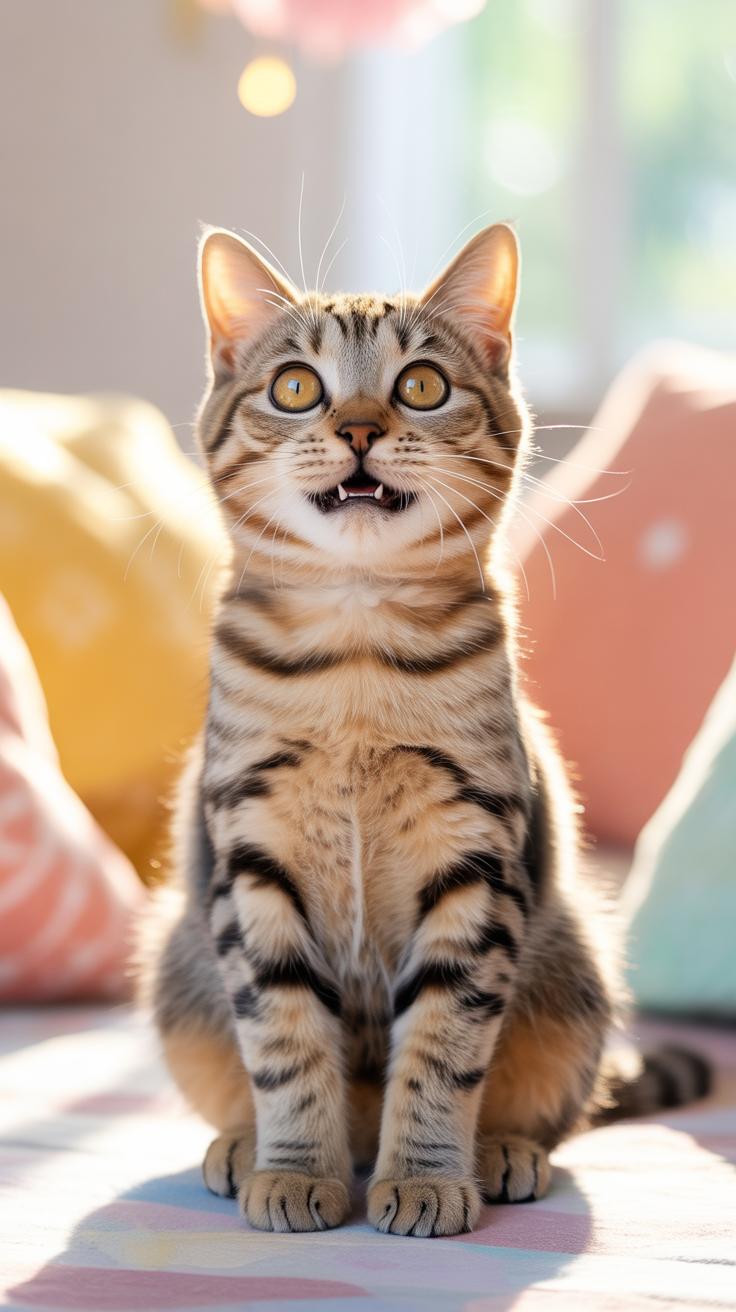
How Surprise Manifests Physically In A Cat From Ears To Whiskers
A surprised cat shows immediate physical changes. The pupils dilate instantly to let in more light. This allows the cat to assess the sudden stimulus. The ears pivot toward the sound or object. Muscles in the face tighten and the jaw may drop slightly. This reaction happens in milliseconds. The cat shifts its weight to its back legs to prepare for movement.
Whiskers play a critical role in this facial expression. A startled cat thrusts its whiskers forward to gather tactile data. The fur along the spine might rise due to the piloerector muscles. This makes the cat look larger to potential threats. Every facial feature works together to scan the environment. This is a survival mechanism rooted in predatory evolution. It is not just a funny face.
Every cat is a masterpiece of wild whimsy and silent wisdom, often hidden behind a look that catches your heart completely off guard.
The Difference Between A Genuinely Surprised Cat And A Playfully Startled One
True surprise stems from a fear response or a sudden break in environmental patterns. The cat often freezes or retreats. Its body remains tense and its tail might tuck close to the body. Vocalization is rare during the initial shock. The eyes stay wide until the cat identifies the source. This is a tactical pause. The cat evaluates if it needs to fight or flee.

Playful startling looks different because the cat remains loose. The cat might hop sideways with an arched back while keeping its eyes wide. This is called the power arch. It happens during social play or hunting practice. The cat will often re-engage with the object rather than hiding. You can see the difference in the tail. A playful cat keeps its tail upright or hooked.
Cat Profile Shots That Accidentally Captured The Most Hilarious Expressions
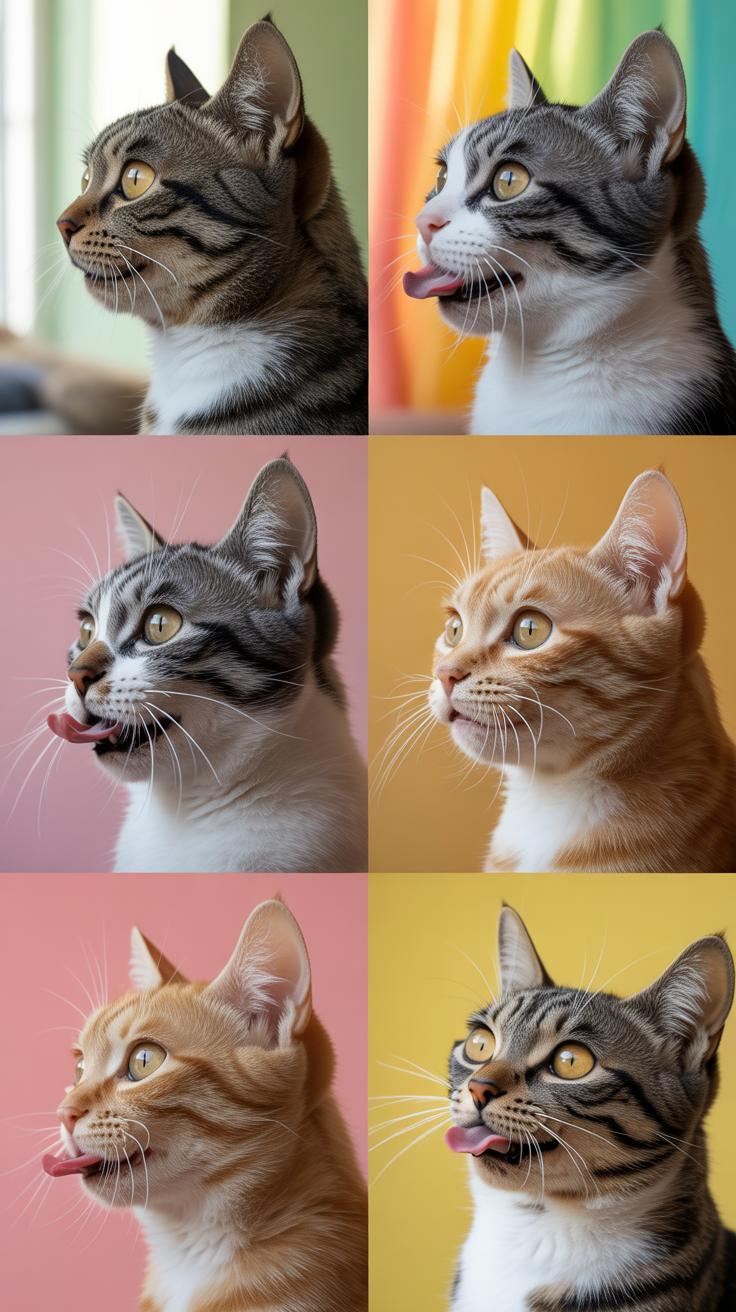
Why Side Angle Cat Profile Photos So Often Reveal Unexpected Emotions
Side profiles isolate specific facial mechanics that front-facing shots hide. When a cat looks sideways, the protruding muzzle and jawline become prominent. This view exposes the gap between the upper lip and the nose. Subtle muscle twitches create the illusion of human-like smirks or deep frowns. The camera captures these fleeting adjustments that occur during scent analysis or tracking movements.
The physical structure of the feline skull enhances these expressions. Large eye sockets and mobile ears frame the profile. When a cat shifts its focus, the skin around the eyes bunches up in ways that look like judgment or suspicion. These angles remove the symmetry of the face. This lack of balance makes accidental expressions look more dramatic and intentional to the viewer.
Tips For Capturing The Perfect Expressive Cat Profile Shot At Home
Professional results require speed and specific positioning. You must align your camera lens exactly at the cats eye level. High angles compress the features and ruin the profile lines. Low angles emphasize the chin and whiskers for a more imposing look. Use natural side lighting to cast shadows across the face. This contrast highlights every muscle movement and whisker twitch clearly.
- Eye Level Positioning: Move your body to the floor. Align the lens with the cat. This perspective shows the full depth of the snout. It captures the true shape of the mouth and jaw for better detail.
- Manual Focus Control: Set your focus on the bridge of the nose. Do not rely on auto focus. Auto focus often misses the sharp edges of the profile. Sharp edges make the unexpected expression stand out more.
- Burst Mode Usage: Take many photos in rapid succession. Cats move their facial muscles too fast for single shots. Burst mode catches the split second change between a neutral face and a hilarious expression.
- Scent Stimulation: Use strong smells like catnip or treats nearby. Do not let the cat eat them yet. The cat will wrinkle its nose and pull its lips back. This creates the best accidental funny faces during sessions.
- Background Contrast: Use a solid color background. A busy background distracts the eye from the facial features. A plain wall makes the cats silhouette and expression the main focus of the photograph.

Timing is the most critical factor for success. Watch for the Flehmen response where the cat curls its upper lip. This happens when they encounter interesting pheromones or smells. Stay silent and move slowly to avoid breaking their focus. If the cat looks at the camera, you lose the profile. Keep their attention on a toy or object placed to the side.
Silly Cats Pictures That Prove Felines Have A Comedic Side All Their Own
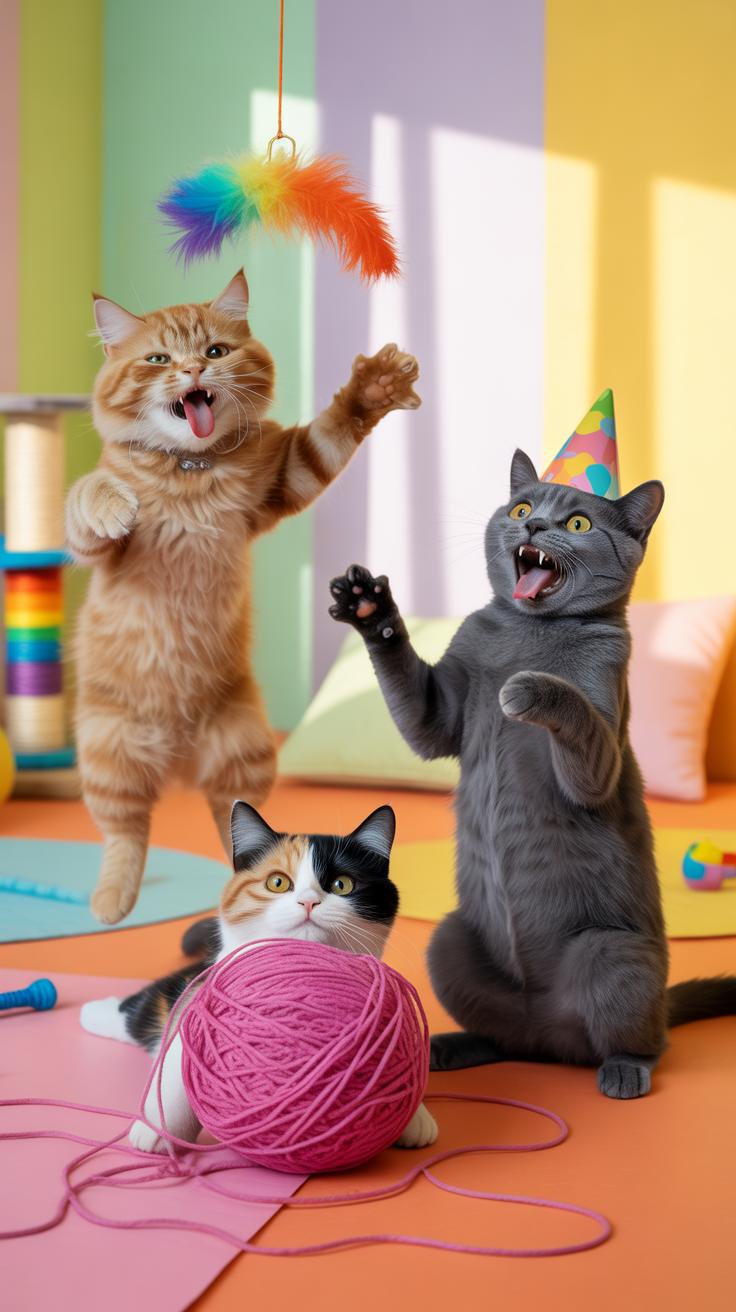
The Everyday Situations That Lead To The Funniest Silly Cat Expressions
Domestic cats possess a unique facial anatomy that allows for sudden, jarring transitions in appearance. Their skin is highly mobile around the jaw and brow. Simple biological triggers like the Flehmen response cause the mouth to gape and the nose to wrinkle. This action detects pheromones through the vomeronasal organ. To a human observer, this looks like a face of pure shock or disgust.
Startle reflexes and rapid changes in lighting also produce high-contrast visual data. High-speed photography captures these split-second muscular contractions that the human eye usually misses. These frames freeze the cat in mid-yawn or mid-sneeze. Owners often mistake these autonomic physical responses for intentional comedic timing. In reality, the humor comes from the physiological disconnect between a predator and its environment during a loss of physical composure.
How Social Media Platforms Turned Silly Cat Photos Into A Global Shared Language
Social media platforms rely on high-engagement visual content to drive user retention. Cats with unexpected expressions fit the requirements for viral media because they are cross-cultural. Since 2005, internet users have used these images to symbolize specific human emotions. Platforms like Instagram and TikTok prioritize these visuals through algorithms that reward high click-through rates. This creates a feedback loop where owners seek out and share more absurd photos.

These images function as digital shorthand for complex social feelings. One photo of a scowling cat can replace a paragraph of text explaining frustration. This utility turned cat photography into a standardized communication tool. Developers built entire sticker packs and GIF libraries around these expressions. Now, people use these photos to bridge language gaps. The cat becomes a vessel for human expression, standardized by the mechanics of modern digital reach.
The Suprised Cat Look Decoded What Your Cat Is Actually Trying To Tell You
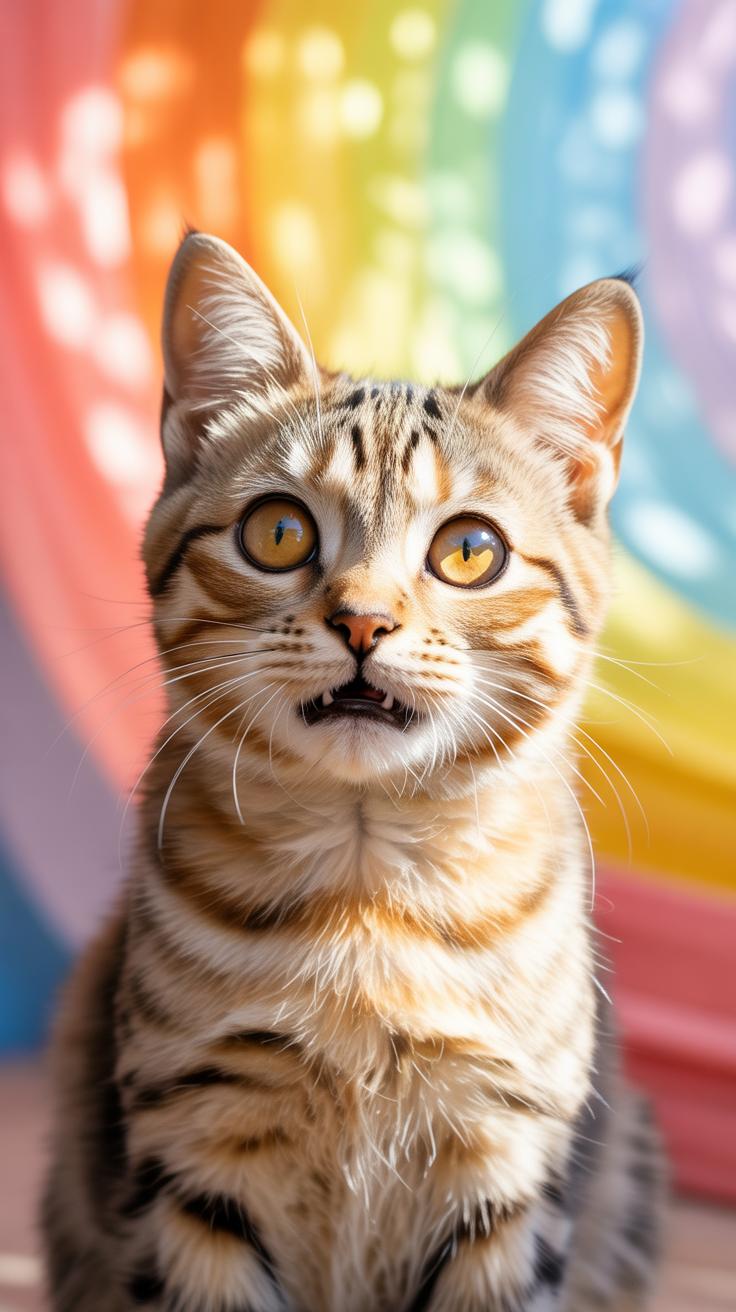
Common Household Triggers That Produce That Classic Suprised Cat Face
The wide-eyed look often results from a sudden change in light or sound. Cats have a highly developed tapetum lucidum behind the retina. This layer reflects light and improves night vision. When a cat hears a sharp noise, its pupils dilate instantly to gather more visual data. This physiological reflex creates the startled expression owners frequently capture. It is a survival mechanism for assessing threats.
Movement within the peripheral vision also triggers this facial response. Cats possess a wide field of view and high motion sensitivity. A fast-moving toy or a sudden shadow forces the cat to orient its head and eyes toward the stimulus. This rapid shift causes the mouth to slightly open and the ears to rotate forward. These physical movements prepare the cat to either hunt or retreat from the object.
How Understanding These Expressions Can Strengthen Your Bond With Your Cat
Recognizing these expressions allows you to manage the environment effectively. A surprised cat is usually in a state of high arousal. You must identify if the trigger is playfulness or fear. If the cat displays dilated pupils during play, it is ready for engagement. If the cat hides or flattens its ears, the surprise has turned into stress. Proper intervention prevents your cat from developing chronic anxiety.

Accurate interpretation leads to better timing for physical affection. You should never force contact when a cat shows a surprised face. This expression indicates the cat is currently processing sensory input. Wait for the pupils to return to normal size before you approach. Respecting these small visual cues builds trust between the owner and the animal. It ensures that your interactions remain consistent and predictable for the cat.
Shocked Cat Moments Caught On Camera That Left The Internet In Stitches
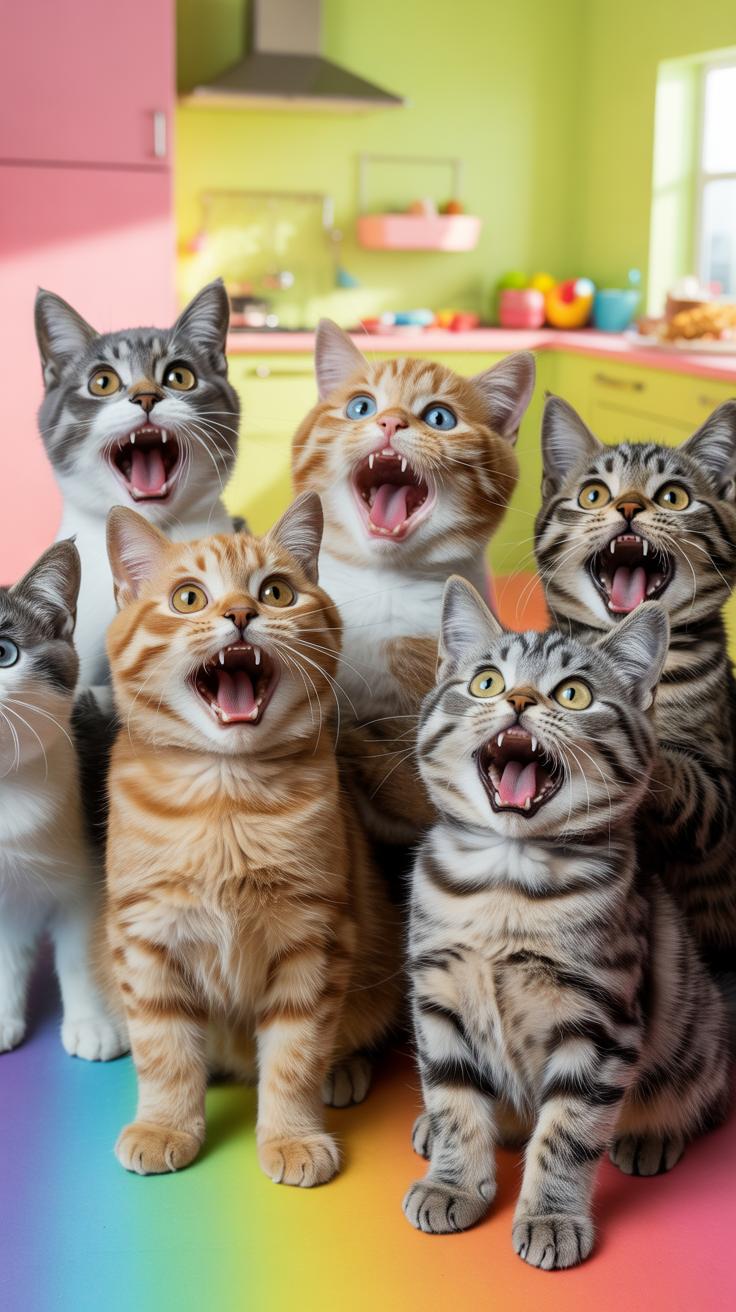
Famous Shocked Cat Photos That Became Defining Moments In Internet Culture
The internet transformed several felines into viral icons through specific froze-frame moments of surprise. Many of these cats display the Flehmen response where they hold their mouths open to process scents. This biological action creates a visual that humans interpret as a gasp of disbelief. Digital audiences consume these images because they mirror human relatable reactions in a raw animal form.
Specific images grew into global memes during the peak of social media growth. These photos often feature wide eyes and retracted ears which signal intense visual focus or sudden alertness. High-speed shutter cameras allow owners to freeze these micro-expressions that the human eye usually misses. This technology provides the evidence needed to document cats with unexpected expressions in high resolution across every major platform.
The Most Common Scenarios That Lead Owners To Capture A Shocked Cat On Camera
Capturing a shocked cat requires timing and an understanding of feline triggers. Cats react to sudden sensory changes that disrupt their environment or expectations. Most photographers find success by monitoring specific activities where a cat lowers its guard. These moments occur during daily routines that involve new objects or strange sounds. Identifying these high-probability situations allows owners to have cameras ready for the perfect shot.
- Visual Novelty: Introducing a new object like a cucumber or a mirror causes a sudden startle reflex. The cat perceives a potential threat where there was none previously. This leads to widened pupils and a tense posture that registers as shock on camera.
- Sudden Auditory Triggers: Unexpected noises like a vacuum cleaner or a dropped pan cause immediate muscle contraction. The cat often freezes for a split second to locate the sound source. This brief pause provides the ideal window for capturing an intense facial reaction.
- Physical Contact: A sudden touch while the cat is sleeping or focused elsewhere triggers a defensive startle. The resulting jump and wide-eyed stare serve as a natural survival instinct. These photos highlight the extreme physical agility and expressive range of a surprised feline.
- Unusual Scents: Exposure to strong smells like citrus or vinegar causes a dramatic facial pull-back. This is part of the feline scent-processing mechanism which looks like a silent scream. Capturing this moment yields some of the most famous shocked expressions in digital media.
- Interaction with Other Pets: A sudden pounce from a fellow cat or a curious dog creates a genuine look of disbelief. The social dynamics between animals often lead to unplanned and hilarious facial contortions. These organic interactions produce authentic expressions that are difficult to stage or recreate artificially.

Strategic photographers focus on the recovery phase immediately following a surprise. During this second, a cat remains motionless while it assesses the situation for danger. This stillness allows for sharp focus and clear framing of the facial features. Owners who understand these biological patterns can consistently photograph cats with unexpected expressions. Mastering the timing of these events is the only way to document true shock.
What Makes Certain Cat Breeds More Prone To Producing Expressive Cats Photos
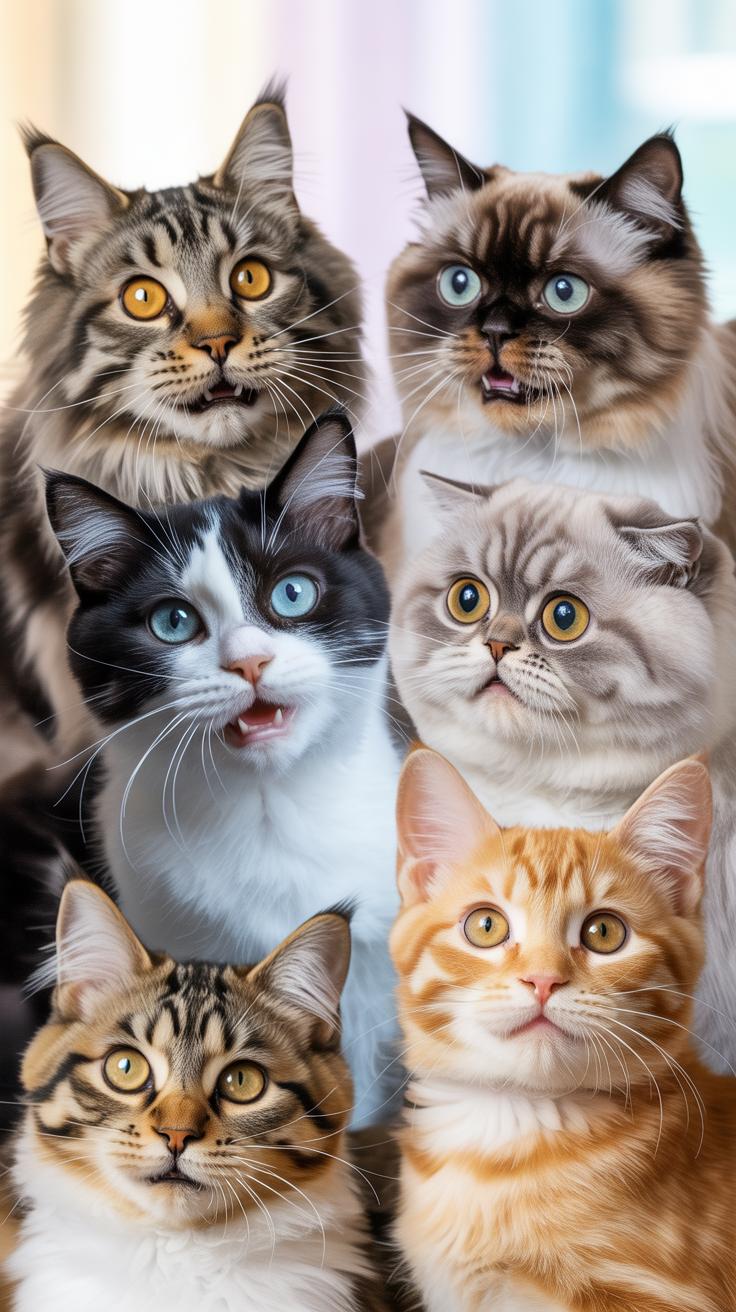
Breeds Known For Their Naturally Dramatic Or Wide Eyed Facial Structures
Breed standards dictate specific bone structures that change how cats appear on camera. Brachycephalic breeds like Persians and Exotic Shorthairs have flat faces. This skeletal structure creates a permanent look of surprise or disdain because the eyes sit forward in shallow sockets. Large, round eyes are a primary trait for these breeds. This anatomical setup ensures every tilt of the head looks like a deliberate reaction or a deep emotional state.
The Sphynx lack of fur removes any visual buffer between skin and muscle. You see every ridge of the brow and every wrinkle around the mouth. This visibility makes their micro-expressions much easier for a lens to capture compared to long-haired breeds. Without fur to soften the lines, a simple squint looks like intense calculation. The skin folds create shadows that mimic human frowns or smiles, providing high-contrast photos that viewers interpret as complex emotions.
How Coat Color Patterns And Face Shape Can Amplify A Cats Expression On Camera
Markings act as high-contrast indicators of movement and mood. Tuxedo cats and calicos often have asymmetrical face patterns. A dark patch over one eye or a split-color chin changes the perception of symmetry. This unevenness tricks the human eye into seeing a smirk or a raised eyebrow. High-contrast colors guide the camera sensor to focus on specific facial features. These markings emphasize the geometry of the jaw and the orientation of the ears.
Wedge-shaped heads found in Oriental Shorthairs and Siamese cats provide sharp angles for light to hit. These sharp lines create deep shadows under the cheekbones and around the muzzle. When a cat moves its whiskers or pulls back its lips, these shadows shift rapidly. This creates a more dynamic image than a round-faced cat would produce. Strategic lighting hits these bone structures to emphasize tension, curiosity, or shock, resulting in highly effective photography.
Confused Cat Memes And What They Reveal About The Human Cat Relationship
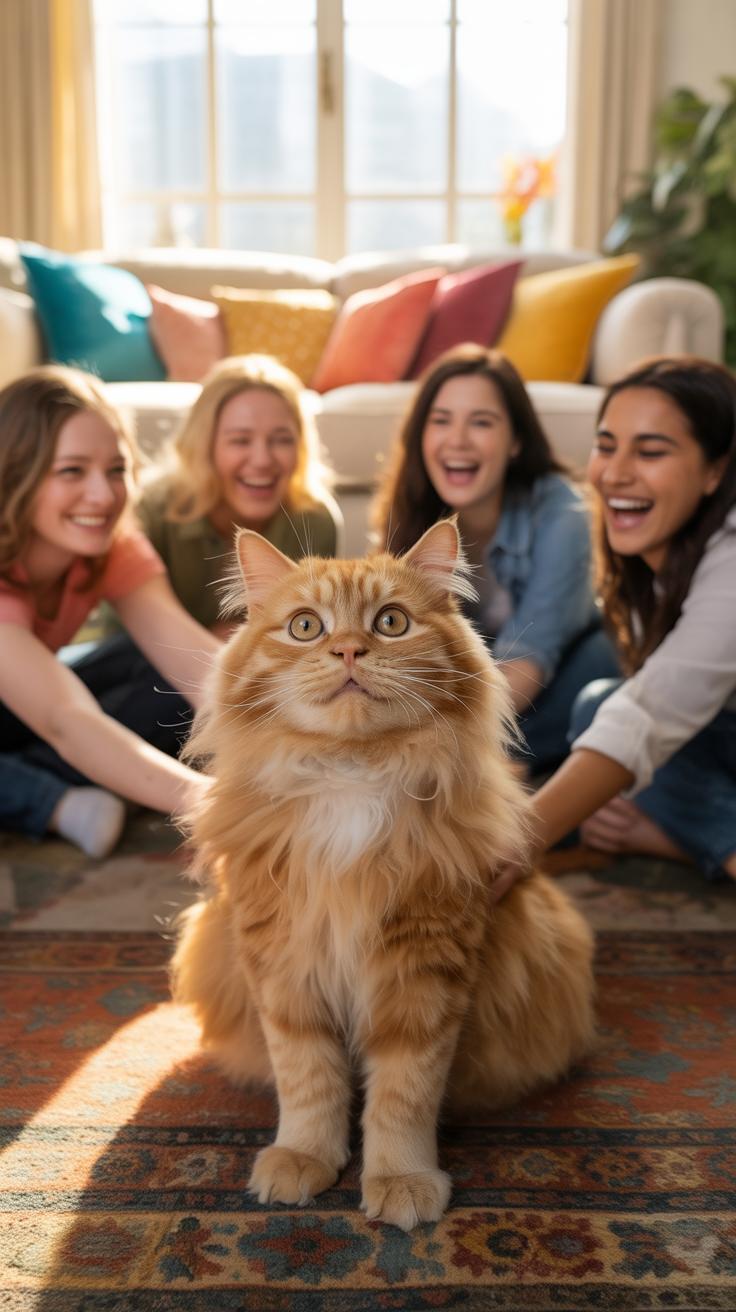
Why Confused Cat Memes Resonate So Deeply With Cat Owners Around The World
Confused cat memes work because they mirror human social anxiety. Owners see their pets squint or tilt their heads. These movements look like human doubt. People face complex modern problems every day. They feel overwhelmed. Seeing a small animal exhibit a similar facial expression provides instant validation. These images bridge the gap between human logic and animal instinct through shared visual cues.
The viral nature of these images relies on the element of surprise. Cats usually maintain a stoic and predatory image. A confused face breaks that standard expectations. This contrast creates humor. Owners share these memes to describe their own inability to understand the world. It turns a solitary feline behavior into a universal language. This digital connection strengthens the bond between different cultures using one species.
What The Popularity Of Confused Cat Memes Says About How We Project Emotions Onto Pets
Humans use anthropomorphism to understand the world. We assign human intent to involuntary animal muscle movements. A cat might just be smelling a new scent. We see a face of deep concern or bewilderment. This projection helps owners feel a closer emotional connection to their pets. It makes the animal seem more like a peer. We use their faces to tell our own stories.
Data shows that users engage more with pets that display human-like reactions. This trend reveals our need for companionship in a digital age. We project our stress or confusion onto these animals to make those feelings more manageable. It is a psychological tool. We turn a biological reflex into a relatable personality trait. This process defines the modern domestic relationship. We see ourselves in the cat.
Frequently Asked Questions

Why do some cats seem to have such unique and human-like facial expressions?
While we often anthropomorphize our pets, these hilarious looks usually stem from a combination of their complex facial muscles and unique physical features. Factors like ear position, whisker movement, and eye dilation all play a role in creating cats with unexpected expressions. Specific breeds or dental alignments can also contribute to those viral, wide-eyed, or grumpy faces that appear shockingly human and full of personality.
How can I capture high-quality photos of my cat’s funniest facial reactions at home?
To photograph cats with unexpected expressions, patience and lighting are your best friends. Keep your smartphone camera ready and use burst mode to catch those fleeting, split-second grimaces or yawns. Try using a feather wand or a crinkly toy just above the camera lens to trigger a focused or surprised look. Always ensure you have plenty of natural light to avoid blurry shots while your cat is mid-expression.
Do I need expensive camera equipment to document my cat’s hilarious moods?
Not at all! You don’t need a professional DSLR to capture stunning images of your pet. Most modern smartphones have excellent portrait modes and high-speed shutters that work perfectly for candid moments. Accessibility is key, so keep your phone nearby during playtime or naptime. The most memorable shots of cats with personality come from being in the right place at the right time rather than having the priciest gear.