Zoomies Definition What Are Cat Zoomies And What Do They Actually Mean
The Official Name Behind The Behavior: Frenetic Random Activity Periods (FRAPs) Explained
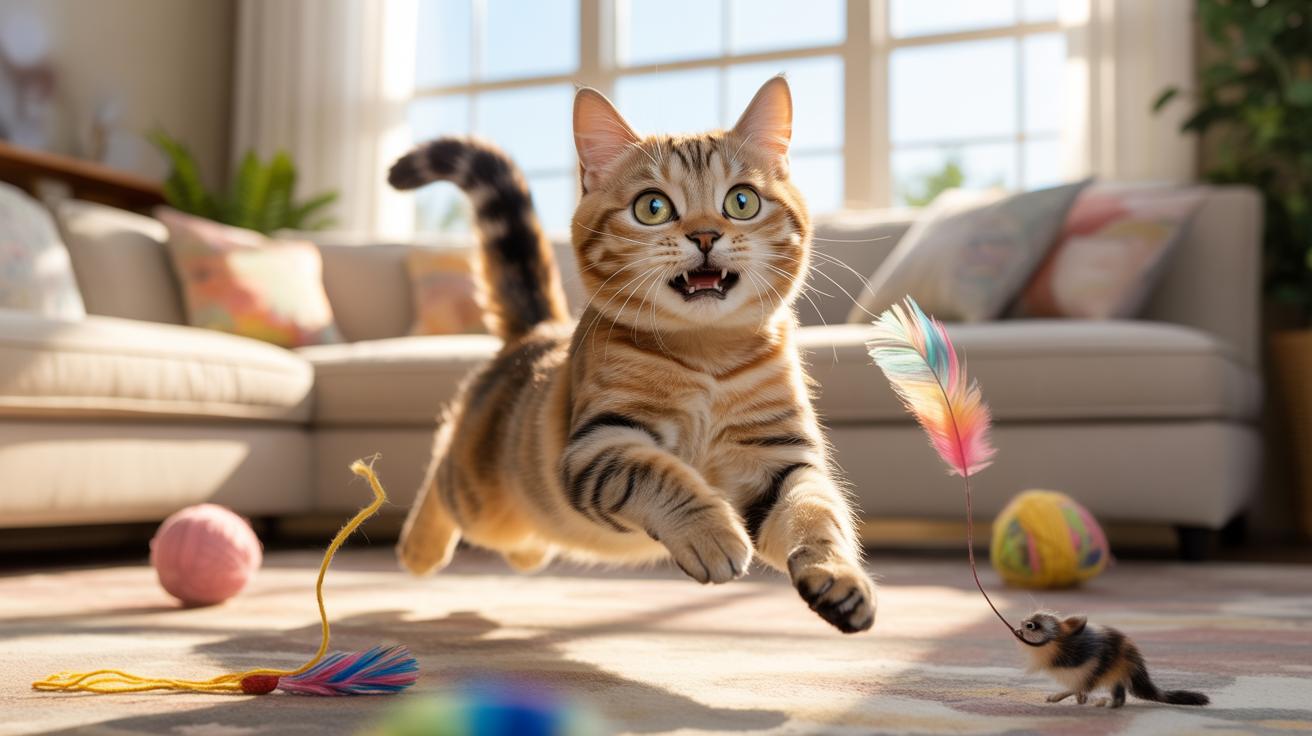
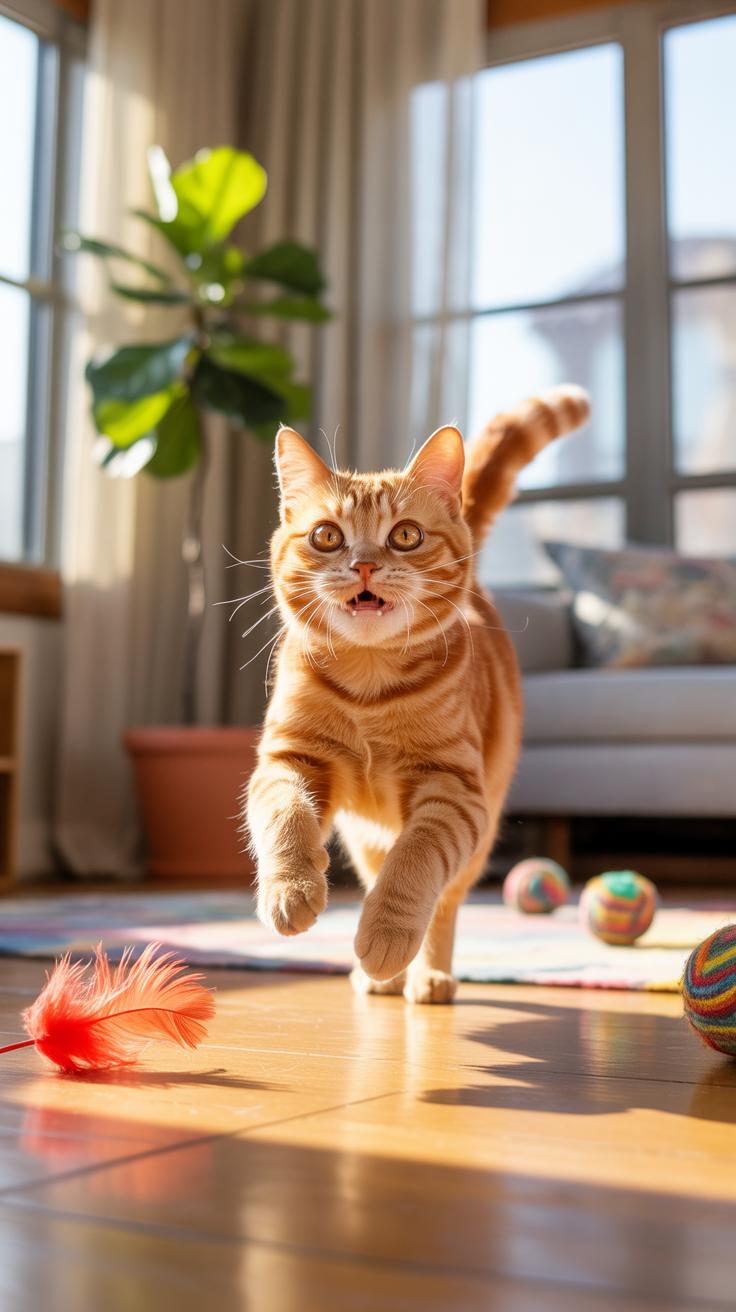
Veterinarians and animal behaviorists classify zoomies as Frenetic Random Activity Periods or FRAPs. This behavior involves a sudden burst of intense physical movement. Your cat may run, jump, or spin without a visible external trigger. These episodes usually last several seconds to a few minutes. The cat moves with high speed and total focus. This is a normal physiological event for healthy felines.
Scientists explain FRAPs as a method to release pent up energy. Domestic cats spend much of their day resting or sleeping to conserve resources. When energy levels peak, the body must discharge it quickly. This burst helps regulate their internal clock and physical state. It is not a sign of distress or illness. Instead, it shows your cat has surplus energy and functional motor skills.
Are Zoomies Unique To Cats Or Do Other Animals Experience Them Too?
FRAPs occur in many domestic and wild animal species. Cats are the most famous examples, but dogs frequently display this behavior after baths or play. High energy mammals like ferrets and rabbits also experience these sudden bursts. Even large animals like elephants and cows demonstrate similar frenetic movements in the wild. This confirms that zoomies are an evolutionary trait across various branches of the animal kingdom.
The presence of FRAPs in multiple species suggests a biological necessity. It serves as a physical reset for the nervous system after periods of inactivity. Animals use these movements to practice survival skills like fleeing or hunting. In a safe home environment, the behavior persists because the biological drive remains. It is a universal mechanism for energy management and motor skill maintenance in the natural world.

Cat Facts Surprising Truths About Your CatS Energy Levels And Natural Biology
Why Cats Are Crepuscular: How Their Natural Activity Cycles Fuel The Zoomies
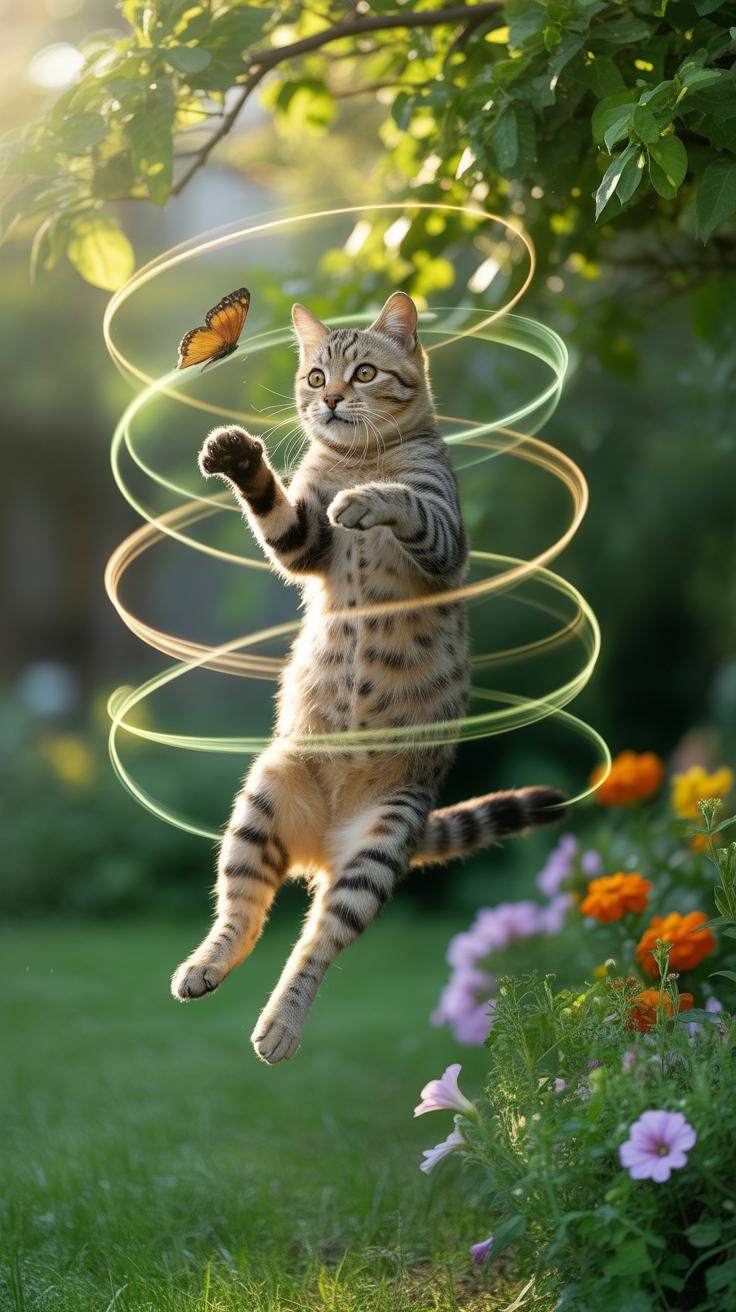
Domestic cats are not nocturnal animals. Evolution designed them as crepuscular hunters. This means they are most active during dawn and dusk. These specific periods offer the best lighting conditions for their specialized eyes to track prey. Their biological clocks trigger a massive release of hormones during these hours. This chemical surge provides the high energy required for successful hunting in low light.
Property owners often mistake these peaks for random play. In reality, the cat is following a strict internal schedule. If your pet does not hunt for food, this energy must go somewhere else. Physics dictates that stored energy requires a release point. The zoomies act as a safety valve for this pent-up biological drive. You see speed because their bodies are programmed for high performance activity.
How A Cat’S Predatory Instincts Are Hardwired Into Every Burst Of Wild Energy
Cats possess a unique musculoskeletal structure built for explosive power. Their muscle fibers are primarily fast-twitch. This cellular makeup allows for instant acceleration but lacks long-term endurance. A cat survives in the wild by using short bursts of extreme speed to capture targets. When a cat is bored, these instincts do not simply disappear. The brain triggers the movement sequence anyway.
This phenomenon is technically called Frenetic Random Activity Periods or FRAPs. The brain overloads with neurological signals that demand immediate physical movement. Sprinting, jumping, and climbing during a zoomie session mimics the pursuit of prey. The cat is testing its coordination and maintaining its muscle tone. You are watching a survival drill masquerading as house play. This keeps their predatory skills sharp for their next meal.
Zoomies Cat The Real Scientific Reasons Your Cat Suddenly Sprints Around The House
Pent Up Energy And Understimulation: The Most Common Trigger Behind The Zoomies
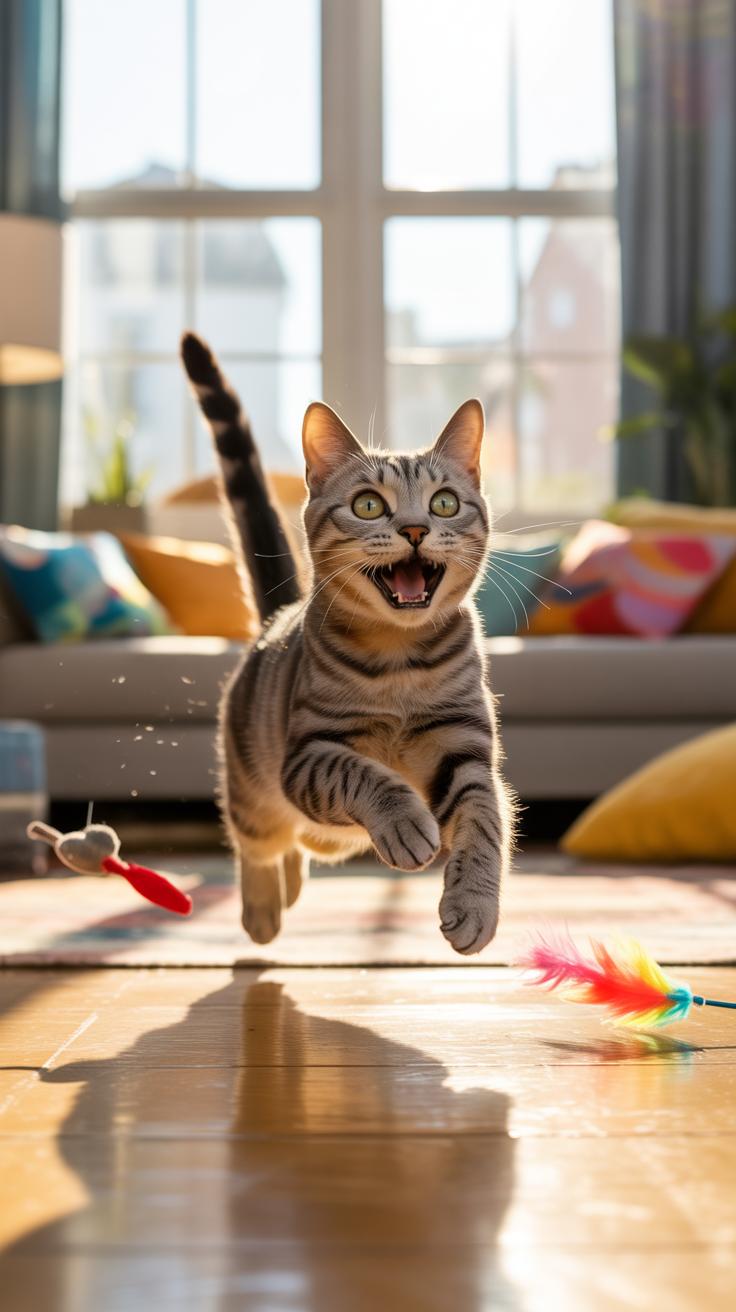
Domestic cats are crepuscular hunters designed for short bursts of intense activity. Most indoor house cats spend the majority of their day sleeping or resting to conserve energy. When they do not have opportunities to hunt or play, this physical energy builds up internal pressure. The zoomies act as a vital safety valve to release this accumulated tension and maintain physical health.
Understimulation happens when the environment lacks enough sensory input or movement for the cat. A stagnant day leads to a sudden explosion of movement. This behavior is a tactical response to inactivity. The cat uses rapid sprinting and jumping to burn calories and stretch muscles. High-intensity movement helps the animal regulate its body temperature and keeps its metabolic systems functioning correctly in a confined space.
The Neurochemistry Of Play: What Is Happening Inside Your Cats Brain During A Zoomies Episode
A zoomies episode triggers a massive release of neurotransmitters in the feline brain. Dopamine and endorphins flood the system during these high-speed runs. These chemicals create a natural high and reinforce the behavior as rewarding. The brain movements simulate a successful hunt, even without physical prey. This chemical process helps the cat reduce stress and maintain a balanced mood after long periods of silence.

Adrenaline also plays a key role in the sudden onset of the zoomies. The sympathetic nervous system activates, preparing the body for a fight or flight response. This surge increases heart rate and blood flow to the limbs. After the sprint, the parasympathetic nervous system takes over, causing the cat to relax or groom. This cycle is essential for maintaining a healthy and responsive feline nervous system.
Cat Language What Your Cat Is Trying To Communicate When The Zoomies Strike
Reading Your Cat’S Body Language Before, During, And After A Zoomies Burst
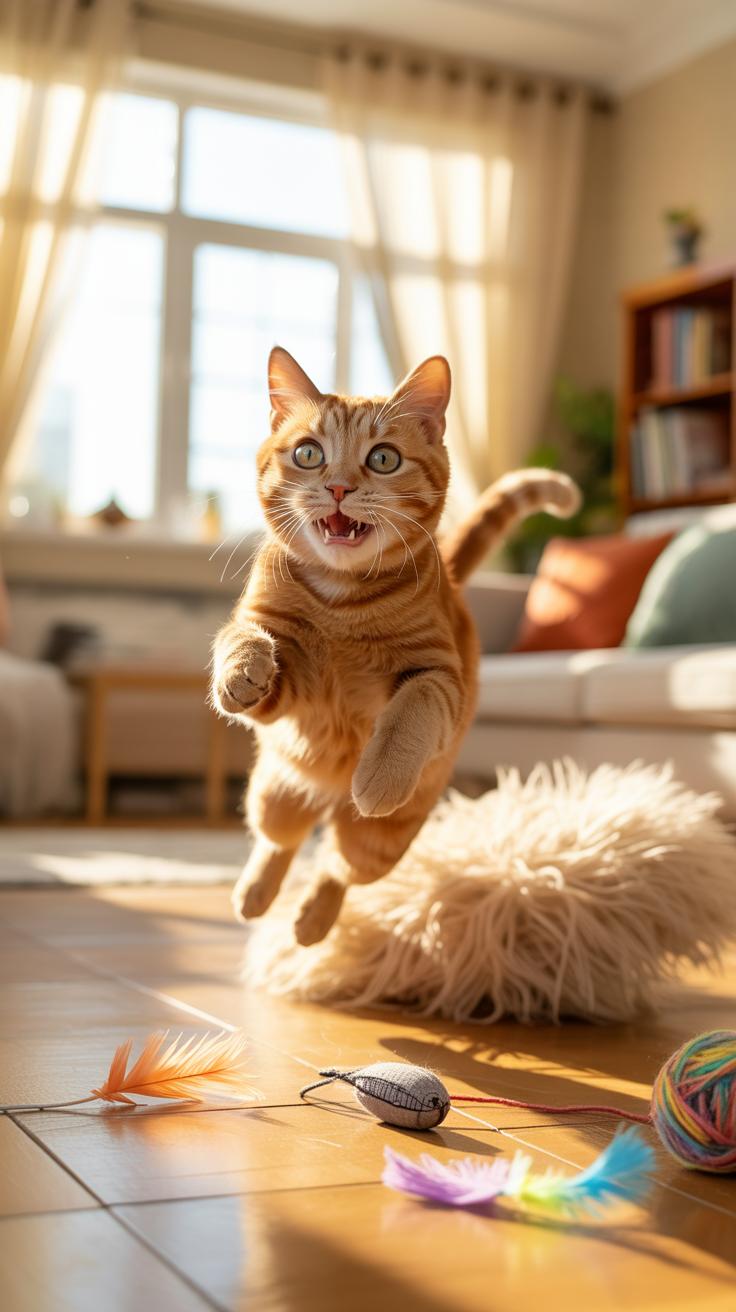
A cat often displays pre-zoomie markers before the physical explosion occurs. You will notice a fixed stare or a sudden twitching of the skin along the back. This movement indicates a buildup of nervous energy or a response to a sensory trigger. The cat shifts from a state of rest to high alert. Watch for these subtle shifts to predict the coming burst of speed.
During the event, the cat moves with total focus. They use furniture and walls as springboards to maintain high velocity. After the burst ends, the cat typically stops abruptly. They might groom themselves immediately to self-soothe and lower their heart rate. This transition shows the cat is moving from a high-arousal predatory state back into a resting state. Understanding these phases helps you manage their environment.
Dilated Pupils, Puffed Tails, And Flattened Ears: Decoding The Physical Signals Of Zoomies
Physical signals during zoomies mimic those of a hunter or a prey animal. Dilated pupils allow more light into the eyes for better motion tracking. Puffed tails and arched backs indicate a high state of arousal. These are involuntary physiological responses to an adrenaline spike. The cat is not angry. It is reacting to a surge of internal energy that requires an immediate physical outlet.

Flattened ears or wide eyes show that the cat is hyper-aware of its surroundings. These signals often correlate with the Frenetic Random Activity Period or FRAP. When the cat displays these signs, avoid direct physical contact. The cat is in a reactive state and could accidentally scratch or bite. Wait for the ears to return to a neutral position before approaching. This ensures the adrenaline has fully dissipated.
How High Can Cats Jump The Athletic Ability That Makes Zoomies So Spectacular
The Anatomy Behind The Leap: How A Cats Muscular Legs And Flexible Spine Enable Explosive Movement
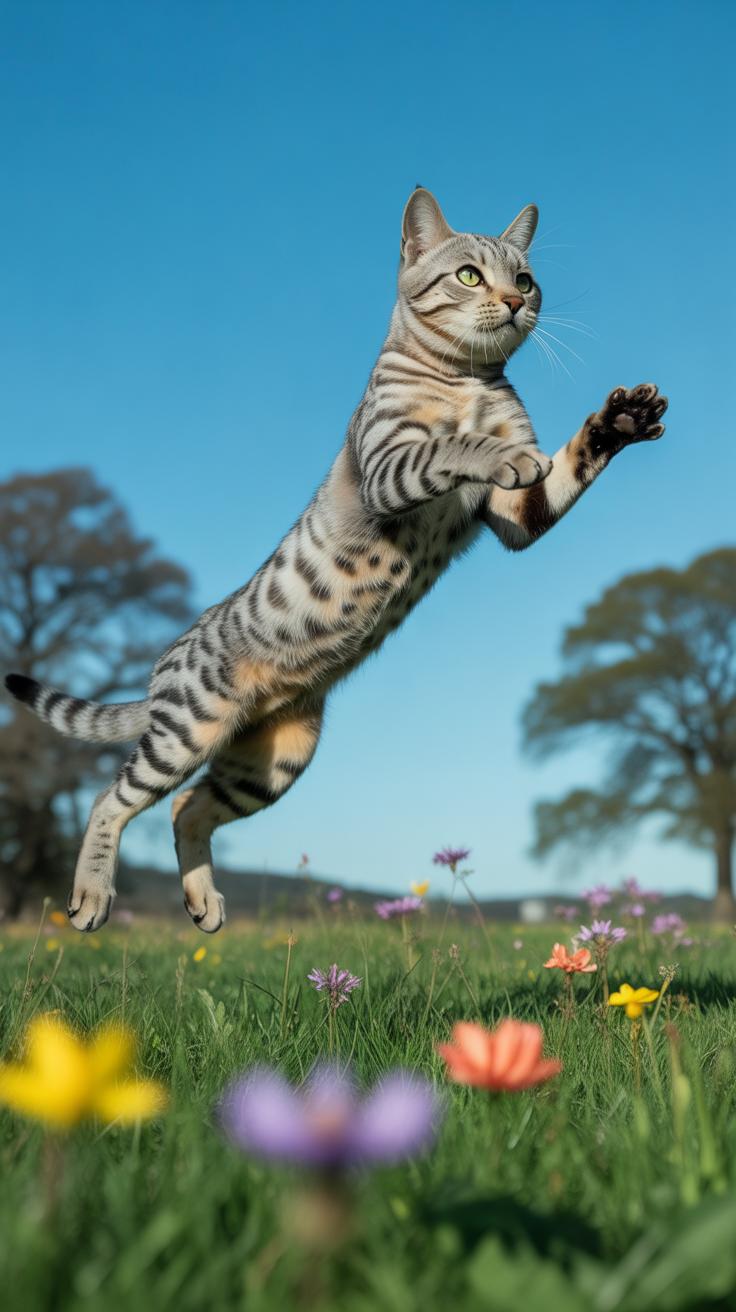
Cats function like living springs. Their hind legs contain powerful muscles designed for rapid extension. These muscles store energy and release it all at once. This explosive force pushes the cat upward or forward with immense speed. Their skeleton lacks a rigid collarbone. This allows the shoulders to move independently and absorb landing shocks. This structural design makes high-speed maneuvers during zoomies possible without injury.
The spine acts as a secondary engine. A cat has 53 loosely connected vertebrae. This is far more than humans possess. This extra hardware allows for extreme arching and twisting. During a zoomie episode, the cat flexes its spine to increase stride length. This flexibility converts raw muscle power into kinetic energy. The back essentially loads and fires like a recurve bow. This creates the erratic agility seen in high-speed play.
Sudden bursts of play are a joyous reminder of the wild hunter that still lives and dreams within our domestic friends.
How High Can Cats Actually Jump And Why That Power Feeds Directly Into Zoomies Behavior
A healthy adult cat can jump five to six times its body height. This translates to roughly six or eight feet in a single bound. They achieve this through fast-twitch muscle fibers. These fibers burn through energy stores quickly. This vertical capacity allows cats to incorporate three-dimensional space into their movement patterns. They do not just run across floors. They launch off walls and furniture to maintain momentum.

Zoomies require a sudden release of pent-up energy. The ability to jump high transforms a simple run into a complex tactical exercise. Cats use vertical surfaces to change direction instantly. This clears out lactic acid and provides mental stimulation. High jumps trigger the same predatory response used for hunting. During zoomies, your cat practices these lethal jumps. This confirms their physical fitness and satisfies their primal drive for explosive movement.
Cat Age Chart How A CatS Age Affects The Frequency And Intensity Of Zoomies
Kittens Vs. Adult Vs. Senior Cats: How Zoomies Change Across Each Stage Of A Cat’S Life
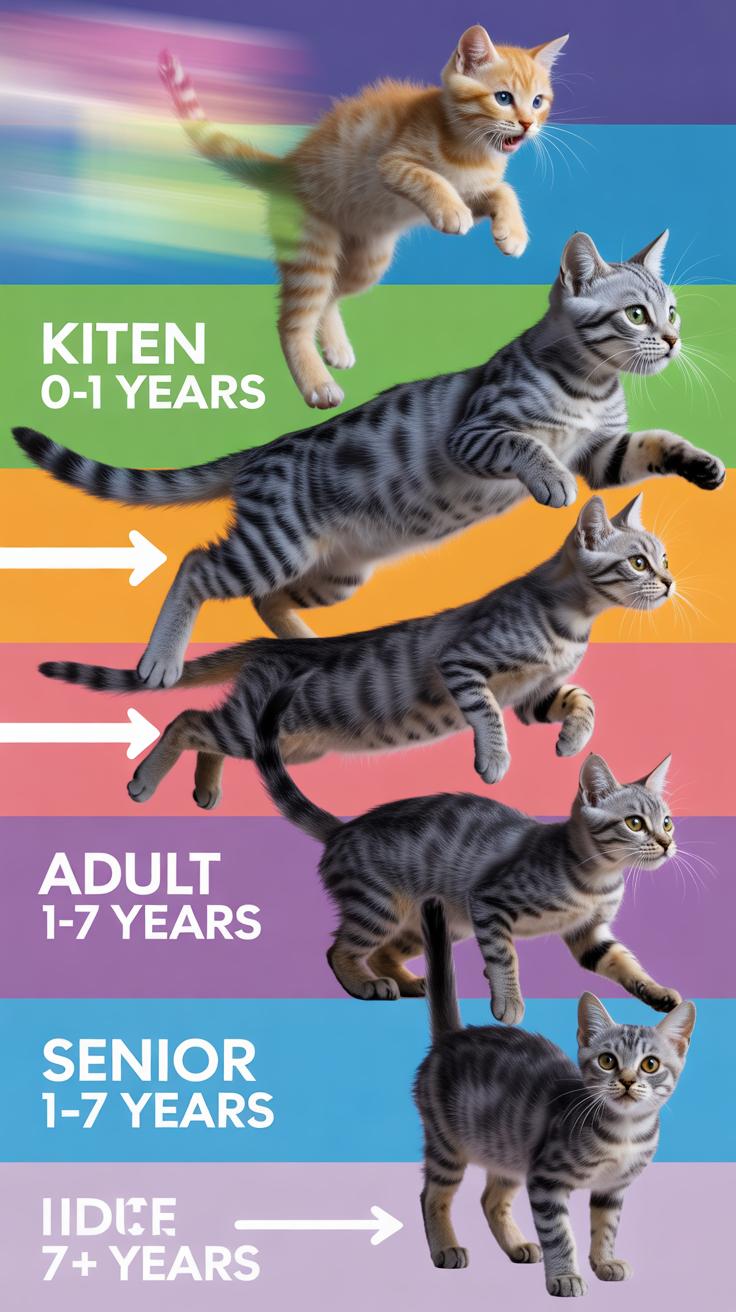
Kittens experience zoomies more than any other age group. Their developing nervous systems and high caloric intake fuel constant bursts of Frenetic Random Activity Periods. This behavior helps young cats master motor skills and predatory movements. You will see maximum velocity and frequent cycles throughout the day. Kittens lack an internal off switch because their bodies prioritize muscle growth and coordination through active play sessions.
Adult cats settle into a predictable routine. They usually save their energy for specific times of day like dawn or dusk. These bursts are shorter but often more powerful than kitten zoomies. Their increased body mass requires more force. As cats transition into their senior years, the frequency drops significantly. Physical limitations like stiff joints reduce the desire for sprinting. Older cats still get zoomies but move with less speed.
When Should You Be Concerned? Recognizing When Zoomies Frequency Signals A Health Issue
Sudden changes in zoomie patterns require immediate attention. A senior cat that suddenly starts racing around the house like a kitten may have hyperthyroidism. This metabolic condition floods the body with excess thyroid hormone. It forces the cat into a state of hyperactivity. Owners often mistake this medical crisis for a late life surge in energy. Monitor for secondary signs like weight loss or increased thirst to confirm a problem.

Behavioral triggers also influence the frequency of these sprints. Excessive zoomies in adult cats can indicate high stress levels or skin sensitivities. Feline Hyperesthesia Syndrome causes cats to bolt after sudden skin ripples or discomfort. If your cat appears frantic or tries to bite its own back during the run, consult a vet. Note the timing and duration of every episode. Use this data to differentiate between healthy play and clinical distress.
Cat With The Zoomies The Most Common Triggers And Situations That Set Them Off
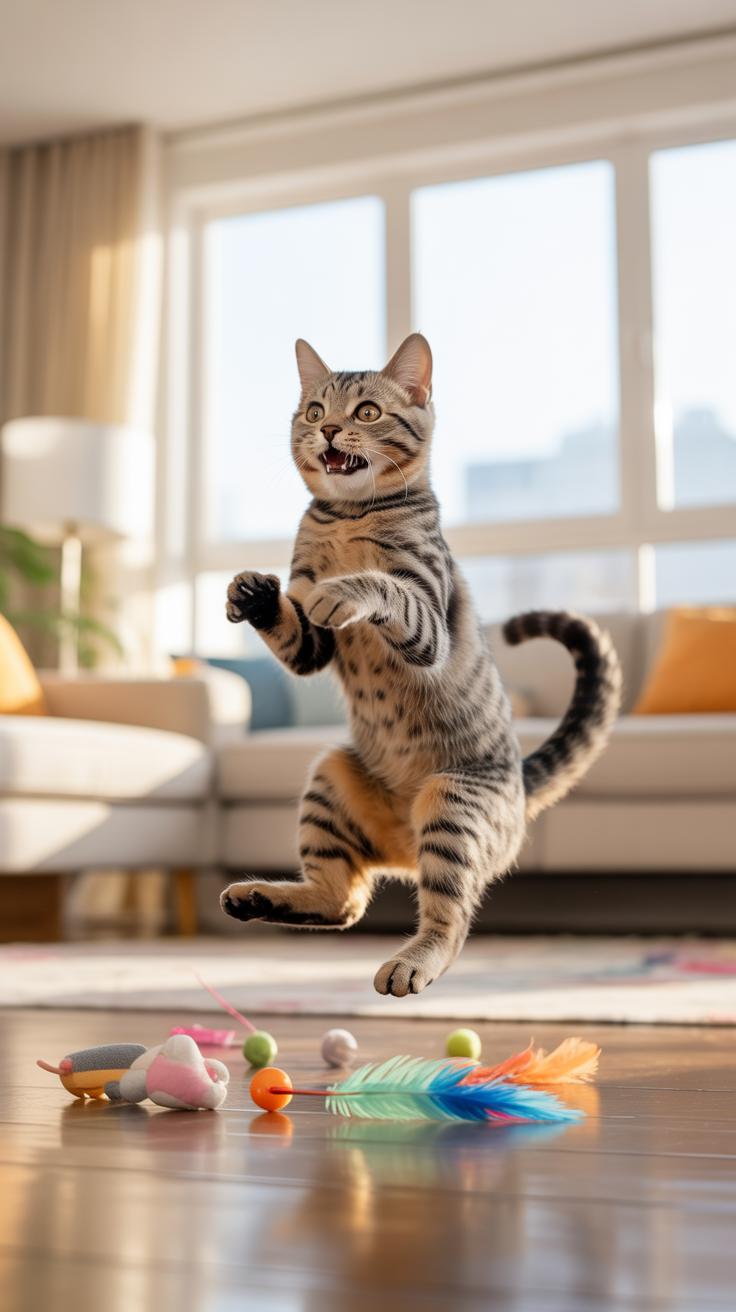
Why Post Litter Box Zoomies Happen And What Science Says About The Vagus Nerve Connection
Cats often sprint away from the litter box after defecating. This behavior is called poo-phoria. It stems from the vagus nerve. This nerve runs from the brain down the spine to the colon. When a cat passes a large stool, it stimulates this nerve. The physical sensation creates a sudden rush of endorphins. This makes the cat feel high and energetic.
The vagus nerve response is a biological reflex. It triggers a fight or flight reaction in the nervous system. The cat feels a sense of relief and physical lightness. They burn off this intense internal stimulation through rapid movement. This is not about cleanliness or burying waste. It is a direct physiological reaction to the pressure and release within the digestive tract.
Nighttime Zoomies Post Bath Sprints And Other Classic Situations That Trigger The Chaos
Crepuscular nature drives nighttime activity. Cats are naturally active at dawn and dusk. Most house cats sleep while owners work during the day. They accumulate massive amounts of pent-up energy. When the sun goes down, their biological clock triggers a hunting instinct. Lacking real prey, they hunt invisible targets. This results in the high speed domestic sprints commonly seen at bedtime.

Water exposure also triggers immediate frantic movement. Most cats hate being wet because it compromises their insulation and mobility. A bath or rain causes stress and discomfort. The zoomies serve as a tactical response to dry off. Rapid running generates body heat. It also helps shake water from the fur. The cat uses movement to relieve the anxiety caused by the restrictive feeling of wet fur.
Cat Care How To Safely Manage Redirect And Embrace Your Cat With Zoomies
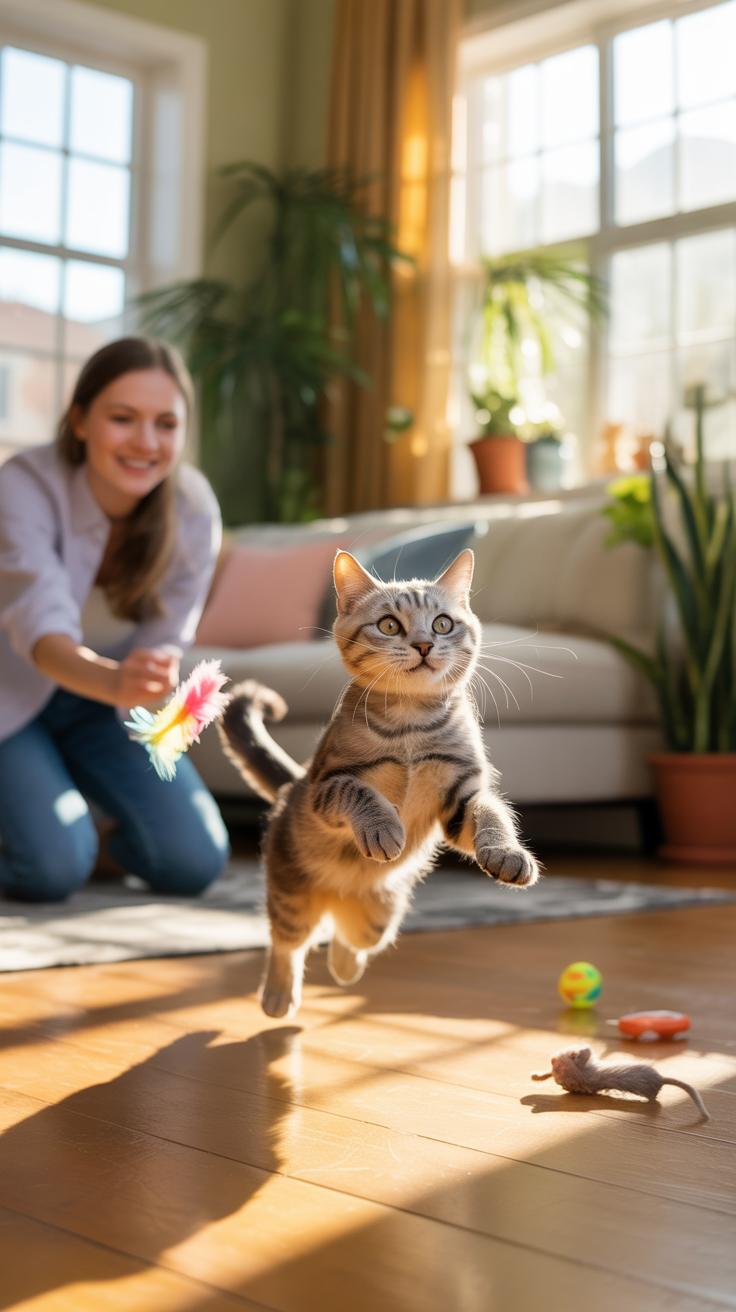
How To Create An Enriching Environment That Reduces Destructive Zoomies Without Suppressing Natural Behavior
Enrichment requires vertical and horizontal outlets for natural feline movement. Cats instinctively seek high ground to survey their territory. Install sturdy wall shelves or tall cat trees to provide safe climbing paths. This prevents cats from jumping on fragile furniture or kitchen counters during high energy bursts. Proper hardware ensures these structures withstand the impact of a sprinting fifteen pound animal.
Clear the floors of small hazards and breakable objects. Cats enter a flow state during Frenetic Random Activity Periods and lack total spatial awareness. Secure loose rugs with non slip pads to prevent sliding during sharp turns. Providing scratching posts near running paths allows cats to mark territory through scent and claws. This physical outlet mimics wild hunting behaviors and reduces stress in confined spaces.
Practical Tips To Channel Your Cat’S Zoomies Energy Into Safe And Stimulating Play
You must time play sessions to align with your cat’s natural circadian rhythm. Most cats experience energy peaks at dawn and dusk. Engaging them with interactive toys before these peaks prevents explosive, unmanaged behavior. Use tools that mimic the movements of prey to trigger the predatory sequence. This process moves the cat from stalking to pouncing and finally eating.
- Feather Wands: Move the wand like a bird hopping on the ground. This forces the cat to use its back muscles for jumping and landing safely. Short bursts of intense movement are more effective than long, slow sessions for burning off excess chemical energy.
- Food Puzzles: Place high quality dry food inside a rolling dispenser. This forces the cat to use its brain and paws to earn a reward. It mimics the forage and hunt cycle found in the wild which provides mental exhaustion and satisfaction.
- Laser Pointers: Use these tools carefully by ending every session with a physical toy. Cats need the tactile sensation of catching something to complete their biological predatory loop. Without a physical catch, the cat may remain stuck in a state of high neurological arousal.
- Kicker Toys: Offer large stuffed toys that the cat can grab and kick with its hind legs. This action relieves tension in the hips and lower back. It is a natural defensive and offensive movement that safely channels aggression away from human limbs or other pets.
- Clicker Training: Teach your cat basic commands like sit or stay using positive reinforcement. Mental stimulation tires a cat out just as fast as physical running. Sharp focus on a task redirects the nervous system and creates a calm state after the session ends.

End every play session with a high protein snack or meal. This signals to the cat’s brain that the hunt is over. Digestion triggers a parasympathetic nervous system response which leads to grooming and sleep. Following this biological pattern prevents the cat from staying hyperactive throughout the night. Consistent routines reduce the frequency of unpredictable zoomies by providing regular and expected outlets.
Frequently Asked Questions

What exactly are cat zoomies and why do they happen?
Technically known as Frenetic Random Activity Periods (FRAPs), these sudden bursts of energy are perfectly normal feline behaviors. Having cat zoomies explained science-wise reveals that they are a natural way for indoor predators to release pent-up energy and stress. After sleeping for up to sixteen hours a day, your cat accumulates significant physical tension that must be discharged through rapid sprinting, jumping, and playful hunting maneuvers around your living room.
How can I safely manage my cat’s high-energy outbursts at home?
To handle these energetic moments, ensure your home environment is clear of breakables and tripping hazards. When you see the cat zoomies explained science suggests that providing structured play sessions with wand toys can help direct that frantic energy toward a positive outlet. Regularly engaging your cat in vigorous play before your bedtime can also help synchronize their internal clock with yours, leading to much quieter and more restful nights for everyone.
Are there low-cost ways to enrich my home for a cat with the zoomies?
You don’t need an expensive feline jungle gym to accommodate your cat’s natural instincts. Repurposed cardboard boxes, paper bags with the handles removed, and DIY climbing shelves made from basic lumber are excellent, budget-friendly additions. These simple modifications provide safe vertical spaces and hiding spots, allowing your cat to expend their energy safely without requiring a major financial investment in specialized pet furniture or high-tech automated toys.