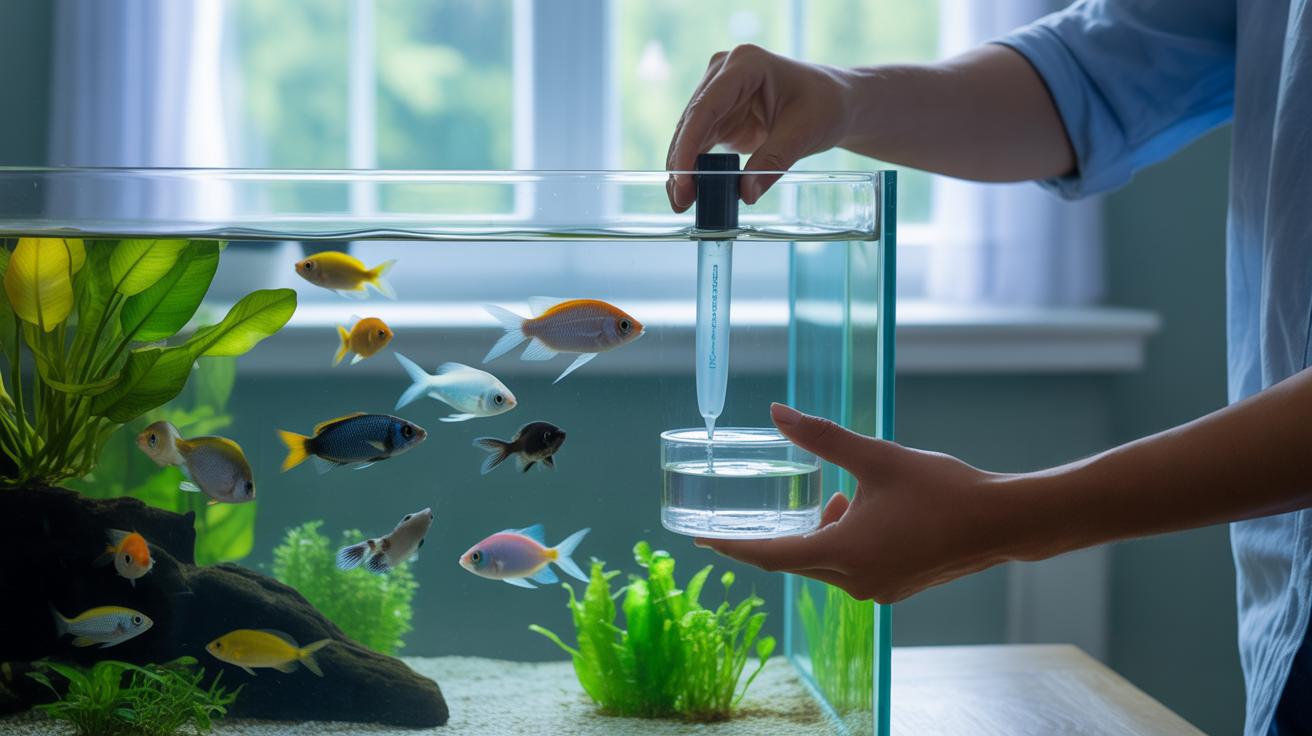
Why Water Quality Matters For A Healthy Fish Tank
The Direct Link Between Water Conditions And Healthy Fish
Fish live in their own waste products. Unlike land animals, they cannot move away from toxic chemicals or decaying organic matter. Their skin and gills stay in constant contact with the water. This means any chemical change directly impacts their blood chemistry and organ function. Precise water management prevents the buildup of ammonia and nitrite which cause immediate physical damage to delicate tissues.
Stable water parameters create a predictable environment for biological processes. Sudden shifts in pH or temperature shock the immune system. When the water environment remains consistent, fish use less energy for basic survival. They can then direct that energy toward growth and immune defense. Maintaining high water standards is the only way to replicate the natural ecosystems where these species evolved over thousands of years.
Common Consequences Of Poor Water Quality On Fish Behavior And Longevity
Poor water quality causes chronic stress and physical trauma. High levels of nitrate or ammonia lead to lethargy and gasping at the surface. You will see fish rubbing against decorations or hiding more than usual. These are clear signs of irritation and internal distress. If you ignore these signals, the toxins will eventually burn the gills and destroy the protective slime coating on the scales.
Longevity depends entirely on the absence of environmental pathogens. Polluted water allows bacteria and parasites to thrive while weakening the host. Most premature fish deaths result from preventable water issues rather than old age. Controlling nitrogen levels and mineral content ensures the fish reaches its full life span. Clean water acts as the primary medicine in any aquarium. Consistent testing prevents mass mortality events in captive populations.

Understanding The Nitrogen Cycle In Your Aquarium
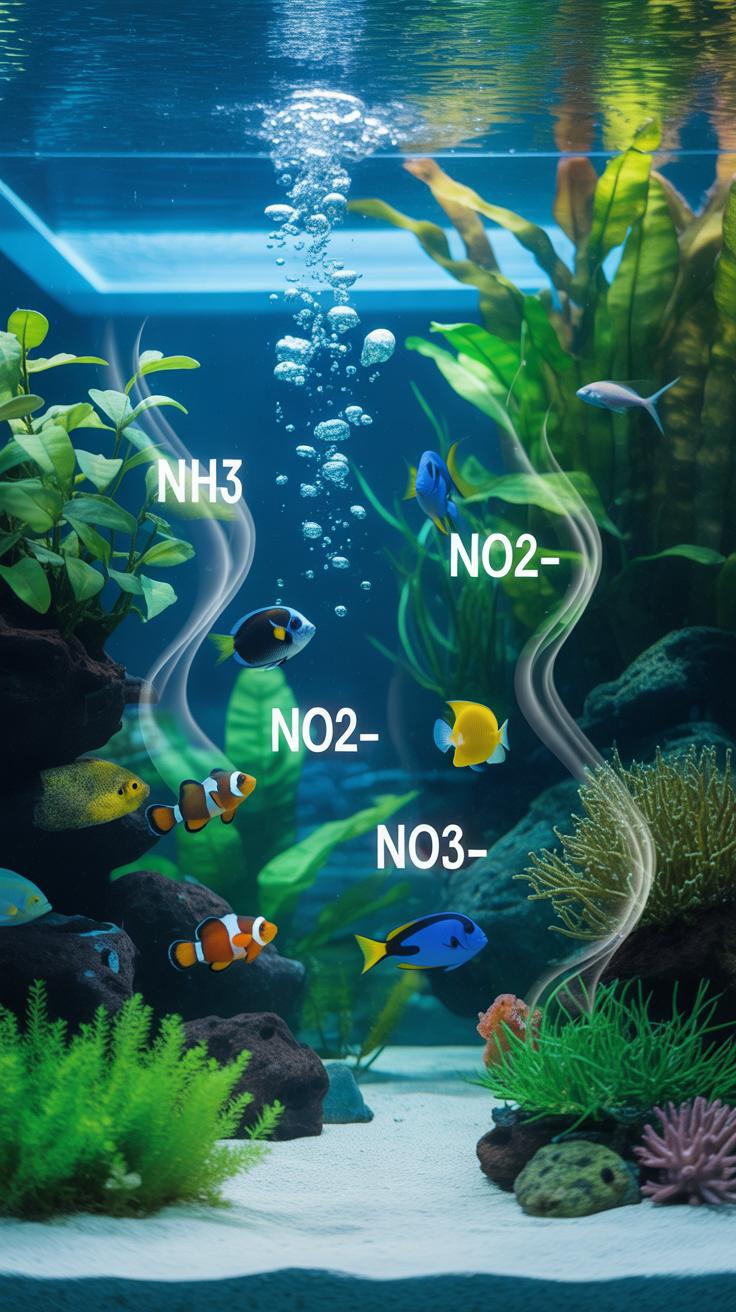
How Ammonia, Nitrite, And Nitrate Progress Through The Nitrogen Cycle
Fish waste and uneaten food decay into ammonia. This substance is highly toxic to all aquatic life. Beneficial bacteria called Nitrosomonas consume this ammonia and convert it into nitrite. Though nitrite is a byproduct of cleaning the water, it remains deadly to fish. You must ensure your biological filter has enough surface area to house these essential bacterial colonies at all times.
A second group of bacteria called Nitrospira then converts nitrite into nitrate. Nitrate is significantly less harmful than the previous two compounds. High levels of nitrate still cause stress and long-term health issues for your fish. Live plants consume some nitrate as fertilizer. However, you must perform regular water changes to remove the excess buildup. This three-stage chemical process keeps your aquarium water safe.
How To Cycle A New Tank Before Adding Fish
Cycling a tank means growing a large enough bacterial colony to handle the future bio-load. You start by adding a source of pure ammonia or a small amount of fish food to an empty tank. Monitor the water daily using a liquid test kit. You will see ammonia levels rise and then fall as nitrites appear. This indicates the first stage of the cycle is working.

The cycle finishes when your tests show zero ammonia and zero nitrite. Nitrate levels will be visible on your test results. This process usually take four to six weeks to complete naturally. Do not add fish until the bacteria can process ammonia into nitrate within twenty-four hours. You can speed this up by adding a filter sponge from an existing healthy tank to seed the new system.
Essential Water Parameters To Monitor In A Freshwater Aquarium
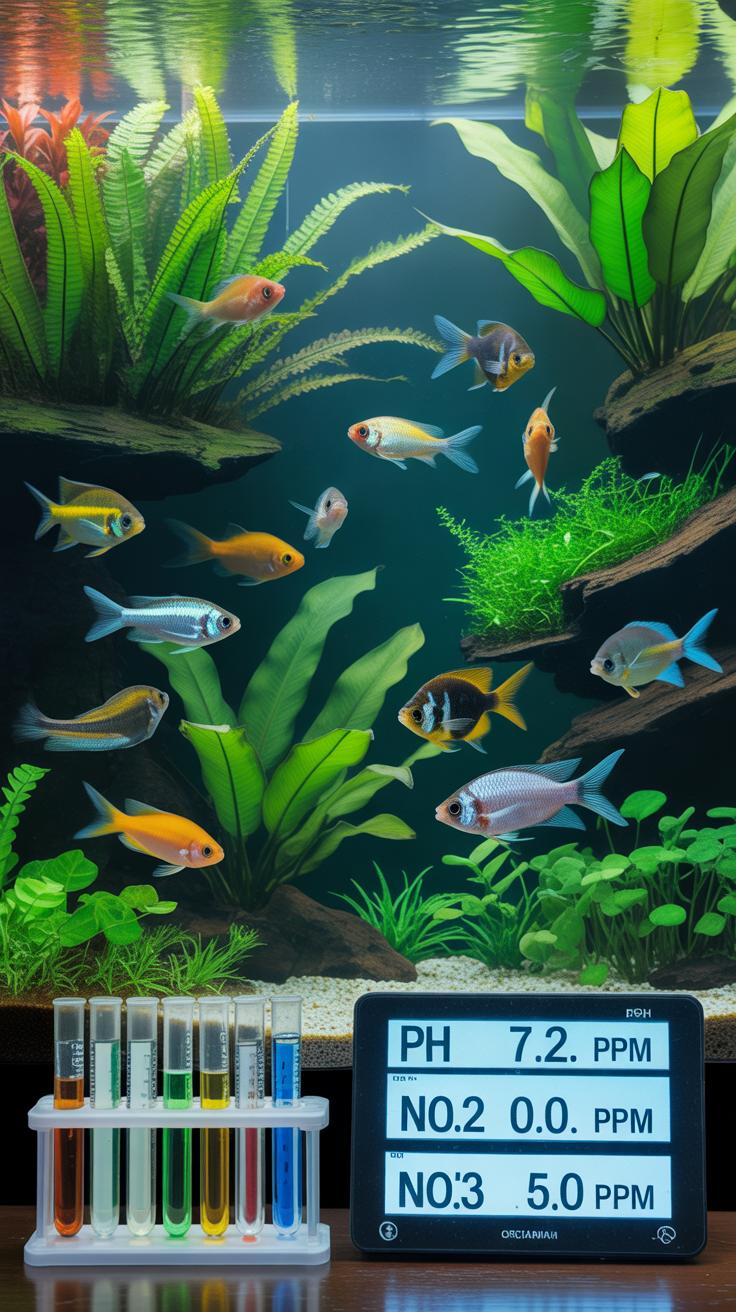
Key Parameters: PH, Hardness, Temperature, And Dissolved Oxygen
Water chemistry dictates fish survival and biological filtration efficiency. The pH scale measures acidity or alkalinity. Drastic pH swings shock fish and kill beneficial bacteria. General hardness reflects dissolved calcium and magnesium levels. These minerals support osmotic regulation and bone development. Carbonate hardness stabilizes pH by neutralizing acids. Proper hardness prevents sudden crashes in water quality that lead to mass livestock mortality events.
Temperature and oxygen levels remain tightly linked in aquatic environments. Warm water holds less oxygen than cold water. High temperatures increase fish metabolic rates while decreasing available gas. You must maintain steady heat to prevent stress and disease. Agitating the water surface facilitates gas exchange. This process releases carbon dioxide and pulls in oxygen. Use reliable heaters and air stones to manage these critical life support variables.
Recommended Water Parameter Ranges For Common Freshwater Fish Species
Different fish species require specific environmental conditions based on their native habitats. South American cichlids typically thrive in acidic water with low mineral content. In contrast, African cichlids need alkaline water with high mineral density. Most tropical community fish prefer a neutral pH between 6.5 and 7.5. Keeping fish in the wrong chemistry leads to chronic stress. Stress weakens immune systems and invites opportunistic parasitic infections.

Temperature requirements vary by species classification. Goldfish and white clouds are cold water fish that prefer temperatures below 70 degrees Fahrenheit. Most tropical species require 75 to 80 degrees Fahrenheit for optimal health. You must research individual species needs before mixing them in one tank. Incompatible parameters cause long term health failure. Consistent monitoring ensures your water stays within the safe biological limits for every inhabitant in the system.
Aquarium Setup Fundamentals That Support Water Stability
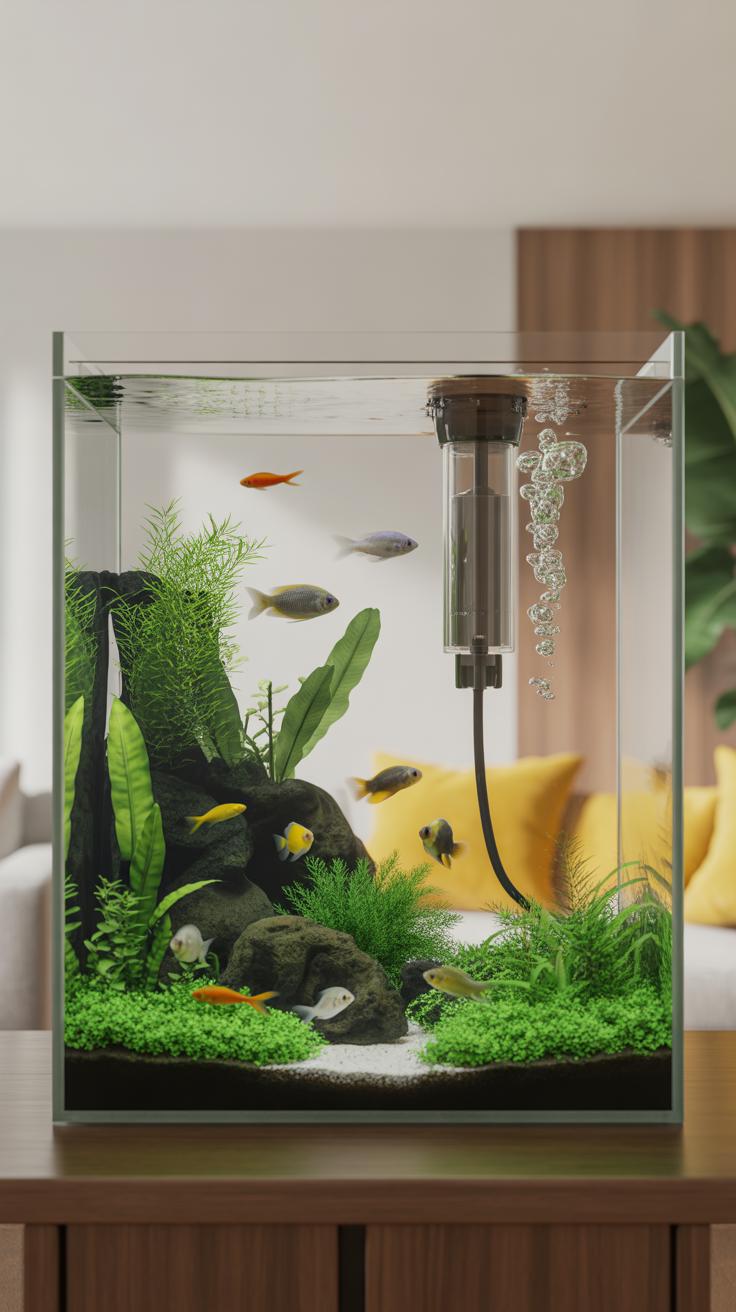
Choosing The Right Filter System For Your Tank Size And Stocking Level
Filtration systems must move the total volume of aquarium water at least four times per hour. Heavy biological loads require even higher turnover rates to process toxic ammonia. Efficient filters utilize mechanical, chemical, and biological stages. Mechanical media captures solid waste. Chemical media removes dissolved impurities. Biological media provides surface area for beneficial bacteria. These bacteria turn toxic fish waste into safer nitrates.
Select a canister filter for tanks over 30 gallons to maximize media capacity. Small tanks function well with hang on back filters if you clean them often. Internal filters work for light stocking but lack the power for large predators. Always overspec your filtration choice. A filter rated for 50 gallons provides better stability on a 30 gallon tank. This headroom prevents crashes when your fish grow.
Essential Equipment Checklist For A Water Stable Aquarium Setup
Proper hardware maintains chemical and thermal equilibrium. Temperature swings stress fish and kill beneficial microbes. Submersible heaters with internal thermostats prevent these fluctuates. Modern digital controllers add a layer of safety against heater failure. You also need high quality lighting to support plant growth or coral health. Inadequate equipment leads to rapid water degradation and preventable livestock loss.
- Adjustable Submersible Heater: High quality heaters maintain constant temperatures to prevent fish stress. Fluctuating heat levels weaken immune systems and disrupt the nitrogen cycle. Choose a unit with a clear temperature readout for easy monitoring.
- High Surface Area Bio Media: Ceramic rings or porous stones host the bacteria that eat ammonia. Large surface areas allow more bacteria to live in a small space. This media stays in the filter permanently to ensure biological stability.
- Accurate Digital Thermometer: Stick on strips are often inaccurate and hard to read. Digital probes provide real time data on water temperature. Place the probe away from the heater to get a true reading of the entire tank environment.
- Water Testing Kit: Liquid test kits offer better accuracy than paper strips. You must track ammonia, nitrite, nitrate, and pH levels regularly. These tools identify invisible chemical shifts before they become lethal to your fish or plants.
- Aeration Pump or Powerhead: Oxygen levels impact fish health and bacterial efficiency. Moving surface water allows gas exchange to occur. This process brings oxygen into the water and lets carbon dioxide escape. Stagnant water quickly loses its ability to support life.

Surface agitation remains a critical factor for gas exchange and pH stability. Use powerheads or air stones to break the water surface constantly. This movement prevents the formation of oily films that block oxygen. Stable water requires consistent electrical power. Use a surge protector to keep your life support systems running during minor electrical spikes. Reliable hardware reduces the physical labor of tank maintenance.
Water Quality Challenges Unique To A Nano Aquarium
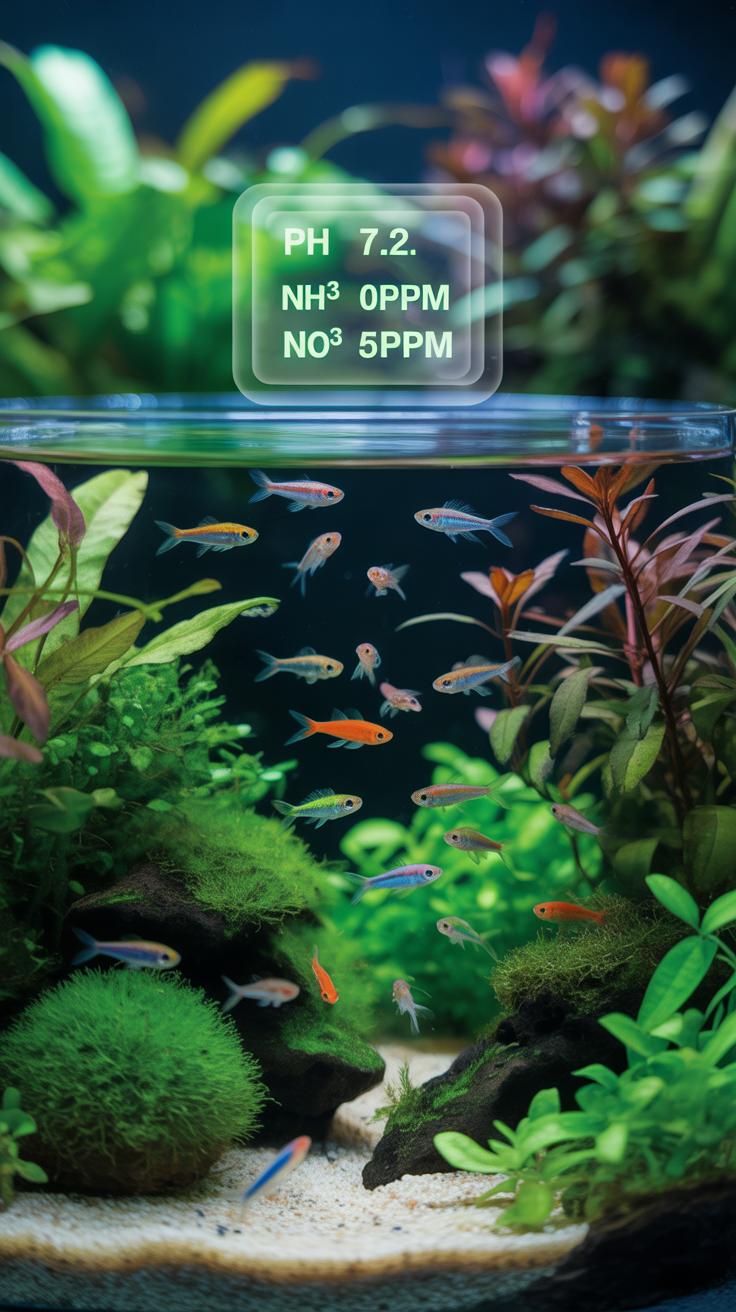
Why Small Water Volumes Make Parameter Swings More Severe In Nano Tanks
Small water volumes lack the chemical buffering capacity found in larger systems. In a hundred gallon tank, a single dead fish causes a minor ammonia spike. In a five gallon nano tank, that same event creates a lethal toxic surge. Evaporation also poses a major threat. When water evaporates, salts and minerals stay behind. This quickly raises salinity and hardness to dangerous levels for your livestock.
Thermal stability presents another critical challenge for nano keepers. Water holds heat well, but small bodies of water lose it fast. Ambient room temperature changes impact a small tank within minutes. These rapid shifts in temperature, pH, and nitrogen levels stress the immune systems of fish. Sudden changes kill more inhabitants in small tanks than slow drifts ever will. Consistency is your primary defense against total system collapse.
The beauty of a crystal clear aquarium is a reflection of the patience and love we pour into every water change. To care for the water is to honor the quiet grace of the life within it.
Best Practices For Keeping Water Stable In Tanks Under 10 Gallons
Stability in nano tanks requires strict discipline and automation. Install an auto top off system to replace evaporated water immediately. This keeps salinity levels constant throughout the day. Perform small water changes of ten percent twice a week instead of one large monthly change. Frequent small updates prevent the shock of massive chemistry shifts. Dilution is the best solution for managing nitrate buildup in restricted volumes.

Overfeeding is the most common cause of failure in small systems. Excess food rots and releases ammonia into the limited water column. Feed only what the fish consume in thirty seconds. Use high quality biological media to maximize surface area for beneficial bacteria. Monitor parameters daily using liquid test kits during the first month. Once the tank matures, test weekly to catch trends before they become emergencies. Focus on prevention over correction.
Water Quality Requirements For Guppy Fish And Other Hardy Species
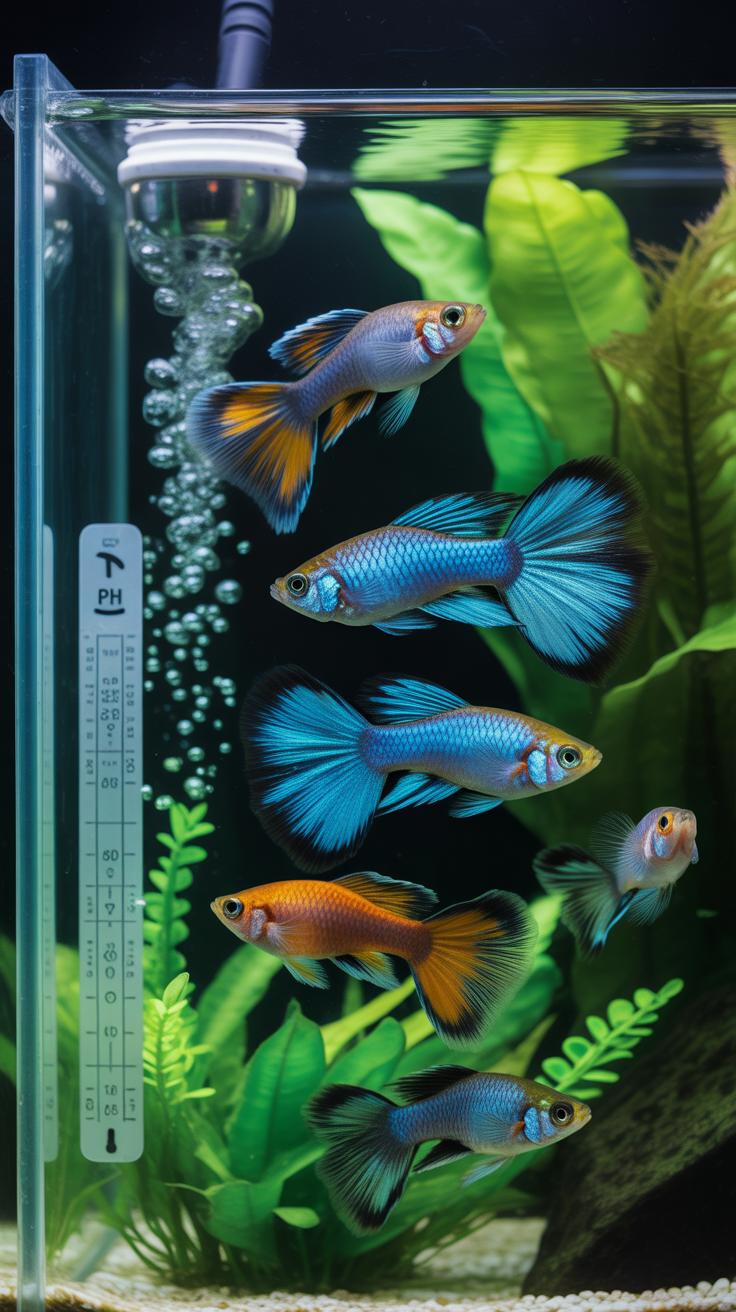
Ideal Water Conditions For Keeping Guppy Fish Healthy And Thriving
Guppies require specific parameters to maintain their immune systems. Keep the water temperature between 74 and 82 degrees Fahrenheit. These fish prefer hard water with a high mineral content. Aim for a pH level between 7.0 and 8.5. Soft or acidic water causes stress and leads to physiological collapse. Maintaining these levels ensures proper growth and vibrant coloration in your livestock.
Manage nitrogen waste strictly to prevent fish loss. Ammonia and nitrite levels must stay at zero parts per million. Nitrate levels should remain below 20 parts per million. Perform weekly water changes of 25 percent to remove dissolved solids. Use a high quality dechlorinator to neutralize chlorine and chloramines. Consistent monitoring prevents sudden chemical spikes that kill even the hardiest species in your home aquarium.
How Hardy Species Like Guppies Signal Early Water Quality Problems
Hardy fish act as early warning systems for your tank environment. Watch for gasping at the water surface. This behavior indicates low dissolved oxygen or high ammonia levels. Clamped fins suggest high stress or parasitic outbreaks triggered by poor water conditions. Rapid gill movement shows the fish are struggling to breathe. Identify these physical cues immediately to stop a total colony collapse.

Erratic swimming patterns signal neurological distress from chemical spikes. Fish scraping against gravel or decor indicate skin irritation from high acidity. Sudden lethargy or resting on the bottom shows the water quality is failing. Check your testing kit as soon as you see these movements. Use these living indicators to adjust your filtration or water change schedule. Quick action saves your fish and restores the biological balance.
Routine Fish Care Practices That Preserve Water Quality
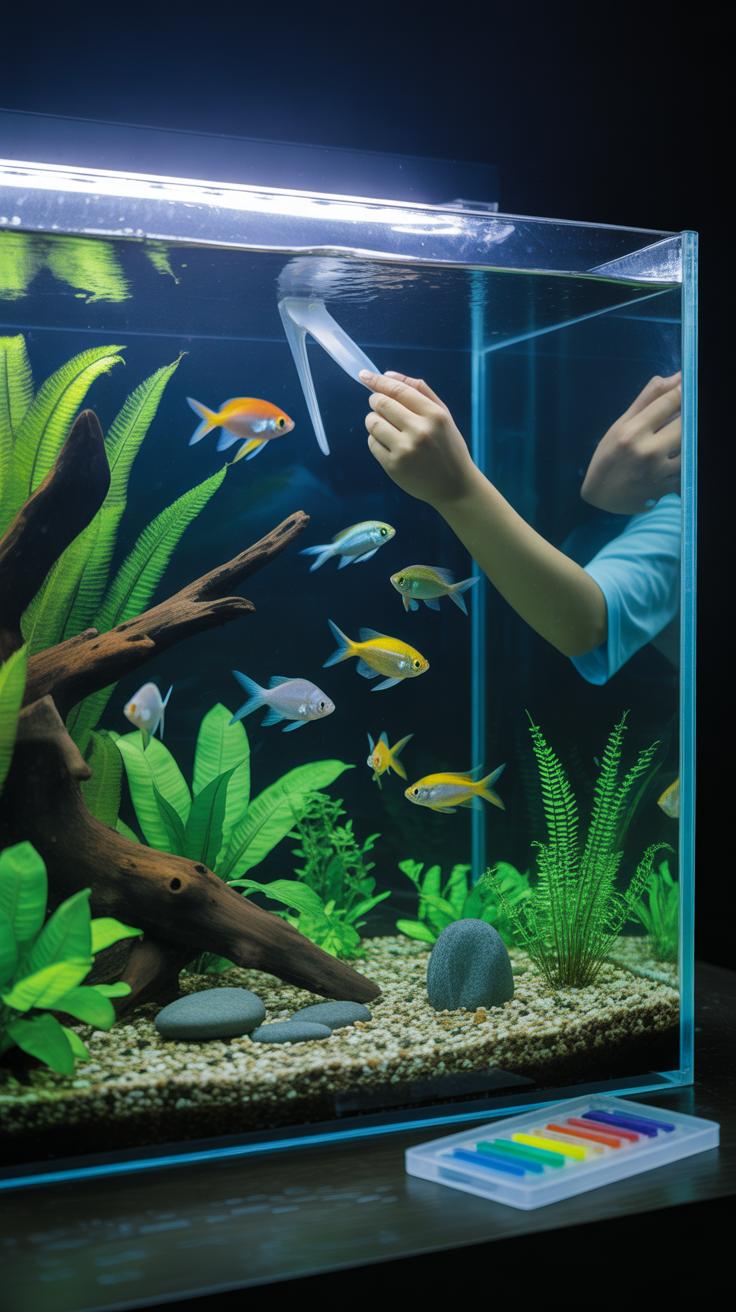
Guidance On How Often To Perform Water Changes And Why Consistency Matters
Perform a twenty percent water change every week to maintain stability. This practice removes nitrates and phosphates before they reach toxic levels. Regular changes prevent old tank syndrome where water chemistry shifts too far for fish to survive. Consistency keeps the pH level steady and ensures essential minerals remain available. Do not wait for the water to look dirty before you act.
Small frequent changes are safer than large infrequent ones. Sudden shifts in water chemistry cause osmotic shock and kill fish. By sticking to a weekly schedule you mimic the natural flow of fresh water in the wild. Use a siphon to pull waste from the gravel during this process. This removes organic matter before it breaks down into ammonia. Control the environment through discipline.
Weekly And Monthly Fish Care Maintenance Tasks To Keep Water Clean
Effective maintenance requires a rigid schedule to prevent waste buildup. Focus on physical removal of debris and checking equipment function. Clean filters in old tank water to preserve beneficial bacteria colonies. Replace worn parts before they fail to avoid oxygen crashes. These tasks stop organic load from overwhelming your biological bench and keep the ecosystem healthy and balanced for the long term.
- Mechanical Filter Cleaning: Rinse sponge inserts in a bucket of dechlorinated aquarium water every two weeks. This removes trapped particles without killing the nitrifying bacteria needed for the nitrogen cycle. Never use tap water as chlorine destroys the biological filter immediately.
- Substrate Siphoning: Use a gravel vacuum to pull detritus from the bottom layer during every water change. Focus on dead zones where food and waste collect. Removing this waste prevents the production of toxic hydrogen sulfide gas and lowers the total nitrate load.
- Algae Scrubbing: Scrape the glass weekly to prevent thick layers from forming. Excessive algae growth competes with live plants for nutrients and clogs mechanical filtration systems. Removing it early keeps the tank clear and allows you to monitor fish health and behavior through the glass.
- Heater And Thermometer Check: Verify the water temperature daily and inspect the heater unit monthly for cracks or mineral deposits. Stabilizing the temperature prevents fish stress and supports the metabolic rate of beneficial bacteria. Fluctuating temperatures weaken immune systems and lead to disease outbreaks.
- Water Testing: Use a liquid reagent kit weekly to measure ammonia, nitrite, and nitrate levels. This data tells you exactly when to adjust your maintenance routine. Testing identifies invisible chemical spikes before they become lethal to your livestock and ensures the water remains safe.

Monthly tasks involve deep cleaning of pump impellers and intake tubes. Check all electrical connections for salt creep or moisture damage. Trim live plants to remove decaying leaves that rot and increase ammonia levels. Pruning also encourages new growth which helps absorb excess nitrates from the water. Document your results to find patterns and prevent future water quality issues before they start.
Testing And Troubleshooting Water Quality In Your Aquarium
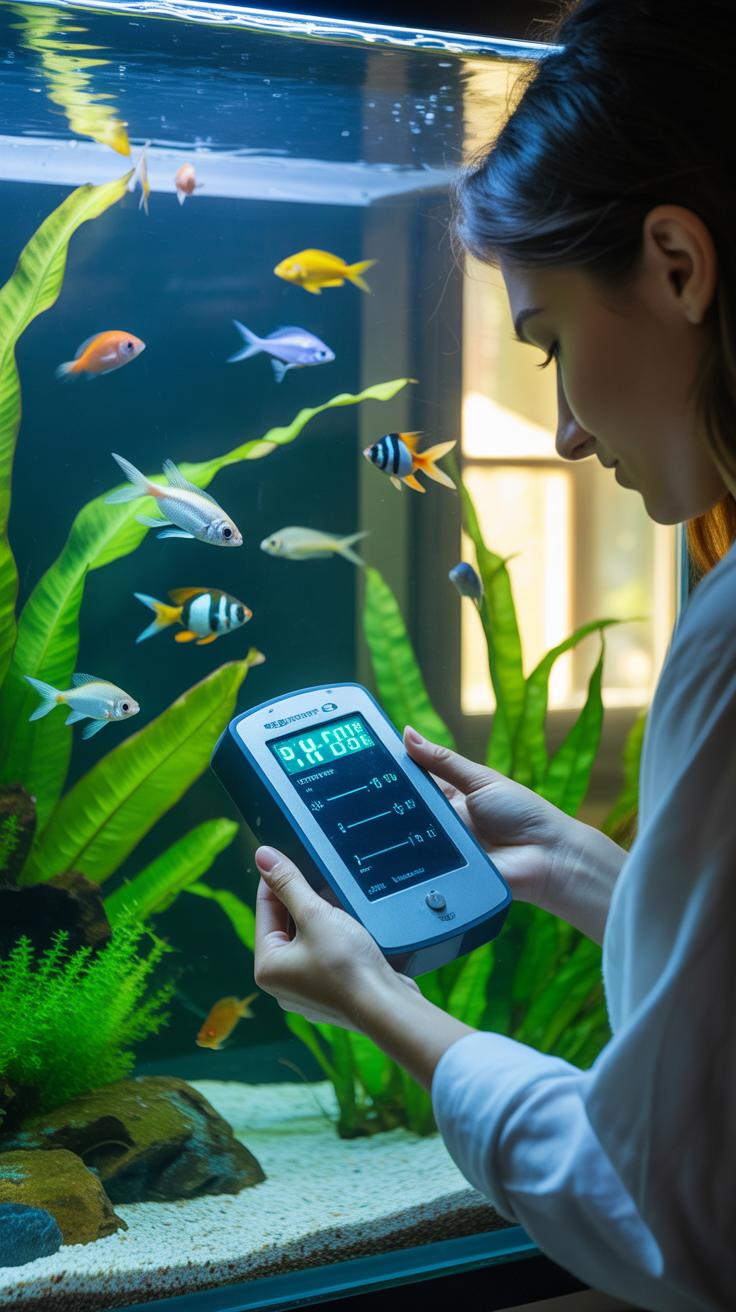
How To Use Aquarium Test Kits Accurately And Interpret Your Results
Liquid titration kits provide the most reliable data for home hobbyists. Test strips often fail due to humidity exposure or poor color scales. Always rinse your test vials with aquarium water before starting a test. This removes residue from previous sessions. Hold dropper bottles vertically to ensure uniform drop sizes. Small changes in volume will skew your high stakes readings.
Read your results under a natural light source for the best color matching. Artificial bulbs change how yellows and Greens appear on the chart. Ammonia and nitrite must always read zero in a cycled tank. Nitrate should stay below twenty parts per million to prevent long term stress. Record every result in a logbook. This data helps you spot dangerous trends before they kill fish.
Diagnosing And Correcting The Most Common Water Quality Problems
Cloudy water usually indicates a bacterial bloom or poor mechanical filtration. New tanks often experience this as beneficial bacteria colonize the surfaces. Do not perform massive water changes to fix a bloom. This restarts the cycle and makes the problem worse. Instead, reduce feeding and increase surface agitation for better oxygen flow. Check your mechanical filter pads for heavy organic waste buildup.

High ammonia levels require immediate action to prevent gill damage. First, perform a fifty percent water change with conditioned water. Use a detoxifying agent to bind the remaining ammonia into a non-toxic form. Stop all feeding for forty-eight hours to reduce waste production. Vacuum the substrate to remove trapped fish waste and uneaten food. These steps stabilize the environment while the biological filter recovers.
Frequently Asked Questions

Why is testing my tank water so important for beginners?
For new hobbyists, testing is vital because invisible toxins like ammonia and nitrites can build up quickly in a fresh setup. Keeping a consistent schedule ensures your fish remain healthy and stress-free. Following a comprehensive aquarium water quality guide helps you understand the nitrogen cycle, allowing you to catch chemistry shifts before they become fatal. Regular monitoring transforms a confusing guessing game into a predictable, rewarding scientific hobby for your home.
How often should I perform water changes to keep the tank clean?
Most experts recommend replacing 15% to 25% of your tank water every two weeks. This practical step removes nitrates and replenishes essential minerals that fish need to thrive. When following an aquarium water quality guide, always remember to treat your tap water with a conditioner first. This simple routine prevents organic waste from accumulating and ensures your aquatic environment remains crystal clear and balanced for the long term.
Are there affordable ways to maintain high water standards without expensive gear?
Absolutely! You can achieve excellent results on a budget by prioritizing natural filtration and manual maintenance. Adding live plants like Java Fern or Pothos helps absorb excess nutrients for free. Additionally, staying diligent with weekly debris removal and avoiding overfeeding significantly reduces the load on your filter. You don’t need high-end gadgets to succeed; consistency and basic biological knowledge are the most cost-effective tools for any enthusiast.