Understanding The Ball Python Shedding Cycle
How The Natural Shed Cycle Works In A Ball Python
Ball pythons undergo ecdysis to allow for physical growth and skin renewal. The process begins with the release of hormones that trigger the separation of old skin from new tissue. You will notice the belly turning pink first. This indicates that the body is diverting moisture to the space between the skin layers. Proper internal hydration is critical during this initial chemical phase.
Next, the snake enters the blue phase where its eyes become opaque and cloudy. A lubricating fluid fills the gap between the skin layers to facilitate a clean break. The eyes clear up a few days before the actual shed occurs. The snake then rubs its nose against rough surfaces to catch the skin. It should ideally peel off in one single piece.
How Often Should A Ball Python Shed Its Skin
Shedding frequency depends primarily on the age and growth rate of the snake. Juvenile ball pythons grow rapidly and may shed every four to six weeks. Their high metabolic demand requires frequent skin replacement to accommodate increasing body mass. Keep a log of these events to track health trends. Frequent shedding in young snakes confirms they are receiving adequate nutrition and heat.
Adult ball pythons have a much slower growth rate and typically shed every four to six months. Environmental factors like humidity levels and seasonal changes also influence this timing. Some adults might shed more often if they are recovering from a physical injury or skin infection. Consistency is the main indicator of health. Sudden changes in the established shedding schedule often signal an underlying husbandry issue.

Common Signs That Your Ball Python Is About To Shed
Physical And Behavioral Changes To Watch Before A Shed
Early signs of shedding usually appear before any visual skin changes. Your ball python will likely become more reclusive and stop eating. This loss of appetite is a natural instinct to protect the digestive system during a vulnerable period. The snake will spend more time in its humid hide to soften the old skin. You should stop handling the animal immediately when you notice these shifts.
The belly scales turn pink or dull several days before the rest of the body changes. This color shift happens because the body produces fluid between the old and new skin layers. The snake may also soak in its water bowl for long periods to hydrate its scales. Watch for erratic movements as the snake rubs its nose against rough decorative objects. These actions signify the start of the shedding cycle.
What Blue Or Cloudy Eyes Tell You About Your Pet Snake’S Shed
The blue phase indicates that the snake is in the middle of the shedding process. This phase occurs because the eye caps, or spectacles, detach from the new skin. Lymphatic fluid fills the space between the old eye cap and the new one. This fluid gives the eyes a milky, opaque, or blue appearance. Your snake cannot see well during this time and may act defensive or strike at movement.
The cloudy eyes will eventually clear up a few days before the actual skin sloughing begins. This clearing period often confuses owners into thinking the shed is over. In reality, the body has reabsorbed the fluid, and the old skin is now dry and ready to peel. Maintain high humidity levels during this specific window. High moisture ensures the skin stays elastic enough to come off in one complete piece.
Why Ball Python Shedding Problems Occur In The First Place
The Role Of Humidity In Ball Python Care And Successful Shedding
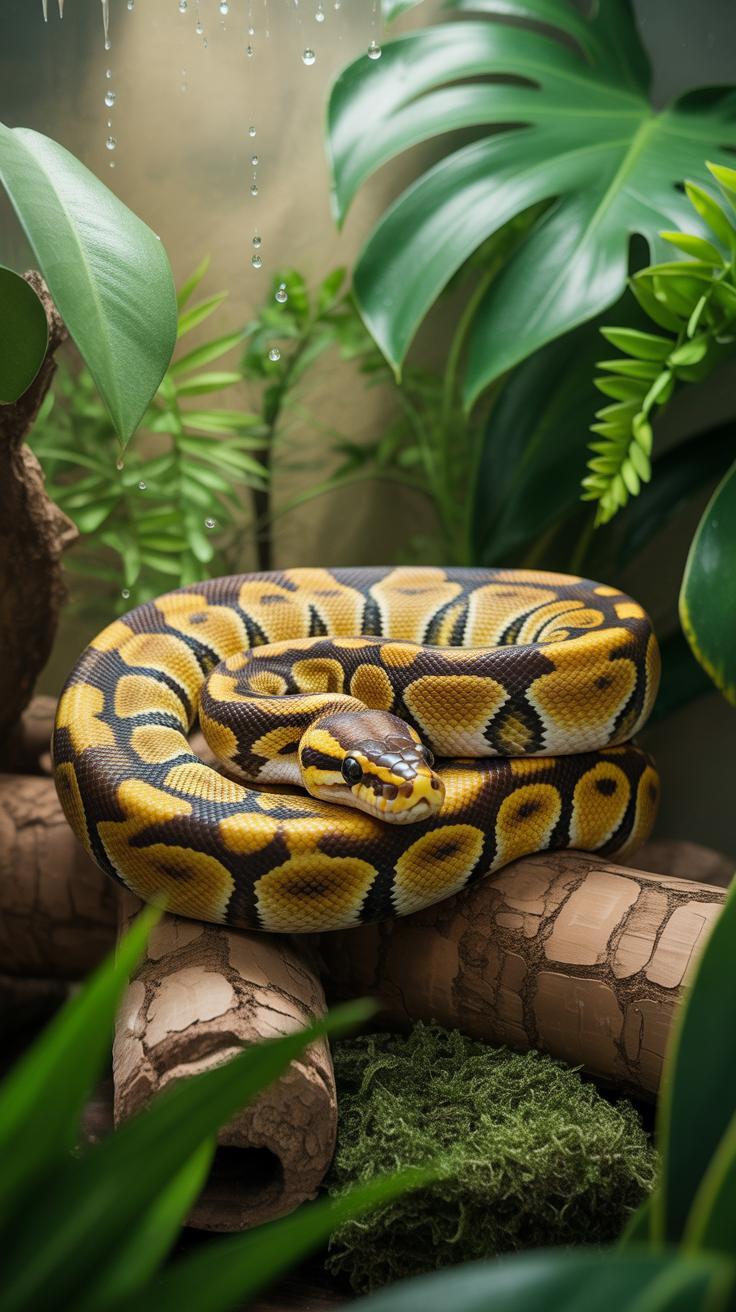
Ball pythons originate from West and Central Africa. These regions provide consistent tropical moisture. High humidity is a biological requirement for these snakes. It allows the body to produce a layer of lubricating fluid between old and new skin. Without this moisture, the snake cannot detach its outer layer. You must maintain humidity between sixty and eighty percent for health.
The shedding cycle depends on this environmental hydration. Proper moisture levels ensure the skin remains elastic and durable during movement. When the snake rubs against objects, the skin should roll off in one solid piece. This process protects the underlying tissue from damage. Monitoring your gauge is the only way to confirm the air holds enough water. Consistent levels prevent the snake from becoming physically exhausted during the shed.
How Low Enclosure Humidity Leads To Incomplete Or Stuck Shed
Low humidity causes the lubricating fluid to dry out too fast. The old skin then bonds to the new skin underneath. This creates a brittle layer that cracks and breaks into small pieces. The snake cannot gain enough leverage to remove these fragments. Stuck skin usually appears on the tail tip or around the spectacles. These areas are prone to blood flow issues if the skin remains tight.
Dehydration is the primary driver of these shedding failures. When the enclosure air is dry, it pulls moisture directly from the snake’s body. The scales become rough and lose their natural shine. This mechanical failure leads to retained eye caps and painful skin patches. You cannot fix this with a quick spray of water once the shed starts. Constant environmental control is the only way to avoid these tactical errors.
Temperature And Enclosure Setup Issues That Affect The Shed

Why Incorrect Temperature Gradients Disrupt Snake Shedding
Proper metabolic function depends on external heat. Ball pythons require a specific thermal gradient to process nutrients and maintain skin health. When the ambient temperature stays too low, the snake cannot maintain the high metabolic rate needed to produce the lubricating fluid that separates old skin from new growth. This failure leads to stuck patches and eye caps that do not release.
Excessive heat is equally dangerous for the shedding cycle. High temperatures bake the moisture out of the air and the snake’s body quickly. This causes the old skin to become brittle and hard instead of pliable. Brittle skin cracks into small pieces rather than sliding off in one solid tube. You must balance the basking spot and the cool end to ensure the animal stays hydrated.
How Enclosure Size And Hide Placement Impact Ball Python Shedding Skin
Enclosure volume directly dictates your ability to hold humidity. Large glass tanks with screen tops allow moisture to escape too fast. This makes it impossible to keep the air saturated enough for a clean shed. You must match the enclosure size to the snake to maintain a stable microclimate. Smaller, controlled environments often prevent the skin from drying out during the pre-shed blue phase.

Hide placement determines where the snake spends its time during the vulnerable shedding period. You must place hides at both the hot and cool ends of the animal’s home. If the only secure hide is over a heat source, the snake will choose security over hydration. This forces the snake to sit in dry heat for days. Provide multiple secure spots so the snake can regulate its moisture levels.
Retained Eye Caps And Stuck Shed On A Ball Python
What Are Retained Eye Caps And Why They Are A Concern In Python Care
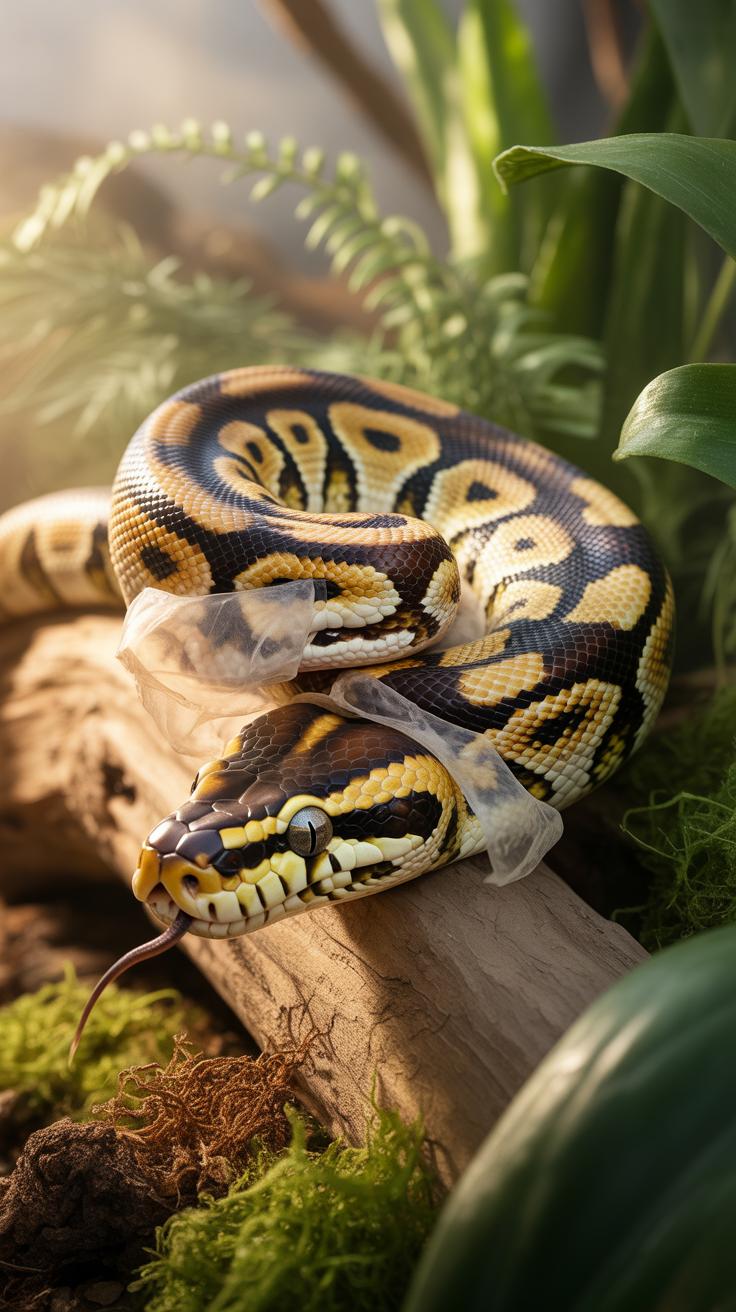
A retained eye cap occurs when the clear scale covering the eye fails to separate during a shed cycle. This scale is called a spectacle. It protects the eye because snakes lack eyelids. Low humidity usually causes this failure. If the old spectacle stays attached, it creates a physical barrier. This condition causes significant stress and limits the vision of your ball python.
Ignoring retained eye caps leads to serious health risks. Multiple layers of stuck scales can build up over time. This pressure can damage the cornea or cause permanent blindness. Secondary infections often develop under the trapped tissue. You must address this issue immediately to prevent long-term ocular damage. Maintaining proper hydration and high humidity levels ensures the spectacles release cleanly during the next shed cycle.
How To Safely Identify Stuck Shed On Your Ball Python’S Body
Stuck shed appears as dry or jagged patches of skin clinging to the scales. It often looks dull, gray, or translucent compared to the vibrant new skin underneath. Check the tip of the tail and the heat pits first. These areas frequently trap old skin. Run your fingers gently over the body. Healthy skin feels smooth, while stuck shed feels rough, papery, or uneven.

Inspect the snake under bright light to verify the edges of the retained skin. Do not pull or peel dry skin away forcefully. Forceful peeling damages the new scales underneath and causes pain. If the skin is wrapped tightly around the tail, it can restrict blood flow. This leads to necrosis or loss of the tail tip. Identify these patches early to implement safe removal techniques like soaking or humidity boxes.
How To Help Your Ball Python Through A Difficult Shed
The Warm Soak Method For Assisting A Stuck Shed On Your Pet Snake
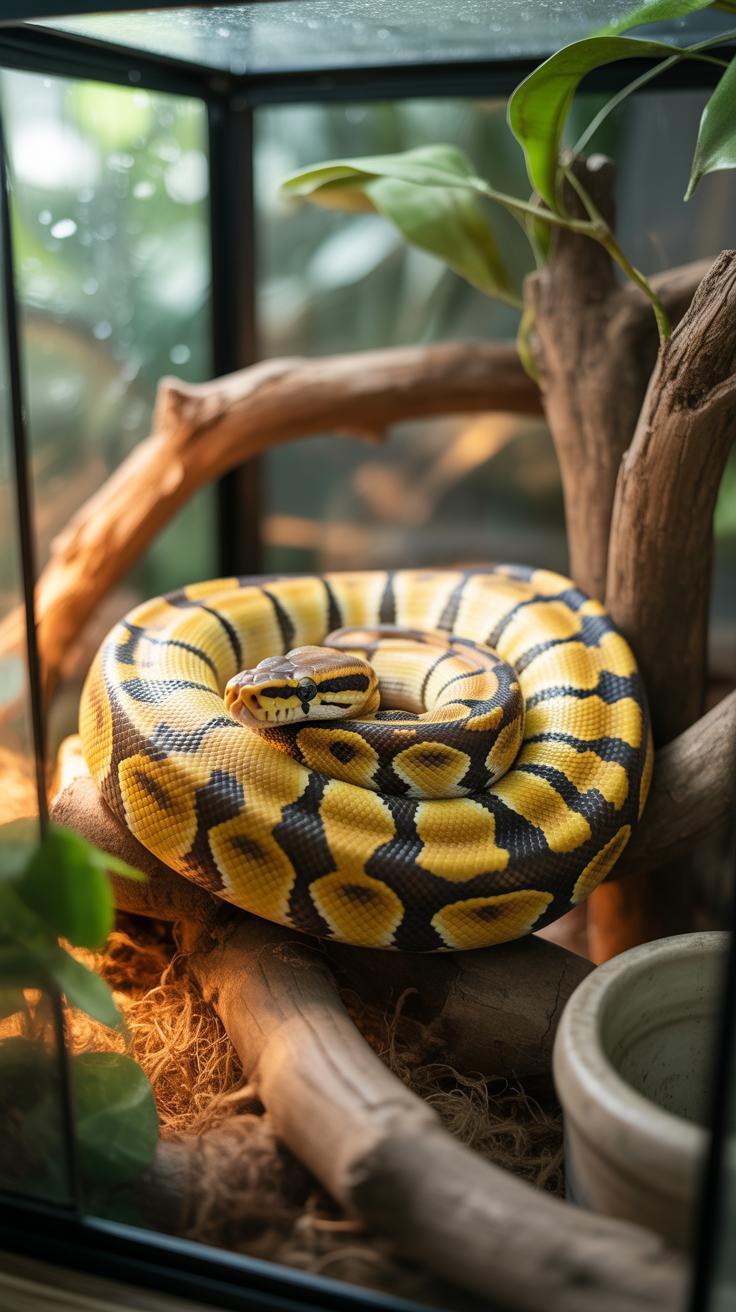
Soaking a ball python provides direct hydration to stubborn patches of old skin. Place the snake in a secure plastic container with ventilation holes. Use lukewarm water between eighty and eighty five degrees Fahrenheit. High temperatures will burn the animal and cause stress. Fill the container just enough to cover the body without submerging the head. Keep the snake inside for fifteen minutes.
This method works by softening the connective tissue between the old and new skin layers. A soaked snake can often rub off the remaining pieces against its enclosure decor. Monitor the snake throughout the entire process to prevent drowning or temperature drops. If the water cools too fast it will stress the snake. Remove the snake immediately after fifteen minutes to prevent scale rot.
Just as the snake must patiently cast off its old skin to grow, we too must embrace the gentle care needed to release what no longer serves us. True transformation often requires a little extra warmth and the steady hand of a friend.
Step By Step Guide To Safely Removing Retained Shed From A Ball Python
Retained skin requires manual intervention when hydration alone fails. You must handle the snake with care to avoid damaging the delicate new scales underneath. Never pull dry skin away from the body as this causes painful tears and infections. Apply gentle pressure using a wet towel or cloth. This provides the friction needed to slide the dead skin off without force.
- Assess the Area: Identify exactly where the skin is stuck before touching the snake. Common spots include the tail tip and the heat pits. Focus your efforts on these specific zones to minimize handling time and reduce the animal’s stress levels.
- Use a Damp Cloth: Wet a clean microfiber towel with warm water. Hold the snake loosely and let it crawl through the folds of the damp cloth. The texture of the fabric catches the edges of the old skin and peels it back naturally.
- Check for Spectacles: Look closely at the eyes to see if the clear scales known as eye caps remain. These require specialized care because they protect the eyes. If eye caps are stuck do not use tweezers. Use a wet cotton swab to gently nudge the edges.
- Inspect the Tail Tip: Check the very end of the tail for a ring of skin. Constriction at the tail tip can cut off blood flow and lead to necrosis. Ensure this piece is completely gone. If it feels hard keep hydrating it until it turns soft.
- Return to Enclosure: Place the snake back into its cage once you finish. Check that your humidity levels stay between sixty and eighty percent. Proper humidity prevents the problem from returning. Give the snake twenty four hours of total rest without any further handling.

Stubborn skin near the head or vent requires precision. Always move in the direction of the scales from head to tail. If the skin does not move with light pressure stop the process. You may need to repeat the soaking cycle for another ten minutes. Forcing skin that is still attached will cause permanent scarring. Patience ensures the health of the snake during these delicate procedures.
Nutrition Hydration And Their Connection To Ball Python Care
How Dehydration Contributes To Ball Python Shedding Problems
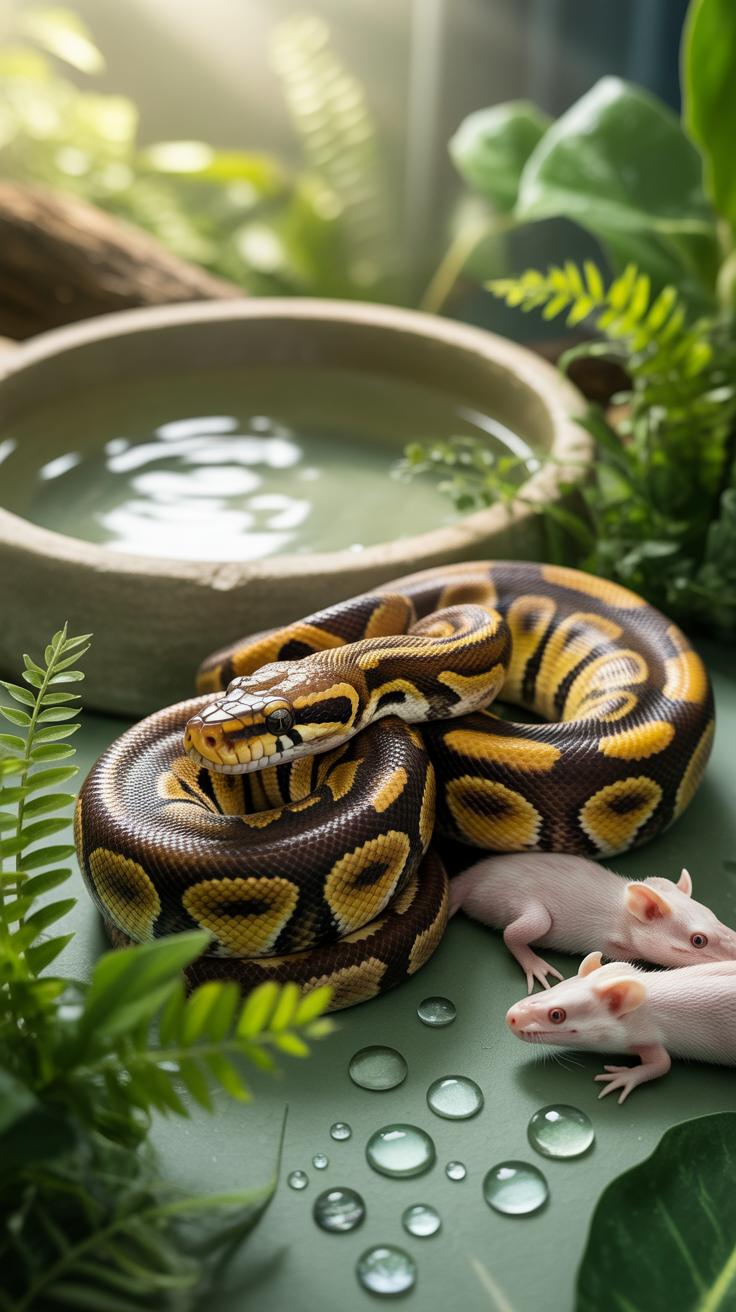
Internal hydration dictates how easily a ball python sheds its old skin. Water intake allows the body to produce a lubrication layer between the old and new scales. When a snake lacks internal fluids, this layer remains dry and sticky. The skin then tears into small pieces instead of coming off in one solid tube. This creates painful stuck shed across the body.
Dehydration often stems from a lack of clean drinking water or low ambient humidity. Dry air pulls moisture directly from the snake’s lungs and eyes. This leads to retained eye caps which can cause permanent vision damage or infection. Constant access to a large water bowl is mandatory for proper hydration. You must maintain blood volume and tissue moisture to ensure the shedding cycle functions correctly.
Why A Balanced Feeding Schedule Supports Healthy Snake Shedding
Proper nutrition provides the raw materials for new skin growth. A ball python needs protein and fats to build a strong dermal layer. Frequent or infrequent feeding disrupts the metabolic process. A snake that lacks nutrients will have thin and brittle skin. This weak tissue often breaks during the shed process. Consistent feeding ensures the body has enough energy to complete the physical molt.

Overfeeding creates its own set of problems for the shedding cycle. Rapid weight gain stretches the skin too quickly and puts stress on the animal. This can lead to irregular shed cycles or skin that lacks the necessary elasticity. Maintain a strict schedule based on the age and weight of your snake. Use appropriately sized prey to prevent unnecessary physical strain on the digestive and integumentary systems.
Health Conditions That Can Cause Shedding Issues In A Ball Python
Skin Infections, Mites, And Parasites That Interfere With Ball Python Shedding Skin
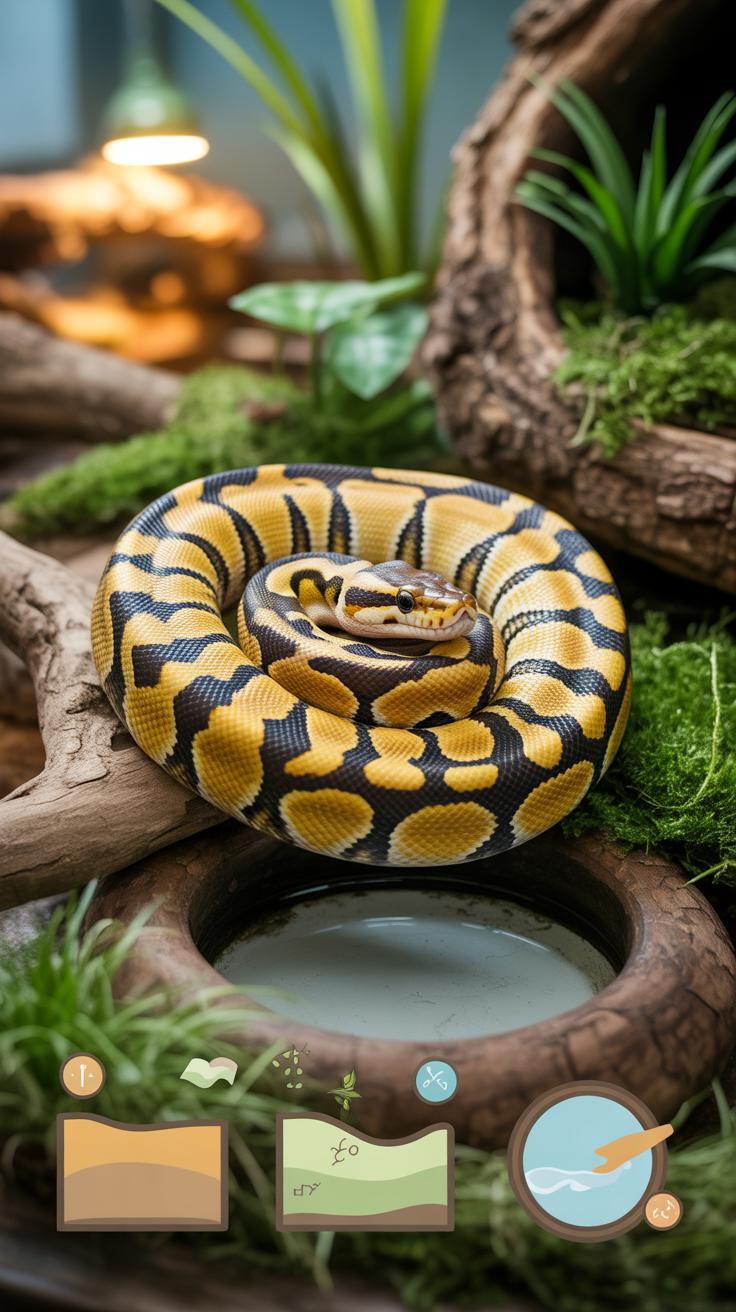
External parasites like snake mites cause significant damage to the dermal layer. These tiny pests lodge under scales to consume blood. This process creates physical trauma and localized swelling. The snake cannot form a clean layer of new skin when the old layer is pinned down by waste and inflammation. Mites make the shedding process painful and force the animal to shed in small, jagged pieces.
Bacterial skin infections also prevent oil production between skin layers. Scale rot and blister disease occur when snakes live in damp, dirty bedding. These conditions destroy the integrity of the outer scales. Infected tissue sticks to the new growth underneath instead of sliding off. You will see discolored or fluid filled bumps that interrupt a smooth cycle. Treat the underlying infection first or the shedding issues will continue indefinitely.
When To Consult A Reptile Veterinarian About Your Ball Python’S Shed
Seek professional help if the snake shows signs of systemic illness during a bad shed. This includes lethargy, wheezing, or a refusal to eat for extended periods. If stuck skin covers the spectacles or the tip of the tail, it becomes an emergency. Retained eye caps can cause permanent blindness. Constriction at the tail tip cuts off blood flow and leads to necrosis and eventual amputation without medical intervention.

A vet must examine any snake that develops open sores or raw flesh after a shed. This indicates the skin is tearing instead of separating. Do not attempt to pull off stuck skin that is firmly attached. You might rip the healthy layer beneath it. A reptile specialist can prescribe medicated soaks or antibiotics to heal the skin. They will also check for internal issues like dehydration or vitamin deficiencies.
Ball Python Care Guide Setting Up The Ideal Shedding Environment
Recommended Humidity Levels And Substrate Choices For A Healthy Shed
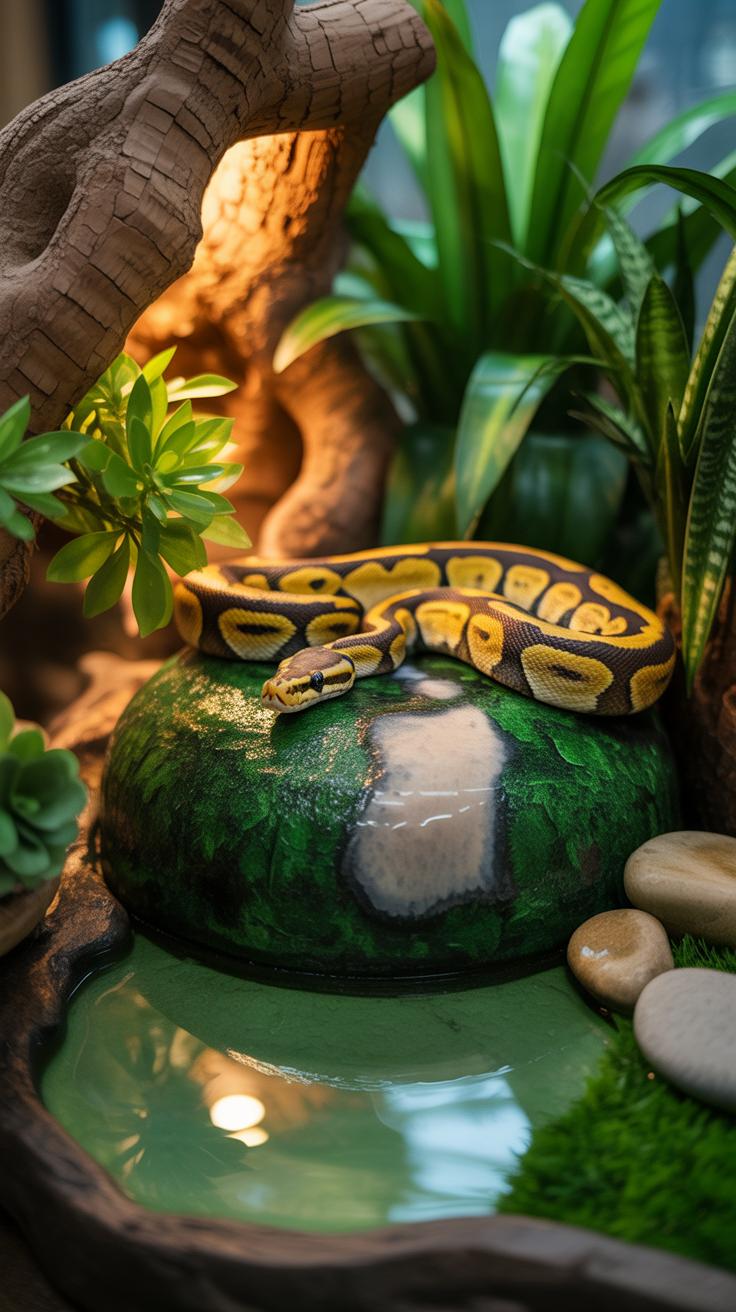
Ball pythons require specific environmental conditions to shed their skin in one complete piece. Maintain ambient humidity between 60% and 70% at all times. Use a digital hygrometer to get accurate readings near the floor level. Low humidity causes the skin to dry and crack. This leads to retained eye caps and tail tips. Proper substrate selection is the primary way to control these moisture levels effectively.
- Coconut Husk: This material resists mold and holds moisture well without becoming saturated. It provides a texture that helps the snake rub off old skin. It is an industry standard for maintaining high humidity levels in glass enclosures.
- Cypress Mulch: This natural wood product retains water efficiently and does not rot easily. It allows for burrowing behaviors while releasing steady moisture into the air. Ensure the mulch is high quality and free of sharp large debris.
- Sphagnum Moss: Use this as an additive in specific areas to boost local humidity. It holds many times its weight in water. Placing it inside hides creates a microclimate that prevents dehydration during the pre-shed blue phase.
- Orchid Bark: This substrate consists of chunky fir bark that allows for excellent air circulation. It prevents stagnant pockets of wet air that cause scale rot. It stays damp for long periods without sticking to the snake during the shedding process.
- Topsoil Mix: Organic topsoil mixed with play sand creates a realistic environment. This mixture holds structural integrity and stays moist beneath the surface. It mimics the natural burrows ball pythons use in the wild to stay hydrated during dry seasons.
Avoid using cedar or pine shavings because they contain toxic oils. Do not use aspen for high-humidity setups as it molds quickly when damp. Wet aspen leads to respiratory infections and skin blisters. If humidity drops too low, mist the enclosure daily with room temperature water. Focus on the corners of the habitat rather than the animal itself. Steady hydration ensures a clean shed every cycle.
How A Moist Hide Box Can Prevent Recurring Ball Python Shedding Problems
A moist hide box acts as a localized humidity chamber for your snake. Fill a plastic container with damp moss or paper towels. Place it on the warm side of the enclosure. The heat evaporates the water and creates a thick fog inside the box. This provides the snake with total hydration even if the rest of the cage is dry. It is a foolproof safety net.
Use a hide with a small entry hole to trap the moist air inside. The snake will spend most of its time here once its eyes turn cloudy. This direct contact with moisture softens the old scales and the underlying fluid layer. It ensures the skin slides off like a sock. A dedicated moist hide eliminates the need for stressful soaking or manual skin removal by the keeper.
Ball Python Pet Care Habits That Support Consistent And Complete Shedding
Daily And Weekly Husbandry Routines That Reduce Shedding Complications
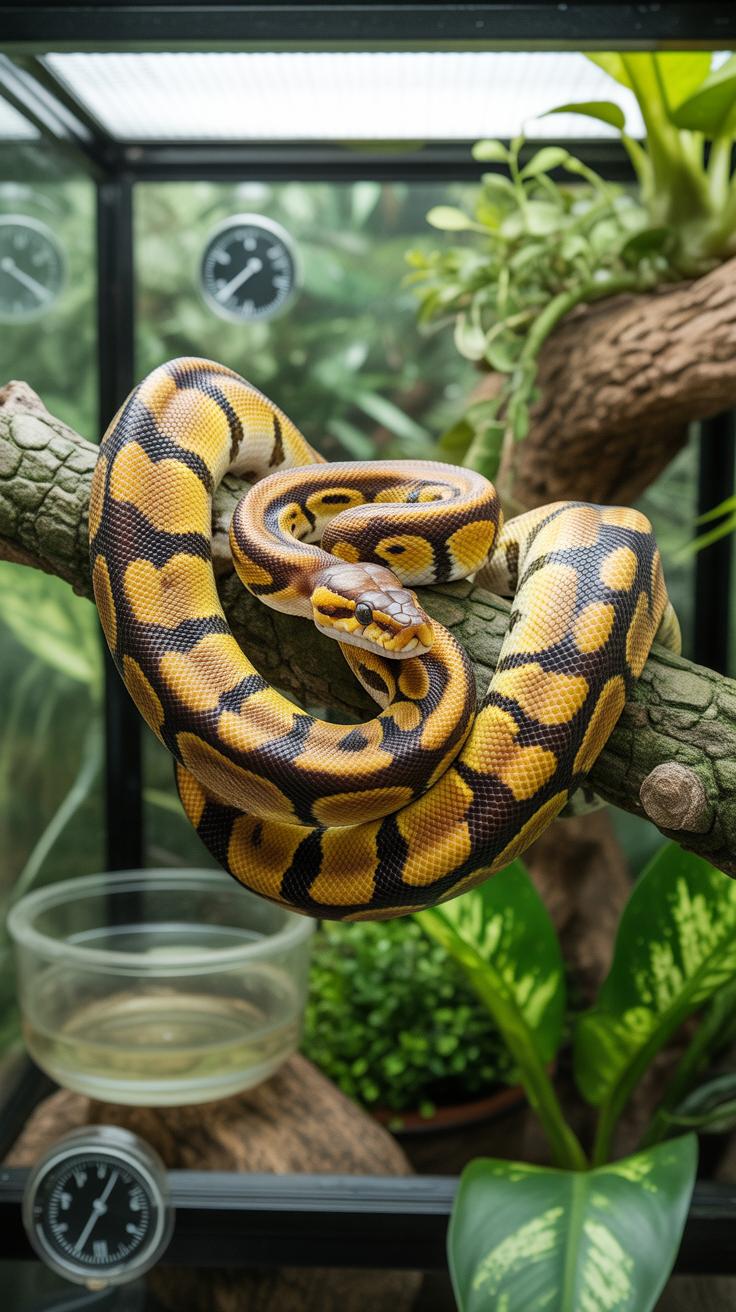
Consistency prevents shedding failure. Check your hygrometer every morning and evening. Ensure the humidity stays between sixty and eighty percent. Low humidity dries out the old skin. This causes the scales to stick and tear. Mist the enclosure or add water to the substrate if levels drop. Monitor the water bowl daily. Fresh water is vital for internal hydration and helps the snake loosen its skin.
Clean the enclosure once a week to prevent bacterial growth. Bacteria can irritate the skin and lead to infections during the shed cycle. Check the substrate for damp spots or mold. Replace wet bedding immediately to maintain a healthy environment. Proper airflow is also necessary. It prevents stagnant air while keeping moisture levels stable. These small daily actions ensure the snake has the resources needed to shed in one piece.
How Stress Reduction And Proper Handling Practices Improve Your Python’S Shed
Stress stops a successful shed. Stop all handling when you see the snake’s eyes turn blue. This stage indicates the snake is preparing to cast its skin. Handling during this time causes high anxiety and can damage the soft new skin underneath. Keep the room quiet and minimize traffic near the enclosure. A calm snake conserves energy for the physical process of shedding. This leads to better results.
Provide several rough surfaces inside the cage. Rocks and driftwood help the snake catch the old skin to pull it off. Without these items, the snake cannot find the leverage it needs. Do not pull the skin off yourself. This can cause serious injury to the animal. Let the snake perform the work at its own pace. Provide a dark hide box to make the snake feel secure during this vulnerable time.
Frequently Asked Questions

What are the early signs that my ball python is starting to shed?
Understanding the signs of a shed cycle can help you prevent ball python shedding problems before they start. You will notice your snake’s belly turning pink, followed by their skin becoming dull or ashy. The most distinct sign is “blue” eyes, caused by fluid building up between the old and new skin. During this time, your pet may become more reclusive or defensive, so it is important to provide extra humidity immediately.
How can I safely help my ball python remove stuck pieces of skin?
If your snake has retained skin, the safest method is a lukewarm soak. Place your snake in a secure container with shallow, body-temperature water for about twenty minutes. Afterward, let the snake crawl through a damp, textured towel held loosely in your hands. The gentle friction usually slides the remaining skin off safely. Never peel the skin dry, as this can damage the new scales underneath and worsen ball python shedding problems.
Can I fix humidity issues for my snake without buying expensive equipment?
Absolutely! You don’t need a high-tech misting system to maintain proper moisture levels. Using a plastic storage tub instead of a screen-top glass tank is a budget-friendly way to trap humidity effectively. You can also create a “humid hide” by placing damp sphagnum moss inside a small plastic container with a hole cut in the side. This provides a concentrated microclimate that helps your snake shed perfectly without a large financial investment.