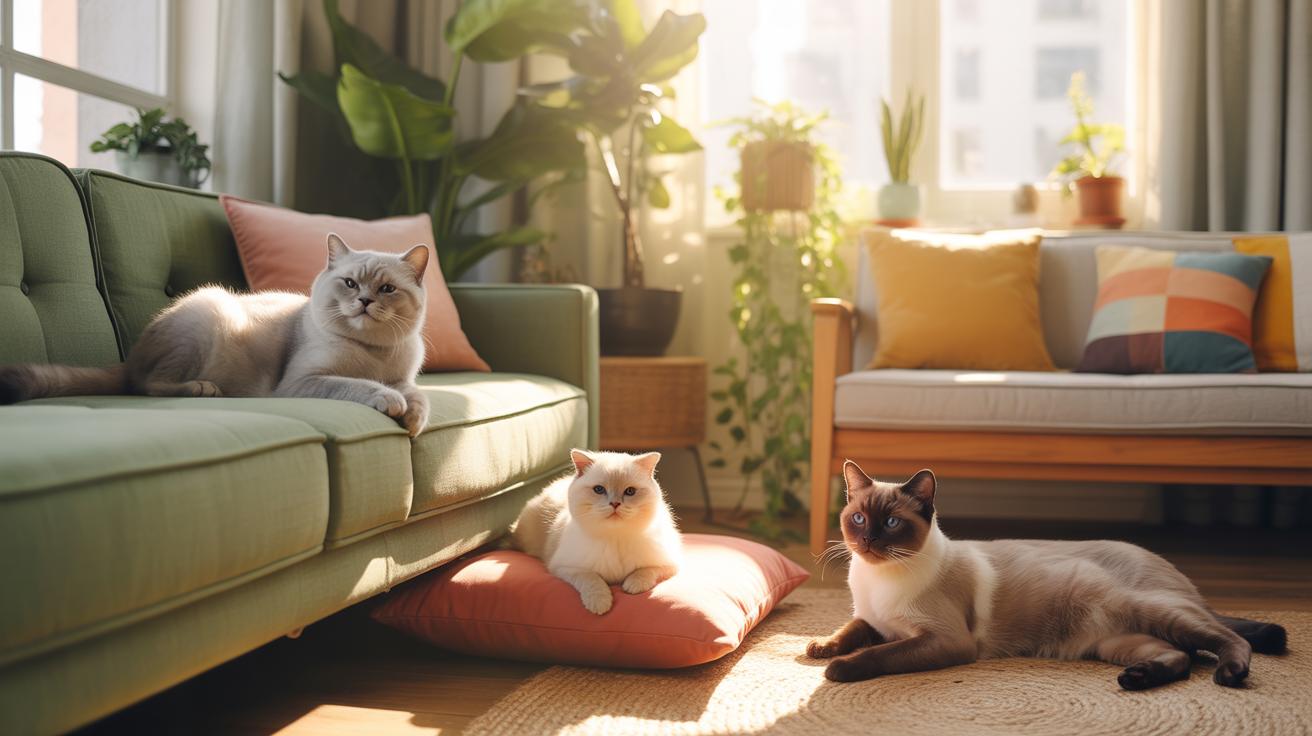
What Makes A Cat Breed Ideal For Apartment Living And Small Apartments

Key Temperament Traits That Suit Indoor Cat Breeds To Confined Spaces
Adaptability defines the success of a cat in a small floor plan. Apartment cats must handle close proximity to humans without developing stress behaviors. Successful breeds exhibit high tolerance for environmental changes and limited vertical territory. They do not require vast outdoor ranges to maintain mental stability. Low reactivity to hallway noises and doorbells prevents chronic anxiety in high density housing units.
Social confidence is the second critical trait for confined living. A cat that hides constantly in a small studio creates a difficult living dynamic. Ideal breeds engage with their owners but do not demand constant physical contact. They navigate furniture and small zones efficiently. This balance of friendliness and spatial awareness ensures the cat thrives within a fixed perimeter without becoming destructive or territorial.
Energy Levels, Noise, And Independence: The Three Pillars Of Apartment Compatibility
Energy management determines if a cat will destroy property. High-energy breeds require significant floor space for sprinting and hunting play. Apartment cats should have low to moderate activity needs that owners can satisfy with short play sessions. This prevents the cat from using furniture as a racetrack. Cats with a biological “off switch” integrate better into quiet, multi-story buildings where neighbors live closely.
Vocalization and self-sufficiency round out the requirements for urban dwellers. Loud breeds like the Siamese often trigger noise complaints in buildings with thin walls. Silent or quiet breeds are tactically superior for rental agreements. Additionally, the cat must handle eight to ten hours of solitude while the owner works. Independence prevents separation anxiety, which often leads to vocalize-driven protests and redirected aggression in tight quarters.
Top Low Energy Indoor Cat Breeds Perfect For A Cat Apartment Lifestyle
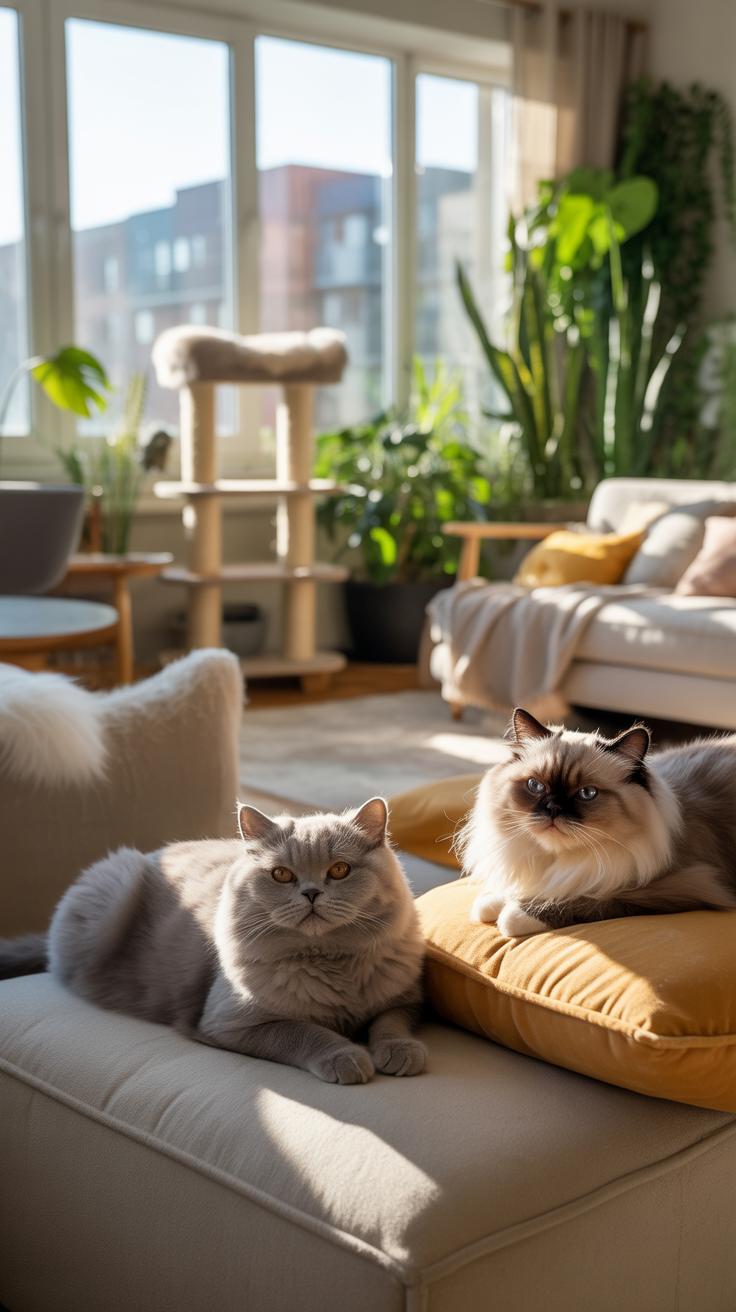
The Ragdoll: A Calm And Affectionate Companion For Smaller Homes
The Ragdoll is a large breed known for its low activity levels. This cat lacks the intense hunting drive found in more active breeds. It often goes limp when held by its owners. This trait makes it ideal for small spaces. The breed focuses on human interaction rather than vertical climbing. You will rarely find a Ragdoll jumping on high kitchen cabinets or shelves.
These cats adapt well to indoor environments because they have a docile nature. They do not require large outdoor territories to feel satisfied. Ragdolls prefer lounging on floor-level furniture. Their quiet voice ensures they do not disturb neighbors in thin-walled buildings. You must manage their diet strictly since they do not burn many calories. Regular grooming is necessary to prevent matting in their semi-long fur.
The British Shorthair: A Quietly Content Apartment Cat With A Laid Back Nature
The British Shorthair is a sturdy and independent breed. Historians trace its roots back to Roman domestic cats. It possesses a calm temperament that suits compact living quarters. This cat does not demand constant attention from its owners. It spends most of the day sleeping or watching the environment. Its dense coat provides a plush feel without the need for intense daily brushing routines.

This breed manages solitude better than many other cats. It fits perfectly for professionals who work long hours away from home. The British Shorthair rarely engages in destructive behavior like scratching furniture or knocking over items. It prefers to keep all four paws on the ground. Its heavy bone structure limits excessive jumping or high-speed running. This stability prevents noise complaints from residents living in the apartments below yours.
Playful Yet Adaptable Active Indoor Cat Breeds That Thrive In Cat Apartments

The Abyssinian: A Curious And Agile Breed That Stays Stimulated Indoors
The Abyssinian is one of the oldest known cat breeds. It possesses a muscular build and high energy levels. This breed thrives in apartments by utilizing vertical space rather than floor acreage. Owners must provide tall cat trees and wall shelves. Abyssinians are highly intelligent and learn tricks quickly. They stay active indoors by investigating every corner of the home environment.
Strategic enrichment is mandatory for this breed. They enjoy puzzle feeders and interactive play sessions that mimic hunting. Without mental stimulation, they may become destructive. Their short coats require minimal grooming, making them low maintenance in small living quarters. They are social animals that prefer the company of their owners. They adapt well to indoor life if the environment offers enough climbing opportunities.
The smallest feline is a masterpiece that turns a modest apartment into a home filled with grace and quiet warmth.
The Devon Rex: A Mischievous But Compact Breed Well Suited To Apartment Life
The Devon Rex is famous for its large ears and wavy coat. This breed emerged in England during the late 1950s. Their small size makes them ideal for tight city apartments. They have a high metabolism and remain playful throughout their lives. Unlike many breeds, the Devon Rex is known for its dog-like loyalty. They often follow owners from room to room.

Space management is easy with a Devon Rex. They prefer perching on high surfaces like refrigerator tops or bookshelves. Their unique fur sheds very little, which keeps small apartments cleaner. These cats are heat seekers and often snuggle under blankets or near sunny windows. They handle indoor confinement well because they focus more on social interaction than outdoor roaming. They are efficient, active, and space-saving pets.
Cat Ideas For Apartment Owners Enriching Your CatS Indoor Environment

Vertical Space, Window Perches, And Cat Trees: Maximizing A Small Floor Plan
Apartment living limits horizontal movement. You must expand the usable area by utilizing height. Vertical territory provides safety and exercise without taking up valuable floor space. Install wall mounted shelves or tall cat trees to create a climbing circuit. This mimics natural feline behavior found in wild ancestors who sought high ground to survey territory and avoid ground based threats.
Position furniture to create seamless paths around the room. A window perch offers mental stimulation through visual access to the outside world. Modern modular systems allow you to build upwards in tight corners. Use materials like sisal or wood to ensure grip and durability. High vantage points reduce stress in multi pet households by providing escape routes away from high traffic floor areas.
Top Enrichment Tips To Keep Your Apartment Cat Happy And Mentally Stimulated
Indoor cats need proactive engagement to prevent boredom and obesity. A stagnant environment leads to destructive behaviors and lethargy. You must simulate hunting and foraging through daily interactions. Strategic play sessions build muscle tone and satisfy predatory instincts. Rotate toys regularly to maintain novelty. Small apartments require efficient tools that engage multiple senses like sight, sound, and touch to keep the animal sharp.
- Food Puzzles: Replace standard bowls with foraging toys. These devices force the cat to work for kibble. This slows down eating habits and provides a dopamine hit upon success. It mirrors natural hunting patterns where meals are earned rather than given.
- Targeted Play: Use wand toys for fifteen minutes twice a day. Move the toy like a bird or mouse to trigger the prey drive. End the session by letting the cat catch the toy to prevent frustration. This expends excess energy in small spaces.
- Scent Enrichment: Introduce safe outdoor smells like silvervine or dried catnip. Place these scents inside cardboard boxes or scratching posts. Olfactory stimulation is a powerful tool for indoor cats. It changes the sensory profile of the apartment without requiring physical renovations or new furniture.
- Automated Toys: Use battery operated motion toys when you are away. These devices move randomly to grab feline attention. They provide short bursts of activity and keep the cat moving. Ensure the toys have an automatic shutoff feature to save battery life and prevent overstimulation.
- Cardboard Boxes: Place empty shipping boxes throughout the living area. Cats value enclosed spaces for security and warmth. Hide treats or paper inside to encourage exploration. Rotating these simple items keeps the environment feeling new and interesting at zero additional cost to the owner.

Consistent routine creates a predictable and safe environment. Schedule your enrichment activities around the same time each day to manage expectations. Mental exhaustion is just as important as physical fatigue. A stimulated cat sleeps better and shows fewer signs of anxiety. Small spaces do not limit quality of life if you provide the right tactical tools for engagement and play.
Designing A Cat Friendly Home Cat Room Decor That Blends Style And Function
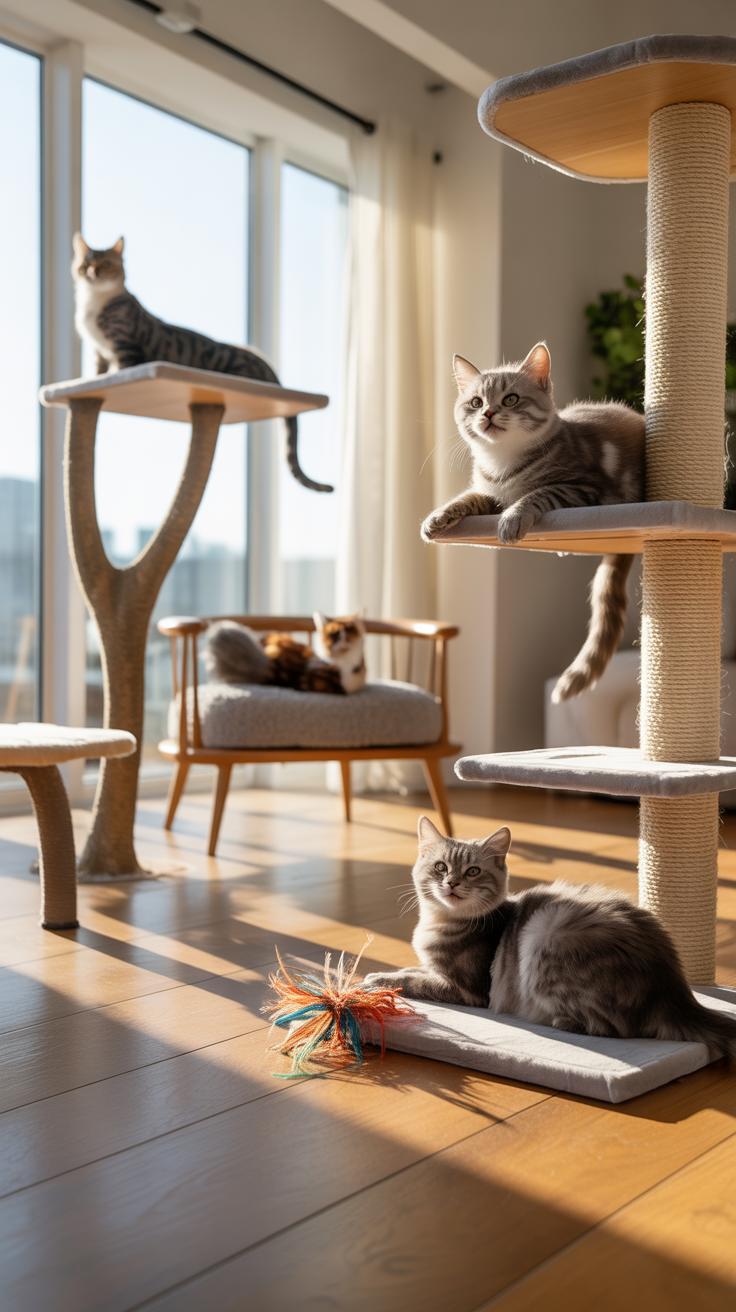
Cat Rooms Indoor Ideas: How To Dedicate A Space For Your Cat Without Sacrificing Aesthetics
Vertical integration solves the problem of limited floor area. Modern designers use the Mid-Century Modern aesthetic to hide feline utility. Wall-mounted shelves made from solid walnut or oak serve as climbing paths. These structures mirror high-end floating bookshelves but support the weight of a cat. Use industrial-grade brackets to ensure safety. This approach clears floor space while satisfying the feline instinct to climb.
Choose modular furniture items that serve two purposes. Use end tables with hollow centers to hide litter boxes or beds. Select fabrics like performance velvet or treated microfiber. Modern manufacturing makes these materials resistant to claws and easy to clean. Avoid loose weaves that snag easily. Stick to neutral palettes to blend cat structures with existing decor. Tactical placement near windows provides enrichment without cluttering the living area.
Cat Bedroom Essentials: Creating A Cozy Sleeping And Retreat Zone For Your Indoor Cat
Cats require a dedicated retreat to lower stress levels in small apartments. Place high-sided beds in low-traffic corners to provide security. Use natural fibers like wool or cotton for bedding materials. These fabrics regulate temperature and breathe well. Avoid synthetic fillers that trap Odors or heat. A quiet zone helps a cat feel safe. This psychological safety reduces destructive behaviors in confined indoor environments.

Lighting and elevation dictate the quality of a cat bedroom. Cats prefer resting areas six feet or higher above the ground. Secure a perch near a sun-exposed window to utilize natural heat. Use heavy-duty suction cups or bolted brackets for window seats. This setup provides mental stimulation through outdoor viewing. Keep the area free of loud electronics. Small spaces demand efficient zones where sleep remains undisturbed by household movement.
Quiet And Gentle Breeds The Best Cats For Apartment Living In Noise Sensitive Buildings

The Scottish Fold: A Soft Voiced And Adaptable Breed For Close Quarters
The Scottish Fold is a high-value asset for apartment dwellers who prioritize silence. This breed possesses a distinct genetic mutation affecting ear cartilage, but its vocal habits are its greatest tactical advantage. They produce very little noise and rarely demand attention through loud vocalization. Their communication is typically limited to soft chirps or purrs. This makes them ideal for thin-walled buildings with strict noise policies.
These cats adapt rapidly to small floor plans because they have moderate energy levels. They do not require large outdoor territories to remain satisfied. Instead, they prefer staying close to their owners without being overly clingy or demanding. Their inquisitive nature allows them to find entertainment in quiet puzzles rather than destructive zooming. This breed handles changes in the living environment with notable stoicism and steady behavior.
The Persian: A Serene And Quiet Companion For Peaceful Apartment Households
The Persian cat represents the pinnacle of low-activity apartment living. This breed has a long historical record as a preferred indoor companion due to its sedentary lifestyle. They lack the high prey drive or climbing instincts found in more active breeds. This translates to less noise from jumping or running across hardwood floors. They spend most of their time resting on soft surfaces rather than exploring high cabinets.

Noise-sensitive neighbors will never hear a Persian cat. Their vocalizations are infrequent and extremely soft in volume. Owners find they integrate perfectly into quiet, professional households where routine is consistent. While they require daily grooming to maintain their coats, their physical exercise needs remain minimal. They occupy very little vertical or horizontal space during the day. This breed excels in studios and one-bedroom units where peace is essential.
Health And Wellness Considerations For Indoor Cat Breeds In Small Spaces

Preventing Obesity And Boredom Related Behaviors In Apartment Cats
Indoor cats in small spaces face high risks of weight gain and mental decline. Limited room to run reduces daily calorie burn. You must utilize vertical space to encourage climbing and jumping. Install cat shelves or tall trees to expand the usable territory. Feed your cat using puzzle toys instead of open bowls. This forces the cat to work for food and mimics hunting.
Boredom leads to destructive scratching and over-grooming. Set a strict schedule for active play twice a day. Use laser pointers or wand toys to trigger the predatory drive. High-intensity movement for fifteen minutes keeps the metabolism high. Change toy types weekly to prevent habituation. Smart owners rotate items to keep the environment fresh. Mental stimulation is just as vital as physical exercise for long-term health.
Essential Vet Care, Litter Box Placement, And Safety Checklist For Your Cat Apartment
Small apartments trap odors and allergens quickly. You need a high-quality ventilation strategy for the litter area. Place the box in a low-traffic spot that remains accessible at all times. Avoid putting food near the waste area to prevent contamination and stress. Schedule annual veterinary checkups to monitor weight and dental health. Indoor cats still require vaccinations and parasite prevention to stay safe from common household risks.
- Litter Box Ventilation: Place boxes in areas with natural airflow like bathrooms or vented utility closets. Use unscented clumping clay or silica to manage ammonia levels in confined zones. Clean the box daily to prevent respiratory irritation for both humans and cats.
- Window Screen Security: Standard window screens often fail under a cat’s weight. Install heavy-duty pet screens or metal guards to prevent falls from high-rise buildings. Never leave windows open without reinforced barriers as the feline righting reflex has limits during high-altitude drops.
- Vertical Safety Anchors: Secure tall cat trees and shelving units directly into wall studs using L-brackets. Heavy cats can topple unanchored furniture during high-speed leaps. Stability prevents bone fractures and traumatic brain injuries caused by falling equipment in tight living quarters.
- Toxic Plant Removal: Identify and remove common houseplants like lilies, pothos, and sago palms. Small apartments increase the likelihood of curious cats chewing on greenery. Stick to cat grass or spider plants to provide safe grazing options without the risk of organ failure.
- Microchip and ID: Ensure all indoor cats have registered microchips even if they never go outside. Apartment fires or maintenance visits create opportunities for cats to bolt through open doors. Proper identification is the only reliable way to recover a lost pet in urban environments.

Manage your apartment layout to eliminate hidden hazards. Tuck away electrical cords using plastic covers to prevent chewing and shocks. Store cleaning chemicals in latched cabinets to avoid accidental poisoning. Check washers and dryers before every cycle as cats seek warmth in small appliances. Create a designated safe zone where the cat can retreat during loud noises or guest visits. Consistent maintenance ensures a long lifespan.
Adopting Vs Buying How To Find The Right Apartment Cat For Your Lifestyle
Rescue Shelters Vs. Breeders: Making An Informed Choice For Small Space Cat Ownership
Shelters provide access to adult cats with established temperaments. This predictability is vital for small apartments where high energy causes damage. You can select a cat that already lacks the urge to roam or hunt. Adoption fees cover initial medical costs like spaying and vaccinations. Choosing an older rescue cat ensures the animal fits your specific square footage and noise constraints immediately.
Breeders offer predictable physical traits and health histories for specific apartment-friendly breeds. You pay a premium for genetic certainty and early socialization. Professional breeders track bloodlines to minimize hereditary heart or respiratory issues common in certain indoor breeds. This path requires extensive research to avoid kitten mills. Ensure the breeder prioritizes temperament over aesthetics to ensure your new pet thrives in a confined urban environment.
Questions To Ask Before Bringing A New Cat Into Your Apartment Home
Assess the activity level of the cat relative to your floor plan. Ask the shelter or breeder about the animal’s vertical space requirements and vocalization habits. Loud breeds disrupt neighbors in buildings with thin walls. Inquire about previous litter box consistency to avoid property damage. You must know if the cat tolerates solitude or requires constant human presence to prevent destructive separation anxiety.

Verify the medical history and dietary needs to project monthly costs. Small spaces trap allergens effectively so ask about shedding density if you have sensitivities. Determine if the cat has lived with other pets or children in similar sized units. High-traffic apartment buildings can stress nervous cats. Gather facts on how the animal reacts to hallway noises and elevator sounds before signing any adoption or purchase contracts.
Frequently Asked Questions

What are the main characteristics that make a cat suitable for a small apartment?
When searching for the best cats for apartment living, look for breeds with moderate to low energy levels and adaptable personalities. While high-energy cats may feel restless in confined spaces, more laid-back breeds like the Ragdoll or British Shorthair are content to lounge. Quiet, social birds that don’t mind vertical territory often thrive in smaller footprints, provided they have a cozy nook to call their own.
How can I optimize my small living space to keep an indoor cat happy and active?
Even in a studio, you can keep your feline friend engaged by utilizing vertical space. Install floating wall shelves or a tall cat tree to expand their territory upward. Selecting the best cats for apartment living is only half the battle; you must also provide interactive toys and window perches. These additions prevent boredom and ensure your cat remains physically active without requiring a large amount of square footage or an outdoor backyard.
Are low-maintenance, apartment-friendly cat breeds more expensive to adopt or purchase?
Budget is a common concern for urban dwellers, but apartment-friendly cats come at various price points. While purebreds like the Russian Blue can be an investment, many local shelters have “mellow” adult cats with unknown lineages that are perfectly suited for quiet, indoor life. Adopting an older cat is often the most affordable route, as their personalities are already settled, making it easy to identify a calm companion for your space.