Understanding The Orange Tabby Cat Personality At Its Core

What Defines An Orange Tabby’S General Temperament
The orange tabby cat personality often aligns with high sociability and bold engagement. Scientific surveys of owners frequently link the orange coat color with friendliness. Biology drives part of this perception. Roughly eighty percent of orange tabbies are male. Male cats generally exhibit larger territories and more outgoing social behaviors than females. This sex bias impacts the collective data on their overall interactive nature.
Owners report these cats seek more human contact than other color variants. They show less shyness in new environments. They vocalize often to get attention or food. This behavior stems from a lack of fear rather than aggression. They integrate quickly into multi-cat households. Their confidence makes them approachable. This creates a feedback loop where humans give them more attention. This reinforces their friendly reputation across the feline world.
How Breed Influences The Orange Tabby’S Behavioral Foundation
Genetic traits for orange fur exist across many breeds. The orange color comes from the pheomelanin pigment found on the X chromosome. A Persian orange tabby will be calm and sedentary due to its ancestry. A Maine Coon orange tabby will be active and highly intelligent. The breed sets the energy level and physical needs. The color acts as a secondary layer on top of these core breed characteristics.
The tabby pattern is an ancestral wild type. It appears in the Abyssinian, American Shorthair, and many others. This pattern does not change the breed’s standard behavior. It only changes the visual presentation. You must evaluate the breed first to predict activity levels. Then consider the sex-linked traits of the orange coat. Most orange tabbies are random-bred domestic shorthairs. These cats show great hardiness and adaptable social skills.
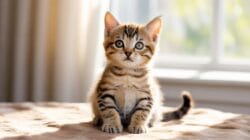
The Social Nature Of Orange Tabby Cats And Their Love For People

Why Orange Tabby Cats Tend To Bond Closely With Their Owners
Orange tabby cats frequently exhibit high levels of sociability due to a genetic link. Approximately 80 percent of orange cats are male. Male cats often demonstrate more outgoing and affectionate behaviors toward humans than females. Owners report these cats seek physical contact and vocalize to gain attention. This sex-linked trait creates a foundation for strong bonds. Their bold nature leads them to become central figures in most households.
Domestication history suggests orange cats thrive in human environments. These cats often view their owners as primary social partners rather than just food providers. They follow people from room to room to maintain proximity. This behavior shows a tactical preference for human interaction. Consistent positive reinforcement strengthens this connection over time. They prefer active engagement and often demand head scratches or lap time. This focus makes them highly desirable as companions.
How Orange Cats Interact With Children And Other Pets
Orange tabbies adapt well to high-energy environments involving children. Their confident temperament helps them handle the unpredictable movements of younger humans. They rarely hide when guests or children enter a room. Instead, they often investigate the new activity. This resilience makes them suitable for busy families. They tolerate handling better than more timid breeds. Their presence usually stabilizes the social hierarchy within a home.
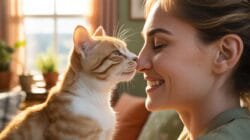
These cats also integrate easily with other animals. Their dominant but friendly nature allows them to coexist with dogs and other cats. They rarely initiate aggressive territorial disputes. Instead, they use social signals to establish peace. This makes them effective additions to multi-pet homes. They often seek out other animals for play or grooming. Their calm approach reduces tension during the initial introduction phases. This trait ensures a functional and quiet household.
Orange Cat Personality Traits Rooted In Confidence And Curiosity

The Bold And Adventurous Side Of The Orange Cat Personality
Orange tabby cats exhibit high levels of physical confidence in their environment. This trait stems from a genetic link between their coat color and behavioral boldness. Most orange tabbies are male due to the sex linked inheritance of the O allele. Studies suggests these males often take more risks. They claim larger territories and navigate new spaces with a sense of ownership and authority.
These cats do not hide when guests arrive. They prefer to lead interactions and investigate changes immediately. This boldness makes them highly adaptable to busy households or homes with other pets. Owners must provide vertical space and sturdy climbing structures to accommodate this drive. A confident cat will test boundaries and explore heights that more timid breeds or colors typically avoid for safety.
How Curiosity Shapes The Daily Behavior Of Orange Tabby Cats
Curiosity drives the specific daily routines of the orange tabby cat personality. They use their senses to monitor every household activity closely. These cats often follow owners from room to room to observe tasks. This is not just for social contact but to gather information about their territory. They investigate open cabinets and new objects with intense focus to ensure they understand their surroundings.

High curiosity levels require owners to provide constant mental stimulation. An under stimulated orange cat will create its own entertainment through destructive means. This includes opening doors or knocking items off counters to see how they fall. Strategic play involves food puzzles and interactive toys that mimic hunting. Physical activity helps manage their energy. Clear boundaries and consistent training are necessary to redirect their inquisitive nature into safe behaviors.
Cat Facts The Genetics Behind The Orange TabbyS Coat And Character

The Role Of The X Chromosome In Producing Orange Coat Coloration
The orange color in cats comes from the O gene. This gene sits on the X chromosome. It controls the production of pheomelanin, which is the pigment for red or orange fur. Because the gene is sex-linked, the inheritance pattern depends on the sex of the cat. A cat needs specific alleles on its X chromosomes to display the orange coat color.
Male cats have one X chromosome and one Y chromosome. They only need one copy of the orange gene from their mother to become orange. Female cats have two X chromosomes. They must inherit the orange gene from both parents to show a full orange coat. If a female cat has only one orange gene, she usually becomes a tortoiseshell or calico instead.
Why The Majority Of Orange Tabby Cats Are Male
Statistically, about eighty percent of orange tabby cats are male. This imbalance exists because of simple genetic math. Since males only have one X chromosome, the presence of the orange gene guarantees an orange coat. There is no second X chromosome to mask the color. This makes the trait much more common and easier to express in the male population of the species.

Female orange tabbies are rarer because they require two copies of the gene. A female must have an orange father and an orange or calico mother. This specific combination happens less frequently in nature. Because of this high male-to-female ratio, many owners associate the orange tabby personality with male behavioral traits. Biology dictates the color distribution, which then influences common public perceptions of the breed.
Orange Cat Personality Traits That Stand Out Affection And Playfulness

How Orange Tabbies Express Affection Toward The People They Trust
Orange tabbies often exhibit high levels of sociability due to a possible genetic link between coat color and temperament. They express trust through physical closeness and vocalizations. Many owners report these cats follow them from room to room. This proximity indicates a strong bond. They use head bunting to deposit scent markers on your skin. This behavior claims you as part of their social group and territory.
Strong eye contact and slow blinking signal that an orange tabby feels safe in your presence. They often prefer sitting on laps or sleeping near their owners rather than hiding. Purring serves as a primary tool for emotional connection. These cats use distinct chirps to initiate interaction. Frequent kneading with paws shows they are relaxed. This species specific behavior mimics kittenhood comfort and confirms a deep emotional attachment.
There is something uniquely sun-warmed about the soul of an orange cat, as if they carry a bit of the hearth’s fire in their gentle, friendly hearts.
Top Ways To Keep Your Playful Orange Tabby Mentally Stimulated
Orange cats possess high energy levels that require daily physical outlets to prevent boredom. Boredom leads to destructive behaviors like scratching furniture or excessive vocalization. You must provide diverse activities that mimic hunting patterns to satisfy their high prey drive. Structured play sessions keep their minds sharp and their bodies lean. Use tools that encourage jumping, climbing, and problem solving to mimic natural outdoor challenges.
- Food Puzzles: Use plastic or silicone feeders that require the cat to move parts to reach kibble. This mimics the work required to find food in the wild. It slows down eating and provides a necessary dopamine hit for solving the challenge.
- Vertical Climbing Zones: Install wall shelves or tall cat trees to give them a high vantage point. Orange tabbies enjoy observing their environment from above. High spaces increase their confidence and satisfy their natural instinct to survey territory for potential prey.
- Interactive Wand Toys: Spend fifteen minutes daily using feather or string toys to simulate bird movements. This activity triggers the biological stalk and pounce sequence. It burns off excess adrenaline and strengthens the bond between the pet and the owner through active engagement.
- Scent Games: Hide small treats around the house to encourage the use of their olfactory senses. This engages their brain in a systematic search pattern. It provides low-impact exercise that is highly rewarding. Searching keeps them focused and prevents cognitive decline as they age.
- Clicker Training: Teach them basic commands like sit or high five using positive reinforcement. Orange tabbies are often food motivated and learn quickly. This mental work tires them out more effectively than physical play alone. It provides a constructive way to manage their high intelligence.

Rotation is the most important factor in maintaining a cat’s interest in their environment. Swap out toy types every week to keep the novelty high. Consistent mental engagement reduces stress hormones in the feline brain. A stimulated orange tabby is a well-behaved companion. Ensure you provide at least two intense play sessions daily. This schedule aligns with their natural crepuscular rhythms for peak morning and evening activity.
The Ginger TabbyS Reputation Are Orange Cats Really More Friendly

What Cat Owner Studies And Surveys Say About Ginger Tabby Friendliness
Surveys show a consistent pattern in how owners view orange cats. Owners frequently rank ginger cats as the most friendly and affectionate group. These reports suggest that people perceive orange cats as less aggressive than tortoiseshell or calico cats. Many owners claim their orange cats seek out human touch more often than other coat colors. These findings reflect widespread human perception.
Data from cat shows and veterinary surveys support these owner claims. These studies often highlight a perceived link between the agouti gene and calm social behavior. However, this data relies heavily on subjective human observation. Owners might treat orange cats better because they expect them to be friendly. This creates a cycle where the cat reacts positively to the owner’s warm behavior.
Separating Myth From Fact In The Ginger Tabby Personality Debate
Science has not found a direct genetic link between the orange fur gene and high sociability. The O gene responsible for the orange color sits on the X chromosome. This genetic placement means about eighty percent of orange cats are male. Male cats generally show more bold and outgoing behaviors than females if they are neutered. This sex ratio explains why many orange cats seem more friendly.

Personality comes from early life experiences and feline socialization. A cat’s upbringing matters more than the color of its fur. People often see what they want to see due to confirmation bias. If you expect an orange cat to be sweet, you will notice its sweet actions and ignore its grumpy ones. The reputation of the ginger cat is a mix of biology and human belief.
Orange Cats In Pop Culture And Why Their Personalities Shine On Screen
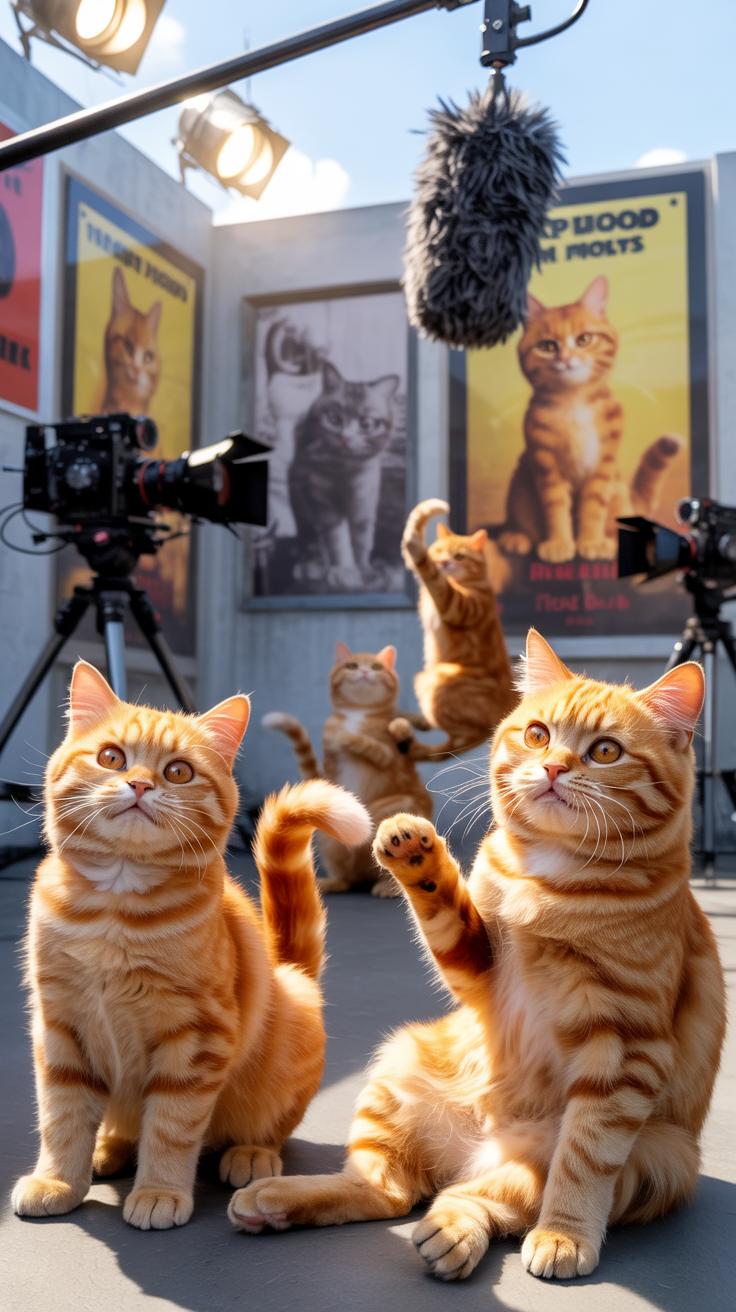
Famous Orange Tabby Cats In Film, Television, And Comics
Orange tabbies dominate media roles because their vibrant coats stand out on screen. Garfield serves as the primary archetype for the food-motivated and cynical orange cat. Morris the Cat became a marketing icon by displaying a finicky and stubborn demeanor in commercials. These characters rely on the visible contrast of their fur to grab audience attention quickly and maintain a strong visual identity.
In film, Goose from Captain Marvel and Jonesy from Alien represent the fearless side of the orange tabby. These characters rarely display fear in high-stakes environments. Puss in Boots from the Shrek franchise utilizes a blend of bravado and calculated cuteness. These diverse roles prove that creators view orange cats as versatile assets. They can project either extreme laziness or high-intensity action depending on the script goals.
How Pop Culture Representations Reflect Real Orange Tabby Behaviors
Media portrayals often mirror real genetic and social traits found in orange tabbies. Most orange cats are male due to the sex-linked inheritance of the O gene. This leads to a high frequency of large and bold physical profiles in film. On-screen laziness often reflects the relaxed nature reported by many owners. These fictional versions capitalize on the perception that orange cats are more social than other color patterns.

Documentary evidence and behavioral studies suggest these cats often seek high levels of human interaction. Pop culture uses this tendency to create relatable animal companions. When a movie cat follows a protagonist into danger, it mimics the breed tendency for strong social bonds. These depictions reinforce the public idea that orange tabbies possess a distinct and outgoing personality. Filmmakers use these traits to drive narratives and build character depth.
Cat Personalities Compared How Orange Tabbies Differ From Other Coat Colors

What Research Suggests About Coat Color And Cat Personality Differences
Scientific studies show a strong link between human perception and cat coat colors. Owners consistently rate orange cats as the most friendly and approachable. These ratings often stem from cultural bias rather than pure genetics. However, research into the agouti gene suggests that pigment production might influence neurological development. This connection could explain why certain color patterns exhibit specific behavioral tendencies across different feline populations.
Researchers use surveys to track how humans interact with various cat colors. People report that orange cats seek more physical affection than other types. This feedback loop reinforces the social nature of the orange tabby. While genetics play a role, the environment and early socialization remain the primary drivers of temperament. You must look past the fur color to understand the individual animal’s baseline behavior and history.
How Orange Tabby Temperament Compares To Black, Gray, And Tortoiseshell Cats
Orange tabbies typically show higher levels of bold behavior compared to black or gray cats. Black cats often face unfair social stigmas but generally show calm and stable temperaments in domestic settings. Gray cats frequently land in the middle of the spectrum regarding socialization. In contrast, orange cats tend to dominate social hierarchies within multi-cat households. They use their size and assertive nature to secure resources.
Tortoiseshell cats differ significantly due to the tortoiseshell-attitude or tortitude phenomenon. Owners report these cats are more independent and feisty than the laid-back orange tabby. This difference likely links to the sex-linked genes found in nearly all female tortoiseshells. Orange cats are mostly male, which contributes to their high energy and physical play styles. Use these breed-standard observations to manage your expectations when selecting or training a new cat.
Living With An Orange Tabby What New Owners Should Know About Their Personality

Daily Habits And Routines That Reflect The Orange Tabby’S True Character
Orange tabby cats follow rigid schedules centered on human interaction. These cats often track their owners from room to room. This behavior stems from a high sociability index common in the ginger phenotype. They demand attention at specific times, usually during morning routines or evening rest periods. This consistency makes them predictable house companions for owners who value a structured daily environment.
Aggressive vocalization often signals their need for food or play. Most orange tabbies use loud meows to communicate specific requirements. They do not wait for the owner to initiate contact. Instead, they insert themselves into activities such as working at a desk or reading. Their habits reflect a bold disregard for personal space. You must expect your cat to dominate common areas throughout the day.
Essential Tips For Nurturing A Happy And Well Adjusted Orange Tabby Cat
Owners must prioritize high-energy play to prevent boredom and weight gain. Orange tabbies have a biological predisposition toward obesity, especially males. Regular physical exercise mitigates this risk and stabilizes their mood. They require vertical space to survey their territory. Strategic placement of shelves and towers allows them to express natural instincts while remaining part of the household social group.
- Scheduled Play sessions: Conduct fifteen-minute high-intensity sessions twice daily. Use wand toys to mimic prey movements. This burns excess glucose and prevents destructive behaviors like scratching furniture or excessive nighttime vocalization.
- Caloric Management: Monitor food intake strictly using measuring cups or digital scales. Orange cats possess a high food drive that leads to overeating. Avoid free-feeding to maintain a lean body mass and prevent long-term joint issues.
- Social Engagement: Dedicate time for direct physical contact every day. This breed variant thrives on physical proximity more than others. Neglect leads to stress-induced behaviors such as over-grooming or hiding. Consistency builds a secure bond.
- Environmental Enrichment: Install perches near windows to provide cognitive stimulation. Orange tabbies enjoy watching outdoor activity. This visual input keeps their minds active when you are away from home. Use bird feeders to increase visual interest.
- Vocational Training: Use clicker training to teach basic commands. These cats respond well to reward-based learning due to their high food motivation. Training provides mental exercise and strengthens the communication channel between the cat and the owner.
Socialization and environmental control dictate the long-term health of these cats. They require more active engagement than more independent breeds. Providing outlets for their bold personalities ensures they do not become pests. Consistency in feeding and play times reduces anxiety. A well-managed orange tabby remains a loyal and predictable partner. Stick to these tactical steps to ensure your cat thrives.
Orange Tabby Cat Personality Across Different Life Stages

How An Orange Tabby Kitten’S Personality Develops Into Adulthood
Orange tabby kittens demonstrate high energy levels and intense curiosity early in life. Genetic factors linked to the pheomelanin pigment often correlate with bold behavior. These kittens explore their environment with less hesitation than other color patterns. Owners must provide consistent social interaction during the first twelve weeks. This socialization period dictates how the cat will handle human contact and physical handling in its later years.
As the cat moves into adulthood, the personality stabilizes around age two. The high kitten energy shifts into a confident and social temperament. Most adult orange tabbies maintain a focus on human companionship and vocal communication. They often seek out physical proximity more than other coat variations. Proper weight management is vital during this stage. Their relaxed nature can lead to lower activity levels and potential obesity issues.
Understanding The Behavioral Shifts In Senior Orange Tabby Cats
Senior orange tabby cats often experience a significant decline in activity around age ten. This shift affects their social habits and physical needs. You will notice the cat spends more time sleeping in warm locations. They may become more demanding of attention as their mobility decreases. Keep their environment stable to reduce stress. Cognitive changes can occur, leading to increased vocalization or confusion during nighttime hours.
Health issues often dictate the personality changes seen in older orange cats. Arthritis and dental pain can make a previously friendly cat act irritable or withdrawn. Regular veterinary checkups are necessary to distinguish behavioral changes from underlying medical conditions. Maintain a soft diet and easy access to litter boxes. Consistent routines help the senior cat feel secure. A well-managed environment ensures the cat remains affectionate and engaged throughout its final years.
Frequently Asked Questions

Are orange tabby cats known for being more friendly than other cats?
Many pet owners and veterinarians believe the orange tabby cat personality is exceptionally social and affectionate compared to other coat colors. Often nicknamed “velcro cats,” these ginger felines are famous for seeking out human interaction and displaying a bold, gregarious nature. While every individual cat is unique, the consensus among enthusiasts is that their warm, outgoing spirit makes them the perfect companions for families looking for a cuddly, people-oriented pet.
How can I best encourage my orange tabby’s energetic personality at home?
To support a vibrant orange tabby cat personality, provide plenty of vertical space and interactive play sessions. Since these cats are often adventurous and highly curious, you should rotate their toys weekly and invest in sturdy scratching posts or cat trees. Engaging their minds with treat puzzles or clicker training is an excellent way to channel their famous “big” personalities into positive behaviors, ensuring they stay physically active and mentally stimulated within your home.
Is it more expensive to adopt an orange tabby cat because they are popular?
Generally, adopting an orange tabby is very affordable since they are a common coat pattern rather than a specific rare breed. You can easily find these charming felines at local shelters or rescues for a standard adoption fee, which often includes vaccinations and neutering. Because they are widely available, you can bring home a cat with a wonderful ginger temperament without the high price tag associated with specialty or pedigreed breeders.