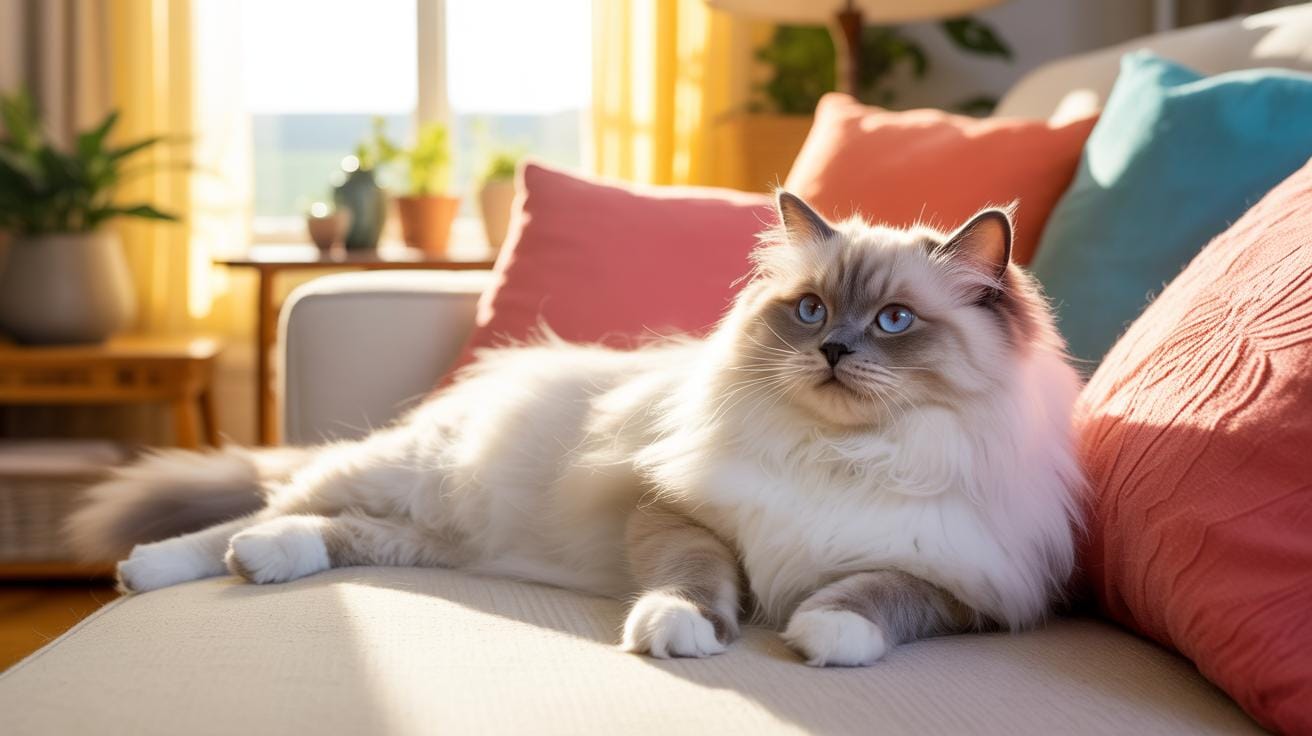
A Brief History Of The Ragdoll Cat Breed And How It Shaped Their Personality
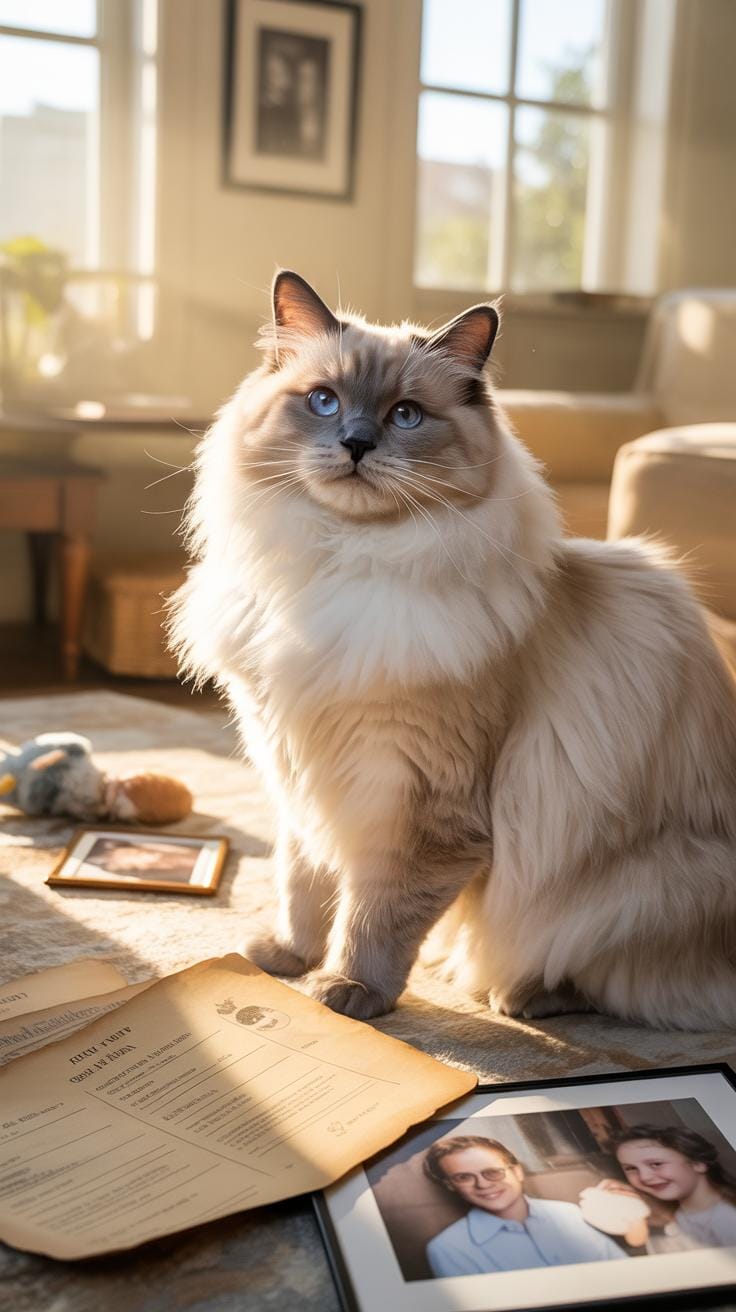
The Origins Of The Ragdoll Breed: Ann Baker And 1960s California
Ann Baker developed the Ragdoll breed in Riverside, California, during the early 1960s. She started with a white domestic longhair cat named Josephine. Josephine was a free-roaming cat that produced standard kittens until she survived a car accident. After the accident, Baker claimed Josephine’s subsequent litters displayed a limp, relaxed posture when held. This unique physical reaction became the foundational trait of the breed.
Baker selected specific cats from Josephine’s litters to fix this limp trait in a new lineage. She used cats like Daddy Warbucks and Fugianna to establish the breed standards. Baker even trademarked the Ragdoll name and set up a strict registry called the International Ragdoll Cat Association. These original breeding choices focused entirely on temperament and physical floppiness. This narrow focus ensured the lineage prioritized behavioral traits over typical feline hunting instincts.
How Selective Breeding Influenced The Ragdoll Cat’S Calm And Docile Nature
Ragdoll personality traits are the direct result of intentional selection for low aggression and high sociability. Early breeders ignored the common feline drive for territorial dominance. They instead chose parents that displayed an unusual lack of fight or flight responses. By breeding for these traits, they created a cat that trusts humans implicitly. This makes the Ragdoll significantly more docile than most other longhair cat breeds found today.
The genetic focus on a soft temperament changed how these cats interact with their environment. Unlike most cats, Ragdolls do not usually seek high ground for safety or hunt prey with intensity. Breeders prioritized the flop response, where the muscles relax completely during human contact. This trait is now a standard requirement for the breed. It defines the Ragdoll as a companion animal rather than an independent or solitary predator.
Core Ragdoll Cat Personality Traits That Define The Breed
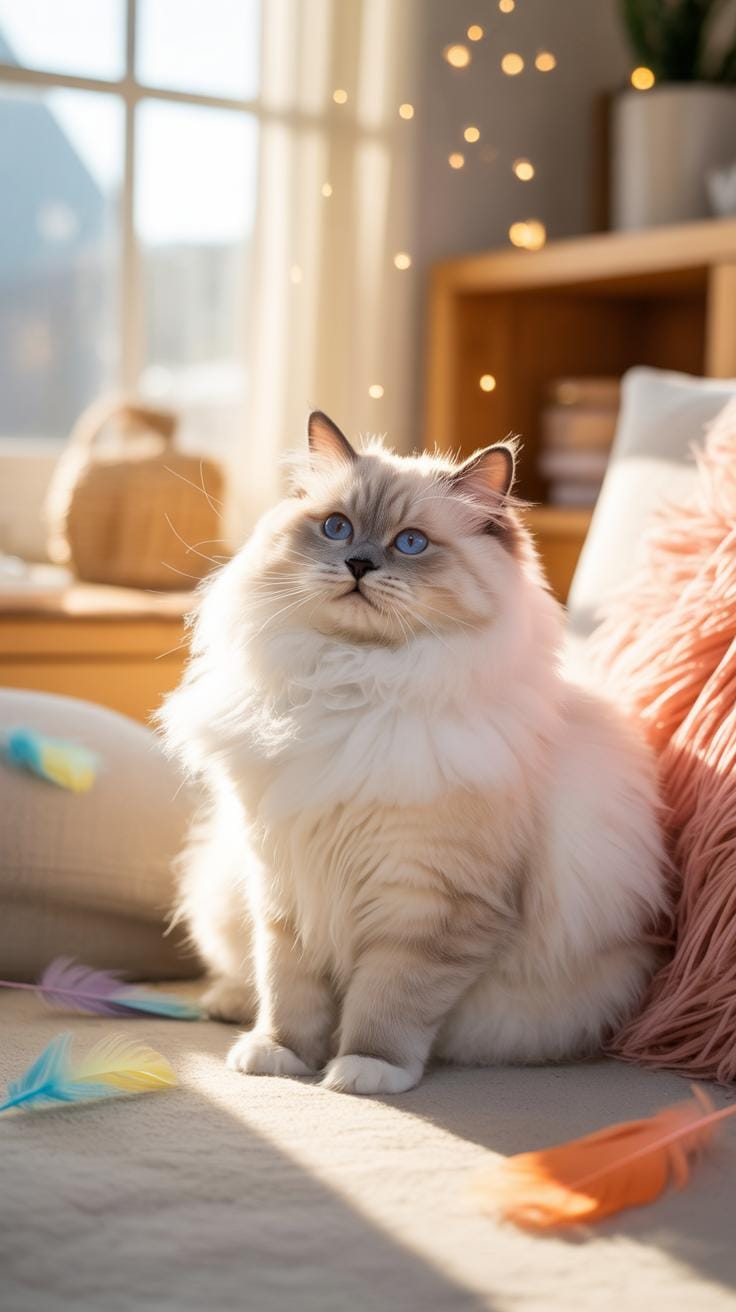
Why Ragdolls Are Known As One Of The Gentlest And Most Relaxed Cat Breeds
Ragdolls earned their name from a specific physical response. These cats often go limp when people pick them up. This trait stems from selective breeding initiated by Ann Baker in the 1960s. They possess an unusually low fight or flight response compared to other breeds. This lack of tension makes them ideal for indoor environments where high energy is not required.
The breed maintains a calm temperament through most situations. They rarely show aggression or use their claws during play. Owners value this docility because it simplifies handling and grooming. These cats do not react strongly to loud noises or sudden changes in their surroundings. Their relaxed nature is a genetic hallmark of the breed rather than a learned behavior from their owners.
The Affectionate And People Oriented Nature Of The Ragdoll Cat Personality
Ragdolls prioritize human interaction over solitary activities. They follow owners from room to room to maintain proximity. Breeders often describe them as puppy like because they wait at the door for people to return home. They do not hide under furniture when guests arrive. Instead, they seek out social engagement. This behavior makes them highly visible and active participants in the household.

This breed requires consistent social contact to remain healthy and happy. They do well in homes where people are present for most of the day. Ragdolls often adapt to the schedules and habits of their owners. They prefer sitting next to you or on your lap rather than perched on high shelves. This grounded nature ensures they stay integrated into the daily family routine.
Ragdoll Cat Characteristics Size Build And Physical Presence
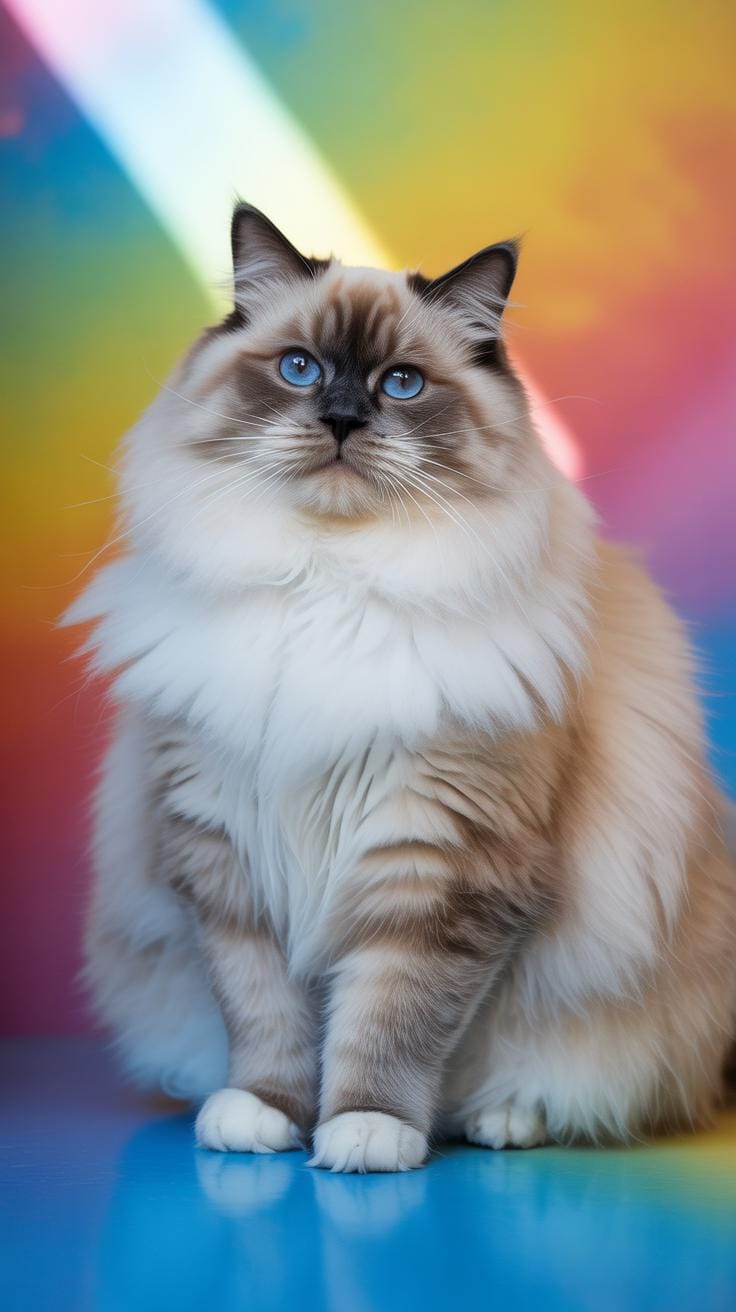
Understanding The Large, Semi Longhaired Body That Defines Ragdoll Cat Characteristics
Ragdolls are one of the largest domesticated cat breeds. Males typically weigh between fifteen and twenty pounds. Females usually weigh between ten and fifteen pounds. They possess a broad chest and a sturdy bone structure. This heavy frame creates a significant physical presence in your home. Their rectangular body shape provides the strength needed for their substantial weight. You must prepare for a large animal.
The breed features a medium-long coat with a distinct plush texture. It lacks a thick undercoat which reduces the frequency of matting compared to other longhaired breeds. This specific coat structure allows the fur to flow around the body rather than standing out. Owners must groom them regularly to prevent knots. The physical build directly influences their grounded nature. They prefer staying low to the ground despite their size.
They are the velvet shadows that catch us when we fall, turning every embrace into a moment of pure, weightless peace. A Ragdoll does not just sit by your side, they surrender their whole heart into your arms.
Blue Eyes, Soft Coat, And The Slow Maturation Rate Of The Ragdoll Cat Breed
Every purebred Ragdoll has striking blue eyes. This trait is a mandatory standard for the breed. The eye shape is large and oval which adds to their alert appearance. Their coat is color-pointed meaning the face, ears, tail, and legs are darker than the body. This pattern develops as the cat ages. You will notice the contrast becomes sharper over the first few years.

Ragdolls reach full physical maturity at four years old. They grow in spurts rather than a steady climb. Do not mistake their large size for adulthood during the first two years. Their coat color and weight will keep changing until they hit peak maturity. This slow growth cycle requires consistent nutrition and patience. Understanding this timeline helps you manage their health and feeding schedules effectively over their lifespan.
Ragdoll Cat Colors And Coat Patterns Every Owner Should Recognize
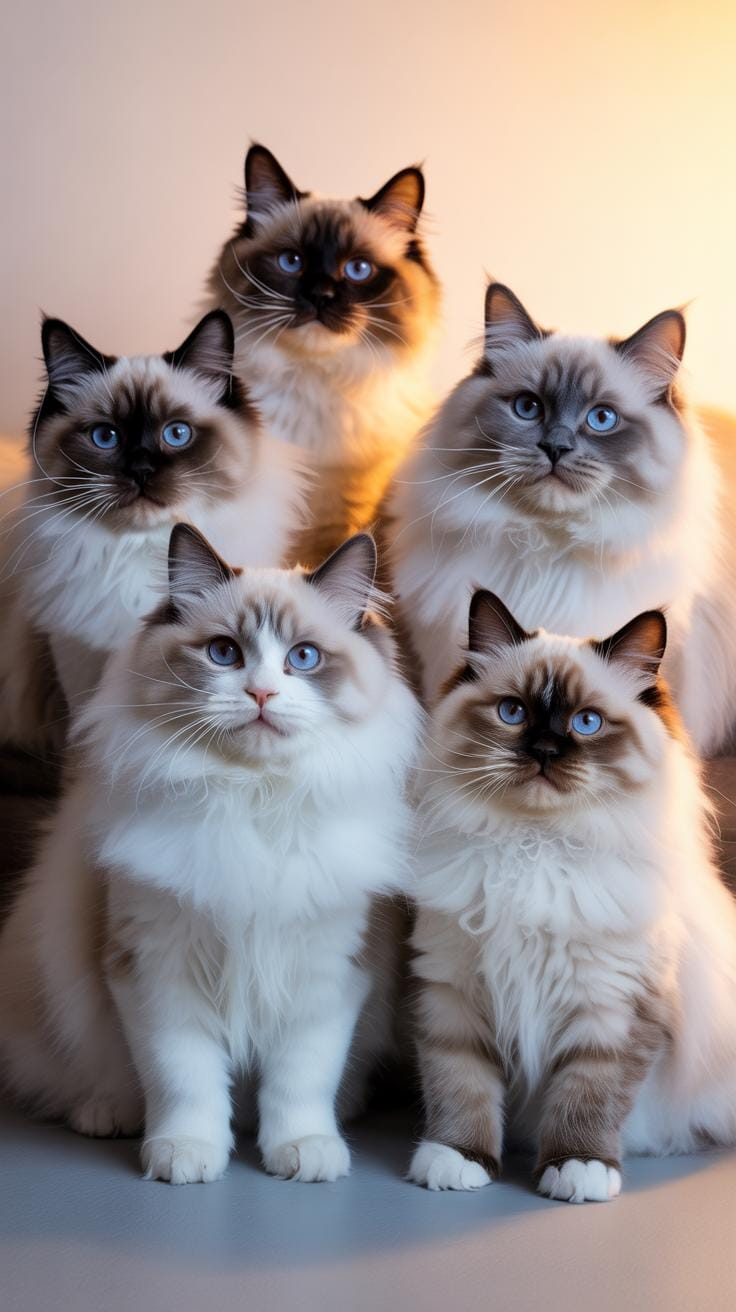
The Six Recognized Ragdoll Cat Colors: Seal, Blue, Chocolate, Lilac, Red, And Cream
The Cat Fanciers Association recognizes six specific colors for Ragdolls. Seal is a dark brown that appears on the points. Blue is a cool gray tone. Chocolate offers a lighter, warmer brown than seal. Lilac presents as a pinkish gray. Red and cream provide warm orange and pale yellow hues. These colors appear on the ears, face, tail, and legs.
Genetics determine these color variations. Seal and blue remain the most common colors in the breed. Chocolate and lilac are recessive traits and require specific breeding. All Ragdolls are born white due to a temperature sensitive enzyme. Development of full color takes up to three years. Owners must monitor these changes to identify their cat accurately as it matures into adulthood.
Colorpoint, Mitted, And Bicolor: How Ragdoll Coat Patterns Are Officially Classified
Pattern classification defines the Ragdoll breed standard. The colorpoint pattern features dark extremities with no white markings. Mitted cats have white paws that look like socks and a white chin. Bicolor cats show an inverted V shape on the face and a white belly. These distinctions rely on the amount of white spotting currently present on the body and limbs.

Breeders use these patterns to meet show requirements. A mitted cat must have a white stripe on its belly. Bicolor cats must have white legs and a white chest. Lynx and tortoiseshell variations can even overlay these primary patterns. Proper identification ensures you understand the lineage and value of your animal. Knowledge of these official markings prevents confusion during registration or professional evaluation.
Ragdoll Cat Breed Traits Temperament With Children Dogs And Other Pets
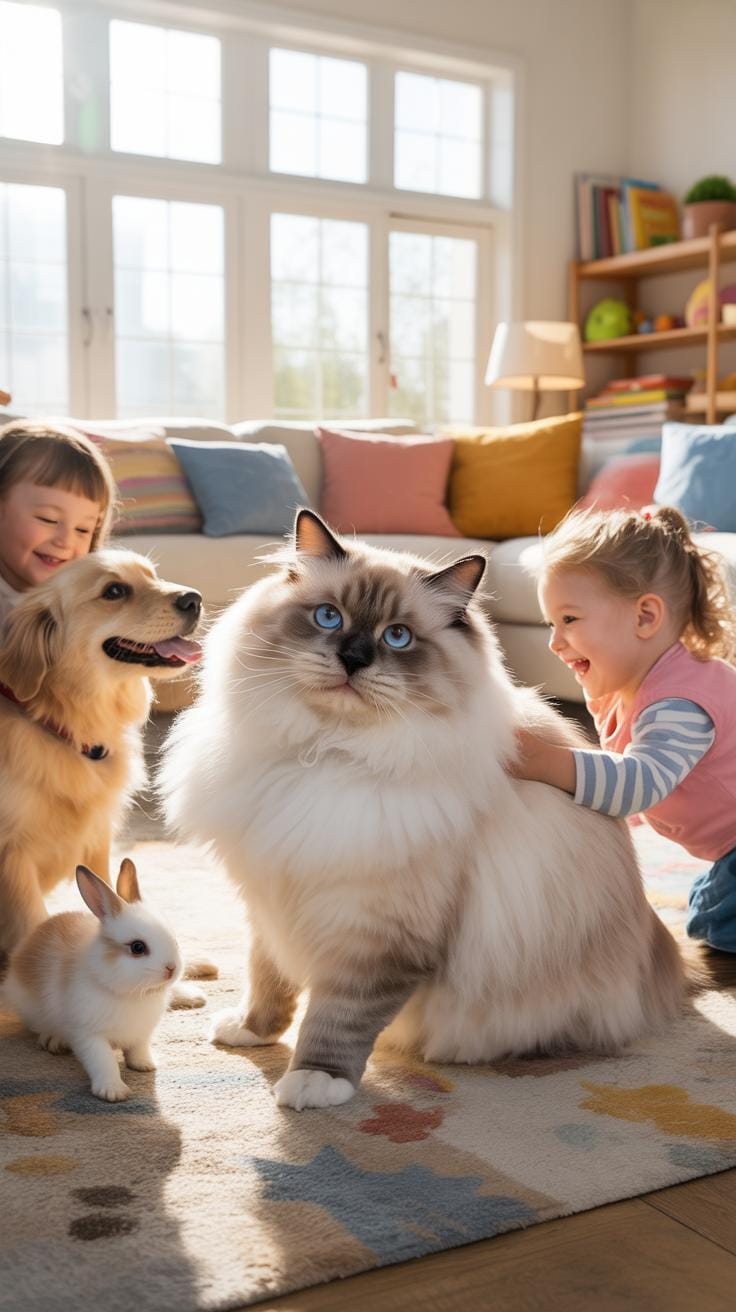
Why Ragdoll Cats Are Considered One Of The Best Breeds For Family Households
Ragdolls suit families because they lack the high-arousal aggression found in other breeds. Ann Baker developed this breed in the 1960s Specifically for a docile nature. These cats have a high pain threshold. This means they tolerate clumsy handling from young children. They rarely use their claws when startled. This tactile safety makes them ideal for homes with active toddlers.
The breed behaves more like a companion dog than a typical feline. They follow owners from room to room and stay at floor level. They do not hide under furniture when the house gets loud. This tolerance for chaos allows them to integrate into busy schedules without developing stress behaviors. Their predictable temperament ensures they remain calm during social gatherings and loud play sessions.
How Ragdolls Typically Respond To Dogs And Multi Pet Living Environments
Ragdolls thrive in multi-pet homes because they lack a strong territorial drive. They do not fight for dominance with other cats. Their passive nature makes them easy to introduce to existing pets. They often form bonds with other feline companions quickly. This reduces the risk of long-term household tension. They prefer companionship over solitude and enjoy having another animal nearby.

Most Ragdolls get along well with dogs. They do not run away when a dog approaches. This lack of flight response prevents dogs from engaging in predatory chasing. Ragdolls often sleep next to dogs and participate in mutual grooming. You must ensure the dog is cat-friendly since the Ragdoll will not defend itself aggressively. Their social intelligence allows them to navigate interspecies dynamics effectively.
Ragdoll Cat Facts Intelligence Play Behavior And Daily Activity Levels
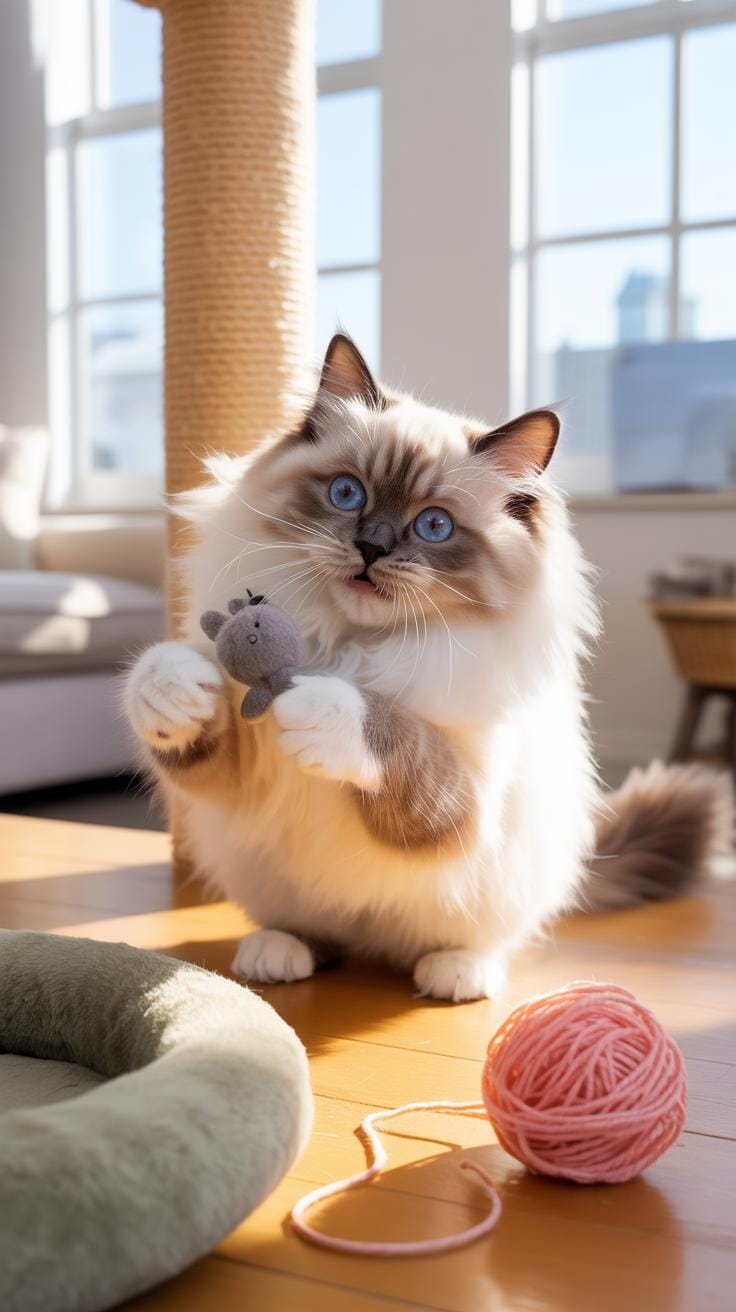
How Smart Are Ragdoll Cats? Understanding Their Trainability And Problem Solving Ability
Ragdoll cats possess high social intelligence. They observe human movements and learn routine behaviors through repetition. This breed adapts quickly to household schedules. They respond well to voice commands and positive reinforcement. Their intelligence is practical rather than predatory. They focus on tasks that involve human interaction. Owners can teach them basic tricks like fetching or sitting using food rewards.
Training a Ragdoll requires consistency and patience. These cats lack the stubborn independence found in other breeds. They want to please their owners and avoid conflict. You can use clicker training to modify their behavior. They solve simple puzzles to access treats or toys. While they are not escape artists, they understand how to manipulate their environment to get attention or food.
Ragdoll Cat Traits In Play: Moderate Energy, Gentle Games, And Favorite Toy Types
Ragdolls have a unique approach to physical activity. They maintain a moderate energy level throughout the day. They do not enjoy intense or aggressive play sessions. Instead, they prefer low impact games that happen on the floor. These cats rarely jump to high shelves during play. They keep their paws on the ground. Safety and comfort dictate their movement patterns.
- Soft Plush Toys: These cats enjoy carrying lightweight plush items in their mouths. They simulate hunting without using high levels of force. Soft toys allow them to practice gentle mouth movements and retrieval skills.
- Ground Level Wands: Feather wands moved slowly across the floor trigger their tracking instincts. Ragdolls prefer horizontal chasing over vertical jumping. This keeps their heavy bodies safe from long falls or joint strain.
- Puzzle Feeders: Using food based puzzles keeps their minds active. It rewards their problem solving skills with a tangible prize. This tool prevents boredom in indoor environments and slows down their eating speed effectively.
- Large Kick Pads: These long toys allow the cat to use its hind legs for scratching and kicking. It provides a healthy outlet for energy without damaging furniture. The size matches the Ragdolls large physical frame.
- Interactive Light Chasers: Low intensity light spots encourage movement across flat surfaces. These cats follow the light with focused attention. It provides a cardiovascular workout without requiring difficult climbing or high speed acrobatics.

Play habits change as the Ragdoll matures into adulthood. Kittens show more bursts of speed and curiosity. Adults settle into a predictable routine of short play periods followed by long naps. You must initiate play to keep them fit. They will not always seek out exercise on their own. Daily engagement prevents obesity and maintains muscle tone. Focus on interactive sessions rather than solo play.
Ragdoll Cat Personality And Vocalization How They Communicate With Their Owners
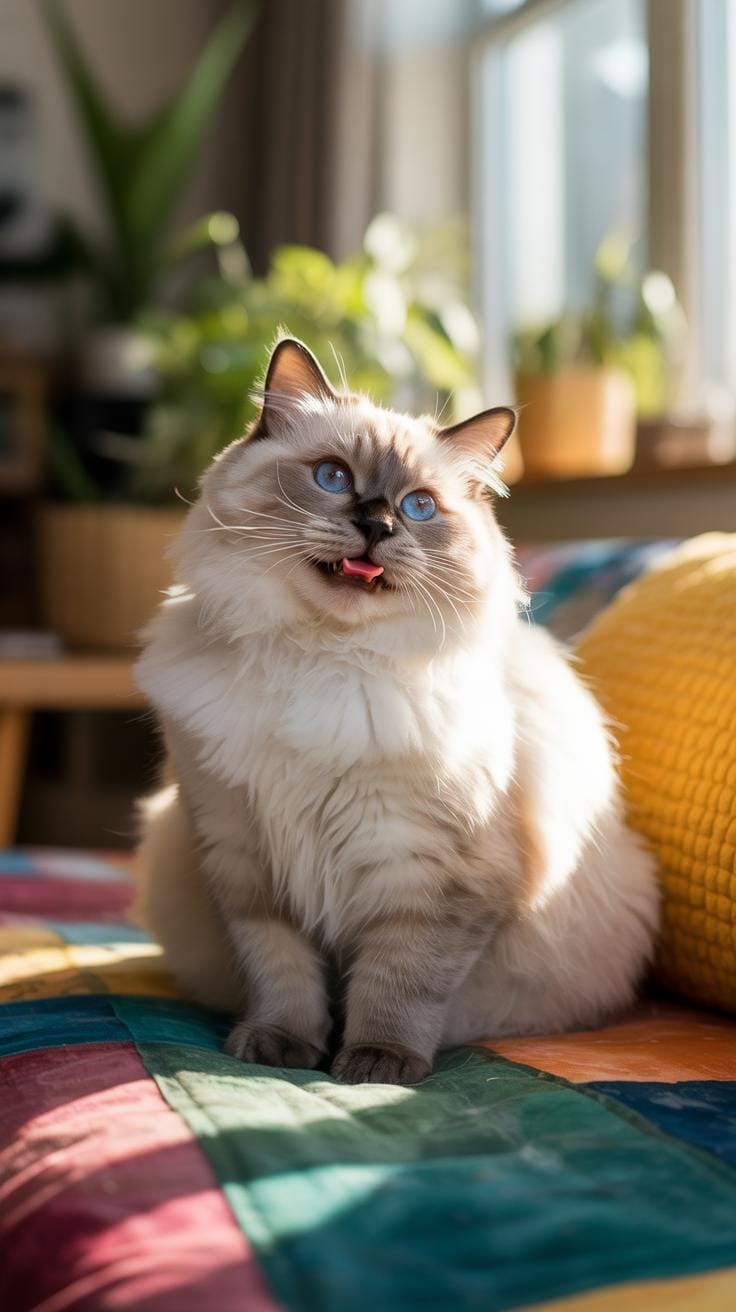
Understanding Their Soft, Infrequent Communication Style
Ragdoll cats are not loud or demanding. Most owners find them surprisingly quiet compared to other breeds. They do not yell for food or attention. Instead, they use small chirps and soft meows to signal their needs. This low volume is a defining trait of the breed. It means you must pay close attention to hear their subtle vocal cues or requests.
This quiet nature stems from their calm temperament. They rarely show distress through loud noises. If a Ragdoll becomes unusually vocal, it often signals a specific problem like hunger or a dirty litter box. They rely on quality over quantity when they speak. You will quickly learn their specific short sounds. These sounds usually indicate that they want to play or receive some physical affection.
Reading Ragdoll Body Language: Limp Relaxation, Slow Blinking, And Following Behavior
Ragdolls communicate primarily through physical presence. They are famous for going limp when you pick them up. This muscle relaxation shows total trust and comfort. They do not fight or tense up like many other cats. They also use the slow blink to show safety. Closing their eyes slowly in your presence is a clear sign of high affection and a peaceful state.

You will see them follow you from room to room. This behavior is not about food. It is a social signal that they want to be near you. They often flop onto their backs or sit near your feet to show they are present. These actions replace the need for loud meowing. They use their bodies to confirm their bond with you through constant and quiet proximity.
Raising A Ragdoll Kitten Early Socialization And Personality Development
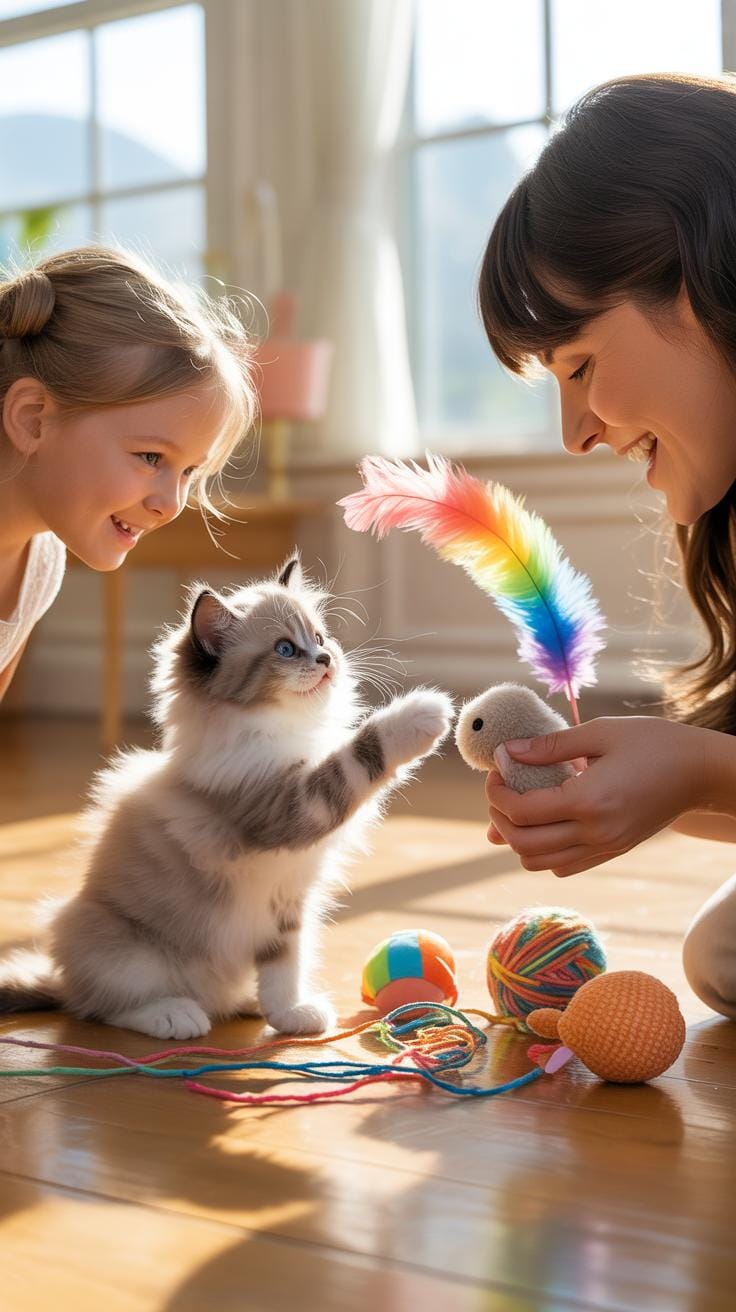
What To Expect In The First Weeks With A Ragdoll Kitten: Bonding And Behavior Milestones
Ragdoll kittens arrive with a baseline for docility but require immediate environmental acclimation. Expect a period of cautious exploration during the first forty-eight hours. The kitten will seek small, secure spaces before initiating social contact. Establish a singular home base with food and litter. This strategy reduces stress and promotes faster bonding. You must monitor their interaction levels to ensure they do not become withdrawn.
The primary milestone in week one is the recognition of human presence as a source of safety. You will notice the kitten following you from room to room. This shadow behavior indicates successful attachment. By week three, the kitten should show no fear of normal household noises. Consistent handling during this window cements the breed’s signature limp relaxation response when held. Lack of interaction now creates a distant adult cat.
Essential Tips For Socializing A Ragdoll Kitten To Build A Confident Adult Cat
Socialization determines if your Ragdoll kitten becomes a fearless companion or a hiding pet. You must expose the kitten to diverse stimuli before the age of twelve weeks. This period is the critical window for personality development. Use positive reinforcement to reward curiosity and calm behavior. A well-socialized Ragdoll will handle change and new people without significant anxiety or behavioral regressions.
- Controlled Exposure: Introduce loud appliances like vacuums and blenders at a distance. Start with low volume and provide treats to create a positive association. Gradually move the noise closer over several days. This prevents the kitten from developing permanent fear responses to common household sounds.
- Handling Drills: Touch the kitten’s paws, ears, and mouth daily. This practice prepares the Ragdoll for future nail trims, ear cleanings, and vet exams. It reinforces the breed’s natural tolerance for physical contact. Frequent handling ensures the cat remains calm when restrained or examined by strangers.
- Diverse Interactions: Invite various guests to interact with the kitten in a calm manner. Exposure to different voices, heights, and scents builds social confidence. This prevents the cat from becoming a “one-person” pet. A broad social circle helps the Ragdoll adapt to visitors and new family members later in life.
- Safe Surface Training: Place the kitten on different textures like carpet, tile, and wood. Provide various elevated surfaces for the kitten to climb and explore safely. Familiarity with different environments reduces environmental stress. It teaches the kitten that new surroundings are safe and makes future travel or moving house much easier.
- Targeted Play: Use interactive wand toys to mimic hunting behavior daily. Play sessions build physical strength and mental sharpness while strengthening the human-animal bond. Avoid using hands as toys to prevent biting habits. Proper play channels energy into healthy outlets and reduces destructive behaviors in the home.

Structured socialization prepares the kitten for the realities of a busy home. Do not overstimulate the animal during these sessions. Keep interactions brief but frequent to maintain a positive trajectory. If the kitten shows signs of fear, stop and try again at a lower intensity. Patience now ensures the Ragdoll cat personality traits you desire become permanent fixtures of their adult character and daily behavior.
Health Considerations And Ragdoll Cat Traits That Owners Should Monitor
Common Health Conditions Linked To The Ragdoll Cat Breed Including HCM And Kidney Disease
Hypertrophic Cardiomyopathy is a primary genetic concern for this breed. This condition causes the heart walls to thicken and restricts blood flow. Owners must verify that breeders test for the specific MYBPC3 gene mutation. This mutation increases the risk of early heart failure. Reliable genetic screening identifies carriers before they pass the trait to new litters of kittens today.
Polycystic Kidney Disease and bladder stones also affect the breed frequently. These issues often stem from genetic predispositions or poor hydration levels. You must track water intake and monitor for changes in litter box habits. Early detection through regular veterinary ultrasounds or blood work prevents total organ failure. Managing diet remains the most effective way to control mineral buildup in the urinary tract.
How The Ragdolls Gentle Temperament Can Mask Signs Of Pain Or Illness In Daily Life
The passive nature of this breed creates a dangerous diagnostic challenge for most owners. These cats do not typically hiss or cry when they feel physical discomfort. They internalize pain and maintain a calm exterior even during severe medical crises. This stoic behavior means owners often miss the early warning signs of disease. You cannot rely on vocalizations to gauge health.
Detection requires constant monitoring of subtle behavioral shifts rather than waiting for obvious distress signals. A cat that stops jumping or hides more than usual is likely suffering. Watch for changes in grooming habits or slight decreases in appetite. Because this breed lacks a strong flight response, they will not run away when a painful area is touched. Assume any lethargy is a medical red flag.
Frequently Asked Questions

What are the most common ragdoll cat personality traits for new owners?
Ragdolls are famous for their docile, “floppy” nature, often going limp when held. Key ragdoll cat personality traits include a dog-like devotion to their owners, a gentle temperament, and a quiet voice. Unlike many independent breeds, these cats thrive on human companionship and will often follow you from room to room, making them the ultimate indoor lap cats for families and seniors alike.
How can I create a home environment that suits these specific personality traits?
Because of their social ragdoll cat personality traits, these cats need an environment centered on interaction. Avoid leaving them alone for long periods; if you work all day, consider a second feline friend. Provide plenty of soft floor-level beds and scratching posts, as they typically prefer staying low to the ground rather than climbing high shelves. Always keep them indoors to ensure their trusting nature doesn’t lead them into danger.
Is it possible to find a Ragdoll cat on a budget despite their popularity?
While buying a kitten from a registered breeder can be expensive, you can find these affectionate cats at a lower cost through breed-specific rescues or local shelters. Adopting an adult Ragdoll is a great way to save on initial costs while still enjoying their famous calm demeanor. Always prioritize a cat’s health and temperament over a low price tag to ensure a happy, long-term bond with your pet.