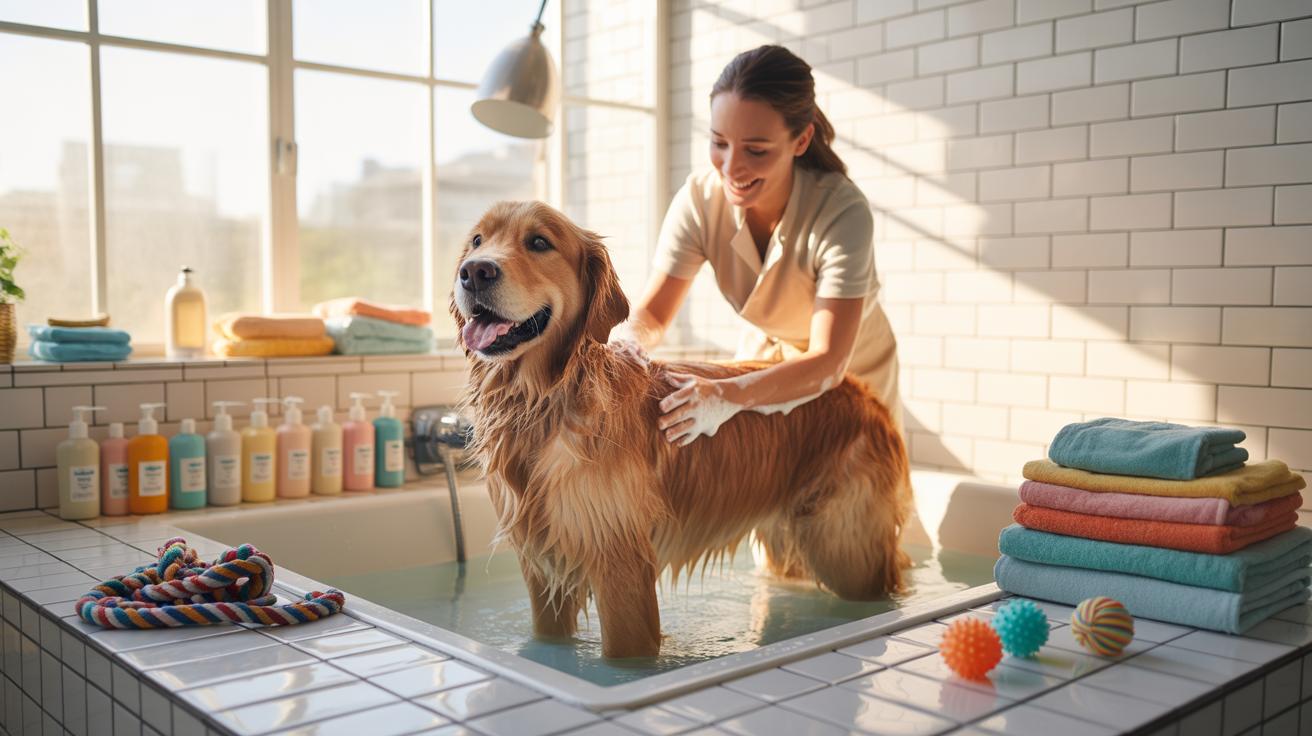
Why A Dedicated Dog Washing Station Makes All The Difference
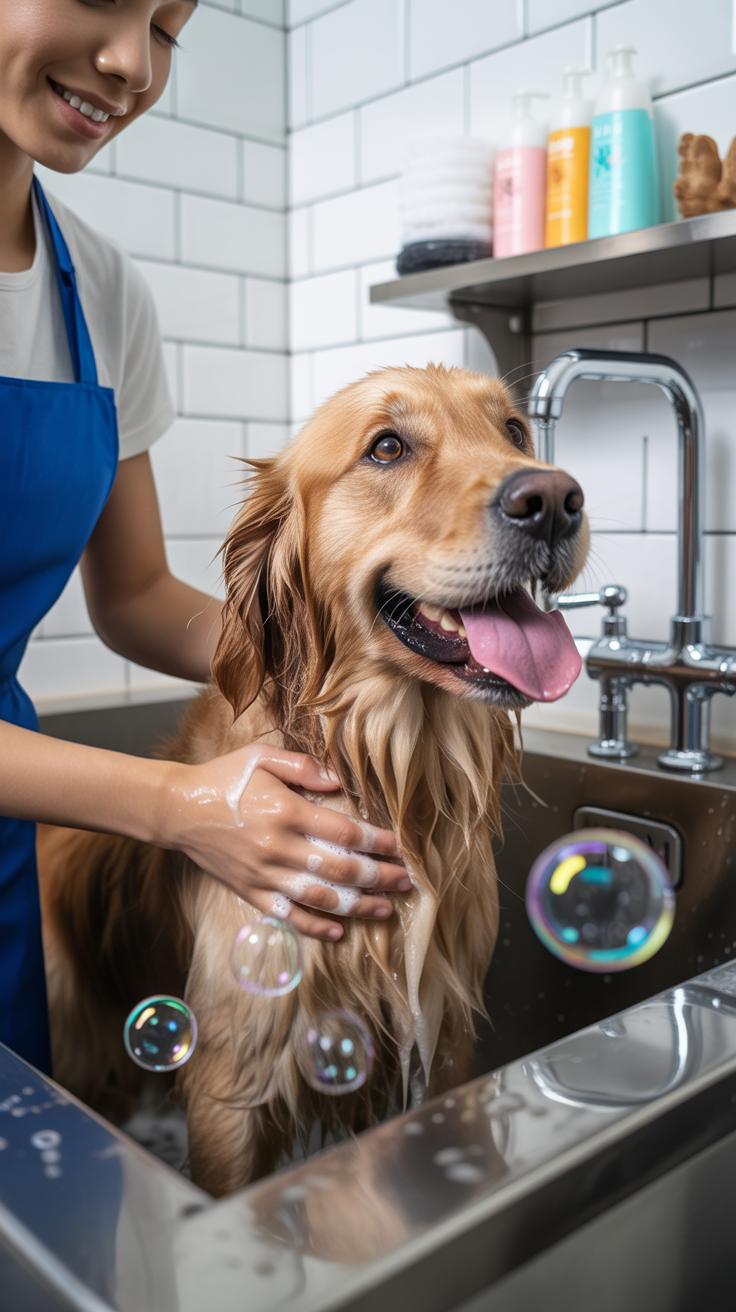
The Real Cost Of Bathing Your Dog Without A Proper Setup
Using a standard human bathtub or kitchen sink creates immediate structural risks. Most residential plumbing traps cannot handle heavy loads of coarse canine hair and outdoor sediment. This lead to frequent clogs and expensive professional plumbing repairs. Furthermore, kneeling on hard bathroom floors causes long term physical strain on your joints. You lose control of the animal when you lack proper elevation and restraint.
Standard tubs also present safety hazards for the dog. Slips and falls occur when porcelain surfaces meet wet paws. You will spend more time cleaning the entire room than washing the pet. Water splashes onto drywall and baseboards, which causes mold growth and wood rot over time. The lack of a containment system forces you to work against the dog instead of with it.
How A Fixed Dog Washing Station Saves Time Water And Stress
A fixed station uses professional grade sprayers to deliver water directly to the skin. This pressure cuts through dense fur faster than standard faucets. You use less water because the spray is targeted and controlled. Strategic elevation puts the dog at waist height. This position allows you to work quickly and maintain total control over the animal. This efficiency reduces the time spent on every single bath.
Dedicated stations incorporate hair traps and heavy duty drainage systems. These components prevent debris from entering your main sewer lines. You avoid messy cleanup because the station contains all splashes and suds. Building a specific area also reduces the anxiety of the pet. Animals stay calmer in a predictable environment designed for their size. This predictability turns a chaotic chore into a fast and manageable routine.
Choosing The Right Location For Your Dog Bath Area At Home
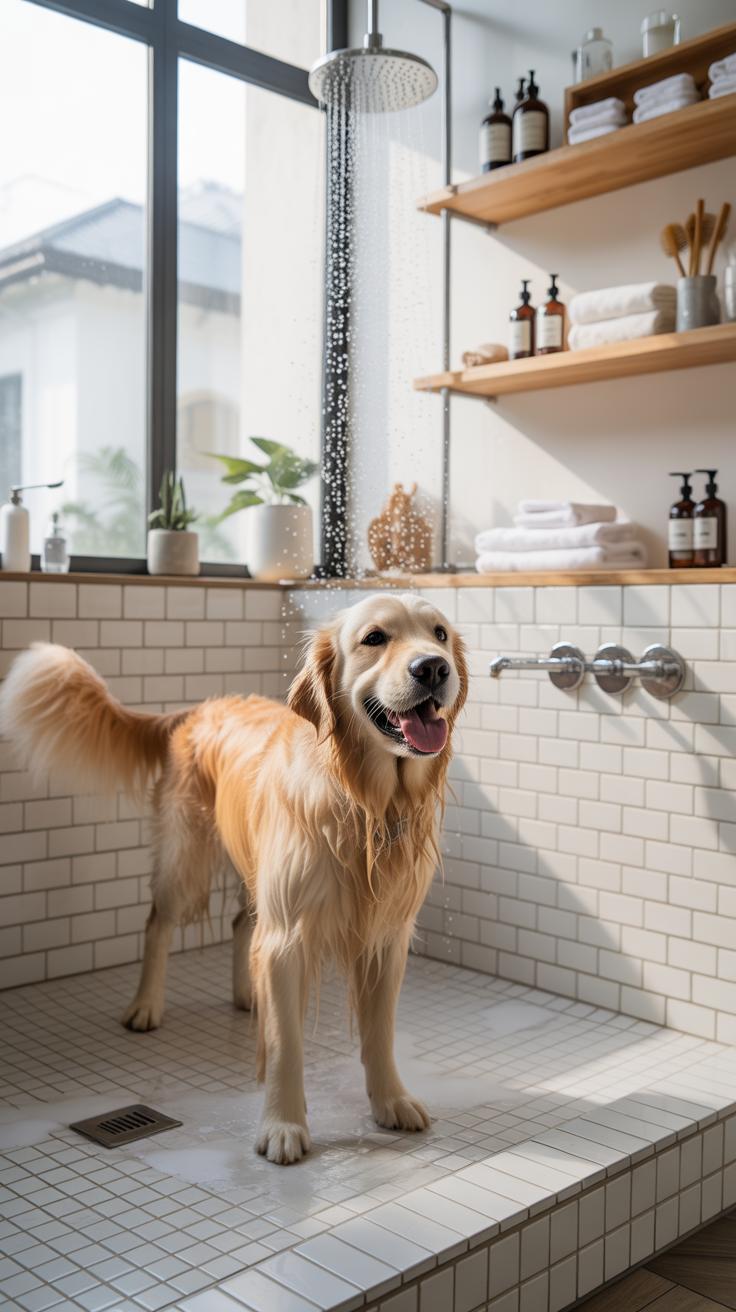
Indoor Vs. Outdoor Dog Bath Spaces: What Works Best For Your Home
Indoor bathing areas offer year-round utility and temperature control. Professionals prefer mudrooms or laundry rooms for these setups. These rooms usually have existing plumbing and waterproof flooring like tile or sealed concrete. Controlled environments prevent the dog from getting dirty immediately after the wash. You also avoid weather-related issues like freezing pipes or heat exhaustion. Indoor setups require high-quality ventilation to manage humidity and odors.
Outdoor stations serve owners with large breeds or high-activity working dogs. These setups work best in temperate climates or as secondary rinse stations. Builders use concrete pads and sloped drainage to prevent mud buildup. Outdoor spaces lack climate control and privacy. You must winterize these systems to prevent bursts in cold months. Use them for heavy debris removal before bringing the dog inside. They save your indoor plumbing from excessive sand and silt.
Key Factors To Consider Before Picking Your Dog Bath Location
Proximity to existing plumbing lines dictates your total project cost. Locating the station near a main drain line or wet wall simplifies the pipe installation. You need hot and cold water access for the comfort of the animal. Consider the path from the entry door to the bath. A long path through carpeted areas creates more cleanup work. Choose a spot near the house entrance to contain mess and moisture effectively.

Structural integrity and surface materials matter more than aesthetics. The floor must support the weight of a water-filled tub and a heavy dog. Standard floor joists may need reinforcement for large stainless steel tubs. All surrounding walls must have waterproof backing like cement board or green board. Avoid drywall or wood paneling near the splash zone. Proper drainage slope prevents standing water and mold growth. Secure electrical outlets away from the water spray area.
How To Plan And Build A DIY Dog Bathing Station On Any Budget
Essential Materials You Need For A Functional DIY Dog Bathing Station
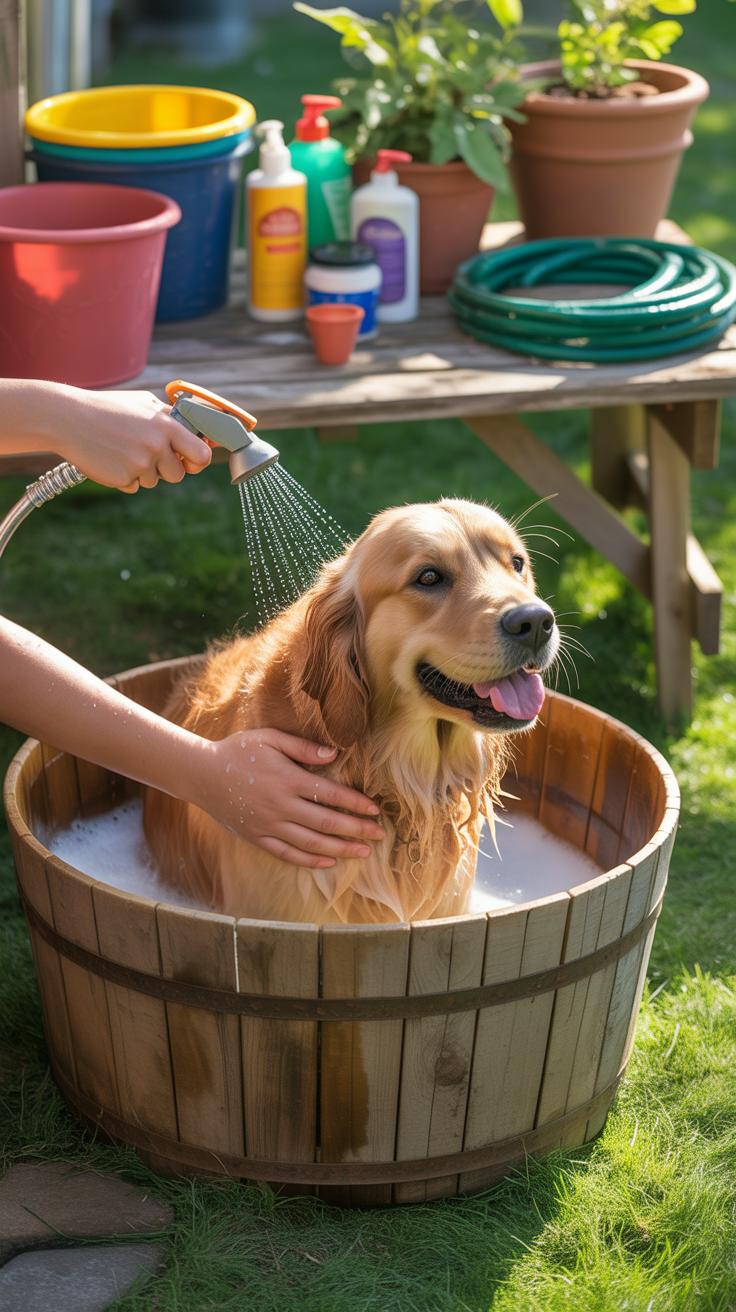
Build a station based on durability and water management. You need non-porous surfaces to prevent mold and structural rot. Heavy-duty plastics or stainless steel work best for the basin. Waterproof backing like cement board is necessary if you are tiling a wall. High-quality plumbing fixtures ensure consistent water pressure and temperature control. Choose materials that withstand claws and chemical cleaners.
- Raised Basin or Tub: Select a heavy-duty poly tub or a stainless steel basin. Elevating the tub protects your back from strain. Ensure the basin size matches your dog’s full length and weight capacity.
- Flexible Spray Hose: Install a professional grade hose with a minimum length of sixty inches. This allow you to reach under the belly and between paws. Use a nozzle with a thumb-controlled flow lever.
- Hair Interceptor Drain: Buy a specialized drain strainer to catch fur before it enters your pipes. Dog hair causes immediate clogs in standard home plumbing. This tool saves you significant money on professional plumber visits.
- Non-Slip Floor Mat: Place a textured rubber mat inside the tub. Dogs panic on slippery surfaces which leads to injury or jumping. A firm grip keeps the animal calm and stationary during the washing process.
- Thermostatic Mixing Valve: This valve keeps water at a safe and constant temperature. It prevents accidental scalding if someone else flushes a toilet in the house. Consistency in temperature builds trust with your dog during bath time.
Organize these materials before you begin construction to avoid mid-project delays. Focus on function over aesthetics to get the best return on your investment. Use industrial-grade sealants for all joints to ensure a zero-leak environment. Proper hardware selection prevents common failure points like rust and loose fittings. Secure your plumbing lines inside the wall or behind protective casing to prevent damage.
Step By Step Planning Tips For Designing Your Custom Dog Bathing Station
Measure your dog and your available space before buying any equipment. Account for your dog’s maximum adult size and your own physical reach. Place the station near existing hot and cold water lines to reduce plumbing costs. Look for underutilized areas like laundry rooms or mudrooms. Ensure the floor can support the weight of a water-filled tub plus the dog.
Design for splash control by installing high backsplashes on three sides of the tub. Slope the floor toward the drain to prevent standing water and slip hazards. Install lighting directly above the station so you can see the skin clearly. Add storage hooks for towels and leashes within arm’s reach. Plan for a drying zone next to the tub to contain moisture within one area.
Setting Up The Perfect DIY Outdoor Dog Bath In Your Backyard
Best Surfaces And Drainage Solutions For A DIY Outdoor Dog Bath
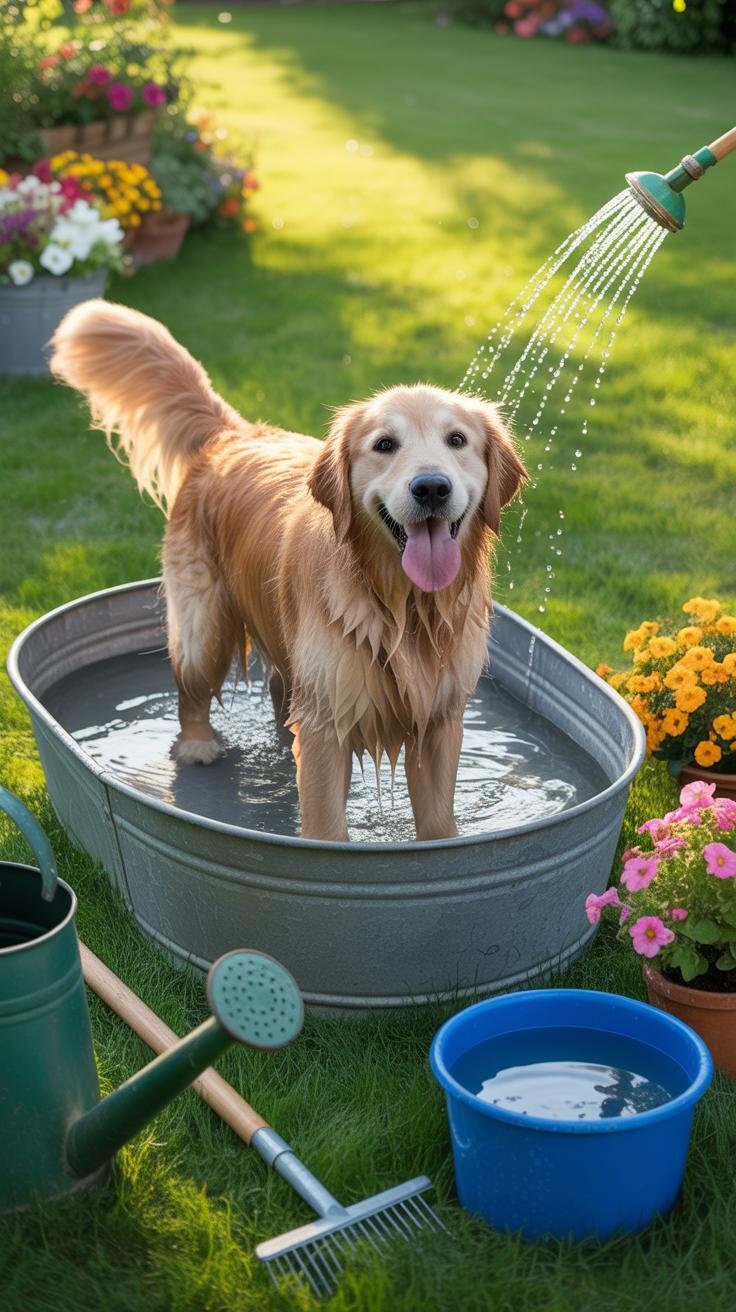
Select a hard surface to prevent mud creation during the wash. Concrete pads offer the most durability and are easy to scrub clean. You can also use heavy duty plastic pavers or rubber stall mats. These materials provide traction for the dog and withstand constant water exposure. Avoid grass or dirt areas. These surfaces turn into mud pits and ruin the cleaning process immediately.
Proper drainage prevents standing water and bacteria growth. Grade the surface at a two percent slope to direct runoff away from your home foundation. Direct the water into a French drain or a gravel leach field. This keeps the area dry and minimizes slip hazards. Ensure the drainage spot can handle high volumes of water. Stagnant water attracts insects and creates foul odors in your backyard.
How To Connect Water Supply And Keep Your Outdoor Dog Wash Area Hygienic
Connect your wash station to an outdoor mixing valve for temperature control. Cold water from a standard garden hose can shock a dog. Use a braided stainless steel hose for longevity and high pressure. Install a heavy duty spray nozzle with multiple settings. This allows you to toggle between a gentle rinse and a powerful stream for thick coats. Use a backflow preventer to protect your home drinking water.

Maintain hygiene by disinfecting the surface after every use. Scrub the area with a stiff brush and pet safe enzyme cleaners. This breaks down organic matter and prevents algae. Store all grooming tools in a weatherproof cabinet to keep them dry. Regularly clear hair from drains to prevent clogs and standing water. A clean station prevents the spread of skin infections between multiple pets in your household.
Must Have Features For An Efficient Dog Wash Area At Home
Plumbing Basics: Hot And Cold Water Access For Your Dog Wash Setup
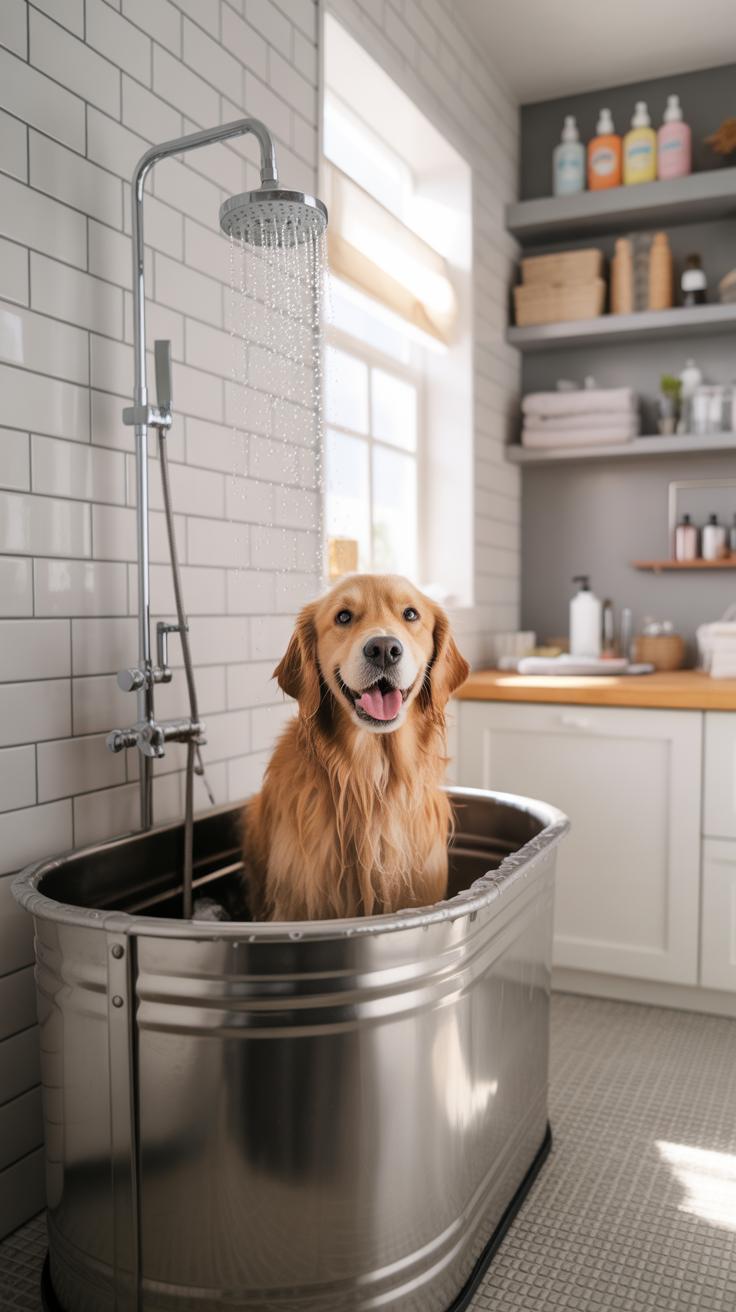
Plumbing is the most critical technical component of your station. You must install a thermostatic mixing valve to keep water temperatures steady. Dogs have thinner skin than humans and burn easily. Relying on manual handle adjustments is risky and inefficient. A dedicated line ensures you do not lose pressure or heat when other appliances in the house run. This stability keeps the dog calm and safe.
Install a commercial-grade pre-rinse sprayer with a flexible stainless steel hose. Choose a hose length of at least sixty inches to reach the underbelly and paws. Standard shower heads do not provide the directional force needed to penetrate thick fur. Position the water controls at waist height to maintain control of the animal while adjusting flow. These tactical choices reduce water waste and cut total bathing time in half.
Non Slip Flooring, Tethering Points, And Safety Features That Matter
Safety starts with traction to prevent ligament injuries. Use raised floor grates or textured rubber mats inside the basin. Smooth porcelain or plastic surfaces become slick when combined with soap and water. Selecting slip-resistant materials protects the dog and the handler from falls. Ensure the floor slopes toward the drain to prevent standing water. Pooling water hides the paws and makes it harder to check for debris.

Install heavy-duty stainless steel tethering points into the wall studs. Suction cups fail during heavy agitation and create a safety hazard. Use a waterproof grooming loop to keep the dog centered in the tub. This prevents the dog from jumping out and injuring itself on hard flooring. Proper tethering allows the handler to use both hands for scrubbing. Secure hardware is a non-negotiable requirement for a professional and safe home setup.
Designing A Pet Grooming Room That Doubles As A Dog Shower Space
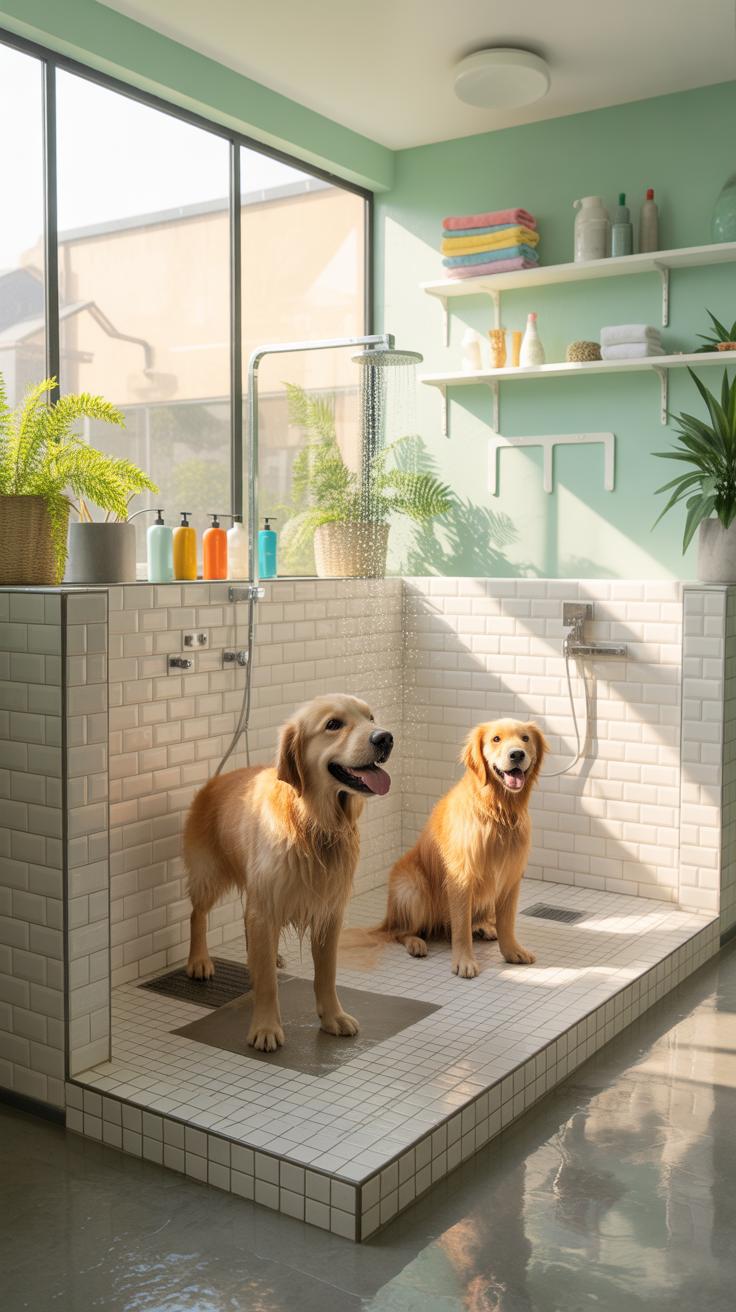
Pet Grooming Room Ideas That Are Practical, Stylish, And Easy To Maintain
Efficiency starts with durable materials and smart layout choices. Select non porous surfaces like porcelain tile or quartz for countertops and walls. These materials resist water damage and bacteria growth. Install a floor drain in the center of the room to prevent standing water. Use waterproof cabinetry made from marine grade plywood or stainless steel. This setup ensures long term durability against constant moisture and heavy use.
Position the bathing station at waist height to prevent back strain. Integrate a storage system for towels and tools near the drying area. Use industrial grade ventilation to remove humidity and pet odors quickly. High performance lighting helps you see small details during nail trims or shearing. Keep the workflow linear from the wash zone to the drying table. This logical arrangement speeds up the grooming process and reduces messes.
How To Choose The Right Dog Shower Head And Water Pressure For Your Pet
Select a handheld shower head with a dedicated pause button for maximum control. Look for models with high impact plastic or metal hoses that resist kinking. A hose length of eight feet allows you to reach all areas of a large dog easily. Ensure the spray pattern is adjustable from a soft mist to a concentrated stream. This flexibility allows you to rinse thick coats without scaring the animal with loud noise.
Control water pressure to protect sensitive skin and ears. High pressure can cause pain while low pressure fails to penetrate dense undercoats. Set your water heater to a maximum of one hundred degrees Fahrenheit to prevent accidental burns. Install a thermostatic mixing valve to keep water temperatures consistent. Proper pressure and heat settings ensure a safe experience for the pet. Consistent temperature also helps the dog remain calm throughout the entire bathing session.
Organizing Your Dog Bathing Station For Easy Pets Grooming Routines
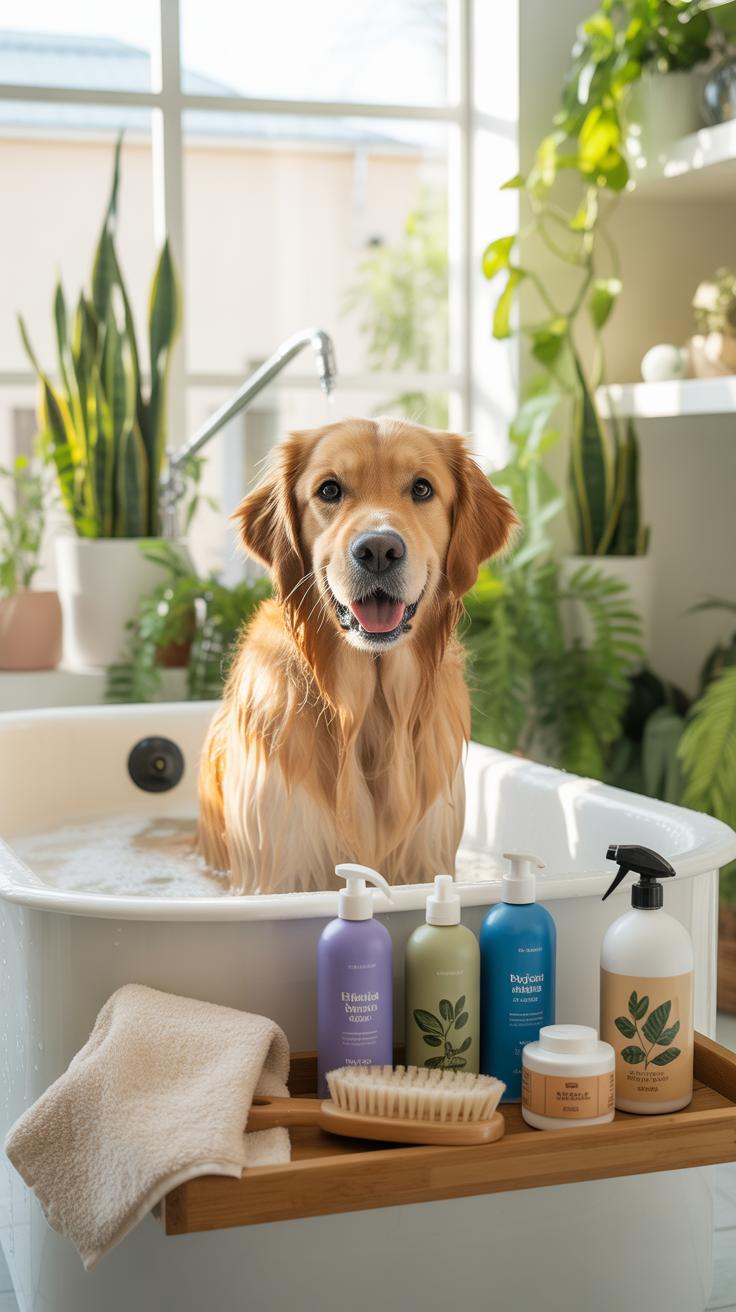
Storage Solutions To Keep Shampoos, Towels, And Tools Within Reach
Effective storage prevents chaos during a wet dog bath. Vertical wall space is the most valuable asset in small bathing areas. Install stainless steel or polymer shelving at shoulder height to keep chemicals away from the animal while remaining within arm length. Use open bins to categorize items by frequency of use. This system stops you from leaving a wet dog unattended to find tools.
Professional groomers use mobile carts for heavy equipment and overflow supplies. These tiered rolling units provide flexibility in multipurpose spaces like laundry rooms or garages. Magnetic strips can secure metal shears and nail clippers against the wall for instant access. Waterproof containers protect clean towels from splashes and humidity. This structured approach reduces setup time and prevents mineral buildup on exposed tools over long periods.
There is no better way to turn a house into a home than by creating a space where the simple, messy joy of a clean dog begins. A dedicated spot for a scrub and a soak is where some of our fondest family memories are washed in bubbles and love.
Building A Grooming Routine Around Your Dog Bathing Station Setup
Preparation is the primary factor in a successful wash cycle. A standardized routine minimizes stress for the animal and physical strain on the handler. Collect all necessary items before the dog enters the room. This includes specific brushes, cleansers, and high-absorbency cloths. Having a dedicated spot for every tool ensures the process remains predictable and efficient every single time.
- Pre Bath Brushing: Remove loose fur and debris before the coat gets wet. Use a slicker brush or undercoat rake depending on breed requirements. Eliminating mats beforehand prevents them from tightening when water hits the hair fibers and skin.
- Water Temperature Calibration: Test the water on your inner wrist before applying it to the dog. Aim for lukewarm temperatures between eighty and ninety degrees Fahrenheit. Use a thermostatic mixing valve if possible to prevent sudden heat spikes that cause burns.
- Systematic Lathering Technique: Apply shampoo starting from the neck and moving toward the tail. Leave the head for last to minimize water entering the ears or eyes. Massage the skin firmly to break down oils and remove trapped environmental allergens effectively.
- Complete Rinse Cycle: Rinse the coat until the water runs completely clear of bubbles. Residual soap causes dermatitis and localized skin irritation once the fur dries. Focus on high friction areas like the armpits and thick underbelly sections for total cleanliness.
- Immediate Moisture Extraction: Pat the coat with a heavy duty microfiber towel immediately after turning off the water. Avoid vigorous rubbing to prevent hair breakage and tangling. Use a professional grade forced air dryer to remove deep moisture from dense double coats quickly.

Consistent movement patterns turn a chore into a mechanical habit. Use the same sequence of steps to build familiarity for the dog. This predictability reduces anxiety and improves cooperation during the bath. Maintain the station immediately after use by wiping down surfaces and restocking supplies. A clean and ready station ensures the next grooming session starts without delays or missing equipment.
Selecting The Right Tub Or Basin For Your Home Dog Bath Setup
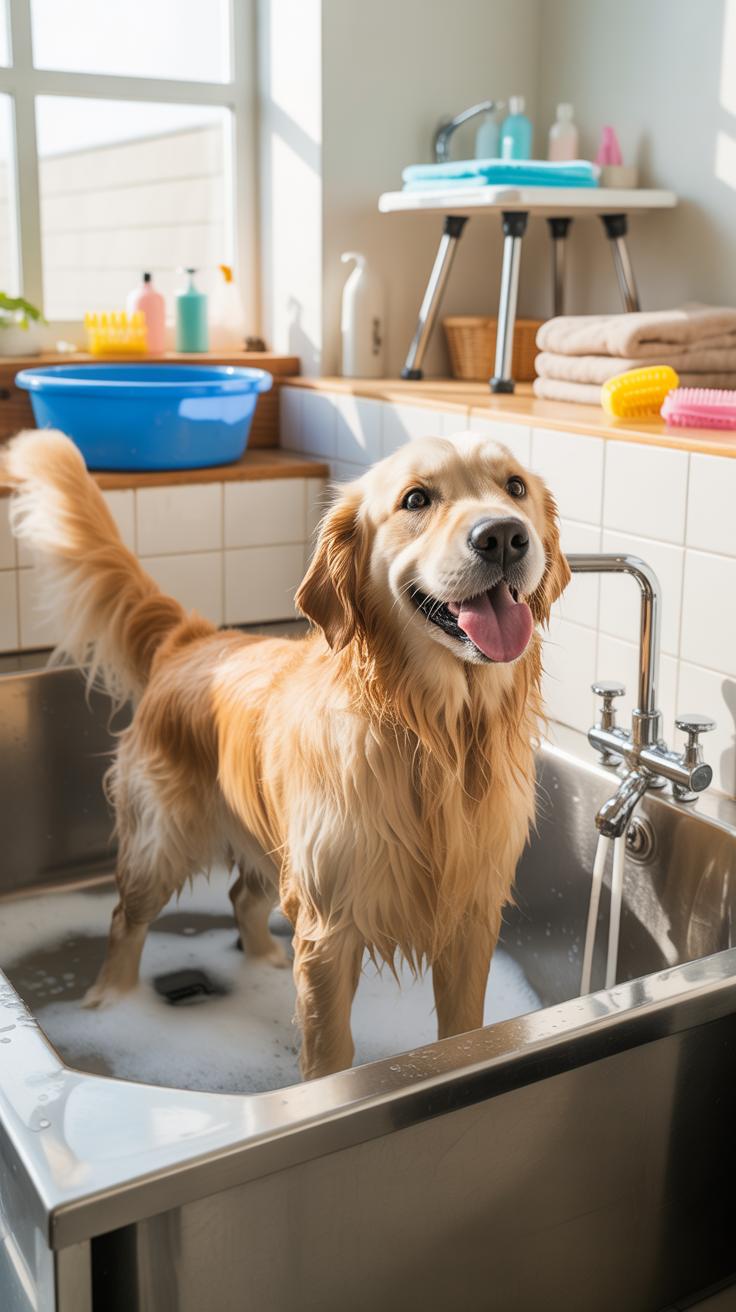
Comparing Dog Bath Tub Options: Built In, Freestanding, And Portable
Built-in tubs offer the most permanent and integrated solution for a dedicated grooming station. Professionals often install these into laundry rooms or mudrooms using tile and waterproofing membranes. This setup mirrors human shower construction to prevent leaks and mold growth. Standard alcove tubs work for medium breeds, while custom masonry allows for walk-in designs. These units provide the highest durability and long-term value for a home.
Freestanding and portable tubs cater to different spatial and budget constraints. Stainless steel freestanding tubs provide high-strength utility and resemble professional grooming equipment. They require dedicated plumbing lines but offer better ergonomics. Portable basins made of high-density polyethylene serve owners with limited space. These lightweight options often drain into existing floor drains or showers. Choose portable units for occasional use or smaller dogs to save on renovation costs.
How Tub Size, Height, And Material Affect Comfort For You And Your Dog
Tub height dictates the physical strain on the person washing the dog. Waist-high placement prevents back injuries and allows better control over the animal. You should measure from the floor to your hip to find the ideal rim height. Elevated basins keep the dog secure and within reach. Lower configurations work better for large breeds that cannot be lifted easily. Proper height ensures a faster and safer cleaning process.

Material selection impacts hygiene and safety during the bath. Stainless steel remains the industry standard because it resists scratches and bacteria. It also withstands harsh chemicals and heavy use. Reinforced fiberglass and acrylic offer more affordable alternatives but may scratch over time. Ensure the tub floor has a non-slip texture to keep the dog calm. Slick surfaces cause panic and lead to injuries for both the pet and the owner.
Maintenance Tips To Keep Your Dog Bathing Area Clean And Long Lasting
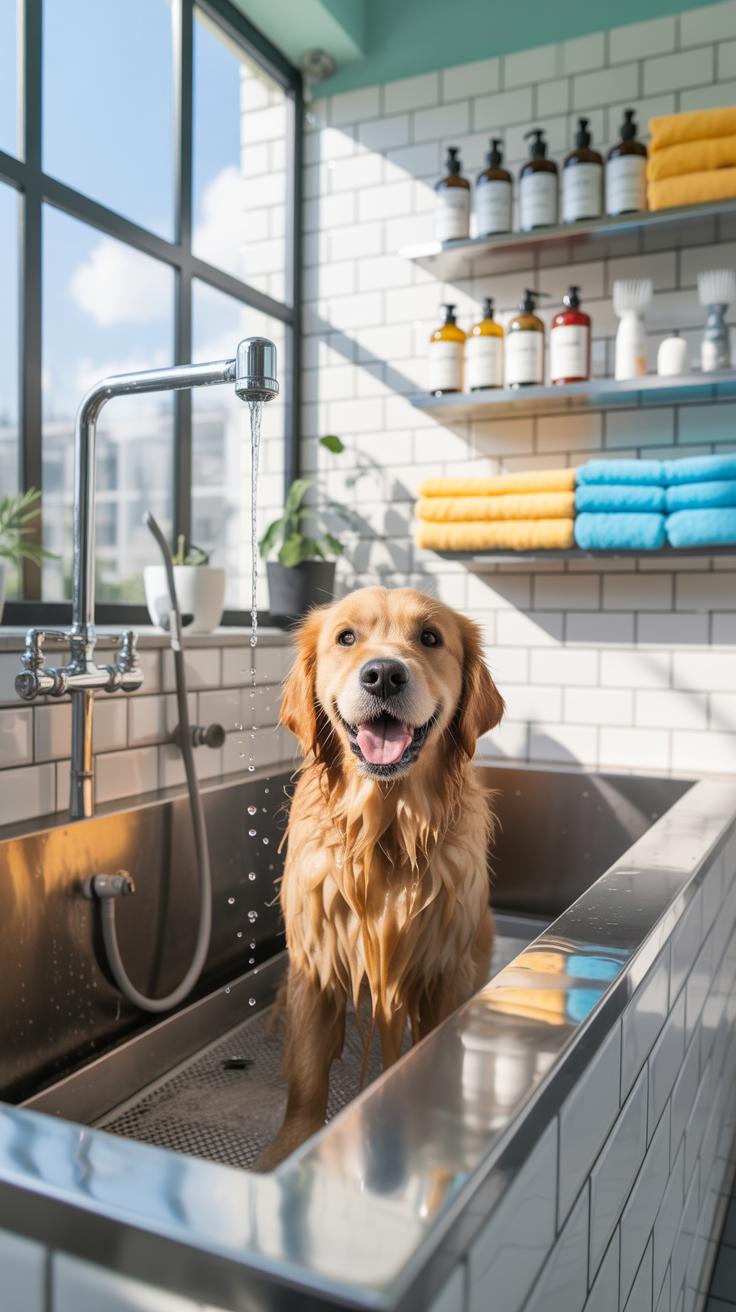
How To Clean And Disinfect Your Dog Bathing Station After Every Use
Post-bath cleanup prevents bacteria growth and foul odors. Remove all loose hair from the drain immediately to stop clogs. Scrub every surface with a pH-neutral cleaner to break down skin oils and dirt. Rinse the walls and floor with hot water to clear away soap residue. Residual shampoo film creates a slippery surface and attracts grime. Speed and consistency ensure the station remains sanitary for the next use.
Disinfection requires a specific approach to kill pathogens without damaging materials. Use an EPA-registered disinfectant safe for pets on all contact points. Let the solution sit for the required contact time before rinsing thoroughly. Wipe down stainless steel or tile surfaces with a microfiber cloth to prevent water spots and mineral buildup. Proper ventilation must run during and after cleaning to exhaust moisture. Dry the area completely to inhibit mold.
Common Wear Issues In Home Dog Wash Areas And How To Prevent Them
Constant water exposure and physical impact cause rapid degradation of poor materials. Grout lines often crack or discolor if you do not seal them annually. Heavy dogs can scratch acrylic surfaces with their claws during bathing sessions. Standing water destroys baseboards and drywall near the station. Check the perimeter caulking every month for gaps. Replace any failing sealant immediately to prevent structural water damage behind the walls.
Mechanical failures often occur in the plumbing and drainage systems. Hair accumulation is the primary cause of slow drains and pipe bursts. Install a secondary hair strainer to catch fine fur before it enters the trap. Inspect hose connections and sprayer heads for leaks caused by high water pressure. Use stainless steel braided hoses to avoid sudden bursts. Regular maintenance extends the life of your investment and keeps the bathing area functional.
Frequently Asked Questions

What are the essential components for a functional indoor dog washing station?
To create the best dog bath setup home owners can enjoy, you need three core elements: a non-slip surface, a handheld sprayer, and elevated storage. A high-quality rubber mat prevents slipping and anxiety, while a flexible hose attachment allows you to reach the underbelly easily. Finally, ensure all shampoos and brushes are within arm’s reach so you never have to leave your wet pup unattended during the process.
How can I prevent my plumbing from getting clogged when washing my dog inside?
Protecting your pipes is a crucial part of the best dog bath setup home maintenance. Always place a fine-mesh hair catcher over the drain before you start the water. Additionally, brushing your dog thoroughly before the bath removes loose fur that would otherwise end up in your plumbing. For extra protection, consider using a professional-grade trap that can be easily cleared out after every rinse to prevent expensive future repairs.
Can I create a DIY dog bathing area if I am on a tight budget?
Absolutely! You don’t need a luxury built-in station to achieve a great result. A heavy-duty plastic utility tub or a reinforced walk-in shower can work perfectly with a few affordable modifications. Simply add a suction-cup grooming tether to keep your dog in place and an inexpensive adhesive handheld showerhead diverter. These small, budget-friendly additions transform any standard bathroom into a highly efficient and safe space for regular pet grooming.