Understanding The Anatomy Of A Chihuahua A Tiny Body Built Differently

Key Structural Features That Define The Chihuahua’S Compact Frame
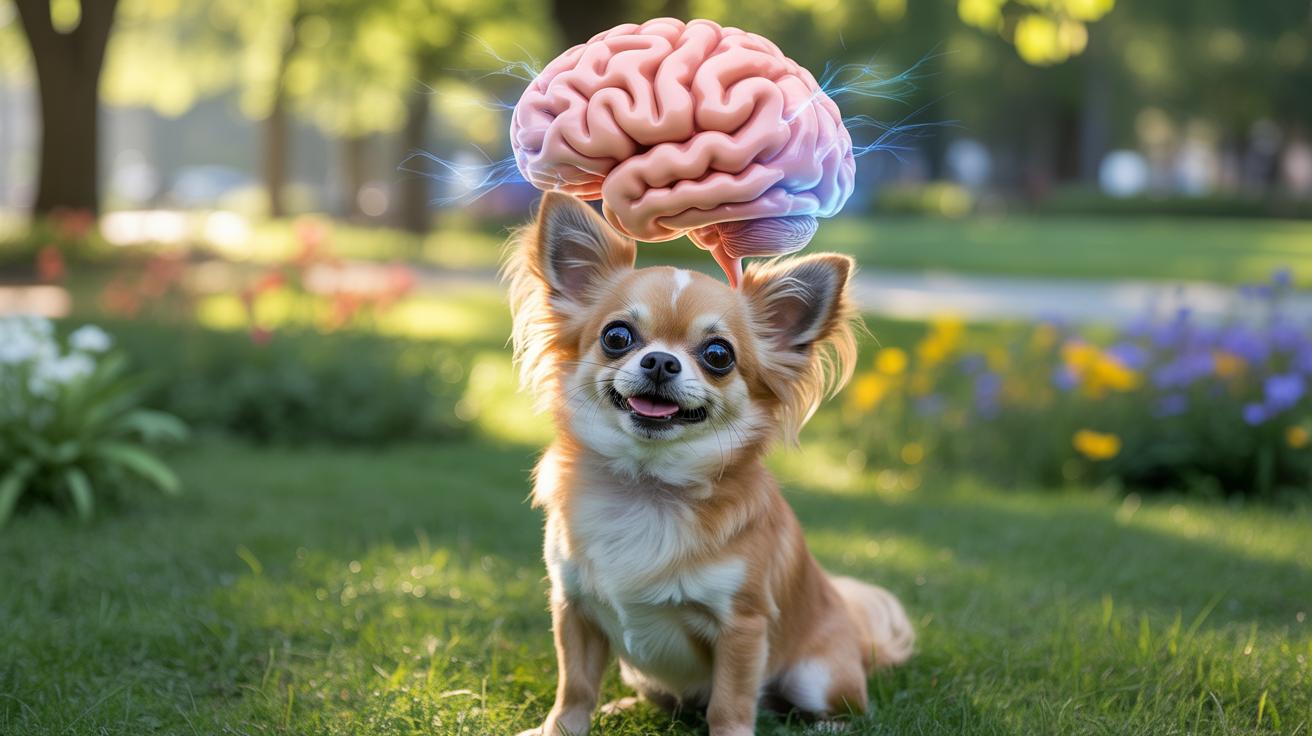
The Chihuahua frame minimizes mass while preserving core biological functions. This breed features a domed skull known as an apple head which provides a disproportionately large internal volume. This structural adaptation allows for significant cranial capacity within a body that often weighs less than six pounds. Engineers of canine biology recognize this as a peak example of extreme miniaturization where internal organs must compete for limited thoracic and abdominal space.
The physical blueprint prioritizes the central nervous system over muscle bulk or heavy bone density. Its skeleton consists of fine bones that support a lightweight muscular system. This reduction in peripheral body weight increases the mathematical ratio of brain mass to total body mass. The breed lacks the heavy structural padding found in larger working dogs. This design choice ensures that every ounce of the animal serves a critical physiological or sensory purpose.
How The Chihuahua’S Skeletal Proportions Differ From Other Dog Breeds
Chihuahuas exhibit unique skeletal ratios that deviate from standard canine geometry. Most dog breeds show a linear relationship between body size and skull volume. The Chihuahua breaks this trend through a process called paedomorphosis. This biological state retains juvenile traits into adulthood which results in a larger head relative to the torso. Standard large breeds possess elongated muzzles and heavy jaw structures that skew their weight distribution away from the brain case.
The Chihuahua skull often features a molera or soft spot where the parietal and frontal bones do not fully fuse. This anatomical quirk reflects an expansion of the brain that outpaces the growth of the surrounding bone. Other breeds focus on limb length and lung capacity for endurance and speed. The Chihuahua skeletal plan ignores these metrics to maintain a compact center of gravity. This structural shift makes the brain the most prominent organ in the body.

Chihuahua Brain Size Vs Body The Science Behind The Ratio
What Brain To Body Ratio Means And Why It Matters In Dogs
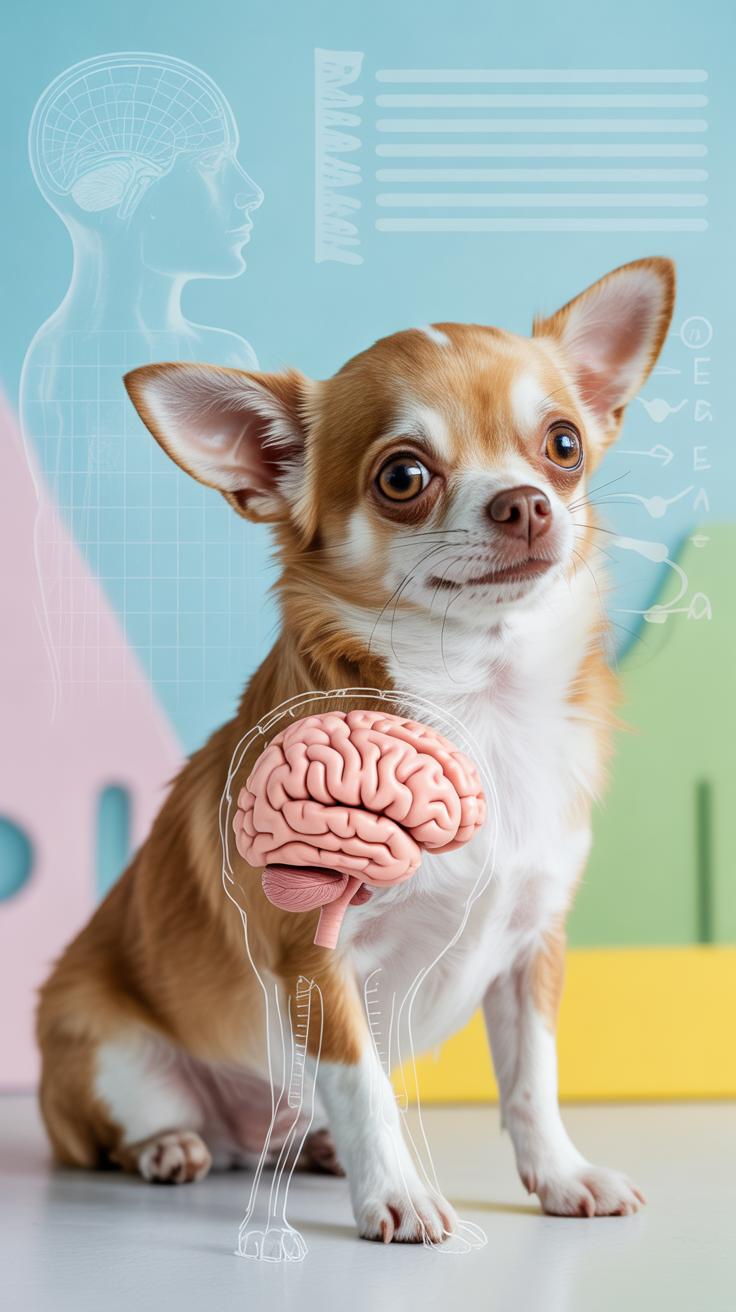
Brain-to-body ratio measures the weight of the brain against the total weight of the animal. Biologists use this metric to estimate potential cognitive power. In dogs, this ratio varies wildly across breeds. Smaller dogs usually have larger brains relative to their physical frame. This occurs because brain size does not shrink at the same rate as the skeleton during the selective breeding process for smaller pets.
A high ratio suggests the animal possesses more brain mass than its body physically requires for basic motor functions. This excess neural tissue often supports complex behaviors and sensory processing. Chihuahuas sit at the extreme end of this spectrum. Their tiny frames house a brain that occupies a massive percentage of their total mass. This disproportionate size stems from centuries of breeding focused on minimizing body volume while maintaining high alertness.
How The Chihuahua Compares To Other Mammals On The Encephalization Scale
The Encephalization Quotient or EQ ranks animals by comparing actual brain size to expected brain size for their mass. Most mammals follow a predictable curve where larger bodies have larger brains. Chihuahuas break this curve completely. They possess the highest brain-to-body mass ratio of any domestic dog breed. Their ratio even rivals some primates when measured strictly by total weight percentages. These small dogs prioritize neural hardware over physical stature.

In the broader mammalian world, humans and dolphins lead the scale. Chihuahuas do not surpass humans, but they outrank most large mammals like horses or cattle. Domestic dogs generally have smaller brains than their wild wolf ancestors. However, the Chihuahua retains a significant amount of brain tissue despite its miniaturization. This high density makes them unique subjects for studying how domestic animals adapt to extreme physical downsizing without losing critical mental functions.
Apple Head Chihuahua How Skull Shape Influences Brain Volume

The Domed Skull Of The Apple Head Chihuahua And Its Neurological Implications
The apple head chihuahua features a high, rounded forehead. This specific cranial structure allows for a larger brain cavity. Breeders select for this dome shape to meet breed standards. A wider skull provides more physical space for neural tissue. This structural design directly impacts the ratio of brain mass to total body weight. It creates a unique biological configuration in small dogs.
The steep angle of the forehead increases total interior volume. This shape accommodates a brain that represents a significant percentage of the dog’s mass. However, this compact design forces the brain into a tight space. Pressure within the skull can lead to specific health issues. It remains the primary reason why this breed maintains the highest brain-to-body ratio among all canines. The anatomy prioritizes neural capacity.
Molera: The Soft Spot On The Chihuahua’S Skull And What It Reveals About Brain Development
The molera is a hole in the parietal bones of the skull. This feature is common in newborn chihuahuas and often persists into adulthood. Historically, breeders viewed the molera as a mark of purity. This opening occurs because the skull plates do not fuse completely. It allows the head to remain flexible during birth. It also provides extra room as the brain grows rapidly.

A persistent molera indicates how the skull adapts to brain size. The brain expands faster than the bone can close. This gap does not necessarily signify a health problem or brain damage. It is a structural byproduct of a large brain in a tiny frame. Owners must handle these dogs with care to avoid injury. The molera proves that the chihuahua skull pushes the limits of canine biology.
Chihuahua Breeds And Skull Variations Does Head Type Affect Brain Size

Apple Head Vs Deer Head Chihuahua: Comparing Cranial Structure And Brain Capacity
Apple head Chihuahuas possess a prominent dome shaped skull. This structure features a sharp ninety degree angle where the muzzle meets the forehead. This specific geometry creates a larger internal cranial vault. The rounded shape provides the maximum possible space for brain tissue within a tiny frame. Most breed standards prioritize this unique skull shape because it defines the classic silhouette.
Deer head Chihuahuas have a longer muzzle and a sloped forehead. Their skulls resemble a fox or a small deer. This anatomy results in a shallower cranial cavity compared to the apple head variety. While both types maintain a high brain to body mass ratio, the apple head design optimizes interior volume. The structural difference directly impacts how the brain sits inside the protective bone.
How Selective Breeding Has Shaped The Chihuahua’S Distinctive Head Anatomy Over Generations
Breeders have historically selected for the domed skull to separate Chihuahuas from other toy breeds. This process emphasized the molera which is a soft spot on the skull. Modern breeding practices focus on maintaining these exaggerated features for dog shows and aesthetic appeal. These choices drastically altered the skeletal blueprint of the breed over several centuries. The skull became wider and taller while the body remained miniature.

This extreme selection process forced the brain to occupy a high percentage of the total body weight. Developers focused on miniaturization without reducing the essential neural architecture. As the torso shrank, the head remained relatively large to house necessary sensory organs. This tactical breeding created an animal with a high encephalization quotient. The resulting anatomy ensures the Chihuahua remains a biological outlier regarding its internal proportions and skeletal density.
Types Of Chihuahua Exploring Coat Build And Physical Diversity

Short Haired Chihuahua Vs Long Coat Chihuahua: Physical Differences Beyond The Fur
The short haired variety features a smooth coat that lies flat against the skin. This coat type reveals the dog’s actual skeletal structure and muscle definition. Short haired Chihuahuas lack the thick undercoat found in many other breeds. Their ears appear larger due to the lack of fringing. Owners often prefer this type for easier grooming and heat tolerance.
Long coat Chihuahuas possess a soft texture and a noticeable undercoat. These dogs have distinct feathering on the ears and a large plume on the tail. Despite the extra fur, the underlying skeletal frame remains identical to the short haired version. This variety sheds less frequently than some might expect. The extra coat provides better insulation in cooler climates compared to smooth coated dogs.
How Different Chihuahua Types Share The Same Remarkable Brain To Body Proportion
Chihuahuas maintain a consistent brain-to-body mass ratio across all coat and build variations. Scientists measure this using the encephalization quotient to determine intelligence capacity relative to size. Regardless of hair length or body weight, the skull remains large enough to house a highly developed brain. This ratio ranks highest among all recognized dog breeds. The biological blueprint prioritizes neural tissue over total body mass.

Standardized breeding practices keep these physical traits uniform despite minor aesthetic differences. A six-pound Chihuahua has a brain nearly the same size as dogs three times its weight. This unique anatomy allows for fast learning and sharp sensory perception. Evolutionary selection focused on downsizing the body while preserving essential cognitive hardware. Every Chihuahua type carries this extreme biological efficiency as a core feature of the breed.
Chihuahua Physical Traits That Support A Large Brain In A Small Body

Large Eyes, Big Ears, And An Oversized Head: How Chihuahua Features Reflect Neural Investment
The domed skull of the Chihuahua provides a specific mechanical advantage for housing neural tissue. This apple-headed shape creates a larger internal volume compared to flat-skulled breeds. Evolution and selective breeding prioritized this cranial capacity to protect a brain that is disproportionately large. The skull must expand to fit the biological hardware. This structural design ensures the central nervous system has enough room to function without physical compression.
Large eyes and upright ears require significant neural resources to process incoming data. These features are not just for show. They serve as primary intake valves for environmental information. The brain must dedicate large clusters of neurons to manage these high-fidelity signals. Therefore, the physical size of the head reflects the internal space needed for complex sensory integration. A larger brain supports the rapid processing required by these oversized sensory organs.
Notable Physical Traits Of The Chihuahua That Hint At Heightened Sensory Processing
Chihuahuas possess specific body markers that indicate a high level of neurological activity. Their physical frame is built to serve as an antenna for the brain. Every feature works to gather data from the surroundings. This constant flow of information demands a high-capacity processor. The relationship between their sensory hardware and brain volume is direct. These traits prove that the breed is designed for high-speed environmental awareness.
- Moleras: This soft spot in the skull is a unique trait that allowed for cranial expansion. It historically facilitated a larger head size relative to a tiny body frame during development.
- Large Pinnae: The oversized, upright ears capture a wide range of sound frequencies. This requires complex auditory pathways in the brain to filter and interpret noise for potential threats or commands.
- Ocular Proportion: Huge eyes collect more light and visual data than those of larger dogs. The brain must dedicate significant space to the visual cortex to handle this constant stream of high-resolution images.
- Fine Motor Control: These dogs exhibit precise movements and high agility for their size. Managing such coordination in a tiny frame requires dense neural connections within the motor cortex and the cerebellum.
- Tactile Sensitivity: The thin skin and fine coat make the dog highly responsive to touch and temperature. This sensitivity forces the brain to process a high volume of somatosensory input from across the entire body.

These physical characteristics create a feedback loop that sustains a large brain. High sensory input requires a robust neural network. The Chihuahua body is a specialized vessel for a powerful command center. Its anatomy does not waste space on heavy bone or thick muscle. Instead, it prioritizes the nervous system. This lean physical design allocates maximum biological energy to maintain superior brain functions and alertness.
Chihuahua Sizes And What Miniaturization Means For Brain Development

How Extreme Miniaturization In Dogs Like The Chihuahua Affects Organ Proportionality
Miniaturization forces a total shift in anatomical physics. Chihuahuas are the result of intense selective breeding designed to reduce total body mass. While bones and muscles shrink significantly, vital organs do not scale down at the same rate. This biological reality creates a unique internal environment. The heart and brain remain relatively large to ensure the dog functions correctly despite its small frame.
Biological scaling rules dictate that as an animal gets smaller, its vital systems occupy more space inside the body. This is called allometry. In Chihuahuas, the skull must remain large enough to house a complex brain. This creates the signature apple head shape. The skeletal structure adapts to protect these vital organs. This results in a dog that is structurally dominated by its nervous system.
Though they be but little, their spirits are vast and their minds are sharp enough to hold a lifetime of love. In the small frame of a Chihuahua, nature has gathered an extraordinary wisdom that proves greatness is never measured by size.
Why Smaller Dog Breeds Tend To Have Proportionally Larger Brains Than Larger Breeds
Small dogs have more brain mass per pound of body weight than large dogs. This follows Haller’s Rule. Large breeds like Great Danes have more muscle and bone mass, which dilutes the brain-to-body ratio. A Chihuahua has a much lower total body mass. Since the brain requires a minimum size to process sensory data, it cannot shrink as much as the legs or tail.

Evolutionary biology shows that brain size does not drop linearly with body size. This means the Chihuahua keeps a high percentage of its neural capacity while losing weight everywhere else. The result is a high cephalization index. You see a dog that is physically tiny but neurologically substantial. This proportional gap is the widest in the Chihuahua breed compared to all other domestic canines.
Chihuahua Weight Chart Body Mass Brain Mass And What The Numbers Tell Us

Average Chihuahua Weight Ranges And How Body Mass Relates To Brain Volume
Chihuahuas typically weigh between two and six pounds. This small body mass creates a unique ratio when compared to their brain size. Most dogs have brains that scale down as their bodies get smaller. However, the Chihuahua brain remains relatively large. This biological anomaly places them at the top of the encephalization scale for domestic dogs. Their small frames maximize this specific ratio.
Brain volume in Chihuahuas does not shrink at the same rate as their bone structure. Scientists observe that smaller mammals often carry larger brains relative to their total weight. The Chihuahua represents the extreme end of this rule. While a Great Dane has a much larger brain, its body mass is massive. This makes the Chihuahua brain appear disproportionately large. Physical size governs this mathematical relationship directly.
Healthy Weight Benchmarks For Chihuahuas And Why Maintaining Them Supports Brain Health
Owners must keep Chihuahuas within the standard breed weight range to protect neurological health. Excess body fat alters the ratio between brain mass and total body mass. Obesity creates systemic inflammation that can negatively impact cognitive functions over time. A lean body ensures the heart pumps blood efficiently to the brain. Maintaining a steady weight prevents metabolic issues that could damage sensitive neural tissues.
- Monitor Rib Feel: You should feel the ribs without a thick fat layer covering them. A healthy weight ensures the heart does not overwork to oxygenate the brain and organs. This promotes long-term cognitive stability and physical mobility.
- Observe the Waist: Look for a visible tuck behind the ribcage when viewing the dog from above. A clear waistline indicates a healthy body fat percentage. Proper body composition supports high metabolic efficiency which is vital for maintaining active brain cells.
- Control Portion Sizes: Use precise measurements for every meal to avoid rapid weight gain. Small dogs gain weight quickly because of their low caloric needs. Strict feeding schedules help maintain the ideal brain-to-body mass ratio required for their biology.
- Regular Low-Impact Exercise: Short daily walks keep the cardiovascular system strong without stressing the joints. Good circulation is the primary way the body delivers nutrients to the brain. Exercise also prevents the buildup of dangerous visceral fat around internal organs.
- Track Monthly Weight: Use a digital scale to catch small fluctuations early. A one-pound gain is massive for a five-pound dog. Early intervention keeps the dog within the healthy parameters that support its unique neurological structure and physical health.

Stable weight supports the high metabolic demands of a large brain. Nervous system tissue requires more energy than muscle or fat. If a Chihuahua becomes overweight, the body struggles to balance energy distribution. This results in lethargy and reduced mental sharpness. Keep the dog lean to ensure the brain receives the glucose and oxygen it needs. Proper weight management is a tactical requirement for neurological longevity.
What The ChihuahuaS Big Brain Means For Intelligence Behavior And Training

Does A Higher Brain To Body Ratio Make The Chihuahua Smarter Than Other Dogs?
A high brain-to-body ratio does not automatically equate to superior intelligence. This biological metric, known as the encephalization quotient, indicates how much brain mass exists relative to the animal’s total size. Chihuahuas possess the largest brain-to-body ratio of all dog breeds. This does not mean they process complex logic better than a Border Collie. It shows they have significant neural resources packed into a very small physical frame.
Intelligence in dogs is measured by task learning and problem-solving skills. The Chihuahua’s large brain supports high sensory awareness and fast reaction times. They process environmental changes rapidly. This often manifests as extreme alertness rather than traditional obedience. They use their neural capacity for survival and social monitoring. Having a large brain relative to their body makes them highly perceptive. They notice small shifts in their immediate surroundings.
How Understanding Chihuahua Brain Biology Can Improve How We Train And Care For Them
Training must account for the Chihuahua’s high cognitive alertness. Their brain size relative to their body creates a dog that is constantly scanning for threats. You should use short and frequent training sessions to match their high metabolic rate. Clear and consistent signals work best. These dogs learn quickly but can become stubborn if they feel unsafe. Respect their sensory sensitivity to get the best results during any formal instruction.
Care strategies should focus on mental stimulation to prevent boredom. A large brain requires constant engagement to avoid destructive behaviors. Use puzzle toys that reward their scavenging instincts. Physical exercise is important but mental work is vital for this breed. Proper care also involves protecting their head. Many Chihuahuas have a molera, or soft spot on the skull. Accurate biological knowledge ensures you keep them safe while keeping them sharp.
Frequently Asked Questions

Is it true that Chihuahuas have the biggest brains of all dog breeds?
Yes, it is a fascinating biological fact! While a Chihuahua’s brain is physically small, they possess the largest chihuahua brain size vs body ratio in the canine world. This unique encephalization means their brain accounts for a higher percentage of their total mass compared to giant breeds like Great Danes. This proportional advantage often translates into high levels of alertness, intense loyalty, and a surprisingly complex range of vocalizations and emotions.
How can I help my Chihuahua stay mentally sharp if they have such a large relative brain size?
Engaging that impressive chihuahua brain size vs body ratio requires consistent mental enrichment. You can support their cognitive health through daily puzzle feeders, scent work, and short training sessions. Because they are highly intelligent, they thrive on learning new tricks and navigating indoor obstacle courses. Providing varied toys and social interaction prevents boredom, ensuring their “big” brains remain active and focused throughout their adult lives in a safe home environment.
Do I need to buy expensive specialized gear to protect a Chihuahua’s head or brain health?
Maintaining your dog’s brain health is actually very accessible and budget-friendly. You don’t need expensive equipment; instead, focus on safety and nutrition. Investing in a high-quality harness rather than a collar protects their delicate neck and ensures proper blood flow to the brain. Additionally, feeding a diet rich in Omega-3 fatty acids supports cognitive function without breaking the bank, making brain health an affordable priority for every dedicated pet owner.