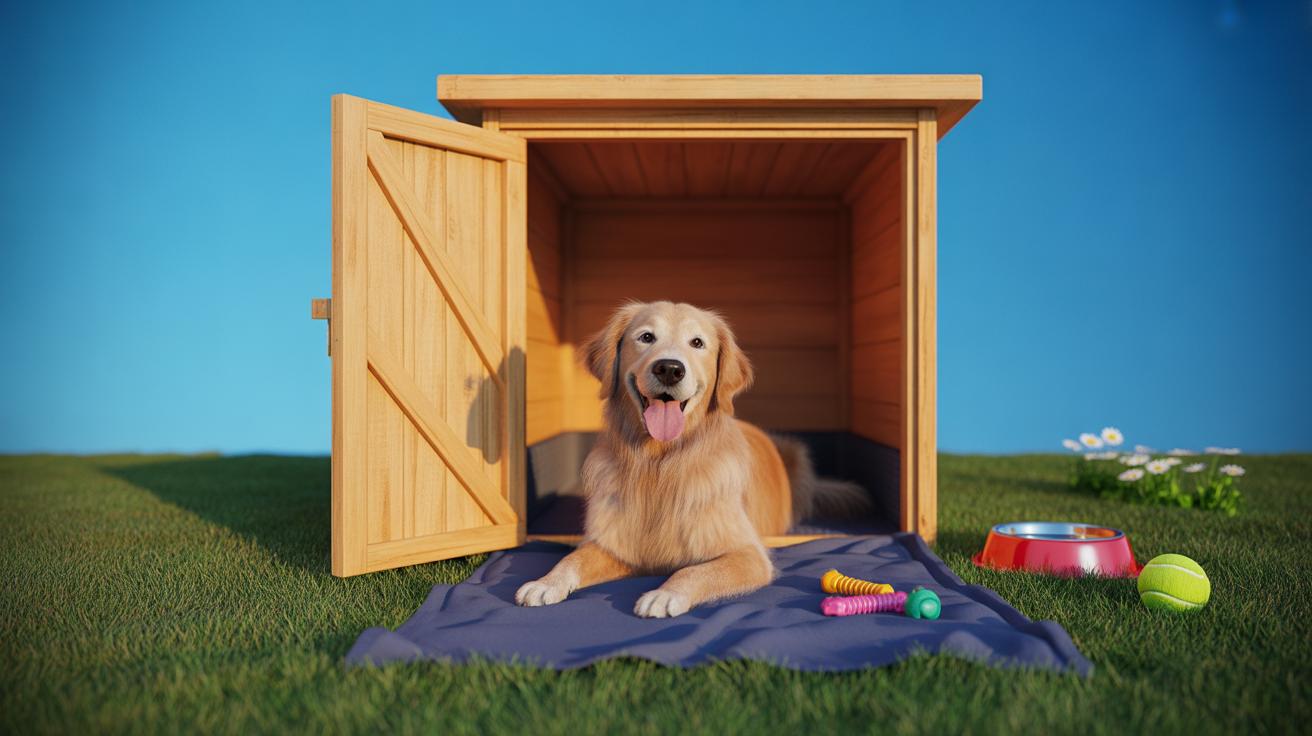
Understanding Why Kennel Size Matters For Your DogS Health And Well Being
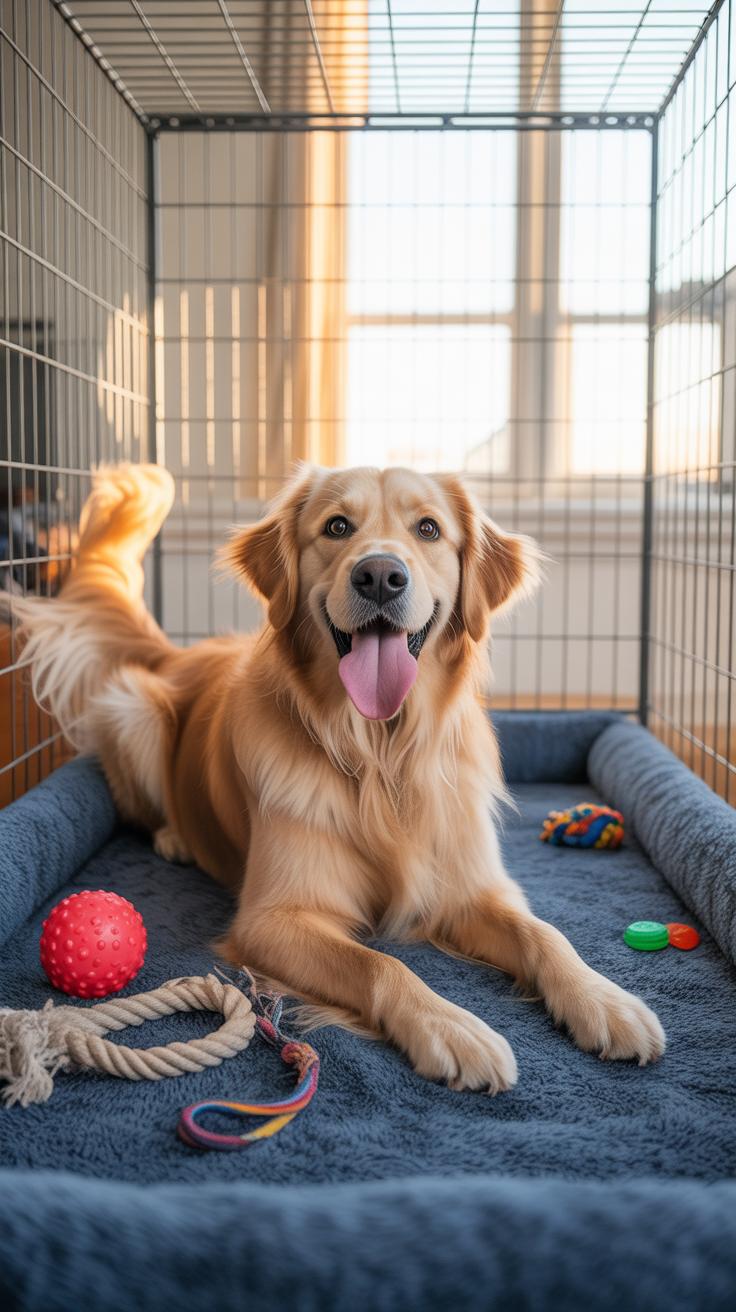
The Link Between Kennel Space And Your Dog’S Physical Comfort
A dog must have enough room to stand and turn around without hitting the walls. Proper sizing prevents joint stiffness and muscular strain. When a kennel is too small your dog cannot stretch out its limbs. This lack of movement leads to poor circulation and long term physical pain. You must ensure the ceiling height allows for full head clearance during natural movement.
Correct dimensions support the skeletal structure of your animal. Large breeds are prone to hip issues and need flat surfaces with enough length to lie prone. A cramped space forces the dog into unnatural positions for several hours. This creates pressure points and skin sores. Professional handlers prioritize ergonomic spacing to maintain the physical readiness and health of working dogs in high stress environments.
How A Poorly Sized Kennel Can Affect Your Dog’S Behavior And Mental Health
Size directly impacts the effectiveness of house training and den instinct. A kennel that is too large encourages the dog to soil one corner while sleeping in another. This breaks the natural instinct to keep the sleeping area clean. You lose the primary benefit of the crate when the dimensions are wrong. Strategic sizing reinforces bladder control and establishes a predictable routine for the animal.
Mental health declines when a dog feels trapped in a space that is too tight. Tight quarters increase cortisol levels and create a cycle of chronic stress. This stress manifests as destructive chewing or constant whining. An oversized crate can make an anxious dog feel exposed and vulnerable rather than secure. You must balance the dimensions to provide a safe sanctuary that reduces environmental overstimulation.

How To Measure Your Dog Correctly Before Selecting A Pet Enclosure
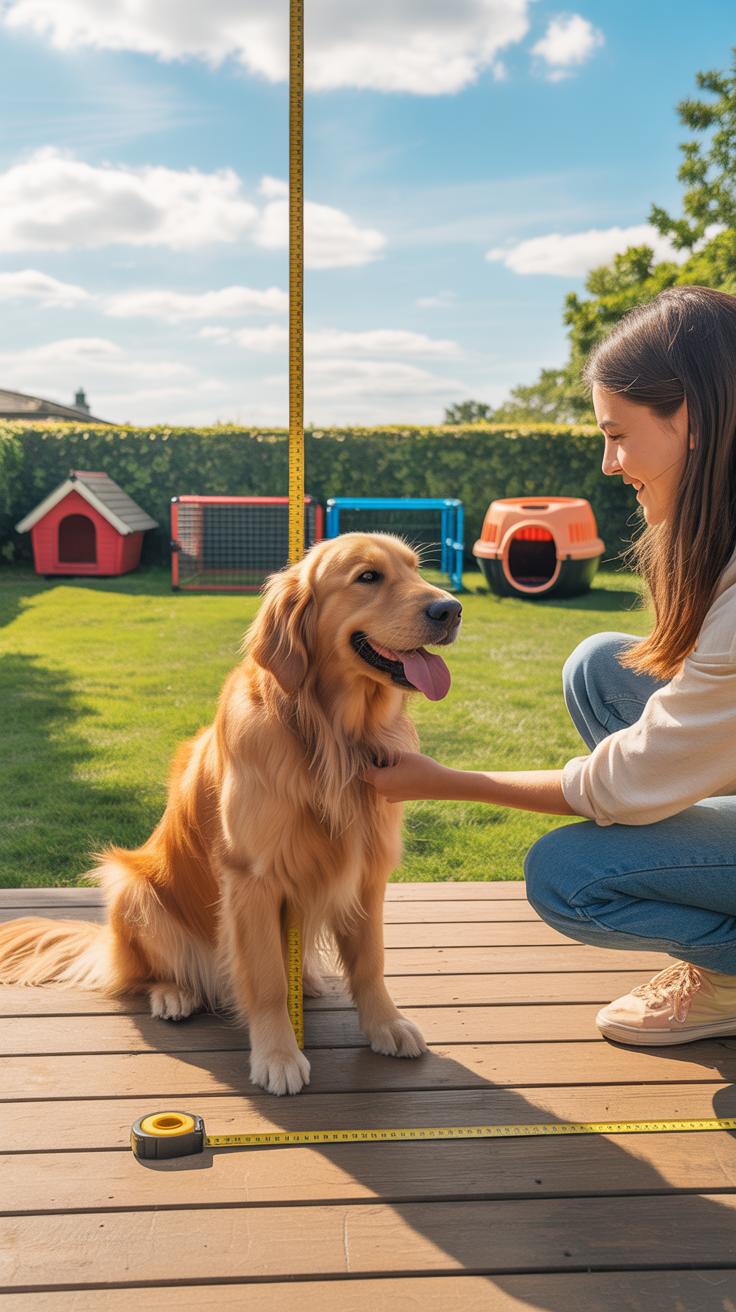
Step By Step Guide To Taking Your Dog’S Measurements Accurately
You must obtain three precise measurements to ensure the enclosure functions correctly. Use a fabric measuring tape for accuracy and keep your dog in a standing position. Failure to measure while standing leads to cramped quarters. Start from the floor and measure to the highest point of the body. You are searching for the maximum height and length your dog occupies.
- Nose to Tail Base: Measure from the tip of the nose to the point where the tail meets the body. Do not include the full length of the tail. This figure determines the minimum depth needed for the dog to stretch out fully without hitting the walls.
- Floor to Top of Head: Measure from the ground to the top of the skull while the dog stands upright. For prick-eared breeds, measure to the tips of the ears. This ensures the dog can stand in a natural posture without crouching or hitting the ceiling.
- Width at Shoulders: Measure the widest part across the front of the dog. This is usually the chest or shoulder blades. The kennel must be wide enough for the animal to turn around in a complete circle without touching the sides or getting stuck.
- Floor to Elbow: Measure from the ground to the elbow joint of the front leg. This measurement helps determine the height of the door opening. A dog should not have to crawl or drop its belly significantly to enter or exit its private space.
- Paws to Top of Withers: Measure from the floor to the highest point of the shoulder blades. This is a standard veterinary measurement used to verify size categories. It provides a secondary check for height requirements when the head measurement varies due to movement or excitement levels.
Add two inches to your final height measurement for small dogs and four inches for larger breeds. This buffer allows for natural movement and different bedding thicknesses. If the enclosure is for travel, check specific airline regulations which often require more overhead clearance. Accurate numbers prevent the logistical nightmare of returning oversized or undersized equipment after assembly is already complete.
Why Your Dog’S Weight Alone Is Not Enough To Determine The Right Kennel Size
Weight is a poor metric for spatial requirements because it ignores a dog’s physical proportions. A forty-pound Bulldog has a vastly different footprint than a forty-pound Whippet. One is short and wide, while the other is tall and narrow. Manufacturers often list weight limits to indicate structural integrity, not comfort. Using weight alone results in a cage that is often too short.

Focusing on mass rather than dimensions risks the health of the animal’s joints and spine. Dogs need enough vertical space to sit up without hunching. They also require enough floor area to rotate three hundred sixty degrees. If the kennel is too small, the dog will refuse to enter. If it is too large, the animal may use one corner as a bathroom.
Using A Dog Kennel Size Chart To Match Breeds To The Right Dimensions
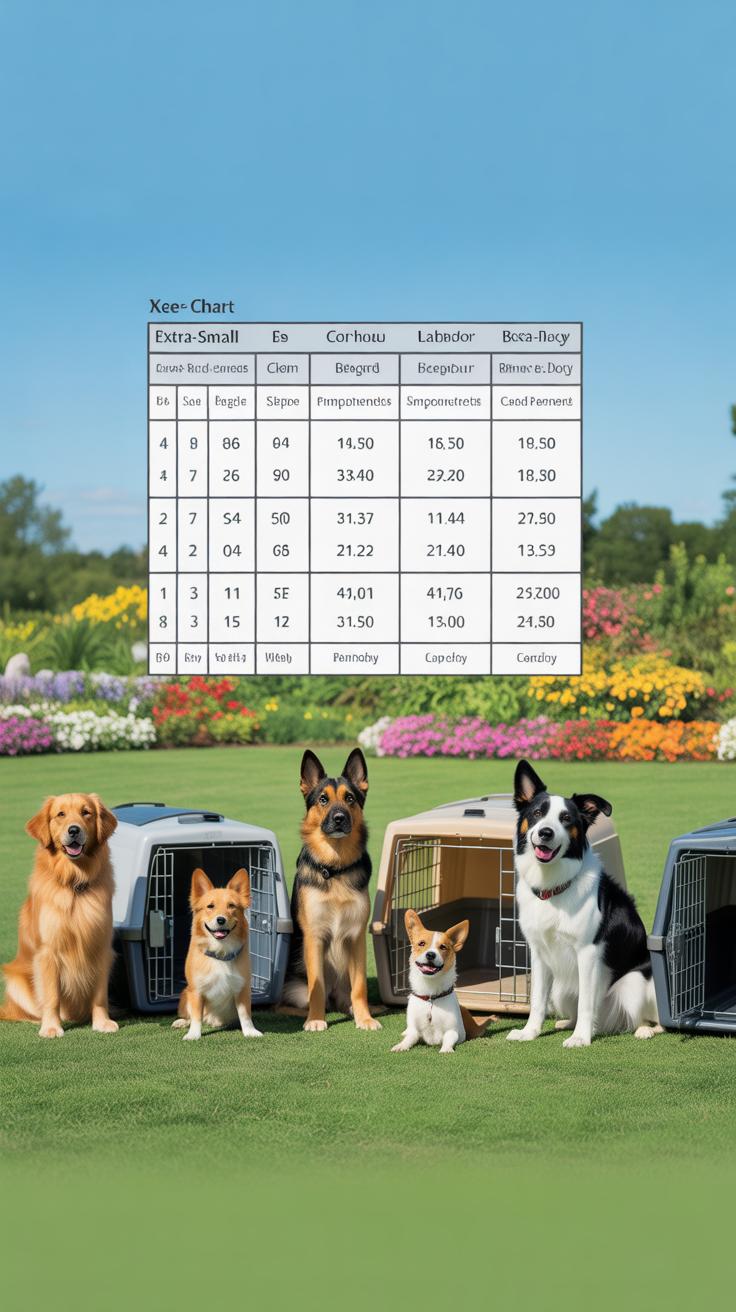
How To Read And Apply A Dog Kennel Size Chart For Common Breeds
Standard kennel charts categorize dogs by weight and height. Small breeds like Chihuahuas usually require 18 to 24-inch crates. Medium dogs such as Beagles need 30-inch models. Large breeds like Golden Retrievers fit in 42-inch units. Extra-large breeds like Great Danes demand 48 to 54-inch crates. You must match your dog’s specific nose-to-tail length and sitting height to these dimensions.
Charts provide a baseline but do not account for individual variation. Use the chart to identify the minimum size category. Measure your dog from the tip of the nose to the base of the tail. Add four inches to this number to find the crate length. Ensure the ceiling height exceeds your dog’s head height by four inches when sitting upright.
A dog’s kennel should be a sanctuary of comfort, tall enough for proud heads and wide enough for weary dreams. Finding the perfect fit is the first step in welcoming a faithful friend into the heart of your home.
Accounting For Mixed Breeds And Non Standard Sizes When Using A Size Chart
Mixed breeds present sizing challenges because they often possess unusual proportions. A dog might have a long body like a Corgi but the height of a Terrier. Charts for purebreds will fail here. Rely exclusively on physical measurements rather than generalized breed labels. If your dog falls between two sizes on a chart, always select the larger option to prevent cramping.

Non-standard sizes require custom assessment of the dog’s paws and posture. Tall dogs with narrow frames need vertical clearance more than floor width. Stocky dogs with broad chests need wider crates for comfortable movement. You must prioritize the largest single dimension your dog possesses. Always verify the manufacturer’s internal dimensions, as external shell measurements often include bulky plastic molding or structural bracing.
Large Dog Kennel Size Requirements What Big Breed Owners Need To Know
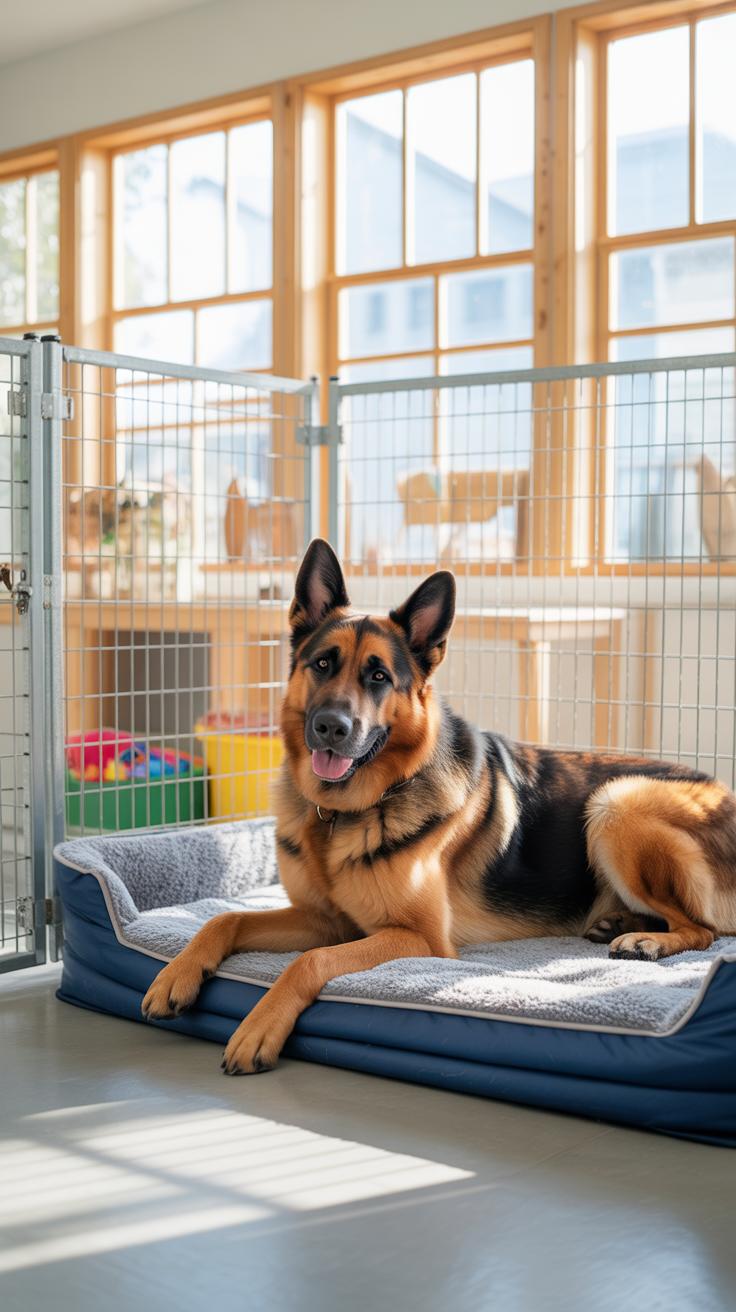
Minimum Space Requirements For Large And Giant Dog Breeds
Choosing right dog kennel size for large breeds requires precise measurements. Your dog must stand fully upright without hitting its head on the ceiling. It must turn around in one smooth motion without touching the walls. Measure from the floor to the top of the head or ears. Add four inches to this number to determine the absolute minimum interior height requirement.
Width and length are equally critical for giant breeds like Great Danes or Mastiffs. Measure your dog from the tip of the nose to the base of the tail. Add six inches to this length. This total ensures the animal can sprawl out completely. Proper sizing prevents joint stiffness and sores. Do not buy a kennel that is too small. It causes physical stress and anxiety.
Structural Considerations For Housing Large Dogs Safely And Comfortably
Large dogs exert massive force on enclosure walls and floors. You must choose heavy duty materials like reinforced steel or high density plastic. Standard wire crates often fail under the weight of a powerful dog. Look for thick gauge metal that resists bending. Secure latches are mandatory because large breeds can force doors open. Ensure the floor pan can support the animal without sagging or cracking.

Ventilation is the next priority for big animals. Large dogs generate significant body heat and can overheat quickly in tight spaces. Select a design with open airflow on all four sides. Large kennels must also feature easy cleaning options. Removable trays allow you to maintain hygiene without moving the heavy structure. Strategic placement is key. Put the kennel in a cool area with solid flooring.
Exploring Dog Kennel Outdoor Sizing For Year Round Use
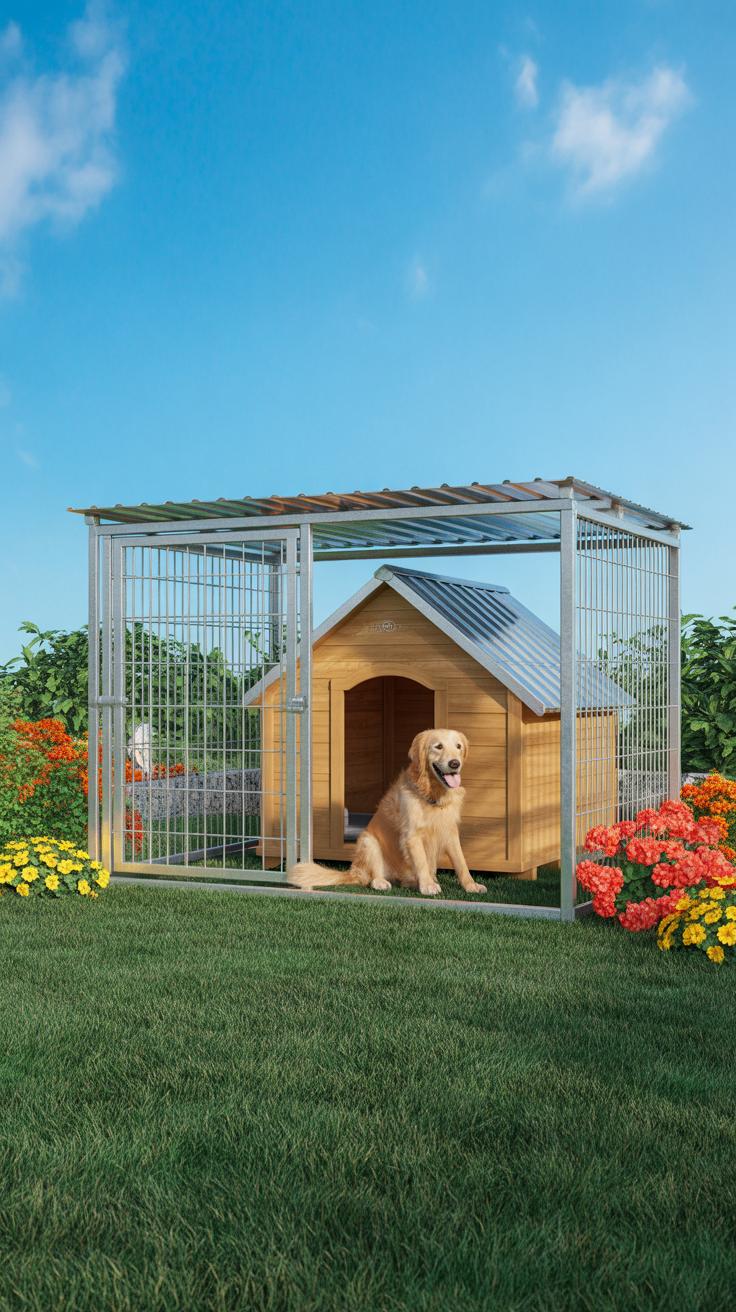
How Climate And Environment Influence The Ideal Outdoor Dog Kennel Size
Climate dictates kennel volume because air moves heat. High ceilings in hot climates allow heat to rise away from the dog. In cold regions, a large kennel is a liability. Your dog cannot heat a massive space with body heat alone during winter. Choose a footprint that balances movement with thermal retention. Tight spaces stay warm while open spaces stay cool.
Environmental exposure impacts structural durability and safety. High winds require heavy materials like galvanized steel and weighted bases. Snow loads demand sloped roofs to prevent collapse. If you live in a rainy area, prioritize elevated floors. Keeping the kennel floor off the wet ground prevents rot and skin infections. Match the size of the drainage slope to your local annual rainfall rates.
Choosing The Right Size Outdoor Dog Enclosure For Multi Dog Households
Housing multiple dogs requires more than doubling the square footage. You must calculate space based on the largest dog and add room for separate movement. Aggression often stems from tight quarters where dogs feel trapped. Each animal needs enough personal space to lie down without touching another dog. Overcrowding leads to heat stress and injuries. Ensure the door is wide enough for two dogs.

Strategic layouts prevent territorial disputes. Use an enclosure large enough to fit two separate sleeping boxes. This design allows dogs to choose between social contact or private rest. Professional breeders use a minimum of forty square feet per medium dog in shared runs. This size allows for natural pacing and waste management. Larger enclosures stay cleaner because dogs can separate their sleeping area from their bathroom area.
DIY Dog Kennel Builds Sizing Your Kennel Plans For A Custom Fit
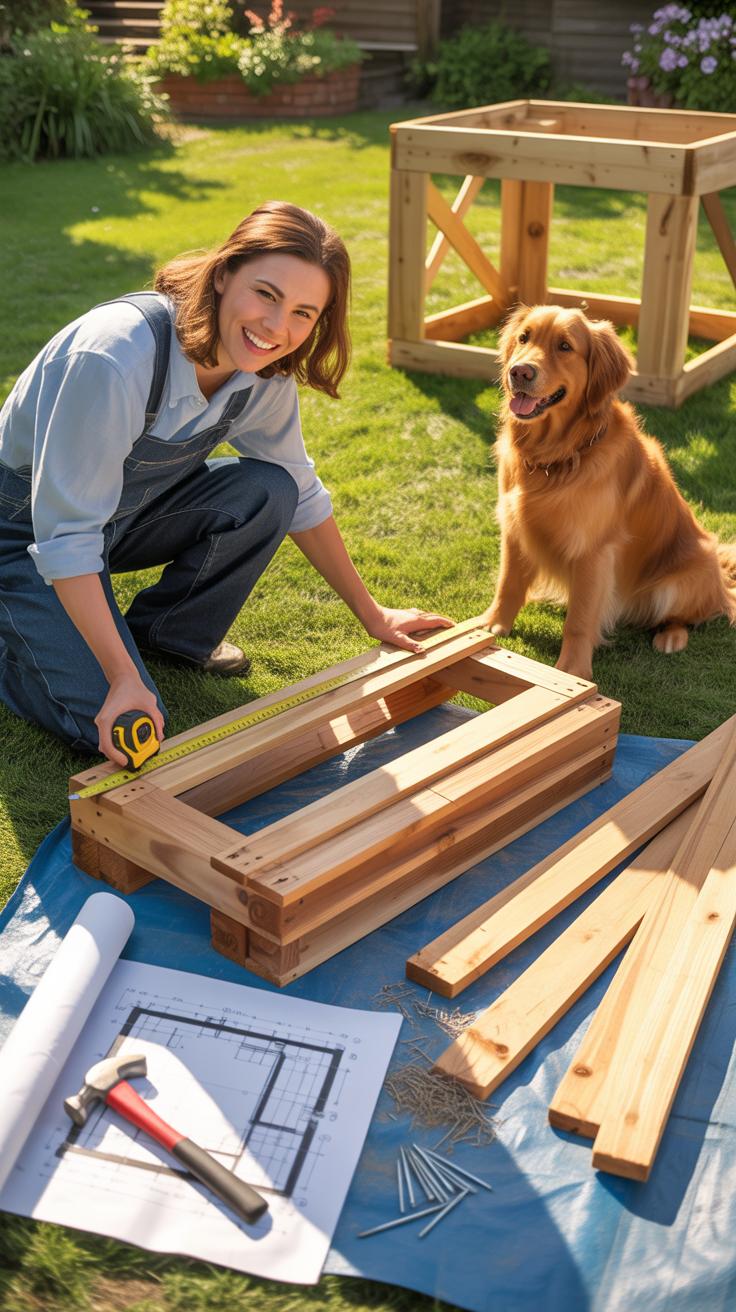
Key Dimensions To Include In Your DIY Dog Kennel Plans Before You Build
Custom builds require precise measurements before you cut any lumber or steel. Start with the height of your dog from the floor to the top of its head. Add four inches to this number to determine the internal ceiling height. This ensures the dog can stand and turn without hitting the roof. Accurate vertical clearance prevents neck strain and psychological stress for the animal.
Calculate the total length by measuring the dog from the tip of the nose to the base of the tail. Add six inches to this figure for the total interior length. For the width, use the dogs full shoulder width and multiply it by two. These dimensions provide enough floor space for the dog to stretch out fully while maintaining a sense of security and safety.
Common Sizing Mistakes To Avoid When Following DIY Dog Kennel Designs
Many builders fail because they prioritize aesthetics over physical requirements. Generic plans often ignore the unique proportions of specific breeds. A kennel that is too large will not stay warm in winter. The dog uses its own body heat to regulate the temperature of the air inside. Excessive space makes this heat management impossible and can lead to housebreaking issues or unwanted messes.
- Oversizing the Floor Plan: Building too much square footage ruins the natural den instinct of the dog. They need a cozy space to feel safe. Large empty areas often become designated bathroom spots. This habit is hard to break once it starts in a custom build.
- Ignoring Roof Pitch: Flat roofs on outdoor kennels collect water and debris. This weight can cause the structure to sag or collapse over time. You must calculate a slope that allows for drainage while maintaining the correct internal height for the dog at the lowest point.
- Incorrect Door Placement: Placing the door in the center of a long wall wastes valuable corner space. Dogs prefer to sleep in a corner away from the entrance draft. Move the door to one side so the dog has a protected area to rest without being exposed.
- Forgetting Material Thickness: Standard lumber dimensions like two-by-fours actually measure smaller than their names suggest. If you do not account for the thickness of the walls, your interior space will be too small. Always measure from the inside faces of the finished walls for accuracy.
- Neglecting Growth Potential: Building for a puppy without researching adult breed standards leads to wasted materials. Check the expected full-grown height and length of the specific breed. Design the kennel to fit the adult dog to avoid building a second structure in six months.

Avoid these errors by double-checking all measurements against the physical dog. Use a chalk line on the floor to visualize the actual footprint before assembly. If the dog cannot turn around easily within that chalk outline, the plans are too small. Proper planning at this stage saves time and money on materials. Build for the dog you have, not the aesthetic you want.
Dog Kennel Ideas For Maximizing Space Without Compromising Comfort
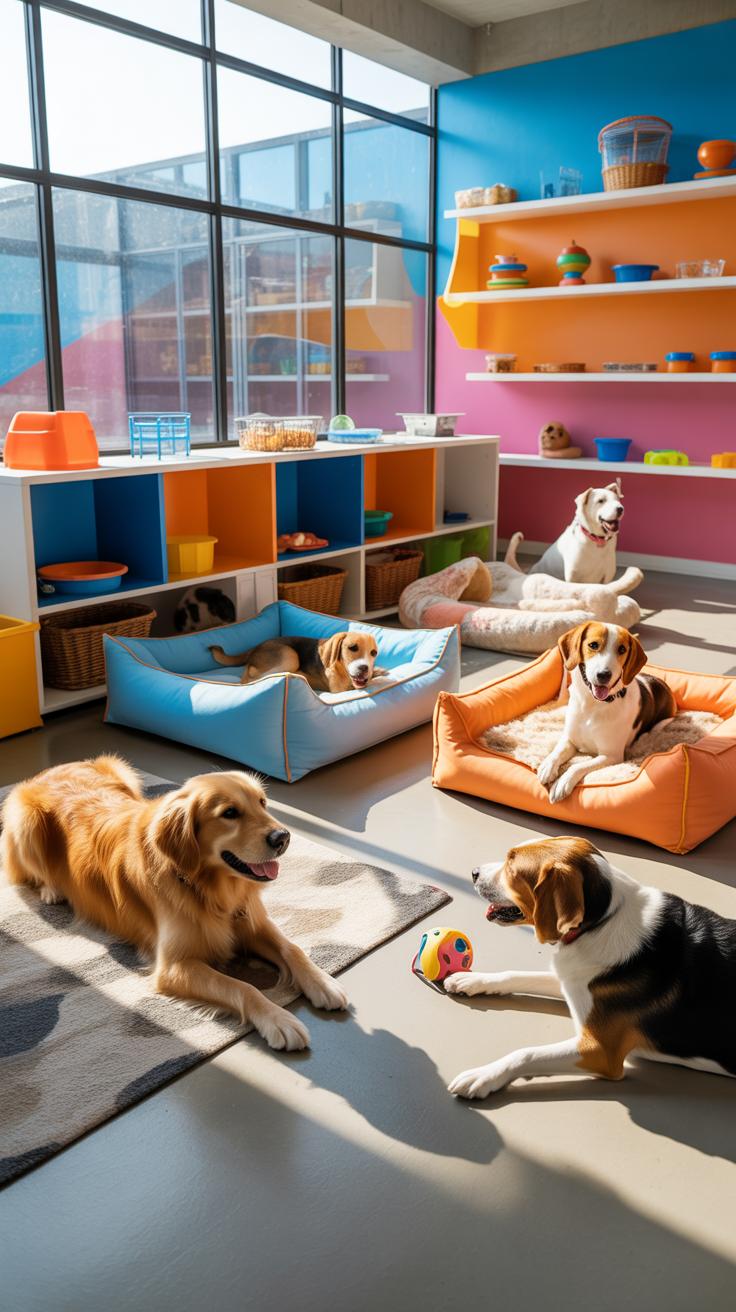
Smart Dog Kennel Design Features That Make The Most Of Any Kennel Size
Modern kennel design utilizes thin-wall construction and high-tensile materials to maximize interior volume. Traditional plastic crates use thick double-walled shells that eat up usable floor space. Aluminum and steel wire cages provide more interior room while taking up less total footprint. These materials allow your dog more stretching room without requiring a larger external footprint. Slim frame designs are the best choice for small apartments.
Proper airflow and visibility also change how a dog perceives a tight space. Open slat designs or mesh panels prevent a confined feeling and reduce heat buildup. A well-ventilated kennel stays cooler and more comfortable in summer months. Smart doors that swing 180 degrees or slide into the frame save external room. These features allow you to place the kennel in corners while maintaining full access.
How To Future Proof Your Kennel Size For Growing Puppies And Changing Needs
Standard practice for growing puppies involves using a large kennel with an internal divider panel. This metal or plastic wall moves forward as the dog grows. It prevents the animal from using one side as a bathroom and the other for sleeping. You buy one unit that fits the adult height and weight. This strategy saves money and avoids the waste of buying multiple transition crates.

The adult size must allow the dog to stand, turn around, and lie flat. Check breed growth charts to predict the final height and length. Consider modular kennel systems that allow for expansion kits. High-quality heavy-duty crates often have higher resale value if your needs change. Investing in a durable metal crate ensures the frame handles the increased weight and strength of a fully grown adult dog.
Indoor Vs Outdoor Dog Kennel Sizing Choosing What Works Best For Your Home
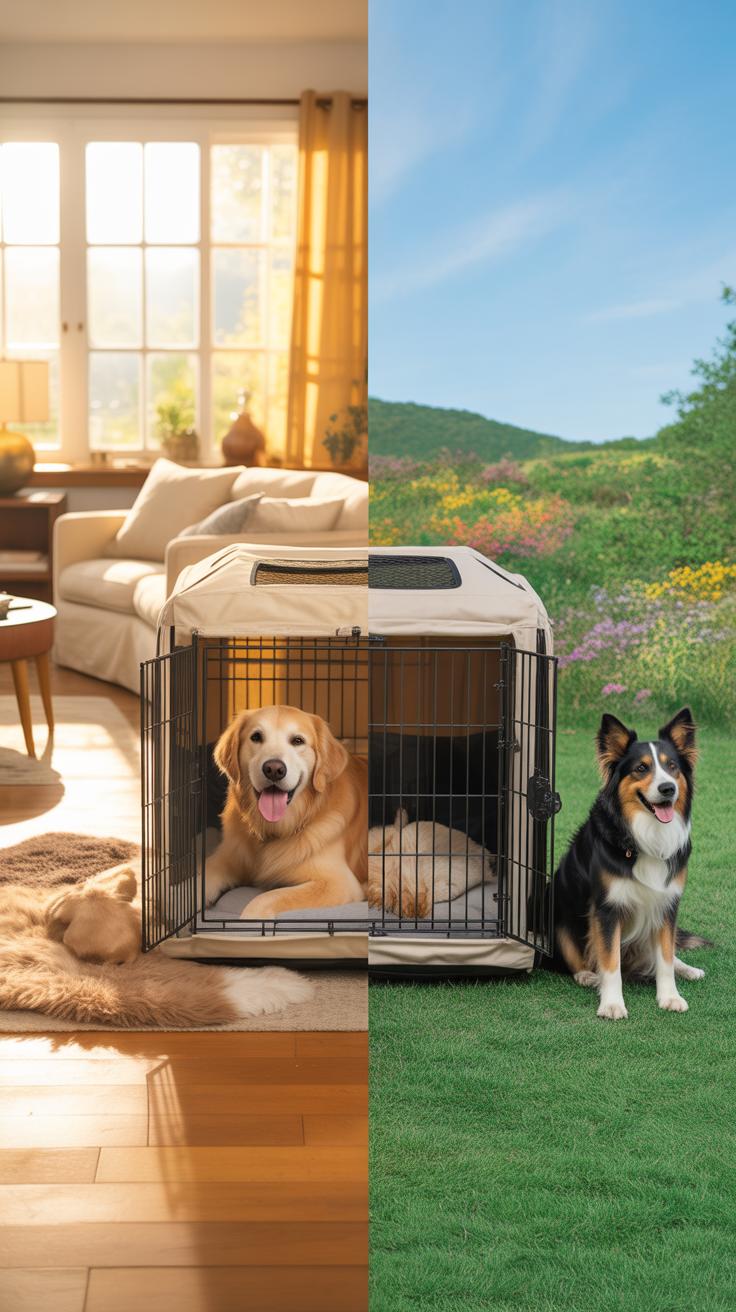
How Indoor Space Constraints Should Influence Your Dog Kennel Size Decision
Indoor kennels serve primarily as dens for sleep and safety. Real estate inside your home is expensive and limited. You must measure the footprint of the room before buying the crate. A kennel that is too large disrupts foot traffic and creates a cold, cavernous environment for the dog. Select a size that allows the dog to stand and turn without hitting the walls.
Maintain a tight fit for indoor training. Excess space allows dogs to soil one corner while sleeping in the other. This defeats the purpose of housebreaking. Match the crate dimensions to your dog’s current physical length. Use divider panels for growing puppies to keep the usable area small. Small footprints encourage a sense of security and help the dog settle down faster in busy households.
Balancing Practicality And Comfort When Sizing An Outdoor Dog Kennel For Your Yard
Outdoor kennels require more square footage than indoor crates. These structures function as primary living spaces for several hours. Dogs need room to move, stretch, and regulate their body temperature. You must account for a sheltered area and a separate movement area. A larger footprint prevents the animal from becoming sedentary and helps maintain muscle tone. Ensure the kennel height allows for full head clearance.

Yard placement dictates the ultimate size of the kennel. Select a level surface with good drainage to prevent mud and bacteria buildup. Use heavy-duty materials like chain link or welded wire to define the perimeter. Factoring in extra width allows you to install an insulated dog house inside the run. This setup protects the dog from wind and rain while keeping the remaining exercise area open and functional.
Frequently Asked Questions

Why is selecting the correct kennel size so important for my dog?
Selecting the proper dimensions is crucial for your pet’s safety and psychological well-being. A space that is too small feels restrictive and uncomfortable, while a space that is too large may fail to provide the “den-like” security dogs crave, potentially leading to anxiety or house-training setbacks. By focusing on choosing right dog kennel size, you ensure your furry friend has a cozy, private sanctuary where they feel protected and relaxed.
How do I accurately measure my dog to ensure the best fit?
To get the perfect dimensions, measure your dog from the tip of the nose to the base of the tail for length, and from the floor to the top of their head or ears for height. Add roughly two to four inches to these measurements to allow for movement. When choosing right dog kennel size, your pet must be able to stand up, turn around, and lie down completely flat without hitting the sides.
Should I buy a larger kennel now if I have a growing puppy?
If you are on a budget, it is smart to buy a kennel that fits your dog’s predicted adult size. To make this accessible and safe for a puppy, look for models that include a movable divider panel. This allows you to adjust the living space as they grow, preventing them from using one corner as a bathroom while saving you the expense of purchasing multiple crates throughout their development.