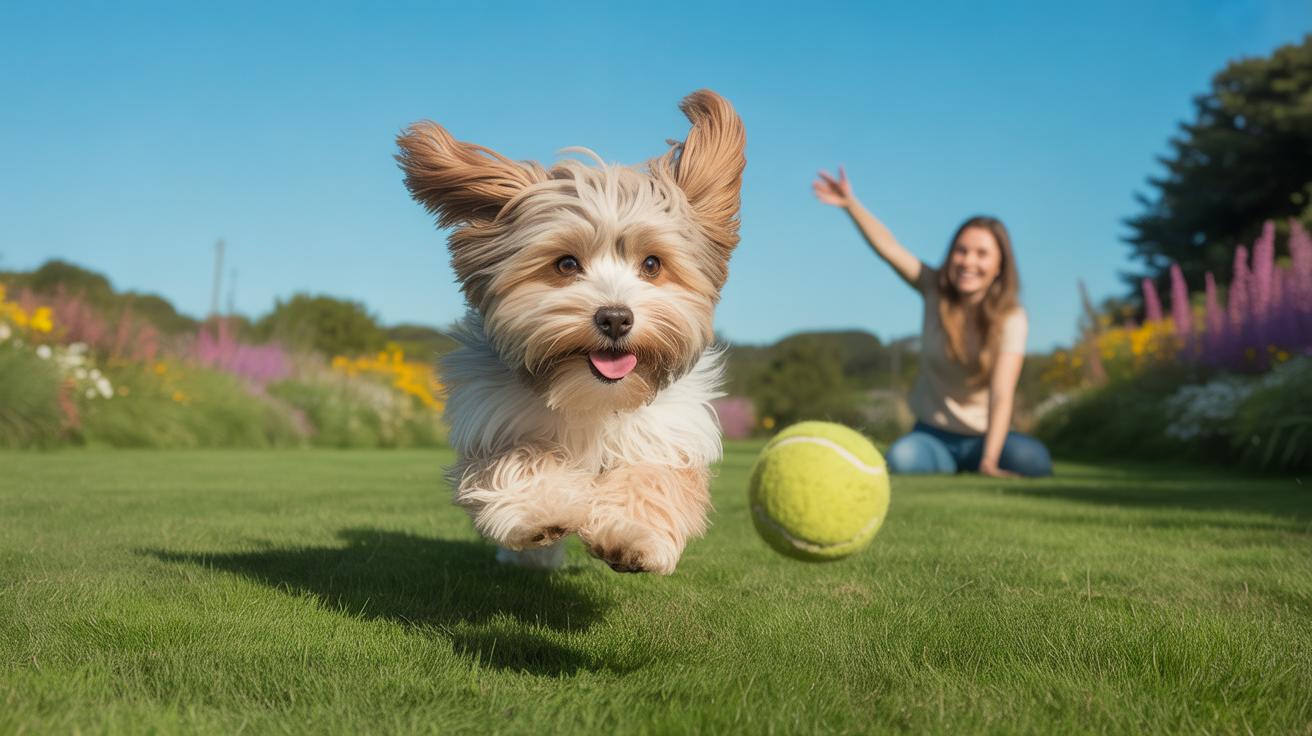
Understanding The Havanese Dog Breed Background And Energy Levels
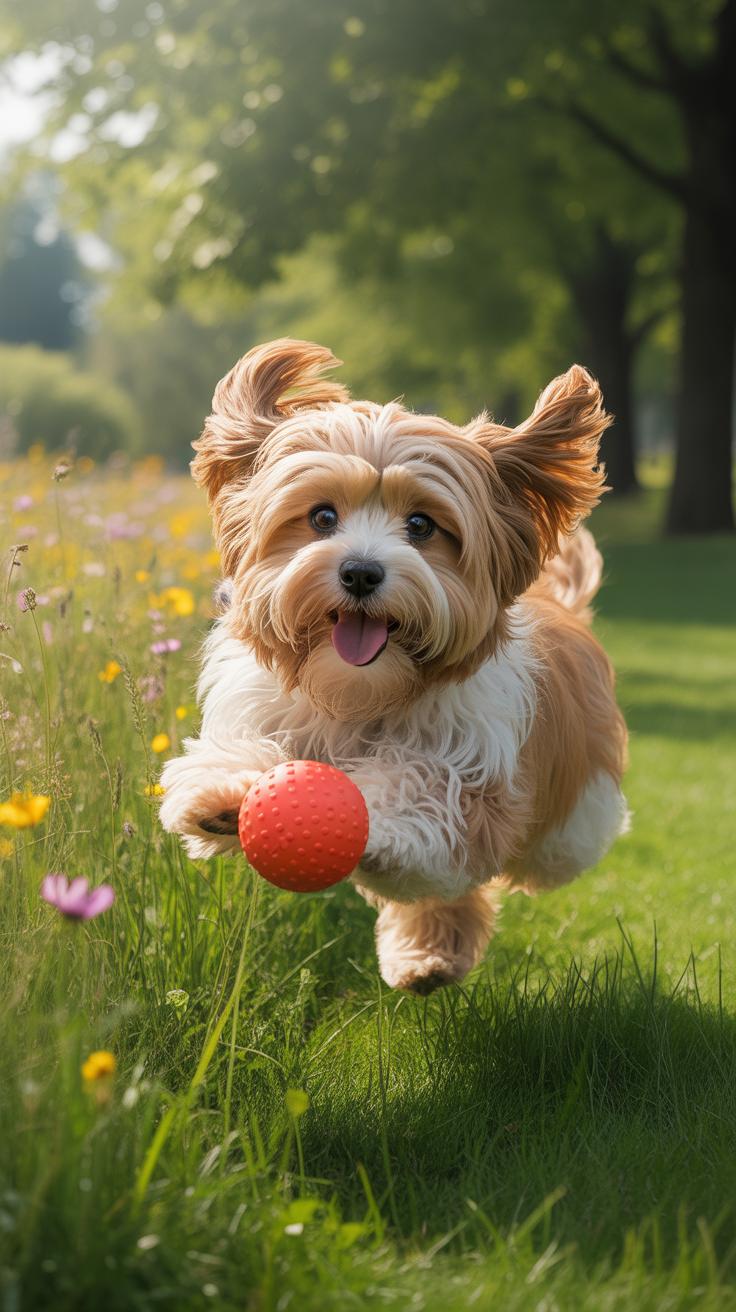
A Brief Look At The Havanese Dog Breed Origins And Temperament
The Havanese is the national dog of Cuba and the only native breed from that island. It descended from the now-extinct Blanquito de la Habana, which came from Spanish Tenerife dogs. These small dogs functioned as companion animals for the Cuban aristocracy throughout the eighteenth and nineteenth centuries. Their history as indoor lapdogs defines their physical structure and their primary need for human interaction.
Temperament drives the activity patterns of this breed. They are highly social and intelligent animals that focus on their owners. They do not possess a high prey drive or a need to roam over large territories. Instead, they prioritize mental stimulation and play within a family setting. Their historical role as a companion means they thrive on structured attention rather than independent outdoor work.
Why Havanese Dogs Have Moderate But Consistent Daily Energy Needs
A Havanese dog possesses a sturdy build despite its small size. This bone structure allows for agility and endurance that exceeds many other toy breeds. They require daily movement to maintain muscle tone and prevent obesity. Unlike high-energy working breeds, they do not need hours of intense running. They do require consistent short bursts of activity to burn off their metabolic energy effectively.
Consistent exercise manages the mental health of this breed. Stagnation leads to destructive behaviors and excessive barking in Havanese dogs. Their intelligence requires them to engage with their environment daily. You must provide them with a mix of physical walking and interactive play. This combination fulfills their physiological requirements and keeps their energy levels stable. Routine activity prevents the development of anxiety and joint stiffness.
How Havanese Dog Size Influences Their Daily Exercise Requirements
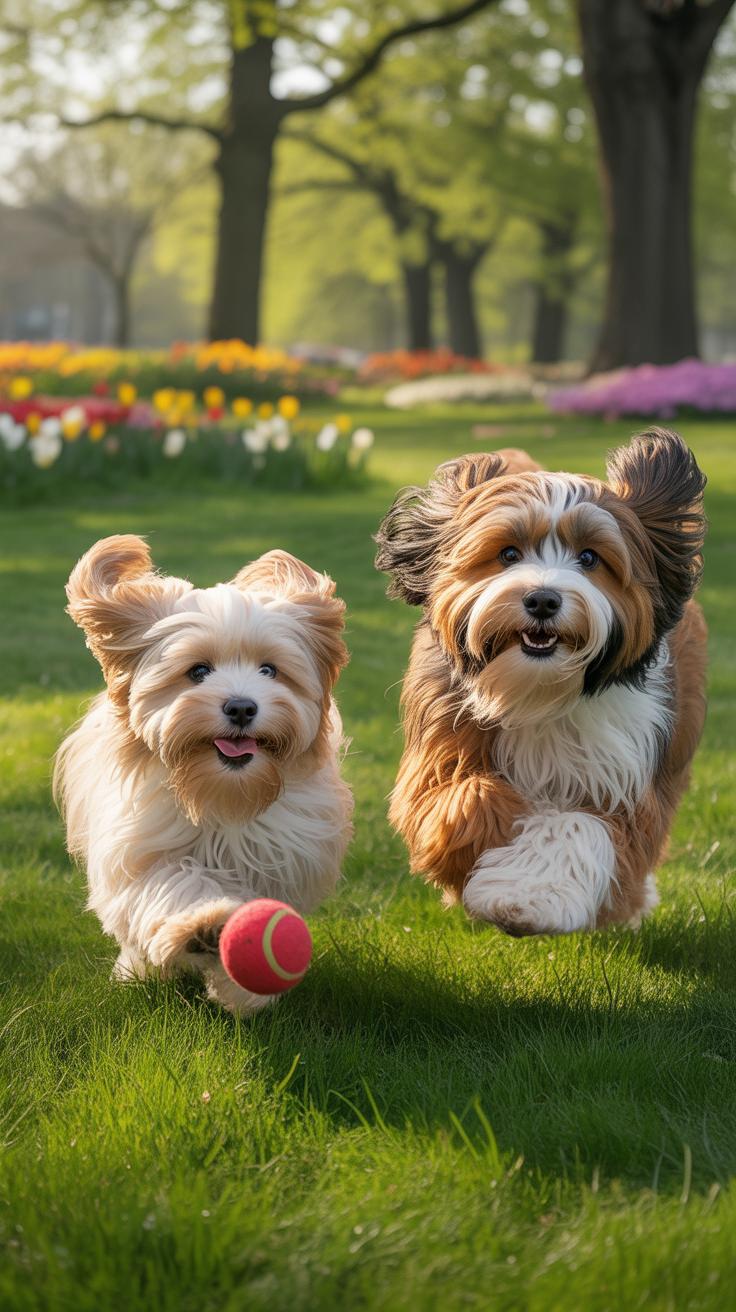
What The Havanese Dog Size Tells You About Their Physical Stamina
The Havanese is a small breed weighing between seven and thirteen pounds. Their short legs mean they take more steps than larger dogs to cover the same distance. This size translates to moderate stamina rather than high endurance. They possess enough energy for regular play but lack the physical capacity for long distance running or grueling hikes. Keep sessions short to avoid exhaustion.
Historical context shows these dogs lived as lap dogs in Cuban urban environments. Their physiology reflects this housebound heritage through a compact frame and efficient metabolism. They do not require vast acreage to stay fit. Small indoor spaces often provide enough room for them to reach top speeds. Monitor their breathing during play. Stop exercise if they start to lag or sit down frequently.
Matching Exercise Intensity To The Small But Sturdy Havanese Build
The Havanese build is surprisingly sturdy for a toy breed. They have a slightly longer body than height which supports agile movements. This skeletal structure allows for jumping and quick turns during play. Rapid bursts of activity suit their physical makeup better than steady state cardio. Focus on high intensity intervals like fetch or short sprints. These activities build muscle without overtaxing their joints.

Small dogs lose body heat quickly and tire faster in extreme weather. Their low profile puts them closer to hot pavement or cold snow. Adjust intensity based on the environment to protect their small frames. Owners should prioritize quality of movement over total distance traveled. Two short fifteen minute walks usually outperform one long forty minute trek. This strategy keeps their heart rate elevated without causing physical breakdown.
Daily Exercise Guidelines For Adult Havanese Dogs
How Many Minutes Of Exercise An Adult Havanese Needs Per Day
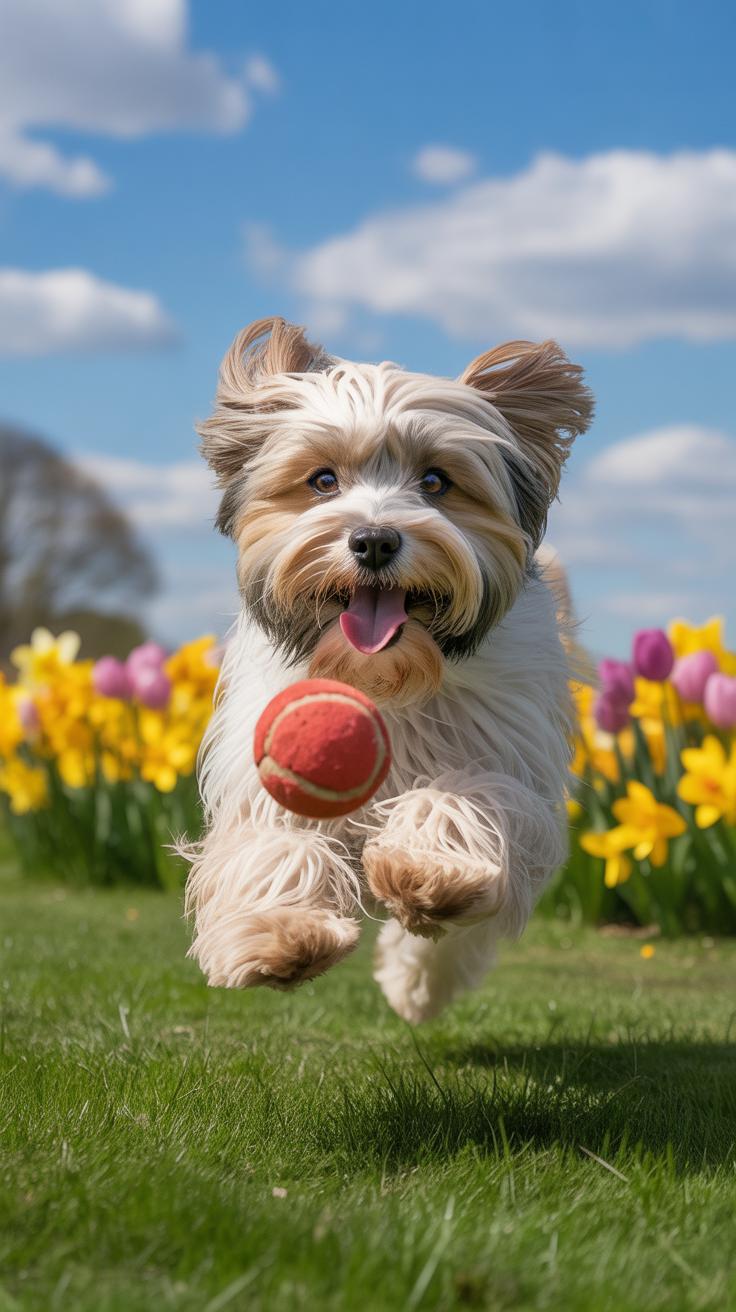
An adult Havanese requires approximately 30 to 60 minutes of daily exercise to maintain optimal health. This breed possesses moderate energy levels and does not require the intense activity of working dogs. You should split this time into two or three short sessions. Consistency matters more than intensity for this breed. Regular movement prevents weight gain and supports joint health over the long term.
Monitor your dog during these sessions to prevent overexertion or heat exhaustion. The Havanese is a sturdy dog but remains small in stature. Outdoor time provides necessary mental stimulation and physical conditioning. If the dog begins to lag behind or pant excessively you must stop immediately. Adjust the total duration based on the individual dog’s health status and the environmental temperature to ensure safety.
The Best Types Of Physical Activities To Keep Havanese Dogs Engaged
Structured walks serve as the primary form of physical activity for this breed. Use a harness rather than a collar to protect the dog’s delicate trachea. A brisk pace helps build cardiovascular strength and reinforces leash training. Change your walking route frequently to provide new scents. This adds mental engagement to the physical workload. Boredom can lead to destructive behavior inside the home.
Interactive play provides high intensity in a controlled environment. Use games like fetch with small balls or light tug of war to burn calories quickly. This breed excels in agility and basic obedience work due to their history as performing dogs. Indoor play is a viable substitute when weather prevents outdoor excursions. Keep sessions short and energetic to match the natural burst energy of the Havanese.
Exercise Needs For Havanese Puppies Starting On The Right Paw
How Much Exercise Is Safe For Havanese Puppies At Each Growth Stage
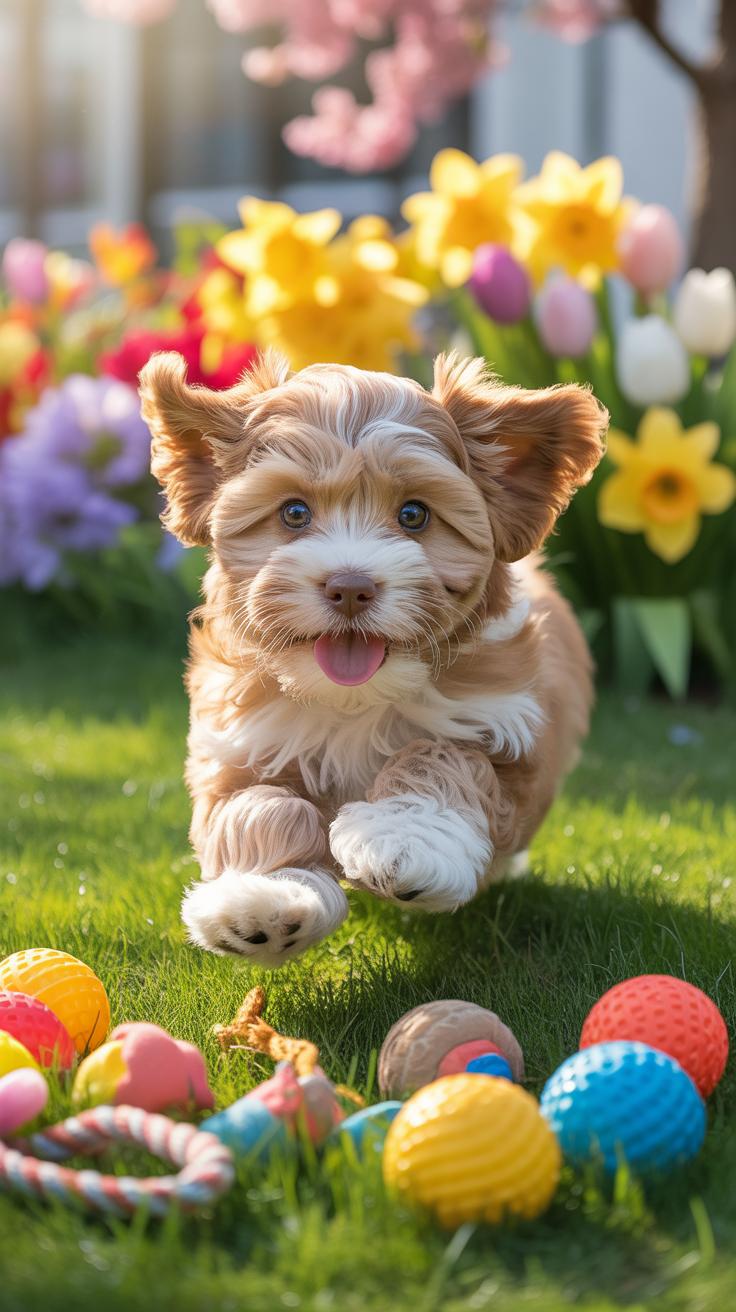
Havanese puppies possess soft growth plates that do not harden until they reach approximately one year of age. Intense physical activity during this window causes permanent joint damage. Use the five minute rule to determine safe duration. Multiply five minutes of formal exercise by each month of the puppy’s age twice daily. A four month old puppy requires twenty minutes of structured walking total.
Monitor your puppy for signs of fatigue such as sitting down or lagging behind. Forced exercise on hard pavement stresses developing bones and leads to hip dysplasia or patellar luxation. Short bursts of self directed play are safer than long walks on a leash. Allow the puppy to dictate the pace and stop when they lose interest. Consistent low impact movement builds necessary muscle.
Havanese Puppy Care Tips For Building Healthy Exercise Habits Early
Establishing a routine early prevents behavioral issues and creates a foundation for adult fitness. Focus on short sessions that prioritize mental stimulation over raw physical exertion. Puppies have limited attention spans and tire quickly. Frequent break periods allow their cardiovascular systems to recover without strain. Use soft surfaces like grass or carpet to protect their joints from repetitive impact during these training sessions.
- Surface Selection: Walk puppies on soft ground such as grass or packed dirt whenever possible. Concrete and asphalt provide no shock absorption for developing joints. This practice reduces the risk of long term skeletal injuries during the first year of growth.
- Leash Training: Introduce the collar and leash in a low stress environment inside the home. Keep sessions under five minutes to prevent frustration. Proper leash manners ensure the dog does not lunge or pull which causes sudden stress on their neck and spine.
- Mental Work: Replace one physical walk with ten minutes of basic command training or scent work. Mental exertion tires a Havanese puppy as effectively as physical movement. This builds focus and strengthens the bond between owner and dog without risking physical overexertion.
- Socialization Walks: Use exercise time to expose the puppy to new sounds and sights at a slow pace. Tactical exposure to different environments is more valuable than distance covered. Stop often to let the puppy observe the world without forcing them to keep moving.
- Play Boundaries: Limit high jumping and steep stairs during play sessions to protect the growth plates. Activities like fetch should involve rolling the ball rather than throwing it high into the air. Controlled movements prevent the accidental twisting of small limbs and joints.

Consistency trumps intensity when training a Havanese puppy for long term health. Avoid the temptation to take long hikes too early in their development. Slow progression ensures the dog reaches adulthood with sound joints and a positive association with physical activity. Watch the weather closely as these small dogs overheat quickly. Proper rest is just as important as the movement itself.
Tips For New Havanese Owners Building A Daily Exercise Routine
Guidance On How To Structure A Simple And Consistent Daily Walk Schedule
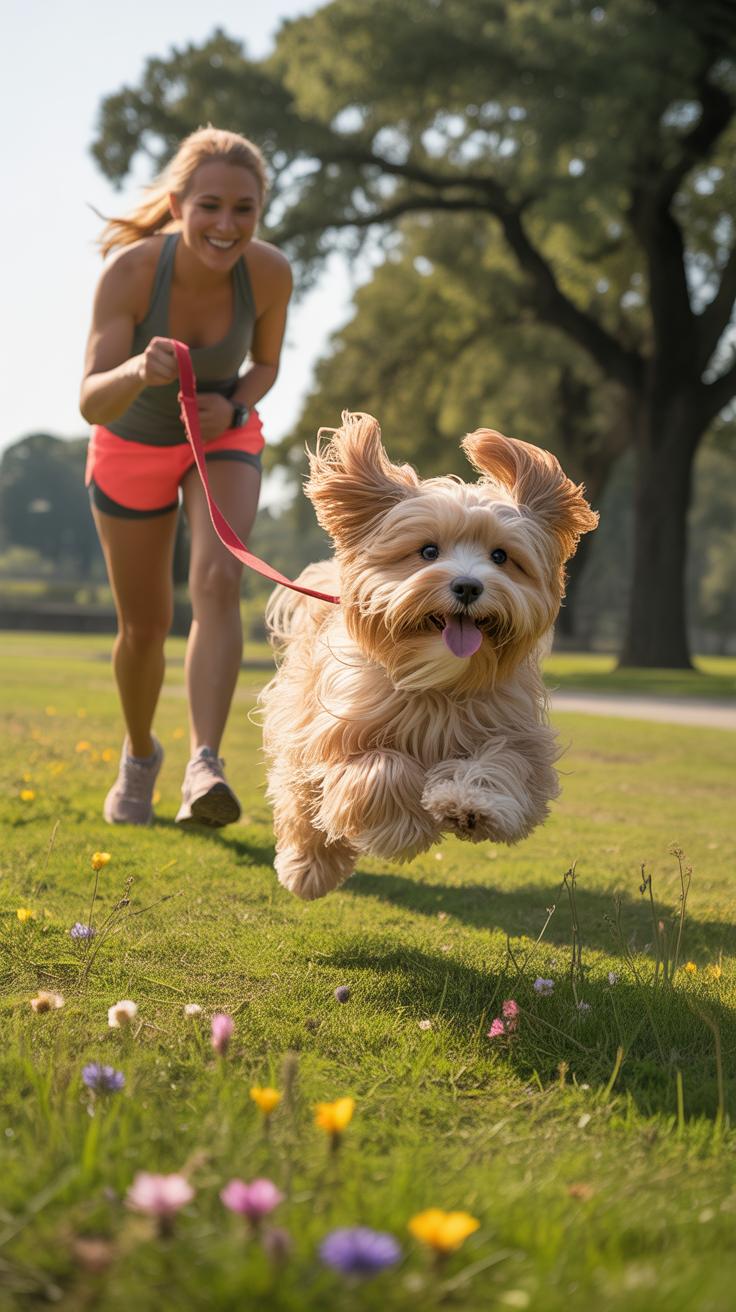
Havanese dogs require a predictable routine to manage their energy levels effectively. Split the total daily requirement into two short walks. Schedule one walk in the morning and one in the evening. Keep each session between fifteen and twenty minutes long. Consistency helps regulate the digestive system and prevents behavioral issues. This small breed thrives on familiar routes that allow for controlled sniffing and mental stimulation.
Avoid long stretches of high intensity walking. Monitor the dog for signs of fatigue such as lagging or sitting down. Adjust the pace to match their short legs and physical gait. Use a harness rather than a neck collar to protect the fragile trachea of this toy breed. Consistent timing builds trust and ensures the dog expects activity. Maintaining this rhythm prevents the buildup of excess energy inside the living space.
Indoor Exercise Ideas That Work Well For Havanese Dogs In Any Home
Indoor movement is essential when weather prevents outdoor walks. The Havanese breed descends from dogs in tropical Cuba and may struggle in extreme cold or rain. Utilize the hallway for short distance retrieval games. Use soft toys to prevent damage to the mouth or teeth. High intensity play in short bursts will tire the dog quickly without requiring a large backyard or professional gym.
- Hallway Fetch: Throw a plush toy down a long hallway to encourage sprinting. This allows the dog to reach top speed in a safe environment. Repeat this ten times to burn peak energy quickly during work breaks.
- Hide and Seek: Hide small treats or toys around the living room furniture. This utilizes the natural scent tracking abilities of the Havanese. It provides mental stimulation and physical movement without needing significant floor space or expensive equipment.
- Stair Climbing: Lead the dog up and down a flight of carpeted stairs slowly. This targets specific muscle groups and builds rear leg strength. Limit this activity to two or three repetitions to avoid putting excessive strain on the dog joints.
- Indoor Agility: Create a small obstacle course using pillows and boxes. Direct the dog to jump over or crawl under these items. This improves coordination and keeps the dog engaged with the owner through clear hand signals and verbal commands.
- Tug of War: Use a small rope toy for a gentle game of tug. This builds upper body strength and provides a high level of engagement. Keep sessions short and always maintain control to prevent the dog from becoming overly excited or nippy.

Incorporate these activities during the middle of the day. Indoor play serves as a tactical bridge between the morning and evening walks. Keep the sessions under ten minutes to avoid overexertion. Watch for heavy panting and provide immediate water access after every session. These low impact movements preserve joint health while meeting the daily caloric burn targets needed for a healthy weight and calm temperament.
Using Positive Reinforcement To Make Exercise Fun For Havanese Dogs
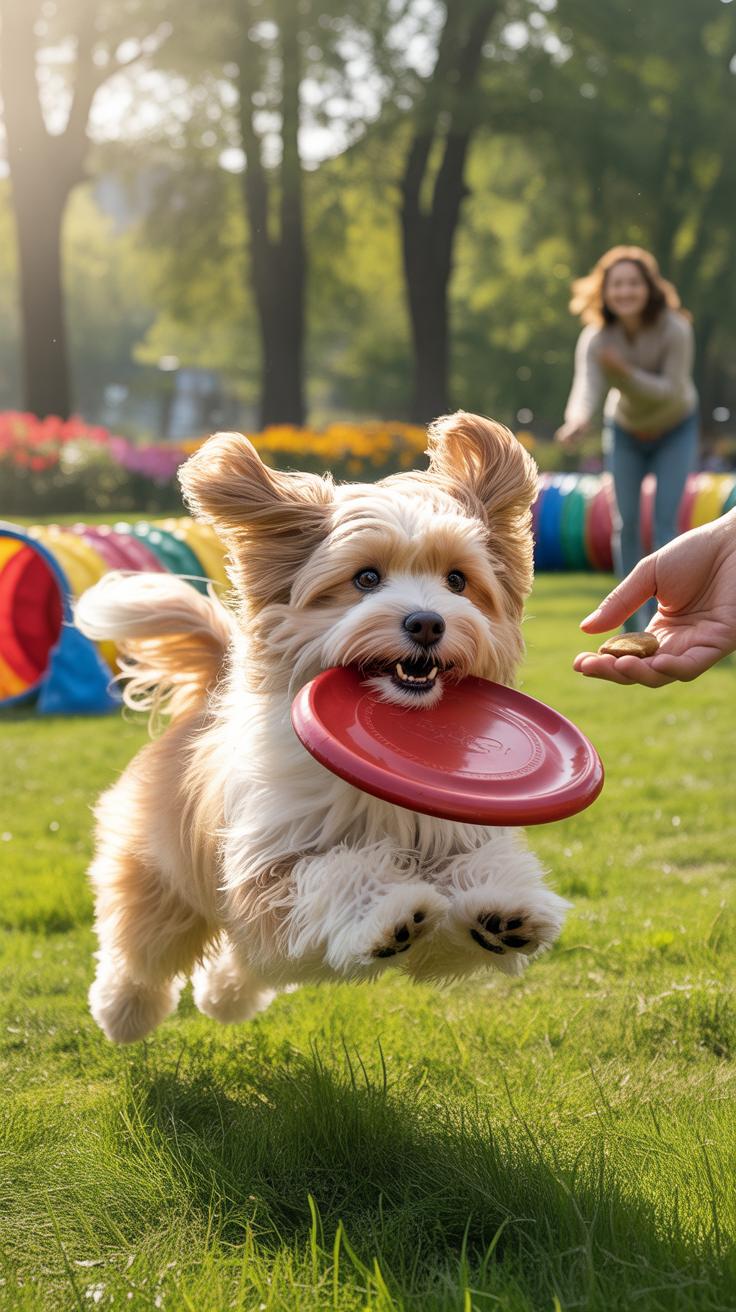
How Positive Reinforcement Encourages A Havanese To Stay Active And Motivated
Havanese dogs thrive on human interaction and positive feedback. This breed historically served as a companion dog for aristocracy in Cuba. They are hardwired to seek approval from their owners. Using treats and verbal praise turns a physical task into a social win. High value rewards trigger the release of dopamine. This chemical response makes the dog associate movement with pleasure and success.
A motivated Havanese will work longer and harder than a bored one. If you stop the rewards, the dog stops the effort. Focus on short bursts of activity paired with immediate payouts. This strategy prevents the dog from becoming distracted or stubborn. Physical activity becomes a game they want to win. You create a cycle where the dog looks for opportunities to burn energy and earn rewards.
Reward Based Play Techniques That Strengthen The Bond During Exercise
Reward-based play targets the natural intelligence of the Havanese. Incorporate fetch or hide-and-seek to mix mental work with physical exertion. Deliver the reward the exact moment the dog completes the desired action. This timing confirms which behavior earned the treat. Clear communication reduces confusion and prevents the dog from quitting. You must remain consistent with your commands to maintain high engagement levels.

The bond grows through shared success during these sessions. Trust builds when the dog understands that your requests lead to positive outcomes. Use toys or small food bits to guide their movements through agility courses or long walks. This method turns a routine walk into an interactive training session. The dog focuses on you instead of external distractions. This focus makes every exercise session more productive and safer.
Havanese Dog Care Tips Balancing Exercise With Rest And Recovery
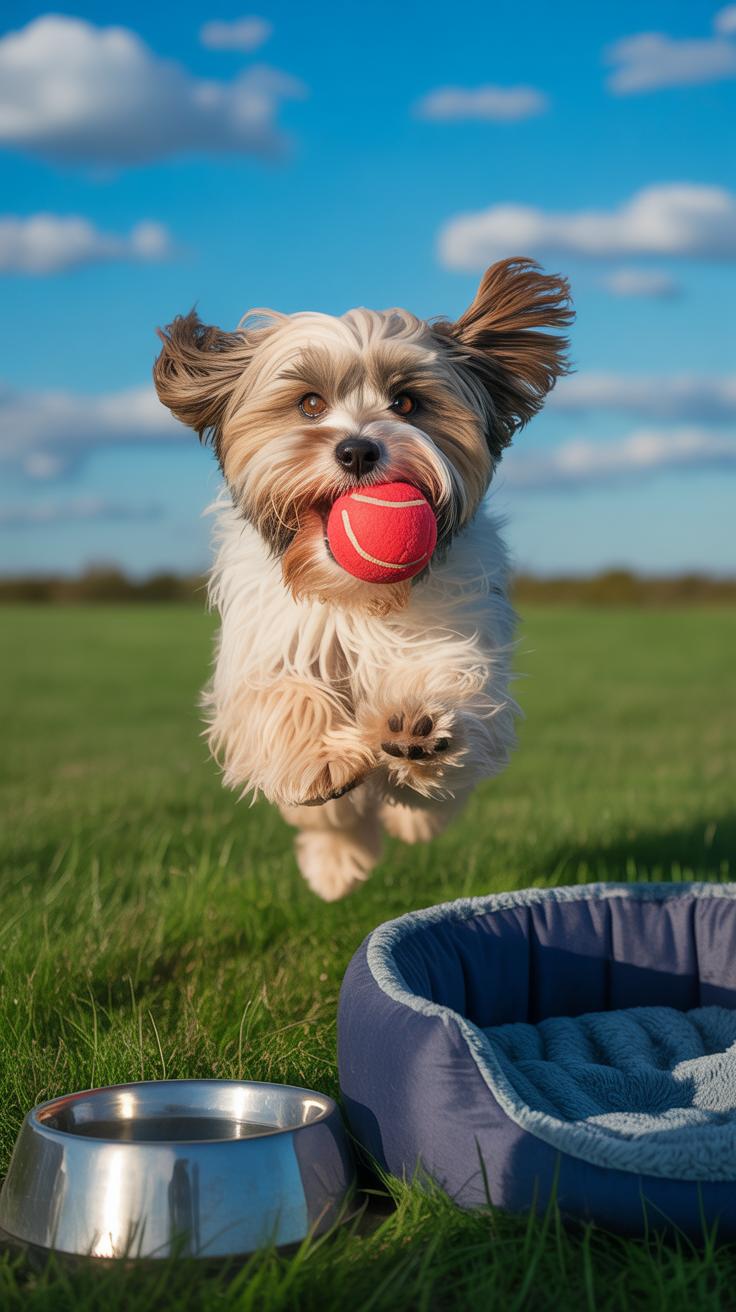
Recognizing Signs That Your Havanese Has Been Over Exercised Or Is Fatigued
Havanese dogs possess moderate energy but lack the stamina of larger working breeds. Owners must monitor for physical indicators of exhaustion during play or walks. A fatigued Havanese will frequently sit or lie down mid-walk to signal their limit. Heavy panting that does not subside quickly after stopping indicates the dog has crossed its threshold. Strategic observation prevents joint strain and overheating.
If your dog ignores commands or falls behind your pace, stop the activity immediately. Excessive lagging is a tactical red flag for over-exertion in small breeds. Watch for trembling legs or a tucked tail during movement. These signs often appear when the dog reaches its metabolic limit. Proper recovery starts the moment you identify these physical cues. Continuing exercise beyond this point risks long-term injury.
Why Rest Days And Mental Stimulation Are Just As Important As Physical Activity
Physical exertion is only one part of the Havanese dog exercise needs equation. High-energy dogs require scheduled rest to repair muscle tissue and regulate stress hormones like cortisol. Constant activity leads to a state of chronic arousal rather than fitness. Designate specific days for low-impact movement to maintain health without overtaxing the heart. Rest ensures your dog remains focused and physically resilient.
Mental stimulation provides a tactical alternative to physical running. Havanese are intelligent and respond well to scent work or food puzzles. These tasks tire the brain without stressing the joints or paws. Ten minutes of focused nose work equals thirty minutes of walking for energy expenditure. Use indoor training sessions to meet daily requirements when your dog shows signs of physical fatigue or soreness.
How Grooming Style And Coat Length Can Affect Your HavaneseS Exercise Comfort
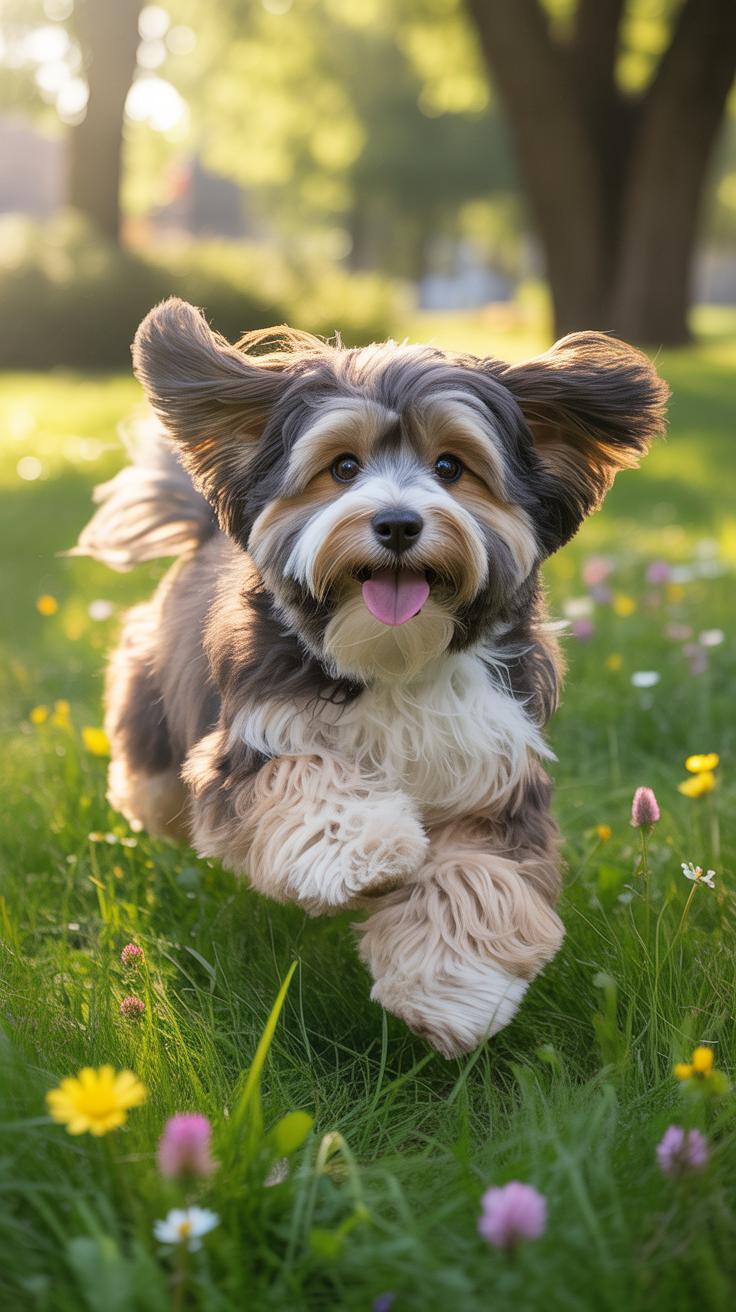
Why A Puppy Cut Is A Practical Grooming Style Choice For Active Havanese Dogs
The Havanese possesses a thick double coat that traps heat and debris. Long hair quickly collects sticks and burrs during outdoor walks. A puppy cut reduces the hair length to one or two inches across the entire body. This shorter length prevents painful matting caused by friction during high energy movement. Owners spend less time brushing and more time focusing on physical activity.
Short hair also assists in temperature regulation. Long coats act as heavy insulation and lead to rapid exhaustion in warm weather. A puppy cut allows better airflow to the skin during vigorous play. It simplifies post exercise cleanup by reducing the amount of mud and pollen the dog carries inside. This practical style supports a high level of daily activity without the burden of constant coat maintenance.
A Havanese requires only a small amount of exercise to keep their spirit bright, as their greatest joy is simply being wherever you are. These little dogs remind us that a gentle stroll and a heart full of devotion are all that is needed to make a life complete.
How To Keep Your Havanese Comfortable During Exercise Regardless Of Coat Length
Proper coat management ensures your dog stays safe during physical exertion. Long coats require frequent brushing to remove knots that pull on the skin during movement. If you keep a show coat, check the armpits and belly for mats after every walk. Mats restrict the natural range of motion and cause skin irritation. Monitoring these areas allows the dog to move freely and without any physical pain.
Environmental factors demand specific attention based on hair length. Wet coats become heavy and chill the dog in cold temperatures. Use a lightweight vest to keep the fur dry during damp outings. In summer, check for overheating regardless of hair length. Use cooling mats or shaded paths to prevent heat stroke. Maintaining a clean coat ensures your Havanese remains agile and ready for their daily exercise routine.
Exercise Adjustments For Senior Havanese Dogs And Those With Health Conditions
How To Safely Modify Daily Exercise Routines For Aging Havanese Dogs
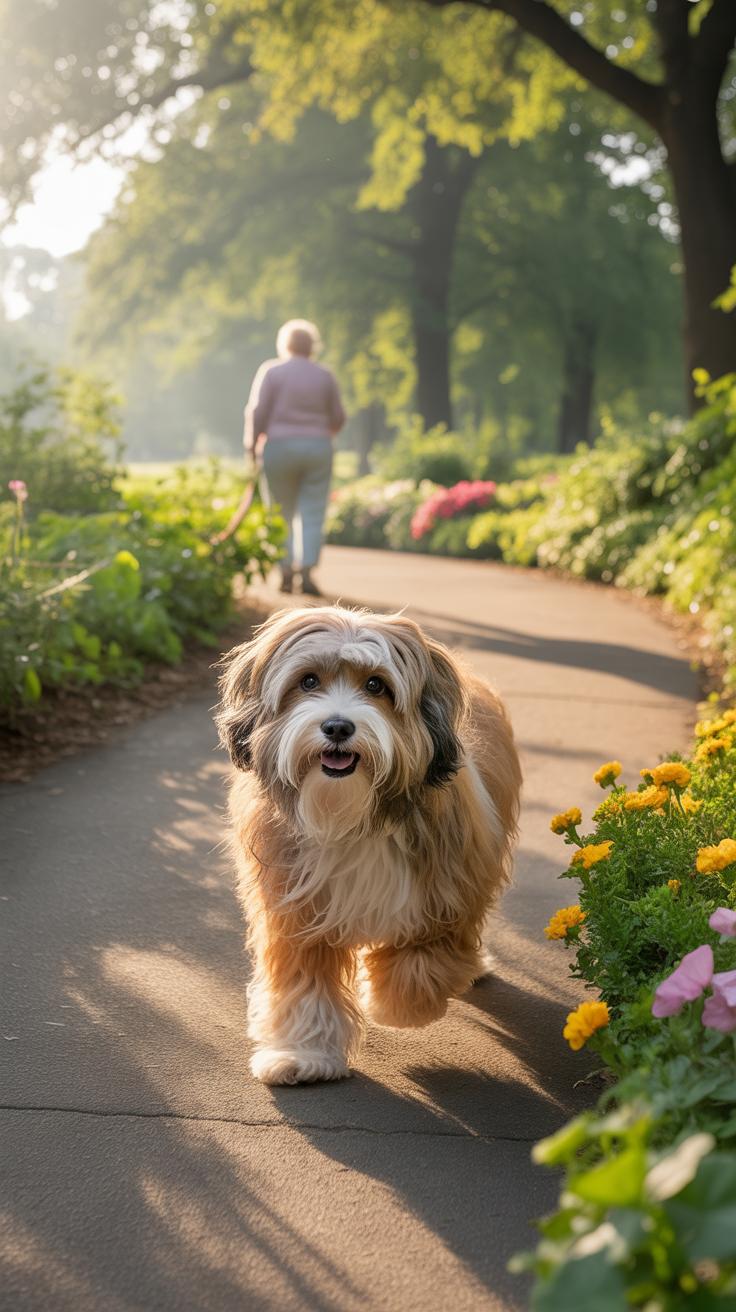
Senior Havanese dogs experience reduced muscle mass and lower energy levels. You must shorten walking durations to match their physical decline. Replace high-impact running with slow strolls on flat surfaces. Watch for signs of heavy panting or slowing down during the walk. Stop immediately if the dog lags behind. Frequent short sessions work better than a single long trip for older joints.
Mental stimulation remains critical when physical movement decreases. Use low-intensity nose work or food puzzles to burn energy without joint strain. Avoid steep stairs or jumping onto high furniture. Use ramps to prevent impact injuries on aging limbs. Keep the dog moving daily to maintain joint lubrication. Consistent gentle movement prevents stiffness and obesity. Monitor weather closely as senior dogs struggle with temperature regulation.
When To Consult Your Veterinarian About Your Havanese Dog’S Exercise Plan
Schedule a veterinary exam if your Havanese shows sudden changes in movement. Limping or vocalizing during exercise indicates pain or potential injury. Professional assessment identifies issues like luxating patellas or heart murmurs common in the breed. A vet will set heart rate limits or movement restrictions based on the diagnosis. Never force a dog to exercise through visible discomfort or physical distress.
Consult a professional before starting any new fitness program for a dog with known health conditions. The vet provides a baseline for safe activity levels tailored to your dog. They help you differentiate between normal aging and treatable ailments. Regular checkups ensure the exercise plan evolves with the dog’s changing health status. Use medical data to guide your daily routine decisions for maximum safety.
Frequently Asked Questions

How much daily activity does a Havanese truly require to stay healthy?
While they are small, these spirited companions are surprisingly energetic. Most Havanese dog exercise needs are met with roughly 30 to 60 minutes of activity per day. This doesn’t have to be intense; a brisk walk around the neighborhood combined with some indoor play sessions is usually sufficient. Keeping them active prevents obesity and ensures your pup remains the happy, charming lapdog they were bred to be.
What are the best ways to exercise a Havanese if I live in a small apartment?
Havanese are ideal for apartment living because they don’t require sprawling backyards. You can easily meet your Havanese dog exercise needs through interactive indoor games like hide-and-seek or indoor fetch with soft toys. Short, frequent walks are also beneficial. Mental stimulation is just as important as physical movement, so consider using puzzle feeders or teaching new tricks to burn off excess energy in a confined space.
Do I need to buy expensive agility equipment to keep my Havanese fit?
Not at all! You can provide excellent physical activity on a total budget. Simple household items like rolled-up towels or cardboard boxes can be turned into a “DIY” obstacle course. A basic leash for daily walks and a few tennis balls are all you really need. Prioritizing consistent engagement and bonding time is far more valuable for their well-being than purchasing high-end fitness gear or professional training equipment.