Understanding The Toy Poodle Size And Breed Standard

What Officially Defines A Toy Poodle By Size
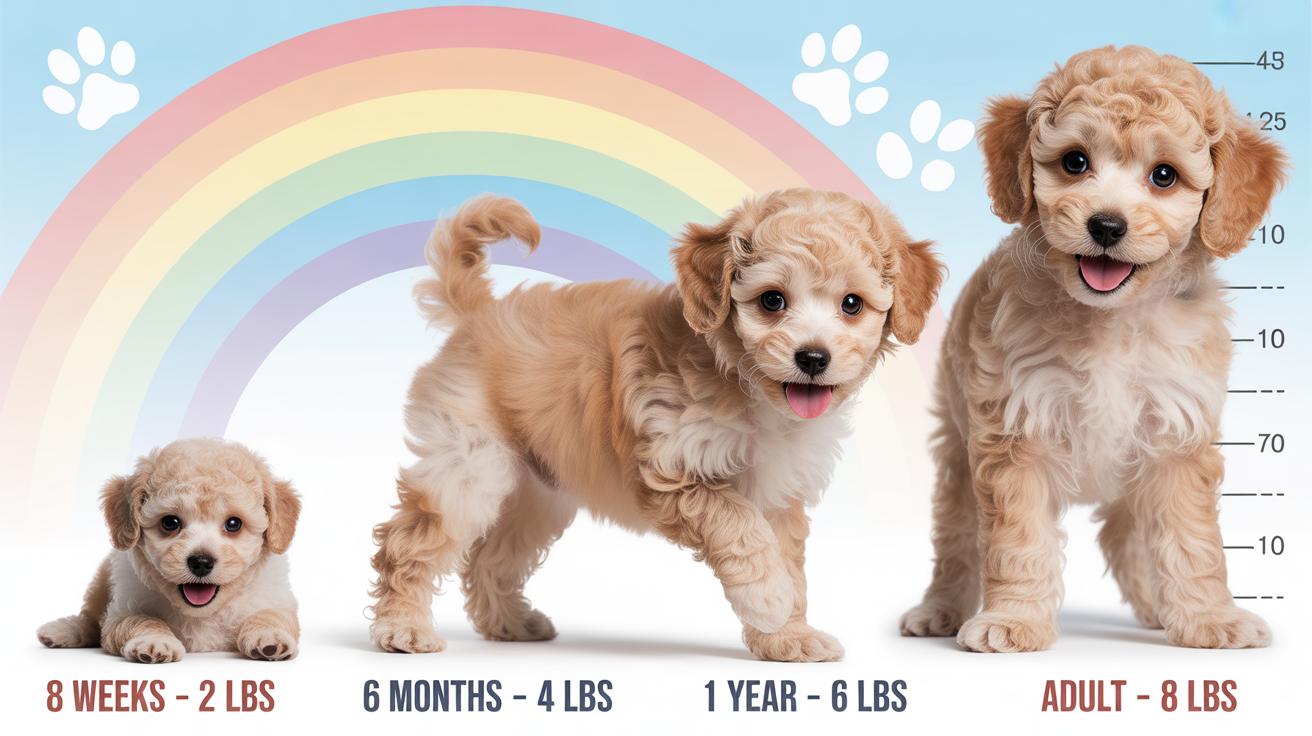
Major kennel clubs define the Toy Poodle strictly by height rather than weight. The American Kennel Club states a Toy Poodle must stand 10 inches or less at the highest point of the shoulder. Any dog exceeding this height limit cannot compete in the Toy category. While weight varies based on bone density and muscle, most healthy adults weigh between 4 and 6 pounds.
Breeders focus on these height benchmarks to maintain the official standard. You must measure from the ground to the withers to get an accurate reading. Weight is a secondary metric used to track health and growth progress. A dog that stands 10 inches tall but weighs significantly more or less may have underlying health issues or poor structural composition according to breed requirements.
How The Toy Poodle Differs From Miniature And Standard Poodles
The primary difference between Poodle varieties is size, not personality or build. Standard Poodles stand over 15 inches tall. Miniature Poodles occupy the middle ground, standing between 10 and 15 inches. The Toy Poodle is the smallest official classification. All three sizes share the same athletic proportions and square build. They are the same breed but categorized into distinct size varieties for show purposes.
Prognosticating adult size requires looking at the parents and the growth rate during the first few months. Toy Poodles reach their full skeletal height much faster than Standard Poodles. A Toy usually stops growing by 6 to 9 months of age. Larger Poodles take up to two years to reach full physical maturity. This rapid development makes early weight tracking critical for ensuring the dog remains within the Toy size bracket.

Toy Poodle Growth Chart Birth To 12 Weeks
Guidance What To Expect From A Toy Poodle Puppy In The First Month
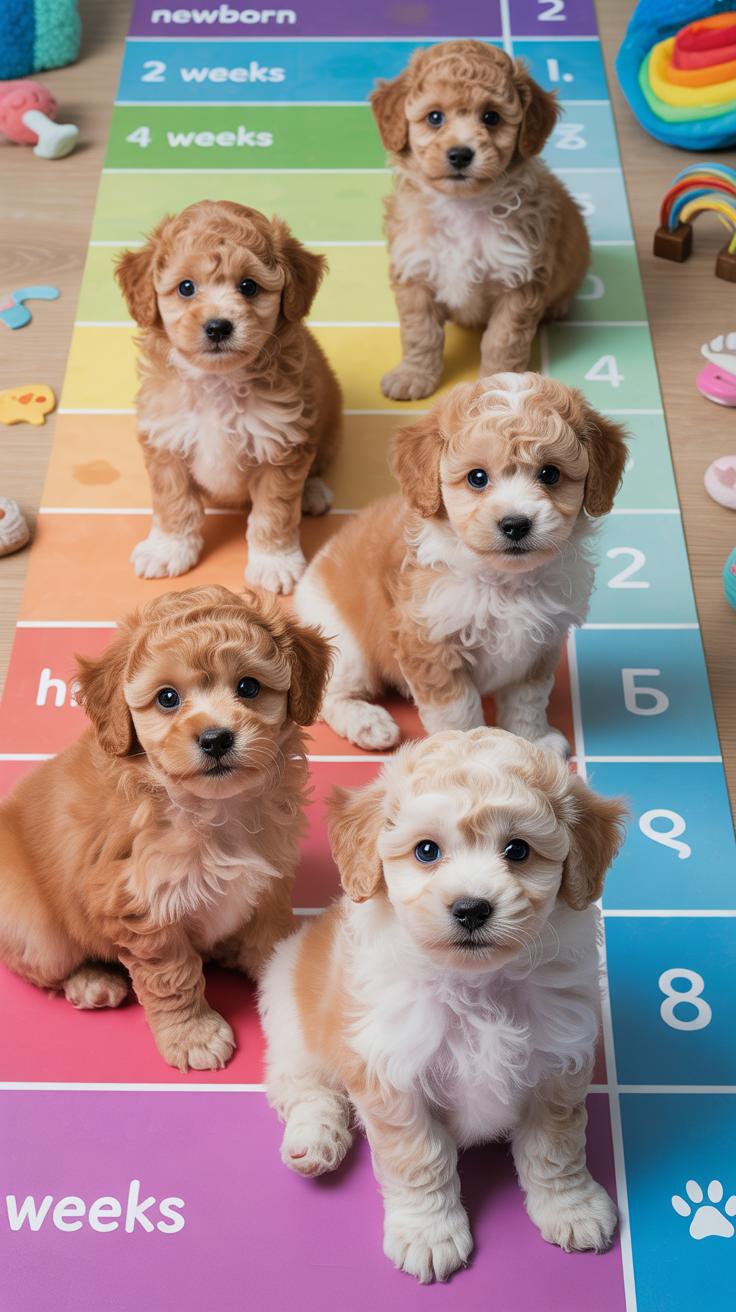
Toy poodle puppies enter the world weighing between 3 and 5 ounces. Growth at this stage happens rapidly because the puppies double their birth weight within the first 10 days of life. You must monitor weight daily during the first two weeks to ensure the dam provides enough milk. A lack of steady gain indicates a medical emergency or a need for immediate supplemental feeding.
Nutrition drives every physical development milestone during these first four weeks. The puppy remains entirely dependent on maternal antibodies and high fat milk for survival. Movement is limited to crawling toward heat sources and the mother. By the end of the first month, a healthy toy poodle usually weighs between 12 and 22 ounces. Consistent gains show the puppy is ready to begin the weaning process soon.
Every ounce of growth recorded on the chart is a step closer to the lifelong companion who will fill your heart far more than they ever weigh. Watching them grow from a tiny handful to a spirited friend is the sweetest journey a soul can take.
Week By Week Weight Milestones From 4 To 12 Weeks
The transition to solid food begins at four weeks and triggers a noticeable growth spurt. By week eight, most toy poodles weigh between 1.5 and 2.5 pounds. This period is critical for bone development and muscle formation. You must provide high calorie puppy kibble to support this metabolic demand. A healthy puppy should feel sturdy and firm rather than fragile. Small meals four times a day prevent hypoglycemia.

At 12 weeks, the average toy poodle weighs between 2.5 and 4 pounds. This weight often represents approximately 40 to 50 percent of their final adult size. Use these 12 week numbers to project the future weight of your dog. Growth starts to slow slightly after this point compared to the explosive gains seen earlier. You should consult a veterinarian if the puppy fails to gain weight for more than two consecutive days.
Poodle Weight Chart By Age 3 Months To 6 Months
Key Growth Patterns During The 3 To 6 Month Developmental Stage
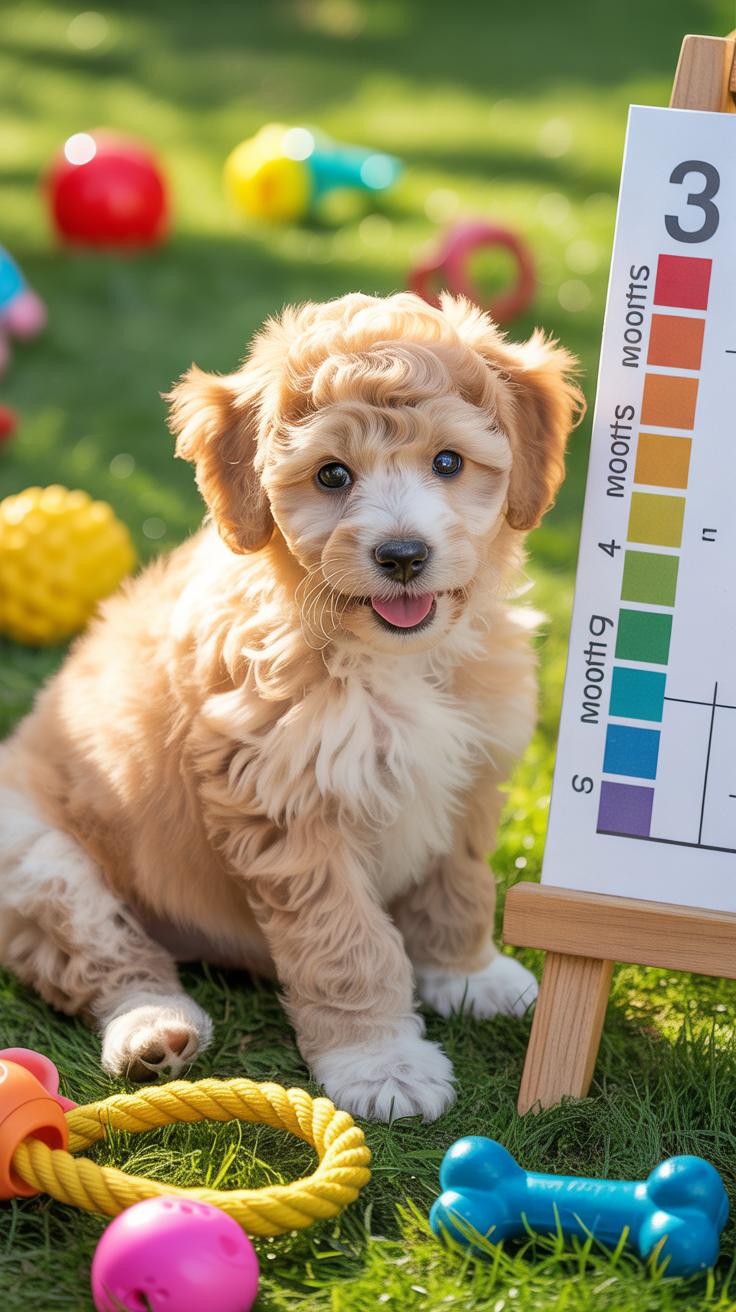
The three to six month window represents the most critical growth phase for toy poodles. During this period, puppies typically gain weight at a steady and predictable rate. You will see rapid skeletal development and increased muscle density. Their bodies transition from a rounded puppy shape to a more lean and athletic frame. This phase consumes the most metabolic energy.
Proper nutrition drives this rapid expansion. Owners must monitor caloric intake to prevent orthopedic strain during these months. Excess weight puts undue pressure on developing joints like the hips and patellas. You must track weekly gains to ensure the puppy stays on a healthy trajectory. Steady growth is safer than rapid spikes. Consistent monitoring prevents long term health issues.
Average Weight Ranges For Toy Poodles At 3, 4, 5, And 6 Months
At three months, a healthy toy poodle usually weighs between 2 and 4 pounds. By four months, that range increases to 3 to 5 pounds. Most puppies reach approximately two thirds of their final adult weight during this timeframe. If the dog exceeds 5 pounds at four months, it may actually be a miniature poodle rather than a toy variety.

Between five and six months, growth begins to slow down significantly. A five month old toy poodle typically weighs 3.5 to 5.5 pounds. By the six month mark, most toy poodles sit between 4 and 6 pounds. They are now very close to their final size. Expect only minor increases in fat and muscle mass from this point until they reach full maturity.
Toy Poodle Growth Chart 6 Months To 12 Months
When Do Toy Poodles Reach Their Full Adult Weight
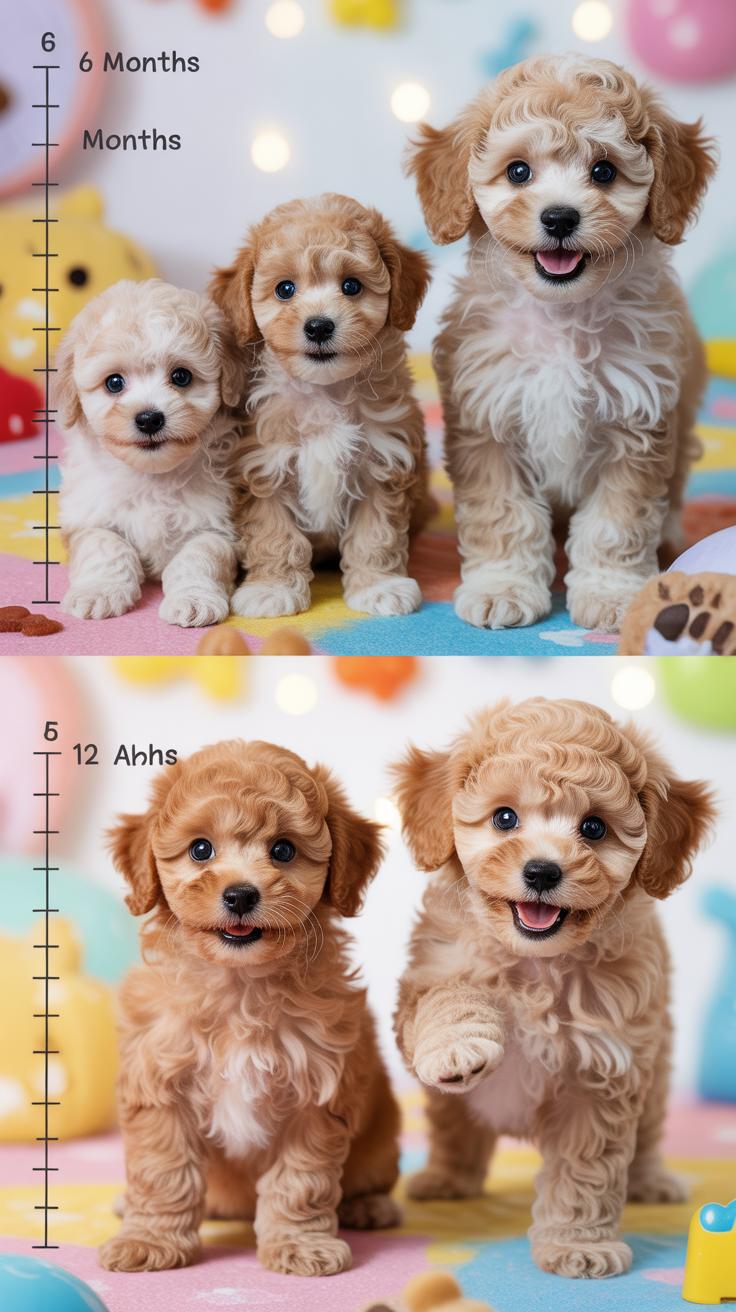
Toy poodles reach their maximum skeletal height much faster than larger breeds. Most individuals achieve their full adult weight between six and nine months of age. Small dogs process nutrients quickly and halt bone growth early. You will notice the rapid weight gain of early puppyhood slows down significantly once the dog hits the six month mark. Monitor body condition closely during this window.
While height stabilizes early, some poodles continue to fill out their frame until the twelve month mark. This extra weight comes from muscle development and increased fat stores rather than bone length. Genetics and diet dictate the exact timing of this plateau. Owners must verify that weight gain after nine months remains lean. Excessive fat during the final growth phase can stress the joints and heart.
Monthly Weight Benchmarks From 6 To 12 Months Of Age
At six months, a toy poodle typically weighs between four and six pounds depending on its bloodline. This weight represents about ninety percent of its total adult mass. Growth rates drop to just ounces per month instead of pounds during this period. Track these minor changes with a digital scale to ensure the dog remains on its healthy trajectory. Sudden shifts indicate health issues.

By twelve months, the average toy poodle weighs between six and nine pounds. Stability is the primary goal throughout this final quarter of the year. Active dogs may weigh slightly less due to muscle density while sedentary dogs risk obesity. Verify that you can still feel the ribs through the coat. If the weight exceeds ten pounds, the dog likely falls into the miniature poodle category.
Full Poodle Growth Chart Adult Toy Poodle Weight And Maintenance
Healthy Adult Weight Range For A Fully Grown Toy Poodle
A healthy adult Toy Poodle typically weighs between 4 and 6 pounds. Breed standards define this variety by height rather than weight. The dog must stand under 10 inches at the shoulder. Most Toy Poodles reach their full skeletal size by 6 to 9 months of age. Weight then stabilizes once the dog reaches one year. Variations exist based on genetics and bone structure.
Monitoring adult weight ensures the dog avoids joint stress. Miniature Poodles are larger and weigh 10 to 15 pounds. Do not confuse the two categories. Owners must track weight monthly after the first year to detect changes early. Consistent feeding schedules prevent sudden weight spikes. High quality protein supports muscle mass without adding unnecessary fat. Keep your dog within the established 4 to 6 pound range.
How To Tell If Your Toy Poodle Is At A Healthy Weight
Physical touch is the most accurate way to assess body condition at home. You should feel the ribs easily under a thin layer of skin. Use your fingers to press along the ribcage. If you must poke hard to find the bone, the dog carries too much fat. A visible waistline should appear when looking down from above. This indicates proper muscle to fat ratios.

The abdominal tuck is another vital indicator of health. Look at the dog from the side while it stands. The belly should slope upward from the chest to the hind legs. A flat or sagging underline suggests weight issues. Excess weight puts extreme pressure on small patellas and heart tissue. Regular checks allow for quick diet adjustments. Maintain a lean frame to increase the lifespan of your Toy Poodle.
Miniature Poodle Growth Chart Vs Toy Poodle Weight Charts Key Differences
Comparing Growth Rates Between Miniature And Toy Poodles
Toy poodles and miniature poodles follow distinct biological timelines. Toy poodles finish growing much faster. A toy poodle usually reaches its full adult weight by six to nine months. They gain weight in small, rapid increments during the first twelve weeks of life. This early speed is necessary because their total target weight is very low compared to larger poodle varieties.
Miniature poodles take longer to mature physically. They often continue to fill out until they reach twelve months of age. You will notice that miniature poodles maintain a steady growth curve for a longer duration. Their weight gains are larger each week because they must support a bigger bone structure. Understanding this timeline prevents owners from misidentifying a slow-growing miniature poodle as an overweight toy poodle.
Why Size Classification Matters When Reading Weight Charts
You must use the correct chart to track health accurately. The American Kennel Club defines these breeds by height at the shoulder, not just weight. Toy poodles stay under ten inches. Miniature poodles stand between ten and fifteen inches. If you use a miniature chart for a toy poodle, you might think your dog is underweight. This leads to overfeeding and dangerous health complications.

Accurate classification helps you anticipate future caloric needs and joint development. A toy poodle puppy requires high-density nutrition in small portions to prevent hypoglycemia. Miniature poodle puppies need controlled growth to avoid orthopedic issues. Selecting the wrong chart results in poor nutritional choices. Always confirm your poodle variety by measuring height at the shoulder before you rely on specific weight milestones or growth projections.
Factors That Influence Toy Poodle Weight By Age
Genetics Diet And Exercise The Core Drivers Of Growth
Genetics serve as the primary blueprint for a toy poodle puppy size. Breeders look at the weight of both parents to predict the adult size of the offspring. If the parents are on the smaller end of the toy spectrum, the puppies usually follow suit. These inherited traits dictate bone density and metabolic rates which directly impact how fast a puppy gains weight.
Diet and exercise act as the secondary levers for growth management. High calorie intake without sufficient physical activity leads to fat deposits rather than lean muscle development. A balanced nutritional profile ensures that the skeletal structure matures at a safe pace. Controlled exercise prevents premature joint wear while building the strength necessary to support the growing frame of a young toy poodle.
Tips For Supporting Healthy Weight Gain In A Toy Poodle Puppy
Maintaining a consistent feeding schedule is the most effective way to manage a toy poodle development. Poodles have small stomachs and high metabolic needs that require frequent fuel throughout the day. You must provide nutrient dense food specifically formulated for small breeds. This ensures the puppy receives enough calcium and phosphorus for bone health without consuming excessive volume that causes bloat.
- High Quality Protein: Focus on whole meat sources to build lean muscle mass. Puppies need amino acids to develop internal organs and strong tissues during the first six months of life. Avoid fillers that add empty weight.
- Caloric Density: Use food designed for toy breeds to ensure concentrated energy. Small dogs burn calories faster than large dogs. Concentrated nutrients allow the puppy to gain necessary weight even if they have a small appetite.
- Regular Weigh Ins: Use a digital scale to track growth progress every week. Consistent monitoring allows you to catch weight plateaus early. Early detection of stagnation helps you adjust food portions before health issues arise or growth stunts.
- Hydration Maintenance: Provide constant access to clean water to support metabolic processes. Dehydration slows down digestion and can lead to weight loss in small puppies. Proper fluid intake ensures nutrients reach the cells efficiently for steady growth.
- Controlled Activity: Limit high impact jumping to protect developing growth plates. Short walks provide the necessary stimulation to build muscle without risking permanent structural damage. Strong muscles support the weight of the growing skeletal system as it matures.

Monitor your puppy body condition score by feeling for the ribs under the fur. You should feel the ribs easily without seeing them protruding through the skin. If the puppy looks round or loses its waistline, reduce treat intake immediately. Strategic feeding combined with observant care keeps the puppy on a healthy growth trajectory toward its predicted adult weight.
Common Weight Problems In Toy Poodles And How To Address Them
Signs Your Toy Poodle May Be Underweight Or Overweight
A Toy Poodle has an ideal weight when you can feel the ribs but not see them. Look for a visible waistline behind the ribcage when viewing the dog from above. An overweight dog loses this tuck and develops a rounded belly. Excess fat deposits often settle over the base of the tail or the neck area in this small breed.
Underweight Toy Poodles show prominent bone structures including the spine, hip bones, and ribs. These dogs often lack energy and have dull coats. You must distinguish between a naturally lean build and a lack of muscle mass. Rapid weight loss in small breeds leads to hypoglycemia or liver issues. Monitor the body condition score regularly to ensure the dog stays within healthy limits.
When To Consult A Veterinarian About Your Toy Poodle’S Weight
Weight changes in small breeds happen fast and carry high risks. A loss or gain of just one pound represents a massive percentage of their total body mass. You must track these shifts using a precise digital scale. Professional intervention ensures that underlying medical conditions like thyroid issues or parasites do not cause the weight fluctuation.
- Sudden Weight Loss: Rapid dropping of ounces often indicates dental pain, digestive parasites, or metabolic disorders. Small dogs lack the fat reserves to survive long periods of caloric deficit. Tactical intervention prevents organ stress.
- Loss of Appetite: Refusing meals for more than twenty-four hours is a medical emergency for a Toy Poodle. Low blood sugar can cause seizures or coma. A vet must rule out infections or internal blockages immediately.
- Lethargy and Weakness: Decreased activity levels combined with weight changes suggest heart problems or joint pain. Carrying extra weight puts extreme stress on the patellas and spine. Accurate diagnosis helps manage pain and improves mobility.
- Visible Ribs and Spine: If bones are prominent with no fat covering, the dog is malnourished. This state requires a supervised high-calorie diet plan. Veterinarians check for malabsorption issues that prevent the dog from utilizing nutrients properly.
- Distended Abdomen: A swollen belly despite thin legs can signal a heavy parasite load or Cushing’s disease. This requires blood work and fecal testing. Do not assume a round stomach always means the dog is just overfed.

Veterinarians provide a tailored caloric target based on the dog’s age and activity level. They use blood tests to rule out diabetes or hormonal imbalances that stall weight loss. Follow a strict feeding schedule and measure every portion. Accurate data collection helps the doctor make the best decisions for the long-term health of the dog.
Average Lifespan Of Toy Poodles And How Weight Impacts Longevity
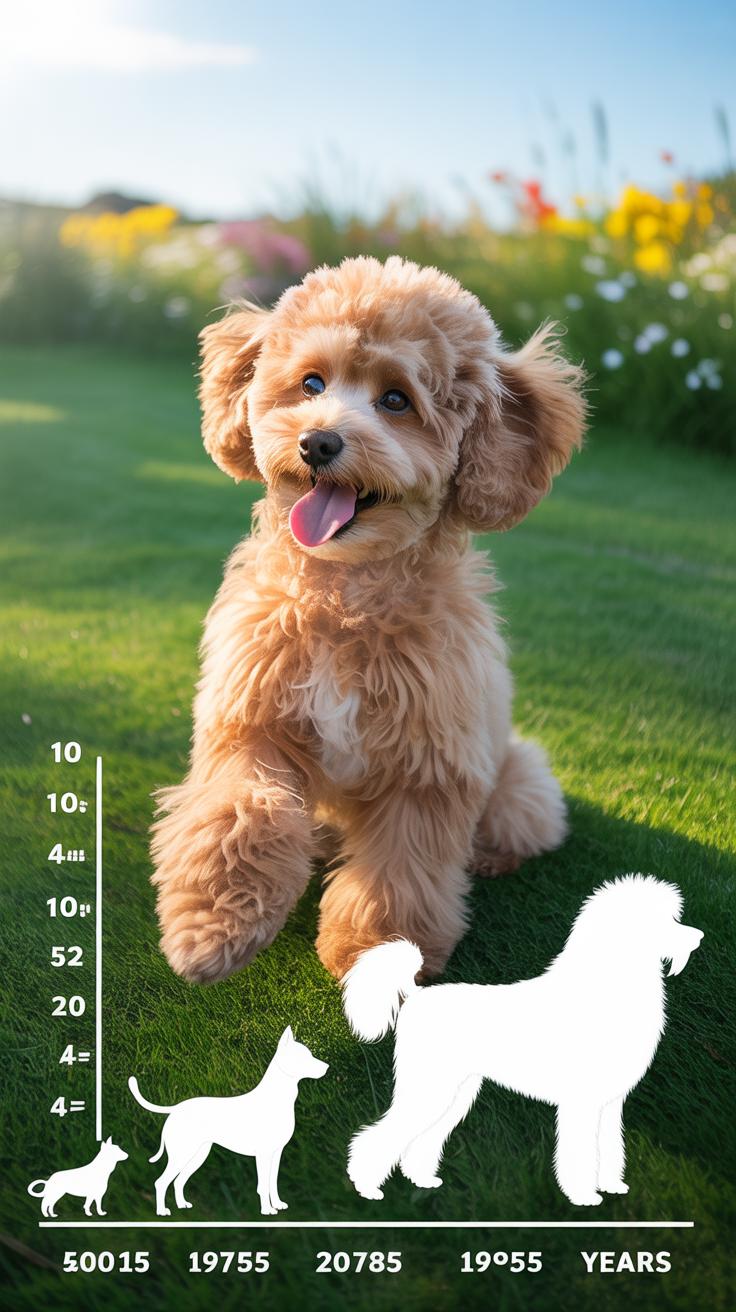
What The Average Lifespan Of Toy Poodles Tells Us About Their Health
Toy Poodles typically live between 12 and 15 years. This longevity stems from their small size and genetic makeup. Smaller breeds generally age slower than large breeds. This extended life means chronic health issues have more time to develop. Owners must monitor physical changes every year. A long life requires a proactive health strategy from the puppy stage through the senior years.
A Toy Poodle reaching its full life expectancy indicates consistent care and healthy lifestyle choices. These dogs remain vulnerable to heart issues and joint problems later in life. Their age serves as a metric for internal health and organ function. You must view their lifespan as a commitment to long-term weight management and dental care. Preventing obesity is the most effective way to reach the 15-year mark.
How Maintaining An Ideal Weight Contributes To A Longer, Healthier Life
Maintaining an ideal weight directly prevents excessive stress on the Toy Poodle heart and joints. Extra pounds force the heart to work harder and wear down cartilage in the knees. This leads to early arthritis and congestive heart failure. Keeping your dog lean ensures they remain mobile into their teens. Control calorie intake to maximize their years of active, pain-free movement.
Weight management also regulates metabolic health and reduces the risk of type 2 diabetes. Obesity triggers chronic inflammation throughout the body. This inflammation weakens the immune system and speeds up the aging process. A lean Toy Poodle faces fewer surgical risks and recovers faster from illnesses. Monitor the ribs and waistline daily to ensure your dog stays within the healthy weight range for its age.
How To Use A Toy Poodle Weight Chart To Track Your DogS Progress
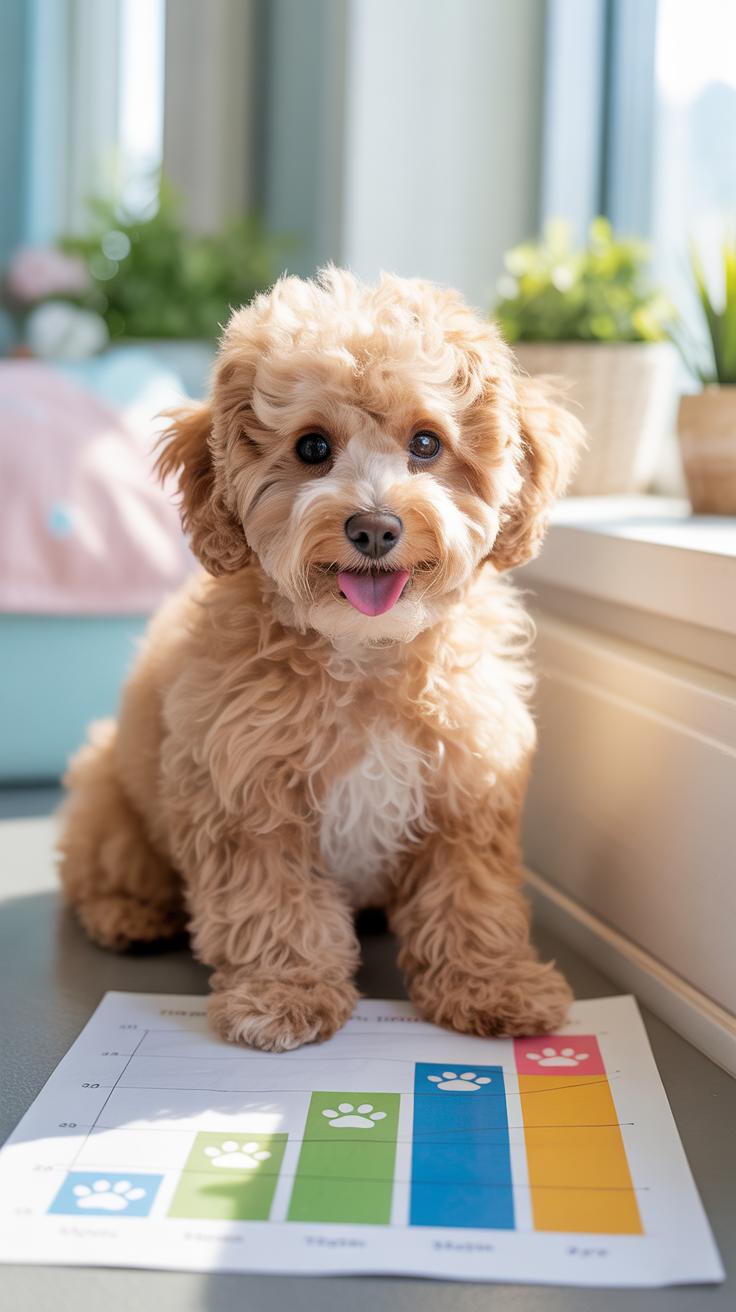
Reading And Interpreting A Poodle Growth Chart Accurately
A weight chart serves as a roadmap for your dog’s development. Locate your poodle’s current age in weeks on the horizontal axis. Match this to the vertical axis representing pounds or ounces. Compare the intersection point to the established breed standard lines. Consistency matters more than reaching a specific number. Look for a steady upward curve without sudden spikes or flat lines during the first six months.
Interpretation requires looking at long term trends rather than daily fluctuations. Most toy poodles reach adult weight by twelve months of age. Small breeds grow faster than large breeds. If your dog deviates significantly from the curve, consult a veterinarian immediately. Rapid weight gain often indicates overfeeding or hidden health issues. Conversely, a failure to gain weight suggests parasites or nutrient malabsorption. Trust the data over visual guesswork alone.
Building A Simple Weight Tracking Routine For Your Toy Poodle
Establish a weekly weighing schedule to catch health issues early. Use a digital scale designed for small increments since every ounce matters for a toy breed. Weigh your dog at the same time each morning before feeding. Record every measurement in a dedicated log or digital spreadsheet. This baseline data becomes your primary diagnostic tool. Consistent data collection eliminates human error and provides an objective view of physical health.
Maintain the weigh-in environment to ensure accuracy. Place the scale on a hard, level surface to prevent false readings. Calm the dog to avoid movement during the process. Document secondary factors like changes in diet or activity levels alongside the weight entries. This context explains minor variations in the growth rate. A disciplined routine turns raw numbers into actionable health insights. Stay focused on the data to ensure your poodle remains within the healthy range.
Frequently Asked Questions

How much should a full-grown Toy Poodle weigh?
A healthy adult Toy Poodle typically weighs between 4 and 6 pounds and stands under 10 inches tall. Because they are so small, even a single pound can make a significant difference in their health. Monitoring your toy poodle weight by age ensures they reach their adult size without becoming overweight, which helps prevent future joint issues and mirrors the official breed standards set by most kennel clubs.
How can I track my puppy’s growth using a weight chart?
To accurately use a toy poodle weight by age chart, weigh your puppy weekly using a precise digital kitchen scale. Record these numbers to ensure they are following a steady upward curve. Most Toy Poodles reach half their adult weight by 3 to 4 months and finish growing by their first birthday. Consistent tracking allows you to spot sudden plateaus or spikes that might require a quick consultation with your veterinarian.
Do I need expensive equipment to monitor my Toy Poodle’s growth at home?
Monitoring your puppy’s development is very accessible and does not require professional medical tools. You can easily use a standard digital bathroom scale by weighing yourself while holding the dog and then subtracting your own weight. For more precise results during the early stages, a simple, budget-friendly digital kitchen scale works perfectly. Staying informed about their progress is a low-cost way to ensure your tiny companion stays healthy and vibrant.