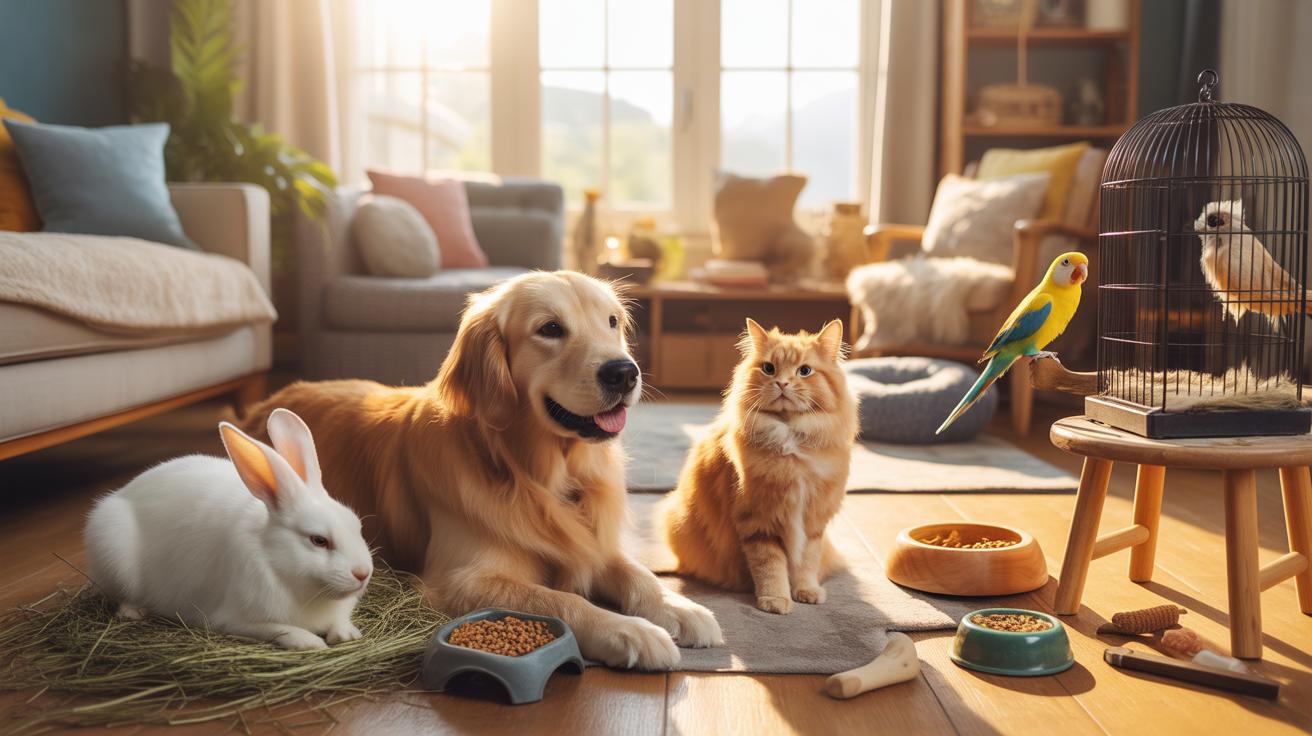
Understanding The Dynamics Of A Multi Pet Household
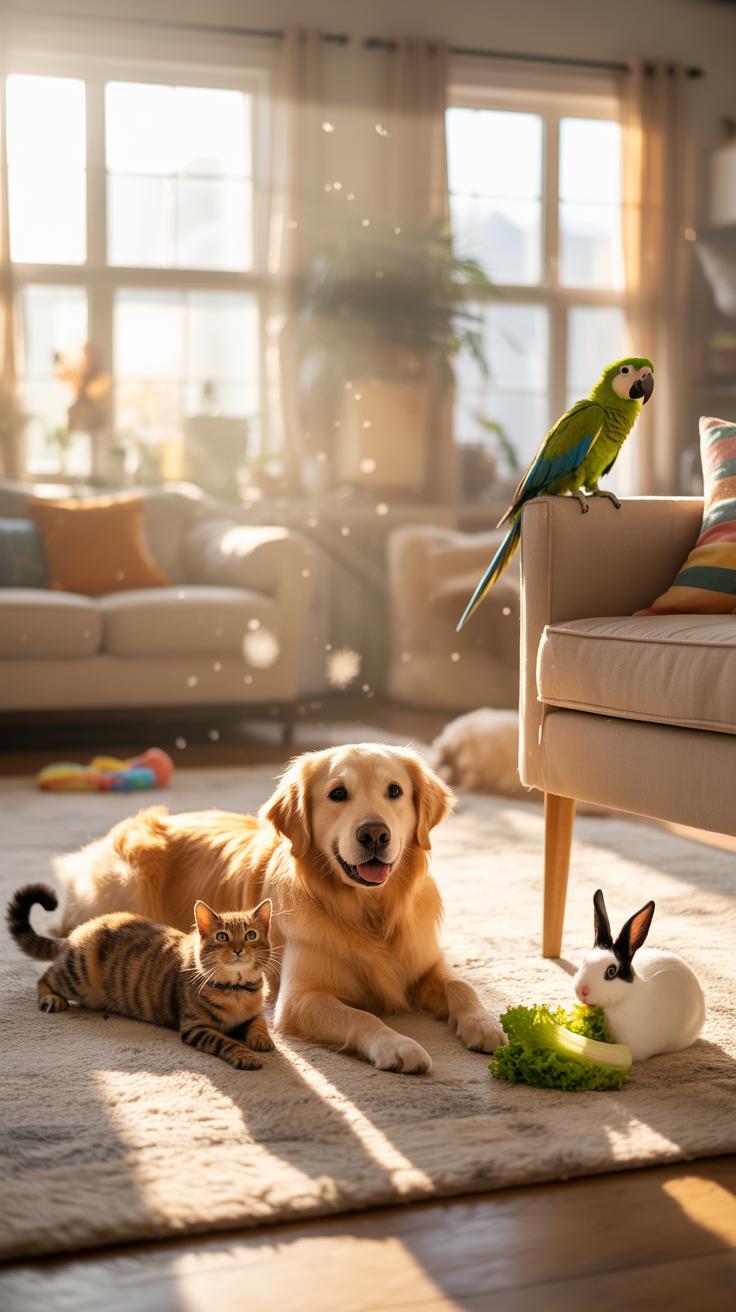
How Animals Naturally Establish Social Hierarchies At Home
Domestic animals rely on inherited biological rituals to organize their social groups. These structures minimize physical conflict by setting clear expectations for access to resources. Dogs often use postural displays and eye contact to communicate status within the pack. This is not about dominance in a human sense. It is about maintaining order and safety. Understanding these natural signals helps you manage the group effectively without causing stress.
Pet owners must recognize that animals do not view equality the way humans do. Forcing every pet to share everything equally can cause confusion and tension. Respecting established hierarchies reduces the risk of resource guarding. Watch for subtle cues like who eats first or who occupies prime resting spots. Identifying these roles allows you to support the existing order. This tactical awareness prevents behavioral outbursts before they start.
Why Each Pets Personality Shapes The Entire Household Environment
Individual personalities dictate the energy levels and stress thresholds of the entire home. One high energy animal can trigger anxiety in more reserved pets. This creates a ripple effect that alters how every animal interacts. You must assess each pet as an individual agent with unique needs and triggers. Their temperament determines how they react to shared spaces and sudden movements. A calm environment requires balanced social interactions.
Mismatched personalities lead to constant friction and higher cortisol levels for all residents. Active pets often pester older or timid animals for play. This creates defensive behavior and leads to long term aggression. You must manage these interactions through environmental controls and physical separation. Recognizing these traits allows you to tailor your management strategy to fit the specific mix of animals. A strategic approach focuses on compatibility rather than just cohabitation.

Setting Up Your Home For A Multi Dog Household
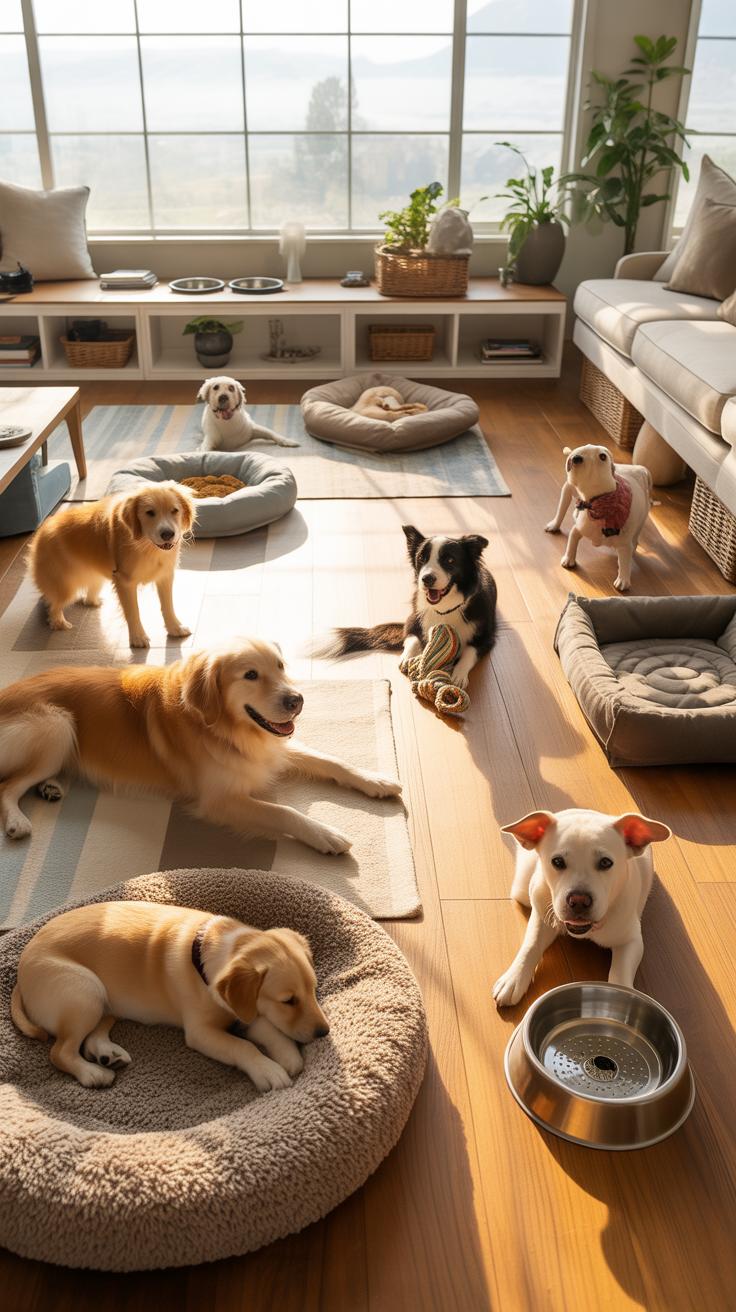
Designing Separate Spaces That Give Each Dog A Sense Of Ownership
Domestic dogs retain territorial instincts from their wild ancestors. Sharing a single open floor plan often causes Chronic stress. You must define specific zones for each animal. Use heavy furniture or visual cues like rug borders to mark boundaries. This strategy prevents dogs from competing for the same square footage. It allows a dog to retreat when it felt overwhelmed by others.
Ownership begins with the crate or a specific bed placement. Position these retreats in low traffic corners. Avoid placing beds in narrow hallways where dogs must step over each other. This creates friction and guarding behavior. Ensure each dog has a dedicated spot that remains off limits to the other pets. A physical wall or a sturdy room divider provides the best security for resting.
Essential Supplies And Layout Adjustments For A Multi Dog Household
Feeding stations require maximum separation to prevent resource guarding. Most incidents occur during meal times or around water bowls. Place bowls in different rooms or behind physical barriers. Use heavy ceramic or stainless steel bowls to prevent sliding. Layout changes must prioritize clear paths. Remove clutter that creates bottlenecks. Cramped spaces force dogs into close contact. This often leads to unnecessary snapping or defensive posturing.

Safety gates provide the best control for a multi dog home. Pressure mounted gates work well for small breeds. Use hardware mounted gates for larger or more aggressive dogs. Install non slip flooring like textured vinyl or thin rubber mats. High energy dogs often collide on slick wood or tile. This causes injuries and sudden fights. Proper flooring ensures every dog stays stable and confident during movement. Short paths to exits also simplify outdoor rotations.
Multi Dog Household Tips For Feeding Routine And Daily Structure

How To Prevent Resource Guarding During Mealtimes With Multiple Dogs
Resource guarding occurs when a dog perceives a threat to a high-value asset. To stop this behavior, remove the competition during feeding times. Physical barriers are the most effective tool for safety. Use crates, baby gates, or separate rooms to create visual and physical blocks. This stops tension before it starts. It also ensures each dog finishes its own portion without external pressure.
You must control the environment to control the outcome. Feed dogs on a strict schedule so they do not feel anxious about their next meal. Pick up empty bowls immediately after the dogs finish eating. Leaving bowls out can trigger territorial behavior even without food present. Train each dog to wait for a release command before approaching their dish. This builds impulse control and reaffirms your role as the formal facilitator.
Building A Consistent Daily Routine That Works For All Your Dogs
A strict daily schedule reduces stress and prevents behavioral issues in multi-dog homes. Dogs rely on predictability to feel secure. When they know exactly when exercise, feeding, and rest occur, they stop competing for your attention. Structure also helps regulate their digestive systems and energy levels. You must align the needs of high-energy dogs with those of older or calmer pets to maintain household balance.
- Synchronized Feeding: Deliver meals at the exact same times every day in designated spots. This creates a mental map for the dogs and eliminates confusion. Consistency prevents dogs from wandering into other feeding zones or begging for food.
- Structured Exercise blocks: Walk dogs together to build pack bonds or separately to address specific training needs. High-energy breeds require more rigorous movement than seniors. Individual time ensures each dog receives the appropriate physical output for its age and health.
- Scheduled Resting Periods: Implement mandatory downtime in crates or on separate beds after high-activity intervals. This prevents overstimulation which often leads to fighting. Quiet time teaches dogs how to settle and exist calmly in the same room without constant interaction.
- Potty Break Regularity: Take all dogs outside at fixed intervals to maintain house training standards. Frequent breaks prevent indoor accidents and territorial marking. This routine is vital for young puppies or senior dogs who have less bladder control than healthy adults.
- Individual Training Sessions: Dedicate ten minutes daily to work with each dog one-on-one. This reinforces basic commands and strengthens your specific bond with that animal. It prevents the dogs from only responding to cues when they are alone or away from the group.

Effective management requires you to be the primary leader during all transitions. Move the group through doorways one at a time to prevent bottlenecking and physical conflict. Use clear verbal cues to signal the start and end of activities. A well-timed routine eliminates the need for dogs to guess what happens next. This clarity reduces friction and keeps the entire household operating as a cohesive and disciplined unit.
Introducing New Dogs Into A Multiple Dogs Household Safely

The Gradual Introduction Method: Neutral Spaces And Controlled Meetings
Successful introductions start on neutral ground to prevent territorial aggression. Choose a quiet park or an open field where neither dog has established a scent claim. Keep both dogs on loose leashes to maintain control without creating tension. Walk the dogs parallel to each other at a safe distance before allowing any direct physical contact or sniffing.
Avoid bringing the new dog directly into the home or yard immediately. Territorial instincts trigger defensive behavior in resident dogs when strangers enter their space. Use a helper so each dog has a dedicated handler. Gradually decrease the distance between the animals as they show calm behavior. Once they tolerate each other outside, transition to a fenced yard before entering the house.
Reading Canine Body Language To Gauge Comfort And Stress During Introductions
Observers must monitor specific physical cues to prevent fights. High arousal signs include stiff limbs, a tucked tail, or a hard stare. A wagging tail does not always mean the dog is friendly. A fast, vibrating tail often indicates high stress or impending aggression. Look for loose, curvy body movements which signal a relaxed state and a successful initial social connection.

Redirect the dogs immediately if you see lip licking, yawning, or whale eye. These subtle signals show the dog feels pressured or anxious. Do not punish growling as it serves as a vital warning system. If tension rises, increase the distance between the dogs to lower the heart rate. Calmly praise relaxed breathing and blink patterns to reinforce positive social interactions between the animals.
Cat Care Essentials In A Home Shared With Other Pets
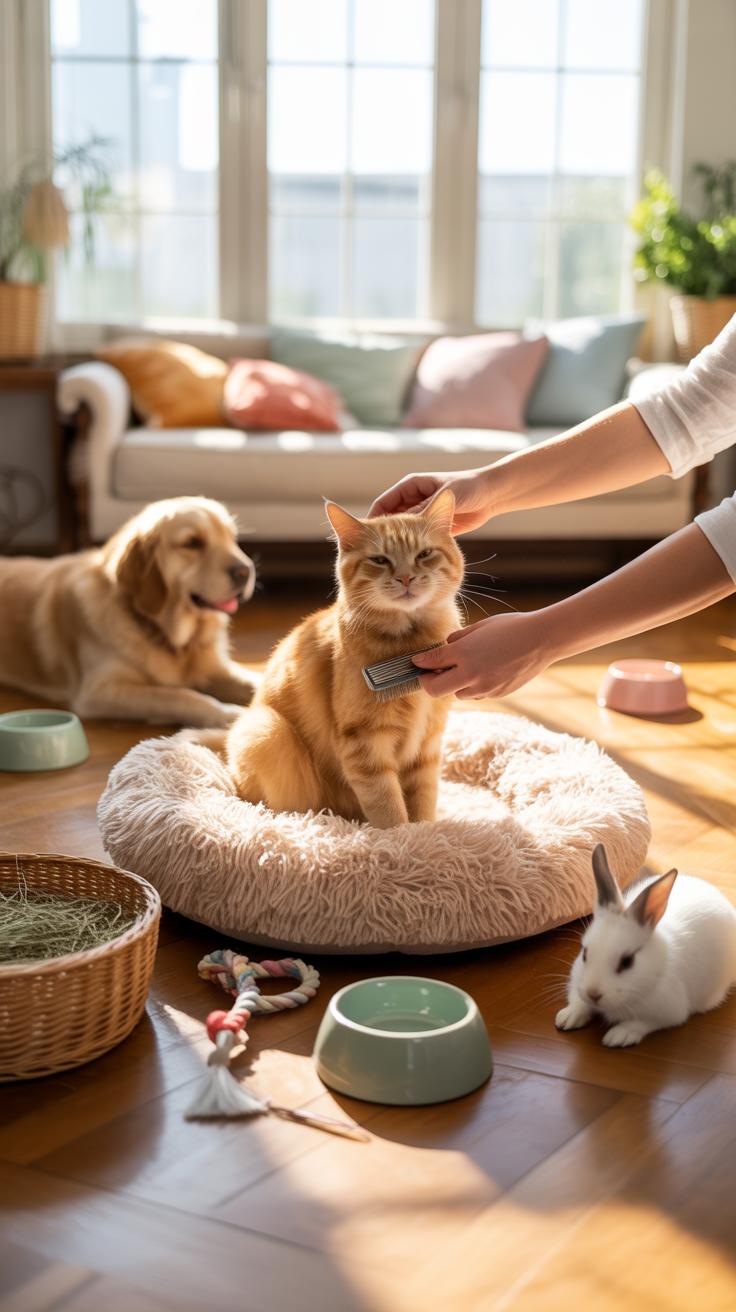
Meeting A Cat’S Core Needs For Territory, Enrichment, And Safety
Cats view territory as a finite resource. In a multi-pet home, vertical space is a requirement rather than a luxury. You must provide elevated perches and shelving. This allows cats to survey the room without feeling threatened by dogs or other cats. High ground reduces stress levels. It prevents physical confrontations. Strategic placement of these zones creates a safe flow through the living area.
Safety requires physical barriers that only a cat can navigate. Install baby gates with small pet doors or use interior cat flaps. These tools give cats access to private zones for resting and grooming. You must separate resources like food and water from high-traffic areas. This prevents resource guarding by other animals. A cat that feels trapped will become aggressive or ill. Clear exit routes are essential.
The heart is not like a bowl of kibble; it does not run out as you add more friends to the table. Success is simply finding a rhythm where every paw feels equally at home and every tail tells a story of belonging.
Cat Care Tips For Maintaining Health And Wellness In A Busy Multi Pet Home
Stress impacts feline health more than any other factor. In busy homes, cats often hide symptoms of illness to avoid appearing vulnerable. You must track their daily habits carefully. Monitor eating and litter box use every day. Use microchip-activated feeders to ensure the cat receives its specific diet. This prevents dogs from stealing cat food. It also prevents cross-contamination of medications during feeding times.

Routine veterinary checks are vital for detecting stress-induced conditions like cystitis. Manage the environment by using pheromone diffusers to lower group tension. Keep the litter boxes in quiet locations where dogs cannot bother the cat. Follow the rule of one box per cat plus an extra one. Clean these areas daily to maintain hygiene and monitor output. Consistent care prevents small health issues from becoming major medical crises.
Managing A Multicat Household Litter Space And Social Balance
The N+1 Litter Box Rule And Why It Matters In A Multicat Household
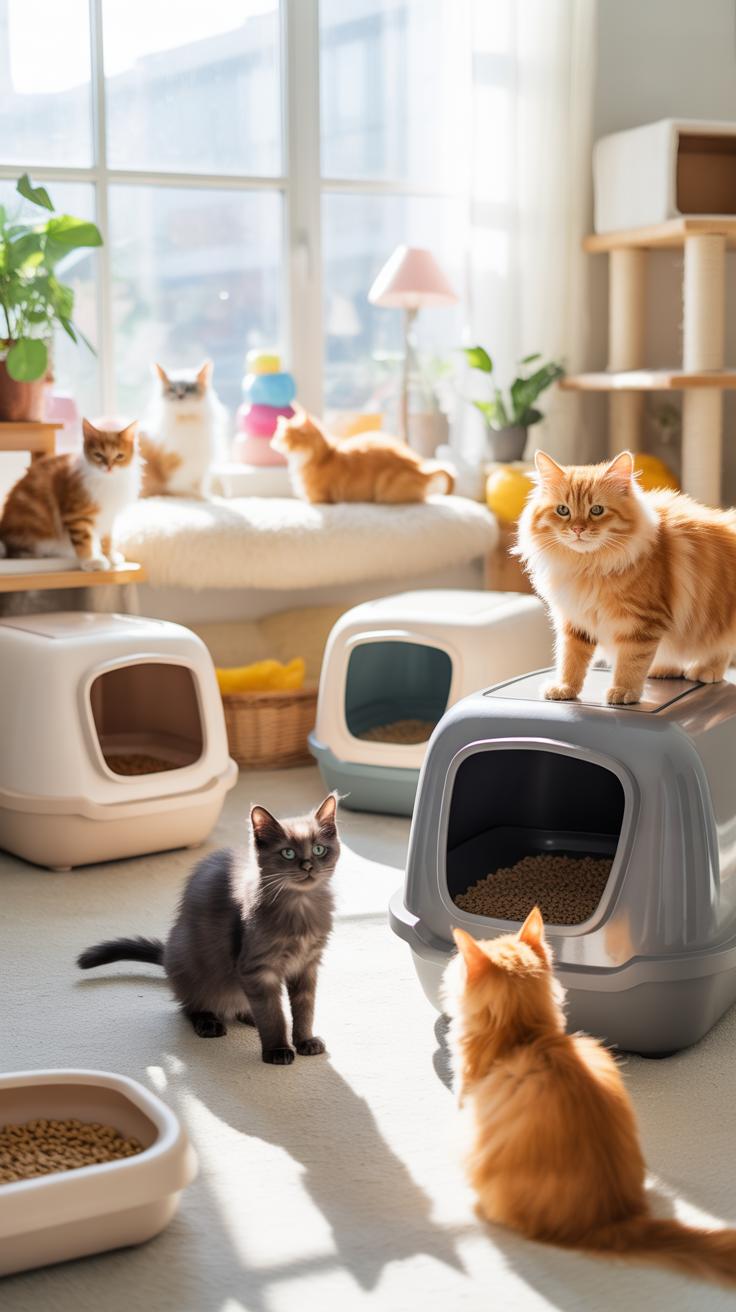
The N+1 rule dictates that you must provide one more litter box than the total number of cats. This strategy prevents resource guarding and eliminates territorial blocking. Cats often view hallways or doorways as checkpoints. If one cat guards a single box, others will soil your floors. Multiple locations break this power dynamic. Distribute these boxes across different floor levels to ensure constant access.
Proper placement is as vital as the count. Avoid grouping all boxes in one room. Cats do not view three boxes in a single row as separate units. They see one large bathroom that a dominant cat can easily control. Spread the boxes out to stop bullying behavior. Check that each location has at least two exit paths. This prevents a cat from feeling trapped while using the box.
How Vertical Space And Environmental Enrichment Reduce Feline Conflict
Vertical space expands the usable square footage of your home without changing the floor plan. Cats utilize height to establish a social hierarchy without physical fighting. High perches allow a timid cat to observe the room safely. Tall cat trees and wall-mounted shelves provide escape routes during high-tension moments. Adding these elements reduces the frequency of face-to-face confrontations. You must prioritize verticality in small living areas.

Environmental enrichment lowers stress by stimulating natural hunting and climbing instincts. A bored cat often directs pent-up energy toward its housemates. Use scratching posts, food puzzles, and window seats to keep each animal occupied. Ensure every cat has a private resting spot where others cannot reach them. Distributing resources throughout the home prevents a single cat from monopolizing daily activities. Space management is the most effective tool for long-term social harmony.
How To Reduce Tension Between Pets In A Shared Living Space
Identifying The Root Causes Of Tension Between Dogs, Cats, And Mixed Species
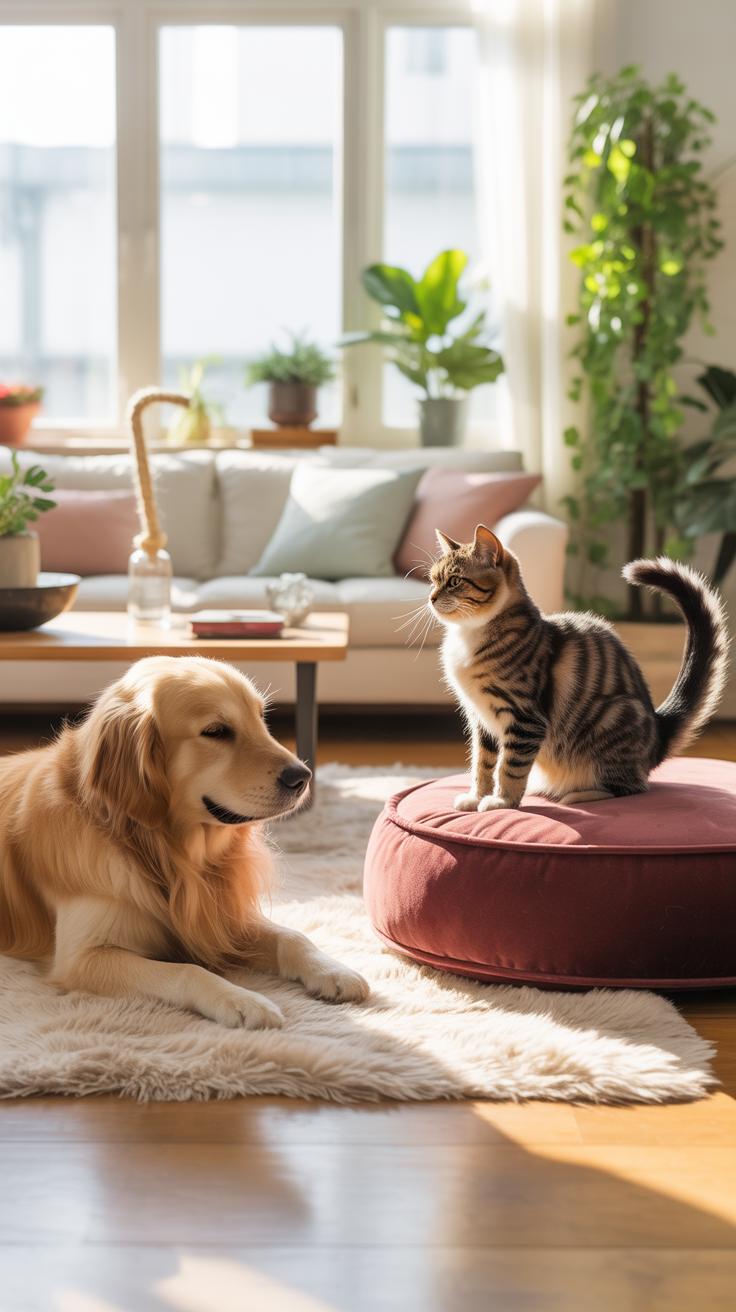
Pet conflict stems from competition over limited resources. Animals view food, water, and prime resting spots as survival assets. When multiple pets must share one bowl or one bed, they experience stress. This stress triggers defensive behaviors like growling or hissing. You must identify which specific resource causes the friction. Observe your pets during high-traffic times to see who guards which area.
Territorial instincts also drive tension in the home. Cats rely on vertical space to feel safe from dogs. Dogs often protect their perceived territory from new arrivals. Miscommunication between species complicates these interactions. A dog wagging its tail signifies excitement, but a cat sees a lashing tail as a threat. You must decode these signals to prevent physical fights. Recognizing these triggers allows you to intervene before violence occurs.
Proven Strategies To Reduce Tension And Restore Calm In The Home
Strategic environmental changes stop fights before they start. You must physically separate high-value resources to eliminate competition. Use baby gates or high shelving to create safe zones for smaller or more timid animals. These barriers allow pets to see each other without the risk of physical contact. Consistency in daily routines also lowers anxiety. Routine tells your pets when to expect food and attention.
- Resource Multiplication: Increase the number of essential items beyond the number of pets. Provide three water bowls for two dogs to prevent guarding. This oversupply removes the evolutionary need for animals to fight over basic survival necessities.
- Vertical Territory: Install wall-mounted perches or tall cat trees in communal rooms. Cats feel most secure when they can monitor the environment from above. High ground allows cats to retreat from dogs without leaving the social living space.
- Pheromone Therapy: Utilize synthetic pheromone diffusers tuned to specific species. These odorless chemicals mimic natural calming signals sent by nursing mothers. They lower the overall cortisol levels in the environment, making animals more receptive to peaceful cohabitation.
- Visual Barriers: Use solid room dividers or frosted window film to block direct lines of sight. Limiting eye contact reduces stalking behavior in cats and reactive barking in dogs. If pets cannot stare each other down, they are less likely to escalate.
- Controlled Reintroductions: Reset relationships by keeping pets in separate rooms and swapping their bedding. This process allows them to habituate to each other’s scent without the stress of a face-to-face encounter. Gradually increase visual contact only once scent recognition is positive.

Active management requires you to reward calm behavior immediately. Use high-value treats to reinforce peaceful interactions. If a dog ignores a cat walking by, provide a reward. This conditioning teaches the dog that the presence of the other pet leads to positive outcomes. Never punish an animal for growling or hissing. Those sounds are vital warnings. If you suppress warnings, you risk a bite or scratch without any prior notice.
Training Dogs In A Multi Pet Home For Better Coexistence
Positive Reinforcement Techniques That Work For Multiple Dogs At Once
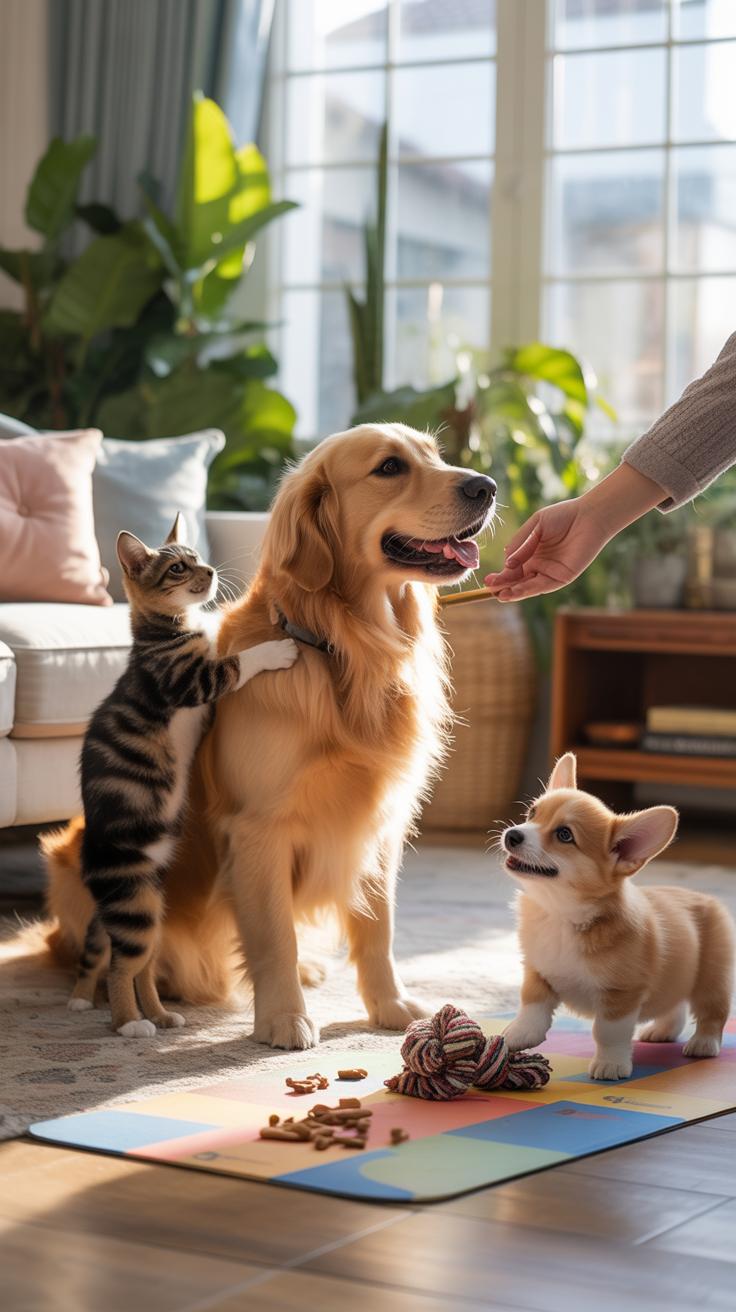
Group training requires clear markers to prevent chaos. Use unique names before every command to specify which dog must act. Reward the dog that stays calm while you work with the other. This creates a neutral environment where dogs learn that patience leads to treats. Focus on the dogs that are not currently performing. Reward their silence and stillness to reinforce a calm state.
Timing is the most critical factor in positive reinforcement with multiple pets. Deliver the reward within one second of the desired behavior. Use high value treats that the dogs do not get elsewhere. Keep sessions short to maintain high focus levels and avoid frustration. If one dog interferes, end the session immediately. This teaches them that rude behavior stops the flow of rewards for everyone.
Teaching Dogs Impulse Control To Protect Cats And Smaller Pets
Impulse control prevents predatory behavior toward smaller animals. Start with the Leave It command using low value items. Move to moving targets like toys once the dog masters static objects. The goal is to make the dog look at you when they see a small animal move. High drive dogs must learn that chasing is never an option. This foundation keeps cats and small pets safe.

Place commands offer a tactical solution for high energy moments. Train the dog to go to a specific mat or bed when small pets are active. Reward the dog for staying on the mat until you give a release cue. This physical boundary reduces the chance of accidental injury. Consistency is the only way to build reliable habits. Always supervise interactions until the dog choice is automatic.
Veterinary And Health Management Across A Multi Pet Household
Keeping Vaccination, Parasite Control, And Health Records Organized For Every Pet
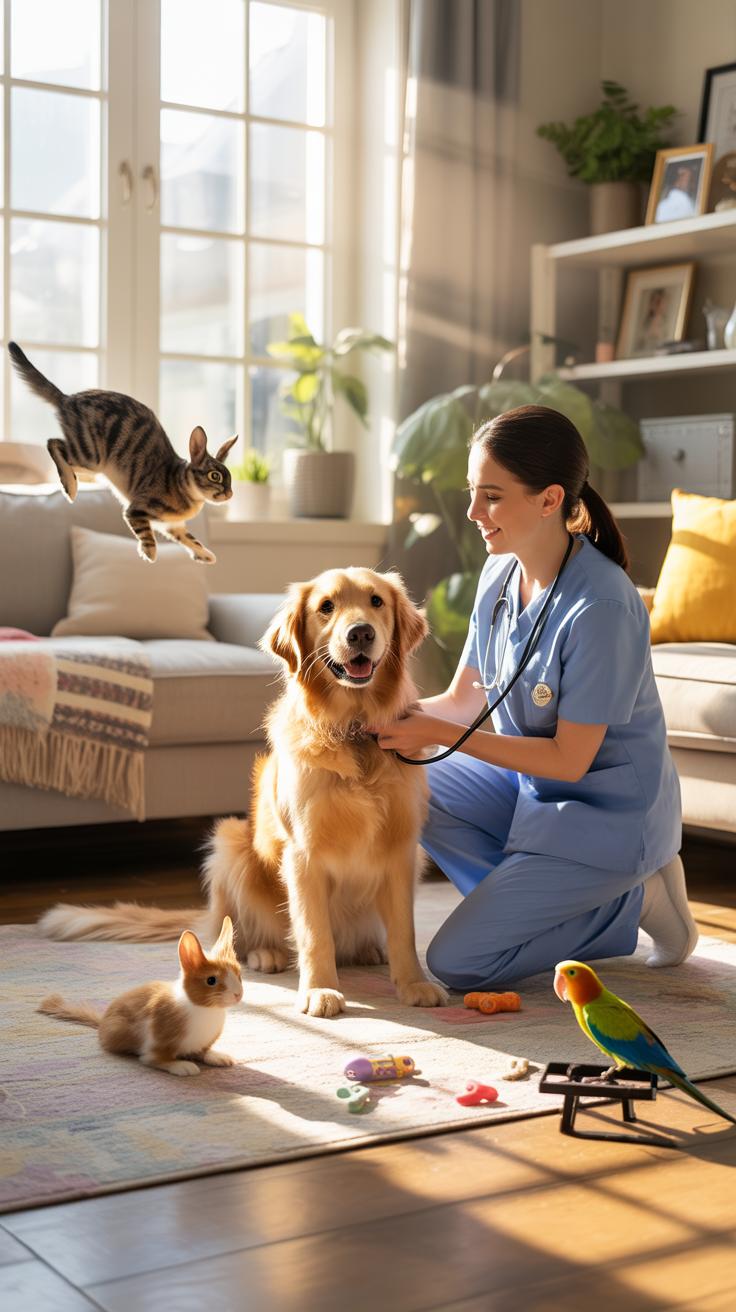
Centralizing medical data is the only way to avoid dangerous medication errors. Create a digital or physical folder for each animal. Record every dose of flea, tick, and heartworm prevention immediately. Use a master calendar to track upcoming boosters and annual exams. This system prevents double-dosing and ensures no pet misses a critical window. Accuracy saves money and lives in a busy home.
Cloud-based apps or simple spreadsheets allow instant access during emergencies. Store proof of vaccination for boarding or travel requirements. Update weight logs every six months to adjust dosages for parasite controls properly. High-density households face a higher risk of cross-contamination. Maintaining precise records allows you to identify which pet needs isolation or treatment if a breakout occurs. Organization is your first line of defense.
How To Spot Illness Early When Multiple Pets Share The Same Environment
Observe individual behavior changes to catch sickness before it spreads to the group. Monitor food and water intake for every animal daily. Changes in social dynamics often signal underlying pain or lethargy. Watch for subtle shifts like a confident pet hiding or a quiet pet becoming aggressive. Early detection reduces veterinary costs and prevents the rapid transmission of contagious pathogens between your animals.
Inspect elimination habits and physical appearance during routine grooming or play. Diarrhea, coughing, or skin lesions in one pet require immediate action. Isolate symptomatic animals to protect the rest of the household. Use separate cleaning tools for contaminated areas to stop the spread of viruses or parasites. Routine body checks help you find lumps or parasites early. Acting fast stops a single case from becoming a colony-wide crisis.
Long Term Wellbeing And Quality Of Life For Every Pet In The Household
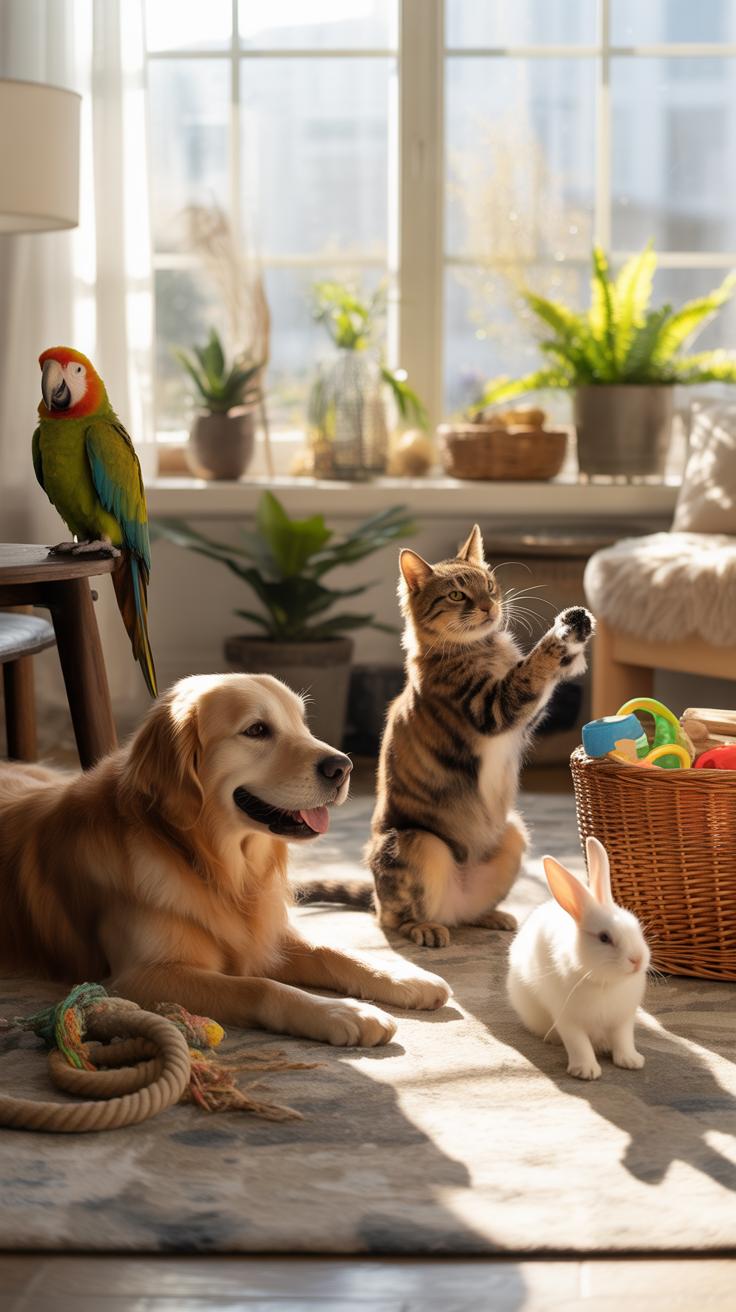
Giving Each Pet Individual Attention Without Neglecting The Rest Of The Group
Individual attention prevents jealousy and reduces resource guarding. Owners must schedule 15 minutes of one-on-one time for each pet daily. This occurs in a separate room behind a closed door. Use this time for specific training or play that suits the species. A high-energy dog needs intense movement while an older cat needs calm grooming. Personal time strengthens the bond between the human and each animal.
Rotation is the most efficient way to manage local groups. One pet works for rewards while the others wait behind a baby gate or in crates. This teaches patience and emotional control to the entire group. It ensures every animal receives its fair share of mental stimulation. Do not reward pets for pushing their way into another animal’s session. Consistent boundaries maintain the social hierarchy and keep stress levels low.
When To Seek Professional Help From A Behaviorist Or Veterinary Specialist
Professional intervention is necessary when aggression leads to physical injury or chronic fear. If a pet stops eating or hides constantly, see a veterinarian first to rule out pain. Chronic stress weakens the immune system and leads to costly medical issues. A behaviorist identifies environmental triggers that a layperson might miss. Early action prevents habits from becoming permanent. Do not wait for a crisis to occur.
Specialists provide objective data on animal interactions. They use scientific methods like desensitization and counter-conditioning to fix broken dynamics. If the household remains in a state of high tension after three weeks of training, seek out a certified expert. Rehoming is a valid strategic choice if the safety of any pet remains at risk. Focus on the data and the physical safety of every animal in the home.
Frequently Asked Questions

What are the first steps to take when introducing a new pet to my home?
Success begins with a slow, supervised introduction process. Start by keeping animals in separate rooms to let them adjust to each Advertisement other’s scents before any visual contact. Establishing a consistent routine allows everyone to feel secure in their environment. Proper multi pet household management requires patience, as rushing the socialization phase can lead to long-term territorial stress or behavioral issues that are much harder to correct later on.
How can I manage meal times and feeding schedules effectively with several animals?
Practical multi pet household management often involves creating designated feeding stations to prevent food aggression and resource guarding. Using microchip-activated bowls or physical barriers ensures each animal receives their specific diet and medication without interference. Consistency is key, so stick to a strict schedule. If you have high-energy pets, try using puzzle feeders in different rooms to keep them mentally stimulated and physically separated during peak excitement times.
Is it possible to manage multiple pets on a tight budget?
Absolutely. Managing several animals affordably involves prioritizing preventative care to avoid emergency costs. You can save money by purchasing high-quality food in bulk and utilizing DIY enrichment like homemade agility courses or scent games. Many local clinics also offer multi-pet discounts for annual vaccinations. Focus on organization and vertical space, such as shelving or window perches, to provide necessary territory without needing an expensive, massive home renovation.