Understanding Poodle Sizes An Overview Of The Three Official Varieties
How Kennel Clubs Define The Three Poodle Sizes
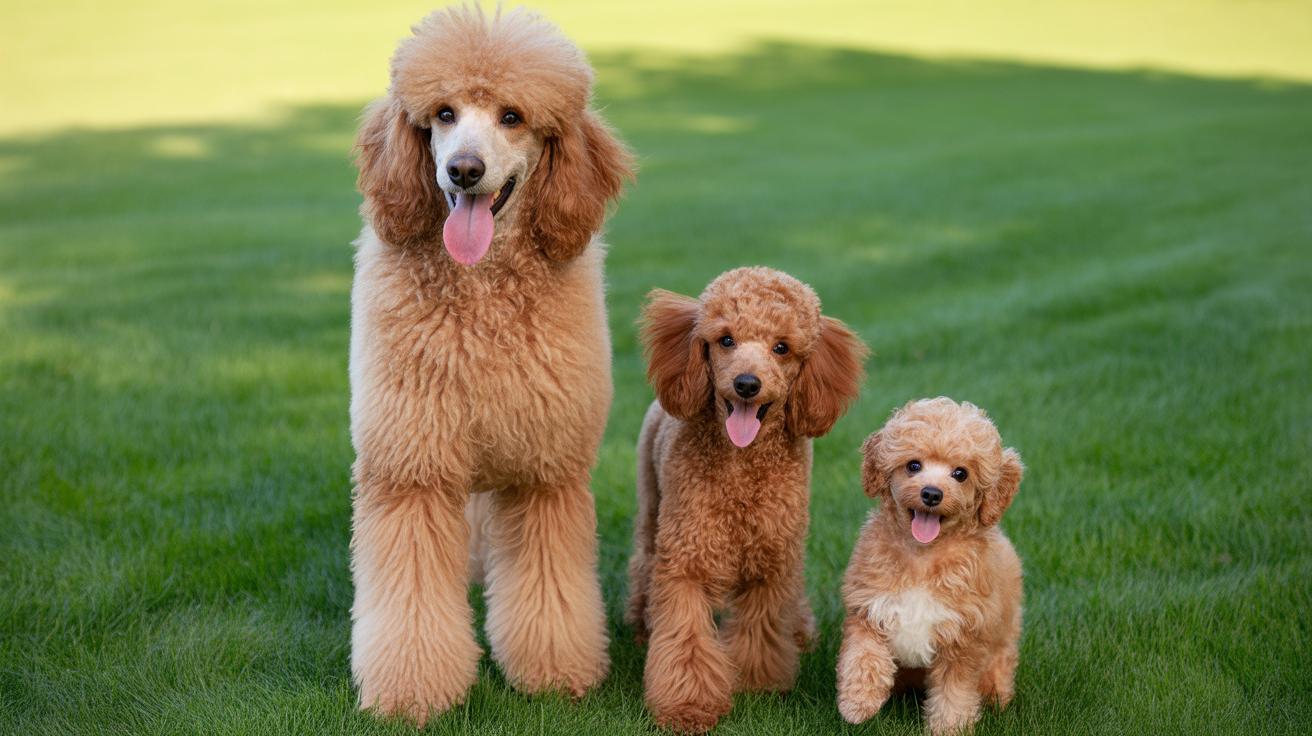
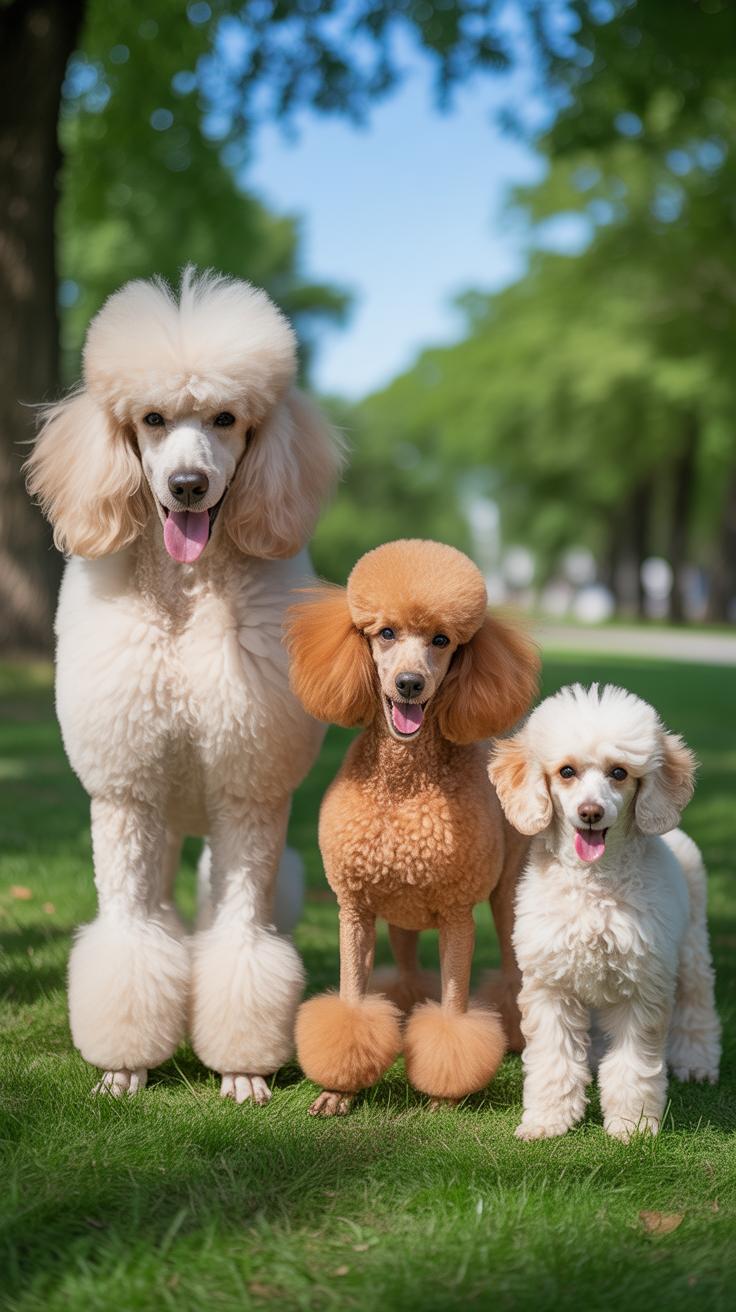
Major kennel clubs define the three poodle varieties strictly by height at the shoulder. They do not use weight as a primary classification factor. The Standard Poodle must exceed fifteen inches in height. If a dog measures exactly fifteen inches or less, it cannot compete as a Standard. This variety remains the original form of the breed used for water retrieval and hunting.
The Miniature and Toy varieties have smaller limits. Miniature Poodles must stand between ten and fifteen inches tall. Toy Poodles must measure ten inches or less at the highest point of the shoulders. These distinctions ensure uniformity during breed shows and breeding programs. Each size variety follows the same structural proportions and coat standards regardless of the specific height measurement recorded during inspection.
Why Poodle Sizes Matter: Temperament, Space, And Lifestyle Fit
Size dictates more than just physical space requirements. Larger Standards generally exhibit a calm and steady demeanor. They require significant outdoor exercise and mental stimulation to prevent boredom. Their size makes them suitable for active families with large homes or yards. Owners must prepare for higher food costs and grooming fees associated with a larger frame and more surface area for hair growth.
Smaller varieties fit well in apartments or urban settings. Toys and Miniatures possess high energy levels but burn it off in smaller spaces. They often show more sensitivity to noise and heavy activity than the Standard variety. Owners must handle smaller poodles with care to avoid physical injury. Choosing the right size ensures the dog thrives in its environment while matching the energy of the household.

Standard Poodle Size Chart Height Weight And Build At A Glance
Standard Poodle Height And Weight Ranges For Males And Females
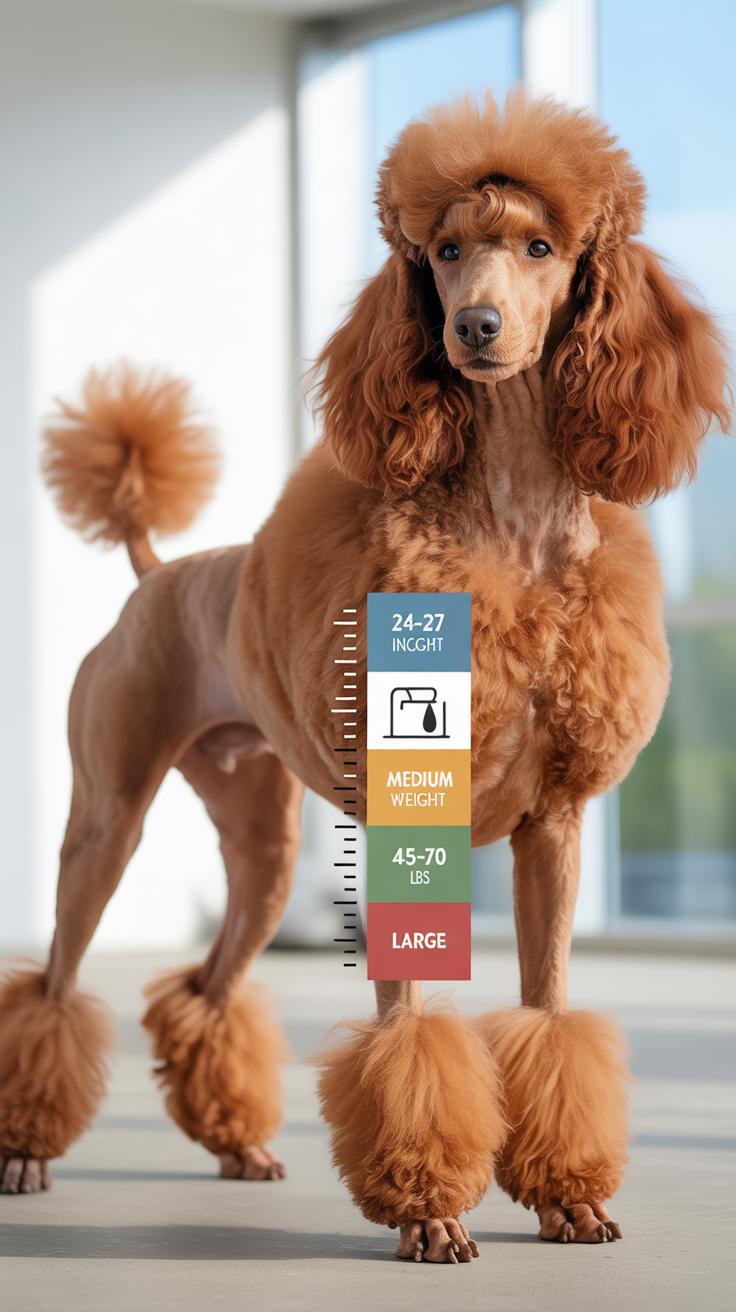
Standard Poodles must stand over 15 inches at the highest point of the shoulder. Most adult males reach 21 to 27 inches in height and weigh between 60 and 70 pounds. Females typically measure 20 to 25 inches and weigh between 40 and 50 pounds. These measurements ensure the breed maintains its historical athletic utility for water retrieval and field work.
Size differences between the sexes are distinct and impact total physical presence. Males carry more muscle mass and bone density to support their larger frames. Females offer a more compact profile while still meeting the height requirement. Owners must monitor these metrics to distinguish a healthy Standard Poodle from the smaller Miniature variety. Proper height and weight alignment prevents structural strain on the dog.
Standard Poodle Growth Chart: From Puppy To Full Grown Adult
A Standard Poodle puppy undergoes rapid skeletal development during the first six months of life. Most puppies reach approximately 90 percent of their adult height by their first birthday. However, they continue to fill out and add muscle mass until they are two years old. Large breed growth patterns require careful nutritional management to prevent joint issues during these critical development stages.

Weight gain usually follows a predictable curve until the dog reaches maturity at 24 months. A three month old puppy often weighs between 15 and 25 pounds depending on its sex and lineage. By six months, that weight typically doubles as the frame expands. Tracking monthly weight against height ensures the dog develops a lean and square build. Consistency in growth indicates a healthy metabolism.
Miniature Poodle Growth Chart Tracking Size Milestones From Birth To Adulthood
Miniature Poodle Height And Weight Benchmarks By Age
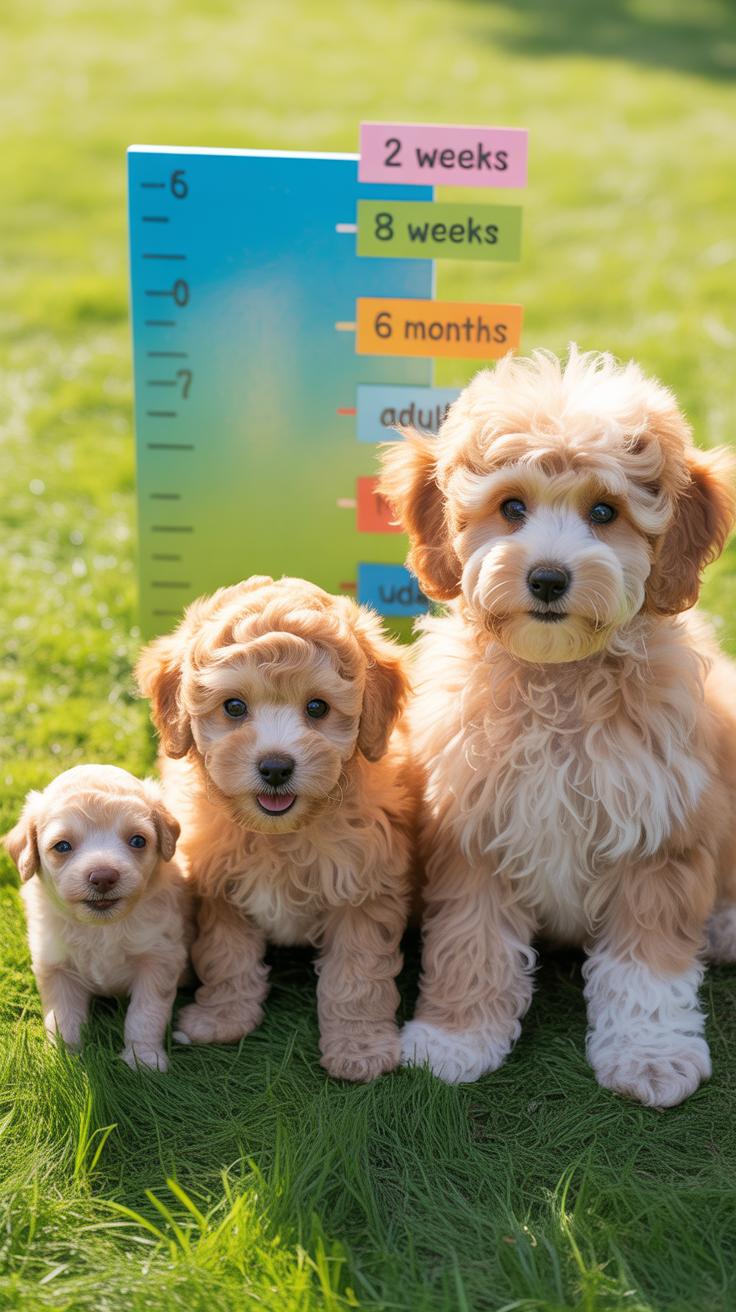
Miniature Poodles typically weigh under two pounds at birth. Growth happens rapidly during the first three months of life. By eight weeks, most puppies weigh between two and four pounds. Owners must monitor these early numbers to ensure proper bone development. Strategic feeding prevents caloric surplus which can damage joints. Consistent tracking ensures the dog stays within the breed standard of fifteen inches or less.
At six months, the Miniature Poodle reaches roughly seventy percent of its final adult weight. Most will weigh between eight and twelve pounds at this stage. Height benchmarks are equally critical for breed identification. A healthy adult Miniature Poodle eventually settles between ten and fifteen pounds. Height must exceed ten inches to remain in the Miniature category. Smaller dogs fall into the Toy classification by official standards.
Whether they stand tall as a guardian or nestle small in your lap, the heart of a poodle remains the same devoted companion. Love is never measured by a dog’s height but by the size of the joy they bring into your home.
When Does A Miniature Poodle Stop Growing? Key Development Stages
Physical growth for Miniature Poodles usually concludes by twelve months of age. Most height is established by month nine. The remaining months focus on filling out the chest and gaining muscle mass. Skeletal plates close during this window which marks the end of vertical expansion. You can predict adult size by doubling the weight recorded at the four month mark. This provides a reliable estimate for gear.

Cognitive and hormonal maturity takes longer than physical growth. While the bones stop growing at one year, behavioral patterns stabilize closer to eighteen months. Spaying or neutering can impact the timing of growth plate closure. Consult a vet to time these procedures correctly for skeletal health. Once the dog reaches the one year mark, transition from puppy food to adult formulas. This prevents obesity and maintains the ideal lean frame.
Toy Poodle Size And Poodle Weight Chart By Age What To Expect As Your Dog Grows
Toy Poodle Weight And Height From 8 Weeks To 12 Months
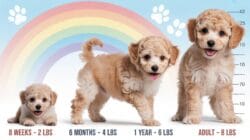
Toy Poodles grow fast and stop early. An eight-week-old puppy usually weighs between 1.5 and 2.5 pounds. By four months, they reach nearly seventy percent of their adult weight. You must track these numbers to ensure healthy bone development. A steady gain indicates proper nutrition. Rapid spikes or sudden drops often signal underlying health issues or poor diet quality.
Most Toy Poodles finish height growth by six or seven months. They often stay under ten inches at the shoulder. Weight usually stabilizes between six and nine pounds by the first birthday. After twelve months, they only add muscle or fat. Monitor the ribs. You should feel them but not see them. Overfeeding during this short growth window causes lifelong joint stress.
How Toy Poodle Growth Compares To Miniature And Standard Varieties
Miniature and Standard Poodles follow much longer growth timelines. While a Toy Poodle finishes growing by seven months, a Standard Poodle keeps gaining mass until two years. Miniatures fall in the middle, usually reaching full size by twelve months. This difference dictates your exercise and feeding schedule. Smaller breeds have higher metabolic rates. They need dense calories in small portions to prevent blood sugar crashes.
The size gap creates different structural risks. Large Poodles face bloat and joint dysplasia due to slow bone maturation. Toy Poodles face patellar luxation because of their fine bone structure. You cannot treat a Toy Poodle like a scaled-down Standard. Their developmental milestones happen on a compressed schedule. Use a poodle size comparison chart to identify if your puppy is hitting the correct height targets for its specific variety.
Poodle Sizes Chart Side By Side Comparison Of All Three Varieties
Height, Weight, And Proportions: Reading The Poodle Size Comparison Chart
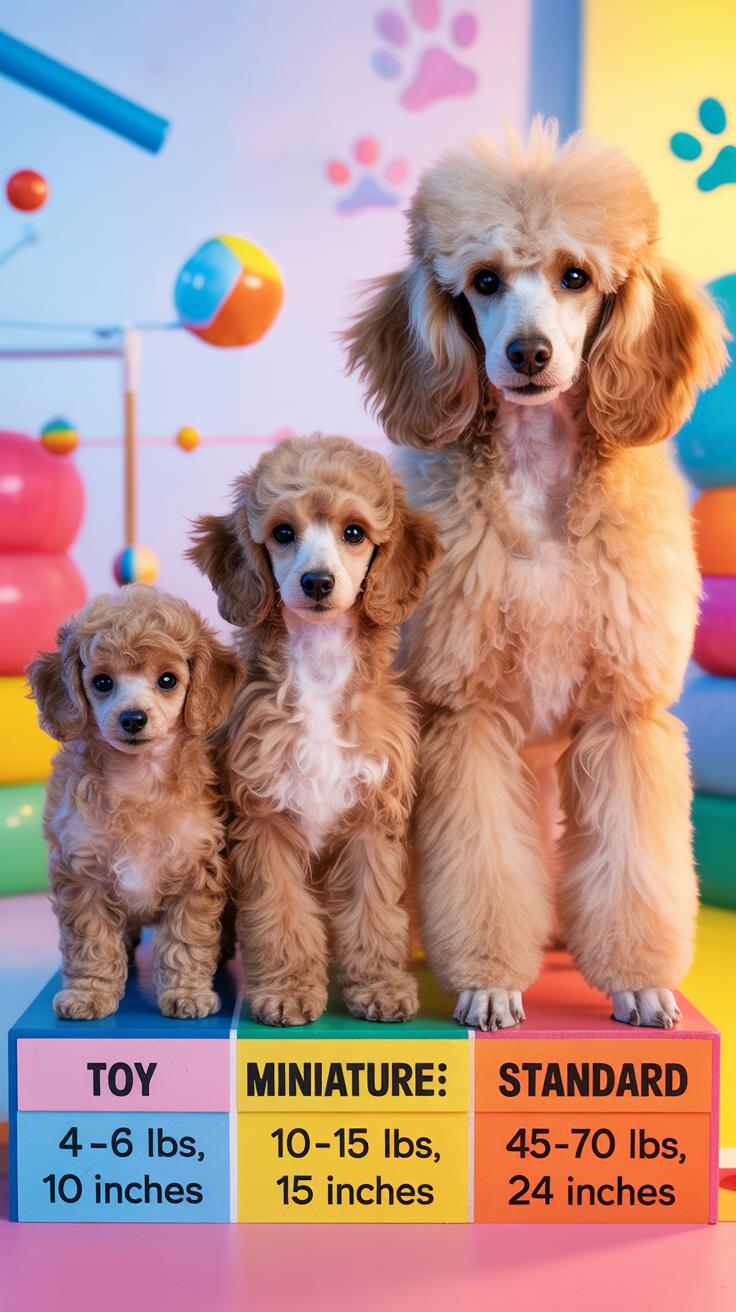
The poodle size comparison chart tracks three distinct categories recognized by major kennel clubs. Standards must exceed 15 inches at the shoulder and usually weigh 45 to 70 pounds. Miniatures stand between 10 and 15 inches and weigh 10 to 15 pounds. Toys remain under 10 inches and weigh 4 to 6 pounds. These specific measurements determine the classification and show clear breaks between each variety.
Accurate measurement happens at the highest point of the shoulder blades. All three varieties must maintain a square build. This means the length of the body from the chest bone to the rear should match the height at the shoulders. Measuring weight alone is unreliable for classification because of muscle density. Use height as the primary marker. Proportions stay consistent across all tiers despite the massive differences in total mass.
Key Physical Differences Between Standard, Miniature, And Toy Poodles
Standard Poodles possess the bone density and lung capacity required for their historical role as water retrievers. Their frames are robust and built for endurance. Miniatures and Toys feature finer bone structures and smaller joints. While the coat texture remains the same across all sizes, the scale of the individual curls changes. Smaller poodles often appear to have denser coats relative to their surface area because of their compact size.

Metabolic rates and physical resilience vary significantly between these groups. Large Standards handle rougher terrain and colder water temperatures effectively. Small Toy varieties are more susceptible to physical injury from falls or mishandling. Despite these size gaps, the official breed standard requires identical head shapes and muzzle lengths. Every variety must feature the same alert expression and elegant carriage. Size remains the only factor that distinguishes these three categories in competition.
Poodle Growth Chart Factors That Influence Size Across All Varieties
Genetics, Nutrition, And Health: What Shapes A Poodle’S Final Size
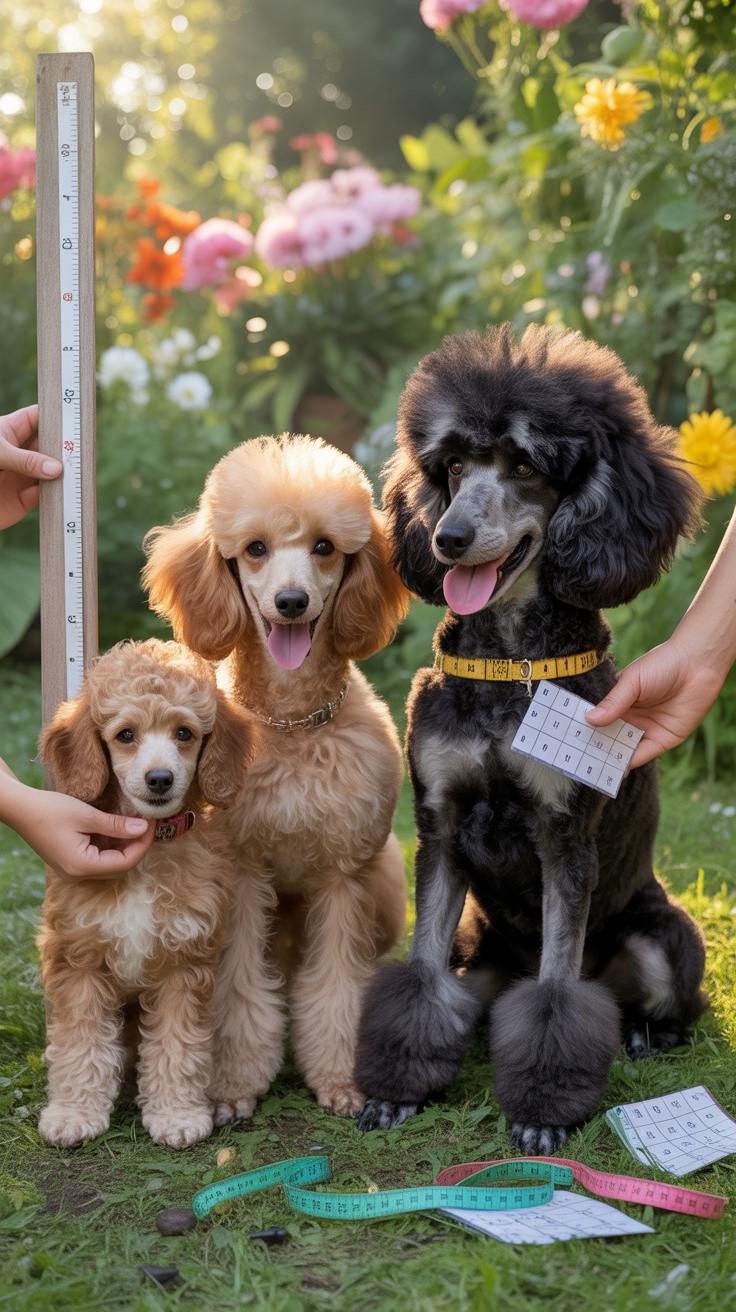
Genetics dictate the primary frame of every Poodle. Breeders use lineage to predict height and weight. If both parents are at the top of the Standard range, the offspring likely follow. DNA carries the blueprints for bone density and limb length. However, recessive genes can sometimes cause unexpected size variations. You must look at three generations of history to accurately project the final adult size of any puppy.
Nutrition and health status act as the secondary modifiers. Caloric intake during the first six months determines if a dog reaches its genetic potential. Malnutrition stunts growth while overfeeding causes orthopaedic stress. Digestive issues or parasites also steal nutrients needed for bone development. Early illness can pause the growth plate expansion. You must monitor weight gain weekly to ensure the dog stays on the correct trajectory for its specific variety.
Tips For Supporting Healthy Growth In Poodles Of All Sizes
Proper growth requires a controlled environment and specific biological support. You must balance exercise with rest to protect developing joints. Hard surfaces damage the growth plates of Toy and Miniature varieties. High impact jumping is dangerous for Standard Poodle puppies. Monitor their physical activity to prevent long term structural damage. Consistent veterinary checkups ensure the endocrine system functions correctly. Use these tactical steps to manage the growth process effectively.
- Calibrated Feeding Schedules: Feed high quality puppy food specifically formulated for the dog’s projected adult size. Standard Poodles requires large breed formulas to prevent rapid growth. Toy Poodles need energy dense kibble to avoid life threatening hypoglycemia during their first few months of life.
- Joint Support Protocols: Provide supplements like glucosamine and chondroitin for Standard Poodles early in their development. These compounds strengthen cartilage and fluid in the joints. This proactive measure reduces the risk of hip dysplasia. Consult a veterinarian to determine the precise dosage based on current body weight.
- Low Impact Movement: Limit jumping and stair climbing until growth plates close completely at twelve to eighteen months. Use ramps for vehicles and furniture to protect the skeletal structure. Puppies have soft bones that deform under heavy stress. Short walks on grass are safer than long runs on concrete.
- Regular Weight Checks: Weigh your Poodle every two weeks to track its growth curve against breed standards. Sudden spikes or plateaus indicate nutritional imbalances or underlying health issues. Use a digital scale for accuracy. Adjust food portions based on these measurements to maintain a lean body condition.
- Environmental Stress Reduction: Keep the puppy in a calm and stable environment to regulate cortisol levels. High stress hinders the natural release of growth hormones. Ensure the dog has a dedicated quiet space for uninterrupted sleep. Growth occurs primarily during deep rest cycles so quality sleep is mandatory.

Hormonal balance is another critical factor in skeletal maturity. Early spaying or neutering often delays the closure of growth plates. This delay causes the bones to grow longer than intended. This can lead to lanky proportions and increased injury risks. Discuss the timing of these procedures with a professional. Aim for a balance between reproductive health and structural integrity to ensure the Poodle matures into a functional adult.
Poodle Sizes And Living Arrangements Matching The Right Dog To Your Home
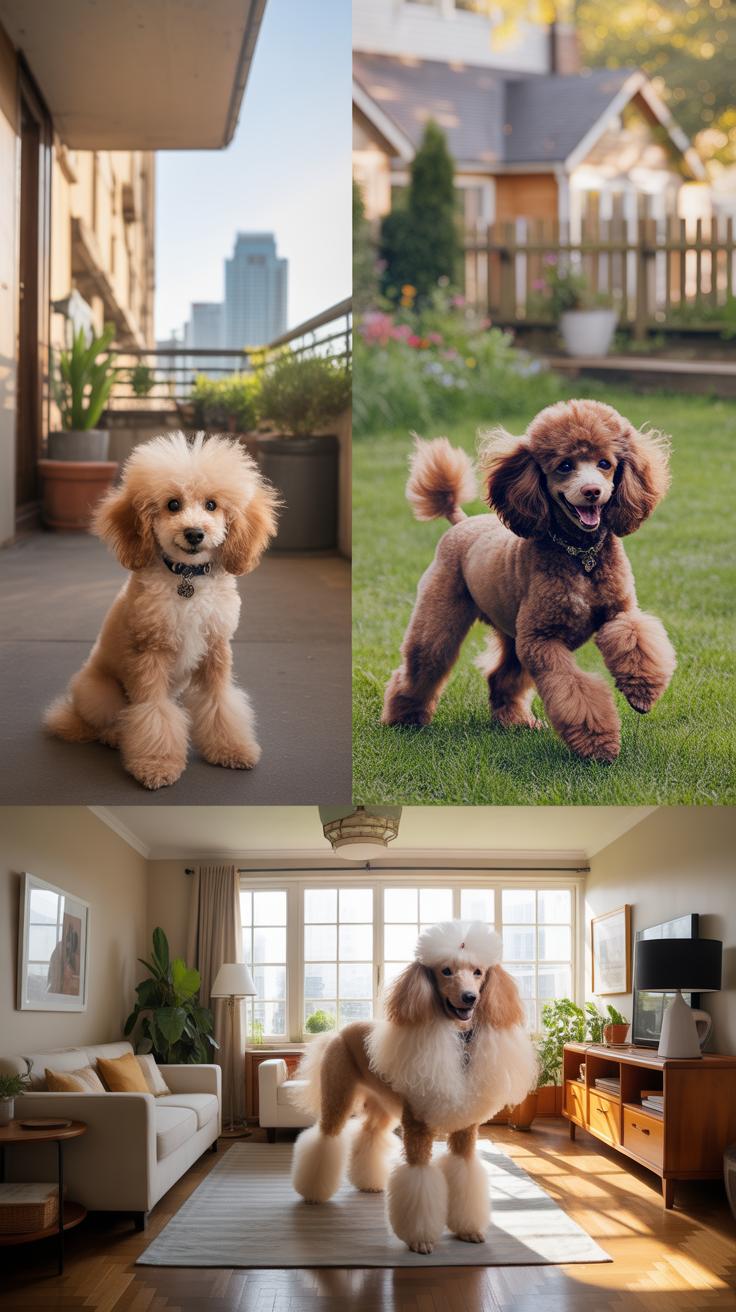
Standard Poodles In Houses Vs. Apartments: Space And Exercise Needs
Standard Poodles reach heights over fifteen inches and weights up to seventy pounds. These dimensions require significant floor space for movement. While they possess a calm indoor nature, their physical frame makes small apartments challenging. High ceilings and open layouts prevent them from knocking over furniture. Owners must prioritize square footage to accommodate their large stride and resting needs.
Exercise requirements go beyond simple indoor play. These dogs need vigorous activity to maintain muscle tone and mental health. A fenced yard provides the best environment for daily sprints. Apartment dwellers can make it work only with extreme discipline. This means three long walks and park visits daily. Without this physical outlet, the dog will develop destructive habits inside the home.
Why Toy And Miniature Poodles Thrive In Smaller Living Spaces
Toy and Miniature Poodles weigh between four and fifteen pounds. Their small size makes a studio apartment feel like a massive estate. These dogs navigate confined areas with ease and precision. They do not require a yard for their primary activity. Indoor games and short walks around the block satisfy their physical needs. This makes them the top choice for urban high-rise living.

Practical maintenance is easier in small spaces with these breeds. They produce less dander and shed less hair due to their size. Cleaning up after a ten pound dog takes minutes compared to a large breed. They also fit easily on furniture without crowding the owners. Their portable nature allows for frequent travel and easy transport in elevators. Small poodles offer high utility for modern city residents.
Dogs And Animals The PoodleS Place Among Popular Breeds By Size
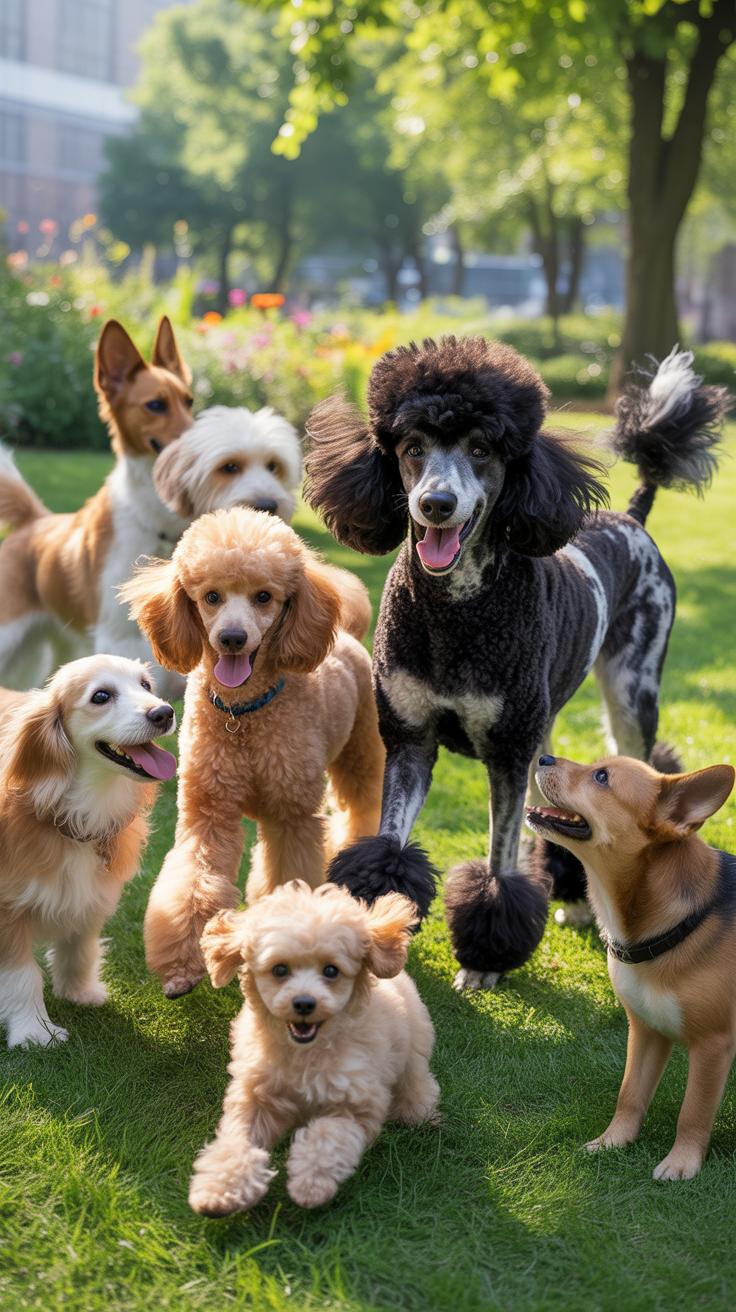
How Poodle Sizes Rank Against Other Popular Dog Breeds
Standard Poodles occupy the large breed category alongside Labrador Retrievers and German Shepherds. They typically stand over 15 inches tall and weigh 40 to 70 pounds. This size provides the physical power required for their original role as water retrievers. While they share height with many sporting breeds, their lean athletic build makes them lighter than heavier boned working dogs like Rottweilers or Bernese Mountain Dogs.
Miniature Poodles sit firmly in the medium dog bracket. They measure between 10 and 15 inches at the shoulder. This puts them in the same size class as Beagles, Cocker Spaniels, and French Bulldogs. They offer a compromise for owners who want a sturdy dog without the footprint of a large breed. Toy Poodles fall into the small or toy category, competing for space with Chihuahuas, Pomeranians, and Maltese.
Choosing Your Poodle Variety: Practical Considerations For Families And Individuals
Selecting the correct poodle size requires an honest assessment of your living environment and physical capabilities. Each variety demands different levels of exercise and space. Large homes with yards suit the Standard variety best. Smaller apartments favor the Toy or Miniature types due to their lower square footage needs. You must also consider the age of your family members to ensure a safe environment for everyone.
- Living Space Requirements: Standard Poodles need significant room to move and thrive. They require a yard or frequent access to large open parks. Toy Poodles adapt perfectly to studio apartments or high rise living. Miniature Poodles offer a middle ground for suburban homes with small patches of grass.
- Activity and Exercise Levels: Larger Poodles possess higher stamina for hiking and running. Owners must commit to vigorous daily activity to prevent boredom and destructive behavior. Toy Poodles get enough exercise just by walking around the house. Miniature Poodles require daily walks but do not need long distance endurance runs.
- Grooming Logistics and Costs: Larger dogs have more surface area and cost more to maintain professionally. Standard Poodles require more product and longer grooming sessions than smaller varieties. Toy Poodles are easier to bathe at home in a sink. Miniature Poodles represent a moderate recurring expense for professional clipping and coat care.
- Fragility and Safety Concerns: Toy Poodles have thin bones that break easily from falls or accidents. They are not ideal for households with toddlers who might drop them. Standard Poodles are hardy and can handle rougher play with older children. Miniature Poodles are sturdy enough for most active families but still portable.
- Transportation and Travel Ease: Toy Poodles fit in airline approved carriers under the seat for easy travel. You can carry them through crowds or store them in small vehicles. Standard Poodles require large SUVs or crates for safe transport. Miniature Poodles fit well in most standard car back seats without taking up all the passenger space.

Your choice impacts your daily routine and long term financial commitment. Standard Poodles consume more food and require higher doses of preventative medications. Toy Poodles often live longer, sometimes reaching 18 years or more. Miniature Poodles present a balanced option for those seeking agility and intelligence in a manageable frame. Evaluate your lifestyle against these physical realities to select a dog that integrates into your household.
Frequently Asked Questions

What are the main physical differences between the three Poodle varieties?
The primary difference lies in height and weight. Standards usually stand over 15 inches tall and weigh up to 70 pounds, while Miniatures range from 10 to 15 inches. Toy Poodles are the smallest, measuring under 10 inches. When looking at a poodle size comparison chart, you will notice that while their heights vary significantly, all three varieties share the same athletic build, elegant proportions, and hypoallergenic curly coats.
How do I choose the right Poodle size for my specific living situation?
To choose the best fit, consider your square footage and activity level. Standard Poodles thrive in larger homes with yards due to their high energy, while Toys and Miniatures are ideal for apartment living. Consulting a poodle size comparison chart can help you visualize how much space their crates and beds will occupy. Remember that smaller Poodles are more fragile around young children, whereas Standards are sturdy enough for active outdoor families.
Is there a significant price difference when purchasing or caring for different Poodle sizes?
Generally, Toy and Miniature Poodles may have a higher initial purchase price due to high demand and smaller litter sizes. However, Standard Poodles are more expensive in the long run. Larger dogs require more food, higher doses of preventative medications, and more expensive grooming sessions. While smaller Poodles are budget-friendly regarding daily maintenance, ensure you choose a size that fits both your lifestyle and your long-term monthly pet budget.