The Average Captive Lifespan of a Senegal Parrot
Average Senegal Parrot Lifespan Captivity: What The Numbers Tell Us
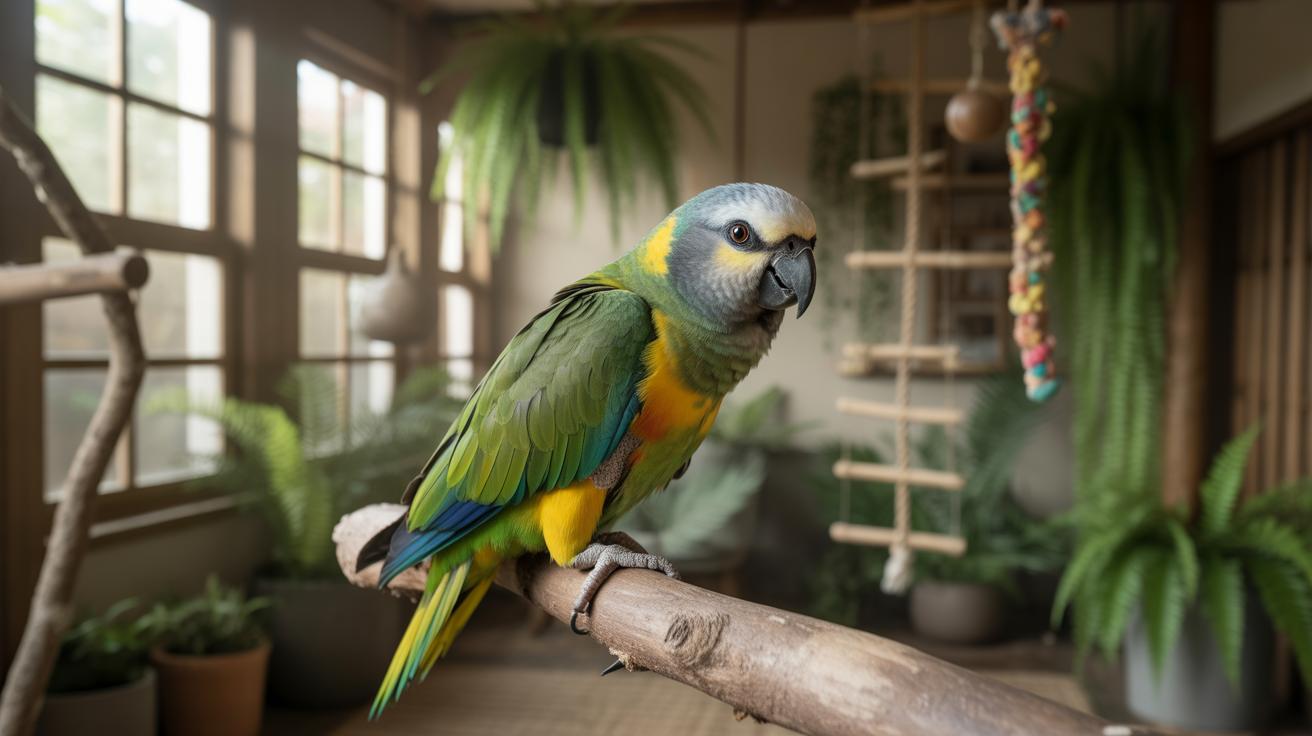
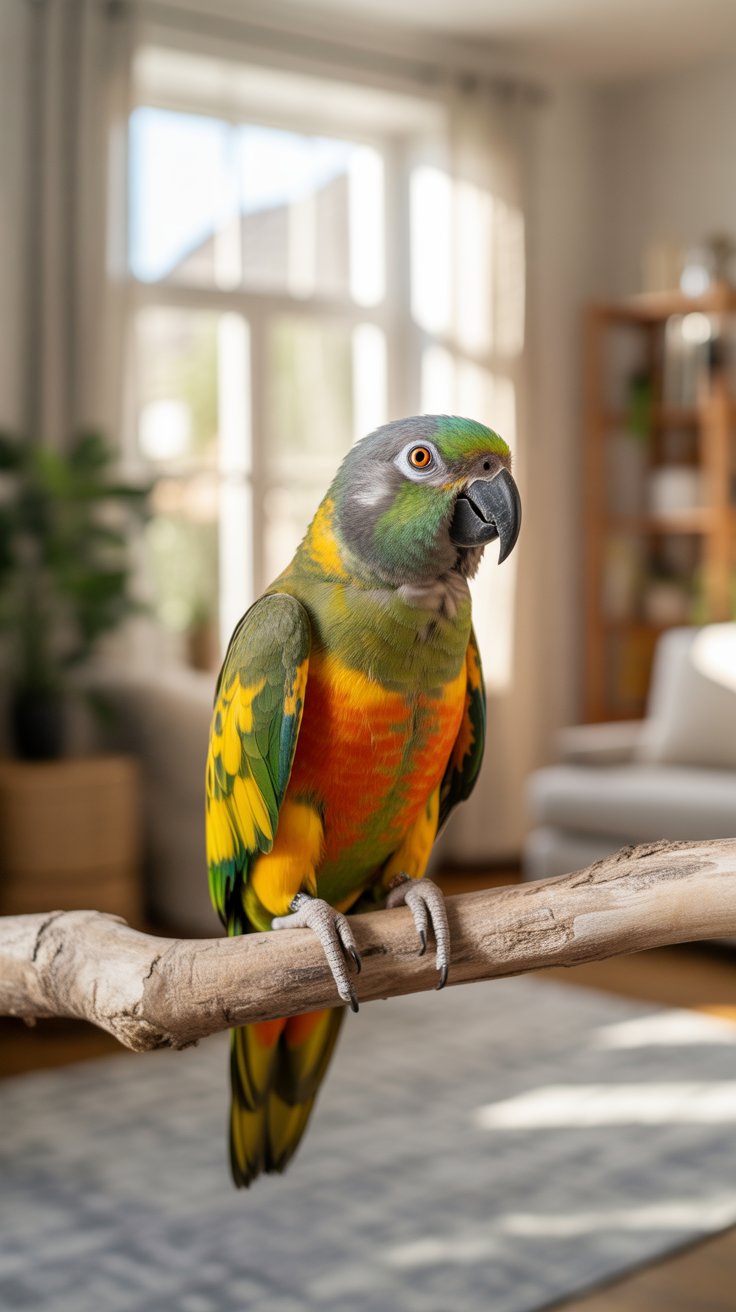
A Senegal parrot typically lives between 20 and 30 years in a home setting. Some well-kept birds reach 40 years or more. These figures represent the standard range for healthy individuals. Owners must understand that this bird requires a multi-decade commitment. The actual age often depends on the quality of basic care and the bird’s genetic background from the breeder.
Data shows that poor nutrition often cuts these numbers short. Many parrots die prematurely due to preventable organ failure or respiratory issues. You must track health metrics to ensure your bird stays on the high end of the scale. A consistent environment and clean air prevent most common killers. High-quality care directly correlates with a lifespan that exceeds the thirty-year mark in modern households.
Wild Lifespan Vs. Captive Lifespan: Why Captivity Often Extends Their Years
In the wild, Senegal parrots face constant threats that lower their life expectancy. Predators, food shortages, and harsh weather conditions create high mortality rates. Most wild birds do not survive past 15 or 20 years. They expend massive energy just to stay alive during droughts. Disease spreads quickly in wild flocks without any veterinary intervention or specialized medicine to stop it.
Captivity removes these environmental stressors and provides a stable resource base. Indoor birds do not have to fight for calories or hide from hawks. Controlled temperatures and clean water eliminate the biggest risks found in nature. Access to specialized avian vets allows owners to treat infections before they become fatal. This safety net allows the Senegal parrot to double its natural life expectancy through human intervention.

Where Do Senegal Parrots Live Understanding Their Natural Origins
Native Habitat Of The African Senegal Parrot: Woodlands And Savannas Of West Africa
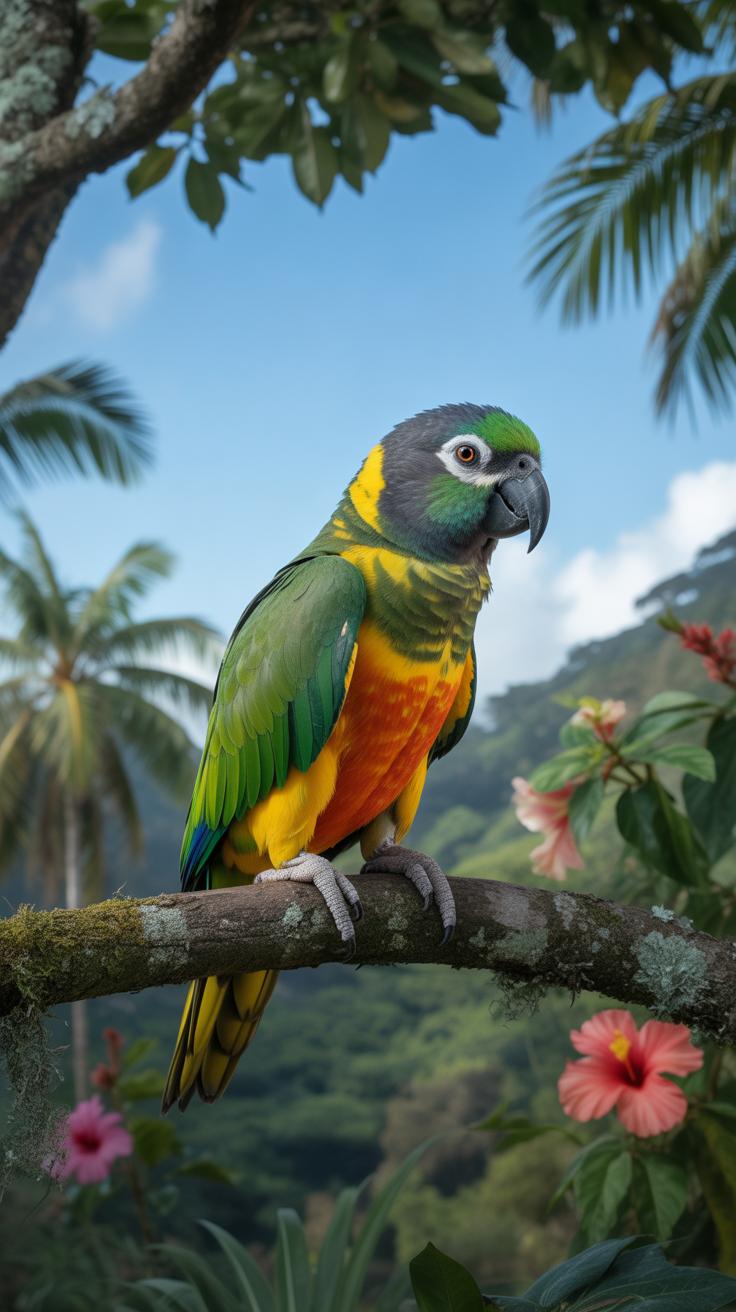
The Senegal parrot originated in the open woodlands and dry savannas of West Africa. This region spans countries like Senegal, Gambia, and Guinea-Bissau. These birds prefer environments with high densities of baobab and locust trees. They avoid dense rainforests in favor of semi-arid landscapes. This specific habitat provides the necessary forage and nesting sites required for their survival and expansion.
This species migrates locally based on food availability and seasonal changes. They rely on fruit, seeds, and grain crops found in agricultural fields. Their physiology evolved to handle significant temperature fluctuations and varying humidity levels. Understanding this geographic background is critical for keepers. It explains their hardiness and high energy requirements. These birds possess a rugged nature shaped by the harsh conditions of the African bush.
How Natural Environment Shapes Behavior And Longevity In Captivity
Life in the wild is physically demanding and dangerous for the Senegal parrot. Predators and food scarcity often limit their lifespan in Africa. However, their biological hardware is built for endurance. This evolutionary trait translates to a long senegal parrot lifespan captivity because the bird no longer faces daily threats. When you provide steady nutrition and safety, their bodies maintain high function for several decades.

Wild behaviors like foraging and social interaction impact their mental health. In captivity, these birds need stimulation that mimics their natural problem-solving tasks. Lack of movement leads to obesity and shortens their life. A bird that stays active and eats a diet resembling wild seeds and fruits remains healthy. You must replicate their native challenges to ensure they reach their full forty-year age potential.
Senegal Parrot Size And Physical Traits That Influence Lifespan
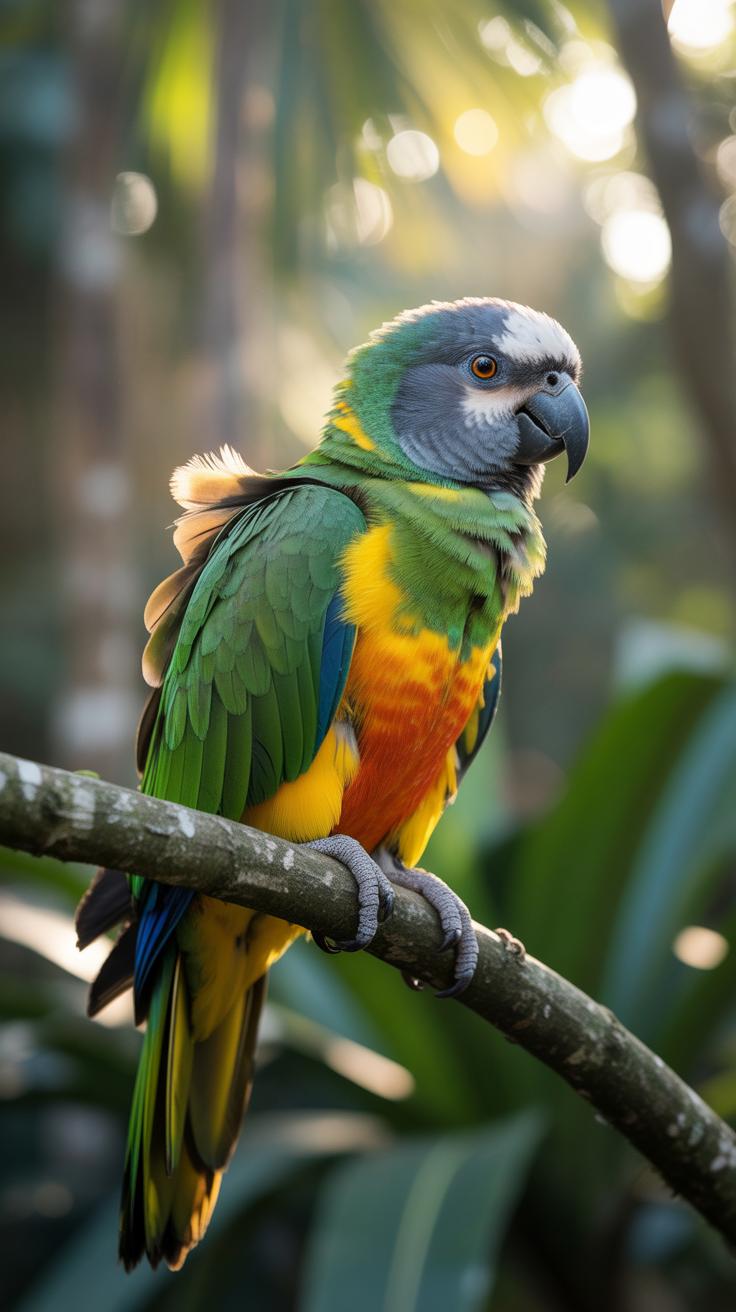
How Big Is A Senegal Parrot? Size, Weight, And Build Explained
The Senegal parrot is a medium sized bird with a compact and stocky build. Adults typically reach a length of nine inches from head to tail. Their weight generally ranges between 120 and 170 grams. This specific weight class puts them in the Poicephalus genus. They possess a heavy beak and a short, square tail. These physical traits help them navigate dense African wood environments.
A healthy build is critical for the senegal parrot lifespan captivity targets. Owners must monitor weight because these birds gain fat easily in cages. Excess fat puts pressure on their small internal organs. Their bones are light but strong for flying and climbing. A thick neck and broad chest protect vital systems during movement. Maintaining the standard weight range prevents chronic health issues that shorten their lives.
Why Smaller Parrot Size Can Be An Advantage For Long Term Health
Smaller parrot species often avoid the severe respiratory issues found in giant macaws. A compact body requires less energy to maintain core functions. This efficiency reduces the overall strain on the heart and lungs over decades. Their small size makes it easier for owners to provide adequate flight space. Regular flight strengthens their cardiovascular system. A strong heart is a primary driver of longevity in captive birds.
The Senegal parrot metabolic rate is slower than that of tiny songbirds but faster than huge parrots. This balance allows them to process nutrients effectively without burning out their systems. They face fewer bone density problems than larger, heavier birds. Their physical footprint allows for a controlled environment with fewer injury risks. This physical resilience helps them reach thirty or fifty years when kept in a clean and safe home.
Senegal Parrot Colors Identifying A Healthy Bird By Its Plumage
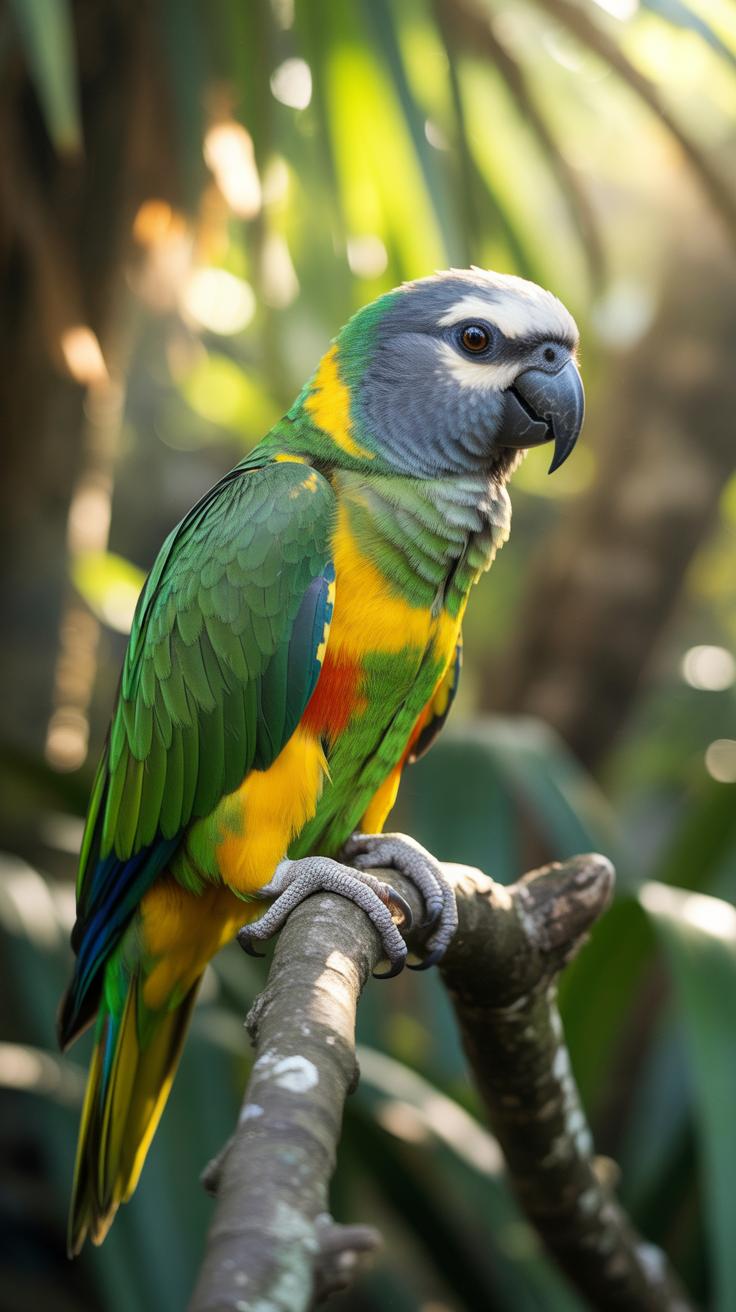
The Distinctive Green, Grey, And Yellow Plumage Of The Senegal Parrot
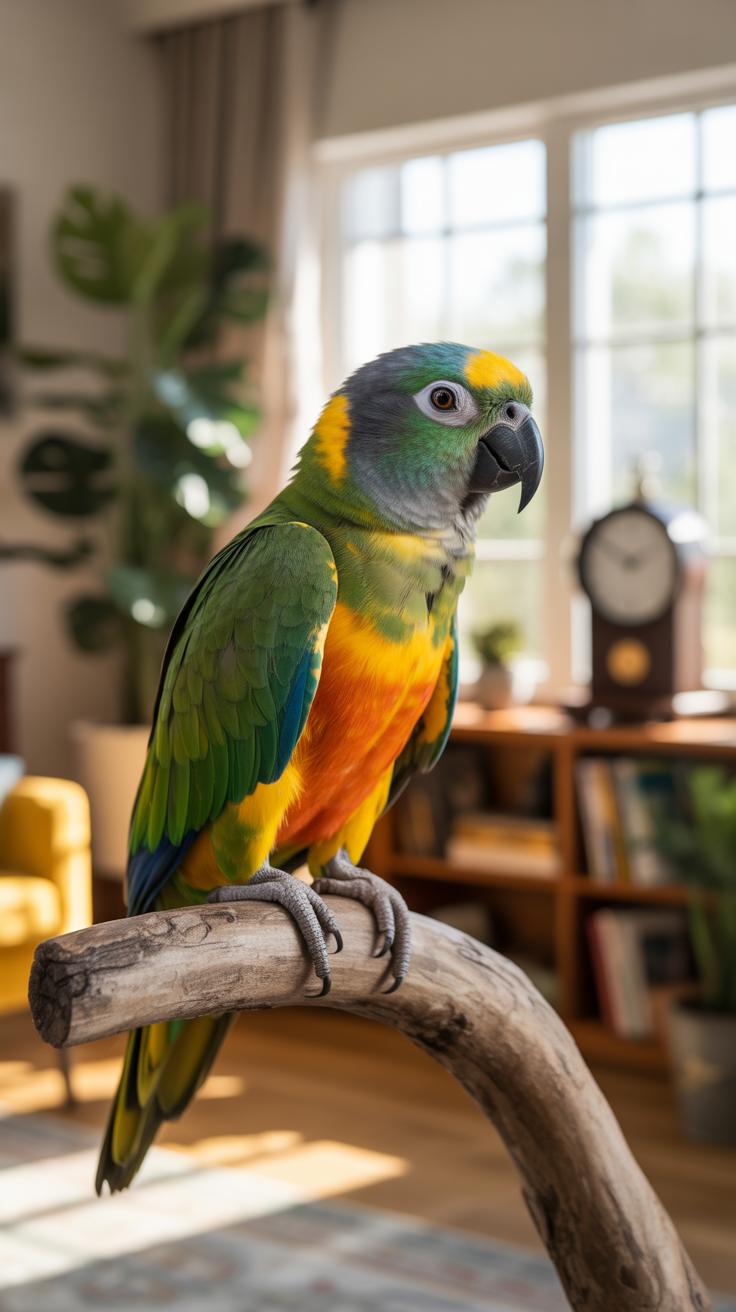
The Senegal parrot displays a specific color pattern that defines the species. The head is a charcoal grey color that stops at the neck. The wings and back are a deep green. The chest features a V-shape pattern that transitions into yellow or orange. These colors should appear solid and consistent across the body. Healthy birds maintain these high-contrast boundaries between different color zones.
Proper plumage depends on the bird having access to high-quality fats and proteins. Natural light or full-spectrum bulbs help the feathers reflect light correctly. A vibrant yellow or orange belly indicates the bird is absorbing nutrients properly. If the grey on the head looks washed out or the green lacks depth, the bird likely faces a deficit. Stable color patterns confirm the bird is thriving in its environment.
What Changes In Feather Color Or Quality Can Signal About Your Bird’S Health
Feather changes reveal internal health issues before other symptoms appear. Black spots on green feathers often signal liver stress or poor nutrition. Ragged edges or frayed tips suggest low humidity or a lack of bathing opportunities. If the feathers look dull or greasy, the bird is not preening effectively. You must watch for these shifts to ensure a long lifespan. Rapid changes require immediate dietary adjustments.

Stress bars are horizontal lines across the feather shaft. These lines show that the bird suffered a growth interruption during the last molt. Consistent stress bars mean the bird lives in a high-tension environment. Brightness is a key health marker. A bird with faded colors usually has a vitamin deficiency. Monitor the sheen of the feathers daily. A glossy finish proves the bird is healthy and receives proper care.
Senegal Parrot Male Vs Female Does Sex Affect Lifespan
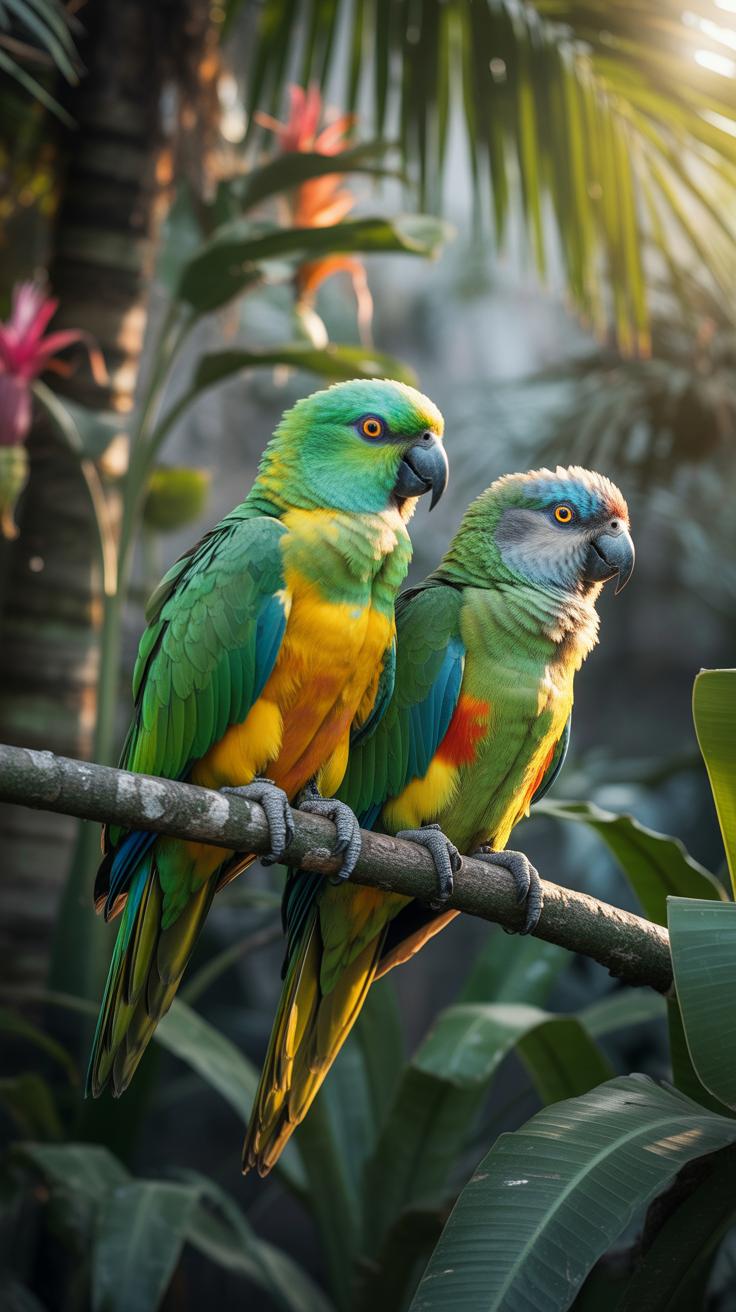
How To Tell Male And Female Senegal Parrots Apart Visually
Senegal parrots are generally monomorphic, meaning both sexes look nearly identical to the untrained eye. Owners often look at the V-shape of the yellow feathers on the chest. Males typically have a longer V-shape that extends down between their legs. Females usually show a shorter V-shape that ends mid-chest. This method remains unreliable for definitive identification without professional medical testing or DNA analysis.
Head shape and beak size also provide subtle clues for identification. Males often possess larger, blockier heads and heavier beaks compared to the sleeker profile of the female. Some breeders observe that females have a narrower facial structure. These physical differences are often too slight to confirm the bird’s sex accurately. Most experts recommend a DNA blood test or feather test to ensure you know the sex of your bird.
Do Male And Female Senegal Parrots Have Different Life Expectancies?
Biological sex does not significantly alter the base senegal parrot lifespan captivity. Both males and females can live twenty to thirty years with proper care. Genetics and diet play much larger roles in longevity than gender alone. While hormones fluctuate during the breeding season, they do not shorten the natural life of a healthy bird. You must focus on nutrition and safety to maximize their years.

Females face unique health risks that can impact their total lifespan if managed poorly. Chronic egg laying depletes calcium and can lead to egg binding or reproductive infections. These conditions are preventable with a balanced diet and environmental control. Males do not face these specific issues but remain susceptible to standard avian diseases. Consistent veterinary checkups ensure both sexes reach their maximum age potential regardless of their gender.
Senegal Parrot Personality How Temperament Impacts Quality Of Life
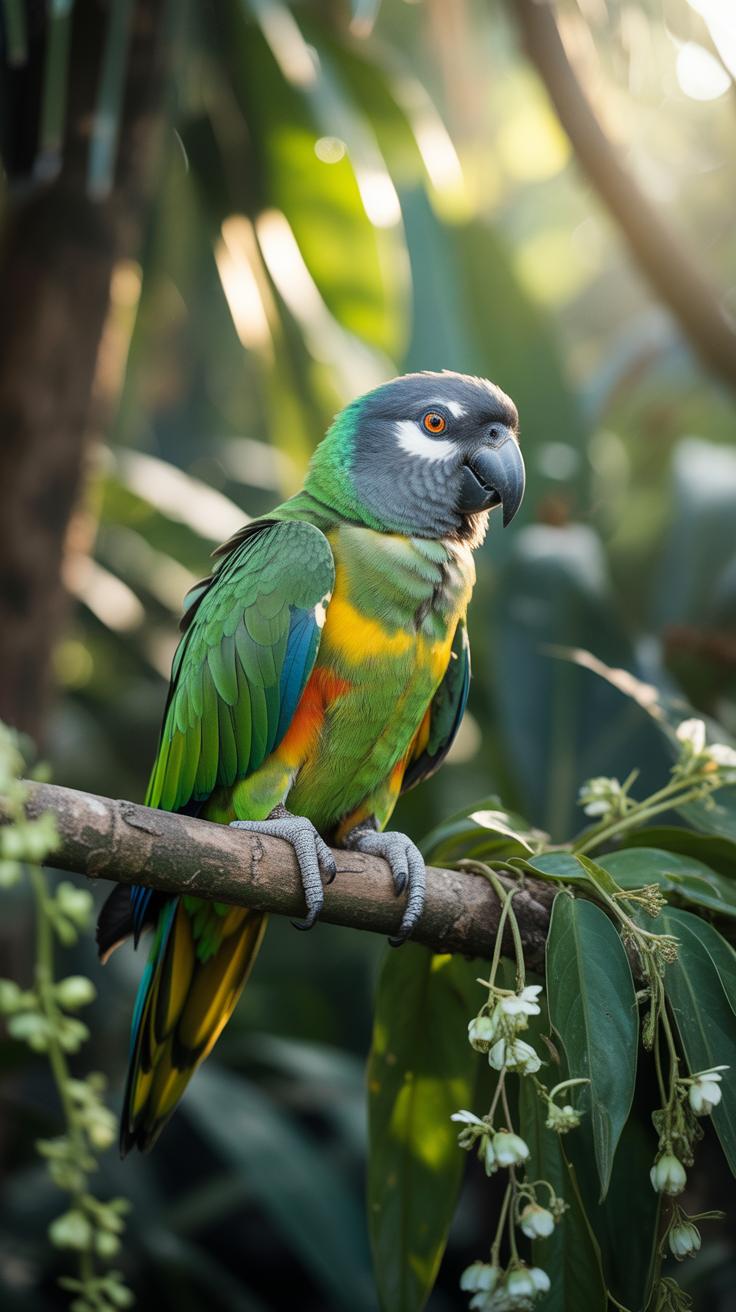
The Bold, Playful, And Loyal Nature Of The Senegal Parrot Personality
Senegal parrots possess an introverted but intense personality. These birds typically bond with one specific person. They demonstrate extreme loyalty to that individual. This species is quieter than most parrots but maintains a high level of intelligence. They observe their surroundings with focus and calculate their movements. Their bold nature means they approach new toys and challenges with confidence rather than fear.
Consistency defines the Senegal parrot temperament. They thrive on a predictable daily routine. Owners must provide mental stimulation to satisfy their curiosity. Without a focused outlet for their energy, these birds become restless. Their playful side emerges during one-on-one interaction. They enjoy tactile games and learning complex tricks. Proper training harnesses their natural focus. This strengthens the bond between the bird and the owner.
A Senegal parrot is a lifelong friend that can bless your home for thirty years or more. To share such a journey is to hold a small piece of the wild in your heart for a generation.
How Stress, Boredom, And Social Bonding Directly Affect A Senegal Parrot’S Lifespan
Psychological health dictates physical longevity in Senegal parrots. Chronic stress triggers the release of cortisol. This hormone weakens the immune system over time. A stressed bird is susceptible to infections that a healthy bird would easily defeat. Boring environments lead to self-mutilation and feather plucking. These behaviors create open wounds and increase infection risks. Mental engagement is a medical necessity for this species.

Social isolation causes rapid decline in these intelligent birds. Senegal parrots require daily interaction to maintain their cognitive health. Loneliness leads to depression and a failure to thrive. A depressed bird often stops eating or develops compulsive behaviors. Owners must integrate the bird into daily household activities. Stable social bonds lower heart rates and improve overall metabolic function. Proper social care extends life by decades.
Senegal Parrot Care The Daily Essentials That Determine How Long They Live
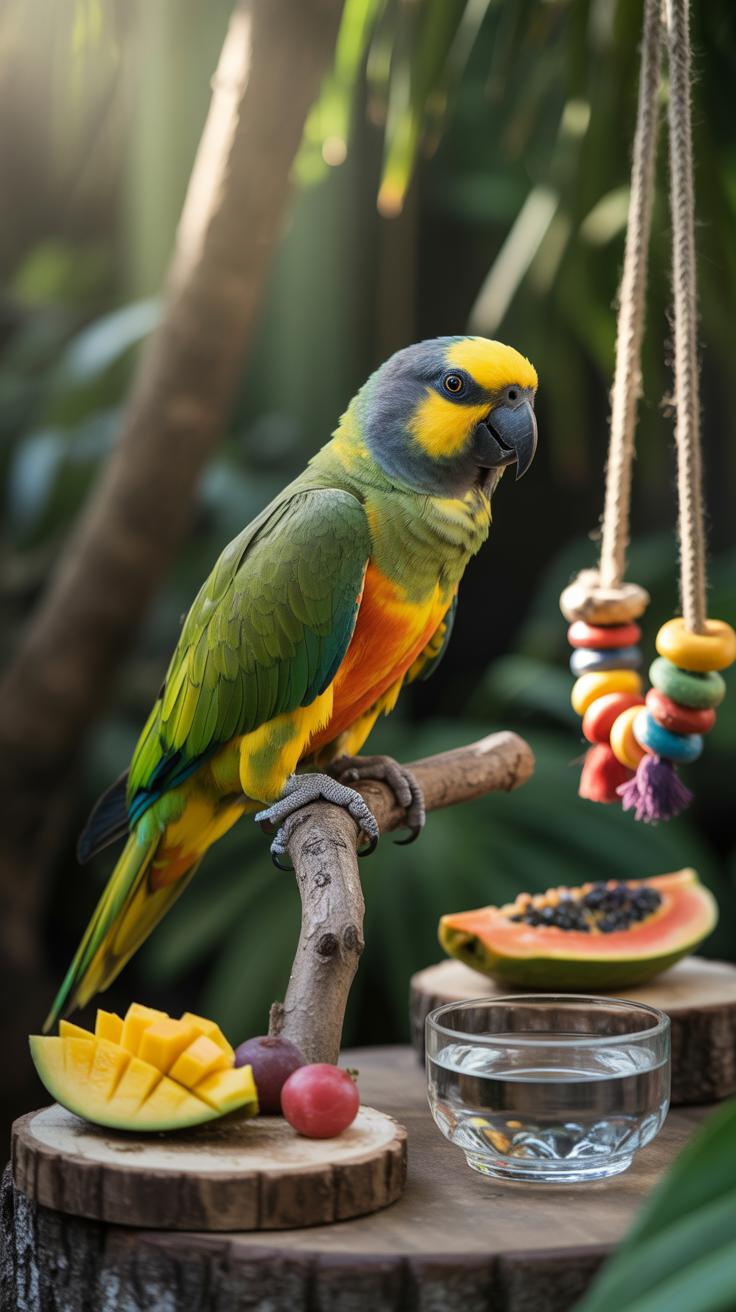
Nutrition, Cage Environment, And Exercise: The Three Pillars Of Senegal Parrot Care
Diet serves as the primary driver for health. Seed-only diets cause fatty liver disease and shorten life. High-quality pellets must form the base of their daily intake. Owners should add fresh vegetables and limited fruit to provide essential vitamins. Balanced nutrition prevents obesity and supports a strong immune system. Routine feeding schedules help maintain metabolic health and reduce stress in captive environments.
The physical environment dictates long-term survival. Small cages lead to muscle atrophy and psychological distress. Birds need space to fly and climb to maintain cardiovascular health. Clean air is non-negotiable for their sensitive respiratory systems. Avoid all scented candles, non-stick pans, and harsh chemicals. Exercise keeps the heart strong and prevents boredom. Active parrots live longer because they remain physically fit and mentally sharp.
Top Daily Care Tips To Help Your Senegal Parrot Reach Its Full Lifespan Potential
Consistent daily habits prevent illness and extend life. Monitoring small changes in behavior or droppings identifies health issues early. You must prioritize biological safety and calorie control every single day. A captive bird relies entirely on your choices for its survival. Small mistakes in air quality or food safety accumulate over time. Use these tactical steps to maximize the years your bird remains healthy and active.
- Fresh Water Access: Replace water at least twice daily to prevent bacterial growth. Dirty bowls harbor pathogens that cause fast-acting infections. Scrub the container with bird-safe soap every morning to remove slime and film.
- Pellet Based Diet: Ensure pellets make up seventy percent of total food intake. This provides a baseline of vitamins that seeds cannot provide. Avoid dyes or artificial flavors that tax the liver and kidneys over many years.
- Light Cycle Control: Provide twelve hours of total darkness for uninterrupted sleep. Lack of sleep triggers hormonal surges and chronic stress. Use a heavy cage cover or a separate quiet room to ensure the bird rests fully every night.
- Air Quality Monitoring: Remove all aerosol sprays and teflon coated cookware from the home. Senegal parrots have efficient lungs that absorb toxins faster than humans. Simple household fumes often cause sudden death or chronic lung damage in captive birds.
- Daily Foraging Activities: Hide food inside toys to force the bird to work for its meals. This mimics natural wild behaviors and provides critical mental stimulation. Foraging burns extra calories and prevents the destructive behaviors associated with chronic boredom.

Clean the cage floor daily to stop fungal spores from spreading. Deep clean the entire enclosure once per week with diluted vinegar. Removing waste prevents respiratory irritation and skin infections. High hygiene standards are the cheapest way to avoid expensive veterinary visits. A sterile living space allows the bird to thrive instead of just surviving. Consistent maintenance ensures your parrot reaches its maximum age potential.
Common Health Issues In Senegal Parrots And How To Prevent Early Death
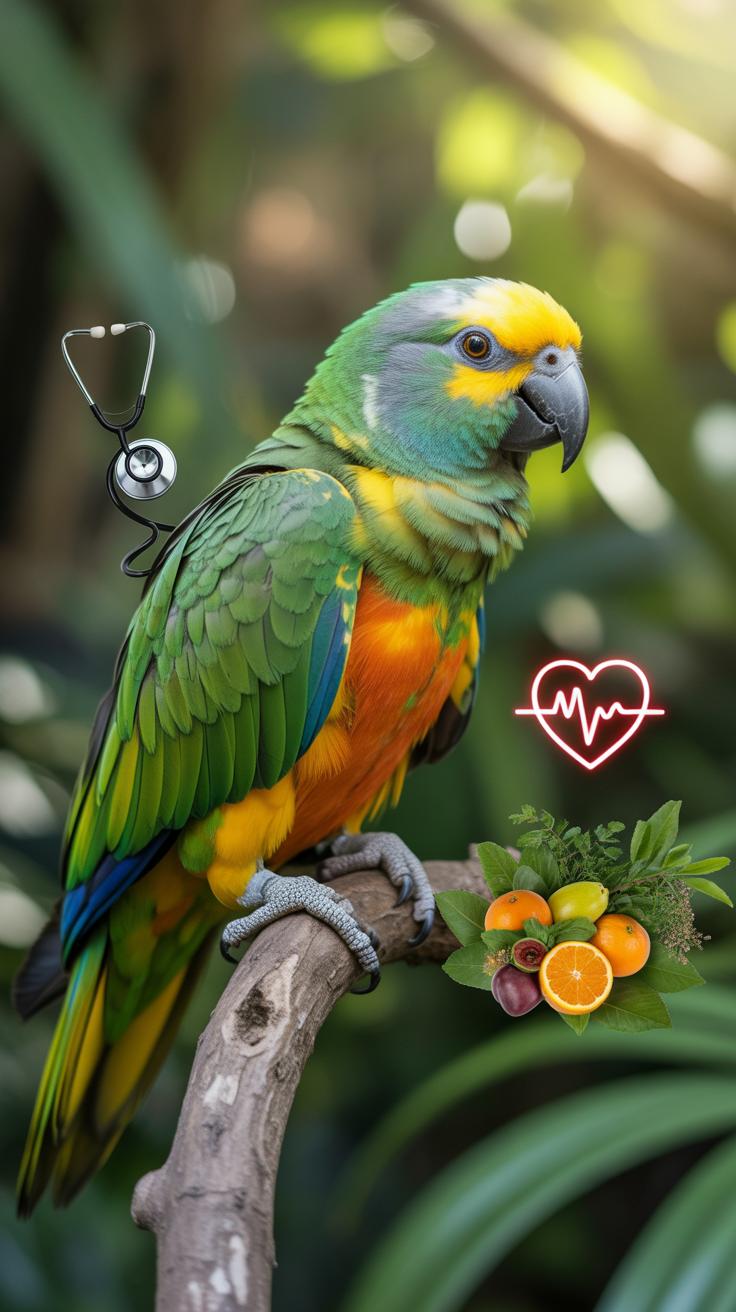
Most Frequent Diseases And Conditions That Shorten A Senegal Parrot’S Life
Aspergillosis represents the leading cause of respiratory failure in these birds. This fungal infection thrives in damp bedding or Poorly ventilated cages. It attacks the lungs and air sacs quickly. Chronic exposure to spores causes permanent tissue damage. This condition often results from a weakened immune system. You must maintain low humidity and clean surfaces to prevent this deadly pathogen from taking hold.
Nutritional secondary hyperparathyroidism occurs when the bird lacks calcium and vitamin D3. This metabolic bone disease causes fractures and seizures in Senegal parrots. Many owners feed only seeds which lack vital minerals. This dietary error shortens the bird’s life significantly. You must provide balanced pellets and natural sunlight. Proper nutrition prevents the skeletal collapse and organ failure associated with this preventable and common metabolic condition.
Warning Signs Every Senegal Parrot Owner Should Never Ignore
Senegal parrots naturally hide illness to avoid predators. By the time a bird looks sick, the condition is usually advanced. Owners must monitor daily behavior for subtle shifts. A healthy parrot is active and maintains clean feathers. Any change in droppings or appetite requires immediate action. Waiting even twenty four hours can result in a lost bird. Speed is your best survival strategy.
- Alterations in Droppings: Changes in color, consistency, or frequency indicate internal distress. Look for watery stools or a complete lack of waste. These signs suggest kidney issues or digestive infections that need rapid medical intervention from an avian vet.
- Respiratory Changes: Labored breathing or clicking sounds are critical red flags. If the bird bobs its tail to catch a breath, it has severe lung congestion. This distress often points to aspergillosis or pneumonia which can kill a parrot within days.
- Fluffed Feathers and Lethargy: A bird sitting puffed up on the cage floor is in trouble. This posture helps the bird conserve body heat during a crisis. It signals that the parrot no longer has the energy to maintain normal perching or social activity.
- Discharge from Nares or Eyes: Clear or cloudy fluid around the nose and eyes indicates infection. Crusty buildup can block breathing and suggests a failing immune system. Check these areas daily to catch sinus infections before they spread to the lower respiratory tract.
- Weight Loss and Keel Prominence: Visible loss of breast muscle mass is a sign of chronic illness. You should feel the keel bone regularly. If the bone feels sharp like a knife, the bird is starving despite eating. This often indicates internal parasites or wasting disease.
Consistent observation prevents sudden fatalities in captivity. Weigh your bird weekly on a gram scale to track trends. Sudden weight drops happen before physical symptoms appear. Keep a log of food intake and energy levels. If you notice any of these signs, seek an avian veterinarian immediately. Early detection is the only way to ensure your Senegal parrot reaches its full age potential.
The Senegal Parrot As A Long Term Companion What Owners Should Realistically Expect
Preparing For A 20 To 30 Year Commitment With Your Senegal Parrot
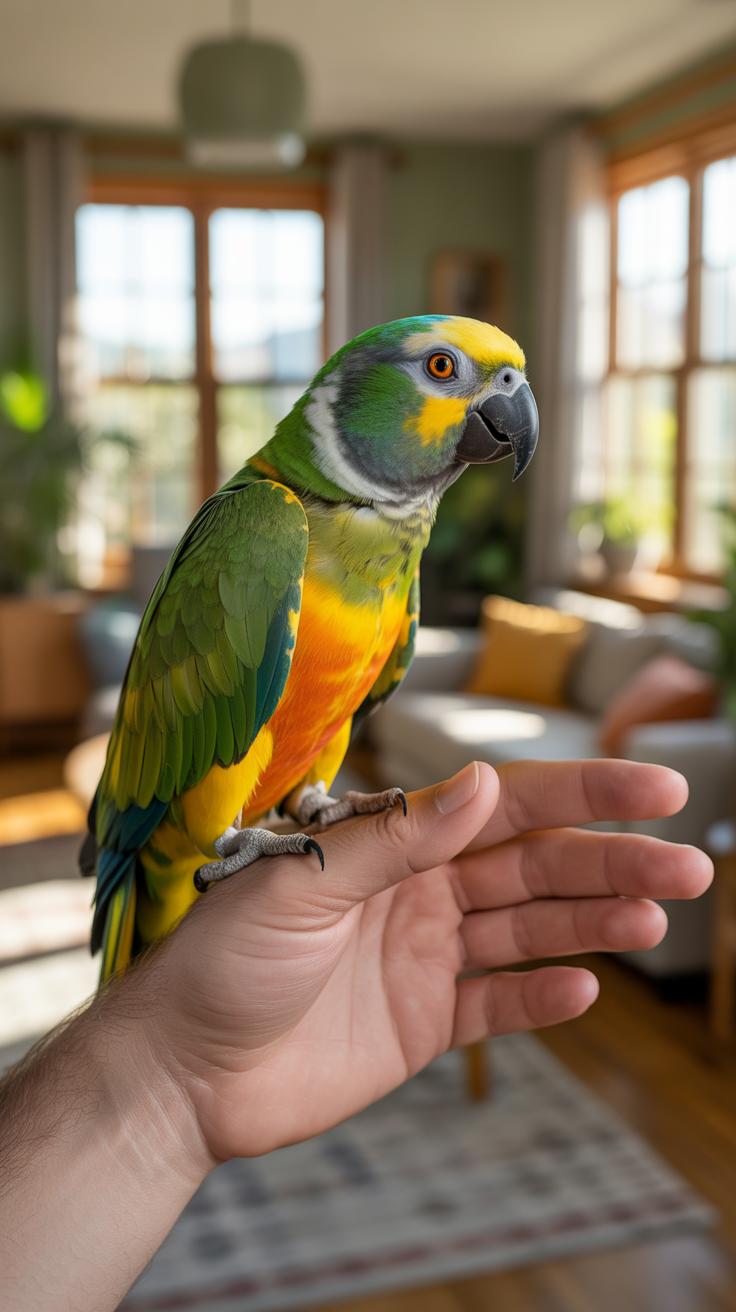
Owning a Senegal parrot requires a major time investment. Most captive birds live between 20 and 30 years. You must plan for decades of daily care and feeding. This parrot will likely outlive your current vehicles or homes. You must ensure your lifestyle can accommodate a loud and social animal for its entire life. Expect to provide constant mental stimulation every single day.
Financial planning is critical for this long-term commitment. You must budget for high-quality pellets, fresh produce, and cage upgrades over twenty years. Emergency medical funds are also necessary as the bird ages. Many owners fail because they only look at the short term. Secure a secondary caretaker in your will or estate plan. This ensures the bird has a home if you can no longer provide care.
How Consistent Bonding, Routine, And Veterinary Care Add Years To Your Bird’S Life
Stability directly impacts the senegal parrot lifespan captivity. These birds thrive on a set schedule for waking, feeding, and sleeping. Stress weakens their immune systems and leads to illness. Maintain a clean environment to prevent respiratory infections. Regular social interaction prevents self-mutilation and feather plucking. A calm and predictable home environment extends the bird’s life by reducing chronic physical stress.
Annual checkups with an avian veterinarian are mandatory. Parrots hide symptoms of illness until the condition is severe. Early detection of infections or organ issues saves lives. Blood work and fecal exams identify problems before they become fatal. You must find an avian specialist before an emergency happens. Consistent medical monitoring combined with a proper diet ensures your parrot reaches its maximum potential age.
Frequently Asked Questions

What is the average life expectancy for a Senegal Parrot kept as a pet?
When provided with optimal care, the typical Senegal parrot lifespan captivity ranges between 20 and 30 years. However, it is not uncommon for these small, charming birds to live up to 50 years with excellent nutrition and veterinary maintenance. This long commitment makes them wonderful life companions for dedicated owners, but it also means you should be prepared for decades of social interaction and consistent daily engagement together.
How can I maximize my Senegal Parrot’s longevity through daily care?
To extend your Senegal parrot lifespan captivity, focus on a high-quality pellet-based diet supplemented with fresh vegetables and fruits. Ensure they have a spacious cage with varied perches and plenty of mental stimulation to prevent stress-related illnesses. Regular exercise outside of the cage and annual check-ups with an avian veterinarian are also vital steps to identifying health issues early, ensuring your feathered friend remains vibrant and healthy for many years.
Is it expensive to maintain the health and lifestyle of a Senegal Parrot long-term?
While the initial purchase of the bird and cage is a significant investment, the ongoing costs are relatively moderate. Budgeting for high-quality food, toys, and annual vet visits is essential. Since these parrots live for several decades, the total lifetime cost can be considerable. However, because they are smaller than macaws, their food and housing requirements are generally more accessible and affordable for the average enthusiast looking for a long-term companion.